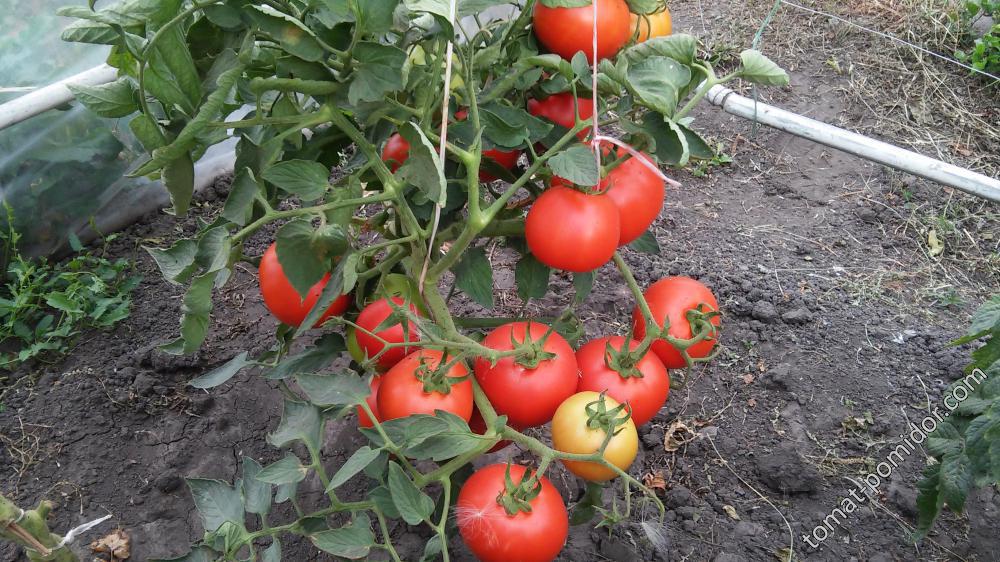
The Bobcat tomato is a well-known Dutch variety that has been delighting gardeners in our country with its productivity for over 10 years.
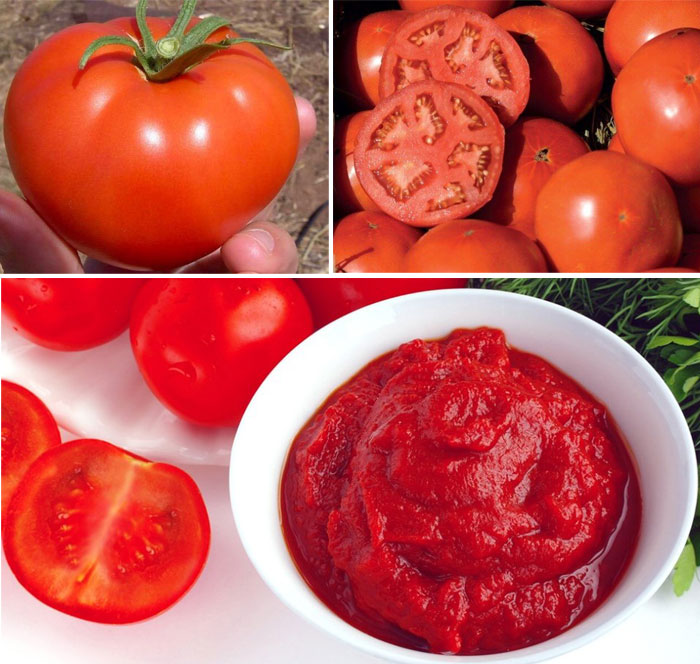
Content
- 1 Table with characteristics of the Bobcat tomato variety (classic)
- 2 The origin of the Bobcat tomato variety
- 3 A detailed description of the classic Bobcat tomato variety
- 4 Advantages and disadvantages of the Bobcat tomato variety
- 5 Growing the Bobcat tomato variety
- 6 Resistance of the Bobcat tomato variety to diseases and pests
- 7 Harvesting, using and storing the Bobcat tomato variety
- 8 Comparison of the Bobcat tomato variety with other varieties in the table
- 9 Gardeners' reviews of the Bobcat tomato variety
Table with characteristics of the Bobcat tomato variety (classic)
| Characteristic | Description |
| Description | A late-ripening determinate hybrid variety developed by Dutch breeders |
| Ripening period | 120-130 days |
| Fruit weight | 90-226 g |
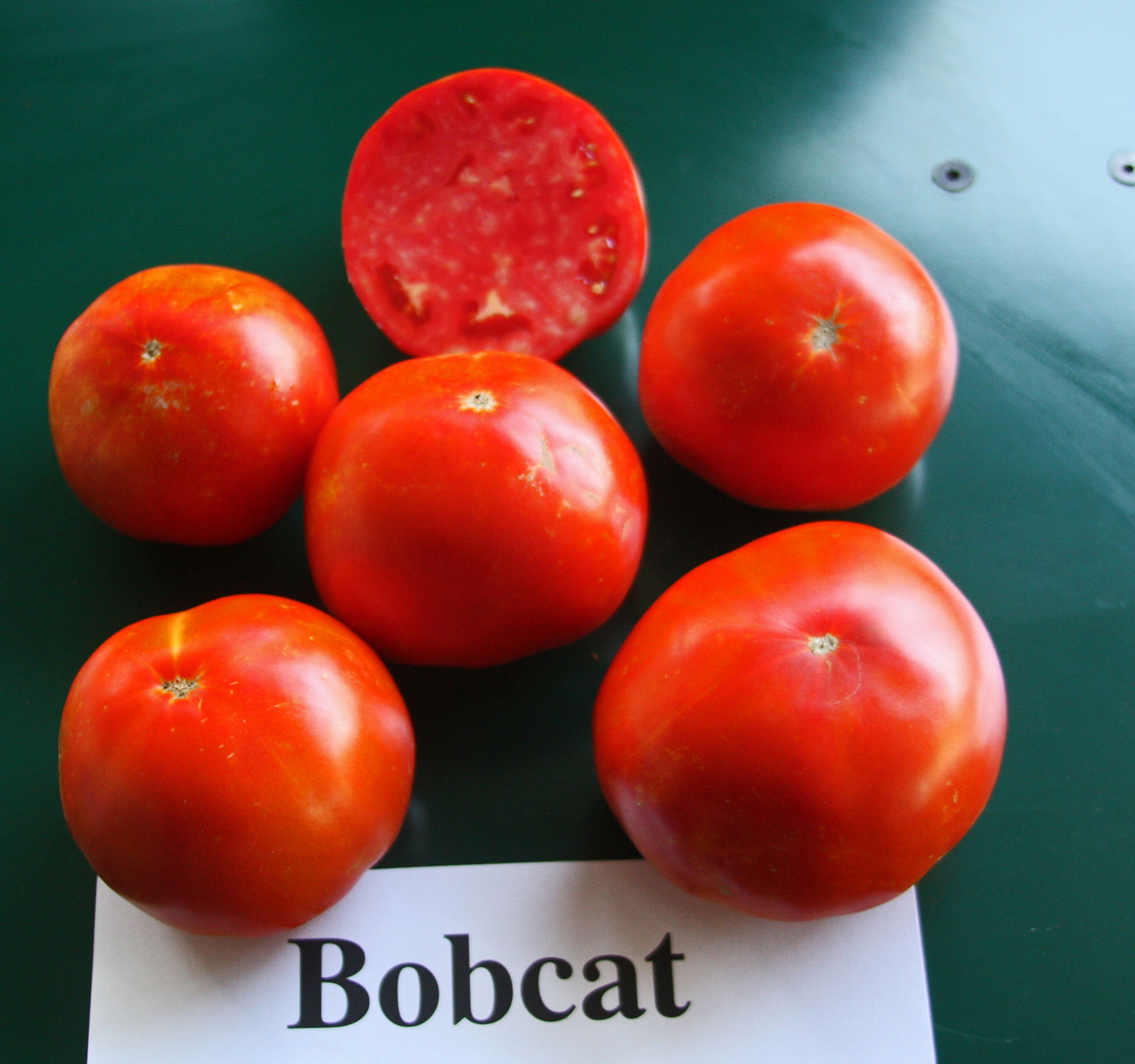
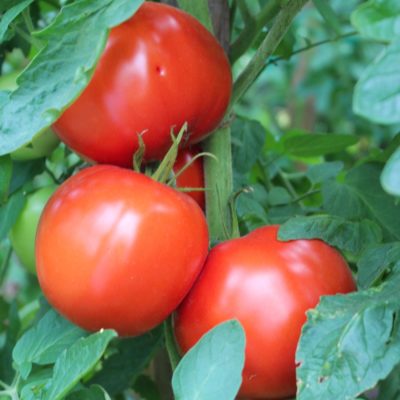
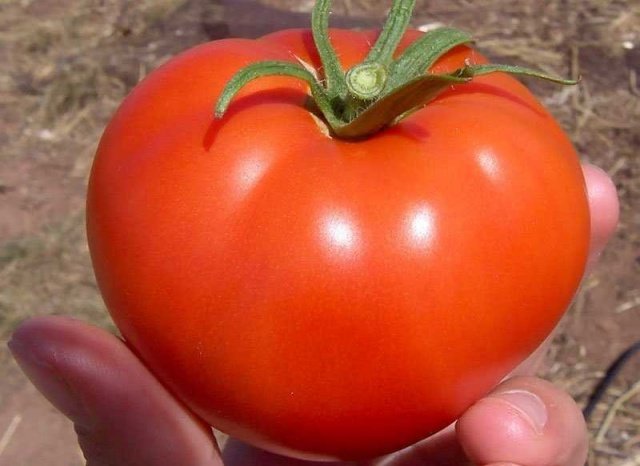
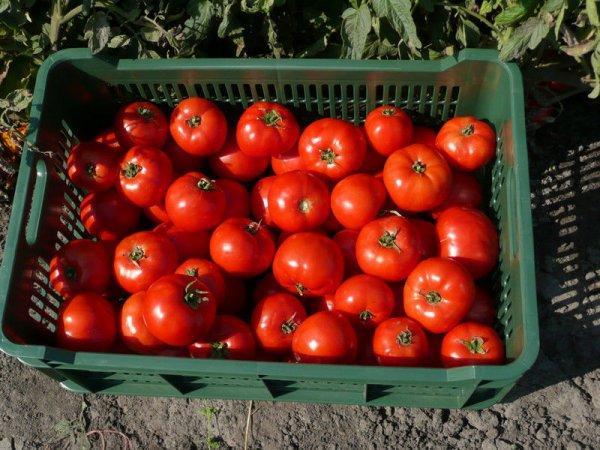
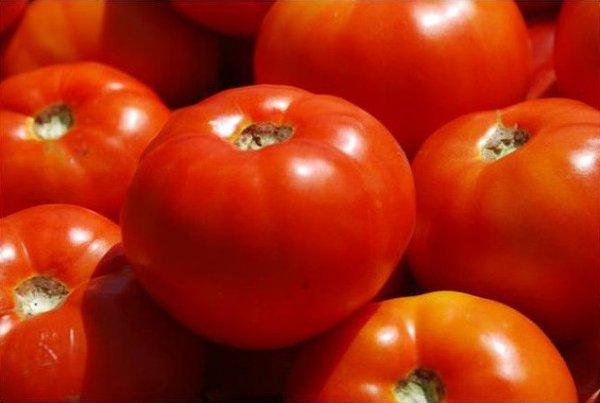
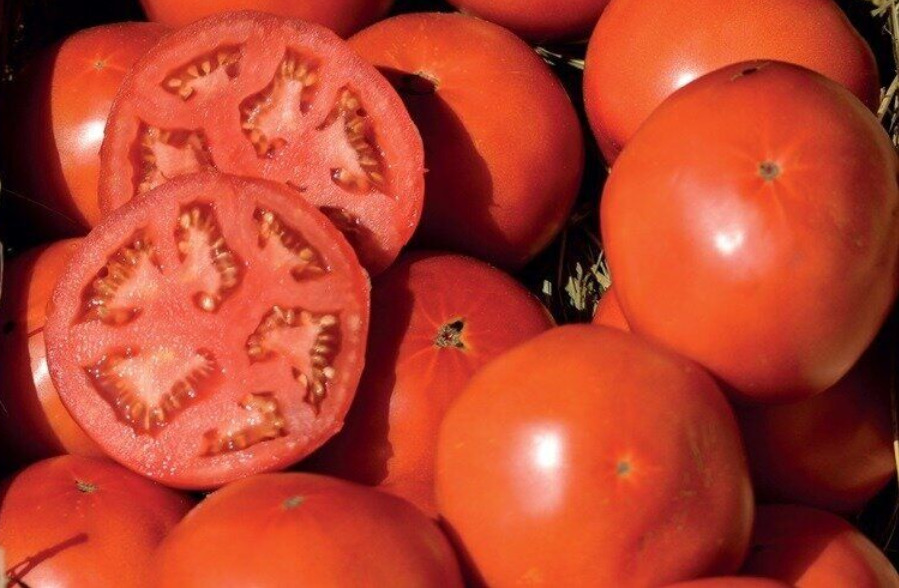
| Description of the fruit | The fruits are round, slightly flattened at the ends. The ribbing is pronounced, and the color is bright red. |
| Productivity | 224-412 c/ha |
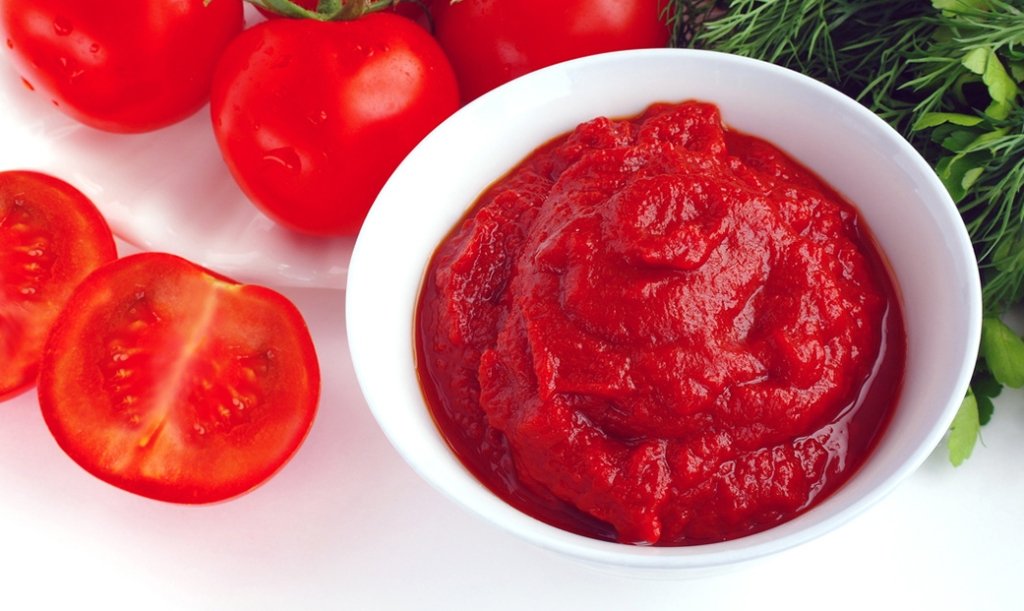
| Usage | A salad variety, the harvest is rarely canned due to the relatively large size of the tomato, but is sometimes used for preparing juices, pastes and sauces. |
| Preferred growing regions | In warm regions it can be grown in any way, but in the middle zone it survives only when planted in greenhouses. |
| Disease resistance | It is resistant to fusarium, verticillium wilt, and can sometimes be affected by late blight. |
| Agricultural technology | The shoots reach a height of 1-1.2 m. They require tying and shaping. |
| 2007 | |
| Originator | SYNGENTA SEEDS BV (Netherlands) |
Photo gallery of the Bobcat tomato variety
The origin of the Bobcat tomato variety
In the 2000s, the Bobcat tomato was developed by Dutch breeders. It received rave reviews from gardeners and began to spread worldwide. In Russia, it was initially intended for cultivation in the North Caucasus region, but some time later, it was successfully grown in greenhouse conditions in the temperate zone. It received official recognition and a place of honor in the register in 2007.
A detailed description of the classic Bobcat tomato variety
The Bobcat hybrid tomato is distinguished by its small bushes and excellent yield, despite its compact size.
Bushes
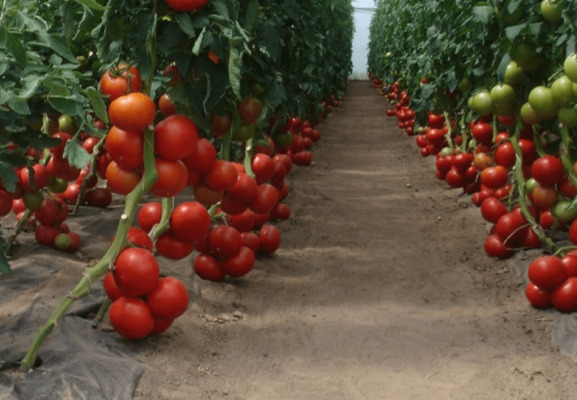
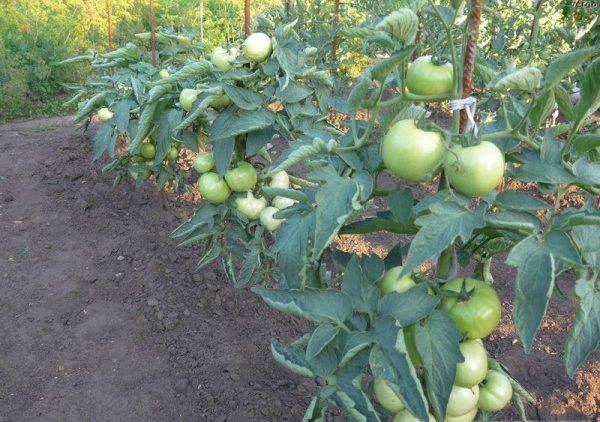
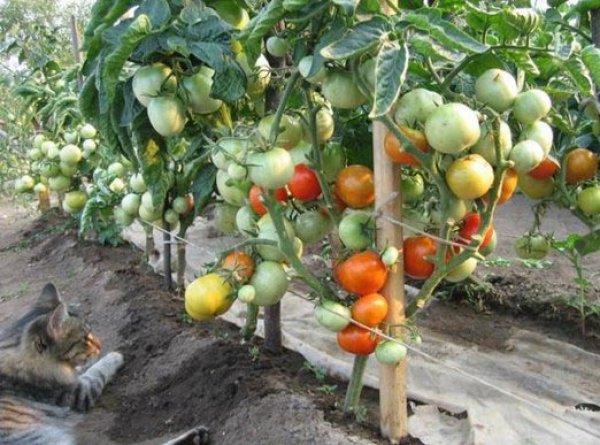
The Bobcat variety is considered determinate, with shoot growth limited to approximately 120 cm. The leaves are large and dark green. After the sixth or seventh leaf, the first ovary begins to form on the shoot. The shoot itself stops growing after the final ovary appears at its crown.
The manufacturer recommends training the bush into a single shoot. To achieve this, all side shoots and side shoots must be promptly removed. The more shoots left on the tomato plant, the smaller the resulting harvest will be.
Fruit
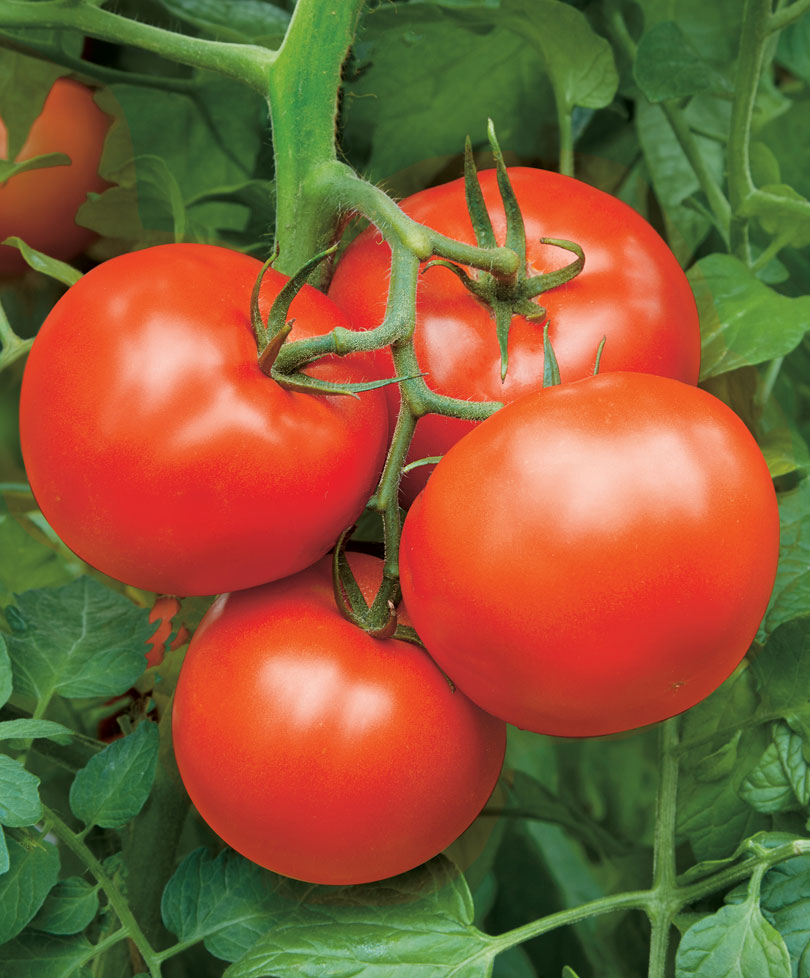
The fruits are round, but slightly flattened at the ends. The tomatoes are bright red, and their surface is impressively ribbed. There is no green spot near the stem, and the fruit is uniform in color. The skin is thin but firm, allowing the harvest to be stored for a long time and transported over long distances.
Fruit weight varies from 90 to 226 g, depending on their location on the vine. The tomatoes are sweet with a subtle tartness. The flesh is firm and juicy, and contains 4 to 7 seed chambers.
Productivity
Bobcat is considered a high-yielding variety. With proper cultivation, up to 5 kg of tomatoes can be harvested per square meter. Depending on conditions, yields range from 224 to 412 c/ha.
Ripening time
The Bobcat tomato is a late-ripening variety. The crop ripens no sooner than 120 days after the first shoots emerge. Sometimes this period can extend to 130 days.
Growing regions
The Bobcat tomato is intended for cultivation in warm climates. It was originally zoned for the North Caucasus, but gardeners in the central part of the country later adapted it for greenhouse cultivation. Residents of northern regions may not get a harvest due to the late ripening of the fruit.
Advantages and disadvantages of the Bobcat tomato variety
The Bobcat tomato variety has a number of advantages and disadvantages.
| Advantages | Flaws |
|
|
Growing the Bobcat tomato variety
The Bobcat tomato is a relatively undemanding tomato if grown in suitable conditions.
Sowing seeds and growing seedlings of the Bobcat tomato variety
The Bobcat tomato is a hybrid, so you can only buy seeds from the grower; you can't collect them yourself.
It's best to purchase planting material from reputable suppliers. These seeds typically undergo all necessary preparation steps immediately before sale. At home, you don't even need to soak them to preserve the protective nutrient coating.
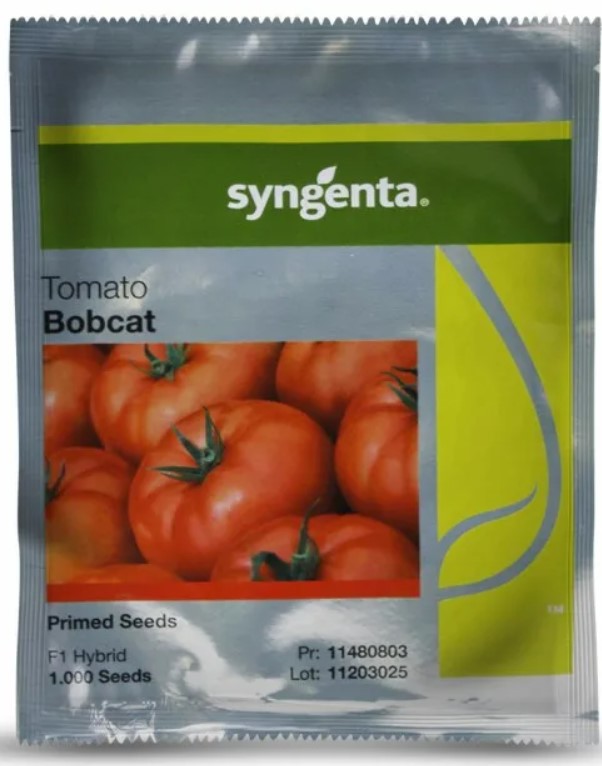
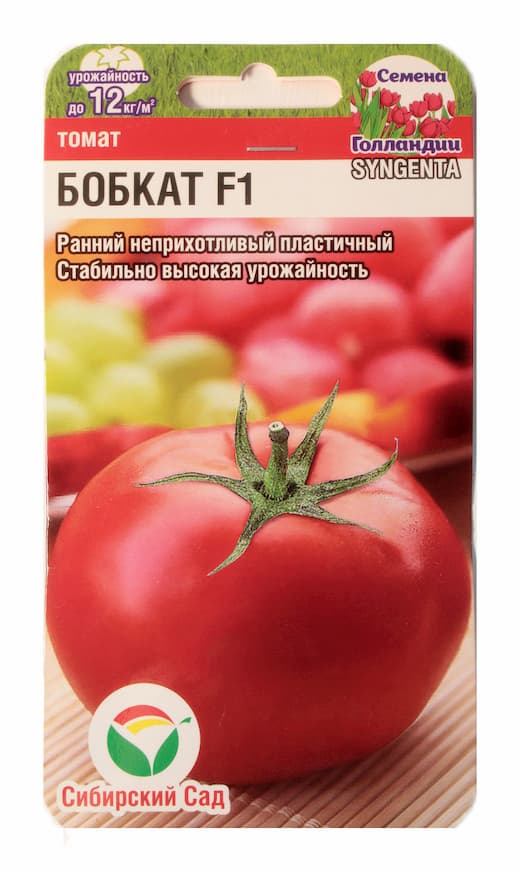
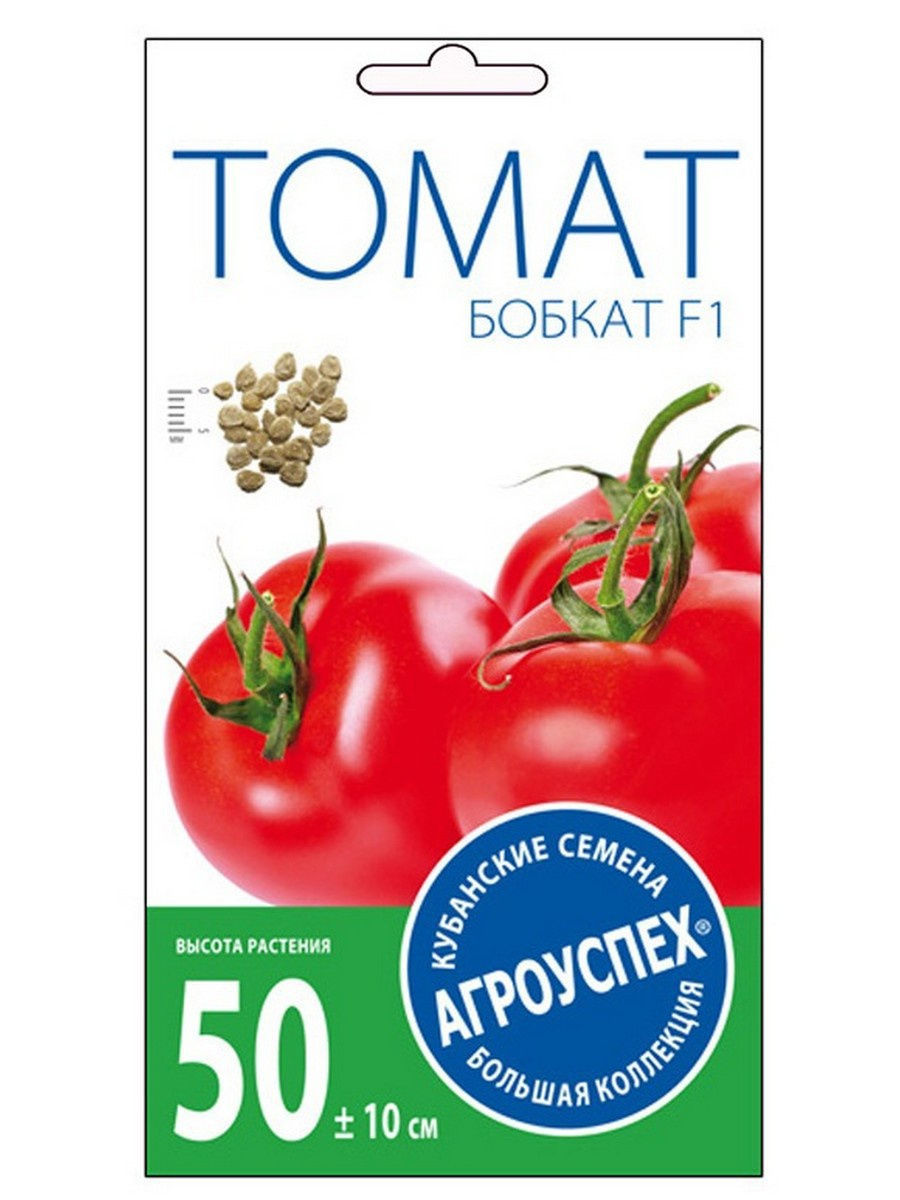
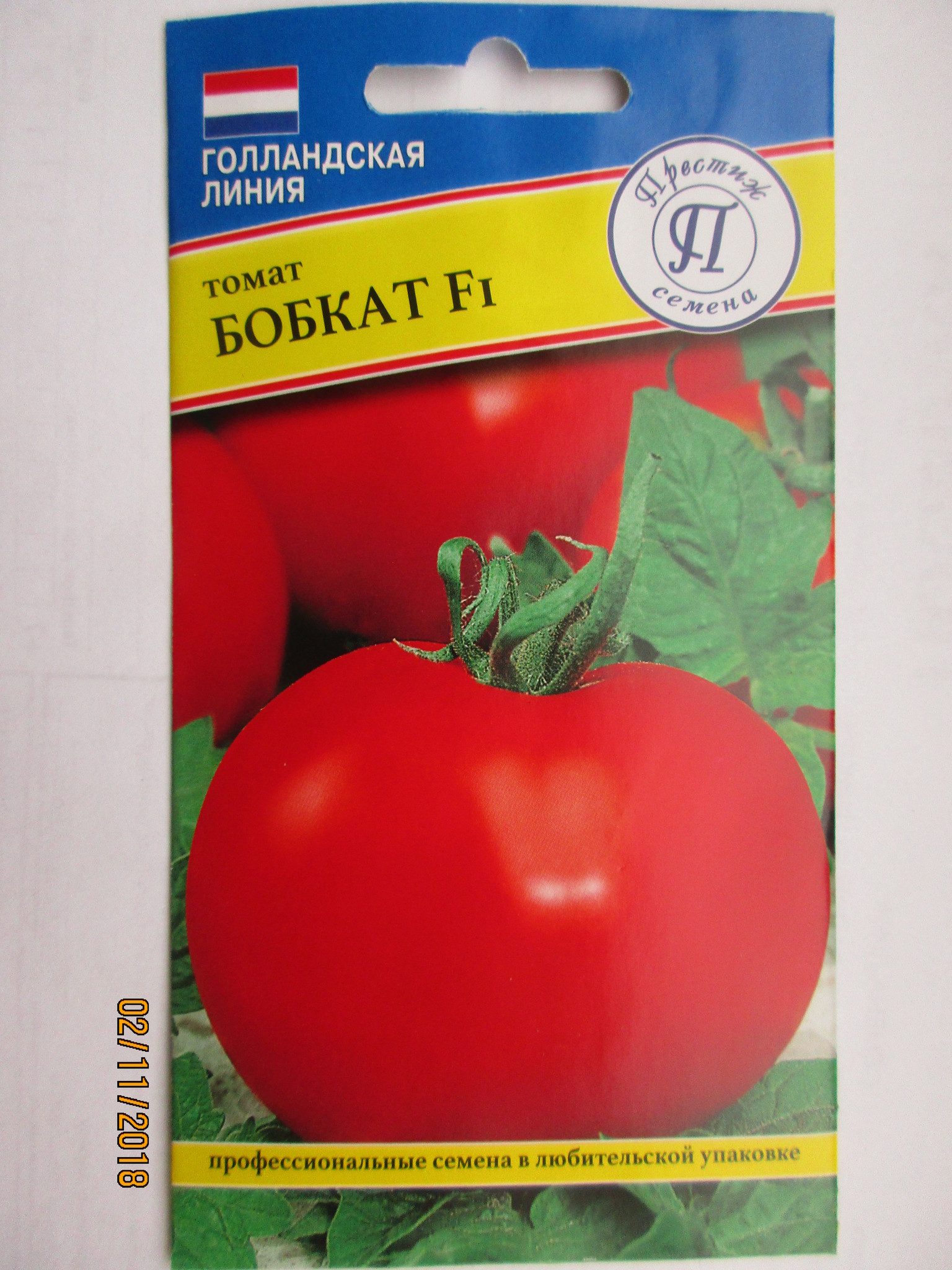
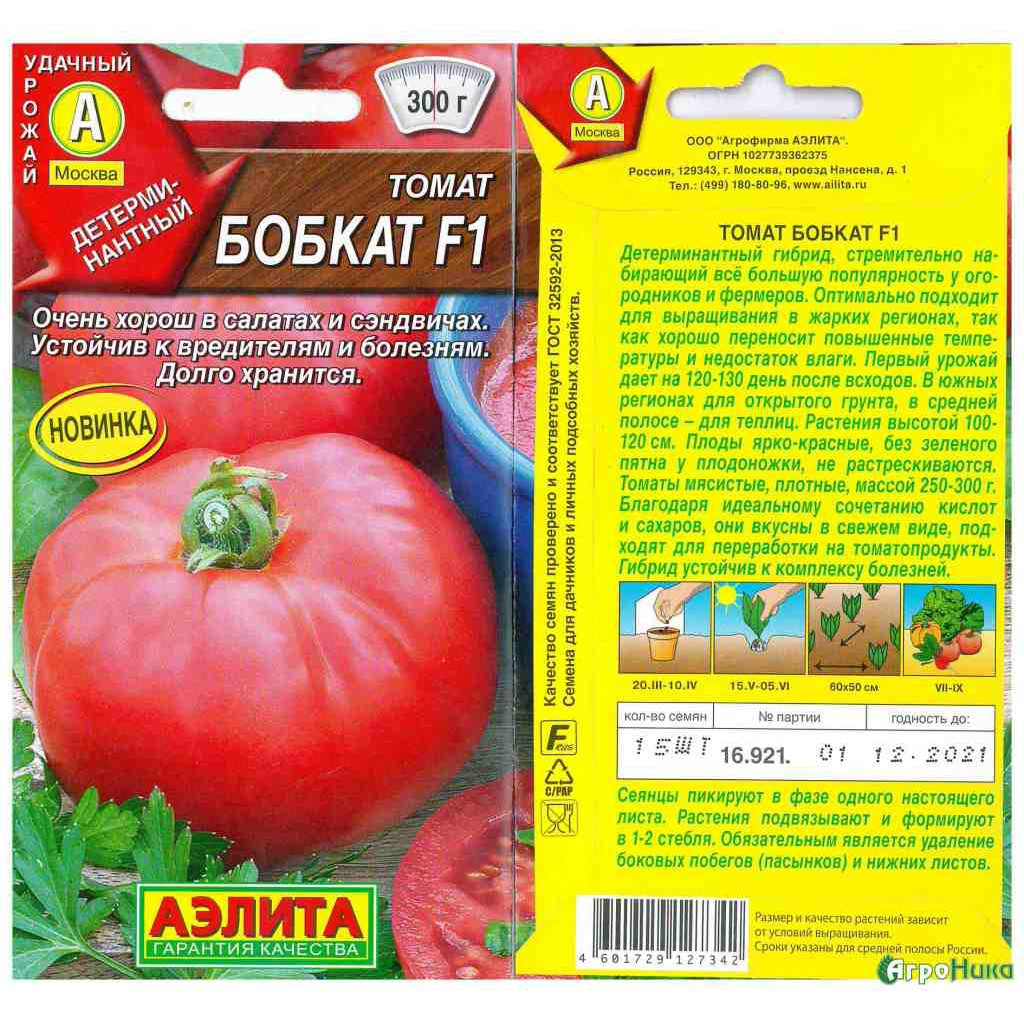
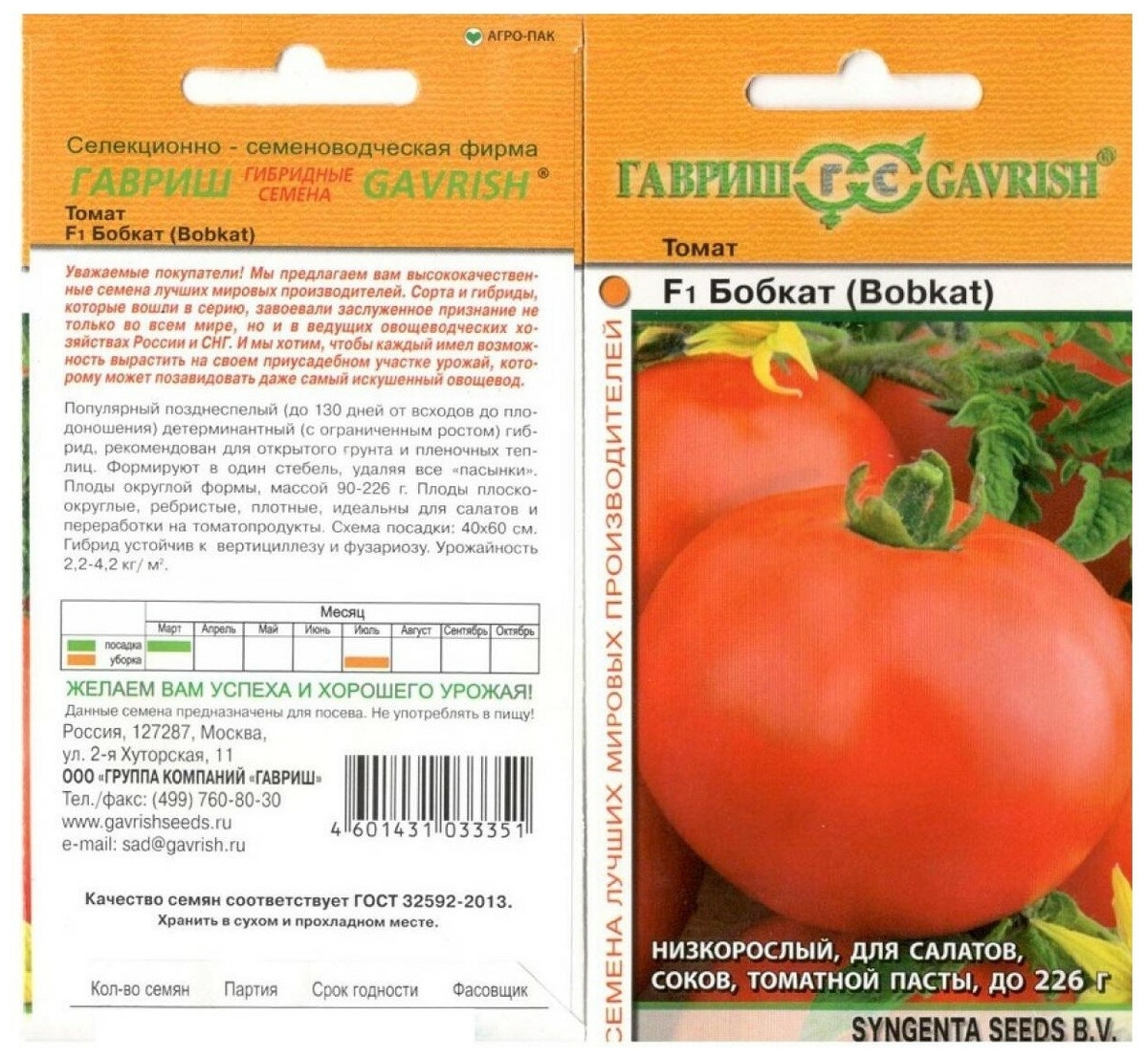
If treatment has not been performed, soak the seeds in a stimulating solution and germinate them before planting. To do this, place the seeds in a damp cloth and place them in a warm place until sprouts appear.
It's recommended to plant tomatoes approximately 60-65 days before moving them to their permanent bed. It's best to purchase soil from a specialty store, as it's already balanced. If you plan to use garden soil, add the same amount of sand, peat moss, and humus.
Half of a prepared container is filled with soil mixture, furrows about 1 cm deep are made on top of it, seeds are placed there at a distance of 2 cm from each other and sprinkled with soil.
After this, watering is carried out, and the container is covered with glass or film.
The resulting greenhouse is placed in a warm location and periodically ventilated. The covering can be removed once most of the sprouts have emerged from the ground. Once a pair of leaves have formed, the plants are pricked out.
Two weeks before planting tomatoes, you can harden them off by taking them outside or onto the veranda for a few hours.
Planting the Bobcat tomato variety in the ground
Transplanting tomatoes into open ground begins 60-65 days after planting the seeds. Typically, this period varies from the first ten days of April to the last ten days of May in different regions.
The main condition for good seedling survival is the air and soil temperature, which should not be below 12 degrees.
Before planting, dig holes about 15 cm deep and 40 cm apart. A 50 cm gap between rows is sufficient. Some gardeners prefer to dig holes in a staggered pattern to make future care easier.
It is better to water the soil and seedlings in advance, and then transfer them to the garden bed along with the lump of soil on the roots.
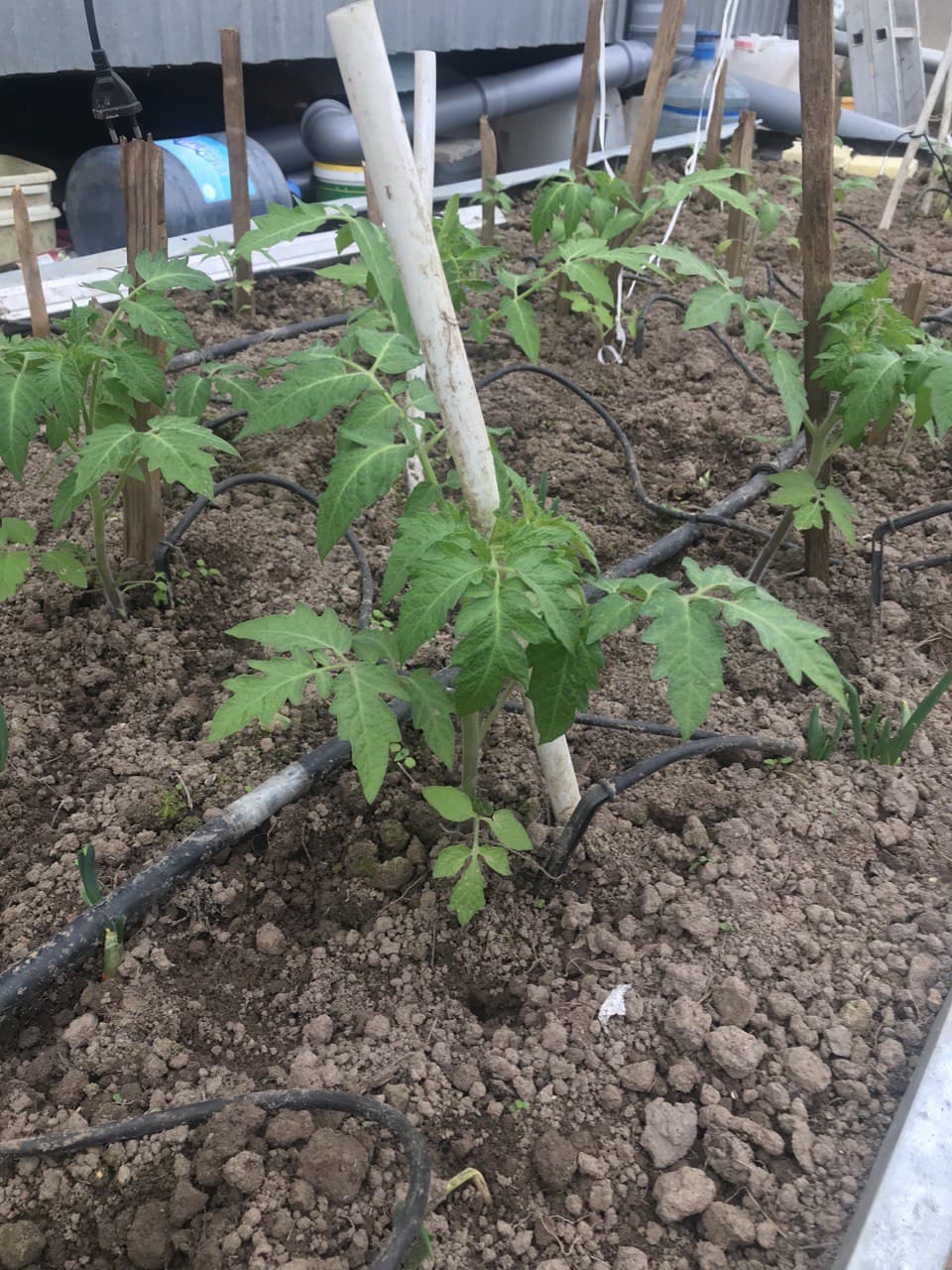
Care, watering and fertilizing of the Bobcat tomato variety
If tomatoes are grown in the same spot year after year, it's necessary to add various fertilizers, both chemical and organic, to the soil. It's recommended to add them in the fall after tilling the soil.
After planting, tomatoes need watering. Initially, this is done once a week, but after the onset of hot weather, the frequency increases two to three times.
The Bobcat tomato plant, despite its modest size, requires support. This hybrid's growth can stop at 50 cm or continue up to 120 cm, so it's best to plan for support in advance.
During the season, it's recommended to add organic fertilizers, but no more than three times. Cow manure or weed infusion can be used. In the early stages after planting, you can feed the tomatoes with nitrogen-containing fertilizers. However, don't overdo it; 1-2 applications are sufficient, otherwise the plant will waste all its energy on developing green mass.
After planting, it's recommended to mulch the bed with bark, sawdust, or straw. This will protect the tender tomato roots, prevent weeds from growing, and help retain moisture within the bed.
Once the shoot reaches 15 cm, you can begin staking it. It's recommended to train the bush into a single stem to maximize the yield. Therefore, remove all additional shoots and side shoots promptly.
Resistance of the Bobcat tomato variety to diseases and pests
The Bobcat variety is known for its robust immunity, making it a popular choice for commercial tomato planting. It's resistant to viruses, though in rare cases, late blight may occur during poor weather conditions.
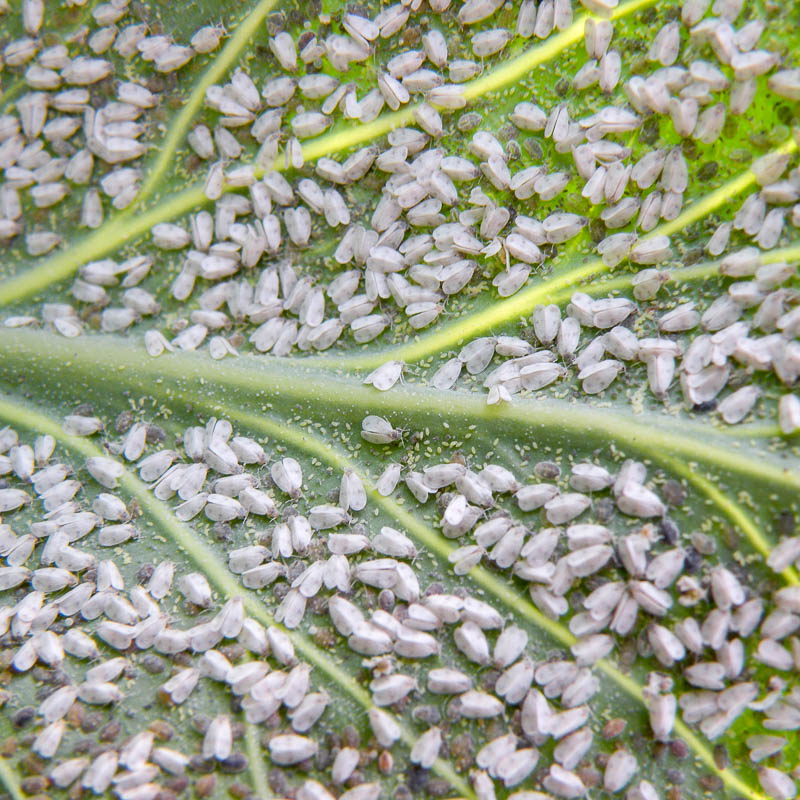
To prevent diseases, spray the bushes with phytosporin or Bordeaux mixture. If whiteflies attack the plantings, Actellic, Confidor, and other products will help combat them.
Harvesting, using and storing the Bobcat tomato variety
Bobcat tomatoes ripen 120-130 days after germination. They are most often eaten fresh, as they have a long shelf life. Sometimes the harvest is processed into juices, pastes, or sauces. Less frequently, they are canned and pickled.
Thanks to their thick skin, tomatoes easily survive long-distance transportation.
Comparison of the Bobcat tomato variety with other varieties in the table
Please note! How can you easily convert centners/ha to kg/sq.m? Simply divide by 100! For example, the Abakansky Pink tomato yields 400 centners of marketable fruit per hectare. This equals 4 kg per square meter. It's that simple! Also, keep in mind that typically no more than 3-4 plants are planted per square meter. This way, you can calculate the yield per bush. In the case of the Abakansky Pink, it's about 1 kg.
| Variety | Ripening period (number of days from full germination to ripening)
Yield of commercial fruits |
Brief description | Fetus |
| Bobcat | 120-130 days
224-412 c/ha |
A late-ripening, determinate variety for open ground. Suitable for salads and processing into tomato products. Marketability 75-96%. | Flat-round, ribbed to strongly ribbed, dense, red, 90-226 g. The taste of the fruit is good, the tomato juice is good to excellent. |
| Abakan pink | 120 days or more
400 c/ha |
A late-ripening determinate variety for open ground and greenhouses. Requires staking and training. Suitable for salads and processing into tomato products. | Flat-round, slightly ribbed, medium density and pink in color, 200-500 g. Good taste. |
| St. Andrew's surprise | about 120 days 800 c/ha |
A late-ripening indeterminate variety for greenhouses (can be grown outdoors in the south). Suitable for salads, juices, and tomato paste. Seedlings tolerate low light conditions well. | Flat-round, smooth, medium density, pink, 150-230 g. Excellent taste. |
| Big Dipper | 100-110 days
1150-1450 c/ha |
An early-ripening indeterminate variety for open ground and greenhouses. Requires staking and shaping. Suitable for salads. | Flat-round, slightly ribbed, medium density, pink, 210-260 g. Good taste. |
| Red and pink bull | 110-118 days
385-392 c/ha |
A late-ripening determinate variety for open ground and greenhouses. Suitable for salads. Marketability: 89.5-90.3%. | Large, medium-ribbed, flat-round, red with a dark spot near the stalk, 305-310 g. |
| Volgograd (5/95) | 116-130 days
374-1035 c/ha (20-25% of the total yield ripens within 15 days of fruiting) |
A late-ripening, indeterminate, standard, compact variety for open ground. Suitable for salads and processing into tomato products. | Flat-round, smooth and slightly ribbed, medium-sized and large, red, 90-150 g. Good to excellent taste. |
| Mushroom basket | 115-120 days 630 c/ha |
A late-ripening, indeterminate, standard variety for open ground and greenhouses. Requires staking and shaping. Suitable for salads. | Flat-round, very strongly ribbed, medium density, pink, 250 g. Good taste. |
| Kate | 80-85 days
326-550 c/ha |
An early-ripening determinate variety for open ground. Suitable for salads. Marketability: 84-90%. | Flat-round, smooth, crack-resistant, red, 80-92 g. Good to excellent taste. |
| Katya is pink | 80-85 days
1600-1800 c/ha |
An early-ripening determinate variety for open ground. Suitable for salads. Marketability: 84-90%. | Flat-round, medium density, smooth, pink, 120-130 g. Good taste. |
| Kostroma | 105-110 days
1350-1500 c/ha |
A mid-season determinate variety for greenhouses. Requires staking and training. Suitable for salads, whole-fruit canning, and processing into tomato products. | Flat-round, slightly ribbed, glossy, red or orange, 80-150 g. Good taste, sweet and sour. |
| Golden Raspberry Miracle | 90-95 days, sometimes 100 days 1200-1500 c/ha |
Mid-early determinate variety for open ground and greenhouses. Suitable for salads and processing into tomato products. |
They can be flat-round, round, heart-shaped, or ovoid. All are raspberry or pink, ribbed or round, weighing 100-500 g. The taste is excellent. |
| Russian size | 125-127 days
700-800 c/ha |
A late-ripening indeterminate variety for greenhouses. Suitable for salads. | Flat-round, slightly ribbed, red, 630 g. Excellent taste. |
| Yusupovsky | 110-115 days
100-1200 c/ha |
A late-ripening, tall, indeterminate variety for greenhouses. Requires staking and training. Suitable for salads, juices, and sauces. | Flat-round, large, fleshy, pink-red, 400-800 g. When grown in open ground, the weight is from 200 g. |
Gardeners' reviews of the Bobcat tomato variety
Gardeners recognize the Bobcat tomato's many virtues. It's beloved for its ease of cultivation and excellent yield. Many note that the tomato's weight doesn't change depending on the ripening stage; it's always uniform.
Hello everyone! Have a nice day and good health!
Preparations for the summer cottage season are starting soon, and many of us are stocking up on vegetable and flower seeds.
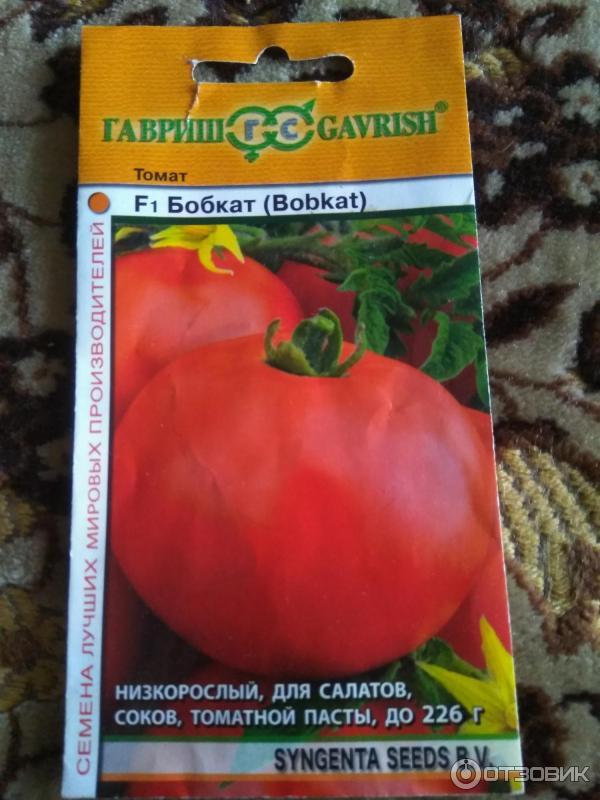
I would like to recommend you an excellent variety of tomatoes called Bobcat F1I bought them at the OBI hypermarket last year.
Before this, I studied many forums with reviews and decided to purchase these seeds.
I bought seeds from the Gavrish company, this manufacturer has never let me down.
The tomato is labeled as late-ripening, but mine ripened in early August.
Very productive, the fruits are all medium-sized, about the size of an apple.
Dense, excellent taste.
I didn’t put them on one stem, I had 2-3 main ones, and I pinched out the side shoots moderately.
The harvest was very large.
This year, my neighbor also decided to plant this variety.
My tomatoes grew in a polycarbonate greenhouse, which may be why they ripened faster.
I picked the ones that grew outside when they were already green at the beginning of September and let them ripen at home.They lay very well and ripened little by little.
The last ones were eaten at the end of October.
The variety was not sick with anything; I sprayed it once with a copper-containing preparation.
Feeds with diluted chicken manure and discarded grass.
I highly recommend you try this particular variety.
I have already bought it this year and will be sowing it soon.
Thank you very much for your attention.
Happy shopping and have a great mood everyone.
Sincerely, Irina
I learned about this tomato on the Internet when I was looking for seeds to buy.
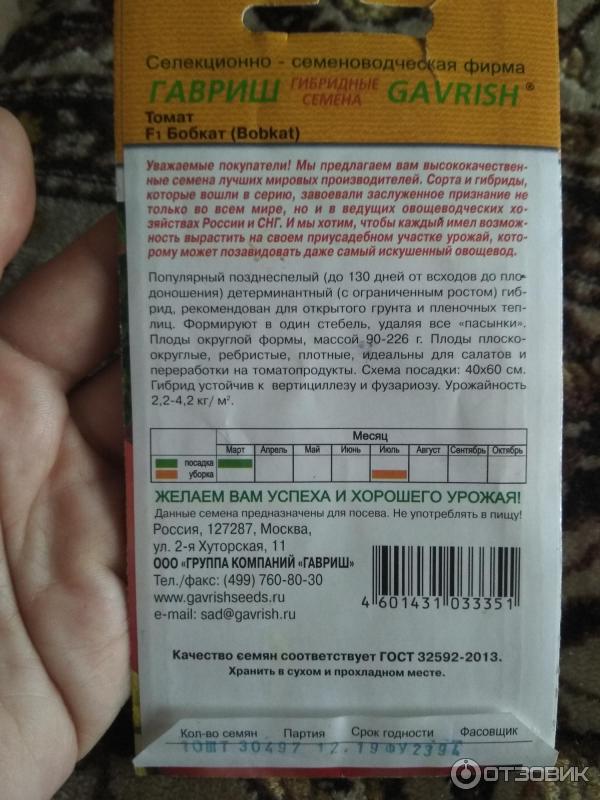
The Bobcat F1 tomato is resistant to late blight and other diseases, as long as the lower leaves are kept off the ground. The bush grows vigorously, and the fruits are large and do not crack. Periodic spraying with potassium monophosphate is very beneficial for tomatoes; it increases yield. I do not recommend overwatering, as watering causes the plant to absorb all the nutrients, while spraying only absorbs the micronutrients it needs, while the rest evaporates.
I only removed the lower leaves, but didn’t touch the tops, so that the tomatoes wouldn’t get baked in the sun.
Two years ago, my neighbor suggested I sow seedlings (she starts sowing every year in February) and brought me Bobcat tomato seeds. She buys them at a specialty store; we don't have any in our village. So, she brought me a hundred seeds, I sowed them, baked them, and planted them in the ground in May.
This tomato variety has excellent flavor, very tasty, with plump, juicy flesh. All the tomatoes are even and beautiful.
The harvest was simply incredible. I pickled three jars, about 40 jars, made several kinds of salads, and even gave some to relatives whose harvests weren't successful.
I planted the same variety this year. Even my seedlings of this variety are very different from my mother-in-law's seedlings of a different variety.
I have come to the conclusion that if you want to get a good harvest, it is better to buy seeds in packs of at least one hundred seeds and only in branded stores.
Good day everyone, I would like to share my impressions of the Syngenta Bobcat F1 tomato seeds.
These are the best and most well-known tomato seeds for higher yields and wholesale distribution. We plant only this tomato variety every year. They are easy to grow and have a 95% germination rate.
Planting should be done in a box at the end of January, then, after a month and a half, capping (which means planting each seedling in a cup) is done. This means they can be transplanted into a greenhouse in early spring, and harvested in mid-summer.
All seedlings are very large and naturally require special care. One seedling yields 4-5 kg of tomatoes over the entire season.
The fruits are very large, juicy, and very sweet. The color is rich, and the presentation is exquisite.
We really like this variety. I would definitely recommend it.
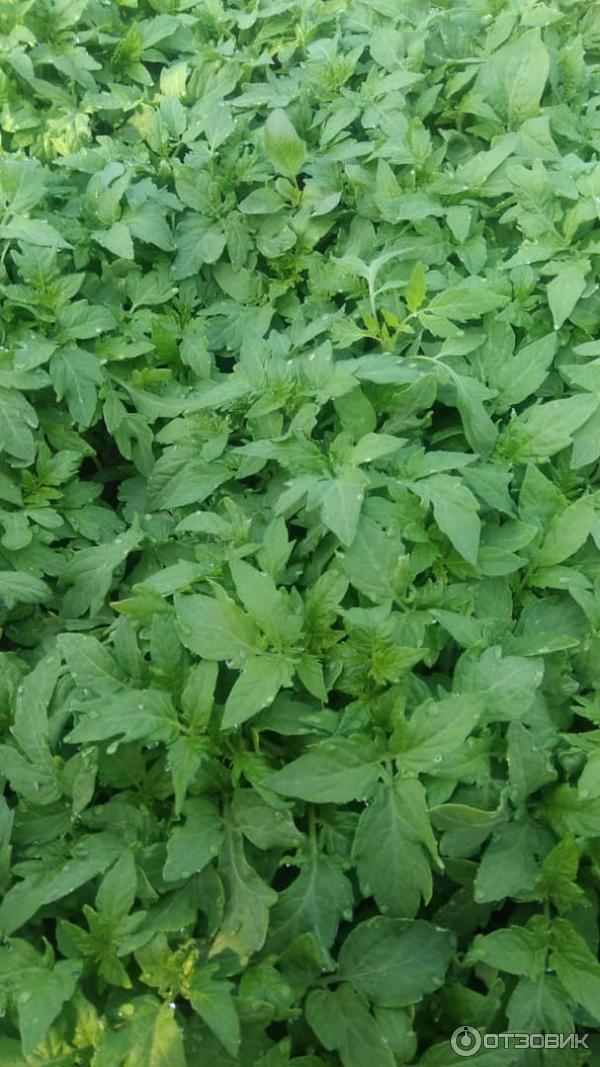
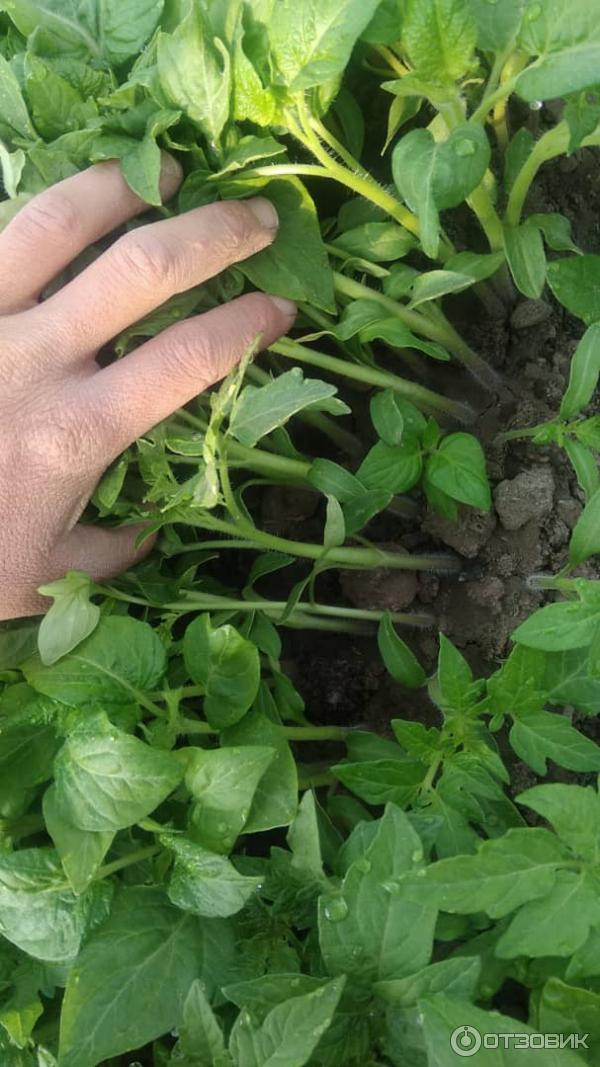
I bought these seeds last year. I bought them simply because they looked at the pictures, and also because they were Dutch. I'd heard that Dutch tomatoes don't get diseases.
Only eight of the ten seeds sprouted. I grew the seedlings and planted them in the ground. A couple more bushes of this variety were eaten by mole crickets. The rest have grown. The bushes are small, medium-sized, stocky, and what's especially pleasing is the yield. The tomatoes are medium-sized, not too big and not too small, but there are a lot of them. The neighbors came running to ask for tomatoes instead of seeds, but I had to disappoint them, since they are hybrids and shouldn't be harvested. As for the disease, to be honest, I didn't understand it myself. We have incredibly hot summers in Volgograd, so whether it was the disease or they were simply baked in the sun, I couldn't figure out, but I got a good harvest, despite the presence of those baked spots on some of the tomatoes. I'm very happy. I bought the same ones again this year. Good luck to you and a good harvest.
Last year I planted a lot of tomatoes, many different varieties, one of which was Bobcat! It's a mid-early, large-fruited, heat-tolerant hybrid! The fruit is very beautiful, bright red, and really large. The pods are quite large! At first, I thought that if they were large, they might be watery, but when I tried them, all doubts vanished! They're a very tasty, meaty tomato! Last year, the Bobcat yielded the best yield compared to other varieties of this crop! Bobcat fruits store well, don't crack, and transport well!
They're great for eating fresh, as well as for pickling, and the tomato juice they make is simply amazing!!)) This year, I won't have to think long about which tomato variety to plant; it's definitely the BOBCAT!
Thanks to Mikhail's recommendations (respect and respect), I planted a Bobcat in the open garden. It's a beauty, a joy, with vigorous bushes and abundant clusters. Despite the downpours and the onset of heat, it grows, blooms, and fills out. It's the envy of the neighbors. It's disease-free (treated according to Mikhail's system). Thanks to the Bobcat, I think my family won't be left without juice this year.
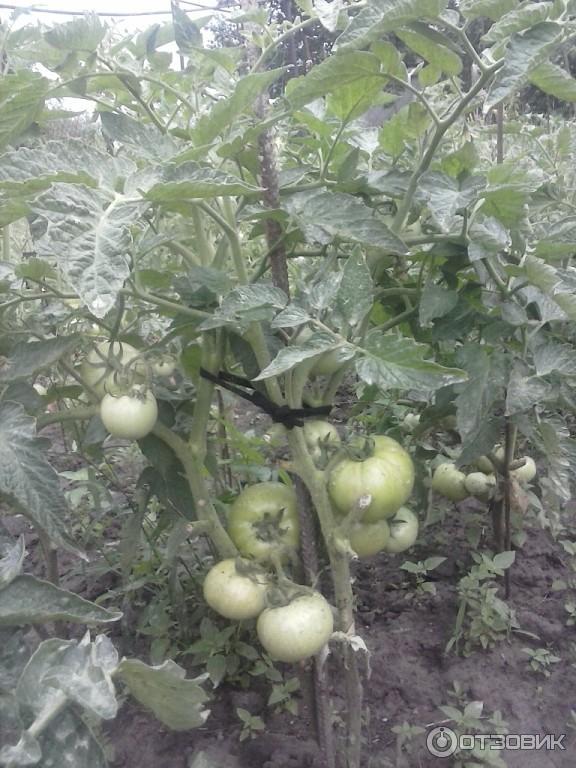
A good tomato, I'm glad I grew it this season. One plant was grown in a plastic greenhouse and three in the open ground. In both cases, it was very productive and disease-free. In the greenhouse, it reached 80 cm, and in the open ground, 60 cm. A great summer contributed to its excellent taste. I've already bought seeds for next season. In the photo, the plant is already missing one fruiting cluster.