Here we are, the New Year 2024. Winter is here, but that doesn't mean there's no work for gardeners. It's time to plant long-growing season flowers as seedlings, take care of your houseplants, and grow beautiful forced bulbs. And there are plenty of other activities to enjoy, which we'll cover in this article, along with suggestions on which days to do them.
To ensure that flowers and ornamental plants bring only joy, gardeners often recommend following the recommendations of the Lunar Calendar. So let's take a look.

Content
- 1 Favorable and unfavorable days for planting flowers in January 2024
- 2 Favorable and unfavorable days for various flower care tasks in January 2024
- 3 Moon phases and days by zodiac sign in January 2024
- 4 Lunar calendar of gardening activities for January 2024 by day
- 4.1 1.01-3.01 (until 03:46)
- 4.2 3.01 (from 03:46) - 5.01 (until 15:34)
- 4.3 5.01 (from 15:34) - 7.01
- 4.4 8.01-10.01 (until 04:32)
- 4.5 10.01 (from 04:32 a.m.) - 12.01 (until 06:01 a.m.)
- 4.6 12.01 (from 06:01 a.m.) - 14.01 (until 06:28 a.m.)
- 4.7 14.01 (from 06:28 a.m.) - 16.01 (until 07:49 a.m.)
- 4.8 16.01 (from 07:49 a.m.) - 18.01 (until 11:11 a.m.)
- 4.9 18.01 (from 11:11 a.m.) - 20.01 (until 16:58 p.m.)
- 4.10 20.01 (from 16:58) - 22.01
- 4.11 ♊Gemini, —, ◐, Flower days
- 4.12 5.01 (from 17:14) - 7.01
- 4.13 25.01 (from 10:37 a.m.) - 27.01 (until 22:12 p.m.)
- 4.14 27.01 (until 22:12) - 30.01 (until 11:04)
- 4.15 30.01 (from 11:04 a.m.) - 31.01
- 5 Florists' work in January
Favorable and unfavorable days for planting flowers in January 2024
The table below shows favorable dates for working with flowering and ornamental plants, days on which planting is undesirable, and also favorable only for certain groups or at certain times (see below).
| View | Favorable days | Unfavorable and prohibited |
| Annuals | 1—3, 3-7, 8—10, 14-16,18-20, 20—23, 27—30, 30-31 | 10, 11, 12, 13, 23—25, 26, 27 |
| Perennials, biennials | 1—3, 3-7, 8—10, 14-16, 16—18, 18—20, 27—30, 30-31 | |
| Corms for forcing | 1-7, 18-20, 27-31 | |
| Ampelous and curly | 1-5, 8-10, 20-22, 27-30 | |
| Indoor | 1-7, 16—18, 18—20, 27-31 |
Favorable and unfavorable days for various flower care tasks in January 2024
The table below shows favorable dates for classes with flowering and ornamental plants, days on which certain work prohibited, A Also favorable or unfavorable only during certain hours (see below).
| Works | Favorable days | Unfavorable and prohibited days |
| Transplantation, division of rhizomes | 1-5, 14-16, 23-24, 27-31 | 5-9, 10, 11, 12, 13, 16-22, 24, 25, 26, 27 |
| Pruning, cuttings | 1-5, 18-25, 27-31 | 5—10, 11, 12—18, 25, 26, 27, |
| Watering, loosening, fertilizing | 1-7, 14-16, 18—20 (without loosening), 27-31 | 8-10, 11, 12, 13, 16—18, 23-25, 26, 27, |
| Disease and pest control | 1-3, 5—14, 25—30 | 3—5, 14-16, 23-25, 30-31 |
| Blanks | 3-7, 14-20, 27 | 1-3, 10, 11, 12, 23-26, 27-30 |
Read the article to learn about the work of gardeners and vegetable growers in January. Lunar calendar for gardeners and vegetable growers for January 2024.
Moon phases and days by zodiac sign in January 2024
Each month, the Moon moves through phases, passing through different zodiac signs. These phases can be used to determine what actions, on a given day, should and can be taken with garden and indoor flowers, such as sowing, planting, and caring for them.

Conventional designations:
- «+" - good fertility;
- «+/-" - average fertility;
- «—" - low fertility;
- ◐ — Waxing moon;
- ◑ — Waning Moon;
- ● — New Moon;
- ○ — Full moon.
Moon phases in January 2024:
- ◑— 1-10, 26-31.
- ● — 11 (14 hours 57 minutes).
- ◐ — 12-24.
- ○— 25 (20h 54m).
Days according to the Zodiac signs:
- ♍ Virgo — 1-3 (until 03:46), 27 (from 22:12)-30 (until 11:04).
- ♎ Libra — 3 (from 03:46)-5 (until 15:34), 30 (from 11:04)-31.
- ♏ Scorpio - 5 (up to 15h 34m)-7.
- ♐ Sagittarius - 8-10 (until 04:32).
- ♑ Capricorn — 10 (from 04:32)-12 (until 06:01).
- ♒ Aquarius — 12 (from 06:01) - 14 (until 06:28).
- ♓ Pisces — 14 (from 06:28)-16 (until 07:49).
- ♈ Aries - 16 (from 07:49 a.m.)-18 (until 11:11 a.m.).
- ♉ Taurus - 18 (from 11:11 a.m.)-20 (until 16:58 p.m.).
- ♊ Gemini — 20 (from 16:58)-22.
- ♋ Cancer - 23-25 (until 10:37 am).
- ♌ Leo — 25 (from 10:37 a.m.) - 27 (until 10:12 p.m.).
Prohibited for planting days one day before and after the New Moon and Full Moon in January 2024: 10 (from 14:57), 11, 12 (up to 14:57), 25, 26.
Please note highlighted dates, planting work on them must begin and end at certain times (see above for days according to the signs of the Zodiac)
Lunar calendar of gardening activities for January 2024 by day
1.01-3.01 (until 03:46)
♍ Virgo +-, ◑, Root days.
Take a break from worries and celebrate the New Year.
If you want to work, you can do the following:
Work at home or in heated greenhouses:
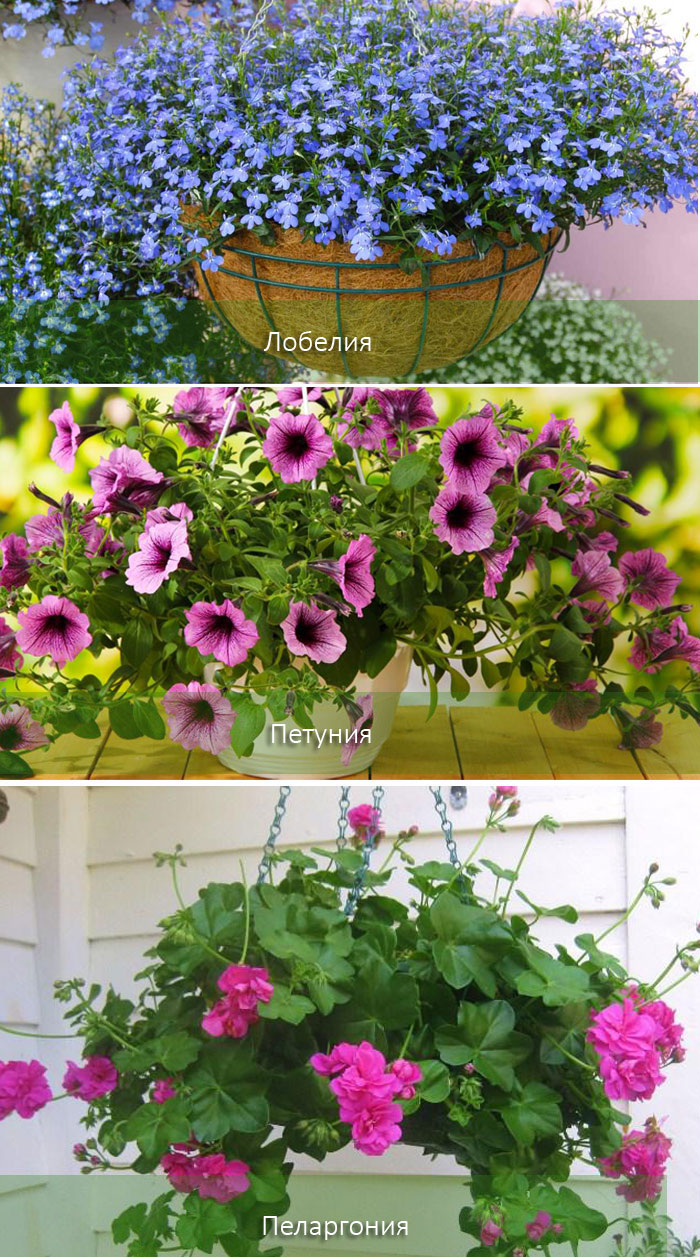
Good dates for planting and replanting any plants, especially climbing plants. These days are good for sowing trailing annuals and perennials (climbing pelargoniums, lobelia, petunias).
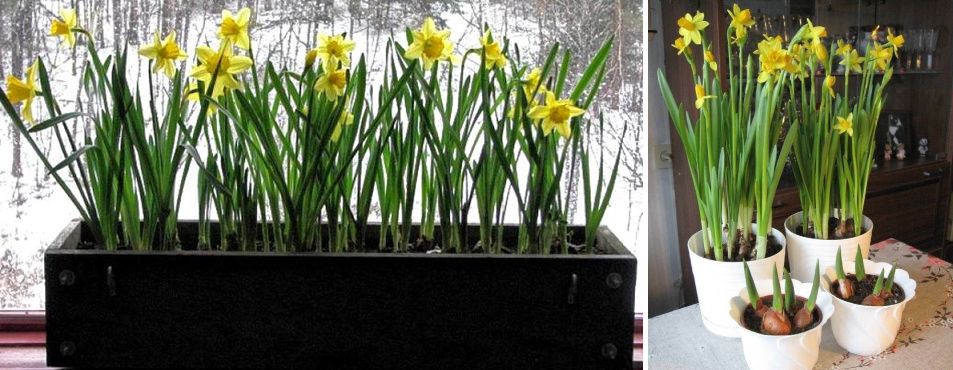
If you want to give a gift to yourself or your loved ones for March 8th, it’s time to plant tuberous And bulbous For distillationsYou can plant it now. begonias.
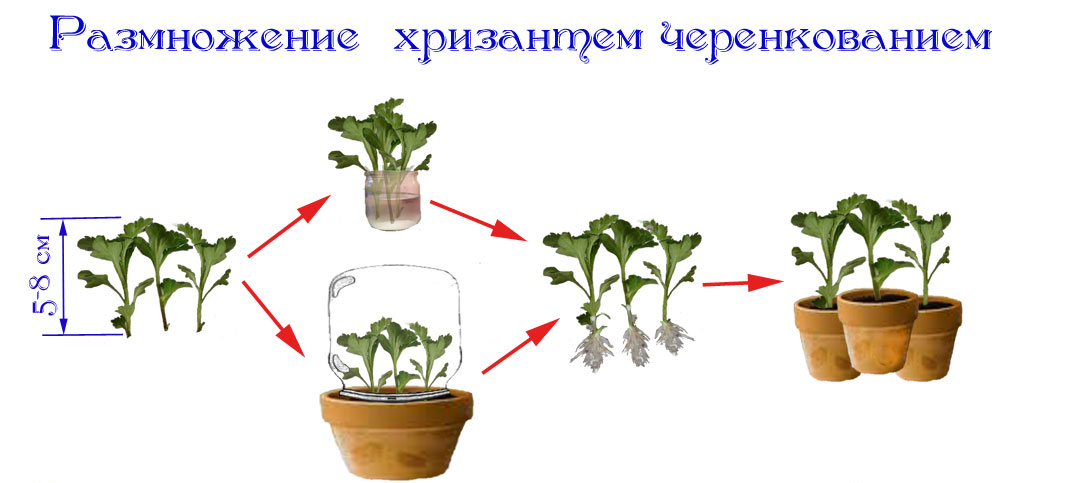
We plant and transplant succulents, take mother plant cuttings chrysanthemums, pelargoniums, petunias, hydrangeas, jasmine.
We water moderately, do root feeding and replant indoor flowers, and spray against diseases and pests.
Outdoor work: checking shelters, snow retention, rodent control.
3.01 (from 03:46) - 5.01 (until 15:34)
♎ Libra, +-, ◑, Flower days.
It is not advisable to use insecticides.
In warm conditions:
You can sow, plant and transplant any flowers, propagate them, and root cuttings.
We plant tuberous and bulbous plants for forcing. We check the safety of the planting material left for planting in the spring (gladioli, dahlias, crocosmia).
We perform formative pruning of ornamental crops.
Outdoor work: creating conditions for snow retention, rodent control.
5.01 (from 15:34) - 7.01
♏ Scorpio, +, ◑, Leaf Days.
It is not advisable to prune or propagate plants by dividing roots and bulbs.
Work at home or in heated greenhouses:
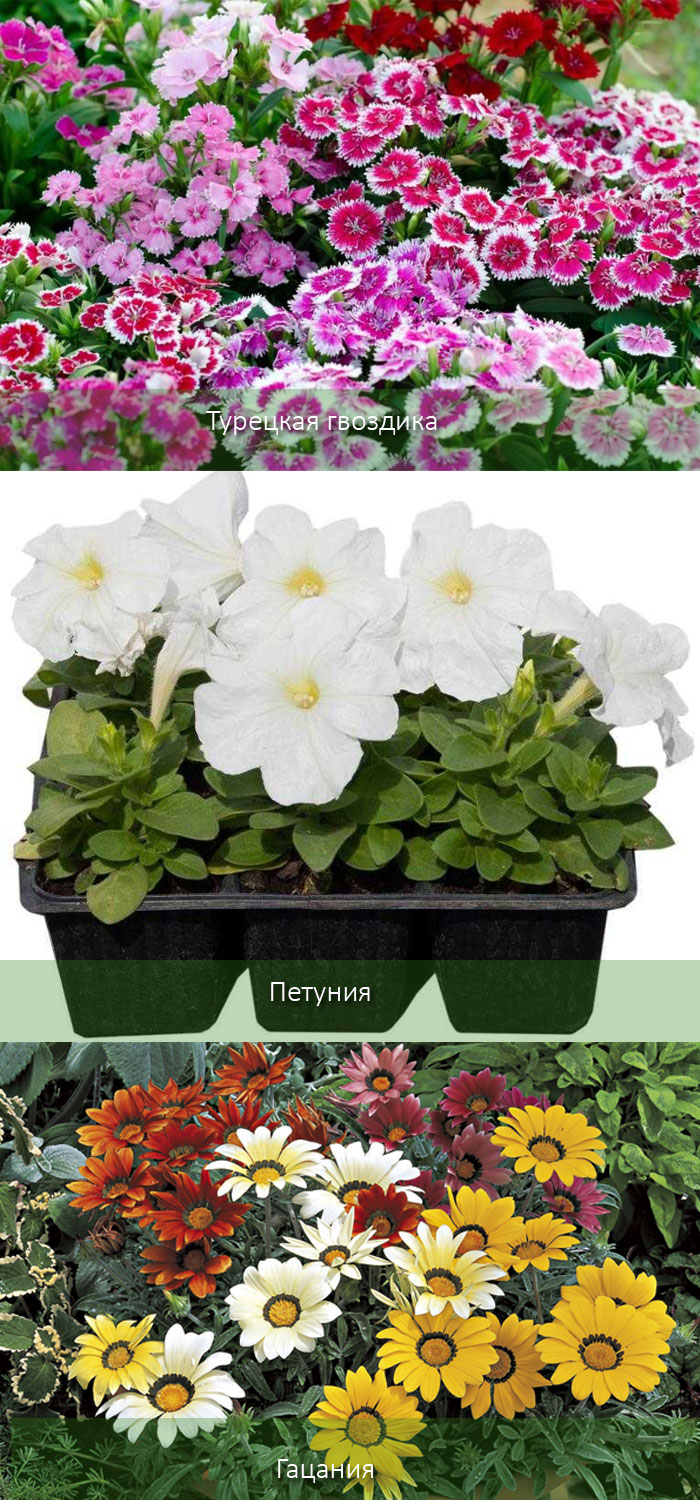
These days we continue to force out bulbous plants, sow seeds of annual and perennial flowers with a long growing season for seedlings (petunia, gazania, Turkish carnation and others), we water indoor plants well.
Outdoor work: checking shelters, snow retention, rodent control.
8.01-10.01 (until 04:32)
♐ Sagittarius, +-, ◑, days of Fruition
Do not water or prune.
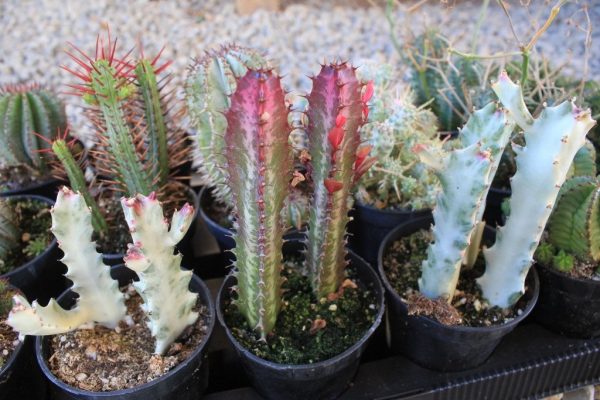
In the warmth You can sow seeds of annual, ampelous crops for seedlings, perennials with thorns, carry out preventive spraying against diseases and pests.
Outdoor work: creating conditions for snow retention, rodent control.
10.01 (from 04:32 a.m.) - 12.01 (until 06:01 a.m.)
♑ Capricorn, +-, ●, Root days
11.01 at 14:57 – Exact New Moon.
During these days, touching plants is prohibited. The following activities are permitted.
It is not recommended to disturb the root system of plants or loosen the soil deeply during these days.
We combat diseases and pests of indoor plants, removing dry and wilted flowers, stems and leaves.
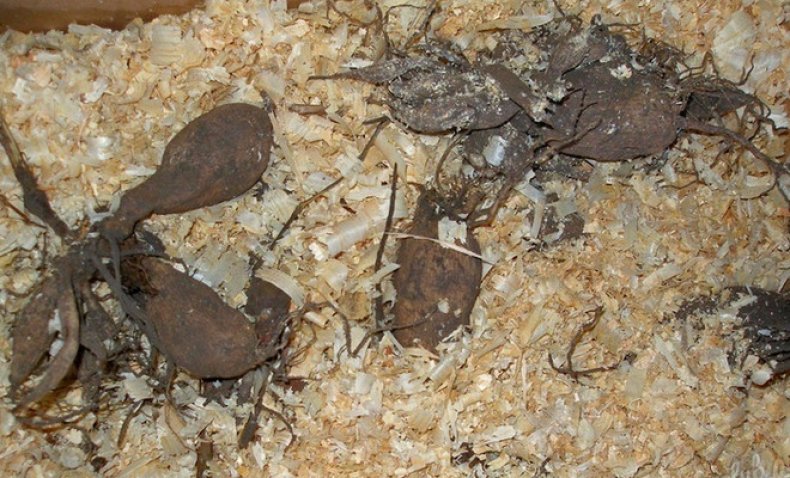
We check the condition of stored gladiolus tubers and other planting material for spring planting, removing spoiled ones and treating nearby ones with a 0.2% foundation solution, drying them, and storing them in clean containers. We disinfect and prepare containers for sowing and forcing. We set rodent traps.
Outdoor work: checking shelters, snow retention, rodent control. In severe frosts, opening greenhouses to allow the soil to freeze.
Only 10:01 to 14:57In warm conditions, sowing of annual flowers for seedlings is possible: salvia (sage), lobelia, Thunbergia, kobei, coleus, statice, balsam Waller, cineraria.
12.01 (from 06:01 a.m.) - 14.01 (until 06:28 a.m.)
♒ Aquarius, —, ◐, Flower days
It is not advisable to water or feed.
You can engage in pest and disease control of indoor plants.
We ventilate the rooms where flower tubers are stored.
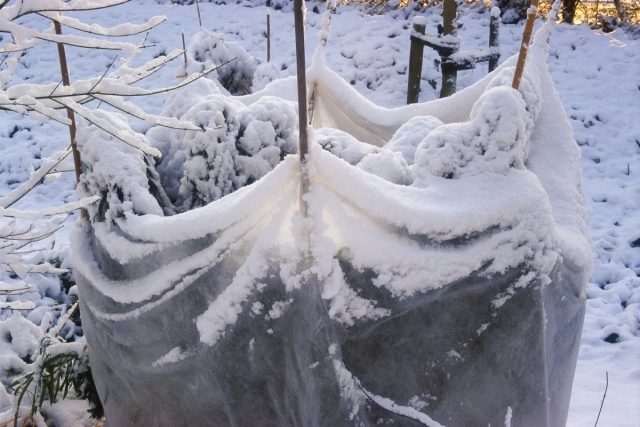
Outdoor work: checking shelters, snow retention, rodent control.
14.01 (from 06:28 a.m.) - 16.01 (until 07:49 a.m.)
♓ Pisces, +, ◐, Leaf days
It is not advisable to prune or treat the plant against insects and infectious agents.
In warm conditions:
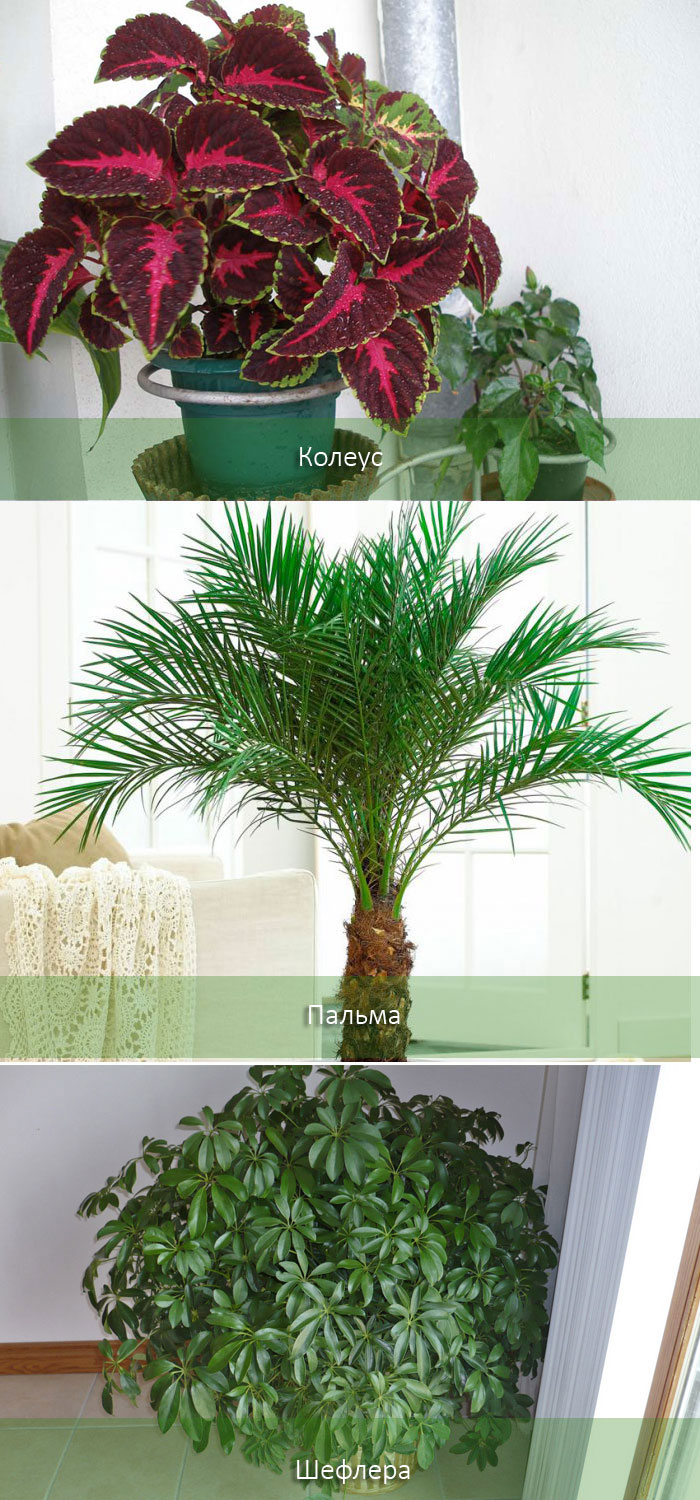
Planting and replanting perennials in warm conditions is recommended. We plant bulbous plants for forcing, although during the waxing moon it's better to give preference to other flowers. We sow annuals and decorative foliage houseplants (coleus, sheffler, palm), flowering crops planted under this sign will grow and develop well.
Water and feed moderately.
Outdoor work: creating conditions for snow retention, rodent control.
16.01 (from 07:49 a.m.) - 18.01 (until 11:11 a.m.)
♈ Aries, +-, ◐, days of Fruition
Planting and replanting plants, except for certain crops (see below), are not recommended. Also avoid shaping, pruning, fertilizing, and watering.
In greenhouse and indoor conditions:
We plant perennials with thorns and blooming with bright red and orange flowers, it is very good to plant them under the sign of Aries.eran. We loosen the dry soil in pots with indoor plants.
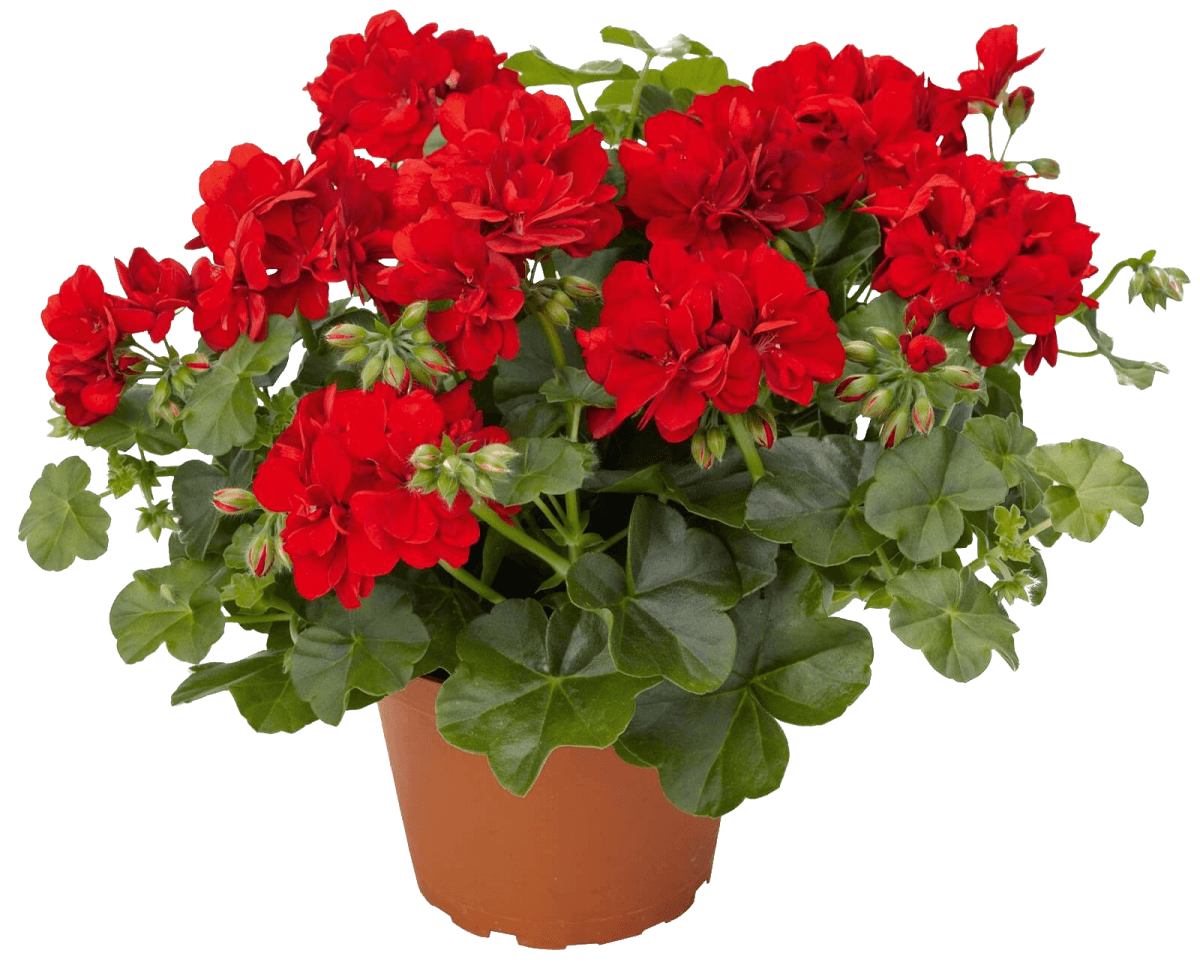
We inspect the ones left for storage until spring planting gladioli, begonias, dahlias, crocosmia.
Outdoor work: we add snow to the mulch layer of winter-hardy plants, we sink the tree trunks, we fight rodents.
18.01 (from 11:11 a.m.) - 20.01 (until 16:58 p.m.)
♉ Taurus, +, ◐, Root days.
Do not replant or loosen the soil in the rhizome area.
Work at home or in heated greenhouses:
If you feel like working, you can sow and plant perennials and force bulbous plants.
It is good to plant begonias and other bulbous plants, and to propagate flowering ones by dividing them. araceae, epiphytes, Saintpaulias.
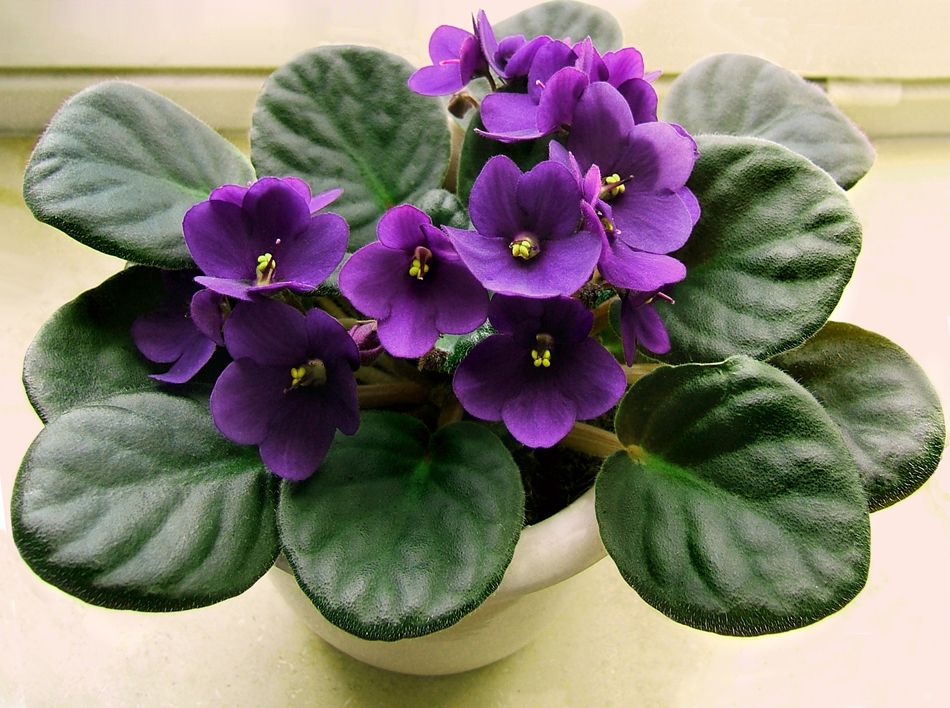
You can repot, but only by transshipment, perform formative pruning, take cuttings, water or provide a warm shower, and feed houseplants with mineral fertilizers. Prepare soil mixtures for seedlings.
Outdoor work: Check the roses' cover and add snow. During heavy snowfalls, regularly shake snow off conifer branches.
20.01 (from 16:58) - 22.01
♊Gemini, —, ◐, Flower days
It is not advisable to replant, water or fertilize.
In warm conditions:
We sow annual species with a long growing season, plant and sow climbing and ampelous crops, including perennials (clematis, morning glory, azarins). Sowing of tuberous, caudex (adeniums and others).
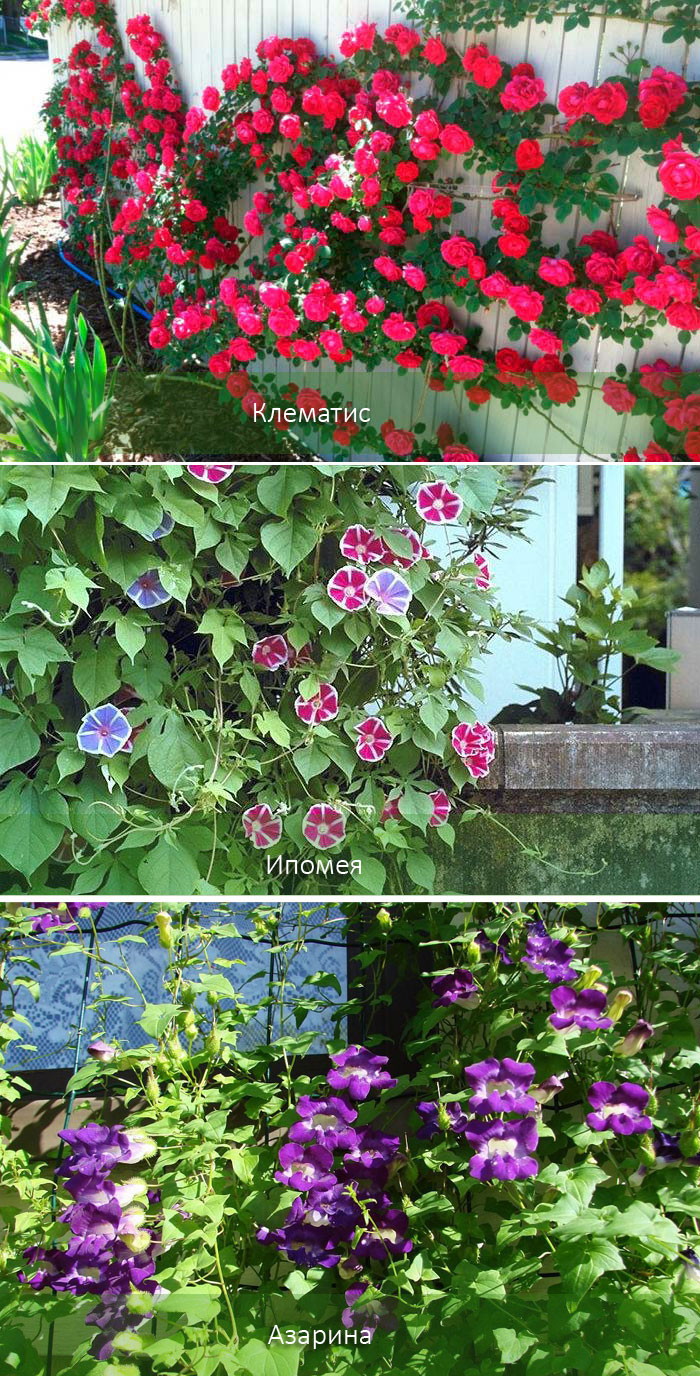
Inspection of plants wintering in the basement (hydrangeas And fuchsia), as well as bulbs and corms.
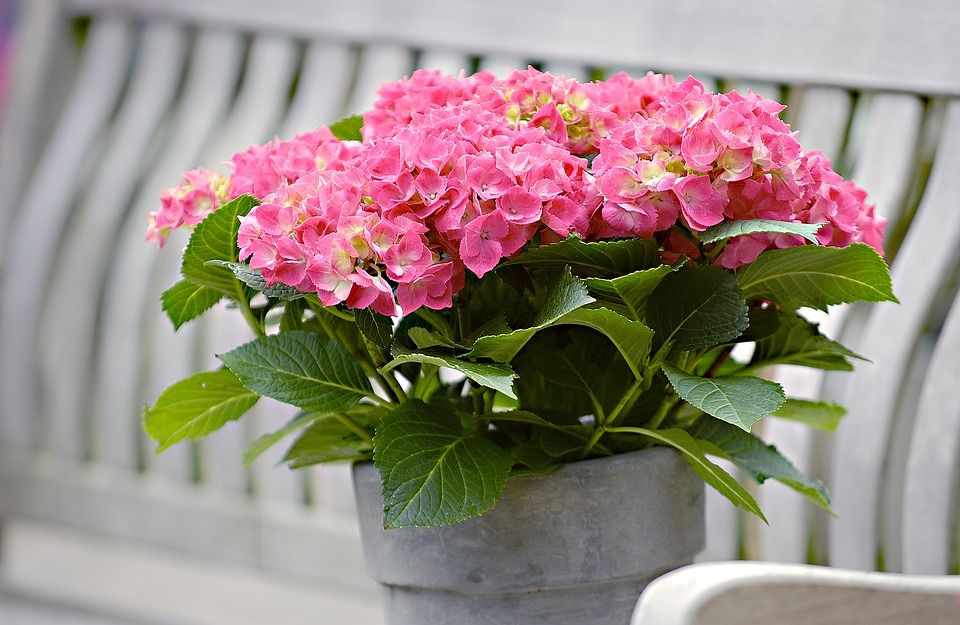
Outdoor work: checking shelters, adding snow.
5.01 (from 17:14) - 7.01
♋ Cancer, +, ○, Leaf days
It is not recommended to use toxic products. Avoid sowing trailing and climbing plants.
Work to retain snow on the site, control of nesting pests.
The following work must be completed before 24.01 20h 54m, as the Full Moon period is approaching, when any planting and watering work is prohibited.
In indoor and greenhouse conditions:
We propagate non-flowering aroids and epiphytes. We sow perennial species (lobelia, Waller's impatiens, Shabo carnations, tuberous begonia, salvia (sage), pelargoniumAnd). We water and feed indoor plants using foliar feeding.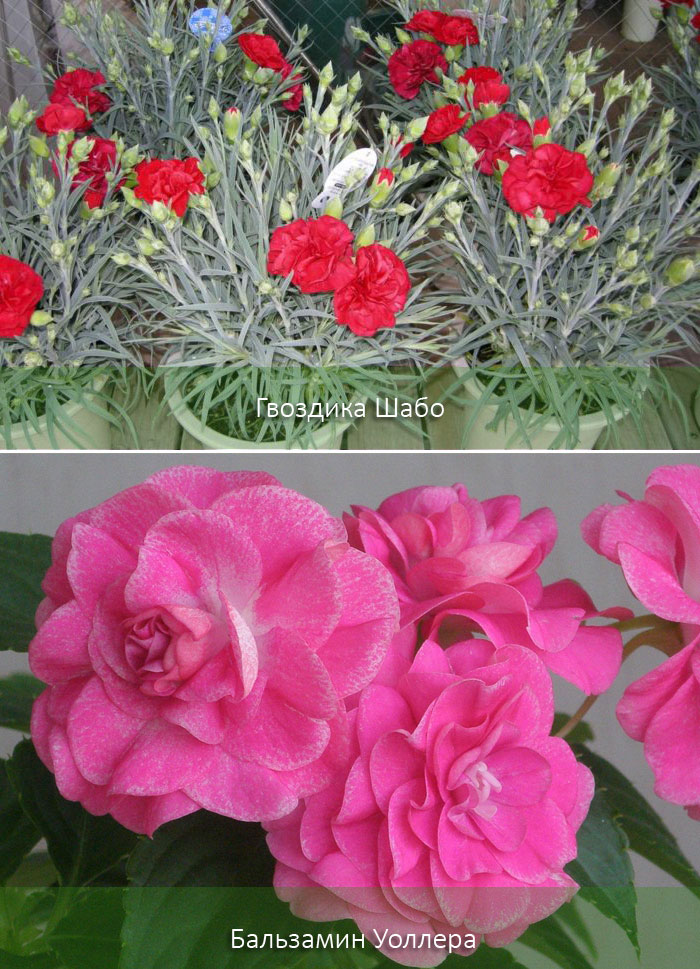
We purchase nutrient soil and containers for growing seedlings.
Outdoor work: we check the shelters of heat-loving ornamental plants and add snow.
25.01 (from 10:37 a.m.) - 27.01 (until 22:12 p.m.)
♌ Leo, —, ○, days of the Fruit.
January 25 at 8:54 pm – Exact Full Moon.
The day before and after the Exact Full Moon, it is not recommended to sow, plant or transplant plants, soak seeds, prune, or fertilize.
Inspection of dahlia corms, gladiolus corms, and begonia tubers, and treatment if necessary. Treatment for diseases and pests.
Outdoor work: checking the shelter of heat-loving ornamental plants, adding snow.
27.01 (until 22:12) - 30.01 (until 11:04)
♍ Virgo +-, ◑, Root days.
Do not soak the seed material.
At homeX:
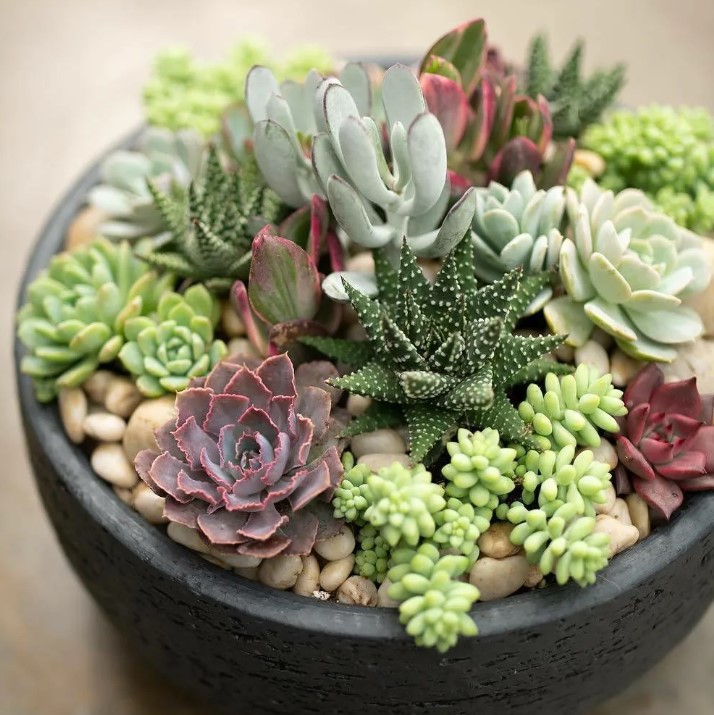
We sow annuals with a long growing season. We plant and transplant. succulents.
We propagate mother plants of chrysanthemums, pelargoniums, petunias, hydrangeas, jasmine, and passionflowers. We prepare potting mixes.
On the street We shake the snow off the conifers.
30.01 (from 11:04 a.m.) - 31.01
♎ Libra, +-, ◑, Flower days.
It is not advisable to use insecticides.
Work at home or in heated greenhouses:
We sow perennials with a long growing season. We plant begonias and other bulbous plants for forcing.
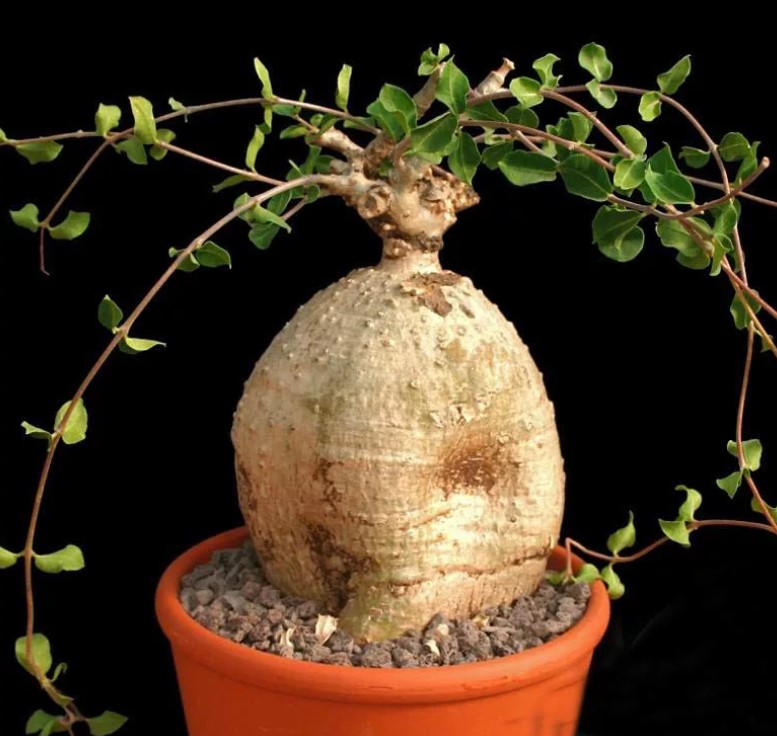
Planting tuberous, caudex plants.
Formative pruning, cuttings, watering and warm showers, fertilizing indoor plants with mineral fertilizers.
Outdoor work: checking the rose cover, adding snow.
Florists' work in January
The most important thing in January is planning. It's time to decide which flowers will adorn your garden, buy seeds, and even start planting some.

Don't forget about caring for indoor flowers.
Growing flower seedlings
In January, you should start growing flower seedlings in the following cases:
- to obtain flowering already in May-June of annuals with a long growing season (the natural period is suitable);
- so that perennial plants bloom in the first year of life.
Early planting of ornamental plants allows them to begin blooming as early as May or June. However, to ensure healthy growth and proper development, they require adequate lighting and care throughout the winter and early spring months.
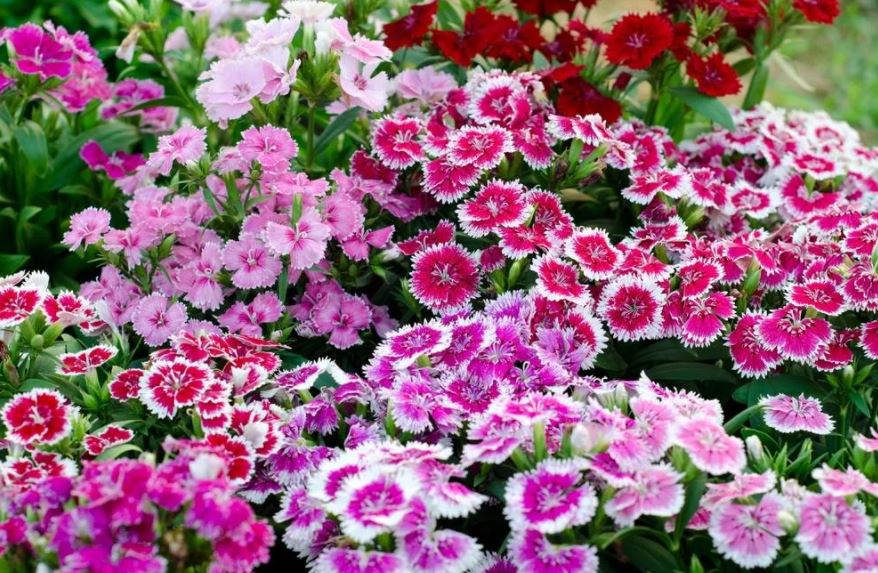
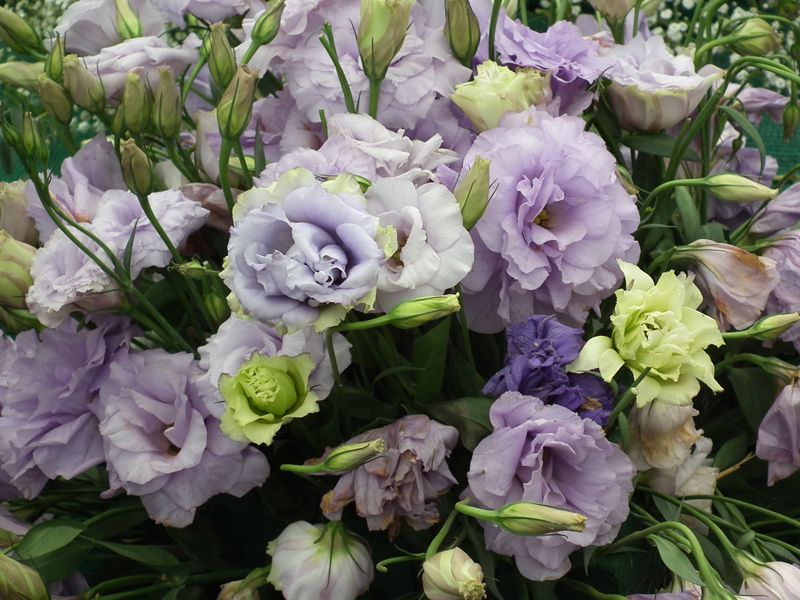
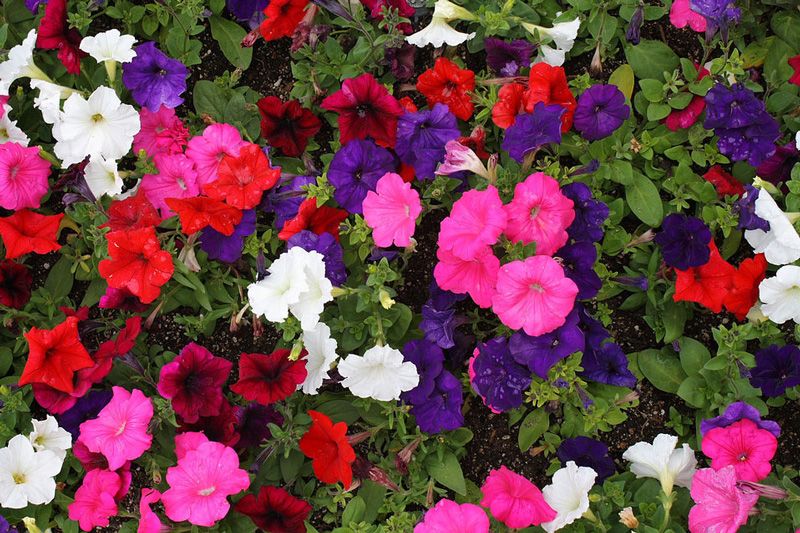
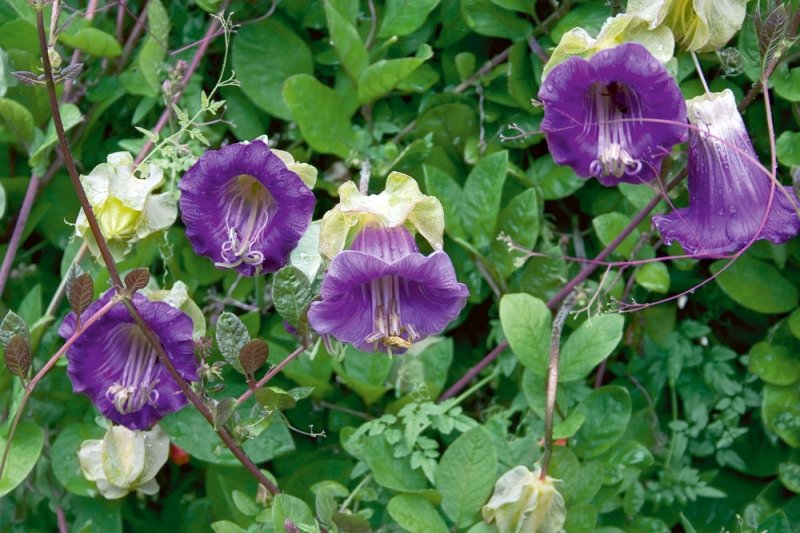
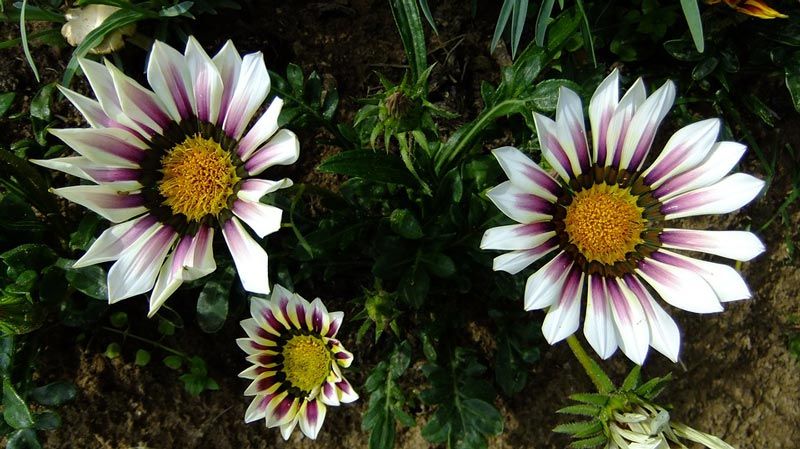

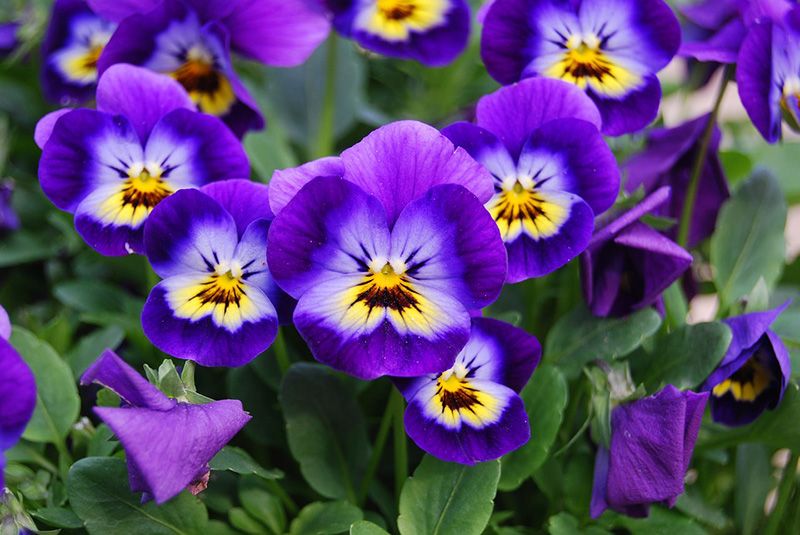
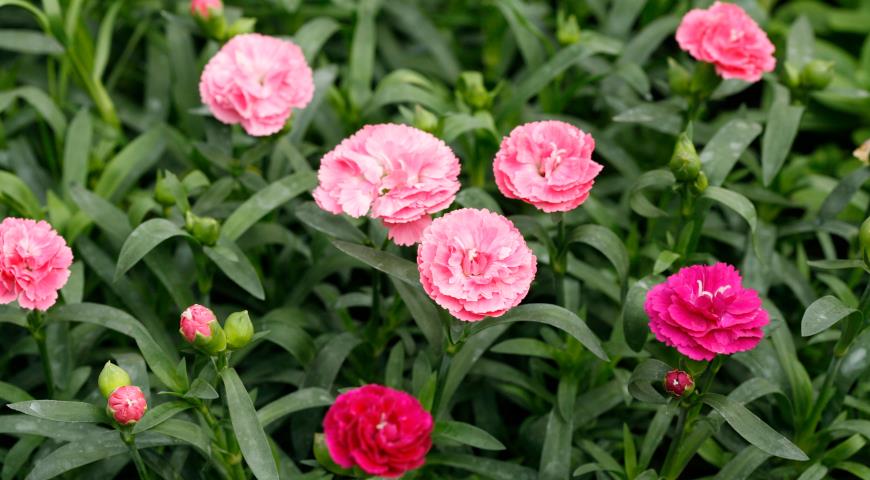
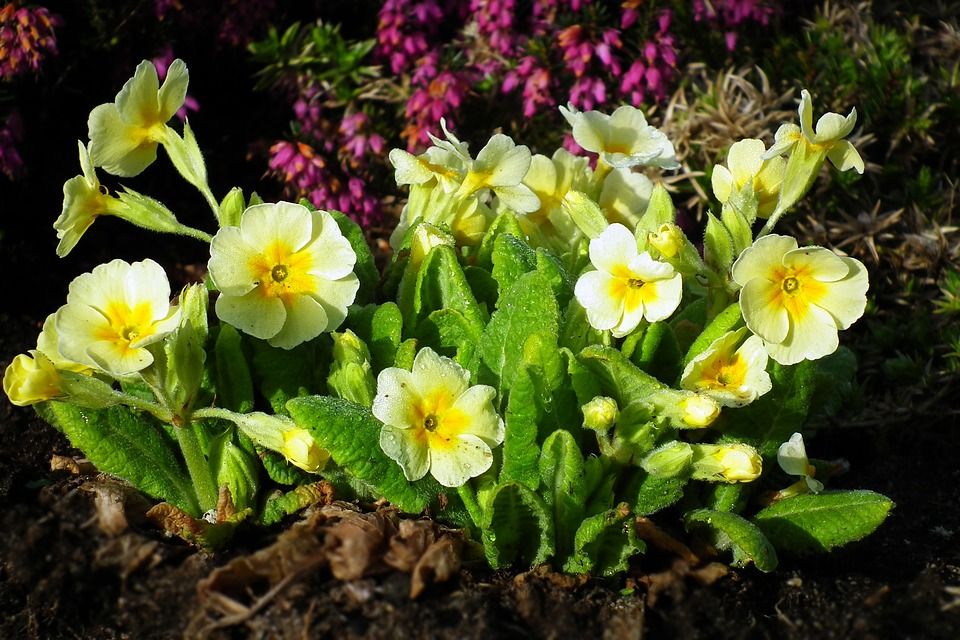
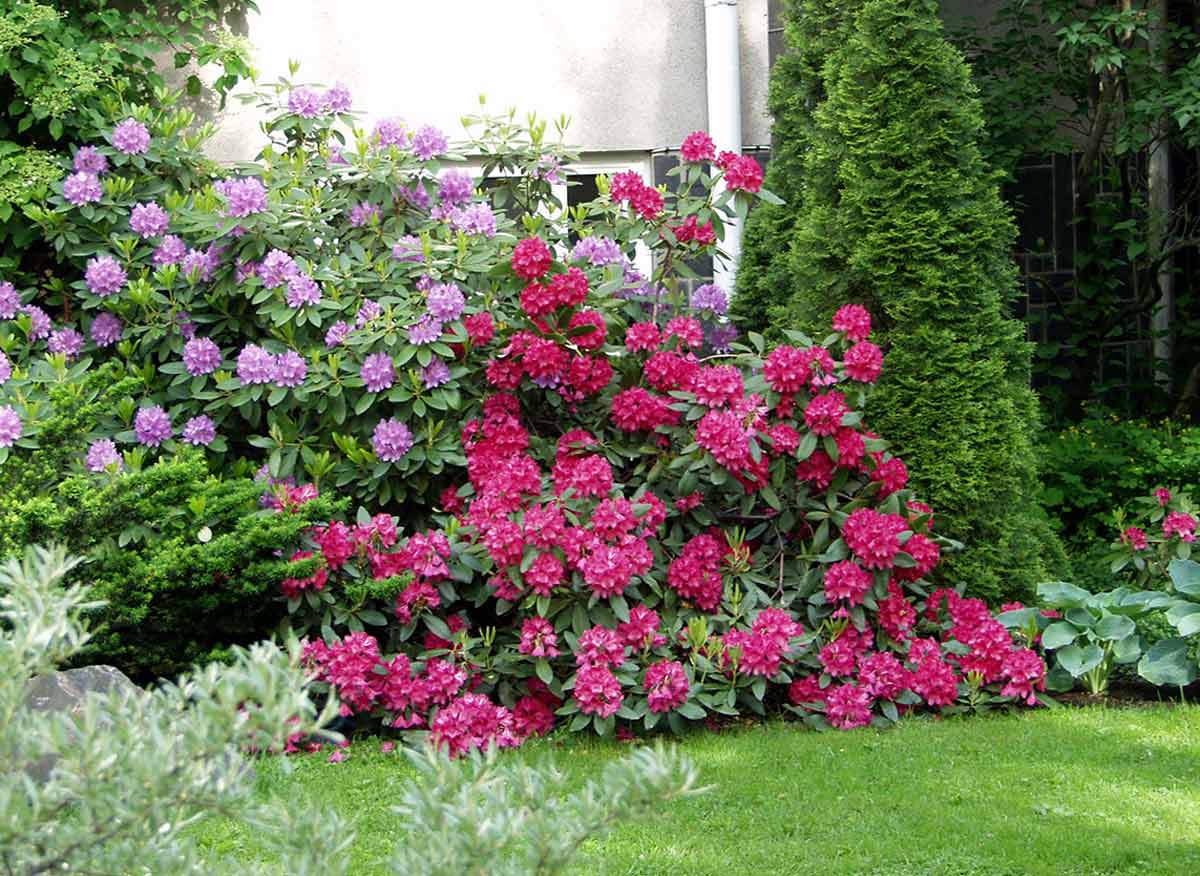
In January, the following types of annual flowers can be planted for seedlings:
In January, the following types of perennials and biennials can be planted for seedlings:
Here's a rough step-by-step guide to planting. For more details, see the links for each flower:
- Prepare low boxes or bowls for planting with sides no higher than 6 cm.
- Fill them with a substrate for ornamental flowering plants. First, disinfect it with a solution of potassium permanganate or boiling water.
- Make furrows in the soil 2-3 cm apart. Place the seeds at a depth of 0.5 cm. The distance between seeds in a row should be 1 cm.
- Cover the containers with film or glass and protect them from direct sunlight with paper on top.
- Place the pots with the seeds in a warm, bright place.
- The paper is removed when sprouts appear. The glass or film is removed as the seedlings grow.
Caring for indoor flowers
Short daylight hours, low temperatures, excessively dry air, and drafts can have a detrimental effect on indoor plants. Therefore, pots should be placed on well-lit windowsills. During severe frosts, cover the windows with plastic film to prevent cold air from penetrating. At night, it is recommended to move the plants to a far corner of the room, away from radiators.
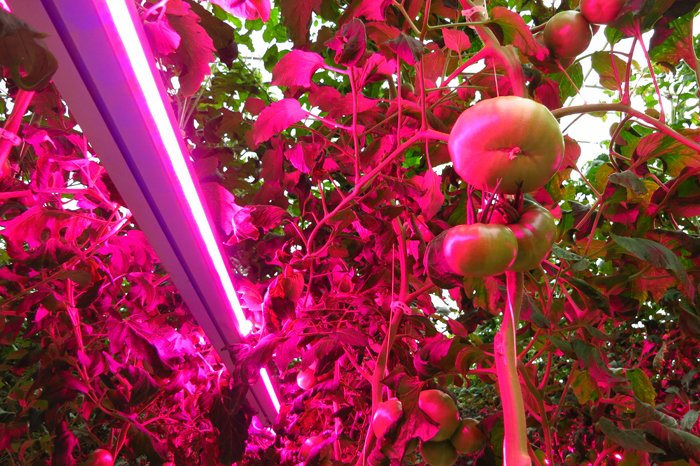
The plants are still dormant, so they need to be watered with lukewarm water, just above room temperature. To create the necessary humidity level, you can install special humidifiers or place a basin of water or wet sand in the room.
Dormant flowers don't require fertilization. Winter-blooming plants can be watered and fed, but sparingly. Pots containing these plants should be kept on bright windowsills at temperatures between 16 and 18°C. Daylight hours should be extended to 12-14 hours.
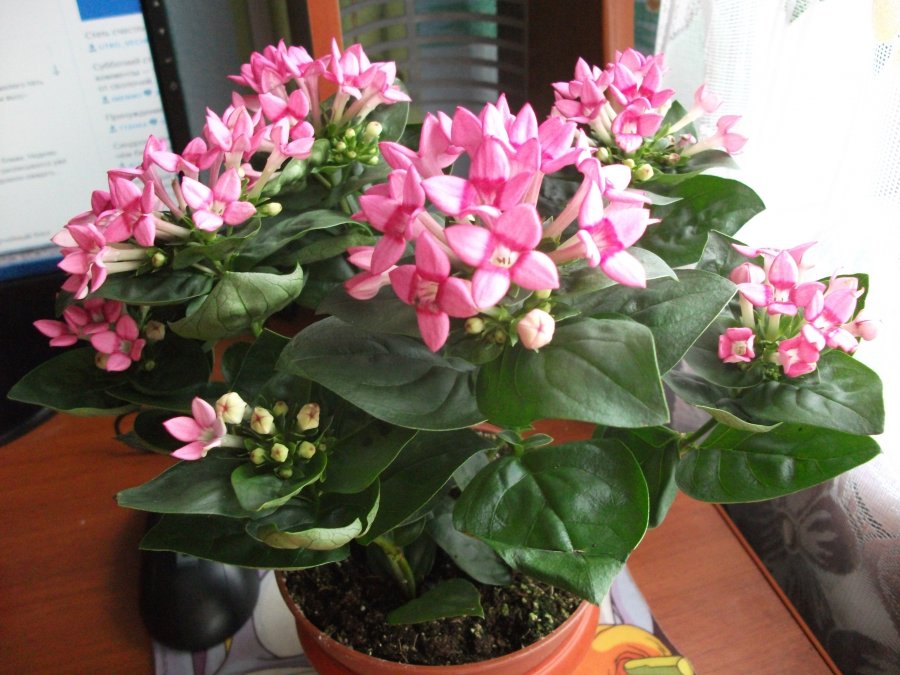
If grown at home Bouvardia, it must be stored in a cool place with a temperature of +8…+12 °C. First, trim the tips of the branches with faded buds.
Cold-loving specimens (aucuba, laurel and others) should be kept in light but cool places at a temperature of +10…+12 °C. Watering should be rare, to a depth of 3-5 cm.

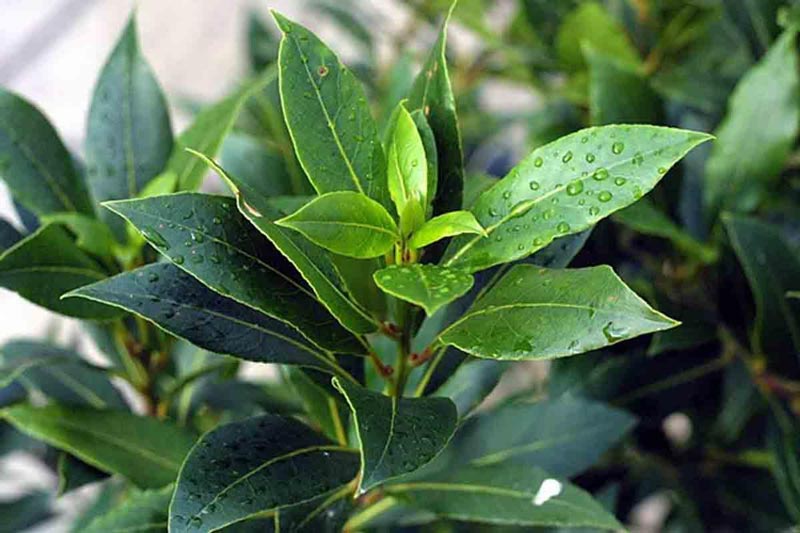
It is necessary to check the tubers and wintering plants in the basement (fuchsia, hydrangea). Destroy diseased and dead specimens.
You can plant it begonias, wood sorrel, Achimenes And color.
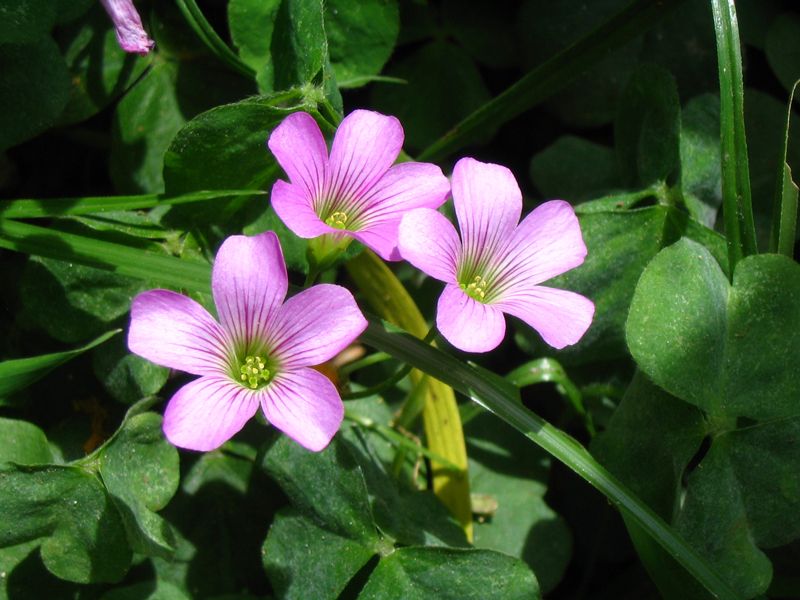
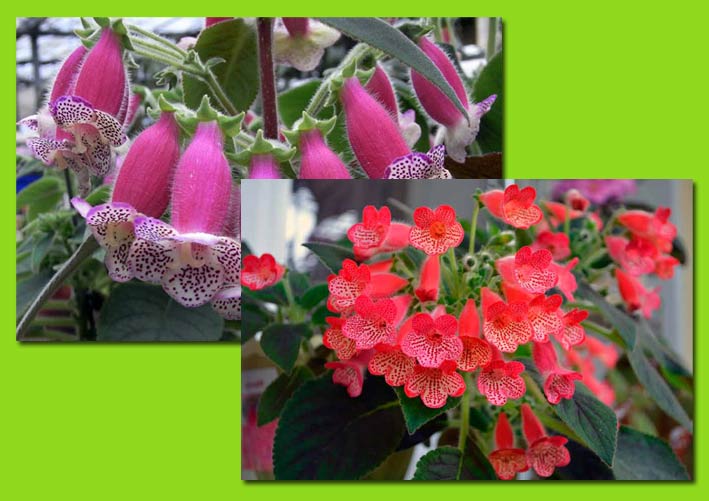
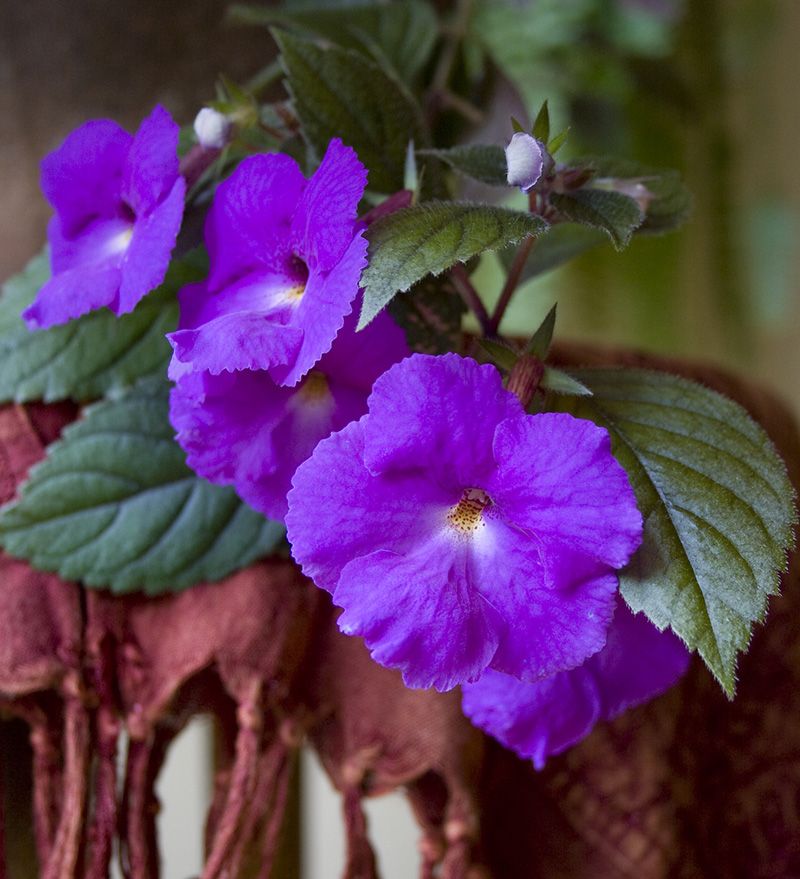
For this, use pots with 9-11 cm high sides, filled with a soil mixture of leaf mold, peat, and sand (in equal proportions). Place the containers in a warm, bright location. Provide moderate watering until sprouts appear. If the tubers have dried out, disinfect them by placing them in sand for 2-3 days, soaking them in a solution of potassium permanganate or a fungicide.
All houseplants need to be kept clean. To do this, periodically rinse the stems and leaves with water. Regularly loosen the soil in the pots.

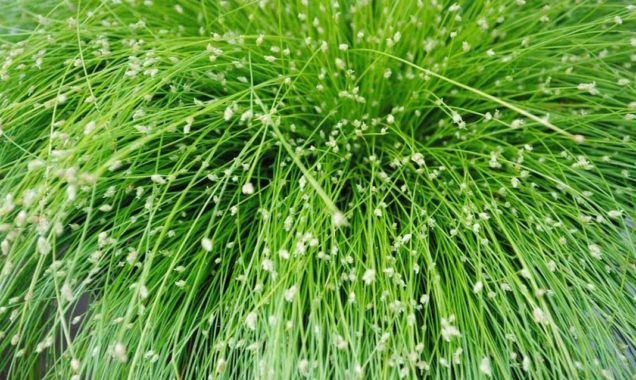
It is also necessary to dry out the soil lump in marsh specimens (cyperus And isolepis). This is necessary for better oxygen penetration to the roots.
Forcing bulbous plants
In January, you can continue forcing bulbous plants. If you begin forcing corms in early January, you can achieve flowering by March 8th. Use only healthy planting material without signs of damage.
Read about forcing hyacinths.
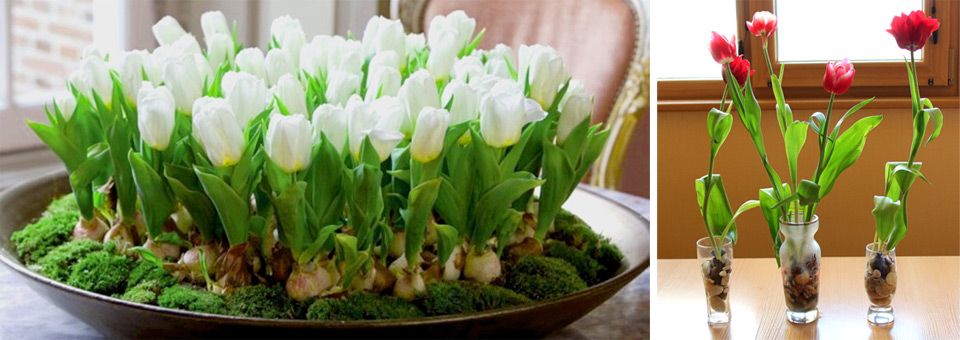
You can use any soil for bulbs, as long as it's permeable to air and moisture. To improve these properties, we recommend adding ash, sand, vermiculite, or coconut fiber (1 part baking powder to 3 parts soil).
Any container can be used for planting, as long as the sides are taller than the two bulbs themselves and have drainage holes in the bottom.
Step-by-step landing:
- Place expanded clay at the bottom of the pot. The layer should be 5 cm thick. If there are no drainage holes, apply at least 7 cm. This will prevent moisture retention, preventing rot and other diseases. Activated carbon can also be used as a drainage layer.
- Fill the container with substrate, leaving 1.5 cm from the top of the pot.
- Treat the bulbs with a fungicide. Plant them so they don't touch each other and their tops aren't buried 0.5 cm below the surface.
- Pour a small amount of water.
- Move the pots to a cool place with a temperature of +4…+5 °C. Moisten the soil periodically by spraying.
- When the sprouts reach 3-5 cm, move them to a windowsill. Provide indirect light. Flowering will begin in about 1.5 months.
Move flowering bushes to a warm, bright location. Protect them from sudden temperature changes and drafts. Maintaining a cooler temperature than room temperature during this time will prolong flowering. Water with warm, boiled, settled water.
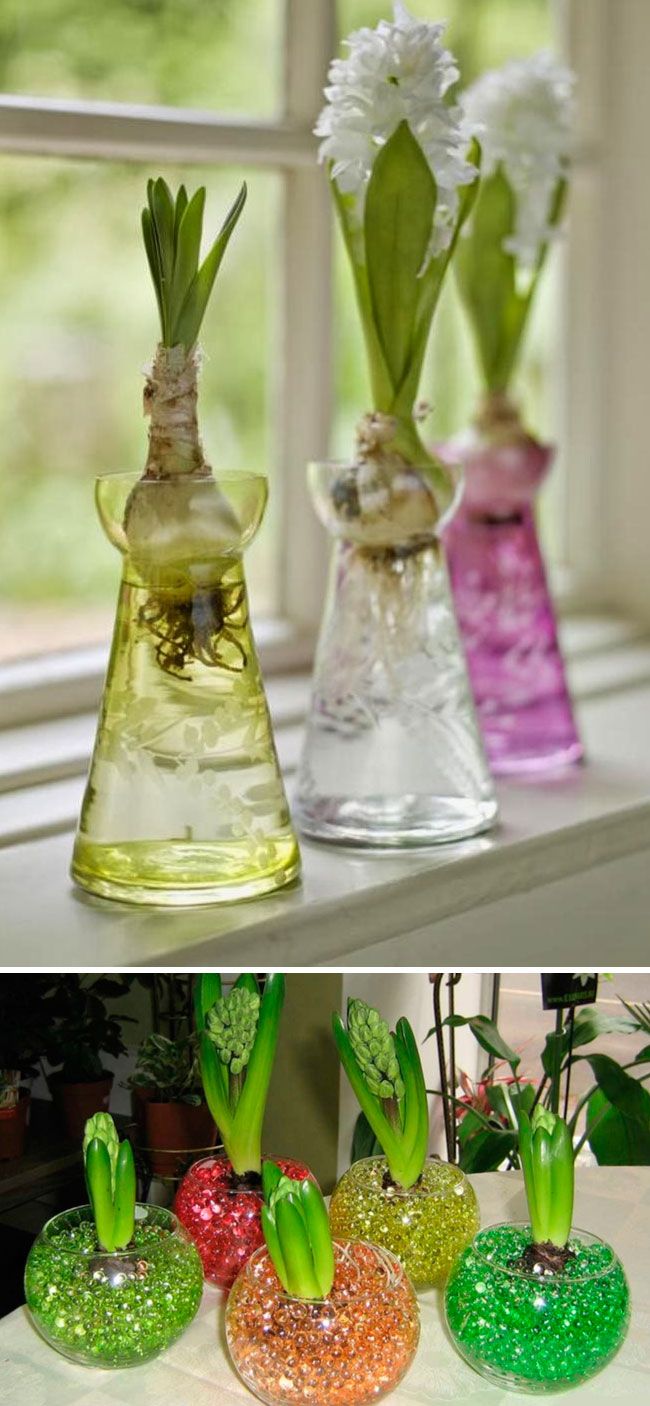
After flowering, wait until the leaves fade. Watering should continue, but be very moderate. After this, dig up the bulbs, clean them of soil, trim off the hairs, and dry them in a well-ventilated area at 25°C. In the fall, they can be planted outdoors. Within a year, they will produce a profuse bloom.
Read more about forcing tulips, hyacinths and other bulbous plants for various holidays on our website.
Checking the safety of bulbous seedlings, planting
Bulbs and tubers must be regularly inspected and aired. This inspection must be thorough, as it is essential to promptly detect any loss of firmness in the planting material, signs of drying out, premature germination, or rot.
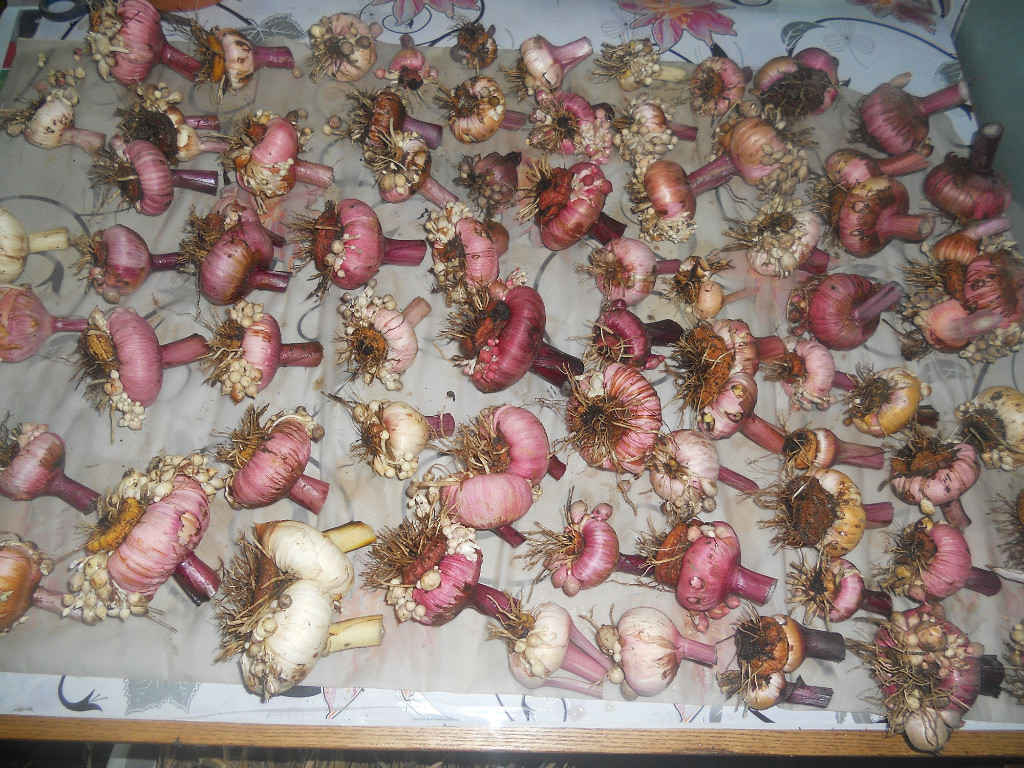
If the above problems are present, it's necessary to review the growing conditions of the tubers and bulbs. If the planting material is not severely affected, it should be trimmed back to the healthy part and the cut treated. If the damage is significant, the specimen will need to be destroyed. Otherwise, neighboring tubers and bulbs will also become infected.
Cuttings also require regular inspection if they are kept indoors after rooting. Water the planting material occasionally. Monitor the soil for signs of disease.
Outdoor work, monitoring plant shelters
Even a well-made shelter needs regular inspection. Snow, wind, and precipitation can damage the layers of the wrappings and the earthen topping. If the shelter is damaged, its top layer must be reinforced or replaced.

It's also important to ensure that the layer of snow covering and protecting the plants from frost is intact. Add more snow where the trunks are bare.
Hedges also need to be inspected. If the mats and shields protecting them from chemicals and dirt are damaged, they need to be replaced. Even small gaps can cause significant damage to the plants if you have a highway nearby.
Throughout the month, remember to trample down the snow between clumps of trees and around large plants. This will help protect them from rodents that tunnel through the snowdrifts. Pests can also thrive in brush piles, compost bins, and other waste areas. These areas should be inspected, and mousetraps and poison bait should be set if necessary.
In January, don't rush into planting unless absolutely necessary. Plants will require special care and can be quite demanding. It's recommended to spend more time planning, purchasing seeds, protecting from frost, and preparing for spring. It's also important to ensure proper care for flowering houseplants.