Bay laurel is a plant found both in the wild and cultivated indoors. It is native to the Mediterranean coast. It is a tree or woody shrub, a species of the genus Laurus, belonging to the Lauraceae family. The ancient Greeks crowned victors with it, and many cooks season their dishes with its fragrant leaves. The expression "to rest on one's laurels"—that is, to celebrate victory—is associated with this plant's name.
Bay laurel is cultivated in the subtropical climates of the Southern and Northern Hemispheres. It can also be grown indoors. Unlike their wild counterparts, indoor plants reach a height of 3 m (in the wild, the tree can grow up to 15 m).
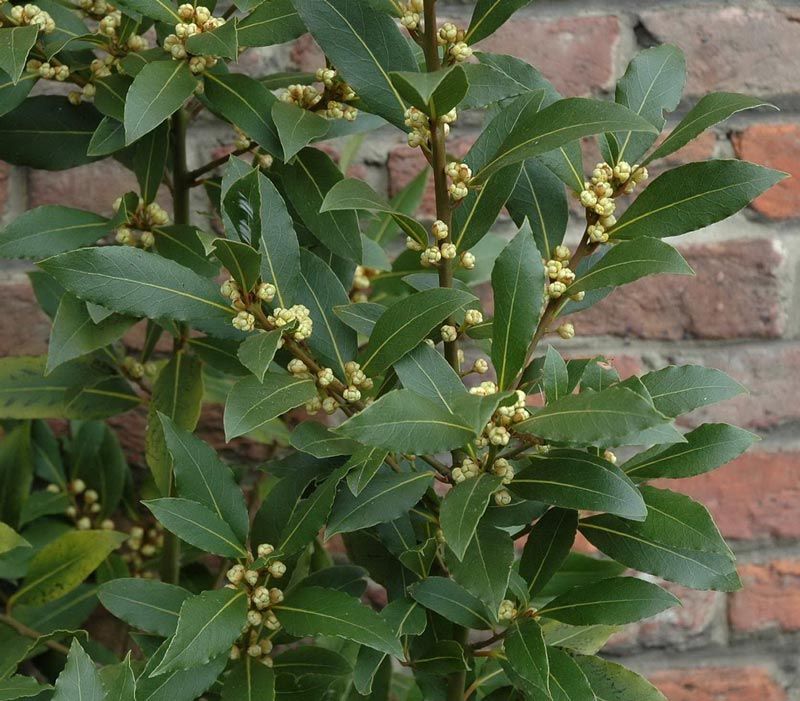
Home care
Those who decide to grow a laurel bush at home should understand that it requires special care. If you want a large and beautiful laurel, you should consider providing it with sufficient space to allow its branches to grow undisturbed.
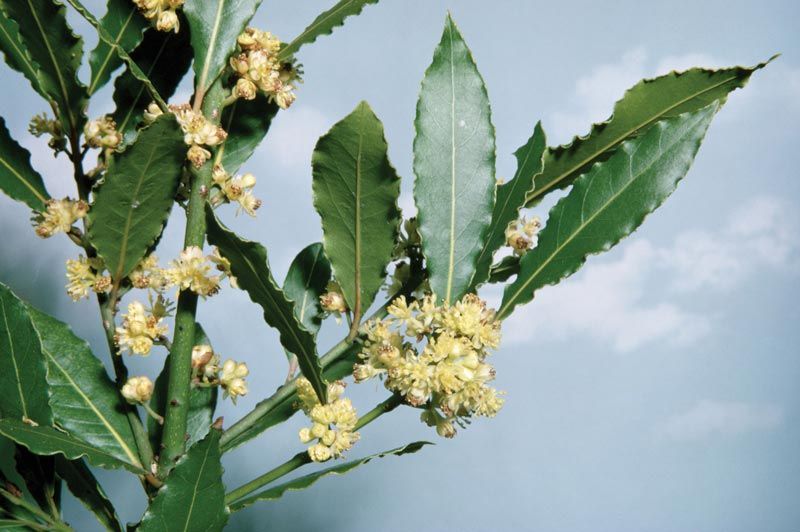
If space is limited, you can grow a small bush right on the windowsill.
Temperature
Since the plant's native habitat is subtropical, it requires a fairly warm temperature. If the summer is hot, you can move the laurel pot or tub onto the balcony. The only caveat is to protect the plant from drafts and wind. In spring and summer, the laurel bush feels most comfortable at temperatures of 20 to 25°C. A little warmer is fine. In autumn, it's best to provide 15 to 17°C.
During the dormant period, when the plant has finished flowering, high temperatures are not necessary and are even contraindicated.
Lighting
Due to its origins, laurel tolerates direct sunlight well. However, young bushes that have not yet developed hard leaves should be kept in a location with indirect light and avoid direct sunlight, as this can be harmful. If the plant is located on a windowsill, it is best to place a translucent curtain between it and the window.
In winter, laurel doesn't require additional artificial lighting to extend daylight hours. A small amount of light will suffice.
Watering
During hot weather, the plant requires plenty of moisture. Water it every other day. Also, keep the air around the laurel humid using a spray bottle.
Experts recommend placing containers of water in the room where the laurel bush is located to maintain the necessary humidity at all times.
The plant needs to be watered frequently, as soon as the top layer of soil becomes dry. During cooler months, laurel doesn't require much watering. It can be watered once or twice a week.
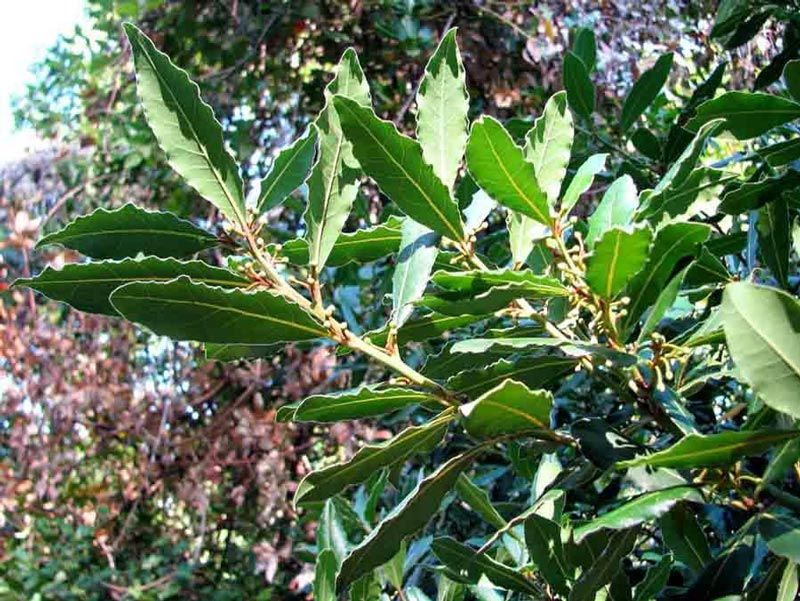
Trimming
Careful home care includes not only ensuring proper temperature, light, and watering, but also regular pruning. Without pruning, it's impossible to achieve a beautiful, full, and proportional laurel bush.
Laurel tolerates pruning most easily in the fall, around the end of August. The active period ends, and the buds destined for new shoots are unharmed.
Top dressing
During the growing season, laurel requires fertilizer. Both organic and mineral fertilizers are used. These should be applied regularly throughout the plant's growth period, but at lower concentrations than indicated in the instructions. There are also special fertilizers specifically for laurel.
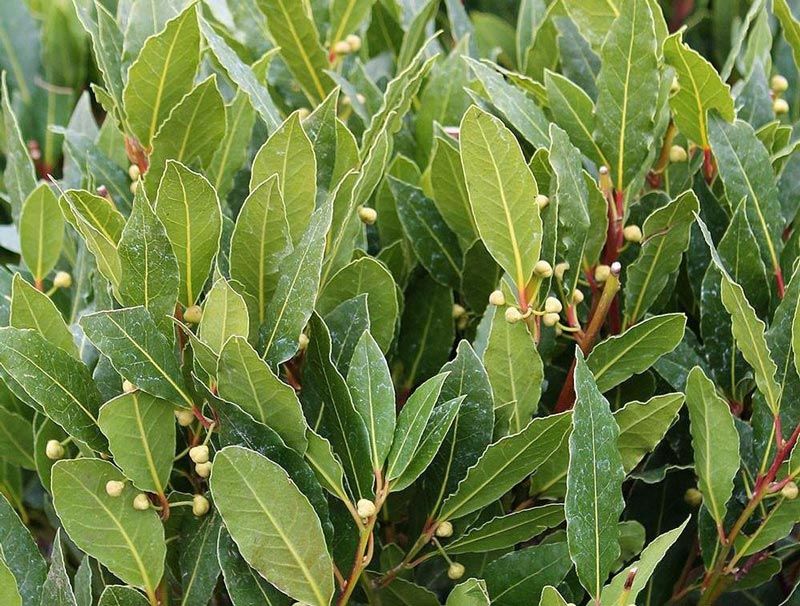
Transfer
Like other houseplants, laurel needs to be repotted regularly. When young, it requires annual repotting, and later, every two or three years.
A laurel bush doesn't require a complete soil change. Simply transfer it to a new, larger pot, along with the root ball.
Laurel has very undemanding soil requirements: it can grow in regular garden soil. However, it's still advisable to prepare a special substrate for it. The optimal soil is a mixture of turf, sand, peat, leaf mold, and humus in a 2:2:1:1:1 ratio. A little ash can be added for better growth and development.
Reproduction
Propagating laurel is quite difficult. It can be done by cuttings or seeds.
The easiest way to propagate is by sowing seeds. Once collected, they should be stored properly, preventing them from drying out or freezing. Plant in a small pot in the fall. Cover the pot with plastic wrap until the seedlings emerge, creating greenhouse-like conditions in the soil. Seedlings should be expected no sooner than three months later.
To propagate by cuttings, small, but already densely covered, branches about 10 cm long are cut from the plant. Each of them should have two or three buds, and green leaves should be removed.
To ensure the cuttings take root, it is recommended to treat them with a special growth and rooting stimulant (Kornevin, Heteroauxin). Then, root the cuttings in a soil mixture of peat and sand.
To ensure the cuttings take root, establish strong roots, and grow, they need to be given greenhouse conditions. You can simply cover the container with a transparent glass jar and maintain the ambient temperature at no lower than +20°C to +25°C. Rooting takes time: bay laurel takes about a month.
Diseases and pests of lavara
If a laurel bush isn't provided with the necessary humidity, some of its leaves will gradually turn yellow and dry out. However, the plant itself doesn't die and continues to grow. It should be regularly misted with a spray bottle and containers of water should be placed near the pot.
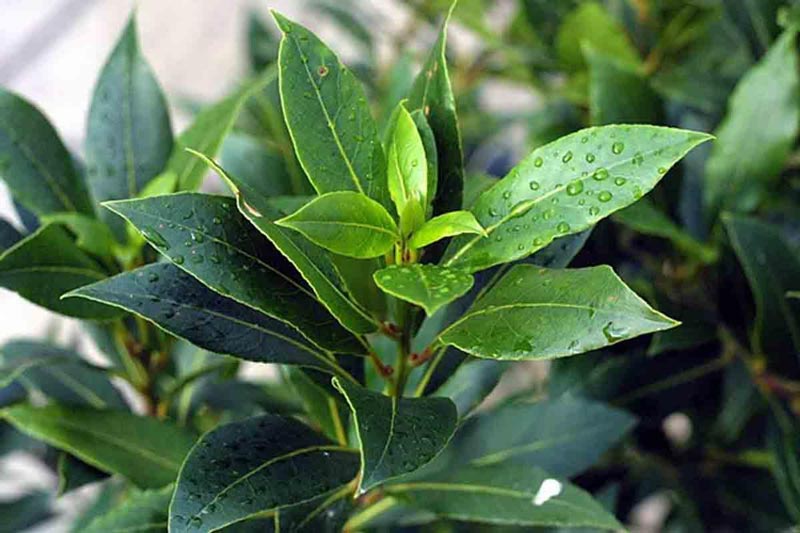
A healthy bay laurel's leaves are a rich, dark green and glossy. If they become pale, pay attention to the location of the flower. This can be a reaction to direct sunlight, which can lead to fading in bright light. Pale, dull leaves can also indicate a nutrient deficiency. In such cases, fertilize immediately.
Bay laurel is also sometimes attacked by fungi, although this plant is generally quite disease-resistant. Occasionally, a rusty coating may appear on the leaves. This can be easily washed off with water. This sooty mold is not particularly harmful to the plant, but it significantly spoils its appearance.
To protect against fungus, experts recommend wiping the leaves with a weak solution of potassium permanganate, followed by a 30% ethyl alcohol solution a couple of days later. Treatment involves using soap and baking soda (5 g of each per liter of water).
The most common pests of domestic laurel are:
- scale insects;
- mealybug;
- spider mite.
Earthworms can also cause damage to plants. These beneficial creatures are not appropriate for a houseplant's pot. They damage the root system and compact the soil. To get rid of earthworms, you don't even have to repot the plant; just refresh the soil completely. Simply soak the pot in water overnight. Under these conditions, earthworms are known to come to the surface, where they are easy to collect.
Laurel is an evergreen, very beautiful, and truly noble plant. With proper care, it will delight the eye year-round and cause no problems.