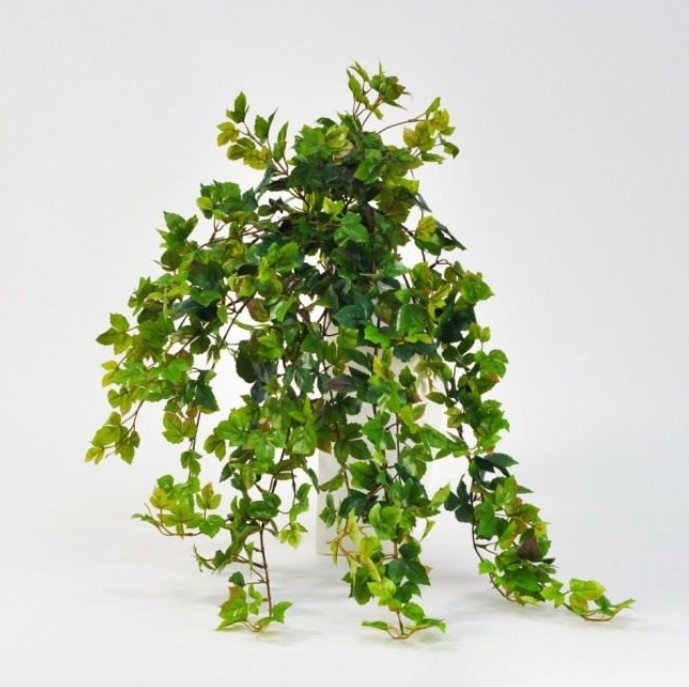
Rhoicissus is a well-known indoor vine native to tropical forests. In Russia, it is often called "birch" due to the striking shape of its leaves.
Content
- 1 Description of Rhoicissus
- 2 Features of growing Rhoicissus in the table
- 3 Types of Rhoicissus
- 4 Choosing a Rhoicissus
- 5 Planting Rhoicissus
- 6 Growing Rhoicissus
- 7 Diseases and pests
- 8 Reproduction
- 9 Rhoicissus and cissus: similarities and differences
- 10 Problems in growing and their causes
- 11 Gardener reviews of Rhoicissus
Description of Rhoicissus
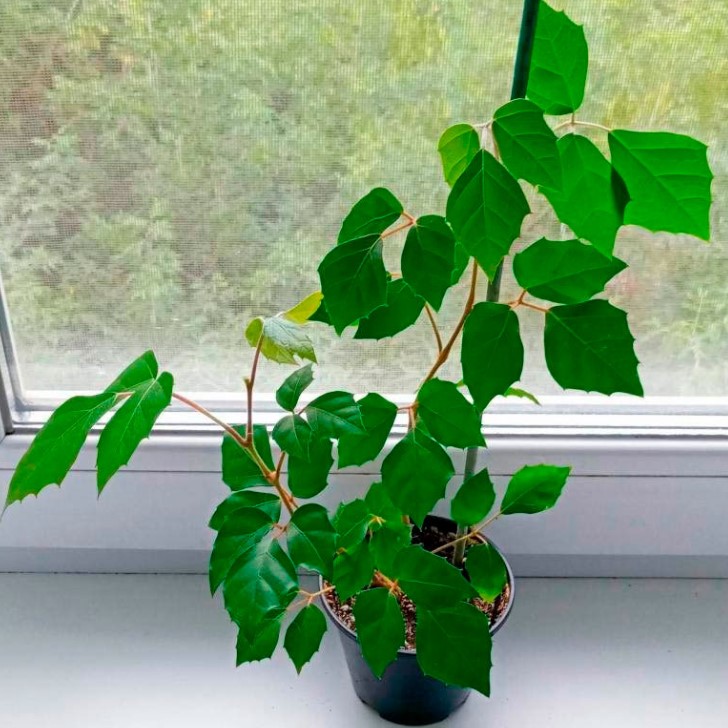
The name of this flower translates from Greek as "ivy." Rhoicissus isn't actually an ivy, but its resemblance to one inspired its name. Its stems resemble vines and can grow up to 2 meters. Its leaves are green year-round and covered with short hairs. This allows the plant to cling to supports and twine around them. Rhoicissus grows quickly and reaches its full size quickly.
Features of growing Rhoicissus in the table
The table briefly indicates the growing conditions and care rules for Rhoicissus.
|
Parameter |
Recommendations |
| Temperature conditions | In summer – +21 °C. In winter – +15 °C. |
| Humidity | Moderate. Will grow even at low temperatures, provided it is sprayed regularly. |
| Lighting | It grows best in bright, diffused light with some shade at midday, but can also grow in a shaded area. |
| Watering | In spring and summer – twice a week, in winter – once every 2-3 months. Water only after the top layer of soil has dried out. |
| Priming | You can buy it. It should be airy and nutritious. You can also make it yourself from turf, garden soil, leaf mold, sand, or perlite (2:2:2:1). |
| Top dressing | During the growing season, a complex mineral fertilizer for indoor plants is applied twice a month. |
| Transfer | This is done when the plant becomes overcrowded in its old container. Young plants are repotted once or twice a year, while mature plants are repotted once a year. Older plants are not repotted. Instead, the top layer of soil in the pot is replaced annually. |
| Reproduction | By parts of the shoot, cuttings, division. |
| Trimming | Periodic pinching of the tops of the shoots is required. |
| Other care features | Periodically, it is necessary to give the plant a warm shower to wash away dust from the surface of the leaves. |
Types of Rhoicissus
There are 9 species of Rhoicissus in total, but not all of them can be grown indoors.
Rhombic (Rhoicissus rhomboidea)
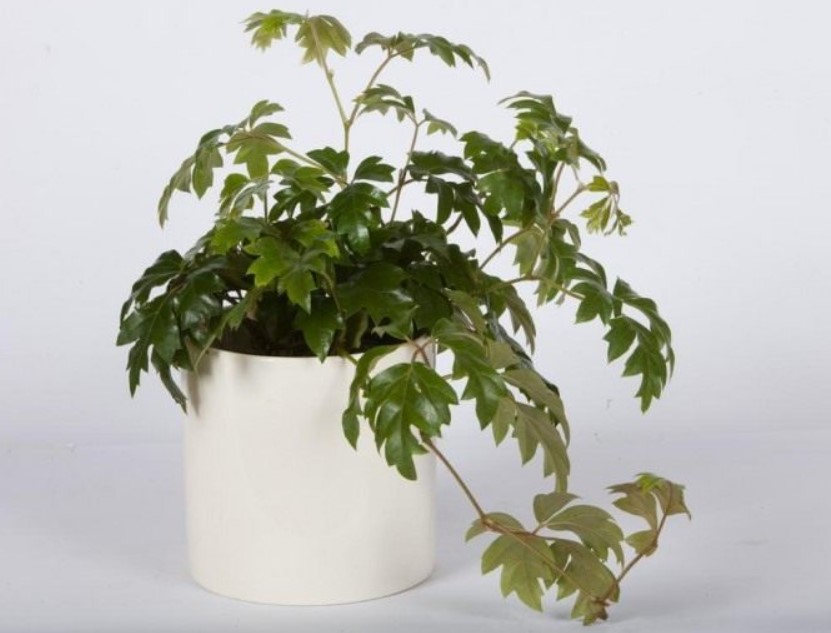
The most popular species of Rhoicissus, it has a long stem that grows from 1.5 to 2 meters. It is characterized by narrow shoots and herbaceous leaves. The outer surface of the leaves is dark green, while the underside is lighter. The foliage and stems are covered with a slight reddish-brown hair. This species is best grown in pots.
Cape (Rhoicissus capensis)
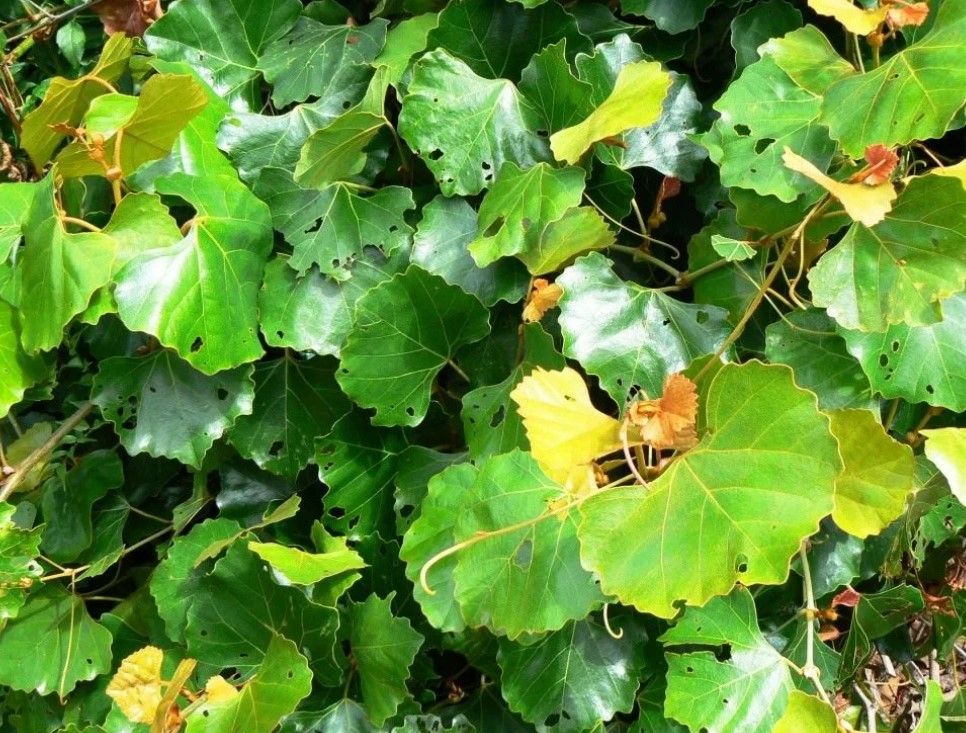
This species can be grown both on supports and as a trailing plant. It is characterized by fast growth, hardiness, and undemanding nature. However, the true beauty of the plant lies in its large, perfectly uniform leaves. The leaves of the Cape rhoicissus are not divided into lobes, but are entire. They are decorated with large, decorative indentations and can reach up to 20 cm in diameter. The size of the Cape rhoicissus depends on the cultivation method, but even on a trellis, it usually does not exceed 2 m. It can be placed on a balcony, but should be protected from strong sunlight.
Palmate (Rhoicissus digitata)
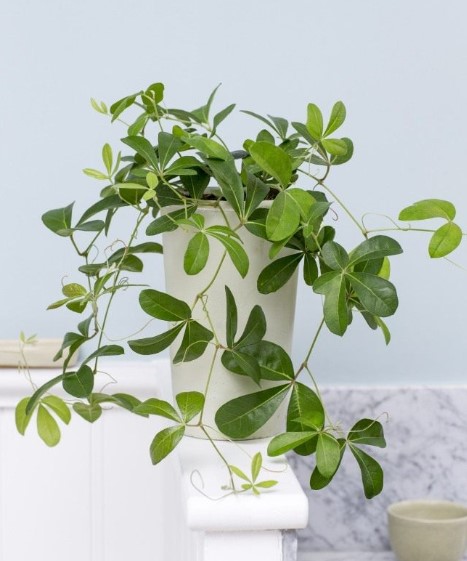
The distinctive palmate shape of this species' leaves creates a unique visual effect. They have a glossy, pleasing surface with an emerald green hue. Upon closer inspection, a thin layer of fluffy, light-red hairs can be seen covering the underside of the foliage. This species is only found blooming in its natural habitat.
Tomentosa (Rhoicissus tomentosa)
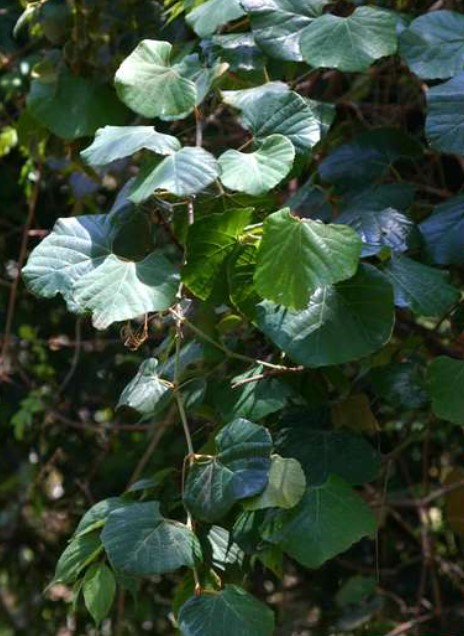
It is distinguished by dense, hairy shoots and tendrils that feel like velvet. As the plant ages, the hairs on the stems gradually disappear. In the wild, it can reach a height of up to 7 m (as a shrub) and up to 20 m (as a vine). The leaves are rounded with entire and slightly serrated margins. Their surface is slightly wavy and a rich, dark green. The upper surface of the leaf is smooth, while the underside is covered with reddish-brown hairs.
Three-toothed (Rhoicissus tridentata)
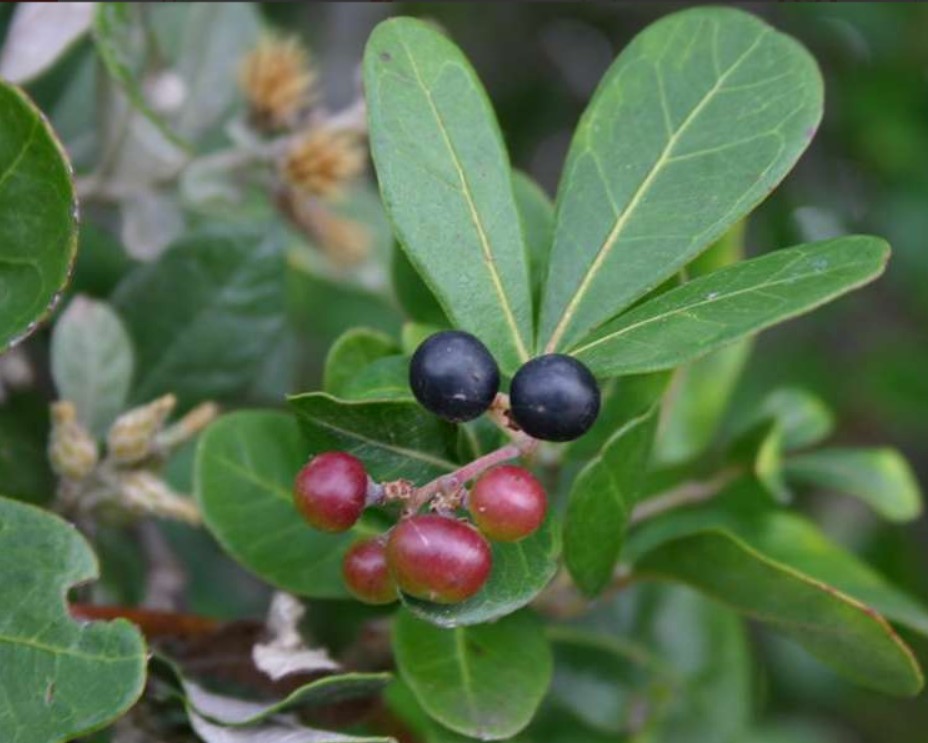
This species is distinguished by its compound leaves, which consist of several parts resembling an egg. The leaves are leathery, with a dark green, smooth upper surface and a lighter underside. A network of yellowish veins is visible on the leaf blades. In Africa, Rhoicissus tridentata grows up to 10 meters, forming vines, while shrubs reach only a third of that height.
Choosing a Rhoicissus
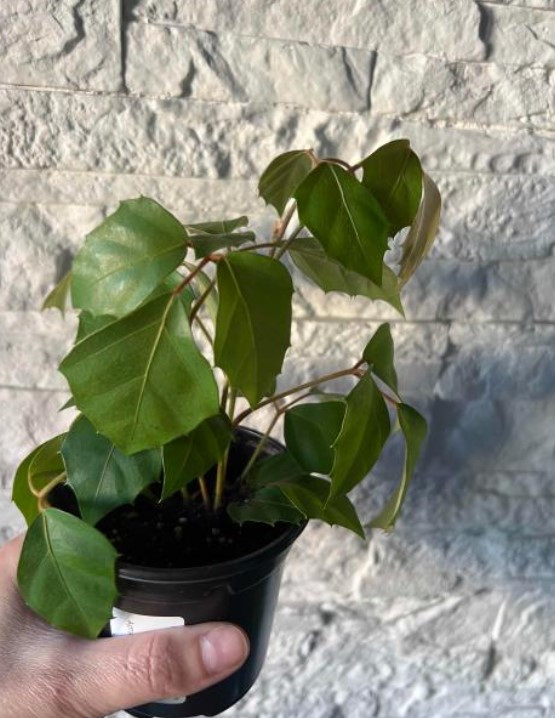
When purchasing a rhoicissus, carefully inspect the plant for dark spots, blemishes, cuts, and scratches. Also, carefully inspect the internodes to ensure they aren't hiding insects. Make sure the leaves don't have dry ends, the stems aren't wilted, and there's no mold on the soil or pot walls. Before purchasing, it's important to purchase support for the plant, which will soon need it.
Planting Rhoicissus
In order for the plant to develop well, you should follow certain rules when planting it.
Capacity
To plant a Rhoicissus, you need a sturdy and spacious pot. Given its rapid growth, you'll need to replace the container at least once a year with a larger one. Once the Rhoicissus is transplanted to a 30 cm diameter pot, repotting will no longer be necessary. However, it's important to remember to replace the outer layer of soil with fresh substrate annually.
Priming
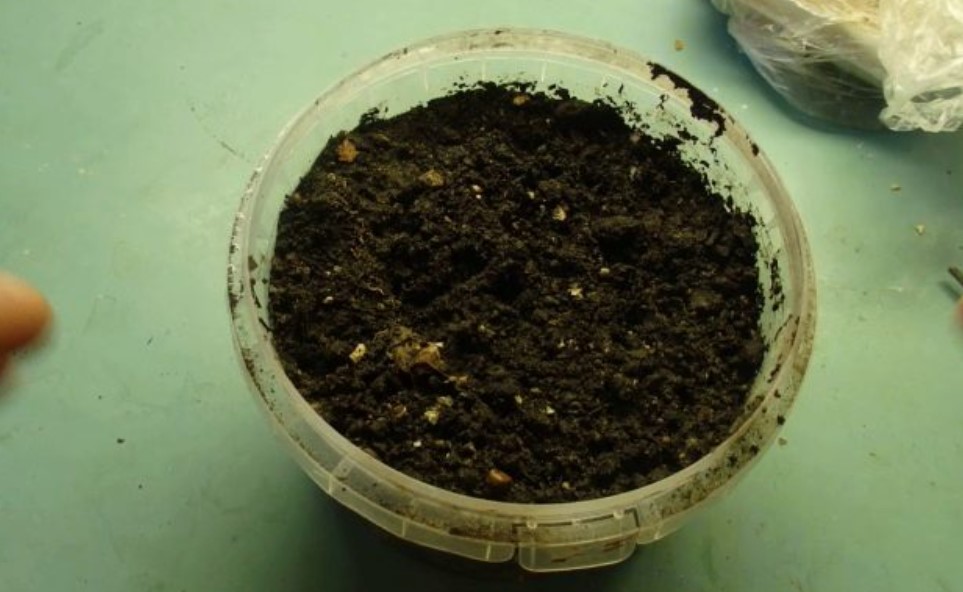
The plant isn't picky about its substrate. It thrives in a ready-made, healthy soil mix from the store. You can also make your own substrate by mixing 2 parts garden soil, leaf mold, and turf soil with 1 part sand (or perlite).
Growing Rhoicissus
It is not difficult to create suitable conditions for this plant in an apartment.
Temperature
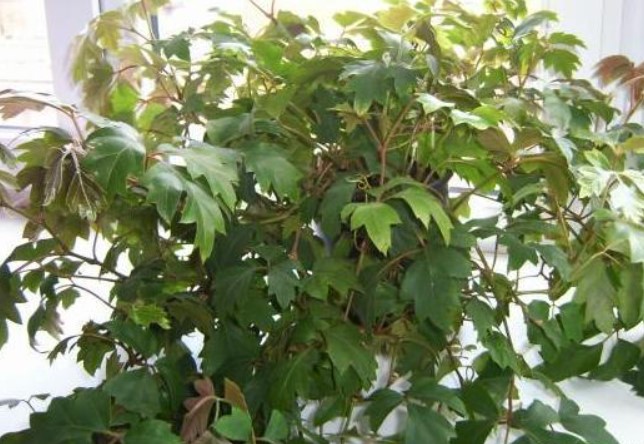
Rhoicissus prefers cool rooms. The lower the air temperature, the better for its growth and appearance. In summer, it thrives at temperatures between 18 and 22°C, and in winter, it prefers temperatures between 5 and 15°C. However, if you can't provide it with cool temperatures, that doesn't mean it shouldn't be grown. The plant easily adapts to warmer temperatures, but requires more careful care.
Lighting
Rhoicissus foliage is very sensitive to sun damage. Direct sunlight can cause leaf burn. Otherwise, this plant is completely flexible in its location, taking into account the light conditions. Various Rhoicissus species can adapt well to both bright light and partial shade.
Watering and humidity
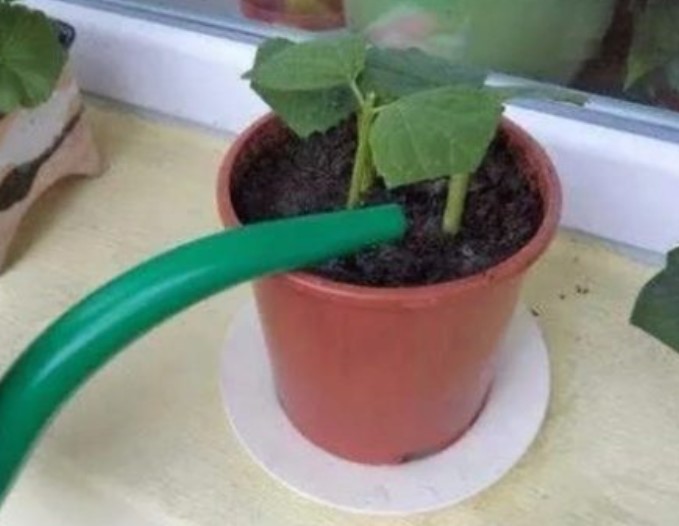
Rhoicissus requires maintaining good soil moisture to prevent the soil from becoming too damp or drying out. Water after the top 1-2 cm of soil has dried out. Avoid allowing water to stagnate in the tray. Then, gently loosen the soil.
Rhoicissus thrives in dry air. However, it responds favorably to misting. Humidification becomes necessary only during the winter in warm locations to compensate for higher air temperatures.
Top dressing
The plant requires fertilizing every couple of weeks from early spring to mid-autumn. Complex, micronutrient-rich fertilizers for ornamental deciduous plants are suitable. No fertilizing is necessary in winter.
Pruning, support
Rhoicissus shoots are pruned to create a denser bush. Inspect the bushes in the spring. Plants with bare, thin, or damaged shoots are removed or pruned.
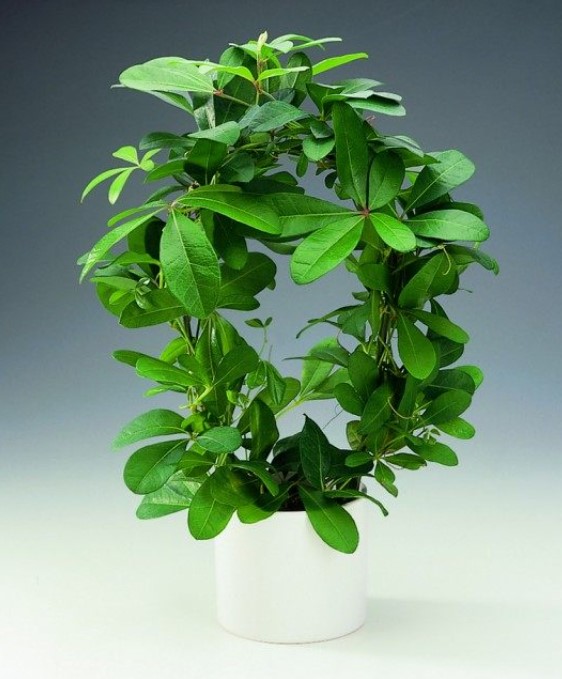
The plant requires reliable support. Choose sturdy, rigid ladders or trellises for it.
Transfer
In the first few years after planting, rhoicissus is pruned annually. Repotting a mature plant is only done when necessary, once its roots have completely penetrated the soil.
There are no strict restrictions for repotting. This can be done early in the plant's active growth cycle or throughout the spring. When repotting, the container should be enlarged by at least 3-4 cm in diameter. Medium or coarse drainage material should be placed at the bottom.
Diseases and pests
Rhoicissus is highly resistant to various diseases. However, due to its tolerance of dry air, it often becomes a habitat for spider mites and aphids. Pest control is achieved immediately with insecticides. It's best to isolate the plant from other plants.
Reproduction
There are several ways to propagate a plant.
Seeds
When sowing seeds shallowly in a fertile substrate and creating greenhouse conditions, plant germination leaves much to be desired. In practice, it's much easier and more reliable to obtain new plants from cuttings.
cuttings
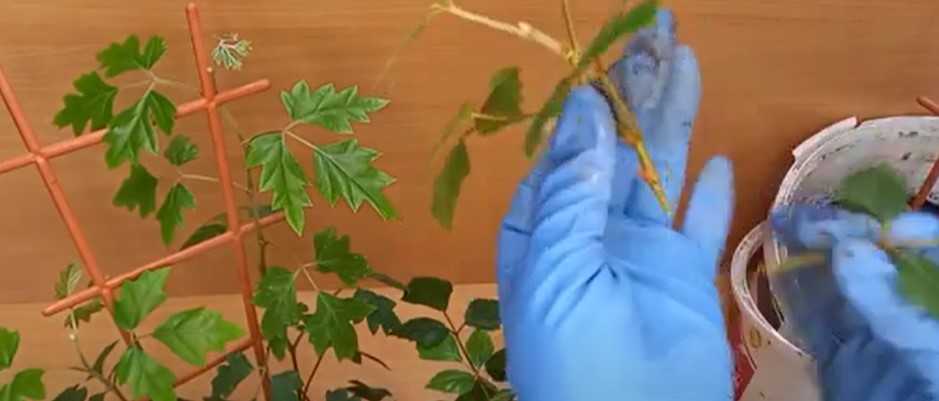
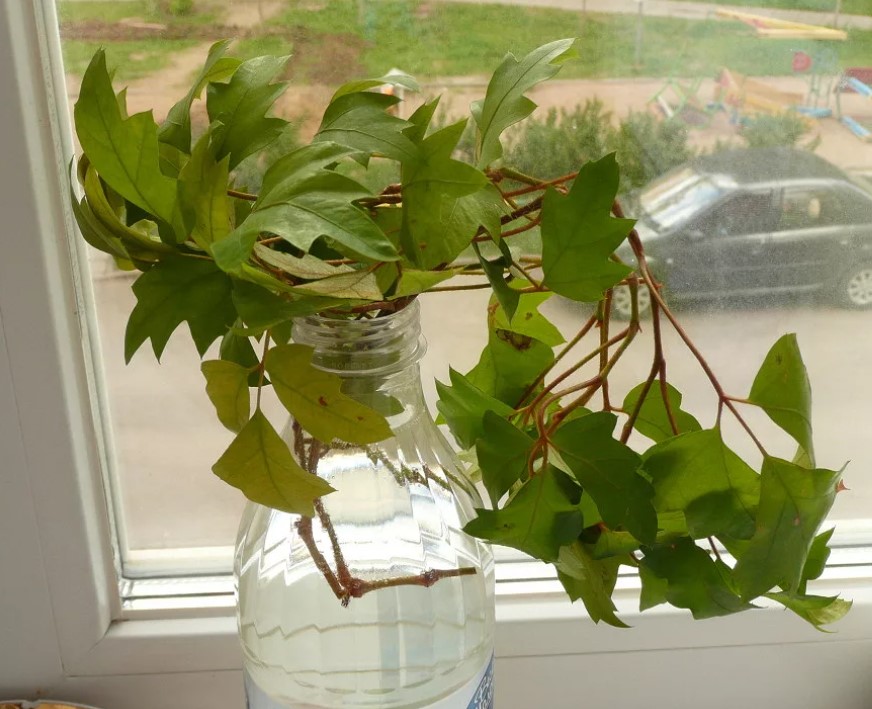
Rhoicissus cuttings root easily. The top portions of the shoots with 3-4 internodes are cut off and placed in water or a peat-sand mixture. The main condition is to maintain the same temperature.
Dividing bushes
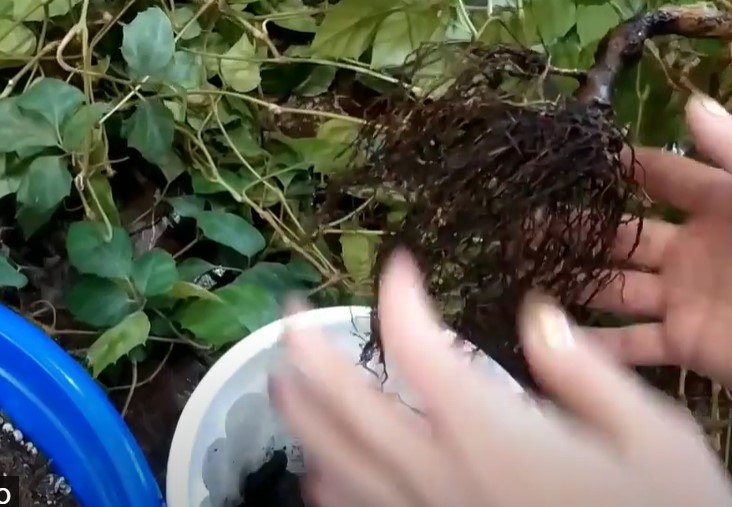
An overgrown bush can be divided into sections. It's important that each section has roots and shoots with leaves. After dividing, it's recommended to treat the cut areas with charcoal powder and then plant them in separate pots.
Rhoicissus and cissus: similarities and differences
These two plants are related genera, grape vines, and some varieties have crossed over from one genus to the other. Their care is similar.
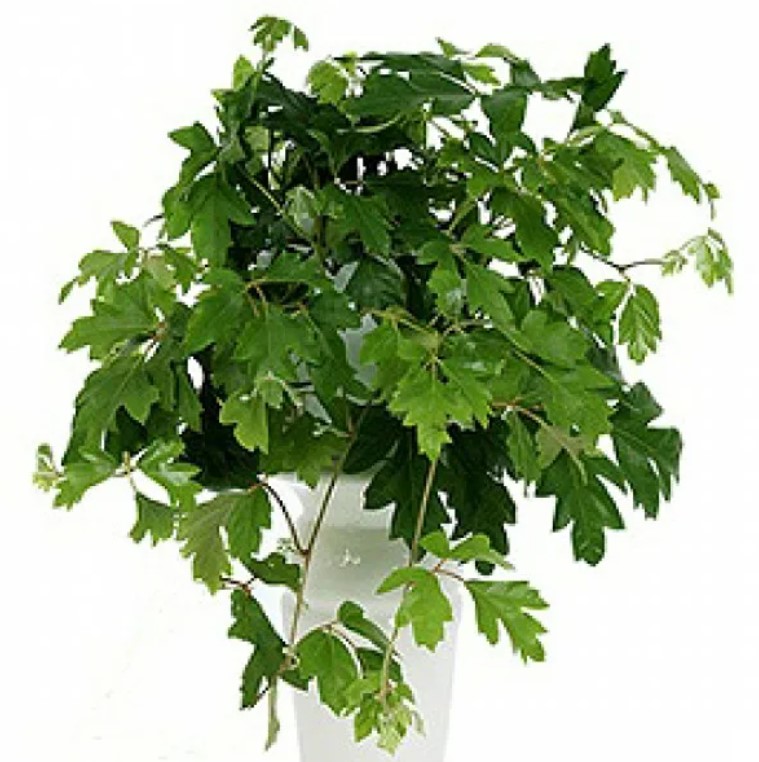
| Parameter | Cissus | Rhoicissus |
| Photo | 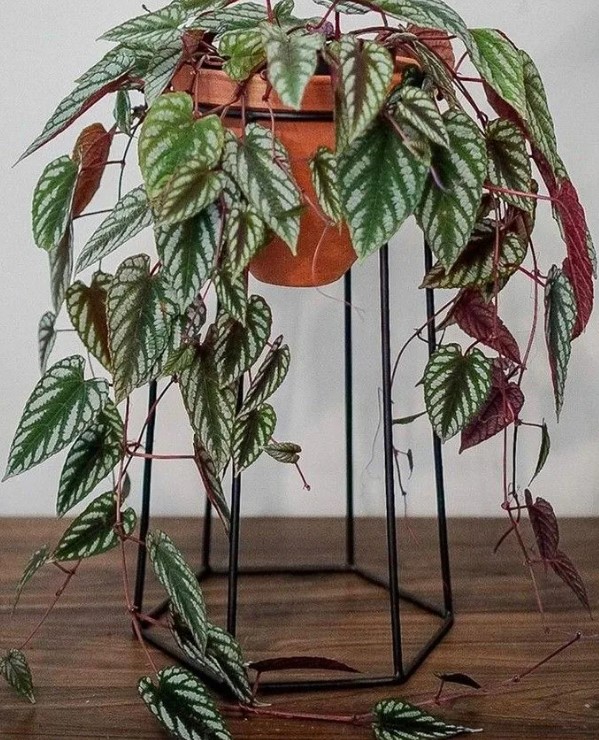 |
 |
| Region of origin | Tropical and subtropical forests of Asia, Africa, Australia, South America. | South Africa. |
| Conditions of detention | Does not tolerate direct sunlight. Grows only indoors. Does not tolerate drafts and temperature changes. Needs air humidity and moderate watering. It can grow in the shade, but is less decorative. Needs support. |
Needs bright, diffused light. Can withstand slight dryness. Loves high air humidity and ventilation. In summer: +15…+22 °C In winter: +5…+15 °C Can withstand temperature changes, even down to 0 °C.
|
| Number of species in the genus (pcs.) | 350 | 17 |
| Leaves | Large, fleshy, smooth. |
Long, narrow, thin, rough, of various shapes. |
| Inflorescences, flowers | Multi-flowered, small star-shaped or bell-shaped, white or white-green. | Single-flowered, rounded with five petals, bright red or orange in color. |
| Shoot growth | Up to 30 m. | up to 2 m. |
| Fertilization type | Male and female flowers on one plant. | Male and female flowers on different plants. |
| Benefit | Absorbs harmful toxic substances from the room air. | The fruits can be used for jam. |
If you are interested in cissus, read more about it in the articleCissus – indoor grapes: types, care, errors in tables + photos.
Problems in growing and their causes
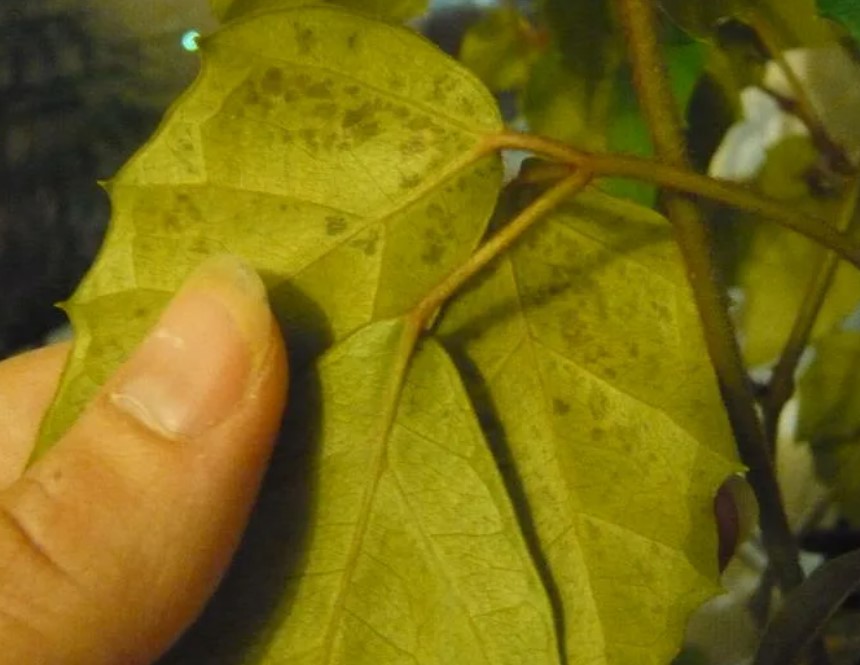
If the plant is not grown correctly, some problems may arise:
- Brown spots may appear on the leaves due to hot sun rays. To prevent this, protect the bush from direct sunlight.
- If the bush is located in a shaded area, the plant's foliage may become smaller and its stems may become elongated. To correct this, it's important to choose a more suitable and bright location.
- Yellowing leaves may occur due to a lack of nutrients or poor watering. The plant needs regular fertilization and watering.
- If the air is very dry, the tips of the leaves may dry out. To correct this problem, regularly mist the leaves with a spray bottle.
- The plant may lose leaves due to sudden changes in room temperature or if there is a draft.
- Slow plant growth may be due to a lack of nutrients in the soil.
Rhoicissus is very popular among indoor gardeners. The plant has an attractive appearance and fits perfectly into any interior, yet it doesn't require any special care.
Gardener reviews of Rhoicissus
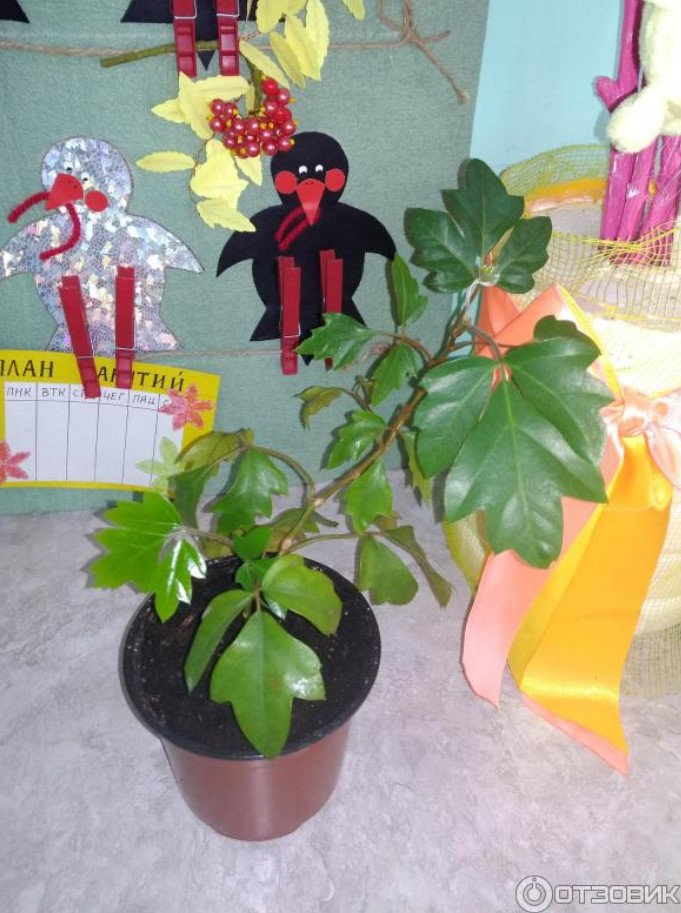
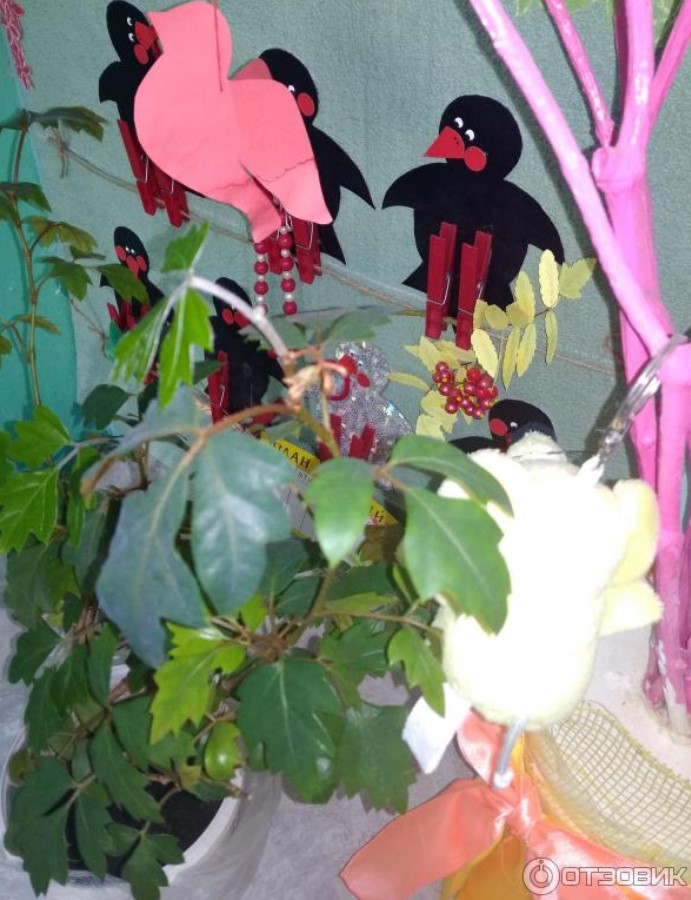
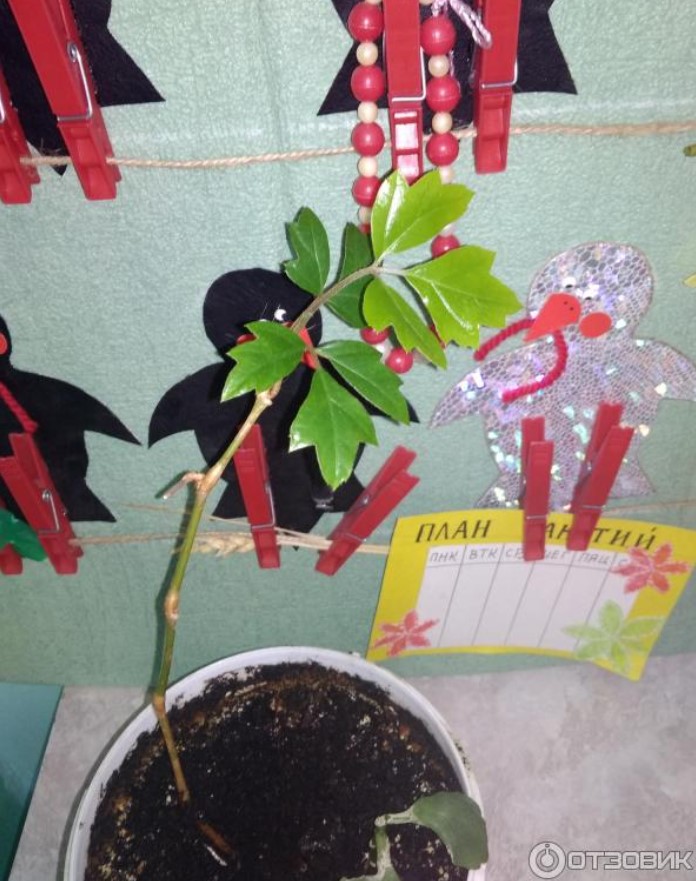
Review: Plant Rhoicissus - Home Birch.
ADVANTAGES:
it is easy to care for
FLAWS:
no flowers
The Rhoicissus plant is a domestic type of birch or, as it is otherwise called, domestic grape.
The Rhoicissus plant is a very easy-to-care-for flower, perfect for those who have absolutely no time to care for houseplants. Rhoicissus can grow in both shade and sun, can adapt to high humidity, and can thrive in dry climates. Rhoicissus also tolerates changes in habitat very well.
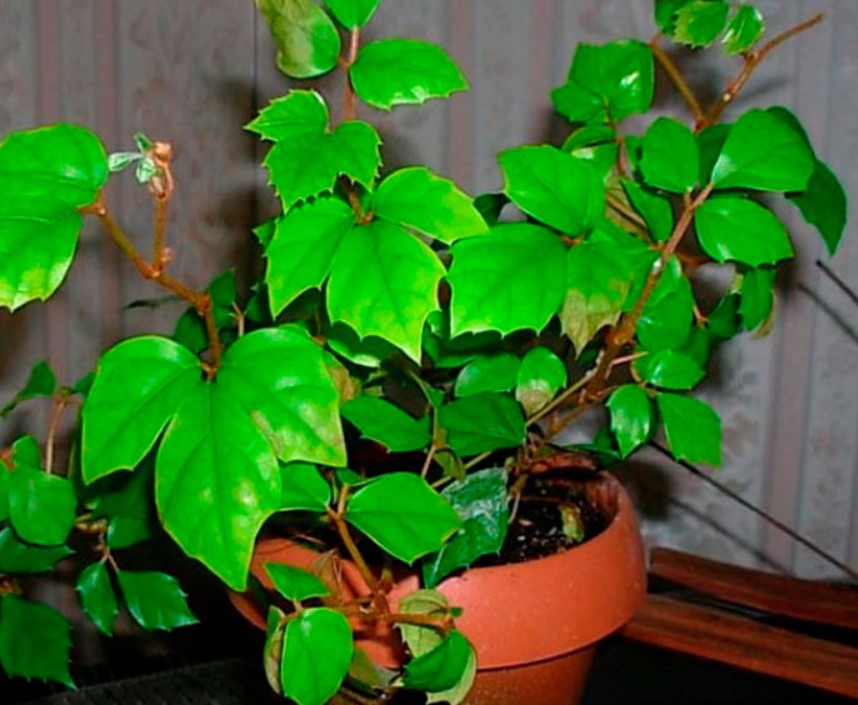
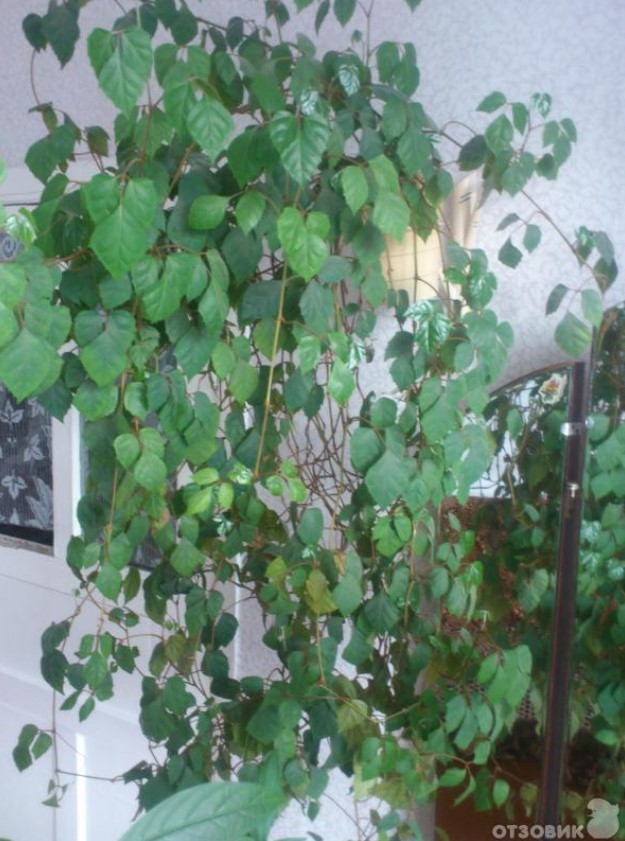
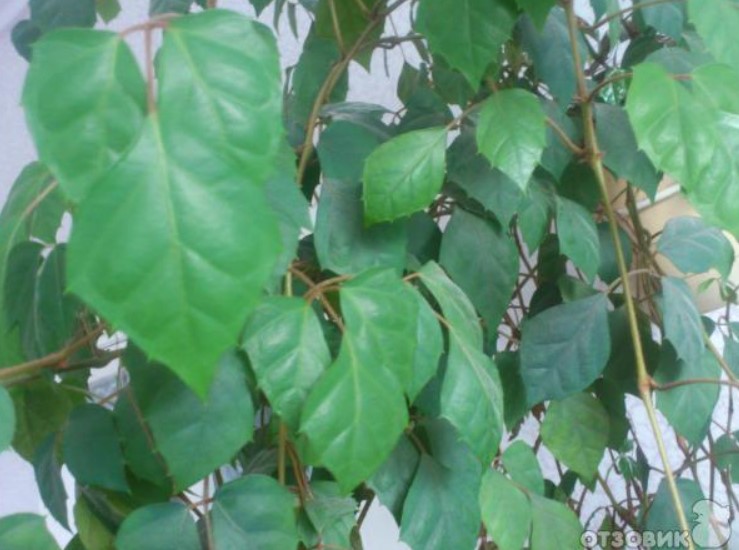
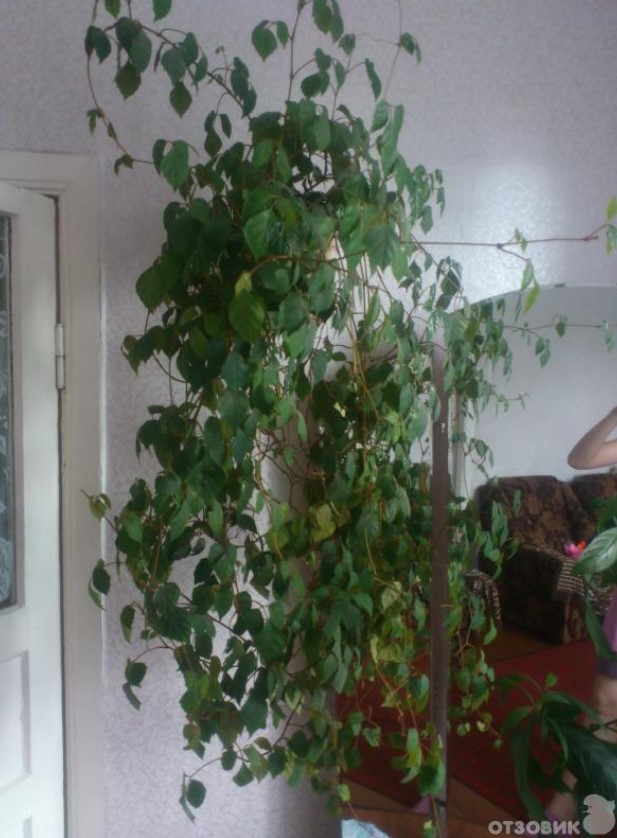
The Rhoicissus plant is called the house birch because its leaves are very similar to those of the Russian birch. They are small, oval, pointed at the tip, and slightly serrated along the edges.
The Rhoicissus plant does not bloom, but only pleases its owners with its beautiful, bright green leaves.
This is a creeping plant and can be grown in hanging pots, as we do here. Then its slender branches will drape over the wall, adorning the wall. You can also use this plant to decorate doorframes. Stretch a rope to support the branches and thread the branches through the rope. Then, when the birch tree is large enough, it will climb the rope itself, grasping it with its tendrils (probably because of this characteristic, the Rhoicissus plant is also called house grape).
The branches of Rhoicissus don't grow very long, a little over a meter at most, and if you pinch them, they will spread out, producing shoots, and then you'll get a very beautiful and neat bush.
Rhoicissus leaves turn yellow, but very rarely. Only very old ones turn yellow first, then dry up and fall off. Generally, the birch tree delights its owners with its green leaves for a long time. However, if the birch tree is exposed to direct sunlight for too long, its leaves will begin to yellow at an unprecedented rate, leaving the plant bare or even dying. Direct sunlight can even dry out the base of the birch tree.
Caring for the Rhoicissus plant is quite simple; the main thing is to keep the soil from drying out for too long. Water moderately, feed with a complete fertilizer as needed (preferably twice a month), and mist the leaves with a spray bottle. For those with more time to care for their plants, you can take the birch tree to the bathroom and shower each leaf. The birch loves this and will reward you with its full beauty.
But the birch tree is strictly an indoor plant, and although its appearance makes it suitable for a balcony, it won't grow outdoors. The Rhoicissus plant absolutely cannot tolerate wind or being outdoors.
Birch trees need to be replanted into new soil every two years, or the top layer of soil needs to be removed and new soil added to increase the amount of beneficial microelements.
As the Rhoicissus plant grows, you need to choose a larger pot.
If you want to propagate a Rhoicissus plant, it's easy. Just cut off some shoots and place them in room-temperature water. Once roots appear, plant them in soil, and they'll begin to grow rapidly.
In general, the Rhoicissus plant, or the Birch Vine, is a very beautiful, green houseplant. It doesn't require much attention; regular watering is sufficient. It can even grow in the shade, but it absolutely cannot tolerate direct sunlight. If this happens, the leaves will begin to turn yellow, and the plant itself may die. It should be occasionally fed with a complex fertilizer and sprayed with a spray bottle. Birch trees also love showers, so you can treat them to this as well. The Rhoicissus plant is very beautiful and easy to grow.
Review: Rhoicissus plant - an absolutely unpretentious green friend
ADVANTAGES:
beautiful green design
FLAWS:
does not bloom
It's often hard to imagine a home without some greenery inside. Many people love to decorate their kitchens with various vines and ivy. I'm no exception, fortunately I have plenty of space.
Rhoicissus is one of the most easy-to-grow indoor plants. It prefers a bright room but can also tolerate artificial light. In summer, it needs protection from bright sunlight to prevent leaf burn, and fresh air is especially beneficial.
In summer, the plant can be moved outside (I do this all the time, moving the plants to my mother's house in the garden). Outside, they seem to gain strength over the summer, becoming very vibrant and healthy. The main thing is not to overdo it with sun. In winter, rhoicissus needs a bright, cool spot (around 10-15 degrees Celsius), although this is more difficult: where can you find such a spot in an apartment? A balcony is suitable, but unfortunately, you can't control the temperature there, and when frost sets in, you can't leave the plant there. Therefore, I keep the flowers in the kitchen all winter and spring, at room temperature (around 23 degrees Celsius).
Rhoicissus needs to be watered and misted frequently, especially in summer, with soft, settled water. In winter, in a cool room, watering is minimal. In a warm room, I water the plant frequently.
It's best to propagate rhoicissus by cuttings in spring and summer—they take root very easily. First, I soak the cuttings in water until roots appear, then I transplant them into the ground.
There are several types of indoor grapes, and all of them form a beautiful green "cap" when properly pruned. When the plant is healthy, it will delight you with its appearance anywhere in the house.
Overall impression: An absolutely unpretentious green friend
My rating:
Recommend to friends: YES
Review: Rhoicissus Plant - Grape Tree
ADVANTAGES:
Ornamental foliage plant
FLAWS:
no flowering
Good morning everyone!
Today I'm drinking coffee and looking at my renewed charge, which has already taken root, settled in, and is producing leaves one after another.
Rhoicissus plant
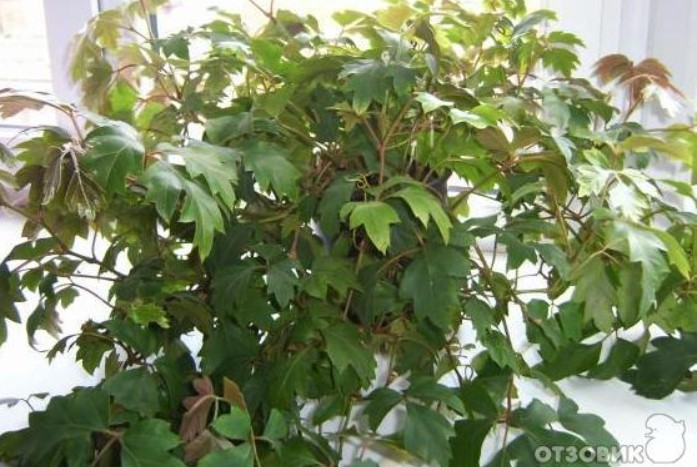
A beautiful deciduous shrub. It grows as a low, bushy shrub; if placed on a stand, the bushes will begin to droop along the wall like vines.
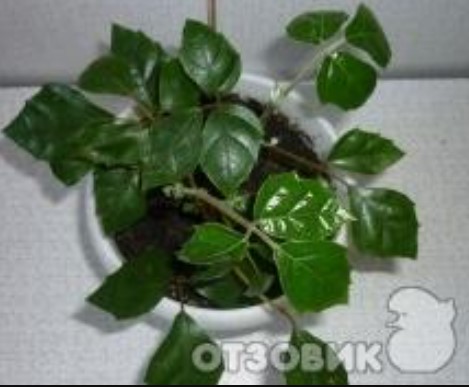
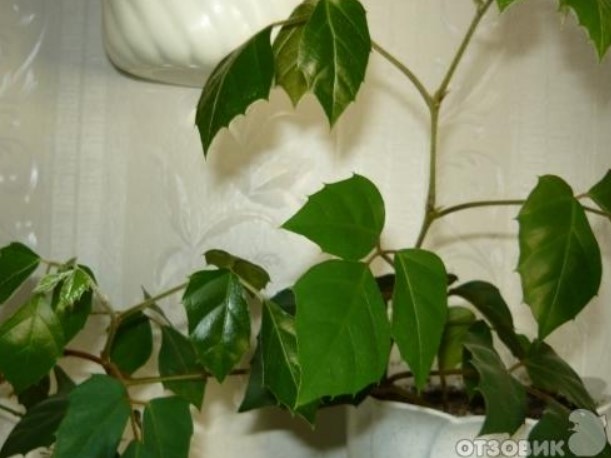
The leaves of the Rhoicissus are serrated and very similar to grapevines, but this plant is commonly called "Indoor Birch." This is because there is a species whose leaves closely resemble those of the birch tree. The leaves last a long time and produce little debris. Fresh leaves are lighter in color and have a fine fuzz; more mature leaves become a more intense green.
The plant is easy to care for and requires moderate watering. I occasionally mist it in hot weather, but it shouldn't be placed in direct sunlight, as the leaves will burn. It's best placed in partial shade, but it does enjoy full sun.
This flower responds to care with large glossy leaves and a healthy appearance.
Propagation is by cuttings. In the spring, cut a cutting with 2-3 "nodes" and place it in water for a while until roots appear. The roots grow quickly, and when they reach 2-5 cm, they can be potted. Of the five cuttings, only one was unsuitable for planting.
I recommend this flower for home growing, as it is non-poisonous, has a beautiful decorative appearance, is unpretentious and very welcoming!