Alternanthera, also known as Alternanthera, is a fascinating genus of plants in the Amaranthaceae family. This genus includes approximately 200 species, each with its own unique characteristics. The name "Alternanthera" comes from the Latin "alternans," meaning "variable," referring to the variety of leaf shapes and colors. These plants are found in the subtropical regions of the Americas, Australia, Africa, and the Galapagos Islands. Alternanthera is ideal for creating beautiful aquariums and ponds, as well as for decorating garden plots.
Content
- 1 Botanical description of the genus Alternanthera
- 2 Alternanthera photo gallery
- 3 Varieties of Alternanthera species
- 4 Alternanthera species and varieties for the garden and home
- 5 Alternanthera species and varieties for aquariums
- 6 Growing Alternanthera in the Garden and at Home 🌿
- 7 Features of growing Alternanthera in an aquarium
- 8 Alternanthera in landscape design
Botanical description of the genus Alternanthera
Plants in this genus can be both annual and perennial. They often occur as small subshrubs. Stems can be creeping, prostrate, or erect, and some species can even float in water. Leaves are usually opposite each other and can be petiolate or sessile. Leaf shape varies from lanceolate to ovate, and margins can be entire.
Inflorescences can be terminal or axillary and take the form of cylindrical spikelets or heads. The flowers are bisexual and consist of five membranous perianth petals, often unequal. They typically have three to five stamens, fused at the base to form a short tube.
The fruits are sacs containing a biconvex or ovoid-oblong seed.
Alternanthera photo gallery
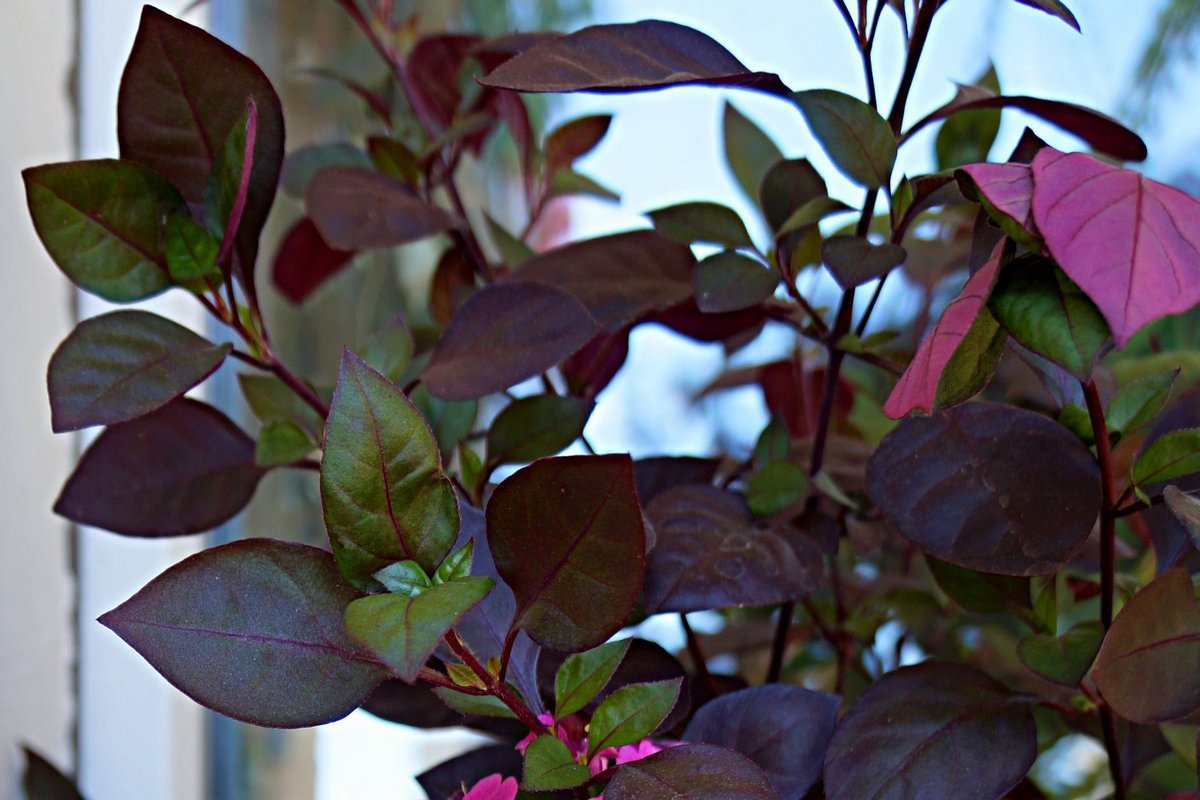
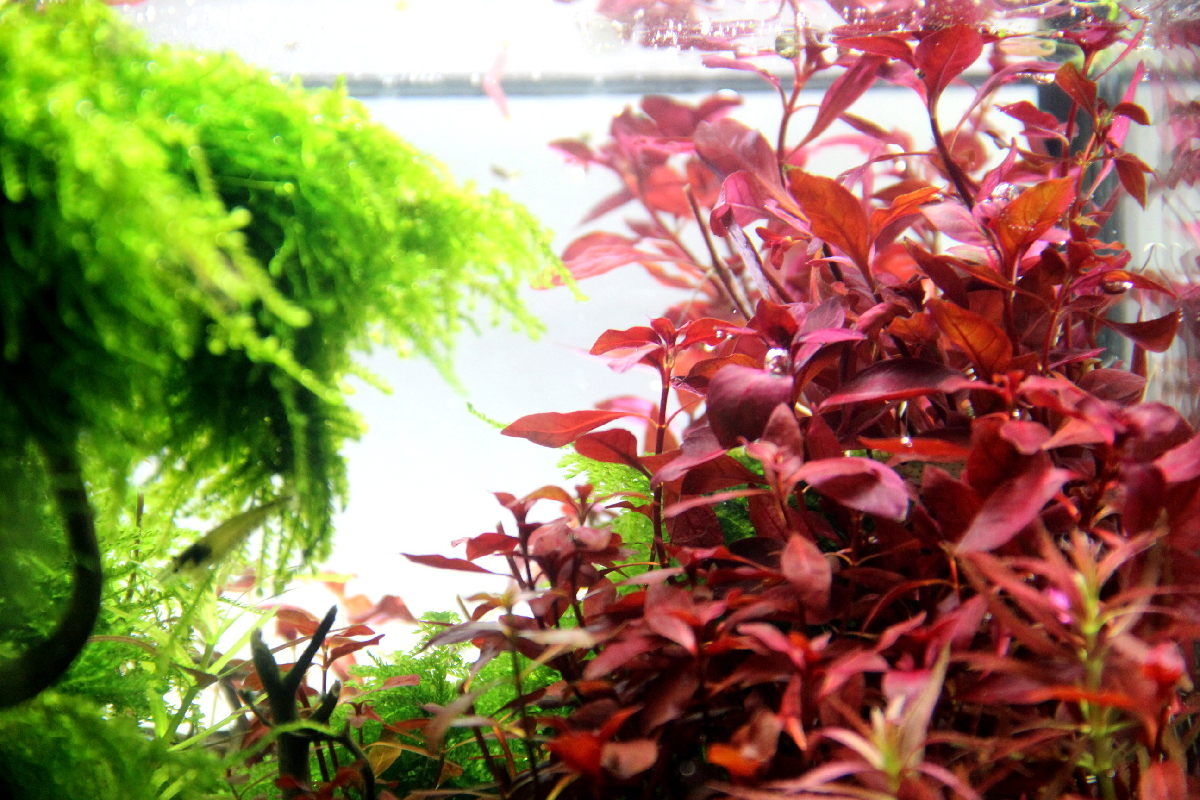
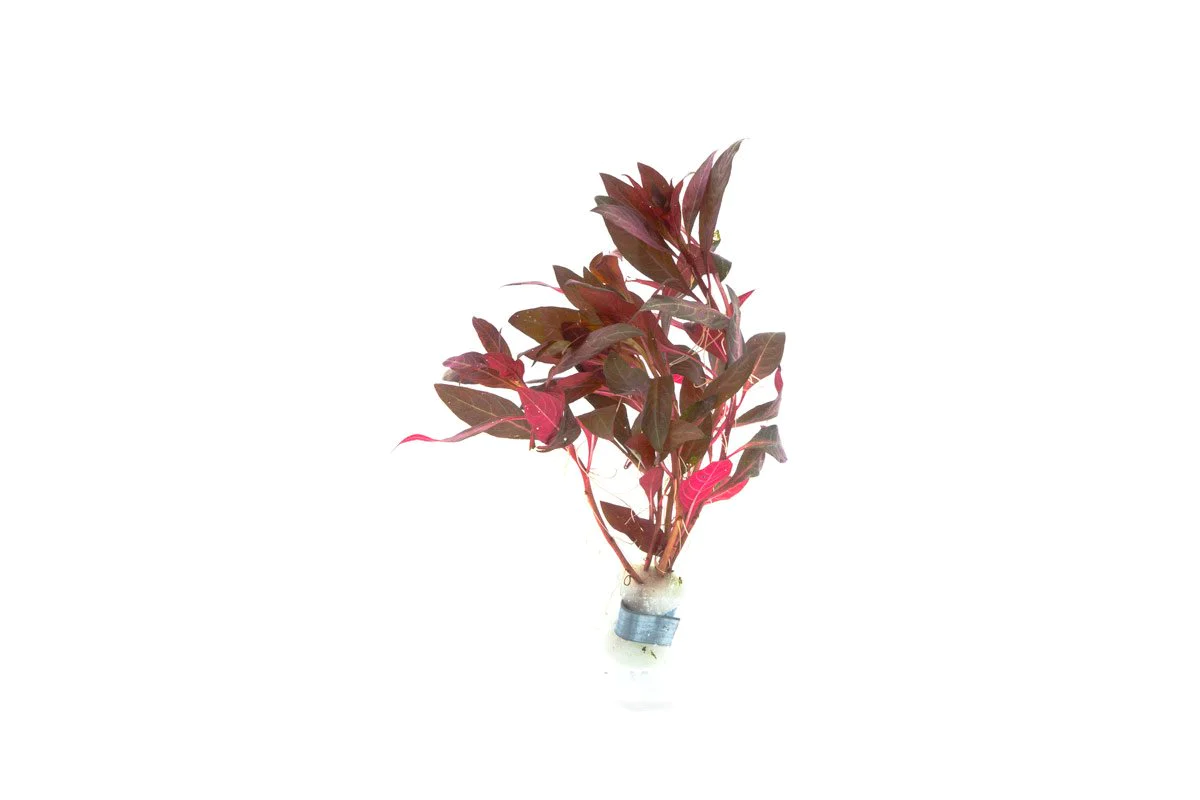
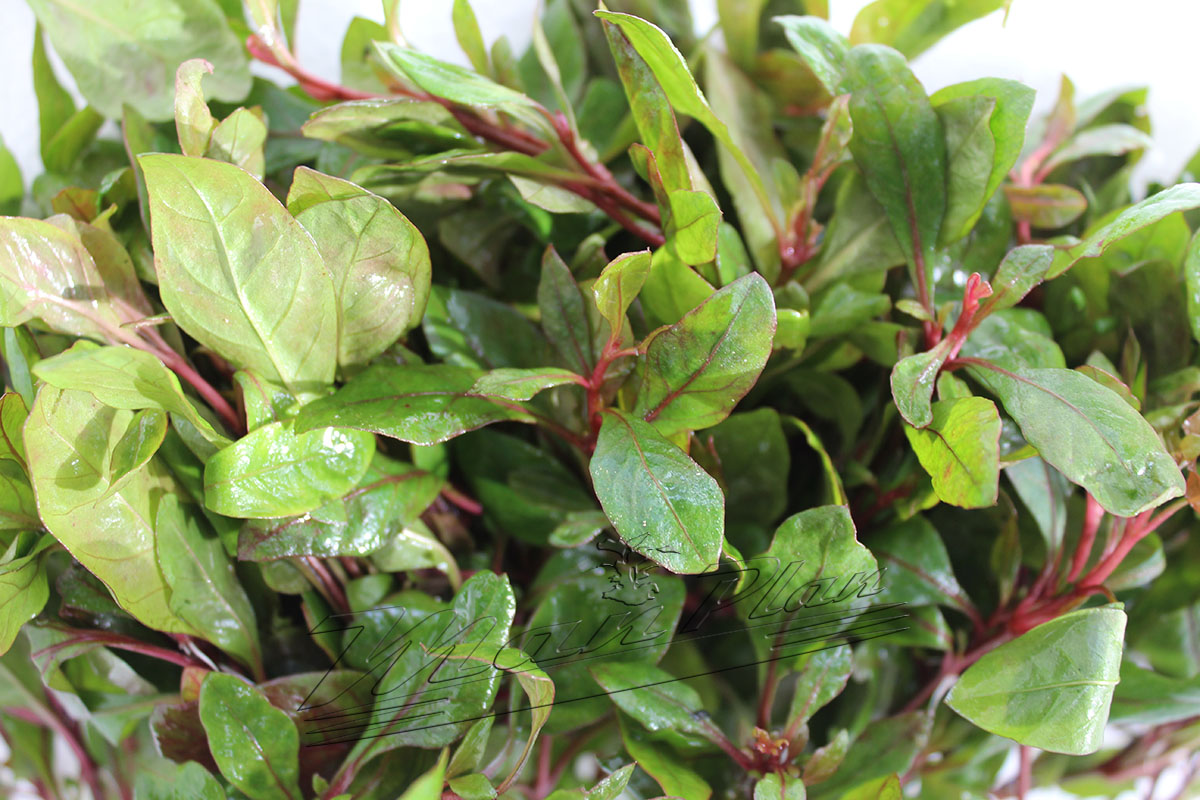
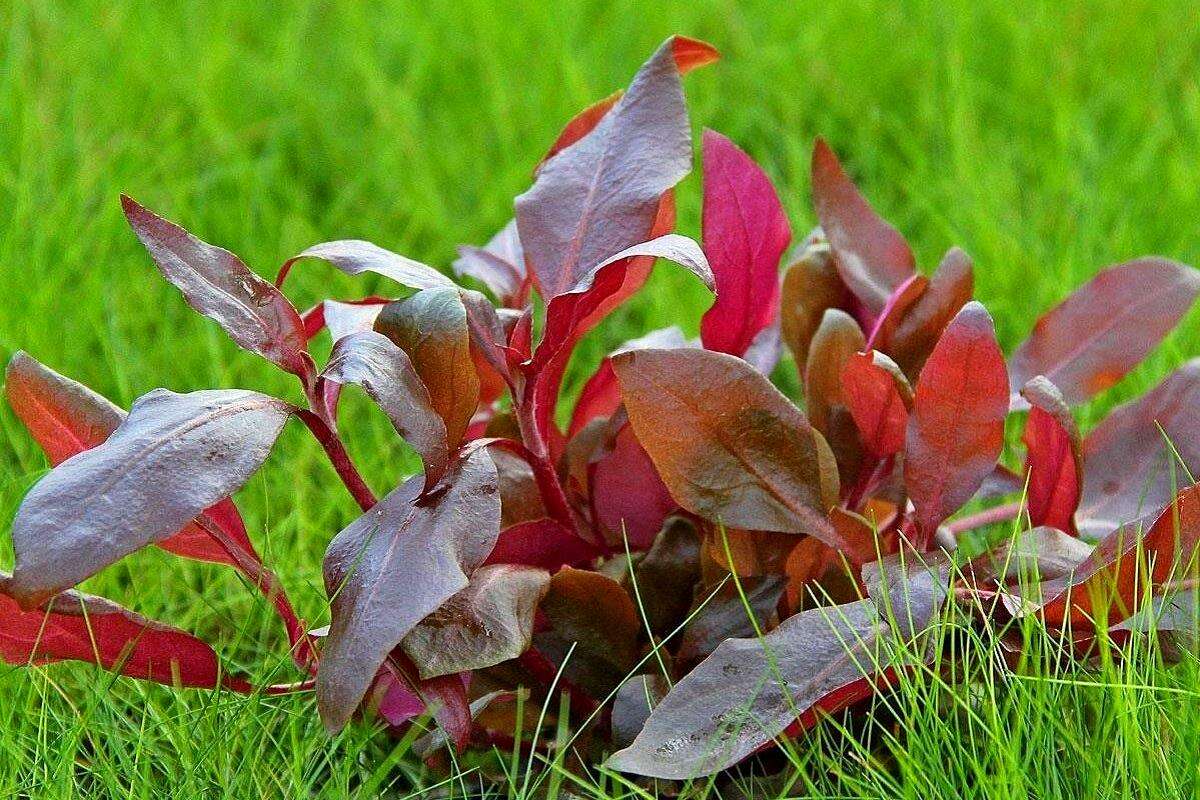
Varieties of Alternanthera species
Alternanthera is a versatile plant, suitable for both the home and garden. 🌿 Some species can even thrive in an aquarium! 🐠 They vary in leaf color and size, creating variety in the landscape. 🌈 The leaves can be green or red, and the flowers are small and inconspicuous. The variety of colors and shapes makes Alternanthera a popular choice among gardeners and designers. 💐
Garden varieties are perfect for creating beautiful flowerbeds and decorative arrangements. 🌺 Even after overwintering indoors, they can continue to grow, delighting the eye with their appearance. Alternanthera brasiliensis, with its vibrant red-green leaves, is ideal for flowerbeds and lawns. 🍃 And for aquariums, Reineka adds a special charm to the underwater world. 🌊
Alternanthera species and varieties for the garden and home
Alternanthera is a remarkable genus of plants, represented by a diverse range of species and varieties, perfect for both gardens and home interiors. 🌿 In this section, we'll explore the various species and varieties and their characteristics.
Alternanthera dentata, brasiliana
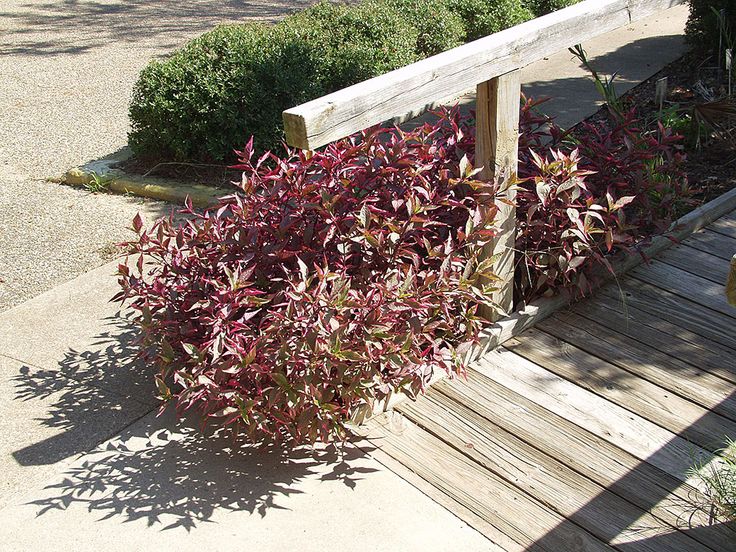
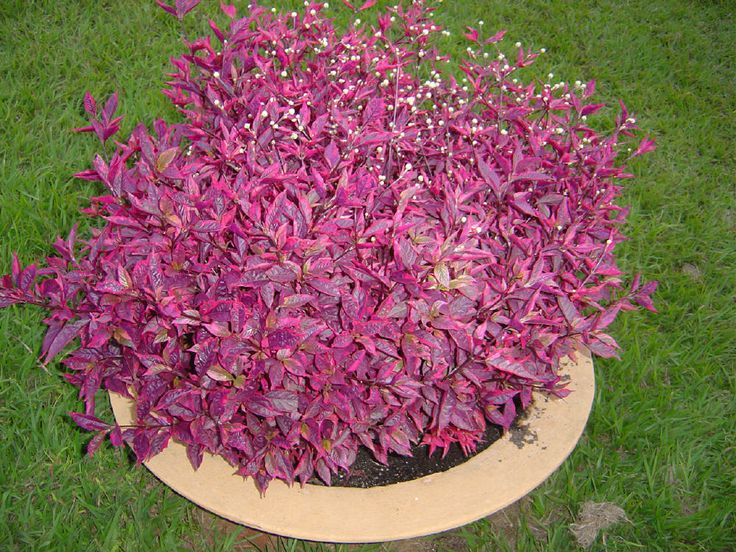
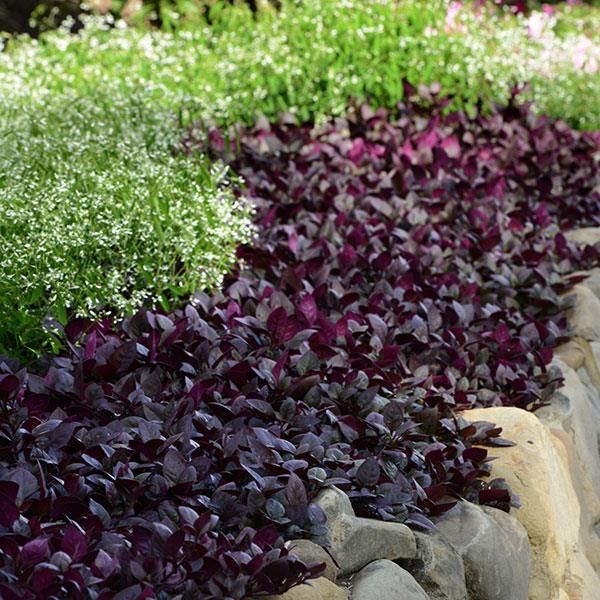
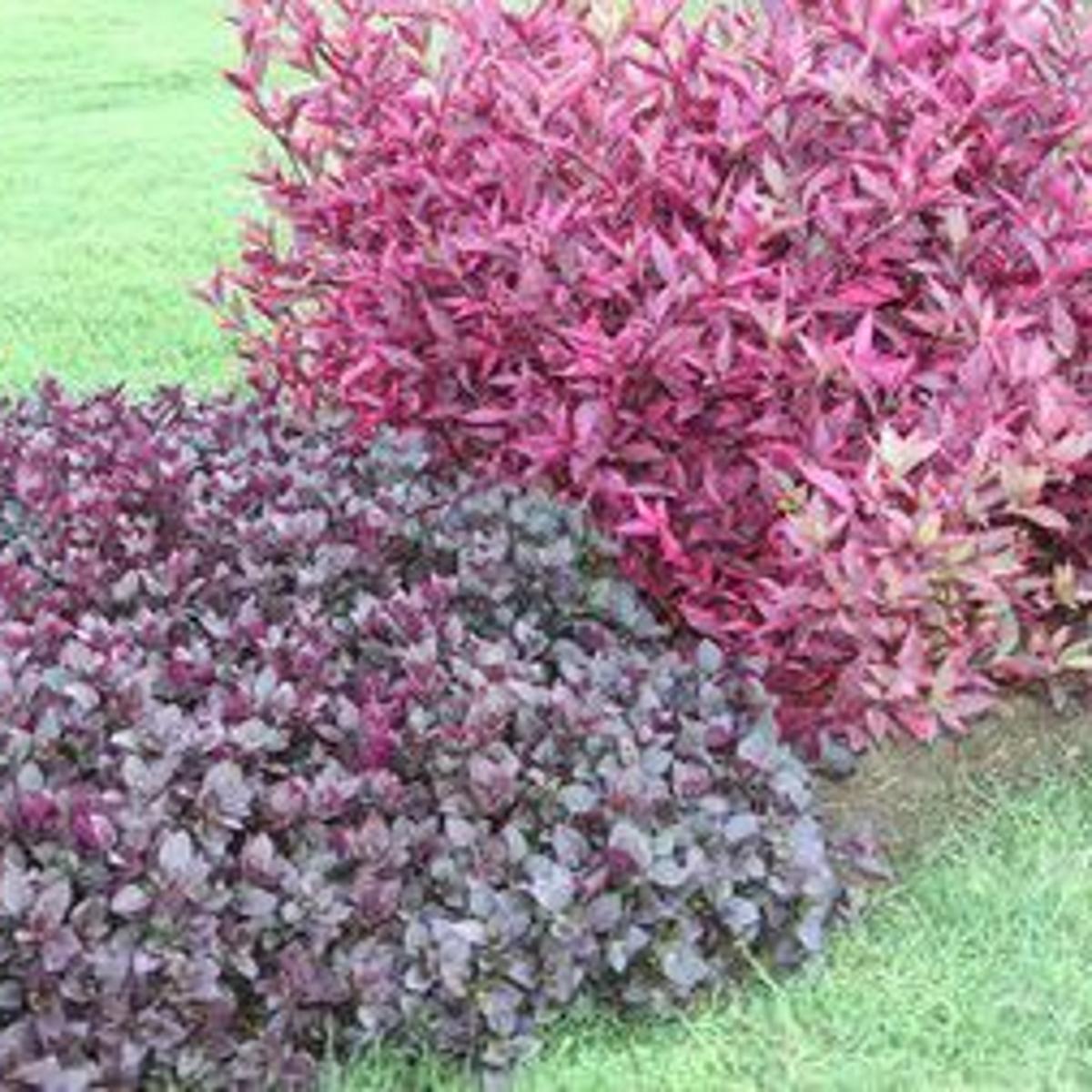
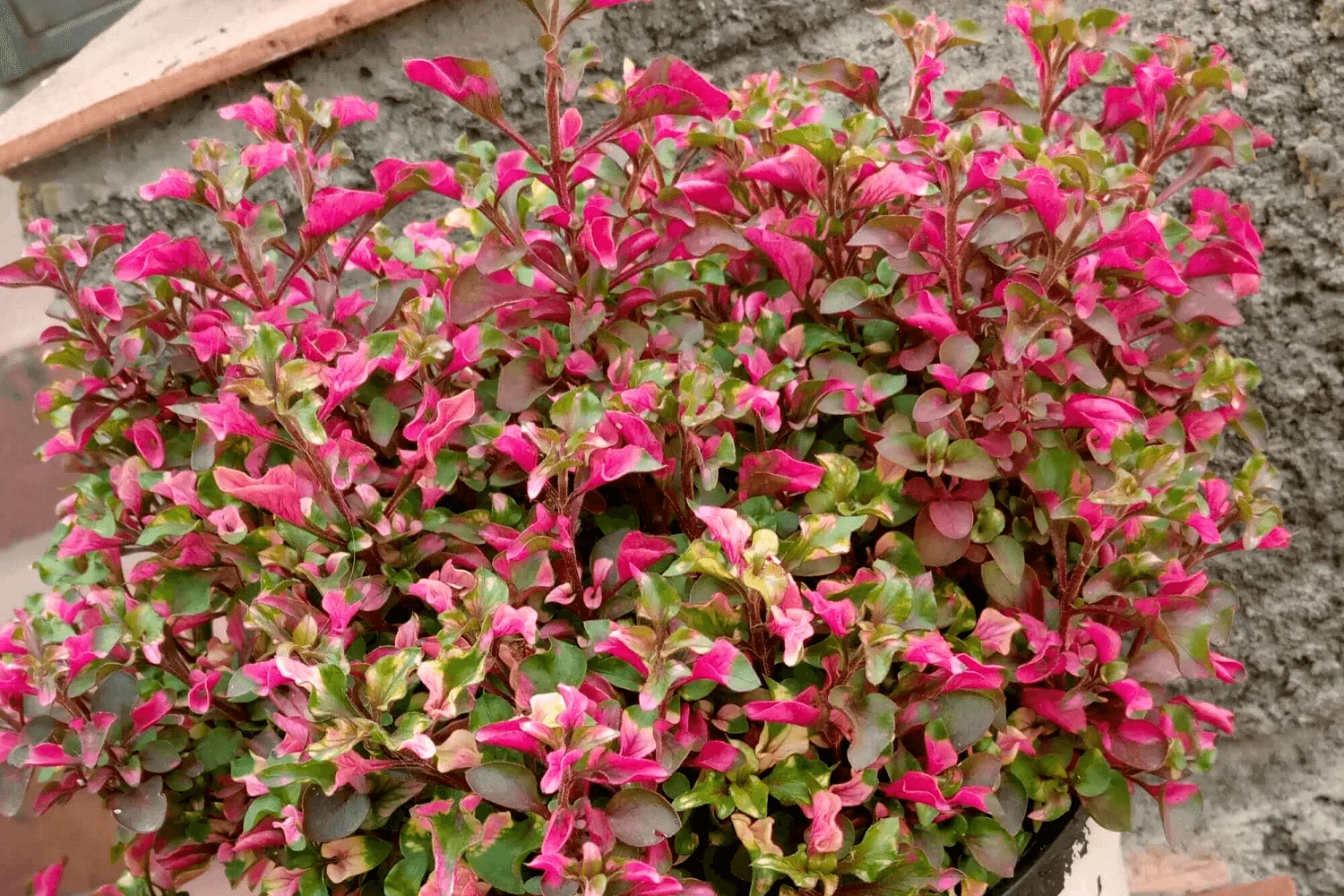
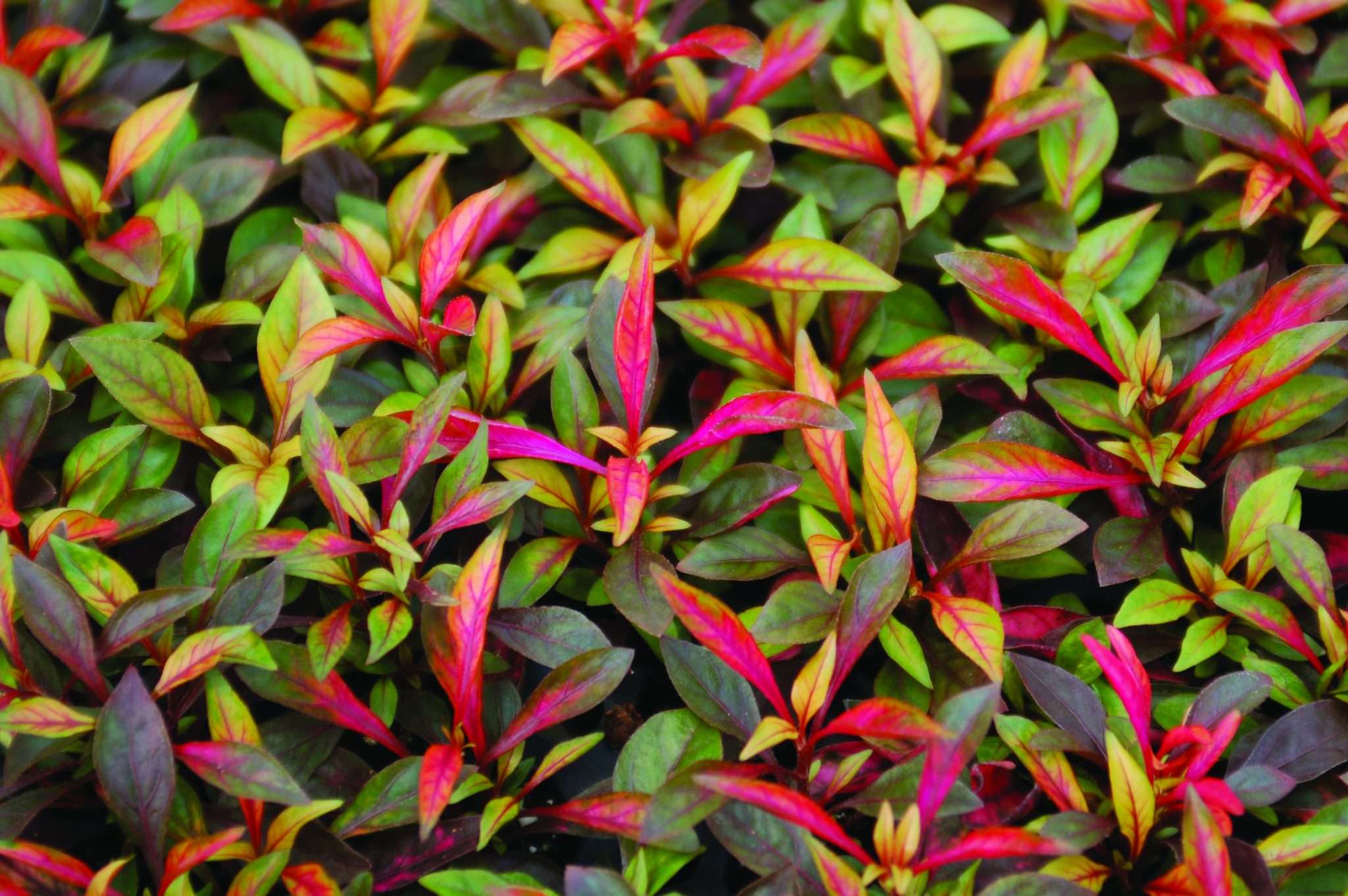
Widely used in ornamental gardening. 🌿 It forms beautiful upright bushes 30 to 60 centimeters tall and is characterized by rapid growth. 🌱 Its leaves are linear-lanceolate, usually green, but there are varieties with purple and violet leaves, which are more popular among gardeners. 🍃 Small white flowers appear in late autumn, but their blooms have little ornamental value. 🌸
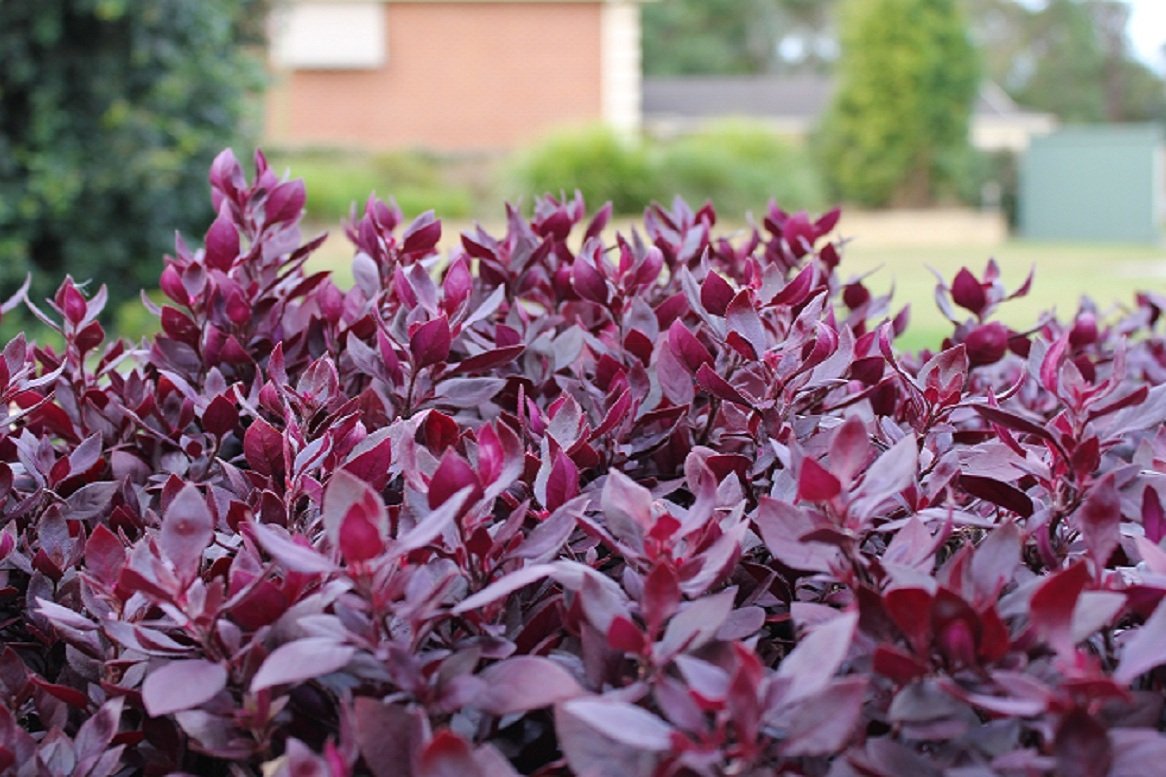
This tropical plant thrives only in warm climates and is winter-hardy only in USDA zone 7. ❄️ In temperate and northern latitudes, it is grown as an annual or as a houseplant.
| Variety | Description |
|---|---|
| Little Ruby
|
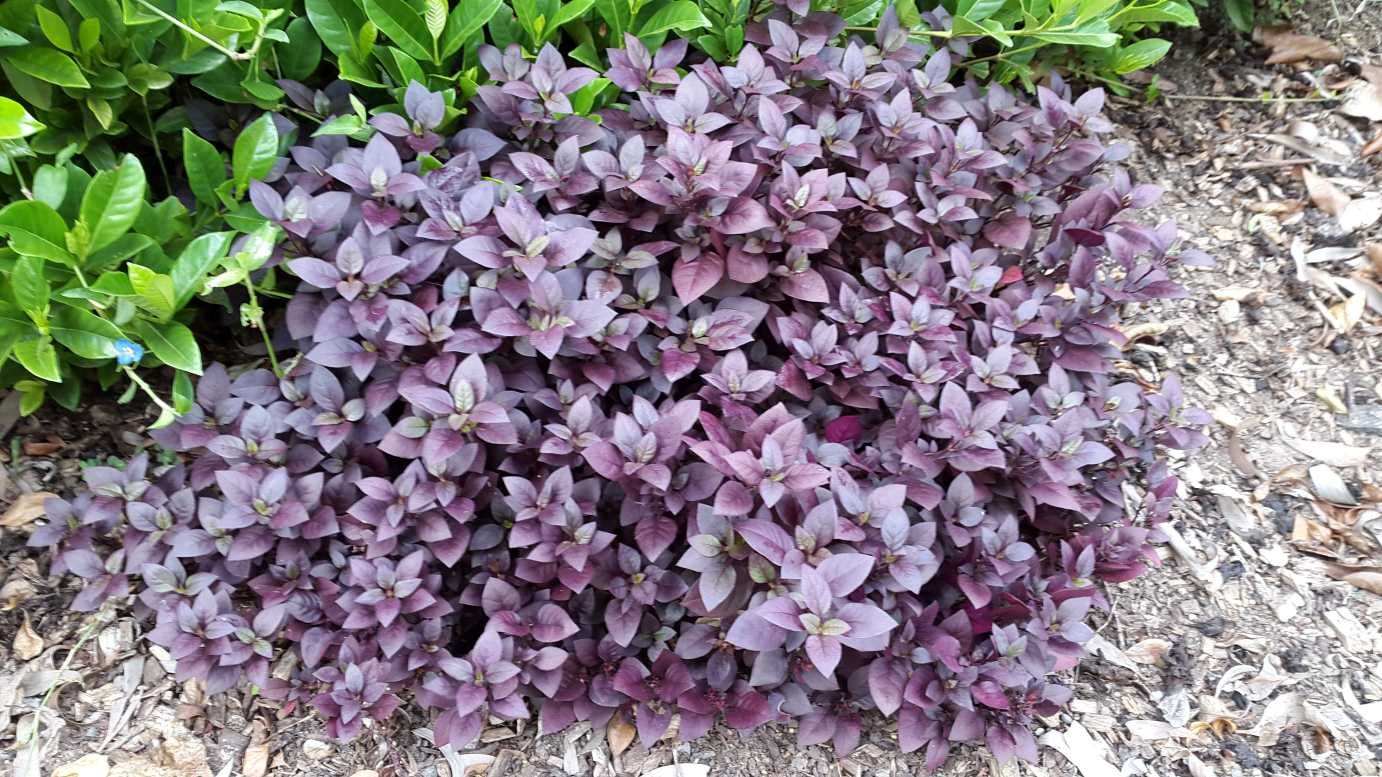
It's a compact shrub growing up to 40 cm tall and 60 cm wide. Its dark burgundy foliage with a vibrant ruby-red underside creates a unique decorative appearance. It's perfect for flower beds and is frost-resistant, although it can't overwinter outdoors. |
| Purple Knight
|
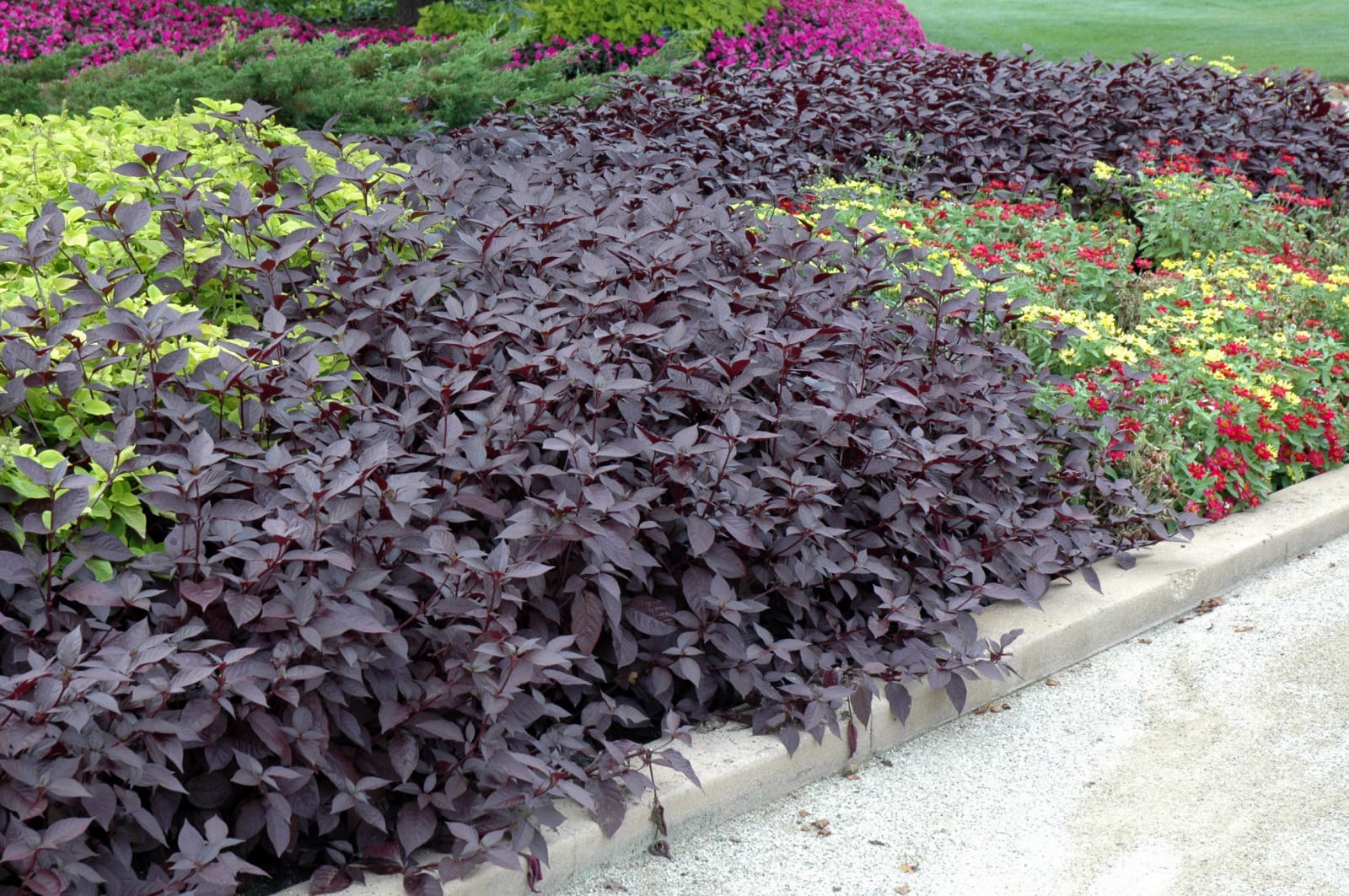
It grows taller, reaching up to 50 cm in height and 30 cm in width. Its dark purple foliage deepens in bright light and hot weather. This variety creates striking vertical accents in lawns and containers, complementing arrangements with other annuals. |
Alternanthera amoena
This evergreen shrub, known as Alternanthera amoena, always delights the eye with its exquisite beauty. It prefers a moderately warm climate and abundant watering. It thrives both in pots and in the open ground.
This plant rarely exceeds 15 centimeters in height. Its small stems grow straight up, forming a compact bush. And the leaves! They can be green, burgundy, red, or orange; their oval shape, smooth edges, and the veins on their surface add a special charm.
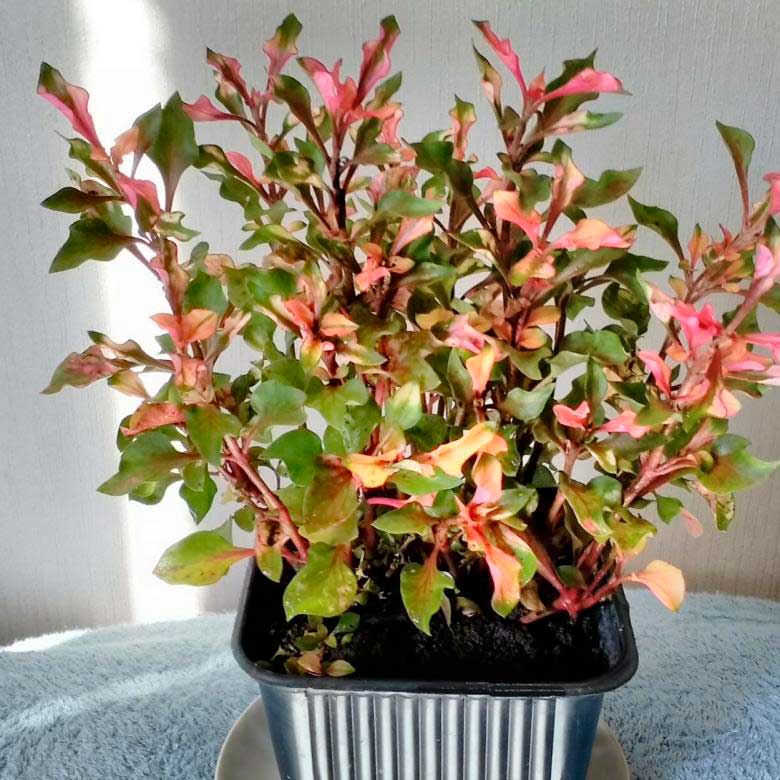
During the hottest months, June and July, this little plant blooms and delights its owners with delicate white flowers. While they're not particularly striking in appearance, they add a touch of tenderness to this plant. 🌼
Alternanthera species and varieties for aquariums
In this section, we'll explore alternanthera for the aquarium—plants with a variety of leaf colors that will add vibrant color and texture to your aquarium landscape.
Alternanthera reineckii
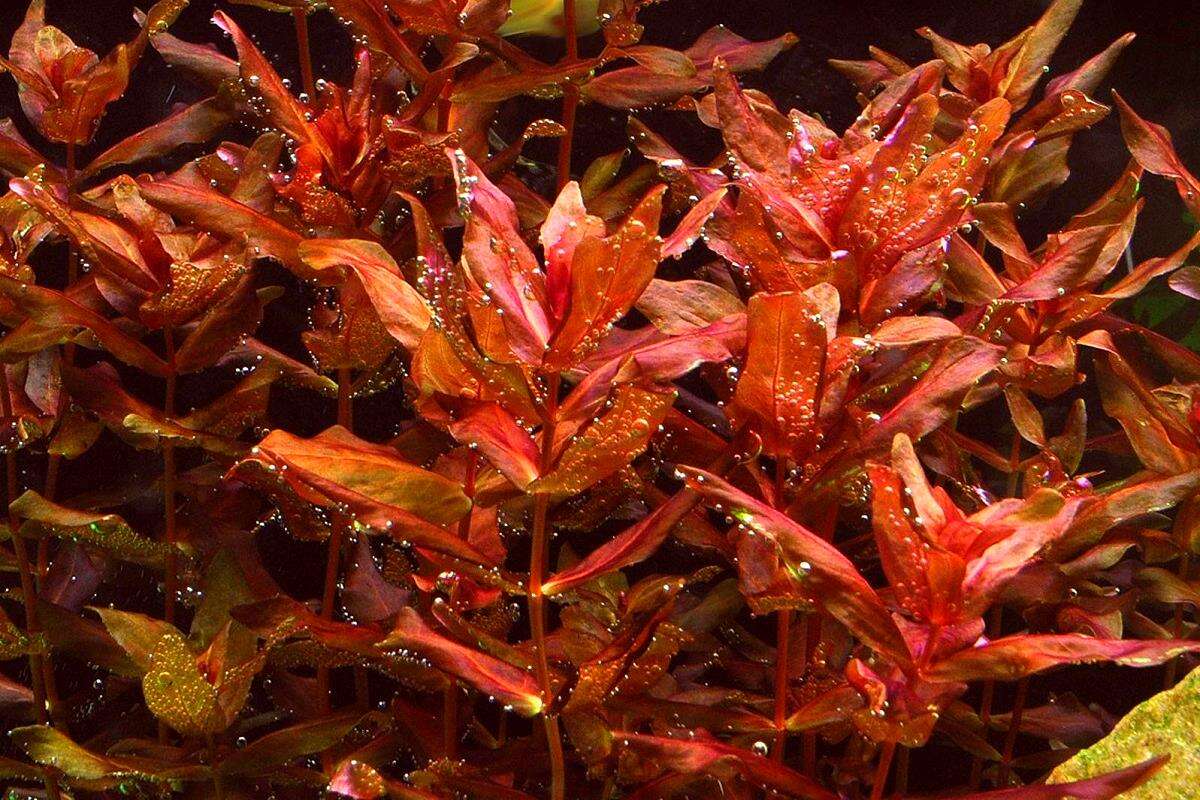
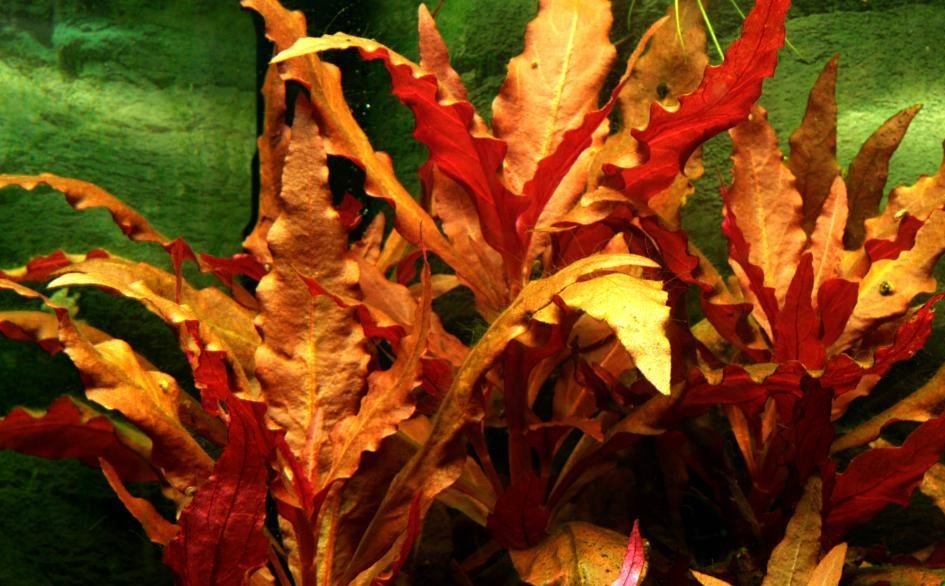
It attracts attention with its long stems and brightly colored leaves, which shimmer from pink-red to dark purple. 🌈
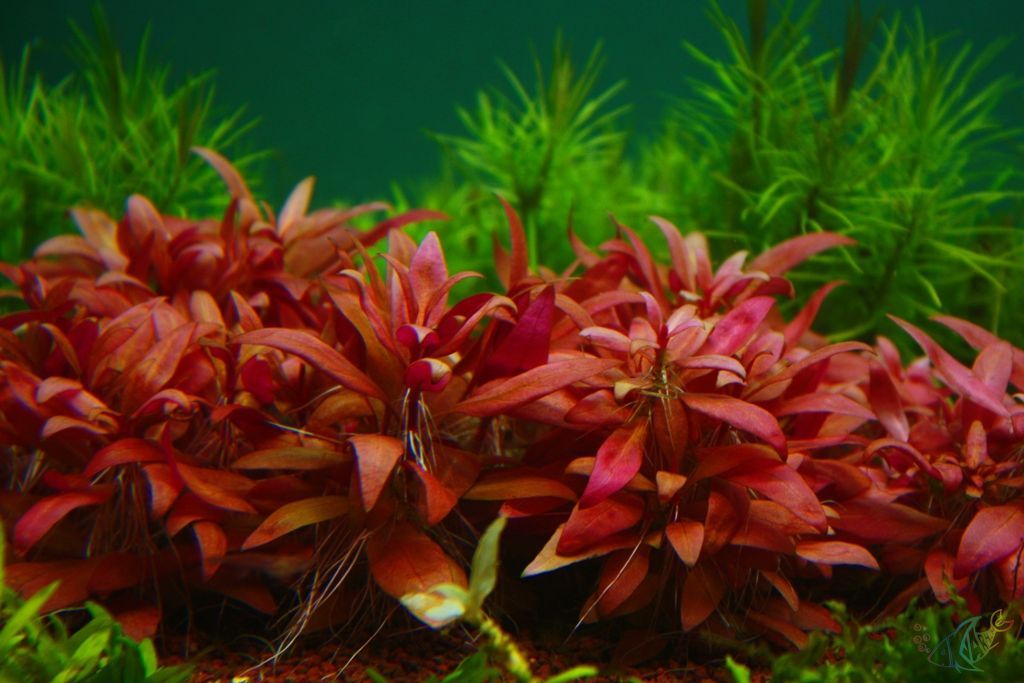
Its flexible stems, spreading across the water's surface, can grow to considerable lengths, creating a striking display in an aquarium. The leaves of this Alternanthera are very delicate and fragile, measuring about 4 cm long and 2 cm wide.
There are various varieties of this plant, each with a different leaf shape: narrow-leaved, triangular-leaved, cypress-leaved, and large-leaved. Each adds its own unique touch of beauty to the aquarium landscape. 🌱🐠
Alternanthera sessilis
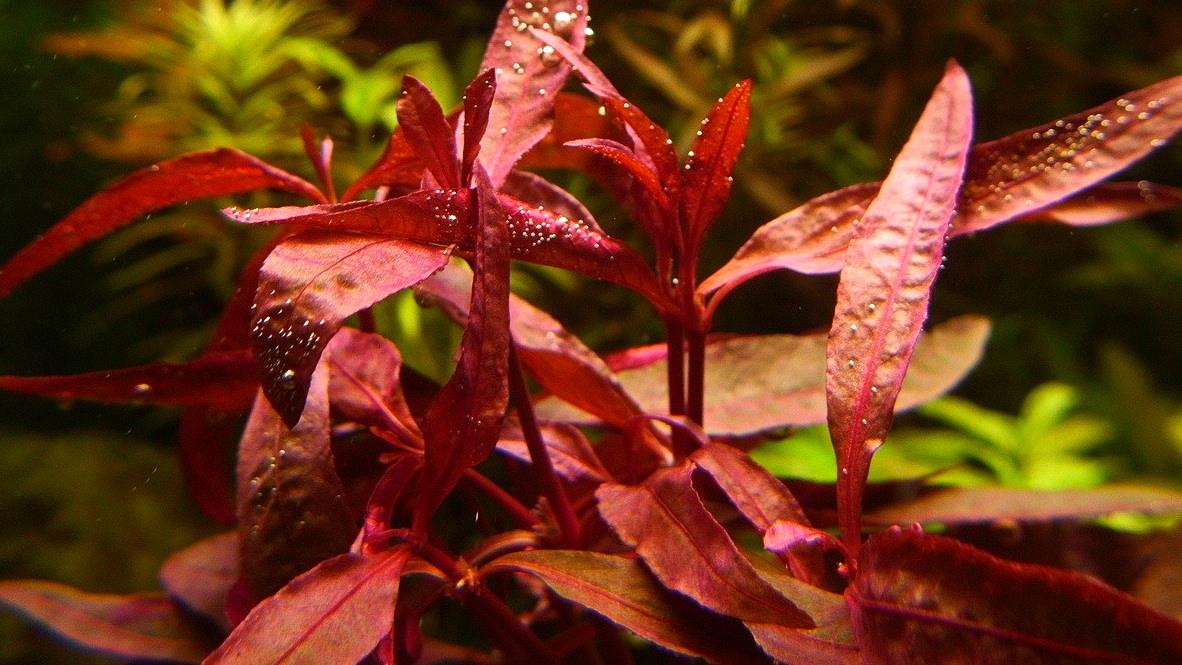
This is a beautiful plant that is extremely popular due to its attractive leaf coloring, which ranges from pink-green to purple-red. 🌈
It's long-stemmed and relatively easy to grow, making it an ideal choice. It thrives in both a deep aquarium and a humid greenhouse. Underwater, it grows evenly throughout the year. 🌱🐟
Alternanthera bettzickiana
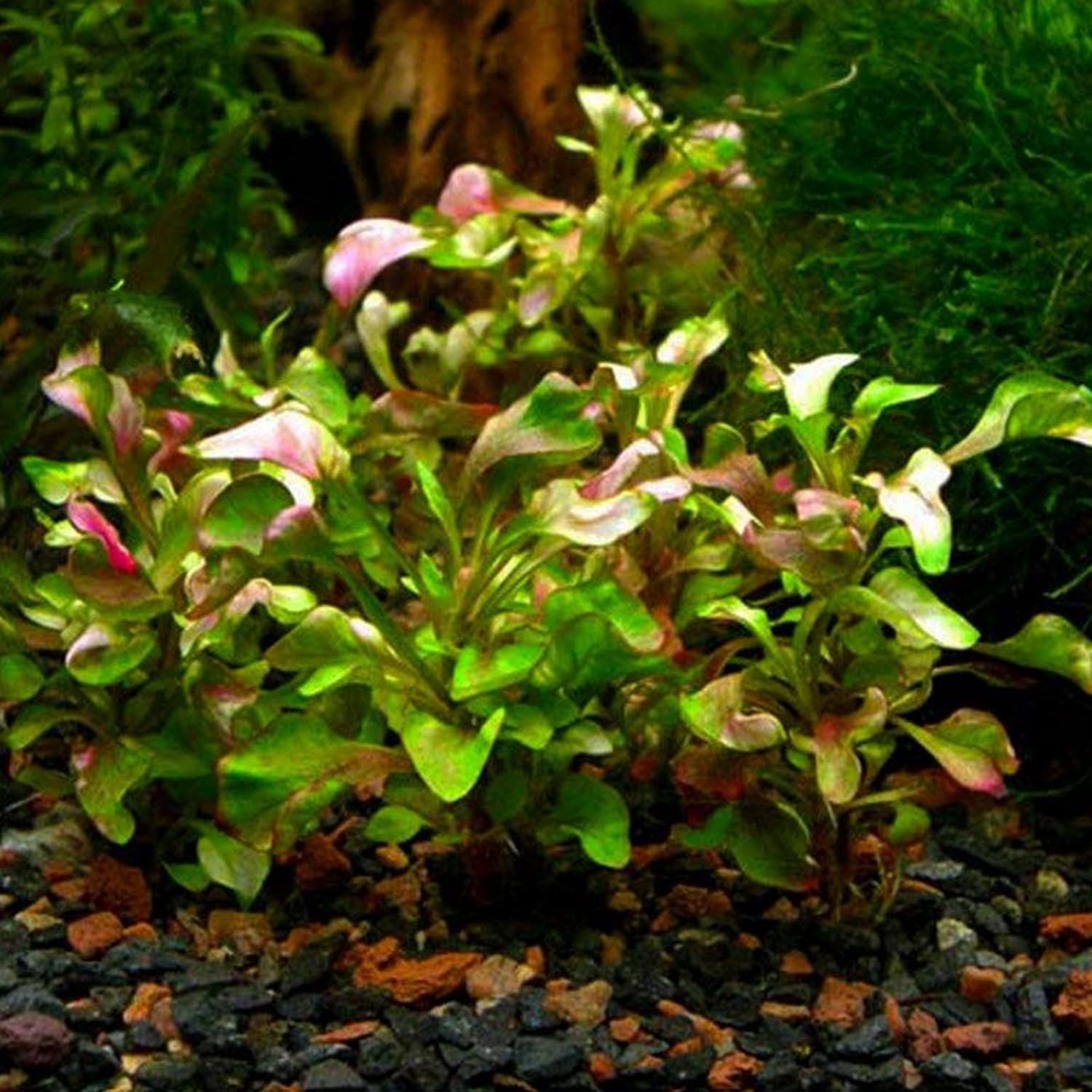
This plant species is truly long-lived! 🌱 It thrives in waters with high humidity, making it an excellent choice for aquariums. Its branched stems will add a special charm to your aquascape.
The leaves of this Alternanthera are paired, long, and fluffy, and their color can vary from green to beige and even yellow. A distinctive feature is the concavity of the leaves at their base.
Want your Betzickiana to delight you with a beautiful red hue? Then pay attention to lighting! Bright light will help this plant reveal its full beauty. We recommend using modern LED lights with an intense light output and the right spectrum to stimulate photosynthesis and ensure healthy growth. 💡🌈
Alternanthera splendida
This magnificent plant is often found on the banks of swamps and rivers, where it blooms in all its glory. Its height typically does not exceed 40 centimeters, making it an ideal choice for a variety of landscape compositions.
The stems of this Alternanthera can be either creeping or upright, and the leaves are arranged parallel to each other. They are oval-shaped with smooth edges and can be colored pink, burgundy, or purple, adding vibrant color to your garden or aquarium. 🌸🌊
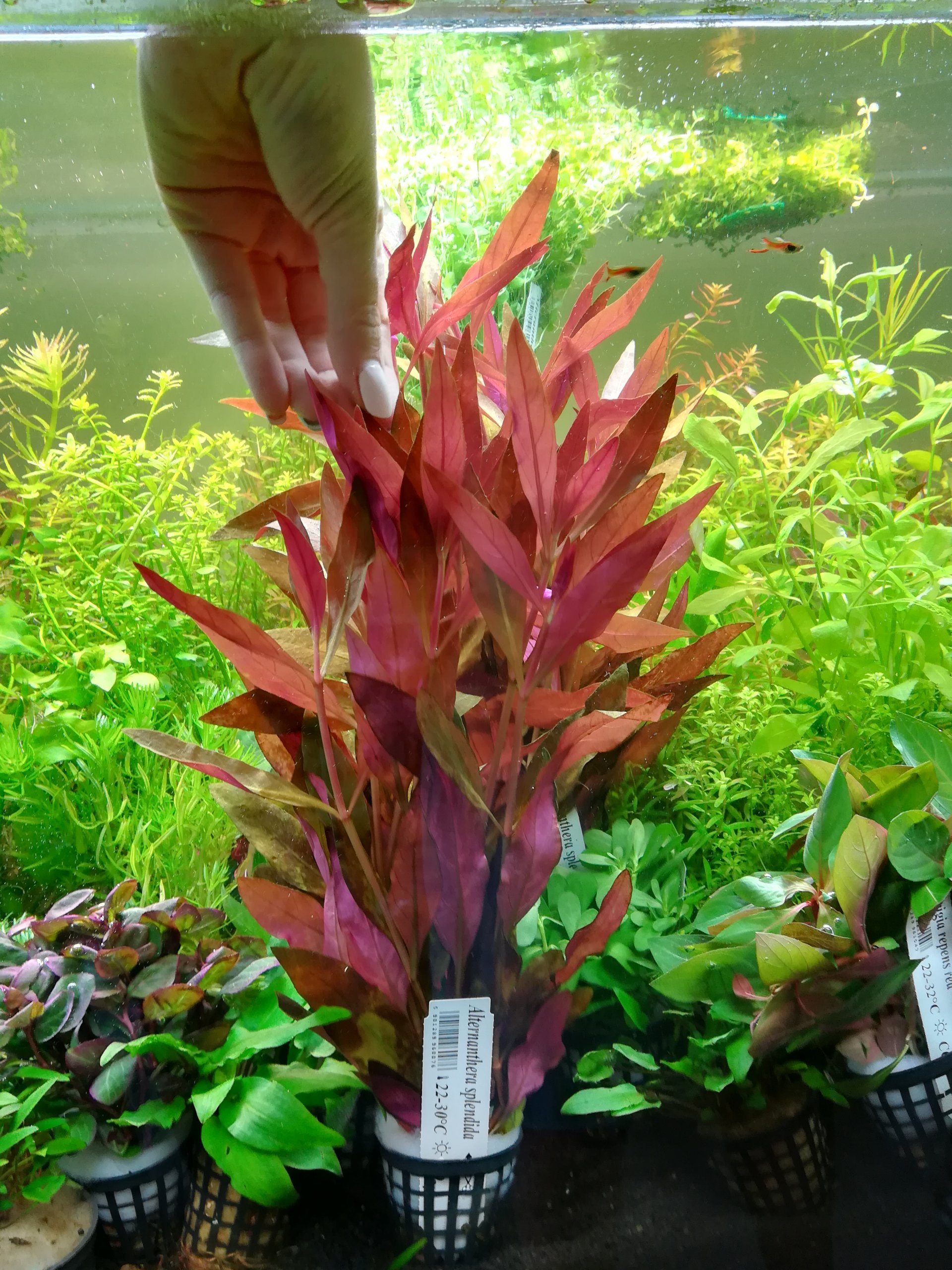
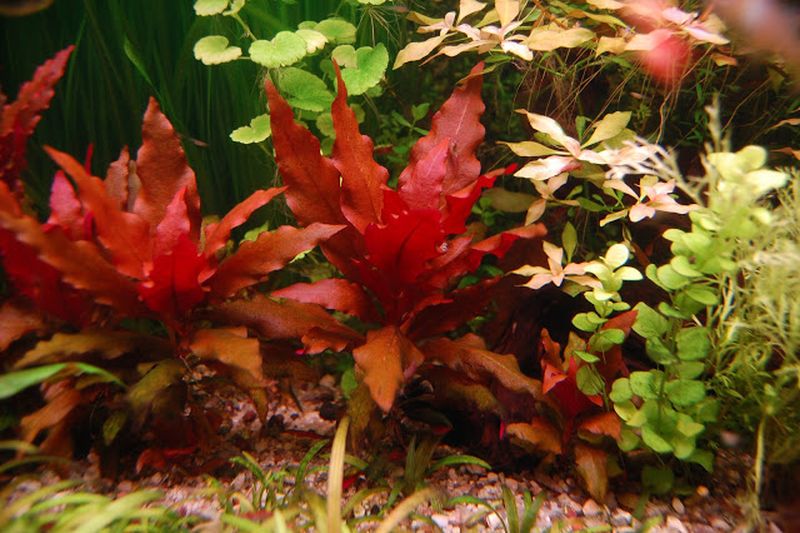
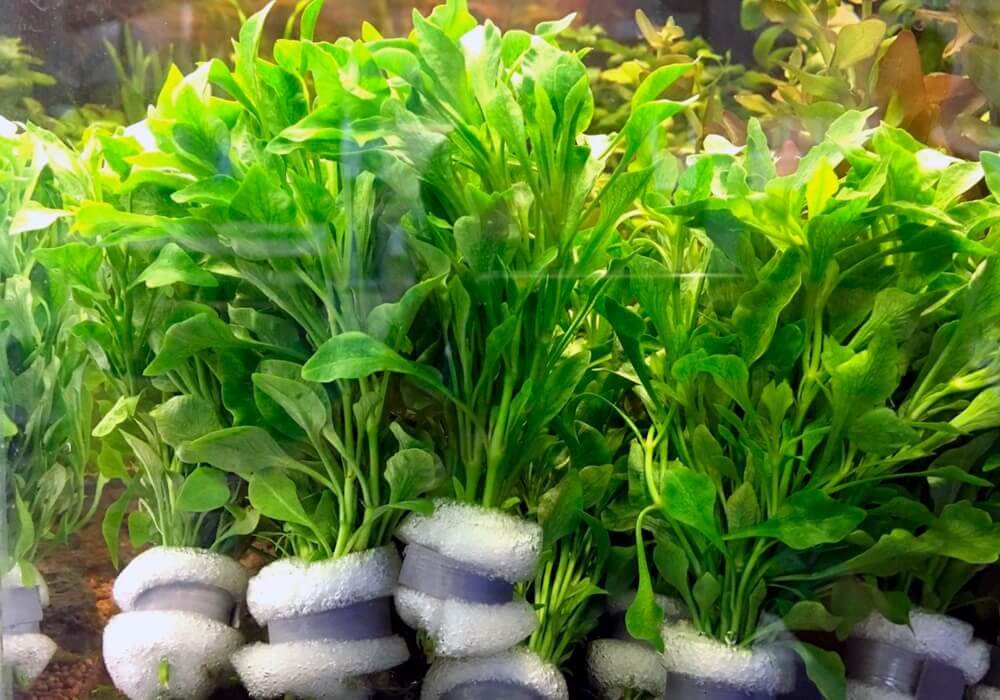
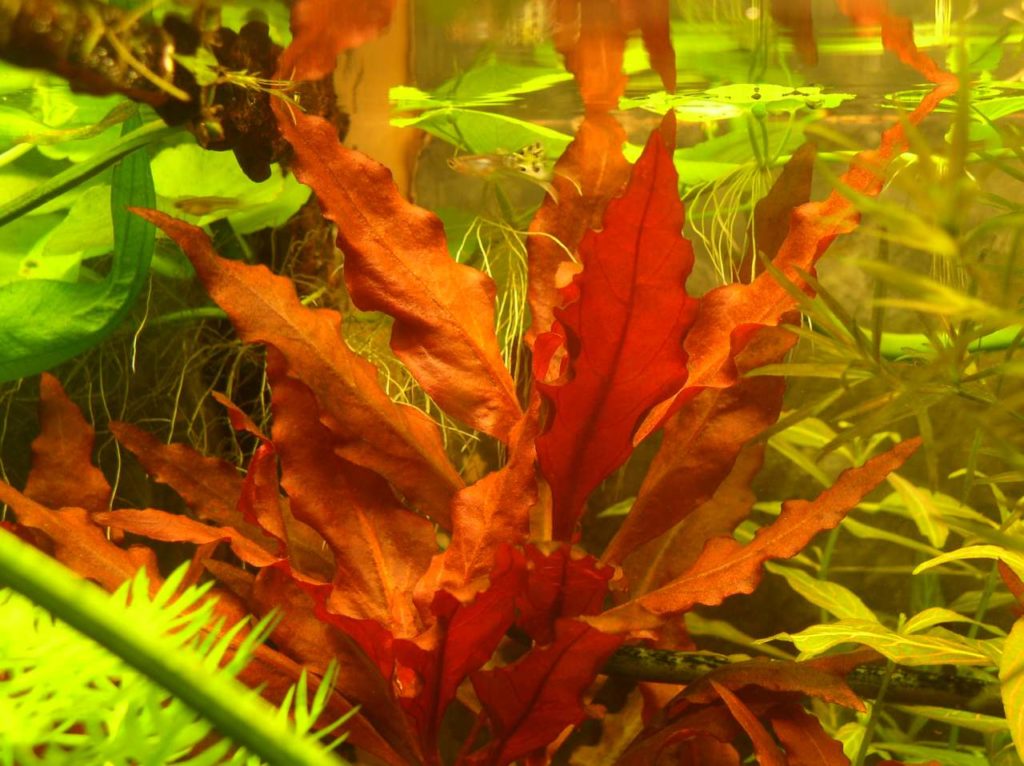
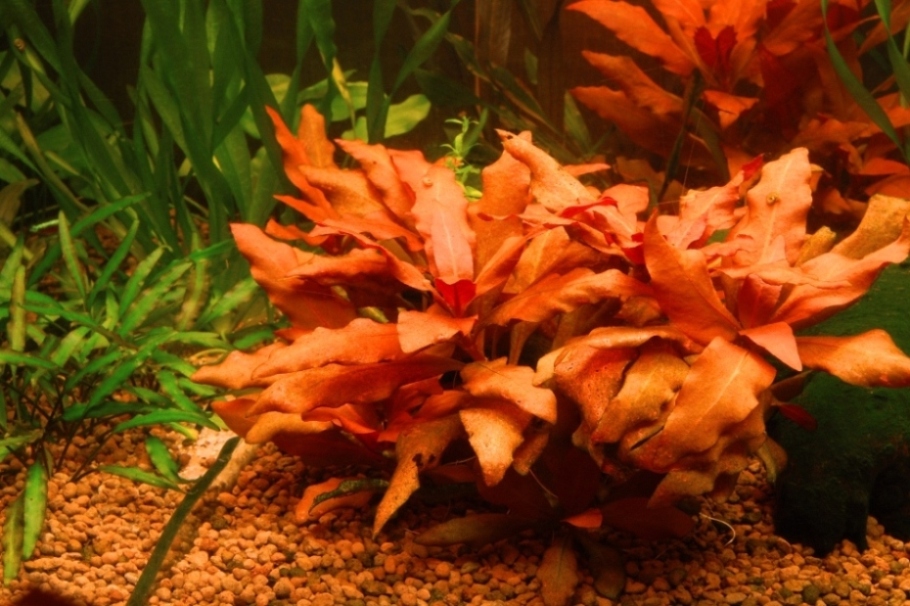
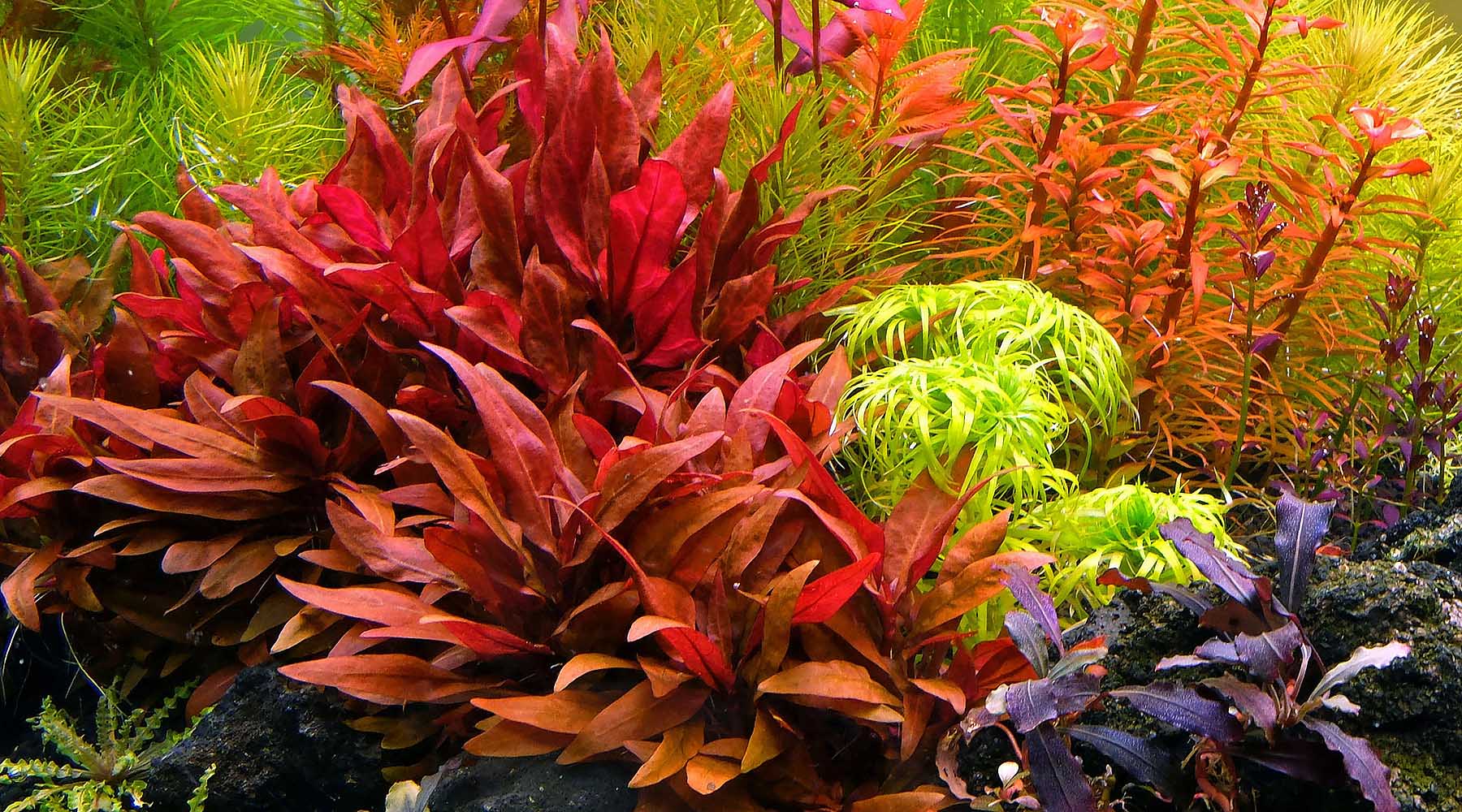
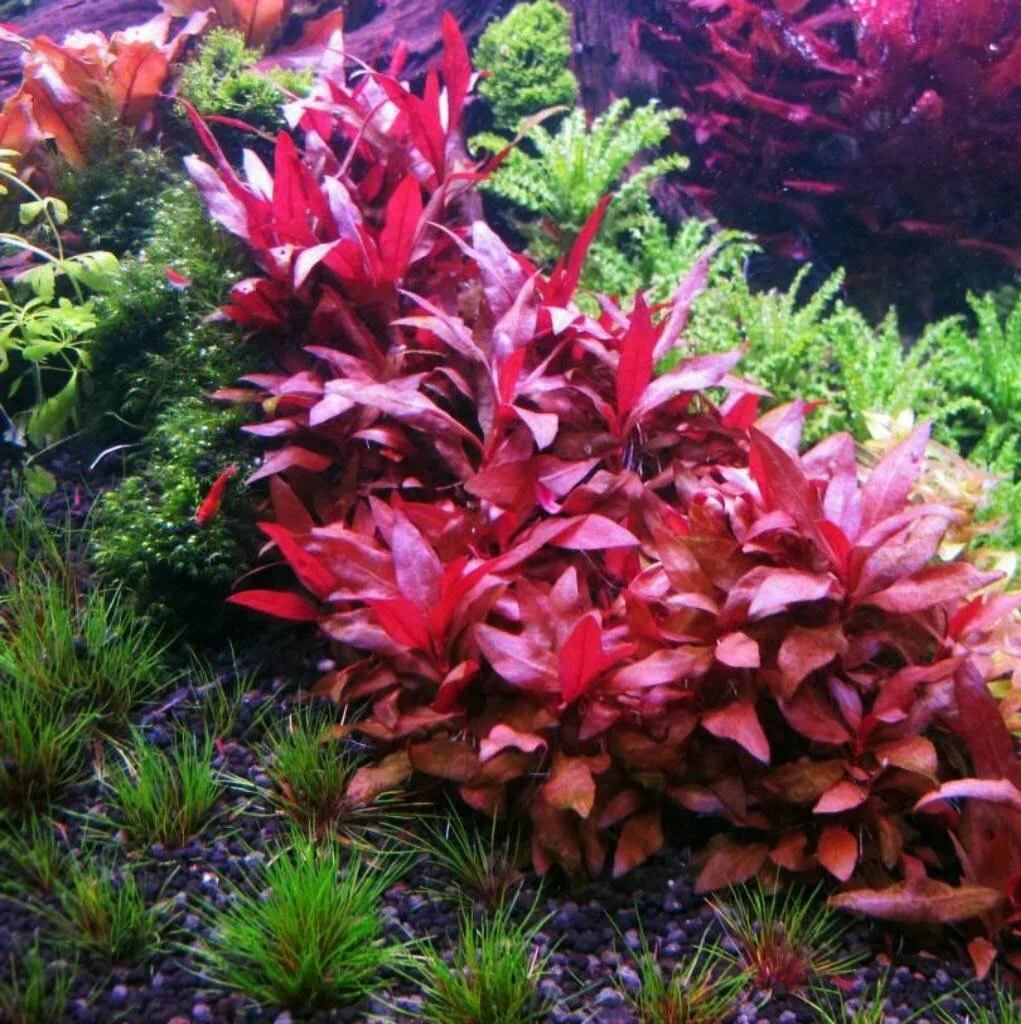
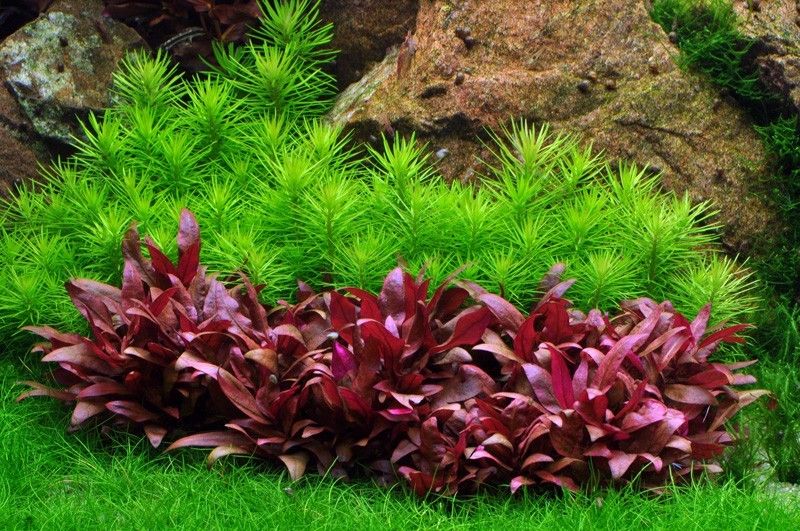
Photo gallery of Alternanthera in an aquarium
Growing Alternanthera in the Garden and at Home 🌿
These beautiful ornamental plants are suitable for both outdoor and indoor growing. They can be used as annuals in the garden and as perennials indoors, making them a versatile solution for both indoor and outdoor landscaping. 🌺🏡
A summary table of care for Alternanthera at home and in the garden
| Parameter | Recommendations |
|---|---|
| Location | Indoors, bright, indirect light is preferred. In the garden, partial shade or full sun are preferred. |
| Temperature | Maintain temperatures between 18-25°C both indoors and outdoors. |
| Watering | Water moderately, avoiding overwatering. Maintain even moisture. |
| Soil | Use fertile, well-drained soil both indoors and in the garden. |
| Top dressing | Fertilize every 2 weeks in spring and summer using a general-purpose mineral fertilizer for flowering plants. |
| Trimming | Prune regularly to maintain the plant's shape and density. |
| Reproduction | Propagate by cuttings or division of the bush. |
| Diseases and pests | Conduct regular pest and disease monitoring. If problems are detected, implement appropriate control measures. |
Location
Alternanthera prefers full sun, but can also thrive in lightly shaded areas where it receives at least 4 hours of full sun per day. Providing it with adequate light is essential for healthy growth and beautiful development. ☀️🌿
If you're growing Alternanthera indoors, give it a rest outdoors during the summer. This will help the plant get additional light and air, which will improve its overall health. 🏡🌳
Temperature
Alternanthera loves warmth! Plants grown outdoors, especially in winter, should be moved to a greenhouse where the temperature does not drop below 12°C. This will provide them with comfortable conditions for overwintering and maintaining health. 🌿🌡️
Soil for Alternanthera 🌱
These beauties require specific soil: well-drained, yet highly water-retentive, with moderate fertility. They prefer neutral soils that are well-drained and allow water to pass through. 🌿💧
Alternantheras don't like heavy, clayey soils or shaded areas. When preparing the soil for planting, it's recommended to add humus, peat, garden soil, clean sand, and compost in equal proportions. This will provide the plants with optimal conditions for healthy growth and development. 🌿🌱
Watering
Moderate watering with warm water is necessary for both outdoor and indoor growing. On hot days, plants should be watered more generously to compensate for moisture loss. On cool and cloudy days, reduce the amount of water.
Particular attention should be paid to preventing overwatering of the soil, which can lead to the development of gray mold on plants. Therefore, it is important to monitor the soil moisture level and avoid overwatering.
When growing in containers, be sure to provide drainage holes so that excess moisture can drain freely from the pot, preventing root rot and other moisture problems. 🌊🌼
Top dressing
Fertilizing should be done in the spring and summer, every two weeks. You can use both organic and mineral fertilizers for this purpose.
Fertilizing is not required in autumn and winter, as the plants are dormant and not actively growing. During this period, it is recommended to reduce or stop fertilizing completely to avoid oversupplying the plants with nutrients. 🍃💧
Trimming
Removing excess shoots weekly helps prevent Alternura from spreading across the ground and encourages the formation of more additional stems and leaves.
This type of pruning makes the plant more compact and bushy, giving it a more decorative appearance. Furthermore, regularly removing old and damaged parts promotes healthy growth and development of the Alternanthera. 🌿✂️
Reproduction
This plant can be propagated throughout the growing season, using various methods. The first method, division, is most often used once the plant has reached a certain size. The bush is divided into individual sections, each of which must have roots.
The second common method is cuttings. Cuttings are taken from mother plants at a slight angle, after which the lower leaves are removed. The cuttings are then planted in soil, buried down to the first leaf, after which the soil is gently compacted. The container with the cuttings is then covered with glass or plastic wrap and placed in a warm place. Once new leaves appear, the cuttings can be transplanted to their permanent location. 🌿🌱
Diseases and pests
Although Alternanthera generally has a strong immune system, it can sometimes be affected by infections, although not often.
Pests such as aphids, whiteflies, and spider mites can cause problems. They suck plant juices and damage plant tissue, leaving it weak and unsightly. To combat them, you can use a soap solution or decoctions of garlic, onion, or tobacco. If necessary, use specialized insecticides, but be careful, as they are toxic.
Plants can also suffer from improper growing conditions. Insufficient light can cause leaves to lose their vibrancy and color, while too much light can cause burns. Regular inspections will help identify problems early and prevent serious plant damage. 🌿🔍
Features of growing Alternanthera in an aquarium
Caring for Alternanthera in an aquarium requires attention to several key aspects to ensure the health and beauty of this plant in an aquatic environment. The right location, optimal lighting and temperature conditions, as well as the correct water composition and regular feeding, all play a crucial role in successfully growing Alternanthera. Equally important is choosing suitable plant companions to avoid damage and ensure peaceful coexistence in the aquarium. In this section, we'll cover all aspects of Alternanthera care in an aquarium to help you create a healthy and beautiful environment for your plant.
Alternanthera Aquarium Care Guide
| Parameter | Recommendations |
|---|---|
| Location | In a humid greenhouse or on the side shelves of an aquarium |
| Lighting | Intense, 12 hours a day |
| Water temperature | 22-28 °C |
| Water | pH 6.5-7.0, GH 5-20, 20% water change once a week |
| Top dressing | Iron, Tetra PlantaMin once a month |
| Trimming | Regular to strengthen branching |
| Reproduction | Cuttings, division of shoots |
| Neighbours | Peaceful fish species that do not damage plants |
Location
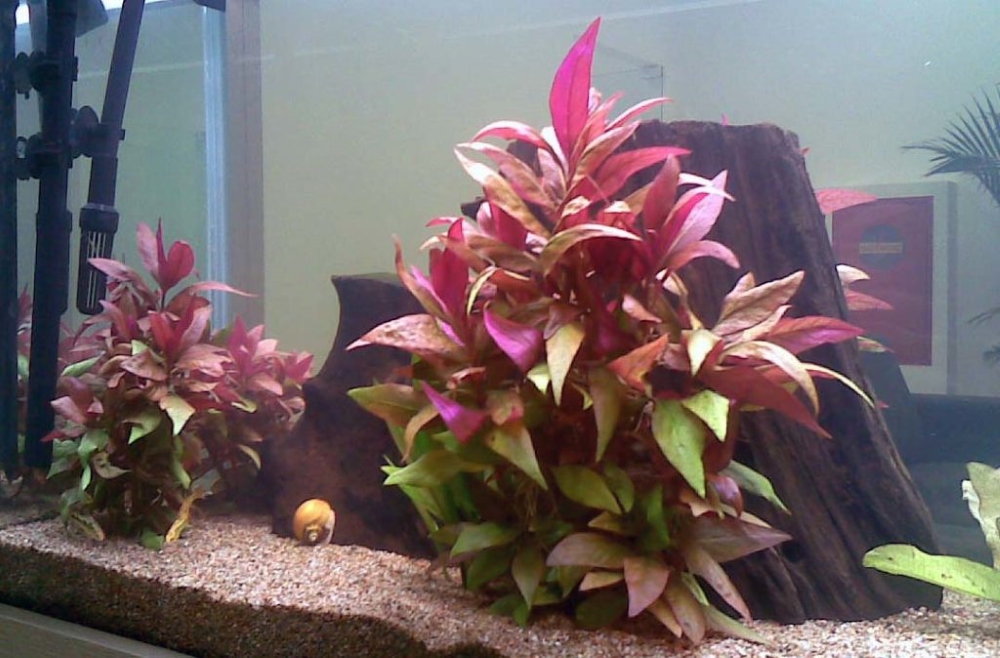
Alternanthera thrives in both deep aquariums and humid greenhouses. However, many species cannot tolerate complete submersion, preferring near-water conditions. For their cultivation, special placement on side shelves or in containers at the bottom of the aquarium is recommended. Suitable conditions will help Alternanthera grow evenly throughout the year.
Water for Alternanthera
To ensure optimal conditions for the plant, consider the following water parameters: temperature between 22 and 28°C, pH between 6.5 and 7.0, and general hardness (GH) between 5 and 20. Weekly water changes of 20% of the total aquarium volume are also recommended. This will help maintain water quality and create favorable conditions for the growth and development of Alternanthera.
Lighting
For successful growth of Alternanthera in an aquarium, bright lighting is required, provided by special incandescent lamps. It is recommended to turn them on for 12 hours a day to ensure sufficient light for photosynthesis. However, avoid overly powerful and bright light sources to prevent possible burns to the shoots, which reach for the light above the water surface.
Temperature
For Alternanthera to thrive in an aquarium, it's important to maintain a water temperature between 22 and 28°C. Lower temperatures slow the plant's growth. Water hardness and pH may not have a significant effect on Alternanthera, but soft water with a neutral or slightly acidic pH is preferable. Regular water changes, up to 1/5 of the aquarium's volume, are recommended 3-4 times per month.
Landing features
When planting Alternanthera in an aquarium, the choice of substrate isn't crucial. A ready-made mix for aquarium plants is recommended. To improve the soil quality, you can add a little coarse sand. Place the mix on the side shelves of an aquarium with a high hood, ensuring sufficient distance between the plants and the incandescent bulbs to avoid burning. Position the plants so that they are not completely submerged, with the tips of the shoots near the surface. This will encourage vigorous growth, as Alternanthera grows much more slowly underwater.
Top dressing
Regular fertilization is key in Alternanthera care. Ensuring adequate iron levels is especially important, as this nutrient is essential for vibrant, rich leaf color. Since the plant absorbs most of its nutrients from water, liquid fertilizers such as Tetra PlantaMin are most effective. It's recommended to apply them according to the instructions just once a month to ensure Alternanthera receives all the necessary nutrients.
Trimming
Regular pruning of Alternanthera shoots plays an important role in plant care. This helps prevent the plant from becoming leggy and encourages branching, making the bush denser and more compact. Proper pruning helps maintain the plant's attractive shape and promotes healthy growth.
Reproduction
In home aquariums, Alternanthera can be successfully propagated vegetatively using cuttings. To do this, cut a shoot from a mature plant, dividing it into several fragments with at least four whorls and leaves. The cuttings are left to float on the surface of the water. After about a week, roots will begin to form at the cut site, and the young plants can then be transplanted into the substrate.
Helpful tips
When growing Alternanthera in an aquarium, it's important to consider the impact of fish on the plant. Some fish species can become undesirable tankmates because they damage the leaves. This can lead to slower growth and even stunted development. To avoid such problems, it's recommended to choose peaceful fish that won't cause any harm.
The following fish species can be chosen as peaceful and safe neighbors for the Alternanthera in an aquarium:
- Easy-to-care-for carp fish such as mollies and platies 🐟
- Guppies and swordtails, which usually show no interest in plants 🌱
- Colorful tetra fish, such as small versions of neons or cardinals 🌈
- Caridinae and other freshwater crayfish species 🦐
Alternanthera in landscape design
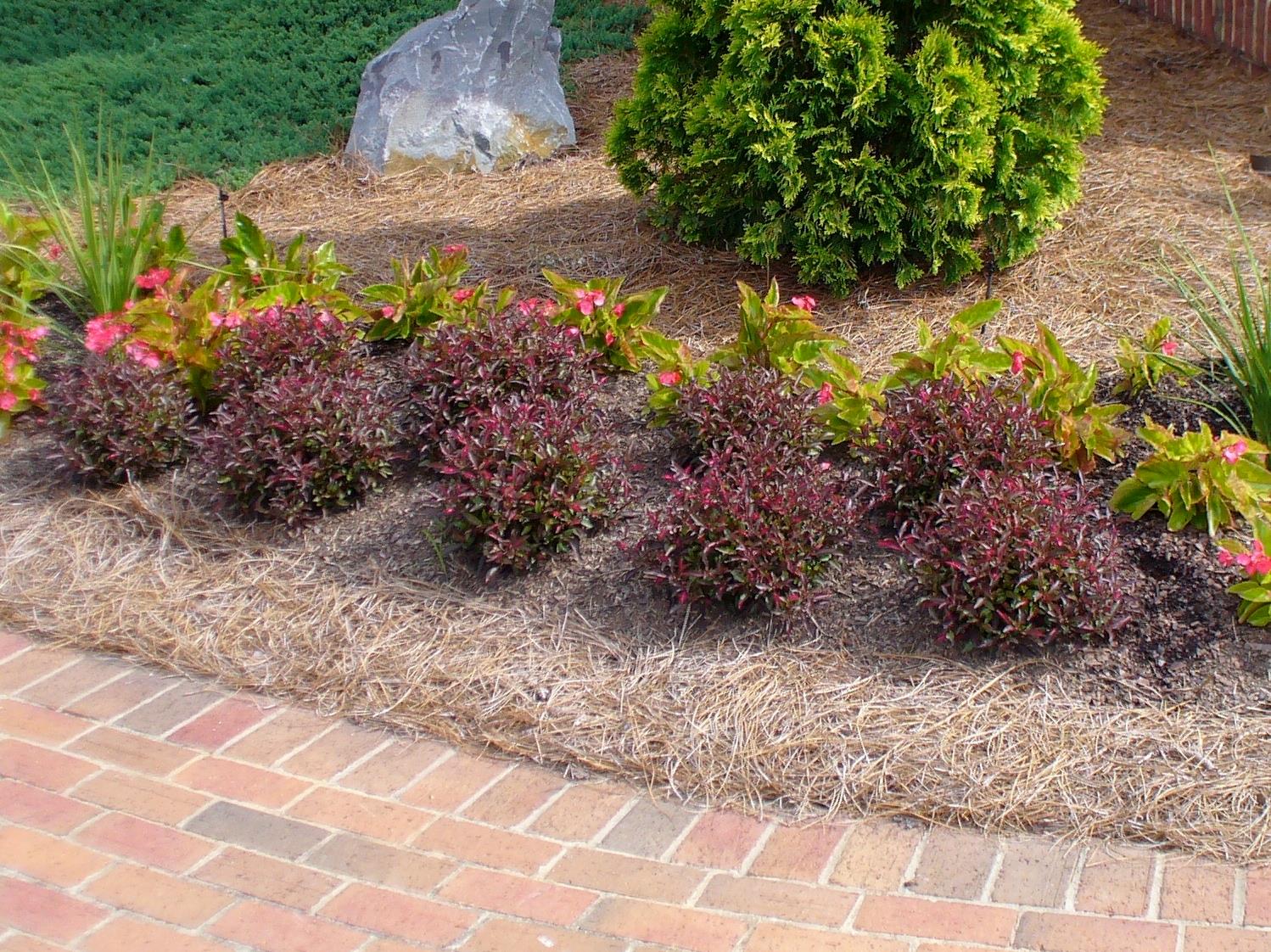
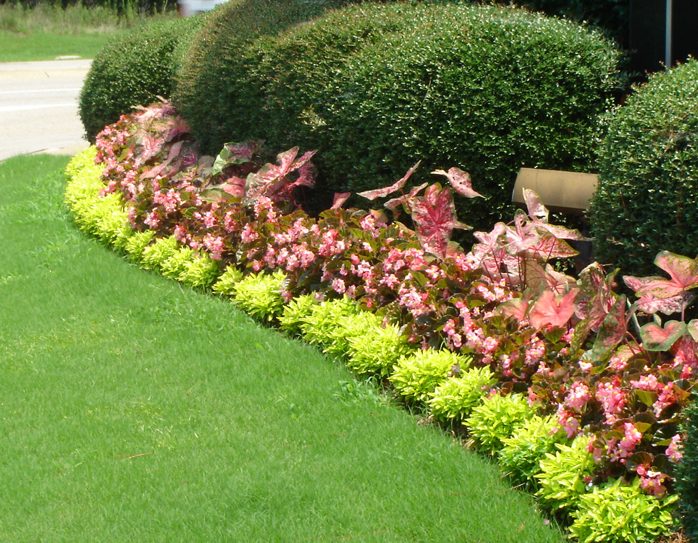
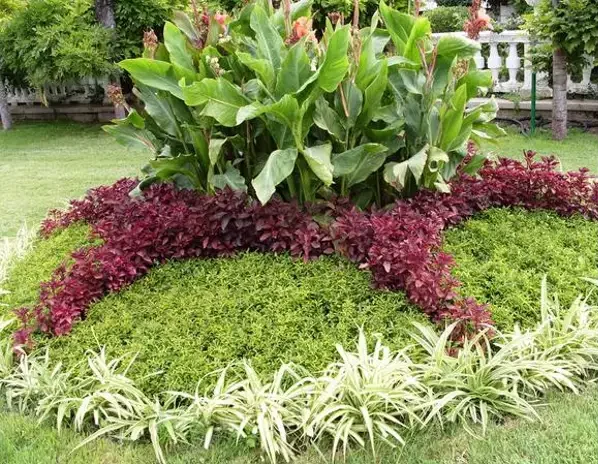
Alternanthera is a wonderful plant for flowerbeds! 🌿 To create a dense ground cover, it's recommended to plant 3-5 plants per square meter. They can also be used along paths as an edging.
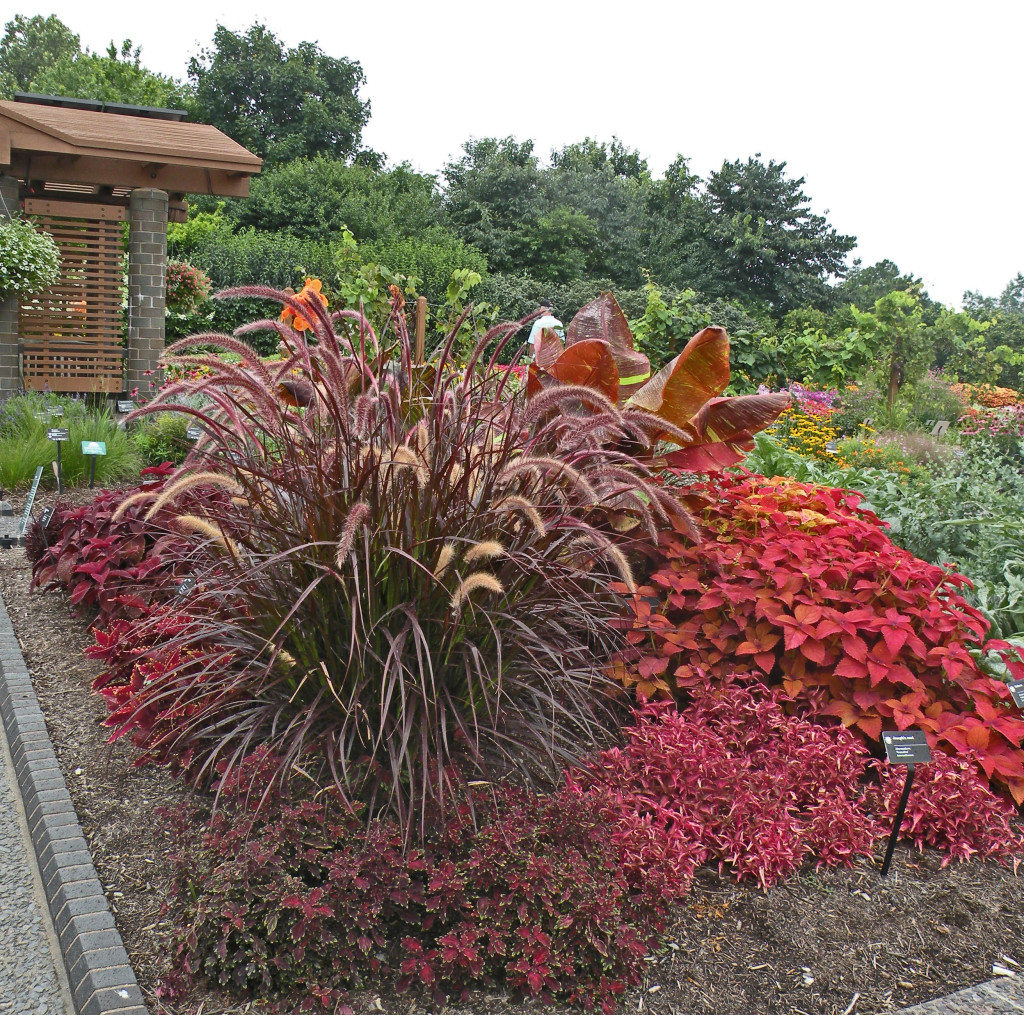
Experiment with combinations: Alternanthera looks great next to petunias, marigolds, and ageratum. 🌸 Bright shades of other flowers will highlight the dark burgundy foliage of this plant.
To create a striking effect, it's recommended to plant alternanthera in groups. This will add a special charm to your garden.
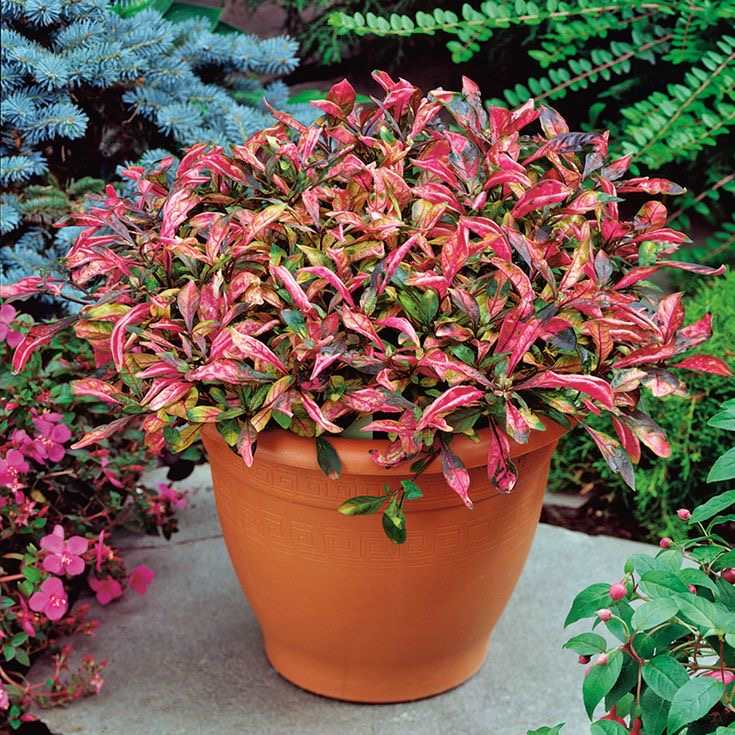
Alternanthera can be used as a focal point in a container. 🌱 Place it among low-growing plants or in the background to create a composition.
Don't forget about growing Alternanthera indoors! 🏡 This beautiful plant will decorate your windowsill all year round.
Photo gallery of Alternanthera in landscape design