Aglaomorpha is an exotic fern native to the humid tropical forests of Central and South America. Its hairy rhizome spreads by creeping branches and requires a spacious pot. Due to its large size, plants of this genus are not always popular among gardeners. 🌿🌎
Content
Brief characteristics of aglaomorpha in the table
| Characteristic | Description |
|---|---|
| Family | Polypodiaceae |
| Genus | Aglaomorpha |
| Spreading | It grows in tropical Africa, South Asia, East Asia, Southeast Asia, Australia and Oceania. |
| Virulence | Absent |
| Climate zone | Adapted to hot and humid tropical climates |
| Use in landscape design | Suitable for greening office spaces, green walls and vertical gardens |
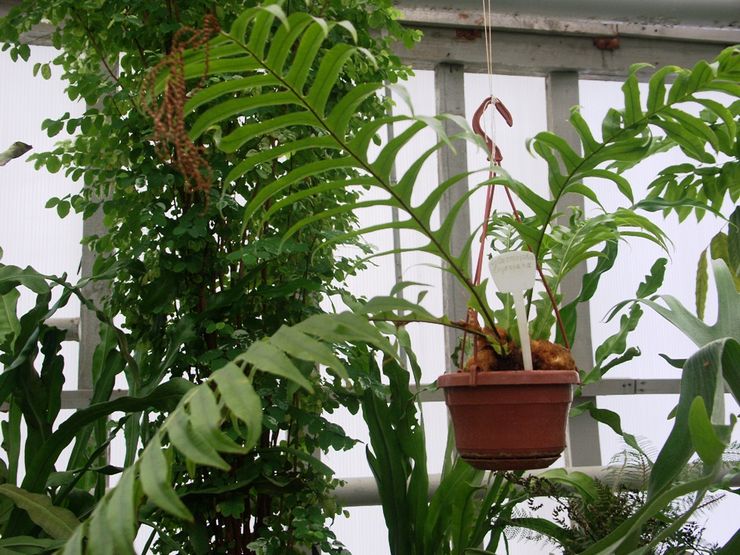
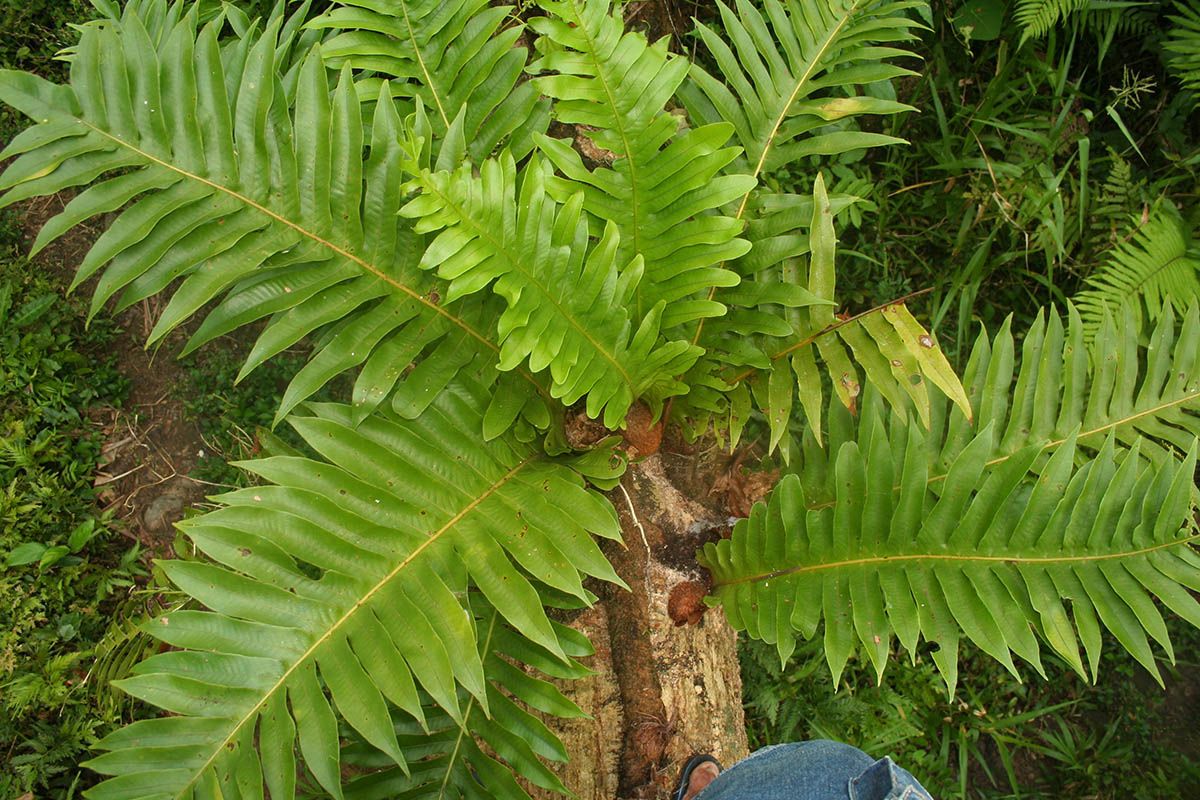
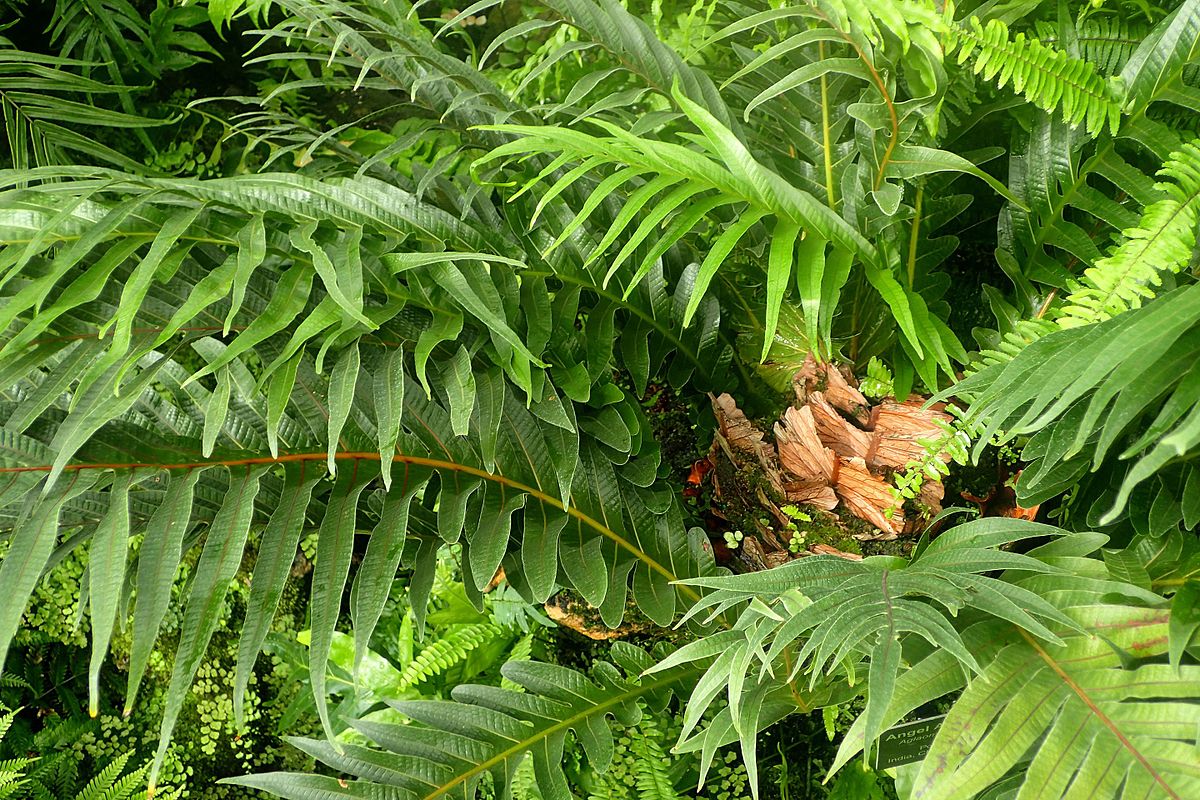
| Leaves | They vary in shape, from lanceolate to lobed or pinnately palmate. They create the impression of a funnel-shaped structure. The leaf surface is glossy, and their color is rich green. On the underside of the leaves are nectaries, where sporangia develop to produce spores. 🌿🍃 |
Aglaomorpha photo gallery
Description of aglaomorpha
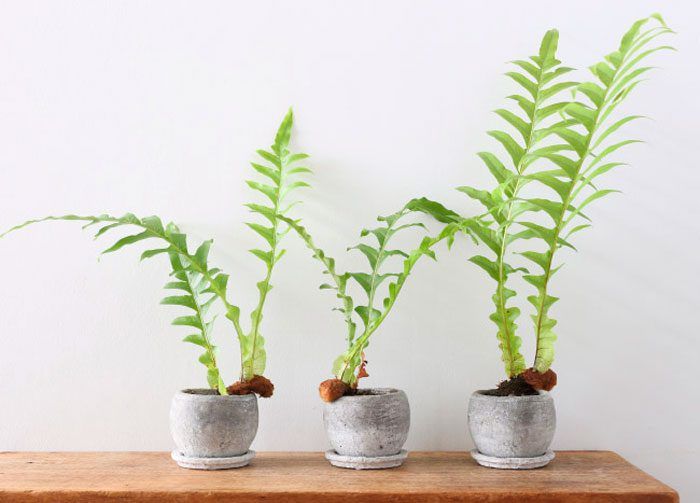
The family Polypodiaceae, which includes Aglaomorpha, includes a wide variety of fern species, and basket ferns stand out for their unique characteristics. They grow in tropical zones of Africa, Asia, Australia, and Oceania, where they find their natural environment and favorable conditions for growth and development.
These plants are non-poisonous, making them safe to grow indoors or in offices. Their lush greenery and beautiful foliage make them attractive for landscaping. They're perfect for green walls or for creating a touch of natural beauty in office spaces.
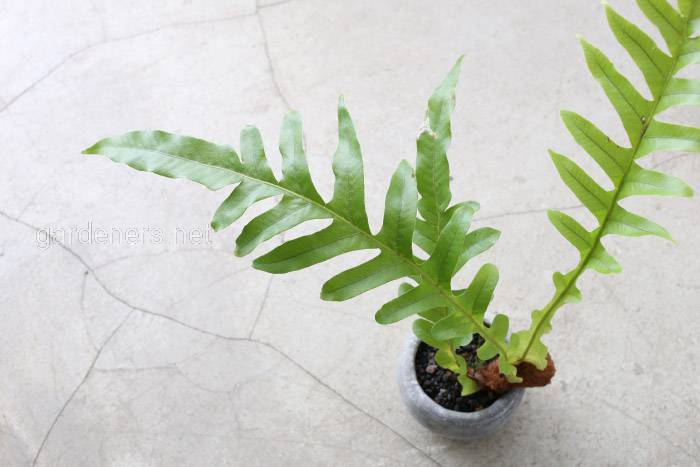
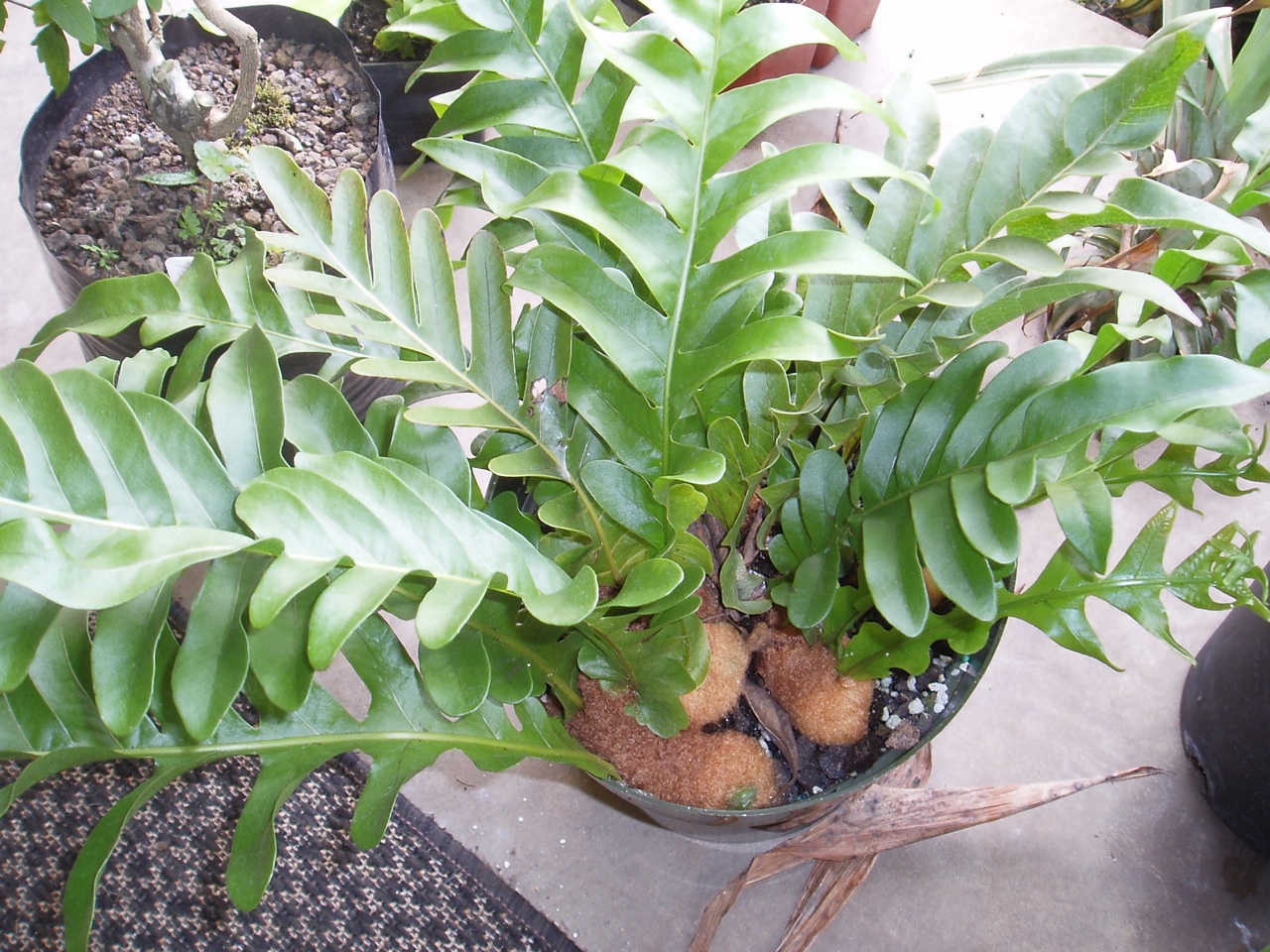
Aglaomorpha leaves can be large and varied in shape, from lanceolate to lobed or pinnately palmate. This creates the impression of a funnel-shaped plant. The leaf surface is glossy and richly green. On the underside of the leaves are nectaries, where sporangia develop to produce spores. 🌿🍃
Aglaomorpha Growing and Care Chart
| Characteristic | Description |
|---|---|
| Location | Aglaomorpha thrives in bright but indirect light. East- and west-facing windows are ideal, but during hot summer months, the plant should be protected from direct sunlight. In winter, it prefers bright windowsills. 🌞🪟 |
| Soil | Aglaomorpha thrives best in porous, light, airy, well-drained, and moisture-retentive soil. |
| Watering | It's important to maintain moderately moist soil, especially throughout the year. Regular watering helps the plant grow healthy. 💧 |
| Top dressing | It is recommended to fertilize aglaomorpha with moderate doses of universal complex fertilizers throughout the year. |
| Attitude to heat | Aglaomorpha is a heat-loving plant, so it needs to be provided with a warm climate. |
| Attitude to light | The plant loves light, but requires protection from direct sunlight. |
| Drought resistance | It can survive short-term dry soil conditions, but it is better to avoid overdrying. |
| Difficulty of care | Unpretentious and easy to care for, suitable for novice gardeners. |
| Frost resistance | It tolerates temperatures above 16 degrees Celsius well, but requires protection from frosty drafts in winter. 🌡️❄️ |
| Optimal temperature | The recommended temperature for growing aglaomorpha is +18…+22 °C. |
| Air humidity | The plant prefers high humidity, so misting will help maintain comfortable growing conditions. 💦 |
| Transfer | It is recommended to repot the aglaomorpha every 2-3 years, increasing the capacity or dividing it into several parts. |
| Features of cultivation | Resistant to dry air and easy to care for. |
| Reproduction | It is easily propagated vegetatively; a broken off part of the rhizome can give rise to a new plant. |
| Diseases and pests | Mealybugs and scale insects may be present. It's important to monitor the plant's condition and take preventative measures if pests are detected. 🦠🐜 |
Types of Aglaomorpha
There are mainly two species grown.
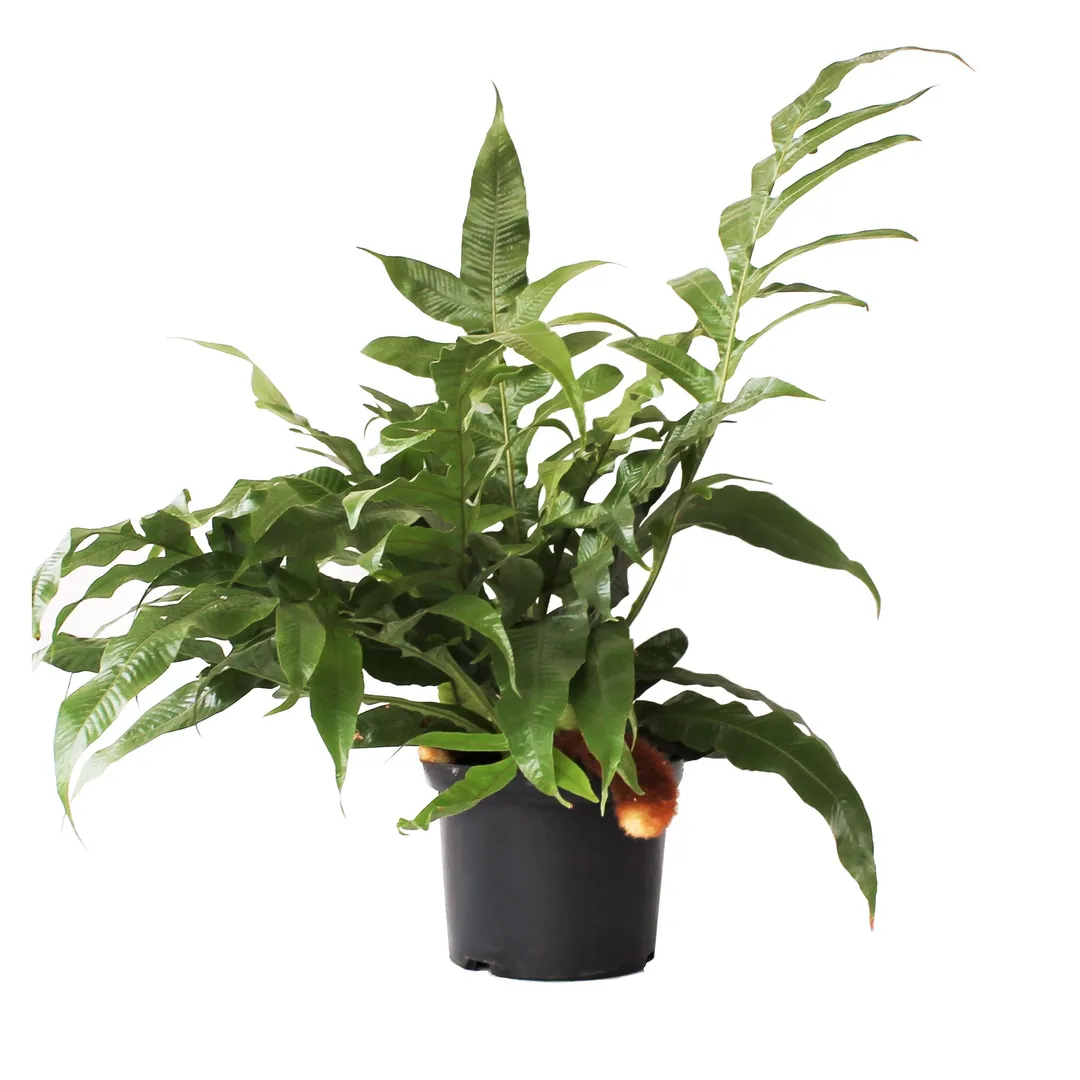
Aglaomorpha coronans
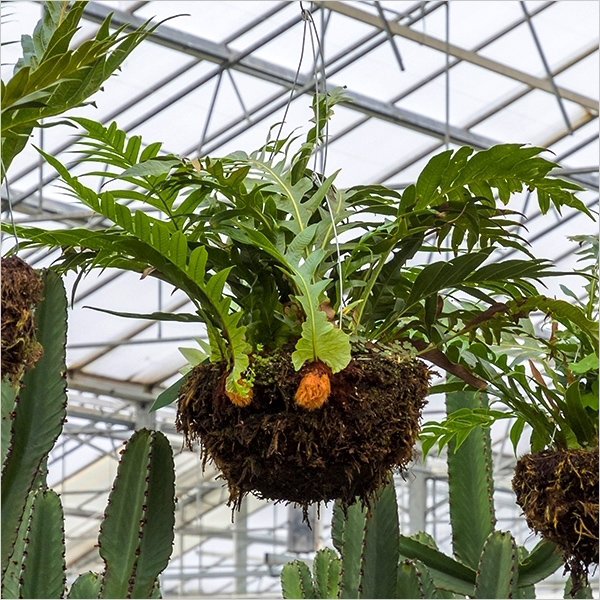
It can grow up to 2 meters in height. Its fronds are dark green and stiff, and their shape resembles a triangle. These plants are native to China and India. 🌿🌏
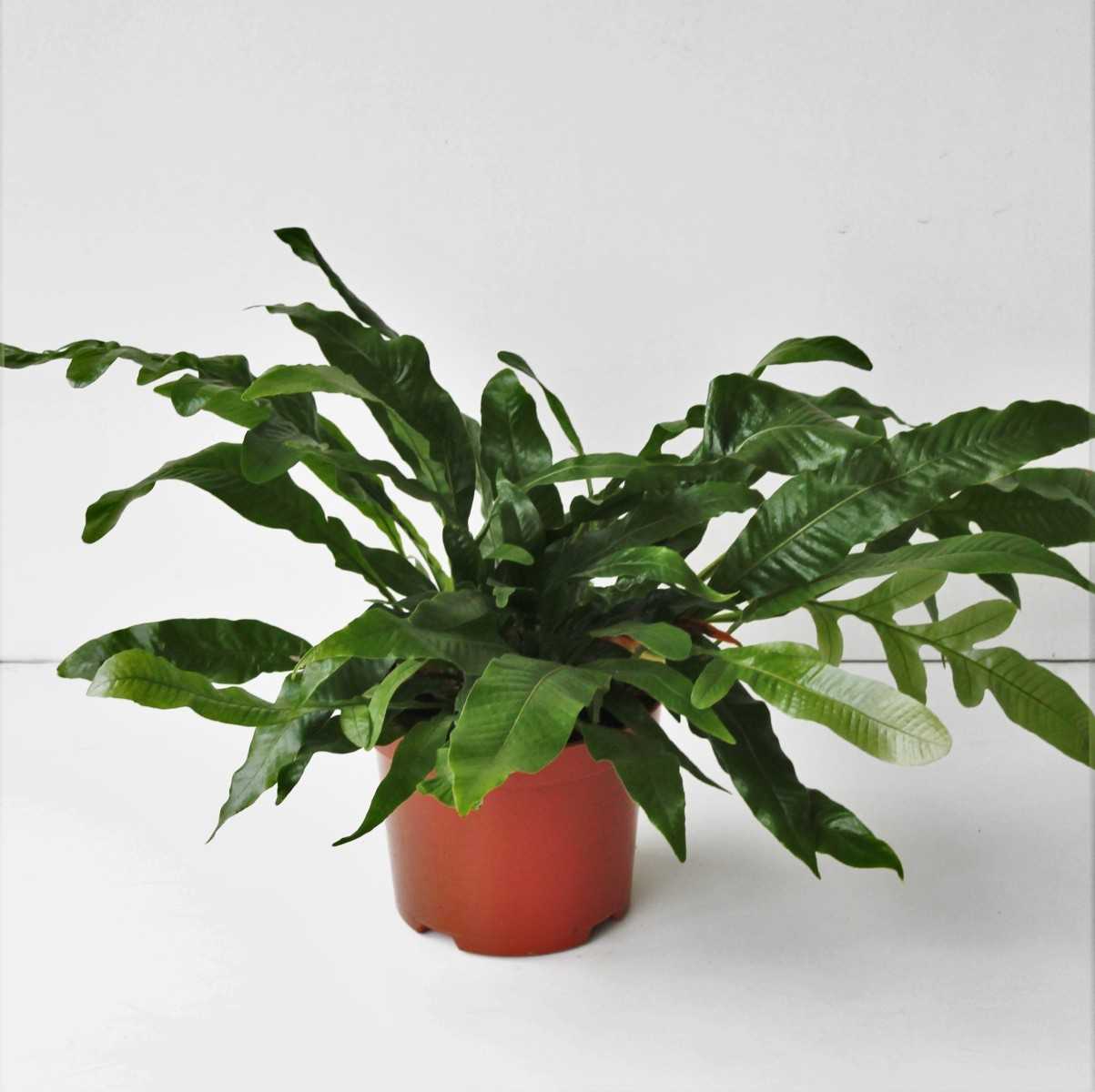
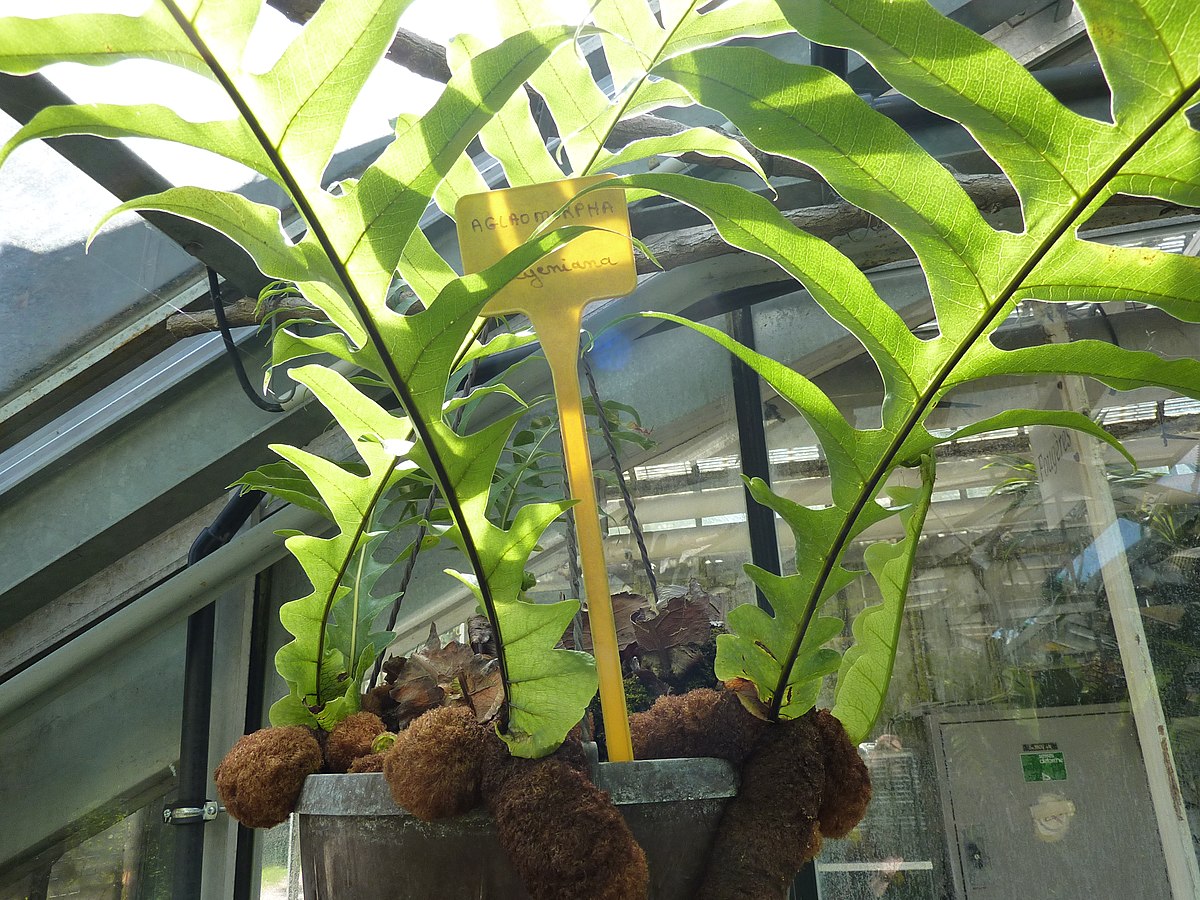
Aglaomorpha meyeniana
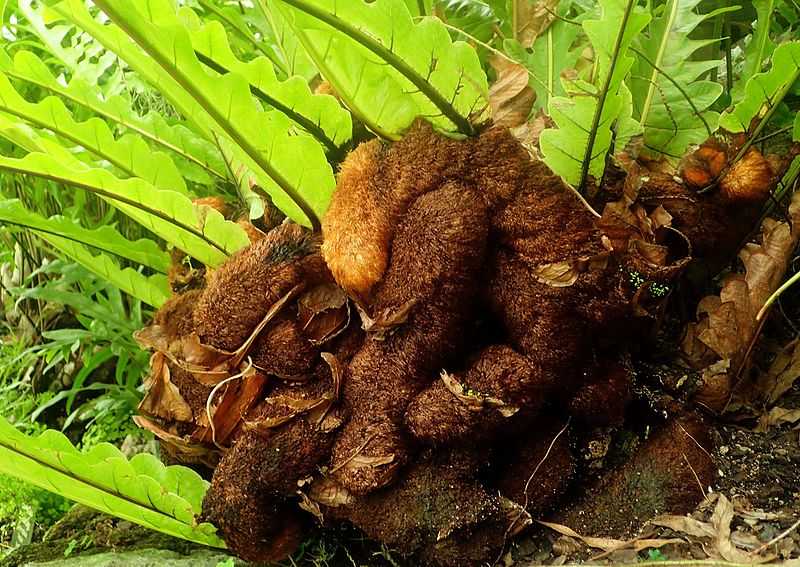
It's known for its thick rhizome, which looks very much like a bear's paw. 🐾 That's why it's called "bear's paw." This species of fern has long, feathery fronds, averaging 65-100 cm, and they're very smooth to the touch. This plant is native to the Philippines, where it grows on rocks and trees in tropical forests. 🌿🐻
Caring for aglaomorpha at home
Caring for aglaomorpha at home requires some knowledge and effort, but with the right approach, this plant can become a beautiful addition to your home. In this section, we'll cover the key aspects of growing and caring for aglaomorpha, from choosing a location and suitable soil to the diseases and pests your plant may encounter.
Location
It's important to choose a bright growing location for Aglaomorpha. 🌞 The plant can grow in partial shade, but it doesn't tolerate full shade. Optimal locations include windows with an east, west, or south exposure, but it's important to avoid direct sunlight to prevent damage. 🌿
Temperature
Aglaomorpha requires a stable temperature of 15 to 20 degrees Celsius year-round. 🌡️ This plant is sensitive to drafts, so avoid exposing it to them. It also does not tolerate extreme temperatures: above 22 degrees Celsius and below 10 degrees Celsius.
Watering, humidity
Aglaomorpha requires regular, moderate watering year-round. 🌧️ Keep the soil in the pot slightly moist, avoiding it from drying out or becoming too wet to prevent root rot. 💧 It's important to use warm water for watering.
This plant also requires high humidity, so it is recommended to mist the foliage frequently with a spray bottle. 💦
Top dressing
Aglaomorpha requires feeding only during active growth, not during dormancy. 🌱 Fertilize the plant when it's actively growing to provide it with the nutrients it needs for healthy growth. 🌿
Reproduction of Aglaomorpha
Aglaomorpha is often propagated by dividing the plant indoors. This is done when repotting the plant, usually in the spring. To do this, select a suitable pot and place the potting mix on a drainage layer. Repotting is done when the roots begin to emerge from the drainage holes.
Diseases and pests of aglaomorpha, possible problems
Pests:
- Mealybugs: These pests often attack aglaomorpha, leaving white or grayish marks on the leaves 🐛.
- Aphids: Another common pest that can cause deterioration in the condition of the plant 🌱.
Diseases and problems:
- Drying of branches: Usually due to overdrying of the soil. Solution: increase the frequency of watering 💧.
- Wilting of the bush: This can be caused by root rot due to overwatering. Advice: Reduce watering and ensure good drainage 🌱.
Problems such as dried-out branches and wilting bushes often arise from improper watering. Regular, careful monitoring of the plant will help prevent or resolve these issues promptly.