Pansy, also known as wild pansy, is an annual or biennial herbaceous plant. It is common in Europe and Asia. It is also known as Ivan-da-Marya.
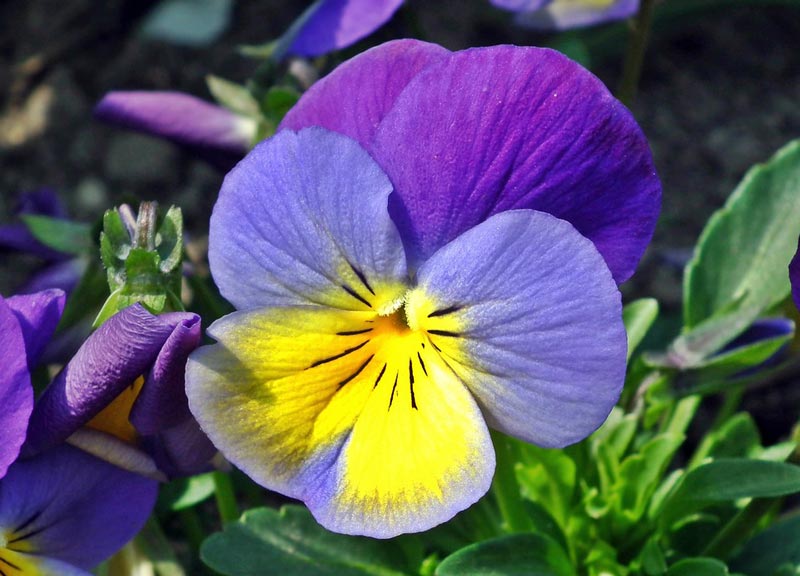
Description of the plant
Pansies are a popular decoration for homes and gardens. Vitrock's violet, or pansy (a hybrid form with brighter, larger flowers), as the plant is also known, is propagated by seed. In Russia, it is sown in the ground in summer; indoors, it grows year-round.
Beautiful flowerpots with flowers in a variety of shades are rare in apartments. The plant prefers open spaces and good lighting. Arrangements in hanging pots on balconies are more common.
Experienced gardeners sow seedlings in winter. In their plots, violas begin blooming in late spring.
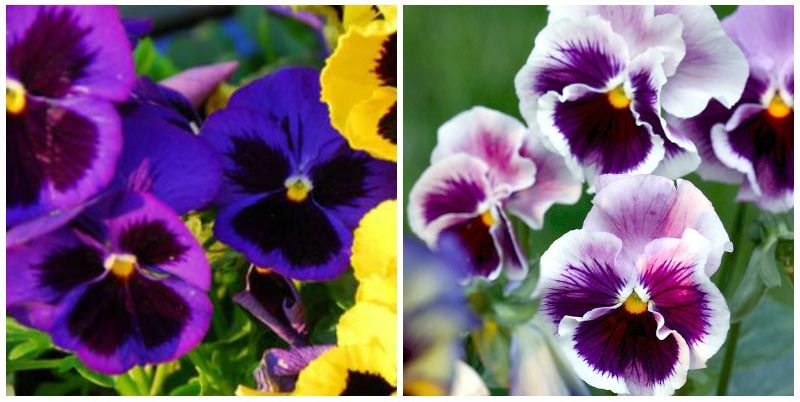
For colder regions, growing annual and biennial plants of the Rococo Mix variety is recommended. Beautiful velvety buds in a variety of shades reach 6 cm in diameter and bloom from early spring to late fall. The average stem height is approximately 20 cm.
Timing for planting pansies
In harsh climates, pansies are most often grown as annuals. Compared to other flowering plants, pansies require little care, making them a favorite among gardeners.
There are several ways to grow Vitroka violets:
- Planting in open ground. Seeds are evenly distributed over pre-moistened soil. This usually occurs in late May, when temperatures warm up to 18–20°C. Flowering begins around September.
- Seedling cultivation begins in February and March. The young plants are planted outdoors in late April. The plants are more frost-resistant and bloom more profusely. The first buds are expected in June.
- Planting in the ground in early autumn. This occurs during the warm season, in the first ten days of September. The seeds have time to sprout. After winter rooting, the first flowers bloom in early spring.
Each planting method has its advantages and disadvantages. Some gardeners use all three and enjoy the beauty of Vitrok's violets year-round.
Viola propagation by cuttings is well-known and is used for cultivars. The cuttings are taken from mature plants during the summer. Juicy green shoots with two internodes are suitable for cuttings. Before planting, remove any flowers or buds.
Choose a shaded, humid spot and plant the cuttings close together at a depth of 1 cm. Water the soil and mist the plants with a spray bottle. Cover the violets with damp paper for 7 days. With proper care, rooting occurs within a month. After this, the seedlings can be transplanted to their permanent location.
Caring for pansies is not difficult. Once you've gained some experience, each subsequent season of care will become easier.
Lunar calendar for planting violets for 2023
The Moon is known to influence the human body. Plants also feel its movements intensely. Since ancient times, people have observed that planting crops on specific lunar days yields better harvests.
Today, a gardener's calendar helps grow healthy and beautiful plants with less effort. Planting is done on favorable days, while care and fertilizing are performed on unfavorable days. On unfavorable days, it's best to leave flowers alone.
| Month | Favorable | Unfavorable
And prohibited |
|
| Annuals | Perennials | ||
| January | 1-5 (until 17:14), 10 (from 18:15)-17 (until 20:33), 23 (from 20:35)-25 (until 21:48), 28-31 | 1, 2, 5 (from 5:00 PM 14:00 PM), 10 (from 6:15 PM)-17 (until 8:33 PM), 23 (from 8:35 PM)-25 (until 9:48 PM), 28-30 (until 11:34 AM) | 6, 7, 8-10 (until 18:15), 21, 22 |
| February | 1 (from 11:10 p.m.) -4 (until 11:47 a.m.), 7-13, 16-17, 24 (from 11:28 a.m.) - 26 (until 6:46 p.m.) | 1 (from 11:10 p.m.) -4 (until 11:47 a.m.), 7-13, 16-17, 24 (from 11:28 a.m.) - 26 (until 6:46 p.m.) | 5, 6, 18, 19, 20, 21 |
| March | 1-5, 8 (from 17:43)-13 (until 10:21), 19 (from 18:12)-20 (until 20:21), 23 (from 21:41)-25, 28 (from 13:21)-31 | 1-3 (until 6:16 pm), 8 (from 5:43 pm)-13 (until 10:21 am), 19 (from 6:12 pm)-20 (until 8:21 pm), 23 (from 9:41 pm)-25, 28 (from 1:21 pm)-30 | 6 (from 15:39), 7, 8 (until 15:39), 17 (from 17:24)-19 (until 18:12), 20 (from 20:21), 21, 22 |
| April | 7 (from 09:29)-9 (until 15:57), 16, 17, 21-22 (until 13:11), 24 (from 21:58)-27 (until 09:29), 29 (from 21:59)-30 | 7 (from 09:29)-9 (until 15:57), 16, 17, 24 (from 21:58)-27 (until 09:29), 29 (from 21:59)-30 | 1, 2 (up to 13:58), 5, 6, 7, 19, 20 |
| May | 1-4 (until 17:31), 7-8, 13 (from 07:39 a.m.)-15 (until 10:56 a.m.), 22-24 (until 17:34), 29-31 | 1-4 (until 17:31), 7-8, 9-10, 13 (from 07:39 a.m.)-15 (until 10:56 a.m.), 22-24 (until 17:34), 27-31 | 5, 6, 11, 12, 13 (until 07:39), 15 (from 10:56)-17 (until 15:26), 19, 20 |
| June | 1-2, 9 (from 13:14)-11 (until 16:19), 19-20, 26-30 (until 17:59) | 1-2, 9 (from 13:14)-11 (until 16:19), 19-20, 23 (from 13:34) -30 (until 17:59) | 3, 4, 17, 18 |
| July | 6 (from 20:32)-8 (until 22:18), 11-13 (until 10:25), 15 (from 20:12)-16 (until 21:31) | 6 (from 20:32 pm)-8 (until 22:18 pm), 11-13 (until 10:25 pm), 15 (from 20:12 pm)-16 (until 21:31 pm), 20 (from 20:12 pm)-27, 30-31 (until 21:00 pm). 38m.) | 2 (from 14:38), 3, 4 (up to 14:38),17,18, 19, 20 (until 20:12), 31 (from 21:38) |
| August | — | 3-4, 7 (from 09:24)-9 (until 16:05), 12-14 (until 13:35), 17-19 (until 14:53), 22-24 (until 11:08), 26 (from 14:04)-28 (until 17:00) 31m.) | 1, 2, 15 (from 12:38 p.m.), 16, 17 (up to 12:38 p.m.), 30, 31 |
| September | — | 1 (until 16:25), 3 (from 18:00)-5 (until 23:05), 8 (from 07:59)-10 (until 19:35), 13, 16-20 (until 17:06), 22 (from 23:00) 21m.)-24, 27 | 14, 15, 25-26, 28 (from 12:58 p.m.), 29, 30 |
| October | — | 1-3 (until 08:02), 5 (from 15:32)-7, 10 (from 15:02)-12, 15 (from 14:04)-17 (until 22:36), 20-22 (until 09:06), 24 (from 11:32)-26 (until 13:01) | 14, 15, 28, 29 |
| November | 1-4 (until 10:20), 9 (from 11:07)-11 (until 21:39), 16 (from 10:41)-18 (until 14:27), 20 (from 17:29)-22 (until 20:19), 25-26 (until 12:16), 29 (from 09:53)-30 | 1-4 (until 10:20), 9 (from 11:07)-11 (until 21:39), 16 (from 10:41)-18 (until 14:27), 20 (from 17:29)-22 (until 20:19), 25-26 (until 12:16), 29 (from 09:53)-30 | 12 (from 12:26 p.m.), 13, 14 (until 12:26 p.m.), 26(from 12:16 p.m.), 27, 28 (until 12:16 p.m.) |
Preparing seeds for sowing
It's best to collect the seeds yourself, selecting plants from the most attractive locations. The seed pod forms where the flower once was, and when ripe, it releases seeds. Picking it earlier will reduce germination.
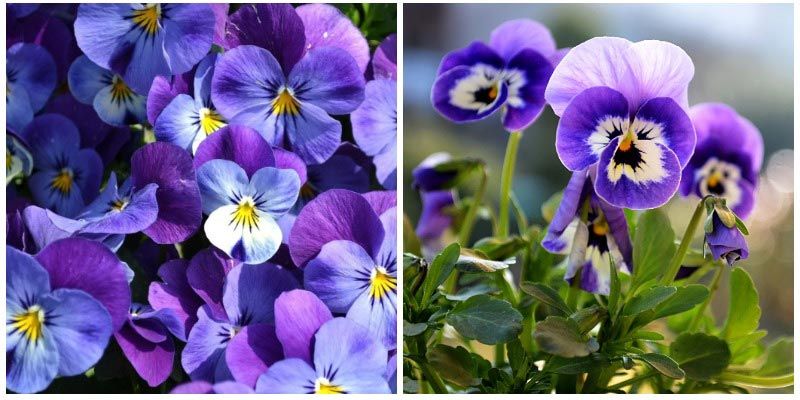
Experienced gardeners place bags made of thin, breathable fabric over the heads, thus allowing them to collect seed material from the best plants.
For good germination, it is recommended to treat hand-collected seeds.
Fitosporin is considered the optimal drug; its prophylactic composition prevents the occurrence of fungal diseases when growing seedlings.
Before sowing, violet seeds are soaked in special growth stimulants. Zircon and Epin are considered the best. This procedure increases the plant's resilience and helps with the initial germination stage.
Preparation should be carried out strictly according to the instructions included in the chemical packaging. Afterwards, the chemicals should be air-dried, after being spread evenly over a smooth surface in a well-ventilated area.
Completely dry seeds are ready for planting. If storing, place the seeds in a cloth or paper bag, allowing for air circulation.
Capacity
Containers for viola seedlings vary, and there are no specific recommendations. Shallow plastic or wooden boxes, cardboard cups, and disposable utensils are acceptable.
Seedling trays or cassettes are available at specialized gardening stores. These units contain from 4 to 300 cells of varying sizes. It's best to use containers with a small volume of soil. The advantage of cassettes is their convenience for both the plant and the gardener. Each seedling is contained in its own cell, and the root system is not damaged during planting. This approach ensures that each shoot receives an equal amount of warmth, light, and fertilizer. As a result, the seedlings grow stronger and healthier.
At home, people use egg cartons. Craftsmen make seedling blocks from plastic bottles.
Soil
Pansies are sown in loose soil. Ready-made soil mixes are available at gardening stores. Before planting, it's a good idea to check the soil's pH level. Violets prefer a pH of 6.5.
Litmus indicators are used for determination.
Experienced gardeners prepare their own soil. There are several recipes for the most successful soil mixtures:
- peat, earth, sand, humus 2:2:1:2;
- turf soil, sand, humus 2:1:2.
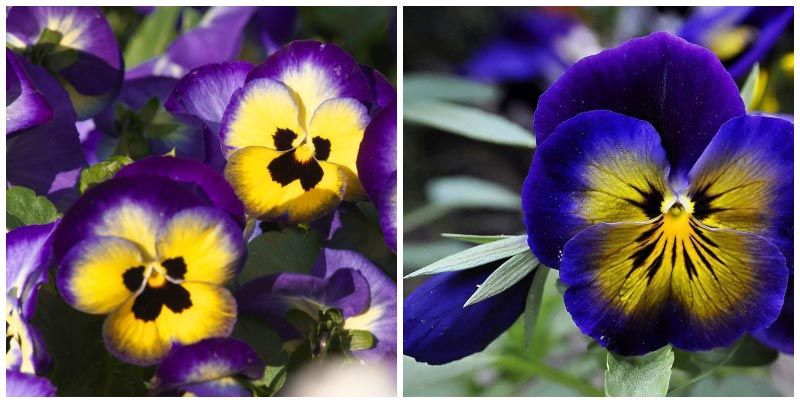
When planting in soil with a high peat content, no additional fertilizer is needed. Fertilizing is done after the first shoots emerge.
Viola is also sown in peat tablets. This method is considered successful, ensuring high germination rates. The tablet is soaked in water. After swelling, the seeds are laid out on the surface, lightly covered with soil. All the necessary micronutrients for growth and development are already inside. All that remains is to wait for germination.
There's no single solution for soil selection. Each gardener determines the most suitable combination.
Sowing viola seeds for seedlings
Experienced gardeners begin growing pansies by preparing the soil mixture and seeds. Afterward, they treat the container with an antifungal solution.
Sowing is carried out according to the following instructions:
- The prepared container is filled with drainage, then with soil.
- The soil mixture is lightly pressed and well moistened by spraying with a spray bottle.
- Distribute the seeds evenly over the surface; there is no need to bury them deep.
- Spray the surface of the soil with seeds generously so that the sowing goes to the depth necessary for germination.
- Cover the surface of the container with cling film and place it in a dark place at room temperature.
Another method for sowing viola is planting in snow. The soil and container preparation process is similar to the standard method. Then, a layer of snow is spread on the soil surface. The violets are evenly sown onto this layer. The snow melts and draws the seeds to the desired depth.
Gardeners believe that planting in snow provides plants with increased immunity and frost resistance. This method also has a preventative effect.
Caring for violet seedlings
The seedlings require daily care during the first month.
Water as the soil surface dries. Moisture is dispersed with a spray bottle. A growth enhancer is added to the water once a month. Once the seedlings have established themselves, water as usual.
The room temperature should not drop below 25°C. Once small seedlings appear, you can begin to gradually harden off the Saintpaulias, allowing for a slight drop in temperature during ventilation.
During the germination period, maintain high humidity under the film. It's best to spray the soil with warm water.
For the first month after sowing, the plant requires 24-hour light. Gardeners install artificial light sources until the seedlings become established.
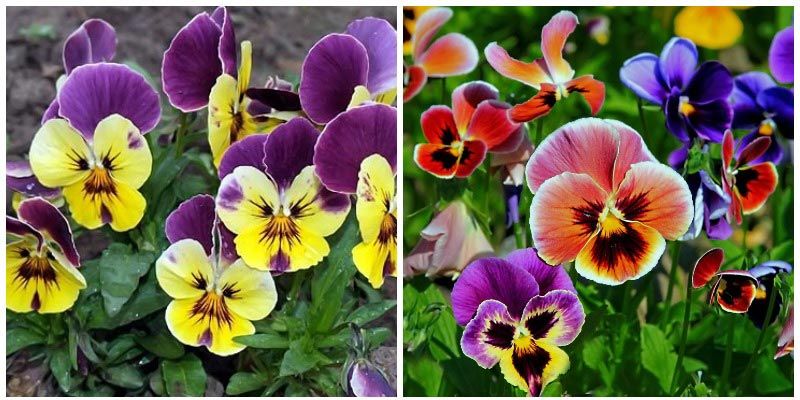
Viola seedlings planned for planting in the ground are prepared in advance. About a month before planting, the container is placed outdoors. Start with 30 minutes and increase the seedlings' time outdoors daily to 4 hours.
When the average daytime temperature reaches 18°C, violets are planted in their permanent location. This usually happens in mid- to late May.
Seedlings are also grown for indoor use. Strengthened shoots are transplanted into pots or miniature flowerbeds. Saintpaulia enthusiasts create unique hanging arrangements and use them to decorate their apartments year-round.
Diseases and pests of seedlings
Inaccuracies and errors in care lead to seedling diseases.
Weakened violet seedlings are often attacked by pests such as thrips, mites, and aphids. Upon detecting the first symptoms, isolate the entire seedling box and treat with insecticides. Treatment may need to be repeated 2-3 times, and the quarantine period is maintained until the plants have fully recovered.
Root and stem rot are unmistakable. The plant wilts and feels unwell even after watering. The disease is caused by a fungal infection, and it's virtually impossible to cure. As a preventative measure, plants are sprayed with copper-containing products.
Powdery mildew is a common fungal disease of violets. Spray the plants with a solution of soap and washing soda. Mix all ingredients in the following proportions:
- water 5 l;
- soda 25 g;
- liquid soap 5 gr.
The affected shoots are sprayed with the solution weekly.
Leaf spots are caused by a bacterial infection. This disease is treated with fungicides, which are available in specialty stores. Follow the instructions for use, strictly observing the concentration of the solution.
Pansies are prepared for planting in February or early spring. The plant is easy to grow, and if you follow the instructions, beautiful flowerbeds will delight you until late autumn.