Bouvardia is an evergreen shrub belonging to the Rubiaceae family. It is native to the tropics and subtropics of Central America and Mexico.
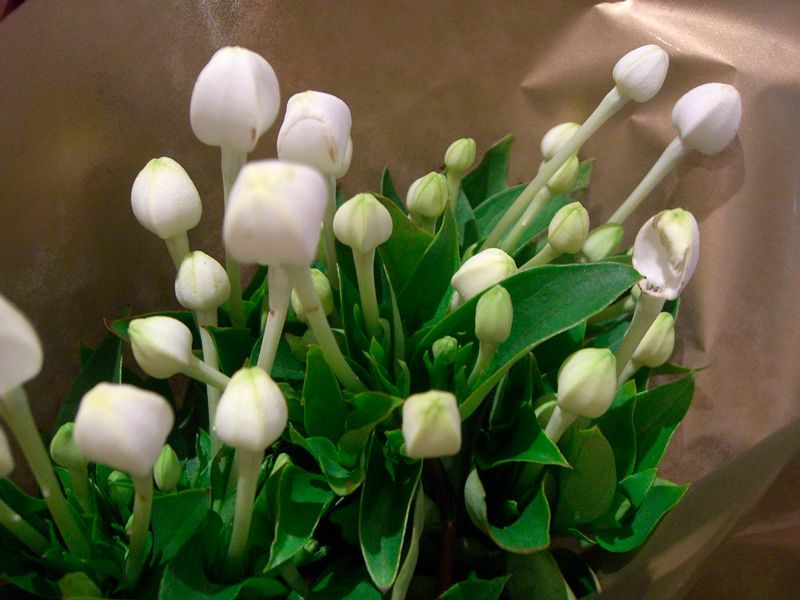
Description of Bouvardia
The flower height ranges from 50 cm to half a meter. The stem is erect and branched. The leaves are opposite, short-petioled, and range from 30 to 110 mm in length. The surface is leathery and smooth.
The flowers are tubular, with four petals. The inflorescences resemble bouquets.
Types of Bouvardia
The following types of bouvardia can be grown indoors:
| View | Description | Flowers |
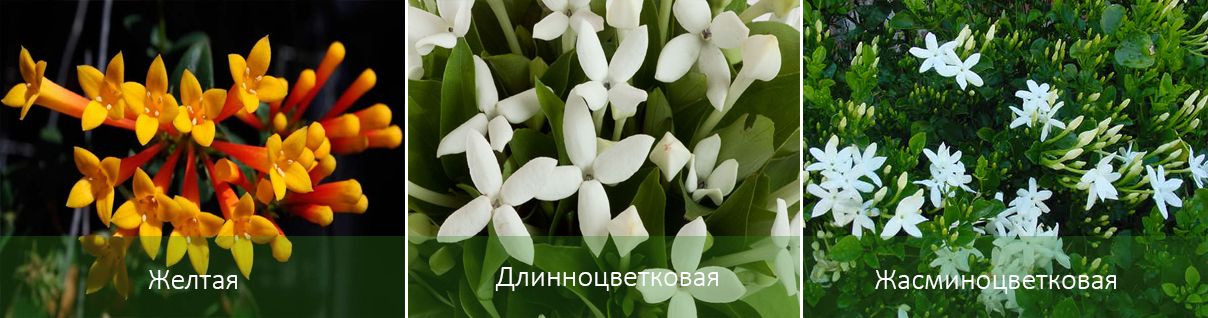
| Yellow | Up to 1 m in height, lanceolate foliage. | Colour: yellow. |
| Longiflorum | Grows up to 1 m. Leaves are ovate, slightly pointed at the ends. | White, very aromatic. |
| Jasmine flower | The trunk is about 60 cm. Flowering occurs in winter. | White, fragrant, similar in appearance to jasmine. |
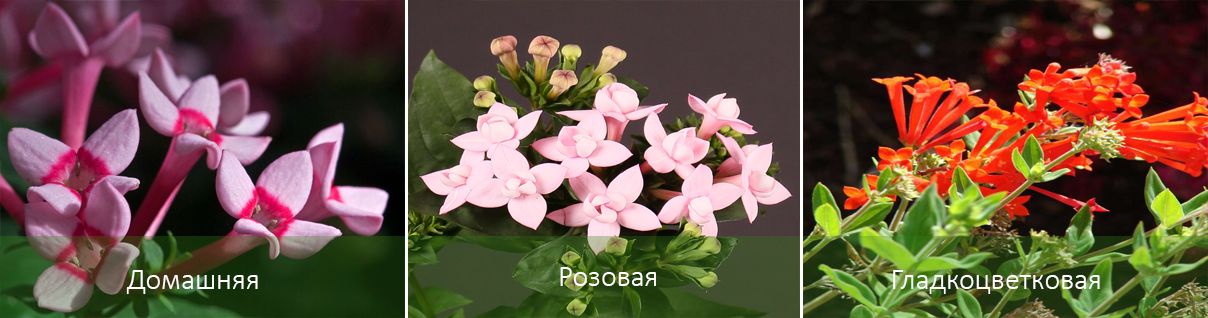
| Home | The most popular plant species. It reaches 70 cm. The foliage is ovate, pointed at the edges, and up to 5 cm long. | Colour from light pink to crimson. |
| Pink | From 65 to 70 cm. The leaves are ovate with sharp edges. | The color is soft pink. |
| Smooth-flowered | A shrubby plant reaching a height of 60 cm. Flowering is long, beginning in mid-July. | They are located at the top of the bush, with a diameter of about 2.5 cm. The outer side is bright red, the inner side is pale pink. |
Caring for Bouvardia at Home
Home care for bouvardia depends on the time of year:
| Factor | Spring/summer | Autumn/Winter |
| Location/lighting | Place on a south-facing window, shaded. Bright light; lack of color will cause the plant to fade. | They provide additional illumination with phytolamps. |
| Temperature | +20…+25 °С. | +12°C. However, during winter flowering, the dormant period is not observed, and the temperature is maintained at the same level as in summer. The minimum acceptable temperature is +7°C. |
| Humidity | Medium, don't spray. Occasionally, shower the plant to remove accumulated dust. | Shower procedures are stopped. |
| Watering | Performed after the top layer of soil has dried. | Moderate, do not allow water stagnation. |
| Top dressing | Once every 2 weeks. | Once a month during winter flowering. Otherwise, stop fertilizing. |
Pruning, replanting
Bouvardia has a short lifespan, but it still needs to be repotted during its first year. Spring is the optimal time.
Universal potting soil for flowering houseplants is suitable for repotting. However, you can also prepare your own substrate by combining the following ingredients in a 4:2:1:1 ratio:
- turf soil;
- peat;
- leaf soil;
- sand.
Pruning is done to stimulate flowering and give the bouvardia a beautiful appearance. It's done one year after planting; until then, you can occasionally pinch out the flower tips. The best time is spring, when the plant emerges from dormancy. All long shoots and overgrown branches are pruned.
Reproduction
Bouvardia can be propagated in several ways:
- apical cuttings;
- dividing the bush;
- seeds;
- root suckers.
The first method is considered the most common. Cuttings are prepared in late winter or early spring. They should have 2-3 internodes and be at least 10 cm long.
Rooting is done in clean water with the addition of a rooting stimulator (Kornevin). When the roots reach 1 cm in length, the cuttings are transferred to containers with nutrient-rich soil.
Diseases and pests attacking bouvardia
When growing, bouvardia can suffer from a number of diseases and pests:
| Reasons | Symptoms on foliage and other plant parts | Troubleshooting |
| Spider mite | Light spotting and webbing. | Increase the frequency of watering and treat with Aktara. |
| Aphid | Stickiness of shoot tips, curling and yellowing. | Trim off the affected areas of the flower. Treat with a soapy solution and then shower. |
| Root rot | Yellowing and falling off, excessive soil moisture. | Trim all damaged roots and then treat with charcoal powder. Repot into a new pot and reduce watering frequency. |
| Leaf chlorosis | Paleness along the veins. | Spray with a product that contains iron chelate. |
| Infectious spotting | Gray or brown spotting. | Remove affected leaves and spray with Bordeaux mixture. |
With proper care of bouvardia, the likelihood of diseases and pest attacks is reduced to almost zero.