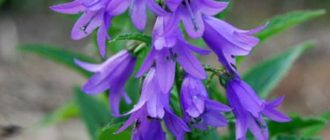
Many gardeners try to plant cobea in their gardens and achieve profuse flowering. However, this plant requires special care and strict adherence to growing guidelines.
Content
- 1 Description of Kobei
- 2 6 varieties of climbing cobea for our country
- 3 A brief overview of the features of growing kobei in the table
- 4 Sowing and planting dates for kobei
- 5 Growing Cobea from Seeds at Home
- 6 Planting cobea in open ground
- 7 Caring for a Kobeya
- 8 Propagation of cobea by cuttings
- 9 Pests and diseases of kobei
- 10 How and when to harvest kobei seeds
- 11 Is it possible to preserve kobeya in winter?
Description of Kobei
Cobea is an ornamental vine. Native to Mexico and Peru, it blooms there almost year-round as a perennial, decorating facades and gazebos. In Russia, the flower is considered an annual, as it cannot survive the winter even in southern regions, unless grown in a greenhouse.
Only one variety of cobea has taken root in our country – the climbing one.
Under favorable conditions, its shoots can reach 7 meters in length, but the average is 4 meters. The leaves are oval. In summer, they are green, but when the weather cools, they turn red-purple. Therefore, even without flowering, the cobea looks quite attractive at the end of the season.
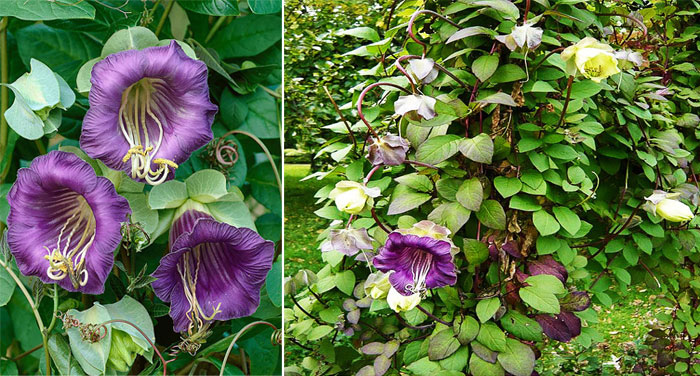
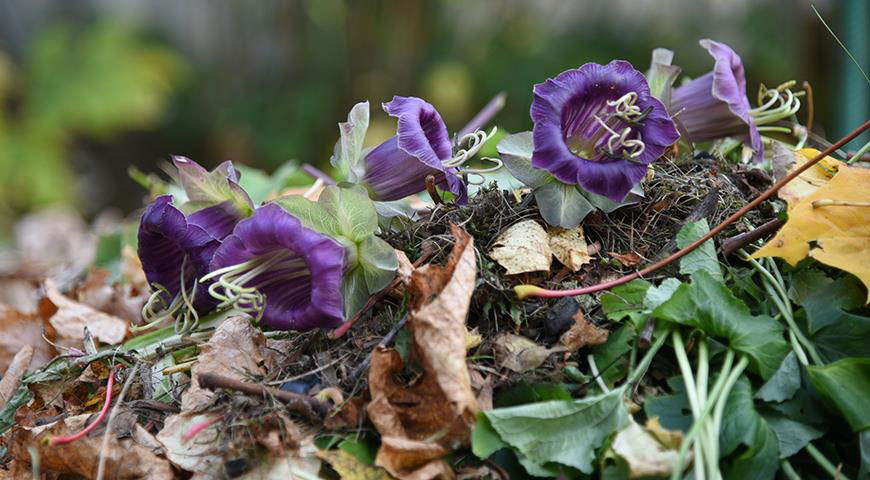
In midsummer, the vine produces cup-shaped buds, 7-8 cm in diameter. The petals can be white, lilac (purple), or pink. After flowering, green, ovoid fruits form.
Interesting! Experienced gardeners note that white cobea is the most capricious variety of the flower.
In some growing regions, it is not possible to wait for them, since frosts come quite early.
6 varieties of climbing cobea for our country
There are nine species of Cobea. However, only the climbing Cobea can be grown in our country. The table below describes the most popular varieties.
| Name | Length of shoots, m | Features of flowers |
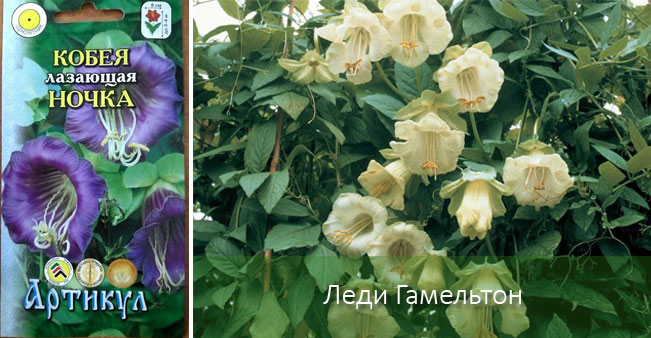
| Lady Hamilton | From 2 to 4 | Petals with a white-lilac tint and a double edge, diameter from 6 to 8 cm. |
| Night (Cathedral Bells) | Up to 3 | Violet-lilac velvety flowers, diameter 8 cm. |
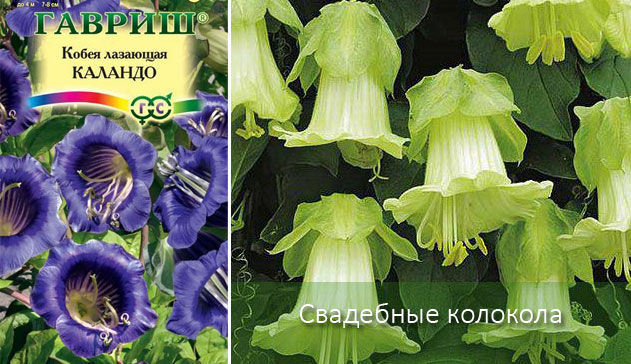
| Wedding bells | Up to 4 | Flowers are 7 to 8 cm in diameter and white in color. |
| Calando | Up to 4 | Blue flowers, 6 to 8 cm in diameter. |
| Jingle Bells | Up to 3 | Milky-white flowers up to 8 cm in diameter. |
| Amazon | From 2 to 3 | The light green buds turn purple as they open. The diameter ranges from 6 to 8 cm. |
| Lilac Scandense | Up to 4 | Large bell-shaped flowers 7-9 cm in size and lacy feathery foliage. |
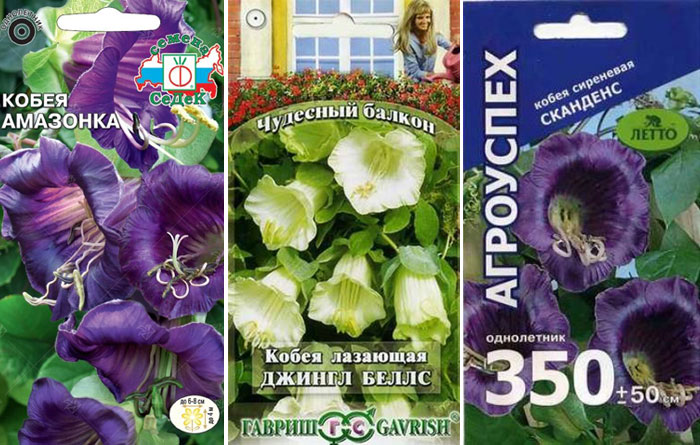
Tip! If you want plants with different bud colors, you can buy a "Mix" seed mix.
A brief overview of the features of growing kobei in the table
The table below provides a brief description of the kobei regarding its planting and care.
| Landing | Seeds: end of February. Seedling: end of May - beginning of June. |
| Soil requirements | Sufficiently fertilized, fertile soil. |
| Lighting | Kobeya needs good lighting, slight natural shading of the plantings is allowed. |
| Garter | Not required, the climbing plant clings tenaciously to the support. |
| Bloom | From the second half of summer until the first frosts. |
| Watering | It is unacceptable to allow the soil to dry out completely; watering should be moderate but frequent enough, especially in hot weather. |
| Reproduction | Using cuttings and seeds. |
| Top dressing | Nitrogen during the period of shoot growth, potassium and phosphorus at the stage of bud formation. |
| Pests | Affected by aphids and spider mites. |
| Diseases | Gray and root rot. |
| Growing regions | Central and Northwestern regions, Southern and Middle Urals, Siberia (regions with a temperate climate). |
Sowing and planting dates for kobei
Cobea is grown from seedlings, as it takes a long time to germinate. Some gardeners recommend sowing the seeds as early as late January. The grown seedlings can be planted in the ground once the threat of frost has passed, typically late May or early June. Folk omens can sometimes help: for example, if it's cold on March 21st, it's best to wait before planting the cobea in the ground, as this indicates warm weather is still a long way off.
Growing Cobea from Seeds at Home
When growing from seeds, the key to healthy seedlings is choosing high-quality seedlings. It's best to purchase from reputable producers. However, even then, be prepared for the fact that cobea germination rates almost never reach 100%. Therefore, it's essential to purchase extra seeds. The cost of one packet ranges from 35 to 60 rubles, depending on the variety and producer.
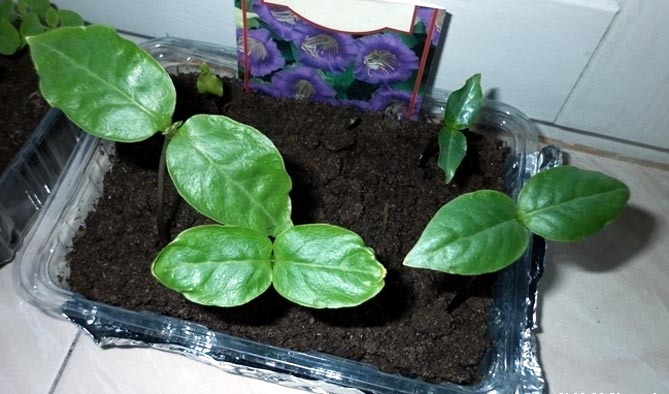
Sowing cobea seedlings
Germination takes a long time, with about three months from sowing to the emergence of shoots. Therefore, cobea is sown in late February or early March. Some forums suggest sowing as early as late January. A wooden box is suitable for the container, and it's best to purchase specialized soil that contains sufficient fertilizer for the plant.
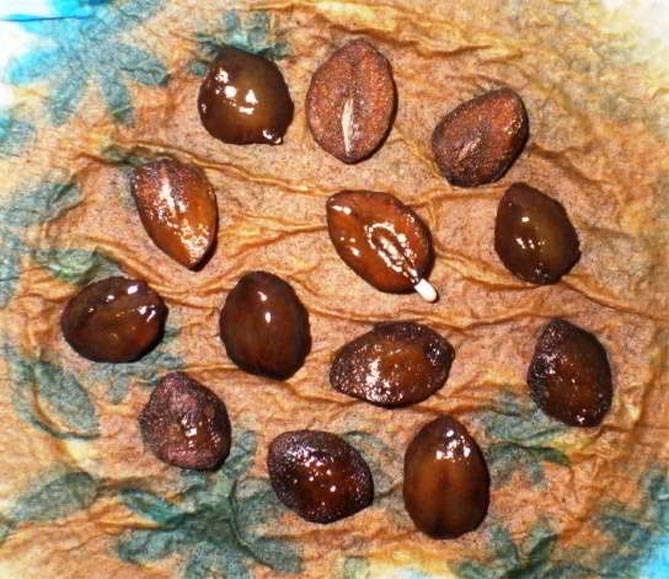
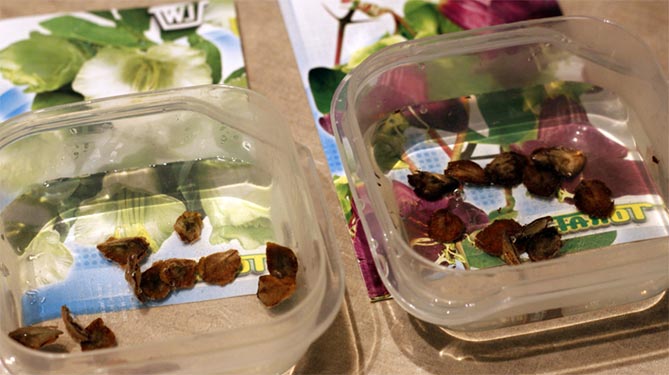
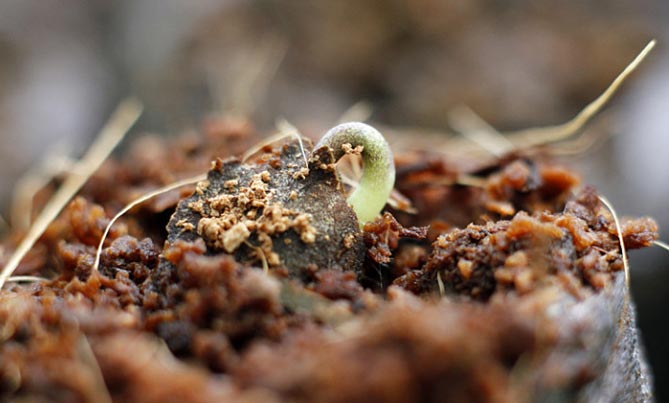
If you're using your own soil, it should be calcined or disinfected with a potassium permanganate solution. It's recommended to pre-germinate the seeds before planting. To do this, place them in a deep bowl on a damp cloth or in a glass with a small amount of water, making sure they don't touch each other. Cover the container with plastic wrap.
Some experts recommend carefully pricking them after they've swollen. Additionally, a slimy coating may appear on their surface, which will need to be removed. All these measures will help the sprout emerge more quickly. Sprouted seeds should be planted at a depth of 15 mm: they're laid on top of the soil and then covered with nutrient-rich soil.
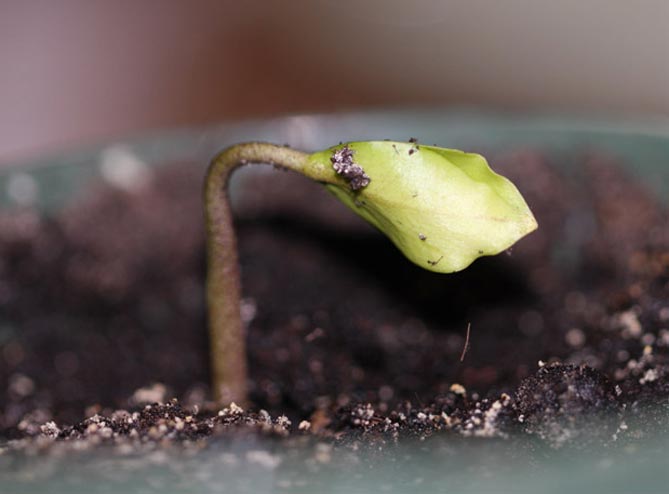
Many gardeners prefer a different method for seed germination and purchase special peat tablets. After soaking, they expand significantly and soften slightly, so the seeds are simply gently pressed into them.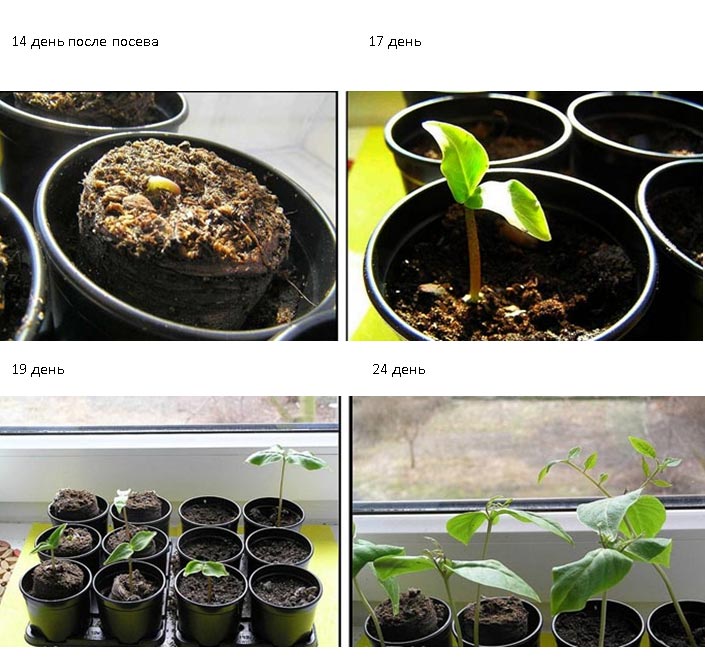
Place the seed containers in a well-lit, warm location. A windowsill is fine, but avoid drafts. If using dry seeds, the first sprouts will appear within 2-3 weeks; sprouted seeds will germinate slightly faster.
To summarize, the step-by-step scheme for planting seeds looks like this:
- Germination or placing seeds in a peat tablet.
- Planting in a container.
- Topping
- Hardening.
Caring for Kobei seedlings
Once the shoots have developed two full leaves, the cobea is pricked out. It is transplanted, along with the root ball, into a pot with a capacity of at least 3 liters. This will allow strong roots to develop.
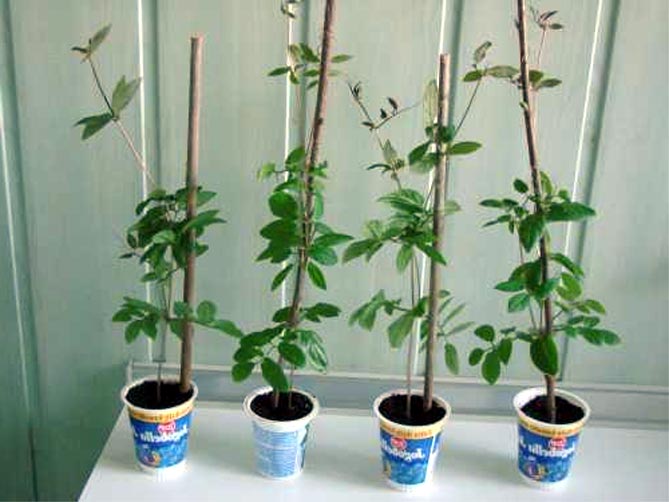
To provide support, insert a small arch or ladder into the pot. Three weeks before planting, it's a good idea to begin hardening off the seedlings. To do this, place them in a cooler spot, such as an insulated veranda or balcony. If there are other flowers or seedlings on the windowsill nearby, be careful that the vine doesn't entwine them with its tendrils.
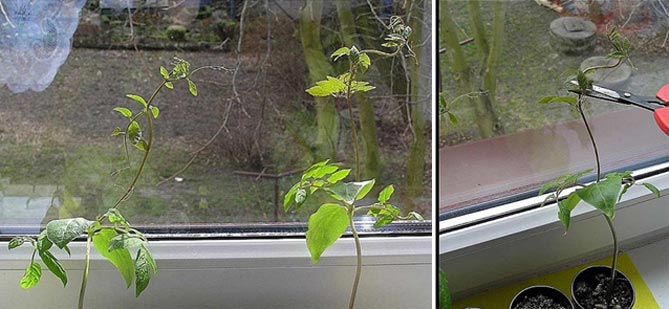
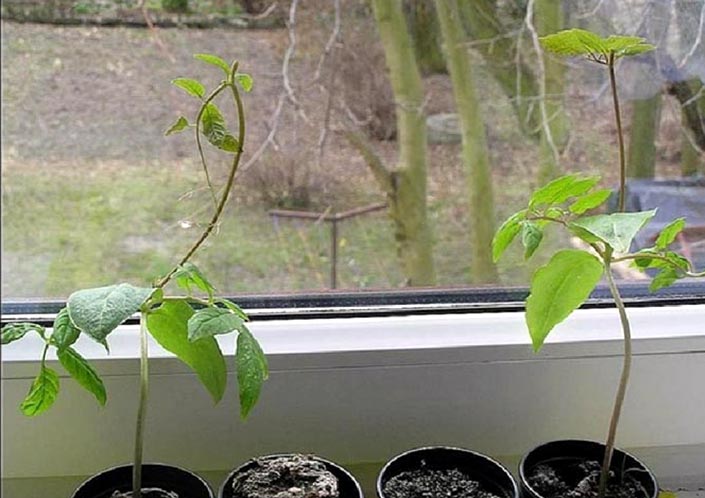
If the shoots have reached too large a size, and the time has not yet come to plant them in the fresh air, then you can pinch the stems slightly.
Planting cobea in open ground
Next, we'll discuss planting and care in open ground. The overall health of the seedlings depends on proper planting of the cobea.
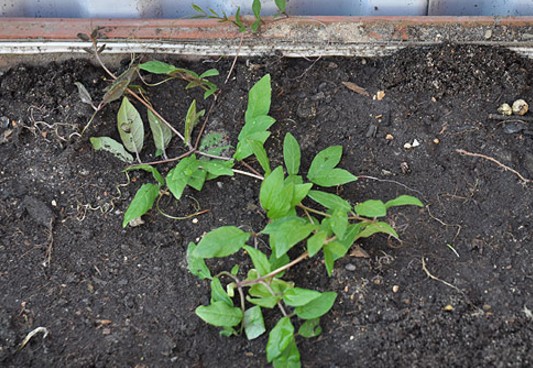
Planting dates
Cobea can be planted outdoors in consistently warm weather that prevents night frosts. Even a slight, short-term cold snap can kill the plants.
In central Russia, this planting period falls at the end of May or the beginning of June.
But you shouldn't delay the process either, otherwise the process will become much more complicated, the shoots will be difficult to separate from the support, and the risk of damage increases.
Choosing a location
Cobeas prefer well-lit areas, but it's advisable to provide some shade at first. The flowers also thrive under a small canopy.
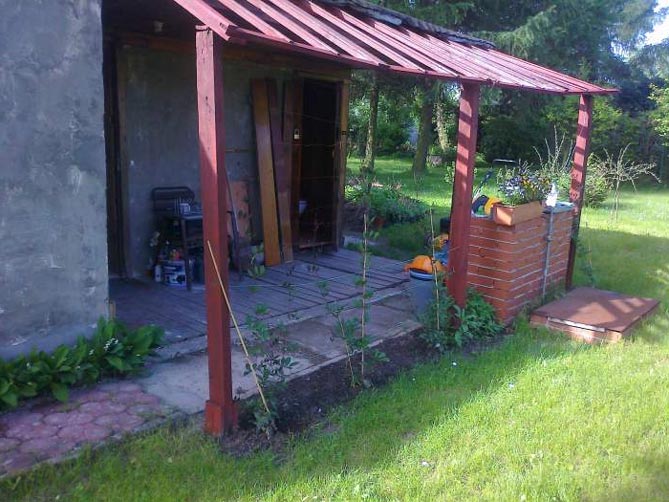
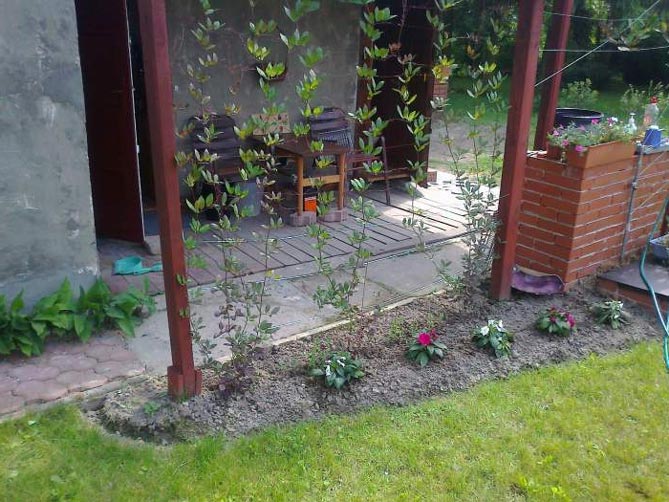
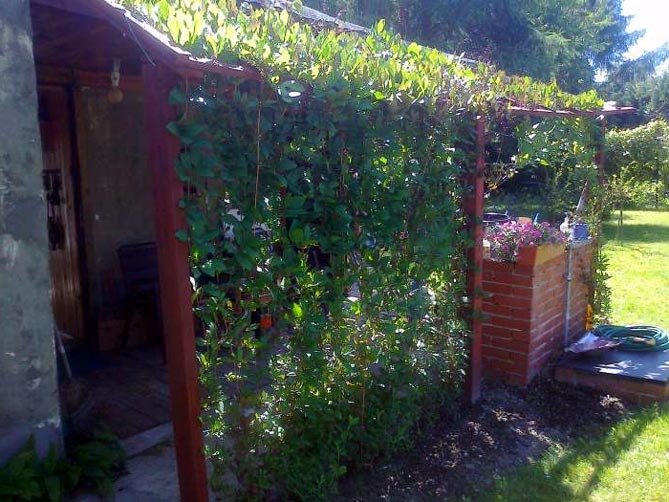
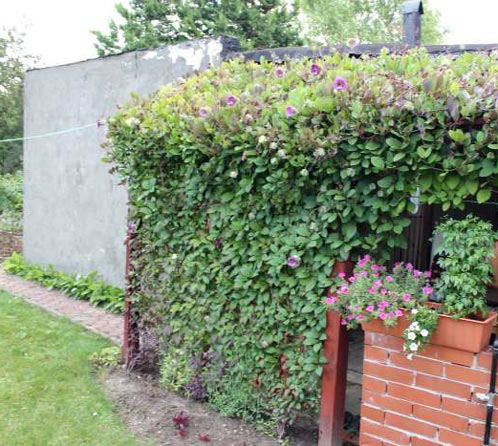
They grow best in fertile soil, so prepare the flowerbed in the fall by adding humus, peat, and superphosphate. Be sure to provide drainage—cobeas thrive in loose, well-drained soil. Avoid planting them in areas where water regularly stagnates.
Important! Experienced gardeners note that the color of cobea buds can be affected by soil acidity: if it's too acidic, the color will be brighter; if it's too acidic, blue and bluish hues will predominate.
Planting kobei
The seedlings are carefully transferred to pre-prepared holes and covered with a nutritious soil mixture. The shoots are carefully straightened and placed on a support. It's best to use a ladder or net for this purpose. However, some prefer to form an arch with the vines.
The distance between bushes should be at least 70 cm, otherwise they will become intertwined during growth.
If you don't carry out the hardening procedure in advance, the adaptation period will be prolonged, and the leaves and shoots may turn white in the sun.
Caring for a Kobeya
Caring for a cobea is quite simple. It only requires timely watering and periodic fertilization. Florists recommend fertilizing every two weeks to ensure lush blooms. For this purpose, you can use specialized fertilizers or potassium-phosphorus fertilizers.
Watering should be fairly frequent, especially in hot weather. The soil shouldn't remain dry for long periods of time, otherwise the leaves will begin to wilt and turn yellow. Drafts can also cause this.
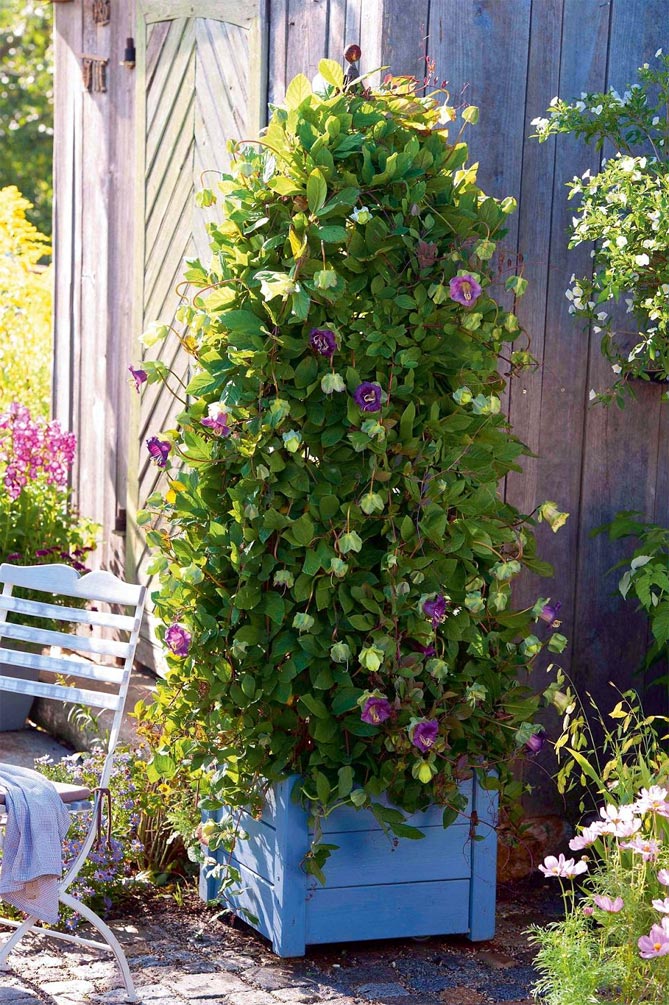
Young plantings must be protected from the scorching sun with a canopy for the first few days.
If the cobea is part of a landscape design and planted in a pot or flowerpot in the garden or summer house, it must have a drainage layer. Expanded clay or fine crushed stone placed at the bottom of the container is suitable for this purpose. This loose layer will improve aeration and accelerate the absorption of nutrients from the soil by the roots.
To stimulate growth and flowering, it is recommended to remove faded buds and damaged parts of shoots every two days.
The plant doesn't require any additional support, as it's a creeping plant and clings to the support itself via tendrils, the placement of which should be carefully planned in advance. Some gardeners initially plant cobea near the walls of a veranda or gazebo. However, it also looks quite beautiful indoors when entwined around a balcony. However, this indoor vine often creeps onto neighboring properties, so it's best to plan this out in advance. According to reviews, the wall itself doesn't get wet, turn black, or deteriorate under the vine, as can happen with denser, more luxuriant vines.
Propagation of cobea by cuttings
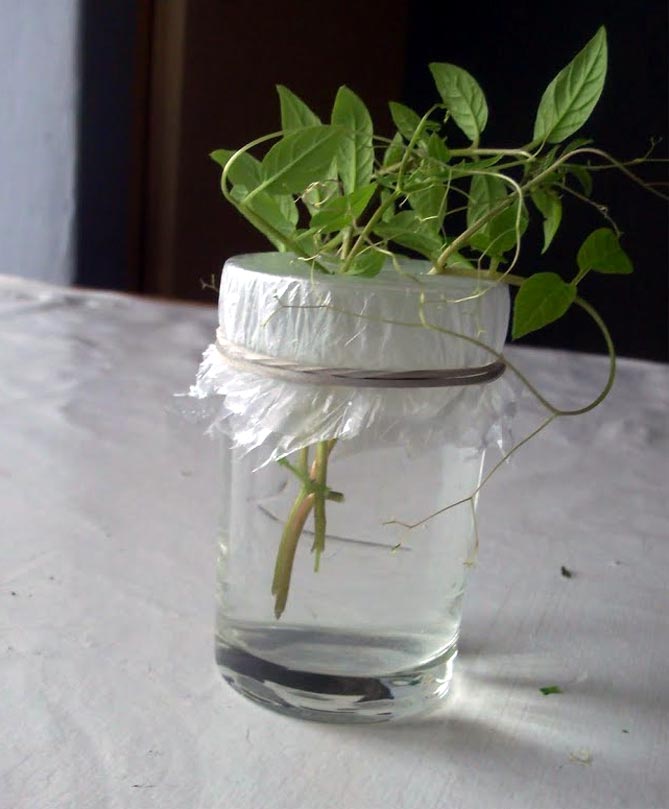
We offer step-by-step instructions for the process of propagating cobea cuttings:
- In spring or August, a cutting approximately 10-15 cm high is cut below the node.
- Take a glass of warm water (+25 °C).
- The container is covered with film on top, in which a small cut is made.
- A cutting is inserted into the cut.
- The glass with cuttings is placed in a well-lit, warm place where there are no drafts.
- After the roots appear, you can transplant the plants into a pot with soil.
Some gardeners plant cuttings directly into the soil. In this case, it's crucial that the soil contains plenty of nutrients.
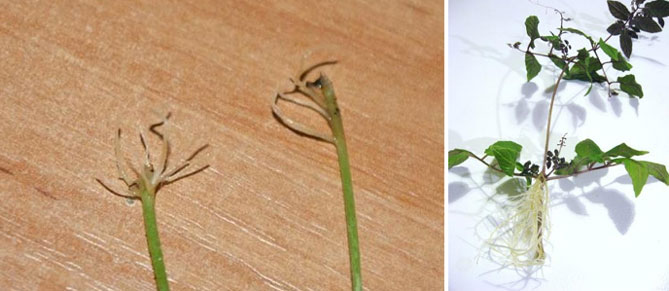
Cobea, rooted in this way, blooms much faster than its counterparts obtained from seeds.
Pests and diseases of kobei
Kobeya is quite resistant to attacks from various pathogenic microorganisms that are typical for most vines, but often becomes prey spider mite or aphids.
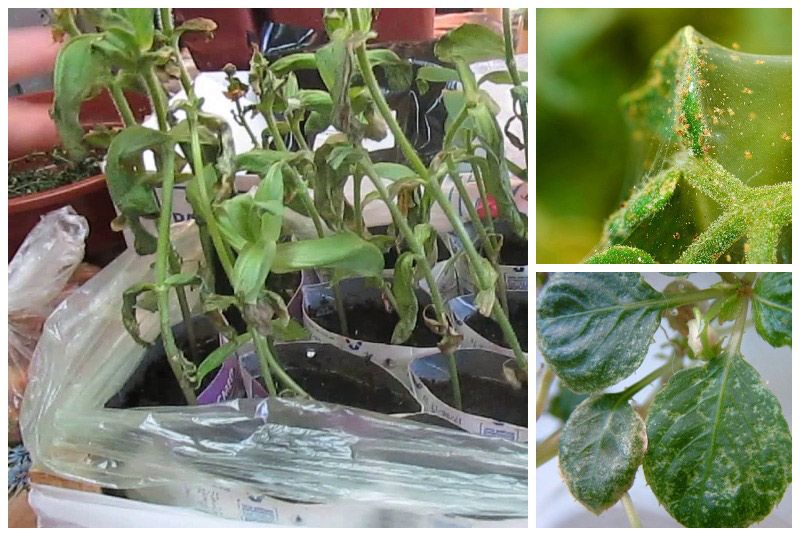
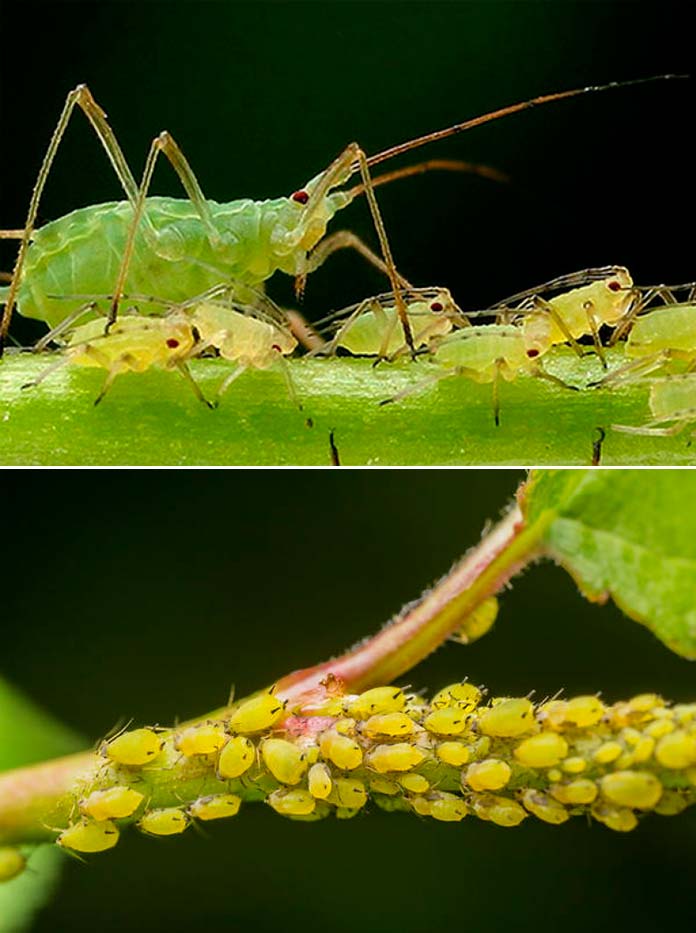
Pests can be detected visually by curled leaf blades. Treatment should begin immediately before the problem and its consequences become irreversible.
- Treating flowers with an acaricide (Fitoverm, Kleschevit, Iskra) will help get rid of spider mites.
- Aphids are destroyed using insecticides (Aktara, Tanrek, Apache, Confidor).
All preparations used are diluted strictly according to the instructions; spraying is carried out in dry, windless weather.
How and when to harvest kobei seeds
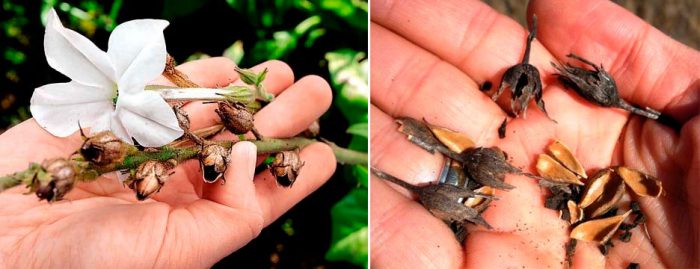
Cobea originates from warmer climates; its flowering begins in July and ends only with the first frosts. It grows as an annual, and the seeds simply don't have time to ripen before the cold weather sets in. Therefore, harvesting them outdoors is impossible; this can only be done in a greenhouse.
Is it possible to preserve kobeya in winter?
Cobea definitely won't survive the winter outdoors in our country. However, it's possible to preserve the plant until next season. http://top.tomathouse.com recommends:
Trim all shoots to 15 cm from the ground, carefully dig the plant out of the soil, and repot it. Place it in a cool room. Ideally, you have a naturally lit basement where the winter temperature is 5°C. Watering should be kept to a minimum during this period. With the arrival of spring, repot the plant in new soil, and resume watering.