Pelargonium, like grandma's flower, is believed to relieve headaches. In spring, after the threat of frost, it is the first plant to be planted in the garden.
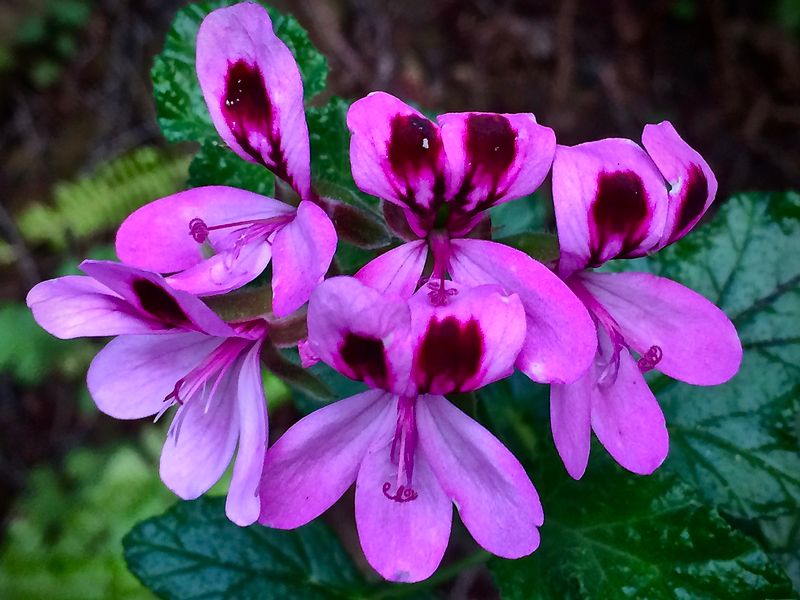
Thanks to extensive breeding, this plant has become very popular. Its extraordinary buds, available in a variety of colors, are compared to the queen of flowers—the rose. Growing unusual geranium varieties can be a profitable family business.
Content
Description of geraniums for the home
A perennial herbaceous plant with erect or creeping stems. The leaves vary in shape:
- simple;
- finger-shaped;
- dissected.
Umbelliform inflorescences come in a variety of shades. The fruit is a capsule with retained sepals. This sun-loving geranium easily tolerates low moisture. Propagation is by seed and cuttings. The plant is very easy to care for.
Types of indoor geraniums
Pelargonium is a perennial flower. It belongs to the Geraniaceae family. Over 400 varieties are found throughout the world. The geranium owes its name to the Greeks for the shape of its fruit, which resembles a crane's beak. Germans call the flower "stork's nose."
Geraniums arrived in Europe from Africa four centuries ago. Due to their distinctive aroma and decorative appeal, the plant became very popular among aristocrats. Later, the flower adorned the windowsills of people of other classes.
Breeding has produced numerous hybrids, each with distinct shapes, leaf color, and inflorescences. Pelargoniums are further divided into species.
Zonal
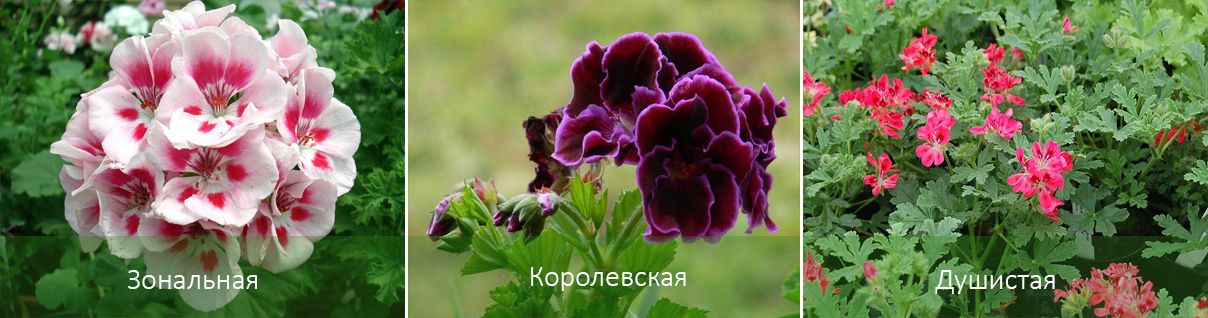
The most well-known. This species gets its name from the color of its leaves. They have clearly defined areas of varying shades. The marginal stripe is scarlet, snow-white, blue, and burgundy. The central lobe is a variety of shades. Colors include black, silver, and gold. Some specimens have trichromatic foliage.
Its varieties are distinguished by their lush, vibrant blooms. The plant has a straight stem with pubescent leaves that have a distinctive scent. Pelargoniums of this species are distinguished by their flower shapes:
- tulip;
- rosebuts;
- cactus-like (with twisted petals they resemble chrysanthemum);
- star-shaped;
- cloves;
- deacons (small flowers concentrated in bright buds).
The varieties impress with the diversity of petal colors. Zonal pelargonium blooms throughout the summer months. Some gardeners do not allow the plant to go dormant in winter. Geraniums continue to delight with their magnificent, colorful fragrance.
Royal
Large flowers, either double or single, feature ribbed petals with consistent dark stripes or spots. The top two are larger and more velvety than the others. This characteristic is characteristic of this species.
The plant reaches a height of 15 cm. The rough, serrated leaves resemble maple leaves. They can be solid or vibrantly colored. This hybrid is the most demanding when it comes to indoor care. The flowering period is 120 days, occurring after two years of growth.
Fragrant
It has earned the respect of gardeners for its varied fragrance. Lightly brushing a leaf of this geranium variety reveals aromas of strawberry, ginger, vanilla, citrus, and mint. Hybrids also have scents of apple, lilac, pine, and almond.
This houseplant produces small flowers of varied shapes. The double foliage is added to tea and desserts.
Scented geraniums are used to make aromatic sugar. The process is simple: layers of leaves with sugar are placed in a container.
They are kept in the sun for two weeks. After removing the remaining plant material, the fragrant sugar is added to culinary dishes.
Ivy-leaved
A trailing variety. Fragile shoots reach 1 m in length. Shiny, star-shaped, light green leaves resemble ivy.
An excellent option for balcony landscape design. Several varieties are grown in hanging pots.
Ivy-leaved pelargoniums delight with single or double flowers from June to September. The buds are captivating in their shades, ranging from snow-white to deep blue-black.
Hybrid groups of pelargonium
There are geraniums created by crossing different flower species. They are classified into separate groups. This includes hybrids of the crisp-leaved geranium (a variety of scented geranium) and the regal geranium.
Angel
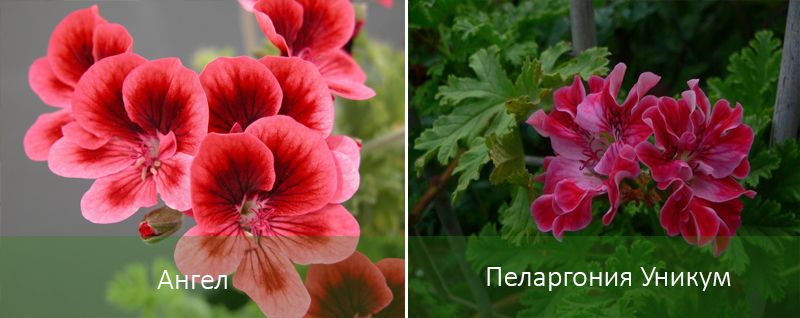
The violet-colored buds resemble pansies in appearance. They grow up to 35 cm. Regular pruning of geraniums helps them acquire a graceful shape. The lush, multicolored blooms remain fragrant on the branches throughout the summer months.
Pelargonium Unicum
The dissected leaves have an airy, spicy aroma. The numerous small flowers are covered with dark spots and veins. Their pattern resembles the feathers of a firebird. These unique plants are generally tall if not pruned. They are an excellent choice for growing outdoors in summer.
Succulent pelargonium
A very unique species native to South Africa. The plant's intricate shapes resemble all sorts of fantastical objects. The stems, woody at the base, are curved in an unusual way. Dry air and insufficient watering lead to leaf fall.
Succulent pelargoniums should be placed in the sunniest location possible to preserve their unique shape. In low light, they grow quickly, losing their distinctive appearance. During the dormant season, pots can be placed in a slightly shaded location. The room temperature should not exceed 15°C.
The plant's branches are sometimes covered in thorns. Succulent geraniums are chosen for their exotic indoor decor. They are used in unique arrangements, such as bonsai, miniature rock gardens, and rockeries.
Lemon pelargonium
This species is widely known for its complexly shaped leaves: deeply dissected and pubescent. The bush reaches a height of 1.5 meters. When touched, the foliage emits a sparkling scent of yellow citrus.
It blooms infrequently. The plant's charm lies in its graceful foliage and delicate fragrance. With adequate care, it produces light green or white, sparsely spaced flowers.
Exotic geranium is used as a natural air freshener and folk remedy. It fills the room with a citrus aroma. Lemon geranium leaves relieve symptoms of ear infections, flu, and headaches.
Caring for indoor geraniums
| Factor | Conditions | |
| Summer | Winter | |
| Location | Sunlit windowsill. | The lack of light is compensated for with lamps. Choose a location protected from drafts. |
| Temperature | +20…+25 °С | +10…+14 °С |
| Watering | Frequent, abundant watering. Avoid getting water on the leaves. | The plant is dormant. Reduce the size by half. |
| Humidity | Moderate. | High is contraindicated. |
| Top dressing | Pelargoniums are undemanding when it comes to nutrients. Mineral fertilizer is applied in March and September. Special growth stimulants for geraniums are highly effective. Apply to the soil and spray every two weeks. | They don't use it. |
| Trimming | Remove the upper and lateral shoots, forming an attractive bush. | Remove dry leaves and flowers. Do not trim. |
Transfer
Caring for pelargoniums is easy for novice gardeners. Given the plant's distinctive characteristics, the potential for a unique indoor design is high. Geraniums don't respond well to repotting: change the soil and pots no more than once or twice a year.
The main factors for such a process are:
- root system growth;
- wilting of flowers due to stagnant moisture;
- poor plant development;
- lack of flowering;
- exposing the roots - in this case, you can simply add more nutrient soil.
Pelargoniums are usually repotted in the spring. This isn't a crucial requirement. Some people do this in the winter. This method tends to take longer for the plant to take root.
It's not recommended to repot a flowering plant. This will cause it to die. Instead, repot by renewing the soil layer. Add fresh soil if necessary.
Some flower lovers plant geraniums in an outdoor flowerbed in the spring. With the arrival of autumn frosts, they bring the plant indoors. This additional care promotes the plant's health and allows for the division of its roots for propagation.
Geranium replanting instructions:
- prepare tools and nutrient soil;
- treat with a disinfectant solution;
- Place a drainage layer on the bottom - small stones, expanded clay, bleach, brick fragments, foam balls;
- moisten the soil in the pot with geranium;
- carefully remove the plant without damaging the roots;
- inspect the flower - if rotten areas, signs of disease, or insects are found, prune, remove, or carry out sanitary treatment;
- place the plant in a new container;
- fill the voids with prepared soil, moisten, compact slightly, add soil.
The repotted pelargonium is placed in a dark location for 7 days. This time is sufficient for establishment. It is then transferred to its chosen permanent location. After 8 weeks, a specialized fertilizer is applied.
Geranium propagation
Pelargoniums are propagated by three methods: seeds, cuttings, and rhizomes. Each method has its own advantages and disadvantages.
At home, they are grown from store-bought seeds. The newly emerged flower differs from the parent plant. A significant drawback of propagation is the time it takes.
Simple rules for germination:
- remove the top layer from the seeds with sandpaper;
- keep in a growth stimulator for 6-12 hours;
- Pour a mixture of leaf soil, peat, and fine-grained sand into the container. Ratio: 2:1:1;
- spread the treated seeds over the surface of the substrate, sprinkle with a 0.5 cm layer of river sand, moisten;
- Cover the container with film and put it in a warm place.
When sprouts appear, water the seedlings with a dilute potassium permanganate solution. After two weeks, transplant the seedlings. After 45 days, pot the plant. When the sixth leaf appears, pinch the geranium, forming a compact bush. Propagation by cuttings occurs in the fall, after flowering has finished. This process can also be done in early spring. Use pruning shears to cut healthy, undamaged cuttings 10 cm long. Remove excess leaves to form roots.
The planting material is kept in a rooting stimulant for 5 minutes and then thoroughly dried. A hole is made in a peat pot filled with nutrient-rich substrate, into which the cutting is placed. Water thoroughly and wait for rooting for 14 days. Then, plant it in a permanent pot.
Sometimes, geraniums develop shoots from their roots. These shoots produce a new plant. The plant is removed from the ground. The root is divided into shoots. The shoots are replanted in containers.
Problems with growing indoor geraniums
The plant doesn't require much care or time. However, there are a few things to be aware of.
| Problem | Cause | Elimination |
| The appearance of a yellow border on the leaves causes them to fall off. | Lack of moisture. | Arrange regular watering. |
| Withering, falling of leaves. | Soil moisture is above normal. | Do not allow liquid to stagnate in the pot. |
| Absence of peduncles. | Overdose of nitrogen fertilizers. | Stop fertilizing to increase green mass. |
| Death of a newly acquired plant. | Root rot infection. | Treat with chemical fungicides such as Vitaros and Maxim. Feed the blooming geraniums with a biological product. Fitosporin Reanimator is an excellent choice. Repeat treatment if necessary. |
Properly organized care for geraniums will ensure their development, growth, and flowering without problems.
Top.tomathouse.com recommends: the benefits and harms of geranium
This unpretentious flower is as popular as vines, cacti, orchids, and palms. The benefits and harms of geraniums in the home are determined by their properties and magical powers.
Pelargoniums are characterized by powerful energy. They serve as a natural air freshener. In hot weather, the pungent scent repels pesky flies and blood-sucking insects. Geraniums have been noted for their medicinal properties:
- eliminates symptoms of migraine, insomnia, depression;
- Aromatic oil from the leaves is used in the treatment of the digestive, nervous, and cardiovascular systems.
The plant protects the home from malice and banishes envy. This magical guardian of the hearth creates a healthy aura and improves financial well-being.
Geraniums are contraindicated in the home if you have an allergy to the plant. If you have no reaction, this magnificent houseplant is recommended for anyone who wants to fill their home with a riot of color, a fragrant fragrance, and positive energy.