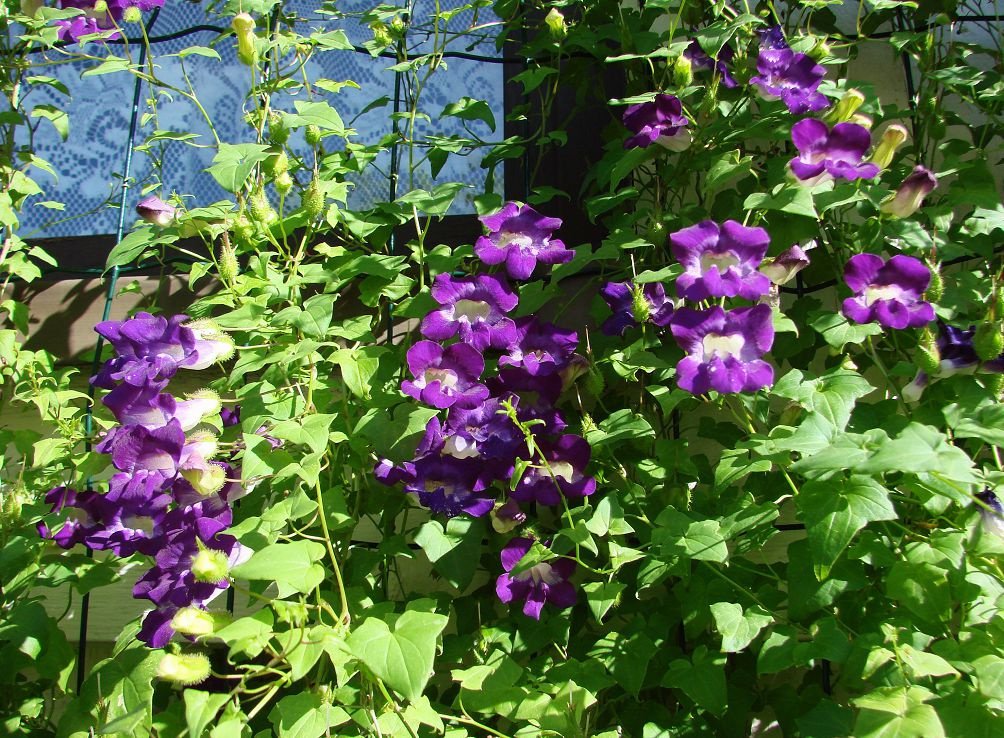
Asarina scandens is a flowering plant that is unfairly neglected by gardeners in our country. It's relatively low-maintenance and can be used as a groundcover or raised horizontally with support.
This guest came to us from Mexico, where it grows year-round, the seeds spreading by the wind. However, in our climate, it doesn't overwinter, so it's grown as an annual. Some sources call azarina maurandia.
Climbing azaria can be grown from seeds, which are widely available at specialty stores. In this article, we'll explain how to avoid potential mistakes and grow a strong, beautiful plant at home.
Content
Step-by-step instructions for growing climbing azarina from seed
Let's take a detailed look at the rules for growing azarina from seeds, point by point.
Soil preparation
This plant prefers loose, highly nutritious soil. You can prepare the soil for planting azarina seeds yourself by mixing equal parts of humus, river sand, peat, and garden soil. Afterward, it's recommended to disinfect the mixture by pouring boiling water over it, using a weak solution of potassium permanganate, or baking it in the oven. However, this can kill not only pathogens but also beneficial microorganisms. Therefore, it's best to purchase ready-mixed soil from a store and treat it with a fungicide if necessary.
Sowing for seedlings
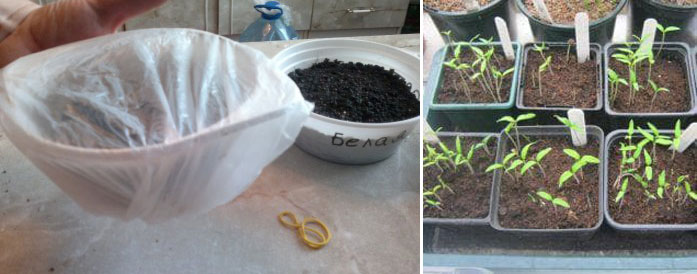
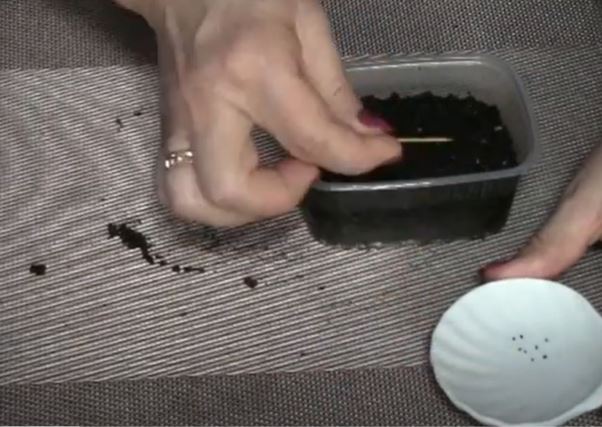
The seeds of the climbing azarina are very small, so some gardeners pre-mix them with calcined red sand or ash, which helps them determine the planting density.
- The seeds fall onto the soil surface. From the outside, it looks like the soil is being salted on top.
- After this, you can simply press them gently into the soil by hand, or sprinkle them lightly with disinfected sand. Experience shows that both methods produce seedlings of equal quality and quantity.
- After finishing the work, the container with the plantings is covered with film and placed in a warm place with an air temperature of +18…+20 °C.
- Germination takes about two weeks, after which friendly shoots emerge from the ground.
Picking
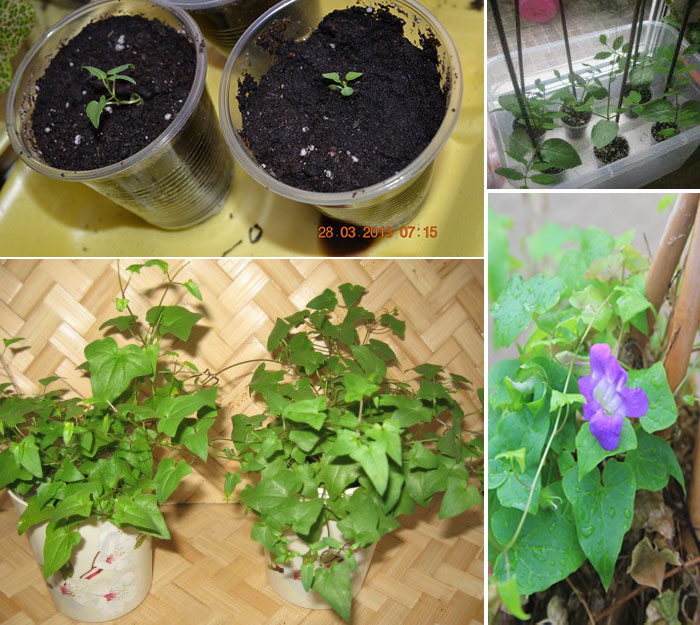
Pricking out is done without trimming the main rootstock. As soon as three full leaves have formed on the shoots, take plastic cups, fill them 2/3 full with soil, and carefully transplant two seedlings into them, being careful not to damage the roots. You can plant one seedling at a time, but two will not feel crowded next to each other. They can then be planted in a flowerbed with one lump of soil between them.
Caring for climbing azarina seedlings
Caring for azarina seedlings does not require complex agricultural manipulations and requires following basic rules.
Watering
Azaria shoots are very thin and fragile, so they need to be watered very carefully. This should be done only after the top layer of soil has completely dried out. You can check this with a wooden stick.
Important! If your seedlings are near a radiator, you'll need to water them more often.
When watering, it's strictly recommended not to use a watering can, as a powerful stream can damage delicate seedlings. Experienced gardeners recommend using a fine mist sprayer. However, spraying should be done in a manner that prevents droplets from falling on the stems and leaves or accumulating near the base of the shoot. Stagnant liquid can lead to the formation of blacklegIf this occurs, the infected plant is removed and the soil is watered with a weak solution of potassium permanganate.
Humidity should be at least 70%. It's recommended to mist mature seedlings if they're near a radiator, or place a bowl of water nearby.
Top dressing
Before transplanting, gardeners do not recommend adding any fertilizer to the soil. However, after transplanting the seedlings into individual cups, you can add any complex fertilizer for flowering plants.
To help the azarina develop immunity and establish the potential for future flowering, it's advisable to feed the seedlings every two weeks until they're planted in their permanent beds. But even then, don't forget about providing them with healthy nutrients. This is especially true before flowering begins, when the plant needs a phosphorus-potassium "cocktail."
Topping
You can begin pinching azarina after 7-8 full-fledged leaves appear. To ensure bushy growth with plenty of lateral shoots, pinch them several times. This simple procedure allows you to control the shoots' height before planting them in the ground. Some gardeners even provide support for azarinas already in their pots. However, this is not recommended, as it is very difficult to untangle the shoots during planting, and there is a high risk of damaging them.
Planting climbing azarina in open ground
Plant the seedlings outdoors once the soil has warmed up completely, as azarina does not tolerate temperature fluctuations well. The site should be well-lit and protected from drafts and winds. However, if the sun is intense in your region, it's recommended to choose a shaded spot to prevent the sun's rays from burning the flowers and leaves.
The soil should be well-drained. Azarynas grow best in loamy soil with a neutral pH.
The plant is quite spreading, so keep this in mind when preparing the holes. They should be spaced 60 cm apart to prevent the shoots from intertwining and creating a sloppy appearance.
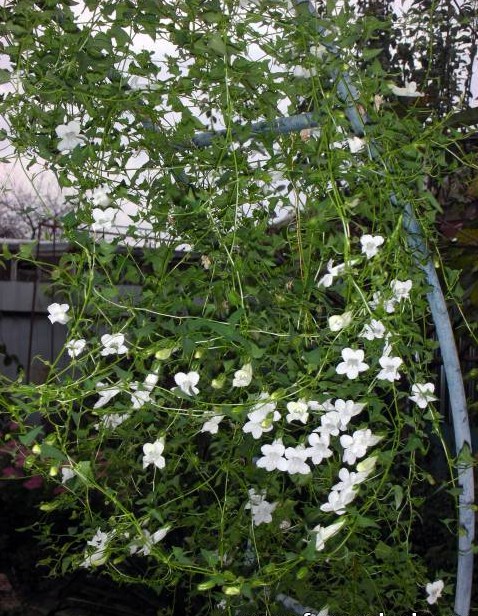
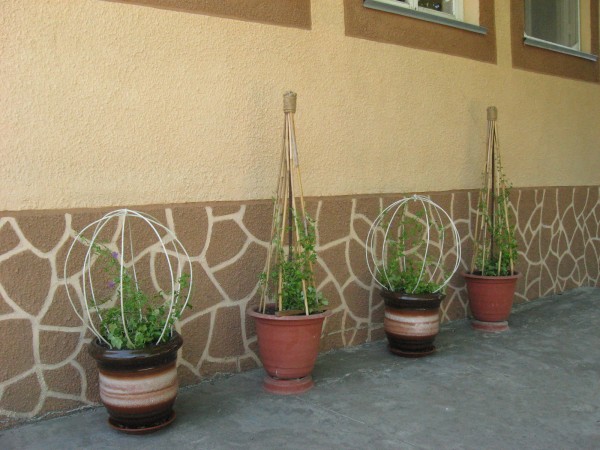
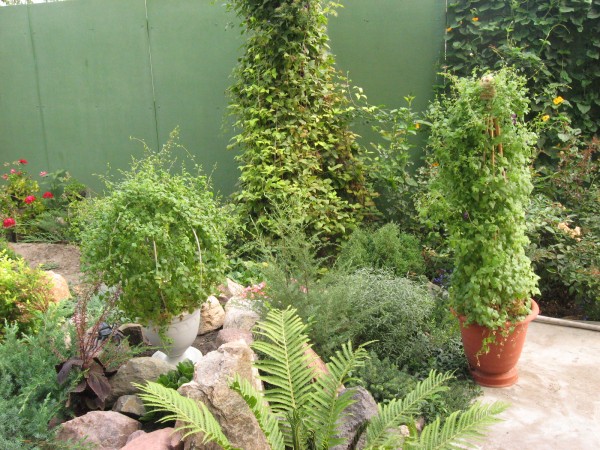
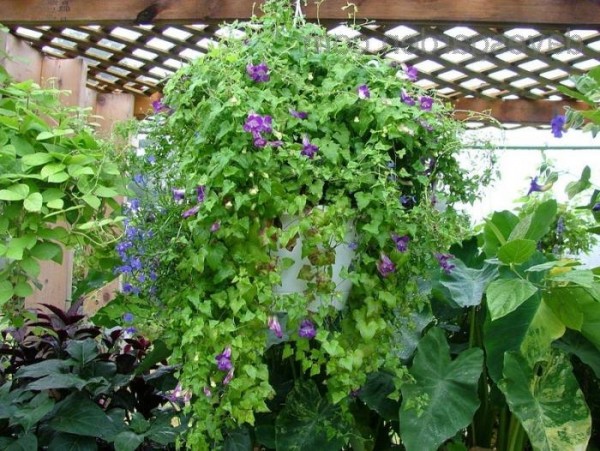
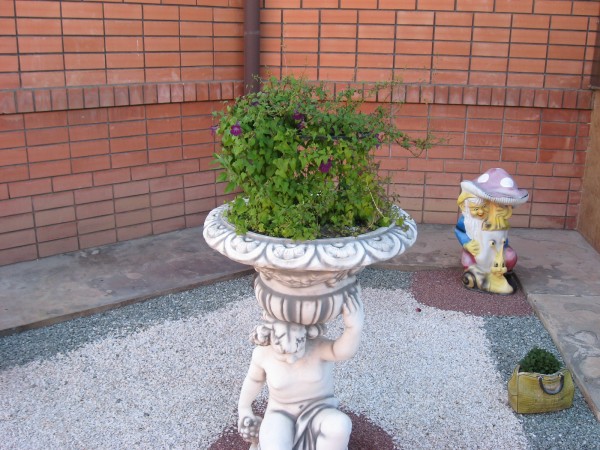
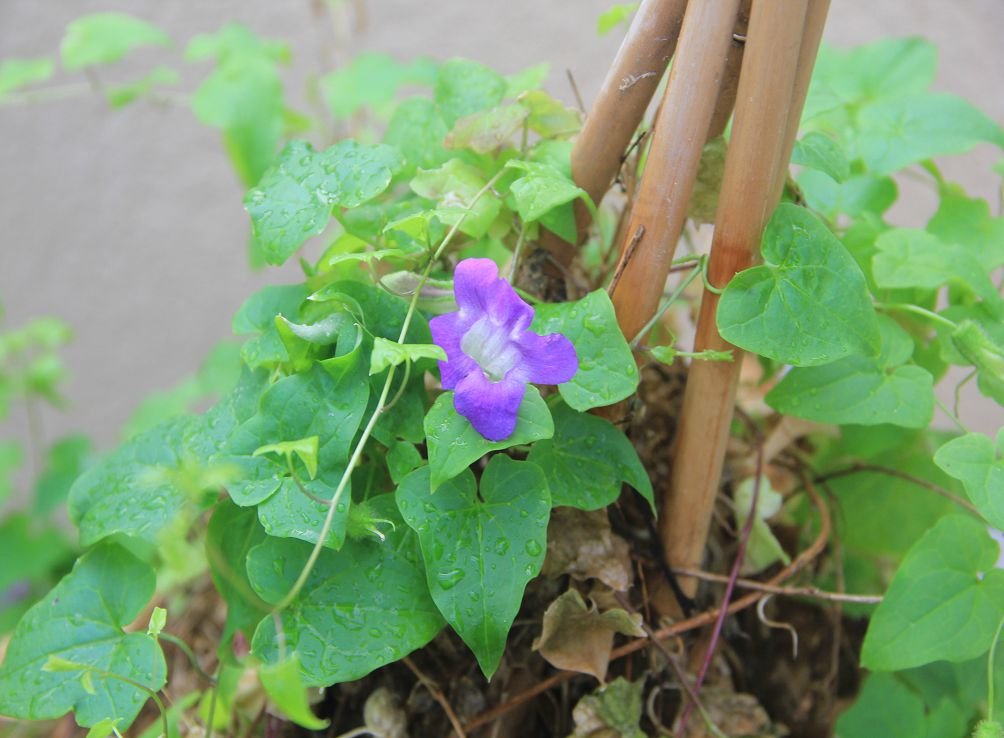
To retain moisture in the soil, it's advisable to cover it with a layer of mulch. Additionally, on hot days, the plant should be given additional moisture by misting.
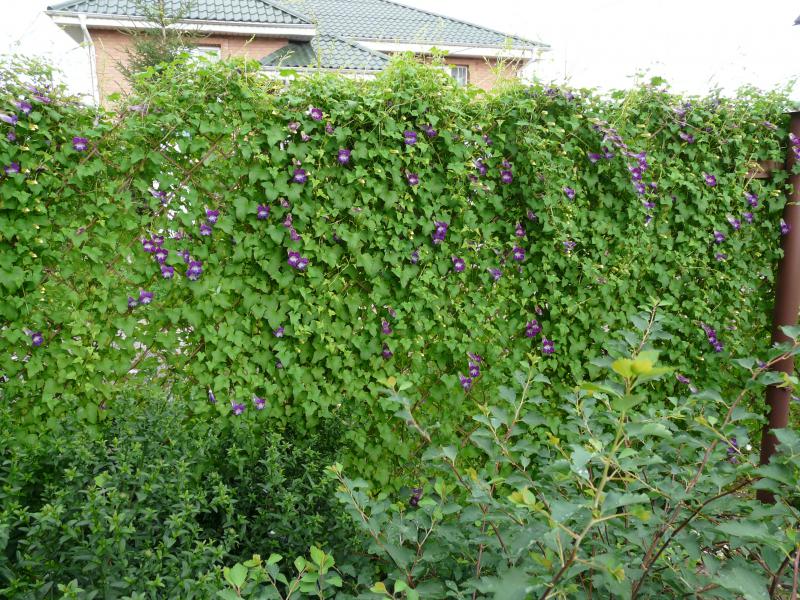
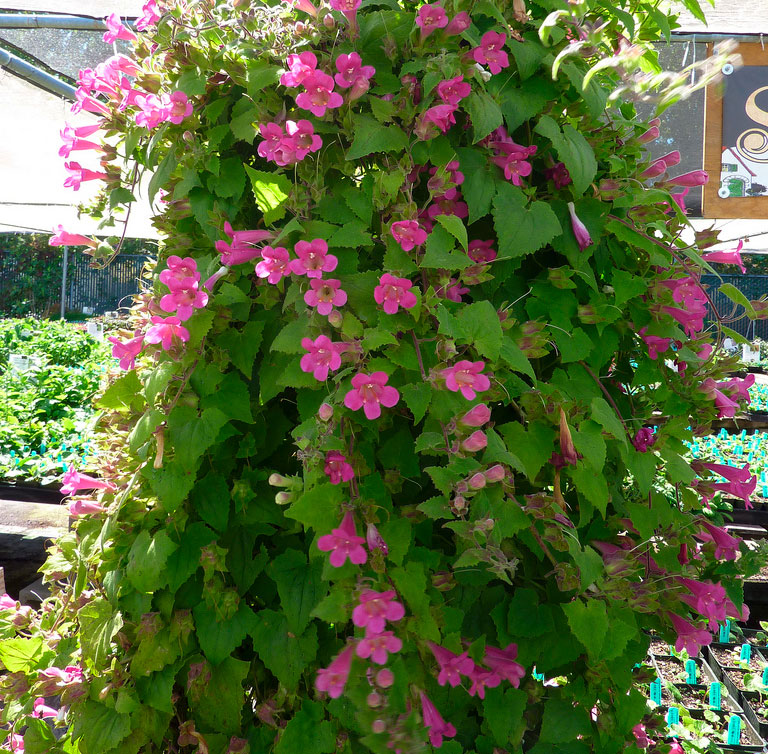
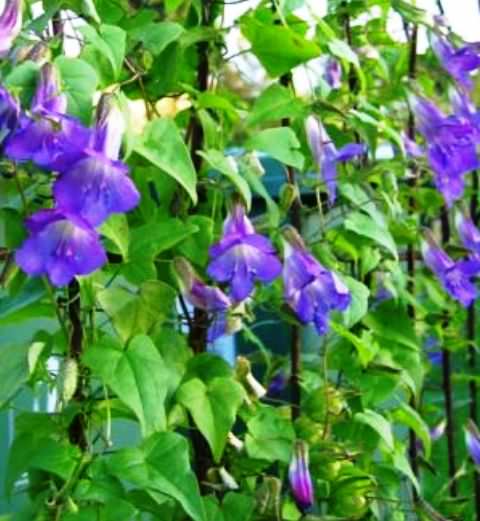
Some gardeners use azarina as a groundcover in flowerbeds, but it most often grows along a support. Therefore, in the garden, azarina is sometimes found covering the walls of gazebos, buildings, or growing near fences.
It is recommended to use twine as supports, but it is better to stretch a fine-mesh wire mesh and pass the shoots through it.
After planting the azarina in open ground, the shoots are carefully tied to a support, periodically adjusting their growth direction. To ensure abundant flowering, faded buds should be trimmed off, encouraging new growth.
The best varieties of Asarina climbing for growing from seed
Please note that when growing azarina, it is not recommended to use metal fences, as this may cause burning of the leaves and stems.
Click on the image to enlarge it.
| Variety | Description |
| Mexican beauty, a mix of colors
|
This is a mixture of varieties that bloom all summer long. Height up to 3 m. Seeds are planted for seedlings in February-March. It's best to place them under plastic film, provided the temperature is between 18 and 20°C.C Seedlings will appear in 10-12 days. There's no need to plant the seeds deep; simply sprinkle them with a light covering of sand. Once established, transplant the seedlings into peat pots and then transplant them into open ground, spacing them 40-50 cm apart. |
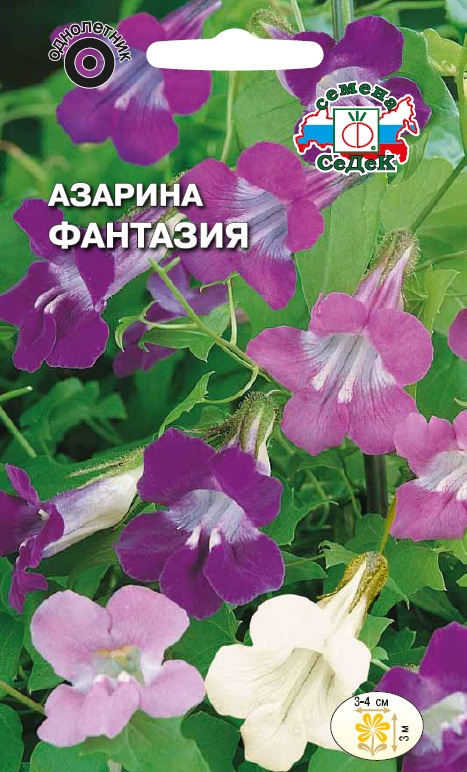
| Mixture Fantasy
|
A warmth- and light-loving liana, a mixture of white, pink and purple flowers. Grows well in any soil. It's used as a hedge, for arbours, pergolas, and buildings. The seeds are planted in February. They germinate at temperatures of +20…+25°C.C. Seedlings are planted in the ground at the end of May - beginning of June, when the threat of frost has passed. |
| Music Series |
General description of the series: This series includes varieties up to 3-3.5 m tall. Large, funnel-shaped flowers, up to 3 cm, are located along the entire length of the stem. The leaves are dark green. If sown early, flowering will continue from June until early fall. Seeds should be sown in February-April, 3-4 seeds per pot. Press them into the soil without covering them. Cover the pot with glass and place in a bright location. Seedlings emerge in 14-21 days. The seedlings are transplanted into the ground at the end of May. Wind music: purple flowers.
Music of the sea: soft pink flowers.
Music of the rain: white flowers.
Music, a mixture of colors: soft pink and snow-white flowers.
|
| White (Plasmas)
|
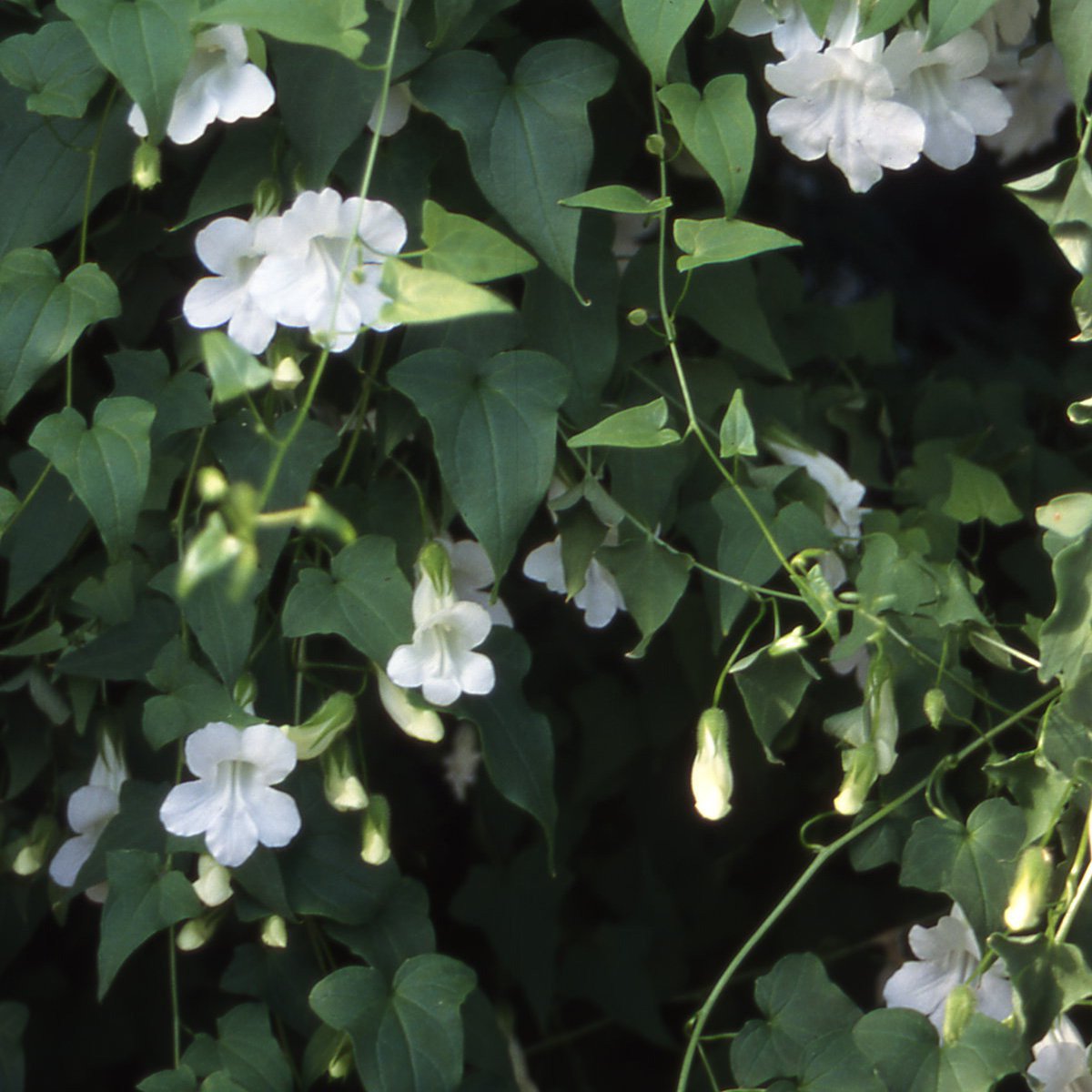
This variety grows up to 3 m. It features a twining, branched stem covered with white, bell-shaped tubular flowers (over 3 cm long). The leaves are dark green, velvety, and small (similar in shape to ivy leaves). |
|
Mystic Rose
|
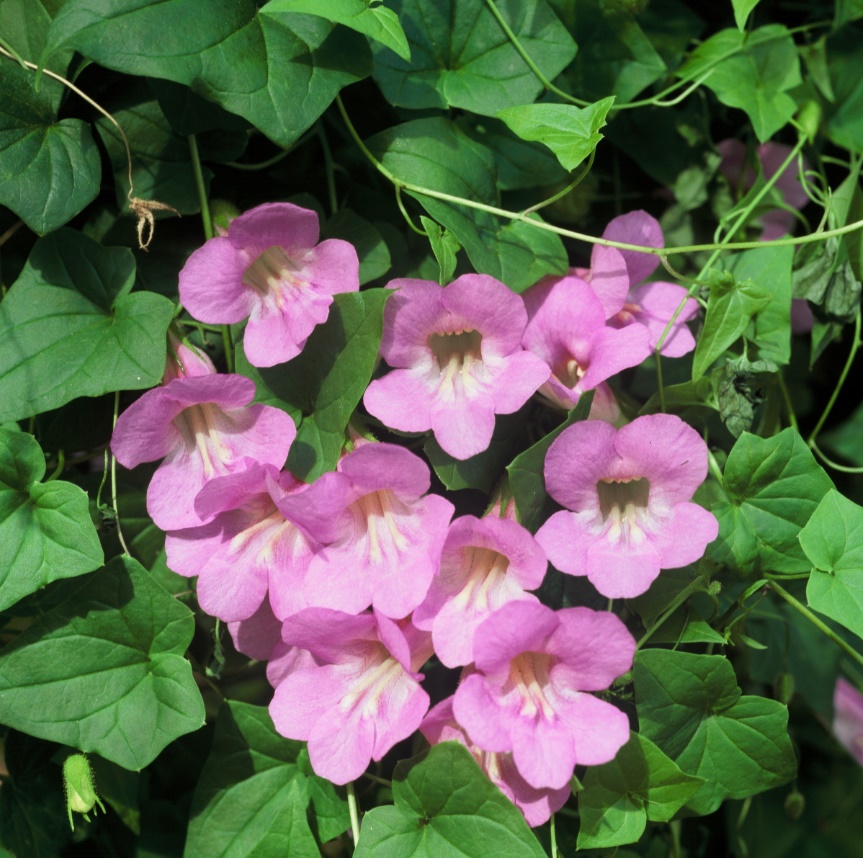
Medium-sized leaves, large bright pink flowers. Height up to 3.5 m. |
| Bridge's white
|
White flowers. |
| Joan Loraine
|
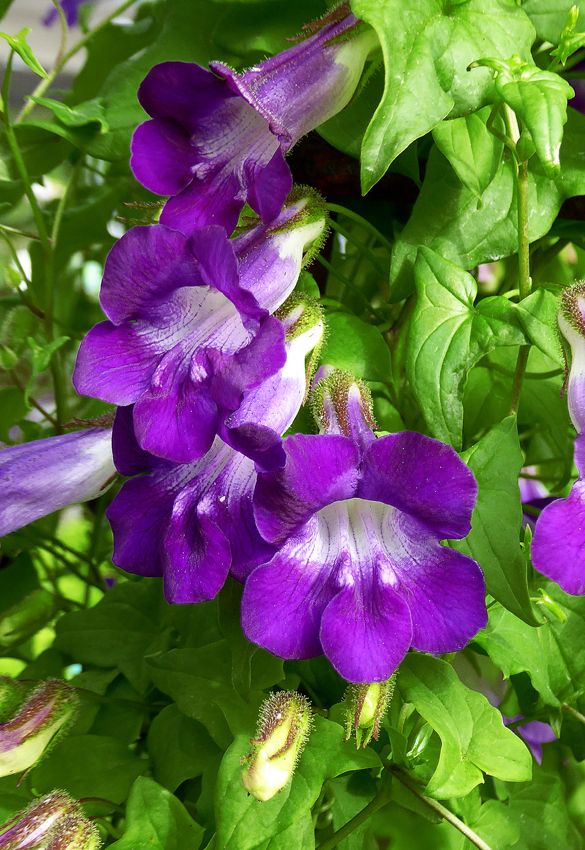
Purple flowers. Blooms from July to September. |
| Magic Dragon
|
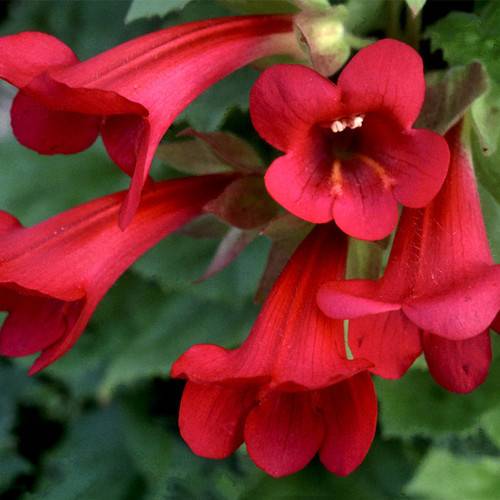
Red flowers. |
| Sky Blue
|
Blue flowers. |
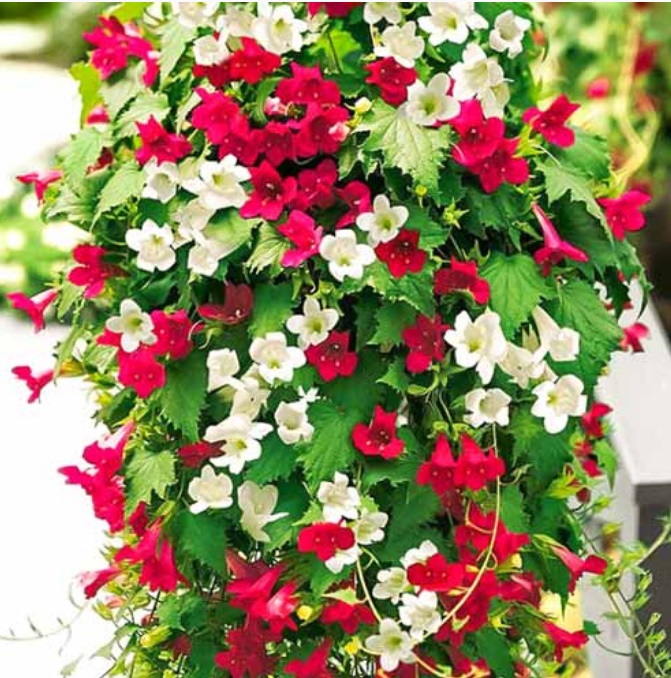
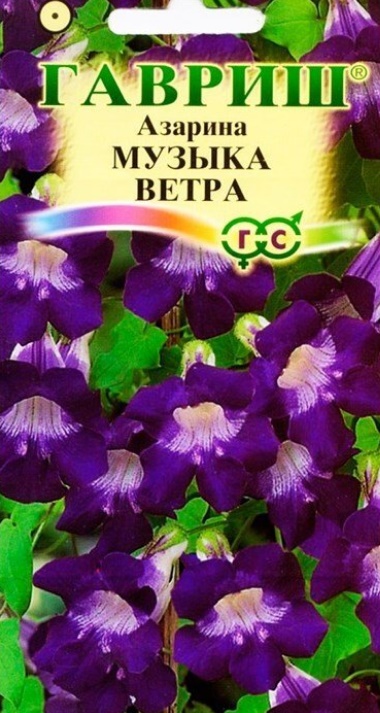
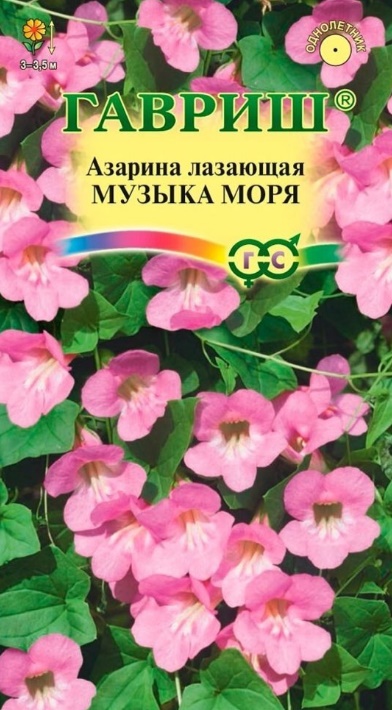
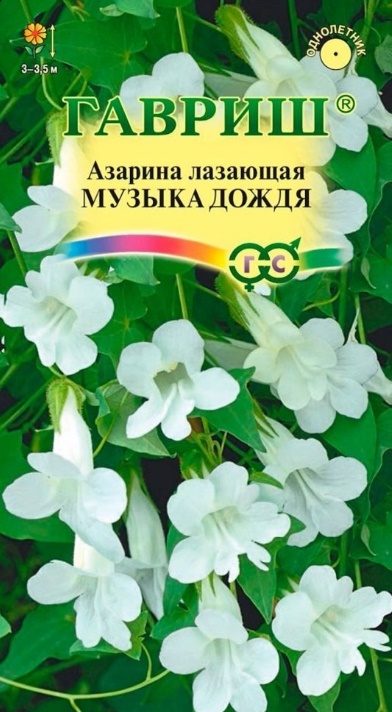
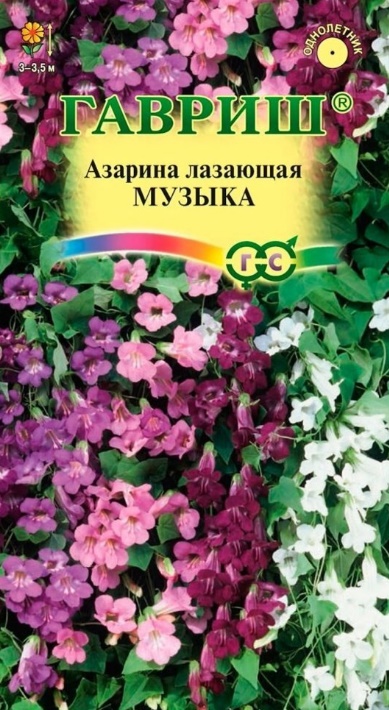

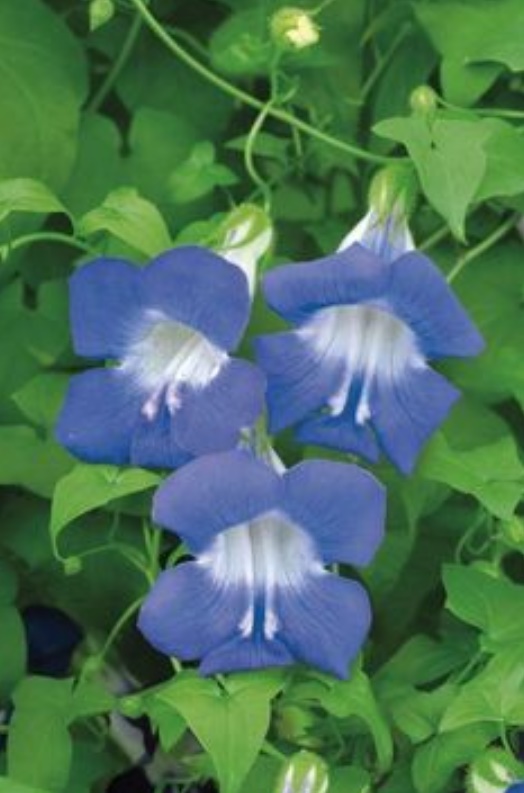
Seeds can be purchased for between 20 and 60 rubles for 5 packages, depending on the store.
Gardeners' reviews of growing climbing azarina from seeds
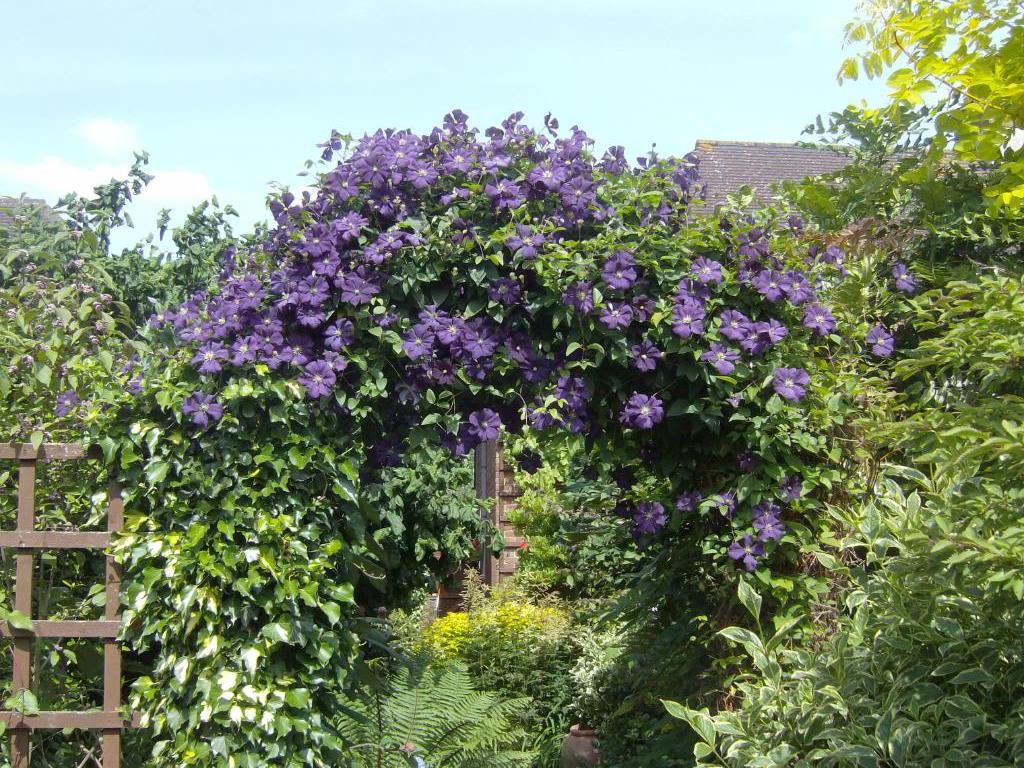
Gardeners who grow azarina note its low maintenance. Some plant it next to clematis and enjoy blooms as early as July. However, judging by reviews, be prepared for the color of the flowers on the packaging to differ from the actual color. The plant is often grown in pots and used to decorate verandas and gazebos.
Tatyana, St. Petersburg, August 20, 2012
This year I planted Asarina (also a first). I've been trying to grow it for years now; I'd forget to water it or something. But this time I told myself, I'll definitely grow it. I planted such puny, thin shoots that I thought it wouldn't survive, so I planted it alongside the clematis. It climbed up them all the way to the top and then started crawling along the ground. I was lifting it up and hooking it to the rope, and then suddenly it swung. I didn't expect it to turn out like that.
…
It's not difficult to grow it from seed. I have it growing with clematis outside. It's grown to a height of 2 meters. I simply planted it (the seeds) too late. I planted a weakling, a mere reed. I thought it wouldn't bloom. But it quickly grew and was already blooming in July. It's a shame there are no blue flowers, although they were on the package.
Photo:
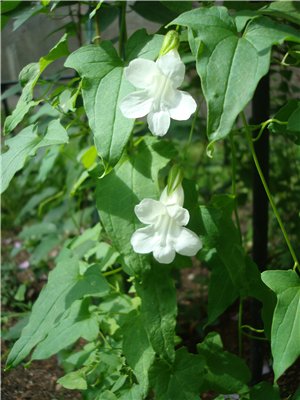
User Nimfea, November 28, 2011
I really liked this plant! However, it has to be sown early, in early March.
So far I've only found these photos.
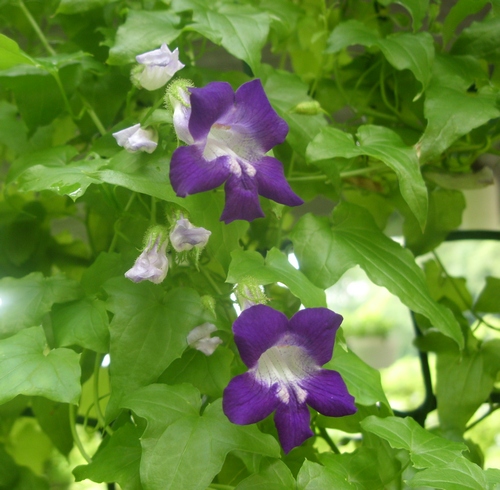
Blue.
Beginning of flowering.
She quickly built a trellis over 2 m high, and went far up the grape trellis to 6 m. It blooms for a very long time, until a frost of -5 degrees freezes it.
The small, delicate leaves form a dense carpet. During the hottest part of the year, I observed a slight decline in flowering, but with the onset of cooler weather, the asarina re-emerged with hundreds of bell-shaped flowers!
Azarina produces seeds continuously.
Blue variety “Music of the Wind” from Gavrish.
By the way, it survived well in a cool, potted place at home the year before last, and it started growing again in the spring. And it bloomed just as well, even earlier. But that was a one-off experiment. I'd like to repeat it.
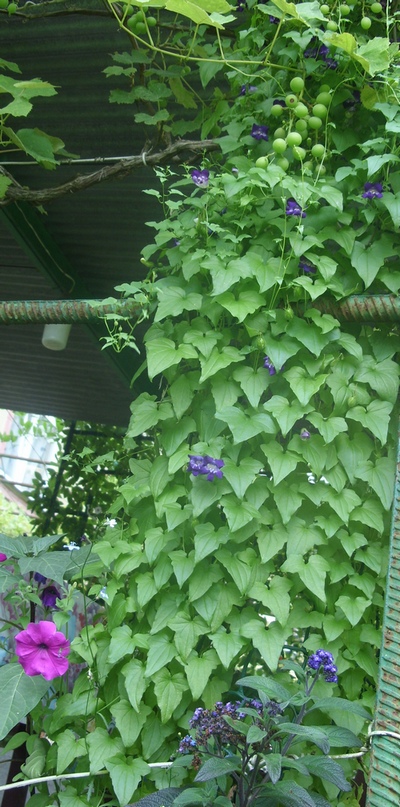
User Ollggaa, Vladimir, November 23, 2010
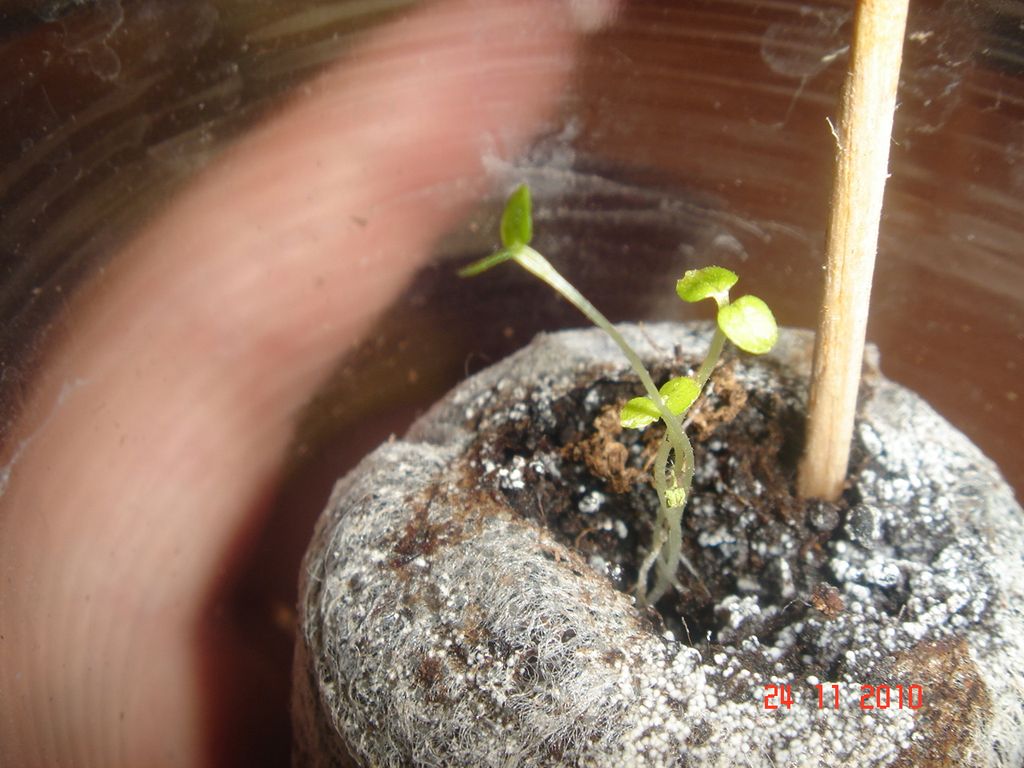
Azarina can be grown as both a houseplant and a garden plant, but I bought a special indoor one! At least that's what it says on the package. I'm growing mine indoors in a peat pellet for now. It's very young; I only planted it recently. Here's a photo. Don't judge it too harshly. As soon as it started growing, I started braiding it!
Photo by Ollggaa: