The Schisandra genus includes evergreen and deciduous plants belonging to the Schisandraceae family. Only one species of Schisandra grows in the Russian Federation: Schisandra chinensis. This species is a deciduous flowering vine with medicinal properties. We will examine this species in more detail below.
Schisandra has been cultivated in Asian countries for a long time. For over 1,000 years, its berries have been used to improve well-being, combat drowsiness and fatigue, and provide additional strength and energy.
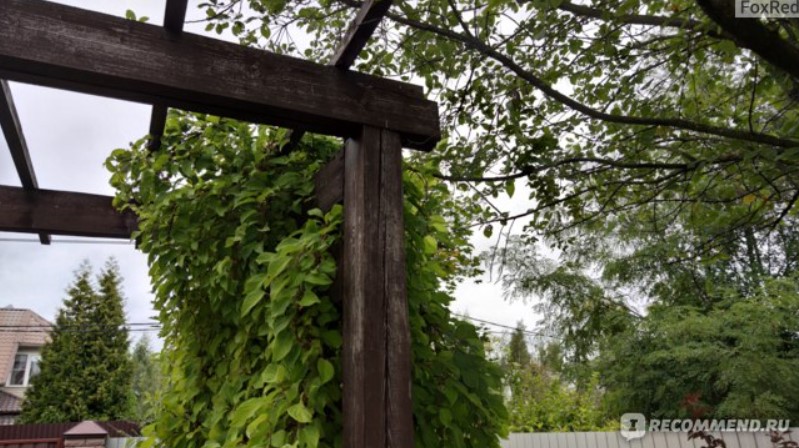
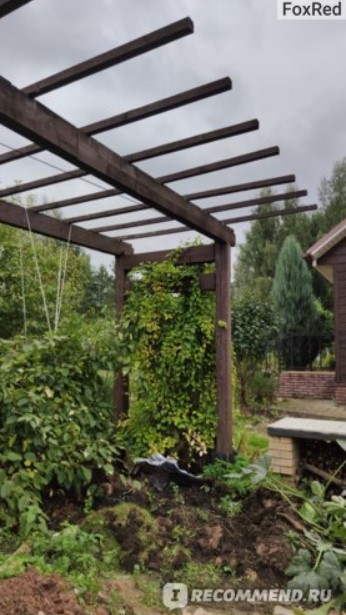
Nowadays, it's often grown as an ornamental flowering plant. It grows quickly and beautifully twines around established supports. It can be used to decorate various structures on a property—arbours, arches, pergolas, house facades, and so on. In addition to its decorative qualities, this plant also has medicinal properties.
Content
- 1 Where does lemongrass grow?
- 2 Description of Schisandra
- 3 7 varieties of Chinese magnolia vine with descriptions and photos
- 4 How to plant lemongrass in open ground
- 5 Caring for lemongrass in open ground
- 6 Propagation of Schisandra chinensis
- 7 Diseases and pests
- 8 Medicinal properties
- 9 Proper berry picking and preparation
- 10 Culinary uses of lemongrass
- 11 Contraindications for the use of Schisandra
- 12 Reviews and tips on growing and using
Where does lemongrass grow?
In the wild, it grows primarily in China, Japan, and the Korean Peninsula. This plant is also known as the Far Eastern plant, as it is found in the Far East.
It most often grows in conditions unfavorable for other plants. To thrive in these conditions, Schisandra is cold-resistant and shade-tolerant. These characteristics make it ideal for cultivation in all regions of Russia.
Description of Schisandra
Schisandra belongs to the Schisandraceae family. Its botanical description was first given by N.S. Turchaninov in 1837.
Bushes
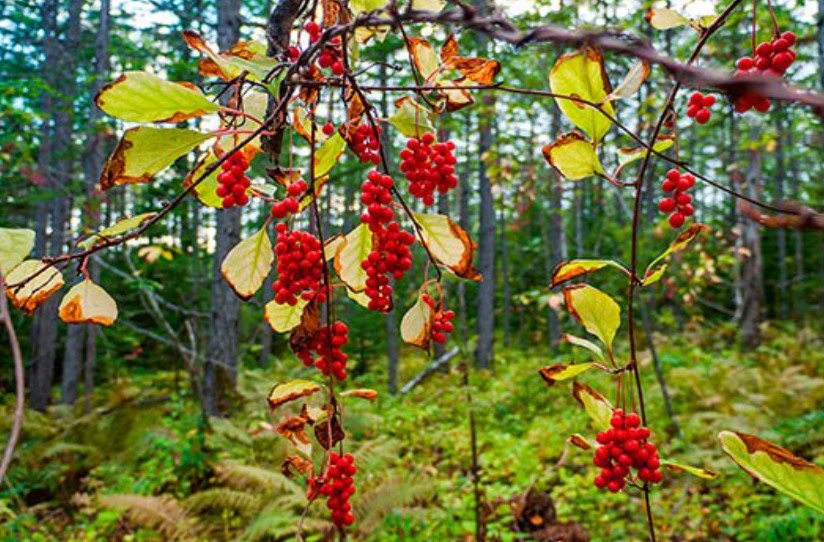
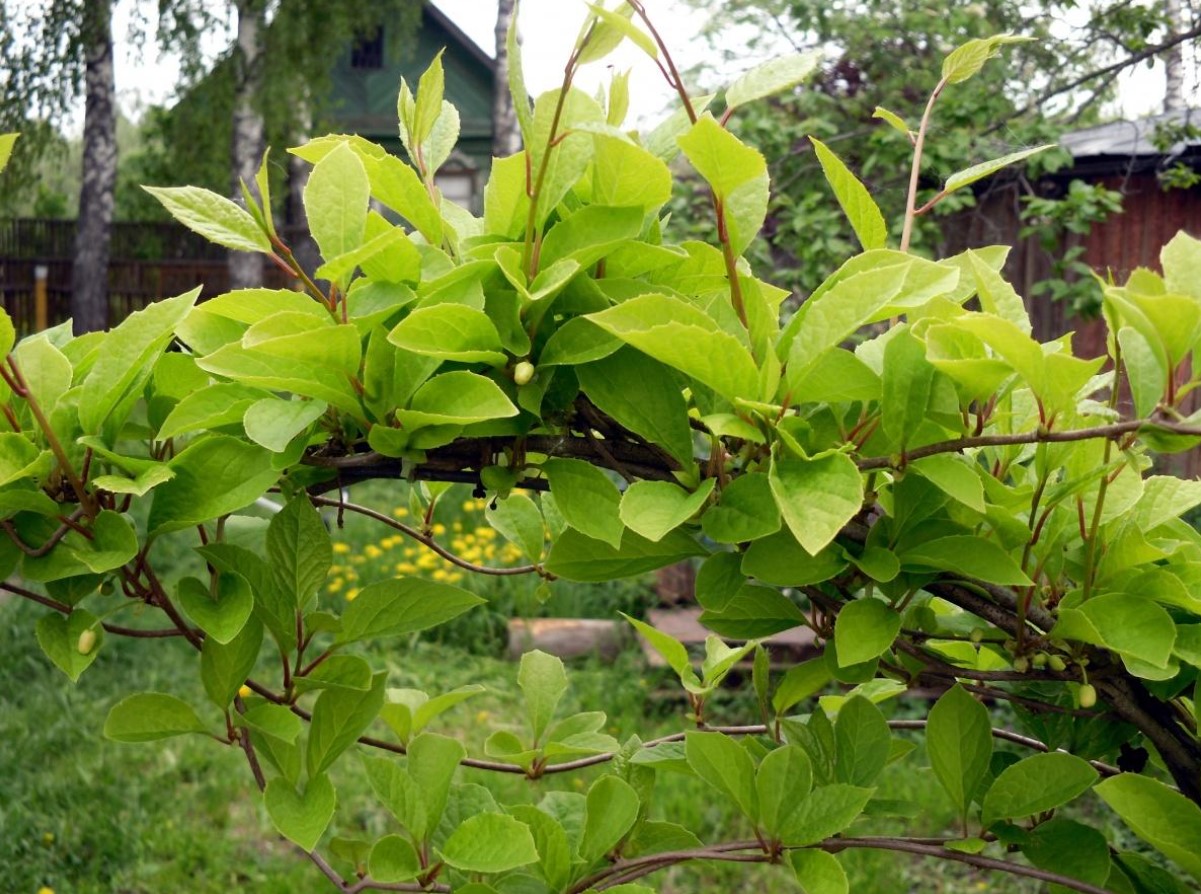
In its natural habitat, lemongrass can reach 12-15 meters tall if left unimpeded. Its stems are thin, measuring no more than 2.5-3 cm in circumference.
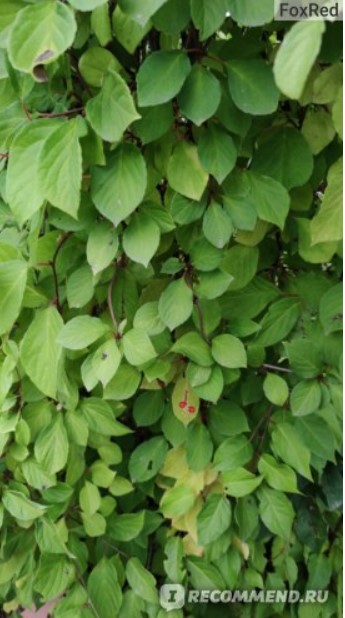
The leaf blades are thick, leathery, ovate or broadly oval. They have faintly defined teeth along the perimeter. The petioles are short and can be reddish or pinkish. The outer surface of the leaves is glossy, bright green, while the inner surface has a bluish-gray sheen. A line of short, soft hairs runs along the veins. In autumn, the foliage turns various shades of yellow.
Schisandra has a pleasant citrus aroma, which is where the plant gets its name.
Flowers
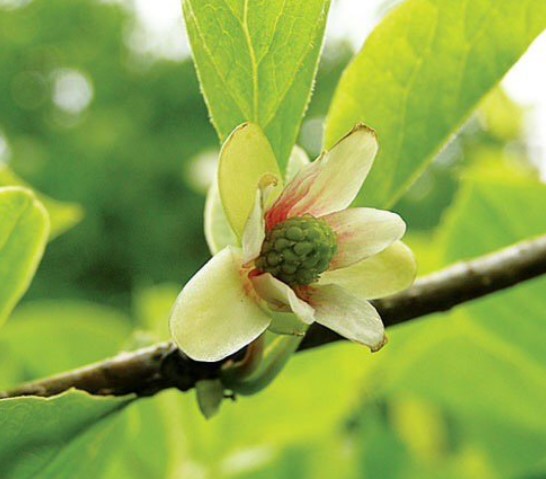
The buds resemble magnolia flowers. At the beginning of bloom, the petals are white. Before falling, they turn a soft pink. The flowers are gathered in axillary inflorescences. The peduncles are elongated, drooping slightly under the weight of the buds. Flowering occurs in midsummer.
Fruit
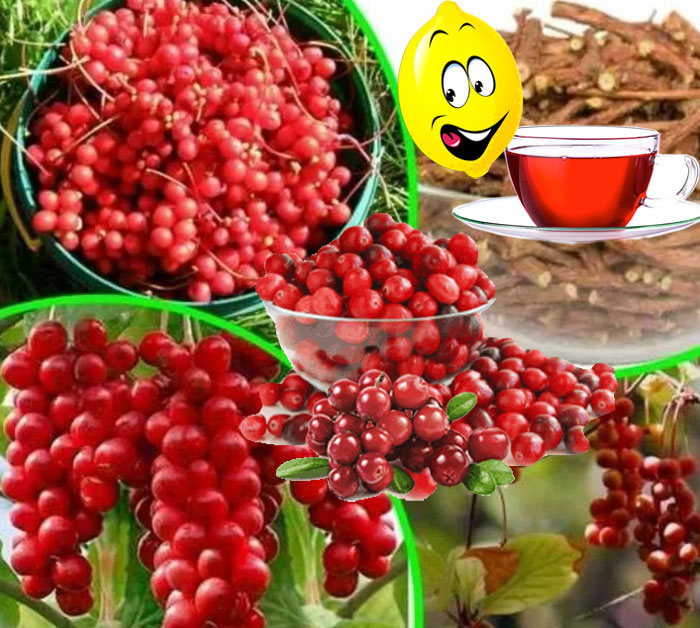
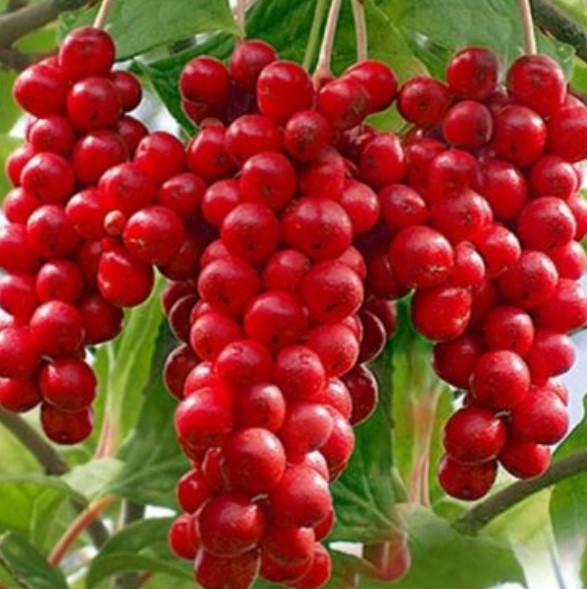
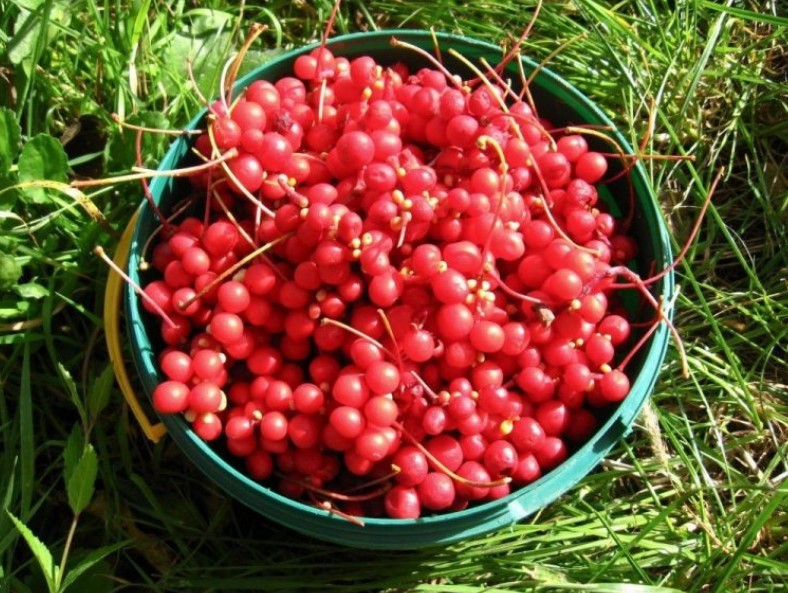
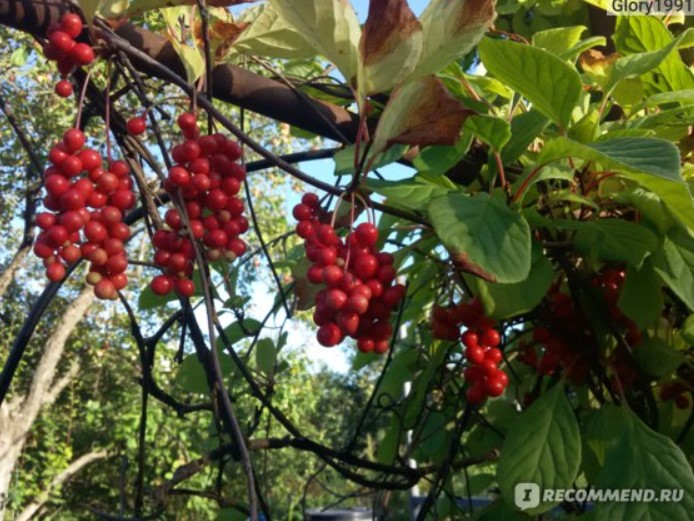
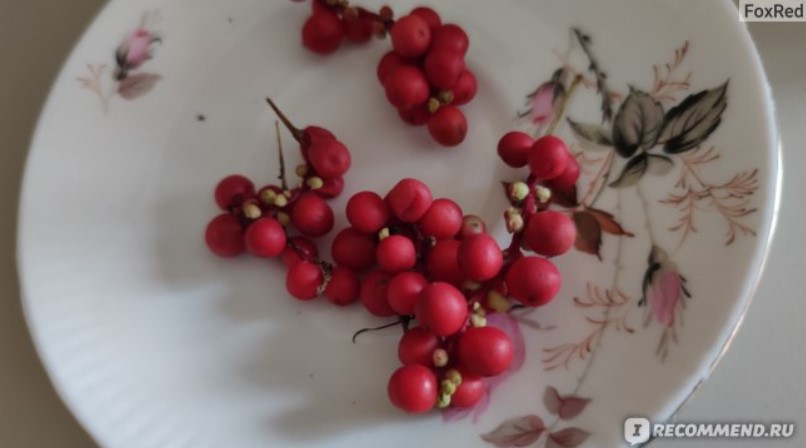
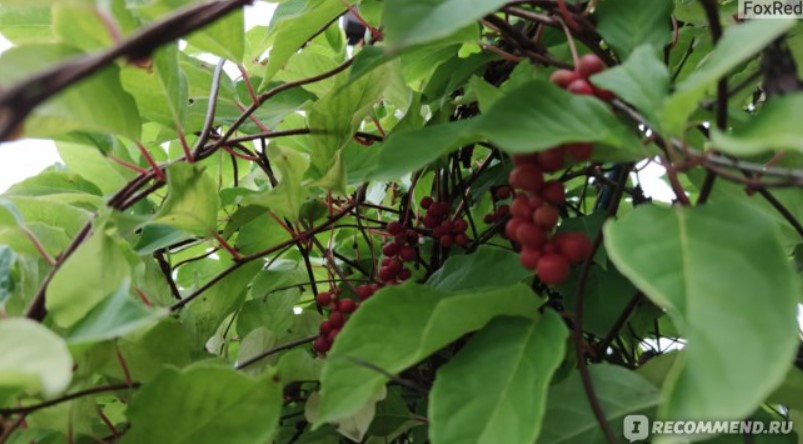
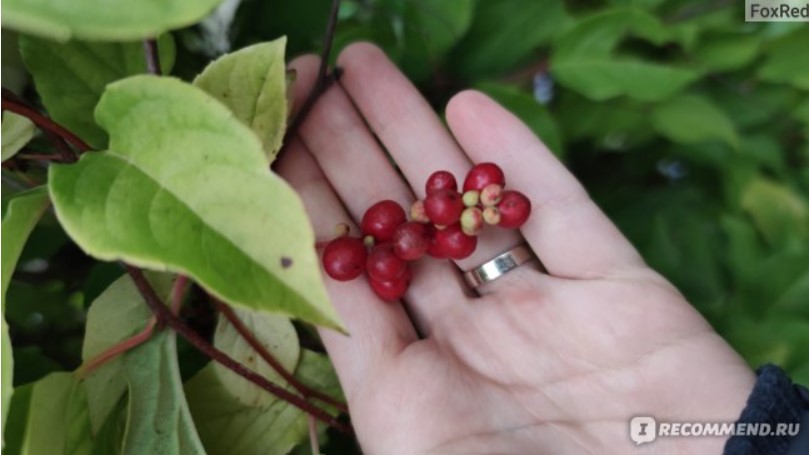
The plant bears red berries. They are gathered in clusters, reminiscent of grapes and currants. The skin is sweet and salty, tart. The juice is slightly sour and astringent, and the seeds are slightly bitter.
7 varieties of Chinese magnolia vine with descriptions and photos
Let's look at the common varieties of lemongrass.
Garden
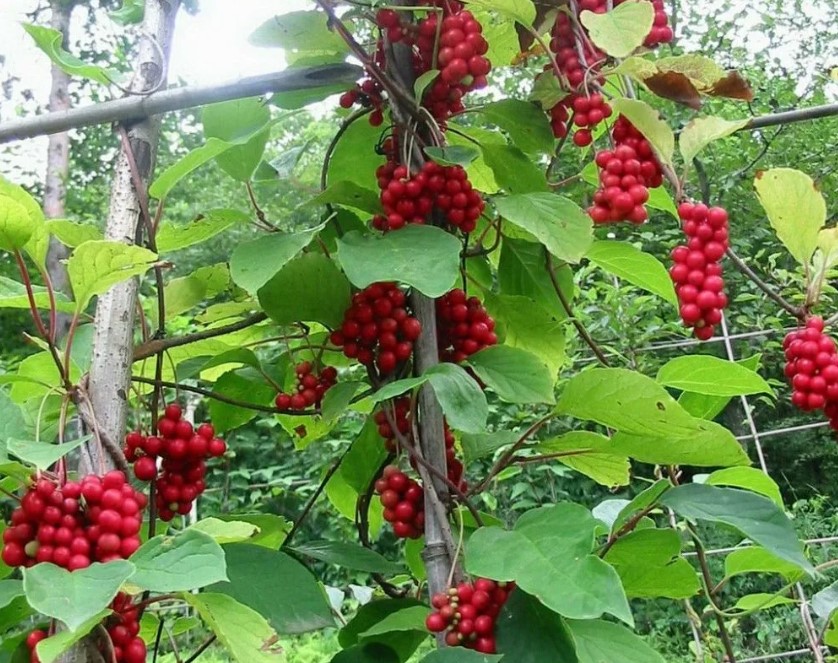
A self-fertile hybrid that requires no artificial pollination. It tolerates low temperatures, produces a good yield (4-6 kg per mature plant), and grows quickly. The fruits are juicy and slightly tart. It is a popular choice among gardeners.
Mountain
A promising, mid-early variety. Harvesting can begin in late summer. Yields 1.5-2 kg per plant.
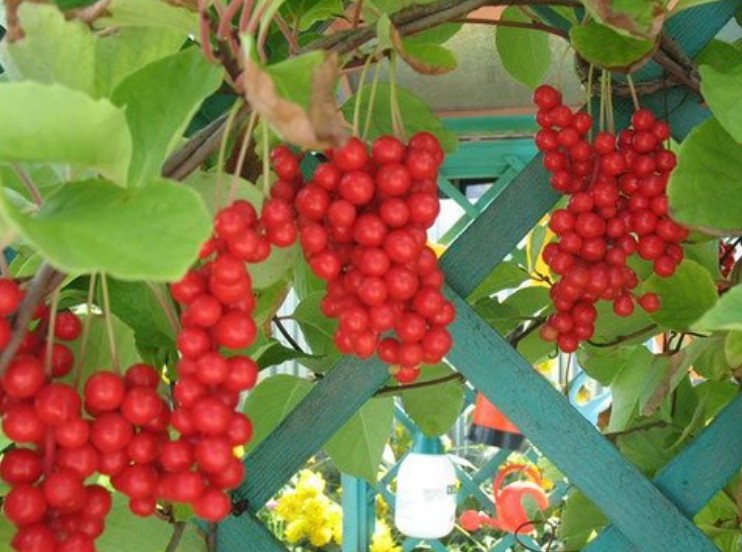
Volgar
The variety exhibits good resistance to low temperatures and drought, and is virtually pest-free. Bushes typically produce both male and female flowers, but there are seasons when only the former appears. Harvesting begins in early autumn.
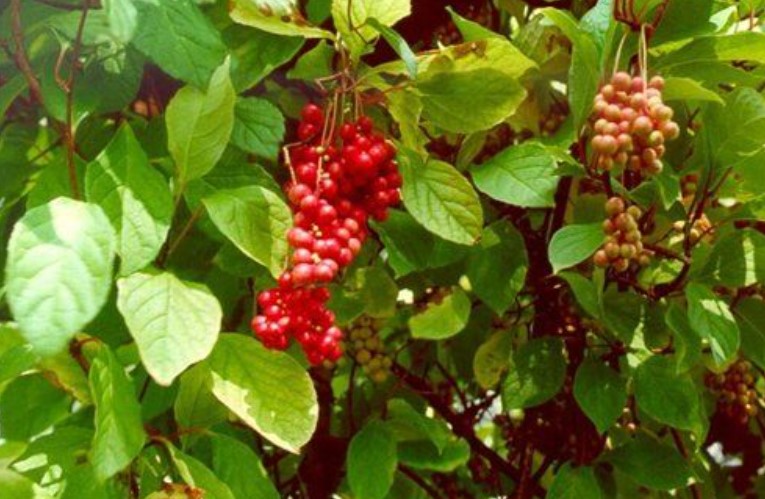
Firstborn
A relatively new variety bred in the Russian capital. It is frost-resistant and resistant to pests. The berries are small and elongated, with purple-scarlet skin and red flesh. The clusters are approximately 12 cm long and weigh 10-12 g. The bushes are low-growing (up to 5 m) and monoecious. This variety is frost-sensitive, requires winter insulation, and has a weak immune system, requiring regular preventative treatment.
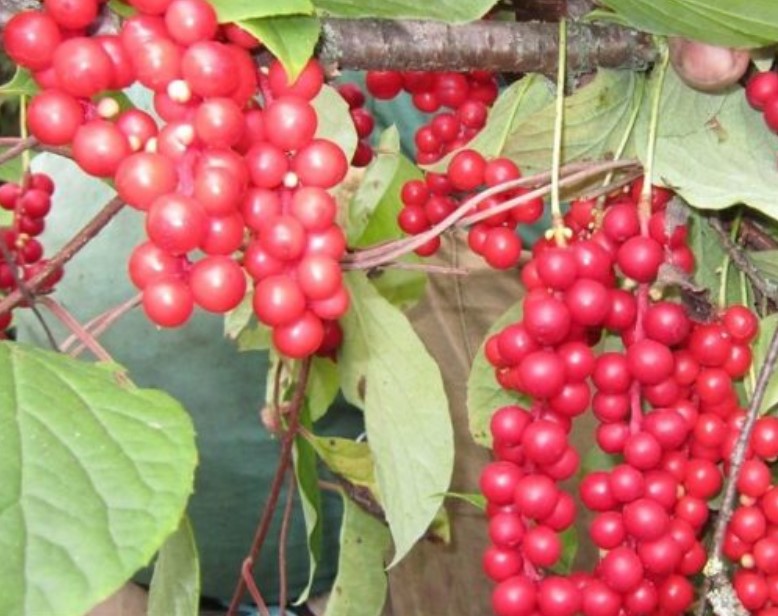
Myth
The berries are not too sour and can be eaten even fresh.
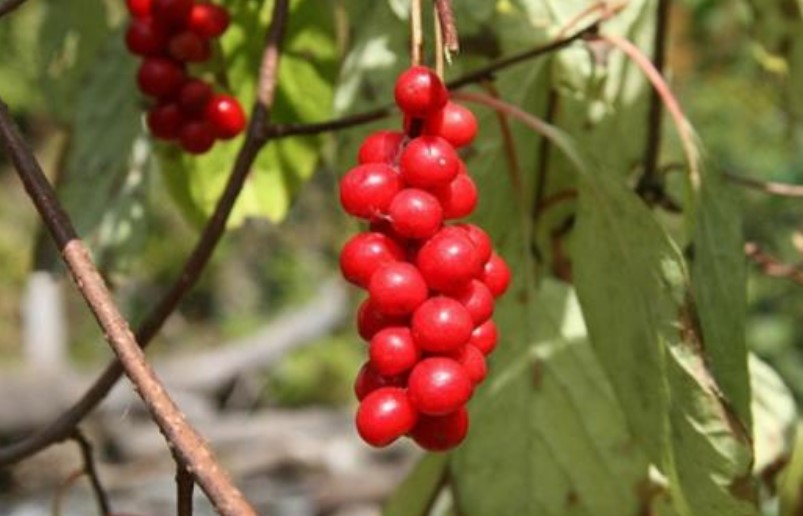
Oltis
Yields 3-4 kg per bush. Shows good resistance to infectious diseases.
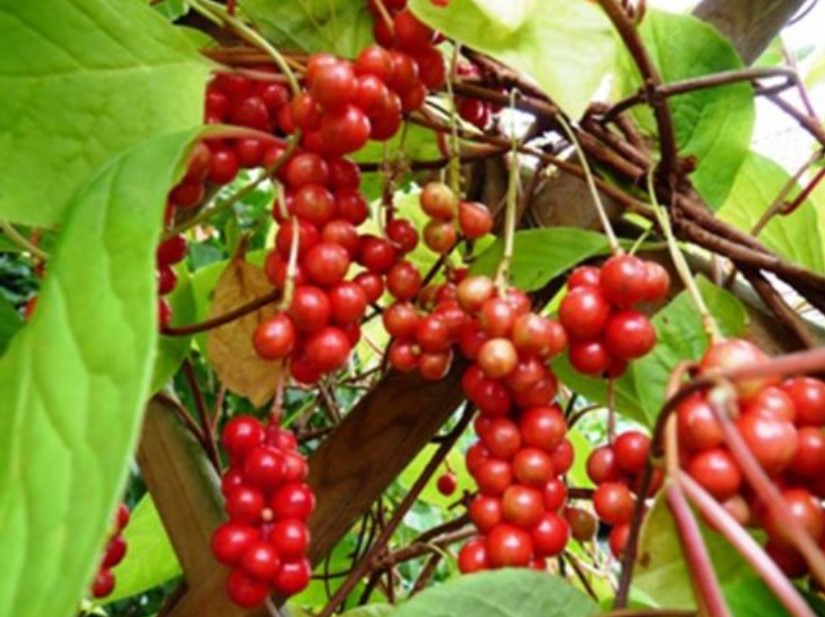
Purple
It begins to produce fruit in the third or fourth year. It has darker berries. The variety is winter-hardy, but susceptible to infections.
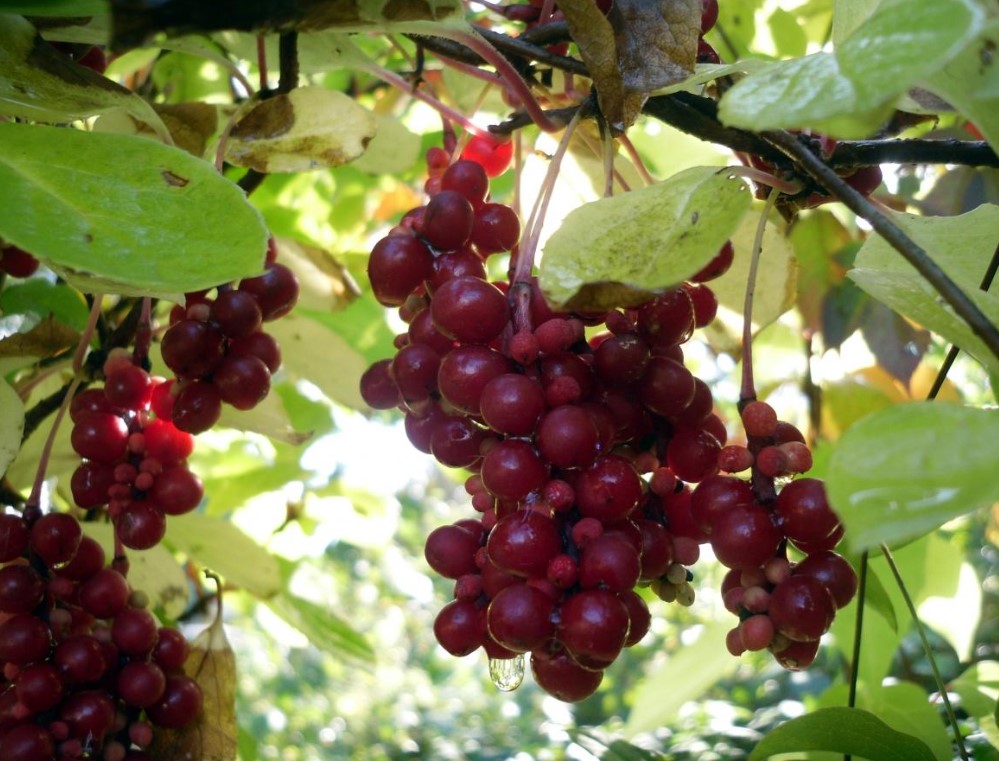
The listed varieties grow well throughout Russia.
How to plant lemongrass in open ground
Schisandra is not difficult to plant and grow in any region of Russia.
Deadlines
The timing will vary depending on weather conditions:
- In the south it is the first half of autumn.
- In regions with moderate and cold climates, this should be done in late April or early May, but before the growth buds emerge. The soil should have time to warm up to 10°C. Over the summer, the lemongrass will develop strong roots and have time to prepare for winter.
Location
Maximum yield will only be achieved if planted in areas with sufficient sunlight. This should be protected from strong gusts of wind by placing a screen at some distance.
Schisandra prefers nutritious, loose, and light soil. It should be well-drained and aerated. Heavy soil is not suitable for growing this plant, as it tends to retain water.
Schisandra doesn't like stagnant water. If the groundwater is too close, you should find a different location.
Landing rules
It's recommended to plant about three varieties of lemongrass at a time. If planted near buildings, keep a distance of about one meter. Also, leave room for a trellis. Without it, the plant simply won't bear fruit.
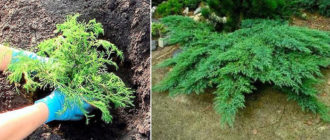
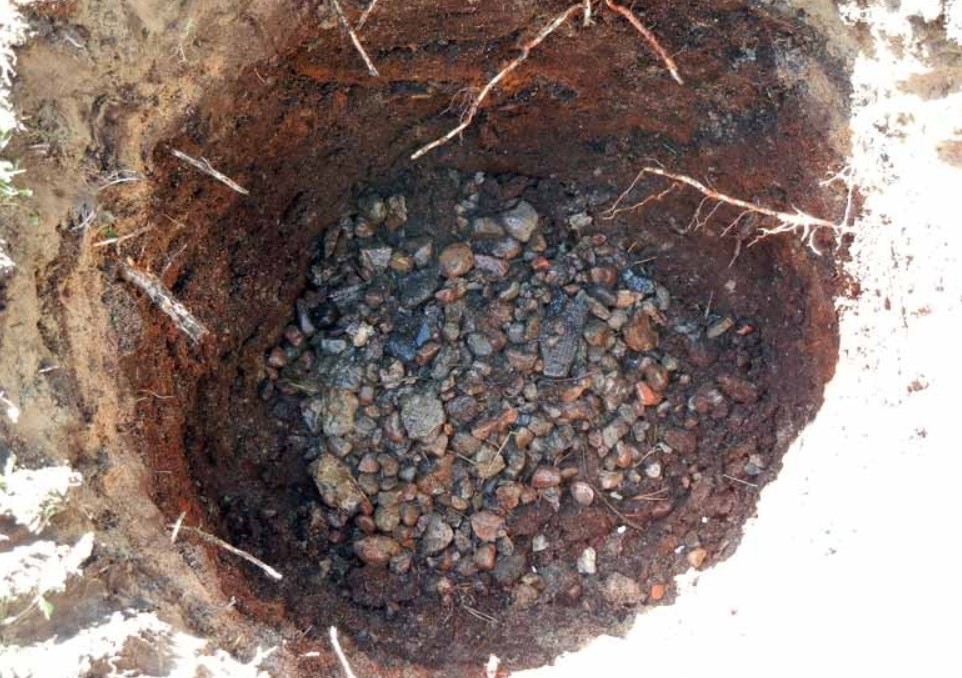
Planting holes must be prepared in advance. The soil removed from the holes is mixed with fertilizer. It is then filled back into the hole, forming a small mound. The hole is covered with plastic to prevent precipitation from eroding the soil before planting.
Step-by-step planting process
Let's consider how a seedling is placed directly into the ground.
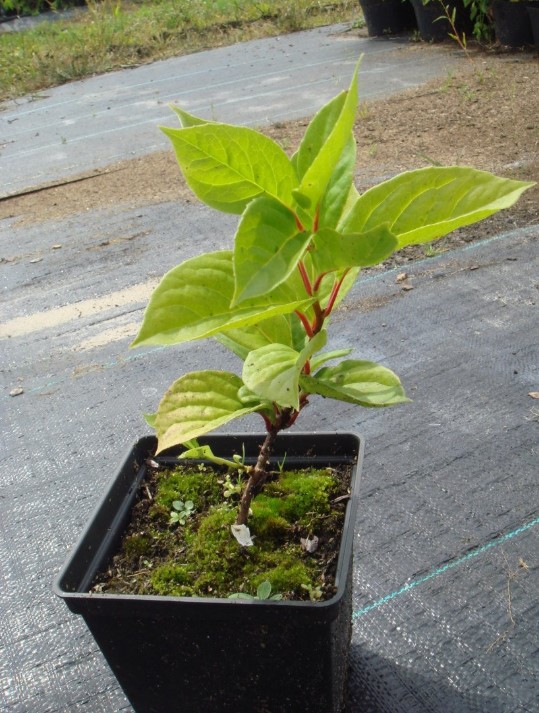
Step by step actions:
- Inspect the root system. Remove any rotten, damaged, or dried roots. Trim the remaining roots to 20-25 cm. Soak in warm water at 27°C to 30°C for 24 hours. To prevent fungus, you can add a few crystals of potassium permanganate. To accelerate growth and reduce stress, add any biostimulant, such as aloe vera juice or Epin.
- Coat the rootlets tightly with the clay paste. Leave it in the sun for several hours to dry.
- Place the seedling in the center of the mound. Carefully spread the roots so that they extend downwards and do not stick out to the sides or upwards.
- Begin filling the soil, compacting it periodically layer by layer. The root collar should be 2-3 cm above the ground.
- After planting, water the area around the trunk. Mulch the bushes and create a cover to protect the lemongrass from UV rays. It can be completely removed after 2-3 weeks.
- Shorten the shoots to 3-4 growth points. If there are leaves, remove them completely.
The planting site should be chosen so that it won't need to be replanted later. Young plants tolerate transplanting well, but mature specimens react negatively.
Caring for lemongrass in open ground
It does not require a lot of time from the gardener.
Support
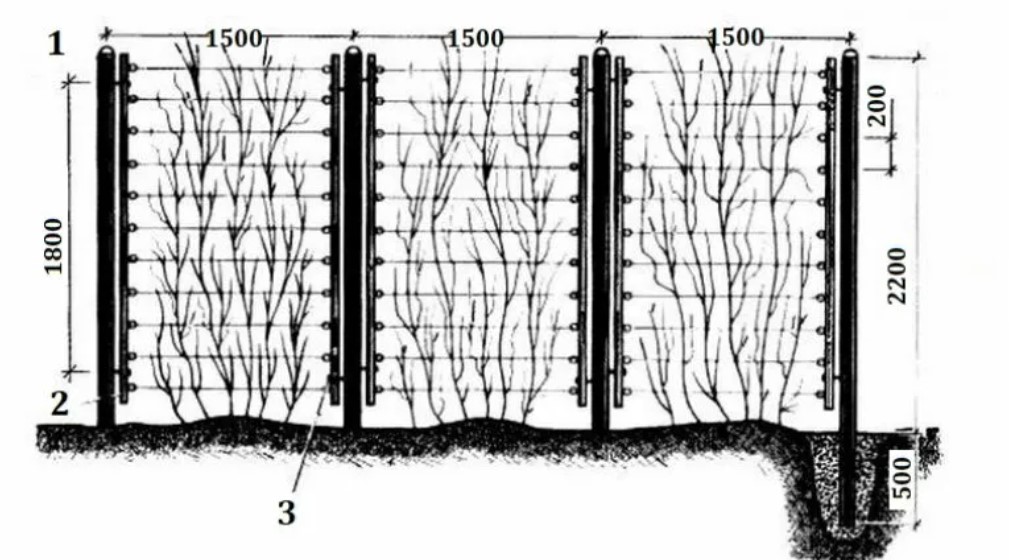
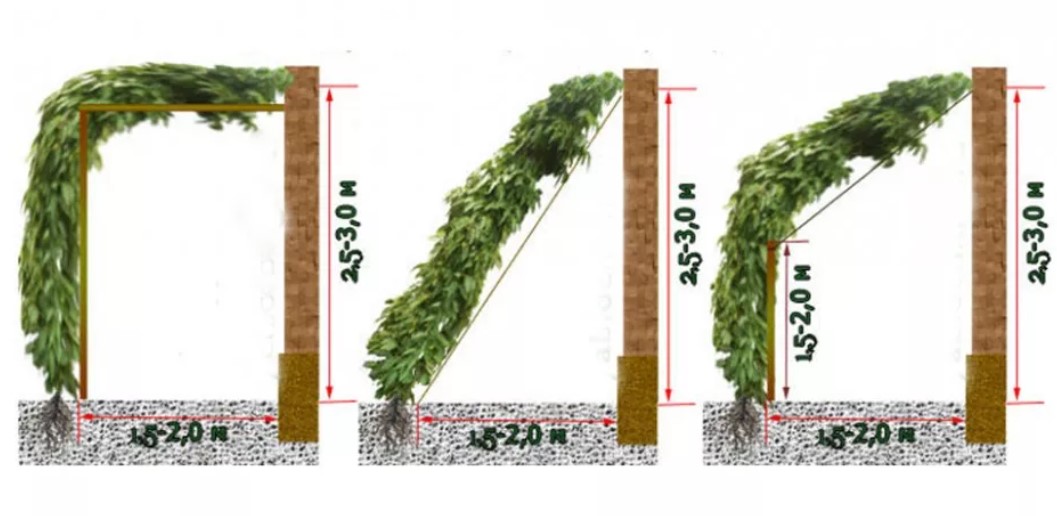
A 3-meter gap is left between the support posts, and several rows of wire are stretched horizontally. The first row is positioned 0.5 meters above the ground surface. Subsequent rows are spaced 0.7-0.8 meters apart.
Watering
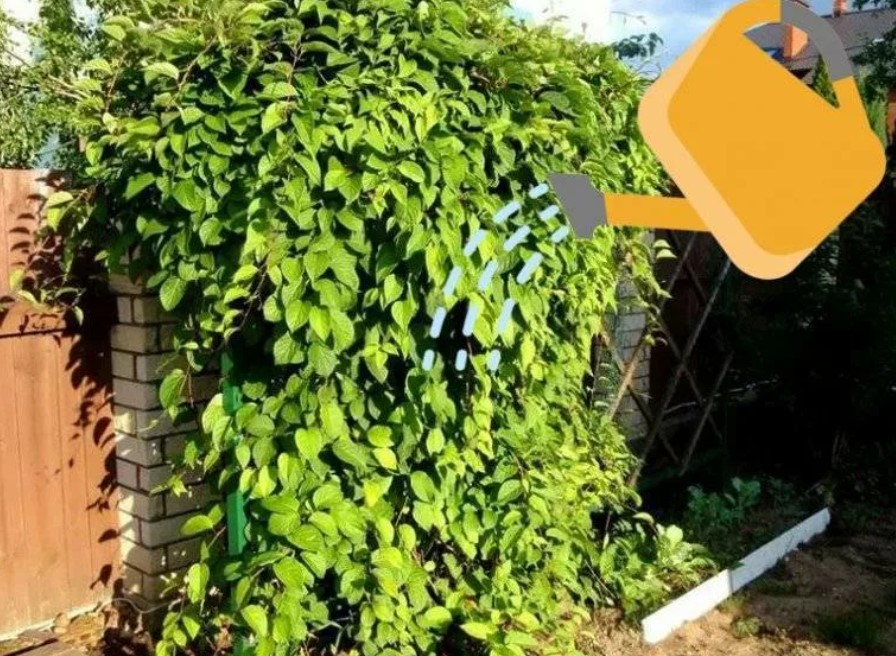
Schisandra is a moisture-loving plant. One bush requires 6-7 buckets of water. Water 2-3 times a week. However, keep in mind that the plants don't like overwatering. Therefore, if the weather is humid, it's best to avoid watering.
After watering, loosen the soil to a depth of 2-3 cm and weed. To retain moisture in the soil for longer, mulching is recommended.
During drought, lemongrass leaves need to be additionally sprayed.
Top dressing
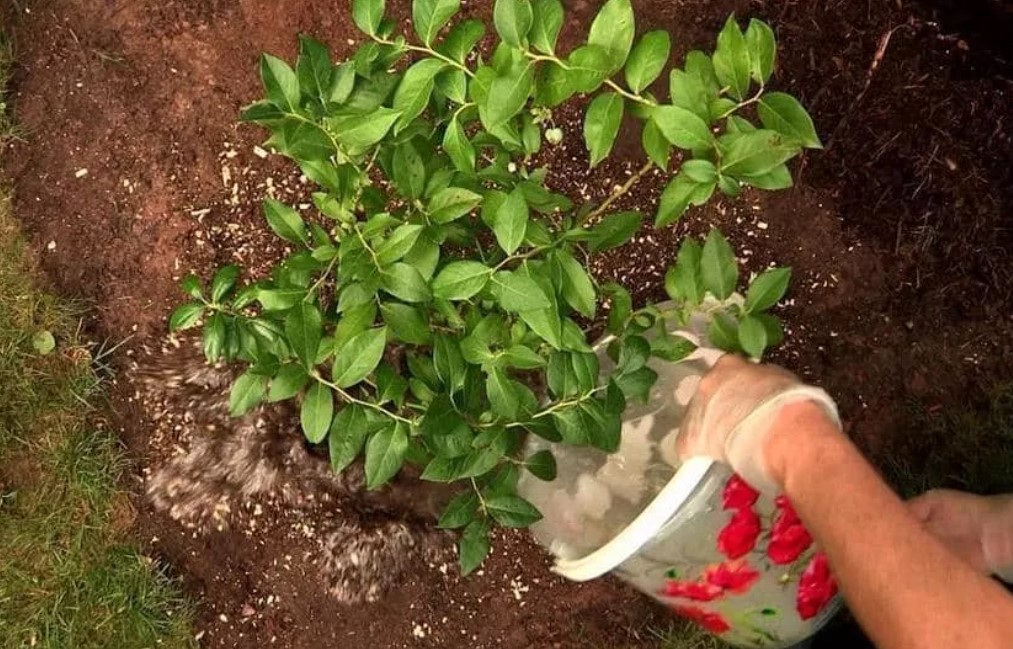
The first feeding is carried out in the third year of cultivation. Throughout the growing season, it is recommended to water the plant every 2-3 weeks with a solution of mullein, bird droppings, nettle, and dandelion. Before application, dilute the fertilizer with water at a ratio of 1 to 10 (1 to 15 if using chicken droppings). After the berries are harvested, the plants require phosphorus and potassium.
Berry picking
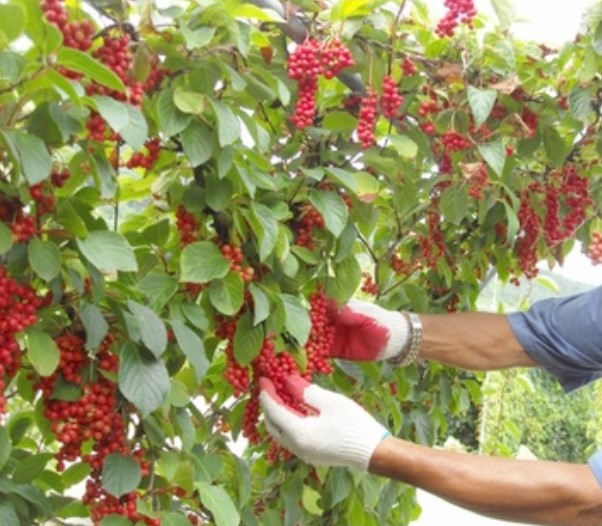
Most varieties bear fruit in the fourth to sixth year. The fruit is harvested in bunches, which speeds up the picking process. To ensure the berries are truly ripe, pull the shoot toward you and tap it lightly. Ripe fruits will begin to fall off.
Please note that fresh berries have a short shelf life. They should be used within 2-3 days, otherwise they will mold and rot. The berries can be dried, frozen, or mixed with granulated sugar.
Trimming
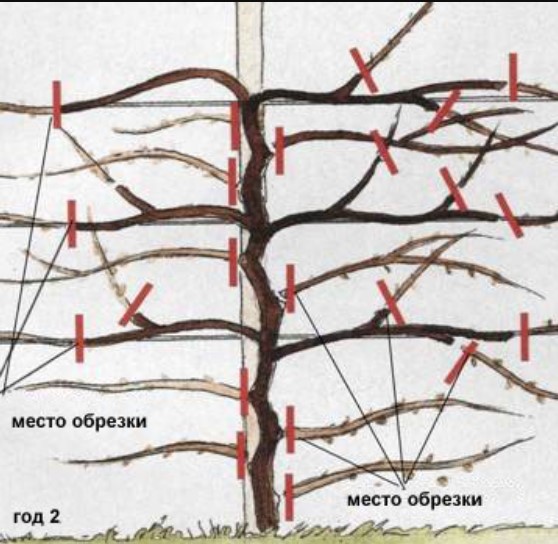
This is done at the planting stage, and the next one is done in the third year. Five to seven strong, developed shoots should be left on the bush. The rest are cut back to the growing point. Subsequently, pruning is performed every spring and fall. This procedure is extremely important, as if the bush is too dense, flowers will not develop properly, and the yield will be reduced.
Spring pruning is done in early March. This involves removing frozen, dried, and damaged stems. It's important to do this before the sap begins to flow.
Autumn pruning is carried out after the leaves have completely fallen. Trim off any intertwined, improperly positioned, weakened, deformed, diseased, insect-damaged, or bald stems. It is also recommended to prune stems that have not produced fruit for three years to prevent them from wasting energy.
If the vine grows very vigorously, summer pruning is also acceptable. During this process, each shoot is shortened to leave 10-12 growth buds.
Don't forget to remove root suckers. Only the strongest shoots should be left so they can be used to replace older shoots in the future.
When the plant reaches 15-18 years of age, 4-5 strong shoots are left on the vine. The rest are pruned back to the growing point.
Wintering
Many varieties of lemongrass can withstand temperatures as low as -30°C. However, in regions prone to severe and prolonged frosts, it's better to be on the safe side.
A few days before the expected frost, the bushes are watered (80 liters), the shoots are laid out on the ground, covered with a 10 cm layer of mulch. They are covered with dry straw, spruce branches, or fallen leaves, and then tied with burlap or any other breathable material.
Important! Return frosts pose a particular danger to plants. Therefore, do not rush to remove the cover in the spring.
Propagation of Schisandra chinensis
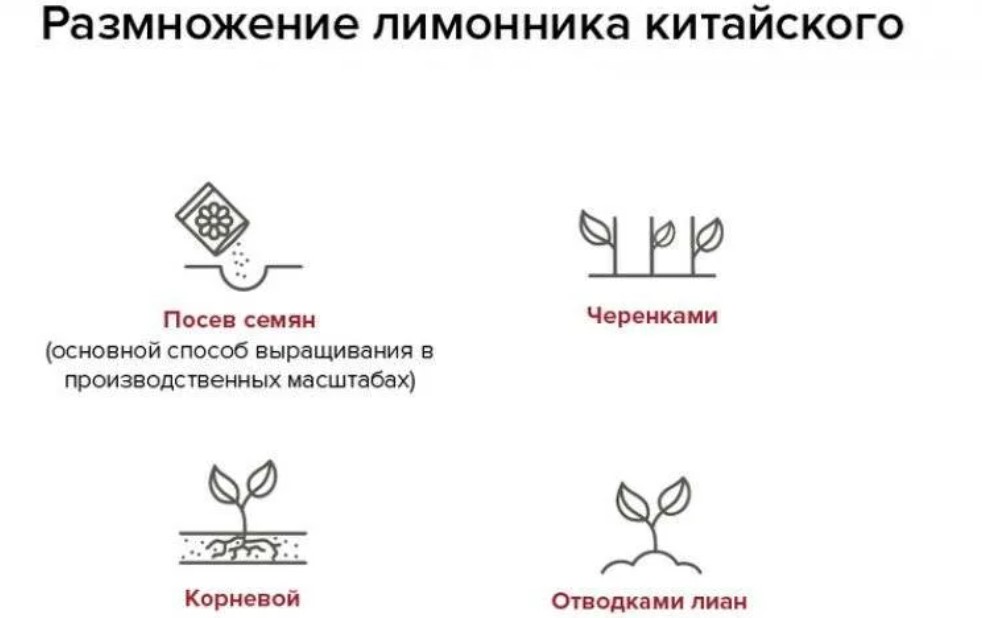
The vine is primarily grown vegetatively, as seed propagation is labor-intensive. Furthermore, planting seeds may not transmit varietal traits.
Seed
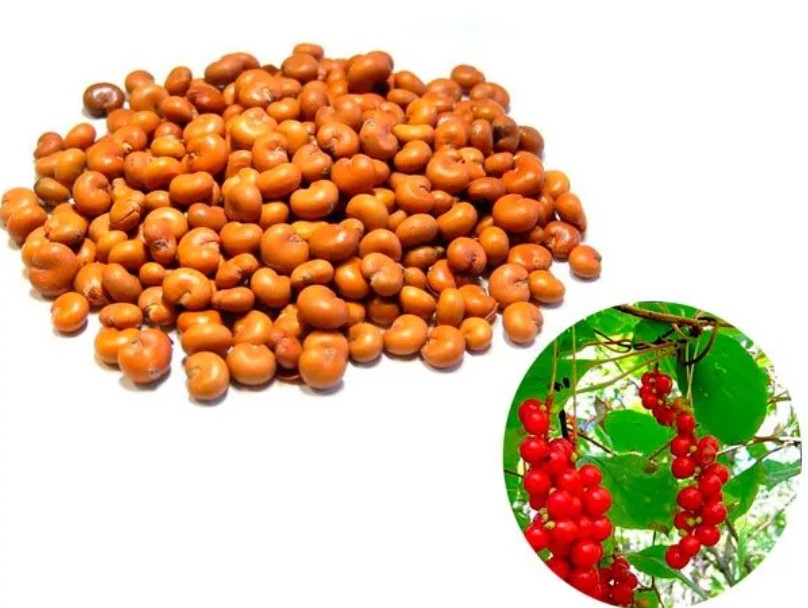
The seeds remain viable for only a few months, so they should be sown immediately after harvesting. They are not planted for seedlings. They are sown directly into the ground before winter. The seeds are buried 1.5 cm deep and covered with snow after the snow falls.
You can try storing the seeds until spring, but stratification (cold treatment) is required. To do this, place them in a container with peat and sand, then refrigerate. The substrate is periodically moistened.
After stratification, the skins will crack. This is normal. The seeds are planted in individual peat pots. The first sprouts will appear in about a couple of weeks. However, if the seeds weren't sufficiently moistened during storage, this may occur much later—in 2-3 months.
Care for seedlings consists of:
- protection from ultraviolet radiation;
- keeping the soil moist but not soggy;
- watering with a light pink solution of potassium permanganate to prevent fungus.
In early June, the plants are transplanted outdoors. It's important to provide shelter from UV rays, and insulate the seedlings before wintering. After 2-3 years, they can be moved to their permanent location.
Vegetative
The following can be used for propagation:
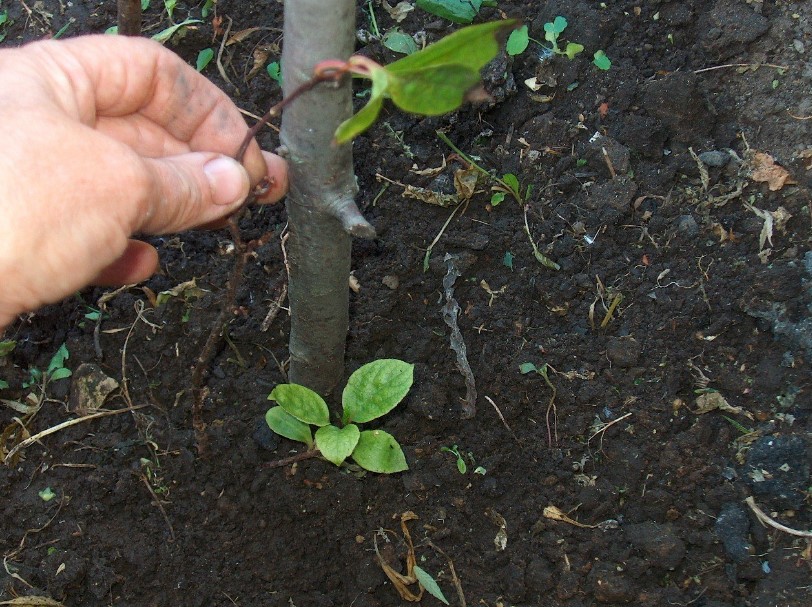
- Shrubs. Schisandra produces them in abundance. The gardener is required to carefully dig up the shoots, separate them, and plant them immediately.
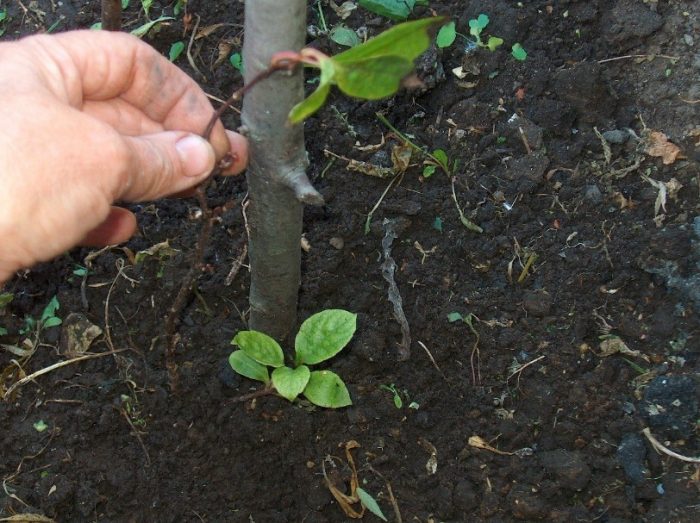 .
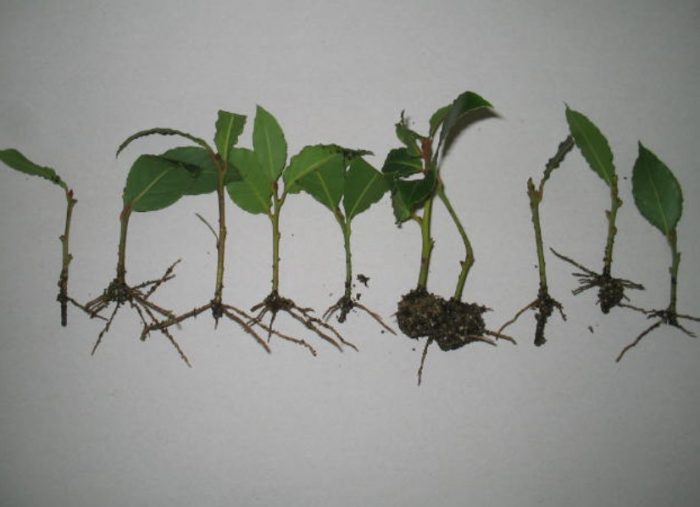
. - Cuttings. The shoots are cut into 7-10 cm long pieces. Each piece should have at least 2-3 growing points. The cuttings are wrapped in a cloth soaked in a solution of any biostimulant and left for 2-3 days. After this time, they are planted horizontally. They are not buried in the soil; simply covered with a 2-3 cm layer of rotted compost. Those cuttings that produce shoots are transplanted to their permanent location.
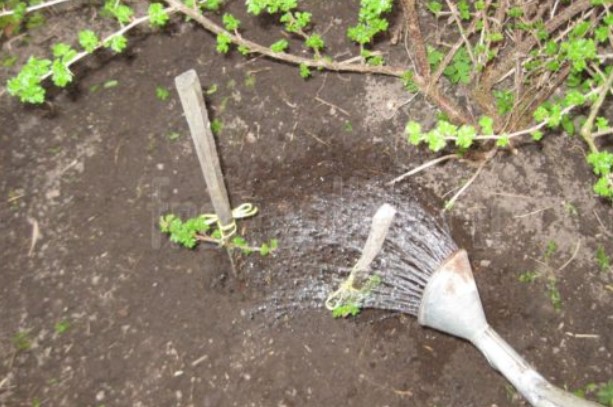
- Layering. Non-lignified green shoots 2-3 years old are used. This procedure is performed in the fall. The branch is bent to the ground and secured at a distance of 20-30 cm from the top. This area is covered with fertile soil or humus and moistened. If everything is done correctly, a new layer should appear by spring.
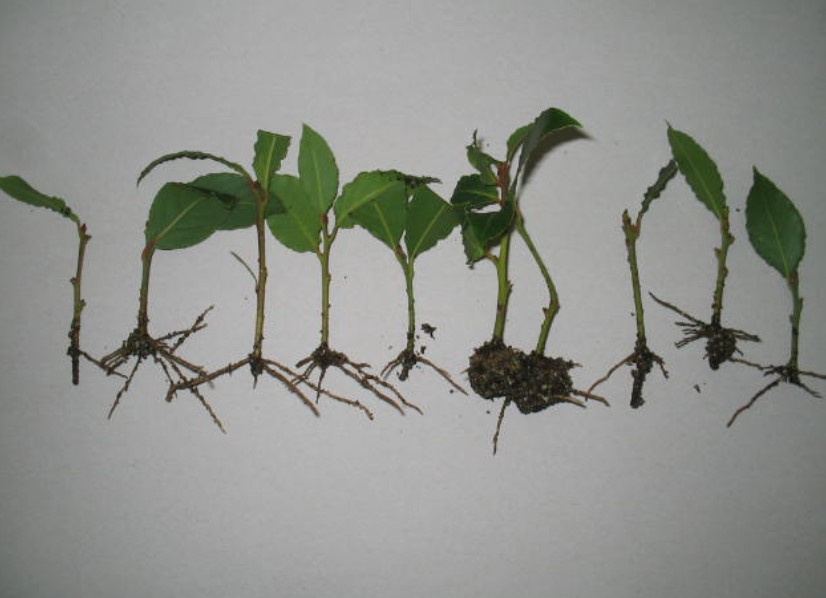
The methods listed are preferred.
Diseases and pests
| Disease | Description | Prevention and treatment |
| Fusarium | Young plants are more susceptible to this infection. When infected, stems turn black, become weak, and thin. Foliage turns yellow and falls off. Roots become dark and slimy. | As a preventative measure, soak the planting material in a Trichodermin solution for 15 minutes. The solution is also poured onto the soil at the planting site. If the lemongrass is already infected, it cannot be saved. It must be dug up and burned immediately. Disinfect the soil in the area with a solution of potassium permanganate. |
| Powdery mildew | The above-ground portion becomes covered with a whitish, flour-like coating. Gradually, it begins to thicken and darken. The affected areas dry out and die. | To prevent disease, the soil should be sprinkled with chalk once every 1.5-2 weeks.
A solution of sodium hydroxide has proven highly effective in treating early-stage infections. In more advanced cases, chemical treatments are used. |
| Spotting | Brown-beige spots with a dark brown border appear. Over time, black dots appear on the undersides of the leaves in these areas. The foliage dries out and becomes riddled with holes. | As a preventative measure, the seed material is soaked before planting in a highly concentrated solution of potassium permanganate, Alirin-B.
If signs of infection are detected, all affected areas should be removed and burned. The bushes should be sprayed with a solution of Bordeaux mixture or copper sulfate 2-3 times, every 7-10 days. |
Medicinal properties
Schisandra contains many substances that are extremely beneficial to the human body. For example, it contains schizandrins. They increase intravenous pressure and improve brain and muscle function. This increases performance and endurance. People experience less fatigue during both mental and physical exertion. They also improve cardiovascular and respiratory function.
The extract of this plant is an adaptogen, meaning it improves the body's ability to adapt to any environmental conditions, such as cold, heat, stress, sleep deprivation, and so on.
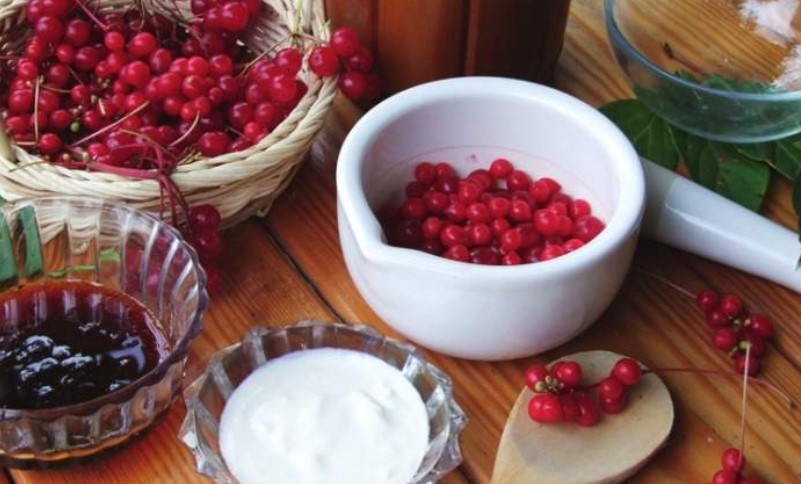
Benefits for men
Schisandra has a positive effect on potency in men:
- prevents premature ejaculation;
- improves erectile function.
- increases the quantity and improves the quality of seminal fluid.
To reduce the risk of developing erectile dysfunction, you should prepare teas, jams, preserves, and tinctures from lemongrass.
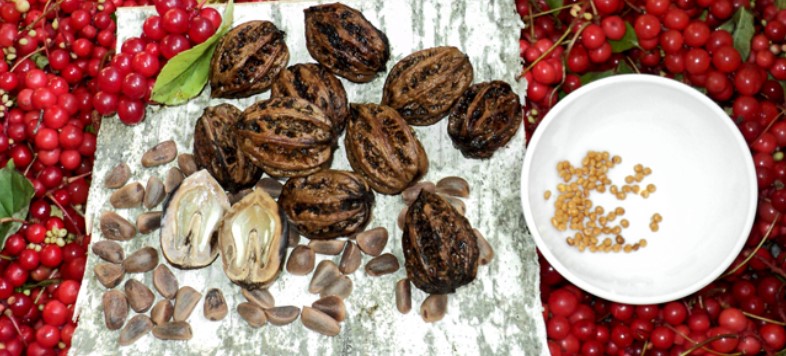
Benefits for women
Schisandra is also beneficial for the female body:
- prevents excess weight gain due to the content of polysaccharides;
- normalizes the functioning of the gastrointestinal tract, dulls hunger, due to which it is possible to lose extra pounds;
- antioxidants present in the constituent components of berries help remove toxins from the body and slow down the aging process;
- in tandem with other remedies, lemongrass can help cope with reproductive problems;
- The essential oil present in the composition strengthens hair and nail plates.

For your information! Crushed berries are used in many facial mask recipes.
For colds
The fruits of this plant are often used for colds due to the following properties:
- Schisandra contains antioxidants that have anti-inflammatory properties. This helps quickly suppress inflammation associated with colds.
- The plant improves respiratory function and blood circulation. This helps strengthen local immunity, allowing the body to fight off infection more quickly.
- Schisandra strengthens the immune system, making it better able to resist various pathogens. This allows a person to recover faster and avoid adverse consequences such as complications.
- Improves liver function, enhancing its ability to eliminate toxins. This feature is especially beneficial during flu, which can lead to intoxication syndrome. This is what causes severe headaches and muscle aches.
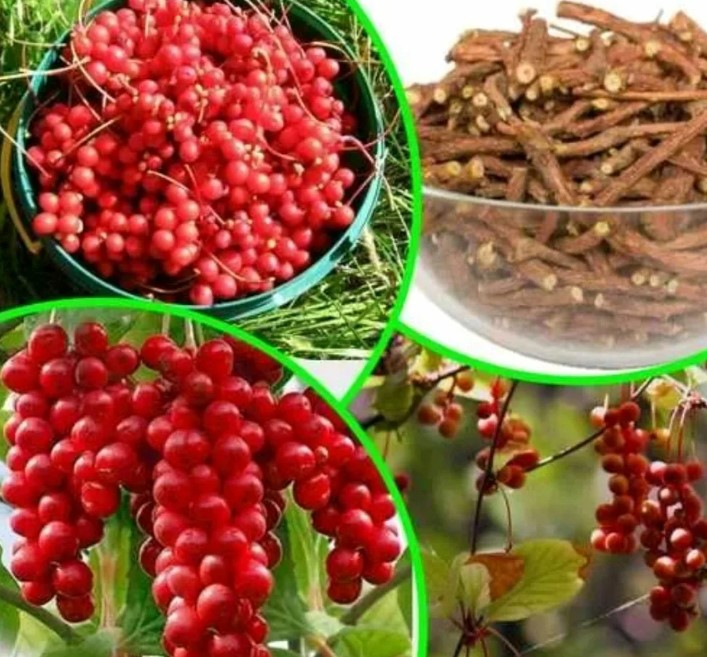
Please note: Before taking any Schisandra-based remedies, consult your doctor.
Proper berry picking and preparation
The harvest can only be done once it's fully ripe; otherwise, it won't be useful. After picking, the berries are spread out on a cloth in a dark, dry place. Once the harvest is dry, they can be dried in an oven preheated to 50-60°C. Higher temperatures can burn the berries.
Store berries in lidded containers in a dry, dark place. They retain their beneficial properties for two years.
Important! Berries should not be picked or stored in metal containers. The juice and metal will react chemically, causing the fruit to lose its nutritional value.
Culinary uses of lemongrass
Of course, lemongrass is not as popular as many other berries, but it is also used in cooking.
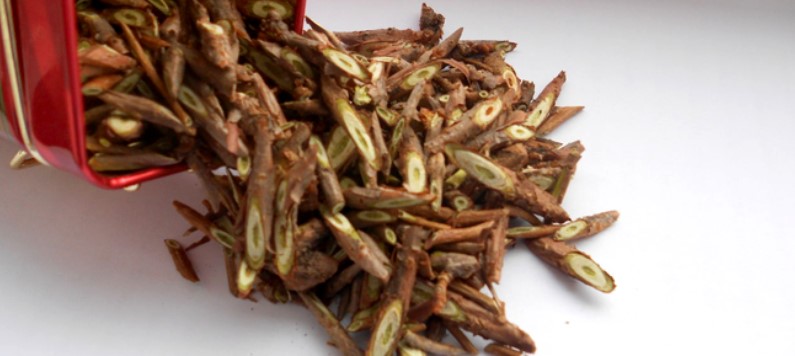
Brewing the root
Step by step actions:
- Grind 15 g of root.
- Pour a glass of hot water over the raw materials and cover with a lid.
- Let it brew for 5-8 minutes.
This infusion is effective for weight loss.
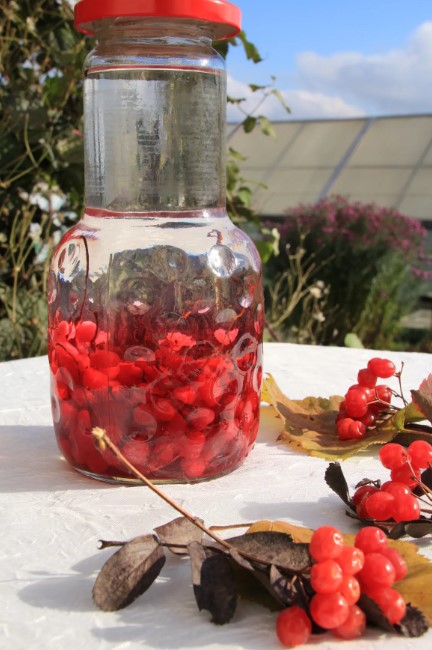
Tincture
Step by step actions:
- Cut the fruit into 4 pieces and separate the pulp from the seeds.
- Pour 100 ml of alcohol or vodka over the raw materials.
- Let it brew for 10 days.
Please note! You can also infuse the berries whole, but in this case, add 500 ml of vodka to them.
This tincture is effective for fatigue and loss of concentration. Take 30 drops twice daily for 3-4 weeks.
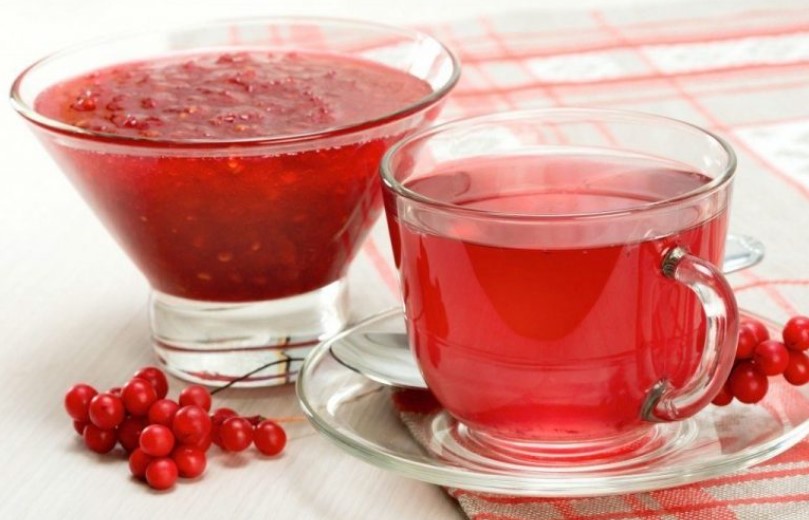
Jam
Step-by-step cooking recipe:
- Wash 1 kg of berries and pour into a bowl.
- Add 1.5 kg of granulated sugar and leave for exactly 24 hours.
- After the specified time, check the berries for juice. If there's little, add 100 ml of cold boiled water.
- Place the mixture on the stove and cook until the sugar crystals dissolve.
- After the syrup appears, cook for another 6 minutes, then remove from the stove.
- Once the mixture has completely cooled, reheat it for 5 minutes, after which you can pour it into pre-sterilized jars.
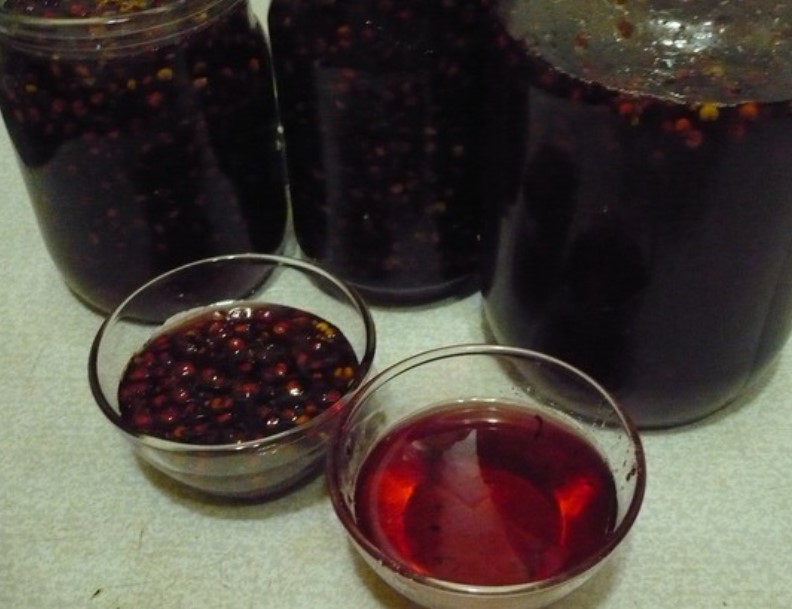
Please note: Only enamel and glass containers can be used during cooking.
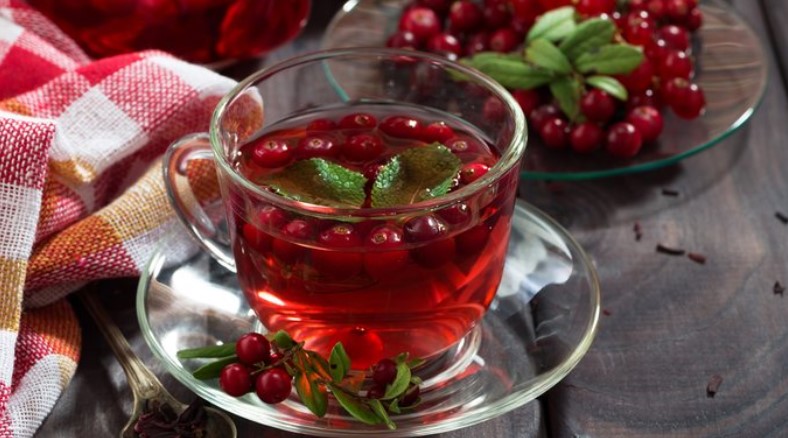
Tea
Step-by-step cooking recipe:
- Grind the bark, berries, young branches and leaves in a fresh or dry place and mix in equal quantities.
- Pour 1 teaspoon of the resulting raw material into a glass of boiling water.
- Mix everything thoroughly and leave to infuse for a quarter of an hour in a container with a lid.
This tea has excellent tonic properties and treats colds.
Contraindications for the use of Schisandra
The plant has the following contraindications:
- pregnancy at any stage;
- lactation;
- individual intolerance and allergy to berries;
- skull and spinal injuries;
- epilepsy and mental disorders;
- gastritis, stomach ulcer and duodenal ulcer;
- increased intravenous pressure;
- children under 10 years of age.
Even in the absence of contraindications, berries should not be consumed in excessive quantities, as this can cause problems with the cardiovascular system, insomnia, and exhaustion.
Reviews and tips on growing and using
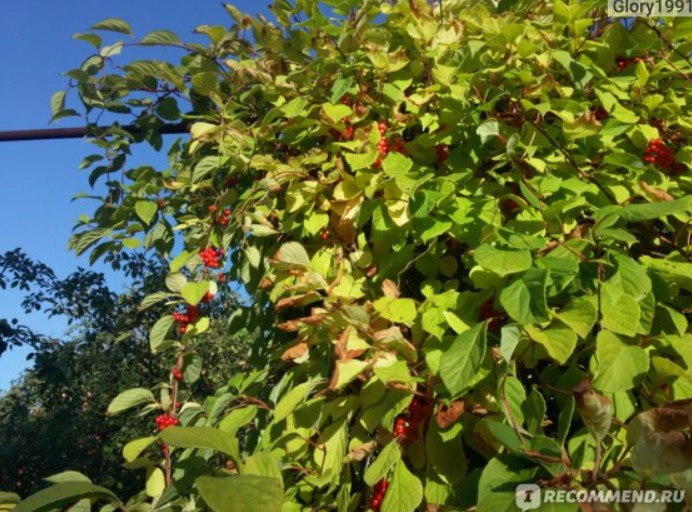
Schisandra has received many positive reviews. It is praised not only as a medicinal plant but also as an ornamental plant. It fits perfectly into any landscape design and makes a wonderful addition to gazebos, arches, fences, and facades.
A fairly unpretentious plant that produces very healthy and tasty berries.
We've had lemongrass growing in our garden for many years, surviving the Moscow region's frosts just fine. We brought it back from the Far East, where my dad is from. It's a vine that bears fruit once a year (we harvest it in September).
You can plant lemongrass either near a house/fence or near a special trellis dug into the ground so that the vine has somewhere to crawl.
In a dry summer, it needs to be watered regularly, because if it doesn't have enough water, the berries will develop poorly and will be small and dry.Schisandra berries grow in clusters; they're very tart and incredibly invigorating! The seeds are perhaps even more invigorating than the berries themselves. They can be crushed (in a mortar or coffee grinder, after drying them first) and added to coffee while brewing—or poured directly into the coffee machine, literally 2-3 beans per cup.
We partially freeze the lemongrass and partially pour it with sugar in a large jar, putting it in the refrigerator (don’t skimp on the sugar, otherwise it will ferment).
In the freezer, lemongrass can be stored for years. We once found lemongrass in our stash that was 6 years old, and it was of excellent quality.
In winter, I defrost the berries, add a little water, mash them with a potato masher (an iron one with holes), filter the resulting infusion into a bottle, and continue mashing the berries with water until all the juice is gone. Then I make a fruit drink. I remove the seeds from the skins, dry them, and add them to my coffee.
The quintessence of usefulness in a small climbing bush!
I've always had fond memories of lemongrass. In 2002, I visited my dad in Moscow and we went to lunch at Yakitoria. Back then, of course, it all seemed like a novelty, especially for a girl from a small town, albeit a seasoned globetrotter.
And I was struck by the green tea with lemongrass at these establishments. While jasmine teas were already quite popular—we always had some at home—I was definitely ready to drink a couple of pots of lemongrass at first. And then I'd be jumping around like crazy for half a day—it's practically coffee for a teenager.
We planted a lemongrass bush right after we got our house, literally the following year. It's still growing here, but I'm the only one who takes care of it, since there aren't any other fans of this plant.
Care is simple: fertilize with mineral fertilizer in the spring and prune after leaf shedding in the fall to promote strong vines. It's also a good idea to collect fallen leaves in the fall, otherwise they will significantly affect the soil quality.
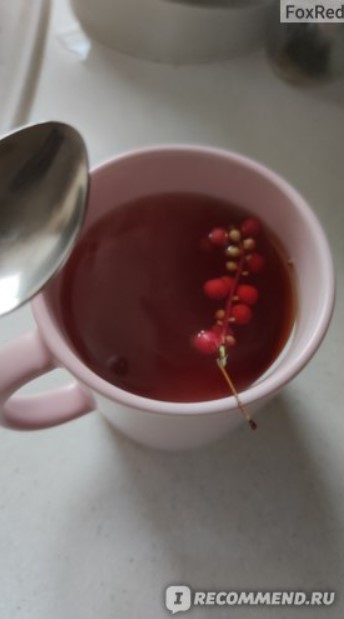
The bark (twigs) of the Schisandra plant are used to add to tea (it is best to collect it in the Moscow region in August or September; I don’t dry the leaves, as it’s too much hassle); and the berries are used to make jam.
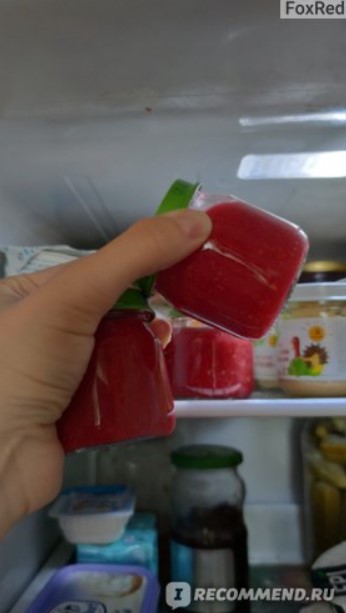
By September, the berries turn bright red—like most, they've turned yellow—and are ready to pick. You need to separate all the berries, wash them, and then mash them with sugar in a ratio of almost 1:1 (I use slightly less sugar than the berries), then roll them into sterilized small baby food jars. Store in the refrigerator. You can strain them through a sieve if you just want to eat the jam, but then you'll need to add more sugar. I just add half a teaspoon to my morning tea.
Be careful, don't eat too much lemongrass, no matter how delicious it may taste; it can be harmful to those with heart or vascular disease. However, in small doses, it's an excellent immune-boosting agent, comparable to echinacea.
Schisandra's flavor is simultaneously sour, bitter, sweet, spicy, and lemony—a very unusual combination. I like it; I generally love flavor perversions.
So it is a beautiful green bush that brings not only benefits, but also aesthetic pleasure.
Quote (Lessika @ 30.5.2007, 11:59) *
I've had a lemon tree for about five years. I've repotted it several times: first it was in a shaded area, then in partial shade, and now it's in partial shade. It's just not growing much, maybe 2-4 cm over the summer. I won't even mention fruiting...For normal growth and fruiting, lemongrass requires a trellis. Without one, it will sit half a meter above the ground for years and will not bear fruit. Once it has support for upward growth, lemongrass revives.
Also, for normal fruiting, several bushes (at least two) are needed nearby for pollination.
I once grew this from seed—I ordered it. It grows on ONE plant. It has both male and female flowers. The clusters produce a few berries, rarely up to ten. As was rightly noted here, pollination is solely by wind. It grows on the south side of the house. The soil was heavily gravel. I lowered some wires from under the roof, and the bush grew there. I don't prune it every year—I never get around to it. The soil is covered with all sorts of weeds, like bugleweed, and I weed out the tall ones. It covers the soil with a leaf. The bush is large, but I collect about a liter of berries. I sprinkle them with sugar. If desired, I can separate the seeds and syrup. I use it for colds, as an immunity booster.