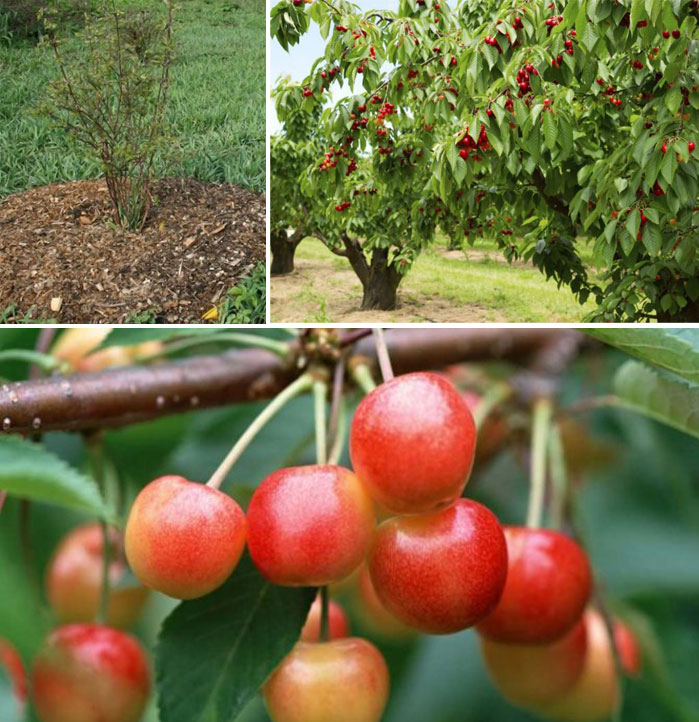
Cherries are a plant with character. They're not exactly easy to care for, but if you know the proper growing techniques and adhere to the necessary agricultural practices, they'll reward you with an excellent harvest. So, here's a step-by-step guide to planting cherries in the fall.
Content
- 1 When is it better to plant cherries in spring or autumn? The advantages and disadvantages of autumn planting.
- 2 Optimal timing for planting cherries in autumn
- 3 How to Plant Cherry Trees in the Fall: A Step-by-Step Guide
- 4 The nuances of planting cherries in the fall depending on the region
- 5 Features of caring for a cherry seedling in the first year
- 6 Propagation and planting of columnar cherry
- 7 Helpful tips from Top.tomathouse.com for beginning gardeners when planting cherries in the fall
When is it better to plant cherries in spring or autumn? The advantages and disadvantages of autumn planting.
Sweet cherries are native to southern latitudes. They don't tolerate cold temperatures and don't thrive in cooler temperatures. Therefore, residents of northern regions (including the Northwestern Federal District) are advised to wait until spring to plant the cherry. Elsewhere, planting can be done from mid-August to early October, depending on weather conditions.
In this case, the closed root system can be lowered into the ground at the end of October, but with the open one you need to be more careful and finish planting in mid-September.
The advantages of autumn planting include the following:
- At this time, a large selection of seedlings appears on the market; you can even find rare varieties that you were unable to acquire in the spring.
- At the end of the season, gardeners have more time to carry out planting work than in the spring.
- After the harvest, the area becomes free and the most suitable place for planting can be chosen.
- But in autumn, there's always a risk of early frost. Therefore, cherry trees can only be planted at this time in the south and central regions. It's best to plant the seedlings 40 days before the nighttime temperature drops to 0 degrees Celsius.

Optimal timing for planting cherries in autumn
Let's look at the best time to plant cherries, depending on the region, as well as the recommendations of the Lunar Calendar.
By region
Cherry planting times depend directly on the region:
- Siberia, the Urals, Leningrad region – only the first half of May.
- Central zone (including Moscow region) – first two decades of September.
- South – October.
These timings aren't ironclad. You need to rely on the weather. In the central part of the country, there can be unusually warm Septembers, when flowers begin to bloom for the second time this year. In such cases, it's best to hold off on planting.
When to plant cherries in the fall according to the lunar calendar for 2021
Many gardeners try to follow the lunar calendar recommendations for planting cherries.
In 2021, favorable days for rooting cherries are:
- 8-10, 12-16, 19, 24-26 September;
- October 1-5, 8-11, 22, 23-28.
If it is not possible to work on these days due to various circumstances, then you can plant cherries on any other day, avoiding unfavorable dates.
In 2021, the following days will be unfavorable and forbidden:
- 6, 7,21, September 22.
- 6, 7, 14, 15, 19, 20, October 21, 29.
How to Plant Cherry Trees in the Fall: A Step-by-Step Guide
Now it's time to talk about how to properly plant cherry trees in the fall, from choosing the right variety to the actual planting.
Selecting a cherry variety and seedling
The success of cherry tree cultivation depends largely on the choice of seedling. No matter how much you like the variety you've chosen, if it's only suitable for the South and you live in the Urals, it won't thrive in open ground.
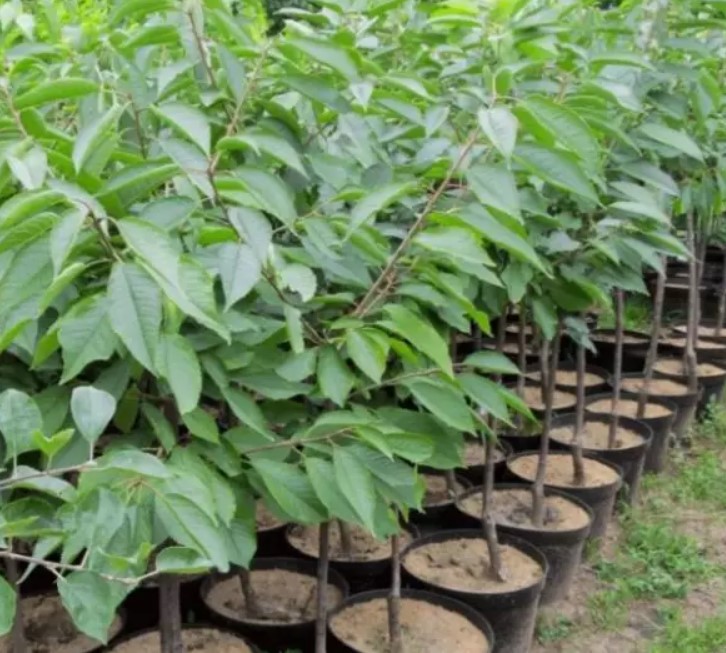
When choosing a seedling, you should note the following points:
- The cherry tree must be no older than 2 years old, otherwise it will take a very long time for the seedling to take root.
- The height of the tree does not exceed 100 cm.
- The tree looks healthy, with no damage to the bark or branches.
- There is a mark on the trunk indicating grafting.
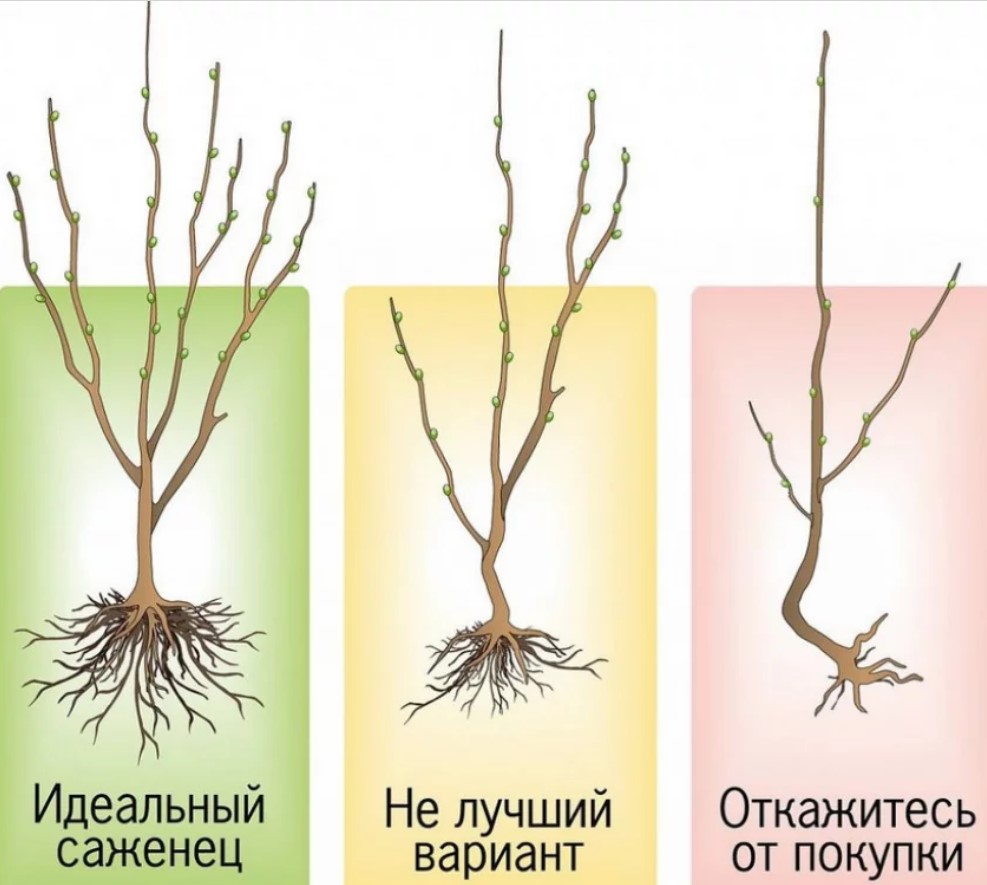
- The root system is well developed, there are no signs of rot or other diseases on the roots.
- The branches are alive and elastic.
- The seedling has a strong conductor.
If a seedling is sold with a closed root system, it's difficult to assess its condition. It's best if the container is transparent—you should be able to see how the roots have woven themselves around the soil ball.
Choosing the right soil, location and neighbors
Cherry trees thrive in sunny locations, so they can be planted in the southern part of the garden. The seedling will thrive near the house and other buildings, as long as there's no permanent shade.
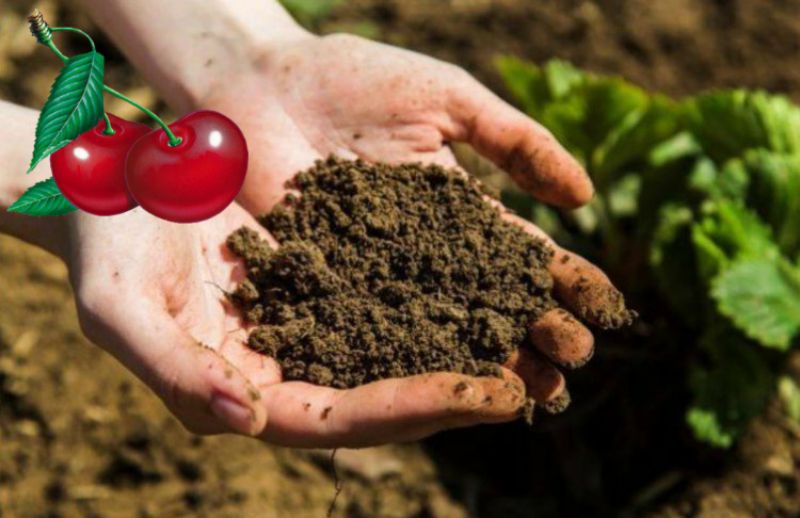 The best location for planting a cherry tree should meet a number of criteria:
- Lots of sunlight.
- No drafts.
- There is no stagnation of moisture in the soil.
- The soil is fertile, loamy or sandy loam.
- There are no walnut, pear, sea buckthorn, apricot, rowan, black currant or peach trees growing nearby.
- Groundwater does not flow at depths below 150 cm.
If we talk about suitable neighbors, it is advisable to plant other varieties of this berry, as well as cherries or plums, next to the cherry tree.
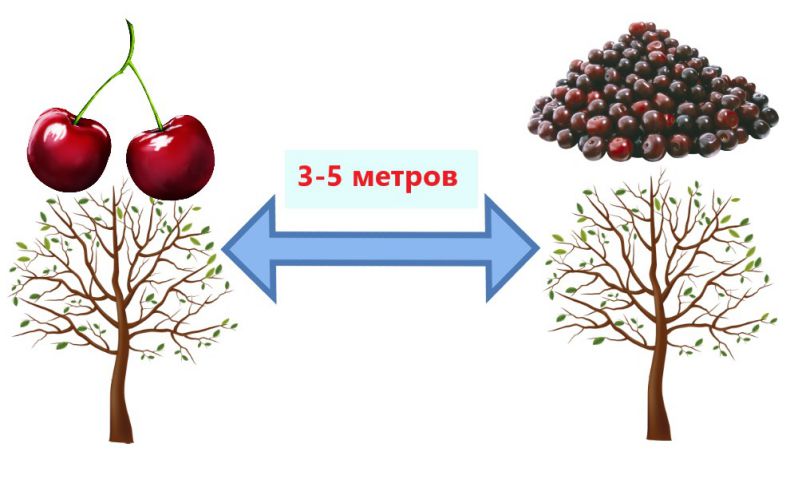
Never plant a cherry tree in place of a dead tree. The buds contain decay products and toxins that will kill the seedling.
Preparing a cherry tree seedling for planting
Cherry preparation begins the day before planting. Broken or diseased branches are trimmed back to healthy tissue. Any dry or rotten roots should also be removed. It's important to leave the central root alone. It will take too long for it to recover.
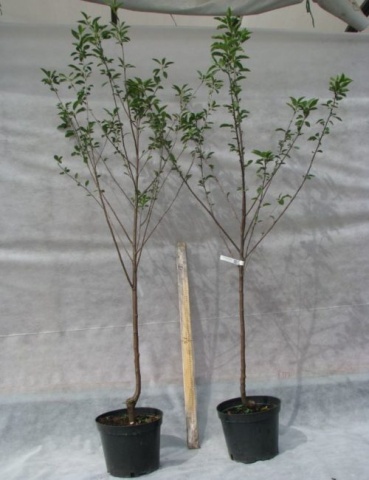
Bare-root plants are soaked in special stimulating solutions for 12-24 hours. These can be purchased at gardening stores.
Cherries with a closed root system are planted together with a lump of earth.
Preparing the soil and hole for planting
Once the planting site has been determined, it is time to prepare the hole.
It is also recommended to do this a month (at least 10 days) before planting.
The optimal size of the pit is considered to be 85 cm wide and 70 cm deep.
The bottom must be covered with a drainage layer. Crushed stone, gravel, or broken brick can be used for this purpose.
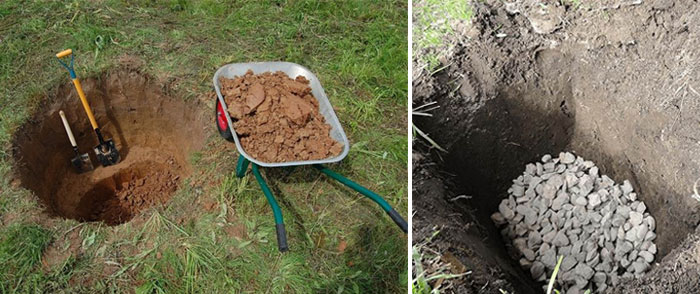
Fill the hole one-third full with a mixture of fertile soil and humus in a 2:1 ratio. Take the fertile soil from the top layer of soil during soil preparation.
Next, prepare the nutrient mixture: add 100 g of superphosphate and 60 g of potassium sulfate to a bucket of soil. Mix everything together and pour it into the hole.
When preparing the holes, ensure you provide support for the seedling in advance. Drive a stake into the ground on the south side of the hole. It should be no larger than the tree's crown. The young tree will then be tied to it. The stake will not only protect the tree from wind and sun but also serve as a base for winter tying. This is necessary during the first year to protect it from rodents.
Step-by-step planting instructions
When planting cherry trees, it's important to follow a few simple rules that will help the tree adapt more quickly to its new location. Let's look at the instructions below.
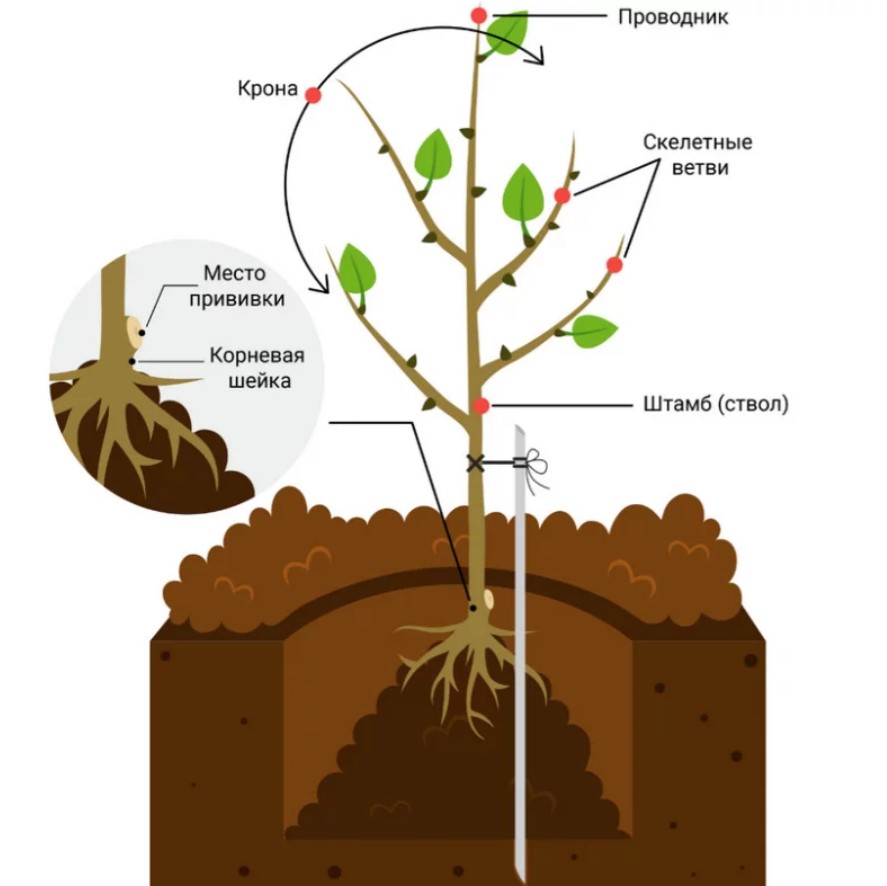
Once the hole and seedling are ready, you can begin planting.
If you have chosen a cherry tree with a closed root system, you simply need to transfer the lump of soil with roots from the container into the hole made inside the hole.
If the root system is exposed, a small mound is made over the hole. The plant is carefully placed on it, and the roots are spread downwards.
After this, the roots are covered with soil, deepened, and compacted by hand.
Watering is carried out at the rate of 3-4 buckets per hole.
The most important thing when planting a cherry tree is not to bury the root collar. Some gardeners confuse this with the grafting point. To determine its correct location, take a damp cloth and wipe the base of the trunk. The root collar is located where the greenish rhizome meets the brown trunk. It should be 3-4 cm above ground level.
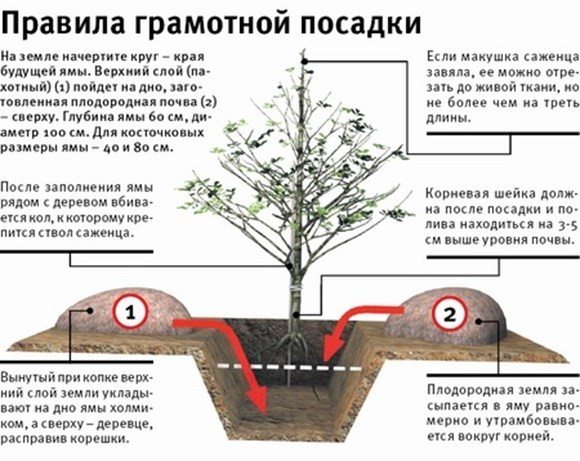
If several trees are planted at the same time, the distance between them should be at least 3 meters.
Once planted, tie the trunk to the stake with a piece of cotton cloth. It's best not to use twine for this purpose, as it can damage the delicate bark during the growing season.
Please note! People sometimes ask about planting felt cherry trees. In fact, only cherries have felt cherry trees! Read on. step-by-step instructions for planting cherries in the fall on our website Top.tomathouse.com.
The nuances of planting cherries in the fall depending on the region
A prerequisite for successful cherry planting is choosing a variety suitable for growing in your region. Planting a southern variety in Siberia will be fruitless.
Furthermore, in regions with harsh climates, planting cherry trees in the fall is strictly not recommended. Young seedlings will not have time to adapt before the first frost and will die.
Residents of the southern regions can plant at any time between March and April and September and October. The weather, which is generally favorable during these periods, is key. In the fall, the cherry trees will have time to harden before the frosts, and in the spring, before the heat.
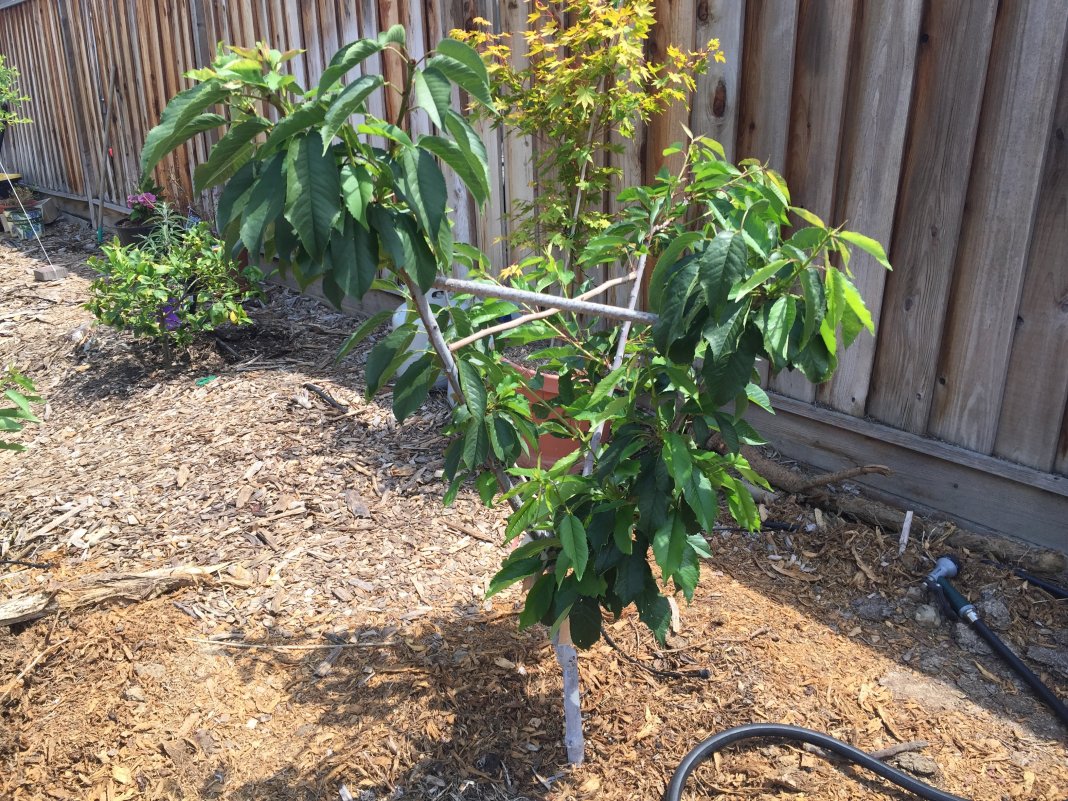
Residents of the Central Belt (including the Central Black Earth Region) should closely monitor weather forecasts and begin work no earlier than the beginning of May in the spring, and no later than the first ten days of October in the fall.
Furthermore, watering will vary depending on the region. In the south (Adygea, Kalmykia, Krasnodar Krai, Astrakhan, Volgograd, and Rostov Oblasts), it should be done more frequently and more abundantly than, for example, in the Leningrad Oblast.
In the north and central climates, it's important to ensure the root system is protected during winter. Be sure to pile snow at the base of the trunk, and during sudden cold snaps, cover the area with spruce branches.
Features of caring for a cherry seedling in the first year
The first year is the most crucial stage in a seedling's life. During cold winters, additional protection of the bark and root area is necessary.
Some gardeners wrap the trunk with burlap for the winter, which protects it from rodent attacks and protects it from freezing.
Watering mode
After planting, water the hole thoroughly, and then the frequency of watering is determined by the air temperature. Don't allow the soil to dry out completely. The following season, the cherry tree can be watered thoroughly only three times:
- During the active emergence of leaves (April-May),
- During the fruit ripening period (June-July),
- After harvesting, before the dormant period (October).
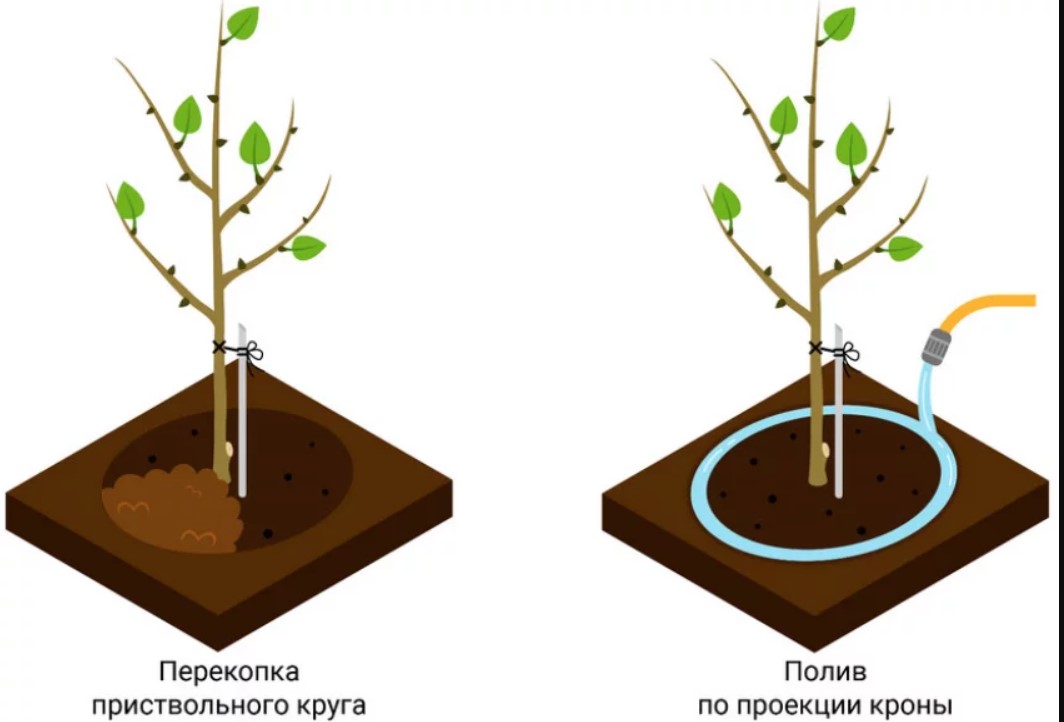
Top dressing
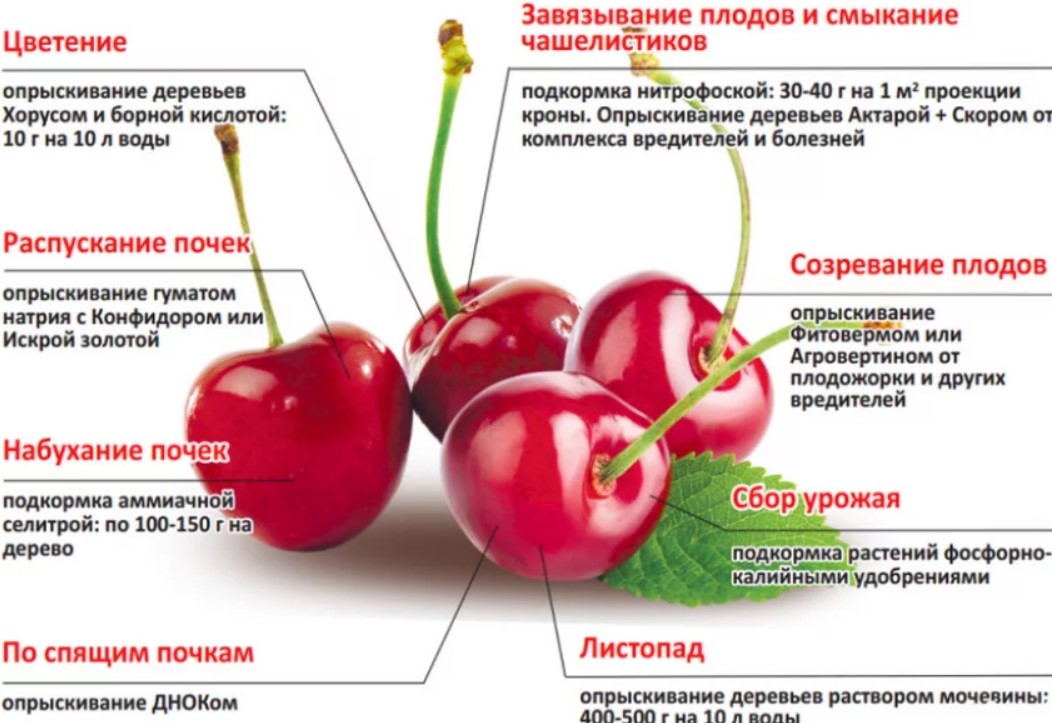
There's no need to apply fertilizer immediately after planting; whatever was added to the hole during preparation is sufficient. However, the cherry tree will need some support in the new season.
At the beginning of the spring season, urea is added to the soil (120 g is sprinkled around the perimeter of the tree trunk). It is recommended to apply it after watering. Urea contains nitrogen, which is essential for the growth of new branches, leaves, and roots.
At the end of the season, 400 g of superphosphates and 100 g of potassium sulfate are added to the soil (also after watering).
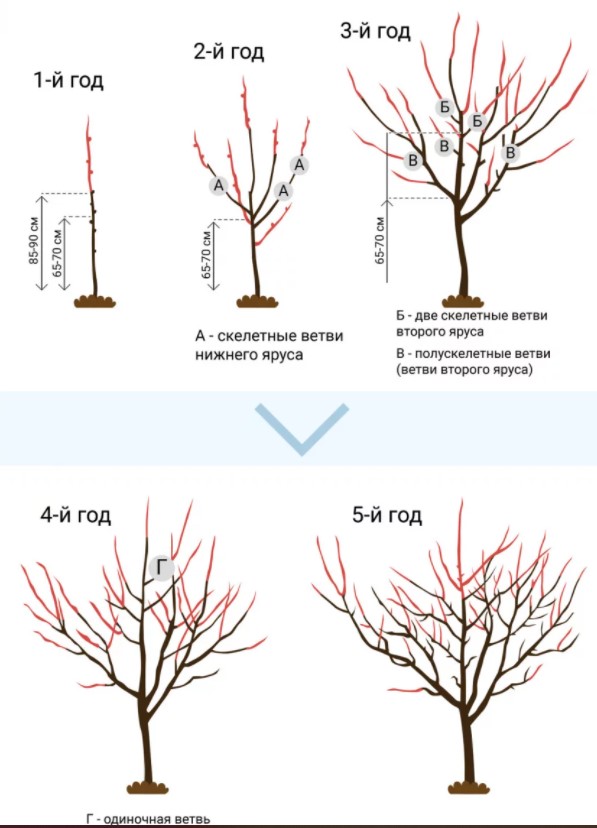
Pruning scheme and crown shaping
To increase the yield, it is necessary to carry out formative pruning of the cherry tree annually.
In spring, before the sap begins to flow, the trunk and branches are pruned by about a third of their total length. All branches growing inward or downward are removed. It is recommended to leave only those growing at a 45-degree angle to the main trunk. This pruning will allow sunlight to be evenly distributed across the entire crown.
In autumn, you can carry out sanitary pruning, during which diseased or dry branches are cut off.
Protection from diseases and pests
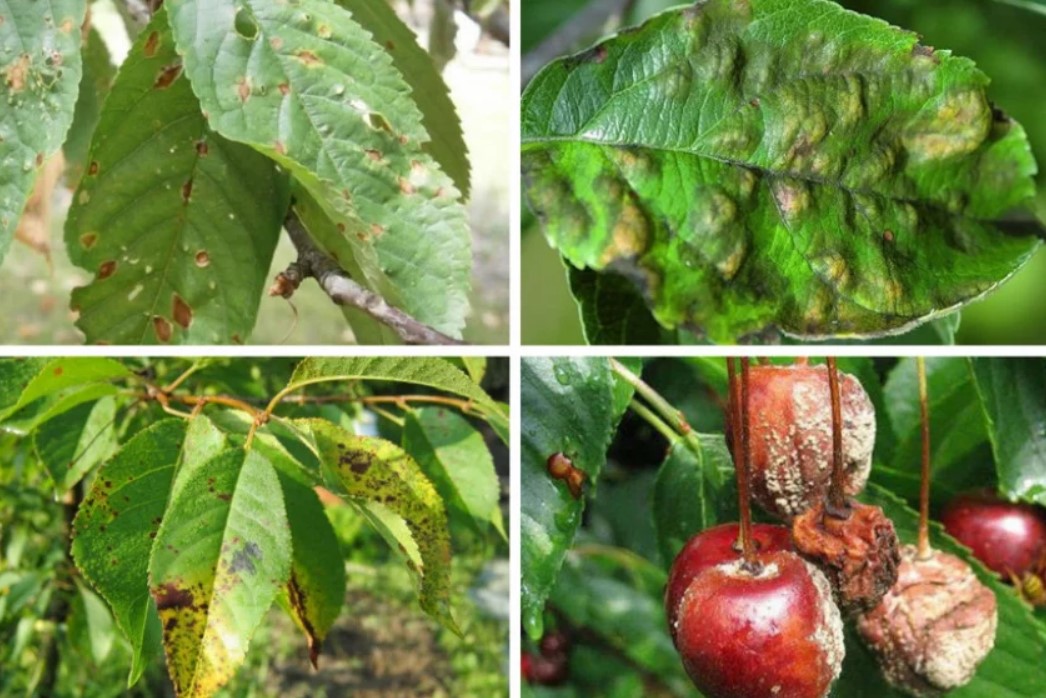
Sweet cherries are characterized by good immunity to many diseases. However, like all stone fruits, they are susceptible to verticillium wilt.
The disease can be identified by changes in the texture of the bark. Leaves turn yellow and fall off, and the trunk becomes covered in gum spots.
The disease is very difficult to cure. In the early stages, you can treat the seedling with specialized preparations (Polychrome, Topsin, etc.), and cover the ulcers on the bark with clay diluted with a weak solution of potassium permanganate.
But, as a rule, even with such help, the cherry tree will not live long.
It is better to remove the planting immediately so that the disease does not spread to neighboring trees.
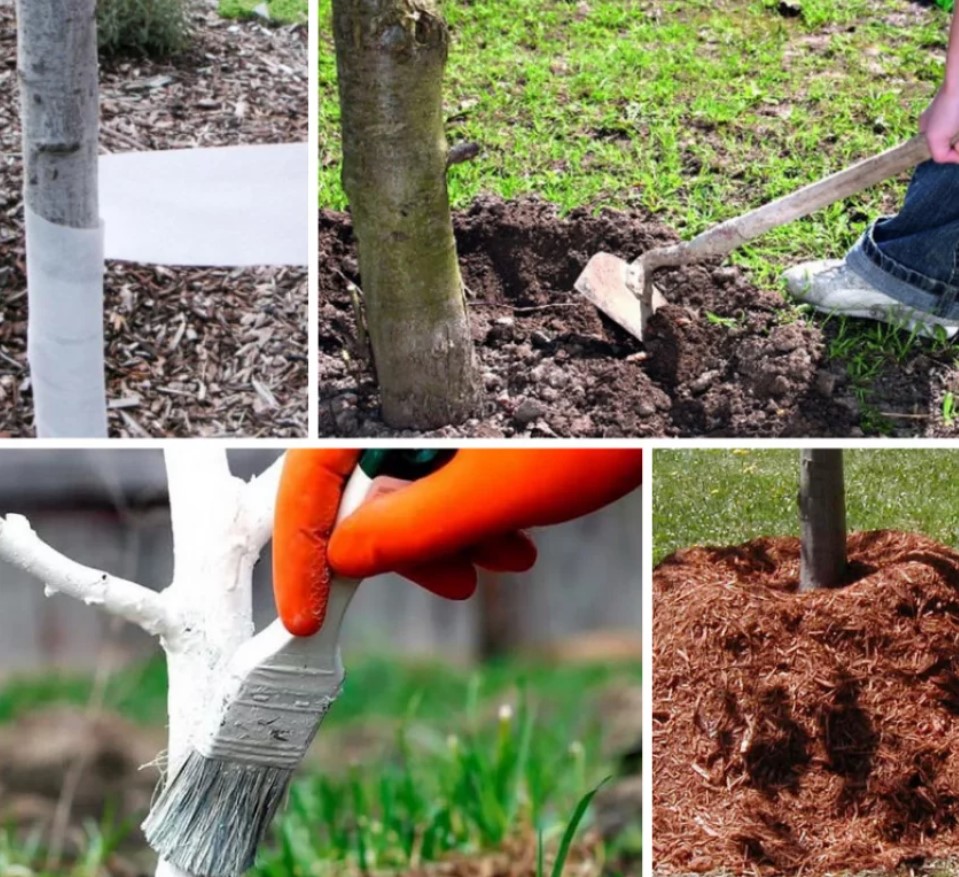
As a preventative measure, it's recommended to spray the cherry tree with a solution of Bordeaux mixture or copper sulfate before the leaves emerge. Additionally, the trunk should be whitewashed every year in early spring to prevent small insects from emerging from the bark. To prevent pests, it's also crucial to promptly remove previously cut branches and other organic waste.
Preparing for winter
The stages of preparing cherries for winter depend on the growing region.
- In areas with harsh climates, the trunks of young trees should be wrapped in burlap, the roots mulched, and covered with spruce branches. After snow appears, a layer of at least 15 cm should be piled under the trunk. Plywood sheets can be placed around the trunk to prevent the roots from burning in the spring.
- In southern regions, cherries do not always require shelter, unless we are talking about some very capricious varieties.
- In the central zone, the cherry tree is also not always covered, but in any case, it is recommended to sprinkle the trunk circle with snow.
Propagation and planting of columnar cherry
Recently, the columnar cherry tree has become especially popular among gardeners. It differs from the classic cherry tree in its tree structure: it is cylindrical, with side branches so short that it appears to grow only upward. The crown diameter does not exceed 1 meter.
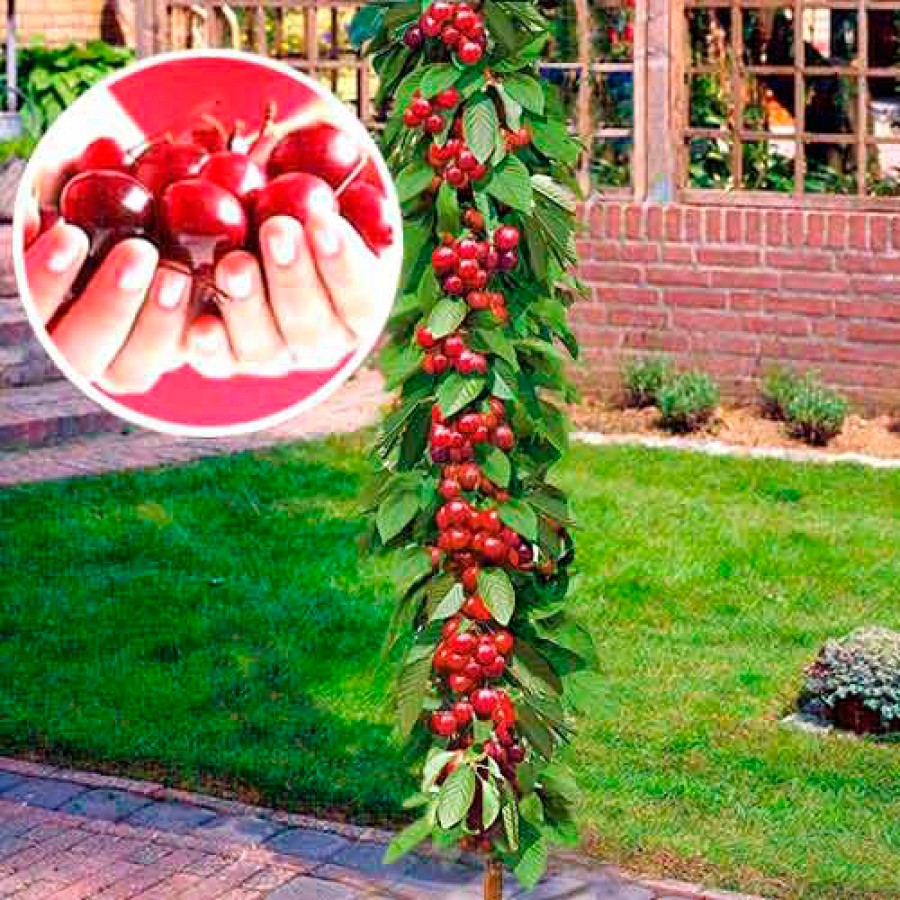
Advantages:
- Self-fertility.
- Compactness.
- High yield.
- Easy to care for.
Propagation of columnar cherry
Mature seedlings are sold in nurseries. It's best to buy them from a reputable producer, as this variety isn't yet widely available in our country, and there's a high risk of buying a counterfeit.
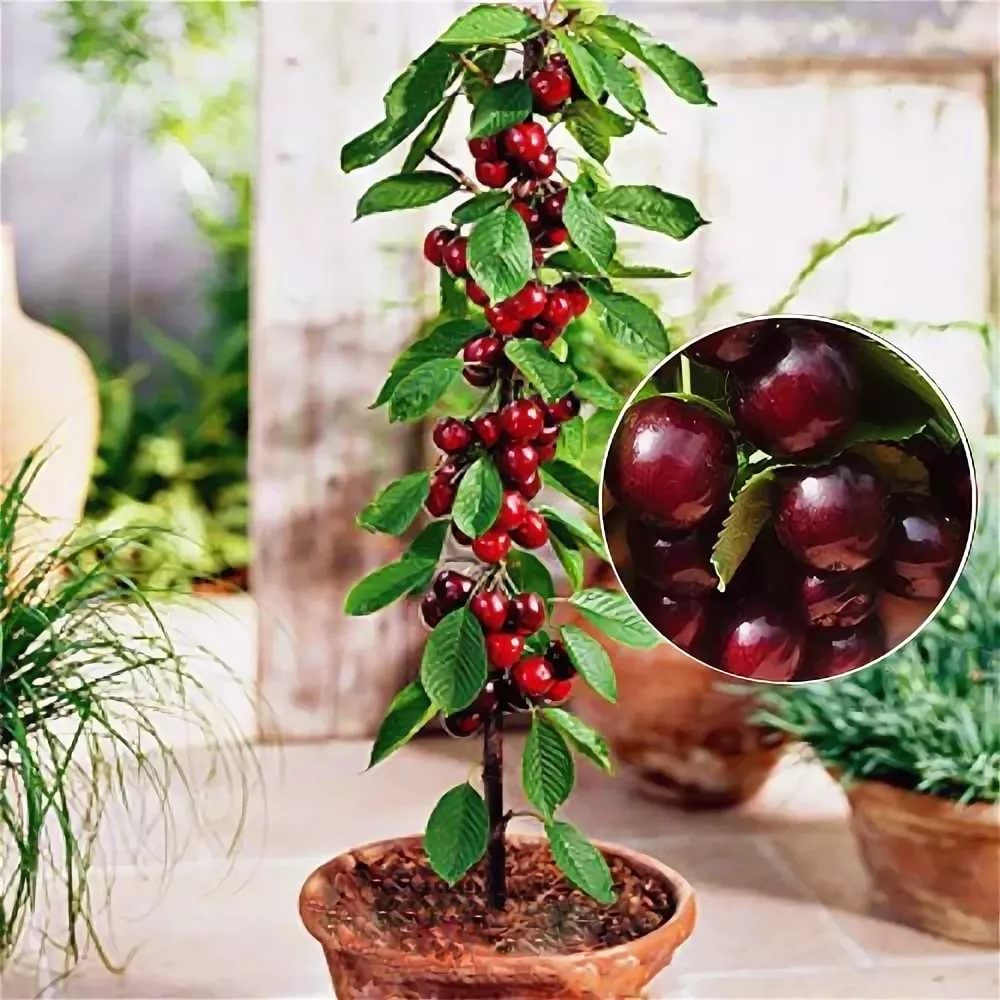
As with many other fruit crops, this cherry variety reproduces in three main ways.
- Cuttings are the fastest and most successful method, which most likely allows you to obtain a new seedling.
- Grafting—the desired cutting is grafted onto a two-year-old cherry tree. The method is complex, and the cutting will need to be purchased from somewhere.
- Sowing is done by planting a berry seed. This is the most labor-intensive method with a low success rate.
When growing columnar cherries, it is important to consider the fact that the plant does not tolerate cold very well and requires careful shelter for the winter.
Planting columnar cherry trees
The success of cherry tree cultivation depends on the health and condition of the seedlings. It's advisable to find a reputable nursery that monitors the quality of its products. The bark and branches should be free of damage, and the root system should be free of dried or rotten shoots.
Landing rules:
- Before planting, it is recommended to soak the seedling's roots in a growth stimulant. The exposure time ranges from 12 to 24 hours.
- The selected area should be sunny, protected from wind and drafts.
- There should be no stagnant moisture in the soil.
- The air temperature does not drop below 0 degrees for 7-10 days.
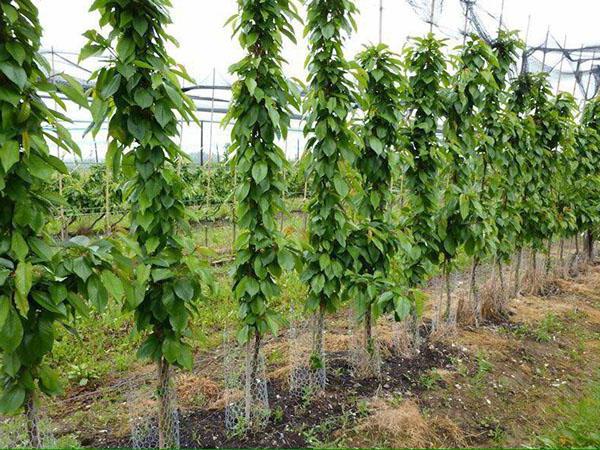
Site preparation:
- A hole is dug to a depth of 80 cm.
- A drainage layer of at least 10 cm is placed at the bottom of the pit. Expanded clay, crushed stone, or broken brick can be used.
- Fertilizers (phosphates, peat, humus) are added.
Once the hole is ready, carefully place the seedling in it. The roots should be spread out around the perimeter. The longest ones can be trimmed slightly.
After this, water thoroughly and dig a shallow trench around the tree's trunk, 60 cm away from the tree. This trench will help retain moisture and distribute it evenly.
Helpful tips from Top.tomathouse.com for beginning gardeners when planting cherries in the fall
- If your region allows for winter or fall planting, it's best to choose the latter. This way, the seedling will take root faster and begin bearing fruit earlier.
- When choosing a variety, pay attention to whether it is self-fertile. If not, it will need other nearby cherry trees for pollination.
- When cold weather sets in, spread rodent poison around the trunk. The soft bark becomes an attractive delicacy for them.
- Be sure to sprinkle the roots of the seedlings with snow.
- Don't buy cherry trees that are more than three years old. These plants won't thrive.
- Grafting is not ideal for autumn propagation. It can be done in September, but only in southern regions, where the scion will have time to gain strength.