The apple tree is a popular fruit tree in the Russian Federation. There are a huge number of varieties, making it suitable for planting in all regions of the country, provided it is properly cared for. In this article, we'll explain how to plant an apple tree in the fall, covering all the nuances and specifics.
Content
- 1 Expert advice on when to plant an apple tree: spring or fall
- 2 Choosing the timing for autumn planting of apple trees
- 3 Features of autumn planting
- 4 Direct planting of apple trees in autumn
- 5 Caring for a seedling after autumn planting
- 6 Top.tomathouse.com warns: common mistakes when planting apple trees in the fall
Expert advice on when to plant an apple tree: spring or fall
When choosing when it is better to plant apple trees, that is, in spring or autumn, you need to weigh all the pros and cons.
The second option has the following advantages:
- A wide selection of varieties. Nurseries offer seedlings specifically in the fall.
- Better survival of young trees. By autumn, biological processes slow down, so seedlings are more resilient to the stress of transplantation.
- Minimal care after planting.
There are also disadvantages:
- In winter, a young, still-fragile tree can die if damaged by hares or other pests. To prevent this, it's necessary to build a fence.
- Autumn frosts can arrive at any time, making it difficult to determine the optimal planting time.
Professionals prefer autumn planting. If all the rules are followed, the apple tree has a better chance of becoming strong by spring.
You can read about the specifics of spring planting in the article Planting an apple tree: growing features.
Choosing the timing for autumn planting of apple trees
The main factor when choosing a planting time is to plant before frost. Rooting takes 2-3 weeks and should occur at temperatures between 10 and 15°C. You should also consider the growing region, weather conditions, and lunar calendar recommendations.
For different regions
| Edge | Landing time | Comment |
| Moscow region, Moscow | 25.09-25.10. | The main thing is not to be late. Frosts arrive in November. If you delay, you risk losing the harvest. |
| Leningrad Oblast | 1.09-31.09. | Frosts arrive a little earlier than in the Moscow region. The soil has its own characteristics, requiring adequate fertilizer. Timely watering of the seedlings is also important. |
| Central Russia | 25.09-20.10. | If the weather does not allow planting apple trees during this period, it is better to postpone it until spring. |
| Siberia | 01.09.-20.09. | These regions are prone to early and unexpected frosts, so it is recommended to plant as soon as possible, or better yet, postpone it until spring. |
| Ural | 20.09.-30.09. | |
| Ukraine | 15.09-01.11. | Of course, the first frosts in Ukraine occur in December, but they can happen earlier, so planting should be completed before November. |
| Belarus | 1.09-20.10. | Winters are mild, so autumn planting in September is preferable. |
| Southern regions | 10.10.-20.11. | It can be carried out almost until winter, since the winter there is mild. |
Depending on the weather
When determining planting dates, weather conditions should also be taken into account. It shouldn't be too hot outside. Planting around the second ten days of August will impede root development. Experts recommend planting when the leaves begin to fall.
If for some reason planting is done in late summer, the tree should be planted with a large root ball. Particular attention should be paid to watering, and the amount of fertilizing should be increased.
It's best to choose a cloudy day for planting, without rain or wind. The scorching sun can dry out the seedlings. Strong winds can break the fragile trunks.
Lunar calendar dates for 2021
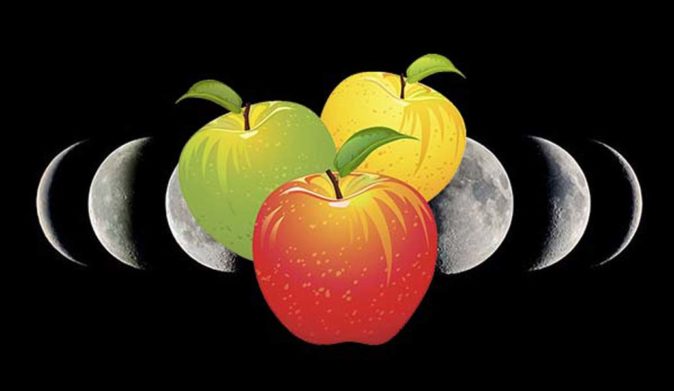
When determining dates, it is recommended to rely on the lunar calendar. The best planting days in 2021 are:
| Month | Auspicious dates | Prohibited dates |
| September | 3 (from 18:00)-5 (until 23:05), 16—24
. |
14, 15, 28, 29, 30. |
| October | 1-3 (until 08:02), 8-12, 16-19 | 14, 15, 28, 29. |
| November | 2—4 (until 10:20 a.m.), 9 (from 11:07 a.m.)-11 (until 9:39 p.m.)
. |
12, 13, 14, 26, 27, 28. |
The moon influences the development of all living things on Earth, including plants. Choosing the right time will allow you to grow a healthy tree that will bear abundant fruit.
Features of autumn planting
To get a strong tree, it is recommended to follow the step-by-step guide provided below.
Selecting and preparing a seedling
Successful cultivation directly depends on the quality of the seedling.
Selecting a variety
It is necessary to select varieties that are resistant to frost:
- Karamelka. Begins bearing fruit in the 3rd or 4th year. This variety is not commercially grown, but is intended for private gardens. It is characterized by its low maintenance and easy care. Fruits weigh 90-120 g. The color is yellow with a red striped blush, which can cover the entire yellow layer. They have a distinct honey aroma, light pulp, and a candy-like flavor.
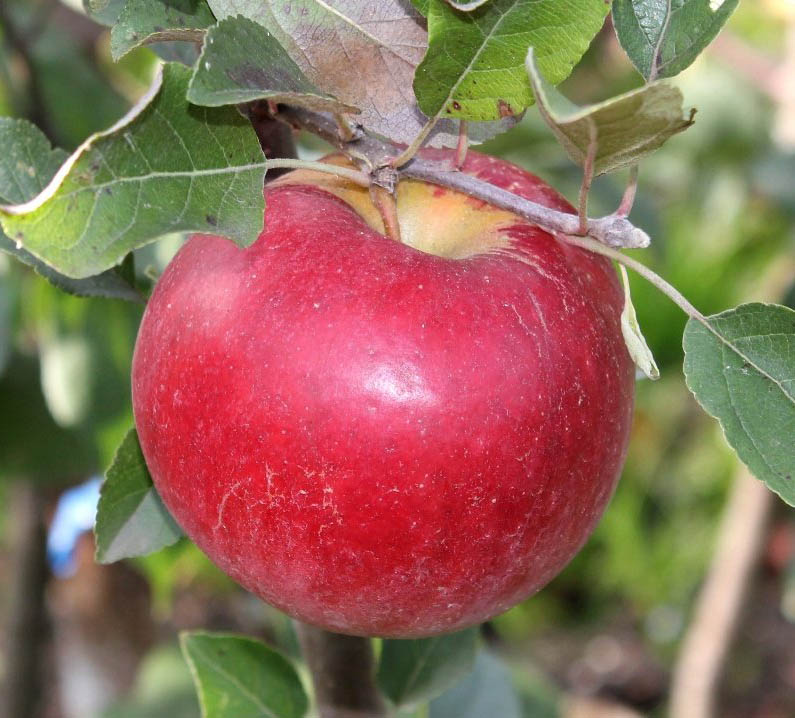
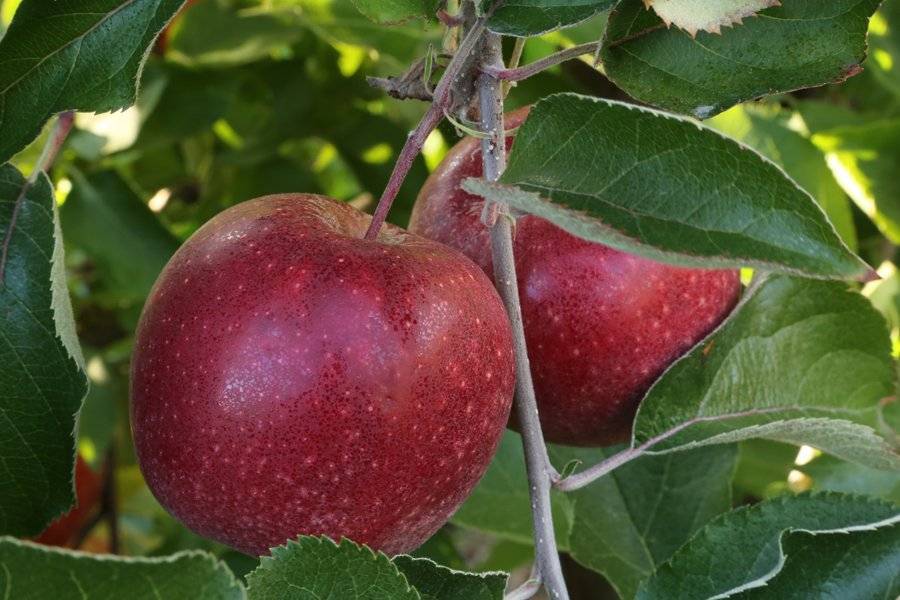
- Black Prince. A late-fall variety with a columnar crown, it also begins bearing fruit in the third or fourth year. Each apple averages 200 g, is red, and has crisp flesh.
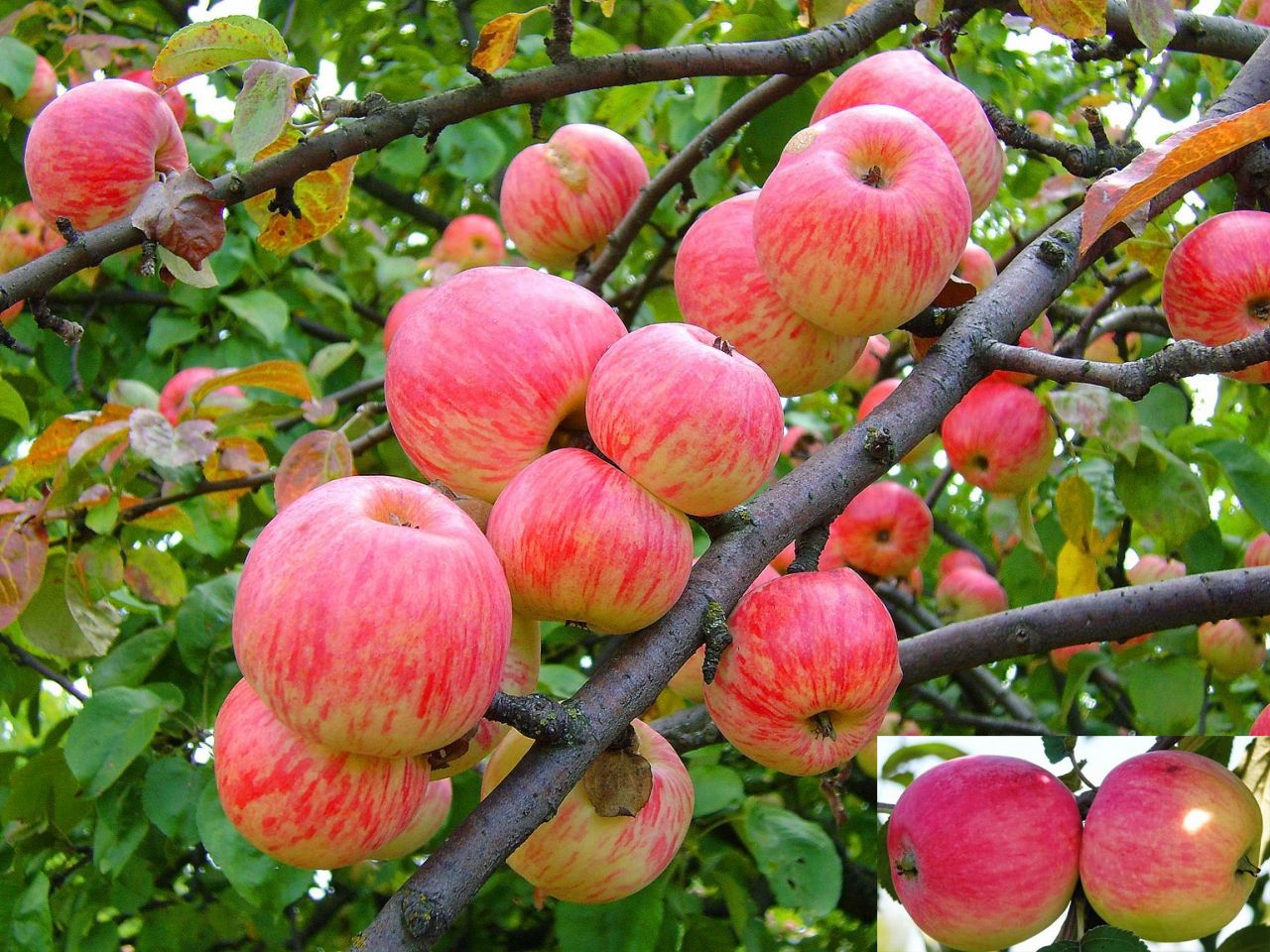
- Melba. Round-conical apples, light yellow in color, with a candy-like flavor. They have a waxy coating.
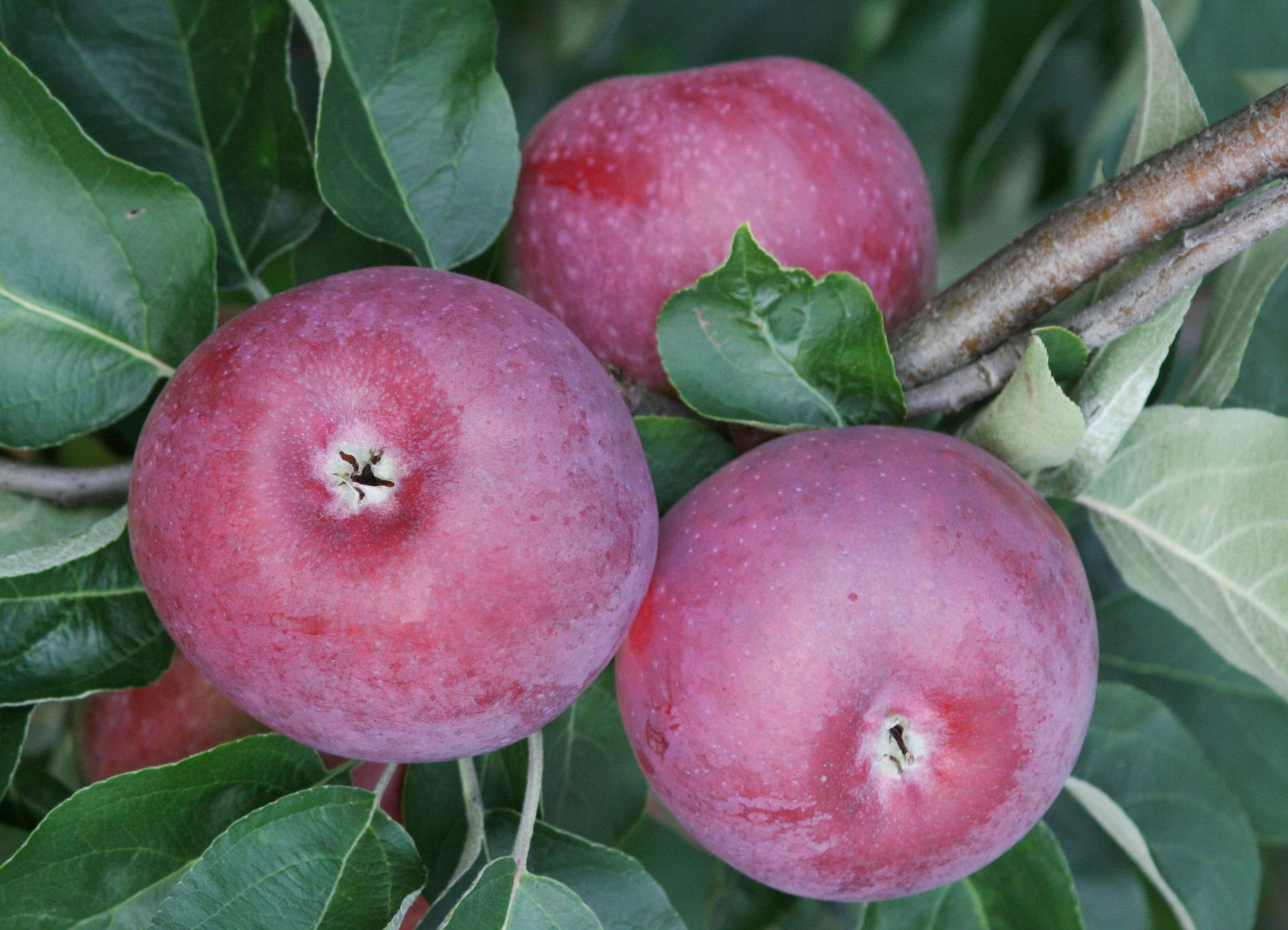
- Lobo. A winter variety popular in central Russia. The fruits are flattened, slightly ribbed, and have a protective waxy coating. The apples are greenish-yellow with a scarlet blush and white, loose pulp.
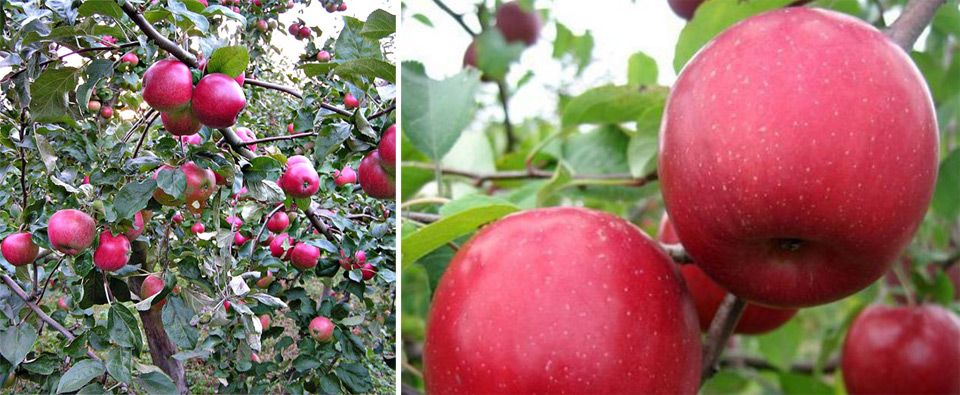
- Cherry. A winter variety with medium-sized fruits, weighing around 100g. The skin color varies depending on the weather. If the summer is sunny, it's a bright cherry color. If the weather has been cool all season, it takes on a yellowish-green color. The flesh is white, juicy, and slightly tart.
- Champion. A winter variety for growing in private plots. Fruits average 170-200 g in weight. The skin is dense and dry, reddish-orange, and the pulp is creamy. The fruits are rich in juice and have a pleasant aroma.
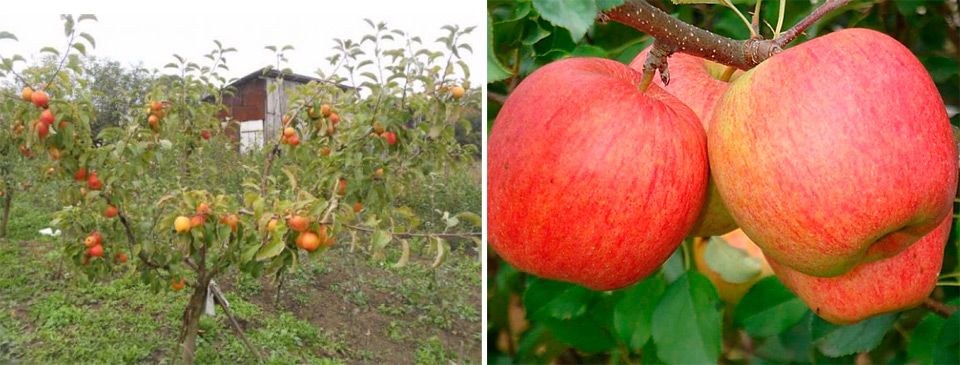
There are other apple varieties that are frost-resistant. When choosing, you should rely on their descriptions and select the most suitable variety for a specific region of Russia. You can get professional advice on this matter from the seller.
Read more about apple varieties with different ripening times, taste properties, and intended for cultivation in specific regions in the article 50 varieties of apples with photos and descriptions.
Selecting a seedling
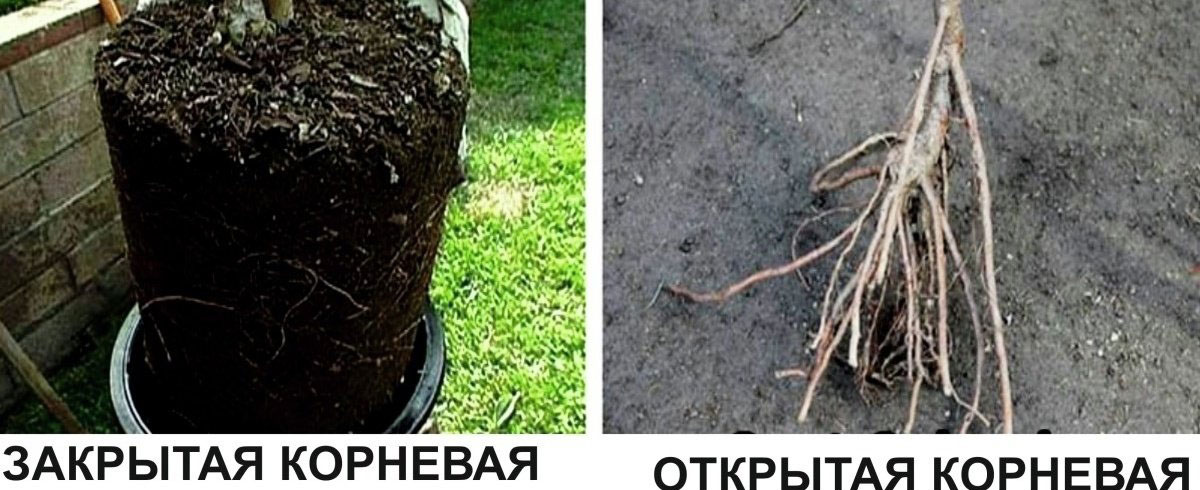
Seedlings can have either open or closed root systems. The latter option is easier to plant. This can be done at any time of year except winter. Just be sure to avoid extremely hot and dry days, as this will make it difficult for the roots to establish in harsh conditions.
Instructions on how to choose good seedlings:
- The graft site is clearly visible at the base of the trunk, with no damage or peeling of the bark. This confirms that the tree is a cultivar and not a wild specimen.
- Make sure the seedling is healthy, free of damage, signs of rot, infection, insects, or cracks. All parts of the tree are intact.
- The recommended age of the seedling is 1-2 years.
- The recommended height of a young tree is 1-1.5 m (low-growing trees are lower, tall trees are higher).
- Avoid purchasing plants that are too tall and have a lot of foliage. This will indicate that they've been over-fertilized with nitrogen, meaning they're still growing. They simply won't survive the winter.
- Avoid buying seedlings that are too short or thin. Their appearance indicates poor care or the presence of diseases or pests.
- The root system is well-developed and healthy. Rootlets are 20-25 cm long. Damage, rot, growths, dry spots, and new growth are unacceptable. Rootlets are flexible.
If you're buying a seedling with a closed root system, make sure it's truly container-grown. To do this, grasp the trunk and shake the tree. If it sits snugly in the pot and doesn't fall out, it's a container-grown seedling and not a recently transplanted one.
It's recommended to purchase materials from reputable garden centers and stores. You can find them by reading real reviews online.
Preparing for landing
Preparation allows the seedling to adapt to new conditions. This allows it to adapt more quickly and develop better.
If the root system is exposed, it should be cleared of old soil. Weakened or damaged roots should be trimmed back to healthy roots. A day or at least two hours before planting, soak the seedlings in a growth stimulant, such as Kornevin.
Selecting a location and soil
Recommendations for choosing a location:
- The area is illuminated from all sides, without shading.
- The area should be protected from cold winds and drafts. It is recommended to install a partition on the north side.
- Plant away from buildings and other trees, especially those with spreading crowns. There should be no nearby shade.
- Avoid swampy, sandy and clayey areas.
It grows best in porous, loose soil that drains well, is neutral in pH, and is well-drained. Loam, black soil, or sandy loam are ideal. The groundwater depth should be at least 1.5 meters.
Preparing the planting hole
The site should be prepared in advance, approximately 2-3 weeks in advance, preferably in spring or summer. Clear it of debris, rocks, and weeds. Dig planting holes. Pile the fertile soil from these holes into a pile; you'll need it.
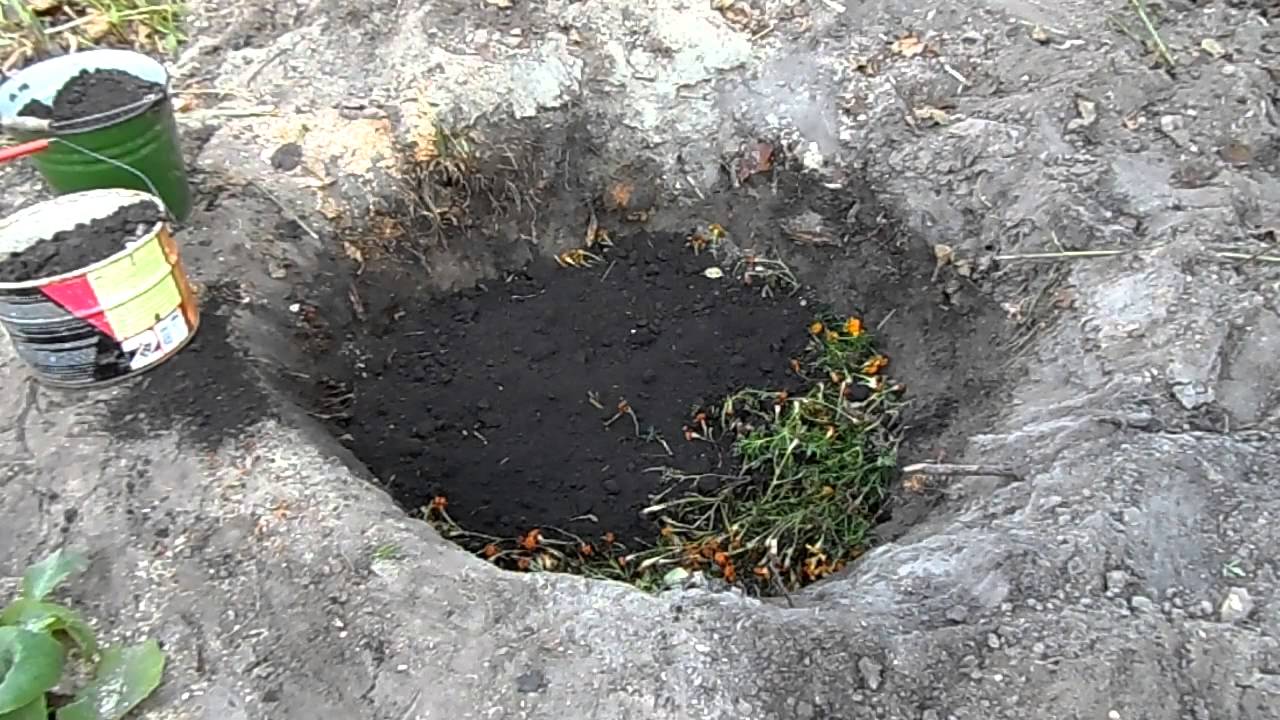
The size of the hole for an open root system depends on the apple tree variety:
- for tall ones - depth 70-80 cm, circumference 100-110 cm;
- for medium-sized ones - 60-70 cm, 90-100 cm respectively;
- for short ones - depth 50-60 cm, circumference 80-90 cm.
For a closed root system, you need to dig a hole that is 2-3 times larger than the container.
If the groundwater level is close to the surface or the soil is too heavy and poorly permeable to moisture and air, lay a drainage layer. Broken brick, expanded clay, or crushed stone can be used for this. Its thickness should be 10-15 cm.
Fill the hole with nutrient substrate. It is prepared from the following components:
- the top fertile layer of soil;
- a bucket of compost or humus;
- superphosphate 100 g;
- potassium sulfate 70 g.
Please note! If the soil is too acidic, it is recommended to add 350-600 g of dolomite flour. The higher the pH, the more dolomite is needed. If the soil is clayey or heavy, you can add a bucket of sand. For sandy soil, add 10 liters of peat.
Fill the hole so that a depression is left that is the size of the root system or container. Mix the added soil thoroughly and water it to settle the soil.
Direct planting of apple trees in autumn
The survival and health of a young tree will depend on compliance with planting requirements.
The nuances of planting seedlings with an open root system
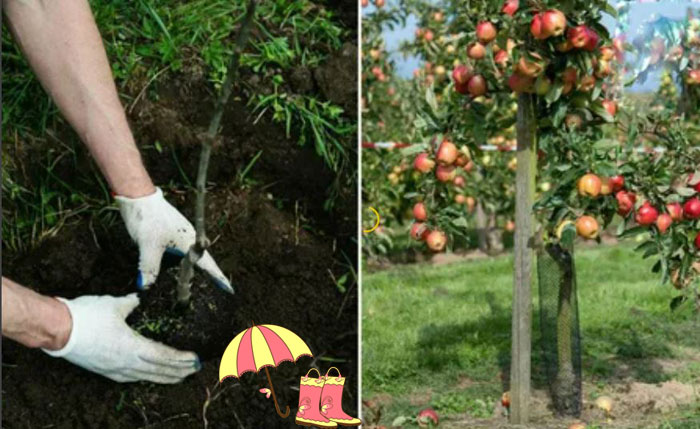
Planting pattern:
- Make a small mound of earth in the center of the hole.
- Drive a stake next to it for support.
- Place the seedling in the center of the mound. Spread the roots so they hang evenly on all sides and don't stick out.
- Fill the hole with nutritious soil until the roots are completely covered. Shake the trunk gently as you fill the hole to distribute the soil evenly and prevent air pockets. The root collar should be 3-5 cm above the ground. Filling it in will kill the apple tree. Avoid placing it higher than this, as this can cause the roots to freeze in winter or dry out in the sun in summer.
- Firm the soil with your hand or foot. Do this carefully to avoid damaging the root system.
- Create a tree trunk circle for watering. The walls should be 10 cm high.
- Water the seedling with 3-4 buckets of water.
Please note: Water slowly, allowing the previous application to be absorbed.
The nuances of planting seedlings with a closed root system
Plant according to the principle described above. Just don't make a mound in the center. The root ball is placed directly in the hole.
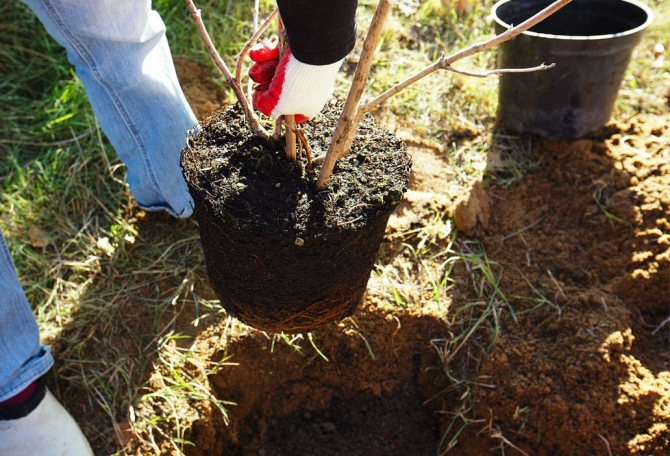
To remove the plant from its container, turn the container upside down. While supporting the seedling and the root ball, carefully remove the pot. It is recommended to water the tree beforehand.
Peculiarities of planting in frosty weather
If the deadline is missed and frost sets in, it's best to postpone planting until spring. If you've already purchased a seedling, it can be stored in a cool cellar. Place it in a container with peat or sawdust beforehand. Keep the room temperature above freezing. Water the seedling frequently, about once a week. Planting can begin as early as early spring.
During snowy winters, you can bury the planting material in a snowdrift in the garden. The layer of snow will prevent the temperature from dropping below the required level.
Planting method for high groundwater levels
Apple trees don't tolerate stagnant water. If the groundwater table is high, the roots will rot, and the tree will die.
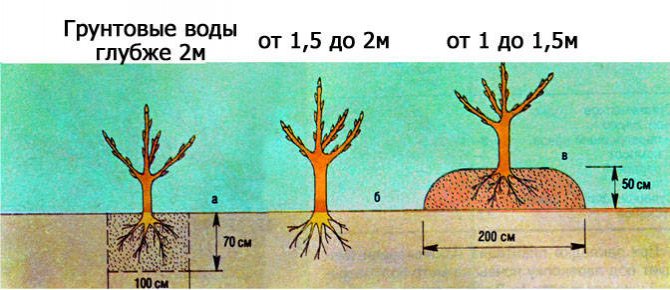
To avoid this, you can take two approaches:
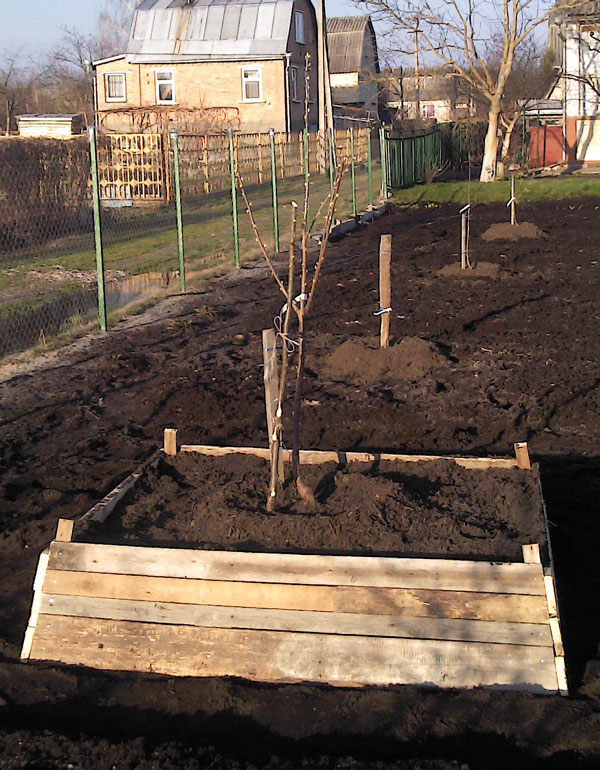
- grow a seedling in a box;
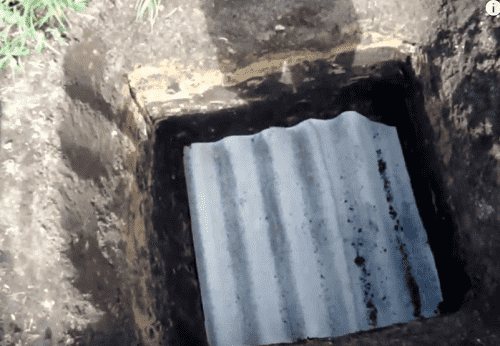
- carry out landing on a concrete base.
If you choose the first method, you need to construct a bottomless box from 20 cm wide boards, each side measuring 1-1.5 m. Place it in the chosen planting location, and dig a 40-50 cm hole inside. The rest of the process is similar to the classic method, but the root collar should be 5 cm higher than the sides of the box.
This will keep the root system closer to the surface, preventing groundwater from posing a threat. However, this method has its drawbacks. The tree's frost resistance is reduced, and the soil inside the box dries out quickly. Therefore, the seedling should be insulated for the winter and provided with frequent drip irrigation in the summer.
If you choose the second option, you need to create a concrete base. To do this, pour a 5-cm layer of concrete screed into the bottom of the hole. Once the concrete has completely dried, plant the tree as usual. As the roots grow, they will rest against the base, change direction, and be protected from groundwater. The downside of this method is that the seedling will require frequent watering and increased fertilizing.
For your information! Instead of concrete, you can also use old slate, bricks, or thick hardwood planks.

Caring for a seedling after autumn planting
The following care rules must be followed:
- Immediately tie the bush to the support. Use only soft rope to avoid damaging the delicate bark.
- Water the tree 2-3 more times before the first frost. After the cold weather sets in, this should no longer be done.
- Prune the sapling. Leave no more than 1 m of trunk. This will prevent the apple tree from wasting energy on the above-ground part, and the roots will develop better.
- Mulch the tree's trunk area to prevent the root system from drying out and freezing. Compost, peat, or humus can be used for this purpose. The layer should be 7 cm thick. Keep the mulch at least 5 cm from the trunk. If it touches the tree, the bark will rot.
- In cold regions, protect the young tree with agrofibre or burlap.
- Protect the trunk from rodents. To do this, you can wrap it in a plastic bottle. Cut off the bottom and neck. Cut the bottle crosswise, place it on the trunk, and secure it with a rubber band or duct tape.
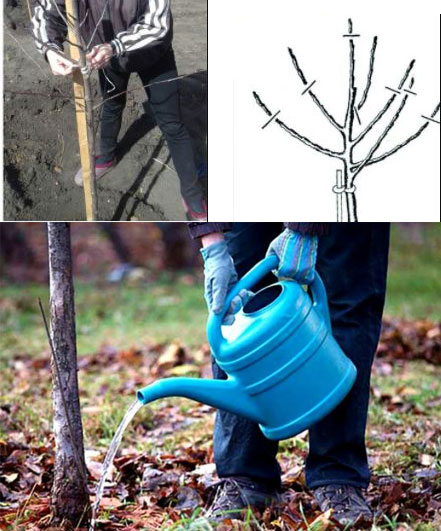
Apple trees require constant care. However, they require special attention in the first year after planting.
Top.tomathouse.com warns: common mistakes when planting apple trees in the fall
Common mistakes made by inexperienced gardeners:
- Purchase seedlings 1-2 weeks before planting. The tree will begin to emerge from dormancy after the first frost.
- Planting in a recently dug area will cause the root collar to be deep, which will negatively impact the seedling's development.
- Using fresh manure. The gas released will harm the tree.
- Applying too much fertilizer can destroy beneficial microflora.
- Using seedlings that are over two years old. Such trees are considered old and do not tolerate planting and adaptation well in a new location.
Planting an apple tree in the fall is quite challenging, requiring special attention to even the smallest details. However, it has advantages over spring planting. If you follow all the rules and recommendations, you'll grow a strong tree that will yield a bountiful harvest.