The diversity of apple varieties is astounding. Statistically, they are the most popular fruit. Their low calorie content and wide variety contribute to their high demand.
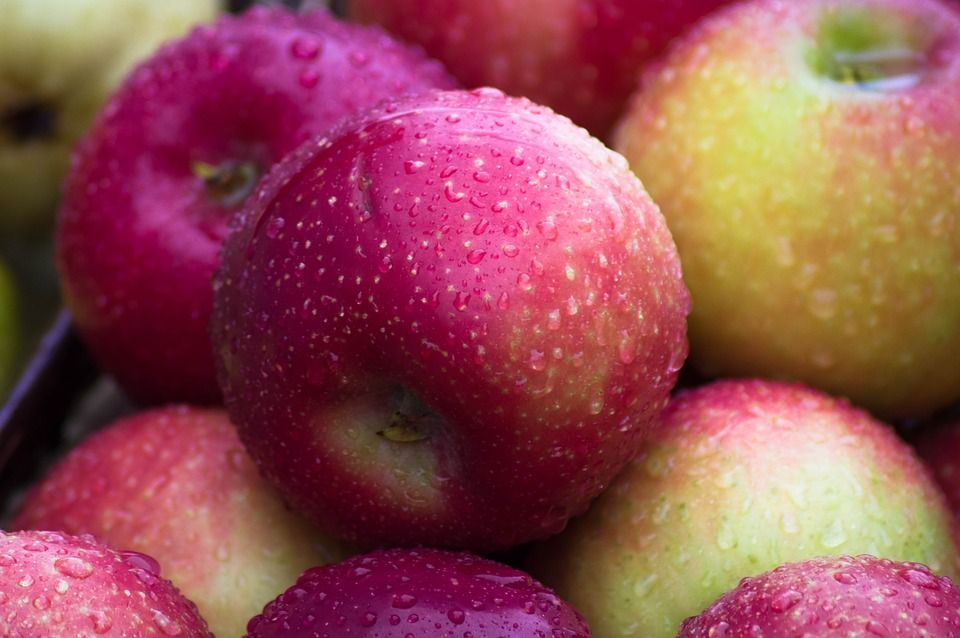
Fruits of different varieties differ in size, taste, aroma, sugar content, and ripening time. Based on the latter criterion, late and early varieties are distinguished.
Content
Apple varieties that bear fruit in summer
Summer apple trees bear fruit from early July to late August. It's recommended to eat and process the fruit immediately after harvesting. This is due to their consumer ripeness. If harvested late, the fruit will remain underripe or become overripe. This can lead to loss of flavor and loosening of the pulp. Store the fruit for no longer than one month. Otherwise, spoilage is inevitable.
The positive attributes of summer varieties include early fruiting, high yields, large fruits, and average winter hardiness. The disadvantages include susceptibility to leaf scab and difficulties in transporting the fruit.
Breeders strive to extend the shelf life of their plants. The result is varieties that retain their properties for 1.5 to 3 months. To achieve high yields, timely care is essential. These include watering, pruning, fertilizing, treating diseases, and eliminating pests.
Summer varieties include:
Ambassador
The shelf life is approximately 3 months. The yellow-red fruits have a rich flavor, pleasant aroma, and dense, crisp flesh.
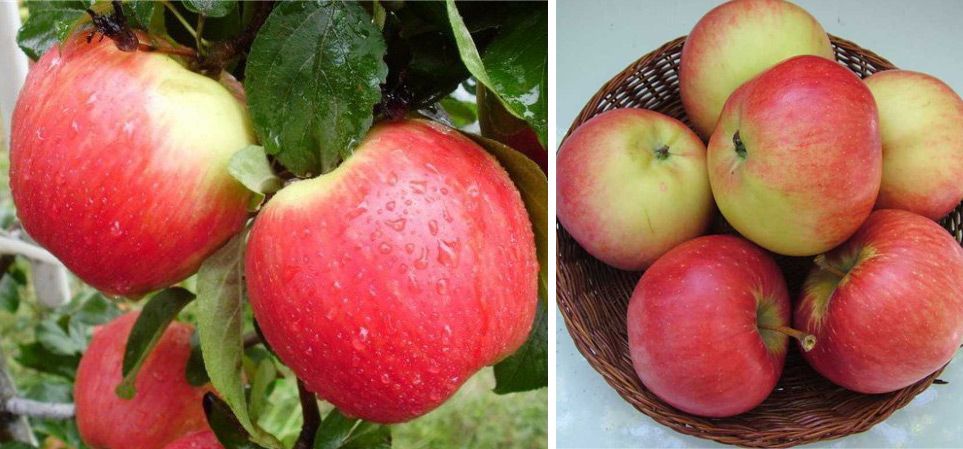
Each fruit weighs 200g. It has excellent shelf life and is generally easy to transport.
Delkorff
The weight of one apple is 200 g.
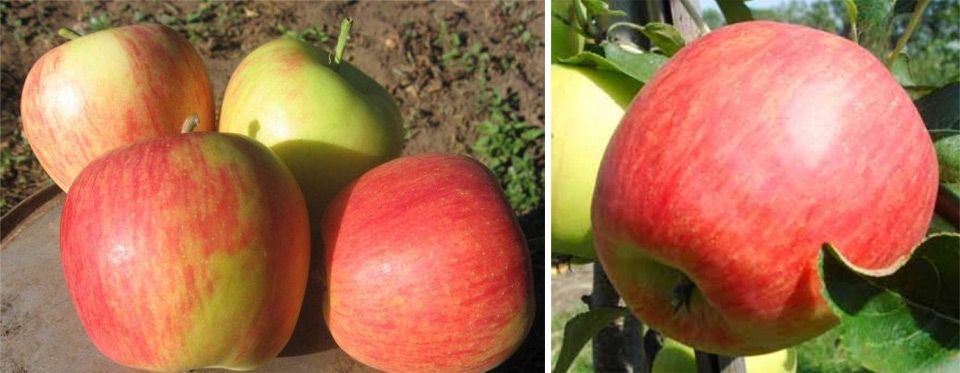
Characteristic features include the sweet and sour taste of the fruit and rapid shedding.
Kate
The fruits ripen by the middle of the last month of summer. The flesh is firm and creamy in color.
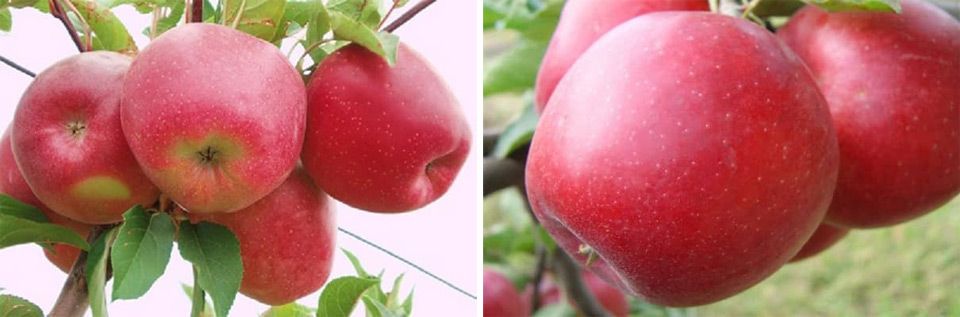
Ripe apples are red with whitish spots on their surface.
Close
The green fruits ripen by the end of June. Each apple weighs about 150 g.
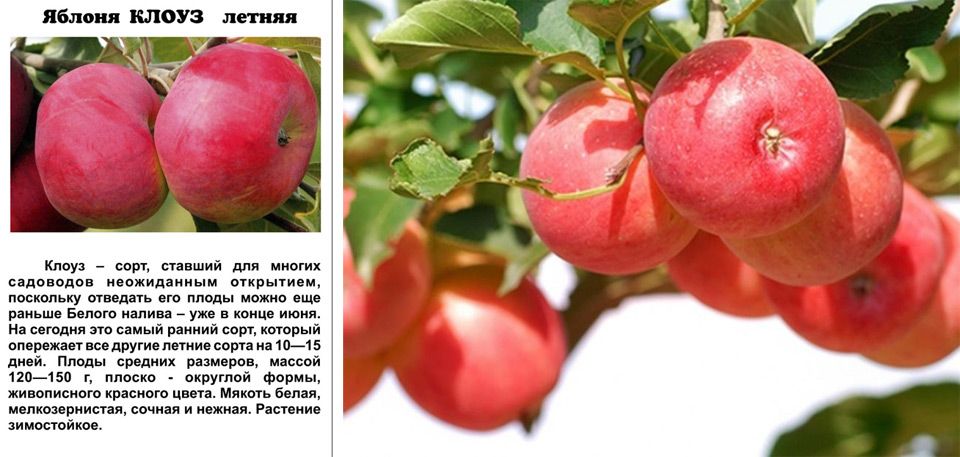
Their characteristic feature is a combination of wine flavor and sourness.
Candy
A variety developed by domestic breeders. Its distinctive features include large yellow fruits with juicy, tender flesh.
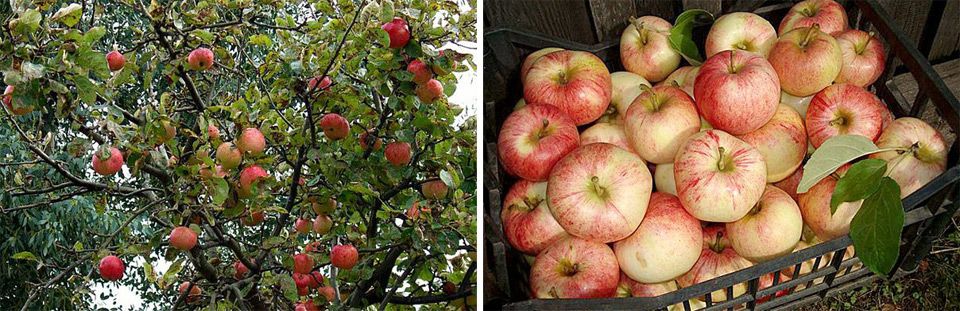
It is recommended to store apples for 10 to 15 days.
Williams Pride
The dark red fruits, with a purple tint, are distinguished by their flattened shape, wine-like flavor, and crispy flesh.
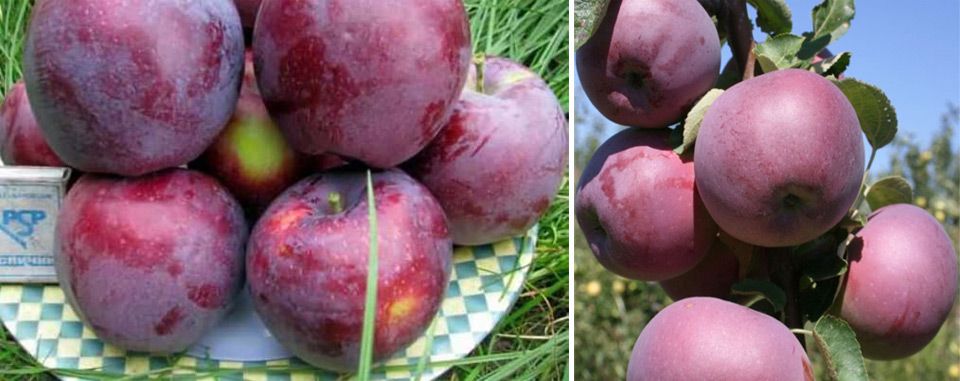
The weight of one fruit is about 160 g. The shelf life is 6-8 weeks.
Quinti
The fruits ripen by midsummer. The yellow-green apples, with a rosy rosy side, can be stored for up to two weeks.
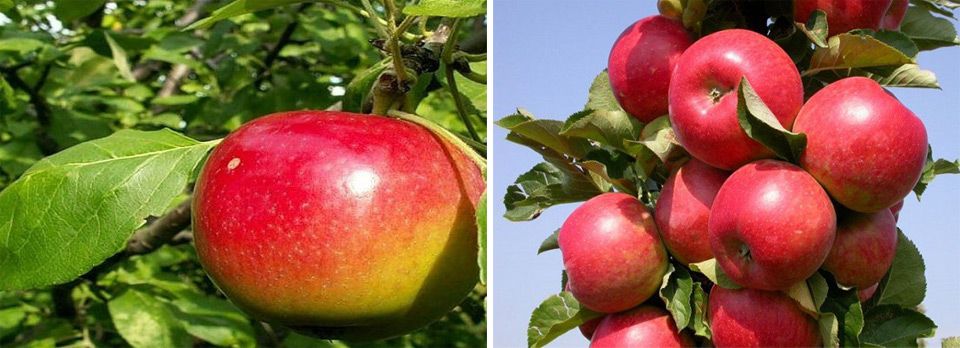
The advantages of the Canadian variety include resistance to drought and fungi.
Autumn varieties of apples
Their main characteristic is the discrepancy between consumer maturity and harvesting period. Experts recommend processing only two weeks after harvesting. The average shelf life of apples is three months. Disadvantages include high susceptibility to fungal diseases and fruiting that only occurs during certain periods.
Most varieties are not known for their early maturity. The first harvest is typically not obtained until five years after planting. The advantages of fall-ripening apples include vibrant color, consistent medium size, and long shelf life. When choosing a variety, consider how the fruit will be used.
Glory to the victors
The fruits grown from this variety are used to make juices and are also eaten fresh. Trees vary in height.
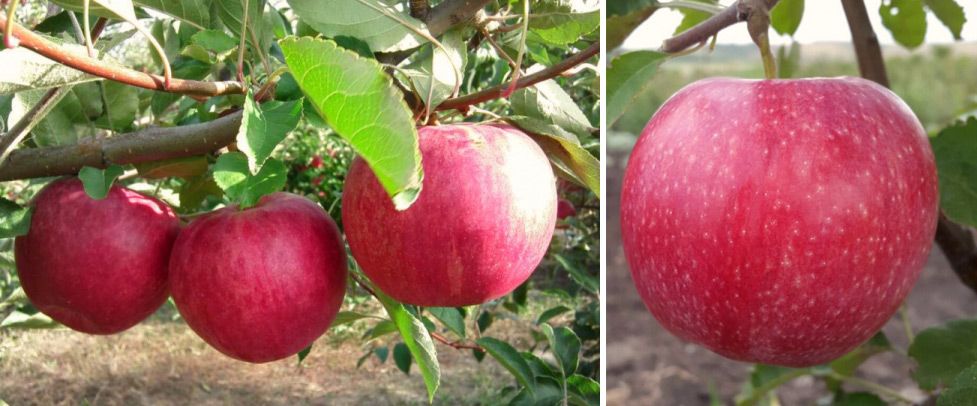
Round apples should not be stored longer than 2 months.
Uralets
Developed by Sverdlovsk breeders, the apples have a distinctive tart, astringent flavor. Each apple weighs no more than 60 grams. The fruits are decorated with scarlet stripes and a beautiful blush.
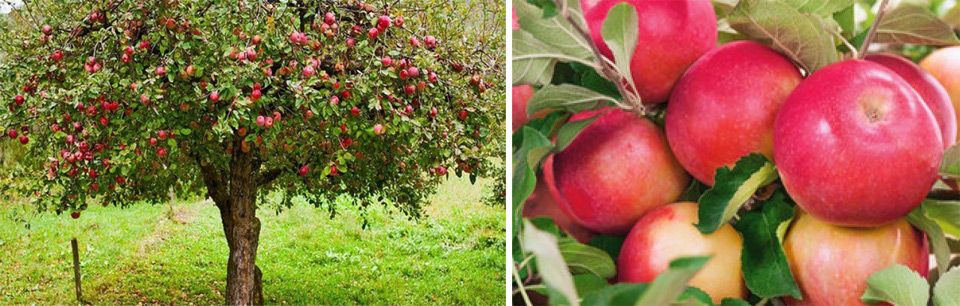
They are stored in a room with high humidity. Among their advantages are resistance to low temperatures and fungal diseases.
Christmas
The apples were developed through selective breeding of the Welsi variety. Tree heights cannot exceed 4 meters, and there is no risk of scab.
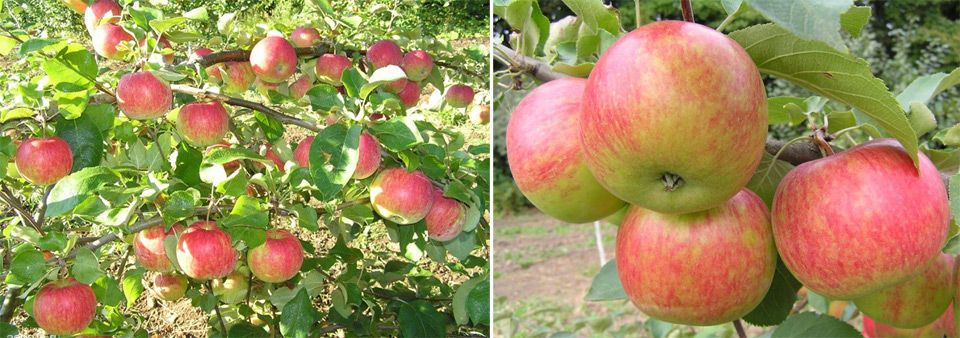
The fruits are distinguished by their large size, sweet and sour taste, and resistance to external factors.
Spartan
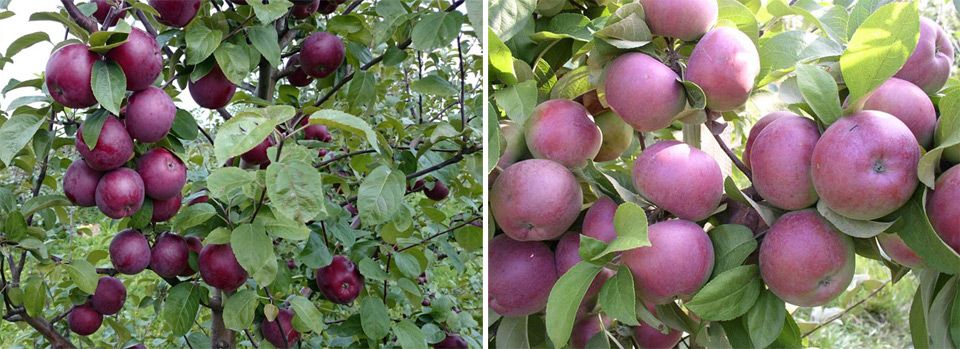
The apples have a flattened shape, rich color, and high sugar content.
Autumn striped
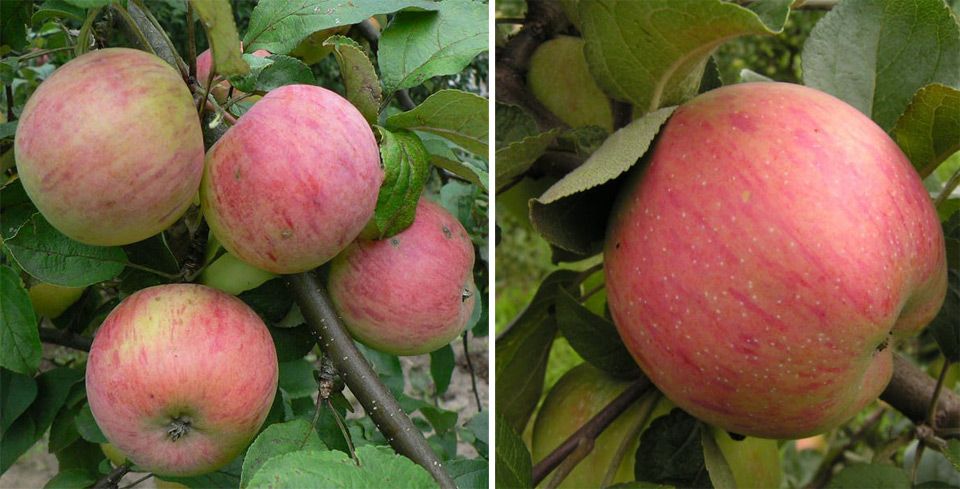
The weight of the pale pink fruits reaches 130 g.
Bellefleur the Chinese
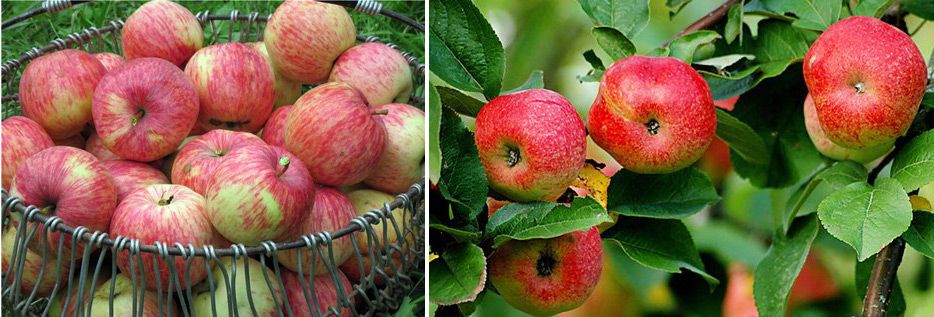
Very large apples with a sweet and sour taste.
Tartu Rose (Welsey)
The fruits have a light green hue and an interesting flavor. They are noted for their rapid fruiting.
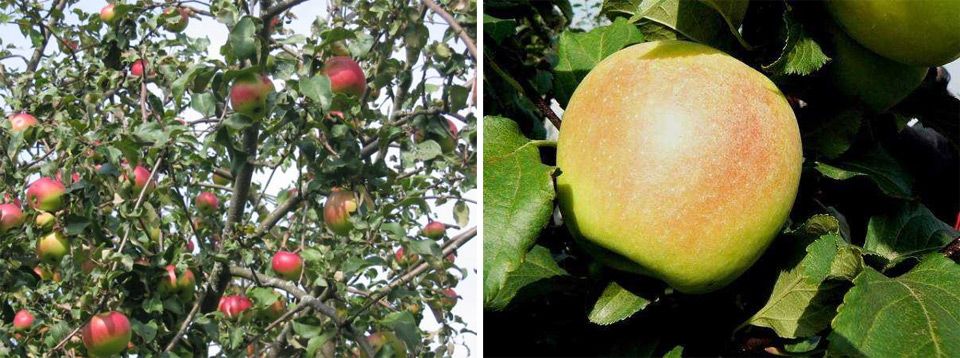
Michurinskaya seedless
A universal variety, distinguished by its early maturity.
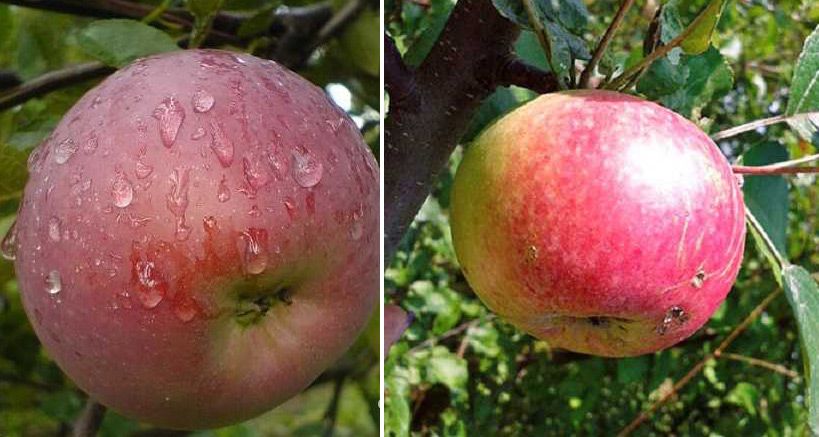
The fruits are decorated with wide scarlet stripes.
Lobo
An early winter variety that produces large, brownish-red apples.
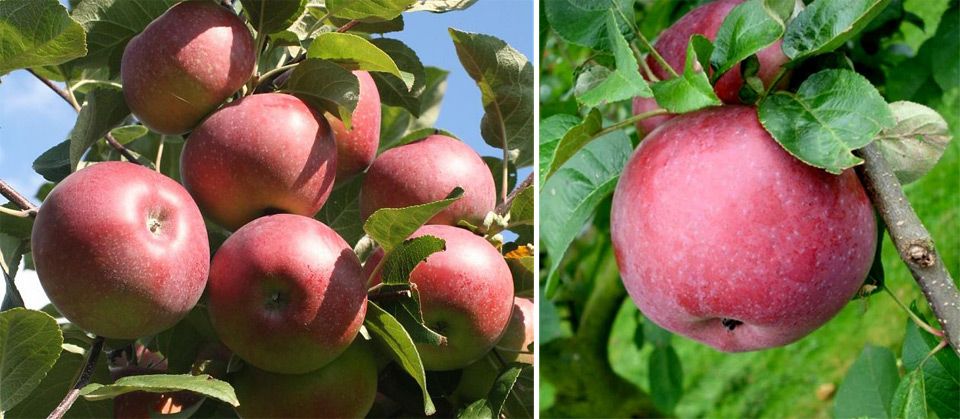
Mac
The tree's characteristic features include a spreading crown.
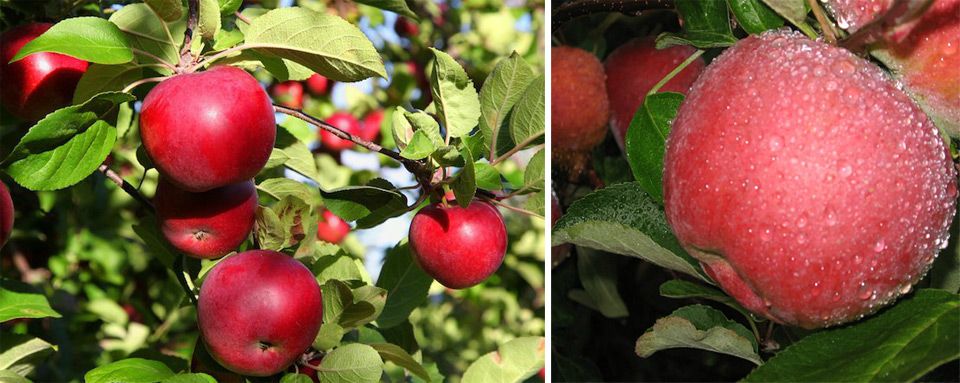
The apples have an interesting candy-like flavor.
Sava
A variety developed by Belarusian breeders.
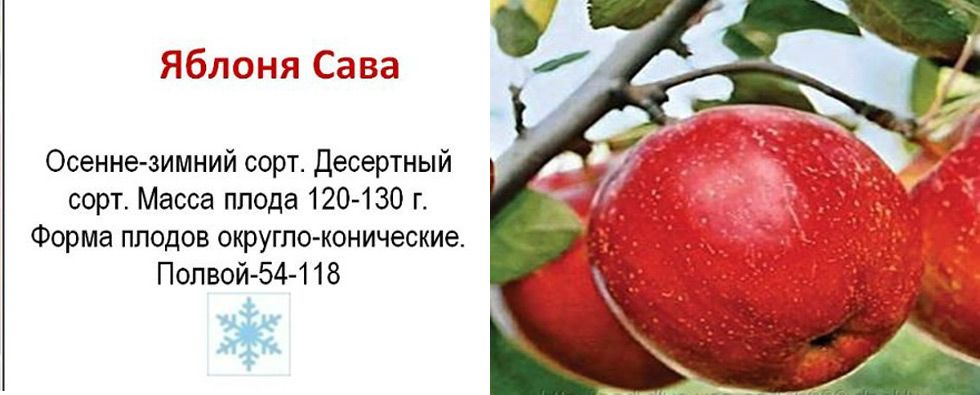
Distinguishing features include slightly elongated fruit shape, resistance to harsh climatic conditions and fungal diseases.
Winter apple varieties
Their main distinction from other varieties is their resistance to harsh climates. The harvest is completed before the onset of severe frosts. Characteristic features include a rich aroma, excellent flavor, and ease of transportation. Winter hardiness refers to the ability to withstand low temperatures for extended periods. Fruits grown from winter apple trees retain their nutritional properties for a long time. They are often stored until the early summer months. This results in a richer flavor and a more consistent aroma.
Varieties that possess this valuable quality are no less popular than high-yielding summer and autumn varieties. Experienced gardeners often plant apple trees of different winter varieties. Today, seedlings from both domestic and international producers are readily available.
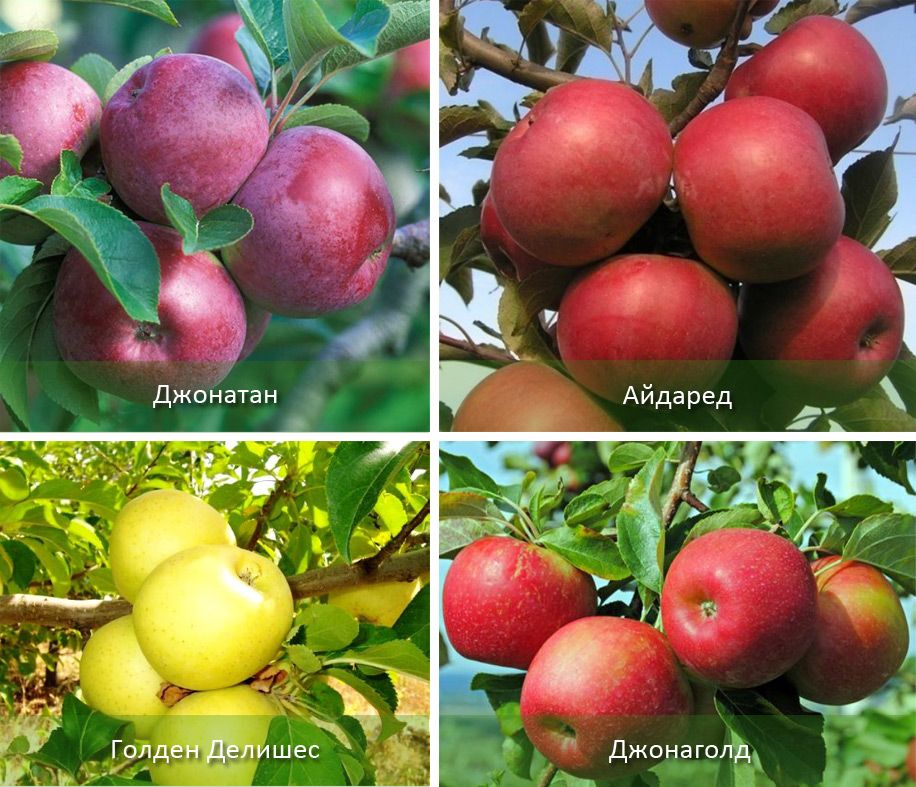
Imported varieties include Golden Delicious, Jonathan, Jonagold, and Idared. The latter is a cross between two main varieties: Wagner and Jonathan. Its fruits are characterized by a flattened, round shape, large size, and a glossy, light-green color.
The list of the most popular domestic varieties includes the following:
Antonovka ordinary
Frost-resistant, tall, but not resistant to scab. It begins bearing fruit only in the 7th or 8th year. Ripens in late September. Stores until January.
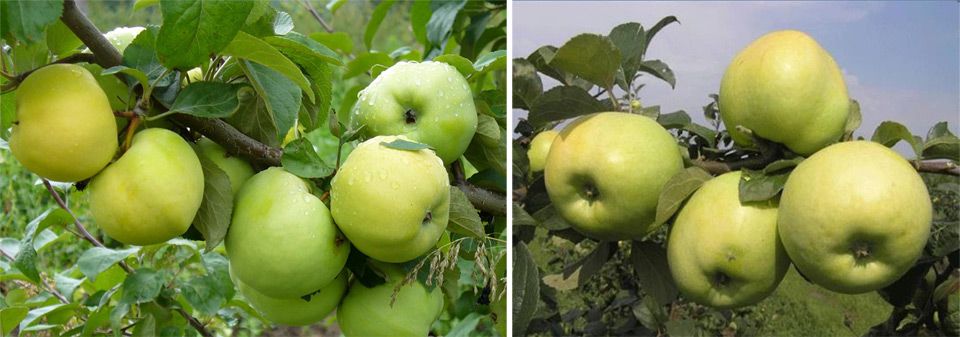
The fruit is round, flattened, green with yellowish tint, juicy, with a sweet and sour taste (about 200 g).
Ural Aurora
The tree grows to a medium size. This variety was developed for the Volga-Vyatka region. The oval fruits are approximately 85 g, yellowish with wide, rosy sides, juicy, and have a wine-sweet flavor. Not particularly winter-hardy, but they keep well (until January).
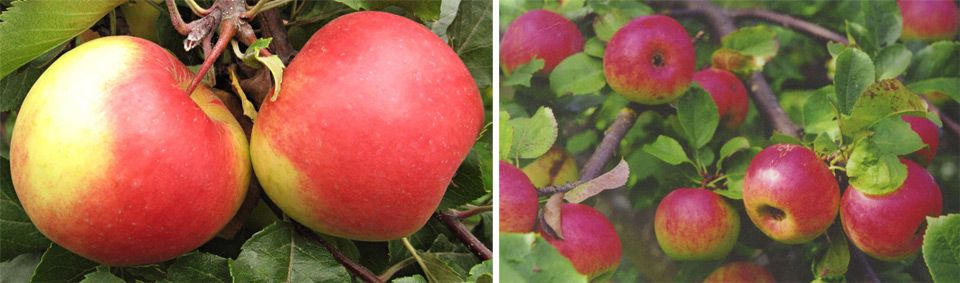
Moderately resistant to scab.
Aphrodite
Winter-hardy, resistant to scab.
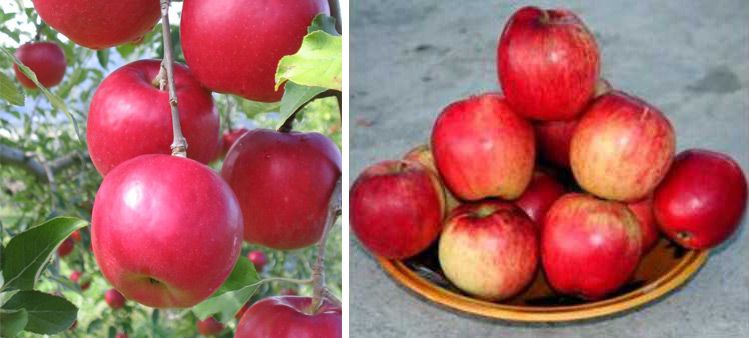
The fruit is medium-sized (125 g), greenish with a deep crimson blush, sweet and sour.
Bezhin Meadow
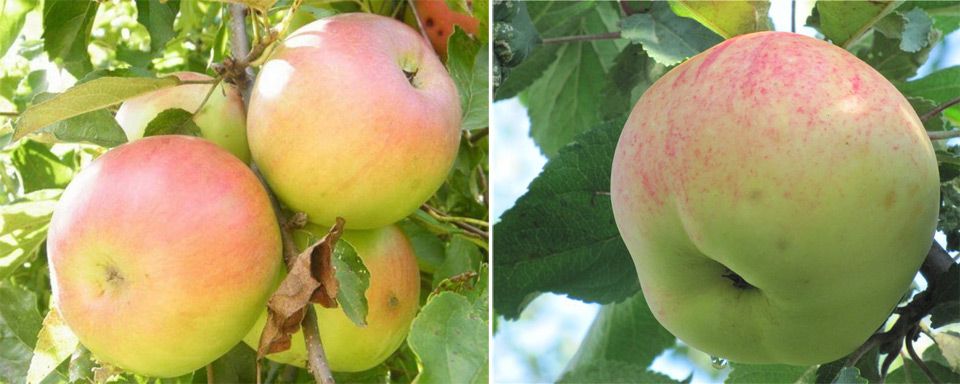
Early-bearing, productive, highly resistant to apple tree diseases.
Berkutovskoe
Drought-resistant, winter-hardy.
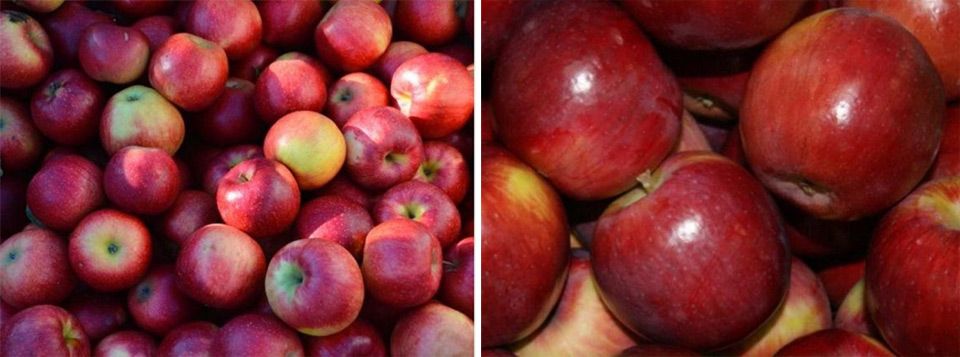
Not resistant to powdery mildew. The fruit (150 g) has red stripes and yellowish flesh, is juicy, and sweet and sour.
Bolotovskoye
It is distinguished by high frost resistance, resistance to scab, and shelf life (mid-February).
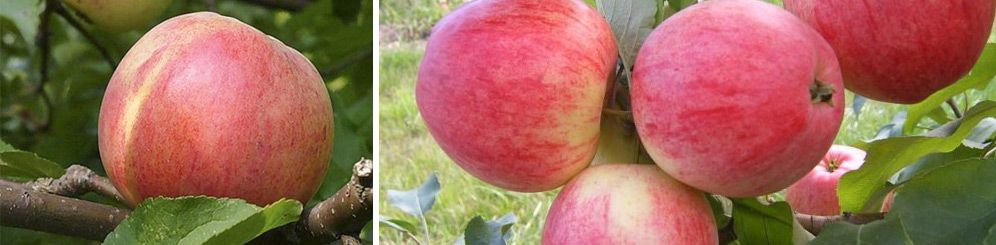
The disadvantage is that if you are late with cleaning, it will quickly crumble.
Bryansk
It begins to bear fruit in the 3rd-4th year and is winter-hardy.
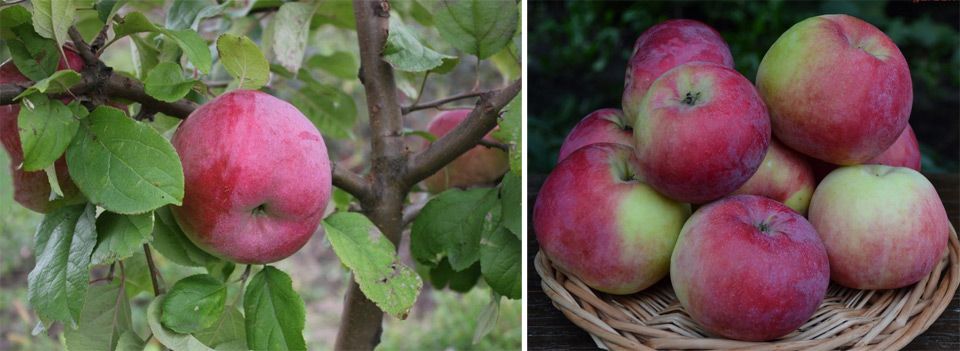
Not resistant to rot, but resistant to scab. High-yielding, does not shed, and has a good marketable appearance.
Veteran
Advantages: fruiting in 4-5 years, scab resistance, storage until March, amazing taste and appearance.
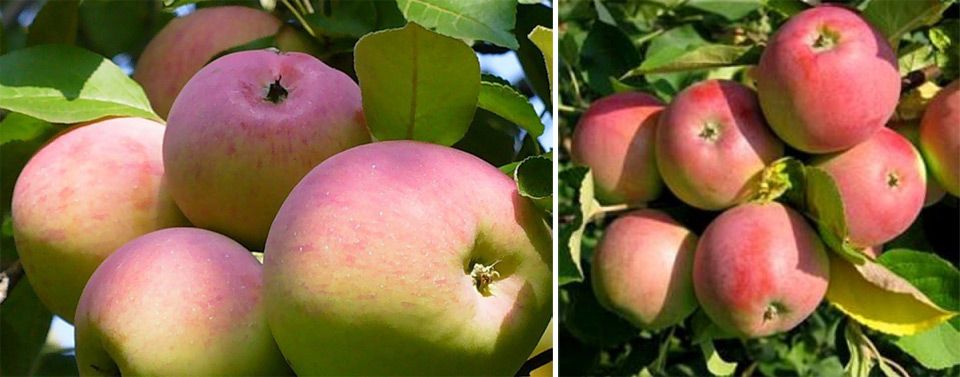
Disadvantages: average winter survival, rapid leaf loss.
Knight
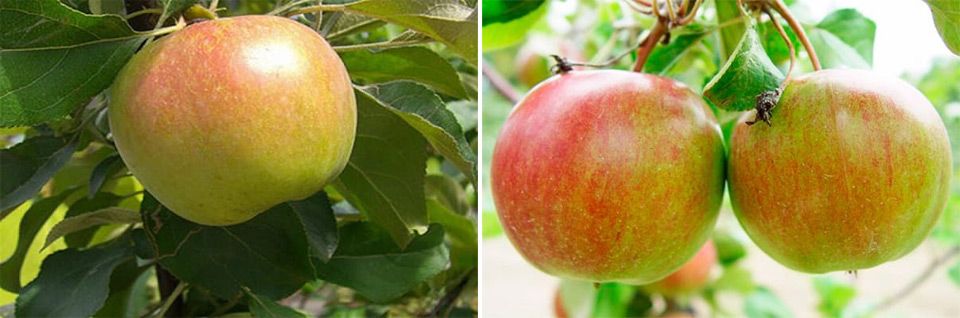
A large tree with a drooping crown. Frost-hardy, scab-resistant, and can be stored until May.
Cherry
A dessert-like, pinkish-white grape. Ripens in early autumn and keeps until January.
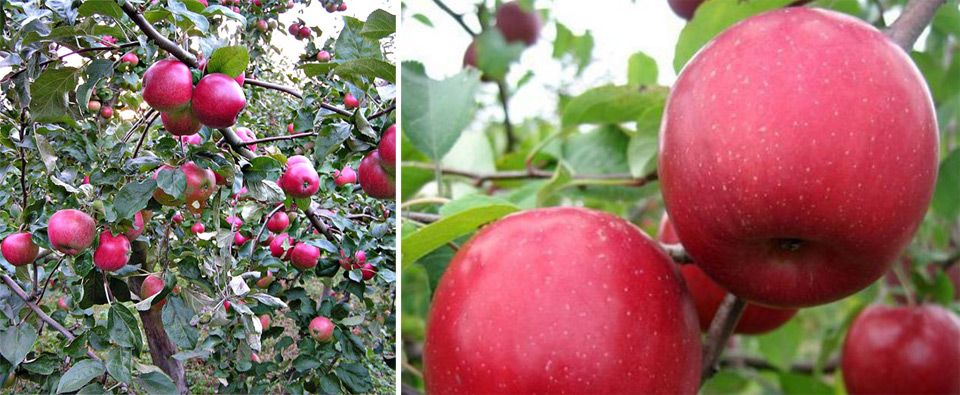
Moderately resistant to frost and diseases.
Star
Stores until early March. Requires pruning and is resistant to scab.
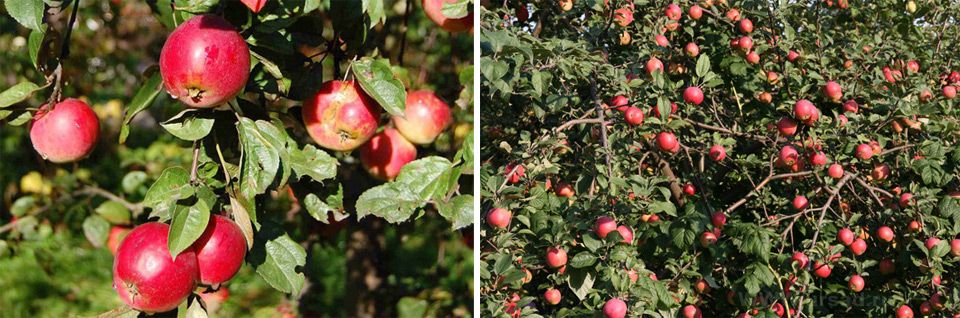
But it can suffer from very low temperatures.
Champion
The tree is compact. Fruiting begins early in the third year, with a good annual harvest by the fifth. Winter hardiness is moderate, and resistance to powdery mildew is high.
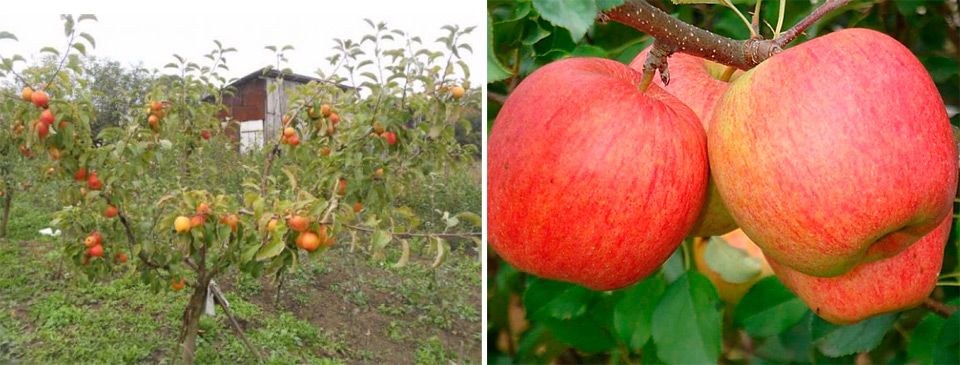
Susceptible to other diseases (fire blight, bitter pit). The fruits are large (up to 200 g). They can be stored in the refrigerator until spring.
Winter striped
Advantages: fruiting in 3-4 years, tasty, beautiful fruits, stored until mid-spring.
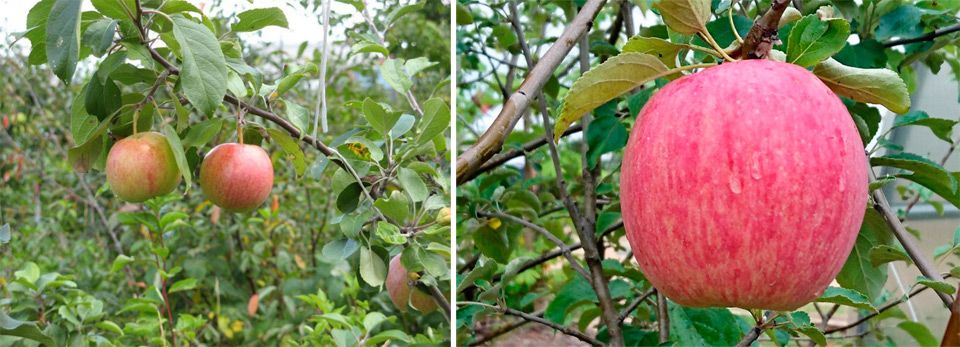
Disadvantages: not resistant to scab and severe frosts.
Kuibyshevskoe
A large tree with a conical crown. Winter-hardy, but susceptible to disease. The fruit (approximately 130 g) is yellow with pink sides and can be stored until late winter.
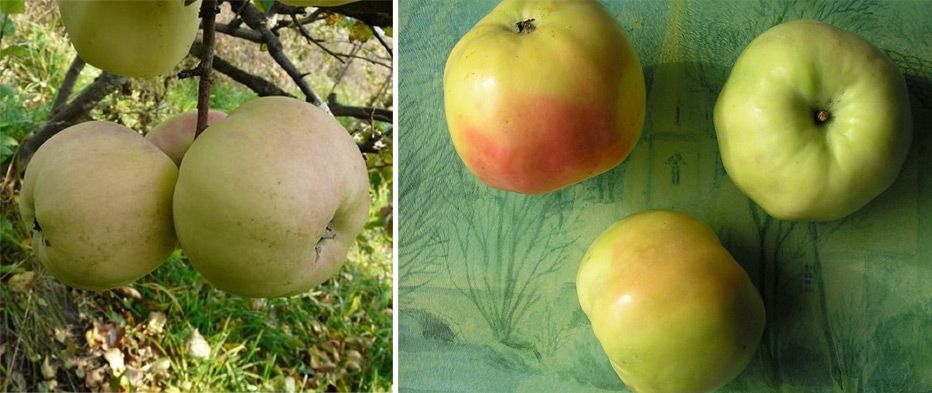
A high-yielding variety. When growing winter varieties, several important considerations must be taken into account. To ensure a good harvest, gardeners will need to regularly fertilize and prune the crown. These measures are part of a comprehensive energy-saving agricultural practice. This ensures that the fruit receives more nutrients.
Varieties for the central zone and the Moscow region
The most suitable conditions are in areas characterized by deep groundwater and fertile soil. When selecting, consider the following varieties:
Zhigulevskoye is an early-ripening variety, producing a harvest within four years of planting. If all care is taken, the trees bear fruit annually. A strong root system ensures adequate nutrition. The reddish-orange apples have a delicious flavor.
Wonderful
The main characteristics include low growth and branches growing in a horizontal direction.
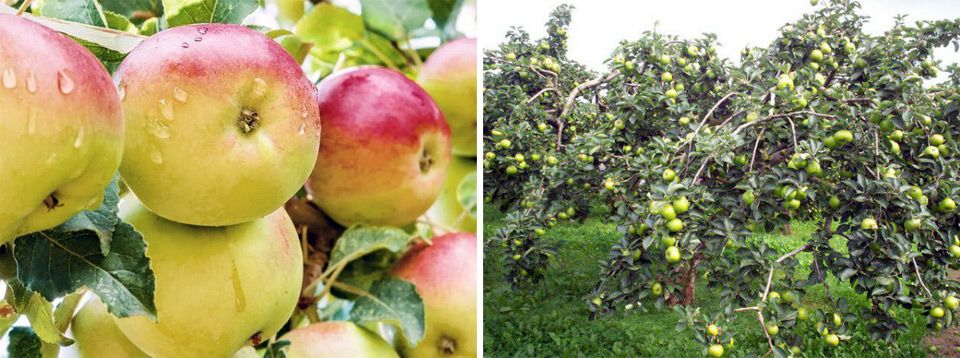
The yellow apples have a sweet, tart flavor and are highly frost-resistant.
Delight
A semi-dwarf variety that ripens in September. Branches are brown, bark is gray. High yield, medium-sized apples have a reddish hue and a conical shape.
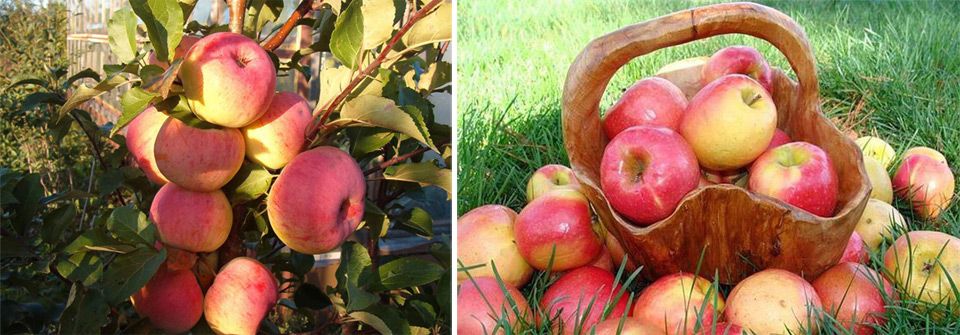
The taste is sweet and sour. Distinguishing features include resistance to diseases and low temperatures.
Strifel
The raspberry fruits are decorated with brighter stripes. The shelf life is quite high. A mature tree is characterized by impressive dimensions.
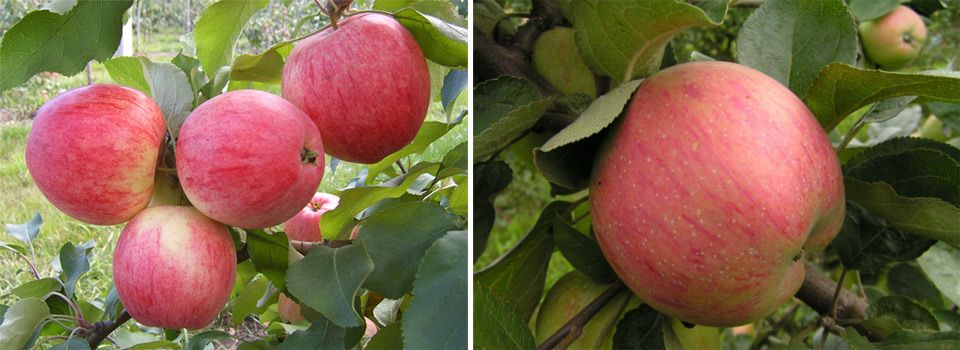
The crown diameter is 8 m. Its disadvantages include its vulnerability to diseases.
Varieties for the Volga region
This category includes varieties that are highly adaptable to specific soil types and climate conditions. These include:
Red early ripening
Winter-hardy apple trees, characterized by medium height and round shape.
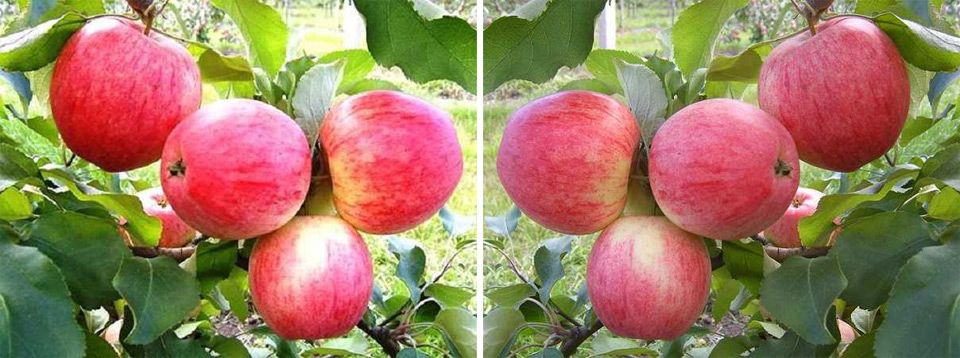
The weight of one flattened fruit does not exceed 70 g.
Mantet
Received through Canadian selection. Average frost resistance.
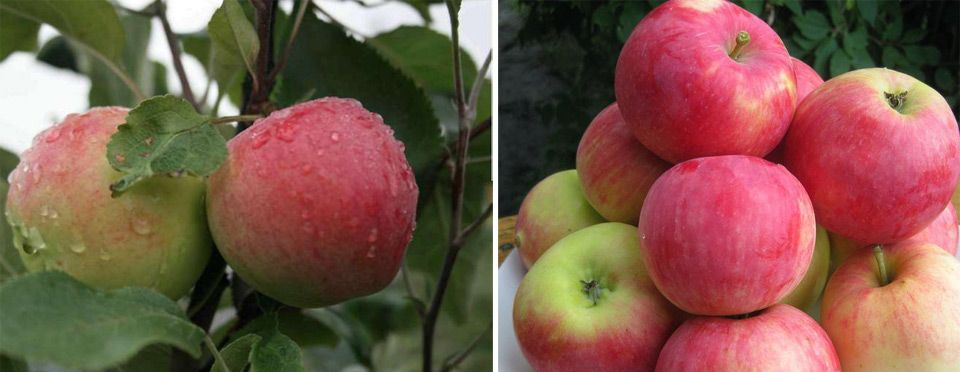
The apples have juicy pulp and a wide range of weight (160-220 g).
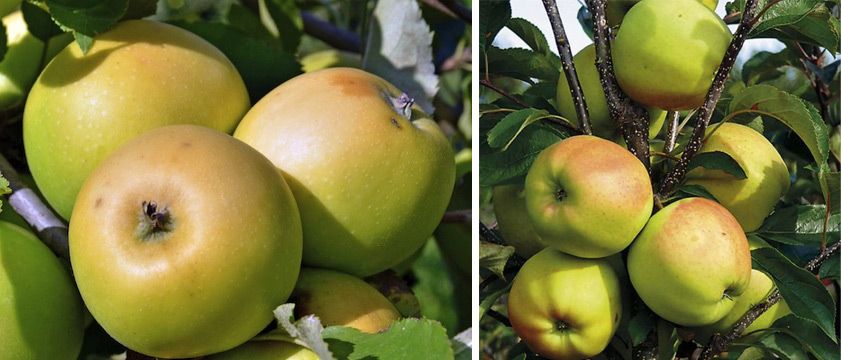
Pearl
Large round apples with white-greenish flesh, strong aroma, good taste.
Folder
It is highly resistant to harsh conditions. Fruiting begins in the fifth year.
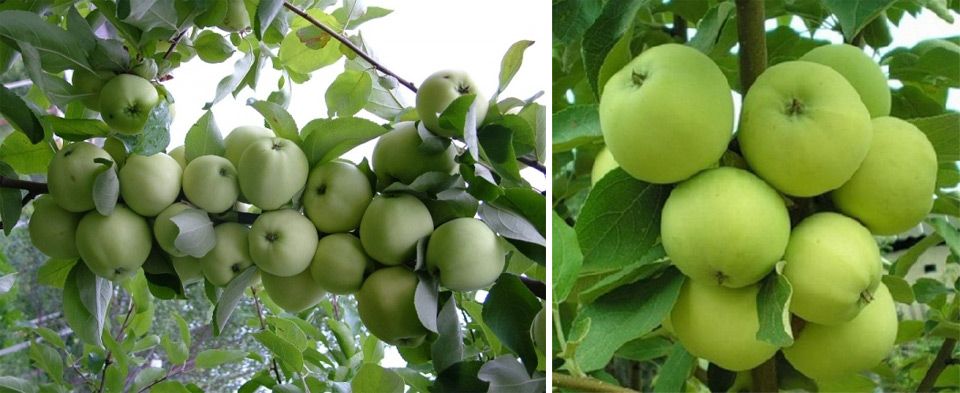
The pulp is tender and loose, the shelf life is rather short.
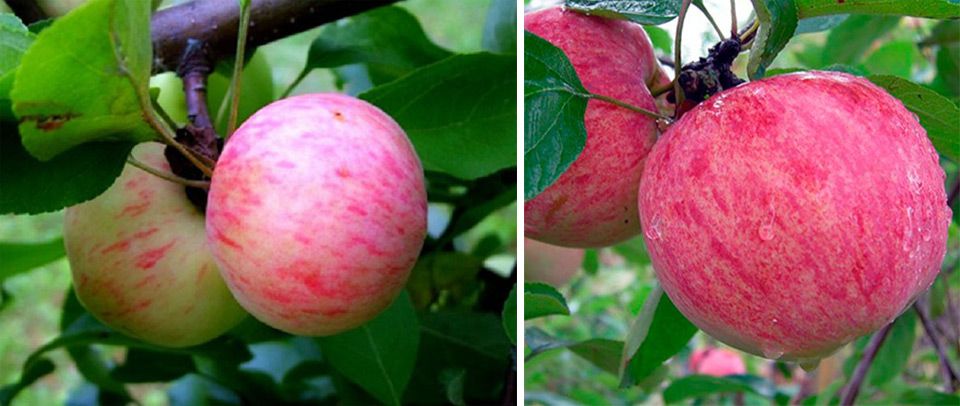
Grushovka
A summer variety distinguished by its winter hardiness and high productivity.
The best apple varieties for Siberia and the Urals
Each variety is characterized by its winter hardiness, yield, ripening period, and disease resistance. The list is quite extensive and includes the following cultivars:
White filling
Sweet apples ripen in late summer.
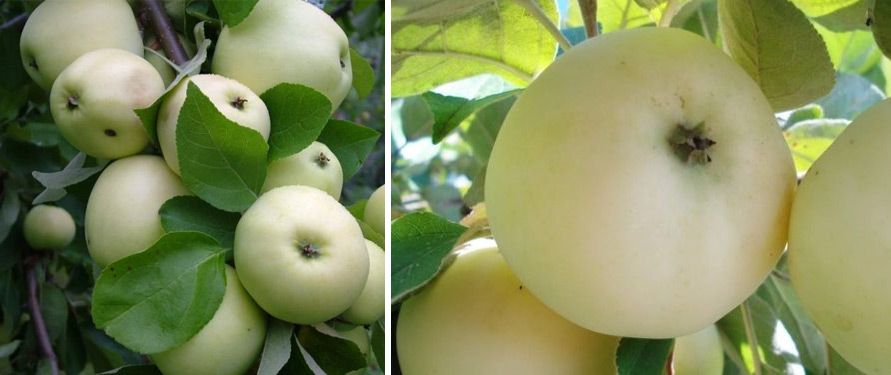
The only drawback is the short shelf life.
Melba
The harvest begins four years after planting. Each fruit weighs approximately 150 g.
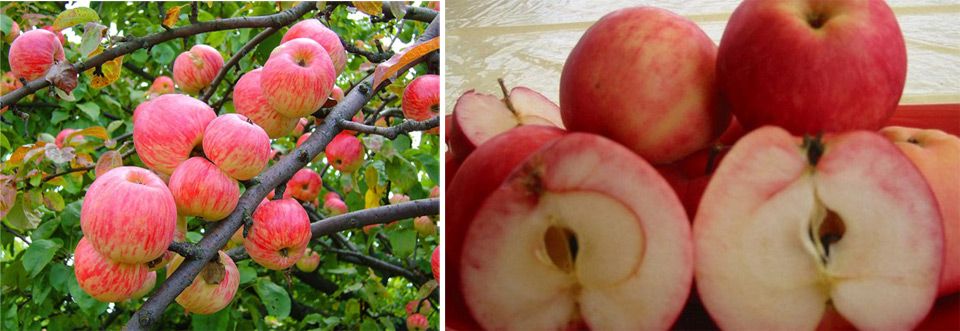
The fruits need to be kept for three months.
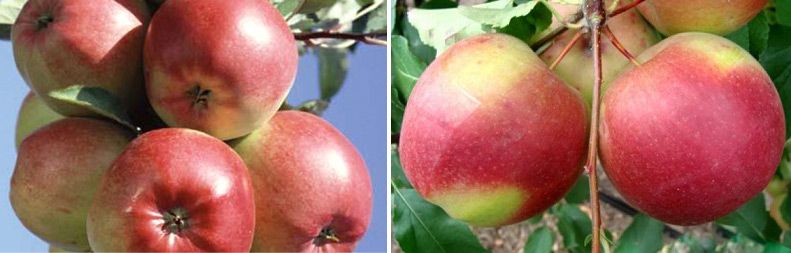
Ligol
A hybrid variety (a cross between Linda and Golden Delicious) that produces apples. It is winter-hardy and disease-resistant. It bears fruit in the third year. The apples are greenish-yellow with red sides. They weigh approximately 300 g.
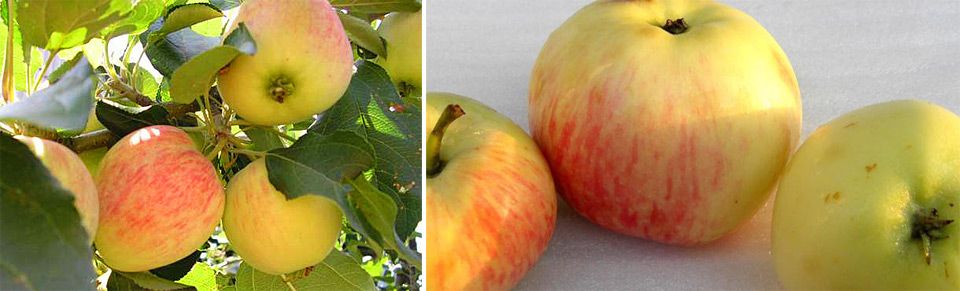
Tatar Renet
It begins bearing fruit in the third or fourth year and stores until April. It is frost-hardy, high-yielding, and moderately resistant to scab. The fruits are green-yellow with a raspberry blush. The flesh is white and juicy.
The list is supplemented by such species as Gornist, Antonovka, Anis, Krasa Sverdlovsk, Florina.
Top.tomathouse.com selection
Apples are a source of micro- and macroelements, vitamins, and minerals. Thanks to the variety of apple varieties, every gardener can find the right one. However, they should consider the determining factors listed above. When selecting seedlings, consider the condition of their root system.
Early-bearing
This group includes varieties that produce their first harvest within five years. Beforest is a prime example. This variety is characterized by moderate frost resistance and a long shelf life of six months. The first fruits are harvested in the fourth year. Papirovka begins bearing fruit during the same period. This variety is distinguished by its early maturity, distinctive flavor, and short shelf life. Stark Erliest is characterized by tender flesh, a bright pink hue, and a sweet and sour flavor.
Columnar
When choosing such varieties, there is no need to carry out measures to shape the appearance of the plant.
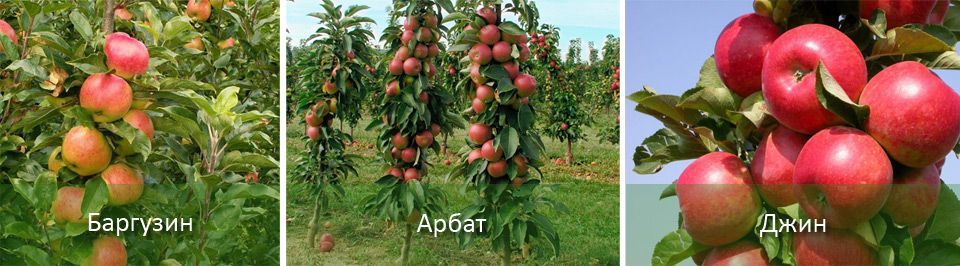
The list of common varieties includes the following:
- Arbat – the harvest is in the second year. Characteristic features include long shelf life, disease resistance, and frost tolerance;
- Gin - the tree height is 2 m. Apples have a sweet and sour taste;
- Barguzin – fruiting begins in the third year. Characteristic features include increased winter hardiness and productivity.
Columnar trees can not only increase the number of apples harvested, but also decorate the garden plot.
The sweetest
These flavor characteristics are due to the high concentration of fructose and sucrose. It's important to note that this concentration does not affect color. Varieties characterized by sweetness include:
- Jonathan is a medium-sized, high-yielding apple tree. Its yellow-green fruits have a wine-like flavor;
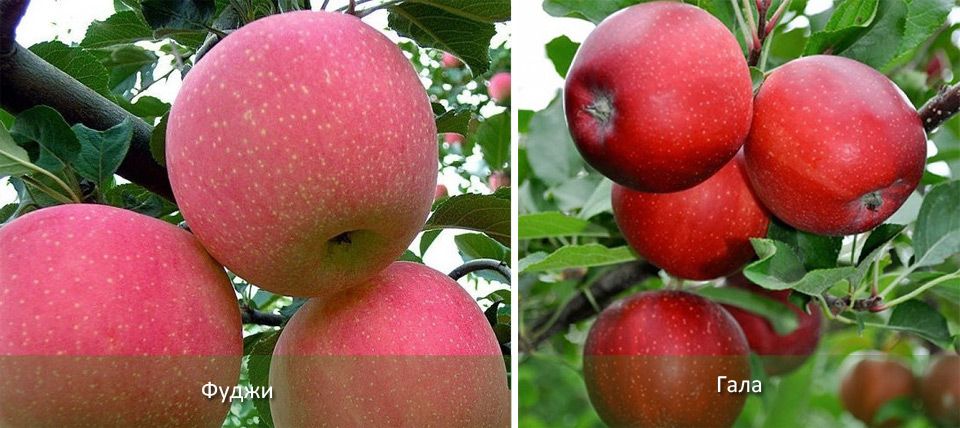
- Fuji is a variety that produces fruit in winter and autumn. Its fruits are characterized by large size and a long shelf life;
- Gala is a variety characterized by early winter or late autumn ripening. Harvesting begins 6-7 years after planting. The fruits are large, weighing approximately 250 g each. Other characteristics include a pleasant astringent flavor and crisp, tender flesh.
Harvested apples should be kept in a cool, dark place. Clean sand is used to ensure freshness.
Regularly eating fruit can cleanse the body of waste and toxins. Including these fruits in your diet relieves stomach upset, stabilizes the nervous system, and strengthens the immune system. Fruit is a must-have in any child's diet. In winter, they are the most readily available fruit. Domestic producers offer a wide variety of varieties, so choosing apples is usually easy.
Principles of selection
To plant a garden, you need to purchase seedlings. The selection of suitable varieties is based on personal preference, soil type, climate conditions, and the most favorable ripening time. Experts recommend planting apple trees of different varieties in the same plot. The trees' pollination requirements should also be taken into account.
To identify a variety, an examination is conducted. Particular attention is paid to the following points:
- Structure of vegetative parts of the plant.
- Organoleptic type indicators.
- Color and consistency of the pulp.
- Peel structure.
- Determination of fruit shape.
- Fruit size (average).
Large-fruited apples are more popular than small-fruited ones. Ranetki apples are an exception to this rule. Their flesh is firm.