The arrival of the New Year brings new worries and joys to the home. Like people, plants also require attention. Even though winter is in full swing, it's time to start preparing for the new gardening season. Think about what to grow this year and even start growing it. To avoid disappointment with your efforts, try to follow the advice of the lunar calendar and folk beliefs.

Content
- 1 Favorable and unfavorable sowing and planting days in January 2024
- 2 Favorable and unfavorable days for sowing and forcing flowering plants in January 2024
- 3 Favorable and unfavorable days for various crop care tasks in January 2024
- 4 Moon phases and days by zodiac sign in January 2024
- 5 Lunar calendar of gardening, vegetable growing, and floristic activities for January 2024 by day
- 5.1 1.01-3.01 (until 03:46)
- 5.2 3.01 (from 03:46) - 5.01 (until 15:34)
- 5.3 5.01 (from 15:34) - 7.01
- 5.4 8.01-10.01 (until 04:32)
- 5.5 10.01 (from 04:32 a.m.) - 12.01 (until 06:01 a.m.)
- 5.6 12.01 (from 06:01 a.m.) - 14.01 (until 06:28 a.m.)
- 5.7 14.01 (from 06:28 a.m.) - 16.01 (until 07:49 a.m.)
- 5.8 16.01 (from 07:49 a.m.) - 18.01 (until 11:11 a.m.)
- 5.9 18.01 (from 11:11 a.m.) - 20.01 (until 16:58 p.m.)
- 5.10 20.01 (from 16:58) - 22.01
- 5.11 23.01-25.01 (until 10:37 a.m.)
- 5.12 25.01 (from 10:37 a.m.) - 27.01 (until 22:12 p.m.)
- 5.13 27.01 (until 22:12) - 30.01 (until 11:04)
- 5.14 30.01 (from 11:04 a.m.) - 31.01
- 6 Gardener's work in January
- 7 Gardener's work in January
- 8 Folk omens of January
Favorable and unfavorable sowing and planting days in January 2024
Experienced gardeners and vegetable growers know that plants planted when the moon is in favorable phases and signs for sowing thrive. Below are recommendations for sowing and planting for January 2024.
|
Vegetable crop for forcing or seedlings |
Favorable | Unfavorable
And prohibited |
| Tomato | 3-7, 14-16, 18—20, 23-24, 30-31 | 10, 11, 12, 13, 25, 26, 27 |
| Eggplant | ||
| Bell pepper | ||
| Cucumbers | 5-10, 14-16 | |
| Legumes (sowing for planting at home or in a greenhouse) | 5-10, 18—24 | |
| Radish, turnip, horseradish | 3-7, 8-10 (radish only), 14-16, 16—18 (radish), 18—20, 30-31 | |
| Celery root | 1-7, 14-20, 27-31 | |
| Cabbage | 1-7, 14-16, 18—20, 27-31 | |
| Greens, green onions | 1-10, 14-24, 27-31 | |
| Potatoes (from seeds) | 1-10, 18—20, 27-31 | |
| Strawberries | 5-7, 14-24 |
Favorable and unfavorable days for sowing and forcing flowering plants in January 2024
The table below shows favorable dates for working with flowering and ornamental plants, days on which planting is undesirable, and also favorable only for certain groups or at certain times (see below).
| View | Favorable days | Unfavorable and prohibited |
| Annuals | 1—3, 3-7, 8—10, 14-16,18-20, 20—23, 27—30, 30-31 | 10, 11, 12, 13, 23—25, 26, 27 |
| Perennials, biennials | 1—3, 3-7, 8—10, 14-16, 16—18, 18—20, 27—30, 30-31 | |
| Corms for forcing | 1-7, 18-20, 27-31 | |
| Ampelous and curly | 1-5, 8-10, 20-22, 27-30 | |
| Indoor | 1-7, 16—18, 18—20, 27-31 |
For more information on planting and caring for flowers in January, read the articleLunar calendar for January 2024.
Favorable and unfavorable days for various crop care tasks in January 2024
The table below shows favorable dates for various jobs, days on which certain activities prohibited, A Also favorable or unfavorable only during certain hours (see below).
| Works | Favorable days | Unfavorable and prohibited days |
| Transplantation, division of rhizomes | 1-5, 14-16, 23-24, 27-31 | 5-9, 10, 11, 12, 13, 16-22, 24, 25, 26, 27 |
| Pruning, cuttings | 1-5, 18-25, 27-31 | 5—10, 11, 12—18, 25, 26, 27 |
| Watering, loosening, fertilizing | 1-7, 14-16, 18—20 (without loosening), 27-31 | 8-10, 11, 12, 13, 16—18, 23-25, 26, 27 |
| Disease and pest control | 1-3, 5—14, 25—30 | 3—5, 14-16, 23-25, 30-31 |
| Blanks | 3-7, 14-20, 27 | 1-3, 10, 11, 12, 23-26, 27-30 |
Moon phases and days by zodiac sign in January 2024
Conventional designations:
- «+" - good fertility;
- «+/-" - average fertility;
- «—" - low fertility;
- ◐ — Waxing moon;
- ◑ — Waning Moon;
- ● — New Moon;
- ○ — Full moon.
Moon phases in January 2024:
- ◑— 1-10, 26-31.
- ● — 11 (14 hours 57 minutes).
- ◐ — 12-24.
- ○— 25 (20h 54m).
Days according to the Zodiac signs:
- ♍ Virgo — 1-3 (until 03:46), 27 (from 22:12)-30 (until 11:04).
- ♎ Libra — 3 (from 03:46)-5 (until 15:34), 30 (from 11:04)-31.
- ♏ Scorpio - 5 (up to 15h 34m)-7.
- ♐ Sagittarius - 8-10 (until 04:32).
- ♑ Capricorn — 10 (from 04:32)-12 (until 06:01).
- ♒ Aquarius — 12 (from 06:01) - 14 (until 06:28).
- ♓ Pisces — 14 (from 06:28)-16 (until 07:49).
- ♈ Aries - 16 (from 07:49 a.m.)-18 (until 11:11 a.m.).
- ♉ Taurus - 18 (from 11:11 a.m.)-20 (until 16:58 p.m.).
- ♊ Gemini — 20 (from 16:58)-22.
- ♋ Cancer - 23-25 (until 10:37 am).
- ♌ Leo — 25 (from 10:37 a.m.) - 27 (until 10:12 p.m.).
Prohibited for planting days one day before and after the New Moon and Full Moon in January 2024: 10 (from 14:57), 11, 12 (up to 14:57), 25, 26.
Lunar calendar of gardening, vegetable growing, and floristic activities for January 2024 by day
1.01-3.01 (until 03:46)
♍ Virgo +-, ◑, Root days.
Take a break from worries and celebrate the New Year.
If you want to work, you can:
| For gardeners | For florists | For gardeners, general work |
In the room and in the greenhouse:
|
|
|
3.01 (from 03:46) - 5.01 (until 15:34)
♎ Libra, +-, ◑, Flower days.
It is not advisable to use insecticides.
| For gardeners | For florists | For gardeners, general work |
In greenhouse and indoor conditions:
|
|
|
5.01 (from 15:34) - 7.01
♏ Scorpio, +, ◑, Leaf Days.
It is not advisable to prune or propagate plants by dividing roots and bulbs.
| For gardeners | For florists | For gardeners, general work |
In greenhouse and indoor conditions:
|
|
In winter greenhouses and at home:
Outdoor work:
|
8.01-10.01 (until 04:32)
♐ Sagittarius, +-, ◑, days of Fruition
You cannot water, trim, or preserve it.
| For gardeners | For florists | For gardeners, general work |
In greenhouses and in the house:
|
In greenhouse and indoor conditions:
|
|
10.01 (from 04:32 a.m.) - 12.01 (until 06:01 a.m.)
♑ Capricorn, +-, ●, Root days
11.01 at 14:57 – Exact New Moon.
During these days, touching plants is prohibited. The following activities are permitted.
| For gardeners | For florists | For gardeners, general work |
In greenhouse and indoor conditions:
|
|
|
Only 10:01 to 14:57. sowing of annual flowers for seedlings is possible: salvia (sage), lobelia, Thunbergia, kobei, coleus, statice, balsam Waller, cineraria.
12.01 (from 06:01 a.m.) - 14.01 (until 06:28 a.m.)
♒ Aquarius, —, ◐, Flower days
It is not advisable to water or feed.
| For gardeners | For florists | For gardeners, general work |
In greenhouses and at home:
|
|
|
14.01 (from 06:28 a.m.) - 16.01 (until 07:49 a.m.)
♓ Pisces, +, ◐, Leaf days
It is not advisable to prune or treat the plant against insects and infectious agents.
| For gardeners | For florists | For gardeners, general work |
In greenhouse and indoor conditions:
On the street:
|
In greenhouse and indoor conditions:
|
|
16.01 (from 07:49 a.m.) - 18.01 (until 11:11 a.m.)
♈ Aries, +-, ◐, days of Fruition
Planting and replanting plants, except for certain crops (see below), are not recommended. Also avoid shaping, pruning, fertilizing, and watering.
| For gardeners | For florists | For gardeners, general work |
In the greenhouse and on the windowsill:
|
In the greenhouse and on the windowsill:
Outdoor work:
|
Outdoor work:
|
18.01 (from 11:11 a.m.) - 20.01 (until 16:58 p.m.)
♉ Taurus, +, ◐, Root days.
Do not replant or loosen the soil in the rhizome area.
| For gardeners | For florists | For gardeners, general work |
In greenhouse and indoor conditions:
|
In greenhouse and indoor conditions:
Outdoor work:
|
Outdoor work:
|
20.01 (from 16:58) - 22.01
♊Gemini, —, ◐, Flower days
It is not advisable to replant, water or fertilize.
| For gardeners | For florists | For gardeners, general work |
In greenhouse and indoor environments:
|
Outdoor work:
|
In winter greenhouses and at home:
Outdoor work:
|
23.01-25.01 (until 10:37 a.m.)
♋ Cancer, +, ◐, Leaf days
It is not recommended to use toxic products. Avoid sowing trailing and climbing plants.
Work to retain snow on the site, control of nesting pests.
The following work must be completed before 24.01 20h 54m, as the Full Moon period is approaching, when any planting and watering work is prohibited.
| For gardeners | For florists |
In greenhouse and indoor conditions:
|
|
25.01 (from 10:37 a.m.) - 27.01 (until 22:12 p.m.)
♌ Leo, —, ○, days of the Fruit.
January 25 at 8:54 pm – Exact Full Moon.
The day before and after the Exact Full Moon, it is not recommended to sow, plant or transplant plants, soak seeds, prune, or fertilize.
| For gardeners | For florists | For gardeners, general work |
In the greenhouse and room:
|
|
|
27.01 (until 22:12) - 30.01 (until 11:04)
♍ Virgo +-, ◑, Root days.
Do not soak the seed material.
| For gardeners | For florists | For gardeners, general work |
In the room and in the greenhouse:
|
|
|
30.01 (from 11:04 a.m.) - 31.01
♎ Libra, +-, ◑, Flower days.
It is not advisable to use insecticides.
| For gardeners | For florists | For gardeners, general work |
In greenhouse and indoor conditions:
|
|
|
If you're interested in how to determine favorable dates for planting, sowing, and other chores, read the article "The Gardener's and Vegetable Grower's Lunar Calendar for 2024."
Gardener's work in January
January typically brings the harshest frosts. Therefore, gardeners' primary task is to help their plants survive the harsh weather. In other words, there's plenty to do during those rare visits to the garden.
Caring for trees and shrubs
Recent years haven't always been blessed with snow cover; sometimes, in January, in some regions, there's very little or no snow at all. And frosts can be severe. Therefore, the roots of trees and shrubs require special care, and plants at higher elevations, on slopes, in open areas, and young seedlings are at risk.
If the trees were watered before winter, and the tree trunks were loosened and mulched in the fall, they will better withstand the cold. When the soil is too compact and dry, there's a high risk of root desiccation due to harsh winds and frost. This most often occurs with berry bushes that were affected by diseases and delayed in developing in the fall. This is especially true for raspberries and blackberries. Frost-affected soil around berry bushes, as well as woody cuttings planted in the fall, should be mulched with compost, peat, or humus. This will protect the rootlets, which can die at temperatures as low as -2 to -5°C.
It is necessary not only to additionally cover them with branches or spruce branches, but also to take care of snow retention, for this:
- Place windbreaks on the leeward side: plant green hedges or tall plants such as corn, sunflowers, Jerusalem artichoke, tarragon, miscanthus and do not remove them in the fall.
- Install plywood panels, decorative, plastic, and willow fences.
- After snowfalls, throw it onto tree trunk circles.
Helpful information! If there's snow, it's recommended to mound it around not only the tree trunks but also the trunks. This will provide excellent frost protection for the root system. Strawberry bushes are also recommended for mulching in the same manner.
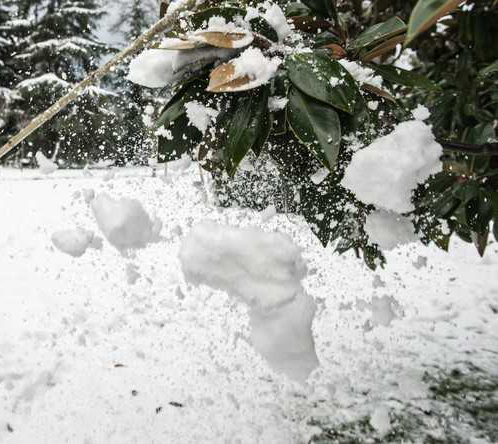
If, on the contrary, a large amount of wet snow falls or an ice crust forms, they can break branches. Therefore, they should be shaken off. Old and weak branches should be supported. If the trees have a columnar crown, it is recommended to tie it with twine in several places.
If not already done, trees and shrubs should be inspected for diseased mummified fruit. These are a source of infection and should be cut down and burned. Also, during the inspection, nests of hawthorn moths, goldentail moths, and other pests should be destroyed.
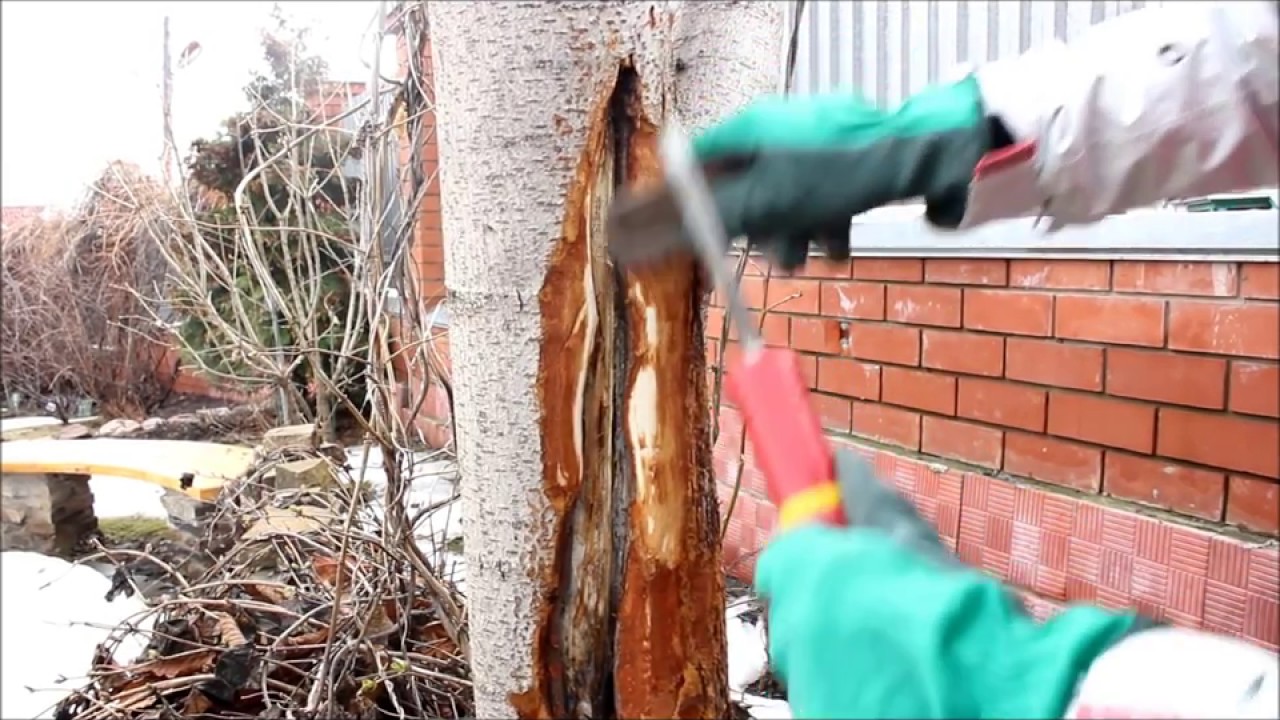
Sudden temperature fluctuations can cause the bark of fruit trees to crack, resulting in frost cracks. To find these cracks, tap the trunk with a piece of wood. Affected areas will sound hollow.
To combat this problem, choose a sunny day. Clean the affected area, wrap it tightly in gauze, and treat it with garden pitch. Once the pitch dries, cover the area with burlap and plastic wrap. Leave it there until spring.
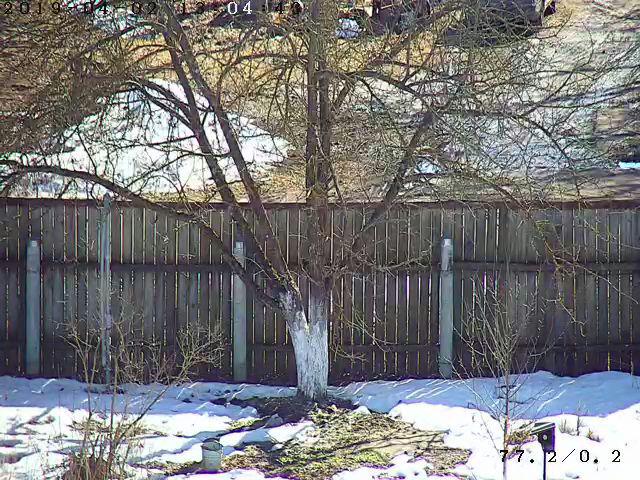
In January, it's necessary to check the whitewash on the trees and restore it if necessary. This work can't be left until February; it will be too late.
If possible, it's recommended to periodically pack down snow in the garden to ensure it's compacted. This will keep trees and shrubs warmer and prevent rodents from reaching their trunks.
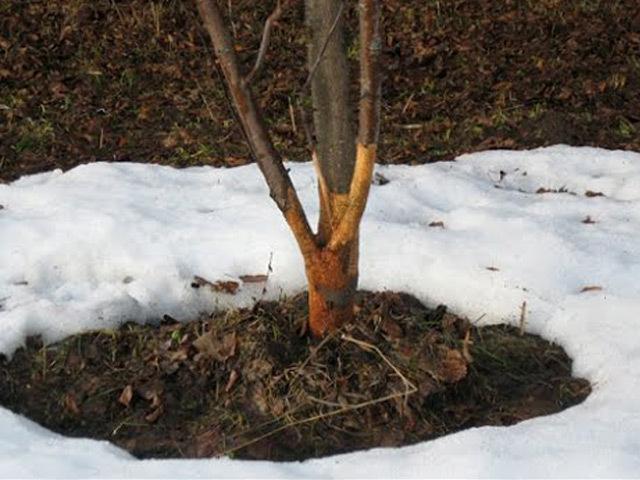
If you notice rodents have chewed through your apple tree, you need to act quickly. Even severely damaged trees can be saved before the spring warmth arrives. Wrap all the chewed areas with electrical tape. Start on healthy bark, preferably from top to bottom. After making a couple of turns with the sticky side, flip the tape over, and then wrap the damaged areas with the non-stick side. Paint the wrapped area with water-based paint for fruit trees. In the spring, when new shoots begin to grow, carefully remove the electrical tape.
At the end of the month, garden plants enter their dormant period. Therefore, it's important to ensure that the buds on the cuttings being grafted don't swell. If this happens, they should be moved to a cooler location.
Winter grafting
In January, you can carry out winter (tabletop) grafting of rootstocks prepared in the fall.
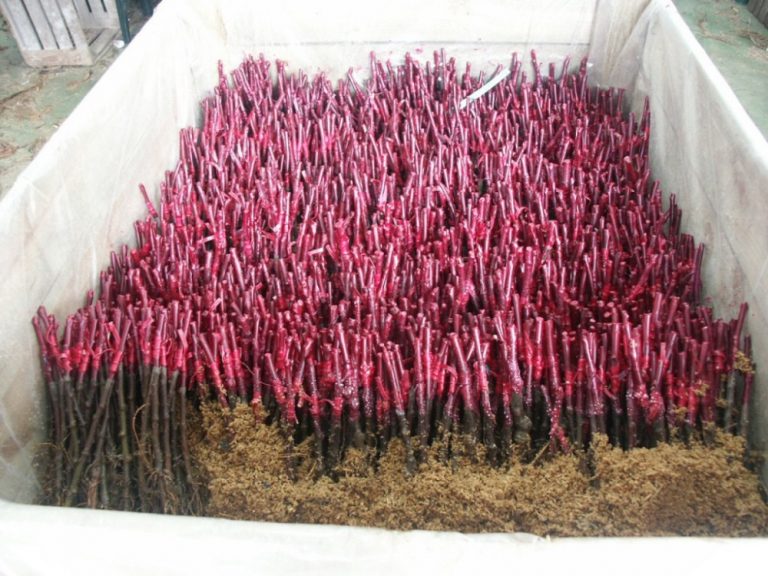
After completing the work, perform the following steps:
- Take the box.
- Place a film with cuts for water drainage on the bottom.
- Sprinkle sawdust on top.
- Place the rootstocks there.
- Sprinkle them with sawdust on top to the top.
- Cover the box with plastic wrap.
- Keep it at a temperature of +20°C for 10 days.
- After the specified time, untie 1-2 rootstocks and check if they have grown together.
- Tie them up, put them in a box and store them in the basement until planting in the garden.
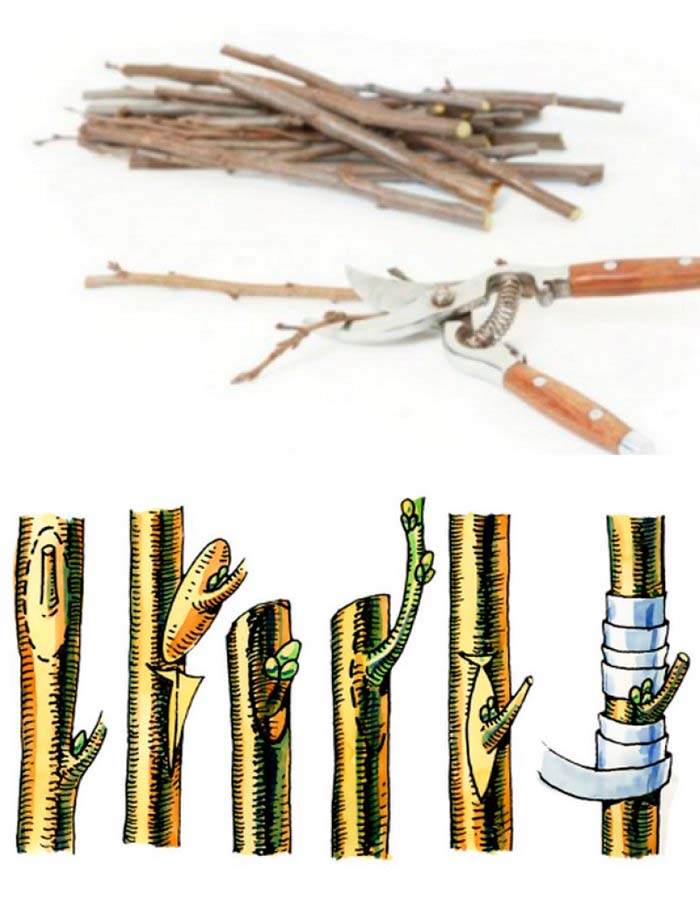
Experienced gardeners graft directly in the garden in January. To do this, you need:
- Select a branch and split it. The split should be 3-4 cm long.
- For the graft, take a one-year-old branch with 3-4 or 6-7 buds. Make an incision on both sides.
- Insert this branch into the split and tie it with cloth folded in 4 layers.
- Cover the top with film and wait for spring.
For your information! When tying with fabric, you can add additional padding of cotton wool between each layer.
Preparing for the upcoming season
If possible, it's a good idea to prepare manure, bird droppings, and wood ash in the winter. To prepare the former, stack it in piles and sprinkle it with superphosphate (2.5 kg per 100 kg). You can also make your own fertilizer. For example, dry potato peelings near a radiator and pack them into plastic bags. In the spring, take them to the garden, compost, or burn them to produce ash for fertilizer.
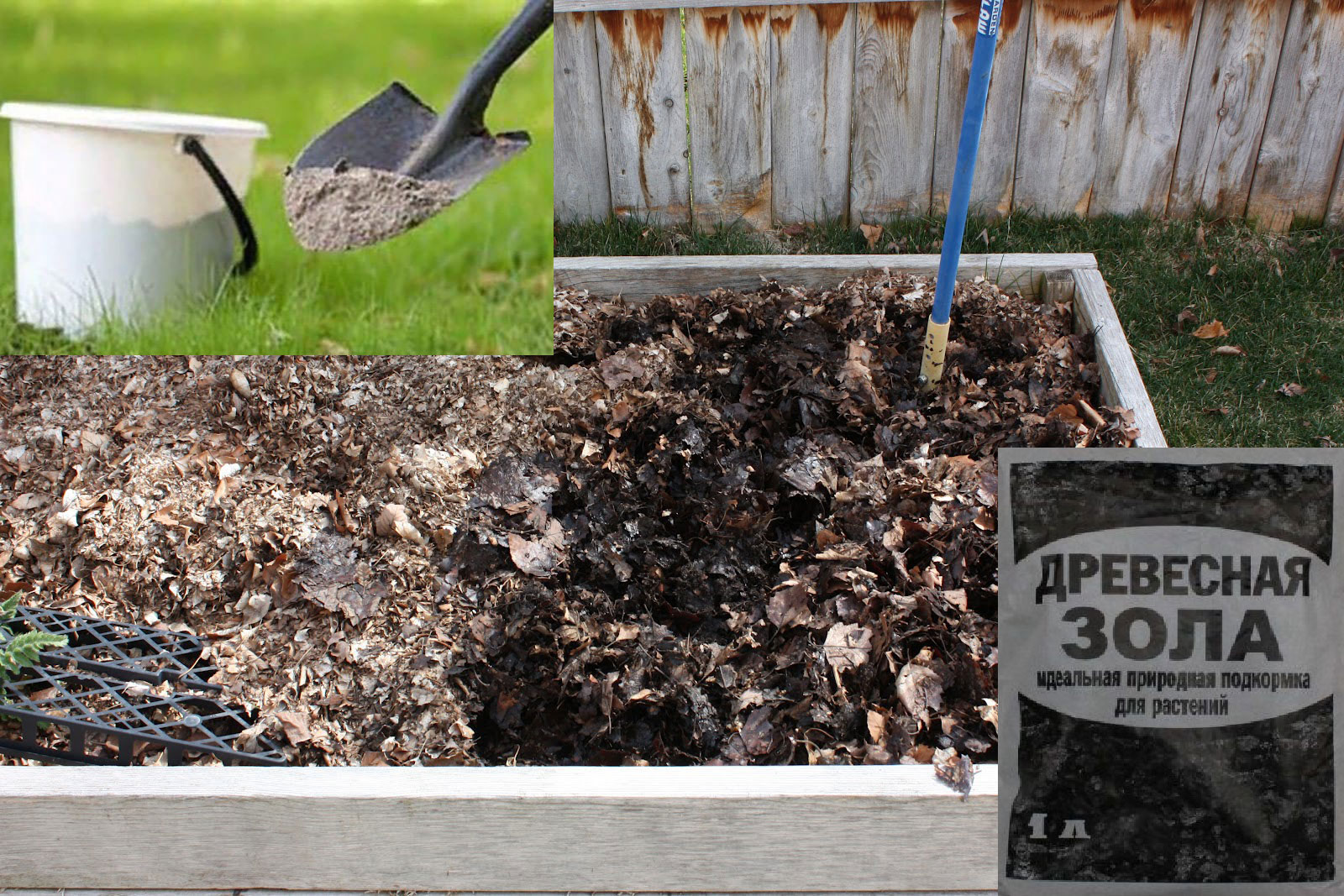
It's recommended to stock up on nutrient mixtures and pest and disease protection products in advance. Gardening tools should be disinfected with a potassium permanganate solution. If something is broken, fix it. If you're short on certain tools, buy more.
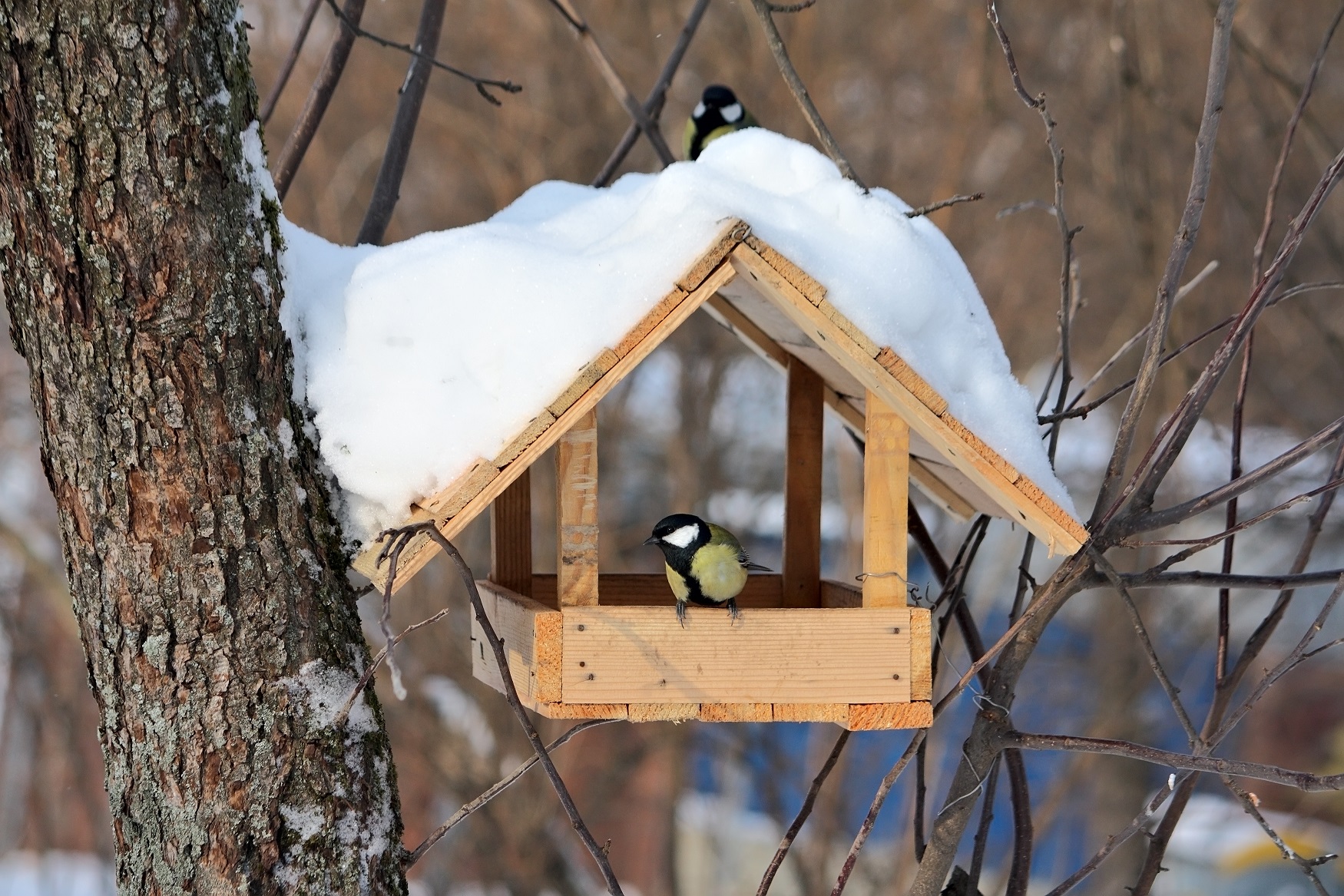
Hang bird feeders around the garden. Feed them each time they visit. In the spring, they'll thank you by starting to destroy pests.
What to do in a fruit storage facility
Monitor the temperature and humidity in the fruit storage area. Fruit begins to freeze at temperatures as low as -1 to -2°C. If the temperature is too high, they overripen. If the humidity level is unsuitable, the fruit begins to rot and develops an unpleasant taste.
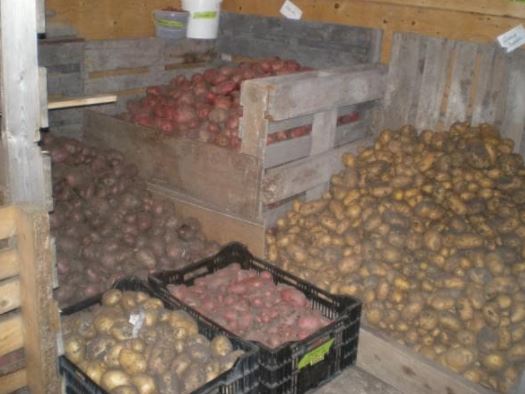
If frost is expected, the hatch and vents should be closed, and opened as the weather warms. The optimal storage temperature is 0 to +3°C. Humidity should be 85-90%.
Important! Fruits should be sorted periodically. If signs of rodents are found, mousetraps should be set and poison laid out.
Seed stratification
At the end of the month, cherry and plum seeds, laid out for stratification, begin to sprout. To slow their growth, place them in a bag in a snow bank and cover with 8-10 cm of sawdust. Store there until April or May.
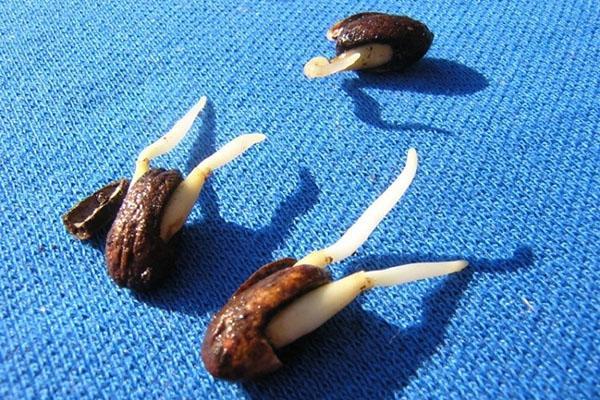
To speed up the germination of fruit seeds, it is also recommended to stratify their seeds. To do this, layer them with sand, peat, or sawdust. Place them in a well-ventilated area with a temperature of +1 to +5°C.
What can a gardener grow at home?
The beautiful evergreen miniature murraya tree, also known as the "healer," is perfect for growing indoors. It's best to plant the natural hybrid dwarf murraya, which will begin blooming at six months and produce bright, healing fruits. It doesn't require pruning or pinching; it naturally forms into a beautiful bush.
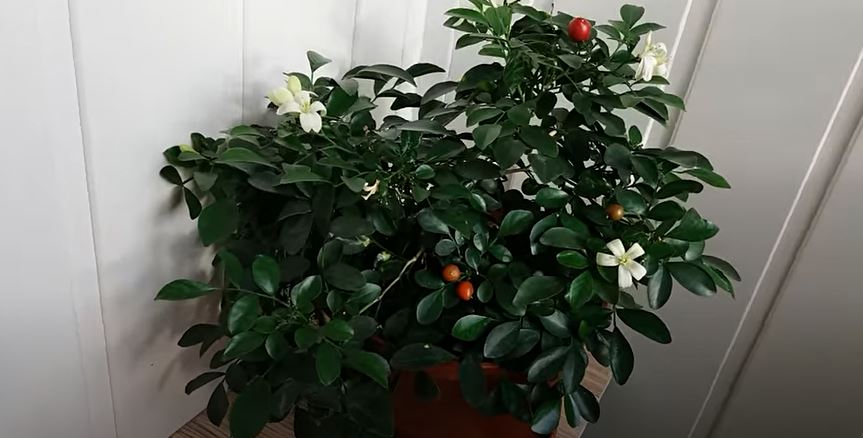
Murraya blooms almost all year round, the berries are set without pollination, and they taste bland.
It's easy to propagate by seeds from freshly picked fruits. At temperatures of 22 to 25°C, they germinate in two weeks. Old seeds may take a month to germinate.
Murraya fruits strengthen the immune system, improve performance, and have a positive effect on coronary heart disease, hypertension, and heart failure. However, they should not be overused; 3-5 berries per day are sufficient.
Gardener's work in January
Gardeners also have a lot of work to do at the beginning of the year. It's time to start growing some vegetable seedlings, try harvesting some on the windowsill, and ensure your body gets enough vitamins. Below, you'll learn how to prepare the soil for seedlings, which crops are worth starting, and how to grow cucumbers, peppers, and celery on the windowsill.
Growing seedlings
It's important to prepare the soil for the seedlings in advance. If you didn't prepare it from your own plot last fall, you'll have to buy it.
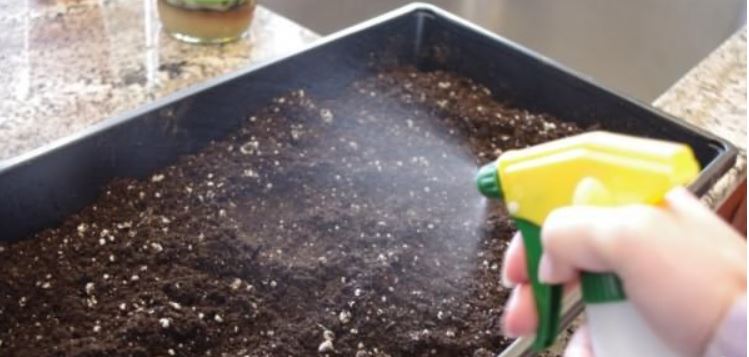
Garden soil must be prepared as a preventative measure against diseases and pests:
- It's best to freeze the soil. To do this, leave the bag of soil in the cold. If you don't have one, place it in the freezer; the temperature should be between -15 and -20°C. Then transfer it to a warmer location and let it thaw.
- Warm up. Spread the soil on a metal tray to a 5 cm layer, spray with water, and bake in an oven preheated to 70–80 °C for half an hour.
- Place the soil in a fine-mesh sieve over a pan of boiling water for 7-8 minutes.
- We water the soil with a hot pink solution of potassium permanganate and let the liquid drain.
You can start growing seedlings of crops with a long growing season or for indoor cultivation:
- tomatoes, peppers, late varieties of eggplants;
- cauliflower and late white cabbage for growing in greenhouse conditions or cabbage that does not form heads;
- hot peppers and early sweet varieties for growing in greenhouses;
- leeks and nigella (if you plan to grow turnips in one season);
- early varieties of tomatoes intended for growing in greenhouse conditions;
- celery root;
- greens for forcing;
- potatoes (if they will be grown from seeds);
- garden strawberries (if you plant them now, you can harvest them as early as August).
For more information on sowing seedlings for various crops and varieties, see the article "Lunar Calendar for Sowing Seeds for Seedlings in 2023" in the table (planting seedlings).
It's important to plan which bed to plant specific vegetables in. It's also a good idea to check your seed stock and replenish it if necessary.
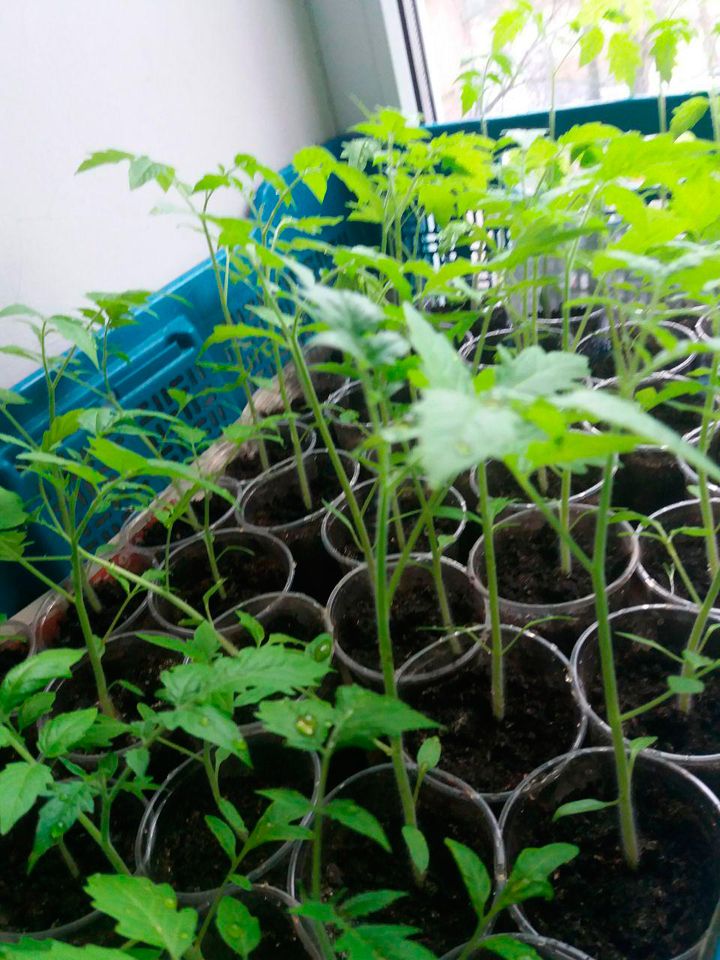
Seedlings planted in January often begin to stretch due to insufficient light and very high room temperatures. The first step is to space the seedlings so their leaves don't touch each other. If they are clearly stretching, limit watering and reduce the temperature to 18–19°C.
For more information on varieties to plant in January, see the article "Lunar Calendar for Sowing Seeds for Seedlings in 2023" in the table (seeding planting).
Winter home-grown cucumber
It's entirely possible to grow cucumbers on a windowsill in winter. To do this, you need to know which varieties to plant for a home harvest. Breeders have successfully developed cucumbers that are highly shade-tolerant.
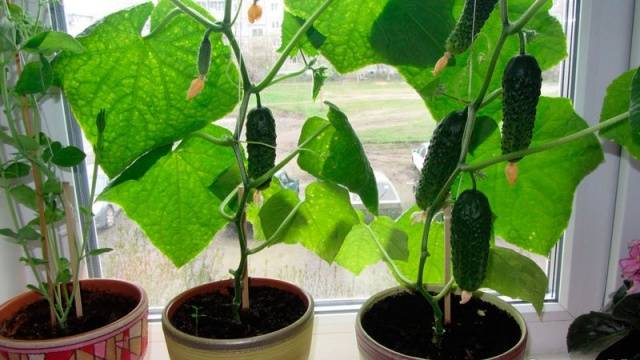
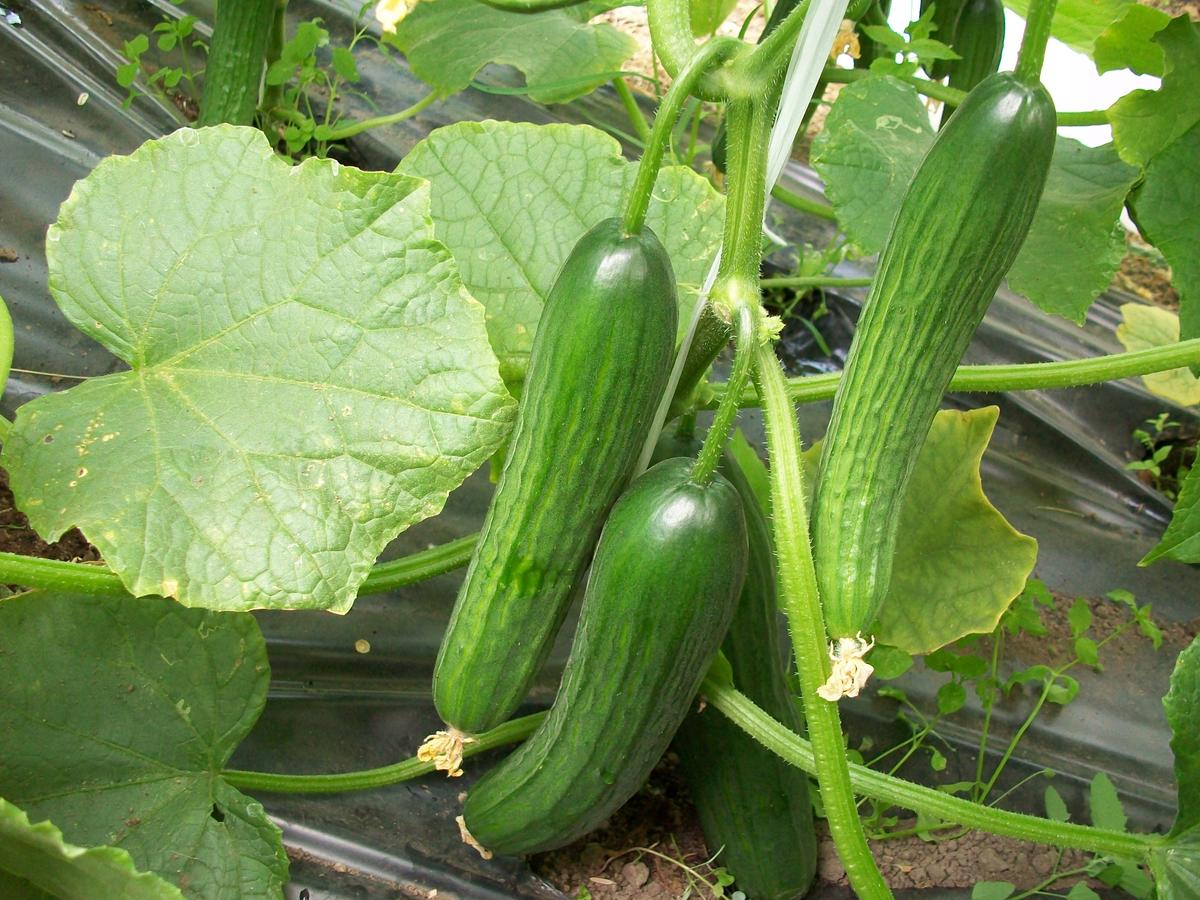
There are various bee-pollinated and parthenocarpic hybrids. But keep in mind that the former type requires pollination by hand, which isn't very convenient.
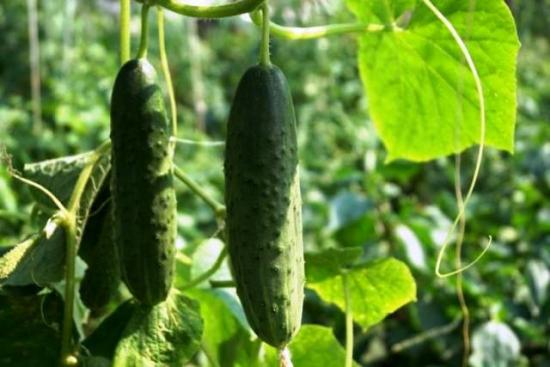
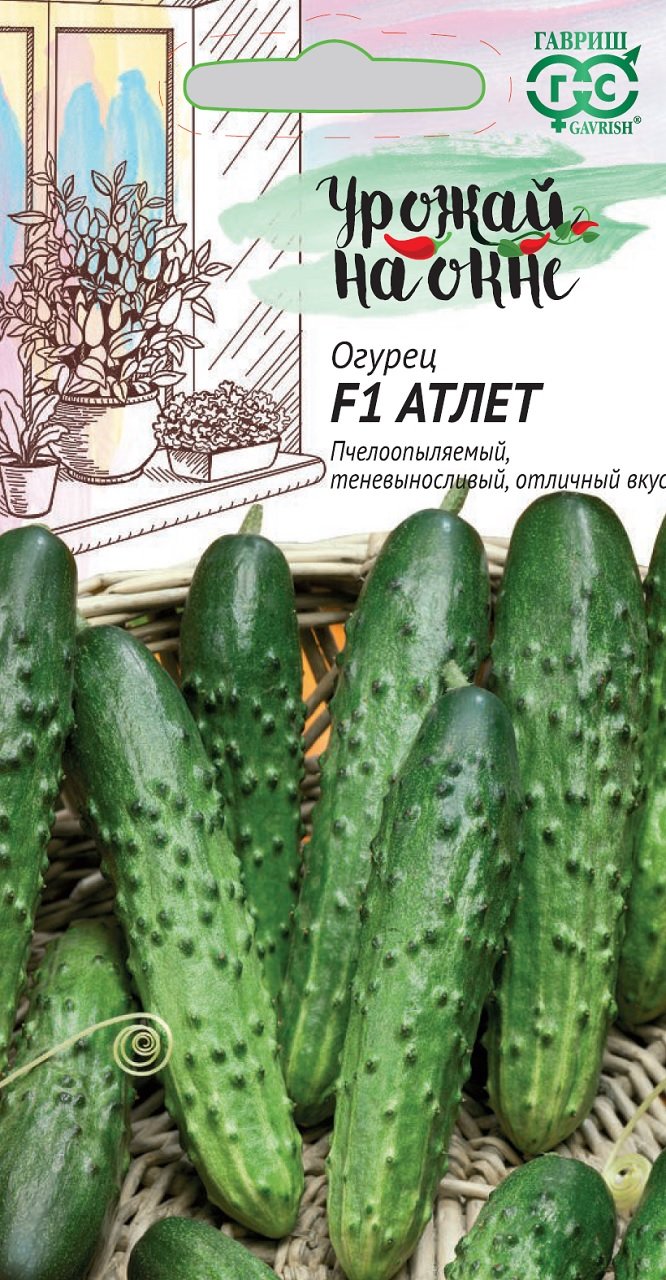
Bee pollinated: Athlete F1, Suitor F1.
Parthenocarpic: Monsieur Olivier F1, Provencal Stolichny F1, Moskovsky Saladny F1, Berendey F1, Kadril F1, Bobrik F1.
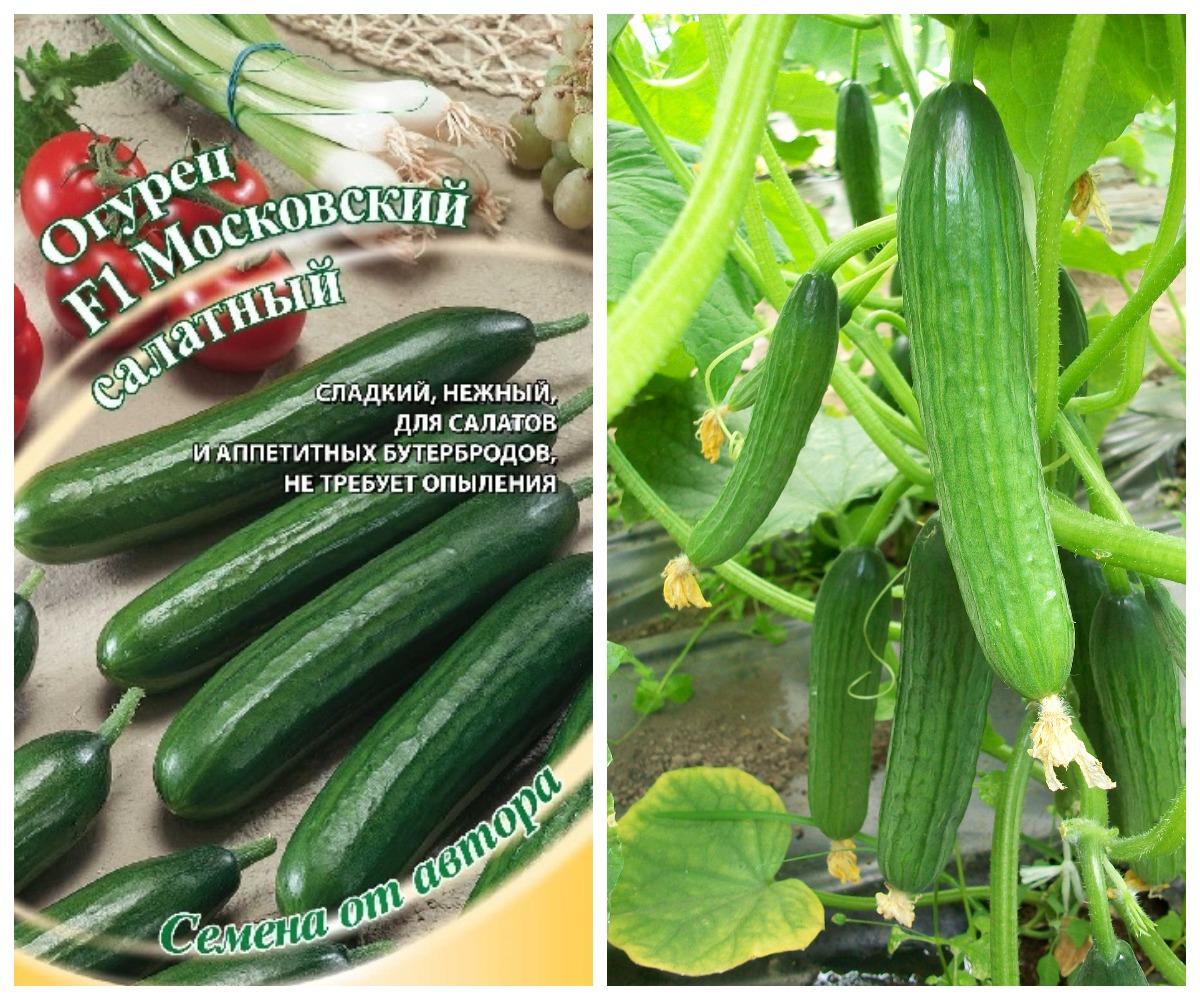
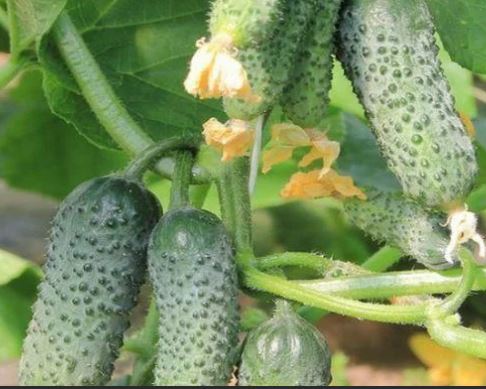
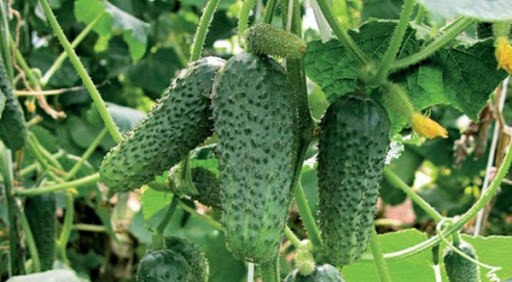
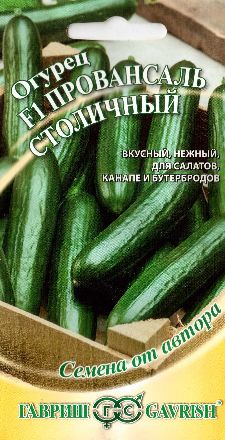

You can sow them as early as December and continue into January for a February harvest. But even though these varieties are shade-tolerant, they still need to be given the brightest spot possible, a south- or east-facing window. And if there's been no sun for a long time and the weather is cloudy, provide supplemental lighting.
How to grow peppers on a windowsill
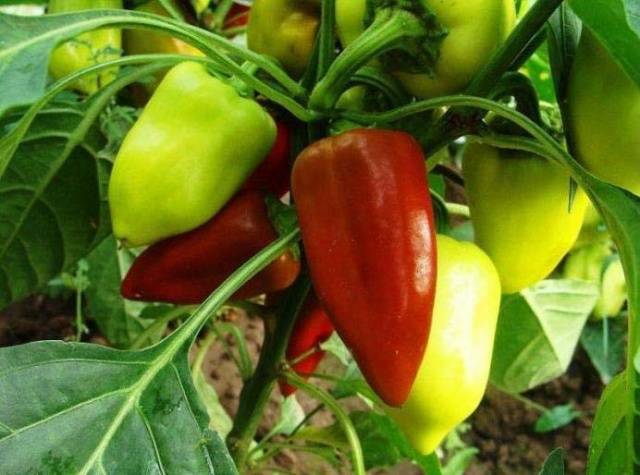
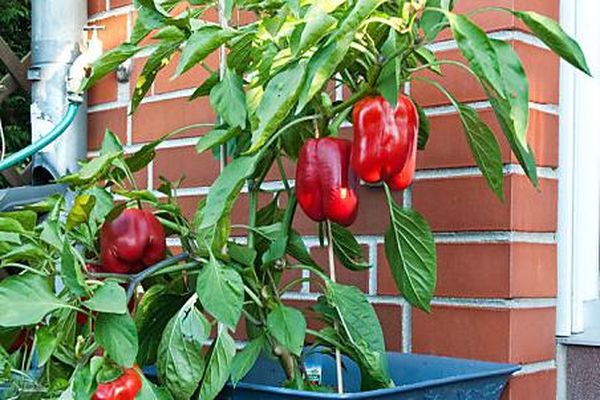
The following varieties of sweet pepper are suitable for growing indoors:
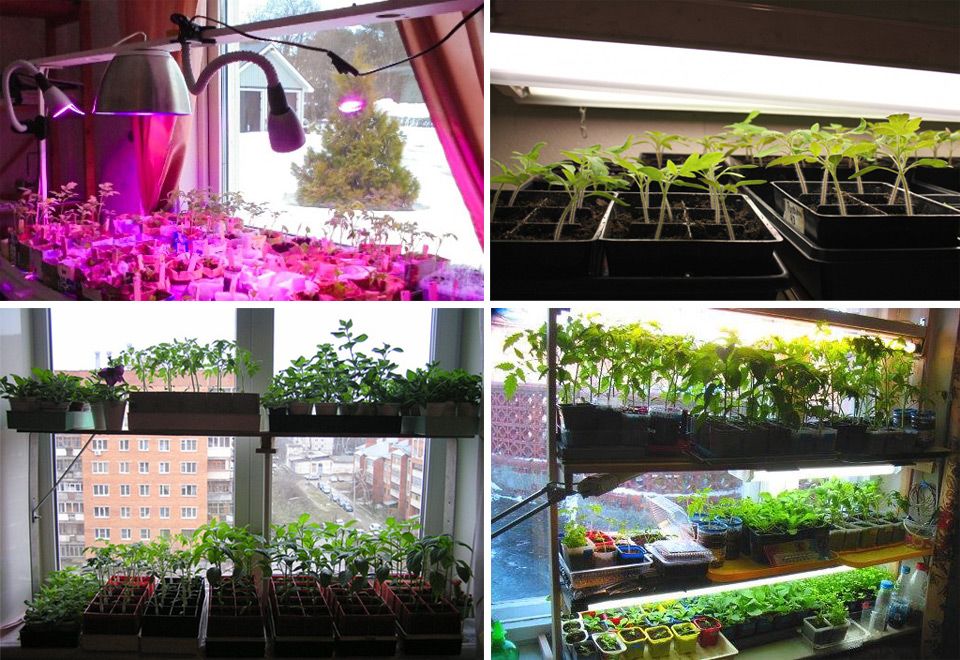
In January, you can begin growing them only if you have supplemental lighting. The plant requires at least 12-14 hours of daylight. For a few plants, a 120-300W fluorescent lamp will be sufficient.
What you need to do to grow:
- At a temperature of +25…+28 °C, it is necessary to obtain seedlings by planting the seeds in small cups.
- When the seedlings develop 2-4 true leaves, transplant them into new pots, each 8-10 cm in diameter.
- At the 6-8 true leaf stage, transplant the bushes into containers where they will grow throughout the growing season. The pots should be 18-20 cm in circumference.
A soil mixture for peppers can be prepared from equal parts of turf soil (garden soil or vegetable garden soil will do), humus, and peat. Add ½ cup of wood ash to a bucket of soil.
During the growing season, the optimal temperature for peppers is 20 to 25°C during the day and 15 to 20°C at night. Failure to observe this temperature range will prevent pollination and cause fruit drop.
The soil should not freeze. To prevent this, it's not recommended to place the pot directly on a cold windowsill. Place a board underneath. If it's very cold outside, it's recommended to remove the peppers from the window completely until it warms up.
Avoid placing pots near heating devices. This will cause the plant to dry out and overheat. If placing the peppers elsewhere is unavoidable, you can shield them from the radiator with a sheet of plywood or a wet towel.
To maintain the required humidity level, it's best to mist the plants daily or place the pot on a tray filled with damp expanded clay. Add water periodically, but be careful not to flood the bottom of the container.
Water the bushes only with warm, room-temperature water. Cold water increases the risk of rot. Moisten the soil as the top layer dries out in the morning.
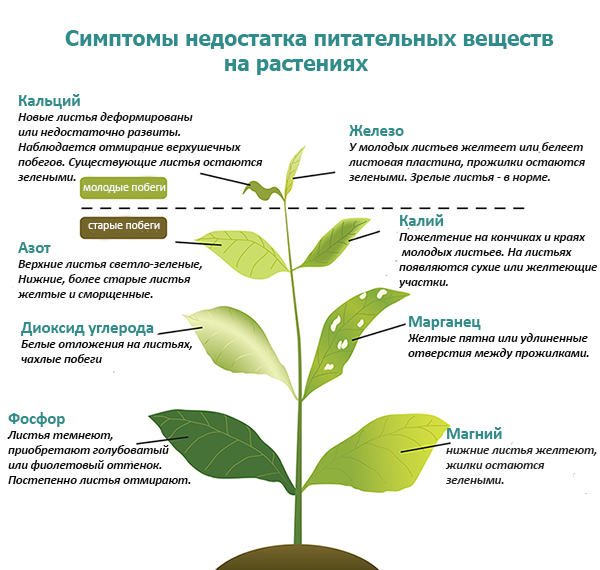
The first nutrient mixture should be applied two weeks after transplanting the peppers into their permanent container. To do this, dilute ½ teaspoon of complex mineral fertilizer in 1 liter of water. This is enough for four plants. Subsequently, apply organic and mineral fertilizers every 14 days. At the beginning of fruiting, you can use wood ash (1-2 tablespoons per 1 liter of water).
Peppers require additional pollination. To do this, lightly tap the stem or the stake the plant is tied to in the morning.
With the arrival of spring, it is recommended to move the plant to a balcony or loggia. If the plant begins to lose leaves, it needs to be rejuvenated. To do this, trim the shoots by 1/3. Temporarily suspend watering and fertilizing. Resume when the bush begins to recover.
Of course, don't rush into planting in January if you have little time to care for the seedlings. The plants will require special care and will be quite a hassle.
Folk omens of January
The weather in January was used to determine what the weather would be like in the spring and summer, and what the harvest would be like this year.
- January 2 - Ignatiev's Day. The weather will be clear and frosty, with the end of summer turning hot. Rain, slush, and snowstorms will bring cold and stormy weather.
- January 7th – Christmas. A starry sky means a big harvest of mushrooms and berries.
- January 14 – Vasiliev DayIf it's foggy and frosty on this day, the year will be fruitful, and vice versa, if it's warm and there's little snow, don't expect a good harvest.
- January 19 – EpiphanyIf it's clear and cold, it's a dry summer; if it's cloudy and snowy, it's a bountiful harvest. A large number of stars means a bountiful harvest of beans and berries.
- January 21 – Winter EmelyanIf strong winds blow, a stormy summer is expected. A calm, sunny day, however, promises a sunny summer.
- January 23 – St. Gregory the Summer Guide DayIf there is dripping, the summer will be warm, but if there is frost on the trees, it will be cool and rainy.
- January 24 – Feodosiy the SpringWarm weather on this day means that spring will come early, but summer will be rainy.
- January 25 – Tatiana's DaySnowy weather means a rainy summer, but if there is sun, the birds will arrive early.
- January 29 - Peter the Half-FeedA snowstorm is a sign of a summer with frequent rains, and frosts are a sign of a hot summer.
- January 31 – Afanasy LomonosA thaw on this day will bring bad weather and a poor potato harvest in the summer.