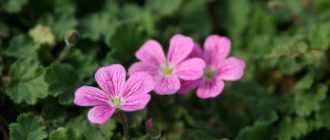
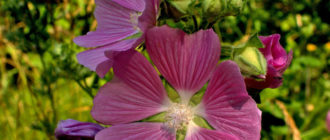
The genus Impatiens (obsolete name Impatiens) includes approximately 500 plant species and is part of the Impatiens family. Native to the tropics and subtropics of Asia and Africa.
The word "balsam" often refers to the species Impatiens vulgare (Impatiens sylvestris or wild balsam). Impatiens often refers to indoor and ornamental species and cultivars. Common names for these include "star," "little fire," and "wet Vanka." We'll discuss these varieties, which can be grown indoors and in the garden, in this article.
Please note that Impatiens sylvestris or Impatiens sylvestris is used for medicinal purposes; you can read about this plant in a separate article.
Description of balsam
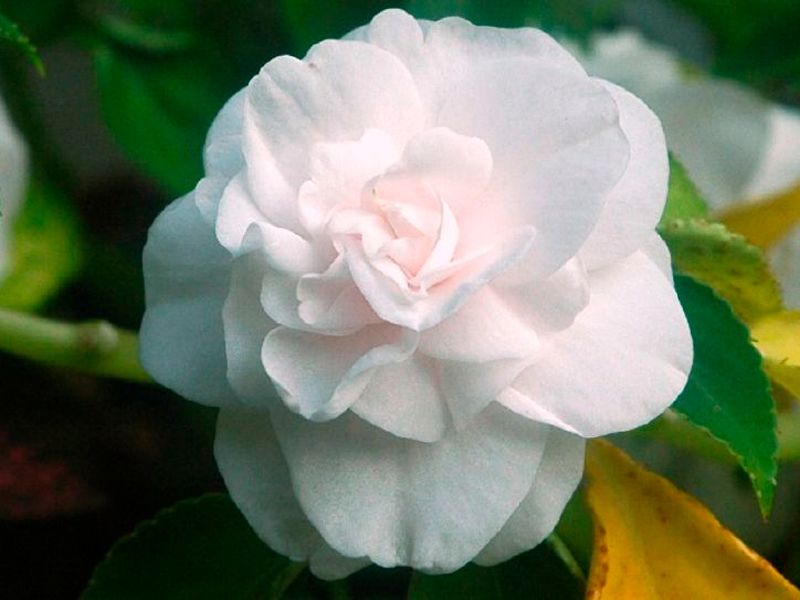
The trunks are succulent but brittle, and the rhizome is fibrous. The foliage is oval or cordate, tapering at the base and widening toward the petiole, with a small spine at the edges. The color is dark green with a lilac tint.
The buds have five petals, ranging in color from pale pink to red. The fruits are green and form a dry capsule when ripe.
Types of balsams
In indoor conditions, you can grow the following varieties of fireweed:
| View | Description | Leaves | Flowers |
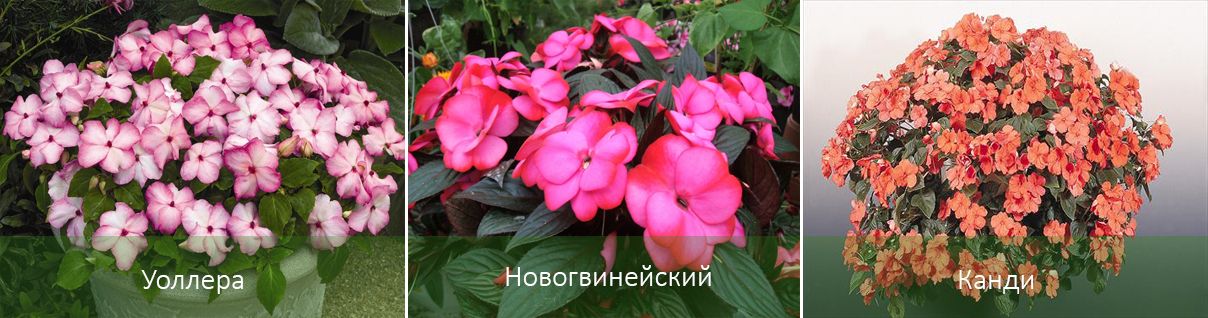
| Waller | Reaches 50 cm. The trunk is succulent and erect. | Wide and oval, color - green, brown. | Single-colored or two-colored, small. Light pink. |
| New Guinean | A perennial hybrid. Tolerant of direct sunlight, suitable for indoor and outdoor cultivation. | Oval, green with yellowish veins. | Large, color - red, bright pink. |
| Candy | A recently developed variety with smooth, succulent trunks. Grows up to 50 cm. | Elongated, with pointed ends. Color – grassy. | Soft, velvety. High peduncle. |
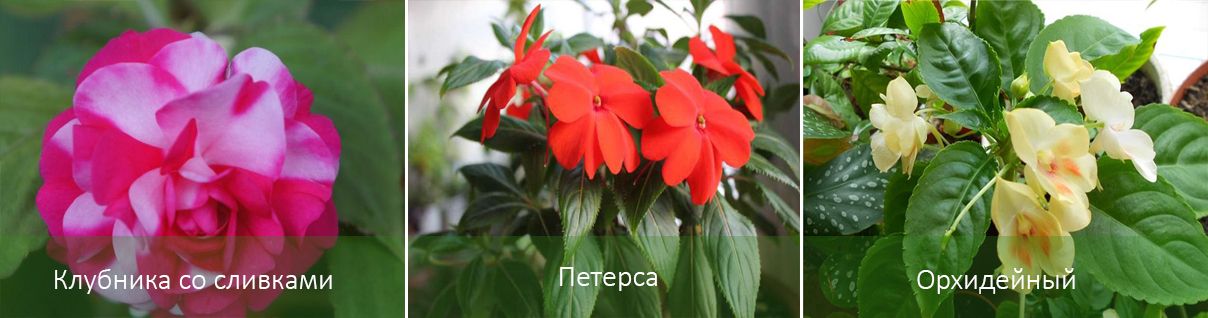
| Strawberries and cream | A double variety. Compact plant with branched stems. | Oval. | Red and white, diameter up to 4 cm. |
| Peters | Height up to half a meter. | Bronze, elongated. | Deep red, small. |
| Orchidaceous | The trunk is succulent but brittle, dark pink in color. It is resistant to spider mites. | Velvety, dark, with pink and red veins. | They resemble a slipper in shape, are white, and have burgundy or yellowish inclusions. |
| Tom Thumb | A compact shrub with a branched trunk. Suitable for both indoor and outdoor cultivation. | Elongated, rich color. | Large, double, light pink in color. |
| Cutie | Bush up to 20 cm in height. | Oval. | Small, white. |
| Salmon chiffon | A plant with long and abundant flowering. | Light green, heart-shaped. | Large, terry. Salmon color. |
Impatiens (fire plant): care at home
When caring for balsam at home, you need to focus on the season of the year:
| Factor | Spring-summer | Autumn-Winter |
| Location/lighting | Flowers prefer partial shade, so they are placed on the east, southeast or west side of the house. | Increase daylight hours by using fluorescent lamps. |
| Temperature | +18…+22 °C. At higher temperatures, increase air humidity. | +10…+16 °C. The plant is moved away from the window to prevent it from freezing. |
| Humidity | Level 65-70%. Perform systematic spraying. | Level – 60-65%. Place away from heating appliances and spray with a spray bottle. |
| Watering | Once every 2-3 days. | Twice a week. |
| Top dressing | Once every 14 days. Potassium-phosphorus agents are used. | Fertilizers are not used. |
Transplanting into a new pot, soil for the fire
Impatiens are repotted once or twice a year. The optimal time is spring.
The procedure is performed 14 days after purchasing the plant, or any time the root system is noticed protruding through the drainage holes or pests are detected. The pot should be 1.5-2 cm larger than the old one.
A drainage layer consisting of stones, expanded clay, and sand is essential for repotting. Then, add 1.5-2 cm of soil.
Place the flower in the center of the new pot, and fill the empty space tightly with soil. Water generously and leave in partial shade for 7-14 days.
The soil for replanting can be purchased from a store or prepared independently. To do this, take the following components in equal quantities:
- turf soil;
- humus;
- perlite.
Reproduction
Fire flower, which is propagated by seeds and cuttings.
The first option of planting material is used all year round, the main thing is to adhere to the germination plan:
- The seeds are kept in a light solution of potassium permanganate for 10 minutes.
- The soil is mixed from perlite and peat in a ratio of 1:2.
- The planting material is deepened by 7 cm and the soil is moistened, the container is covered with film, creating conditions there of +20…+25 °C.
- The first shoots appear after 8-10 days.
- The soil is occasionally ventilated.
- When the seedlings grow to 1.5-2 cm, they are pricked out.
- After one true leaf appears, the flowers are transplanted into separate pots.
This sequence must be strictly followed, otherwise the death of the plants may occur.
Cuttings are considered a more popular method of propagation, since the process is simpler and all species characteristics are fully preserved.
The procedure is carried out according to the following plan:
- During the warm season, cut off the top of the shoot at a length of 7 cm. Each cutting has 2-3 internodes. Remove the lower foliage.
- The shoot is placed in a container with water and wait for the rhizome to form.
- The soil used is the same as for the seed propagation method.
- After roots appear, the cuttings are transplanted into separate pots and covered with jars.
- After 14 days, rooting is observed, and after a few months the bush begins to bloom.
Experienced gardeners plant balsam cuttings directly into the soil, having first treated the plants with a product to accelerate the formation of the root system (Kornevin).
Rules for caring for garden balsam in open ground
Impatiens balsam is grown in open ground on the east or west side of the garden. With good lighting, the Impatiens balsam blooms long and profusely. Shrubs planted in the shade produce half as many buds.
Seedlings for open ground are grown indoors, but are planted in the ground after the last frost. The planting material is hardened off first by being placed on the balcony or in the garden for several hours daily.
Planting holes are made 25-30 cm apart. If the soil is not fertile, humus, peat, and sand are added to each hole in advance.
The seedlings are carefully removed from the pot, placed in a hole, covered with soil, watered, and mulched. To create a wide bush, pinch the top of the plant.
When growing garden fireweed, planting and care must be top-notch. Water the plant regularly, as lack of moisture causes the leaves to curl, wilt, and fall off. The best time to water is in the evening, after sunset.
Every 14 days, fertilize the impatiens with a complete fertilizer for flowering plants. Ensure it contains potassium and nitrogen. Wilted flower buds are removed regularly.
How to stimulate the flowering of the fireweed
Impatiens may not bloom due to the following situations:
- large capacity – large pots encourage the growth of rhizomes, which is compensated by a decrease in the number of ovaries;
- a cramped vessel – the root system grows rapidly, leaves fall off;
- temperature below +15 °C – wintering has begun, during this period a lack of buds is observed;
- Excessive amounts of nitrogen – frequent fertilizing will encourage foliage, but not flowers;
- low air humidity.
By taking all these factors into account and preventing their occurrence, you can enjoy long and abundant flowering.
Care errors, diseases, and pests of impatiens
During growth, the fireweed can be attacked by insects and diseases, which is often caused by errors in care:
| Symptom (effect on foliage) | Cause | Elimination |
| Yellowing. | Insufficient air humidity, over-watering of the soil, rotting of the root system, excess fertilizers. | The plant is removed from the pot and the rhizome is inspected for rot. The watering regime is adjusted. |
| Withering. | Low humidity, high temperature. | Spray and water regularly, avoiding stagnant water. |
| Bud drop. | Dry air, excessive amounts of fertilizers, low temperatures, dry soil, pest infestations. | Move the plant to a room with a warmer temperature. Adjust the watering schedule. Reduce the frequency of fertilizing. |
| Twisting and falling. | High soil moisture combined with low temperature. | Reduce the frequency of watering and increase the room temperature. |
| Pallor. | Poor lighting, high nitrogen content in the soil. | The plant is moved to a brighter room or provided with additional lighting. The fertilizing regimen is adjusted. |
| Falling, cessation of flowering. | Lack of light combined with low temperature. | Until the end of the flowering period, the room with the balsam is kept at a temperature of +20 °C. |
| The trees are getting smaller and the trunks are getting longer. | Small capacity, lack of nutrients, poor lighting, high temperatures. | The plant is trimmed and moved to a larger container. Fertilizer application frequency is adjusted. It is moved to a well-lit room and maintained at a comfortable temperature. |
| Yellow spots and holes. | Cucumber mosaic. | The flower is isolated and burned. |
| Ring spot, cracking. Growth retardation. | Ring mosaic. | |
| The stem thins at the base and takes on a brown tint. | Brown rot. | In the early stages of the disease, the plant is sprayed several times with Fitosporin. If the infection is severe, the balsam is burned. |
| Light spots on the outside, white coating on the inside. | Downy mildew. | Remove affected areas. Treat the flower with Alyet. |
| Black inclusions. | Bacteriosis. | Trim off the affected areas and spray with any fungicides. |
| Yellow dots, deformation. White web. | Spider mite. | Treat with a soapy solution and place under a warm shower. Increase the humidity in the room. Spray the plant with Aktara or Actellic. |
| Yellowing, deformation. | Whitefly. | The bush is washed with warm water and Fufanon or Mospilan is used. |
The fight against these problems begins at the early stages; if this is not done, the plant dies.