The Cyperus genus (Cyperus sedge) is quite extensive. It belongs to the sedge family, which are herbaceous perennials. In their natural habitats, plants can reach impressive sizes, reaching heights of up to 3-4 meters.
Content
One species of this plant, known to us as papyrus, has been used by humans since ancient times. Even in school, we were taught that in Ancient Egypt, this reed was used to make not only paper but also household items, clothing, and footwear—rugs, baskets, cups (carved from the core of thick stems), and sandals. Boats were also built from the stems.
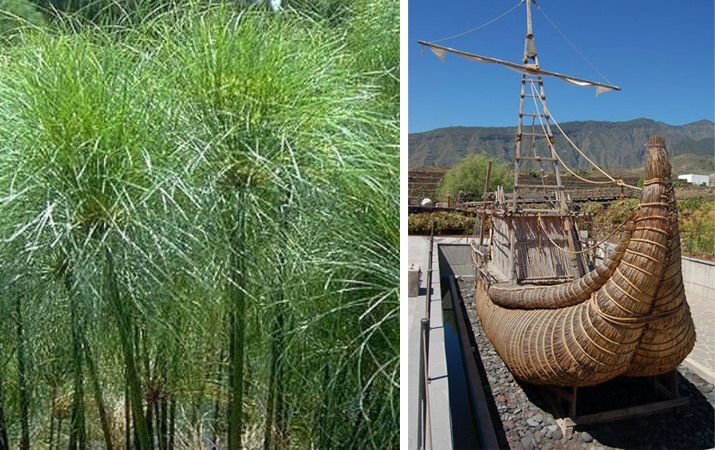
It was used to make the boat's hull, masts, fittings, ropes, and sails. The woody trunks were used as fuel for the fireplace.
Description
The genus comprises approximately 600 different species, native to tropical regions of America, Africa, and Madagascar. Cyperus thrives in moisture, so it thrives on the banks of freshwater bodies and in marshy areas. It's easy to grow, grows quickly, and, given sufficient water, can quickly cover a substantial coastal area, creating beautiful green spaces. This characteristic hasn't gone unnoticed, and modern gardeners and houseplant enthusiasts now have the opportunity to plant, grow, and, if necessary, propagate Cyperus themselves.
By turning your attention to specially bred species of cyperus for home use, you can admire these plants in your home, greenhouses and winter gardens, and decorate ponds and reservoirs on your property with them.
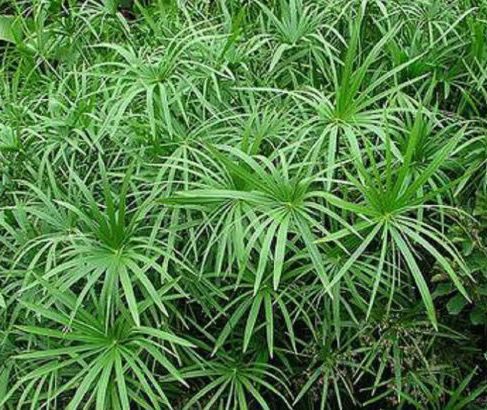
Cyperus can be distinguished from other plants by its stems, which always point straight up and have no lateral branches. At their apex is an umbel of long, thin leaves. The umbels can be solid green or bicolor. The shaggy panicles at the ends of the stems give the flower a voluminous and interesting appearance.
Types of Cyperus for indoor growing
Recently, gardeners have begun to use cyperus more frequently in decorative arrangements. It doesn't require direct sunlight; it can be placed not only on a windowsill but also in the back of a room or hallway, alongside other beautiful flowering plants.
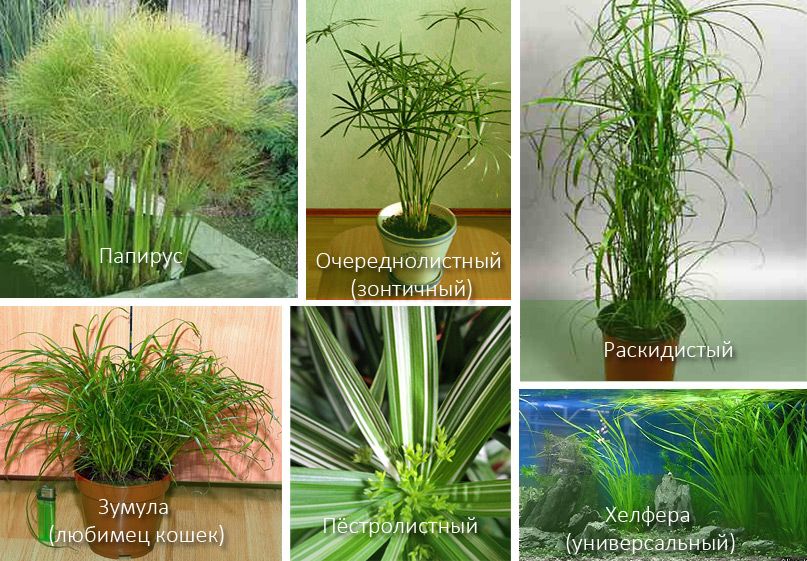
Another appealing feature is that all Cyperus varieties are easy to grow and maintain, growing quickly and producing foliage. The following Cyperus varieties are suitable for growing and caring for indoors.
| Variety | Description |
| Alternate-leaved (umbelliferous) | The most popular variety of sedge. It has a drooping umbel of straight leaves. It grows up to 170 cm. The flowers are inconspicuous and gathered in panicles. |
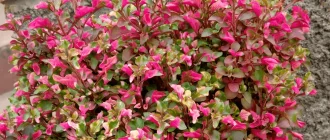
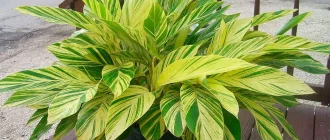
| Variegated | It is distinguished by a more original two-color coloring - green leaves with a yellowish-white tint along the edge. |
| Papyrus | It requires more care than, for example, the alternating-leaved plant. The plant is tall, with stems reaching up to 2 meters long. At the end is a tuft from which threadlike and unusual leaves hang. |
| Spreading | Each stem bears an umbrella of long, sharp leaves. It grows to about a meter tall. It differs from other species by its small number of stems and the presence of basal leaves. |
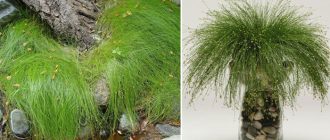
| Graceful (dwarf species) | A short variety that grows to 30-40 cm. It looks beautiful in small spaces, becoming its highlight. |
| Helfer (universal) | It's often found in aquariums, as it can live underwater. It's also planted along the edges of garden ponds and ponds, but it also thrives in indoor pots, as long as the humidity is high. |
| Zumula (cat lover) | This variety is often compared to a waterfall, due to the appearance of its leaves that cascade down in green waves, making it a favorite snack for pets. The foliage of the Zumula is harmless to cats. When the flower is young, it can be severely damaged by attacks and stop growing. |
All these species thrive alongside plants from the orchid, araceae (calla, anthurium, monstera, alocasia), and bromeliad families (pineapple, aechmea, cryptantrum). Because cyperus can grow in water, it evaporates a lot of moisture, saturating the air in the room, thereby helping nearby plants obtain moisture as well.
Caring for Cyperus at Home
By following a few simple guidelines, you can grow a healthy and beautiful plant. The key is to follow the care instructions seasonally.
| Parameter/Season | Spring-summer period | Autumn-winter period |
| Lighting and location | Position the plant correctly. Cyperus requires a sunny spot, but it will also grow in partial shade, just not as vigorously. | The flowerpot should be kept away from radiators and electrical appliances. |
| Temperature | Maintain a comfortable air temperature. The minimum temperature should not fall below 16…18°C and should not rise above 22…25°C. In summer, the plant can be placed on balconies, terraces, and in the garden. It benefits from a constant supply of fresh, humid air. | Perennial cyperus feel great during cold weather in winter gardens and greenhouses. |
| Watering | In a timely manner, preferably with warm, settled water. You can simply place the flower pot in a container of water, adding water as needed. | Reduce the frequency of watering. It's important not to let the soil dry out. |
| Top dressing | Fertilize. It's not necessary to fertilize cyperus year-round. Start fertilizing in the spring and continue in the summer. Once every three weeks is sufficient. | Stop fertilizing the plant in late fall and resume in the spring. Choose organic or mineral fertilizers, additionally enriched with nitrogen, potassium, and phosphorus. Both liquid and dry options are available. Follow the dosage recommendations on the packaging. Fertilizing is not necessary in winter. |
| Humidity | Mist the greenery daily. Avoid allowing the plant to dry out. Use a hydrogel, which absorbs moisture well and then releases it to the plant. | Water the plant less generously. Mix the hydrogel with the soil. |
Choosing a pot, soil, replanting
Repot as needed. If the plant is mature, change the soil as it becomes depleted. While the plant is still in the growth phase, repotting should be done once a year. This should be done in the spring. At this time, growth slows and the cyperus will tolerate transshipment more easily.
Repotting can be done in the fall in a warm room, after moistening the potting soil. After removing the plant, loosen the old soil from its roots and remove any damaged soil. Add drainage material to a larger pot, filling up ¼ of its capacity. Place the plant in the center, and add soil around the edges, compacting it constantly.
It is better not to disturb the plant in winter.
Use a suitable potting mix. If you're unsure about mixing the ingredients yourself, it's best to purchase a ready-made potting mix. A potting mix for moisture-loving indoor plants is ideal. The soil composition is the same regardless of the season. You can add river silt, and use crushed brick, eggshells, and charcoal for drainage.
Growing methods
Cyperus is a valuable and indispensable plant in every home. It looks beautiful both on its own and in combination with other flowers. It is an air purifier, similar to chlorophytum and dieffenbachia.
Cultivated varieties of cyperus are grown in several ways:
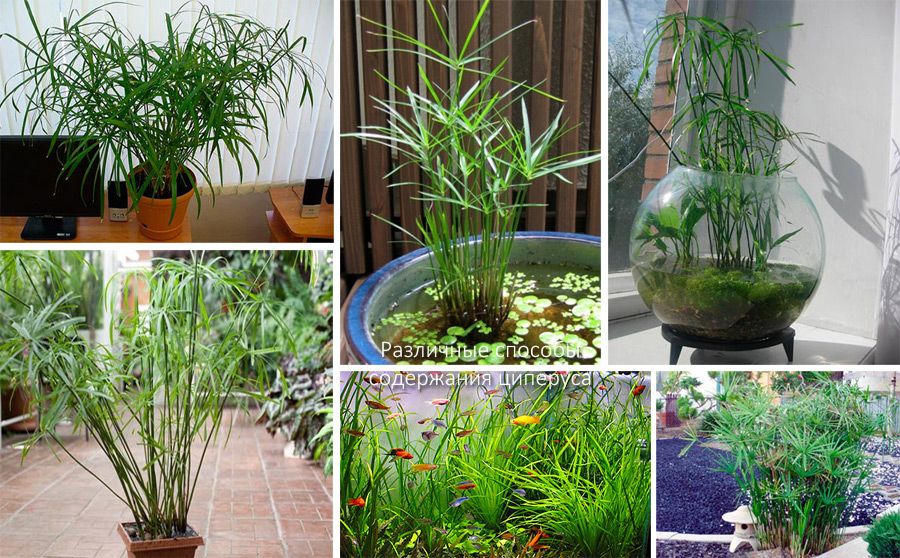
Potted
They grow in tubs, where water is poured into the tray and frequently misted. Drainage holes in the bottom of the pot are optional. The water from watering will cover the soil, creating a swampy effect.
Aquarium
The plant can be completely or partially submerged in water. Many Cyperus species thrive in this method. This can be used to decorate areas around garden ponds, pools, and garden gardens.
Reproduction of Cyperus
There are several methods of reproduction and all of them are highly effective.
Seminal
This is the most difficult method to implement. Spread the seeds evenly in a box with moist soil. No need to cover them with soil. Cover with glass or plastic and place in a warm place. Ventilate and moisten the soil. When seedlings emerge, remove the greenhouse. When the seedlings grow, transplant them into pots in pairs.
By dividing the root
A mature plant suitable for transplanting has root cuttings. These should be separated from the donor plant and placed in a separate container.
Rooting the top
Cut the rosette with a stem about 5 cm long. Trim the leaves by half. Turn the cutting upside down and place it in water. Roots will appear in two weeks. Once the roots have grown, transplant them into a pot filled with soil.
Repotting an umbrella plant is a fun process that kids will love. You can do it together with them. They'll gain valuable experience in plant care, and you'll have a little helper in your chores.
Diseases and pests
| Damage | Cause | Solution |
| Yellow leaves with dried tips. | Cyperus does not receive enough moisture or the air in the room is too dry. | Place the pot in a container with water and spray regularly. |
| Infestation with flower diseases and pests – spider mites, aphids, mealybugs and others. | Periodic soil testing is not carried out. | Cyperus is resistant to pests, but if pests appear, treat with Fitoverm. |
Cyperus is a medicinal plant
There are certain flowers that are absolutely essential to have in your home. They influence energy metabolism, thereby improving our well-being. Cyperus is just such a plant. It clears away negative thoughts and emotions, decorates the home, and brings only positive energy.
People suffering from insomnia are advised to place a flower in the bedroom. It will help them relax and fall asleep peacefully, purify the air in their child's room, and facilitate their studies. It will relieve irritability and improve their ability to comprehend new learning material.
There's no need to fear the far-fetched omens and superstitions surrounding this flower. People have been using it in their lives for thousands of years, and this speaks only of its positive influence on us.
You can buy the plant at any flower shop, or you can buy seeds. Propagating by seed will take longer, but it's cheaper and will produce more seedlings.