Eggplants are used by chefs all over the world. Besides their piquant flavor, they contain a wealth of nutrients and are considered an essential ingredient for a healthy diet. You can grow them in your own garden if you understand all the intricacies of the process. We'll cover them in this article.
Content
- 1 Why do you need seedlings to grow eggplants?
- 2 Factors to consider when planting eggplant seedlings
- 3 Determining the timing of planting eggplant seedlings based on the growing season or eggplant variety
- 4 Planting eggplant seedlings by region
- 5 Eggplant seedling sowing by month in 2024 according to the lunar calendar
- 6 Timing of planting eggplant seedlings depending on the location of further growth
- 7 Containers for growing eggplant seedlings
- 8 Requirements and soil preparation for planting eggplant seedlings
- 9 Rules for choosing eggplant seeds
- 10 Selecting eggplant seeds for planting seedlings by variety
- 11 Preparing eggplant seeds for sowing
- 11.1 Why is it necessary to calibrate eggplant seeds before planting seedlings?
- 11.2 Is it necessary to warm up eggplant seeds before planting seedlings?
- 11.3 The benefits of disinfecting eggplant seeds before planting seedlings
- 11.4 Do eggplant seeds need to be hardened before planting seedlings?
- 11.5 Do I need to soak eggplants before planting seedlings and in what?
- 12 Technology of sowing eggplant seeds for seedlings without picking
- 13 Technology of sowing eggplant seeds for seedlings with picking
- 14 Sowing eggplant seeds and growing seedlings in a snail
- 15 Creating conditions for the growth of eggplant seedlings
- 16 Potential problems with growing eggplant seedlings and how to eliminate them
- 17 Hardening off eggplant seedlings before planting them in open ground
- 18 How to plant eggplant seedlings in a greenhouse
- 18.1 When to plant eggplant seedlings in a greenhouse: Lunar calendar for 2024
- 18.2 Then plant eggplants in a greenhouse for the next year.
- 18.3 Preparing a bed for planting eggplants in a greenhouse
- 18.4 How deep should I plant eggplants?
- 18.5 The distance between eggplants when planting in a greenhouse
- 18.6 What to plant next to eggplants in a greenhouse
- 18.7 Caring for eggplant seedlings after transplanting into a greenhouse
- 19 How to plant eggplants in open ground (seedlings)
- 19.1 When to plant eggplant seedlings in open ground
- 19.2 Then plant eggplants in open ground
- 19.3 Choosing a location for planting eggplants
- 19.4 How far apart should eggplants be planted in open ground?
- 19.5 How deep should I plant eggplants?
- 19.6 What to plant next to eggplants in open ground
- 19.7 What to plant after eggplants
Why do you need seedlings to grow eggplants?
Eggplant is a fickle vegetable. Furthermore, it has a fairly long growing season. In most regions, it simply won't have time to ripen during the warmer months, and you might never see a harvest. Therefore, it's crucial to plant it from seedlings. Plants in indoor conditions have time to grow stronger and gain vigor, so after transplanting, they'll quickly adapt and thrive in their new location.
Factors to consider when planting eggplant seedlings
To ensure that eggplants are strong and produce excellent fruit, several important factors must be taken into account when planting them:
- LightingThe planting site should be well-lit, as eggplants do not tolerate shade very well. If they don't receive enough sun, they begin to wither and stop growing. For the same reason, avoid planting eggplants too close together, as this will cause competition for light, ultimately harming the entire planting.
- TemperatureEggplants don't tolerate low temperatures. The optimal temperature for them is considered to be +25°C. If nighttime temperatures drop to +20°C, the plants begin to experience stress. Regular 10-day temperature drops to +10°C to +15°C will weaken the plant's immune system and increase the risk of fungal diseases.
- Soil compositionEggplant soil should be loose and fertile. Fertilize it before planting, and loosen the soil periodically during care. The plants also respond well to mulching and hilling.
- WateringThe planting bed should be kept constantly moist, but not overly soaked. It is recommended to water with warm water every five days, but the frequency may vary depending on weather conditions.
All of the above factors are crucial for a good harvest. If even one of these growing conditions is not met, you can't expect a good harvest.
Determining the timing of planting eggplant seedlings based on the growing season or eggplant variety
Eggplants have a fairly long growing season. While some vegetables, such as cucumbers, can be harvested as early as 35 days after germination, eggplants can take up to 150 days to harvest. This depends on the variety.
Among all the variety of eggplant species, the following stand out:
- Early maturing. From germination to fruit ripening, it takes about 100 days.
- Mid-season. Eggplants reach technical maturity in 120-150 days.
- Late-ripening. The fruit ripens in 150 days.
When calculating the timing of sowing seeds, it is necessary to take into account that even with good preparation they will take at least 10-12 days to germinate.
If you plan to collect your own seeds for planting next year, you will have to wait another 21 days for the fruits to reach biological maturity.

Planting eggplant seedlings by region
The timing of eggplant sowing varies from region to region. It all depends on weather conditions and the specific year. On average, growing seedlings at home takes three months.
When to plant eggplant seedlings in the South
In the southern regions of the country, where springs are early and warm, seeds are sown in mid-January if grown in greenhouses. For open-ground eggplants, sowing begins no later than mid-February, allowing the first harvest to be harvested as early as July.
When to plant eggplant seedlings in the Moscow region and central Russia
The climate in the Moscow region is often unpredictable, so when growing eggplants outdoors, it's best to start sowing no earlier than mid-March. For planting in hotbeds and greenhouses, including those made of polycarbonate, start sowing between February 10th and 15th, with the seedlings ready to be transplanted to their permanent beds in mid-May.
When to plant eggplant seedlings in Siberia and the North
For Siberian regions, it's important to choose varieties with early or mid-season ripening, otherwise the fruit simply won't reach technical maturity. Sowing occurs in March.
When to plant eggplant seedlings in the Urals
Residents of the Urals can begin sowing in mid-March.
When to plant eggplant seedlings in the Leningrad Region
In the Leningrad region, eggplants are sown for seedlings starting around February 20th.

Eggplant seedling sowing by month in 2024 according to the lunar calendar
The Moon's influence on all aspects of human life has long been known. In just under a month, it orbits the Earth and visits all the zodiac signs, changing the strength and quality of its magnetic energy. It also goes through four life cycles (waxing, full, waning, and new moon). These cycles are characterized by different tasks. Eggplants, in particular, should be planted during the waxing moon.
The waxing moon has tremendous energy; it awakens all living things and draws the juices of the earth and plants upward, which is necessary for the growth of eggplant seedlings.
The waning moon is not as suitable for sowing eggplant as the waxing moon, as its fruits grow above the ground, but it is possible that, unlike the Full Moon and New Moon, planting is prohibited during these periods.
Experienced gardeners know that the lunar calendar's advice on planting and caring for plants should not be ignored. It clearly indicates favorable and unfavorable dates for planting vegetables.
The text below explains when to plant eggplant seedlings in 2024.
Sowing eggplant seedlings in January
Eggplants are rarely sown in January, a month with short daylight hours. Even if you manage to provide supplemental lighting, the lack of sunlight will cause the seedlings to stretch. Planting eggplants in January is only advisable if you have a well-heated greenhouse or live in a warm climate with reliable weather conditions. It's best to sow late-ripening varieties (with a maturity period of 150 days or more).
Days for sowing eggplant in January 2024:
Favorable and possible dates: 3-7, 14-16 (until 07:49), 18 (from 11:11 a.m.)-20 (until 16:58), 23-24, 30 (from 11:04 a.m.) - 31.
Unfavorable and prohibited dates: 10 (from 14:57), 11, 12 (until 14:57), 12, 13, 25, 26, 27 (until 22:12).
Sowing eggplant in February
This month, the southern regions and some areas of the central zone are starting to sow late varieties of eggplant.
Days for sowing eggplant in February 2024:
Favorable and possible dates: 1-4 (until 09:27) , 6 (from 15:08)—8 (until 16:59), 11, 12 (until 16:25), 14 (from 18:01)—16 (until 22:38), 19—21 (until 16:40), 26-29.
Unfavorable and prohibited dates: 8 (from 16:59)—9, 10, 21 (from 16:40)—23, 24—25 (until 15:30).
Sowing eggplant in March
March is the hottest month for gardeners, as residents of most regions begin sowing.
Days for planting eggplant in March 2024:
Favorable and possible dates: 1-2 (until 16:56), 5-6, 9 (until 12:00), 11 (from 12:00)—12 (for quick consumption), 13—15 (until 06:15), 17 (until 12:41)—19 (until 22:32), 26 (from 10:00 a.m.)-29 (until 22:52 p.m.).
Unfavorable and prohibited dates: 7-8, 9 (from 12:00 p.m.), 10, 11 (from 12:00), 24 (from 10:00 a.m.), 25, 26 (until 10:00 a.m.).
Favorable days for planting and transplanting eggplants in April
In April, sowing seeds and picking out already grown seedlings is recommended and prohibited on the following dates:
Favorable and possible dates: 1-3 (until 12:07), 5 (from 14:12)-7 (until 14:24), 9 (from 9:20 p.m.)—11 (until 15:57), 13 (from 20:44)—16 (until 05:24), 21 (from 06:08)—23 (until 02:48), 25 (from 02:48), 28 (from 12:37 pm)-30 (until 18:20 pm).
Unfavorable and prohibited dates: 3 (from 12:07 a.m.)—5 (until 14:12), 7 (from 14:24), 7 (from 9:20 p.m.), 8, 9 (until 21:20), 23 (from 02:48), 24, 25 (until 02:48), 30 (from 18:20).
Favorable dates for sowing seedlings, as well as planting various plants and work on the site according to the Lunar calendar for the entire 2024 by month.
Timing of planting eggplant seedlings depending on the location of further growth
The timing of planting eggplant seedlings largely depends on the chosen location. This could be either a greenhouse or an open garden bed.
When to plant eggplant seedlings for further cultivation in a greenhouse
Greenhouse conditions are milder and better than those in the open ground. Therefore, seedlings can be transplanted there as early as the second ten days of May.
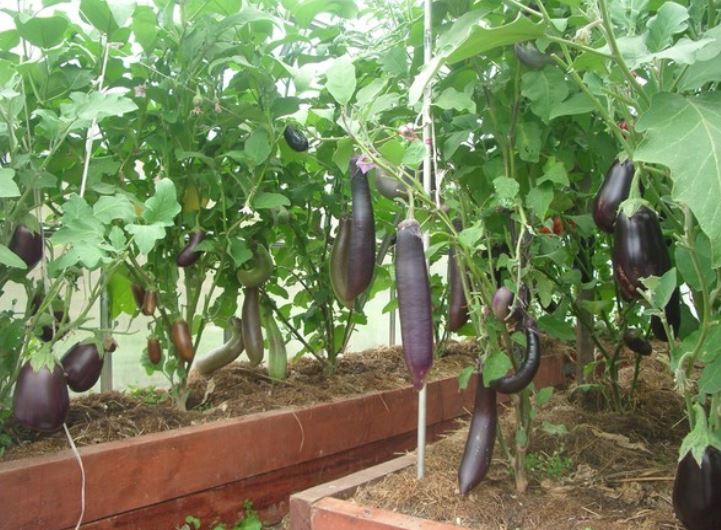
Ah, you know how care for and grow eggplants in a greenhouse to get a good harvest?
When to plant eggplant seedlings for further cultivation in open ground
In open ground, plants are at high risk of hypothermia due to recurrent frosts, so transplanting should not be done before the first ten days of June.
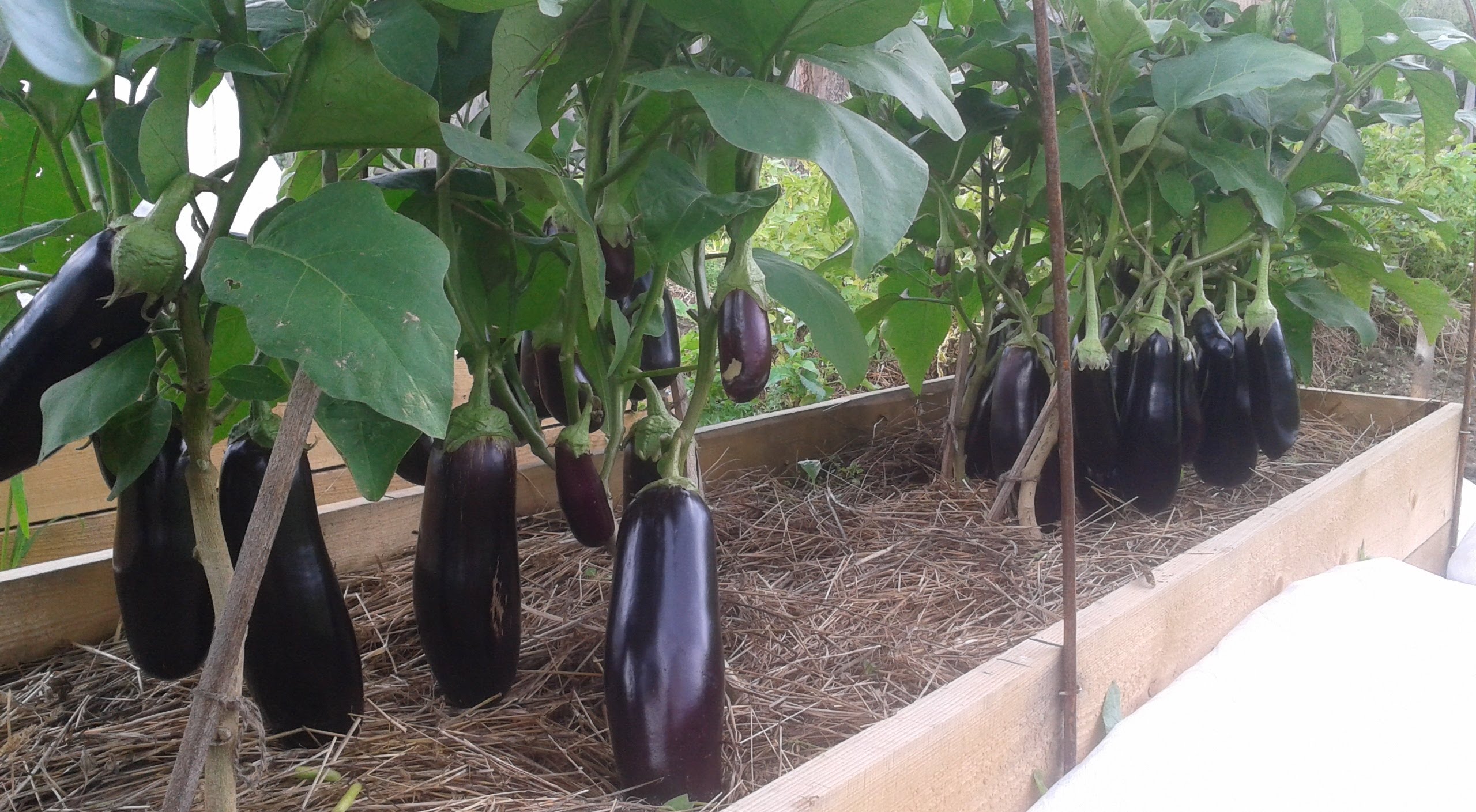
Containers for growing eggplant seedlings
Every gardener chooses a container that's comfortable for their eggplants. The main thing to remember is that eggplants don't like being pricked out, so avoid planting them too closely.
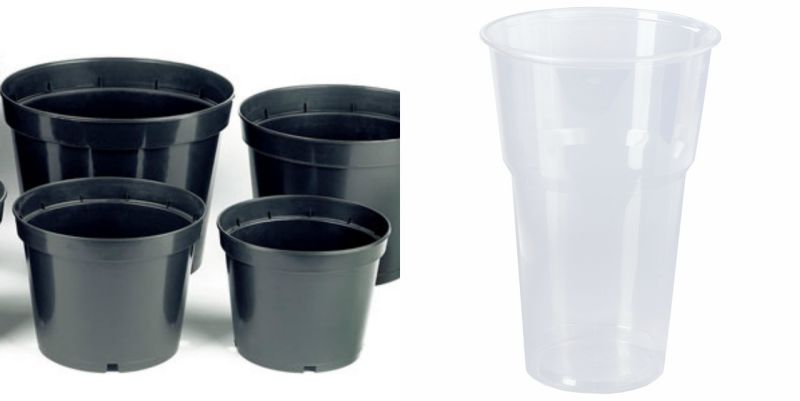
Sowing eggplants in plastic cups
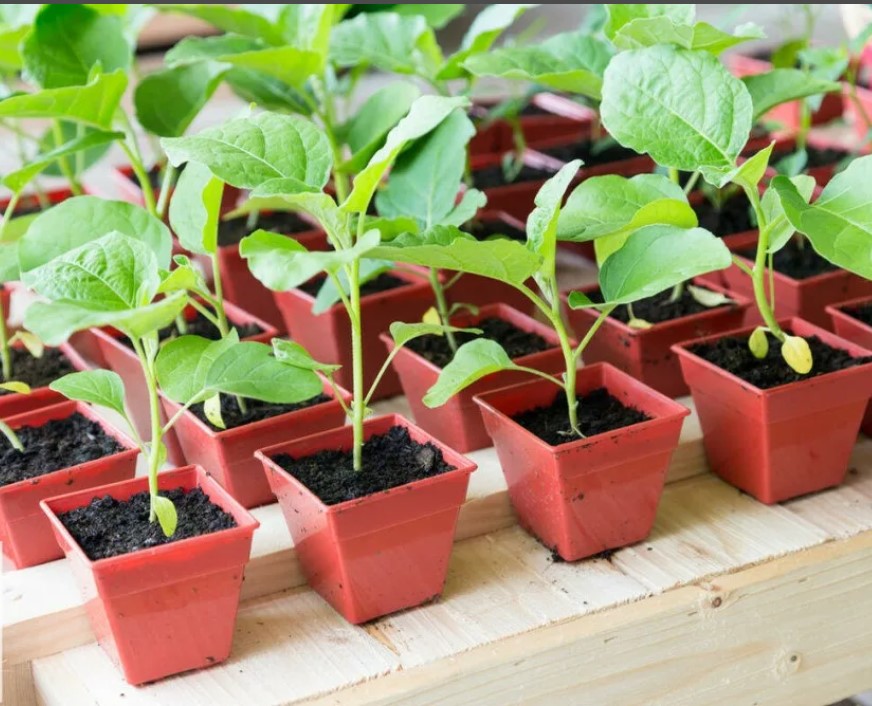
Cups are one of the most common methods for planting seedlings. Each cup should hold 250-500 ml. They're very convenient to use, as you can see both the roots and the soil moisture level. It's important to poke a few holes in the bottom to prevent water from stagnating.
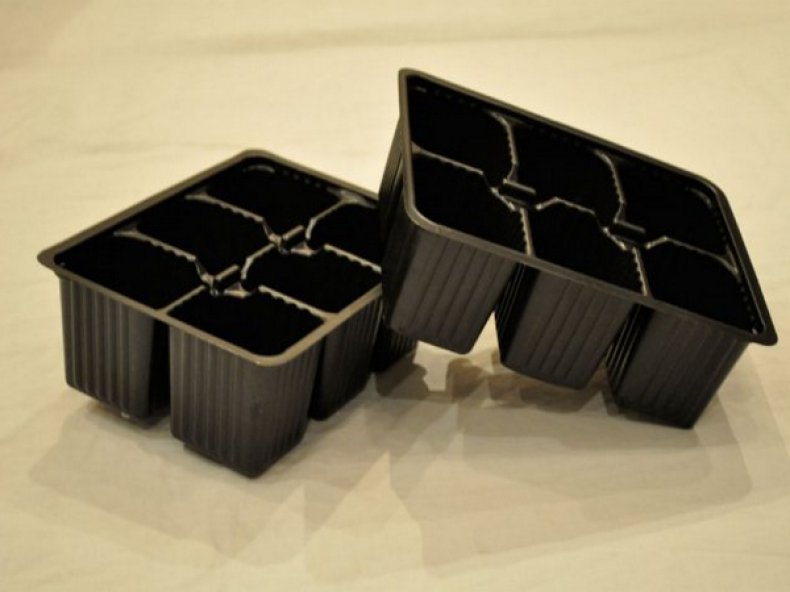
Sowing eggplants in plastic cassettes
It's very convenient to use seedling cassettes for transporting seedlings to the site; they're stable, and you can choose cassettes for different numbers of seedlings. However, care must be taken when doing this, as the plastic used is often of poor quality and easily damaged.
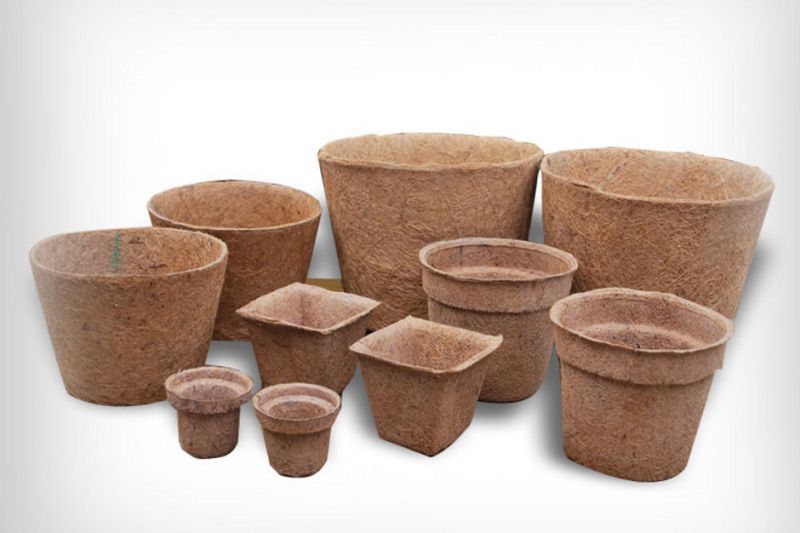
Sowing eggplants in peat pots
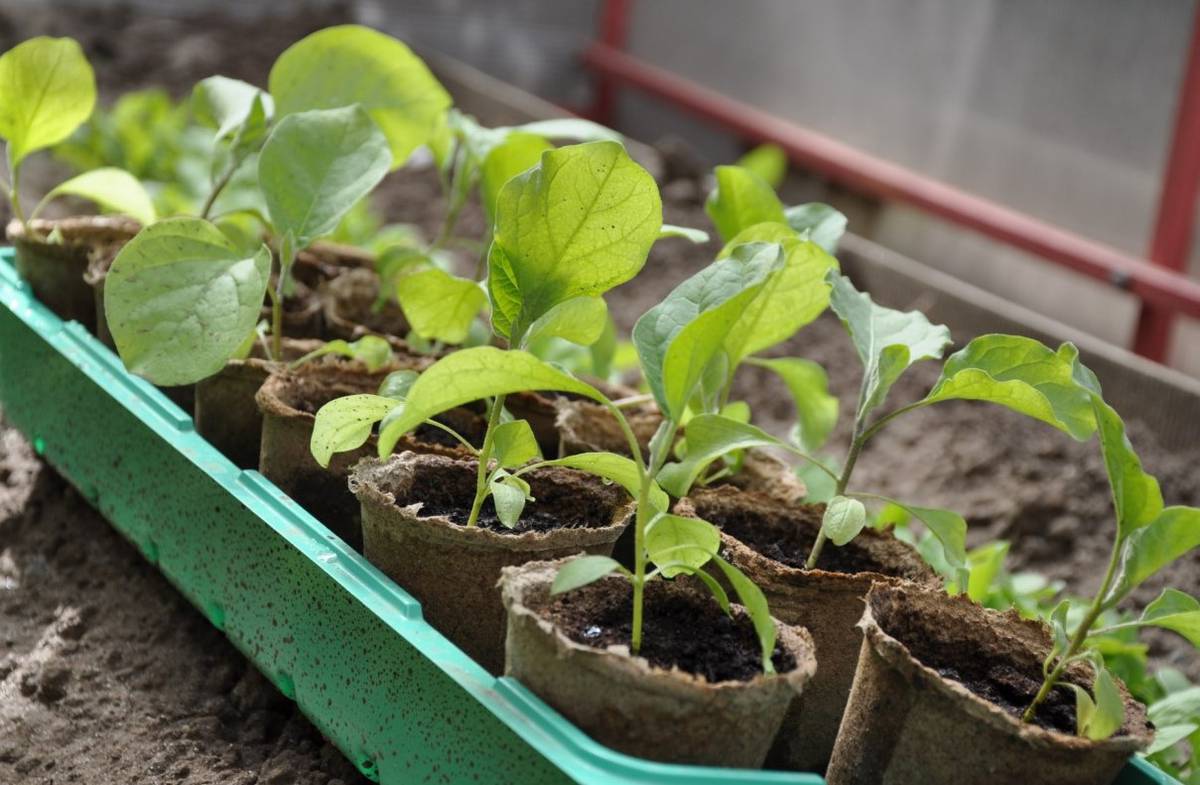
This is a convenient way to grow eggplants, as the pot itself is made of peat, so it can be planted in the ground along with the seedlings. This method prevents damage to the root system. However, while caring for the seedlings, you will need to monitor the soil moisture, as peat dries out very quickly.
Sowing eggplants in peat tablets
This is another successful growing method, as the eggplants don't need to be pricked out or replanted. Furthermore, the tablet already contains all the necessary micro- and macronutrients essential for normal plant growth and development. However, with this growing method, you'll need to constantly monitor the humidity—if it's not watered enough, the tablet will begin to dry out, which can damage the roots.
Sowing eggplants in wooden or plastic boxes
This is the most accessible method, but the least suitable for eggplants. Pricking out, which eggplants do not tolerate well, can damage the roots. When growing in a container, it's important to leave sufficient space between the seeds.

Requirements and soil preparation for planting eggplant seedlings
As we mentioned above, eggplant prefers loose, fertile soil. It should meet the following characteristics:
- The acidity level is neutral from 6.5 to 7 pH.
- The composition contains sand, which improves aeration.
- There is a drainage layer.
- Sufficient amount of nutrients.

The easiest way is to buy soil at the store. But if you prefer, you can make your own; here's the recipe:
- 1 part turf soil;
- 1 part peat;
- 2 parts humus;
- 0.5 parts sawdust.
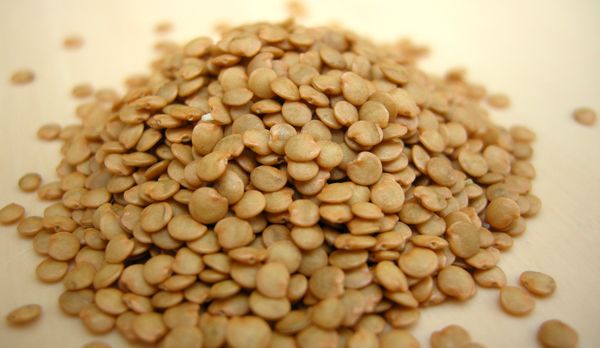
Rules for choosing eggplant seeds
When choosing seeds, you must follow the following rules.
- Choose reliable and proven manufacturers.
- The release date must not be more than 4 years old.
- Hybrid varieties are less susceptible to disease and also produce more fruit.
- You need to buy seeds strictly in accordance with your region of residence, choosing a variety that is suitable for the timing.
Selecting eggplant seeds for planting seedlings by variety
The yield and success of eggplant cultivation directly depend on the correct variety. Below are the most suitable eggplant varieties for different growing conditions.
Early ripening eggplant varieties
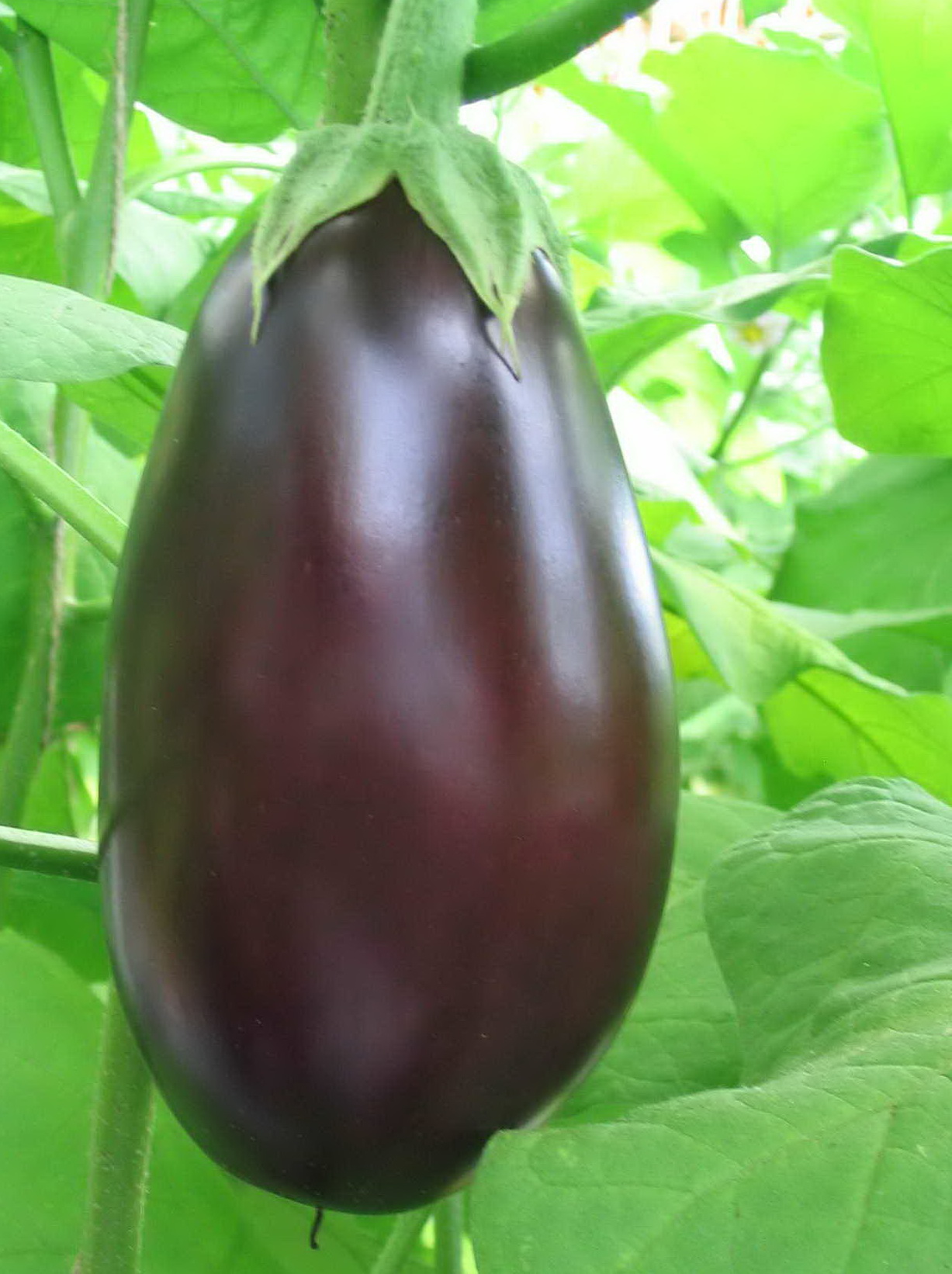
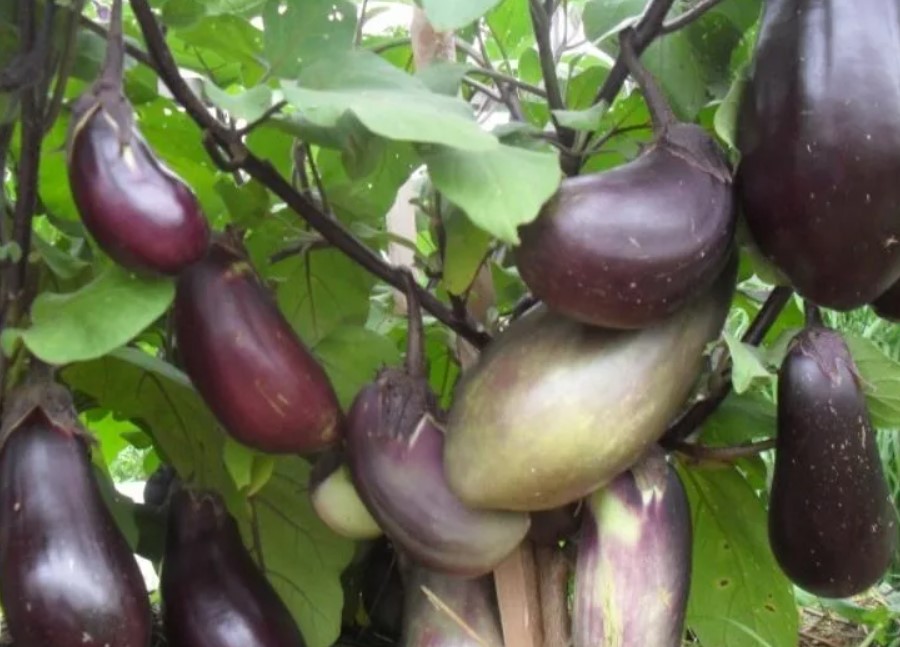
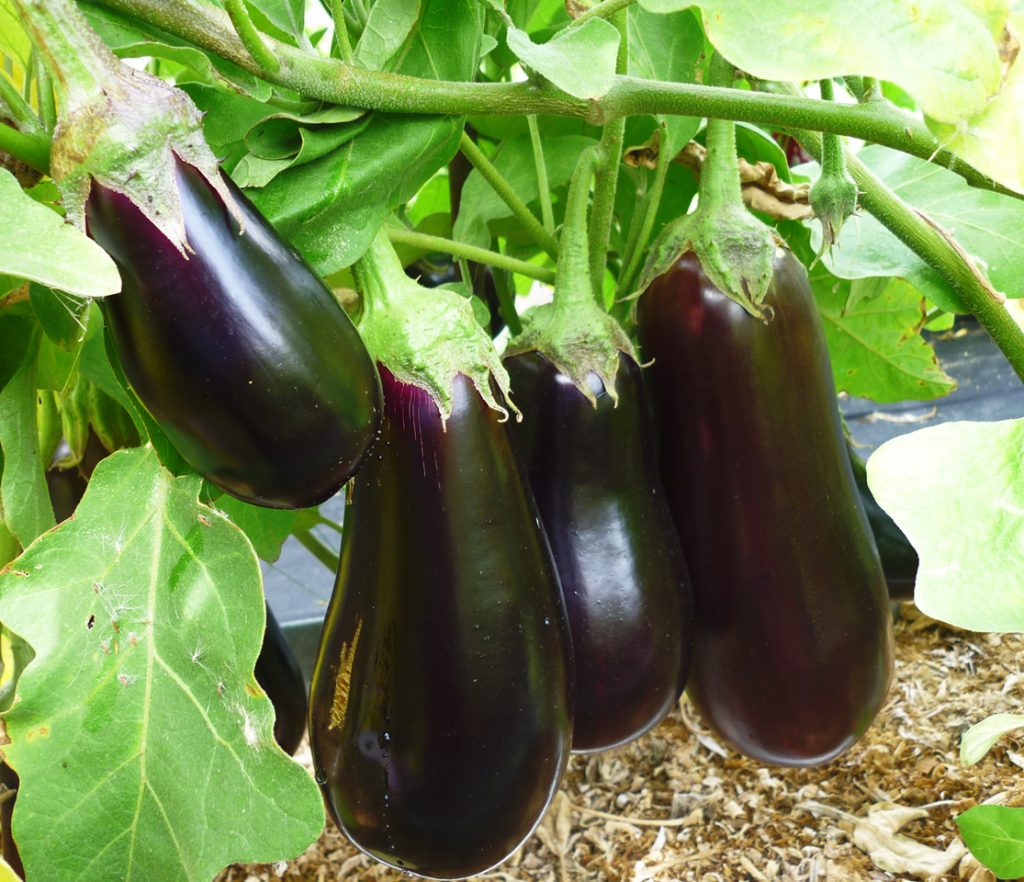
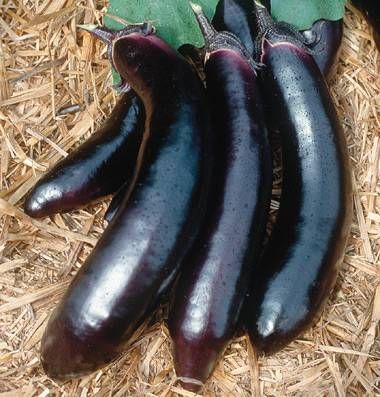
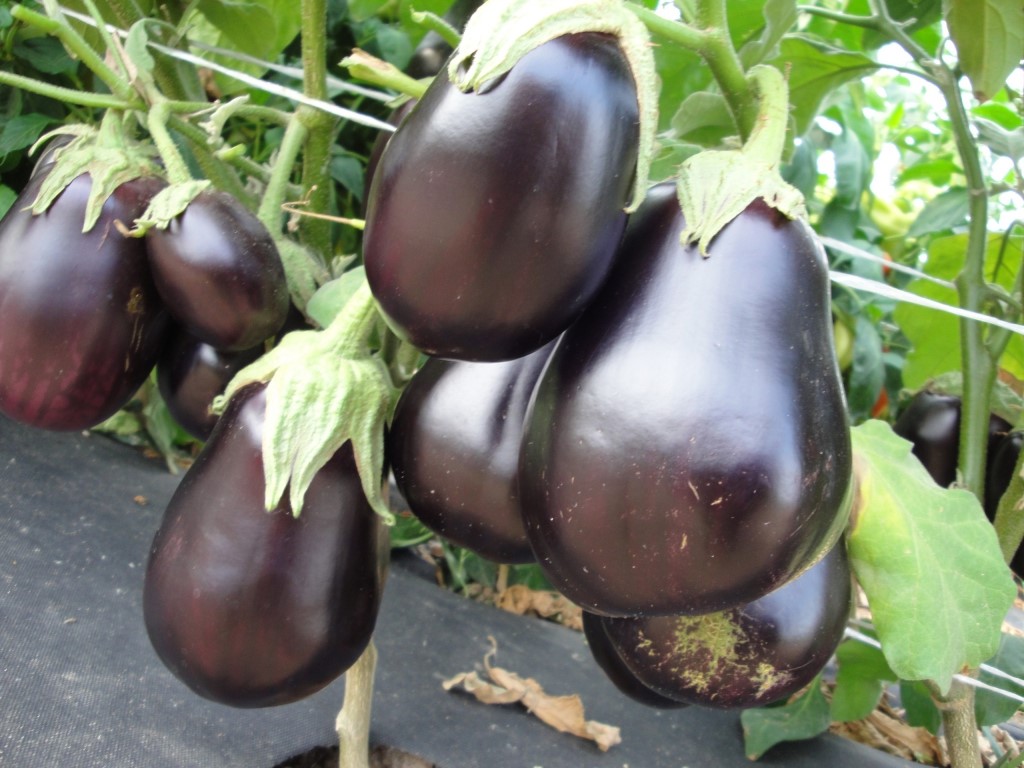
Eggplant ripening time ranges from 70 to 105 days from germination. The best early varieties include:
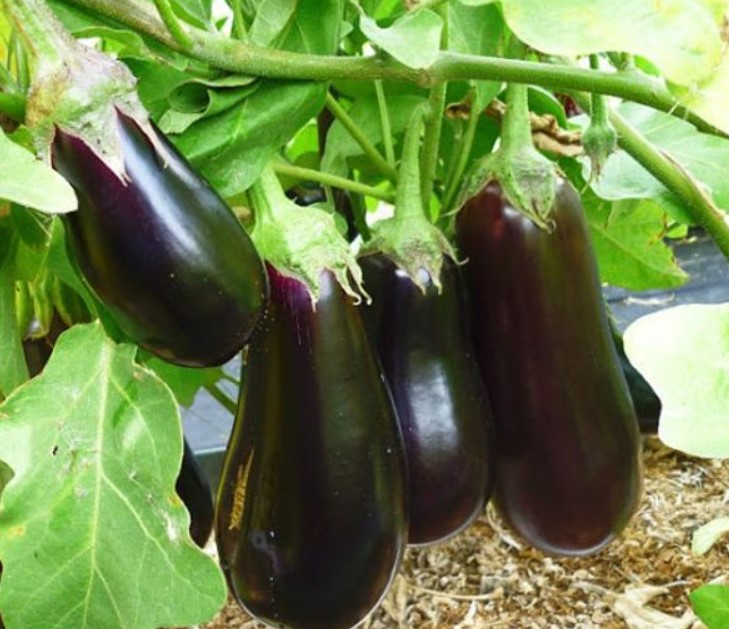
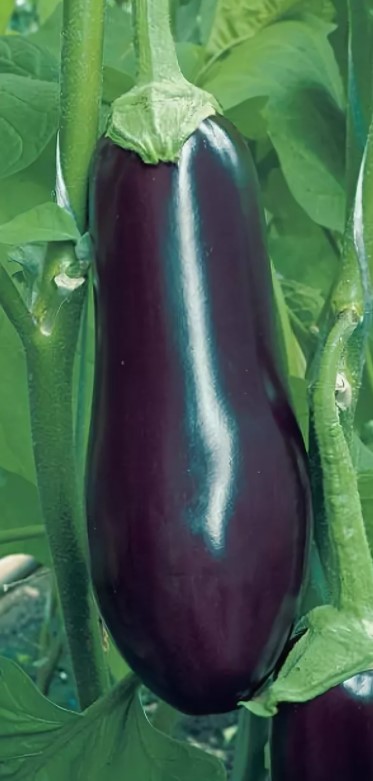
- Amethyst. Ripens in 94-114 days, reaching a height of approximately 180 cm, but the bush itself is quite compact. The fruits are classically shaped, weighing from 220 to 280 g. The color is bright purple, the flesh is greenish, without bitterness. Yields up to 7 kg per bush per season.
- Japanese dwarf. Ripens in 95-105 days. The bush grows to a height of only 50 cm. The eggplants are small, slightly elongated, weighing 140 to 160 g. The flesh is bland in flavor and very firm.
- Vikar. Harvesting takes 108-115 days. The fruits weigh up to 140 g, are pear-shaped, and have a rich color, often with a black or dark purple tint. A single bush can yield up to 15 kg of fruit per season.
- Orient Express. Ripens in 100-115 days. Tolerates cold temperatures well. The fruits are relatively large, weighing up to 210 g. The flavor is very pleasant, the skin is purple, and the flesh is white. Yields up to 4 kg per bush.
- Nutcracker. In greenhouses, the first fruits can be harvested in 50-80 days. The bushes are tall, producing bright purple, oval-shaped fruits weighing 200 to 380 g. They have excellent shelf life and marketability.
Photo gallery of early-ripening eggplant varieties
Mid-season eggplant varieties
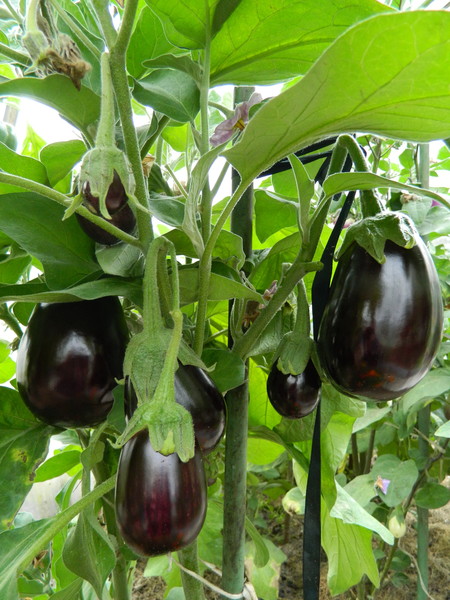
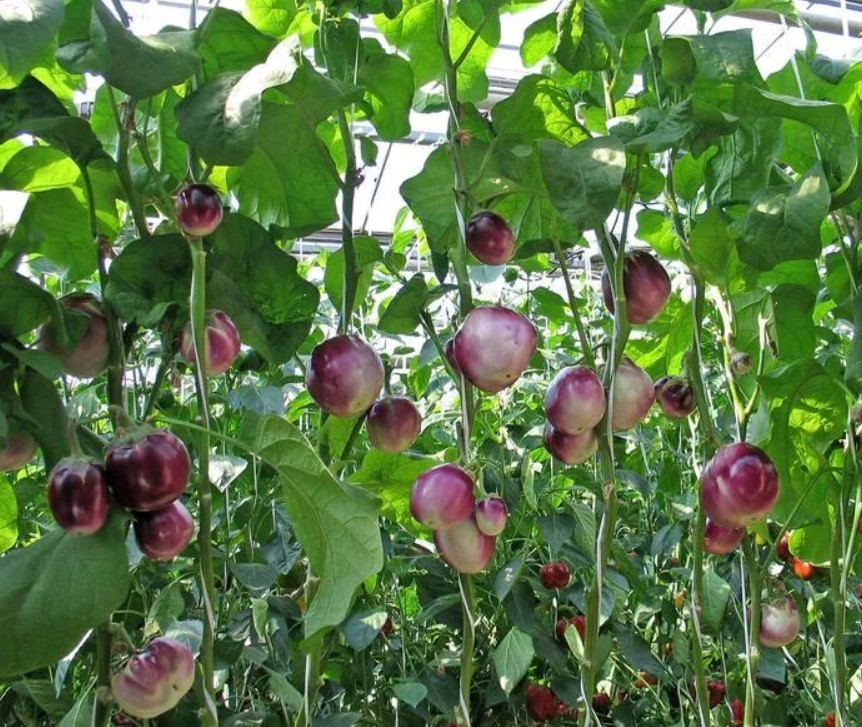
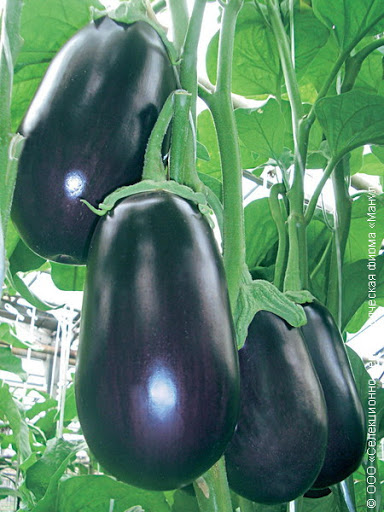
- Goliath. Ripens in 120-135 days. Tall bushes, up to 240 cm. Eggplants are dark purple, almost black. Firm flesh, without bitterness. Fruits are very large, oval, and can weigh up to 1.2 kg. Yields up to 16 kg per square meter per season.
- Dolphin. Ripening occurs in 120-130 days. The fruits are elongated, with grayish flesh and purple skin. They weigh from 400 to 700 g. The yield is 8 kg per square meter.
- Dirigible. Ripening time: 120 to 135 days. The fruits are oval and elongated, resembling a dirigible. Weight ranges from 700 to 1300 g. The skin is dark purple. The flavor is pleasant and lacks bitterness. Yields up to 11 kg per square meter.
- Bumbo. Ripens in 120-130 days. Eggplants weigh between 500 and 1000 g. The flesh is white and firm, the skin is purple, and the fruit is round. Yields up to 7 kg per square meter.
- Clorinada. Ripens in 115-130 days. This undemanding variety tolerates temperature fluctuations well. The fruits are very tasty, with cream-colored flesh. They weigh from 250 to 400 g. Yields up to 3 kg per square meter.
Photo gallery of mid-season eggplant varieties


Late-ripening eggplant varieties
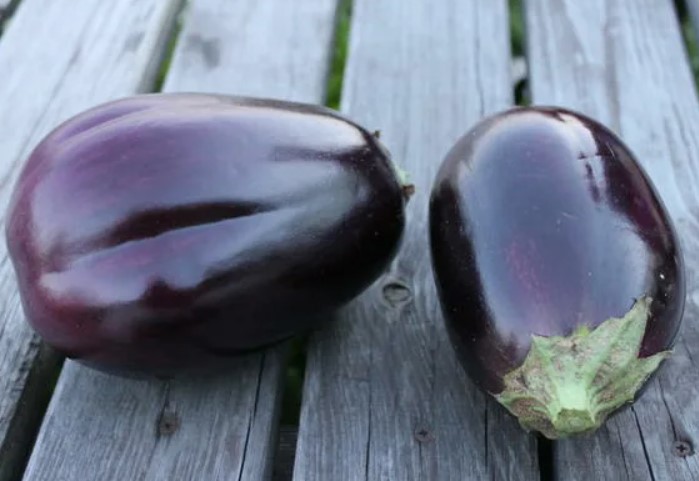
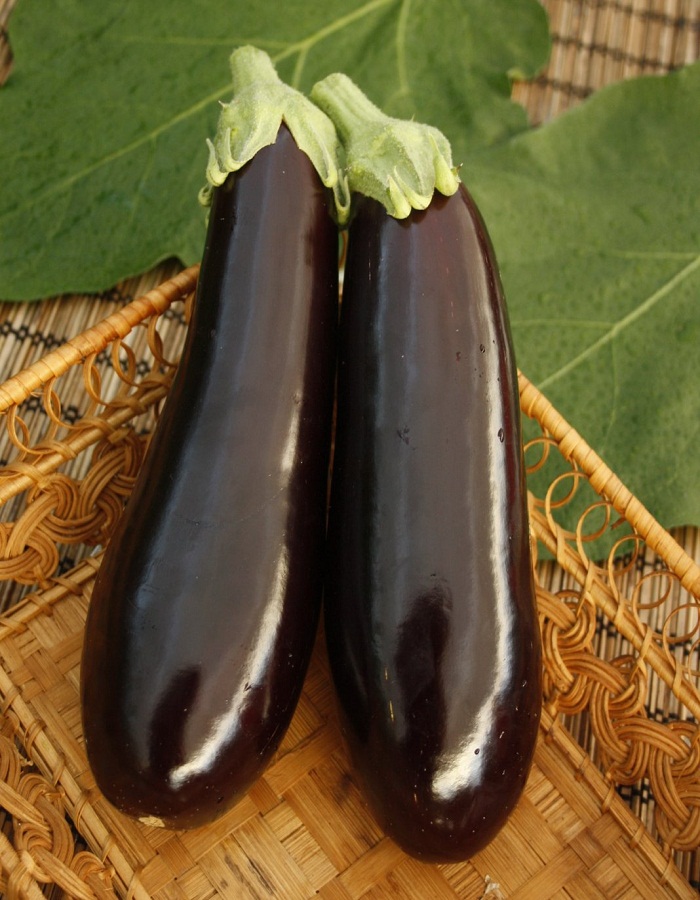
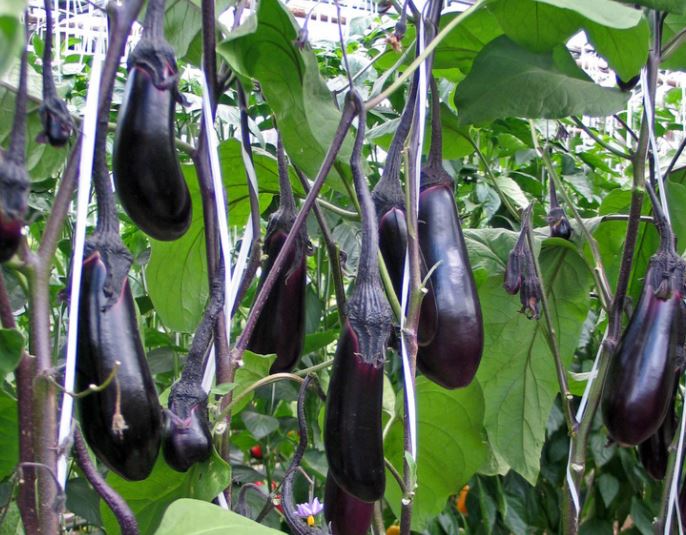
- Torpedo. The fruits ripen in 130-145 days. They are oblong in shape and have dark purple skin with a lilac tint. They weigh up to 200 g, and yield approximately 7 kg per square meter.
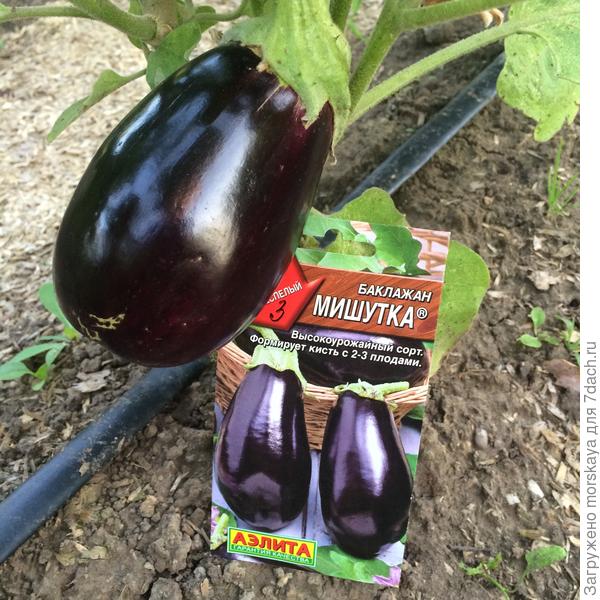
- Mishutka. Ripens in 130-145 days. The fruits are very dark, almost black, with white flesh. They are pear-shaped. They weigh 240 to 260 g. Yields approximately 8 kg per square meter.
- Baltic. Ripening period from 135 to 150 days. The fruits are oblong, very dark, weighing from 250 to 500 g. Yields up to 7-9 kg per square meter.
- Bull's forehead. Ripens in 145-160 days. Large, dark-brown fruits weighing 900 to 1500 g. They have excellent shelf life.
- Prince. Ripening occurs in 130-135 days. The fruits are very dark, resembling a goose egg in appearance. They weigh up to 200 g.
Photo gallery of late-ripening eggplant varieties

The best eggplant varieties for open ground
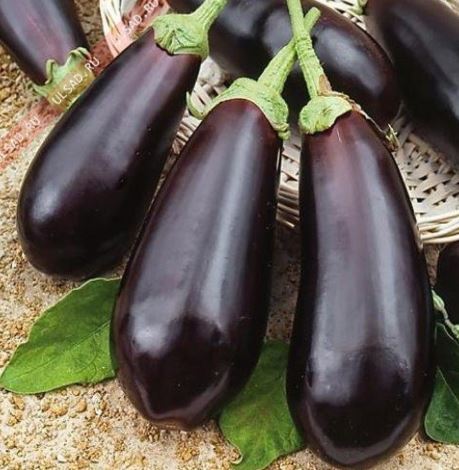
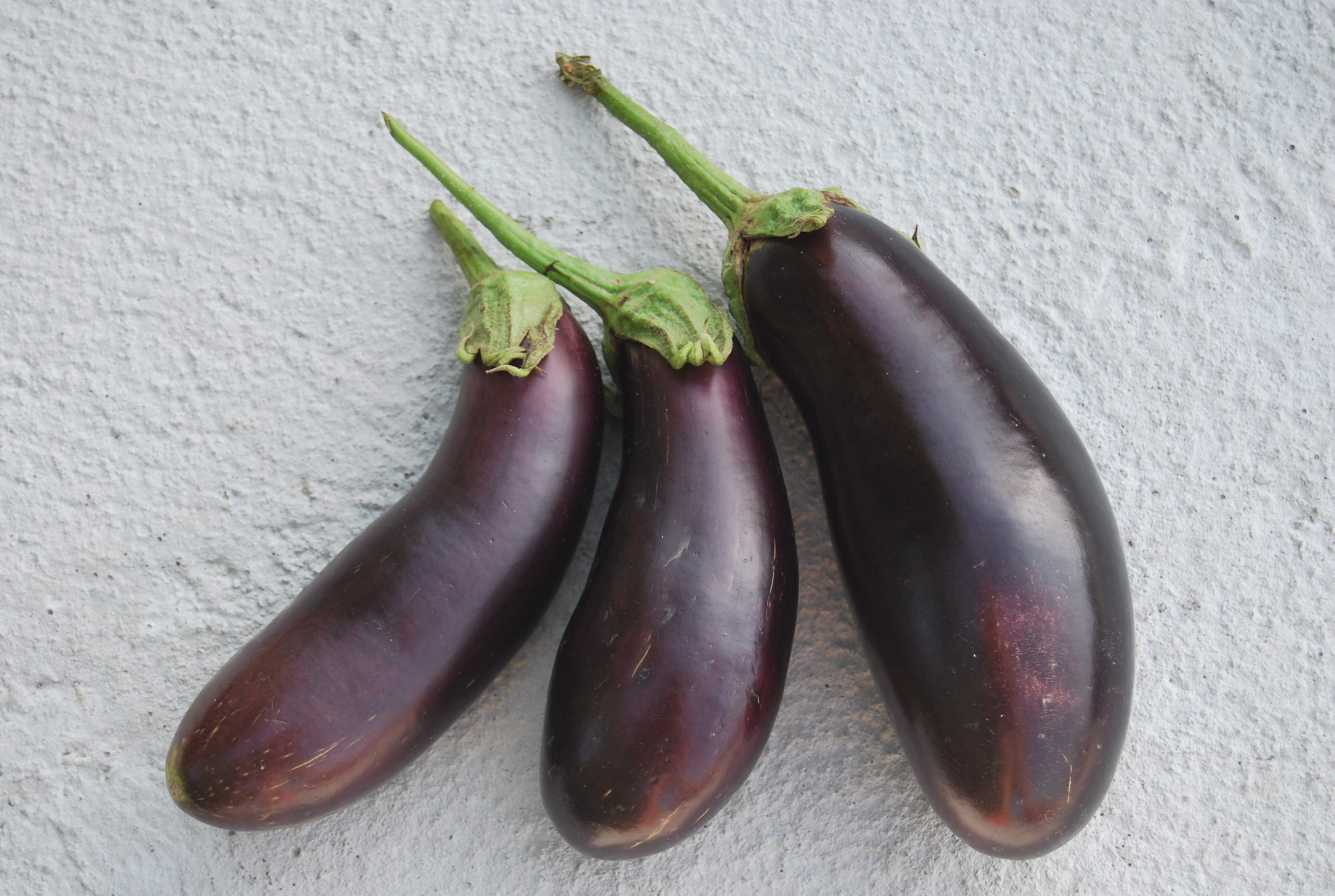
- Albatross. The fruit is teardrop-shaped, the flesh is relatively loose and porous, but pleasant to the taste. Weight: 200 to 250 g.
- Diamond. The bushes are low-growing, decorative, and easily formed into a ball. The skin has a lilac hue, and the fruit weighs 150 to 200 g. Yields up to 9 kg per bush per season.
- Marzipan. Ripening period up to 145 days. The flesh is very tender and meaty. High marketability and shelf life.
- Vakula. Ripening period: 140 days. Bushes are tall, up to 170 cm. Fruit is firm and dense, with a pleasant, tart flavor. Yields up to 8 kg per bush.
- Anet. Characterized by a long fruiting period, which continues until the first frost. The fruits are oval, smooth, and have purple skin. Yields up to 9 kg per bush.
Photo gallery of eggplant varieties for open ground
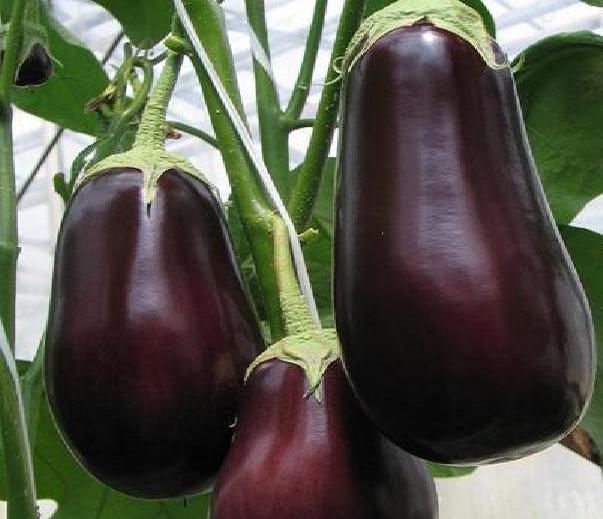
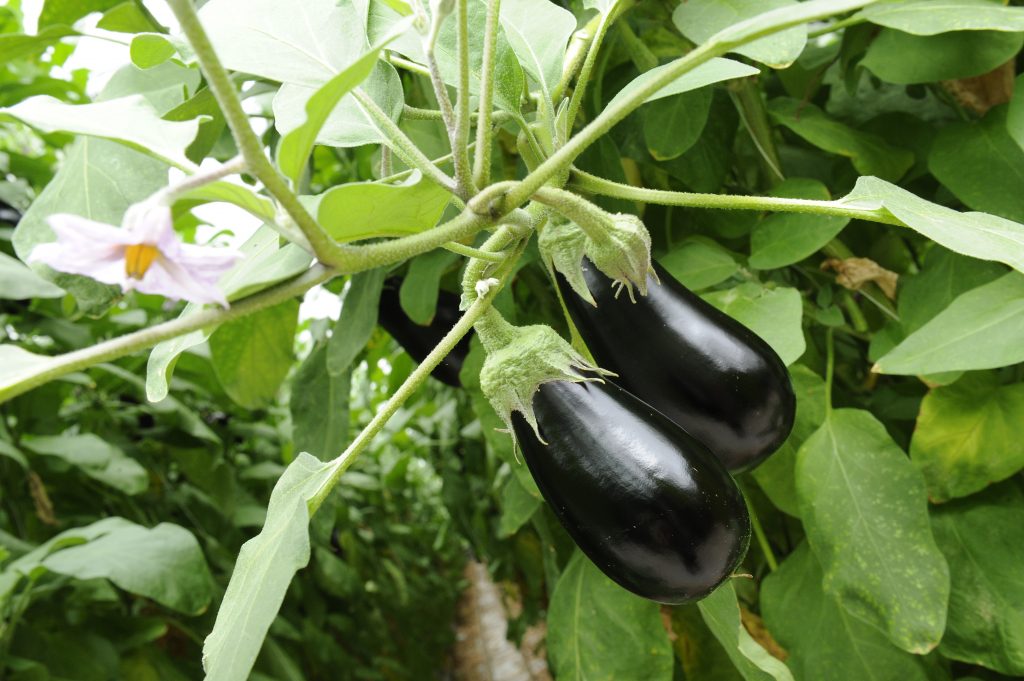
The best eggplant varieties for greenhouses
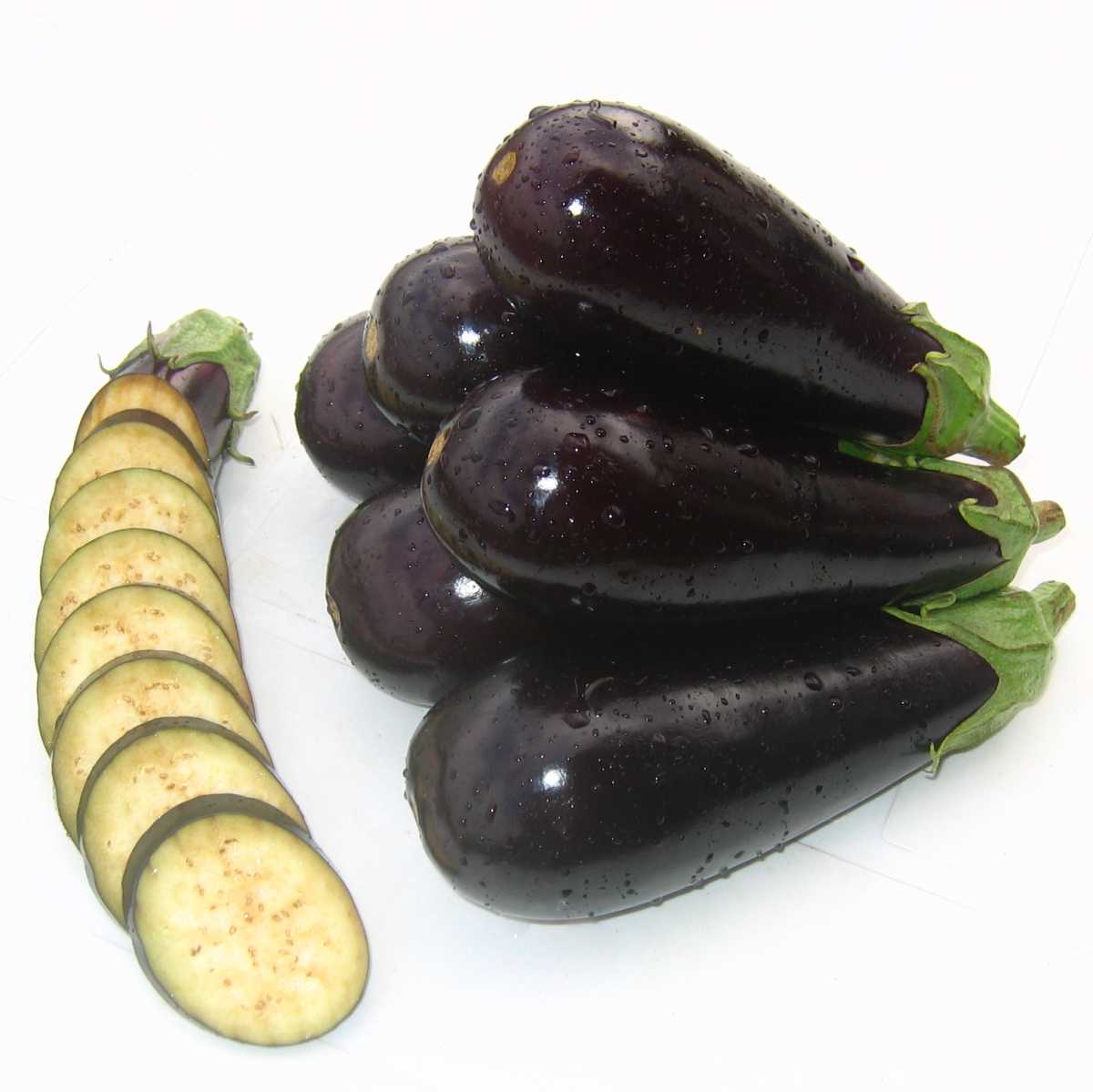
- Robin Hood. A mid-season variety. Yields up to 9 kg per bush. The fruits are pear-shaped with purple skin. They weigh up to 300 g. The pulp is aromatic and excellent for processing.
- Gorodovoy (City). Can only be grown in greenhouses. The bushes grow up to 270 cm. The eggplants are very large, bright purple, and oval-shaped. They weigh up to 500 g. Each bush yields up to 10 kg of fruit.
- Sofia. A late-ripening variety. It requires no shaping (pinching) or pinching. The fruits are cylindrical, up to 30 cm long, and weigh up to 1,300 g. The yield is high, up to 17 kg per bush.
- Black Moon. A mid-season variety, the harvest matures in just 125 days. The fruits are dark purple, spherical in the early stages of development. They weigh from 150 to 280 g. The skin is dark purple. Up to 5 kg of fruit can be harvested per square meter.
- Simferopolsky. The fruits are distinguished by their interesting coloring. Light stripes are randomly arranged on a dark purple background. The pulp is porous, suitable for canning. They weigh 250-400 g. Yields up to 6 kg per bush.
Photo gallery of eggplant varieties for greenhouses
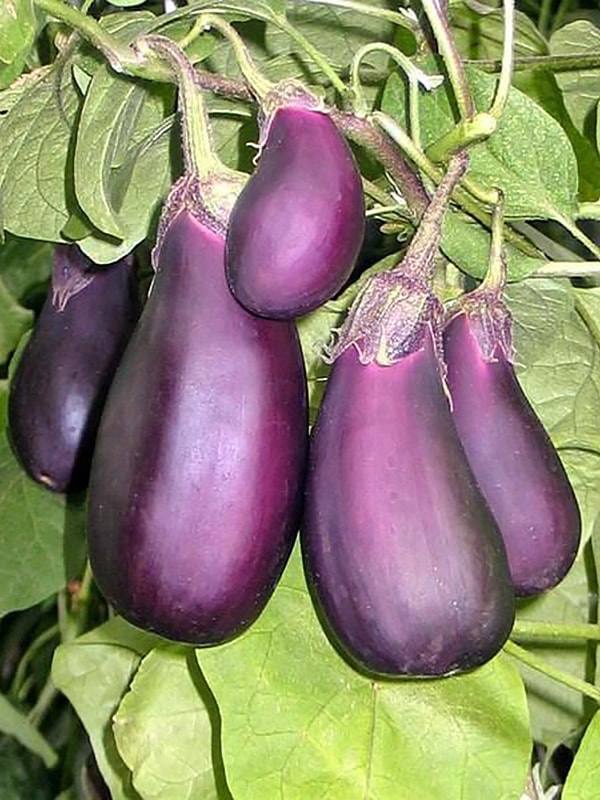

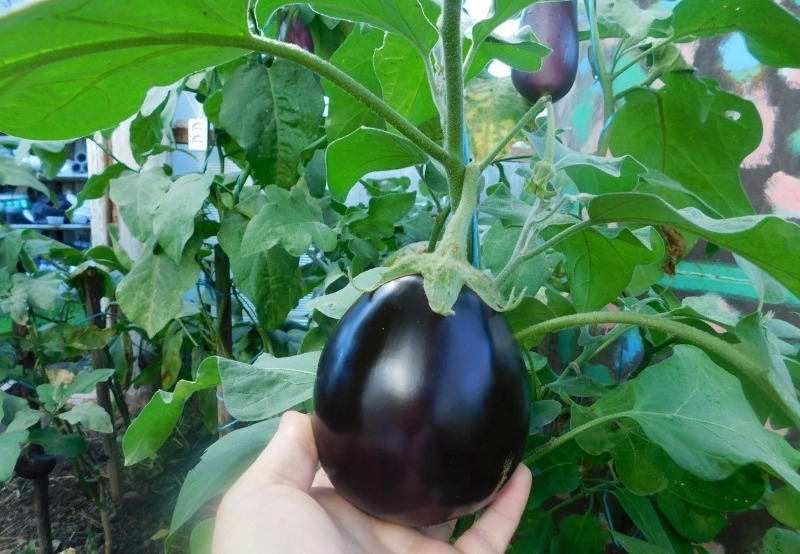
How to grow eggplants in a greenhouse?
Preparing eggplant seeds for sowing
Seed preparation is an important step in growing eggplants. This is especially true for seeds that were collected home-grown or not processed commercially.
Step-by-step process of preparing eggplant seeds for sowing:
- Germination test (15-20 minutes);
- Warming up (from 1 month or 5 minutes);
- Etching (20 minutes);
- Hardening (7 days);
- Germination (3 days).
Let's look at all the stages in more detail, step by step.
Why is it necessary to calibrate eggplant seeds before planting seedlings?
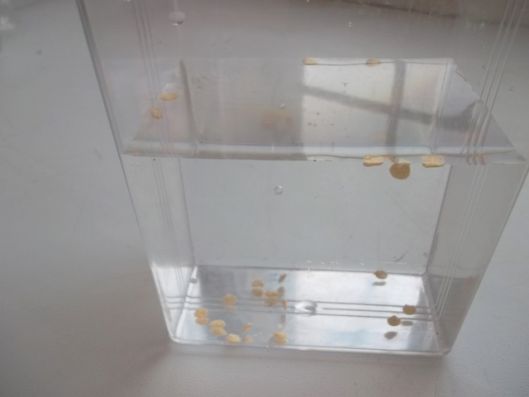
Calibration allows you to select only viable seeds for planting. To do this, dissolve a teaspoon of salt in a glass of water and soak the seeds in it for 15-20 minutes. Any seeds that float to the surface are considered empty. These should be discarded, and any that sink to the bottom should be removed, rinsed, and dried.
Is it necessary to warm up eggplant seeds before planting seedlings?
Preheated seeds have been proven to have better germination rates. This can be accomplished in two ways:
- 3a 1-1.5 months before planting, wrap the seeds in a cloth and hang them on a radiator, shaking the bag periodically to prevent them from rotting.
- A few days before planting, the seeds are placed in a cloth bag and immersed in a thermos with water at 50°C for 5 minutes, then dried.

The benefits of disinfecting eggplant seeds before planting seedlings
Pathogenic microorganisms can be found on the surface of seeds, which, when germinated, can easily penetrate and weaken the plant's immunity. Therefore, disinfecting planting material is crucial.
For this purpose, dilute a weak solution of potassium permanganate and soak the seeds for 20 minutes. You can also use hydrogen peroxide (0.5 liters of water - 1 tablespoon of 3% hydrogen peroxide solution) or Fitosporin-M (according to the instructions).
After disinfection, they are washed and dried.
Do eggplant seeds need to be hardened before planting seedlings?
Seeds that have undergone a hardening process have a stronger immune system. To do this, place them in a damp cloth and leave them in a warm place for 16 hours, then put them in the refrigerator for 12 hours. This process continues for a week.

Do I need to soak eggplants before planting seedlings and in what?
A frequently asked question is, "Should I soak eggplant seeds before planting?" Let's answer that question.
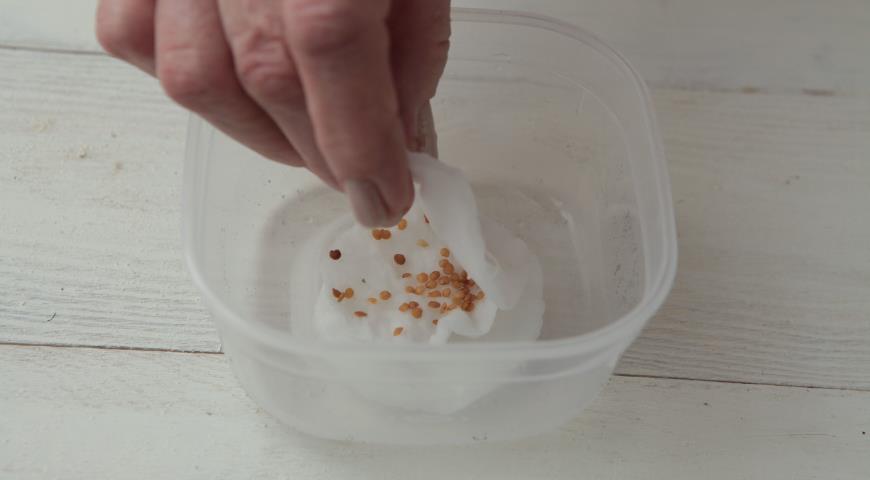
Soaking helps speed up germination. Germinate the seeds 3 days before sowing. Place a cloth on a saucer, place the seeds on top, and then moisten everything with warm water. Cover the saucer with plastic.
Eggplant seeds can be soaked in warm, settled water. However, for greater effectiveness, it's worth adding various growth stimulants to the solution. For example: Zircon (2 drops per 200 ml of water), Epin (2-4 drops per 200 ml of water), aloe juice, succinic acid, and baking soda (1 tablespoon per 1 liter of water). Micronutrients can be added to this solution.
These solutions activate embryo development. Seedlings grown from such seeds will have stronger immunity.
Before sowing, the seeds are dried.
Technology of sowing eggplant seeds for seedlings without picking
Eggplants don't do well when transplanted, so it's best to plant them directly into individual containers. Here are instructions on how to do this:
- Drainage holes are made at the bottom of the cup.
- A layer of sand, expanded clay or perlite about 1 cm thick is poured.
- Take the soil disinfected in the oven and fill the container so that it is 2-3 cm from the edge.
- Watering is in progress.
- Using a toothpick or other suitable stick, carefully transfer the seed to the soil and plant it approximately 1 cm deep. Up to four seeds can be planted at a time; after germination, the most viable seedling can be kept.
- Light spraying of plantings with settled water is carried out.
- The container is covered with film and placed in a room with a temperature of +25…+27 °C.
Technology of sowing eggplant seeds for seedlings with picking
Pricking out may be necessary when growing eggplants in a shared container. If done correctly, it won't affect the quality of the seedlings.
- The box should also contain a drainage layer and disinfected soil. Here, furrows are made on top of the soil, into which the seeds are planted one at a time, at least 2 cm apart.
- You need to leave 4 cm of space between the rows.
- Next, the seeds are sprinkled with soil and watered from a spray bottle.
- The container is covered with film or polyethylene and placed in a warm place.
Sowing eggplant seeds and growing seedlings in a snail
Planting seeds in a snail is an easy way to grow eggplant seedlings at home, which allows you to save space in your apartment.
Step by step sowing process:
- A roll of 4-layer toilet paper is rolled out onto a substrate (for example: polyisol), 12-15 mm in width, the length depends on the number of seeds;
- Next, the prepared soil is poured in, without going beyond the dimensions of the substrate;
- The soil is well watered with warm (50 °C) water with a solution of potassium permanganate;
- The roll is then carefully rolled up without squeezing it too tightly;
- The resulting snail is secured with an elastic band, tape or any fastener;
- The soil is leveled so that approximately 1.5 cm remains to the end of the substrate;
- Using a damp toothpick, the seeds are laid out in a circle and sprinkled with 0.5 cm of soil;
- Pour the same solution generously;
- The snail is placed in a plastic bag, which is tied, but in such a way that air remains in it;
- Place in a warm, dark place;
- After the sprouts appear, the package with the snail is opened and placed in a bright place.
Eat 4 ways to sow eggplant seeds for seedlings, find out more about them on the website Top.tomathouse.com.
Creating conditions for the growth of eggplant seedlings
Properly created conditions for growing eggplants will allow every gardener to enjoy a bountiful harvest from their own garden. It is during the seedling germination stage that the basic immunity is developed and the future harvest is established.
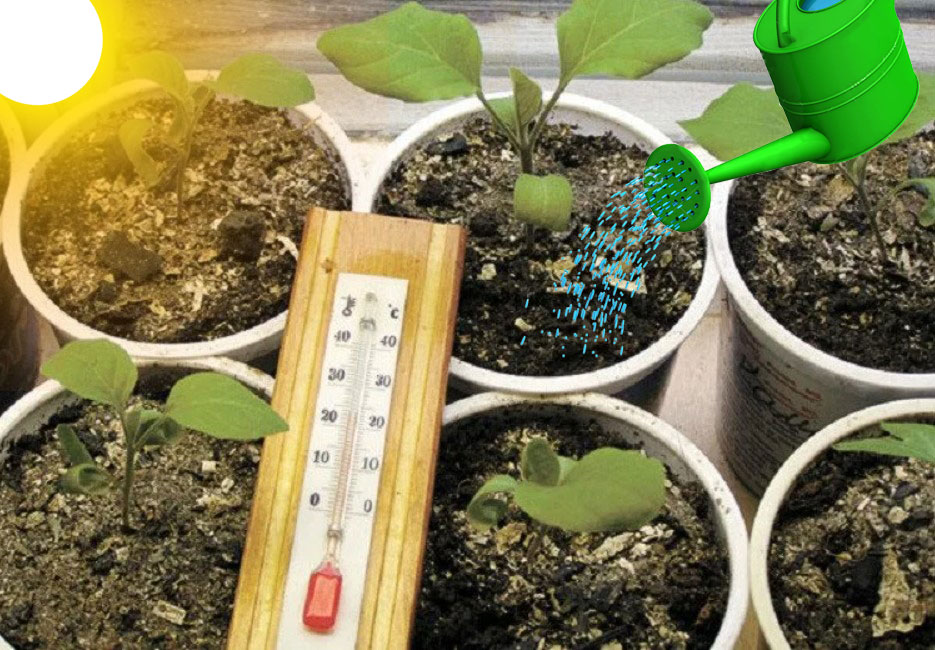
Temperature
After the first shoots appear from the ground, the seedlings are moved to a cooler place with a temperature of no higher than +16 °C during the day and no lower than +12 °C at night.
After a week, daytime temperatures are increased to 25 to 27°C. Nighttime temperatures should remain at 12 to 14°C. If the difference between daytime and nighttime temperatures is less than 12°C, the seedlings will adapt poorly to the upcoming natural transplant.
You can grow eggplant seedlings on a windowsill, but the temperature requirements mentioned above must be met. Also, keep in mind that the radiator, which is usually located there, produces a lot of heat. Therefore, it's best to place something on the windowsill itself, such as foam or some other padding several centimeters thick.
Lighting
Light is crucial for eggplant seedlings. Daylight should be at least 12 hours, and for the first three days, lighting should be provided 24/7. Specialized lamps can be used for this purpose, positioned 50 cm from the seedlings. For eggplants on a windowsill, a 16-hour daylight schedule of 8 hours in the shade and 16 hours in the light is recommended.
Watering and fertilizing
The soil around the seedlings should be kept moist at all times. Water less frequently until the first leaves appear; after that, the plants will need more water. However, waterlogging should be avoided.
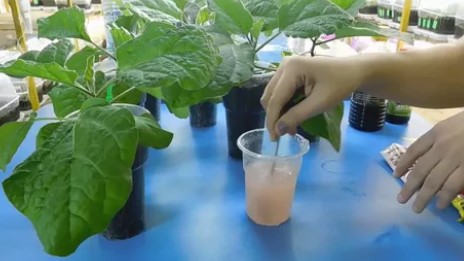
The first fertilizers can be applied 10 days after the seedlings emerge.
- Dissolve 15 g of nitroammophoska in 5 liters of water and spray.
- Dissolve 15 g of nitroammophoska, 5 g of urea and 30 g of superphosphate in a bucket of water, water the plants after the main watering so as not to damage the roots.
- Spray with a solution of specialized fertilizers every 14 days.
Picking eggplant seedlings
Picking eggplant seedlings occurs after two true leaves appear. This involves transplanting the plants into individual containers. The soil can be the same as when they were first planted. It can be pre-fertilized by watering with an ash solution (1 teaspoon per 10 liters of water).
The seedlings are transferred to a new container along with the root ball. The soil should already be sufficiently moist so that the seedlings should not be disturbed for six days after transplanting.
Potential problems with growing eggplant seedlings and how to eliminate them
Let's look at the main problems that can arise when growing seedlings and tell you how to deal with them.
What to do if eggplant seedlings are stretching
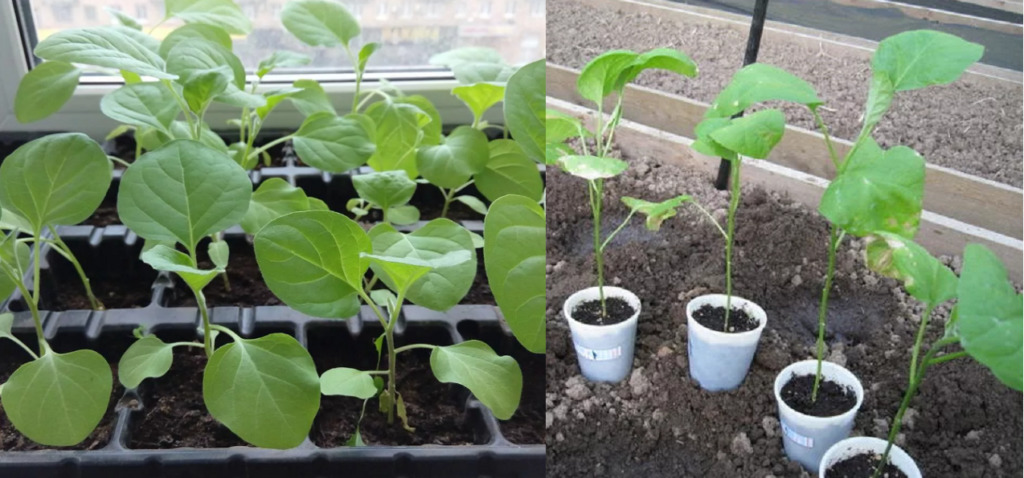
Most likely, the plants aren't getting enough light. Increase the daylight hours or check if your light source is sufficient for the entire seedling area. Sometimes, stretching is caused by overfertilizing or overwatering the soil.
What to do if eggplant seedlings are rotting
Rot typically affects weak seedlings due to improper care. This is especially true due to overwatering and improper temperature control. Diseased plants should be removed immediately, and the remaining plantings should be sprayed with a Trichodermin solution. Another cause of rot is calcium deficiency. To eliminate this, dilute 1 teaspoon of ammonium nitrate, 2 teaspoons of potassium sulfate, and 3 tablespoons of superphosphate in a bucket of water, then water.
What to do if eggplant seedlings turn yellow
This pathology may have several causes:
- Lack or excess of moisture
- Nutritional deficiencies
- Potassium or phosphorus deficiency. In the latter case, the leaves will not only turn yellow but also bend toward the stem. A fertilizer consisting of 30 g of potassium nitrate and 10 g of superphosphate diluted in 10 liters of water will help.
Hardening off eggplant seedlings before planting them in open ground
Hardening off the seedlings is done to gradually acclimate the eggplants to natural outdoor conditions. This process begins 14 days before transplanting. Watering is reduced to a minimum, and the plants are moved to the veranda or outside, provided the temperature is at least 15°C.
If this isn't possible, you can ventilate the room and open the windows. The main thing is to keep the seedlings out of direct sunlight. Hardening off takes about an hour initially, but this time increases with each passing day.
How to plant eggplant seedlings in a greenhouse
Eggplants can be planted in a greenhouse (indoors) when they have 5-7 true leaves. At this point, the plant usually reaches 7 cm in height. The exact timing varies by region, but typically it's the second half of May, not earlier.
The rows in the bed are parallel, but the holes can be either opposite each other or staggered. The latter method is especially suitable for growing tall varieties.
When to plant eggplant seedlings in a greenhouse: Lunar calendar for 2024
| Month | Favorable And possible dates | Unfavorable and prohibited dates |
| April | 1—3 (until 12:07), 5 (from 14:12)-7 (until 14:24), 9 (from 9:20 p.m.)—11 (until 15:57), 13 (from 20:44)—16 (until 05:24), 21 (from 06:08)—23 (until 02:48), 25 (from 02:48), 28 (from 12:37 p.m.)—30 (until 18:20) | 3 (from 12:07 a.m.)—5 (until 14:12), 7 (from 14:24), 7 (from 9:20 p.m.), 8, 9 (until 21:20), 23 (from 02:48), 24, 25 (until 02:48), 30 (from 18:20) |
| May | 2 (from 21:52)—4 (until 23:40), 11 (from 06:12)—13 (until 13:35), 18 (from 13:22)—22 (until 16:52), 25 (from 18:36)—27, 30 (from 03:32)—31 | 1—2 (until 21:52), 4 (from 23:40)—6, 7, 8, 9 (until 06:12), 13 (from 13:35)-15, 21-22 (from 16:52), 23, 24 (until 16:52), 28—30 (until 03:32) |
| June | 7 (from 15:40)—9 (until 22:27), 14 (from 9:11 p.m.)—20, 23—24 (until 06:14), 26 (from 09:07 a.m.)-28 (until 11:51 a.m.), 30 (from 15:01) | 1(from 6:27 a.m.)-5 (from 11:36 a.m.), 6, 7 (up to 11:36 a.m.), 17 (from 09:37 a.m.)-19 (until 19:32 p.m.), 21, 22, 24 (from 06:14)-26 (until 09:07) |
Then plant eggplants in a greenhouse for the next year.
To ensure a good eggplant harvest, it's important to practice crop rotation. This means planting eggplants after certain other crops.
It's believed that planting identical vegetables or plants from the same family (in the case of eggplants, nightshade family) in the same location for more than three years significantly reduces yield and disease resistance. Furthermore, some crops attract pests that can damage or even be toxic to subsequent plants.
That's why crop rotation is so important. The best predecessors for eggplants are salad crops, legumes, melons, root crops, and green manure.
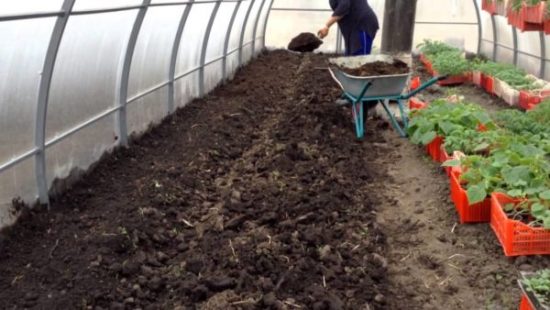
Preparing a bed for planting eggplants in a greenhouse
Eggplants prefer light, fertile soil. The soil should be enriched with compost or any organic matter. You can use liquid manure fertilizer: dilute 2 kg of rotted manure in 10 liters of water.
Another option: put 1 tablespoon of humus and a little more than half a teaspoon of superphosphate and potassium sulfate into each hole.
How deep should I plant eggplants?
Eggplants can be planted when the seedlings are 25 cm tall and have 9 true leaves. The hole should be 30 cm deep.
The distance between eggplants when planting in a greenhouse
In the greenhouse, eggplants are planted 30-40 cm apart, with a 60-70 cm gap between rows.
What to plant next to eggplants in a greenhouse
When planning your plantings, keep in mind that eggplants aren't very tolerant of neighbors; in a greenhouse, they prefer to grow in splendid isolation. However, if there's no other option and you need to give them some space, you can plant them near tomatoes, especially medium-sized varieties, as well as peppers. However, placing them near cucumbers is undesirable.
Caring for eggplant seedlings after transplanting into a greenhouse
In the northern regions, central Russia, and the Moscow region, after planting seedlings in an unheated greenhouse, it's best to cover them with a covering material. Once nighttime temperatures settle between 10 and 12°C and continue to rise, remove the covering.
It is important to do the following operations:
- Water generously after planting, then only after 2 weeks or after the soil has dried out.
- The plantings are mulched.
- Seedlings are fed 10-12 days after planting with mineral fertilizers (urea, herbal infusion). A second feeding is done 10 days later, if the seedlings have not yet flowered, using any nitrogen fertilizer (azofoska, nitrophoska, ammophoska).
- Greenhouse eggplants sometimes require pollination. This can be done by shaking the seedlings in the morning or treating the flowers with Ovary and Bud. However, there's another opinion (see the video below).
- Seedlings are formed. North - 1 shoot, Moscow region, central zone - 1-2 shoots, southern regions - 3-5 stems.
How to plant eggplants in open ground (seedlings)
Seedlings intended for planting in open ground should be stronger and more vigorous than those planted in a greenhouse. The height of the bush often reaches 30 cm, with 8-12 leaves.
When to plant eggplant seedlings in open ground
Eggplants don't tolerate temperature fluctuations well. Typically, planting should begin no earlier than the first ten days of June or the end of May (under cover). In the South, even earlier planting is possible.
But the main thing is to wait for the following temperatures:
- Soils: +15 °C;
- Air: during the day - +15…+21 °C, at night - minimum +8 °C.
| Month | Favorable And possible dates | Unfavorable and prohibited dates |
| May | 2 (from 21:52)—4 (until 23:40), 11 (from 06:12)—13 (until 13:35), 18 (from 13:22)—22 (until 16:52), 25 (from 18:36)—27, 30 (from 03:32)—31 | 1—2 (until 21:52), 4 (from 23:40)—6, 7, 8, 9 (until 06:12), 13 (from 13:35)-15, 21-22 (from 16:52), 23, 24 (until 16:52), 28—30 (until 03:32) |
| June | 7 (from 15:40)—9 (until 22:27), 14 (from 9:11 p.m.)—20, 23—24 (until 06:14), 26 (from 09:07 a.m.)-28 (until 11:51 a.m.), 30 (from 15:01) | 1(from 6:27 a.m.)-5 (from 11:36 a.m.), 6, 7 (up to 11:36 a.m.), 17 (from 09:37 a.m.)-19 (until 19:32 p.m.) 21, 22, 24 (from 06:14)-26 (until 09:07) |
Then plant eggplants in open ground
The best predecessors for eggplants are:
- different types of cabbage;
- onion;
- carrot;
- melons;
- legumes;
- cucumbers.
Avoid planting eggplants after nightshades (sweet and hot peppers, tomatoes, and eggplant itself) or potatoes. Such beds will only be suitable for them after at least three years.
Choosing a location for planting eggplants
Eggplants are very demanding when it comes to light, and they grow poorly even in partial shade. Therefore, the planting site should be sunny, but not in a draft, as this southern plant also doesn't tolerate drafts.
Important: Groundwater shouldn't be too close to the plants. If there's no other place, raise the bed by 40-50 cm.
How far apart should eggplants be planted in open ground?
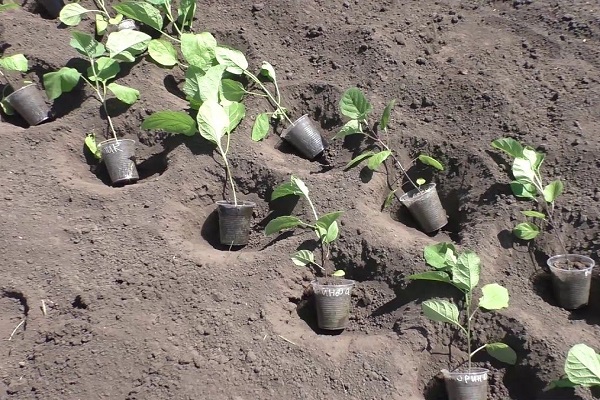
The eggplant planting pattern in open ground is similar to that in a greenhouse. The optimal distance between holes is at least 40 cm, and the aisle width is 60 cm.
There are also other schemes: 35x50, 40x50, 50x60, 60x60, 60x70, 70x70.
How deep should I plant eggplants?
The planting depth is the same as in the greenhouse, 30 cm.
What to plant next to eggplants in open ground
What to plant eggplants with in the same bed. In open ground, it's not recommended to plant eggplants near potatoes, hot peppers, cucumbers, and tomatoes. However, good neighbors include zucchini, bell peppers, cabbage, peas and beans, pumpkin, corn, and all types of greens.
What to plant after eggplants
The following year after eggplants, it is best to plant:
- roots;
- onion, garlic;
- green;
- legumes.
Possible followers:
- cabbage;
- melons.
In the following video, you can watch Mineeva's tips on how to properly plant eggplants.