To create a sophisticated style, gardeners often plant shade-tolerant shrubs near gazebos and other shady areas. These shrubs enhance the garden's nooks and crannies, requiring only a few hours of sparse sunlight per day.
Content
- 1 Plant species depending on their preference for light and shade
- 2 Shade-loving and shade-tolerant: what's the difference?
- 3 How to differentiate between shadow and partial shade?
- 4 Why do we need shade-tolerant shrubs and trees?
- 5 Shade-tolerant shrubs for the garden
- 6 Shade-tolerant trees for the garden
Plant species depending on their preference for light and shade
The key to a beautiful, fragrant garden is proper lighting, regular fertilization, and adequate moisture. However, when planning the placement of plants, keep in mind that each planting has its own light requirements. Therefore, all flowers and trees are divided into three groups:
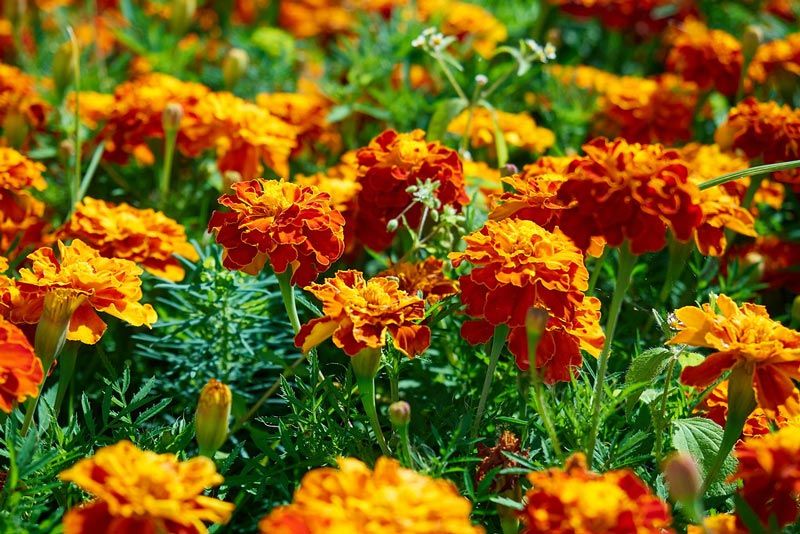
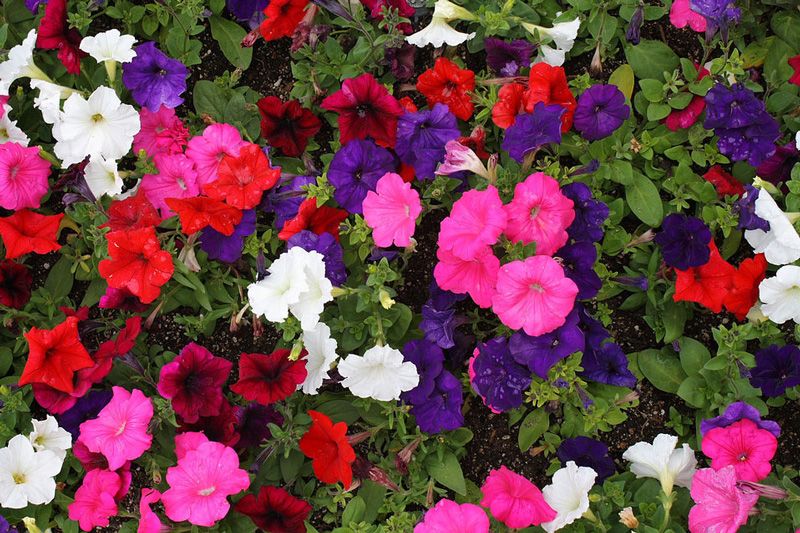
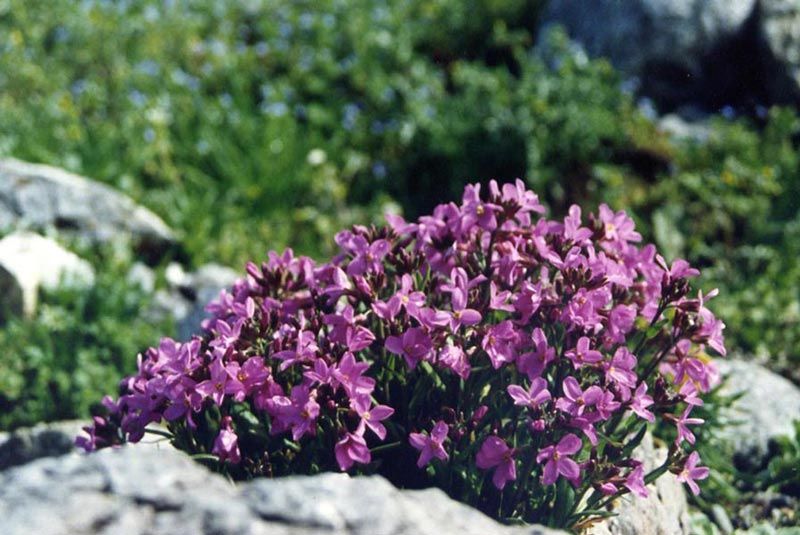
- Light-loving. For their active growth, good light throughout the day is essential. Otherwise, the plants will simply die. This includes some garden flowers (marigold, petunias, godets, Arabis, day-lily and others), as well as a number of trees (thuja Western, walnut).
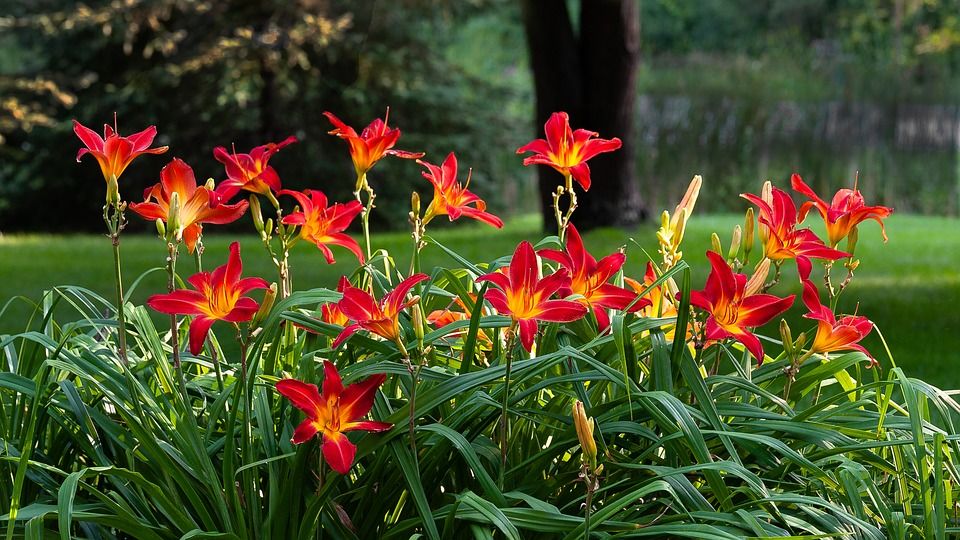
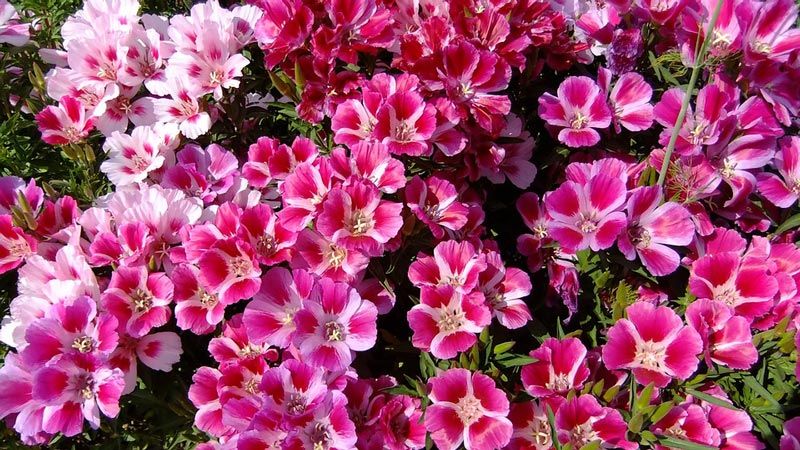
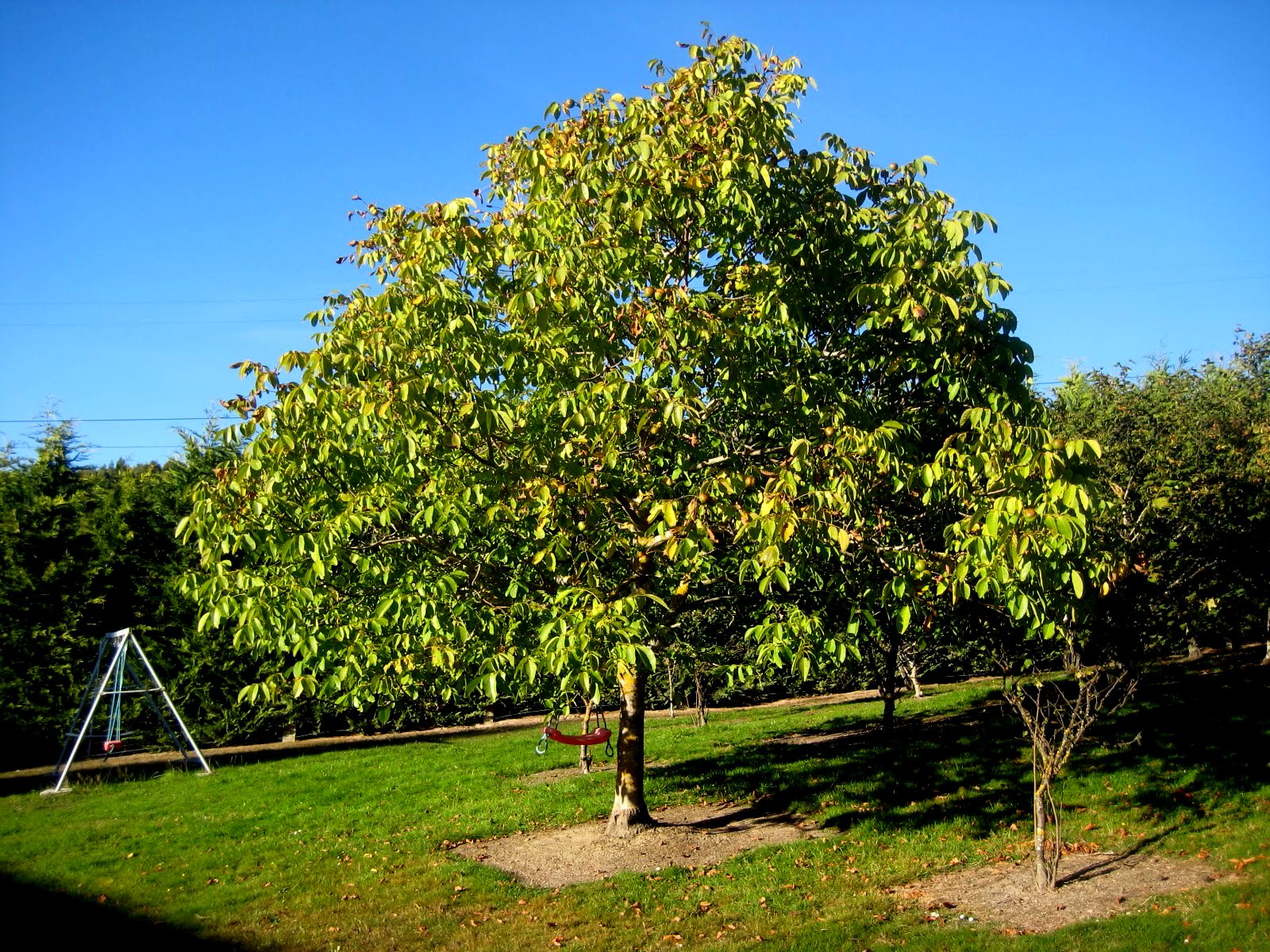
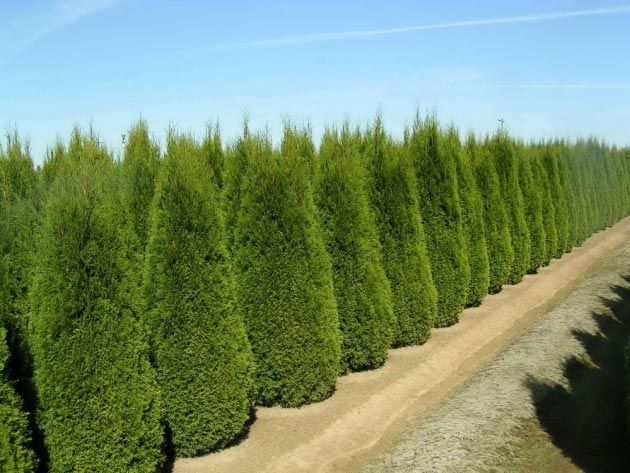
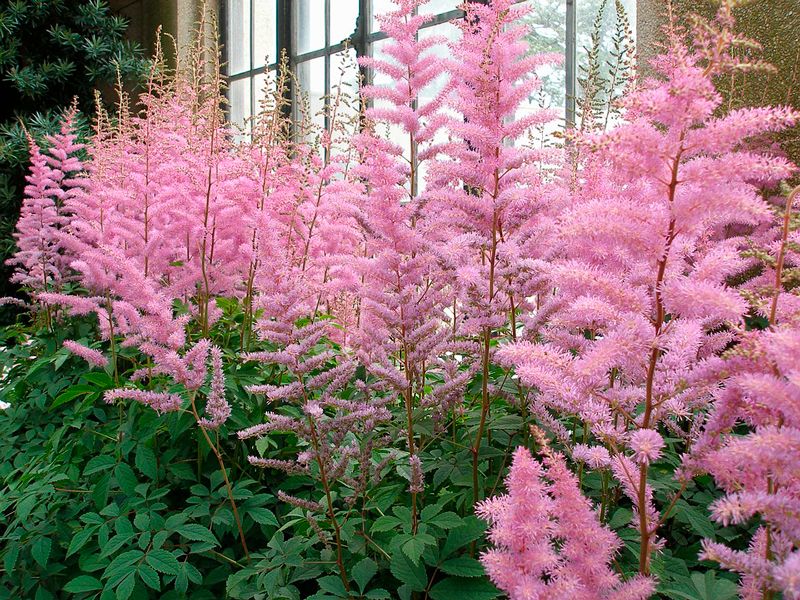
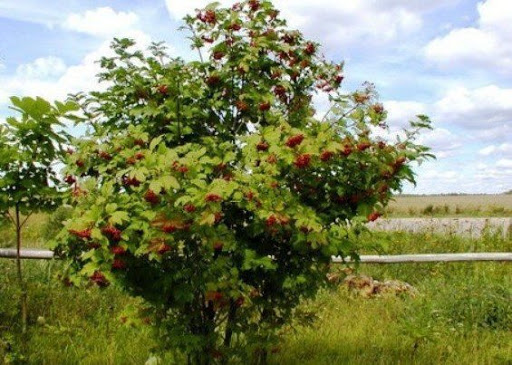
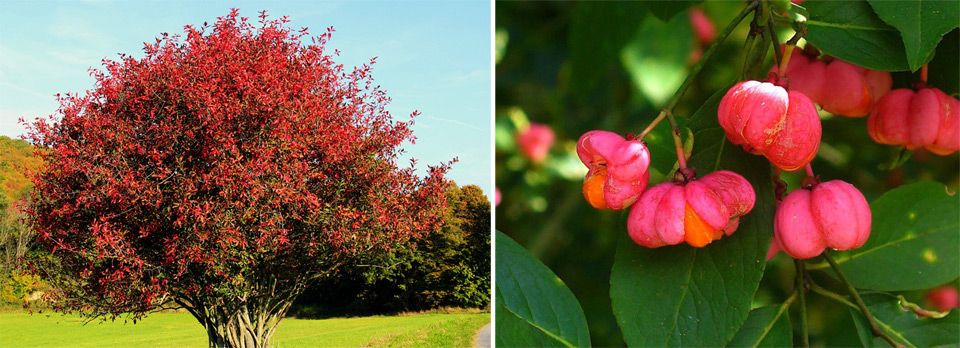
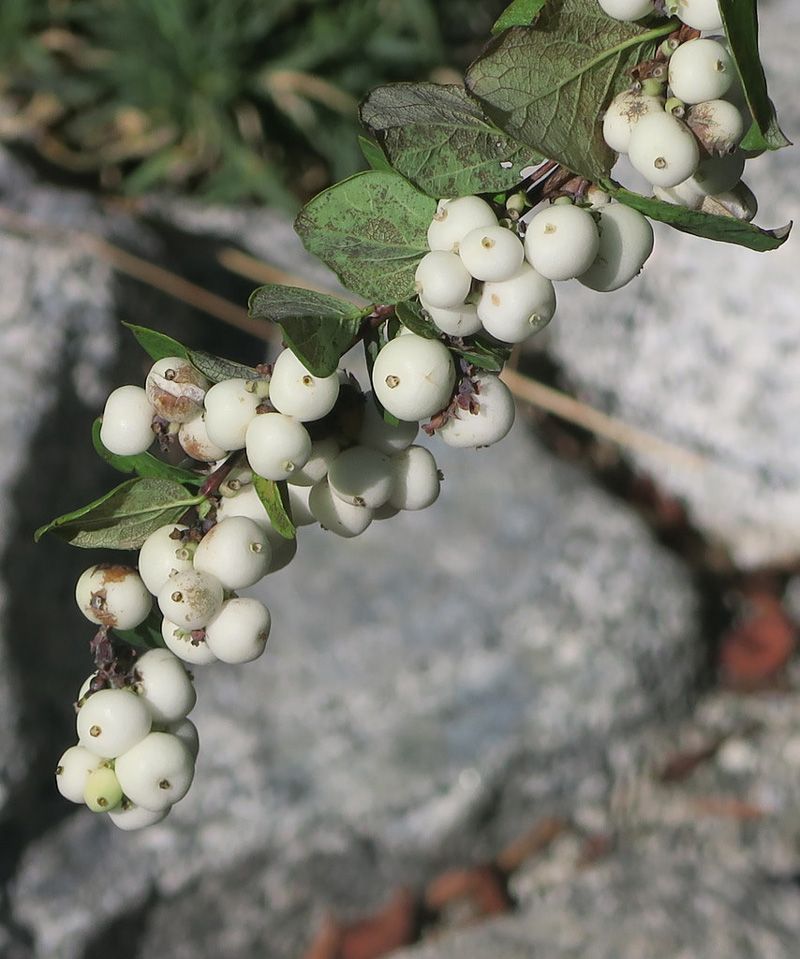
- Shade-tolerant. These garden plantings also love sunlight, but can thrive with limited amounts of up to 5 hours a day. However, their growth may not be as vigorous, and their flowering may not be as profuse as they would be in full sun. This group includes astilbe, peony, euonymus, viburnum, snowberry, wood anemone, catchment area and others.
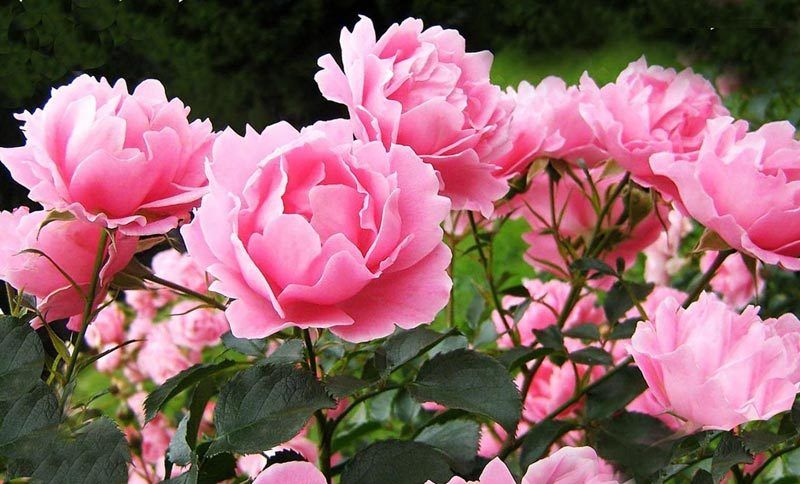
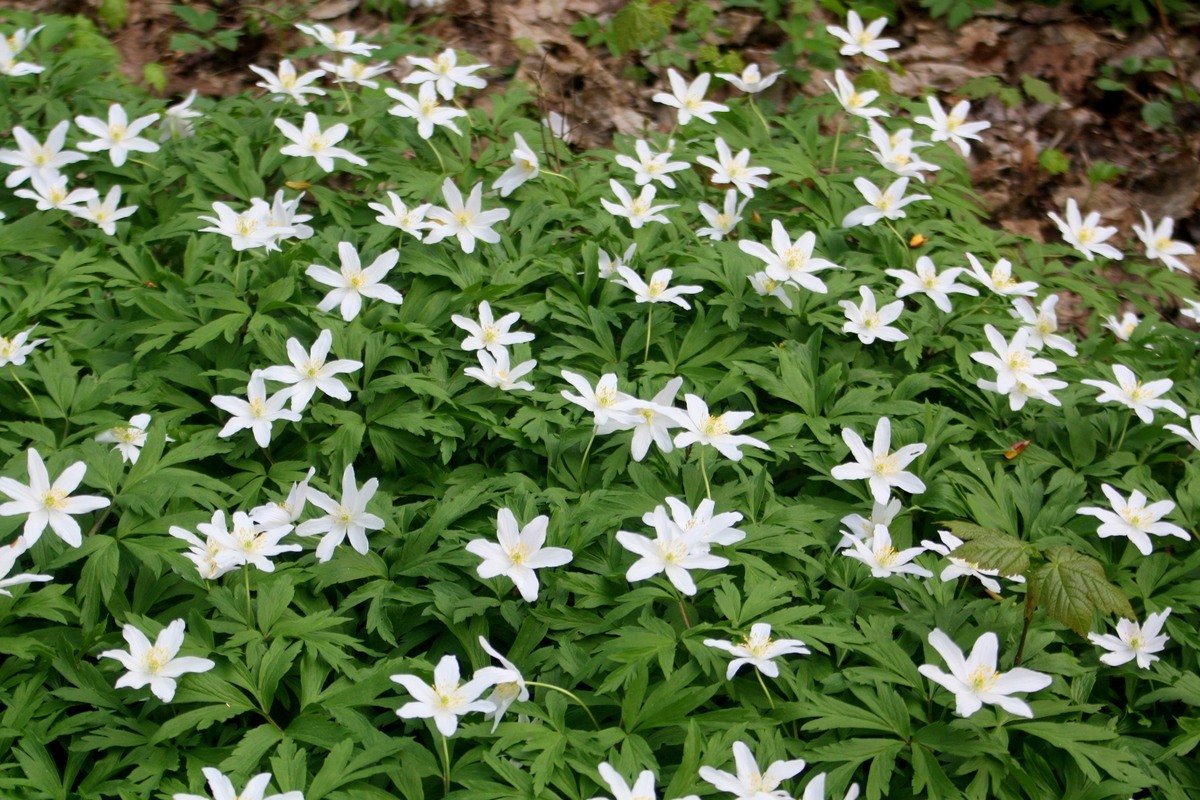
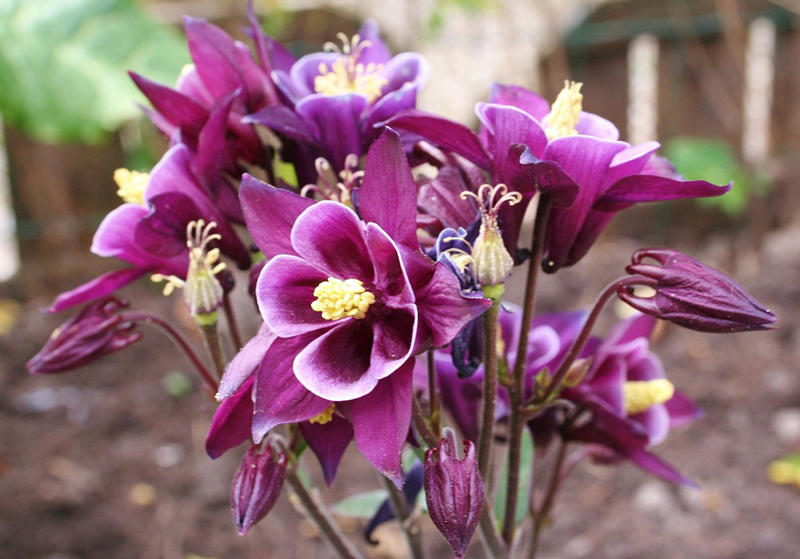
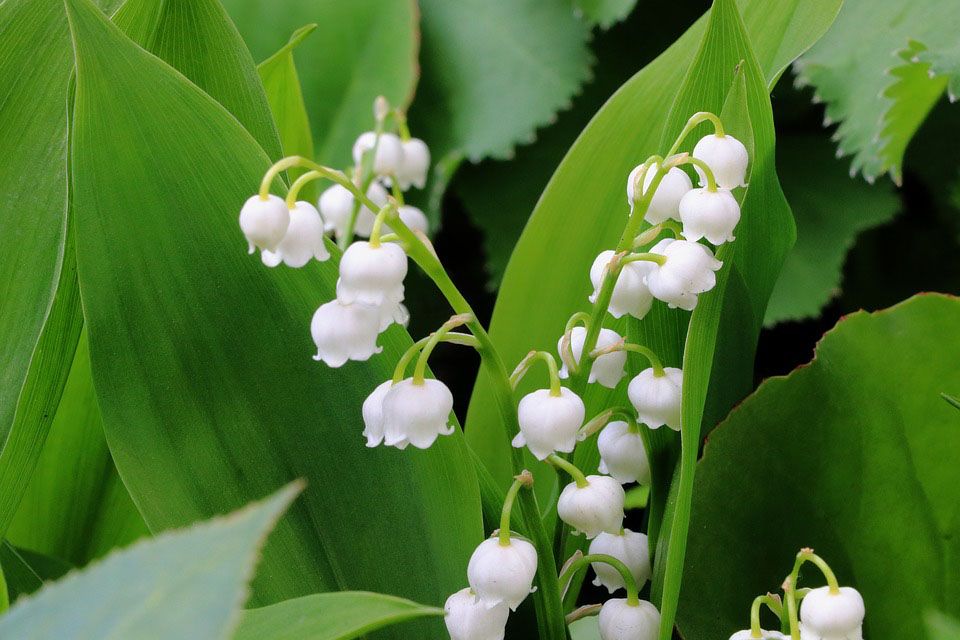
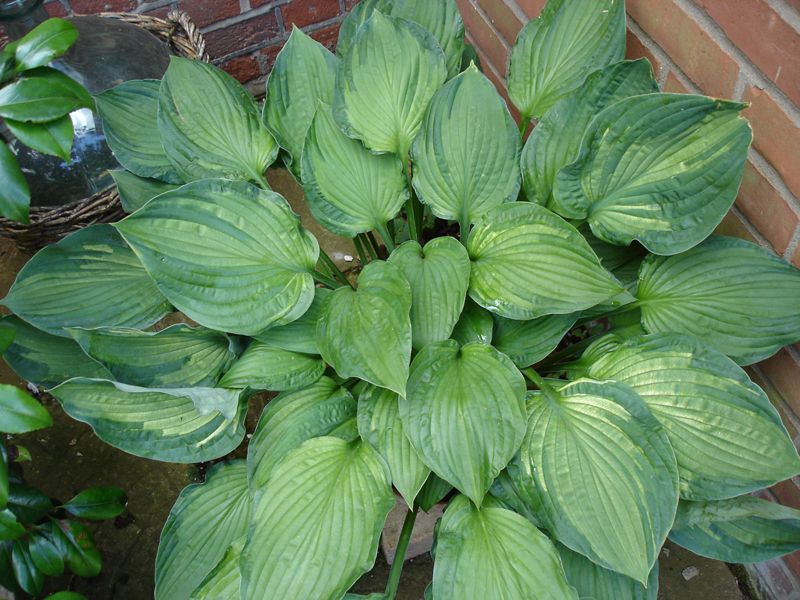
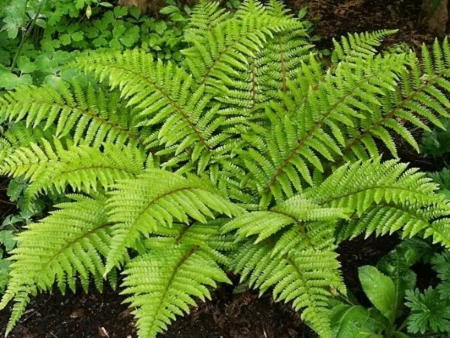
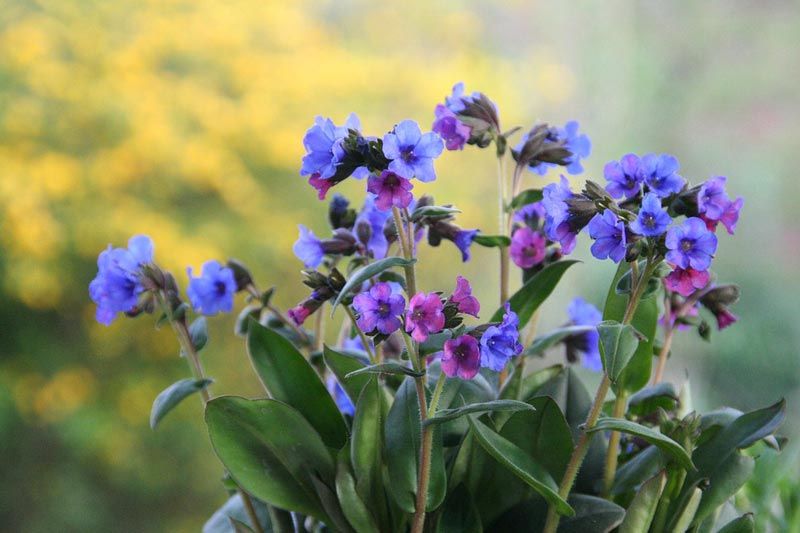
- Shade-loving plants. These plants do not tolerate sunlight well and prefer to grow in shady areas of the garden. lilies of the valley, hosts, all types of ferns, lungwort and others.
Shade-loving and shade-tolerant: what's the difference?
The main difference between shade-loving and shade-tolerant plants is that the former don't require direct sunlight at all. They thrive in the shade. Shade-tolerant plants, on the other hand, enjoy sunlight but can grow and develop without it, though not to their full potential. Such plants are scientifically known as scioheliophytes. Shade-loving plants are called sciophytes; in nature, this group is the smallest and least diverse.
The average garden plot doesn't have many truly shaded spots. However, many gardeners believe otherwise, mistakenly considering a corner where a planting would be perfectly suitable as a dark area. In fact, the only unfavorable planting spots are gaps between buildings and fences, where sunlight barely penetrates. But even there, with proper care, you can grow fruit trees, such as cherry plums or tall cherries.
How to differentiate between shadow and partial shade?
In this matter, we can find help from specialized literature for gardeners, which clearly states that shade is considered to be an area that receives no more than three hours of light per day.
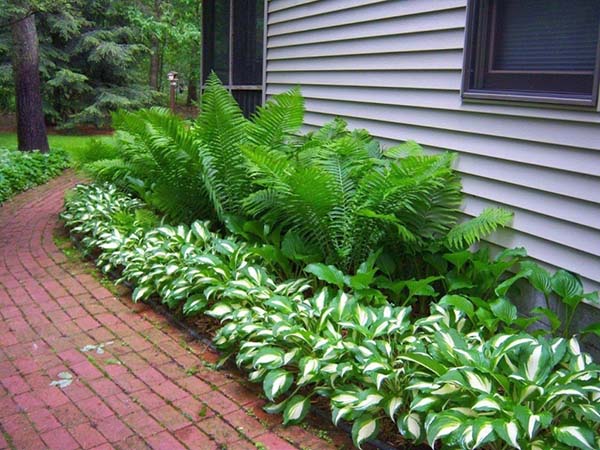
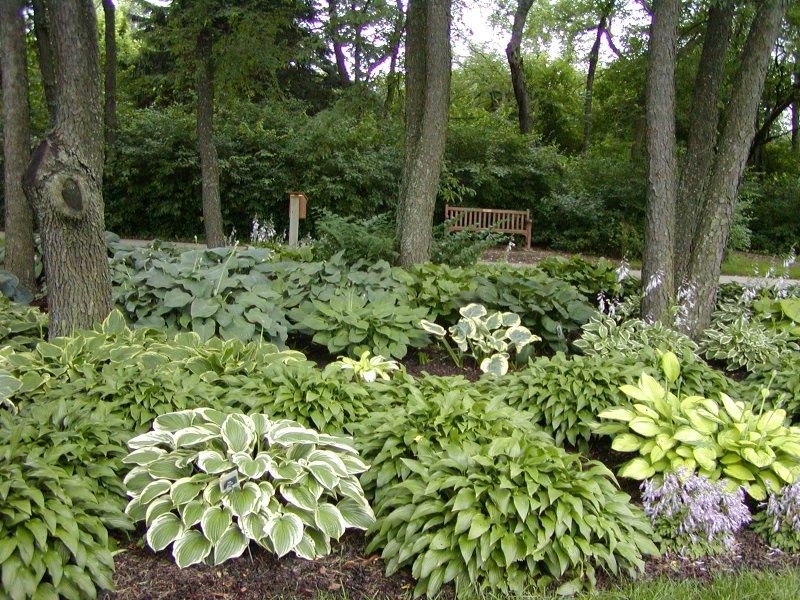
If plantings are exposed to direct sunlight for three hours or are illuminated throughout the day but not by direct sunlight, they are considered to be in partial shade. This definition often includes areas that gardeners have rejected because of their shade. This also includes the part of the plot that receives light through the canopy of trees. This is called sparse shade.
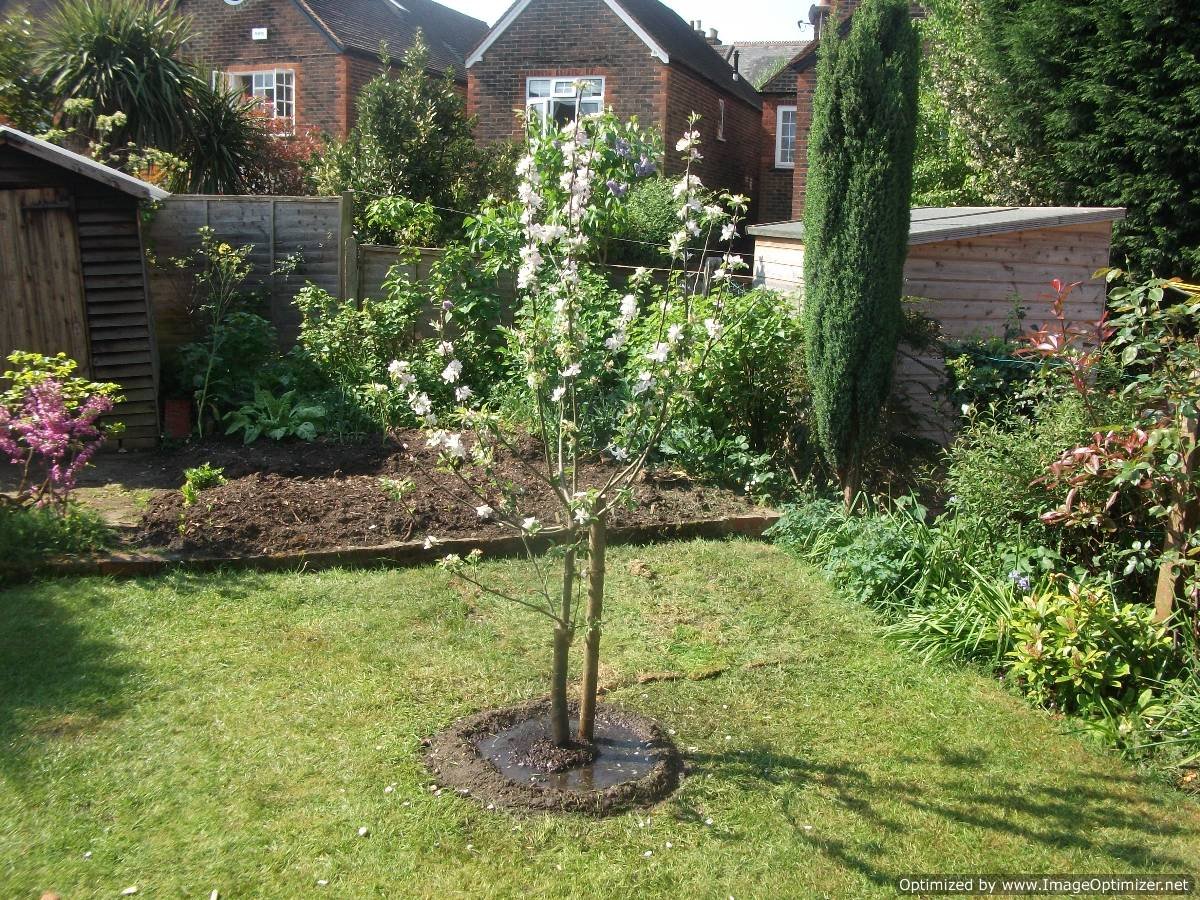
Plants' light requirements must be considered before planting, especially if you're planting young trees. They typically require more light and become vulnerable to insufficient light. This results in branch dieback, minimal or no fruit set, and slow ripening of the fruit, which is far from ideal in terms of flavor.
That's why it's so important to properly distribute plants around your plot so that all your efforts and expenses are not in vain.
Why do we need shade-tolerant shrubs and trees?
Plants that thrive in low sunlight fill shady spots in the garden, including many fruit and berry plants. Ornamental foliage shrubs that thrive in shade are planted to create a beautiful landscape design. Lush flowering perennials create hedges, paths, arches, and adorn the walls of houses, alleys, squares, and gazebos. Many exude a pleasant aroma, inviting relaxation.
Also read: Ornamental shrubs for the garden.
Shade-tolerant shrubs for the garden
First, let's talk about shrubs that can grow in partial shade.
Fruit bushes for shady areas of the plot
Fruit trees are grown as decoration for the garden and to obtain a tasty and healthy harvest.
They choose:
| Name | Description and Features |
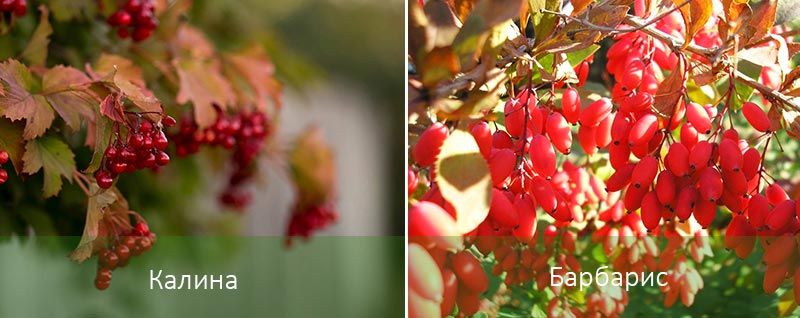
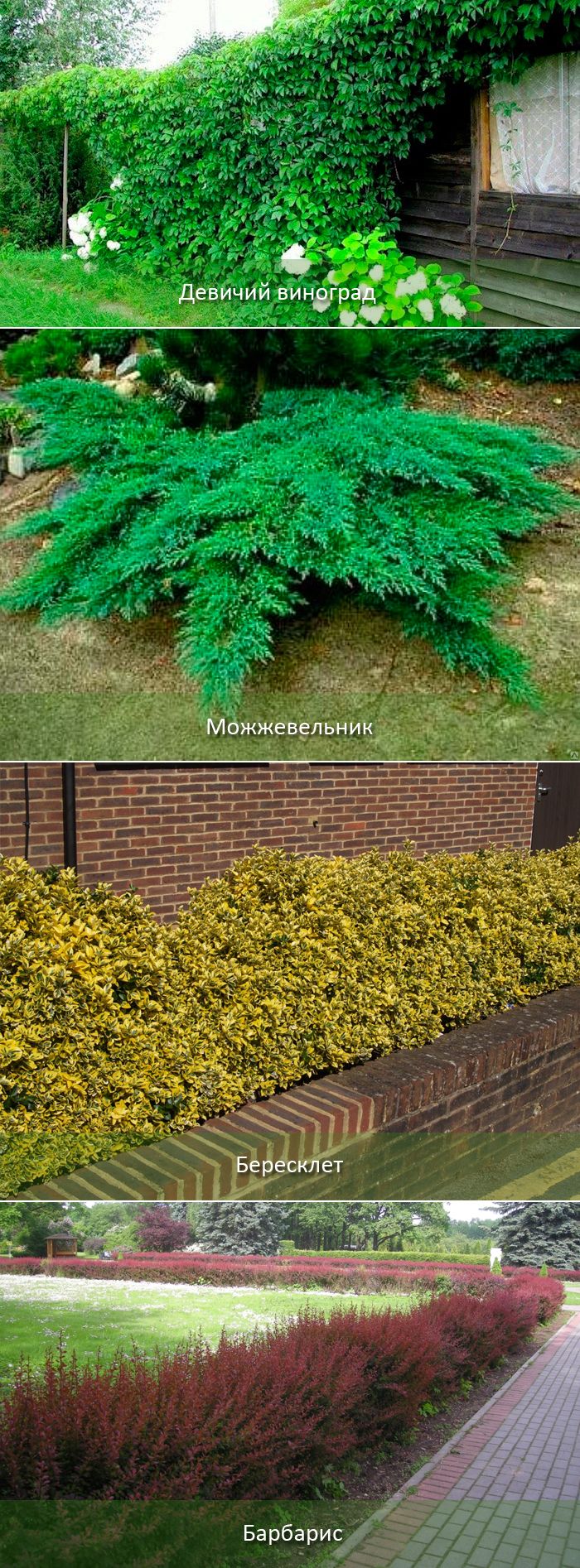
| Barberry | An evergreen or deciduous plant up to 2 m tall. The leaf blades, gathered in bunches, are small and leathery. Flowers form clusters on lateral shoots. Berries appear in midsummer. They contain nutrients and vitamins and are used in cooking and medicine. However, note that not all barberries grow well in shade. Ottawa and common barberries can be susceptible to powdery mildew. Below, we'll discuss the Thunbergii variety, which is well suited for shade. |
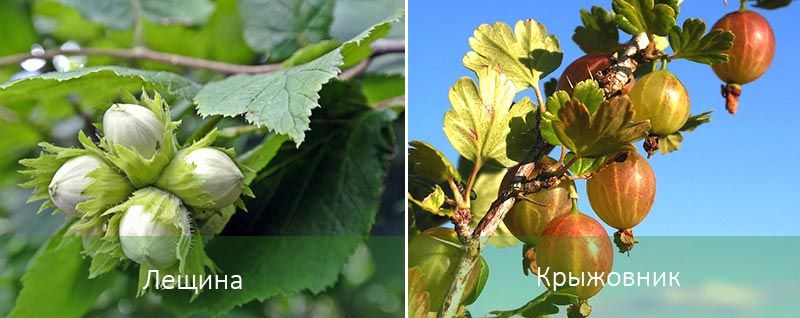
| Hazelnut | A shrub in the Betulaceae family. Commonly known as hazelnut. The leaves are broad and oval. The flowers are light green and catkin-like. The fruits ripen in early autumn. |
| Viburnum | The plant can be used to create hedges of any height and shape. It tolerates shade, but the berries do not ripen in that condition. The bark of a young bush is smooth, later turning gray. The leaves are large, up to 10 cm, and pubescent beneath. The plant turns red just before leaf fall. The flowers are decorative, white. The berries are rich in vitamins and have medicinal properties. |
| Gooseberry | A berry bush up to 2 m tall with a woody stem and scales. It blooms in May and begins to bear fruit in August. It contains numerous vitamins and microelements and is eaten fresh and preserved for winter. |
| Rose hip | A deciduous shrub with erect or prostrate stems covered in fine spines, it prefers partial shade and grows to 1.5 m or more. Its flowers are white and pink, and its berries are orange-red and medicinal. |
Shade-tolerant flowering shrubs
Flowering perennials tolerate shade well and bloom profusely regardless of the lighting.
| Name | Description and Features |
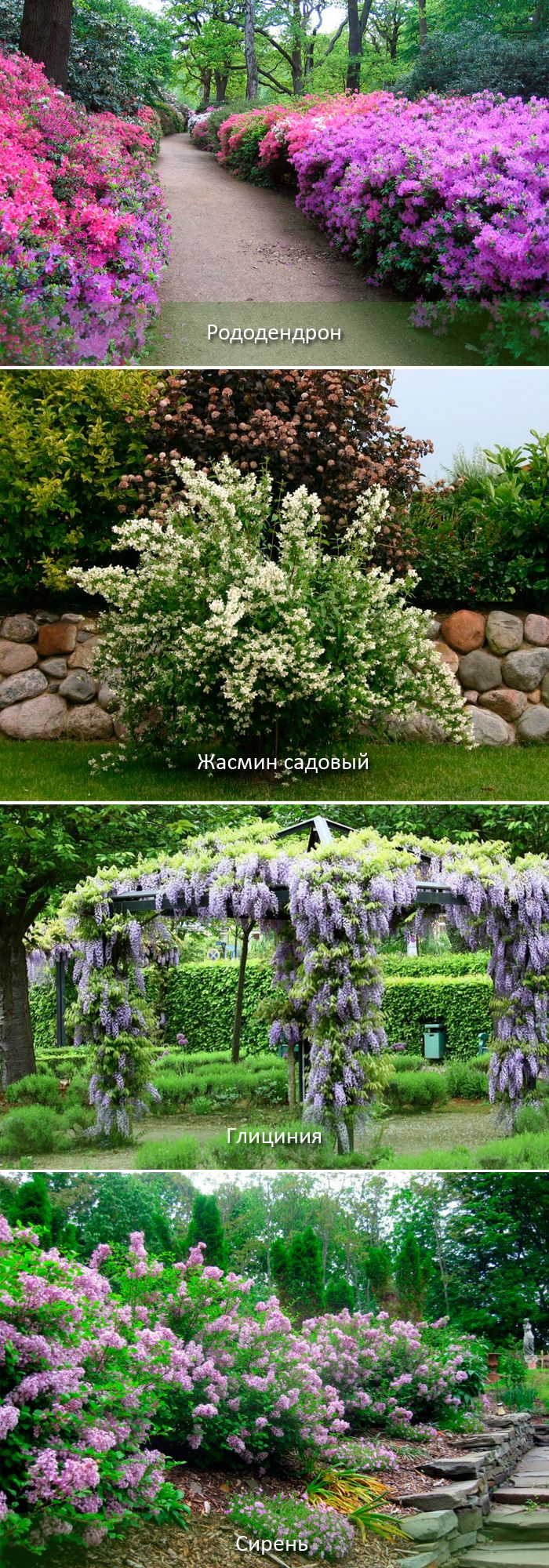
| Rhododendron | The plant grows from 0.5 to 2 m tall. It tolerates frost and temperature fluctuations. Lush flowers form racemes or corymbs. The palette includes white, orange, red, and purple. |
| Garden jasmine | Winter-hardy, rarely prone to disease, it blooms with large, snow-white or yellow flowers that exude a pleasant fragrance. |
| Wisteria | A tall, woody vine, up to 18 m tall, of the legume family. The leaves are odd-pinnate and arranged alternately. The inflorescences are racemes up to 30-50 cm long, blooming in spring with fragrant flowers in shades of purple and lilac. |
| Lilac | It has erect or spreading trunks up to 7 m. The leaves are opposite, simple, oval, pinnate, and dissected. The inflorescences are racemose and paniculate. It blooms in purple, pink, and white and exudes a pleasant scent. It prefers full sun but also grows in partial shade. |
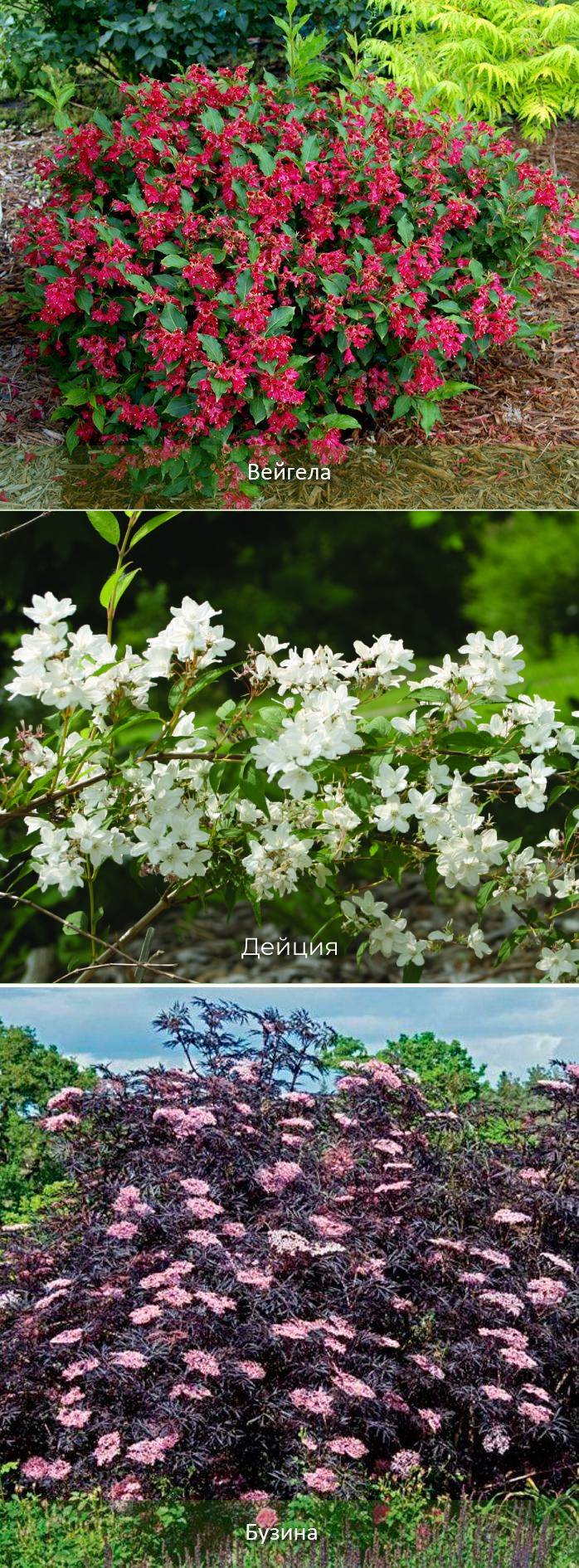
| Weigela | An upright shrub without lateral shoots. The leaves are petiolate, opposite, and serrated. The flowers are bell- or funnel-shaped, cream, red, or yellow. It grows under tree canopies and prefers moisture. |
| Deutzia | It grows up to 2 m and is shade-tolerant. It produces white, lilac, and purple flowers. |
| Elder | Height 2-6 cm. Stems are branched, leaves are large, odd-pinnate, flowers are light yellow. |
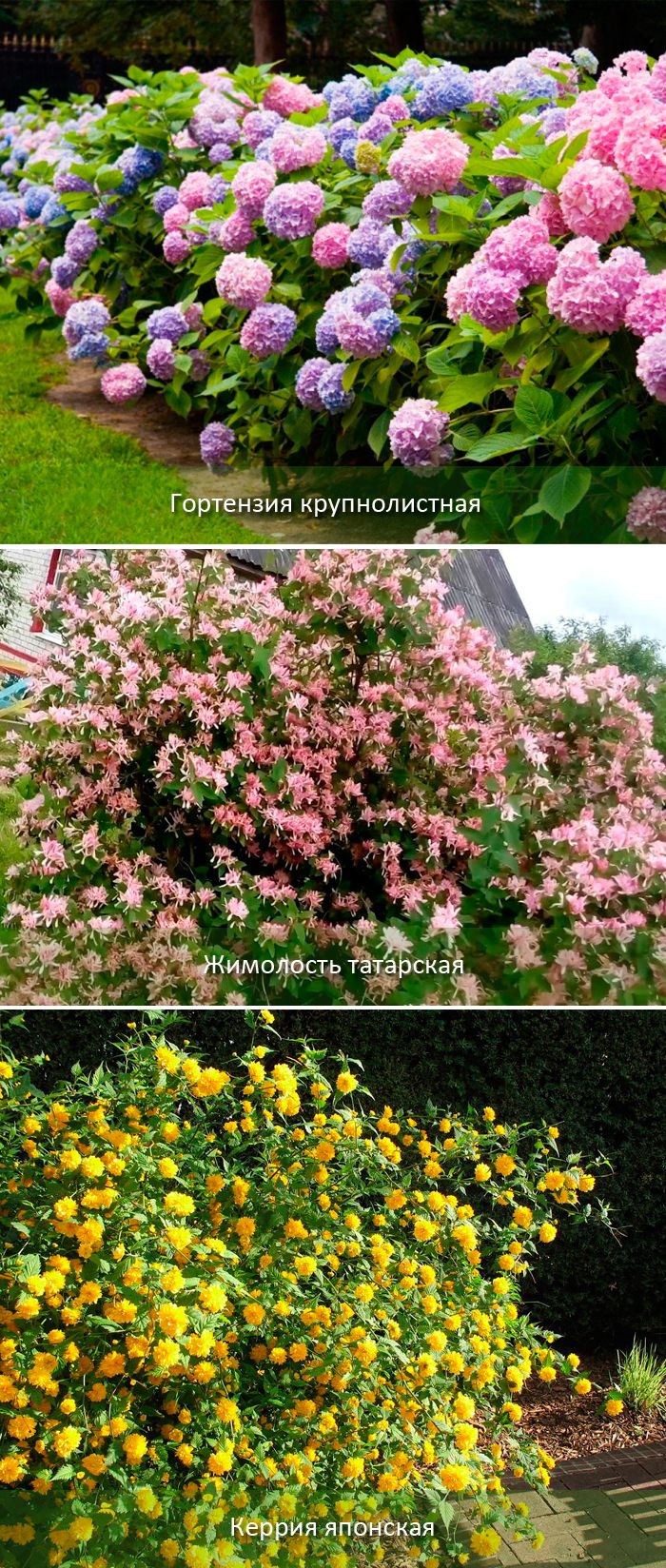
| Hydrangea | Shrubs and trees up to 2 m tall, blooming throughout the summer. Globular inflorescences bloom in white, blue, and pink. |
| Honeysuckle | Tatar, alpine and edible varieties grow in the shade. |
| Kerria japonica | A spring-flowering, lush plant with long, thin shoots. Lanceolate leaves with serrated edges. Bright yellow flowers. |
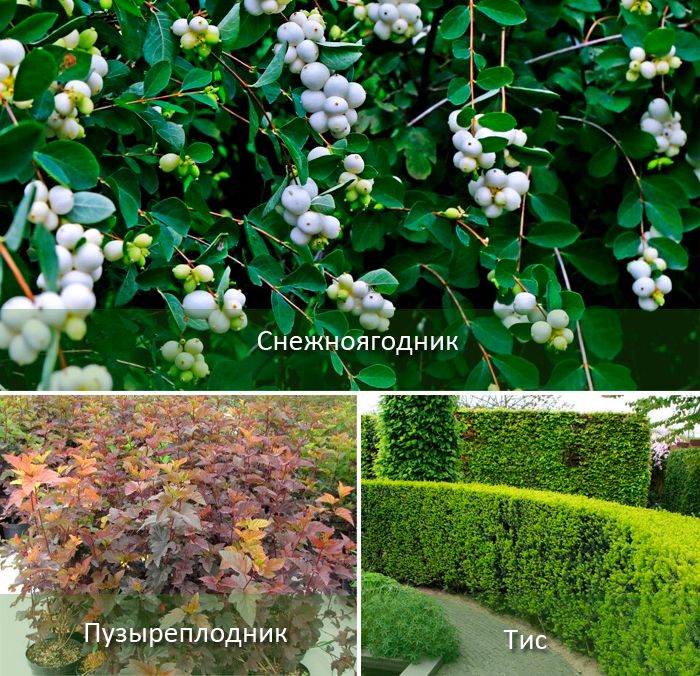
| Snowberry | It loves partial shade, is unpretentious, and blooms in summer with small, bell-shaped flowers. |
| Viburnum-leaved bladder-senna | It tolerates shade, its small flowers are white and pink in color. |
| Yew | A slow-growing coniferous perennial. Both groundcover and tall varieties are found, and it prefers shade. |
Shade-tolerant ornamental deciduous shrubs
Unpretentious shrubs grow well in the shade of trees, houses, outbuildings, and are very popular for decorating gardens.
| Name | Description and Features |
| Wild grapes (maiden grape) | Liana up to 15 m long, loves moderate shade, decorates walls. |
| Privet | Reaches 2-4 m, densely branched, resistant to air pollution, drought, does not tolerate frost. |
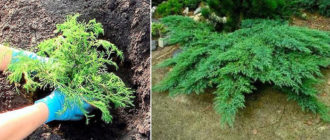
| Juniper | An ornamental coniferous shrub, it comes in both tall and low varieties. It is undemanding of soil conditions and grows in sun and partial shade. |
| Boxwood | An evergreen, shade-loving shrub growing 2-12 m tall; direct sunlight spoils its appearance. The leaves are rounded, opposite, and glossy, and the flowers are fragrant. |
| Euonymus | Ornamental shrubs and trees are especially beautiful in autumn. There are creeping and spreading varieties. The shoots have a round or square cross-section, decorated with growths. The leaves are smooth and shiny. |
| Microbiota decussata | An evergreen conifer. It has spreading, soft, and flexible branches and thrives in shade. The needles are green, turning brown in autumn. |
| Barberry Thunberg | Bright red and purple arching branches. The foliage is diamond-shaped, oval-shaped, and circular, and pointed, turning crimson-purple in autumn. It blooms in May with yellow and red flowers. |
Shade-tolerant trees for the garden
Shade-tolerant trees are far more numerous than shade-loving ones, so gardeners have a wide selection to choose from. The key is to consider the region's climate and choose the right planting location.
Shade-tolerant deciduous trees
Deciduous trees aren't the most popular garden plants. They're typically only planted in large gardens. But they do have their place. So, we've selected the most popular and less demanding ones for you.
| Name | Description and Features |
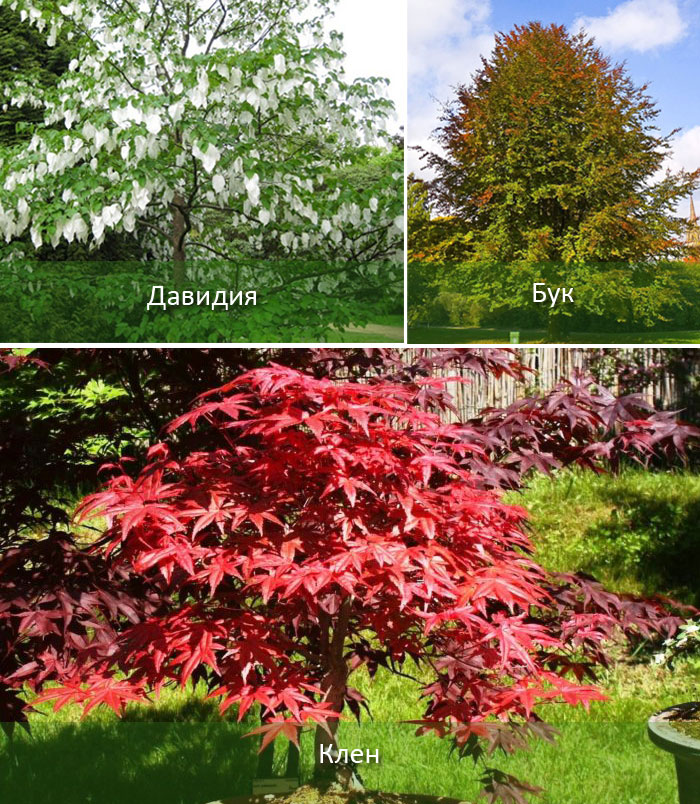
| Davidia | This flowering deciduous tree grows up to 25 meters in height and has a pyramidal crown. Beautiful white flowers appear in May, delighting the eye for 20-30 days. Davidia doesn't like clay soils or excessive moisture. Furthermore, the tree doesn't tolerate icy winds or severe, prolonged frosts well. |
| Maple | An extremely popular tree among gardeners due to its low maintenance and beauty, today there are a wide variety of maple trees that will truly enhance your garden with their leaves of various shapes and colors. You can choose a full-sized tree ranging from 10 to 40 meters tall, or opt for a shrub maple 5-10 meters tall. They can grow individually or in groups. They are resistant to temperature fluctuations and air pollution. |
| Beech | The European beech can grow up to 30 meters tall, with a trunk diameter sometimes reaching 2 meters. Young trees are often used as hedges and are easily pruned to shape the crown. Beeches thrive in loamy soil, with a long and leisurely growth period. Under favorable conditions, such a tree can live for approximately 400 years. |
Shade-tolerant fruit trees
Fruit trees not only serve a decorative function but also produce a tasty and nutritious harvest. This is why they are so popular among gardeners. We've compiled a list of fruit trees that don't require bright daylight and can grow quite comfortably in a shaded area of your property.
| Name | Description and Features |
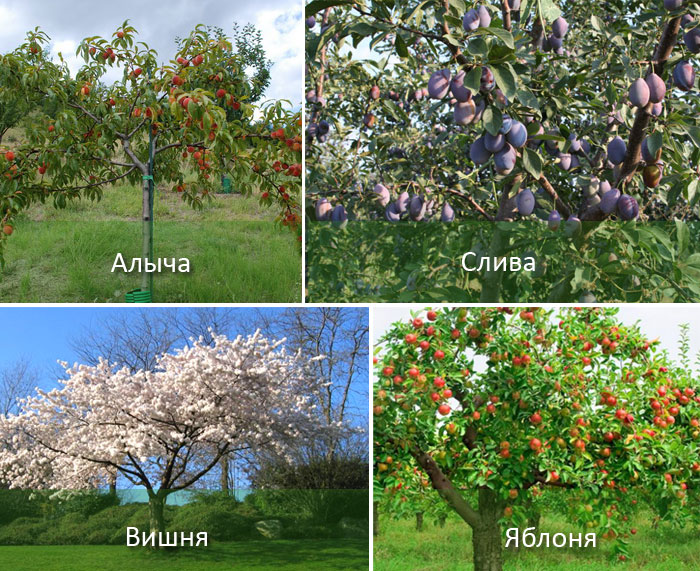
| Cherry | The cherry tree grows up to 10 meters in height, while its shrub-like counterpart doesn't exceed 2 meters. Cherries are relatively easy to care for, withstand severe frosts and tolerate partial shade. In May, they begin blooming profusely, and by July, the first harvest can be harvested, which is distinguished not only by its excellent taste but also by a wealth of beneficial micronutrients. |
| Alcha | Cherry plum was once a tree native to the south. But thanks to the efforts of breeders, it can now be planted in central Russia as well. Cherry plum is a close relative of the plum; its fruits are juicier and have a more pronounced flavor. The tree bears fruit two to three years earlier than plums. Furthermore, it is resistant to drought and many common diseases, though it requires additional insulation around the roots in winter. |
| Plum | Unlike cherry plum, plum is more shade-tolerant. However, severe lack of light can significantly reduce its yield. The tree grows up to 5 meters tall and produces up to 20 kg of delicious fruit per season. Abundant flowering begins in May, lasting about 10 days. Depending on the variety, plums bear fruit from August to October. Experts recommend paying special attention to the Ochakovskaya Belaya variety, noting its excellent taste, although its yield is not particularly high. |
| Apple | Apple trees are the most popular garden trees. There are a great many varieties, and they grow in virtually any location except lowlands, which are prone to severe frosts. Apple trees can reach 10 meters in height. The brighter the light, the juicier and tastier the fruit will be. The Antonovka variety is considered the most shade-tolerant, not requiring constant sunlight for vigorous growth. |
Shade-tolerant conifers
Conifers add a special charm and elegance to any garden. Recently, conifers have become increasingly popular and are widely used in landscape designs.
We offer you a list of the most unpretentious evergreen plants that do not require bright light.
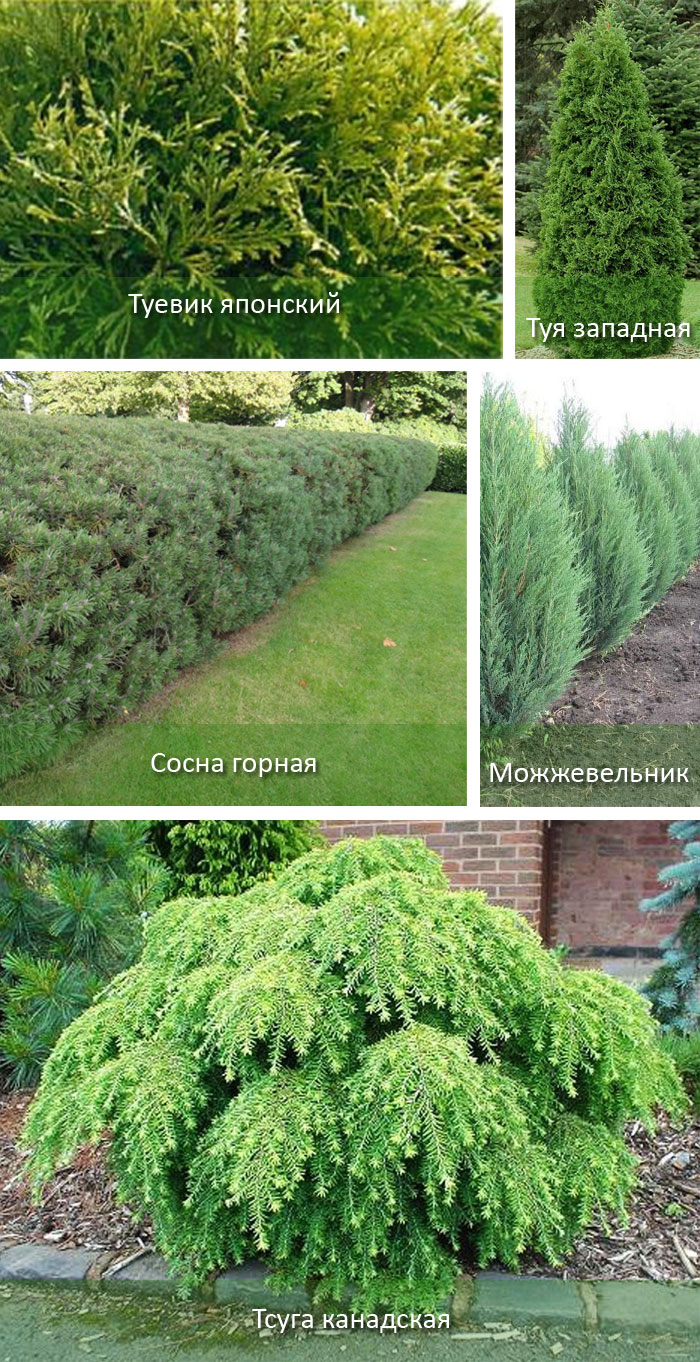
| Name | Description and Features |
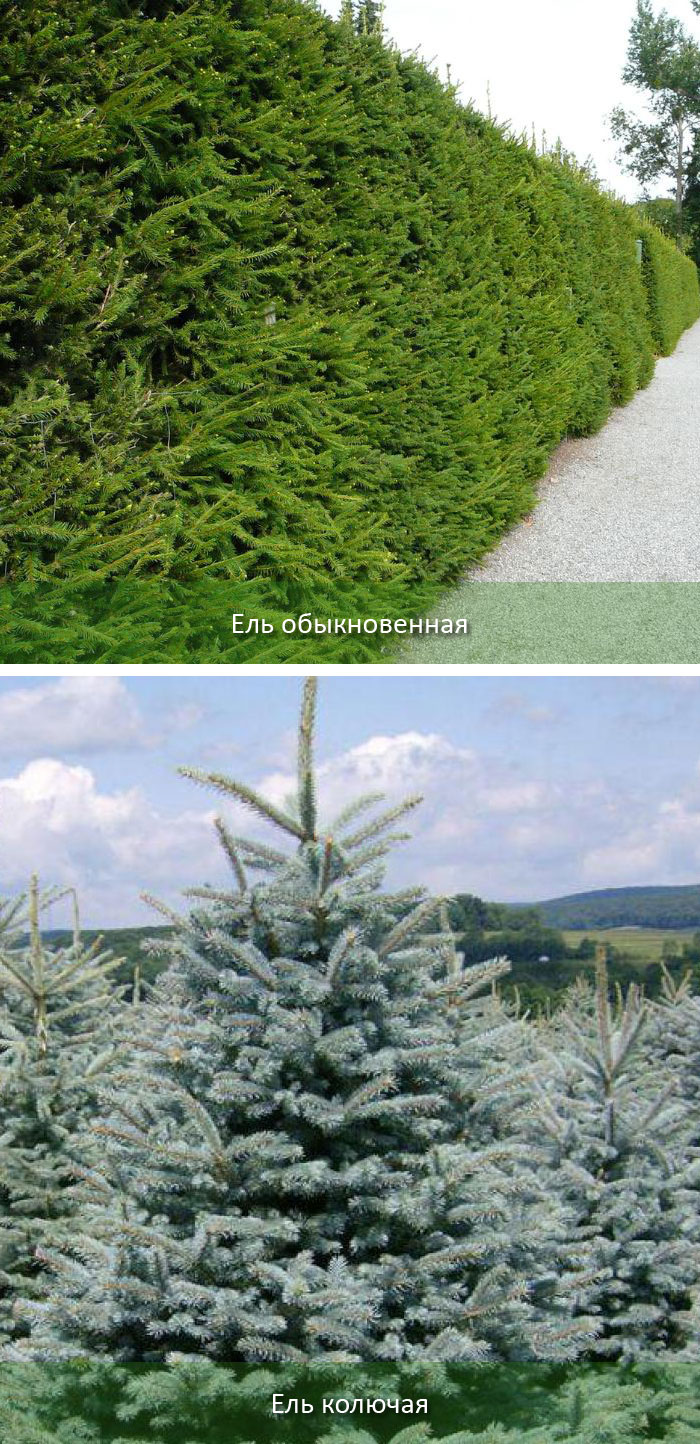
| Norway spruce | The Pigmeya variety is particularly beautiful, reaching no more than 2 meters in height and boasting a fluffy conical crown formed by branched shoots. As the tree matures, its bark changes color from brown to reddish-brown. The needles are a rich green and 2 cm in size. In May, the tree is covered with cones, which change from purple or green to red or brown as they ripen. The spruce naturally thrives in full sun and thrives in sunny areas, but it also grows well in shade. The only things it absolutely dislikes are strong winds and constant moisture at the roots. In winter, it is recommended to shake snow off the branches to prevent them from breaking under the weight. |
| Prickly spruce | This tree grows up to 40 meters tall and lives up to 800 years. Growth is slow for the first 10 years, followed by a sharp spurt and intense trunk development. It tolerates pruning well, allowing for crown shaping. A tree grown in the shade looks slightly different from one regularly exposed to sunlight. Its needles are less vibrant, and the distance between the whorls is wider. However, even this doesn't detract from the spruce's attractive and striking appearance. |
| Japanese thuja | Among Japanese thujas, the Nana variety stands out. It is resistant to Russian weather conditions and grows relatively slowly. Annual growth is only 3-5 cm, so by the age of 10, these trees reach only 0.3-0.5 m. The bright green, scale-like needles take on an amber-golden hue in winter. Thuja is undemanding regarding moisture and soil fertility, and grows well in both sun and shade. |
| Mountain pine | Let's highlight the Turra variety. This pine grows up to 10 meters tall, sometimes resembling a giant shrub. Initially, seedlings require additional specialized feeding. Young trees have a rounded crown, but with age, it becomes asymmetrical, and its top flattens. The needles are 2.5 cm long and remain bright green throughout their life, regardless of the season. This pine variety is quite undemanding and perfectly adapted to urban conditions; it is unaffected by temperature fluctuations, soil composition, or soil moisture levels. |
| Canadian hemlock | A very beautiful plant that will become the highlight of your garden. Hemlock thrives in moisture, thrives in shade, and is frost-resistant. This tree can even survive our winter without special cover. The only requirement for good growth is additional mulching of the soil around the root collar. |
| Juniper | It's widely used as a landscape design element and looks beautiful among decorative stones. It grows quite slowly, reaching 1 meter in width and 0.4 meters in height. Its green, scaly needles turn purple in winter. Juniper doesn't require abundant watering, thrives in shade, and has excellent frost resistance. The only things it doesn't tolerate are stagnant moisture and excessively dry air. |
| Western thuja | Thujas, with their simple form and elegant appearance, have long been a favorite among gardeners and landscape designers. Experts recommend the Columna variety. This thuja grows up to 7 meters long and has a diameter of 1.3 meters. The crown is very compact and dense, with dark green needles whose color varies throughout the seasons. It grows up to 20 cm per year, tolerates temperature fluctuations well, is easy to care for, and is undemanding of soil quality. It is recommended to cover young thujas for the first two years to prevent the spring sun from scorching the tender shoots. It is best planted in a location with partial shade or filtered light. |