Winter is still here, but the busy season is already upon us for gardeners. Not only do houseplants require care, but you can also treat yourself to forced flowers, planting annuals with long growing seasons, and starting perennials from seed. And there's plenty of other chores! In this article, you'll learn what to do with flowers in February, as well as favorable and unfavorable days for planting and sowing, and other plant care tasks.

Content
- 1 Favorable and unfavorable days for planting flowers in February 2024
- 2 Favorable and unfavorable days for various flower care tasks in February 2024
- 3 Moon phases and days by zodiac sign in February 2024
- 4 Lunar calendar of gardening activities for February 2024 by day
- 4.1 1.02-1.02 (until 23:37)
- 4.2 1.02 (from 23h 37m) - 4.02 (until 09h 27m)
- 4.3 4.02 (from 09:27 a.m.) - 6.02 (until 15:08 p.m.)
- 4.4 6.02 (from 15:08) - 8:02 (until 16:59)
- 4.5 8.02 (from 16.59 pm) - 10.02 (until 16.42 pm)
- 4.6 10.02 (from 16.42 pm) - 12.02 (until 16.25 pm)
- 4.7 12.02 (from 16.25) - 14.02 (until 18.01)
- 4.8 14.02 (from 18:01) - 16.02 (until 22:38)
- 4.9 16.02 (from 22:38) - 18.02
- 4.10 19.02-21.02 (until 16:40)
- 4.11 21.02 (from 16:47) - 23.02
- 4.12 24.02-26.02 (until 17:28)
- 4.13 26.02 (from 17:28) - 28.02
- 4.14 29.02
- 5 Gardeners' work in the house in February
- 6 Gardening activities for flower growers in February
Favorable and unfavorable days for planting flowers in February 2024
The table below shows favorable dates for working with flowering and ornamental plants, days on which it is undesirable to plant, and forbidden, and also favorable only for certain groups or at certain times (see below).
| View | Favorable | Unfavorable, prohibited |
| Annuals | 1-4, 6—8, 11, 12, 14—16, 16—21, 26-29 | 8, 9, 10, 21—23, 24—25 |
| Biennials and perennials | 1—4, 6—8, 11, 12, 12—14, 14—16, 16—21, 25-29 | |
| With bulbs and tubers | 1-8, 14—16, 25-29 | |
| Ampelous, curly | 1, 4-6, 14-18, 25-28 | |
| Indoor | 1, 6—8, 14—16, 19-21, 26-28 |
Favorable and unfavorable days for various flower care tasks in February 2024
The table below shows favorable dates for working with flowering and ornamental plants, days on which certain work prohibited, A Also favorable or unfavorable only during certain hours (see below).
| Works | Favorable days | Unfavorable and prohibited days |
| Transplantation, picking, dividing rhizomes, digging | 1, 4—8, 19-21, 25-28 |
2-4, 8, 9, 10, 14-18, 21—23, 24—26, 29 |
| Pruning, cuttings | 1-4, 6—8, 14—16, 19-21, 25-29 | 4—6, 8, 9, 10, 11, 12—14, 23, 24, 25 |
| Watering, loosening, fertilizing | 1-8, 14—16, 19-21, 26-29 | 8, 9, 10, 12—14, 16-18, 21—23, 24—25 |
| Disease and pest control | 2-4, 6—10, 12—14, 16-18, 21—26, 29 | 1, 10—12, 19-21, 26-28 |
| Blanks | 4-8, 12—16, 21—23 | 8, 9, 10, 11, 12, 19-21, 23, 24, 26 |
Read the article about gardeners' and vegetable growers' work in February. Gardener's Lunar Calendar for February 2024.
Moon phases and days by zodiac sign in February 2024
Conventional designations:
- «+" - good fertility;
- «+/-" - average fertility;
- «—" - low fertility;
- ◐ — Waxing moon;
- ◑ — Waning Moon;
- ● — New Moon;
- ○ — Full moon.
Moon phases in February 2024:
- ◑ — 1-9, 25-29.
- ● — 10 (02:00).
- ◐ — 11-23.
- ○ — 24 (15h 30m).
Days according to the Zodiac signs:
- ♎ Libra — 1-1 (until 23:37), 26 (from 17:28)-28.
- ♏ Scorpio - 1 (from 23h 37m)-4 (until 09h 27m), 29.
- ♐ Sagittarius - 4 (from 09:27 a.m.)-6 (until 15:08 p.m.).
- ♑ Capricorn - 6 (from 15:08) - 8 (until 16:59).
- ♒ Aquarius - 8 (from 16:59)-10 (until 16:42).
- ♓ Pisces — 10 (from 16:42) - 12 (until 16:25).
- ♈ Aries - 12 (from 16:25)-14 (until 18:01).
- ♉ Taurus — 14 (from 18:01) - 16 (until 22:38).
- ♊ Gemini - 16 (from 22h 38m) - 18.
- ♋ Cancer - 19-21 (until 16:40).
- ♌ Leo - 21 (from 16:40)-23.
- ♍ Virgo — 24-26 (up to 17:28).
Lunar calendar of gardening activities for February 2024 by day
1.02-1.02 (until 23:37)
♎ Libra, +-, ◑, Flower days.
It is not advisable to use insecticides.
When the Moon is in Libra, you should take care of your flowers. For example, fertilize or repot houseplants. It's a good idea to pinch or trim them to slow their growth.
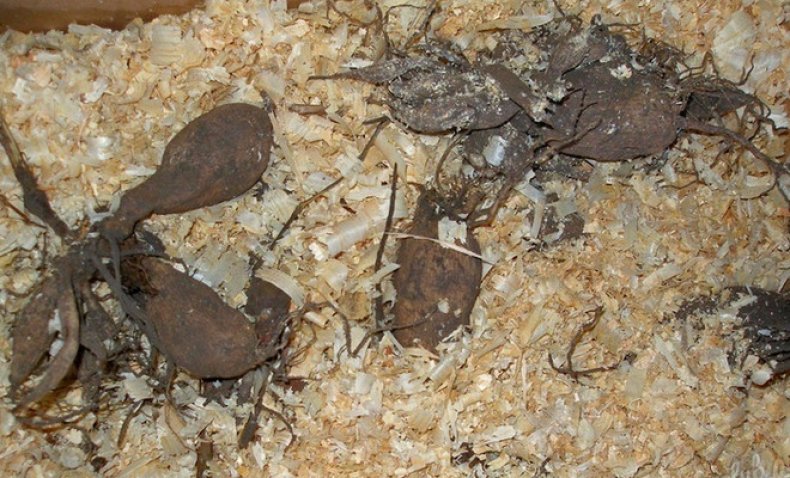
You can plant and transplant any flowers, propagate them, and root cuttings. We plant tuberous and bulbous flowers for forcing.
During these days, you can combat pests and diseases of ornamental plants, but avoid using chemicals. Check the condition of flower specimens (bulbs, corms, rhizomes).
Outdoor work: creating conditions for snow retention, rodent control.
1.02 (from 23h 37m) - 4.02 (until 09h 27m)
♏ Scorpio, +, ◑, Leaf Days
There is no need to divide or replant.
During these days, you should water your houseplants generously if you haven't done so already. Give them a good shower, treat them for diseases and pests, and do some formative pruning.
We continue forcing bulbous plants and sowing perennials, climbing and twining plants, crops with thorns, thorns.
Outdoor work: shading device.
4.02 (from 09:27 a.m.) - 6.02 (until 15:08 p.m.)
♐ Sagittarius, +-, ◑, days of Fruition
It is not allowed to carry out rejuvenating pruning and cuttings of indoor plants.
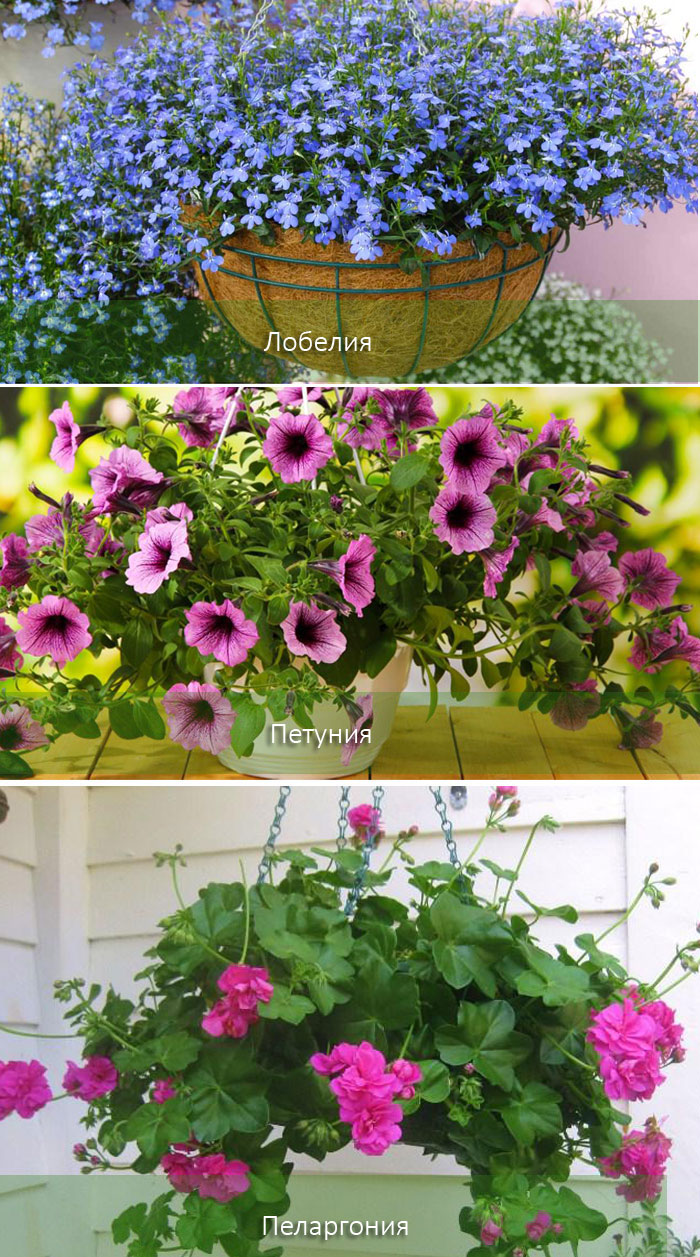
Although Sagittarius is a low-productivity sign, you can still start sowing hanging plants (pelargoniums, lobelia, petunias).
You can root cuttings.
Outdoor work: creating conditions for snow retention, checking shelters.
6.02 (from 15:08) - 8:02 (until 16:59)
♑ Capricorn, +-, ◑, Root days
It is not advisable to loosen the soil deeply.
Sowing annual flowers for seedlings: salvia (sage), lobelia, Thunbergia, kobei, coleus, statice, balsam Waller, cineraria, biennials and perennials (delphinium, columbine, viola), landing indoor decorative foliage plants.
We pick out flower seedlings that have grown a little.
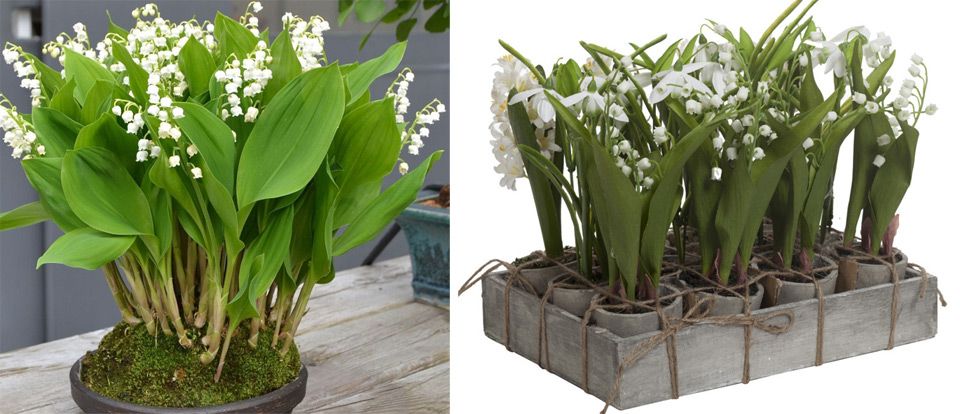
You can put prepared bulbous and rhizome plants (for example) out for forcing lilies of the valley)Crocuses may already bloom in 1.5 weeks. Hyacinths And daffodils They will bloom in about half a month. Tulips in a month.
Caring for flowering indoor plants: loosening the soil, adding fresh soil, watering and fertilizing.
We loosen the soil, add fresh soil to pots with indoor plants, water and feed with organic matter.
Outdoor work: laying seeds for stratification, checking shelters, adding snow, installing a shading screen in the garden for conifers. During the thaw, we do sanitary pruning of shrubs.
8.02 (from 16.59 pm) - 10.02 (until 16.42 pm)
♒ Aquarius, —, ●, Flower days
10.02 at 02:00 – Exact New Moon.
The day before and after the Exact Full Moon, it is not recommended to sow, plant or transplant plants, soak seeds, prune, or fertilize.
In heated greenhouses and in the house:
Preventative treatment against pests and diseases. Inspection and treatment of diseased bulbs and corms.
Preparation of substrates and containers for further planting of plants.
Outdoor work: checking the shelter of heat-loving ornamental plants, adding snow, especially in northern regions, installing shading screens for conifers.
10.02 (from 16.42 pm) - 12.02 (until 16.25 pm)
♓ Pisces, +, ◐, Leaf days
When you are in Pisces, you should not do any pruning or treatment against diseases and pests.
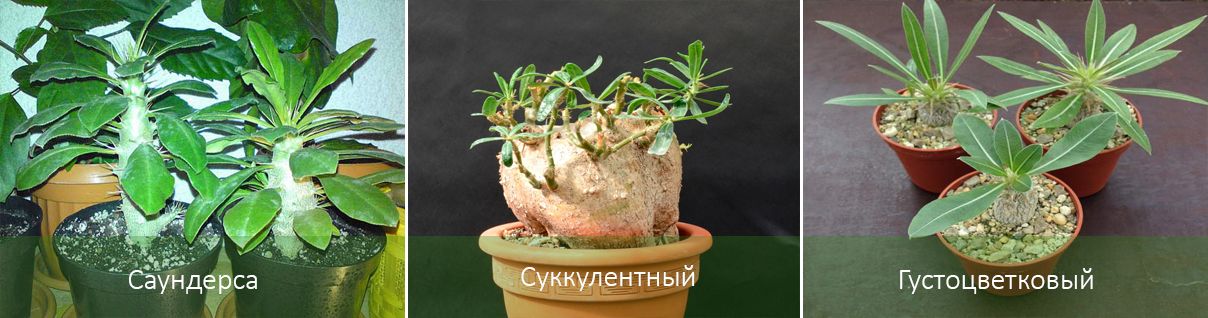
Preparing the substrate for growing seedlings. Checking the condition of dormant ones gloxinia, caladiums, Amorphophalus), bulbs gladioli, tubers dahlias.
Outdoor work: checking the shelter of heat-loving crops, snow retention.
12.02 (from 16.25) - 14.02 (until 18.01)
♈ Aries, +-, ◐, days of Fruition
There is no need to germinate seeds, water, feed, or shape plants.
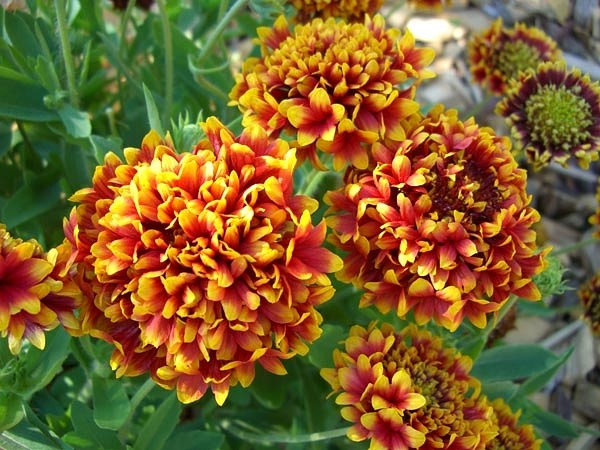
In the sign of Aries you can plant thorny crops, as well as flowers with scarlet and red buds (for example gaillardia).
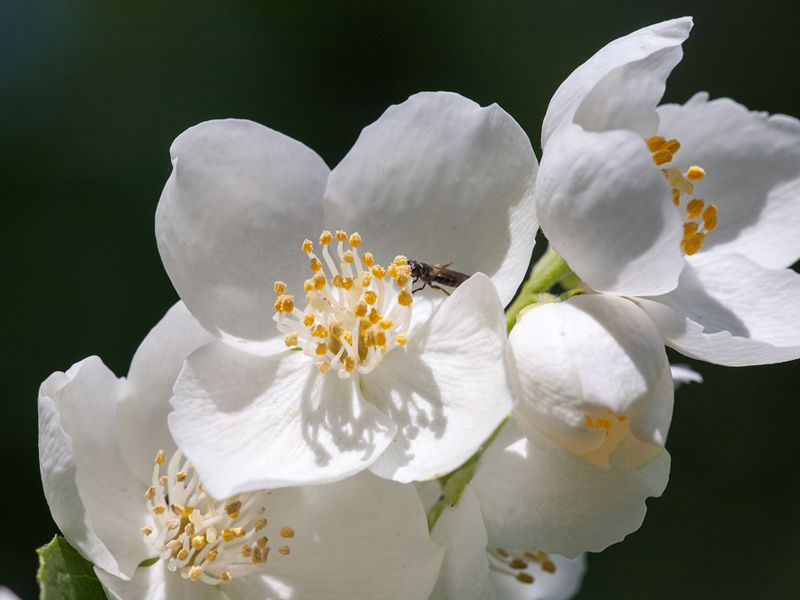
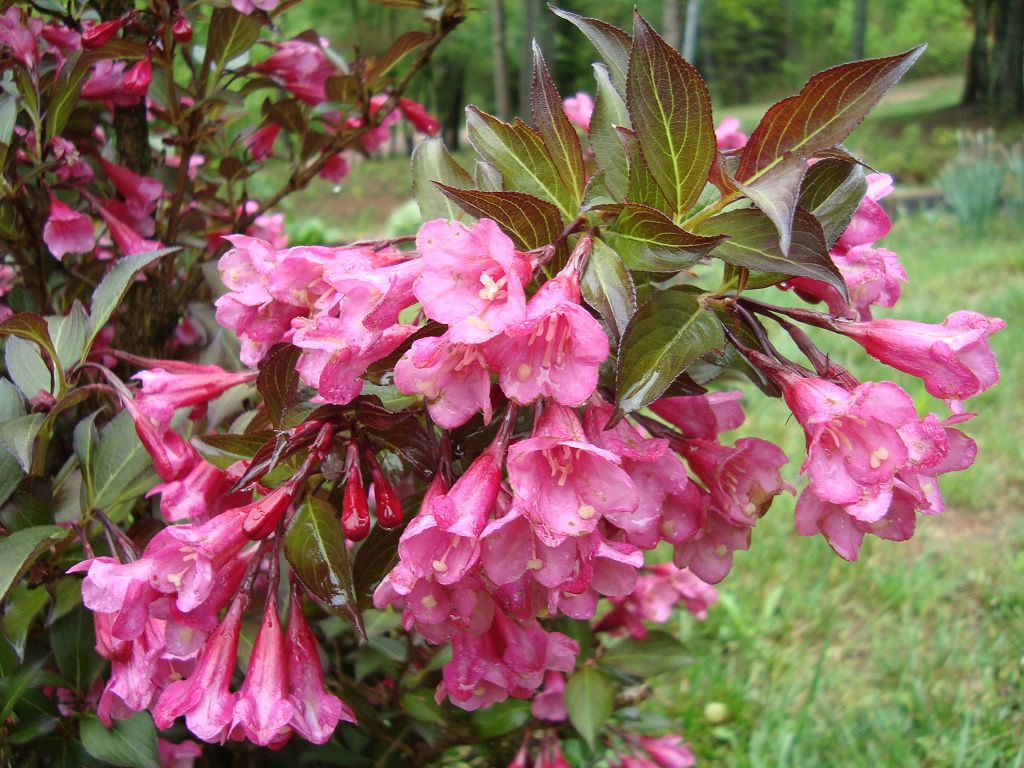
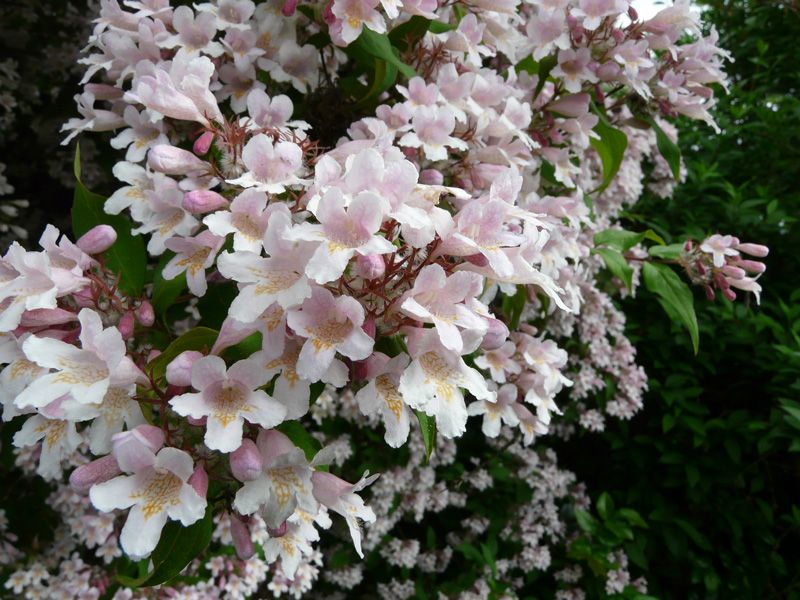
On the street: If there is a lot of snow, we trample it down in the trunk circles of trees and shrubs, cut out dry and diseased branches of ornamental shrubs before the buds open, such as mock orange, Weigela, Kolkwitzia.
14.02 (from 18:01) - 16.02 (until 22:38)
♉ Taurus, +, ◐, Root days.
Loosening the soil is prohibited to avoid damaging the roots.
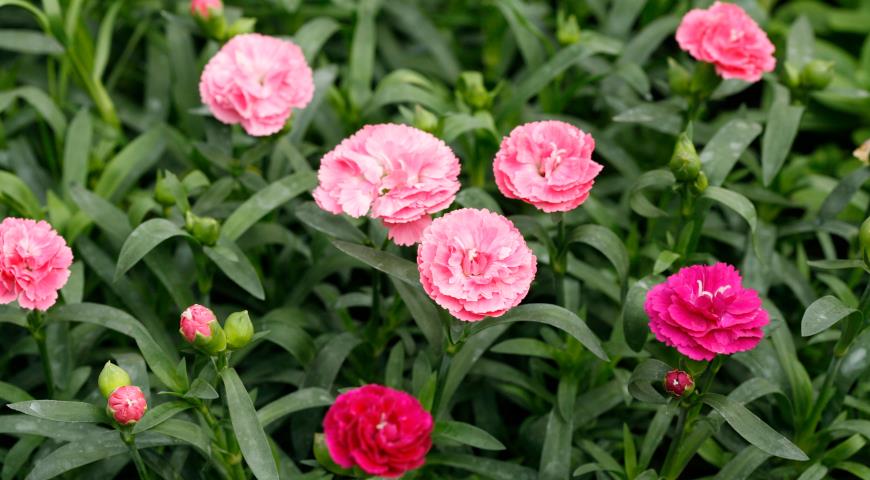
Soak and germinate the seeds. Sow for seedlings. Shabo carnation, begonia, pelargonium, sparkling sage, petunia, ageratum.
Picking seedlings, cutting mother plants, watering and fertilizing (spraying and foliar feeding), planting and replanting indoor plants by transshipment.
On the street: collecting and destroying wintering pests in the garden, laying out bait for rodents.
16.02 (from 22:38) - 18.02
♊ Gemini, —, ◐, Flower days
It is not recommended to apply fertilizers, water, or replant flowers, except for plants with long shoots.
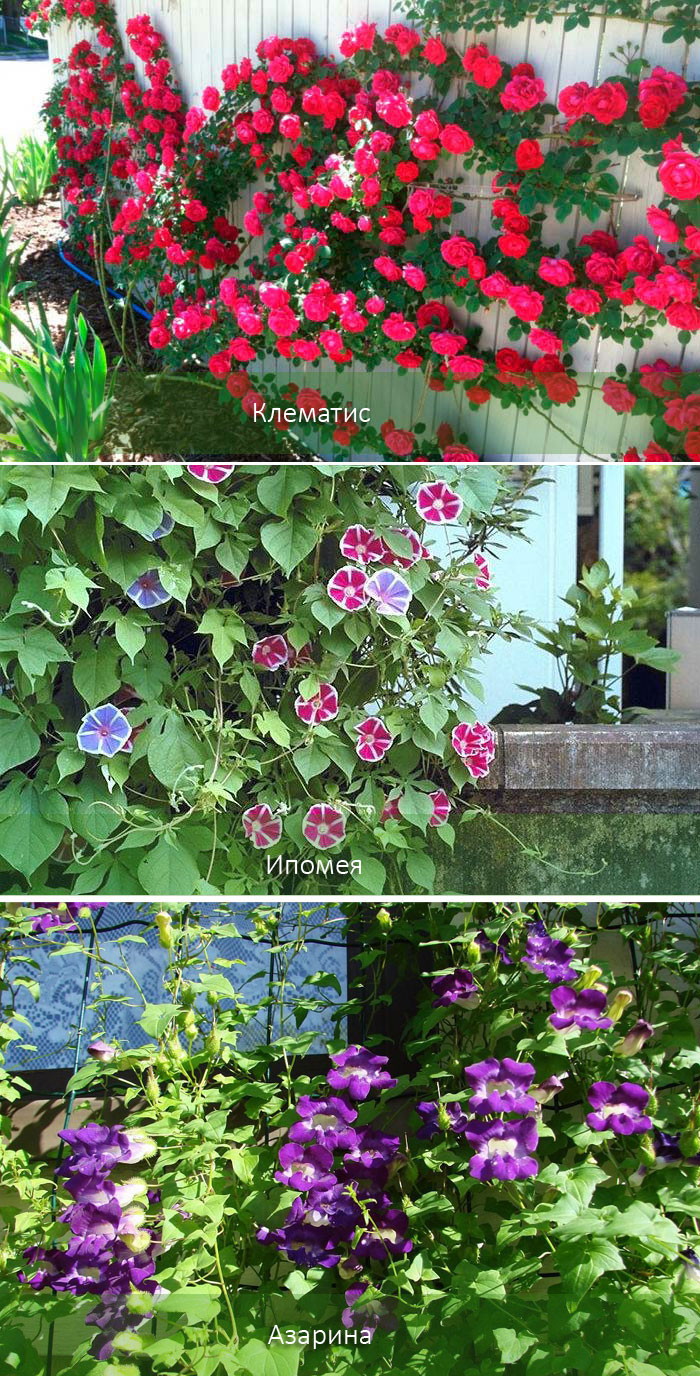
We plant and transplant ampelous and climbing flowers (clematis, morning glory, climbing azarina, thunbergia liana).
We continue to work with corms and bulbs.
On the street: If there is a lot of snow, we trample it down in the tree and shrub trunk circles.
19.02-21.02 (until 16:40)
♋ Cancer, +, ◐, Leaf days
You should not plant climbing plants or crops with long shoots, or treat them with chemicals.
In greenhouse and indoor conditions:
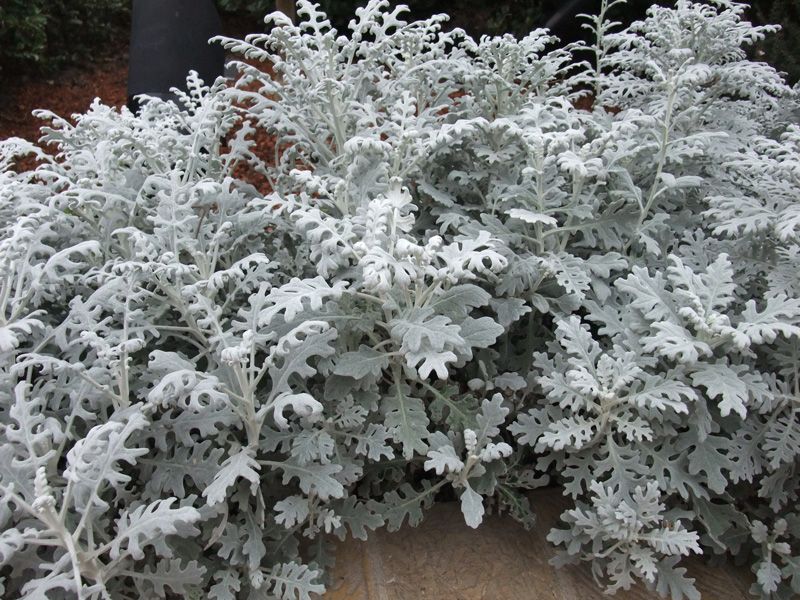
We sow low annuals, flowerbeds and borders for seedlings (pelargonium, tuberous begonia, snapdragon, salvia, ageratum, coleus, static, Waller's balsam, cineraria), perennials, biennials (columbine, viola). We propagate decorative foliage plants araceae And epiphytic.
We water, feed, and loosen the soil.
21.02 (from 16:47) - 23.02
♌ Leo, —, ◐, days of the Fruit.
It is not recommended to water or fertilize.
We check the corms stored for spring planting. We treat the flowers for pests and diseases.
We prepare substrates and containers for further planting.
Outdoor work:
We check the shelters of heat-loving ornamental plants. We add snow to them and other plants, especially in northern regions.
24.02-26.02 (until 17:28)
♍ Virgo +-, ○, Root days
February 24 at 3:30 pm – Exact Full Moon.
The day before and after the Exact Full Moon, it is not recommended to sow, plant or transplant plants, soak seeds, prune, or fertilize.
The following works can be performed with 25.02 15:30:
In a warm room:
Virgo is a neutral sign for plants, so you can sow a variety of flowers under it, but don't count on the Moon's support. The only plants you can sow and plant are trailing, climbing, and long-stemmed plants. Also, during Root days, you can force bulbous plants.
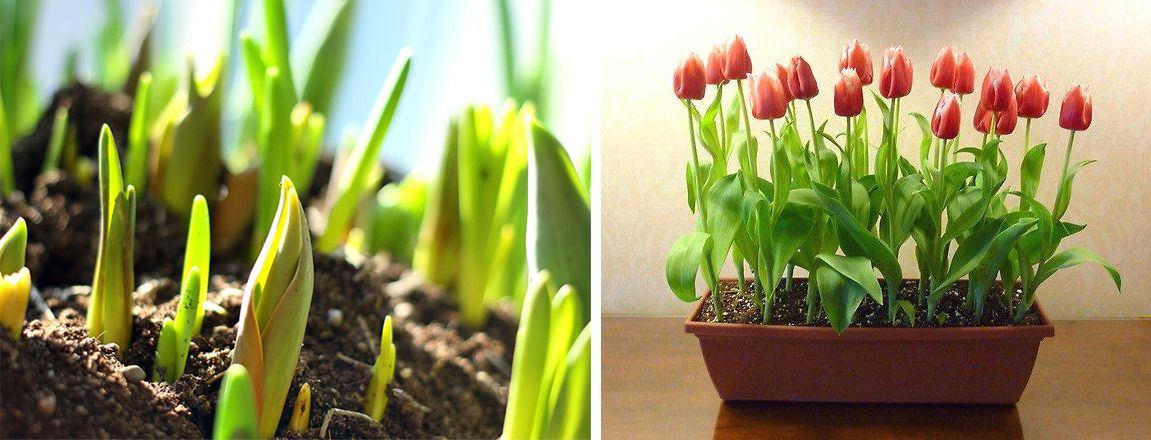
You can try forcing bulbous plants, but be aware that you need to plant plants that have already undergone cold treatment, otherwise you won't see results until May 1st. For example, it's worth planting bulbs tulips, after stratification, to get flowers by March 8th.
You can sow annuals, especially trailing and climbing specimens, plant and transplant succulents, and take cuttings of mother plants. chrysanthemums, pelargonium, petunias, hydrangeas, jasmine.
On this day, it is worth watering moderately, doing root feeding and replanting indoor flowers, and spraying against diseases and pests.
Outdoor work: We check the shelters of heat-loving crops, pack snow into greenhouses, and fight rodents.
26.02 (from 17:28) - 28.02
♎ Libra, +-, ◑, Flower days.
It is not advisable to use insecticides.
We sow annuals and perennials. We water, fertilize, prune, and shape indoor plants, and take cuttings.
We plant corms for forcing.
Outdoor work: checking the shelter of heat-loving crops, snow retention.
29.02
♏ Scorpio, +, ◑, Leaf Days
There is no need to divide or replant.
During these days, you should water your houseplants generously if you haven't done so already. Give them a good shower, treat them for diseases and pests, and do some formative pruning.
We continue forcing bulbous plants, sowing perennials, climbing and twining plants, crops with thorns, spines, and annuals.
Outdoor work: adding snow to winter plantings, to crops that do not tolerate frost well, shading conifers.
Gardeners' work in the house in February
In February, gardeners can relax a bit more, as many ornamental plants are dormant. However, some work still needs to be done this month. What exactly needs to be done will be discussed below.
Caring for indoor plants
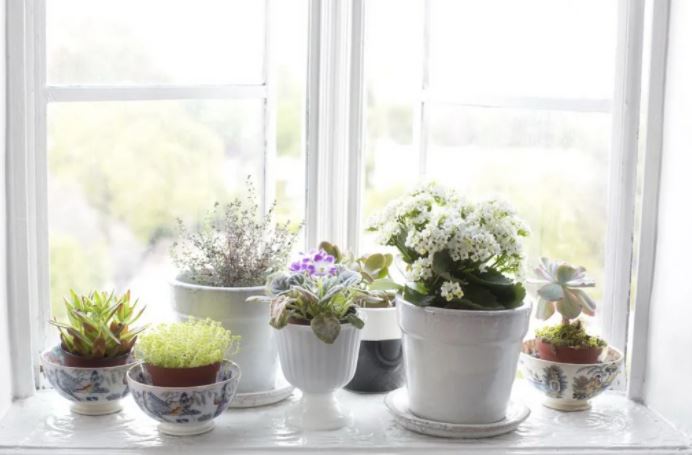
This month, water ornamental plants moderately, mist the leaves, and keep them clean, removing dried and damaged parts and dusting. If a white coating appears on the soil, remove 2-3 cm of it, wash the sides of the pot with an abrasive sponge, and add fresh soil.
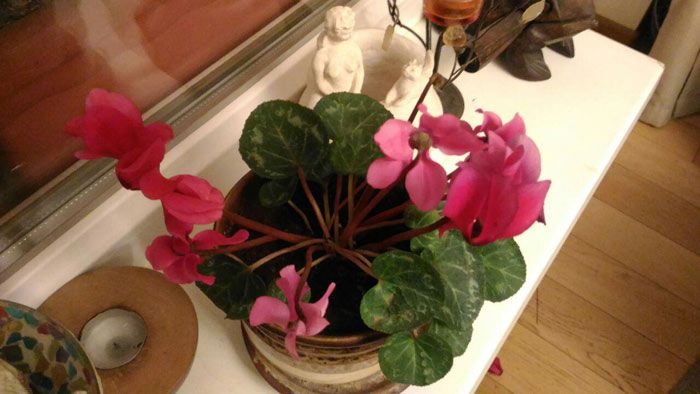
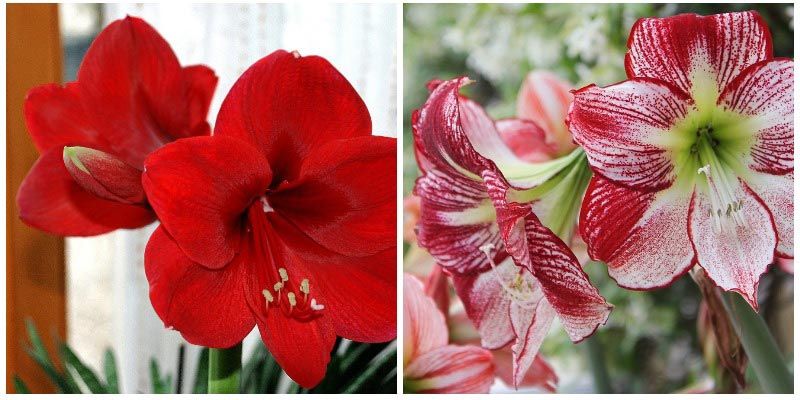
Feeding flowering plants during the winter months cyclamens, hippeastrums.
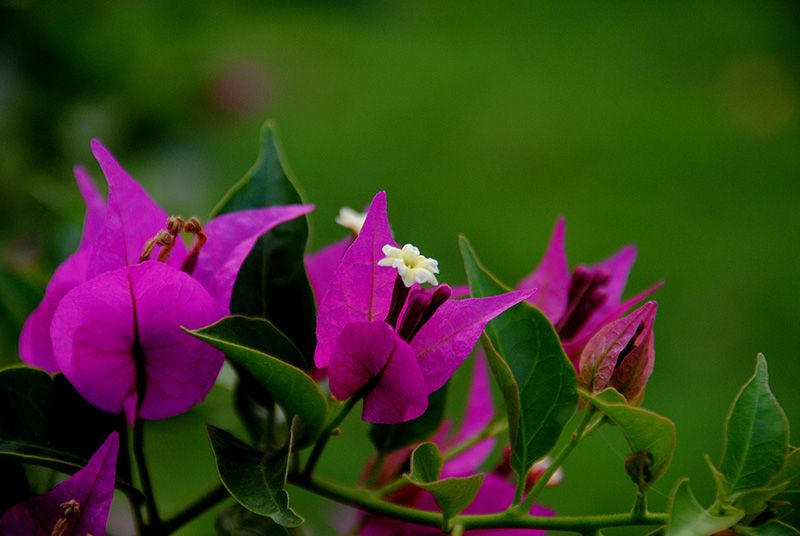
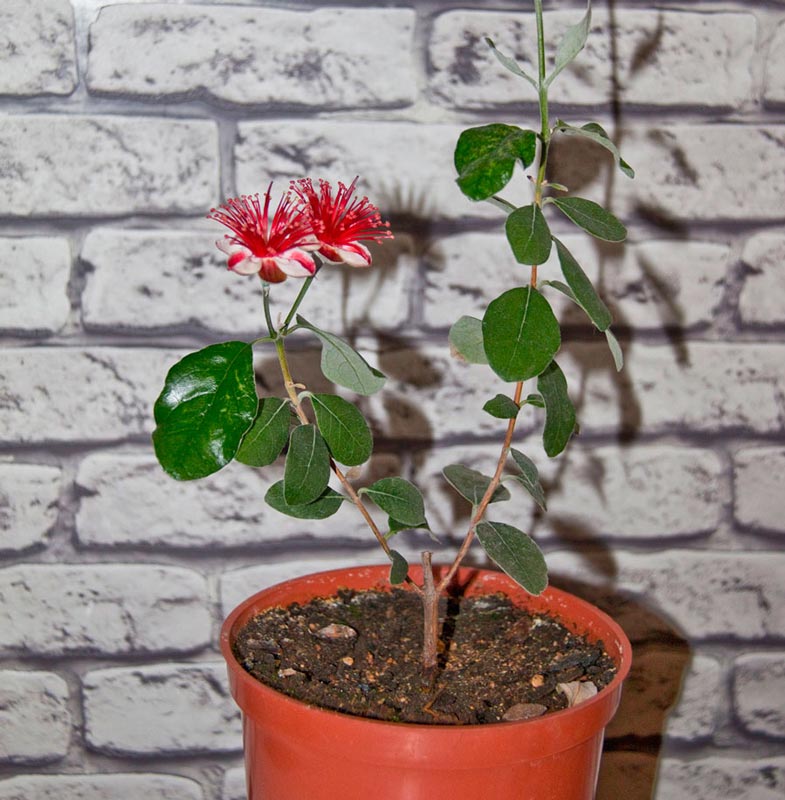
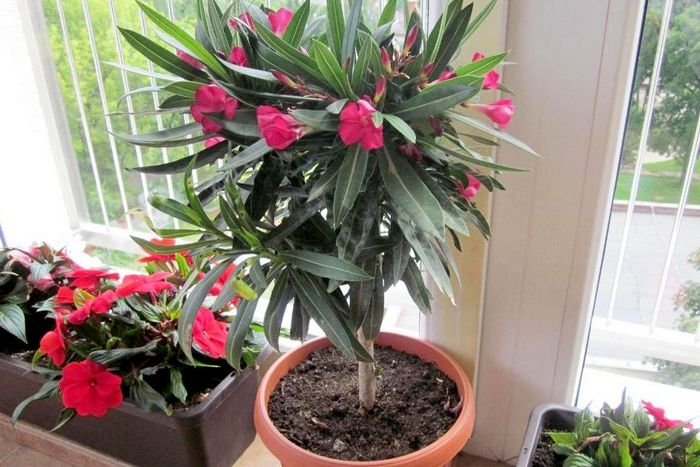
Formative pruning can be done at the end of February. bougainvillea, feijoa, oleanderTo give them a beautiful shape, trim the shoots by half. Feijoas also need to have their root suckers removed.
Plants that have been potted and brought indoors for the winter require periodic inspection. If they show signs of rot or pests, their growing conditions should be reviewed. For example, reduce watering or lower the temperature.
If the bushes are too weak or diseased, they should be pruned almost to the ground. This will give them time to recover before planting in the garden.
In early February, expose gloxinia and begonia tubers to sunlight. It's best to plant them in fresh soil.

The beginning of February is marked by awakening SaintpauliasThey can be transplanted into a new pot (provided they were growing on a bright windowsill). If the violets were growing on north, west, or east-facing windows, it's best to repot them at the end of the month.
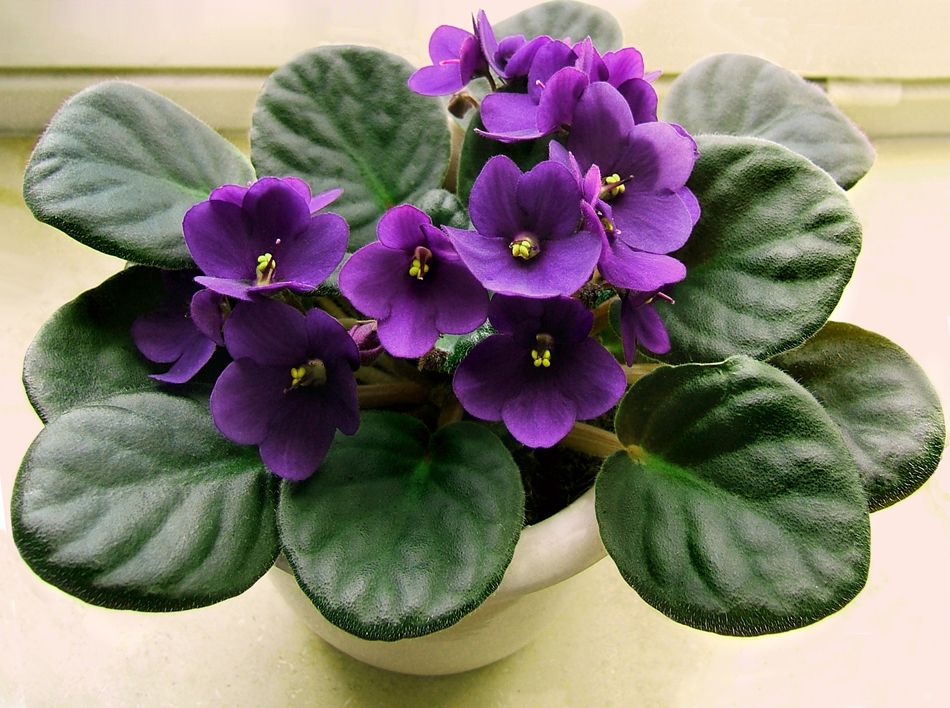
You can buy soil for Saintpaulias at the store, but it's better to prepare it yourself by adding additional components. This soil is ideal for indoor violets, ensuring good growth and abundant flowering. The soil mixture is prepared from store-bought substrate, leaf mold or garden soil, perlite, and vermiculite, mixed in a ratio of 3:2:1:1. It is recommended to add a mineral mixture, such as ABVU, at 10 ml per 10 liters of soil mixture. It contains phosphorus and calcium, but lacks nitrogen, an excessive amount of which negatively impacts the flowering of Saintpaulias.
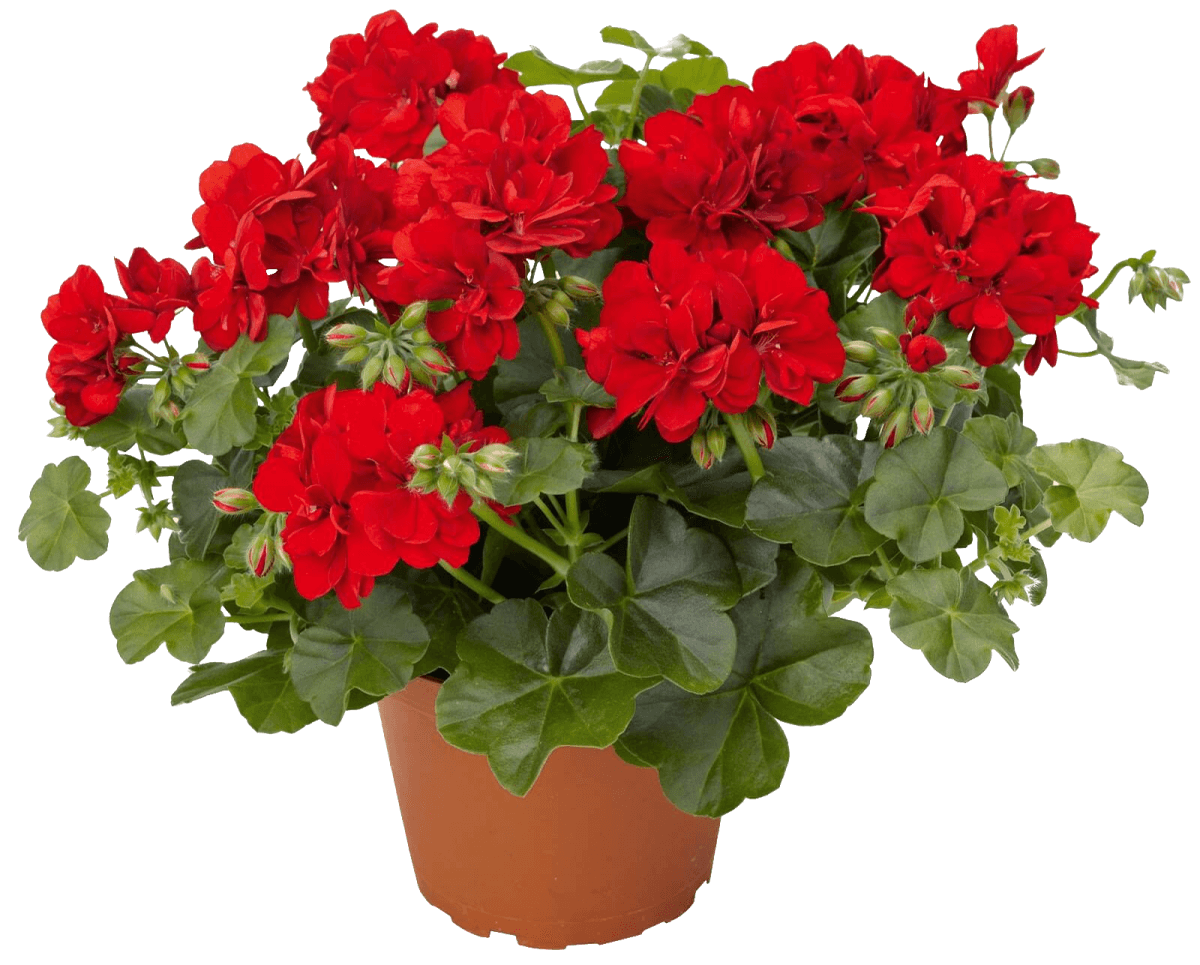
To plant pelargoniums outdoors in May, root them in February. Cuttings with 2-3 internodes root best. Make the cut 1 mm below the node. After this, let the cuttings air dry and then plant them in a mixture of peat and sand (add equal parts). Water and mist the shoots for the first 3-4 days. Rooting should occur at a temperature of 18 to 20 °C. Once roots appear, transplant the cuttings into a soil mixture of leaf mold, turf, peat, and sand, added in equal parts. To create an attractive, decorative appearance, pinch out the growing tips.
Seed material
In February, you should check the germination of your own seedlings, as well as seeds that have been stored for too long. To do this, spread them out on a damp cloth placed in a saucer and wait for the sprouts to emerge.
It's important to plan for new planting material well in advance. Late winter is the best time to order seedlings and transplants from specialized nurseries. They can be planted in their permanent locations as early as early spring.
Please note! When purchasing seeds and planting materials online, please check the delivery time. If it's delayed, you may not be able to plant the plants on time.
It is also important to stratify seeds that require it: delphiniums, gentians, bells, primroses, columbine.
- Rinse the seeds in warm water;
- Mix with sand and pour into cotton bags;
- Place in the refrigerator, in the vegetable section;
- We'll keep you there until landing.
Everything you need for the seedlings should be prepared. This includes peat tablets or cups, nutrient-rich soil mixture, tools, pots for transplanting, a phytolamp, etc. To prevent infection, everything should be disinfected.
Seedlings require special attention
Some plants were planted as early as January. However, most varieties are sown for seedlings in February. This is the most labor-intensive task of this month. The best days to do this are discussed above.
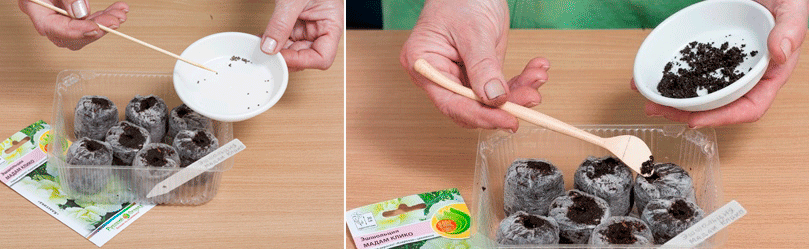
In February, you need to hurry with sowing:
- sage;
- petunias (especially hybrids);
- purslane;
- begonias;
- lobelia;
- kobei;
- pelargoniums;
- ageratum;
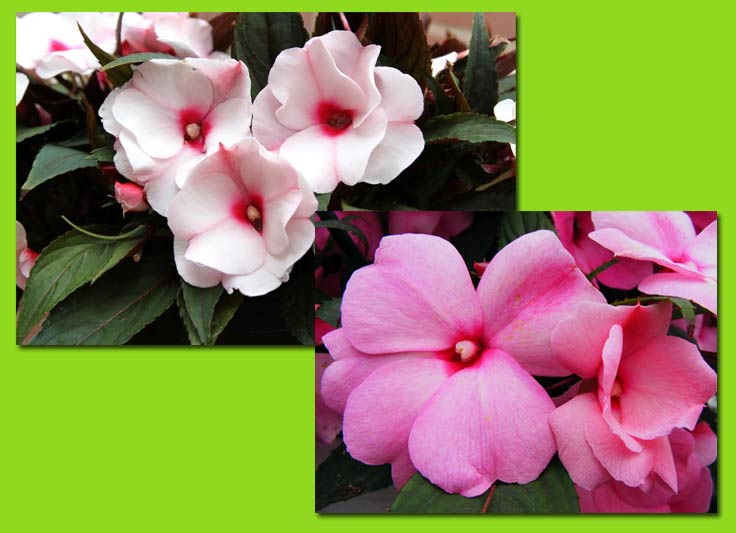
- impatiens (impatiens);
- Nierembergia;
- Shabo carnations (if not planted in January) and others (see above for daily work)
Each plant has its own specific care and maintenance requirements. Therefore, before growing seedlings, it's important to carefully familiarize yourself with the growing seasons and cultivation guidelines for each species.
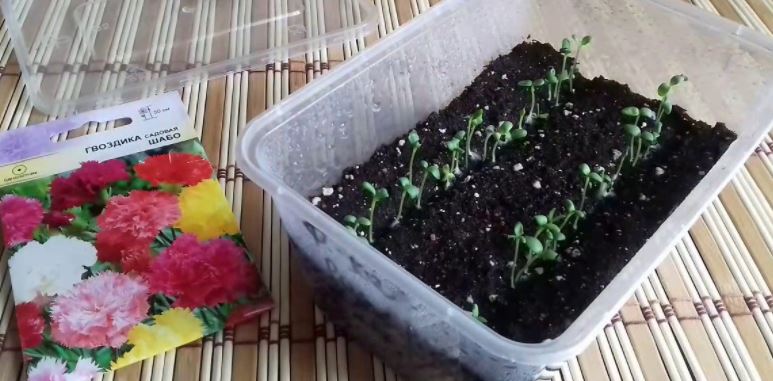
At the end of February, the Shabo carnation planted in January is transplanted (Lunar calendar for January 2024):
- Take containers with a depth of 8-10 cm;
- They are filled with soil and watered;
- The removed seedlings are carefully removed from the pots; experienced gardeners recommend pinching the roots by one-third for better development, and planted in a separate container.
- In order for the plants to take root better, you need to place the transplanted seedlings in the shade for two days, in the coolest place.
Checking the storage of corms
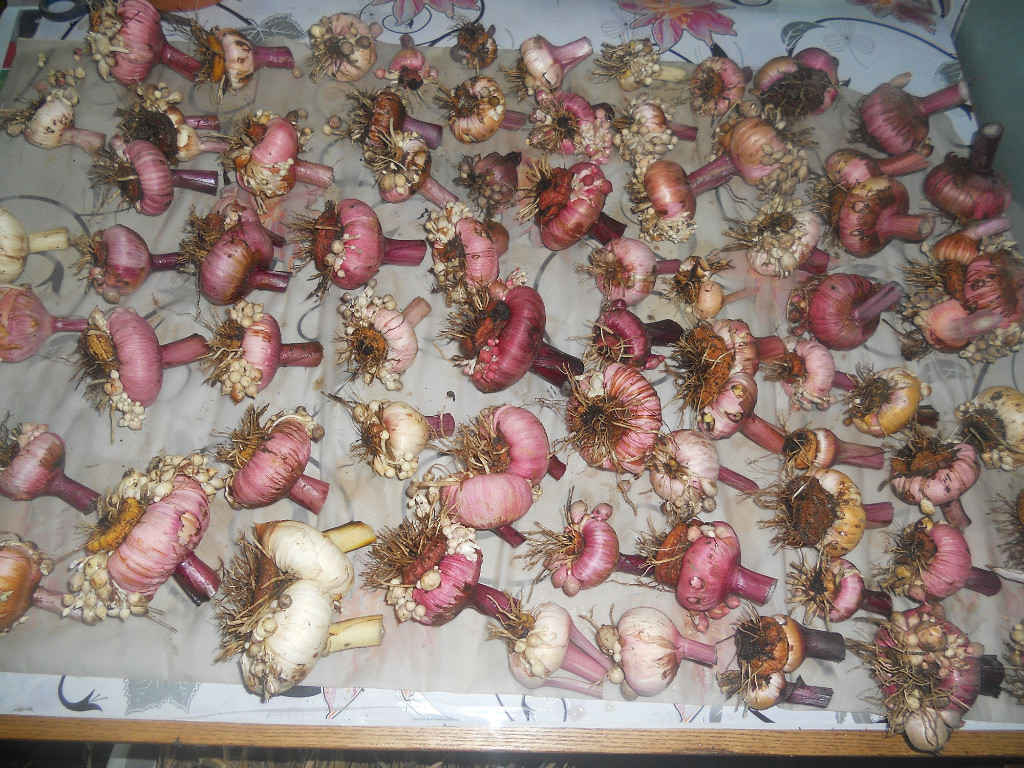
Tubers and bulbs should be regularly inspected for signs of rot, and diseased areas should be completely cut off. If the damage is severe, the plant should be destroyed immediately.
In February, rodents may use bulbs as food. Therefore, it's necessary to completely block their passages and set traps and bait.
Gardening activities for flower growers in February
Plants should be inspected at any time of year, but twice as often in February. This is because they are more susceptible to aggressive environmental influences.
This month sees the greatest difference between day and night temperatures. Furthermore, February is associated with a higher risk of sunburn, frost cracks, and branch breakage from the weight of wet snow and strong gusts of wind. Regular inspection will allow you to detect problems early and take action.
Protection from sun, wind and ice
In February, the sun's heat increases in intensity and lasts longer. The contrast between cold air temperatures and warm rays can lead to frost cracks and burns on evergreens, including conifers. Young trees are also susceptible to damage.
To protect plants, the crowns of evergreens should be covered with burlap or non-woven material during sunny weather. Straw mats can also be used. The trunks of young trees and shrubs should be tightly wrapped with lutrasil or burlap.

Snow can be used as an additional protection. Cover the plants in the garden with it, collecting it from paths and areas. It is recommended to compact fresh snow around trees and shrubs. This will prevent pests from reaching the trunks.
If the winter was light on snow, with virtually no snowdrifts in February, frost damage can occur to virtually all plants. In this case, shelters should be additionally reinforced. Mulch any exposed plants with spruce branches and straw.
Ice can form on lawns, flower beds, and between plants if thaws alternate with frost. It needs to be broken up to restore air circulation.
Beginning of spring pruning
Spring pruning begins in February. Shrubs especially need it: mock orange, weigela, and Kolkwitzia. This should only be done on warm days. Avoid this in the following cases:
- snowdrifts more than 30 cm high;
- the difference between day and night temperatures is more than 10 °C;
- the temperature has increased or decreased significantly compared to the previous week.
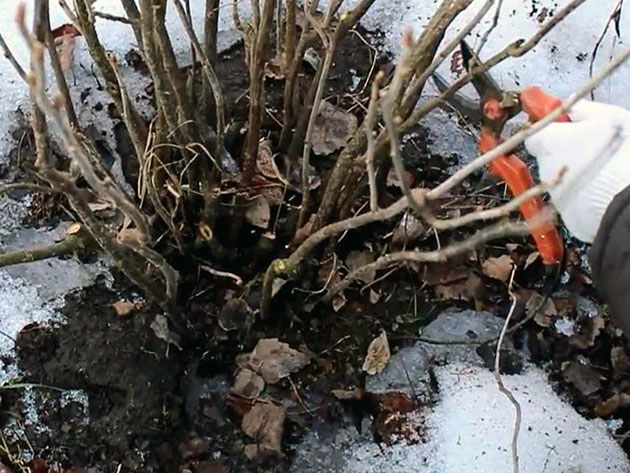
February pruning is carried out in the standard way:
- Remove damaged and diseased branches.
- Perform formative pruning. This should only be done on specimens blooming on current year's growth. Branches are shortened to 2-3 buds. For plants whose main asset is beautiful bark, weak and faded shoots should be completely pruned.
Hedges need thinning if the bushes have been planted too close together. This will help the plants develop better and give the area a neat and attractive appearance.
Please note! Don't throw away trimmed healthy branches from ornamental trees and shrubs. They should be collected in piles and placed under a roof or canopy. This will make a great home for hedgehogs and other beneficial animals. Brushwood is also always useful for creating plant supports, markings, and decorative arrangements.
Late planting of bulbs in the garden
The last month of winter is characterized by very unstable weather, with thaws likely to occur, followed by frosts. During this time, it's possible to plant bulbous plants. This can be done on any warm day. The key is for the soil to warm enough to allow the bulbs to be planted two or three times their height. Before planting, however, it's a good idea to refrigerate them for 5-10 days.
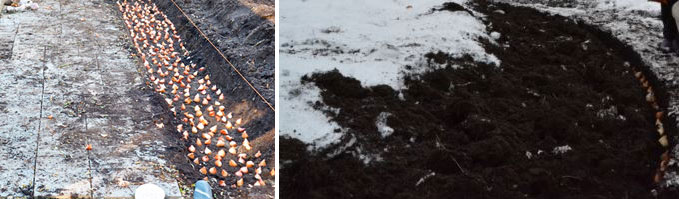
If this isn't possible, you can plant the bulbs in pots and bring them directly into the garden. However, this material is less frost-resistant, so it should be covered with spruce branches or dry straw. Also, keep in mind that bulbs grown in pots bloom a little later.
Caring for an alpine slide
Plants commonly planted in rock gardens are resistant to severe frosts and even ice. However, high humidity and stagnant water pose a threat. Therefore, in February, regularly inspect the rock garden for signs of rot. Immediately destroy any affected plant parts. Add gravel and crushed stone to prevent the plants from coming into contact with damp soil. If a prolonged thaw begins, mulching around the perimeter and lightly loosening the soil is recommended.
Pond maintenance
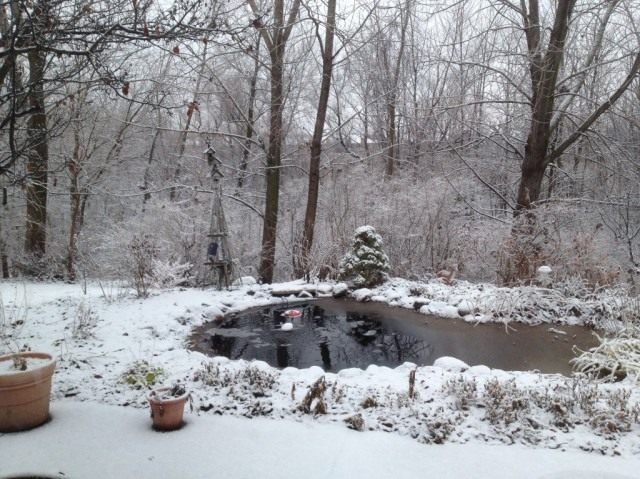
Temperature fluctuations in February are dangerous not only for plants but also for ponds. Ice patches should be broken up periodically to improve air circulation. If plastic bottles or other makeshift air vents were used, they should be checked. They may have become ineffective due to condensation and snow accumulation.