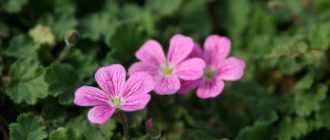
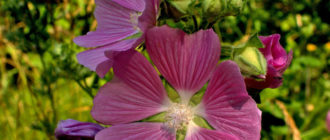
Perennials can be found in any garden. Flowers in this category are popular due to their low maintenance and decorative qualities. Their vibrant blooms and unusual foliage enhance the landscape design.
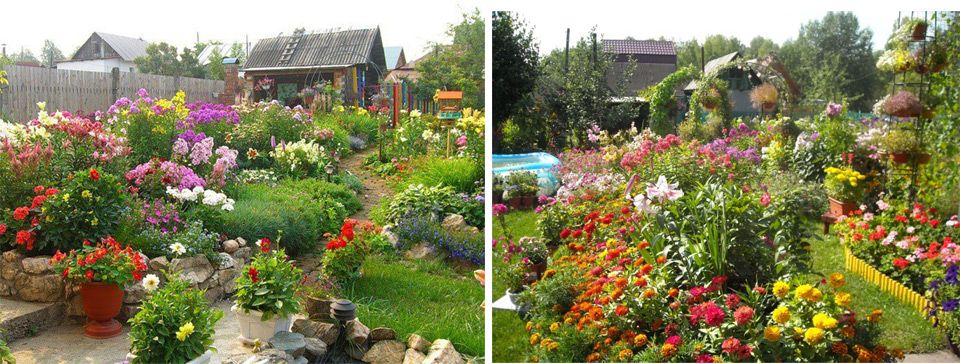
They decorate ponds, gazebos, and paths. The overall composition usually includes plants that bloom at different times. This ensures the garden retains its appeal from early spring until late fall.
Content
Benefits of perennials for the garden
Advantages of perennials:
- There are usually no difficulties in selecting seed material.
- You can create a beautiful flower garden without wasting time.
- Many different combinations.
- Long flowering period.
- Strong root system.
- No difficulties in maintenance.
- Resistance to the negative effects of low temperatures.
- Minimal financial investment in site improvement. No need to purchase planting material before each season.
- Additional income can be obtained by selling seed material.
- They can remain in the same location for several years. There's no need to re-select a planting site and care for seedlings at the beginning of each season. The time saved can be spent on caring for other crops.
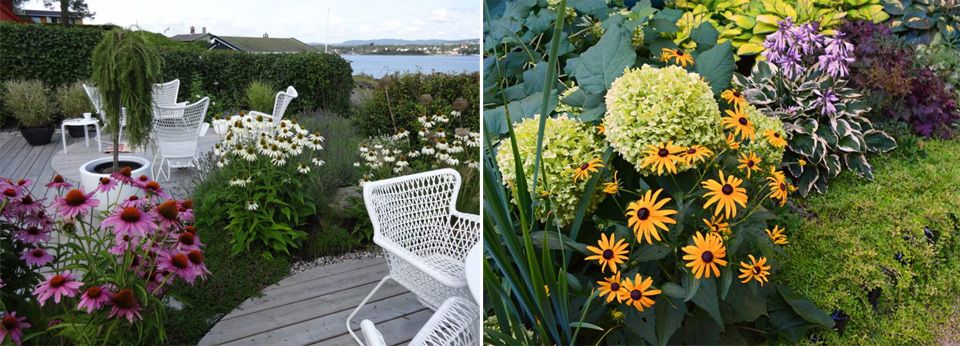
When choosing garden crops, many factors must be taken into account, including climate conditions, soil, shade, and personal preference.
Choosing perennial flowers for your garden
The range of plants used for landscaping a garden is diverse and each has its own unique characteristics. This allows every gardener to create a unique landscape design.
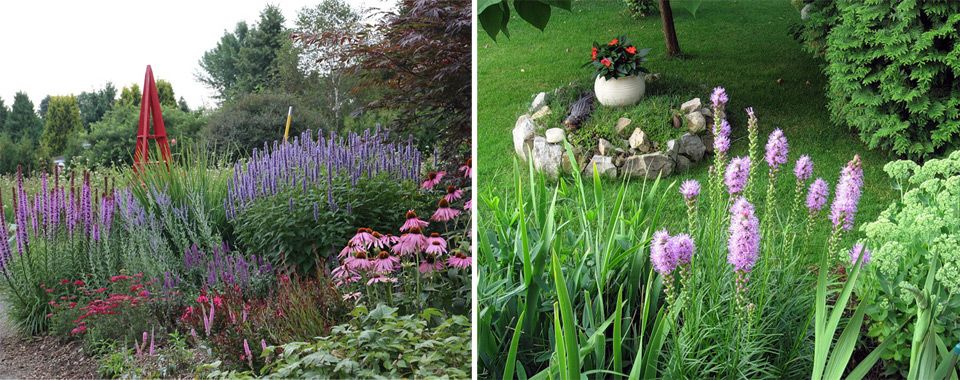
Flowers included in the list of the most popular perennials generally require little care. They require fertile, well-drained soil and watering.
Perennials are classified by flowering period and height. Based on the latter, we can distinguish between tall, medium, and trailing plants. Size plays a decisive role when choosing a planting location.
In addition, it is important to pay attention to the following nuances:
- Needs sunlight, shade and moisture.
- Distance between plants.
- Availability of support (for tall perennials).
Low-growing plants are used to edge flowerbeds, fill gaps, and decorate borders. Tall plants are placed in the background, while medium-sized ones are planted in the center.
Perennial primroses
These plants delight with their brightness, delicacy, and grace when snow lies on the ground. Most of them prefer moist soil and shade.
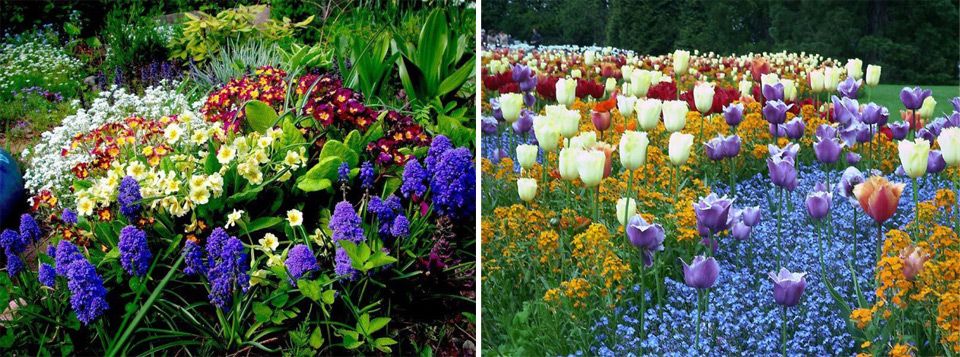
To achieve the desired effect, spring primroses are placed in mixed flowerbeds, between tall shrubs, and in rock gardens. The most popular varieties include:
Anemone
The corollas open in late April to early May. This period lasts for 2-3 weeks. The lush foliage is complemented by vibrant flowers.
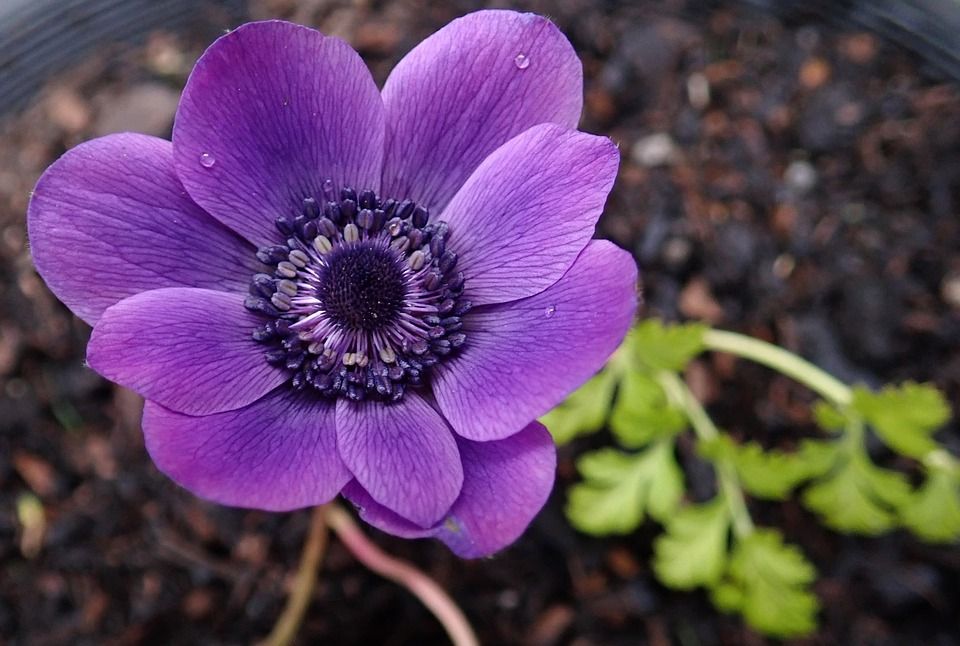
The latter can be white, yellow, blue, pink, red and purple. Withered anemones They have an unsightly appearance. It is recommended to plant them next to plants that bloom in summer and fall. Propagation occurs by seed and division. The separated parts quickly take root. The flowers range in diameter from 65 to 80 mm.
Snowdrop or galanthus
An undemanding plant that requires shade, moisture, and cool conditions. The flowering period of early bulbous plants depends on weather conditions.
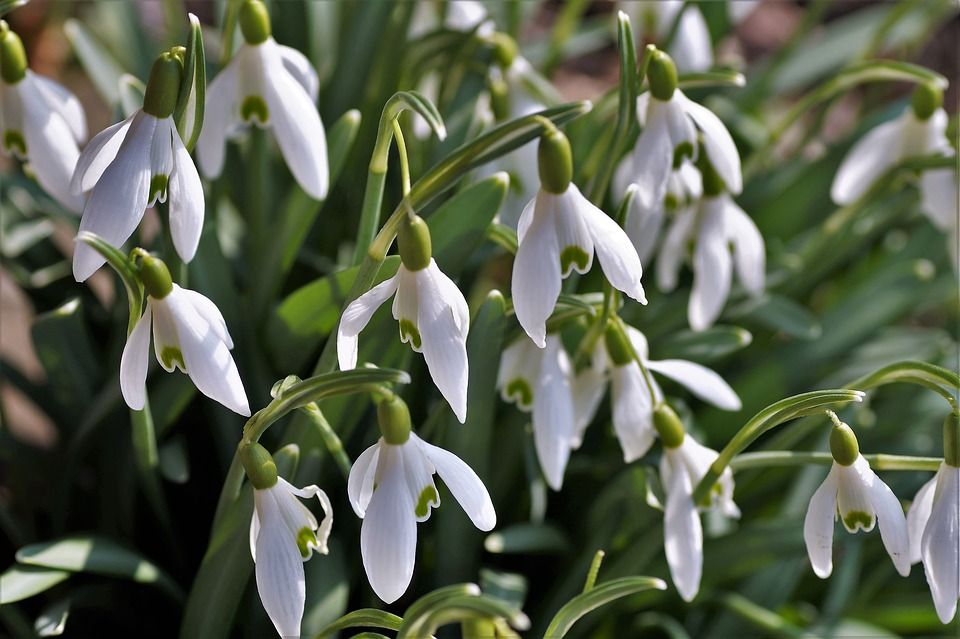
Snowdrop It is distinguished by its pleasant aroma, neat white drooping bell-shaped corollas, and the ability to grow quickly.
Tulip
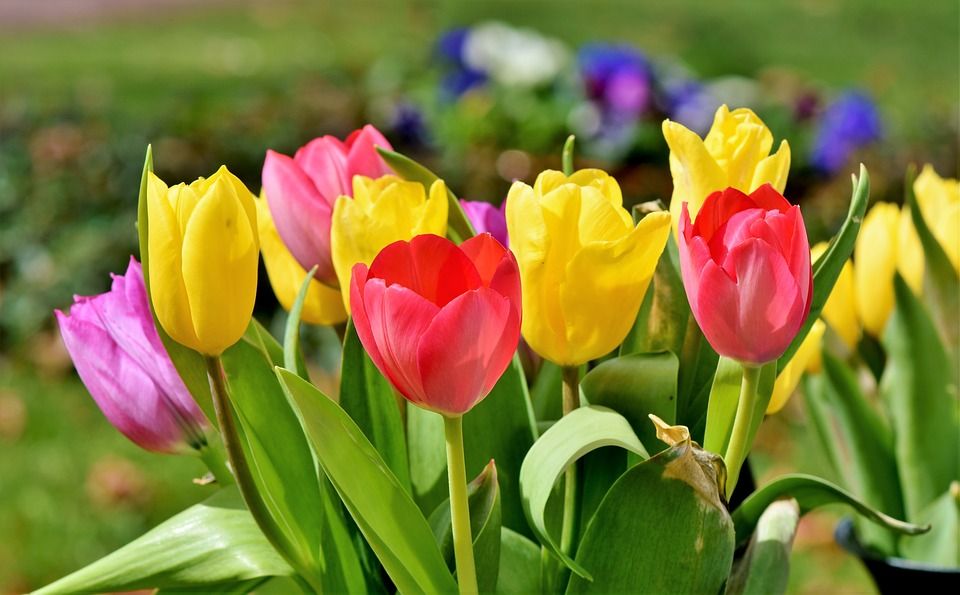
In spring, flowers bloom, including single and double early varieties. Tulips are often combined with evergreen perennials in flower beds. They typically do not exceed 40 cm in height.
Also read about: When to plant tulips.
Daffodils
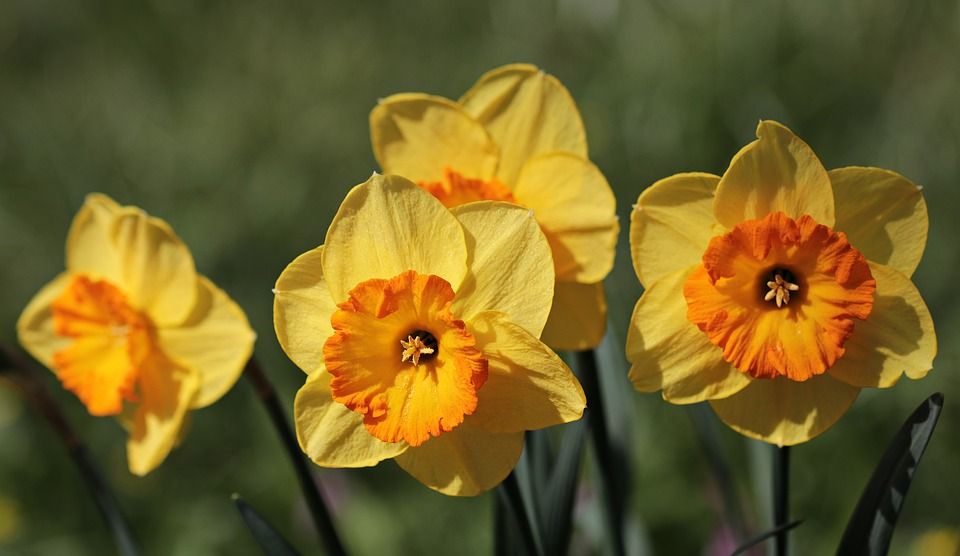
Height from 5 to 50 cm. Corollas are yellow and white.Narcissus can be planted in a shaded or sunny area. Propagation is carried out using bulblets.
Crocus
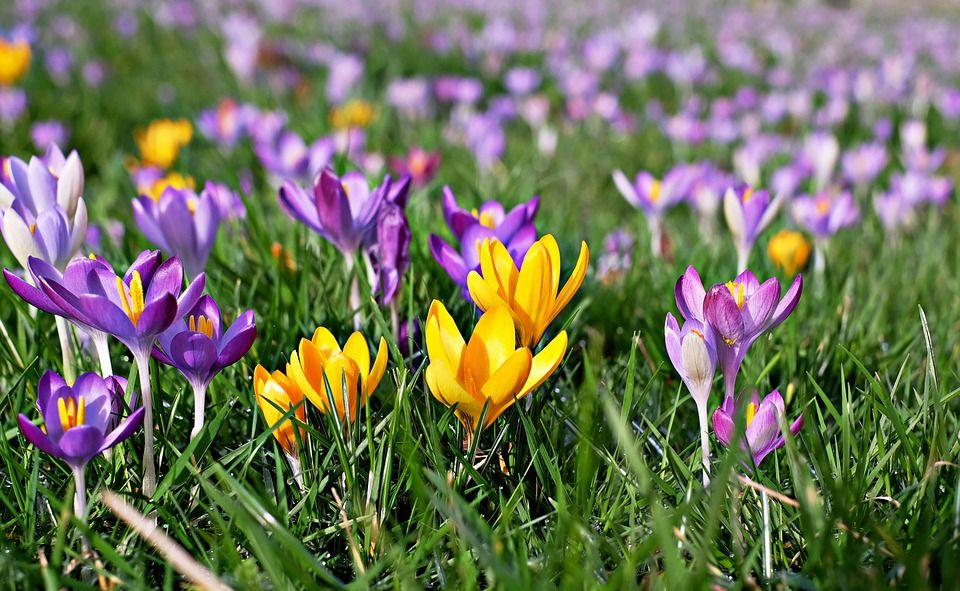
They bloom at the same time as snowdrops. The buds come in cream, yellow, blue, and purple. Flowering begins in March. planting crocuses Read in a separate article.
Grouse
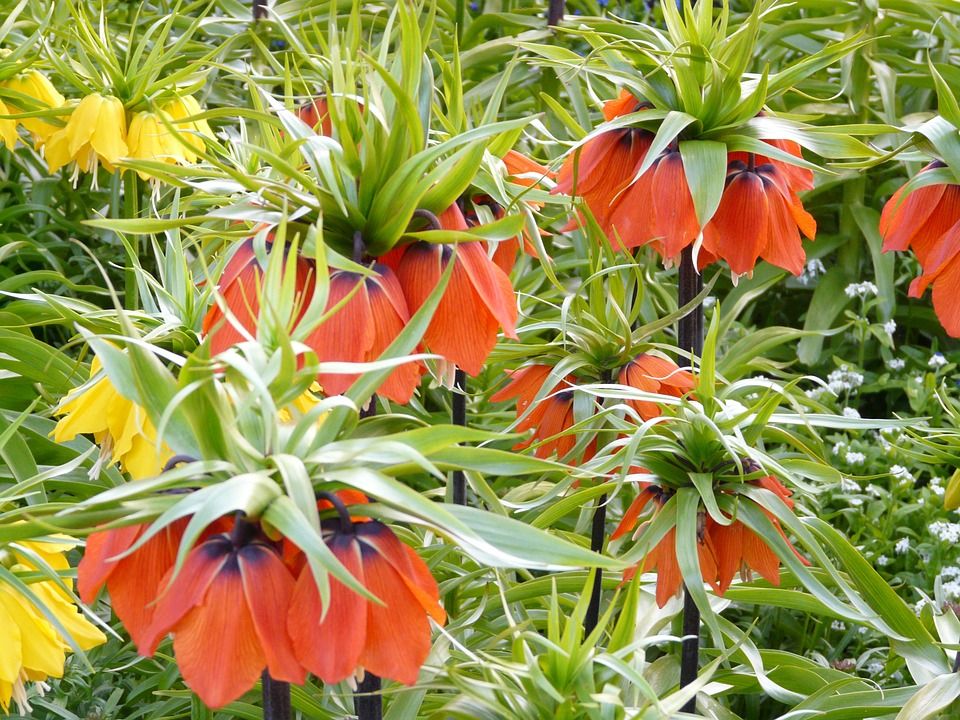
Flowers of a drooping form. Bulbs hazel grouse They are not protected from external damage. To prevent this, it is recommended to use a solution of potassium permanganate.
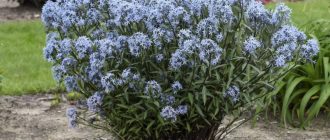
Forget-me-not
Prefers moist soil and shaded areas. Delicate blue flowers and vibrant heart-shaped leaves.
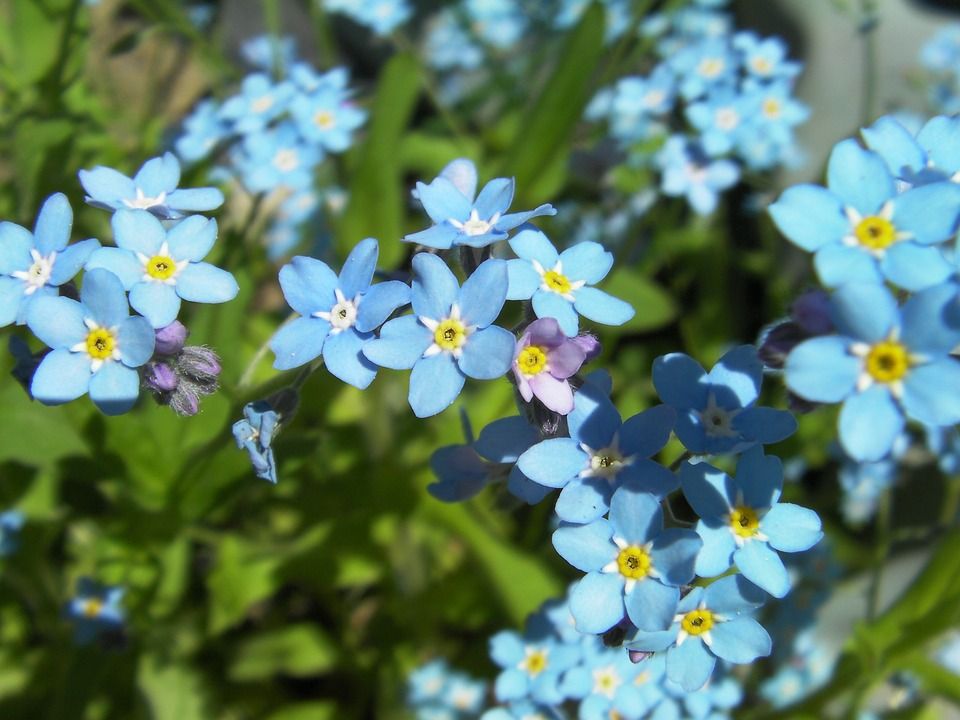
About that How to grow forget-me-nots in your garden on our website.
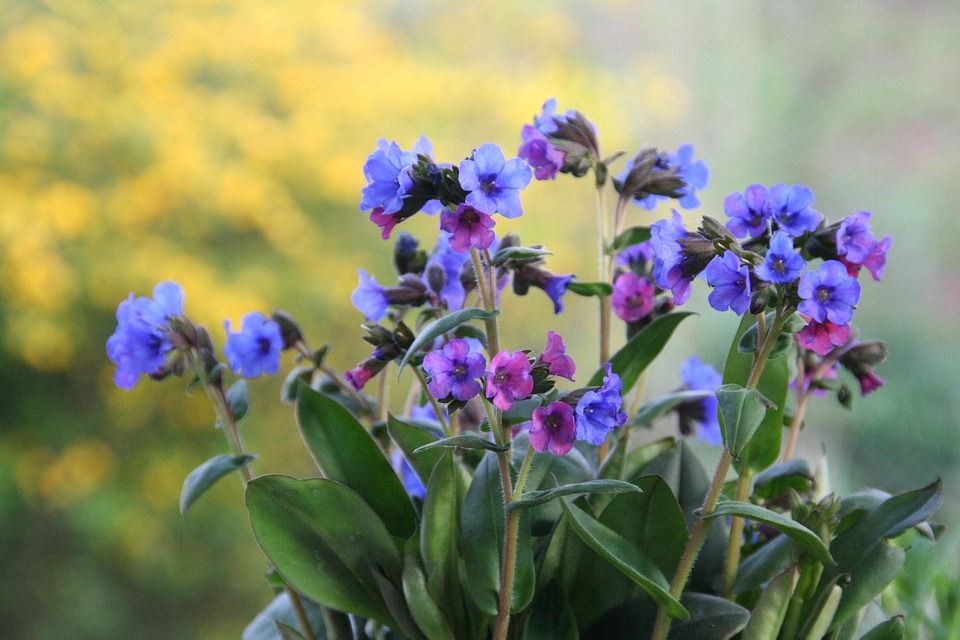
Lungwort
A low-growing perennial that prefers partial shade. Dark green leaves are spotted and speckled. Blue and pink corollas are borne on a single stem.
You know that lungwort does it have medicinal properties?
Dicentra
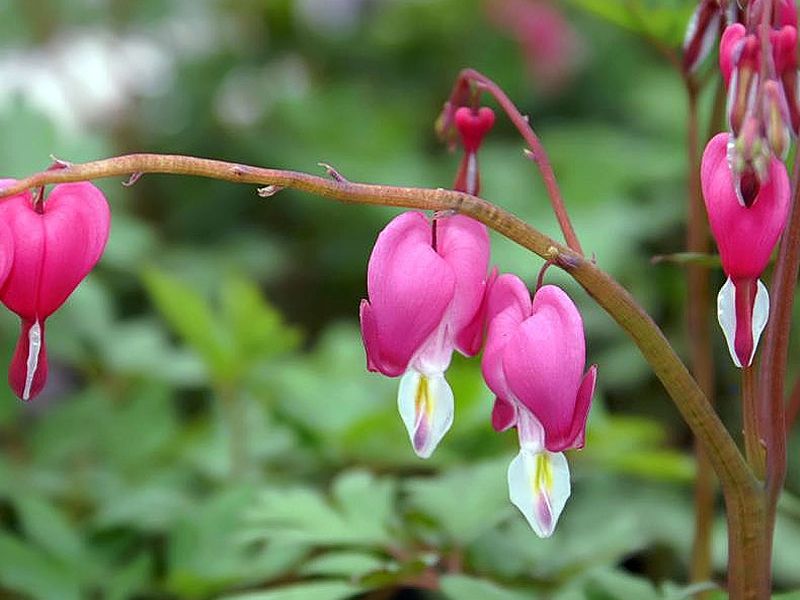
Heart-shaped, light purple, white, and pinkish flowers, arching stems. The bush reaches 100 cm in height. Corollas dicentra They bloom in May and are propagated by dividing the rhizome.
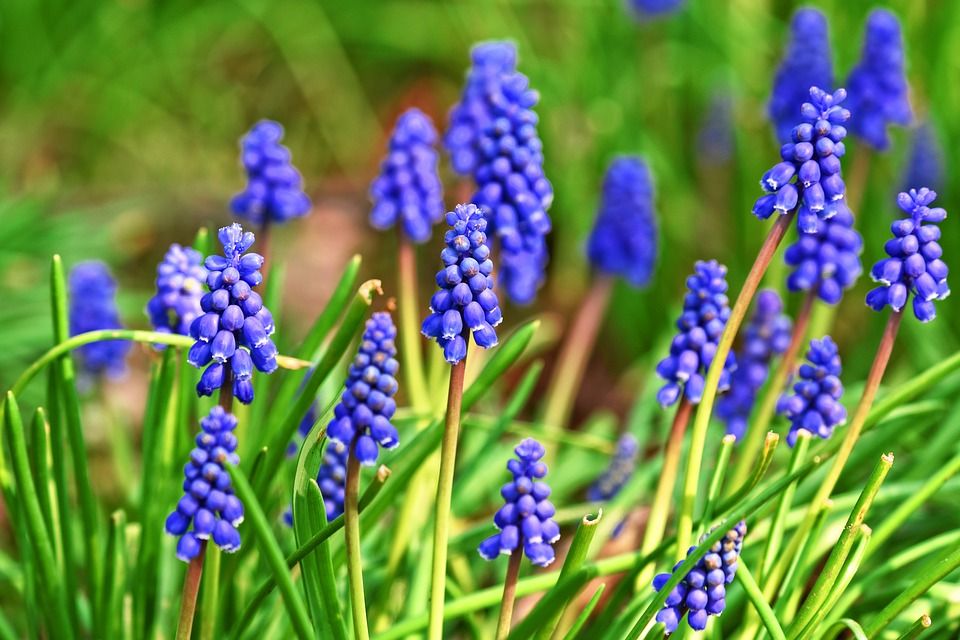
Muscari
The delicate blue flowers resemble a bunch of grapes. The plant can be planted anywhere in the garden. Its characteristic features include sun-loving and winter hardiness. It blooms in April-May. The coloring can be single or two-tone. A special category is muscari-chameleons.
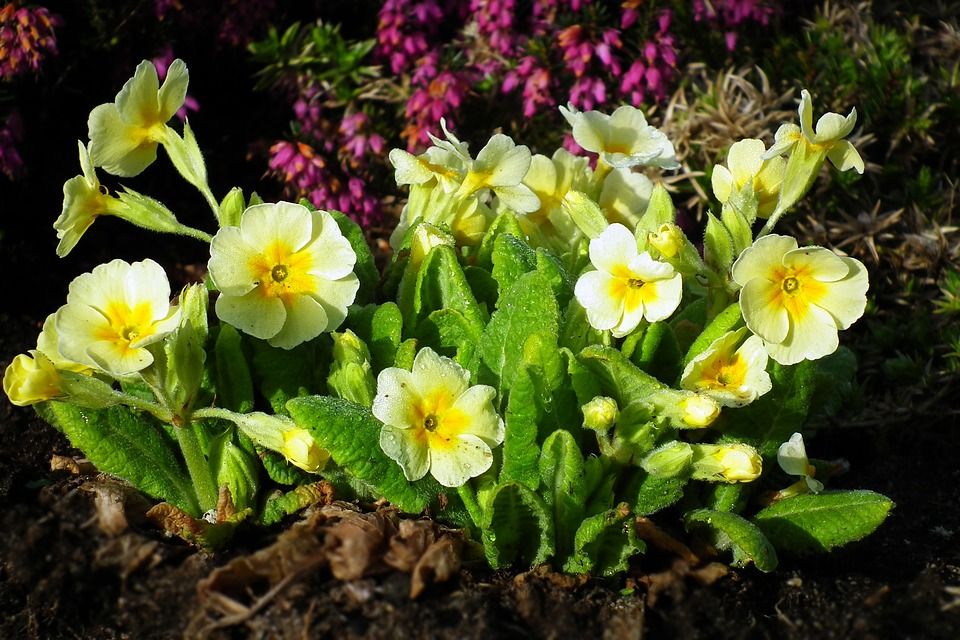
Primroses
They prefer shade and loose, fertilized soil. primroses The shape of the corolla can be varied. The corollas can be cushion-shaped, capitate, umbel-shaped, bell-shaped, or tiered.
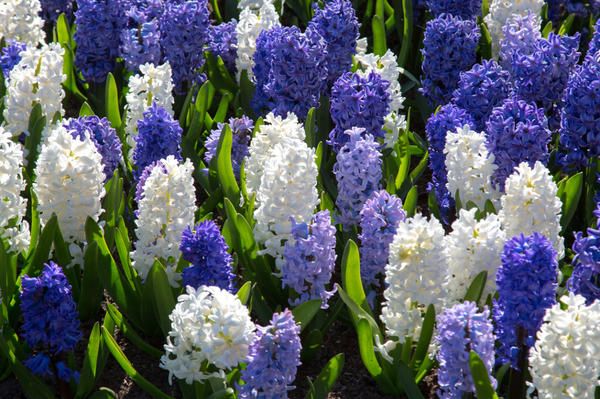
Hyacinths
Blue buds appear in late April. The plant requires cool conditions and fertile, well-drained soil. If the bulbs become overly wet, hyacinth die. Planting is carried out in early autumn.
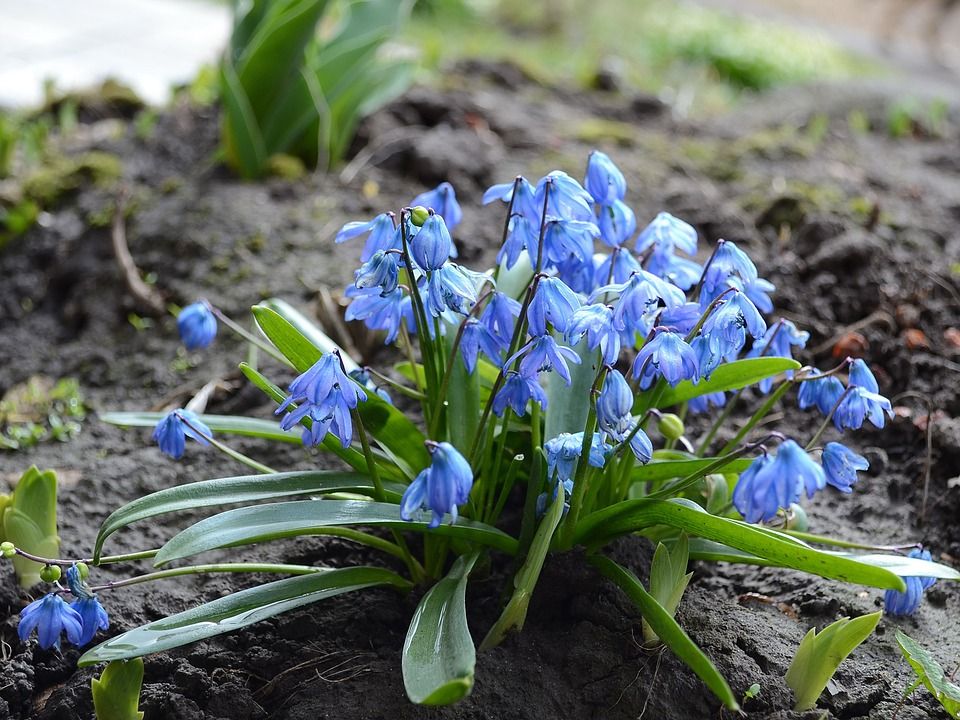
Scilla or Scylla
Low-growing and hardy, they create a bluish carpet effect. They are propagated by bulbs and can self-seed. Bluebells They quickly adapt to changing climate conditions. The fertilizer complex includes nitrogen, phosphorus, and potassium.
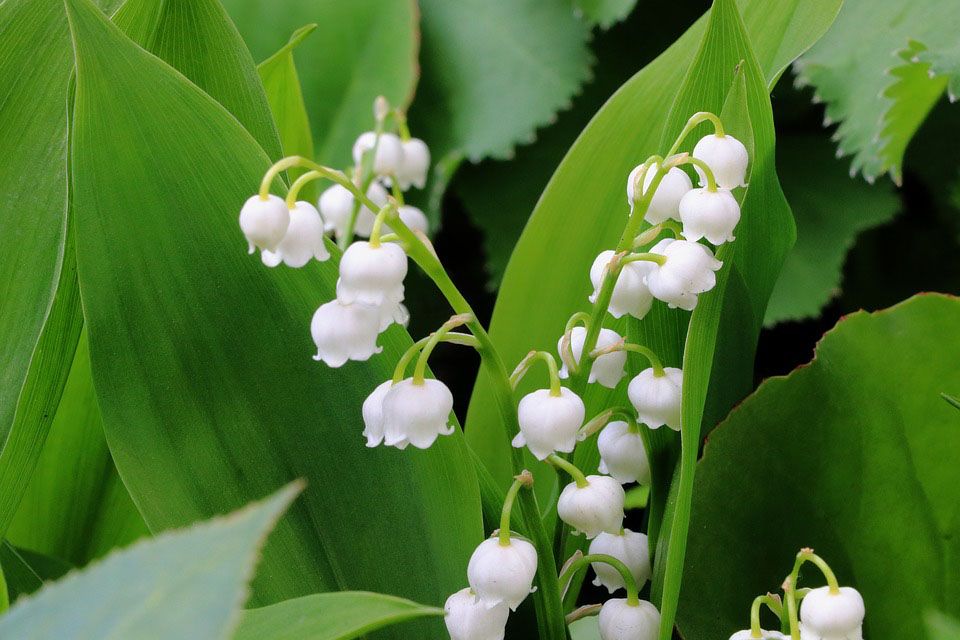
Lily of the valley
Delicate and graceful flowers reminiscent of bells. The plant prefers moist soil and partial shade, and is wary of drafts. From repotting lilies of the valley will have to refuse.
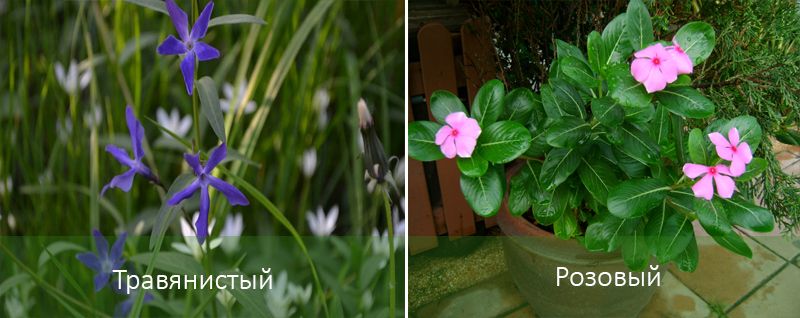
Periwinkle
A creeping plant, flowering begins in April. The corollas can be various shades of blue. It is undemanding of soil and prefers partial shade. Periwinkle grows quite quickly.
Perennials that bloom in spring and summer
This period is distinguished by a variety of colors. Bright inflorescences look beautiful against a backdrop of lush greenery.
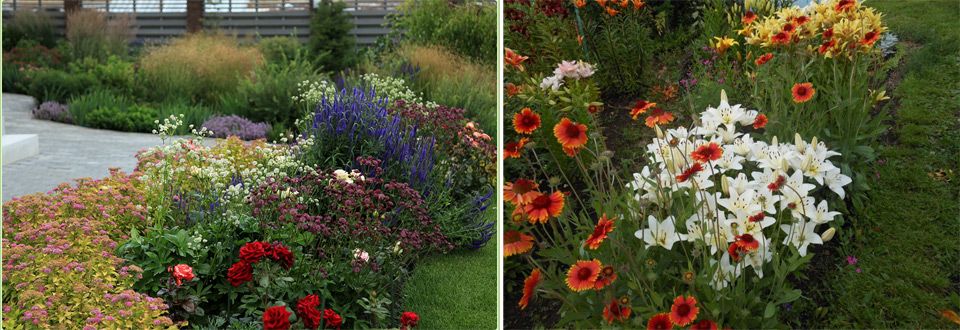
The following plants are used to create flower beds, mixborders and alpine slides.
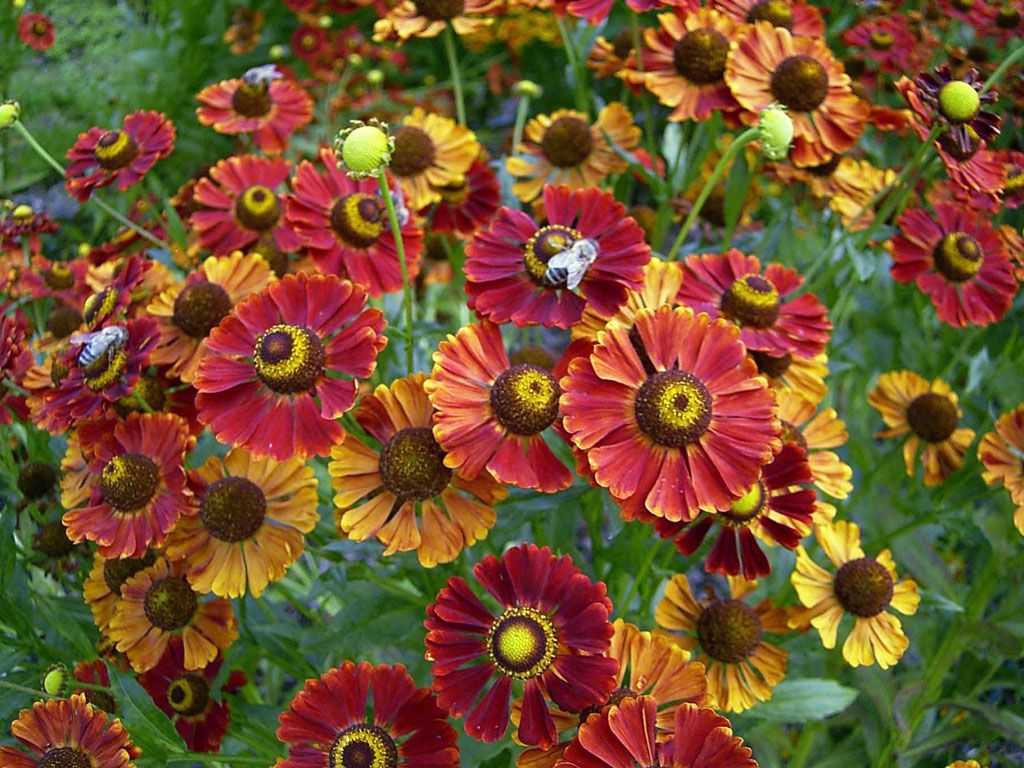
Helenium
Highly decorative and winter-hardy. Reaches 1.6 m. Large red and yellow flowers bloom in summer. Helenium It has a weak rhizome and highly branched shoots. Propagation is by young shoots and seeds.
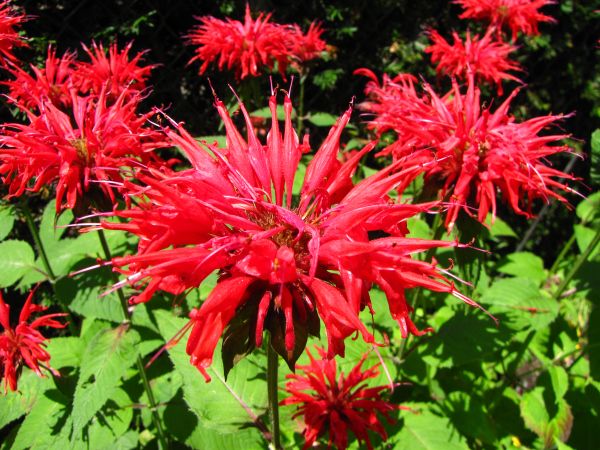
Monarda
The bushes are tall, the stems are straight and strong. The diameter of the small lilac-pink corollas monardas is 7 cm. Blooms in July.
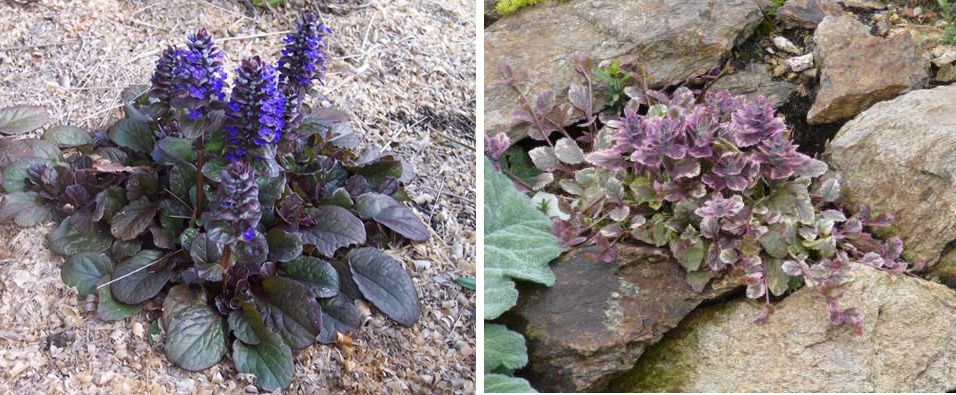
Ayuga or tenacious
The height does not exceed 25 cm. The plant is highly frost-resistant and shade-loving. Tenacious Prefers sandy soils. Small blue corollas remain open for 2 weeks.
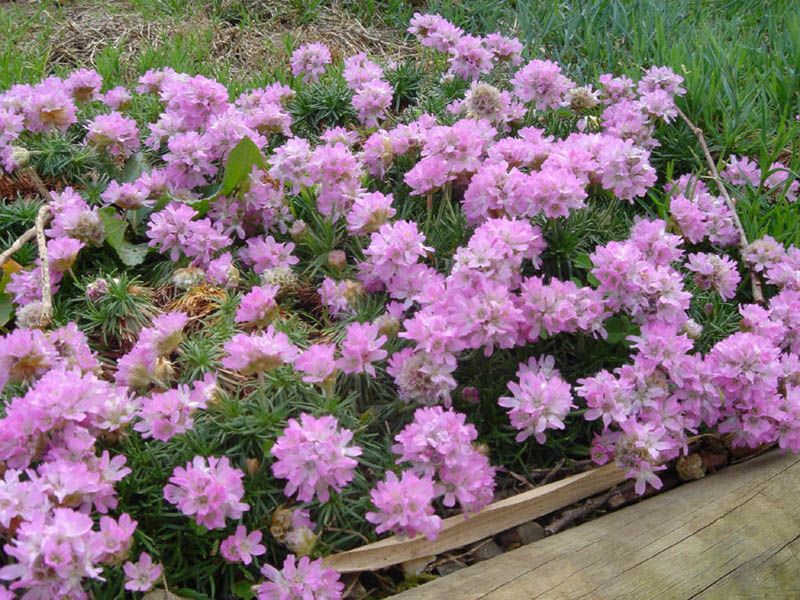
Thrift
The flower stalks reach 35 cm. The capitate inflorescences consist of pinkish, dark red, lilac or white corollas. Thrift loves loose light soil and sun.
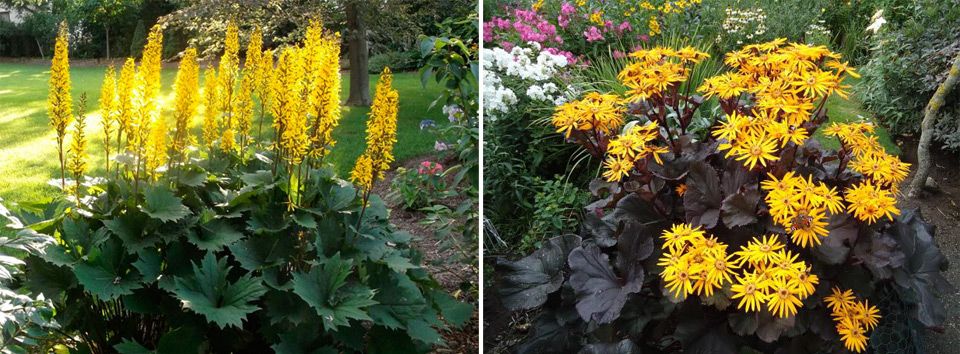
Ligularia
Coffee-colored, yellow, and orange flowers are gathered into complex umbels. The inflorescences are no more than 10 cm in diameter. The bush grows to 1.5 m. Additional characteristics ligularia They are noted for their demanding soil conditions, frost resistance and moisture-loving nature.
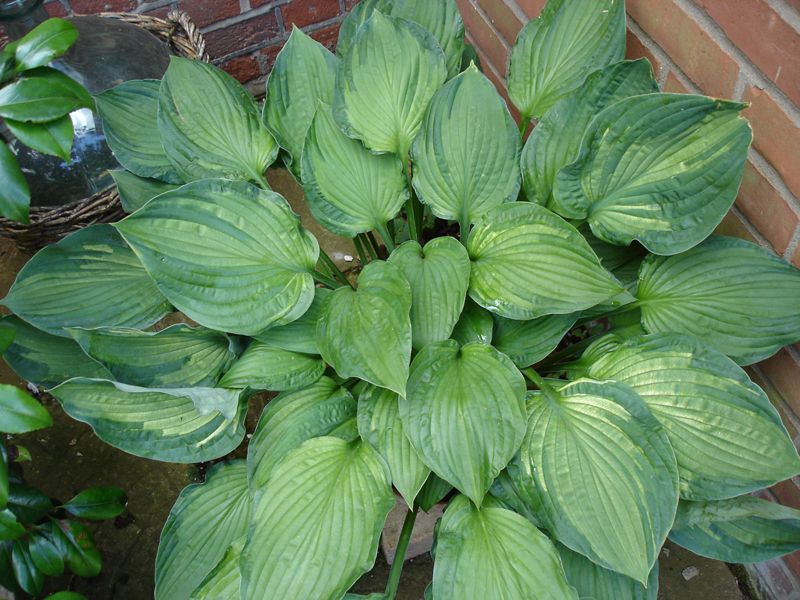
Hosta
Decorative leaves in green, yellow, and blue. Frost-resistant, undemanding plant. Bush height is 90 cm. Hosta It can grow in one place for 15 to 20 years. It requires sun and fertile loamy soil.
Perennials that bloom in summer and autumn
To decorate the garden during this period of time, you can use the following crops.
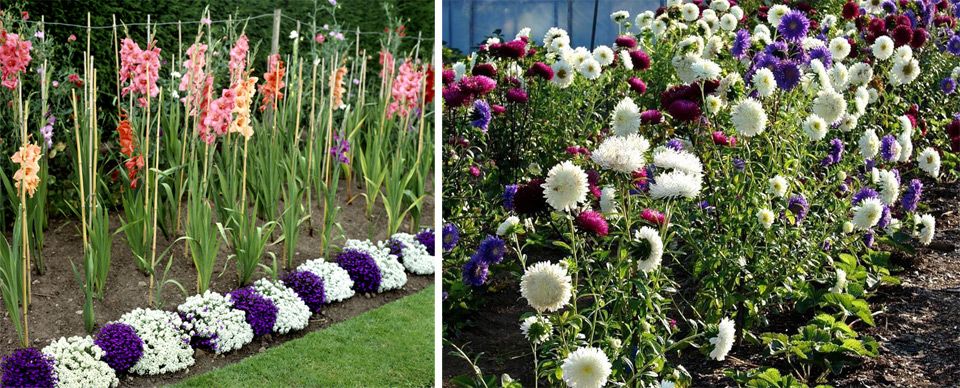
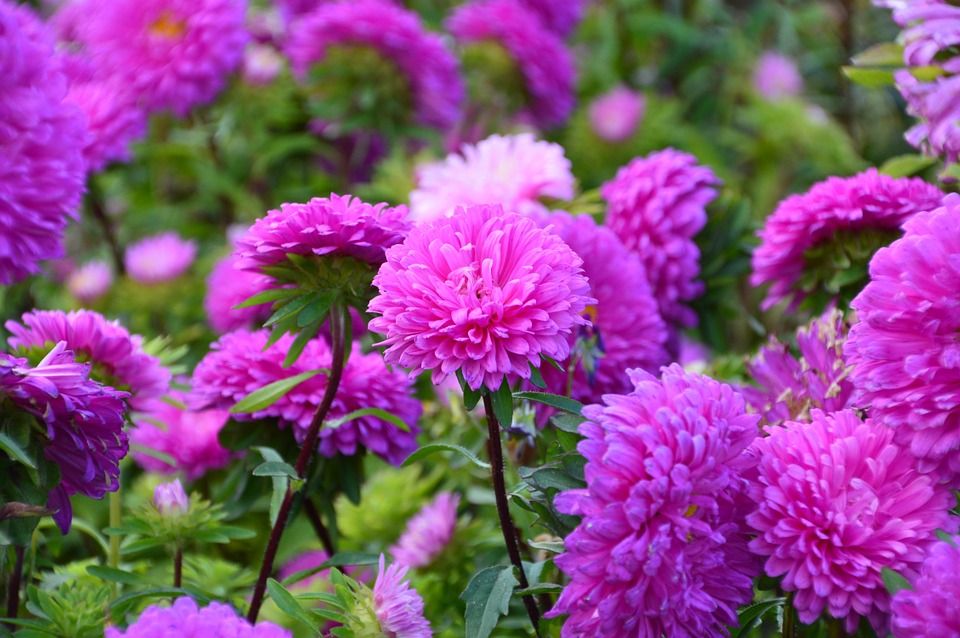
Asters
Lanceolate leaves are medium-sized. The flower heads come in a variety of colors. These flowers are used to create bouquets and hedges. Different varieties vary in height and flowering period (spring, summer, fall). Asters are characterized by unpretentiousness, frost resistance and light-lovingness.
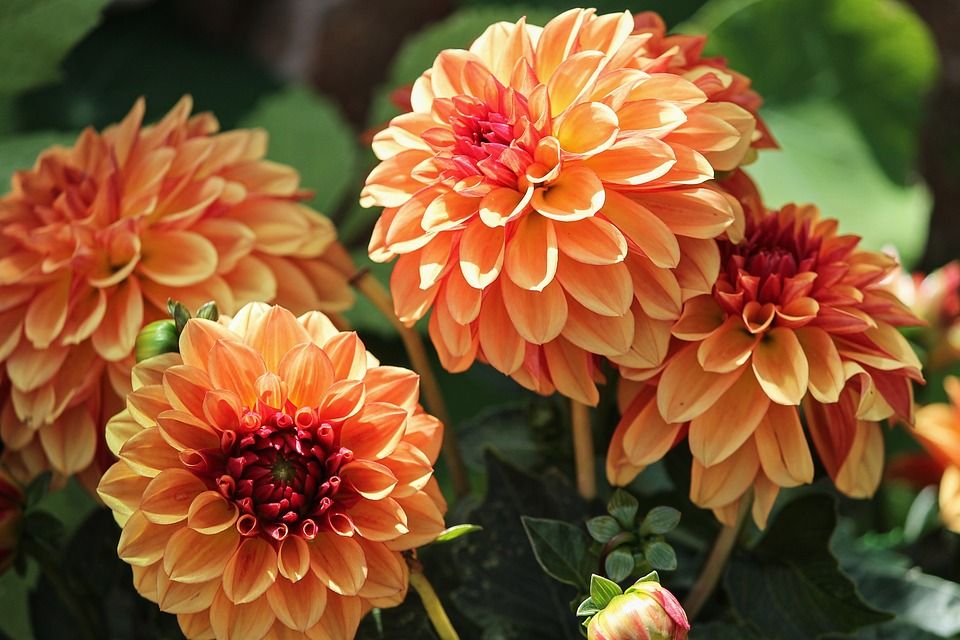
Dahlias
They are distinguished by a long growing season. The stem is branched and hollow. The flower heads vary in shape, color, and size. They are not winter-hardy. Dahlias used to create intermittent and single plantings.
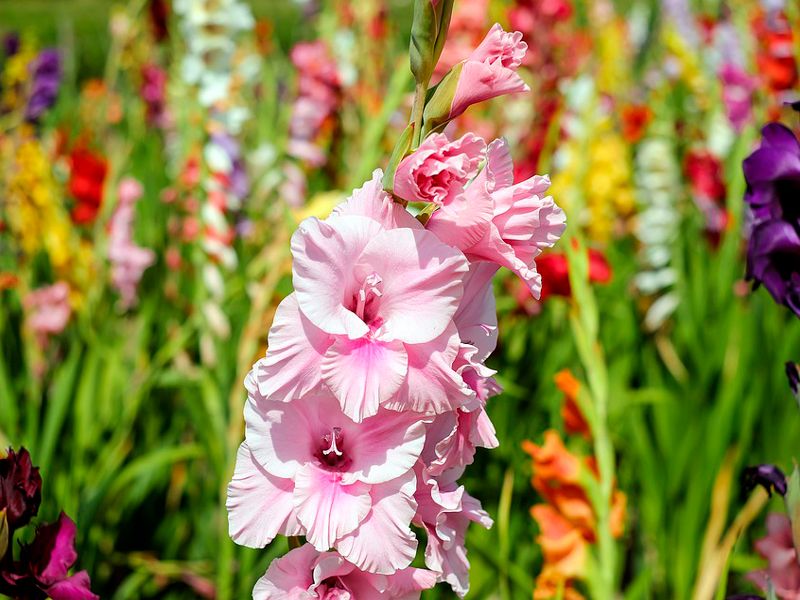
Gladioli
A plant with a straight stem (up to 1.5 m) and flowers collected in ears of various colors. Gladiolus Prefers sunny locations. Requires support. Bulbs are dug up before winter and replanted in the spring.
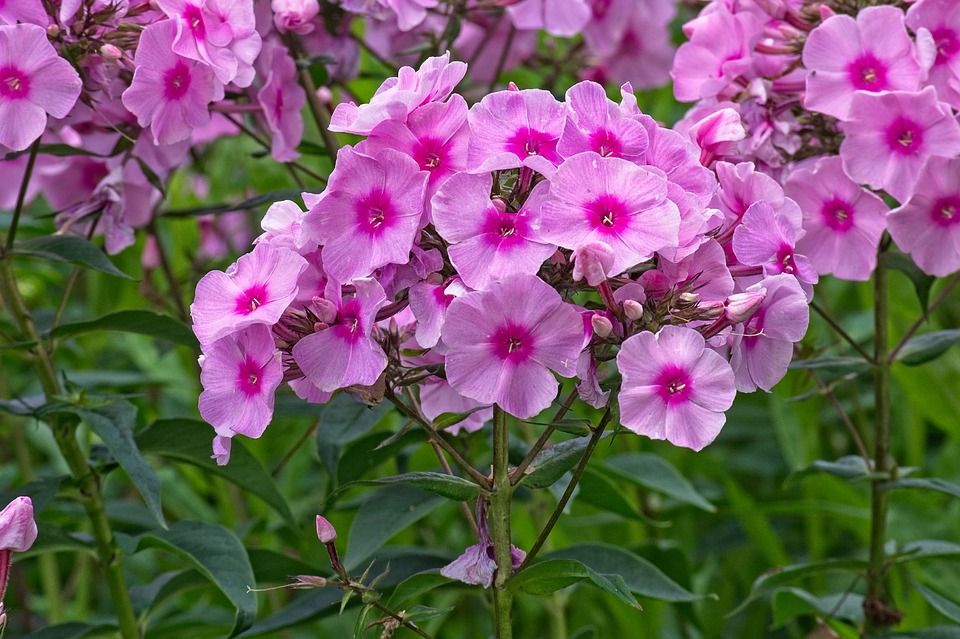
Phloxes
They are planted in borders and massifs. They are highly ornamental. There are many hybrids. phloxes, which bloom from May to September. The plants tolerate frost without any problems. They boast vibrant blooms, a captivating aroma, and a diverse palette.
Goldenrod
A member of the Asteraceae family. The rhizome is horizontal, and the shoots are adorned with dense foliage.
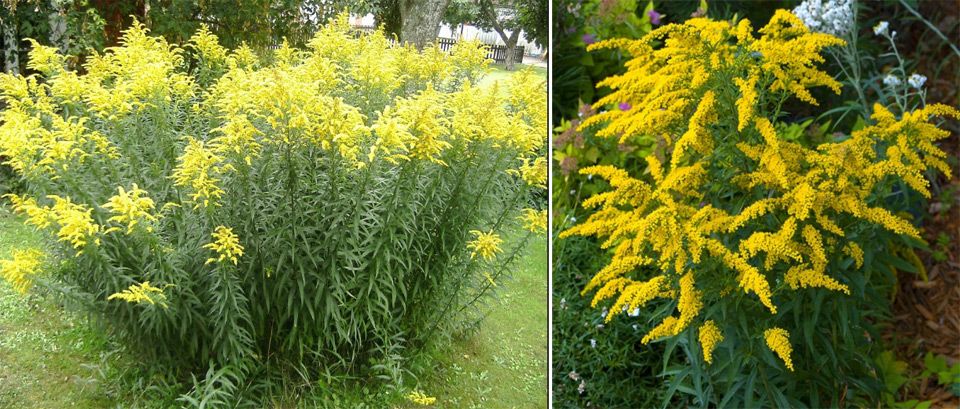
The inflorescences are large and pyramidal in shape, reaching a height of 2 m. New plants are produced by dividing the rhizome.
Goldenrod also called the golden rod.
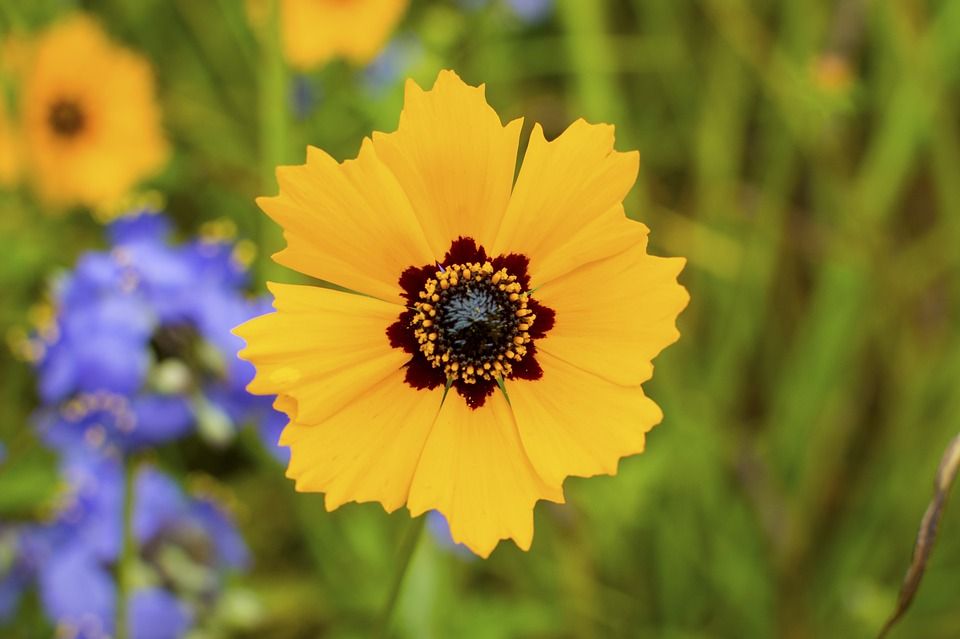
Coreopsis
Flowering begins in July. The plant resembles a daisy in appearance. Coreopsis It has green, juicy stems that end in bright yellow, double “suns”.
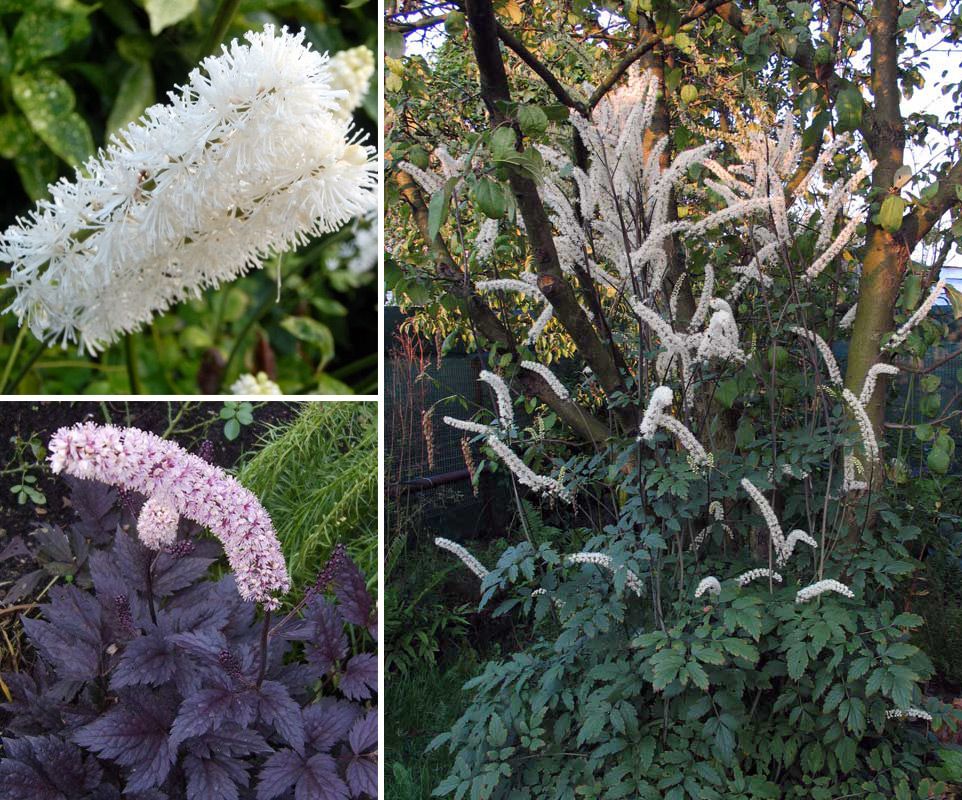
Black cohosh
An elegant inflorescence composed of small white corollas. A tall, branching stem and delicate leaves.
Find out what black cohosh useful for women.
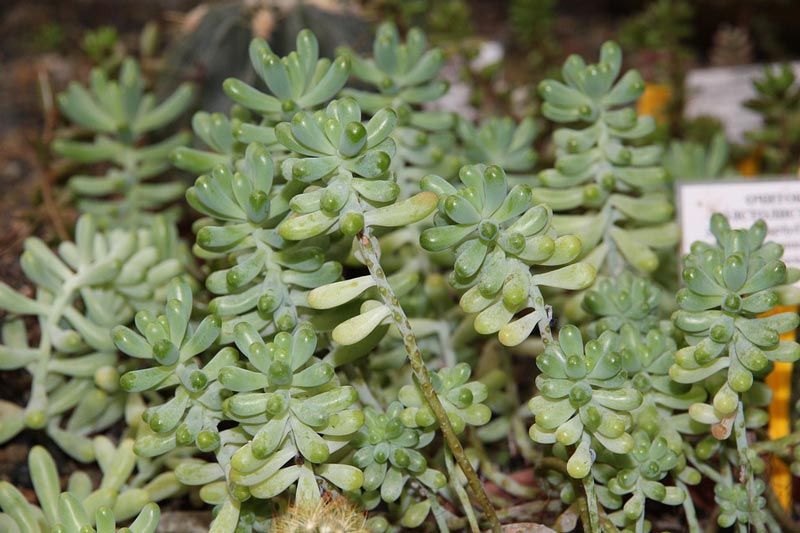
Sedum or sedum
A creeping plant characterized by brittle bluish-green leaf blades and succulent stems.Sedum They are planted on terraces and alpine hills, in small flower beds.
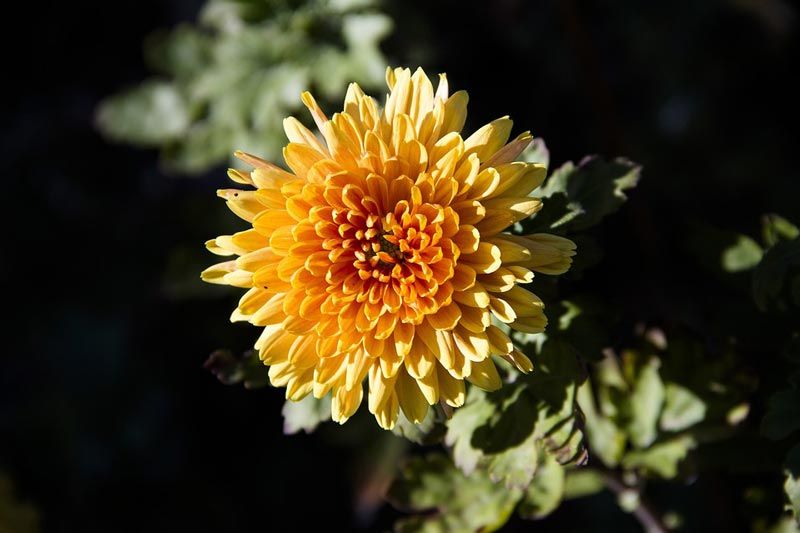
Chrysanthemum
Belongs to the Asteraceae family. Gardeners know of 200 varieties. The plant is classified by size, flowering period, shape, and height.Chrysanthemums They bloom from June to December. Flowers can be purple, white, red, or yellow, or even a combination of these.
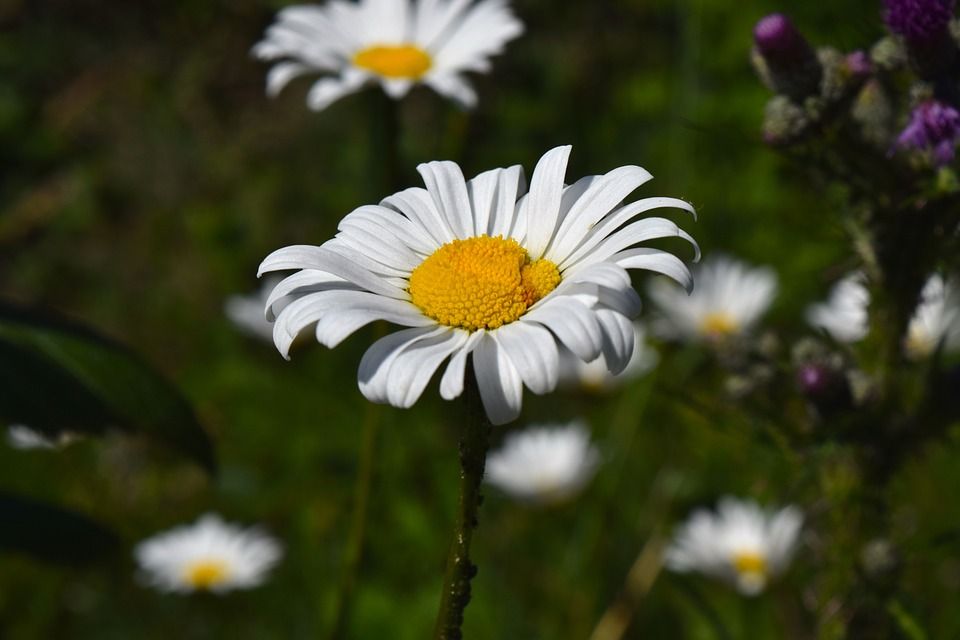
Chamomile or daisy
Strong rhizome. Propagation occurs by seeds and division of bushes. Chamomile characterized by winter hardiness and light-lovingness.
Uses of perennial flowers
Perennials differ from each other in inflorescence type, color, planting method, and leaf shape. Plants in this group are used in landscape designs of varying complexity due to their appearance and ease of maintenance.
By choosing perennial flowers, gardeners avoid the hassle of regularly replanting and reseeding their garden plots. Winter shelter is also unnecessary. Flowerbeds, rock gardens, lawns, paths, hedges—there are many ways to use perennials.
Tall garden perennials
Plants from this category are used to frame large objects in the garden.
The latter include benches, arches, gazebos, and pergolas. Suitable perennials include:
- Astilbe – its bright paniculate inflorescences decorate the area throughout the summer months.
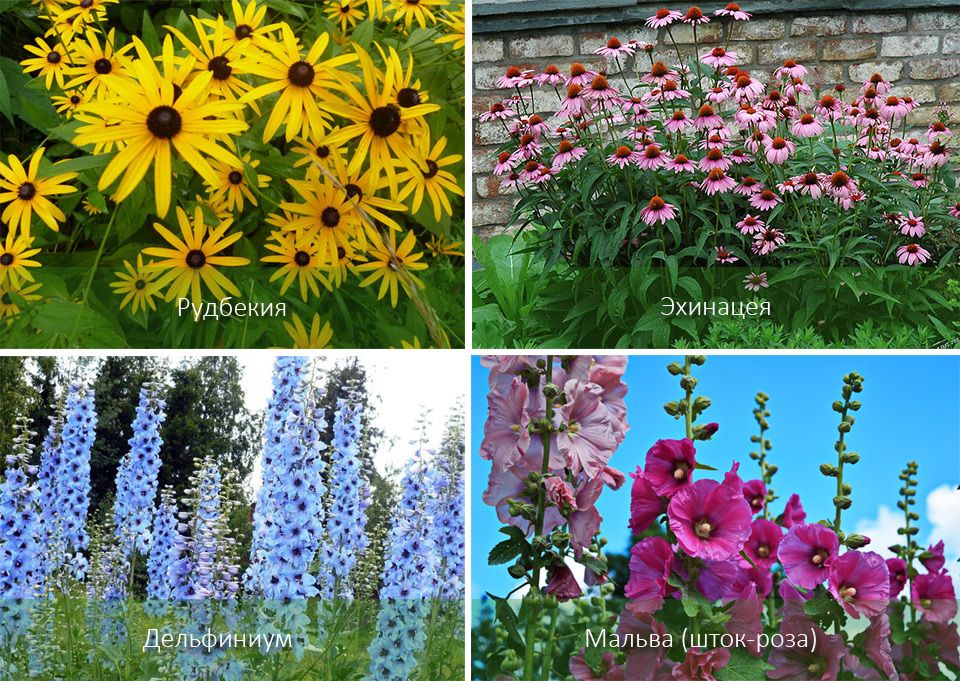
- Delphinium – during the flowering period, purple, sky-blue, white, blue and pink corollas open on the plant.
- Rudbeckia – bright yellow, terracotta, and reddish inflorescences are dense. This plant requires regular watering and full sun. It blooms from the first month of summer until frost.
- Echinacea – possesses powerful healing properties without toxicity. Tall stems end in beautiful, large flowers. It is drought-resistant and sun-loving.
- Hollyhock – characterized by a long flowering period, winter hardiness and shade tolerance.
- Lupine Breeders have developed many varieties. The corollas can be bicolored or single-colored.
- Lobelia – is distinguished by lanceolate leaf blades and scarlet inflorescences.
- Loosestrife Flowering continues throughout the summer. In autumn, the green leaves take on a reddish hue. The violet-red corollas are small in size.
The list can be expanded. evening primrose, hydrangea, liatris, stock.
Medium-sized perennials
This catalog features plants ranging in height from 30 to 80 cm. They are often planted in separate groups. In tiered flowerbeds, medium-sized perennials occupy the second row. The most popular include: sage, day-lily, knapweed, geranium, geranium, cuff, gerbera.
The list can be expanded astrantia, erigeron, yarrow, daisy (garden chamomile, the link to the main article was above).
Low-growing flowers
Low-growing perennials are also not neglected when creating a unique landscape design. These plants are planted in rockeries and alpine gardens. They decorate flowerbeds, borders, and carpeted flower beds.
Each species has cultivars suitable for planting in gardens and parks. The inflorescences come in a variety of colors, ranging from soft to rich. The former include lavender, lilac, pale pink, and white. The latter group includes plants that complement a light background with vibrant accents.
English roses – a classic of sorts. Blooming period is June–August. Contrary to popular belief, these flowers are easy to care for and long-blooming. Therefore, they can be found in any garden.
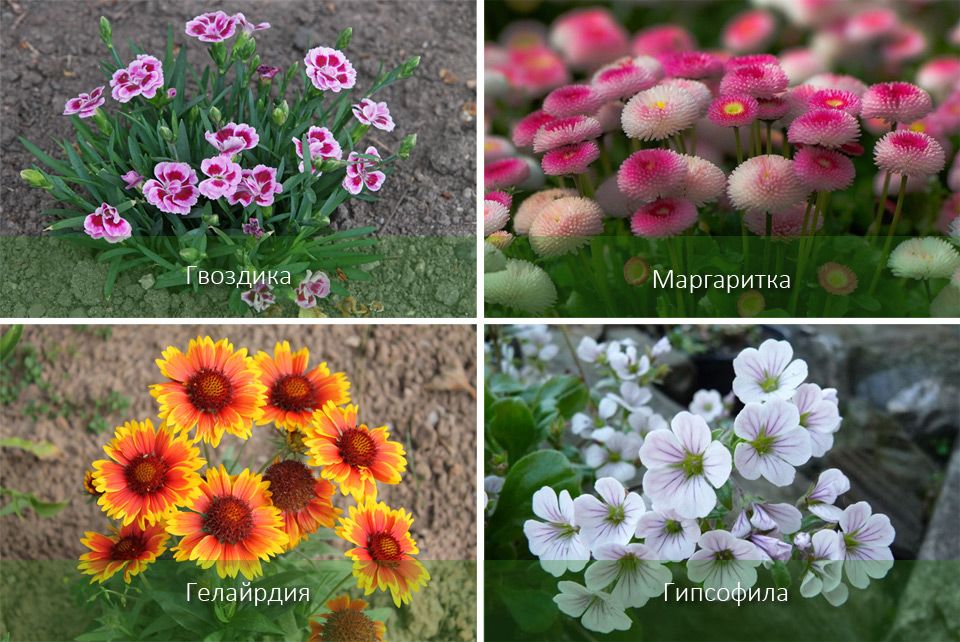
Among the low-growing plants, the following are especially popular: gypsophila, daisies, carnations, gentians, gaillardia (There are tall varieties). Perennial flowers can help you create a garden, saving time and money. Planting materials should be purchased from a specialist store.