Fritillaria (Fritillaria) flowers belong to the genus of herbaceous perennials and the Liliaceae family. There are over 150 species of this plant worldwide. It is native to the Northern Hemisphere, where temperate climates prevail, as well as Asia. Due to its visual resemblance to a dice cup, it is called "fritillus" in Latin, meaning "speckled" or "motley," which is how its Russian name originated.
Content
Description, features
A perennial plant that reproduces by seeds or bulbs. Their structure is curious, as they lack an outer covering and are literally made up of numerous scales.
If they are damaged, it will lead to the death of Ryabchik.
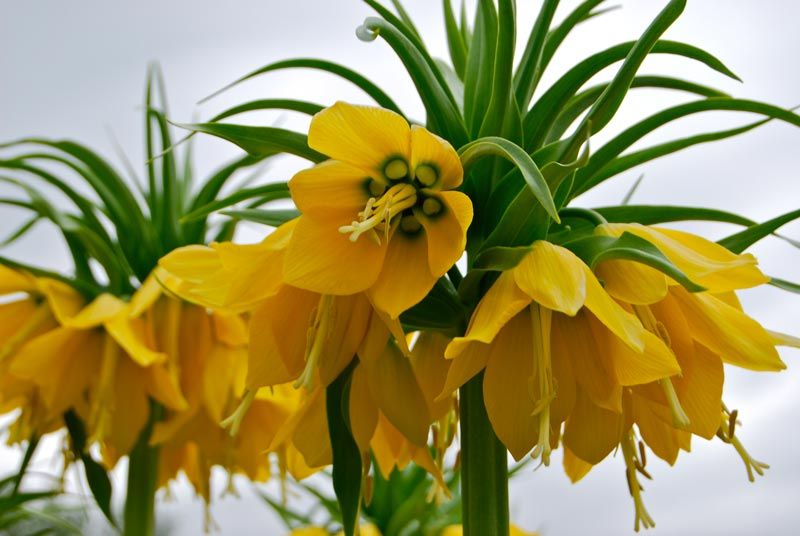
Some gardeners prefer to call the plant the "tree of paradise" for its resemblance to a lush palm tree. The flowers are drooping, come in a variety of shades, and can be found in clusters or singly.
Gardeners consider this plant essential for their gardens, as it offers not only beauty but also health benefits. The scent emanating from the flower is believed to effectively repel moles and crickets. Some gardeners plant it around the perimeter of their gardens to protect themselves from rodents.
Types of Hazel Grouse
Two varieties of the plant are generally distinguished based on their habitat. The humid climate of the temperate zone is considered ideal for the first group. They grow to a height of only 40-80 cm, and their coloring can vary.
These include:
- chess (chess-like);
- Russian;
- Ussuri;
- whorled;
- cirrhosis;
- mountain and others.
The second group of these flowers is represented by exhibits that prefer the dry and hot climate of southern Europe and Asian countries.
The Imperial Fritillary is considered the tallest representative of this group, with flowers of yellow or orange hue.
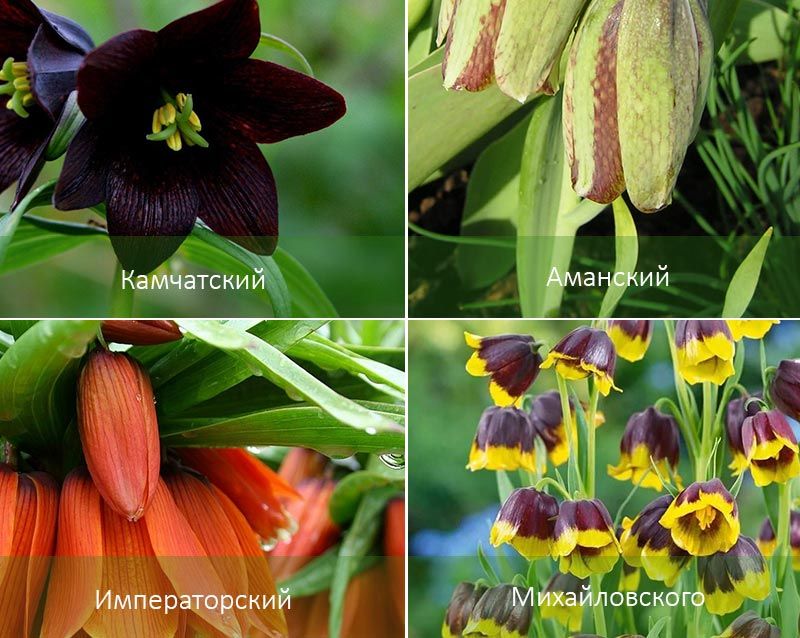
There are also very small plants belonging to this group: Fritillaria latifolia, Fritillaria orientalis, Fritillaria zagrosiana, and Fritillaria grandiflora. The most common colors of these flowers are burgundy and purple. They are excellent for creating rock gardens.
Flowers with a silvery sheen are particularly delicate and delight the eye with their varied hues. These varieties include Caucasian, Armenian, Albur, Yellow, and Golden. Kamchatka, Olga, Needle-petaled, and others are distinguished by their delicate colors with hints of green and cream.
Let's look at the most popular ones in detail.
Imperial (Royal) Fritillary + 11 varieties with photos and descriptions
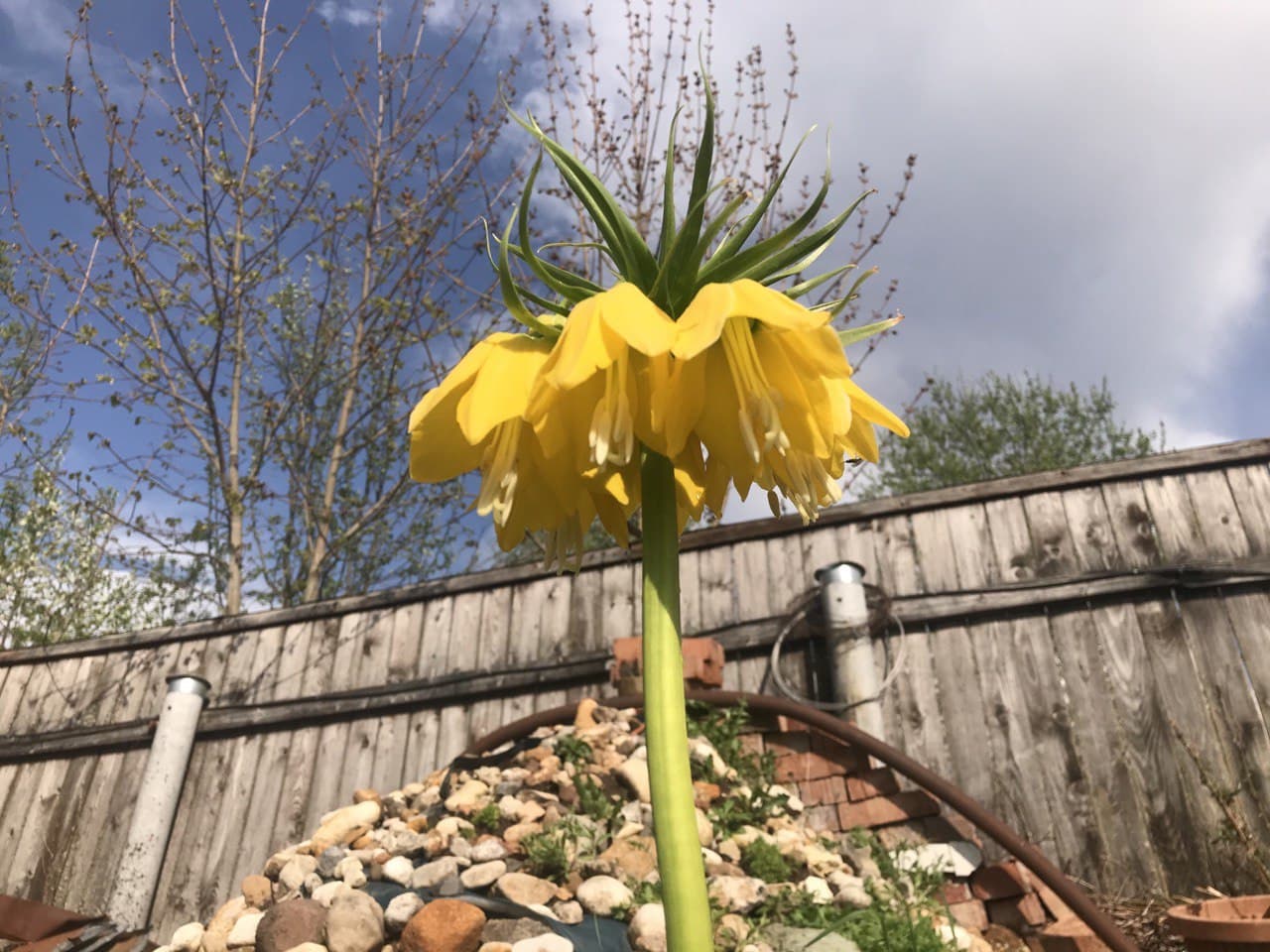
The most common species among gardeners is the Imperial or Royal Fritillary. It differs from other varieties in size. The plant's stem reaches 90-120 cm in height, with beautiful large flowers at its apex. The flowering period coincides with that of tulips and cherry trees. The colors range from bright yellow to brick red. It's very difficult to confuse this species with others, as its tubers have a very distinctive scent.
Aurora — a large bulbous plant growing up to 1.5 m, with 6-12 dark orange, 4 cm bell-shaped flowers on a single inflorescence. April-May, 3 weeks.
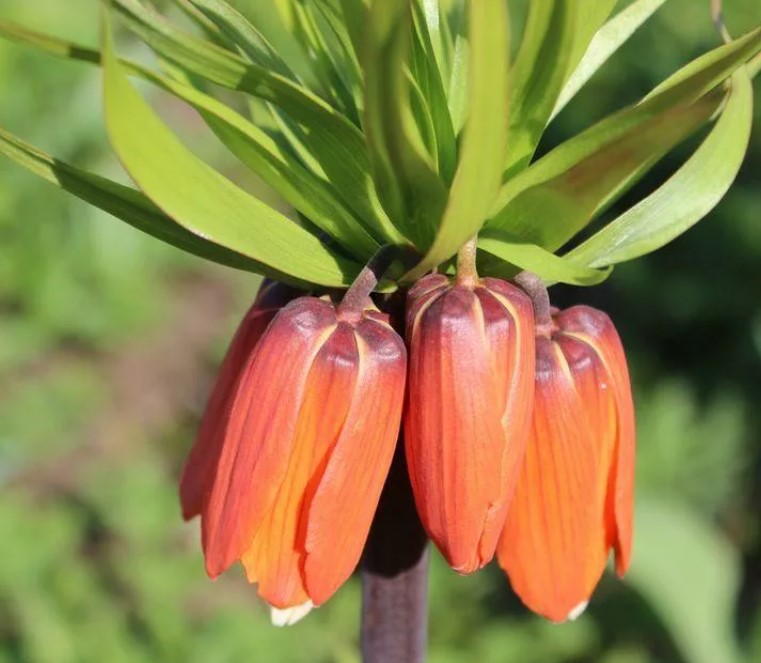
Aureomarginata — 90 cm, the flower has brick-orange flowers and vertical foliage with a yellow stripe. Winter-hardy.
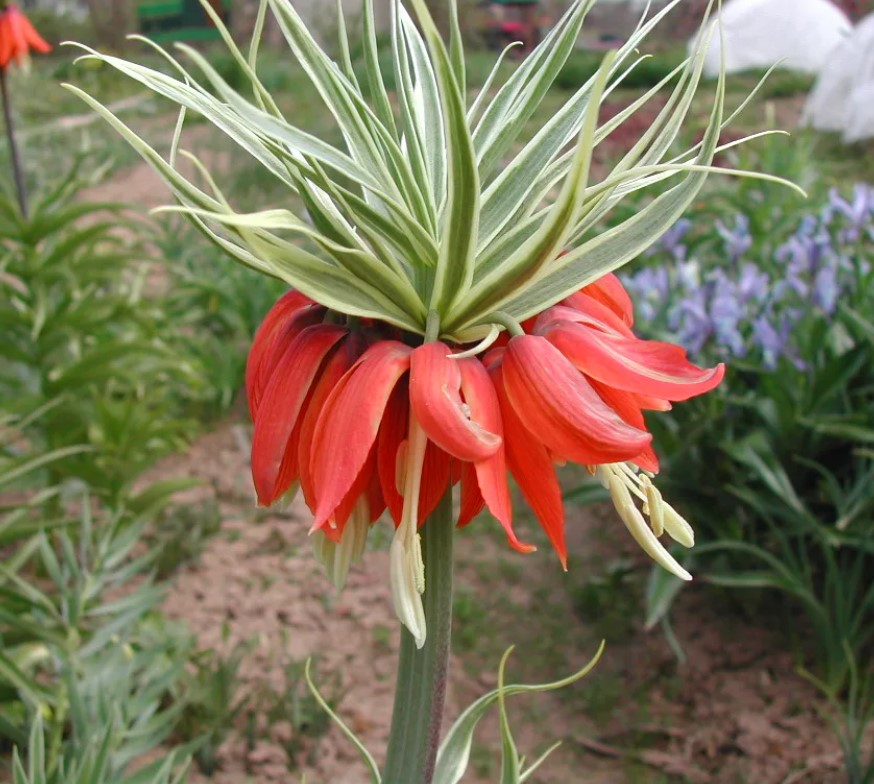
William Rex — a flower up to 1 m tall with orange-red flowers and green foliage. March-April.
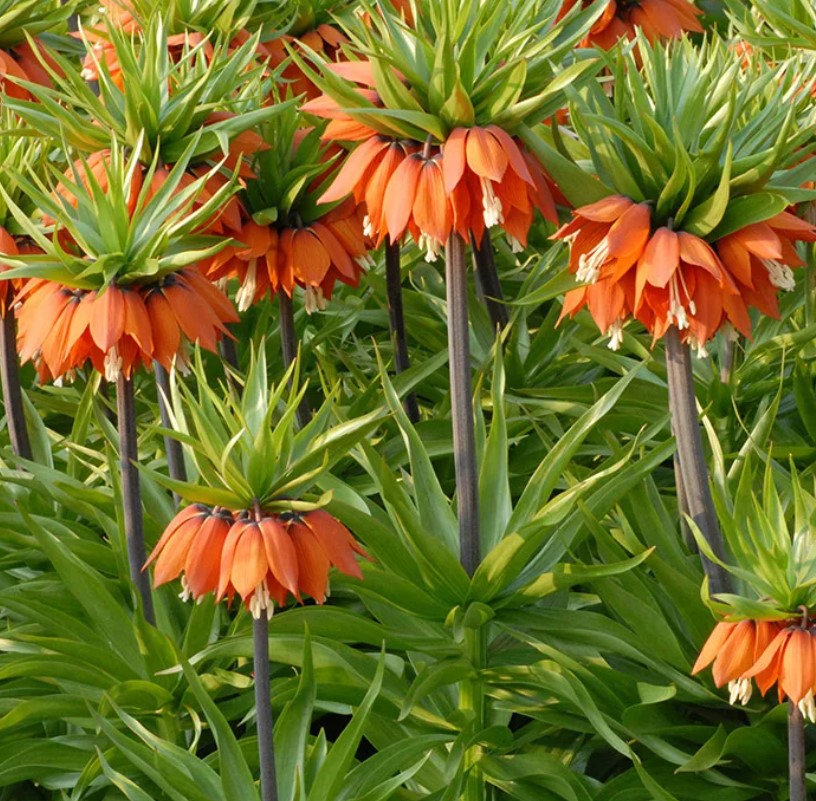
Gorland-star A tall flower, up to 100 cm tall, with a sturdy brown stem, it is wind-resistant. The inflorescence consists of bright orange bells with a burgundy stripe at the base. Late flowering: mid- to late May.
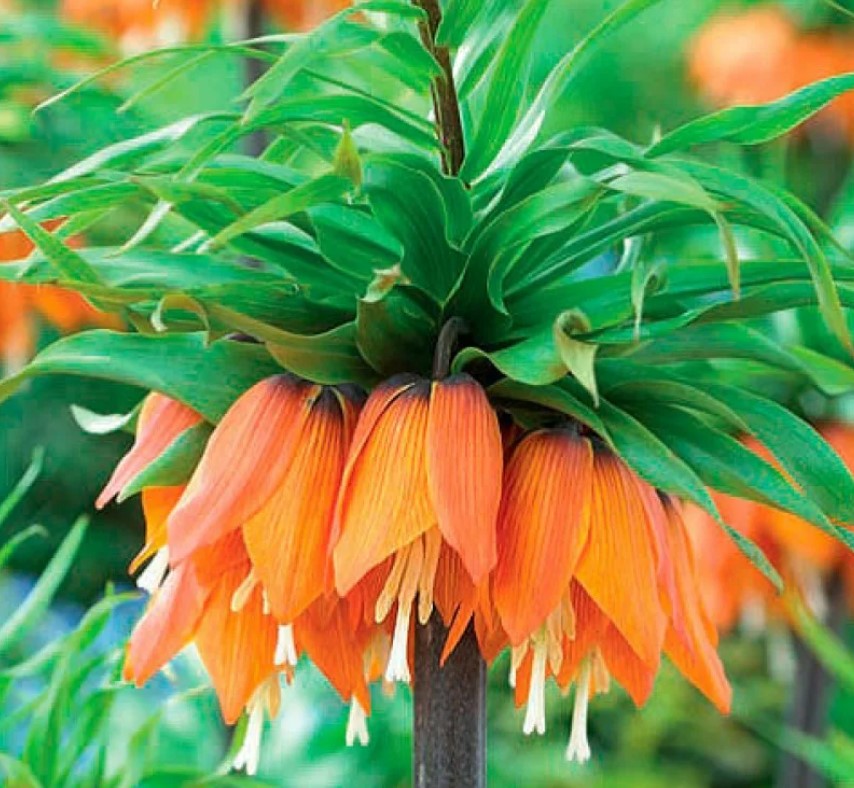
Crown on Crown (Kroon op Kroon) — orange flowers with purple veins, arranged in two rows with proper care. March-April.
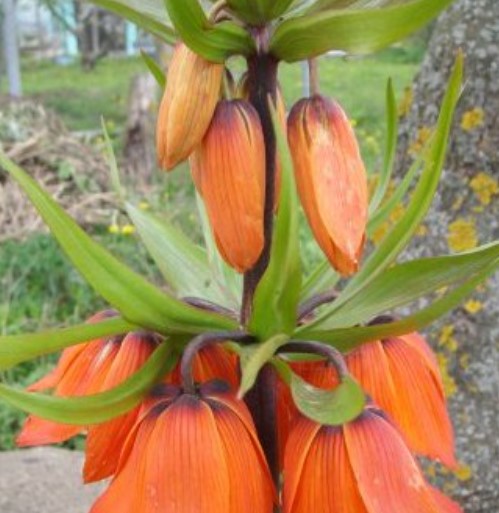
Luteya - a tall variety up to 120 cm with rich yellow, almost golden flowers
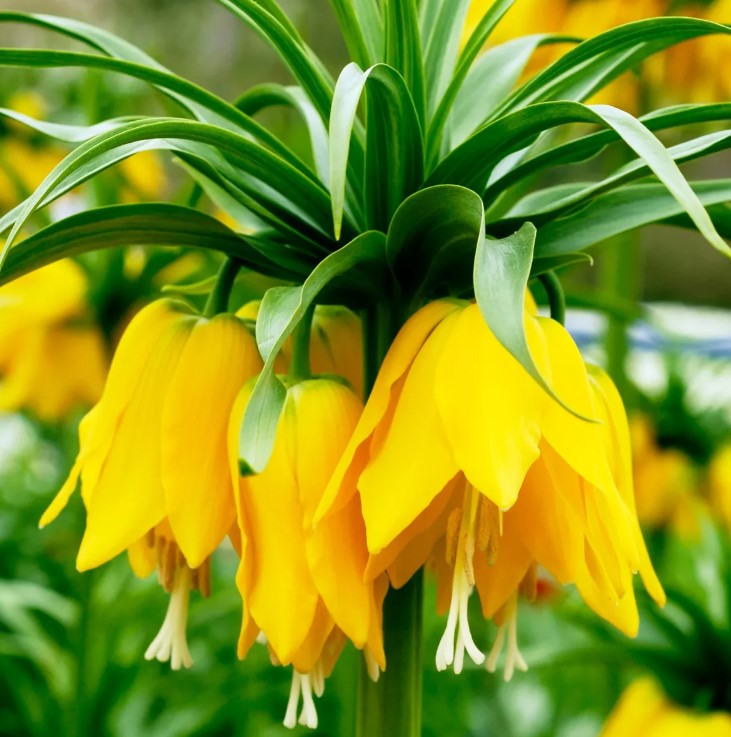
Premier- bright orange flowers, located at a height of 1.5 m, like peaks.
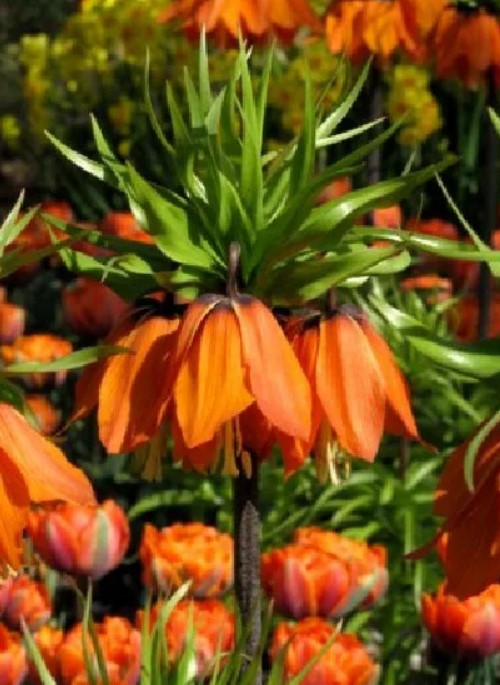
Prolifera - orange flowers with purple veins, with good care can form 2 tiers, the height of the plant is 1.2 m, it has a very strong brown stem.
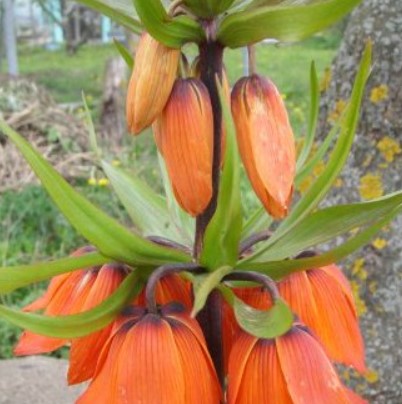
Raddeana — creamy-yellow, bell-shaped flowers, 10 cm long, with 5-7 per inflorescence, the plant reaches 60 cm in height. Flowering occurs in April-May, lasting two weeks. Fairly resistant to spring frosts.
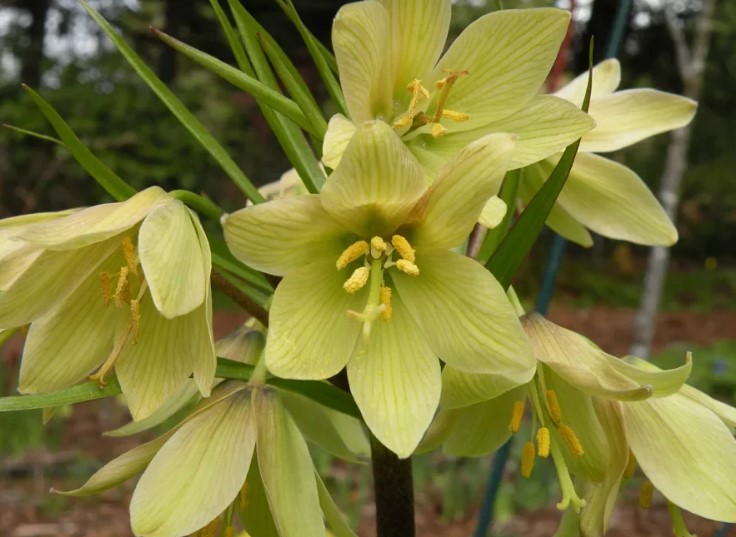
Rubra (Imperalis Rubra) — orange bell-shaped flowers, 5-8 pieces per inflorescence, flower height 60 cm.
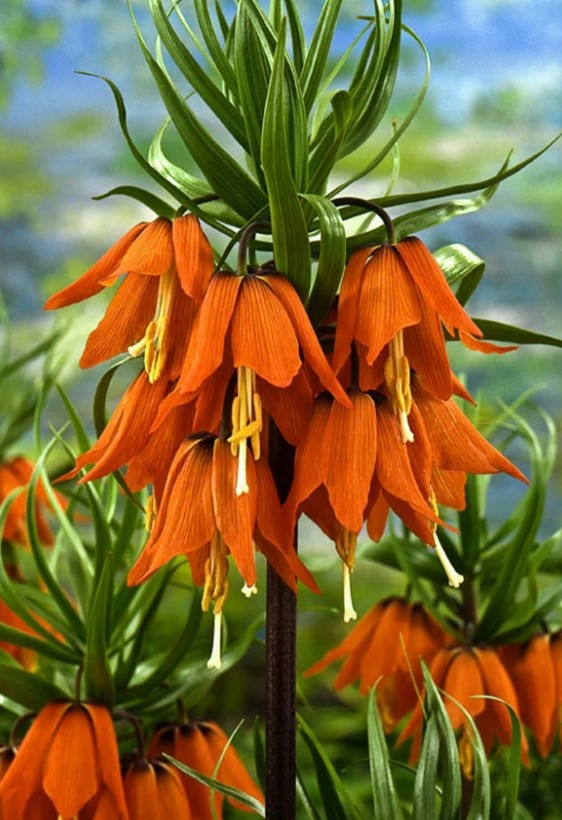
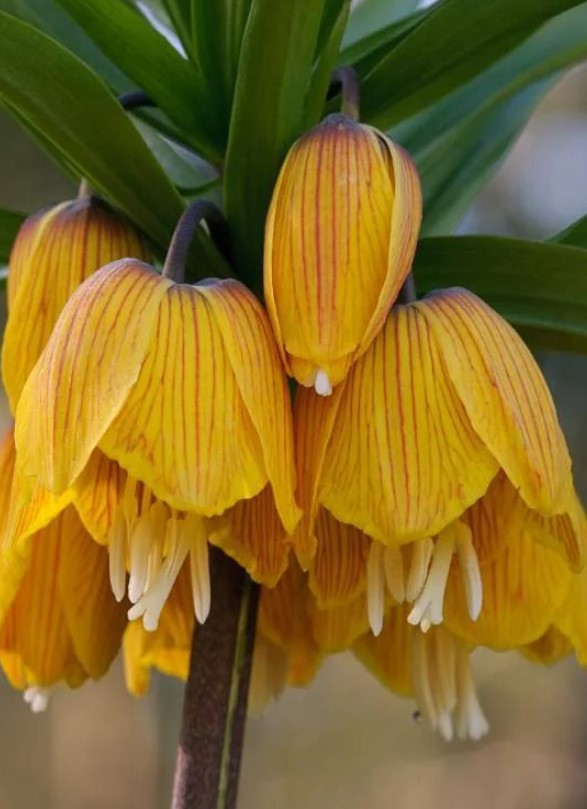
Striped Beauty - bright yellow flowers with burgundy veins, height reaches 1 m.
Chess-colored hazel grouse + 6 varieties with photos and descriptions
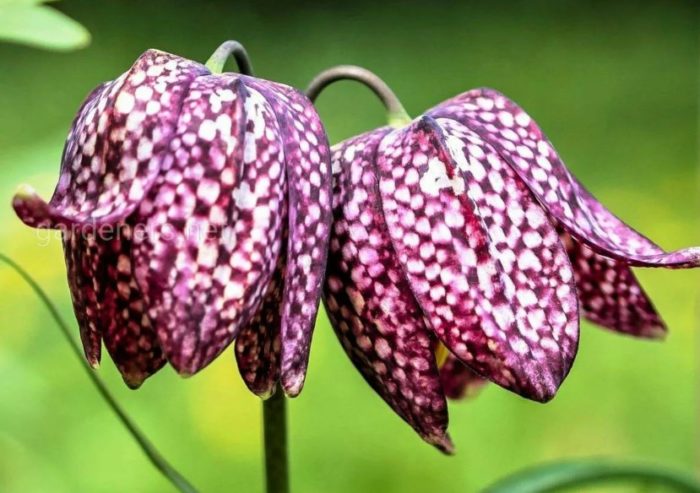
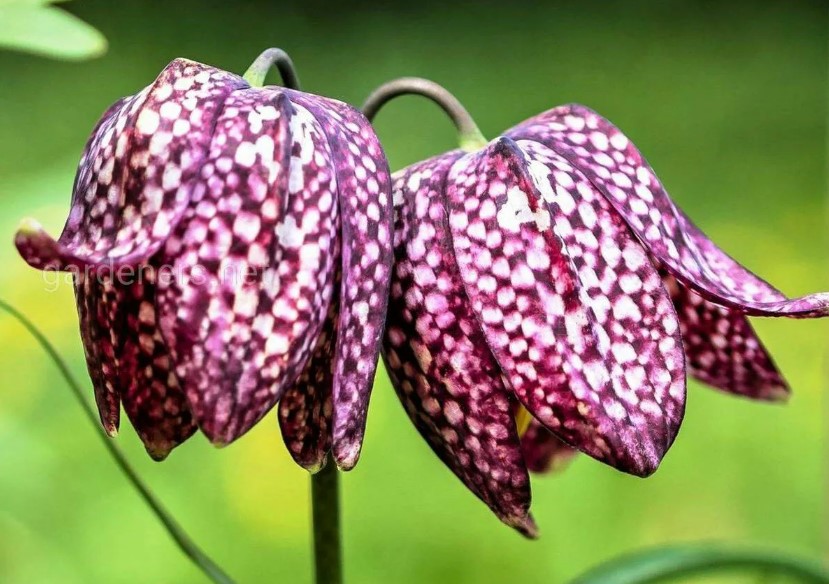
The most rapid reproduction and easy-to-care-for fritillary is the checkered fritillary. Biologists know of more than a dozen cultivars of this plant species.
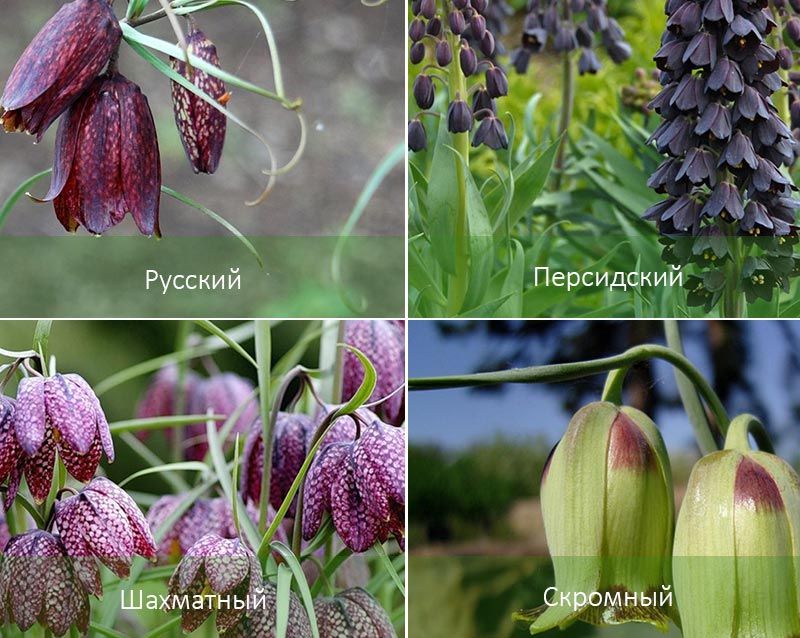
A favorite among gardeners in Russia and Europe, the Chess Fritillary is distinguished by its large flowers with a vibrant checkered pattern. The "checkers" stand out clearly on the brownish-pink petals. The flower grows in dense forests and tolerates wintering and spring flooding well. Flower buds come in a variety of colors, from lilac to pure white. Reproduction sometimes occurs through self-seeding.
We sell only white-headed varieties:
Alba (Alba) - drooping flowers about 3 cm, white with yellow veins arranged in a checkerboard pattern, plant height 20 cm. Blooms in May for 2-3 weeks.
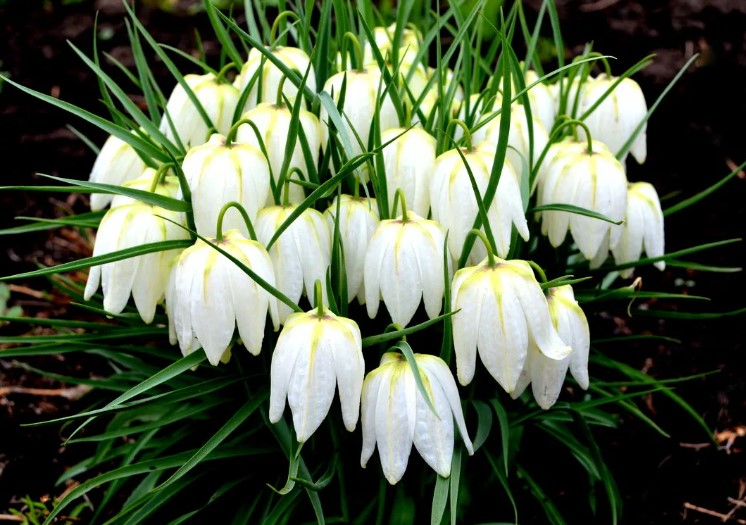
Aphrodite - white with green veins, plant 20-40 cm. Flowering March-April.
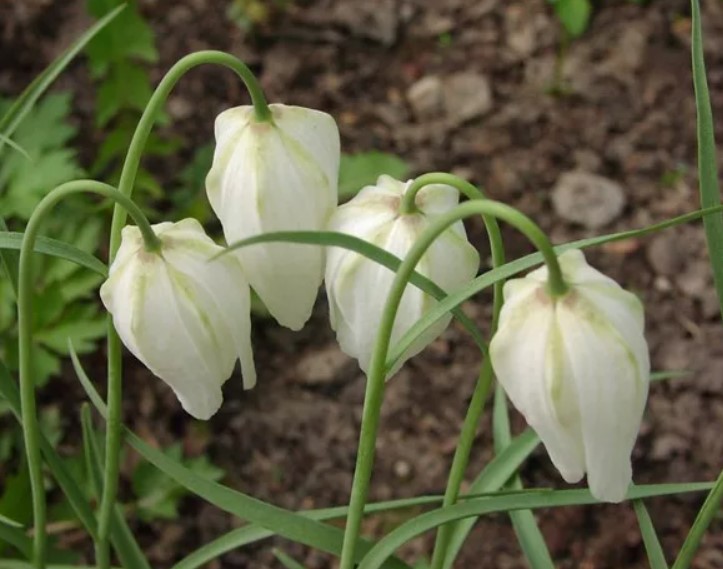
Artemis is a 30-40 cm shrub with purple flowers with green speckles. March-April.
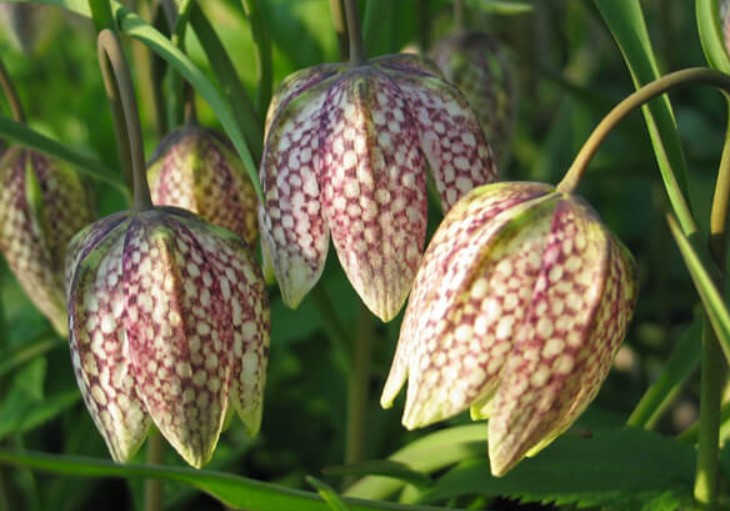
Martha Roderick - 20 cm, 3-5 flowers, outer side - brown-purple with a white border near the stem, inner side - green with brown veins.
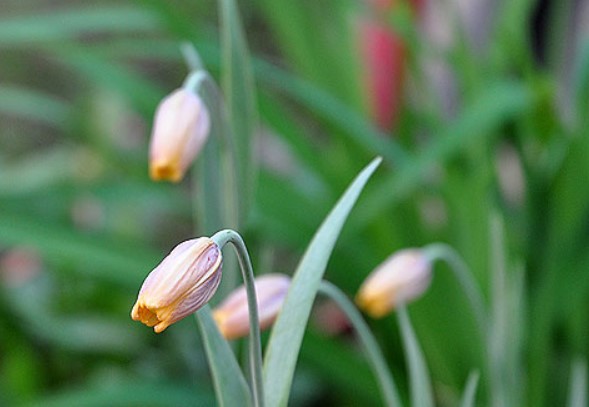
Wayne Roderick — the flower color ranges from brown with green spots and tips to almost black with brown or red speckles. Flowering occurs in March-April.
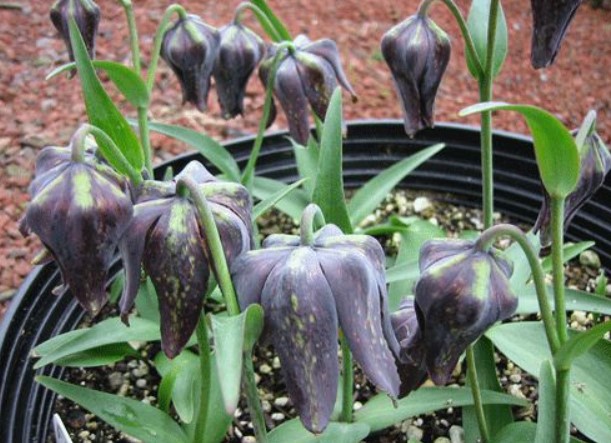
Jupiter — 20-25 cm, dark red with a checkerboard pattern. March.
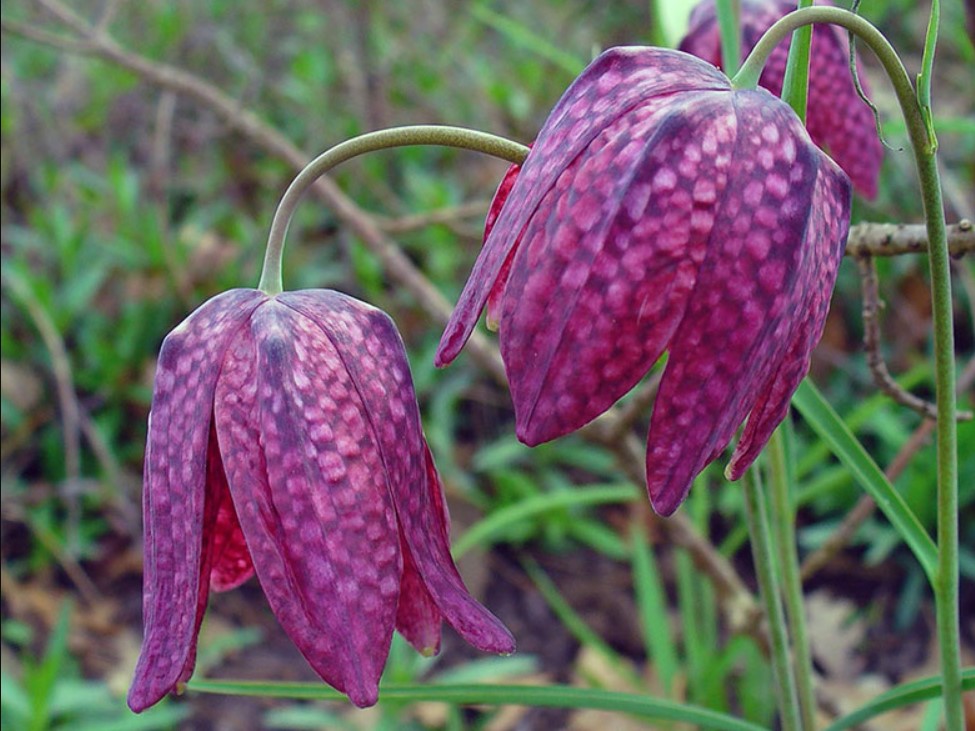
Mikhailovsky
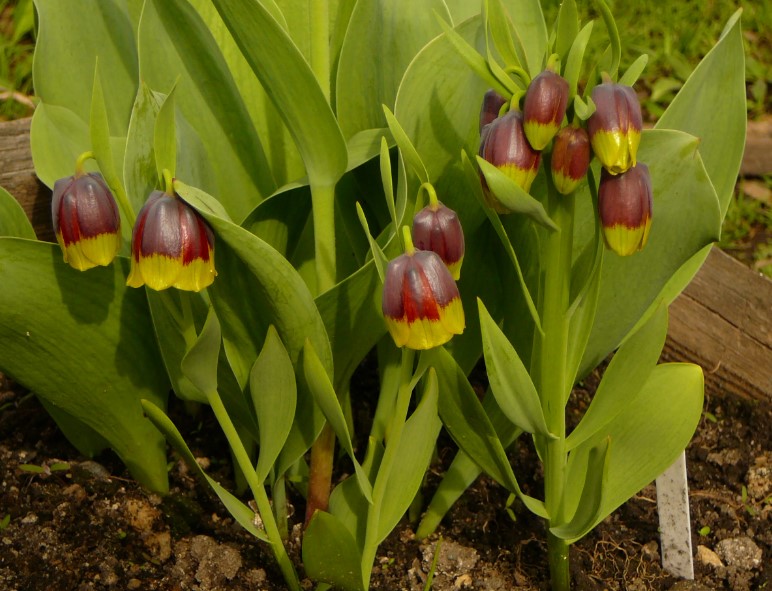
A fragile flower, only 25 cm tall, with two burgundy buds edged with yellow. The plant is undemanding and survives winter well. Today, a miniature version of this fritillary variety, no taller than 15 cm, is cultivated. They thrive in dry, warm soil. This variety is propagated primarily by seed. It is recommended to dig up and warm the bulbs at least every 2-3 years, especially in humid and cold climates.
Russian
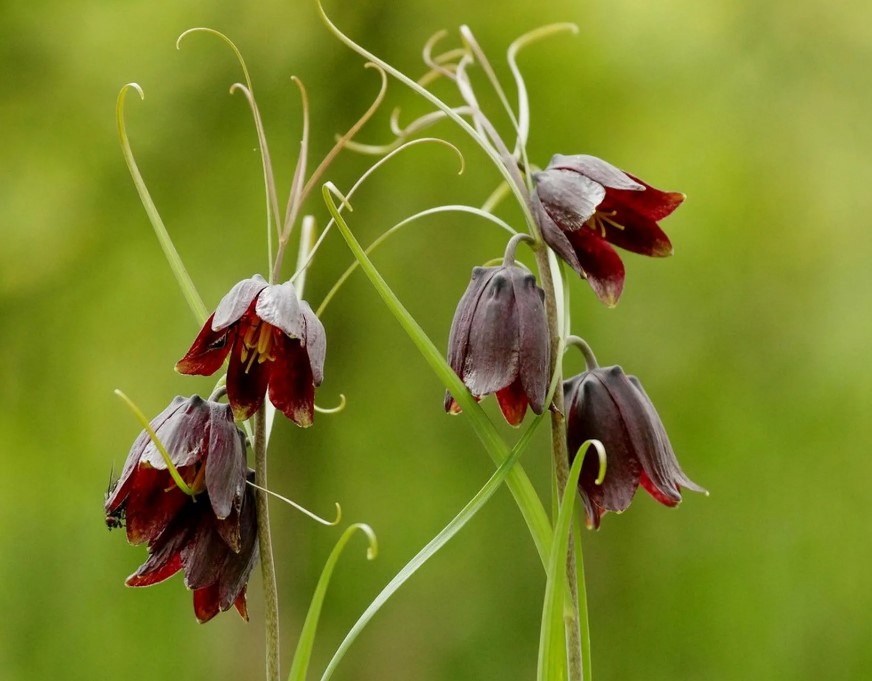
This plant variety is listed in Red BookIn nature, it grows on mountain slopes or in the steppe. The stem reaches 40 cm in height, and the flowers are large and a bright chocolate color.
Modest
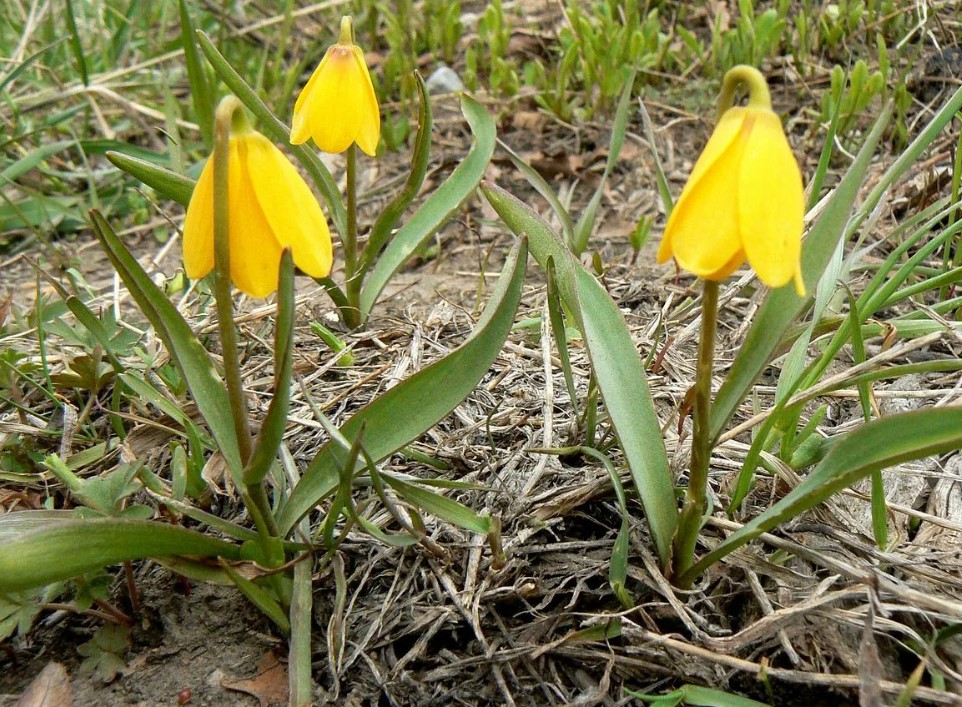
Its small size and delicate colors earned this variety its name. A short stem, no more than 20 cm, bears only a single bright yellow bud. Propagating this fritillary variety requires considerable diligence and time. It is planted in well-warmed soil with good drainage. Flowering occurs early, immediately after the snow melts, and in winter it is grown on a windowsill in a pot.
Persian
This variety has been known since the 19th century and came to us from Eastern countries. The stem grows up to 100 cm tall, with cone-shaped inflorescences containing about 30 brightly colored flowers. The plant's leaves have a blue tint, and the flowers are almost black. It has a very unusual and beautiful appearance.
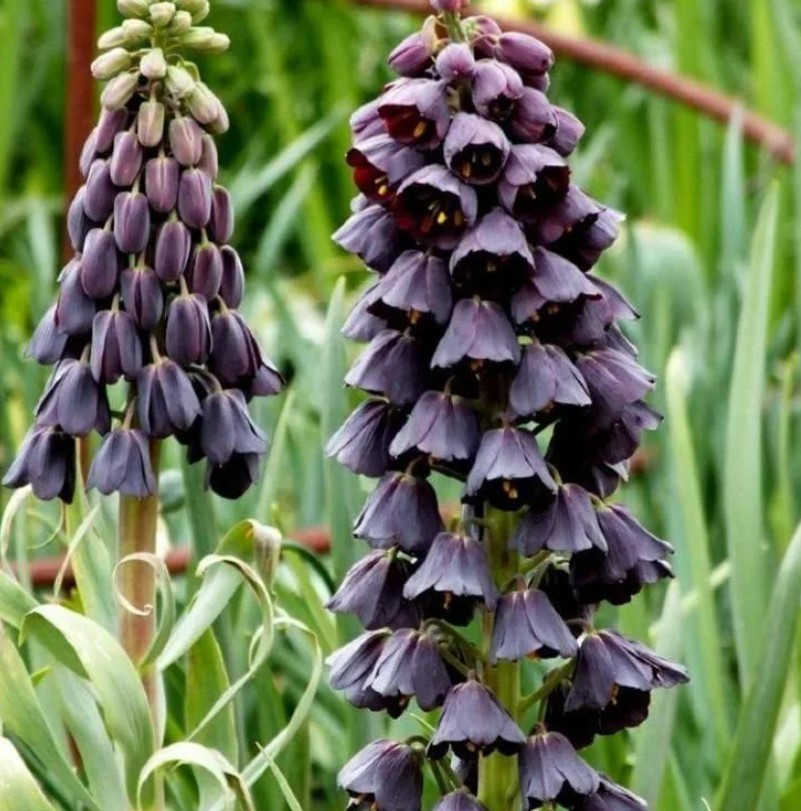
This flower is best grown in well-warmed soil mixed with sand, on the south side of the plot, where it's warm and receives direct sunlight. It also overwinters well, but requires adequate cover with dry foliage.
Kamchatka
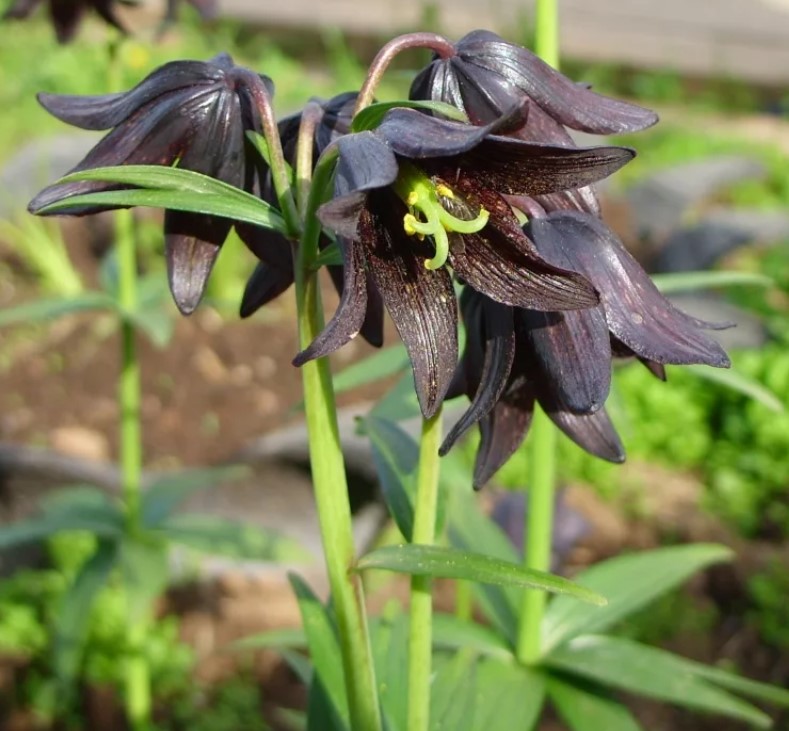
As the name suggests, a cultivar of the same name, Ryabchik, grows in Kamchatka. It reaches 60 cm in height, and the flowers can be almost black or bright yellow. The bulbs of this cultivar have scales very similar to those of lilies. Propagation can also be done using scales.
Amansky
This young variety has been cultivated since the 1970s. It grows primarily on limestone slopes with tall shrubs and grass. The mountain slopes of Libya, Turkey, and Syria are considered its native land.
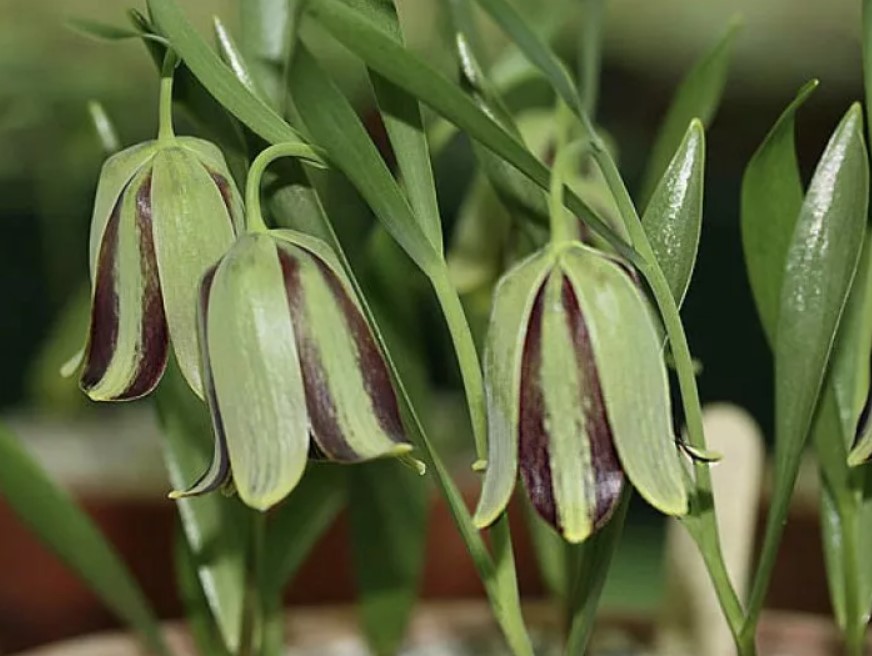
The plant is small, with a stem reaching 25 cm in height and very fragile. The flowers are greenish with purple blotches. A large number of flowers grow from a single small bulb. It is best planted in a sunny spot in the garden, in well-drained soil, with some lime or chalk added. The flower survives winter well, but should not be planted outdoors in the fall.
Planting hazel grouse in open ground
Gardeners prefer fritillary to other garden plants because of its low maintenance and beauty. The bulbs, consisting of several scales, contain buds through which they reproduce.
There are general rules for planting this plant:
- September and October are considered favorable months for planting fritillaries; late planting will result in the bulbs freezing or a lack of flowering.
- The location where the new plant is placed should be sunny, partial shade is acceptable.
- Handle the bulbs with care; damage will result in the death of the flower.
- Before planting in the ground, they are treated with a solution of manganese.
- Soil that is too wet and cold is not suitable for planting; the bulbs will rot.
- The planting depth is about 12 cm for low flowers, about 20 cm for tall ones.
- The bulbs are placed in the soil on their sides, sprinkled with coarse sand.
In general, the soil where a garden plant is planted should be nutritious and light. It is recommended to add peat to the prepared holes.
More details About planting hazel grouse in open ground, timing, and rules on the website top.tomathouse.com
Caring for hazel grouse in open ground
Planting and care for various fritillary species are minimal. With proper care, the flower will delight you with vibrant buds and sturdy stems, making it a true garden highlight.
It is important to water the fritillary if the summer is too dry; the soil should not dry out.
After watering, weeding the bed and sprinkling it with peat or wood ash is recommended. Fertilizing the plant with special dry fertilizer is also necessary. The first portion is added at the end of April, the second in August.
Reproduction of hazel grouse
The flower can be propagated by seeds or bulbs. Both methods are effective and produce flowers quickly.
- Seeds are collected as soon as the plant's leaves turn yellow. Sow in enriched soil. Two years after planting, the mature bulbs are dug up and stored in a warm, dry place.
- The bulbs of most fritillary varieties grow larger over time, producing "baby" bulbs. After a couple of years, these are dug up, separated, and then planted in the ground.
After the fritillary blooms
After the flowers fade and the capsules begin to dry, the fritillary will continue to delight with its greenery for a while. Then, around the beginning of July, the bulbs are dug up and stored. They are rinsed with warm water, dried, and stored in a room where the temperature does not exceed 30°C (86°F) and where there is a constant supply of fresh air. New roots will begin to grow around the end of summer, and the bulbs are ready for planting.
Top.tomathouse.com warns: mistakes that will prevent fritillary from blooming
Some gardeners do not wait for the fritillary to bloom, and there are several common reasons for this:
- cool and damp summers promote rotting of the bulbs (they are warmed up and dried naturally);
- small bulbs (if the size is less than 5 cm, there will be no flowering, the plant is gaining strength);
- growing in one place (they begin to divide and do not bloom, to avoid this, they are dug up and stored before autumn planting);
- incorrect planting depth;
- unsuitable soil (dry, unfertilized soil is not the best place for flowers);
- winter with little snow (lack of snow cover leads to freezing).
To ensure the plant blooms and delights the eye every year, follow the planting and care guidelines. They don't require much effort, but they will add extraordinary beauty to your garden.
Florist reviews of fritillary
Outdoor flower "Fritillaria imperialis" - Early beauty
ADVANTAGES:
Exotic, early flowering, unpretentious.
FLAWS:
Pungent smell, fades very quickly
I was very pleased with the fritillaries this year! I never cease to be amazed and delighted by how, in our region, in early spring, when the buds on the trees are just beginning to open and even the weeds are still dormant, such flowers sprout up – just like little palm trees! They are so spectacular, elegant, and unique! A bright green tuft of leaves at the bottom, a powerful purple stem, a crown of orange (they can be red or yellow) drooping bells, and a cheerful tuft of leaves on top. The only drawback is that they fade and dry up very quickly. Some say the pungent smell repels rodents, but my mice and rats strongly disagree! I think they also come running to worship this magnificence! The plant is unpretentious, I have never had any illnesses, and it reproduces rapidly! Now I will be placing at least 50 babies with caring parents again... Friends from St. Petersburg, who want to have one – I will be happy to share. One caveat: the bulbs require a long period of warming to form flower buds—at least three months at temperatures around 30 degrees Celsius. Therefore, I always dig them up when the stems dry out and store them in a box on a kitchen cabinet. During the hot summer of 2010, I decided there was too much warmth and didn't dig them up—and so I was left without a spring triumph in 2011... In our latitudes, three months of heat are never experienced. Otherwise, it's a very unpretentious and rewarding plant, with a fleeting, yet incredibly exotic beauty!
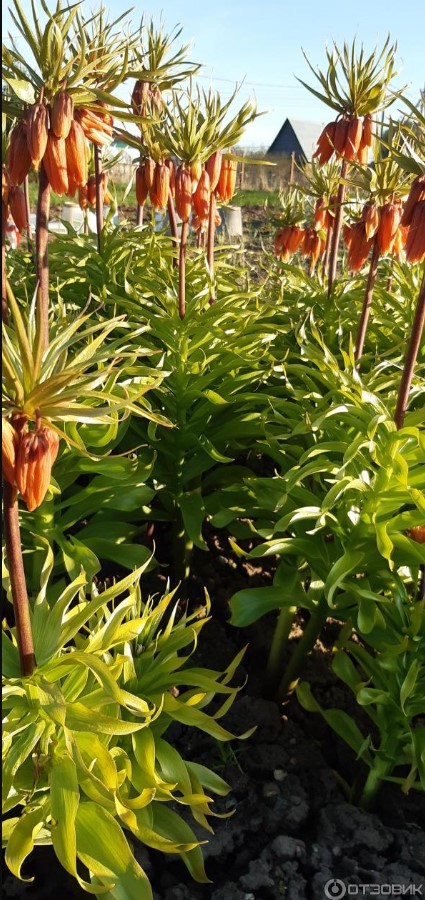
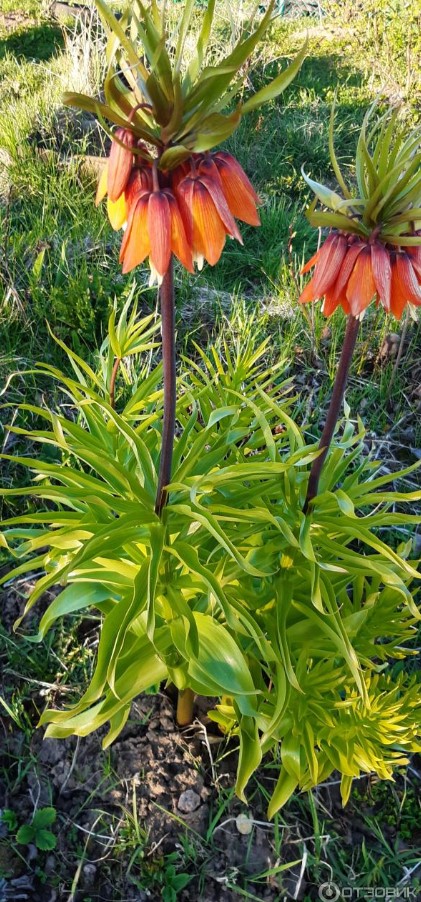
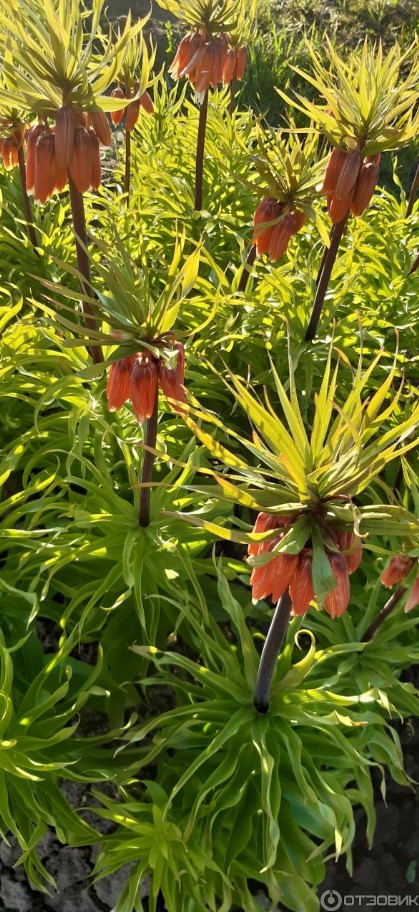
One of my favorite primroses, resembling a palm tree with pineapples.🍍But the aroma…🦨🤣One of the first to bloom, even before tulips.🌷Fritillaria imperialis
Hi all!Today I want to tell you about my first flowers. They're the first to delight the eye and remind us that spring has arrived. Today, I'll be talking about this flower:
Imperial Fritillary (Latin: Fritillaria imperiālis)
One of my favorite flowers. It requires minimal care and starts blooming literally earlier than tulips. It grows quickly and gains height. My SAKURA is the next to bloom.
A flower with a very unusual appearance.This plant's name isn't accidental, but rather reflects its resemblance to a bird called a hazel grouse, due to its crest. To me, this flower looks more like a pineapple palm than a bird, especially when viewed from a distance.
The Imperial Fritillary (also known as the Royal Fritillary) is one of the most common species. It can be seen not only in modern landscape designs but also in ordinary front gardens.
Fritillaria imperialis (Latin: Fritillaria imperialis) is a species of monocotyledonous flowering plant included in the genus Fritillaria of the Liliaceae family.The flower is quite early, emerging in April, and is also completely frost-resistant.
Unpretentious, undemanding. A gardener's dream.
The stem can reach 150 centimeters in height.
Flowers can be yellow or different shades of orange.
Aroma:🦨🦨🦨💥
Despite their regal appearance, if you cut these flowers and place them in a room, everyone will flee your home after a while. The aroma is simply foul.
But this also has its advantages: they say that mice and other rodents are afraid of this aroma.
Bulbs:🌷🌷🌷🧅
Flowering lasts for about three weeks, and then the plant gradually goes dormant until next spring. Then, like all bulbous plants, it will need to be dug up.
The bulbs are quite large and powerful.
I store it in a cardboard box on the terrace.
Seeds:🌺🌸💐
When the flowers turn yellow and fall off, seed pods form. I remove them to avoid depleting the bulbs themselves. You can, of course, grow these flowers from seed, but it's very time-consuming and I personally don't see the point.
In spring, we long to enjoy the vibrant colors. Flowers help us do just that, lifting our spirits and vitality, bringing peace, and filling our souls with warm, joyful happiness.
These are the flowers!🌺🌼🌸
Thank you for your attention. I recommend planting these regal flowers; you won't regret it. Spring will come to your garden faster.
*****
Climbing roses are my absolute love! ❤ Gorgeous color, ⚘abundant blooms! ⚘ Pleasing to both the eyes and the soul!
My garden "sakura"🌸🌸🌸 Ornamental almond🌸🌸🌸 Sharing photos of the blossoms. ❤💯Divine view and honey aroma.
My roses say thank you for your love and care! ♥️💯A delicious treat of potassium, nitrogen, and phosphorus for abundant flowering!⚘🌺
My first experience with a diagnosis from a Chinese traditional medicine specialist, Li West. ⛩🎎 Elixir "Xiao Shi Bao". 💯💥One visit to a specialist combined visits to several doctors!
Playing squid with Sberbank! 🤣 💯 My experience using a credit card and why I still won't give them up!
Electrophoresis of dental enamel. 🦷Treatment of hypoplasia with remineralization. An inexpensive but effective procedure. 🤧For us, it's lifelong.
Advantages
Beautiful
Perennials
Decorates the interior
Flaws
Unpleasant smell
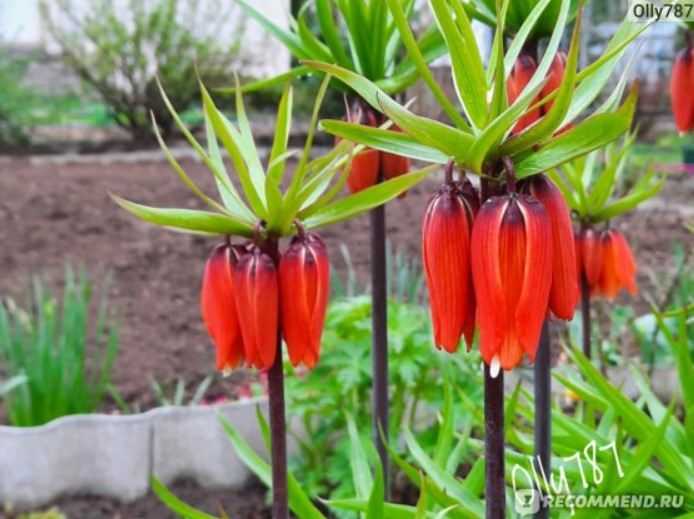
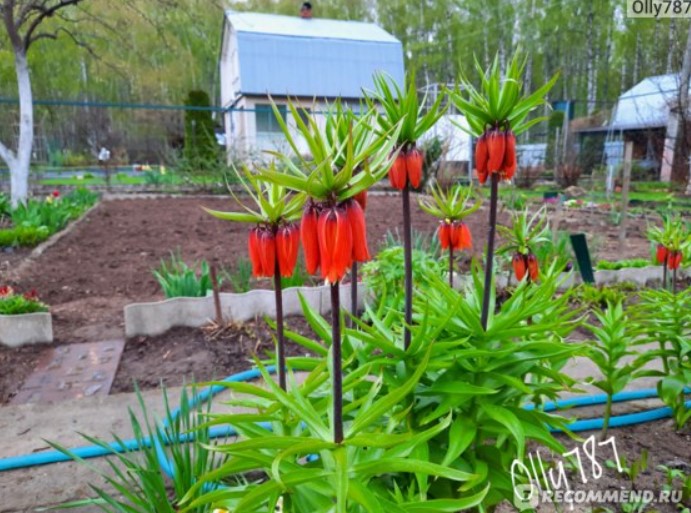
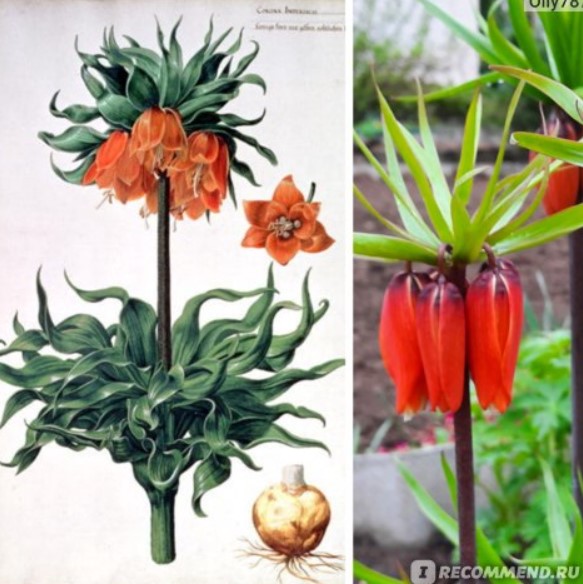
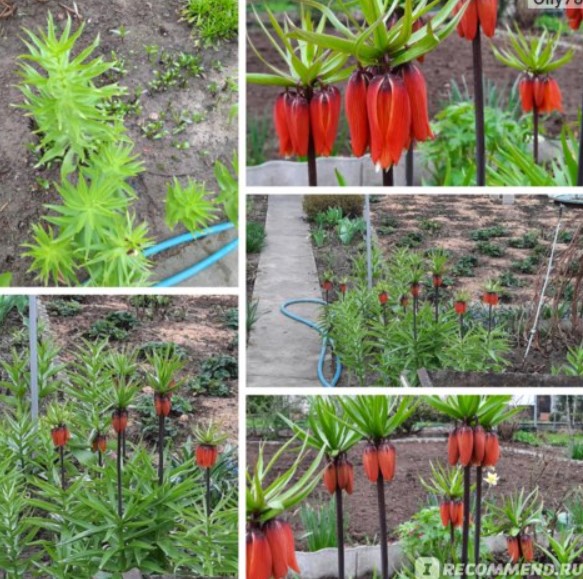
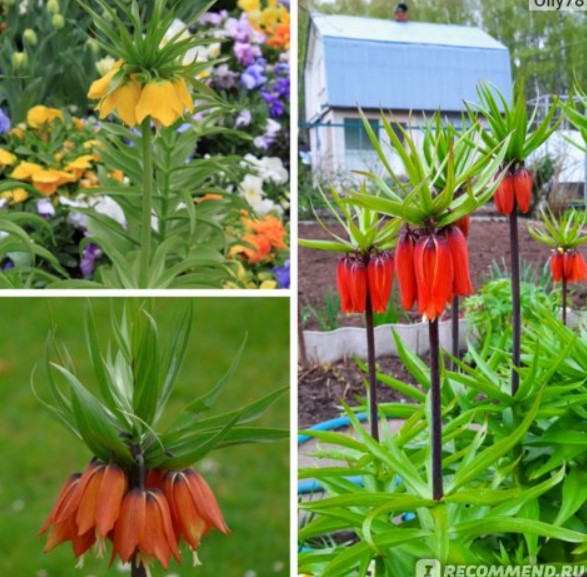
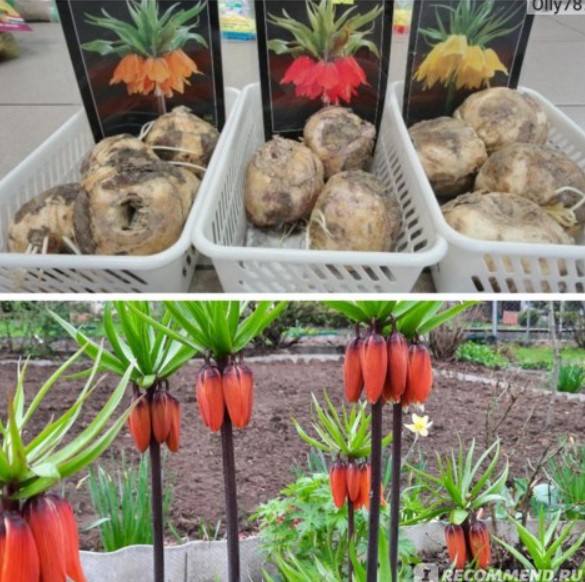
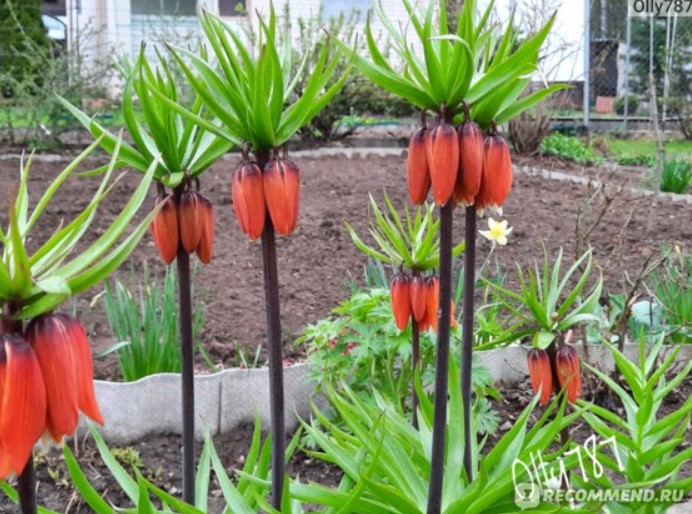
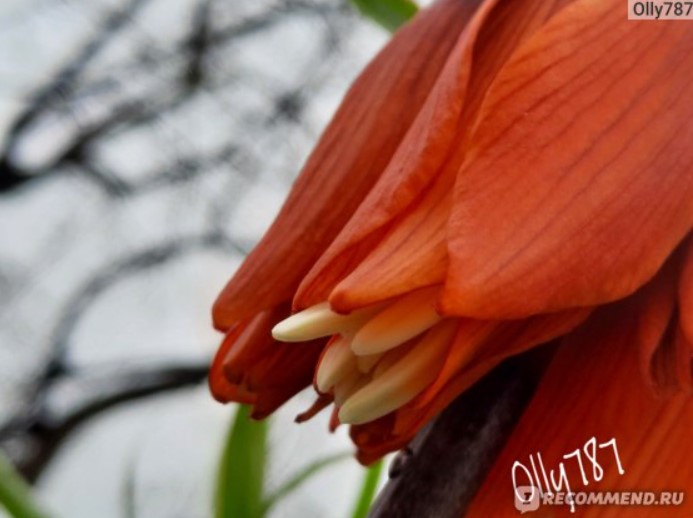
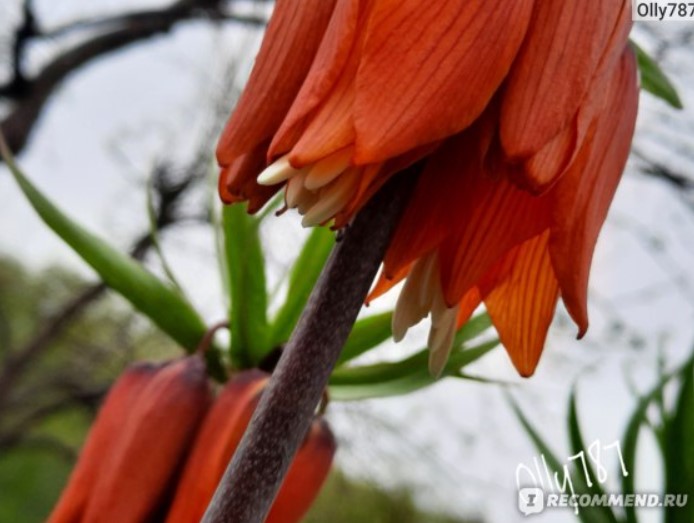
Just keep in mind that fritillaries come in different varieties. Most are short and inconspicuous (in my opinion). The ones that are tall, about 1 meter, are the imperial ones. They come in yellow, red, and orange. They're also called "royal crown" because of the panicle on top.
I'll never agree that the checkered fritillary is unattractive. It's only 30 cm tall, but it's a beauty. I hope my beauties will bloom by the ninth; I'll definitely post a photo!
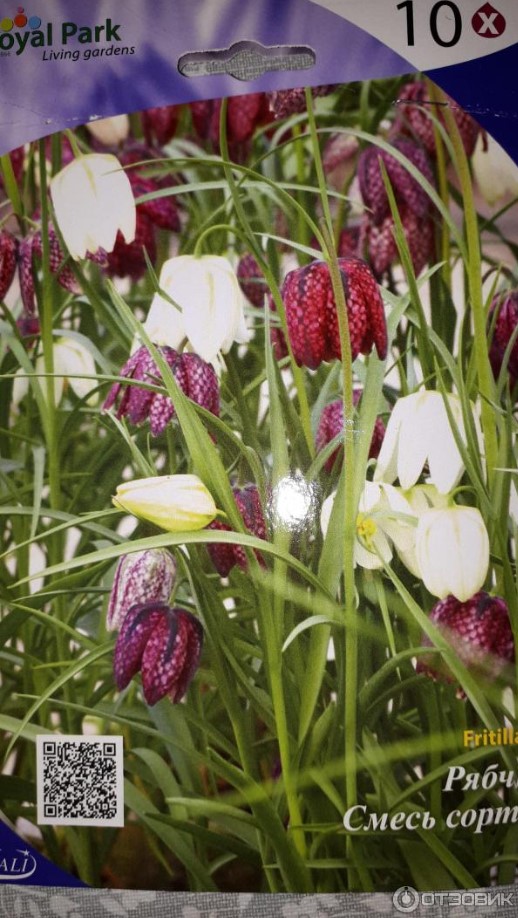
Nali Flower Bulbs 'Fritillaria Chessata' - A cute little primrose - inconspicuous but resilient. NALI Bulbs
ADVANTAGES:
Beautiful, strong, easy to care for
FLAWS:
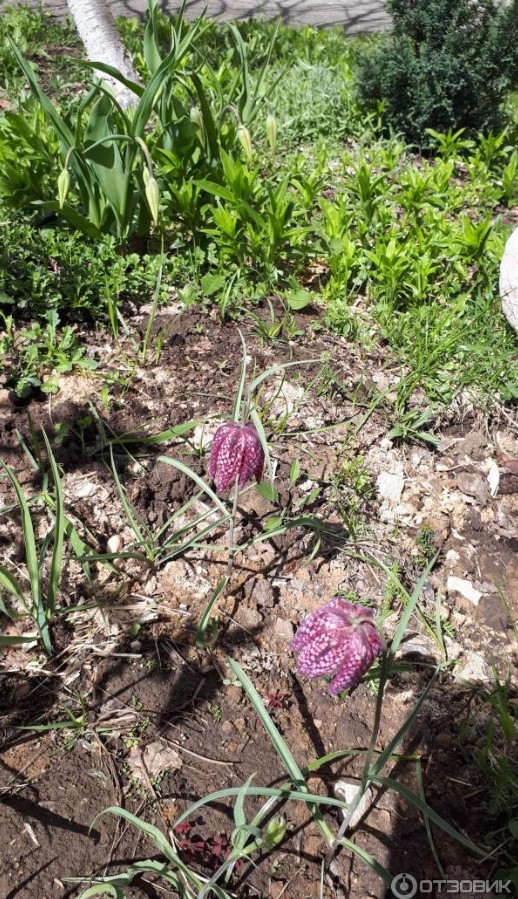
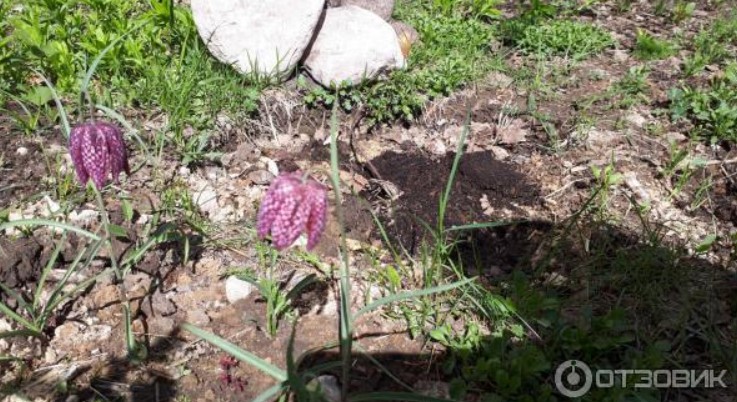
It gets lost against the background of the earth and grass.
The fritillary is a flower I'd never seen before. I wanted to experiment with it, because the buds in the picture are so cute!
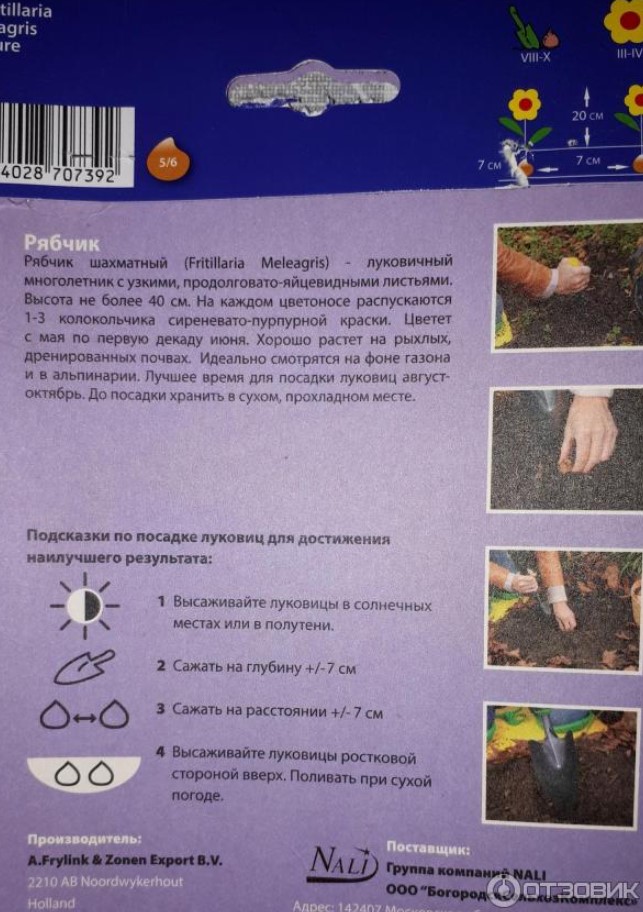
Now let's look at the back of the package.
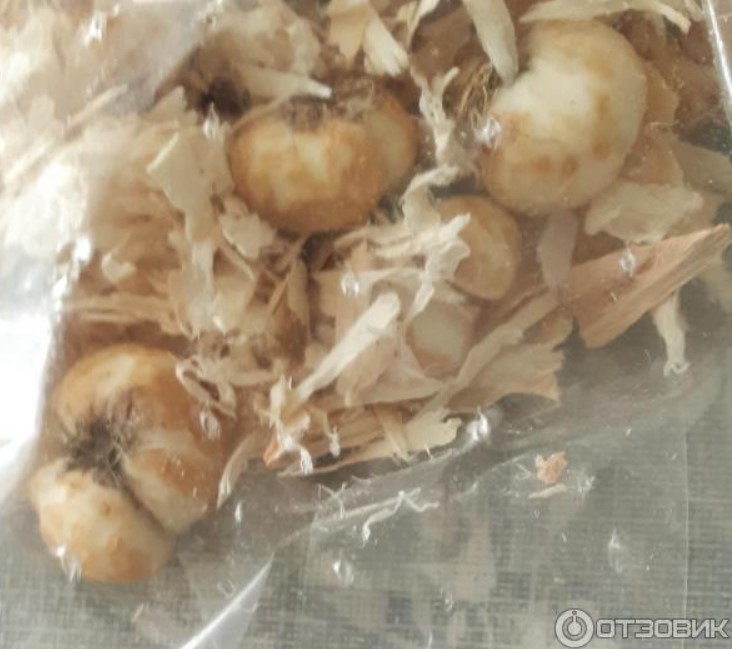
The package consisted of a perforated bag and a cardboard label. The colored label contained planting and growing instructions. The bulbs in the bag were mixed with sawdust.
Fritillaries should be planted in the fall. They're frost-resistant, so now's the perfect time to buy a few and plant them all at once before the ground freezes.
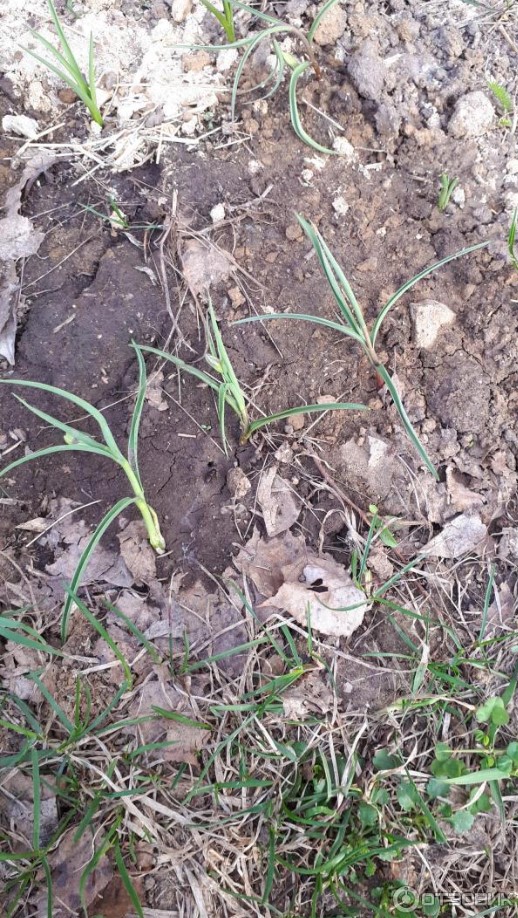
I received strong, healthy specimens. Consequently, every single one of them sprouted. However, this wasn't a mixed plant, and the corollas of my flowers turned out rather dull.
Strong shoots emerged immediately after the crocuses. Flowering also began after them. However, the crocuses fade quickly, replacing each other, while the fritillaries lasted until the daffodils and tulips.
Strong shoots produced stable flowers on dense stems.
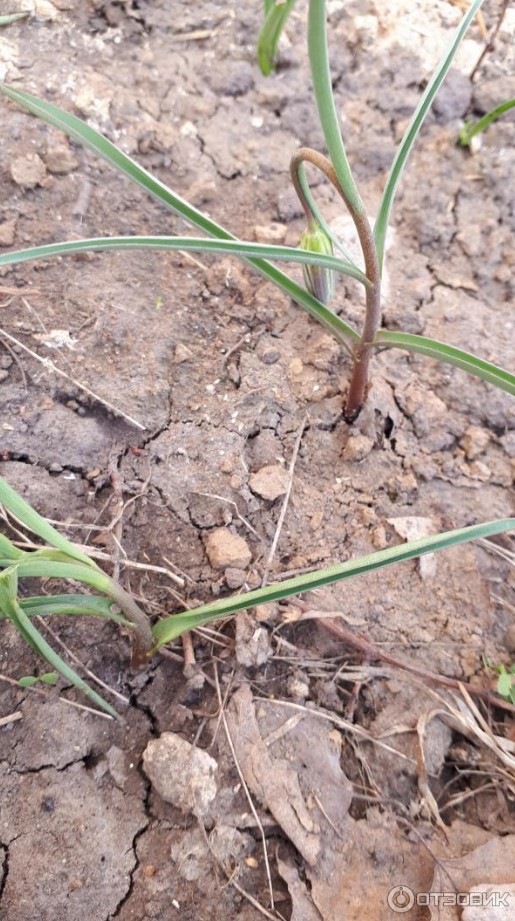
These plants have tulip-shaped corollas. They reach a height of 15 cm at the beginning of flowering and 20 cm at the end. They grow and bloom simultaneously, unfurling long, narrow leaves. This process is similar to the growth of snowdrops—they also stretch and their flowers increase in size over 2-3 weeks. However, the Fritillary is much less impressive.
I planted it in the rock garden, but the reddish-brown flower is barely visible against the ground. If you knew there was a lovely primrose there, you'd notice it, but no one else knew.
Unfortunately, this isn't a mix, and without white or pink specimens, the plant will remain invisible. I haven't seen any bright colors for sale this year, but I'll definitely find some and add some color to the rock garden.
I'd recommend "Fritillary" as a hardy, beautiful flower. However, a big thumbs down to the manufacturer (BogorodskSelkhozKompleks) for including only one variety in the mixed bulb packaging. Still, this is a review about flowers, so I won't downgrade the rating.
A strong early flower, minimal care - I recommend it to everyone.