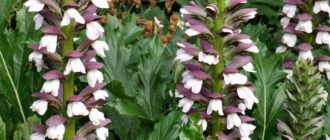
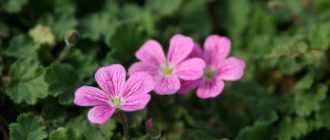
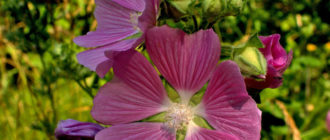
Hyacinth is a stunningly beautiful and vibrant perennial flower of the Asparagus family. Its name comes from an ancient Greek legend: Hyacinth was Apollo's favorite; they often competed in athletic games, and one day Apollo threw a discus at Hyacinth, killing him. Drops of blood on the grass later gave rise to wondrous purple flowers, named in honor of the fallen youth.
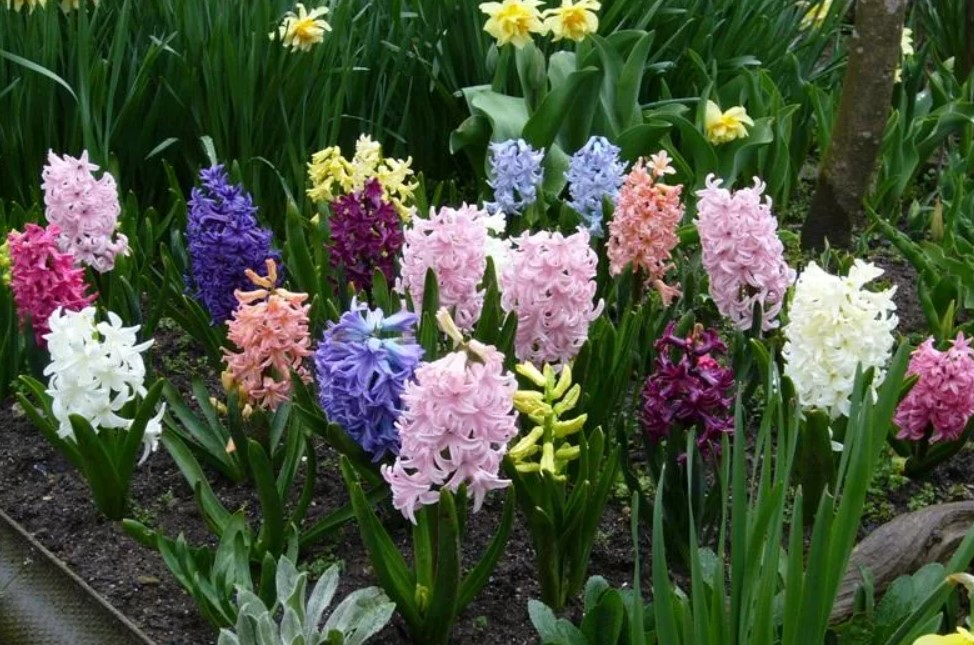
The hyacinth is native to North Africa and the Far East. The Netherlands is known for its popularization of hyacinths, and the country is considered the center of their cultivation.
Content
- 1 Botanical description of hyacinth
- 2 Hyacinth orientalis and 4 other species with photos and descriptions
- 3 37 varieties of oriental hyacinth by color, with photos and descriptions
- 4 Planting hyacinth in open ground: table + further plant care
- 5 Is it possible to plant hyacinth in spring?
- 6 Forcing hyacinth and growing it at home
- 7 Reproduction of hyacinth
- 8 Diseases and pests of hyacinth
- 9 Top.tomathouse.com recommends: 6 popular hyacinth varieties for temperate climates + photos
- 10 Gardeners' reviews of hyacinth cultivation
Botanical description of hyacinth
The bulbs are tough, composed of watery scales. The flower stalk is leafless and reaches a length of up to thirty centimeters. Once flowering has finished, it dies, along with any upright bulbs. A bud forms in the very corner of the top bulb leaf, from which a new hyacinth grows the following year.
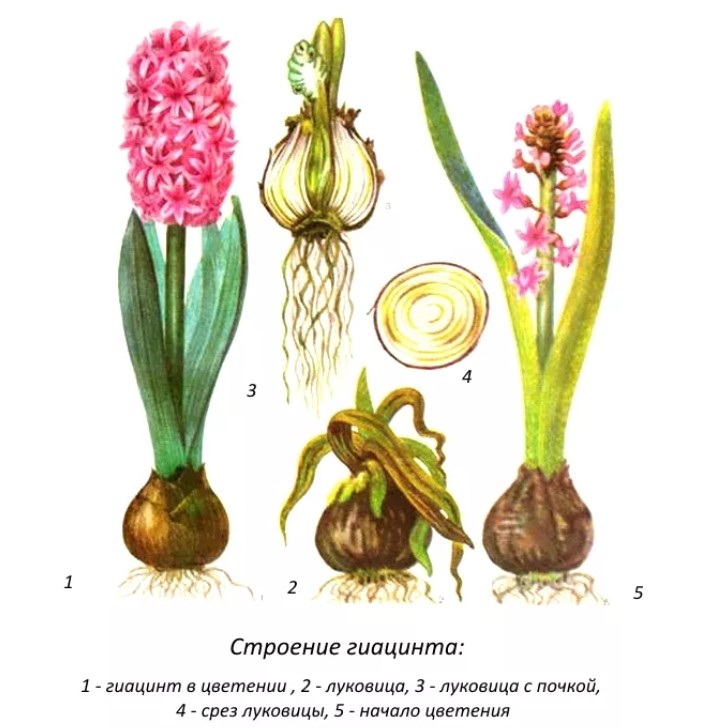
The flowers are clustered in a cone-shaped form. The perianth has slightly recurved lobes, a funnel-shaped form, and is colored in vibrant colors. They vary in texture, being either double or smooth. The seeds are contained within the fruit.
Hyacinth orientalis and 4 other species with photos and descriptions
There are five main varieties for ornamental cultivation. The average price for a hyacinth is 180-200 rubles.
| View | Description |
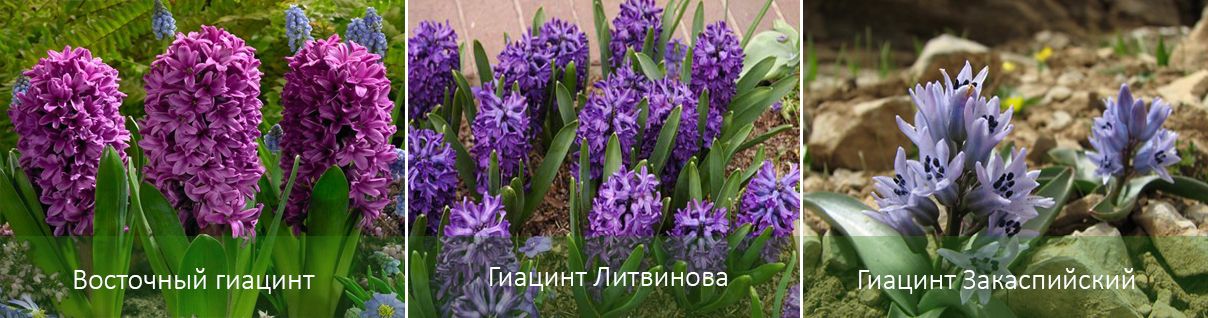
| Oriental hyacinth
|
All known ornamental plant varieties are cultivated from it. The flower stalk bears blue and yellow flowers, and the aroma is strong and pleasant. |
| Hyacinth Litvinova
|
The leaves are glaucous, spread out in different directions, wide, the flowers are blue, cut, the stamens stick out. |
| Transcaspian Hyacinth
|
It has one or two stems up to 20 cm long. The leaves are succulent, the flowers are blue, located on a racemose inflorescence. |
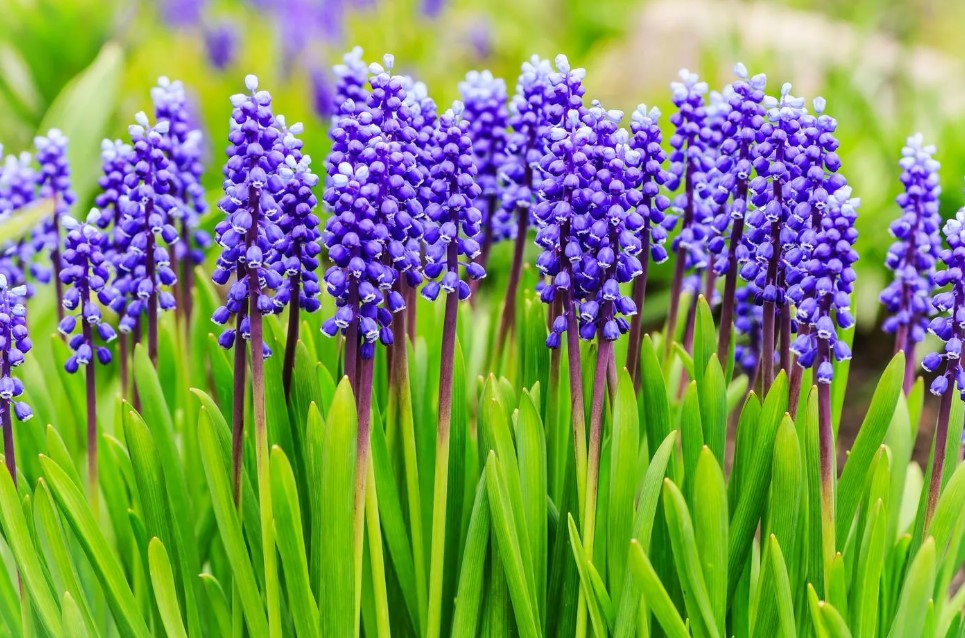
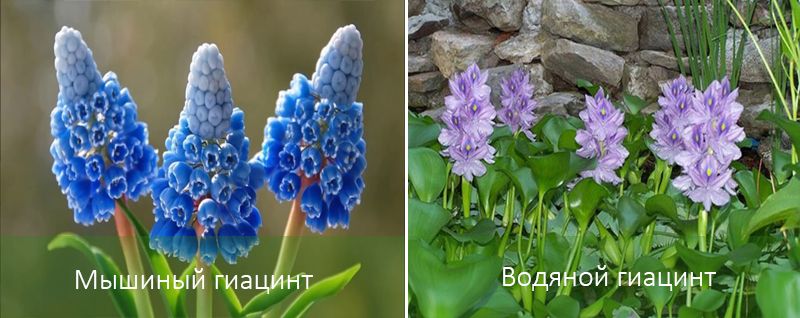
| Mouse hyacinth (muscari)
|
This plant variety belongs to the Hyacinthaceae subfamily. Its flowers are rare and come in shades of white, blue, and purple. They have a strong, fragrant aroma. This species is propagated by division in the fall, as a large number of bulbs are formed in the summer. |
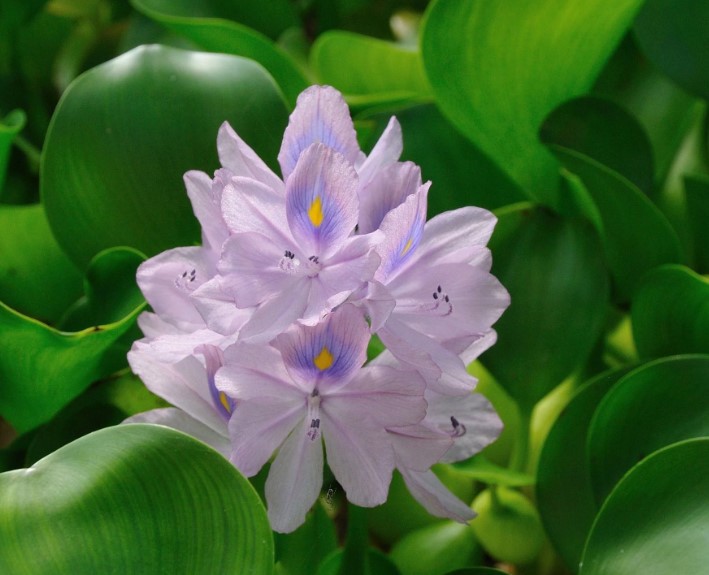
| Water hyacinth (Eichhornia crassipes)
|
This species grows in tropical countries; its leaves are swollen and form a rosette at the base. The flowers are blue, pink, and purple. In its native habitat, the wild plant grows wild in ponds and other bodies of water, impeding the passage of boats. It can be cultivated as an ornamental plant in temperate climates. It is also used as a home aquarium plant. |
37 varieties of oriental hyacinth by color, with photos and descriptions
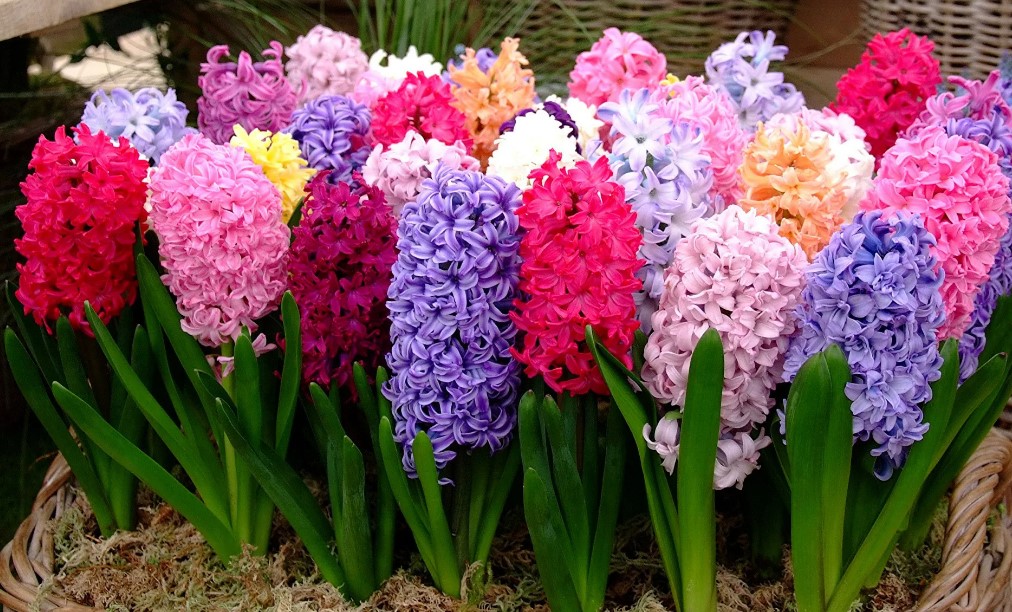
Hyacinths come in a variety of colors. These varieties are categorized by color and have their own names and descriptions.
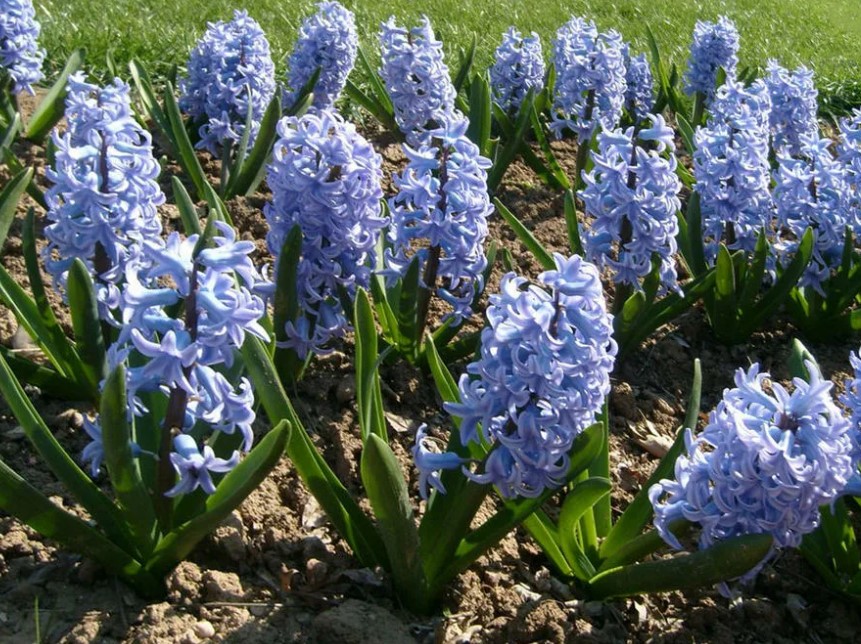
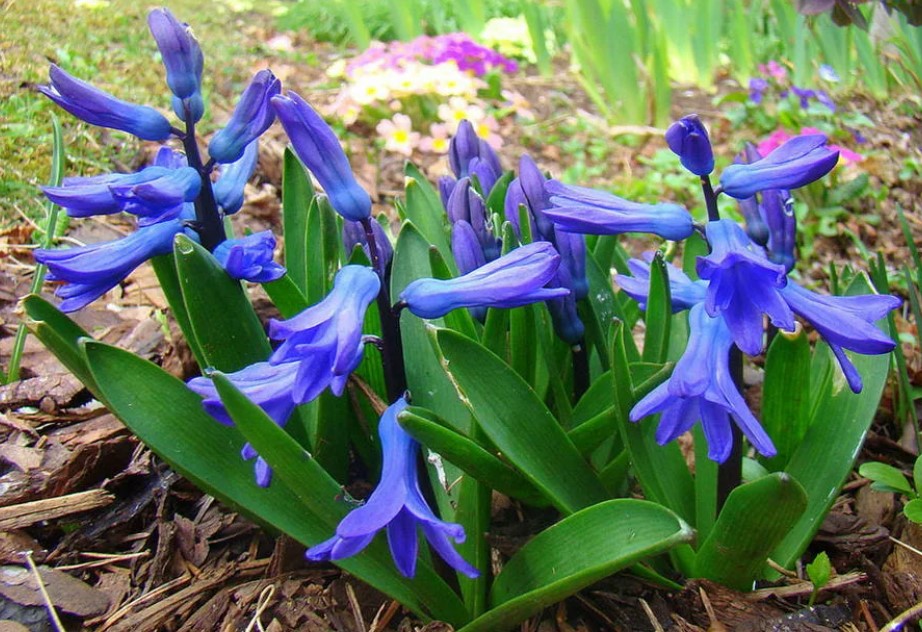
Blue, light blue
Delfiblue – a variety with dark blue flowers, about 6 cm in diameter, the inflorescence is quite wide, with about 35 flowers on one peduncle.
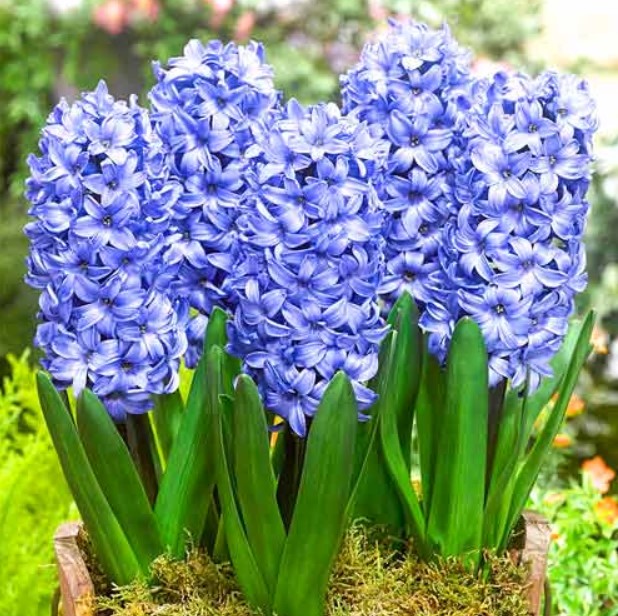
Blue Giant – the flowers are soft blue and emit a subtle and pleasant aroma.
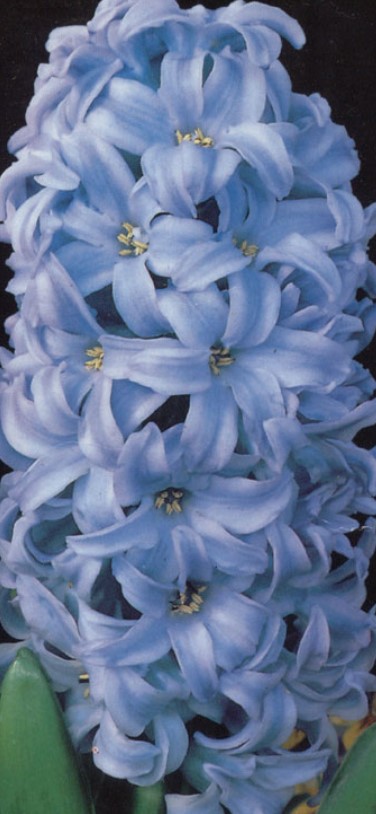
Blue sapphire - dark blue.
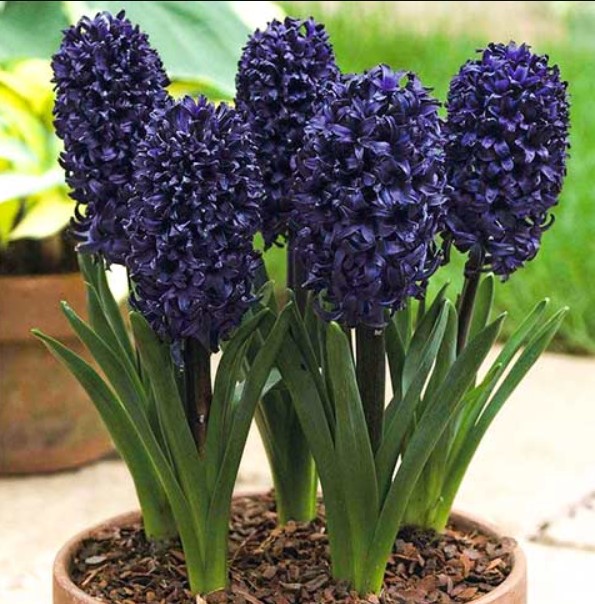
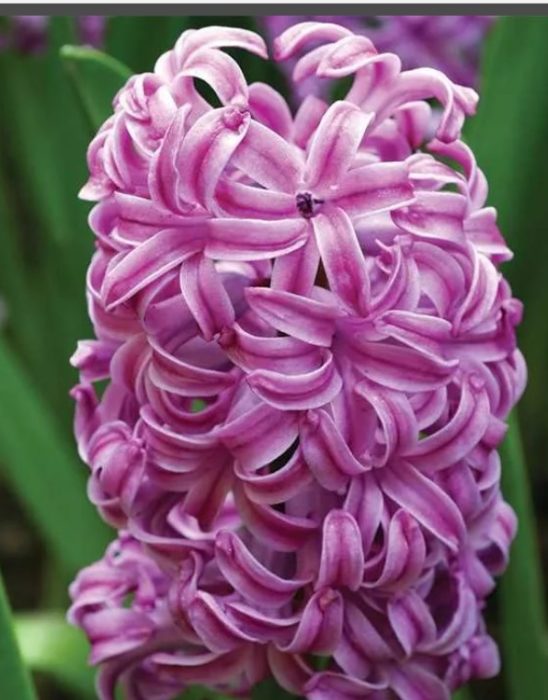
Queen of the Blues — flowers are blue, 30-35 cm.
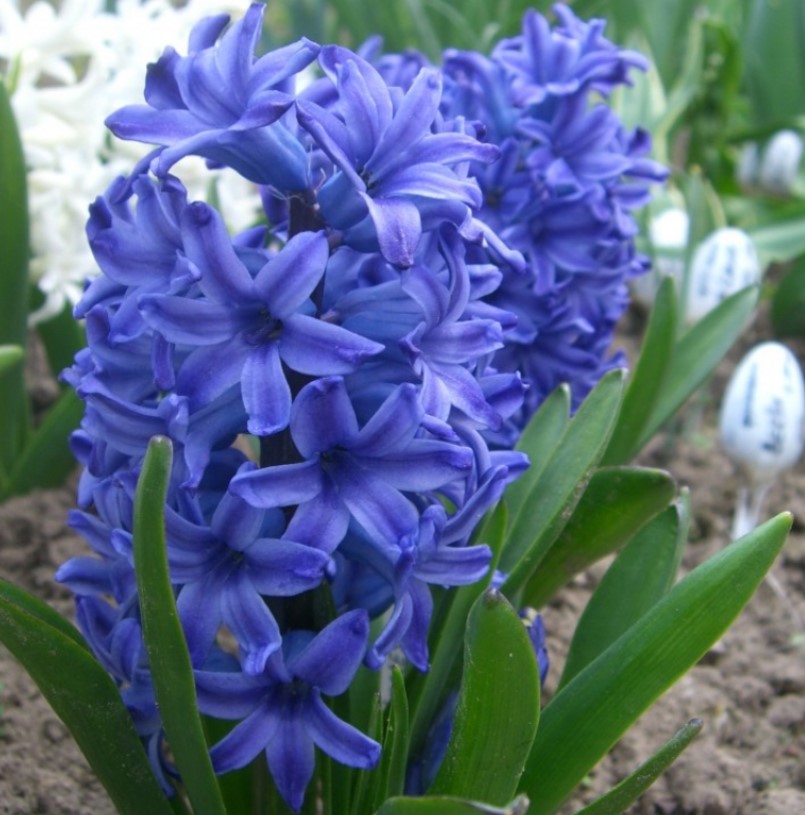
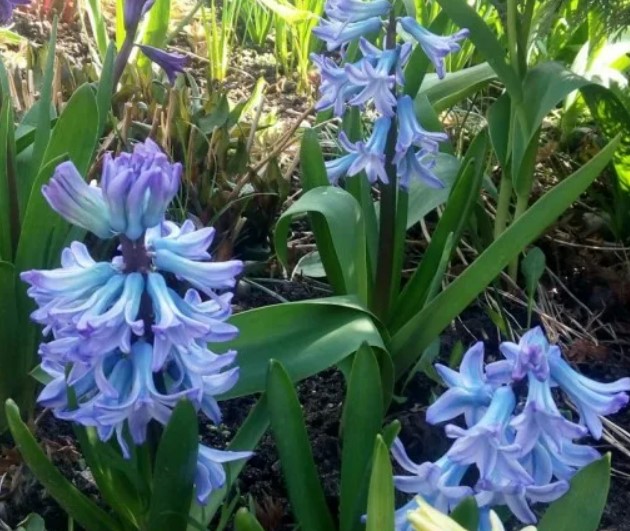
Myosotis - blue with a lilac tint, up to 30 cm.
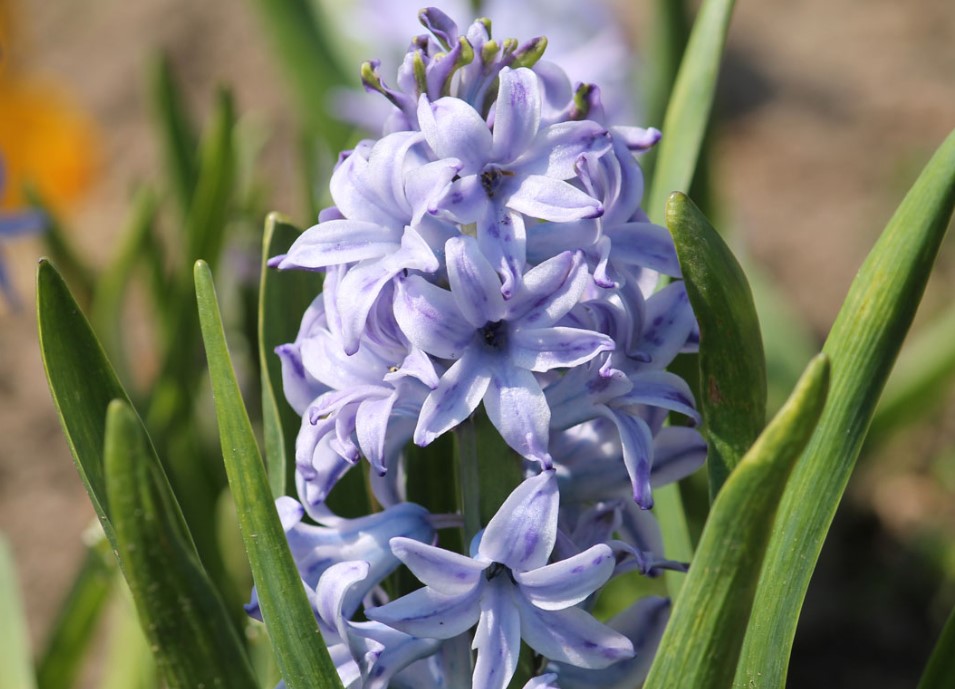
Peter Stuyvesant — bright blue flowers, stem height 25 cm, inflorescences 10-15 cm.
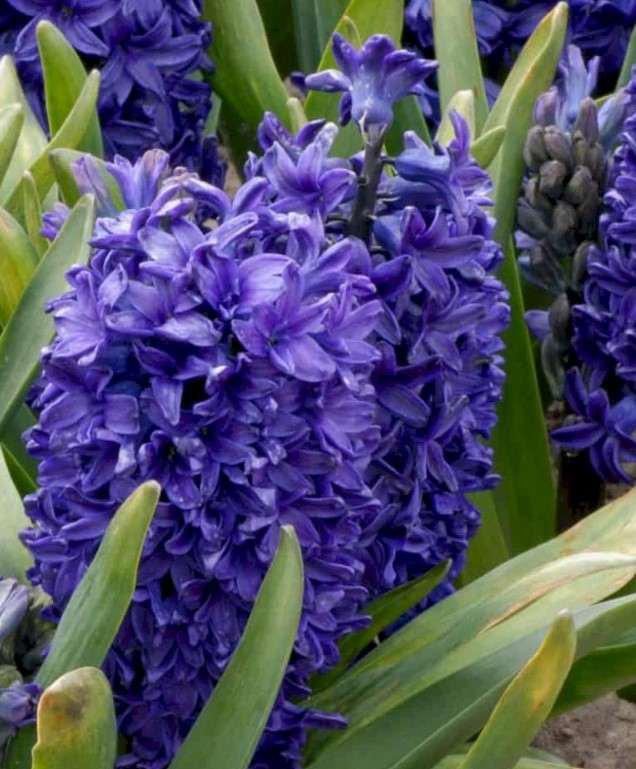
Purple
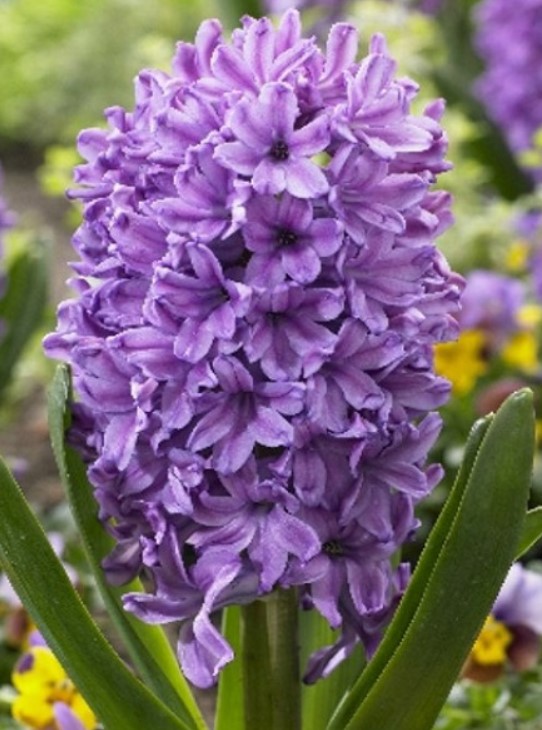
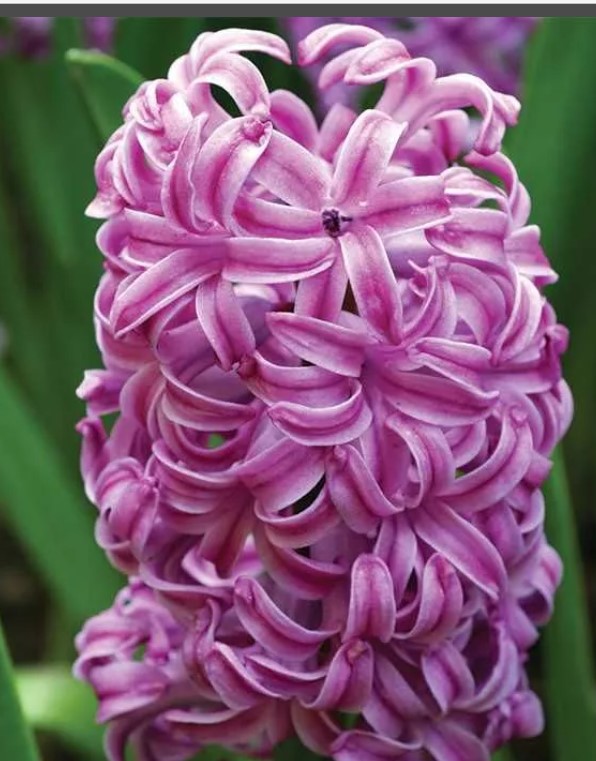
Amethyst – bright purple flowers on the sides, 9 cm in diameter, with 25-30 flowers on a single stem. Suitable for medium forcing, mid-flowering period.
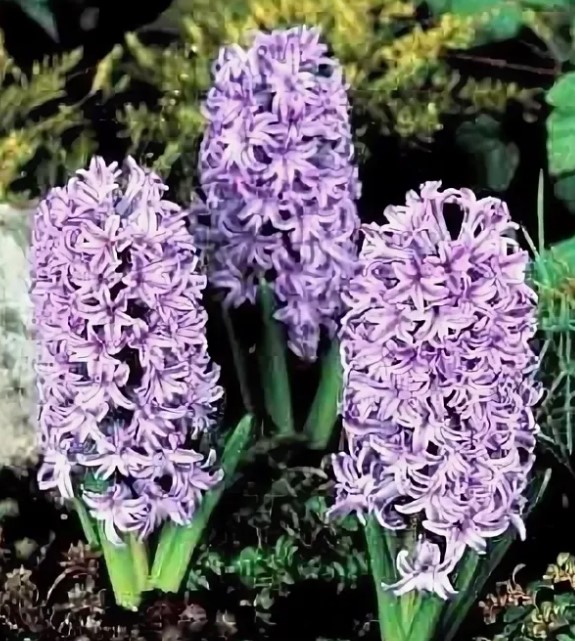
Atlantic — purple flowers with a light stripe, stem height 25 cm, inflorescences 10-15 cm.
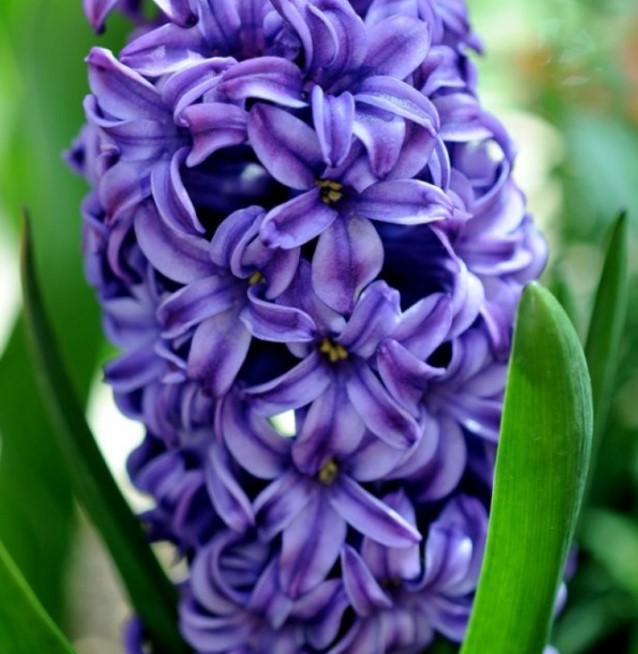
Bismarck — delicate purple flowers, plant height 25-28 cm, blooms for 10-14 days.
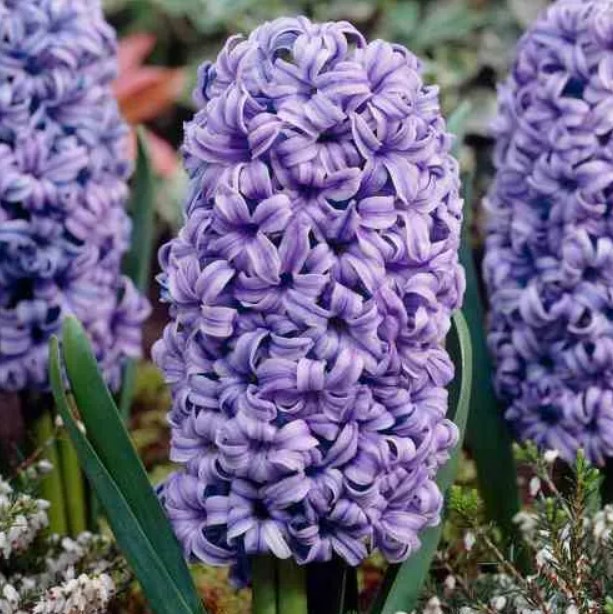
Purple Star — bluish-lilac 4 cm, inflorescence up to 40 flowers, stem 25 cm.
Whites
Aiolos - milky white, plant height about 30 cm
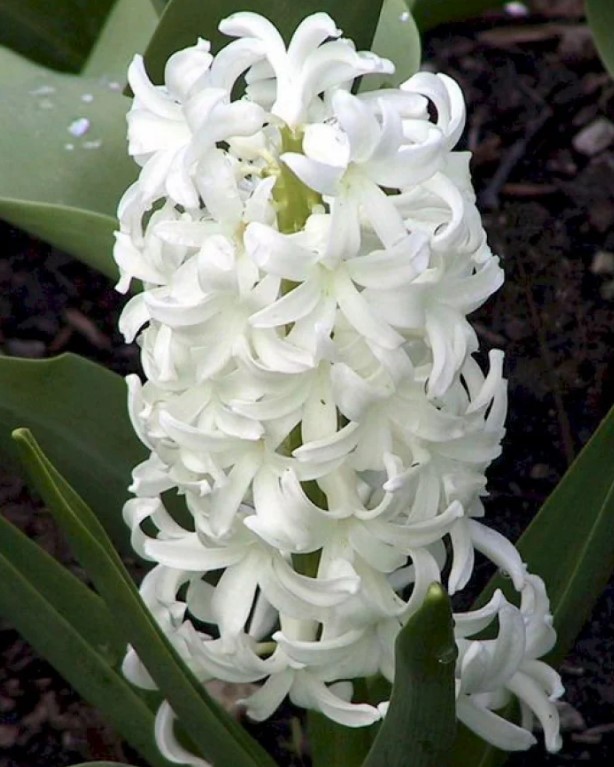
Antarctica - white, 25 cm.
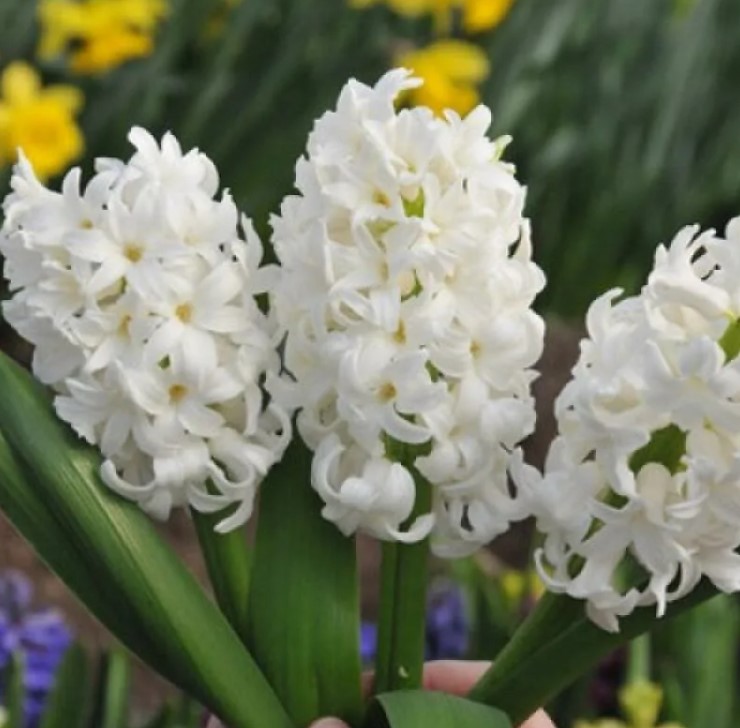
Carnegie – white flowers in a densely planted inflorescence, 10 cm high, 20 pieces on one peduncle, plant height up to 30 cm.
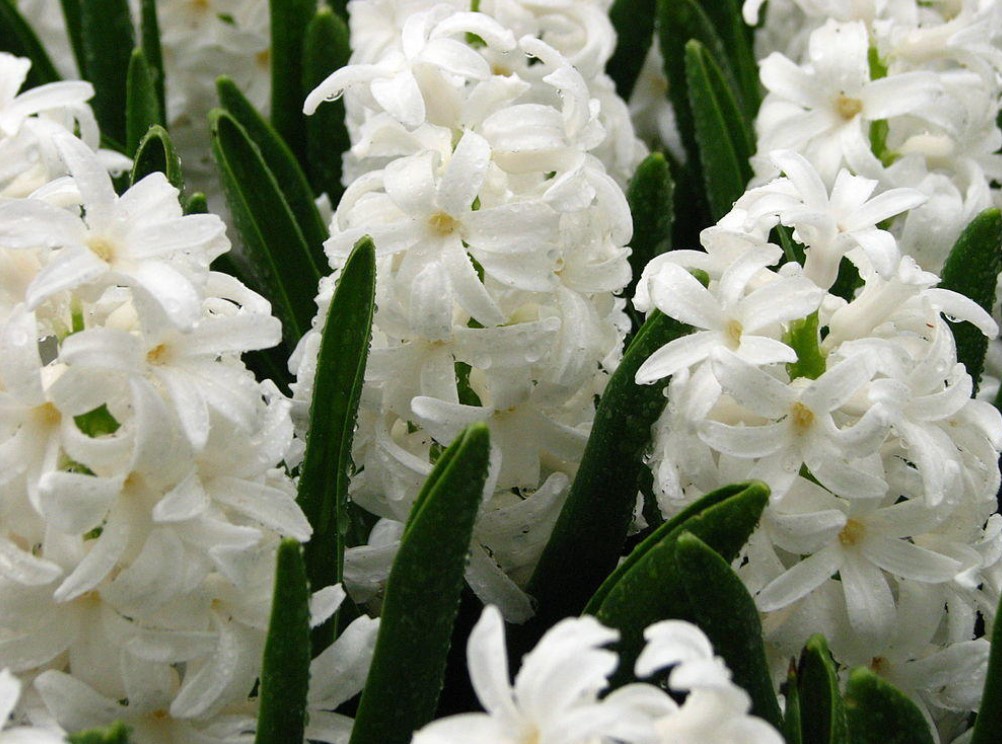
Madame Sophie — exquisite white flowers, height 20-25 cm.
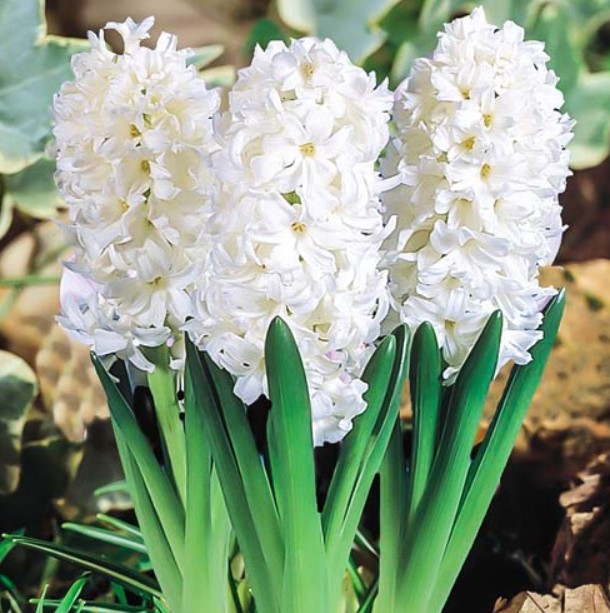
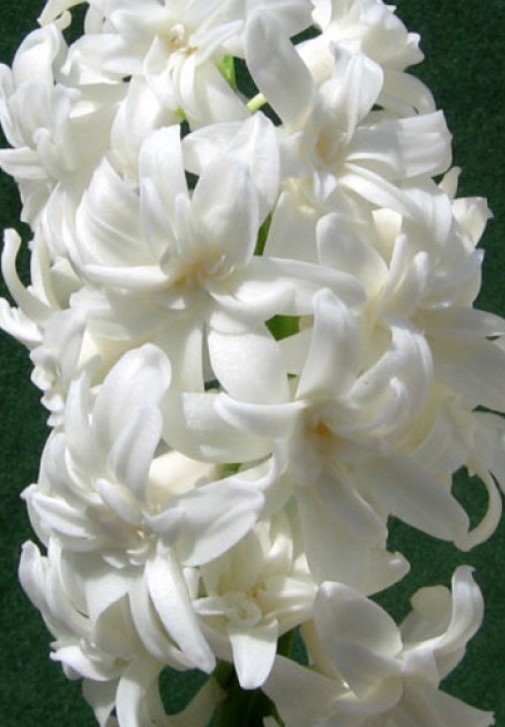
Snow Crystal — snow-white inflorescences with double flowers, height 30 cm, flowering in April-May for up to 12 days.
Pink
Anna Marie — pink simple flowers, 20-25 cm.
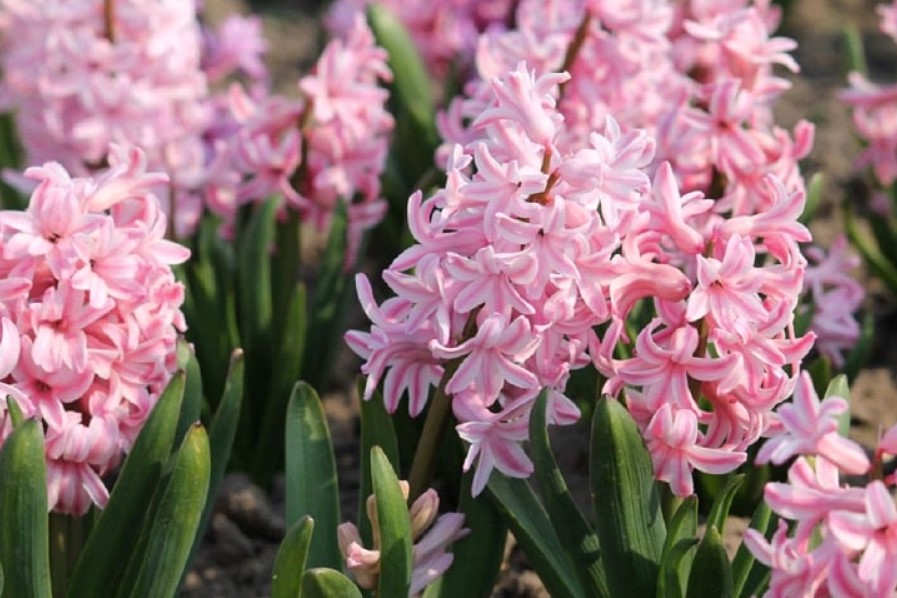
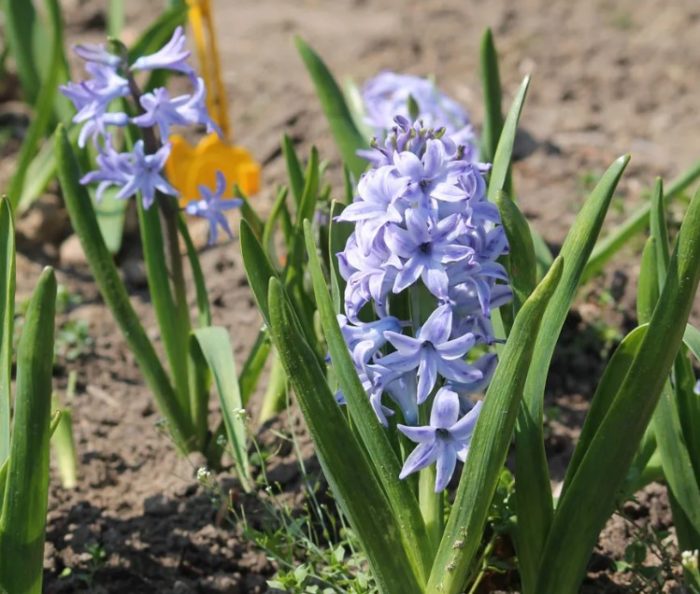
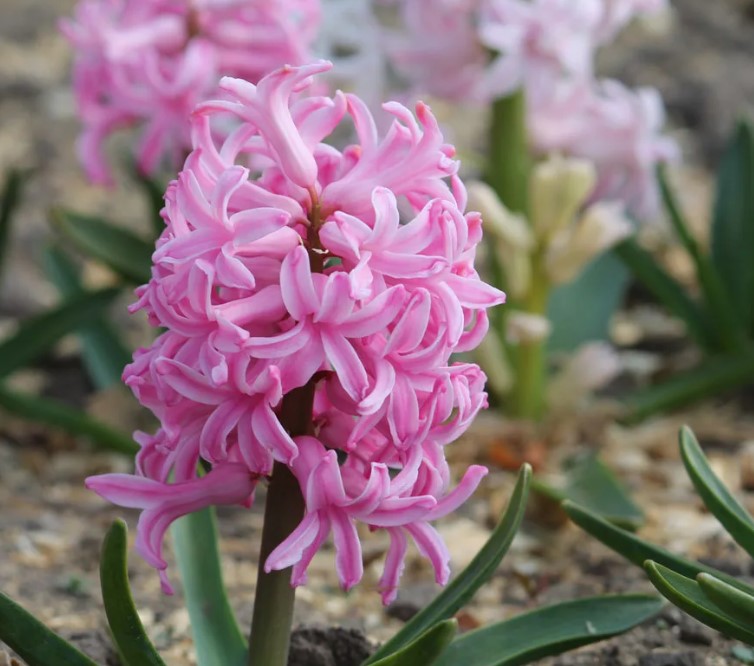
Gertrude — pinkish-lilac inflorescence of medium density, 24 cm.
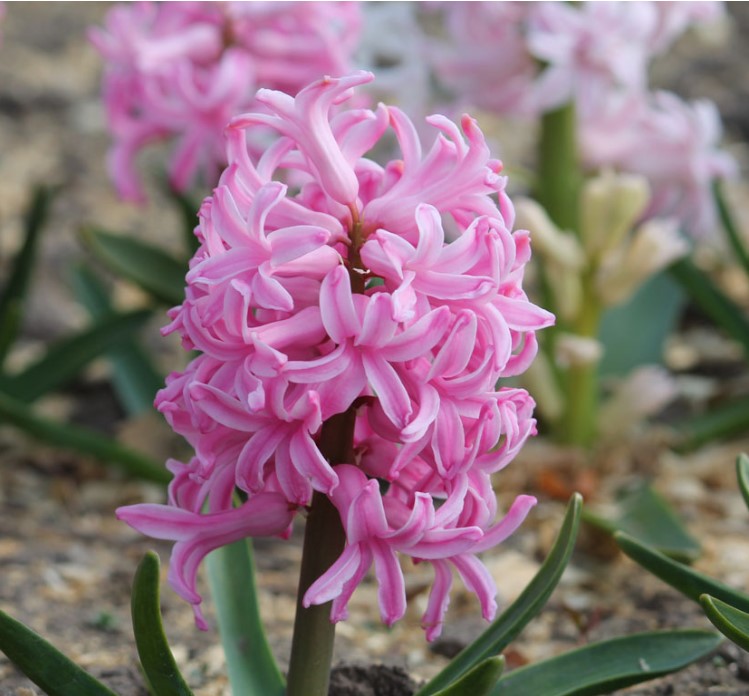
Double Eros — a berry stripe in the middle and white at the edges, flowers 4 cm in diameter in an inflorescence of up to 35 pieces, 35 cm, height together with the stem up to 90 cm.
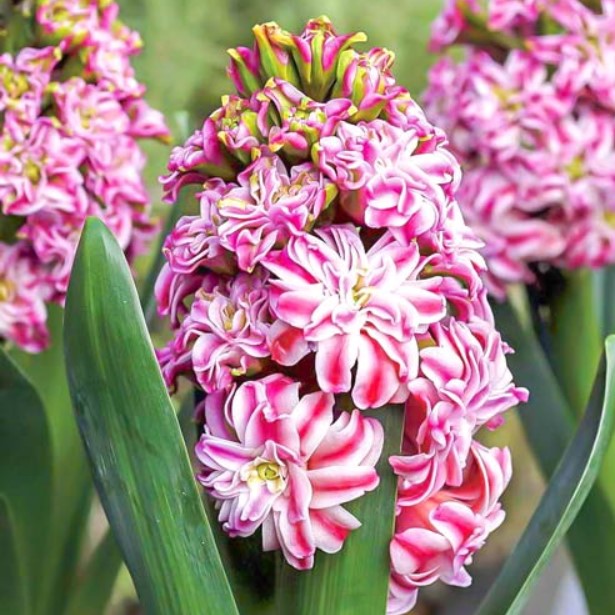
Pink Pearl – bright pink flowers, about 20 on one stem, height 20-25 cm. The variety has a mid-early flowering period.
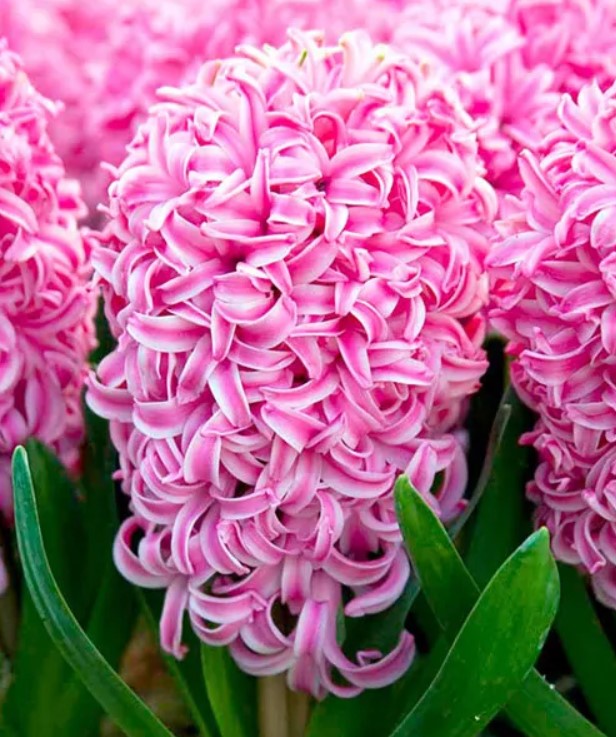
Pink Surprise — a soft pink flower 25 cm high.
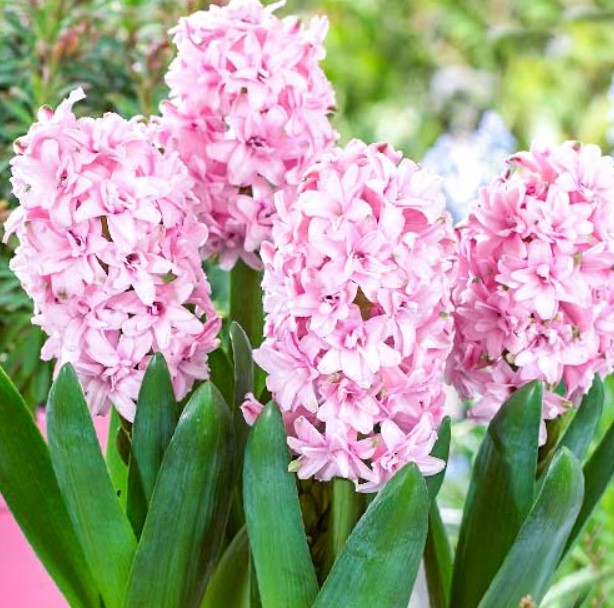
Rosetta — delicate pink double flowers with a diameter of 4 cm are collected in inflorescences of 15-20 cm, the whole flower reaches 30 cm.
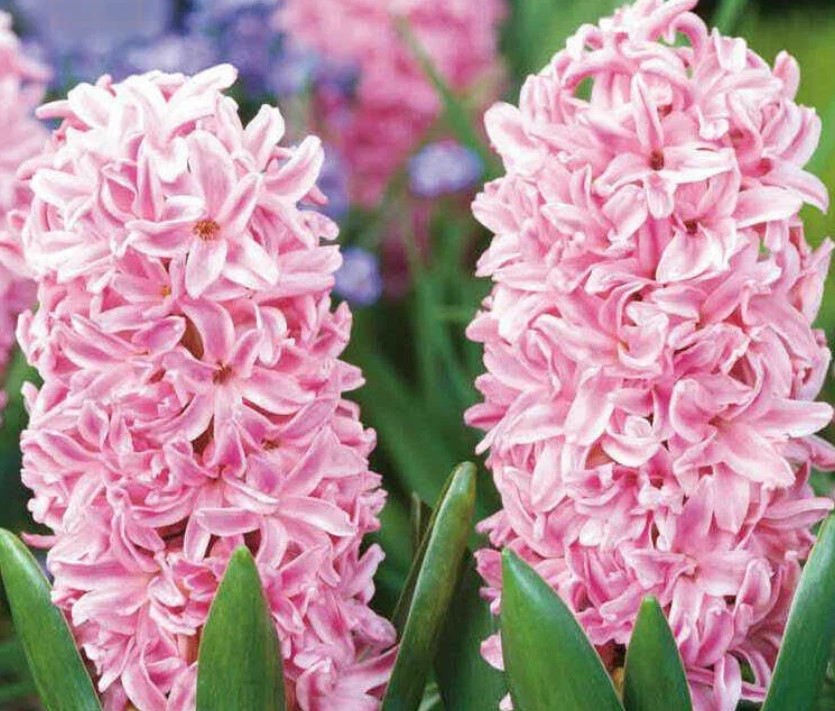
Fondant — pink, up to 35 flowers in an inflorescence.
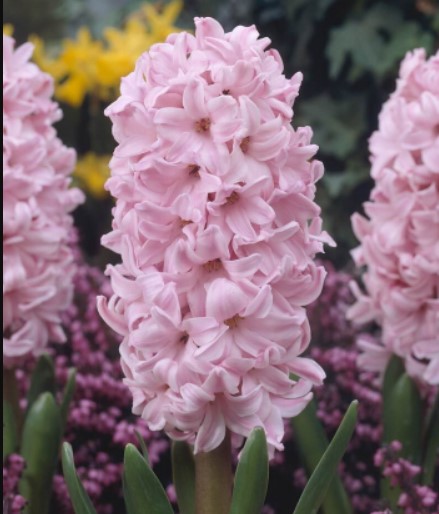
China Pink — soft pink inflorescence, plant height about 25 cm. Strong aroma.
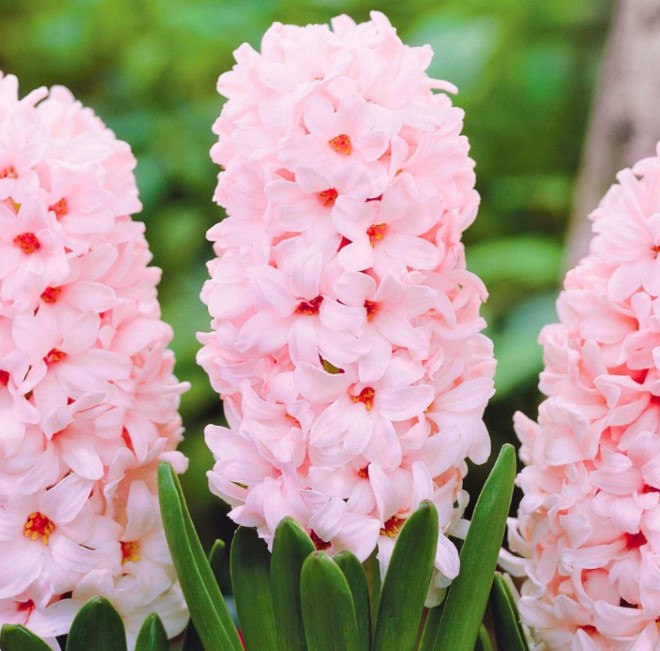
Pink Elephant — delicate mother-of-pearl pink inflorescences of 4 cm flowers, up to 30 on one peduncle, height 35 cm.
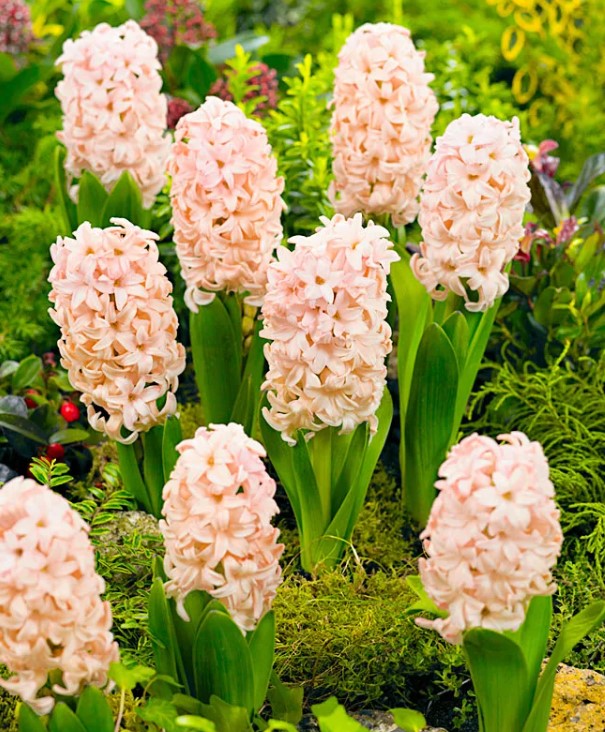
Red, cherry, raspberry, purple
Broadway — lavender flowers in a curly inflorescence, 30 cm high, not frost-resistant.
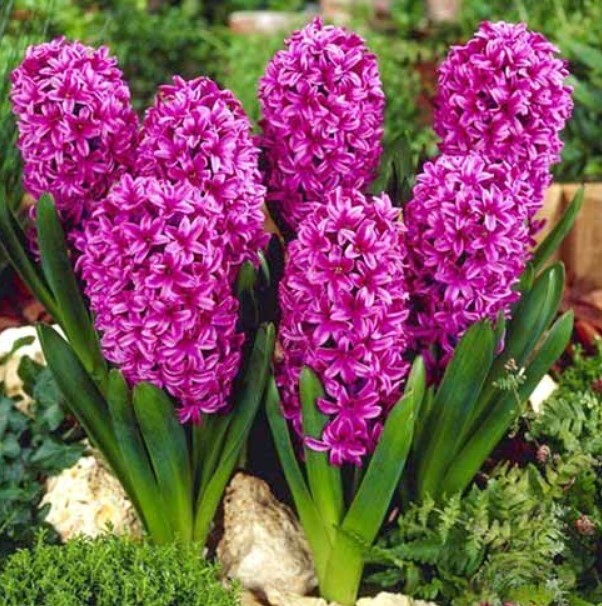
Woodstock — cherry-lingonberry flowers, plant height 25 cm.
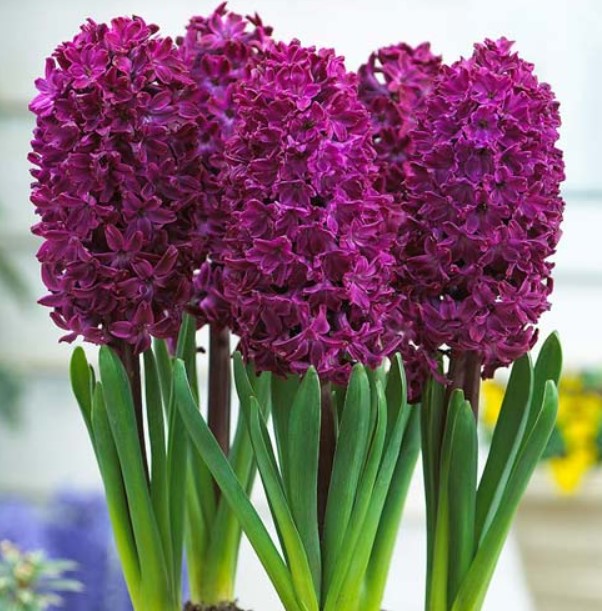
La Victoire – flowers of a rich raspberry-pink hue, glossy. A mid-early variety of plant.
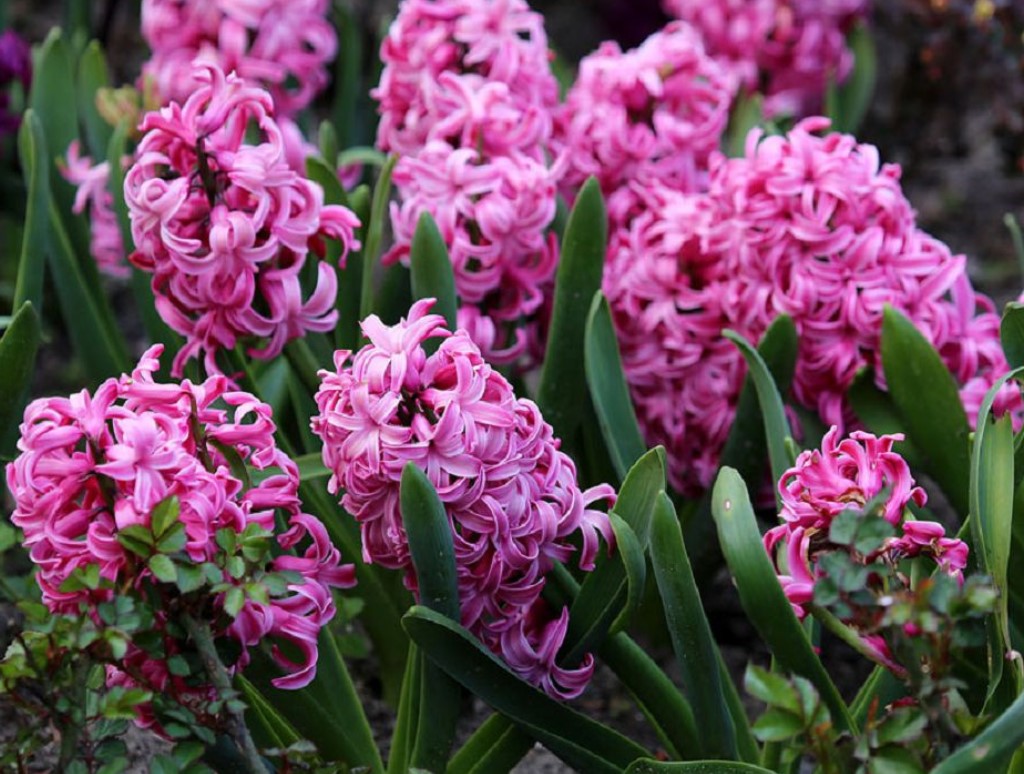
Miss Saigon — purple flowers, height about 30 cm.
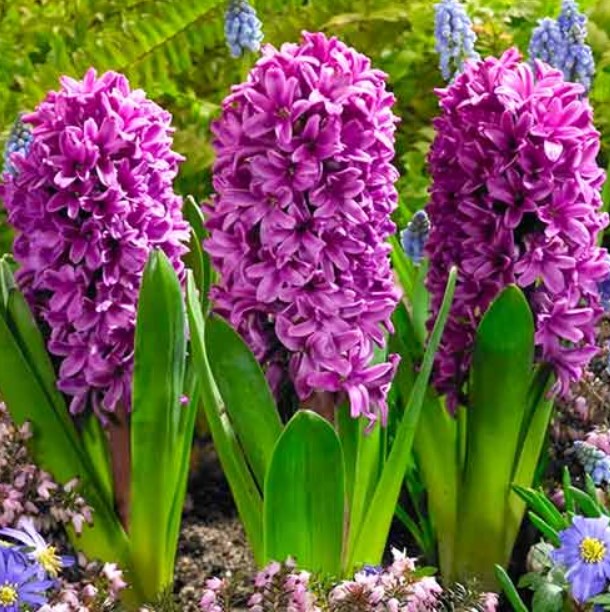
Red Magic — inflorescence with red flowers with white blotches, 25 cm.
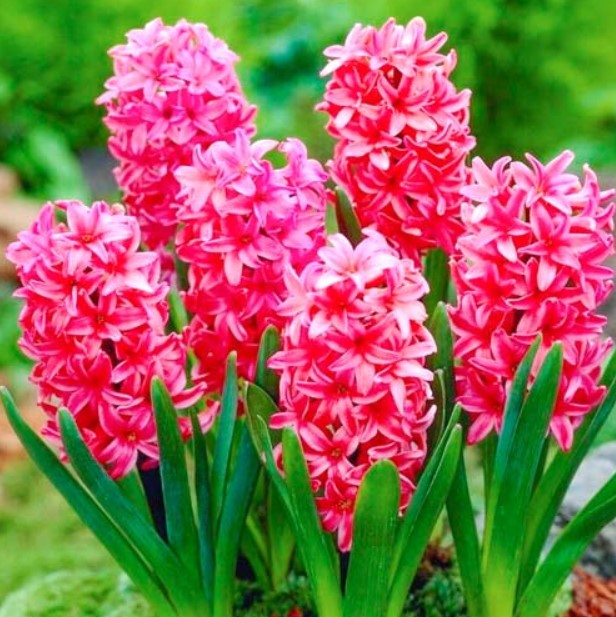
Hollyhock — double raspberry-red flowers, 25 cm high. The variety is easy to care for.
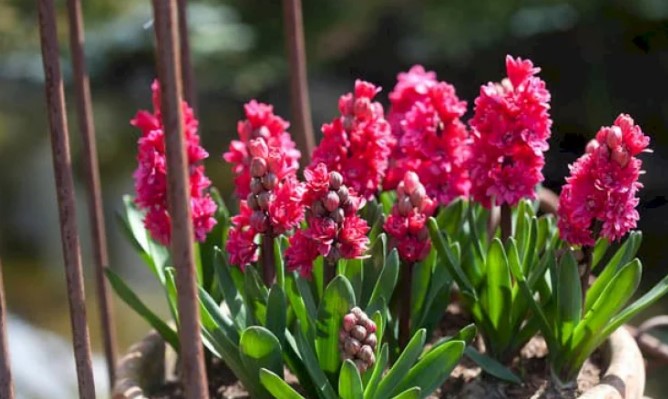
Jan Bos — fuchsia-colored flowers, 25 cm.
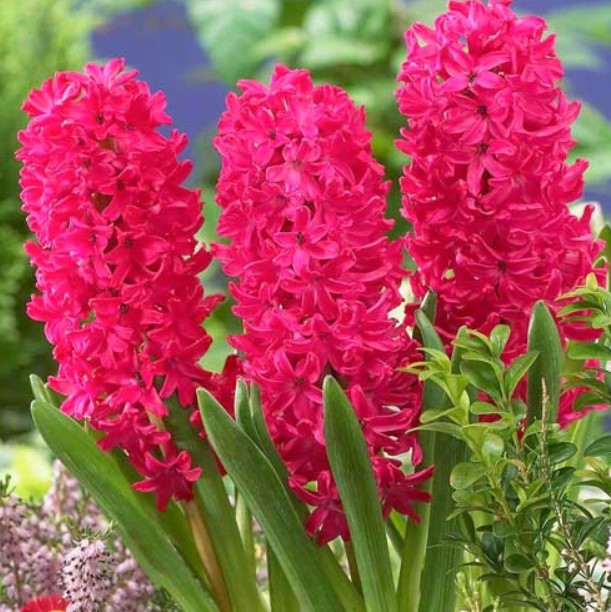
Yellow, apricot, peach
Gypsy Queen — peach inflorescences, plant height 25 cm.
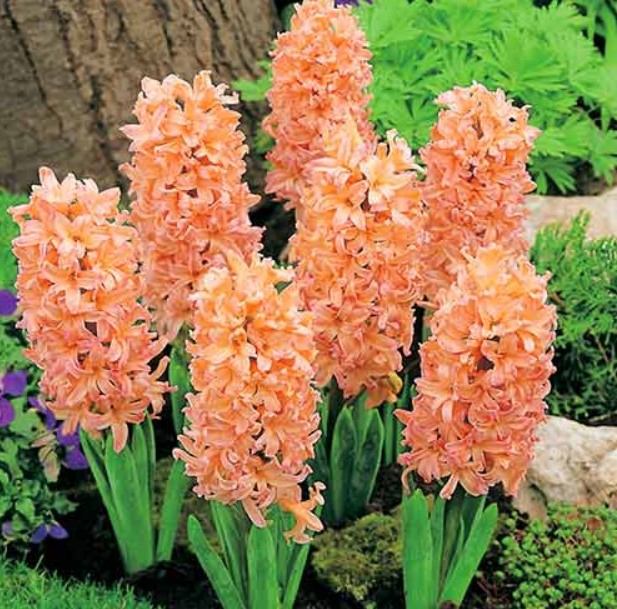
Gypsy Princess — lemon-yellow inflorescences, height 30 cm.
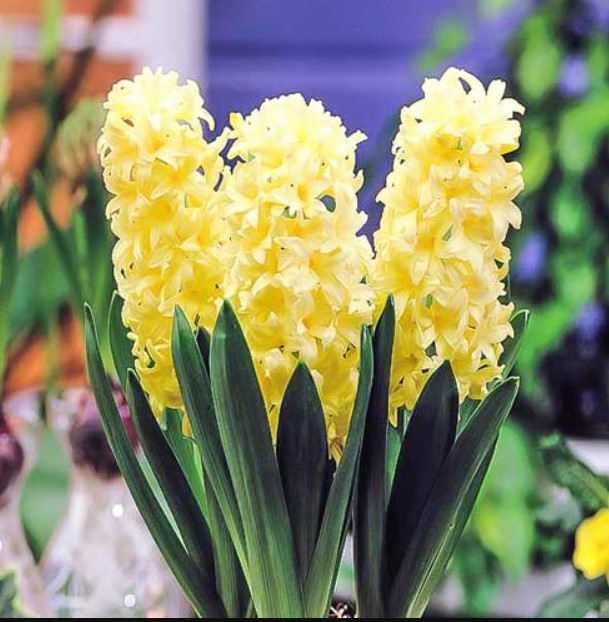
Yellow Hammer — bright yellow inflorescence of 20-25 flowers 3.5 cm, plant height 30 cm.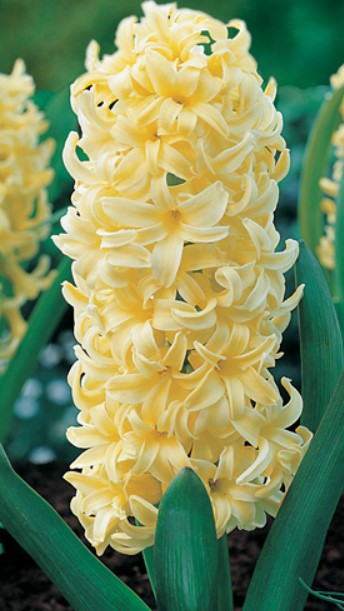
Odysseus - apricot, 20-25 cm.
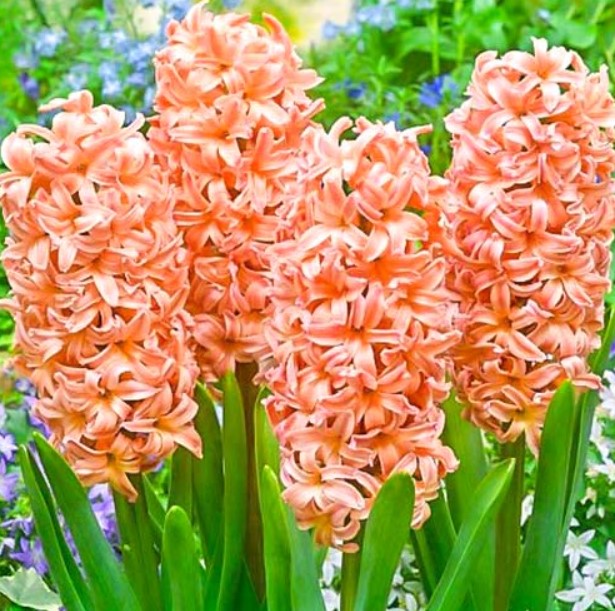
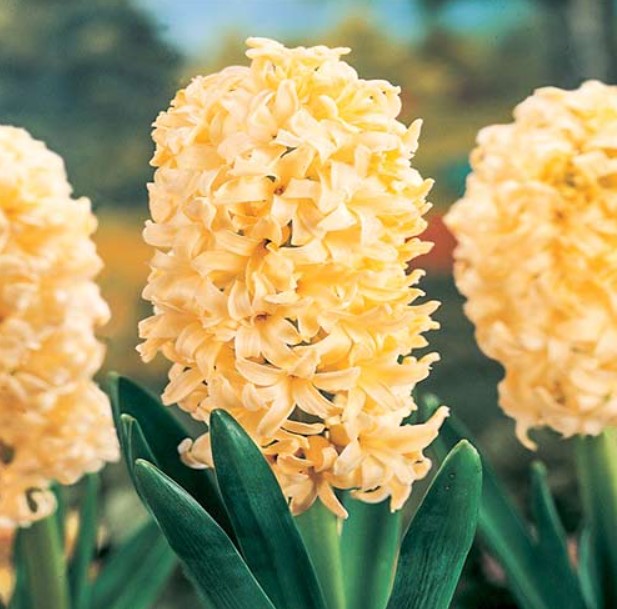
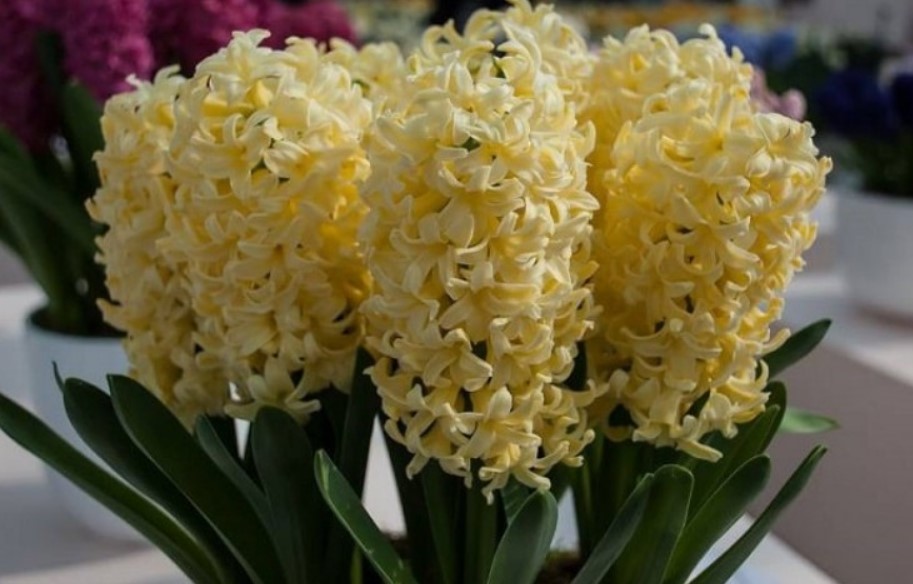
City of Haarlem – flowers are light yellow or straw-colored, the inflorescence is cylindrical, with 27 flowers located on a single stem. The flowering period is medium-long.
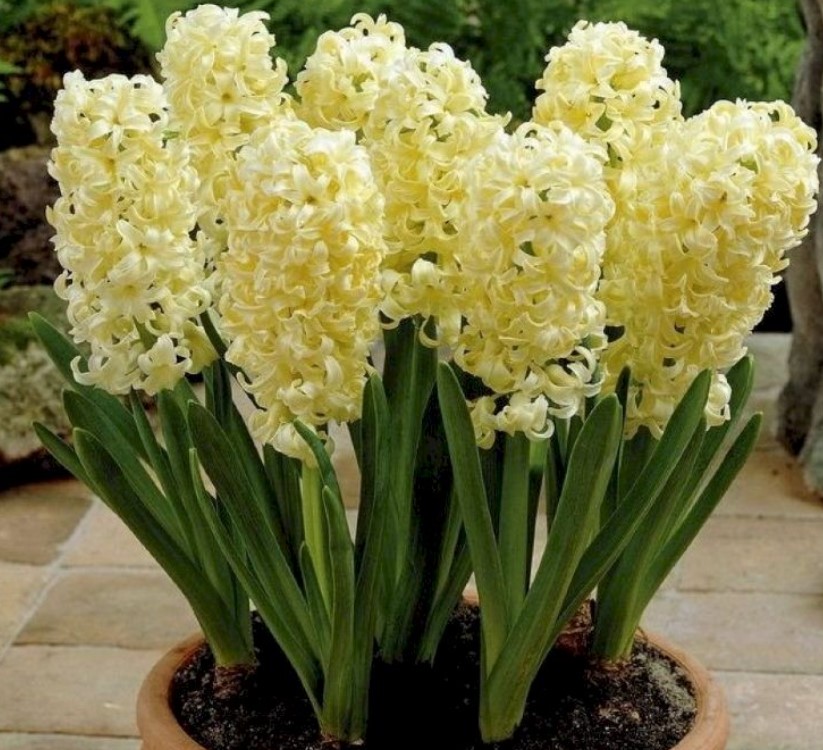
Hermion - golden-yellow inflorescence, plant height 25 cm.
Planting hyacinth in open ground: table + further plant care
Planting dates by region
Planting flowers depends entirely on climate conditions.
| Landing site | Deadlines |
| Moscow region | The best months for planting are late September to early October. If it gets very cold, cover the flowers with a special covering. Keep the covering on for no more than three weeks, otherwise the roots will sprout. |
| Leningrad Oblast | Plant outdoors in late September – early October. If you plan to cover the flowers, planting can be delayed until late October. |
| Ural | Flowers are planted in mid-September, the main thing is that the soil does not freeze, otherwise the roots will not grow. |
| Siberia | Planting occurs in early September until the bulbs are fully established. Flowers should be covered with plastic film. |
| South | Planting takes place at the end of October. |
Hyacinth planting dates according to the 2023 lunar calendar
| Month | Favorable days | Unfavorable, prohibited days |
| September | 1 (until 16:25), 3 (from 18:00)-5 (until 23:05), 8 (from 07:59)-10 (until 19:35), 13, 16-20 (until 17:06), 22 (from 23:00) 21m.)—24 | 1 (from 16:25)-3 (until 18:00), 14, 15,25-26,28, 29,30 |
| October | 1-13 (until 20:55), 16, 20-22 (until 09:06), 30 (until 18:07). | 14,15,28,29 |
How to plant hyacinth in open ground in autumn
The table shows the basic rules for planting hyacinths in autumn.
| Parameter | Actions |
| Choosing a location | It's not recommended to plant hyacinths where any bulbous plants previously grew. Choose a site that doesn't receive much sun; ideally, it should receive partial shade for a few hours. |
| Soil, fertilizers | Soil with a low acidity is suitable. If the soil is acidic, it should be limed first, and sand should be added to clay soil. Before planting hyacinths, the soil should be tilled with humus. Add fertilizer to the holes and add drainage of coarse sand, the layer should be about 4 cm thick. |
| Selecting and preparing bulbs | For planting, you need to select medium-sized bulbs and soak them for half an hour in a weak solution of potassium permanganate or fungicide. |
| Landing | Plant large and medium-sized bulbs at a depth of about 15 cm, and small bulbs at a depth of 8 cm. Before planting, fill the hole with coarse sand and press the bulb into place, then cover with soil. Space the holes about 10 cm apart. Water with a watering can. |
| Top dressing | No additional feeding is required; nitrogen fertilizers are used only in spring and summer. |
| Care | Water the hyacinths as the soil dries out. Moisten the soil to a depth of 20 cm and lightly loosen the surrounding soil. Cover with plastic during frosts, but after four weeks of planting (down to -35°C), they are no longer affected. However, it's worth covering them with leaves, compost, or a layer of peat moss, and removing them in the spring. |
What flowers are worth planting in the fall?60 varieties of hot and semi-hot peppers: photos, descriptions in tables, reviews
Caring for hyacinth after flowering
To replant, dig up the plant after it blooms in summer and store it until fall. In the fall, replant it in a different location. Once the hyacinth stops blooming, it's best to wait two months for it to recover.
The bulbs must be stored very carefully and gently, as they are where the new inflorescences are developing. Once dug up, they must be dried for seven days at a high temperature in a well-ventilated area.
Remove clods of soil from the roots. There are two stages of storing planting material: at elevated temperatures and before planting.
During the first stage, the bulbs are kept at 24°C (75°F) for several months, then at 16°C (61°F) for a month. It's important to maintain high humidity to prevent them from drying out. Before planting, place them outside for a week to allow them to acclimate to the climate.
Is it possible to plant hyacinth in spring?
If you find yourself with a potted hyacinth in the spring, you can save the bulb after flowering. To do this, plant it in the ground. However, you must follow certain rules:
-
-
- We dig a hole and place drainage at the bottom;
- We cut off the flower stalks and carefully remove the bulb from the pot with a lump of soil;
- We place the bulb at the same depth at which it was in the pot;
- Cover with soil and water around the bulb;
- At the initial stage, it is worth covering the bulb with non-woven material, protecting it from recurrent frosts;
- After the leaves die, they should be removed with pruning shears.
-
You can do it differently: wait until the leaves dry out, cut them off, dig up the bulb, remove the soil, dry it and put it into storage.
Forcing hyacinth and growing it at home
Step-by-step instructions for forcing:
-
-
- Drainage is poured into the bottom of the pot, then soil.
- The distance between holes is not less than 4 cm.
- After watering, the soil is covered with sand so that the root system does not rot.
- Holes are made in the bag and the container is placed inside, after which it is placed in a cool place for several months.
- Watering is carried out twice a week, provided that the humidity in the room is very high.
- After two months, the sprouts are placed in a warm, dark place. Once they reach 10 cm in height, they are moved into the light. For indoor cultivation, the temperature should initially not exceed 16 degrees Celsius.
-
After the primrose appears, the pot can be placed anywhere, but it is advisable to protect it from drafts.
If you want to know more about forcing not only hyacinth, but also other colors See our website.
Reproduction of hyacinth
Hyacinth propagation is extremely slow. To speed up the propagation process, the following methods are used to stimulate the bulbs:
-
-
- Removing the base. Large bulbs are dug up, washed, and dried. After 7 days, the roots begin to fall off, so a wedge-shaped cut is made with a sharp knife, removing the base and bud. The planting material is then placed cut-side up in a container, sprinkled with charcoal, and covered with a plastic bag. After 3 months, root buds and shoots will appear.
- Scales. Divide the bulb into four halves and break off the scales from the bottom. Place in a bag with sand. Keep at 22°C for six weeks and then at 18°C for the same amount of time.
- Cutting the bottom. Make a cross-shaped cut in the bottom, sprinkle it with charcoal, and leave it in a warm place. This will result in 15 new bulblets appearing.
- Cuttings. This is done when the flower has a bud. Take two leaves from the very base and plant them in a medium-sized container filled with 4 cm of coarse sand. Place the container in a strong plastic bag and store in a warm, humid place.
-
Diseases and pests of hyacinth
Hyacinth is susceptible to diseases and pests. The main ones are listed in the table.
| Disease/Parasite | Peculiarities of the defeat | Methods of struggle |
| Flower flies | They gnaw at the plant underground. The leaves begin to wilt, and the flower stops growing. | Treat with special preparations: Tabazol, Aktara. |
| Thrips | They suck the plant's sap. The foxes turn yellow and the flowers fall off. | Spray with insecticides if the aphid colony is neglected and multiplying: Accord, Akarin. |
| Onion mite | They feed on bulbs in storage. They become loose and rotten, and do not produce roots. | Disinfect the bulbs by immersing them in hot water. |
| Stem nematode | The bulb becomes soft, the affected flowers do not grow and die. | Before planting hyacinths, sprinkle Fitoverm on the soil. |
| Variegation. | The bulbs die, dark spots appear on the leaves, which may also turn yellow and become smaller. Longitudinal stripes form on the flowers. The plant stops growing. | Destroy affected plants. |
| Yellow rot | Brown and yellow stripes appear on the leaves, which then turn black and die. The plant begins to smell unpleasant. | Dry the bulbs thoroughly before planting and store them in a ventilated area. Destroy any diseased plants, preferably by burning. |
| Penicillium rot | The entire plant becomes covered in green fungal spores and gradually rots. | Before planting, maintain a cooling regime. Spray the flower with a copper-containing solution. |
| Gray mold | Yellowish spots appear on the leaves, eventually turning brown. Affected flower parts become covered with a gray coating. | Disinfection or soil change. Spray with Topaz. |
Top.tomathouse.com recommends: 6 popular hyacinth varieties for temperate climates + photos
The flowering period in the temperate zone is from May to June. Not all varieties are suitable; only the most undemanding and resilient ones will thrive:
-
-
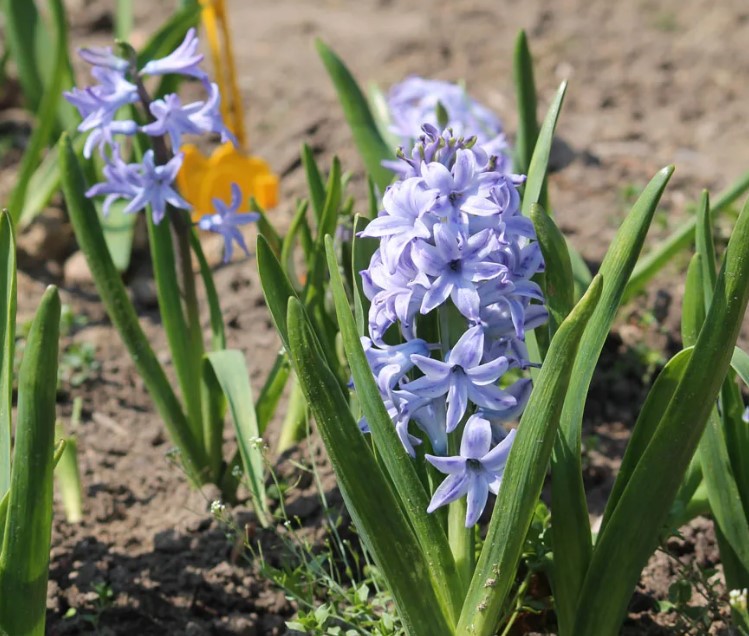
- Amethyst;
- Queen of the Blues;
- Myosotis;
- Gertrude;
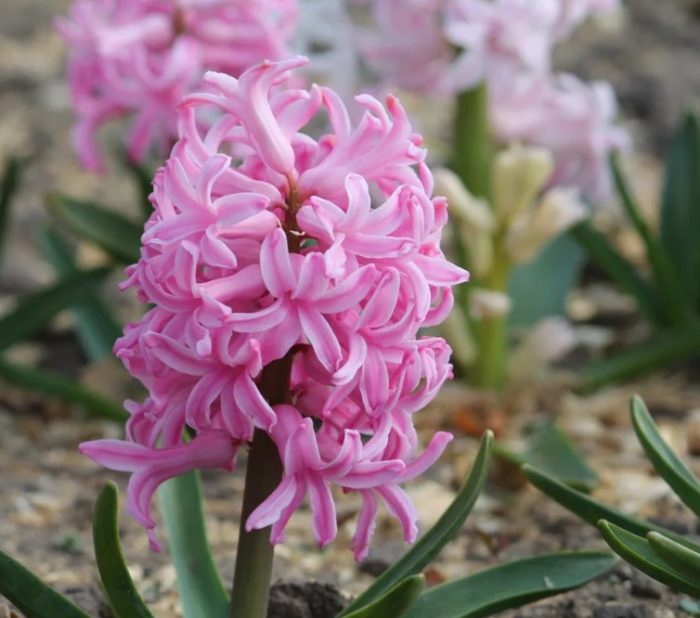
- Yellow Hammer;
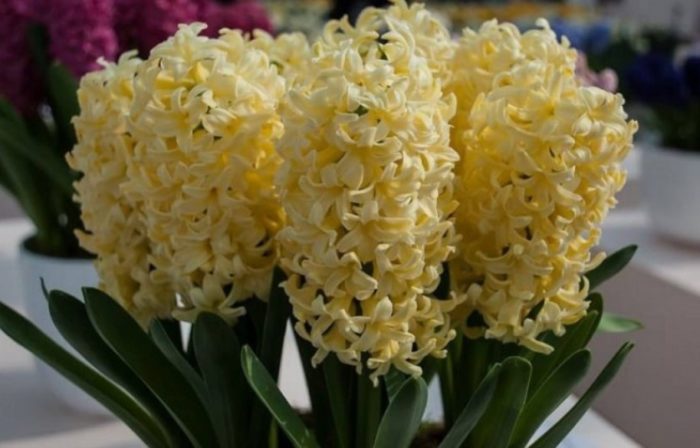
- City of Haarlem.
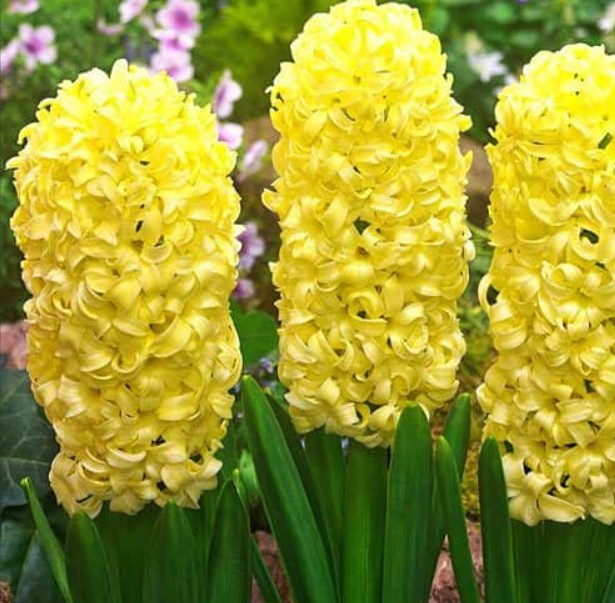
- Amethyst;
-
Gardeners' reviews of hyacinth cultivation
Published March 15, 2021 - 7:42 PM
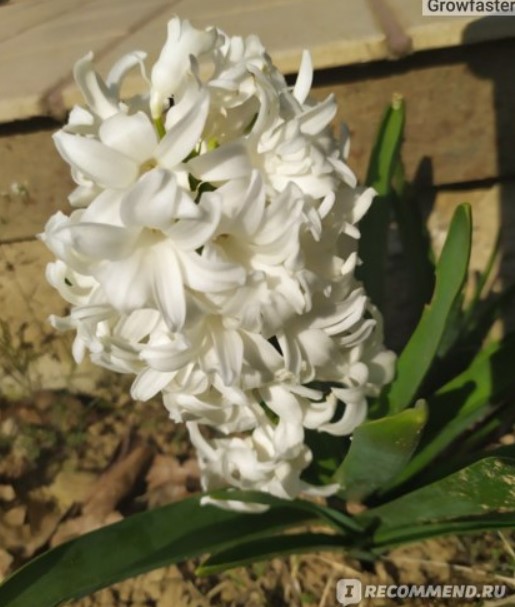
Hyacinth is the most undemanding plant in the garden. I planted it once, and for 10 years now I've been enjoying its snow-white flowers every spring.
Hello!➤ INTRODUCTION
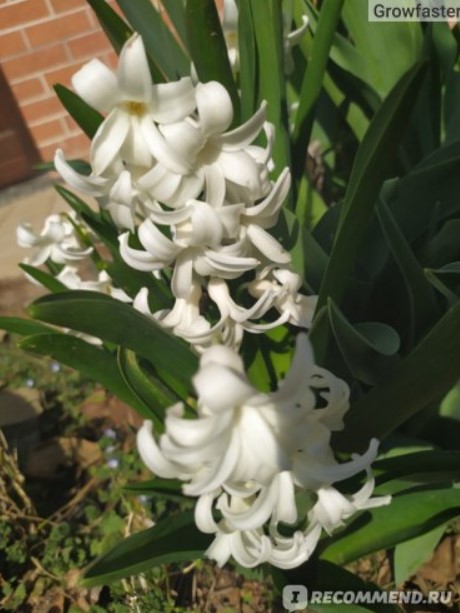
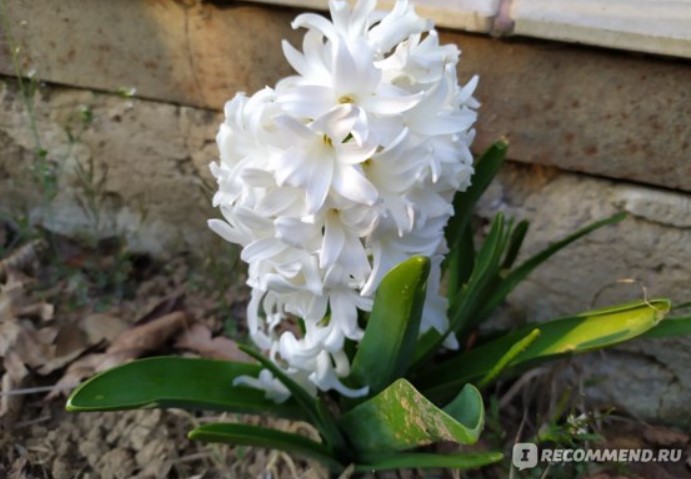
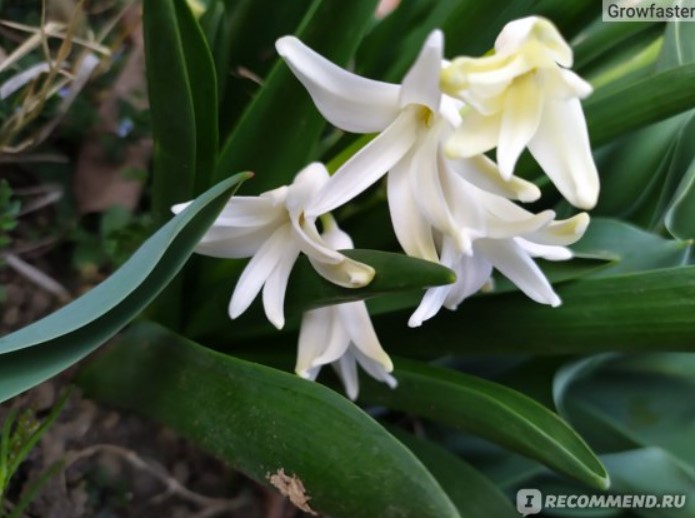
Global warming, damn it, has completely destroyed spring. The weather is unstable and changeable. Just now it was almost 20 degrees in the sun, and tomorrow they're predicting rain and snow. The only thing that reminds us of the beautiful time of year are the bulbous flowers: daffodils, crocuses, hyacinths, and tulips.Ten years ago, I bought several multicolored hyacinth bulbs and planted them near the entrance to my house. The hyacinths came in three colors: pink, lilac, and white. They delighted me with their variety of colors for a couple of years, and then they all turned white. Apparently, bees were at work, and through pollination, all my flowers turned white.
➤ PLANTING AND CARE
My hyacinths have been growing for ten years now, and for all ten years I only remember them in March, when they poke out of the ground. I don't do anything with them. I don't replant them, I don't dig them up, I don't separate the babies, I don't insulate them for the winter.
Our winters are quite cold, with temperatures dropping below freezing. There was one harsh winter when it dropped to -25 degrees Celsius at night. The boiler broke down, but the hyacinths survived. They're a surprisingly easy-to-care-for flower.
➤ FLOWERING
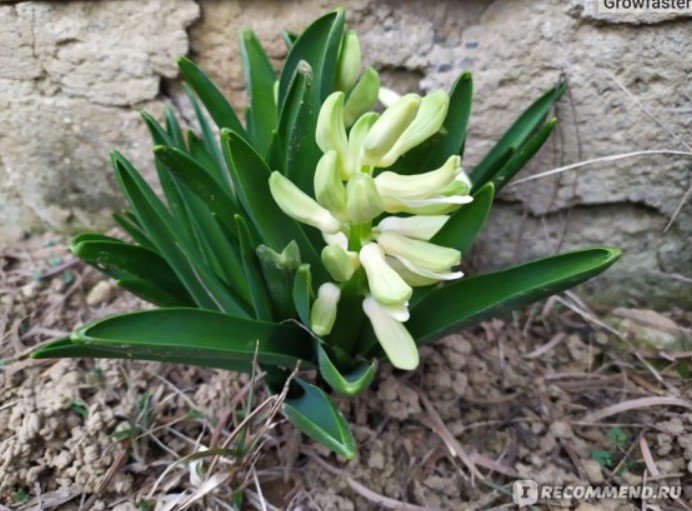
Hyacinths are my snowdrops. They're the first to bloom, and they don't care that it's still cold outside and everyone's wearing warm jackets. They believe in spring, and looking at them, I start believing in spring too.
Over the course of ten years, they have multiplied, grown, and, although not for long, they delight me with their amazing and bright spring aroma.
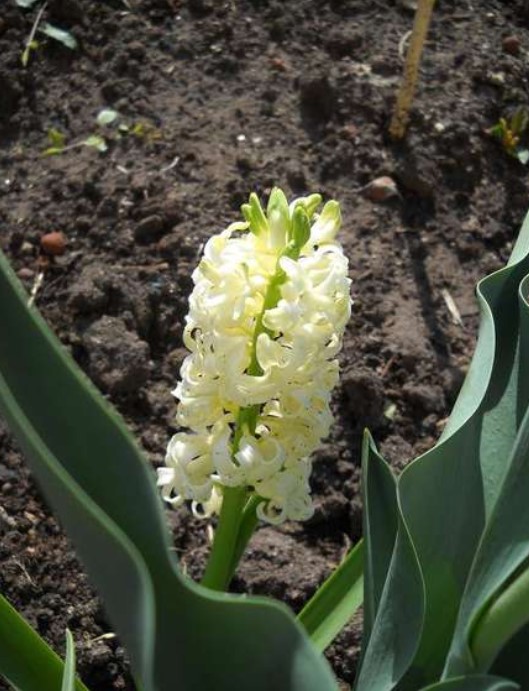
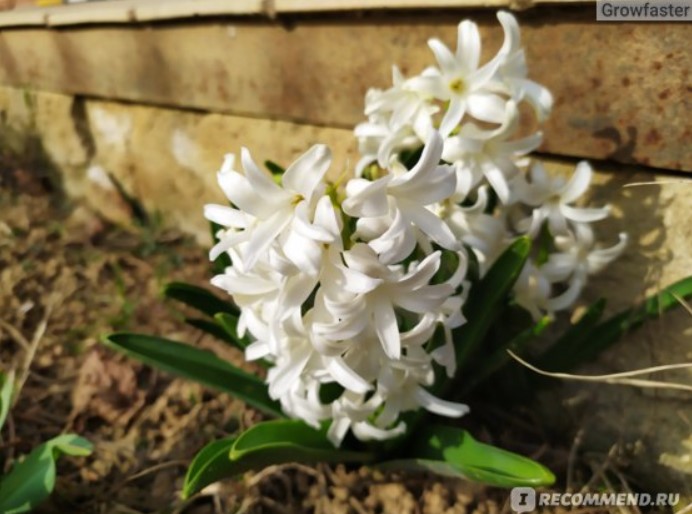
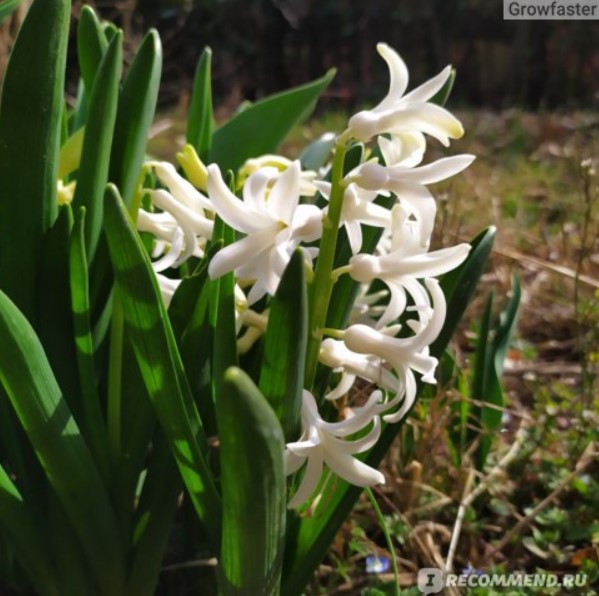
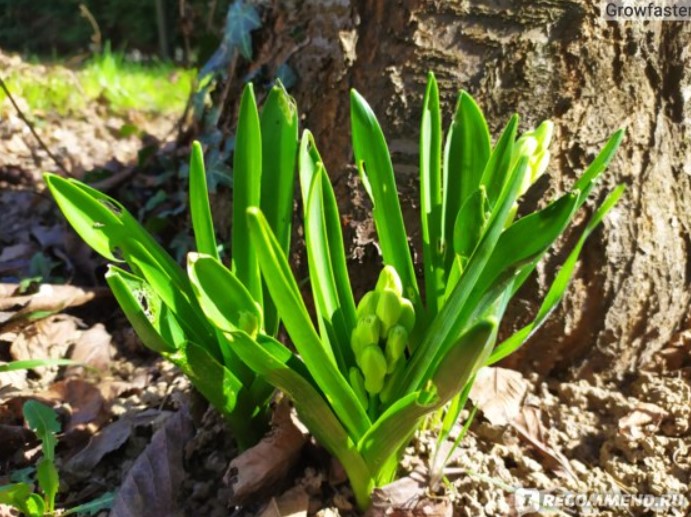
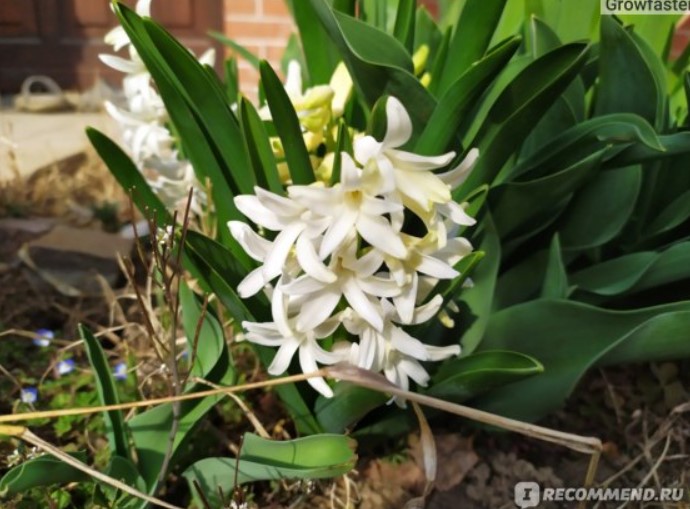
These hyacinths grow in front of the house entrance. They are the first to bloom.
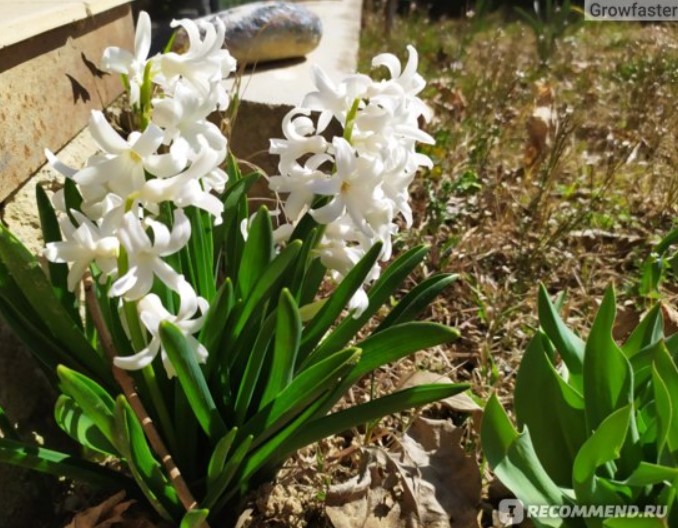
Then these ones, huddled near the stairs.
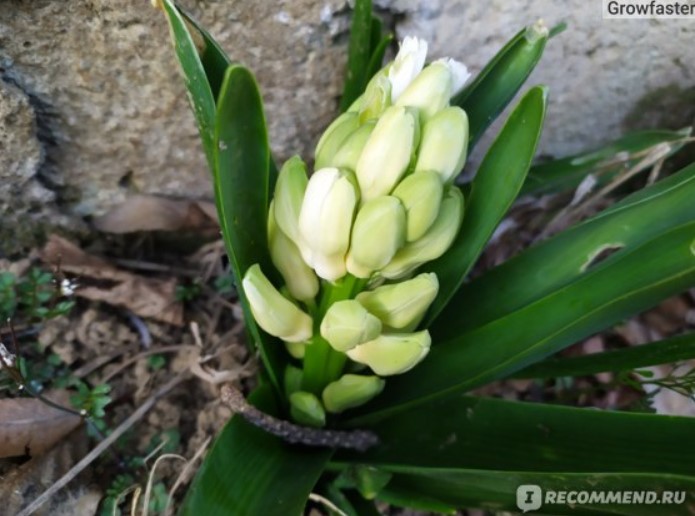
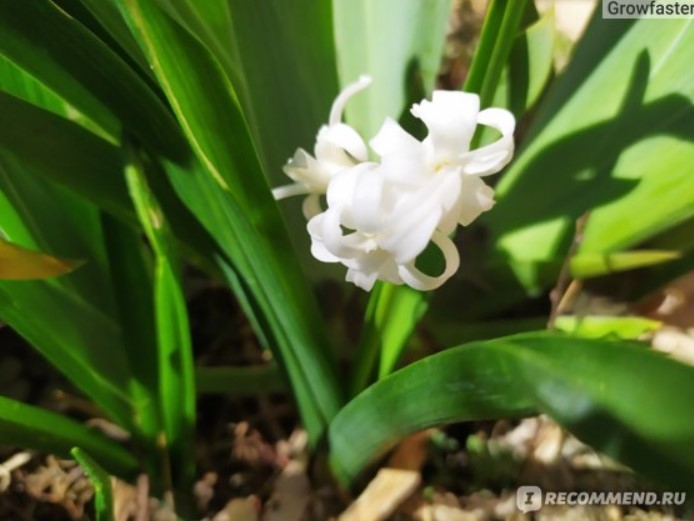
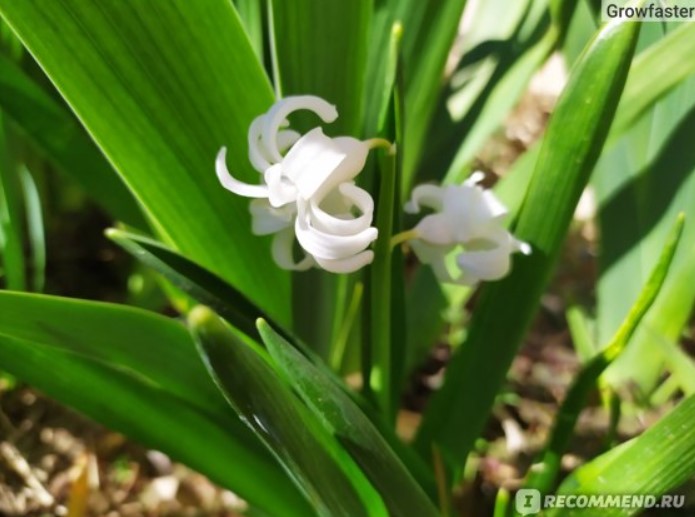
And the very last to produce flowers are these three, which I planted under the tree.
They were once pinkish-lilac, but gradually turned white.
It's great that my hyacinths grow in different places and bloom not all at once, but gradually, prolonging my delight and the feeling of spring.
➤ CONCLUSIONS
The hyacinth is the flower I can recommend to a beginning gardener. It's completely unpretentious and requires no care. It tolerates neither frost nor heavy rain. It doesn't need fertilizing or digging.
It grows literally like a weed and is the first to bloom. And the hyacinth's scent is incredibly spring-like and joyful, filling the entire space, even if the flowers are in the garden.
The only downside is that the blooming period is very short, lasting only about two weeks. Then the hyacinth goes dormant until the following spring.
✔️ Advantages
✦ An unpretentious flower
✦ Propagated by bulbs
✦ Tolerates frost well
✦ Does not require any maintenance
✦ It is one of the first to bloom in spring
✦ Very beautiful aroma❌ Disadvantages
✦ Absent
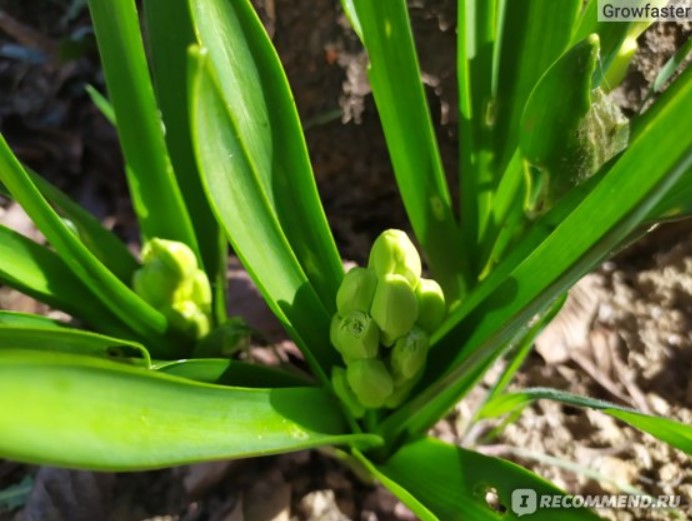
I treat hyacinths the same way I treat tulips. I dig them up when the leaves have withered, dry them, separate the young shoots, and then put them back in the ground in the fall.
Before digging, the leaves must not be cut off, as they feed the bulb, otherwise it will not ripen.I first dry the bulbs outside in the shade, and then somewhere warm and well-ventilated. (I do this in the bathhouse above the steam room.)
Last year, almost everyone's hyacinth bulbs weren't fully ripe. Because of this, I didn't dig up some of the bulbs; I left them in the ground. I cut the leaves in mid-autumn, just before leaving the dacha. Now the hyacinths are already blooming.
I dig it up every year, but only because there is construction on the site and perhaps they will assign me and my flowers a new place.
So, in principle, you can leave the bulbs undigged for 2-3 years (and some people don’t dig them up even longer), just keep in mind that the bulbs will sink further and further down each year and then it will be a little more difficult to dig them up (the most important thing is not to damage them with a shovel).
If you decide to dig it up, you should do it when the flowering is over, the flower stalk dries up, and the leaves wither (if you planted it in baskets, you can dig up the basket along with the soil and throw it, for example, into a raspberry patch).
The bulbs are dried and cleaned of soil until it peels off easily. I place them in boxes and store them on top of the cabinet, stacked in a single layer. I trim the flower stalks, like garlic, 5-8 cm from the bulb.
I don’t have a cellar, I don’t lower the temperature, so they stay on the cupboard all summer.
It's time to plant again in the fall. I use the birch leaf as a guide; as soon as it falls, it's time to plant.

Well, everyone decides for themselves what's easiest for them. You can avoid digging, but then the flower stalks will be sparse and there won't be any blooms, just the tops. Hyacinths are generally capricious, but for the scent, anything goes!
They're already blooming. Incidentally, I've planted a variety of flowers over the last ten years, but all the red and yellow ones either froze or degenerated. All that's left are the regular pink and blue ones.
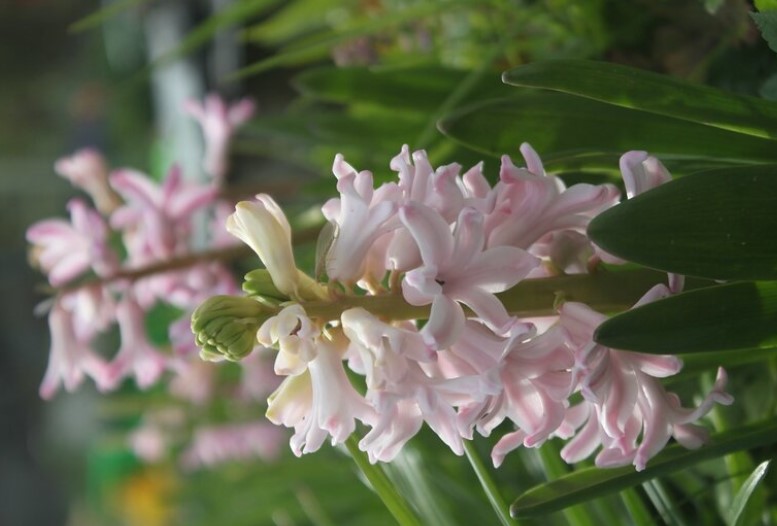
Hellla said: ↑
My hyacinths on the windowsill have finished blooming. I cut off the flower stalks, but the leaves are green. What should I do with the bulbs? Dig them up? When? Thanks in advance for your answers.Hello, keep caring for them. I limited watering my hyacinths and waited for the leaves to die back on their own. I dug them up at the end of May, and then followed the same protocol as with regular bulbs: warm storage and planting in the ground in October. Not all of them bloomed in the spring, and not as vigorously; after all, I planted the bulbs after forcing. But now I know exactly which colors are available and which ones I need to buy!
Nata07 said: ↑
Girls, I was given this miracle for the 8th. What should I do with it after it finishes blooming? Can I plant it in the garden? If so, when?Carefully plant the hyacinth in the soil, along with the soil it grows in. Don't cut off the leaves; snip off the inflorescence when it fades. At the end of July, dig up the bulb and store it in a dry place (but not in the sun) (mine is on the terrace, in a shoebox, under the sofa). In September-October, plant it back in the soil. Next spring—the same miracle!
After flowering, geocinths require feeding with a complete mineral fertilizer, as the bulb is weakened by winter forcing. This should set flower buds for next year. Plant in a soil-filled container in May. I don't dig up bulbs that I bought and bloomed in winter in the summer. This is the result you can expect in October. Don't expect these bulbs to last long in the garden.
Crocuses and tulips are the most winter-hardy—they easily tolerate deep soil freezing. Daffodils are less frost-resistant, and hyacinths are even more susceptible to frost.
The main condition is early planting so that they have time to take root before frost.
Plant as soon as possible at a depth of 3 times the bulb's height, with sand at the base. Cover with foliage, and when the rains begin, with plastic wrap. With the first snow, remove the plastic wrap and pile more snow on the planting site. If you keep the snow on the ground (keep adding more snow), nothing will happen to the bulbs—they'll survive the winter and bloom!
City of Hariem is probably my favorite hyacinth. This year, I was delighted with two and even three flower stalks from a single bulb.