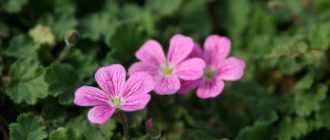
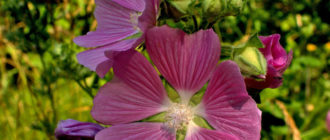
Gypsophila is a herbaceous plant in the Caryophyllaceae family. It occurs as annuals and perennials. Translated from Latin, it means "lime-loving." It is native to Southern Europe, the Mediterranean, and subtropical Asia. It is found in Mongolia, China, southern Siberia, and one species on the Australian continent. It grows in steppes, forest edges, and dry meadows. It prefers sandy, limestone soil.
Gypsophila is easy to grow and is widely used by gardeners in flowerbeds. In folk medicine, it is used as an expectorant and anti-inflammatory.
Content
- 1 Description of gypsophila, photo of the flower
- 2 Gypsophila paniculata, creeping, graceful and other species
- 3 Rules for planting in open ground
- 4 Care Features
- 5 Perennial gypsophila after flowering
- 6 Growing gypsophila at home
- 7 Diseases and pests
- 8 Top.tomathouse.com recommends: Gypsophila in the landscape
Description of gypsophila, photo of the flower
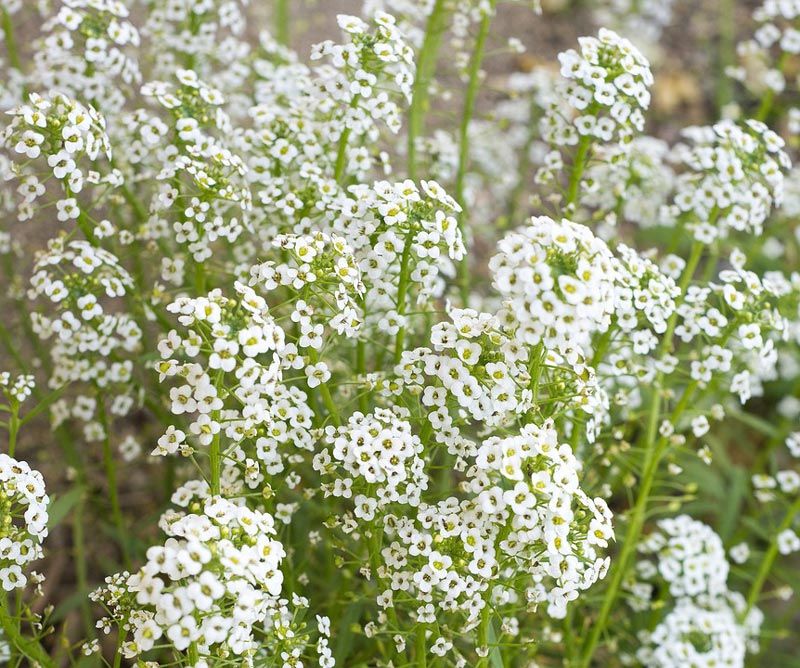
Gypsophila (Kachim, tumbleweed) is a shrub or subshrub 20-50 cm tall, with some species reaching a meter or more. It tolerates drought and frost. The stem is slender, almost leafless, branched, and erect. The leaf blades are small, green, oval, lanceolate, or spatulate, 2-7 cm long and 3-10 mm wide.
The flowers are collected in paniculate inflorescences, very small, single and double, with the petals completely covering the plant when fully opened. The color palette is primarily white, with green highlights, and pink is occasionally seen. The fruit is a seed capsule. The powerful root system extends 70 cm deep.
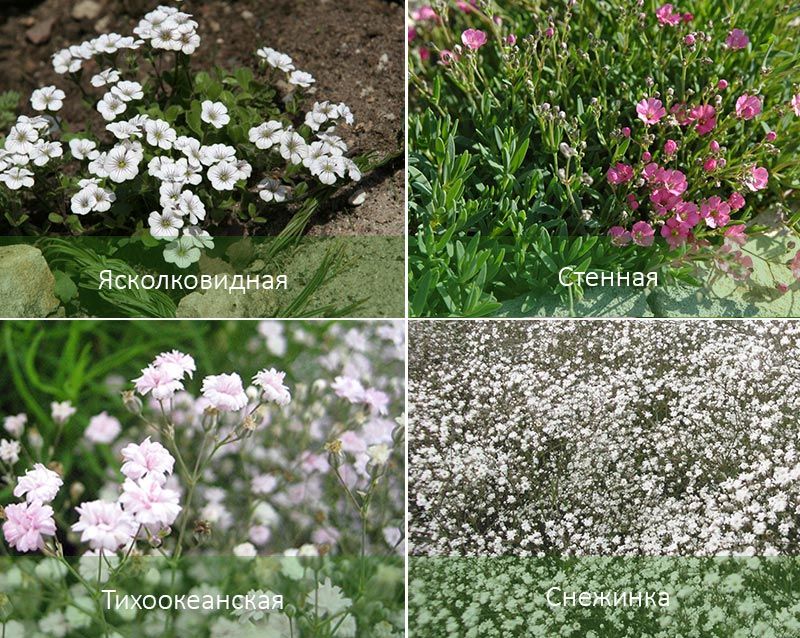
Gypsophila paniculata, creeping, graceful and other species
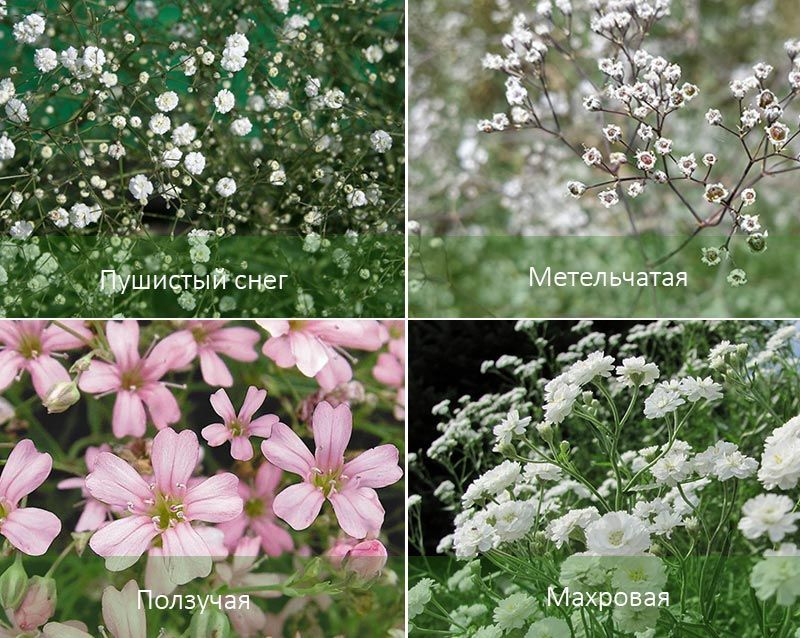
There are about 150 species of plants, not all of which are grown by gardeners.
| Usage | View | Description /Leaves |
Flowers /Flowering period |
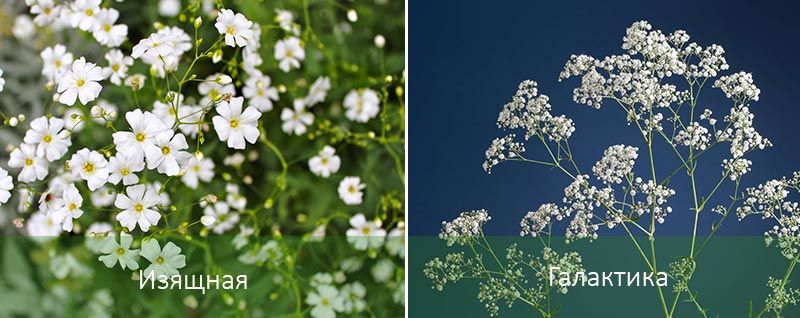
| For combining festive bouquets. | Graceful | A highly branching annual plant, the bush grows up to 40-50 cm. Small, lanceolate. |
Small, white, light pink, red. Midsummer, not very long. |
| They decorate rocky areas and borders. | Creeping | Dwarf, with creeping shoots. Small, narrowly lanceolate, emerald. |
Bright pink, white.
From June to July, some species again in autumn. |
| Decorating walls, rocky areas, flower beds, for cutting into bouquets. | Paniculata (paniculata) | The spherical bush reaches 120 cm, is a perennial, and is heavily branched in the upper part.
Narrow, small, grey-green. |
Snow-white, pink, terry. They bloom from July to August. |
| Decorates rocky surfaces, lawns, rock gardens. | Cerastium | Creeping, up to 10 cm. Gray, ovoid. |
Small, white, purple with burgundy veins, covered with fluff.
From May to October. |
| For wedding bouquets, flower arrangements. | Fluffy snow | A highly branched perennial, 1 metre tall, with thin, knotty stems. |
White, double, semi-double. July-August. |
| For cutting and in flower beds, on flower gardens, borders. | Pacific Ocean | A spreading bush up to 80 cm tall, with heavily branched shoots. A perennial plant, it lives for 3-4 years. Gray-blue, thick, lanceolate. |
Large, pale pink.
August-September. |
| For garden plots. | Terry | A perennial, spreading bush resembling a cloud. |
Small, snow-white. June-July. |
| In hanging baskets, flowerpots, and rock gardens. | Galaxy | An annual plant, it grows up to 40 cm. The shoots are thin. Small, lanceolate. |
Pink.
July-August |
| Beautiful in hanging pots and flower beds. | Wall | An annual spreading bush up to 30 cm.
Bright green, elongated. |
Pale pink, white. In summer and autumn. |
| In rock gardens, borders, bouquets. | Snowflake | A variety of Paniculata. A spherical bush up to 50 cm. Bright green. |
Large, terry, snow-white. |
Rules for planting in open ground
When planting outdoors, consider the flower variety to determine the spacing between seedlings. Choose a dry, sunny site without a high water table. Apply lime if necessary (50 g per square meter). The spacing between plants is typically 70 cm, and between rows, 130 cm. The root collar should not be buried, and watering should be done regularly.
Seminal
Annuals are propagated by seeds. Perennials can be propagated by cuttings and seedlings. Sow seeds in late fall in a special (breeding) bed, spacing rows 20 cm apart, and plant them 2-3 cm deep. Seedlings emerge after 10 days and are thinned to 10 cm apart. Plant them in their permanent location in spring, in April or early May.
Cuttings
Creeping varieties are propagated by cuttings. After flowering or in early spring, cut the shoots, treat them with heteroauxin, and place them in a loose substrate containing chalk, burying them 2 cm deep. Cover with plastic film, removing the cover after rooting. A temperature of 20°C is required, with 12 hours of daylight, avoiding direct sunlight. When 2-3 true leaves appear, plant them in a flowerbed.
Seedling method
Combine a commercial seedling soil mix with garden soil, sand, and lime. In spring, place the seeds in a container or individual cups at a depth of 1-2 cm. Cover with glass or plastic and place in a warm, sunny spot. Sprouts emerge within 10 days and are thinned out to 15 cm apart. Provide the seedlings with 13-14 hours of sunlight and moderate watering. In May, transplant them to the site, maintaining a distance of 2-3 plants per square meter.
Care Features
Gypsum hyacinth (another name) is undemanding and easy to care for. Only young plants require ample watering, but avoid stagnant moisture. Mature plants require watering as the soil dries out.
Water the plant at the roots in dry and hot weather, avoiding the leaves and stems. Fertilize 2-3 times with mineral fertilizers, then with organic mixtures. Cow manure can be used, but not fresh manure.
The soil around the bushes needs to be weeded and loosened, and phosphorus-potassium fertilizers should be added in the fall.
To prevent the bush from leaning to any side, a support is provided that will not be noticeable during abundant flowering.
Perennial gypsophila after flowering
In the fall, when the gypsophila has finished flowering, the seeds are collected and the plant is prepared for the winter period.
Seed collection
After drying, the capsule-shaped bush is cut off, dried indoors, and the seeds are extracted. Once dry, they are stored in paper bags. Germination remains viable for two years.
Wintering
In October, annuals are removed and perennials are cut back, leaving 3-4 shoots 5-7 cm long. Fallen leaves and spruce branches are used to provide protection from severe frosts.
Growing gypsophila at home
Climbing varieties, grown as hanging plants, are popular indoors. Seedlings are placed in flowerpots, vases, or containers, spaced 15-20 cm apart. The substrate should be loose, light, and non-acidic. A 2-3 cm layer of expanded clay drainage should be placed at the bottom.
When gypsophila reaches 10-12 cm in height, pinch the tops. Water moderately. Place on a south-facing windowsill; in winter, 14 hours of daylight are needed, so supplemental lighting is used. A temperature of 20°C is maintained for flowering.
Diseases and pests
The plant is resistant to diseases and pests, but if not properly cared for, gypsophila can be attacked by fungal infections and insects:
- Gray mold – leaf blades lose their elasticity, and brown, then gray spots with a fluffy coating form along the edges. Fitosporin-M and Bordeaux mixture help. Affected parts are removed.
- Rust – reddish-yellow pustules of varying shapes and sizes. Photosynthesis is disrupted, and the plant stops growing. Treatments include Oxychom, Topaz, and Bordeaux mixture.
- Mealybugs – a loose, floury coating on the plant, sticky spots. Use Aktara or Actellic.
- Nematodes (roundworms) are pests that feed on plant sap, causing leaves to curl, turn yellow, and develop irregular spots. Spray the plant several times with phosphamide and mercaptophos. Heat treatment can also help: dig up the plant and rinse it with hot water at 50 to 55°C.
- Leaf miners chew out shoots and leaves, creating holes. Bi-58 and Rogor-S are used for control.
Top.tomathouse.com recommends: Gypsophila in the landscape
Designers widely use gypsophila in rock gardens, lawns, alleys, borders, squares, and parks. It blooms profusely and emits a pleasant fragrance. In landscape design, it pairs well with roses, peonies, liatris, monadas, phlox, barberries, boxwoods, lavender, and elderberries. The plant makes a beautiful border for the garden, is easy to maintain, and remains in one place for many years.
Florists use the flower to decorate festive events, tables, arches, and wedding hairstyles. Gypsophila lasts a long time and retains its freshness.