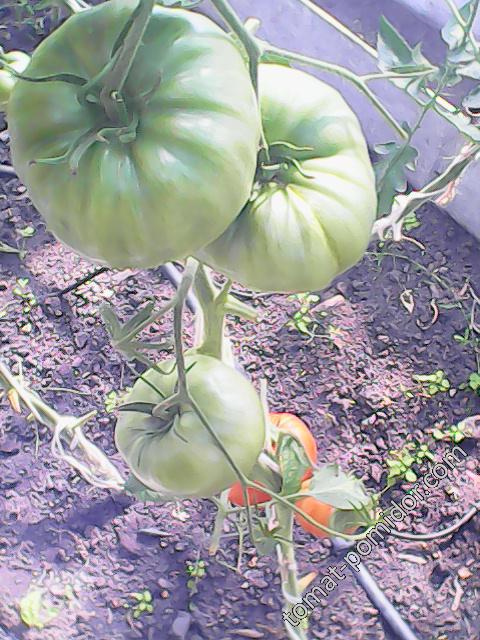
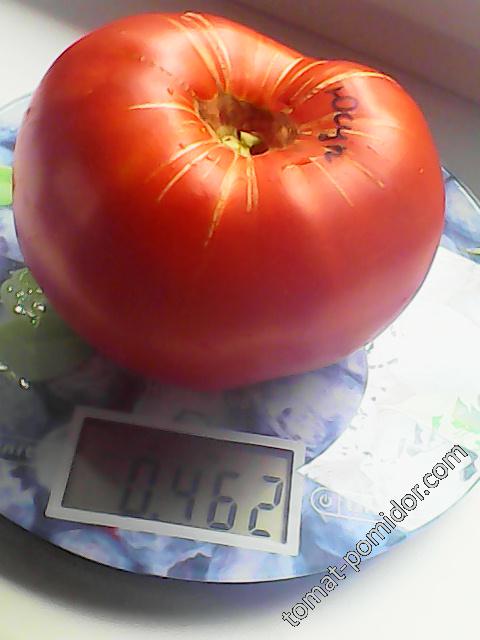
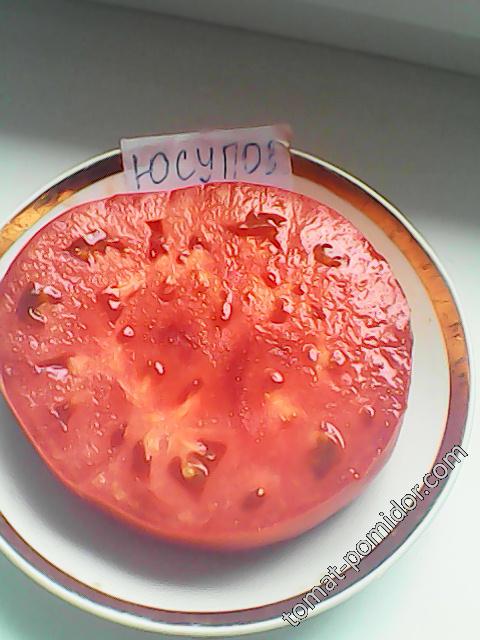
The Yusupovsky tomato (also known as Uzbek) is considered an elite variety, difficult to find in our country. Typically, it can only be purchased from private collectors through online platforms. But it's certainly worth it.
Content
- 1 Characteristics of the Yusupovsky tomato variety in a table
- 2 The history of the Yusupovsky variety
- 3 A detailed description of the Yusupovsky tomato variety
- 4 Advantages and disadvantages of the Yusupovsky tomato variety (table)
- 5 Growing the Yusupovsky tomato variety
- 6 Features of caring for the Yusupovsky tomato variety
- 7 Using Yusupovsky tomato variety
- 8 Mistakes in growing the Yusupovsky tomato
- 9 Comparison of the Yusupovsky tomato variety with other varieties in the table
- 10 Gardeners' reviews of the Yusupovsky tomato variety
Characteristics of the Yusupovsky tomato variety in a table
| Characteristic | Description |
| Description | An indeterminate variety with late ripening, tall, vigorous bushes. Can be grown in a greenhouse or outdoors. |
| Ripening period | 110-120 days |
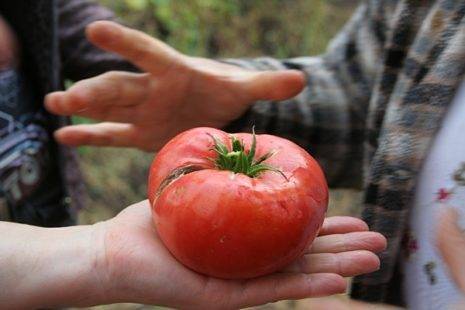
| Fruit weight | 400-1000 g in a greenhouse, 200-500 g in open ground |
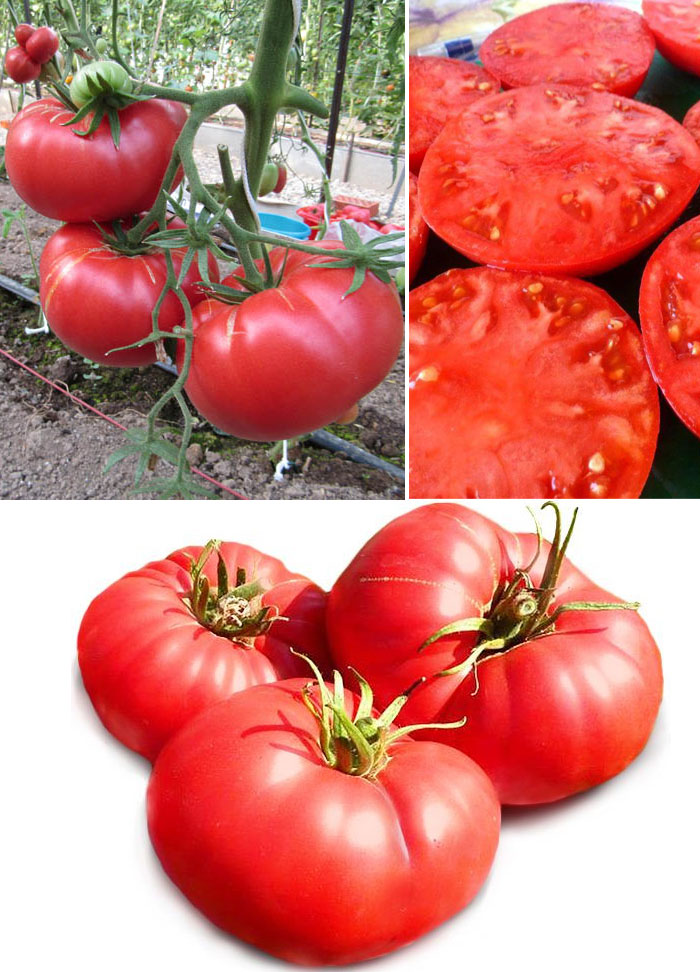
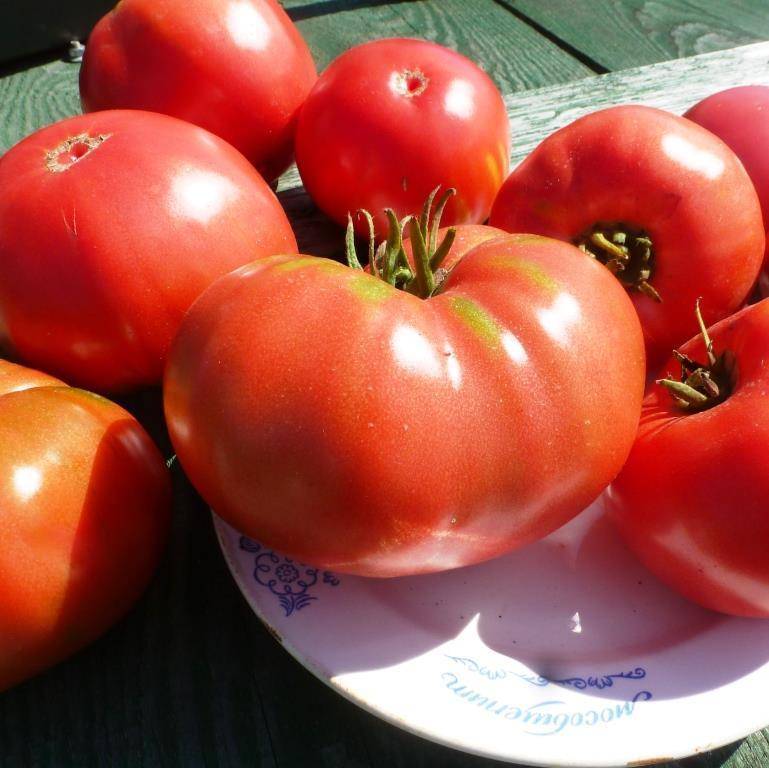
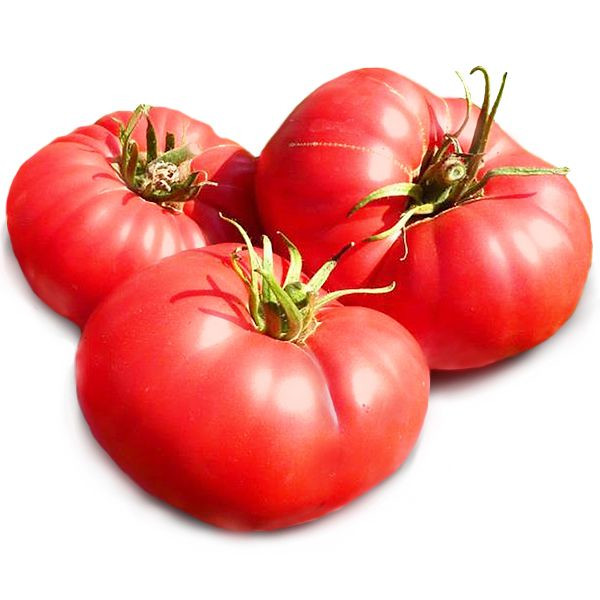
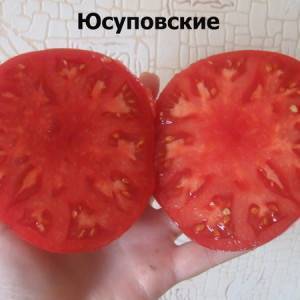
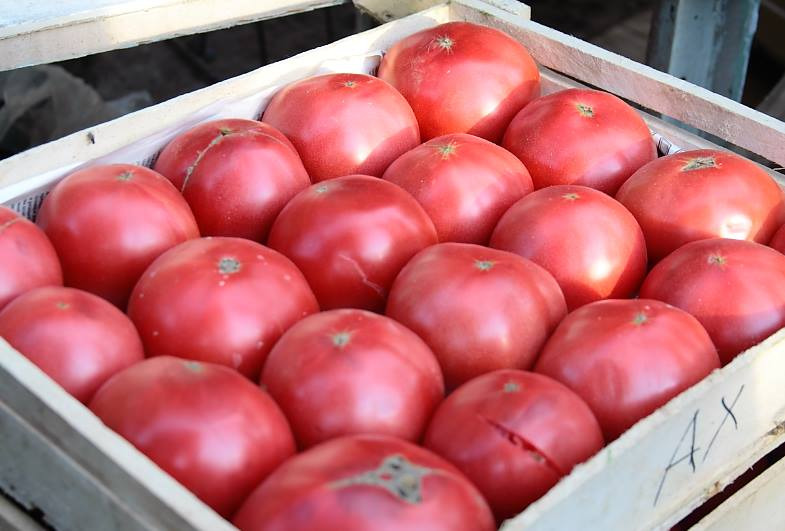
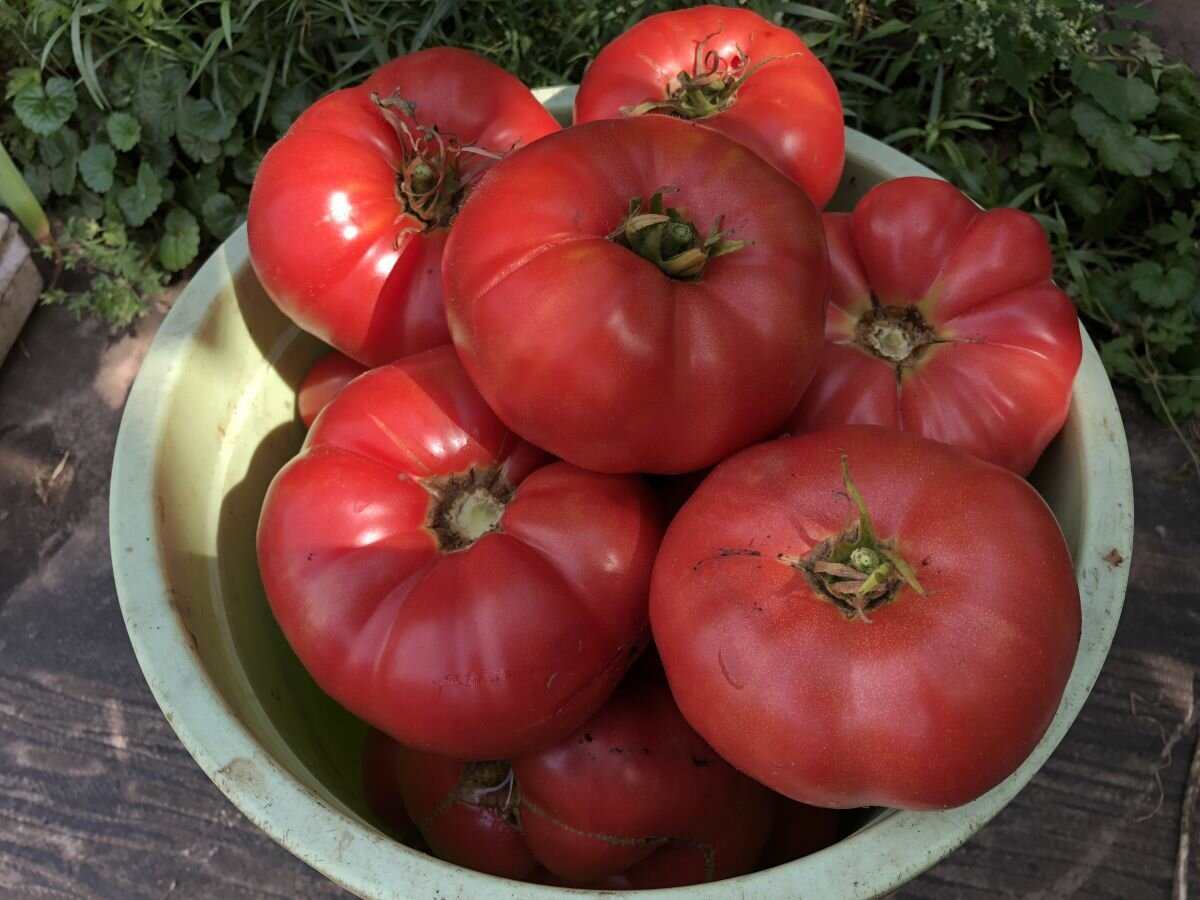
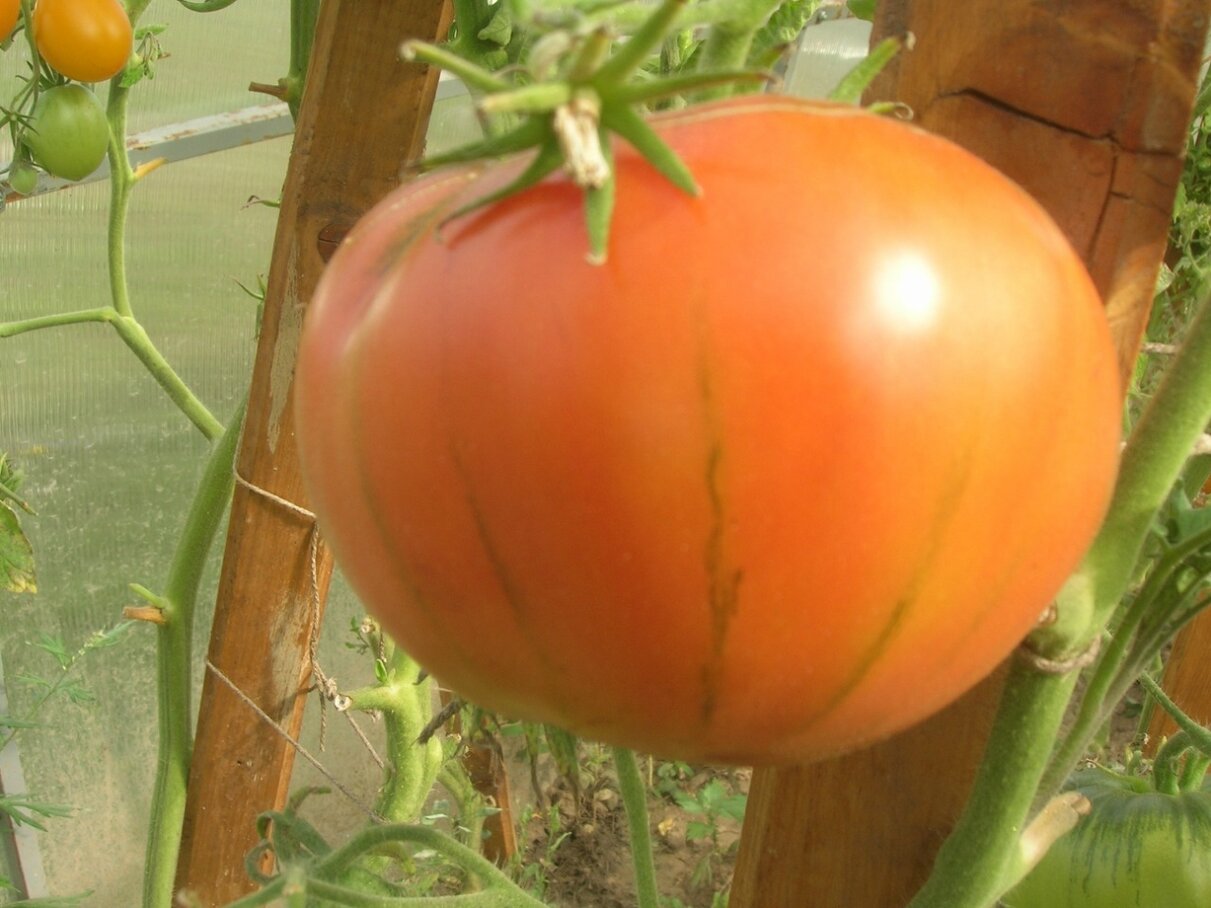
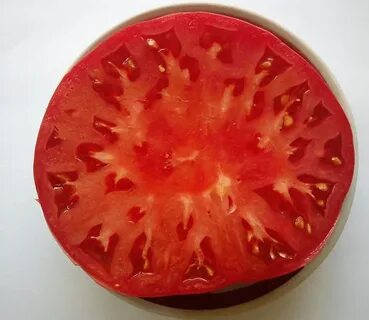
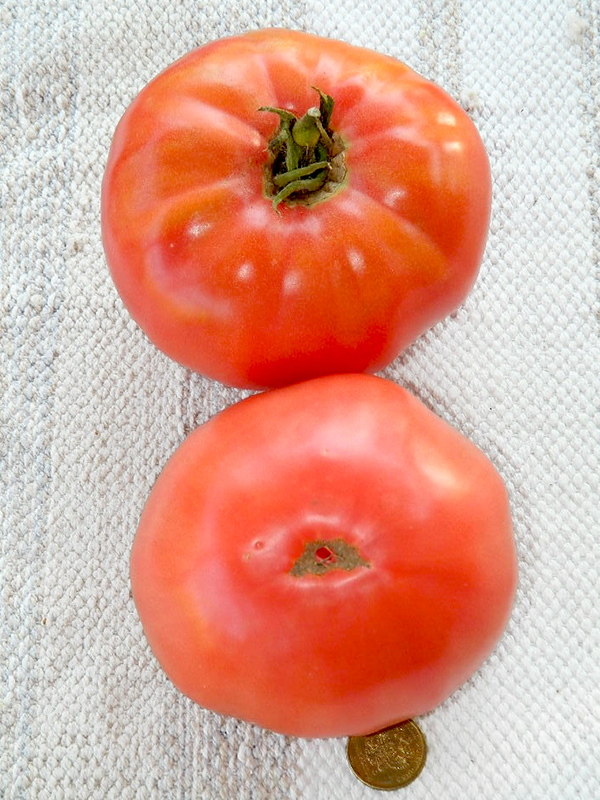
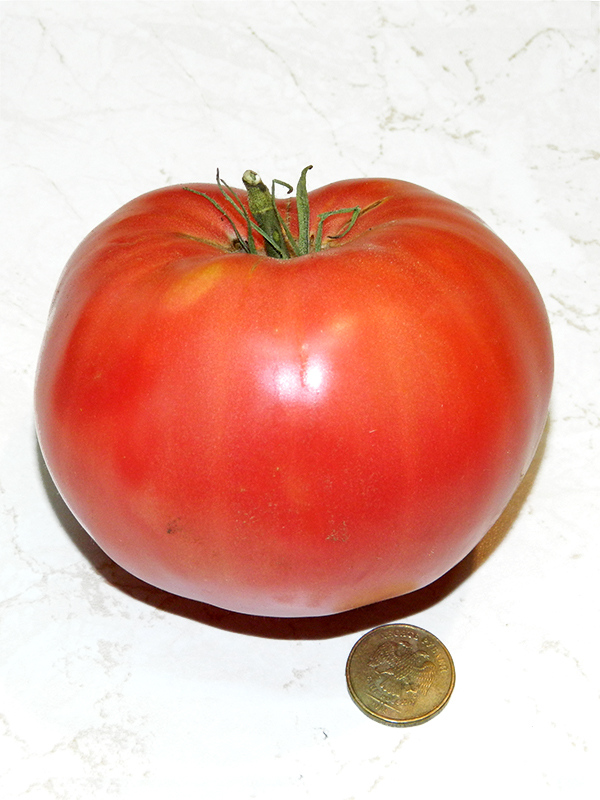
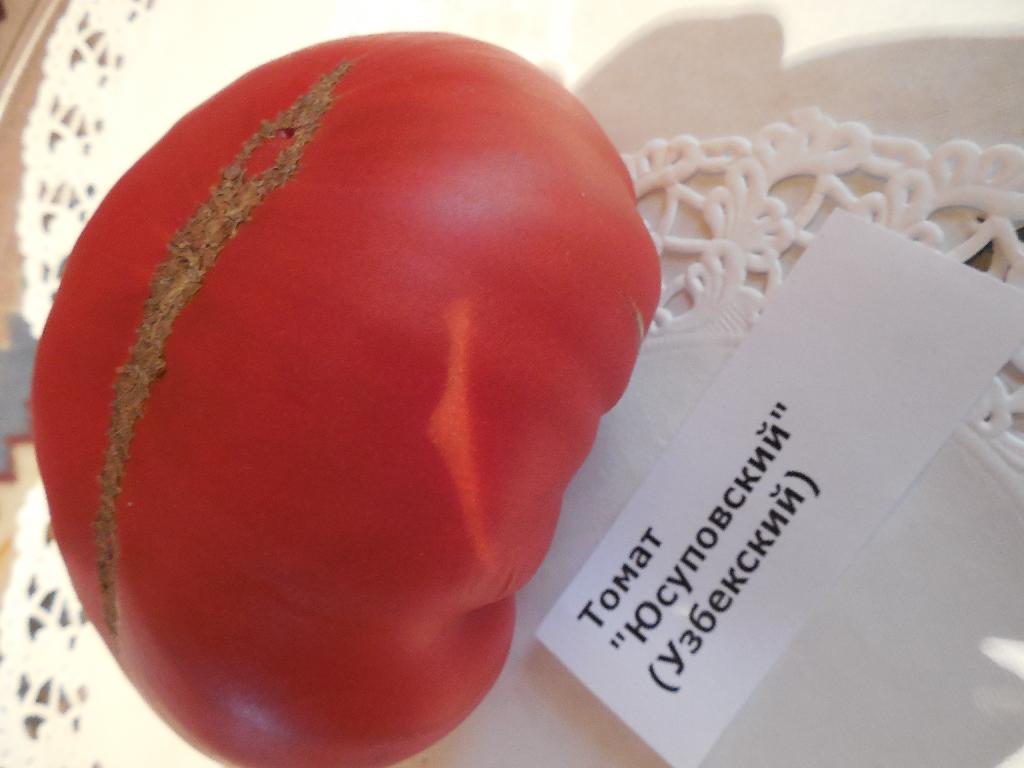
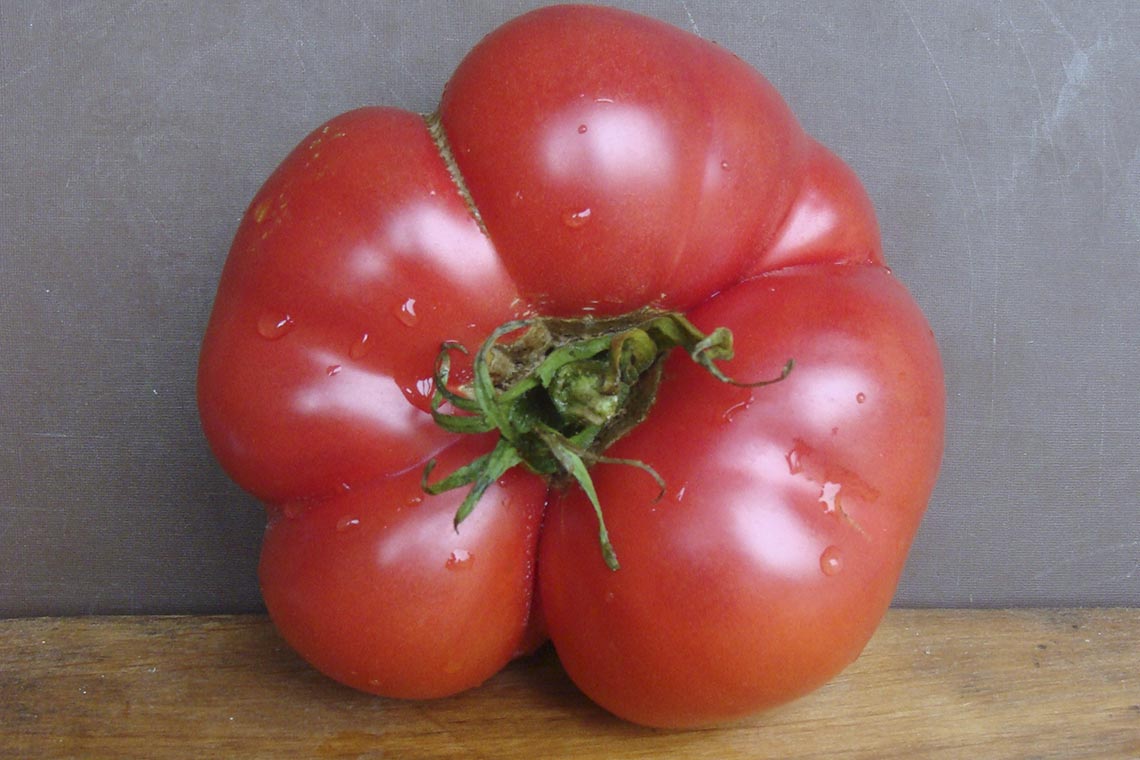
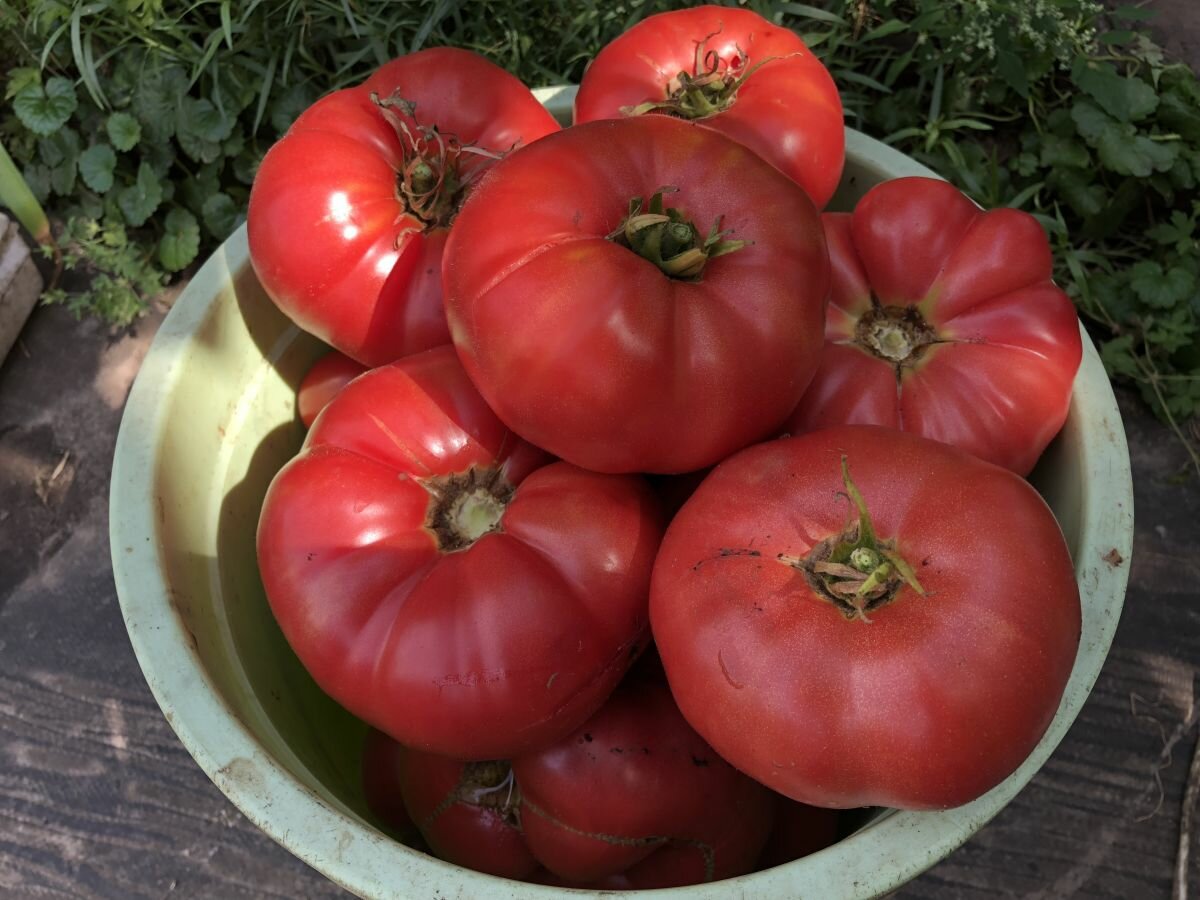
| Description of the fruit | The fruits are round and pinkish-red. The flesh is very fleshy, aromatic, sweet, and juicy. The seed chambers are small, and the seeds themselves are tiny. |
| Productivity | 550-620 c/ha |
| Usage | Tomatoes are suitable for making salads, processing into juices and pastes. |
| Preferred growing regions | The variety was bred for regions with a warm climate, but also grows well in cool regions under greenhouse conditions. |
| Disease resistance | It has a strong immune system, but becomes susceptible to late blight when overwatered or exposed to cold weather. |
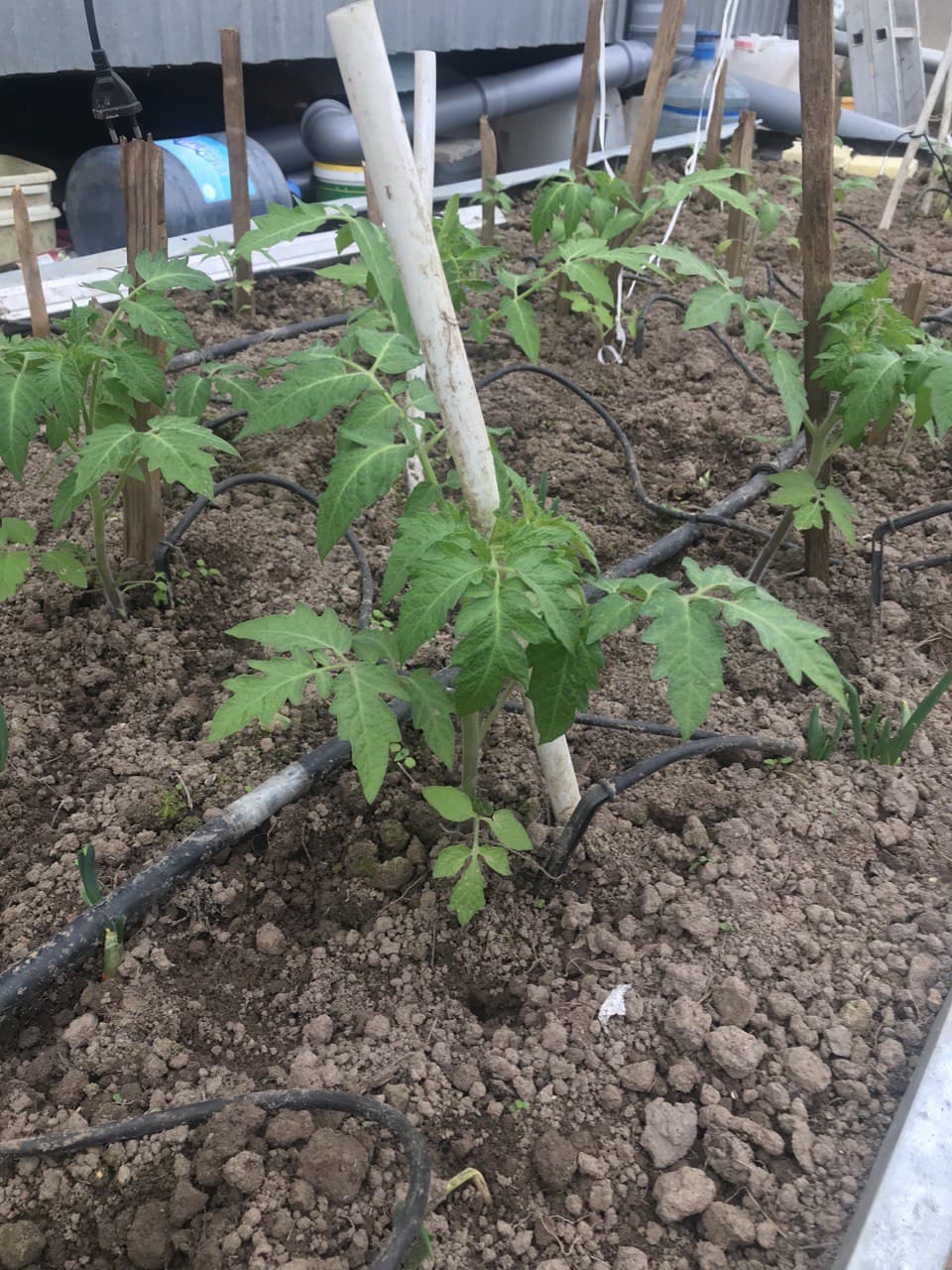
| Agricultural technology | The shoots grow up to 180 cm and need to be tied up. As the tomato plants grow, side shoots are removed, and the bushes are formed into two stems. |
| Not included | |
| Originator | Karim Yusupov, Uzbekistan |
Photo gallery of the Yusupovsky tomato variety
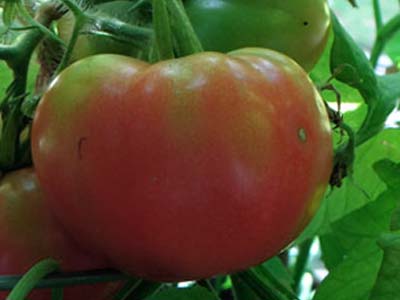
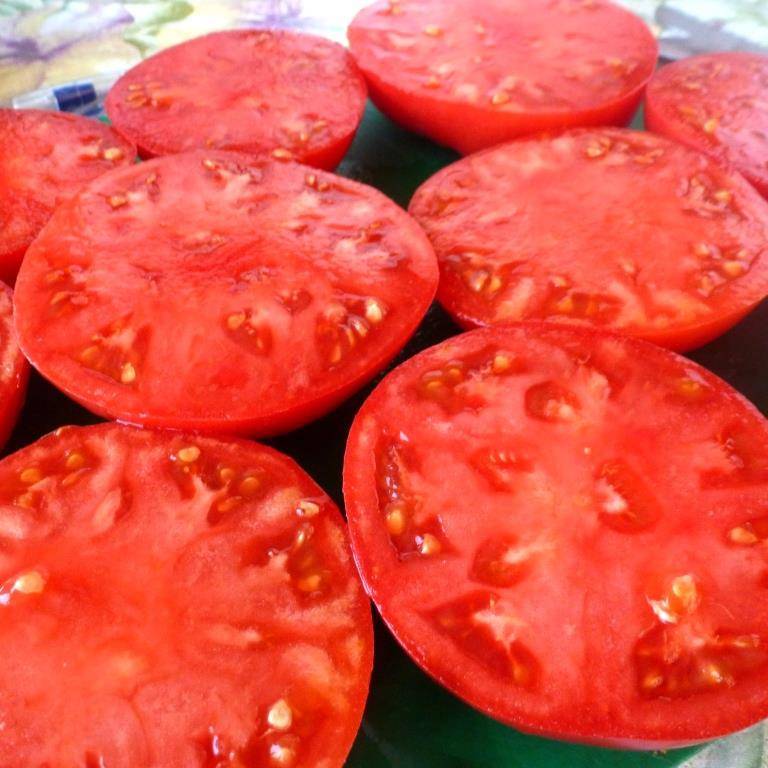
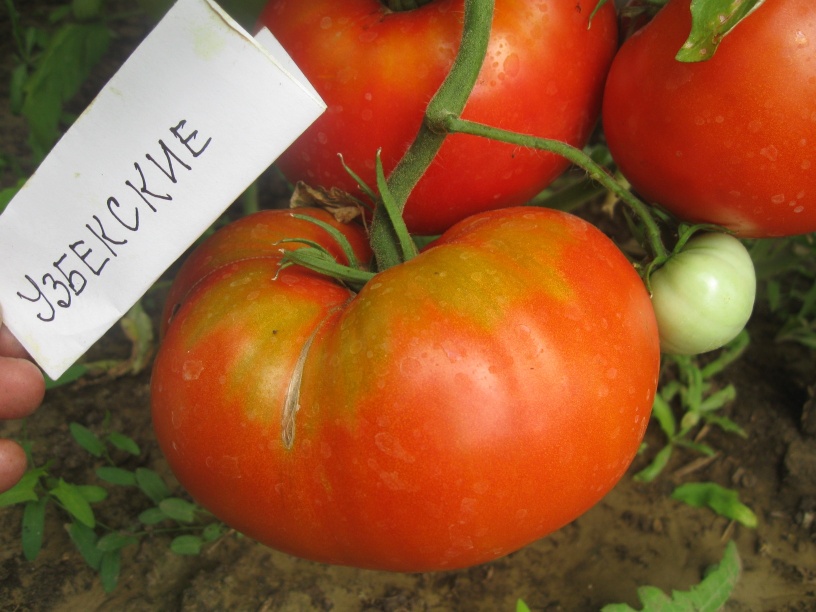
The history of the Yusupovsky variety
The origins of the Yusupov tomato are controversial. It is generally accepted that the variety was developed by renowned breeder Karim Yusupov, who worked at the Uzbek Scientific Research Institute of Vegetables and Melons. However, some sources claim that Karim bred a different tomato, similar in shape to an eggplant. The large, irregularly shaped tomatoes we now call "Yusupov" were developed on the collective farm of Usan Yusupov, who was renowned for his close friendship with Nikita Khrushchev.
A detailed description of the Yusupovsky tomato variety
The Yusupovsky tomato is distinguished by its large fruits with a pronounced taste.
Characteristics of the bush
Yusupovsky tomato bushes are vigorous and tall, reaching a height of 180 cm. The leaves are medium-sized and are gradually removed from the lower tiers once the ovaries have formed.
As the tomato plant grows, remove all side shoots, and train the bush into 1-2 shoots. The more side shoots there are, the smaller the fruits will grow.
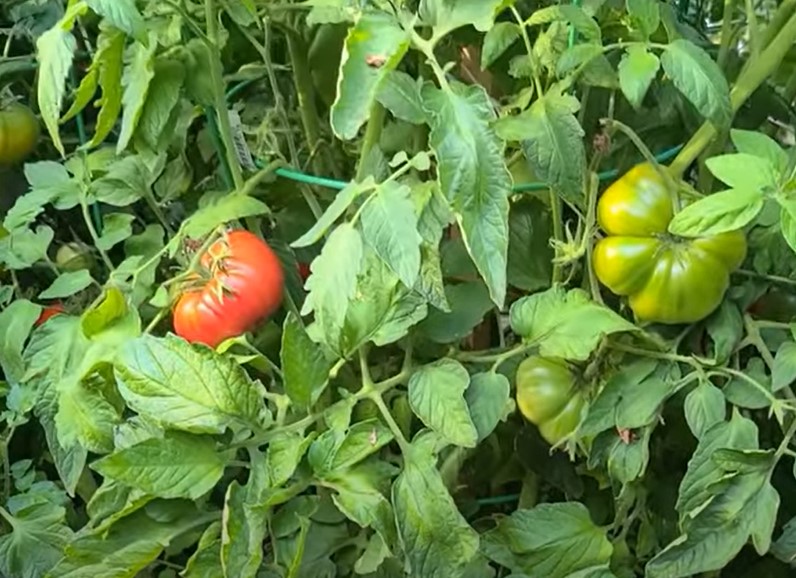
Fruit characteristics
The Yusupovsky tomato produces round fruits. Their weight depends directly on the cultivation method. In open ground, the yield is smaller, with fruits barely exceeding 500 g, and some specimens weighing 200-250 g. In greenhouses, the fruits are large, especially in warmer regions similar to Uzbekistan. There, tomatoes grow to a weight of up to 1 kg.
Ripening time and yield
The Yusupovsky tomato is characterized by a long ripening period. It takes about 120 days from germination to the first tomatoes ripening. The yield is quite high, reaching 620 c/ha with proper farming practices.
Advantages and disadvantages of the Yusupovsky tomato variety (table)
The Yusupovsky tomato variety has many advantages, but it also has a number of disadvantages. These are listed in the table below.
| Advantages | Flaws |
|
|
Growing the Yusupovsky tomato variety
It is preferable to grow Yusupovskie tomatoes using seedlings.
Sowing seeds and growing seedlings
Yusupovsky tomato seeds are difficult to find in regular stores. The risk of counterfeiting is very high, so it's best to buy them from trusted and reliable sources. You can then collect the seeds yourself.
Before planting, it's recommended to disinfect the tomatoes by soaking them in a weak solution of potassium permanganate for several hours. Afterward, rinse the seeds with water and soak them in a stimulating solution. These procedures will help increase the tomato germination rate and strengthen their immune system.
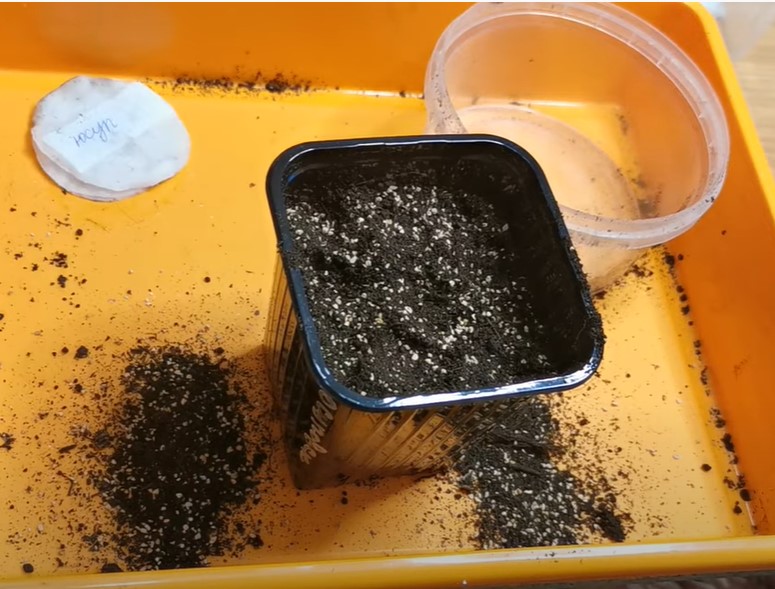
It's best to purchase specialized soil for planting. It's already enriched with all the necessary nutrients. However, many gardeners prefer to mix it themselves, adding equal parts humus, peat, sand, and garden soil.
Fill the selected container 2/3 full with soil, then make small furrows. These furrows should be no more than 1.5 cm deep. Place the seeds in the furrows, spaced 2.5 cm apart, then cover them with soil and water with a spray bottle.
Next, cover the container with plastic or glass and place it in a warm place. Periodically check the soil moisture level and remove any accumulated condensation. After a few days, the first sprouts will begin to emerge. Once most of them have emerged, remove the cover and place the seedlings in a cooler, well-lit location.
After the second leaf appears, the tomatoes are transplanted into separate containers.
In total, it takes 60-70 days for tomatoes to grow from the moment of sowing to their planting.
Preparing the soil and planting in the ground
It's best to prepare the soil in the garden bed in the fall. Dig it in with organic or specialized fertilizer. It's important to remember not to plant tomatoes in the same spot every year, otherwise you won't get a bountiful harvest.
In the spring, the soil is dug again. About 10 days before planting, holes are dug. For Yusupovsky tomatoes, the distance between holes should be at least 60 cm, and the recommended row spacing is 70 cm. It is recommended to plant in a staggered pattern.
Tomatoes can only be planted when the soil has warmed up to +10°C and the thermometer outside does not drop below +7°C.
The plant, along with the root ball, is carefully moved into the hole, then buried and watered. To protect the roots from heat and cold, and to reduce weed growth, experienced gardeners recommend mulching the surface of the bed.
Features of caring for the Yusupovsky tomato variety
Caring for the Yusupovsky tomato is quite simple, as the variety is unpretentious.
The first two weeks the tomatoes adapt to the new conditions; during this period they do not need to be watered or fed.
The first watering is done only after 14 days. The consumption per plant is about 3 liters, while mature tomatoes require 5-7 liters of water.
During the early stages of growth, you can feed the plants with nitrogen fertilizers, but it's important to remember that they stimulate vegetative growth. If you apply such fertilizers frequently, the shoots will become covered in lush foliage, but you may never see any fruit set.
Next, it's recommended to use a complex fertilizer for tomatoes. Organic enthusiasts can use an infusion of weed or mullein.
The Yusupovsky tomato has good immunity, but even it requires preventative treatment. This is best done with a phytosporin solution or Bordeaux mixture.
Using Yusupovsky tomato variety
The Yusupovsky tomato is renowned for its generous yield. Fruits sometimes exceed 1 kg in weight. However, this is only possible in hot regions. In other regions, the tomato weight ranges from 200 to 600 g, but the flavor remains just as pleasant and sweet.
Tomatoes are ideal for processing into sauces, ketchup, and juices. Yusupov tomatoes also make a wonderful addition to any salad.
Mistakes in growing the Yusupovsky tomato
The Yusupovsky tomato will delight gardeners with a bountiful harvest if proper cultivation practices are followed. When growing this variety, it's important to avoid the following mistakes:
- Delay the sowing of seeds.
- Planting plants in soil that is not warm enough.
- Shade the plantings or do not provide additional illumination to the seedlings during the period of their active growth.
- Water the bushes too often or, conversely, too rarely (the fruits begin to crack due to interruptions in watering).
- Planting tomatoes in poor soil with a lack of fertilizers.
Comparison of the Yusupovsky tomato variety with other varieties in the table
Please note! How can you easily convert centners/ha to kg/sq.m? Simply divide by 100! For example, the Abakansky Pink tomato yields 400 centners of marketable fruit per hectare. This equals 4 kg per square meter. It's that simple! Also, keep in mind that typically no more than 3-4 plants are planted per square meter. This way, you can calculate the yield per bush. In the case of the Abakansky Pink, it's about 1 kg.
| Variety | Ripening period (number of days from full germination to ripening)
Yield of commercial fruits |
Brief description | Fetus |
| Yusupovsky | 110-115 days 100-1200 c/ha |
A late-ripening, tall, indeterminate variety for greenhouses. Requires staking and training. Suitable for salads, juices, and sauces. | Flat-round, large, fleshy, pink-red, 400-800 g. When grown in open ground, the weight is from 200 g. |
| Abakan pink | 120 days or more
400 c/ha |
A late-ripening determinate variety for open ground and greenhouses. Requires staking and training. Suitable for salads and processing into tomato products. | Flat-round, slightly ribbed, medium density and pink in color, 200-500 g. Good taste. |
| Nevsky | 95-105 days
450-550 c/ha |
An early-ripening determinate variety for open ground and greenhouses. Suitable for salads, canning, and processing into tomato products. | Round, smooth, red-pink, 45-60 g. The taste is good and excellent. |
| Pink giant | 115-125 days
580-640 c/ha |
A mid-season indeterminate variety for open ground. Requires staking and shaping. Suitable for salads. | Flat-round, strongly ribbed, pink, 350 g. Excellent taste. |
| Pink honey | 111-115 days 380 c/ha (open ground) |
A mid-season determinate variety for open ground and greenhouses. Suitable for salads. Marketability is 96%, and the yield of ripe marketable fruits is 90%. | Round, ribbed, pink, 160-200 g. Excellent taste. |
| Wild rose | 110-115 days
600 c/ha |
An early-ripening indeterminate variety for open ground and greenhouses. Requires staking and training. Suitable for salads. Heat- and salinity-tolerant. | Round, smooth, pink, 300-350 g. Excellent taste. |
| Mikado Pink | 90-95 days
500-600 c/ha |
A mid-early indeterminate variety for greenhouses. Suitable for salads. | Flat-round, large, ribbed, medium density, pink, 300-360 g. Excellent taste. |
| Pink elephant | 112 days
620-820 c/ha |
A mid-season semi-determinate variety for greenhouses. Suitable for salads, canning, and processing into tomato products. | Flat-round, fleshy, medium- to strongly ribbed, notched to smooth top, pink, 280 g. Excellent taste. |
| Wind rose | about 100 days 600-700 c/ha |
An early-ripening, determinate, standard variety for open ground. Requires staking and shaping. Suitable for salads. Drought-resistant. | Round, smooth, pink, 140-160 g. Excellent taste. |
| Sweet Million | 95-100 days
Commercial yield 4.8-7.0 kg/sq.m. |
An early-ripening, indeterminate, medium-sized variety for greenhouses. Suitable for salads. | Round, smooth, red, 15-20 g. Excellent taste. |
| The Pink King | 100-112 days
680 c/ha (greenhouse and under film) |
A mid-season indeterminate variety for open ground and greenhouses. Requires staking and shaping. Suitable for salads. | Flat-round, ribbed, medium density, pink, 200-300 g. Excellent taste. |
Gardeners' reviews of the Yusupovsky tomato variety
Gardeners remark on the excellent taste of Yusupov tomatoes. However, obtaining genuine Uzbek seeds is challenging, and due to frequent counterfeits, Yusupov tomatoes are losing consumer trust in our country.
Yusupovsky seeds were obtained from our forum member Nadezhda Afanasyevna
An old variety, the stuff of legends. In Uzbekistan, there was a collective farm chairman named Yusupov, who was supposedly friends with Khrushchev. Delicious local tomatoes were grown in the fields of this collective farm. This variety is called Yusupovsky after this chairman (not to be confused with the noble family of the Yusupovs, who, while related to the royal family, have no connection to these tomatoes). I messed up with the variety. I should have taken into account that it's a southern variety, and therefore unlikely to have a short growing season. I should have planted it much earlier, understanding that it needs a warm-up period in our weather. But even with all my mistakes (I even scorched its top when it missed the greenhouse roof), the variety performed very well.
This is a tall variety. The plant is vigorous, with simple leaves. The tomatoes are borne in simple clusters. They are reddish-pink in color. The flavor is sweet and neutral. This tomato is great for salads, pastes, and ketchups. The variety's potential clearly exceeds the results obtained. It continues to produce fruit, building on those already set. It responds very well to fertilizing.

Height - about 1.8 m
Weight - from 200g and above.
Color: pink-red
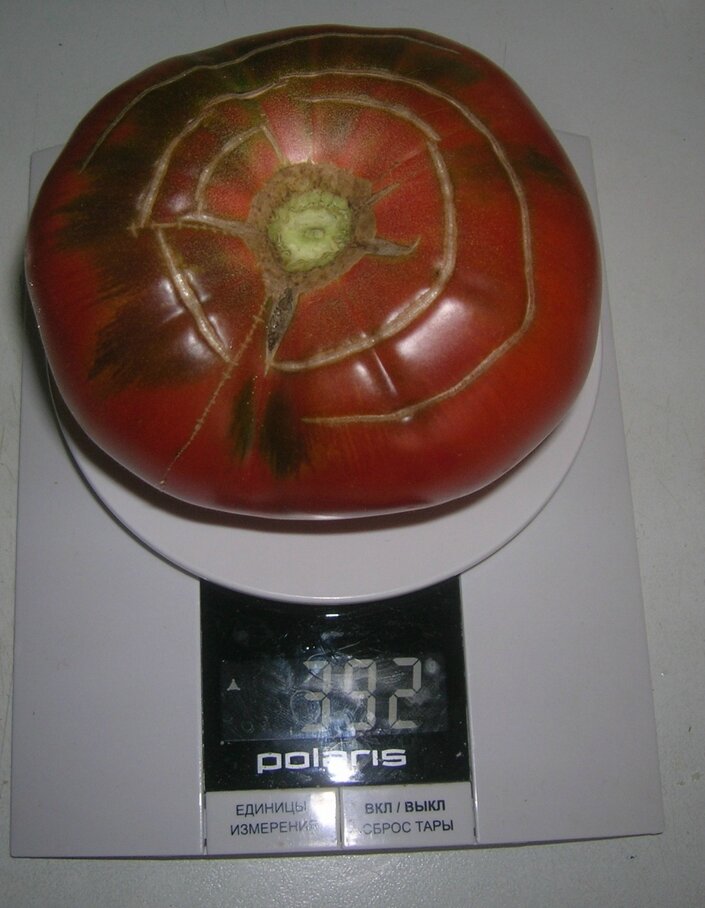
The taste is sooo delicious, sweet, I'll order again next year. I had 5 plants and they were all great.These are photos of the last tomatoes of the year, so there are only a few left on the bush. They've cracked—they were waiting for me to pick them, but if I pick them early, they don't crack.
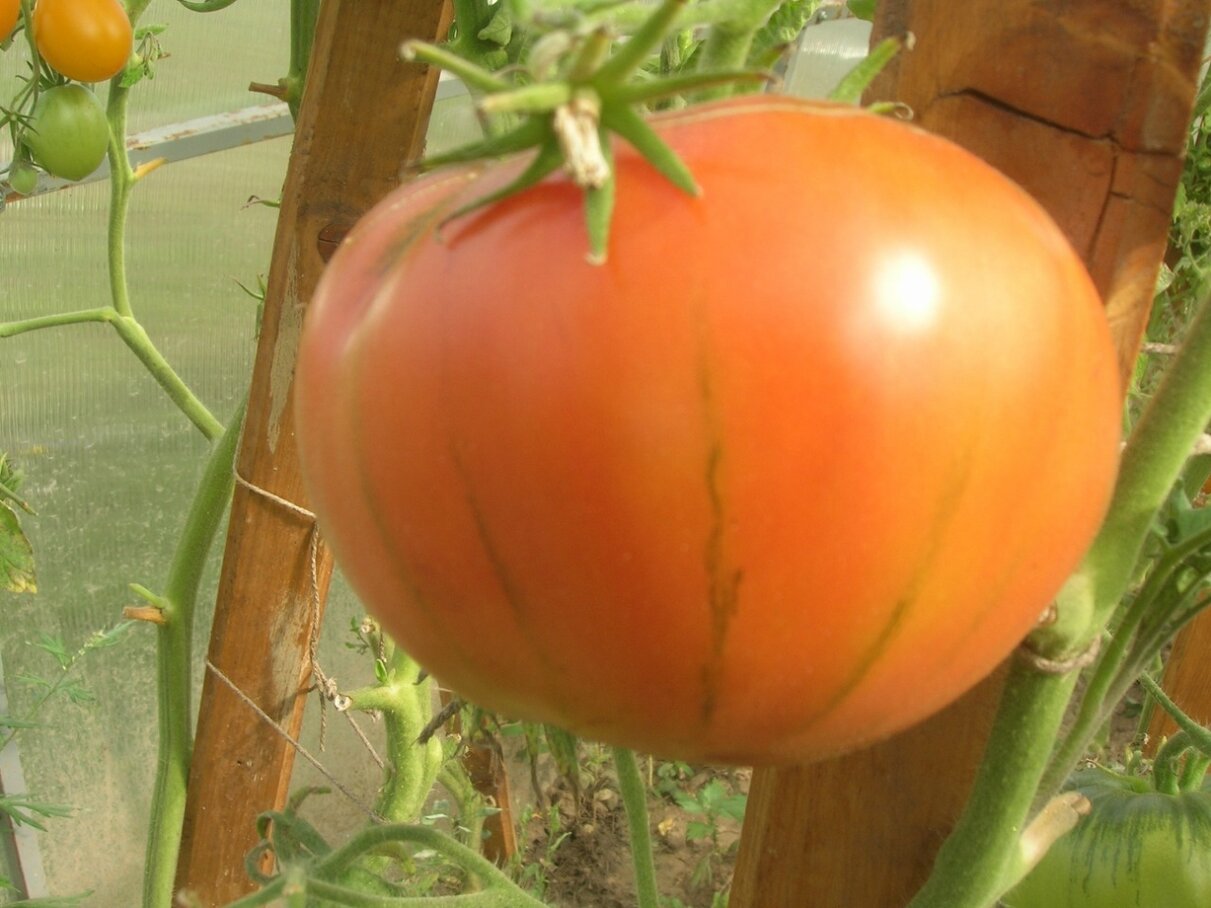
I planted Yusupovskie grapes for the first time; I bought the seeds from V. Redko. I grew them in a greenhouse. There were two bushes, which I trained into 3-4 stems. The plant height is about 1.80 cm, and the bush is vigorous, although there weren't many side shoots. The fruits are large (there were no small ones), fleshy, and tasty, but not very productive.
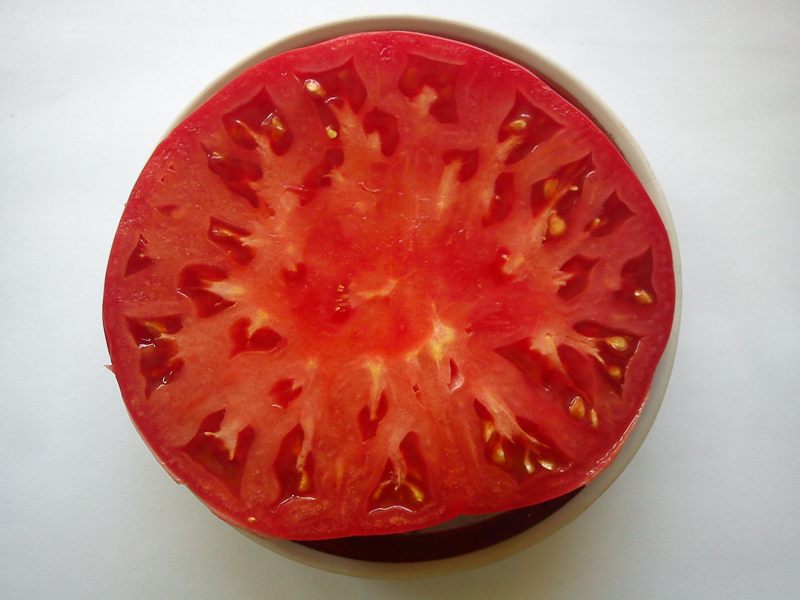
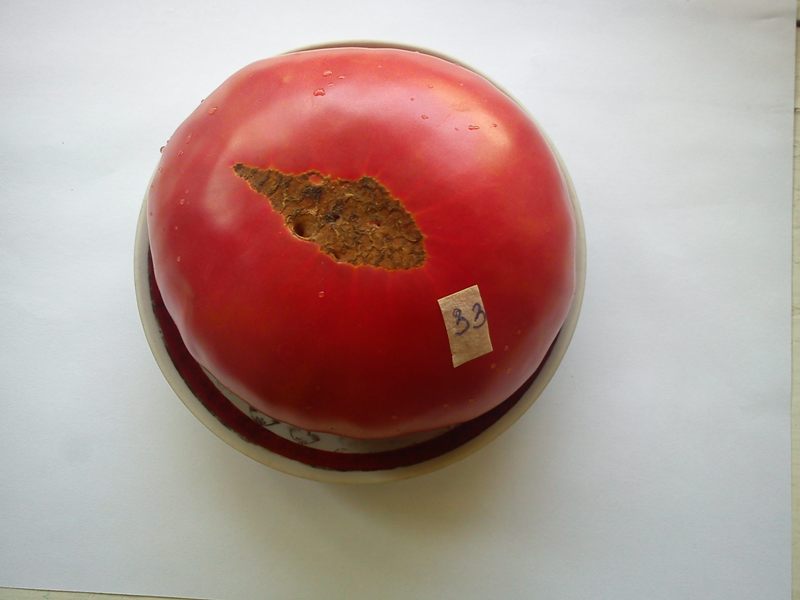
I really liked them, both large and productive. I'll definitely be planting them next year.
Lana, I think they need another chance. I don't know about you in Izhevsk, but our summer was truly extreme. Half the summer was scorching hot, and the ovaries rained down no matter what. And then the other half, it was completely flooded. I'm a smart, beautiful girl.
I felt it, and I planted the tomatoes in raised beds, so the harvest, other than the first two lost bunches, was more or less decent for this year. Especially since you said the tomatoes were delicious and all large. I need to give them a chance to prove themselves.

I planted Uzbek (Yusupov) tomatoes this year. They were impressive! The tomatoes are large and quite productive. They have a good, tomato-like flavor, not too sour. Mine weighed about 600-700 grams. They stayed that size on almost the entire plant; they only got smaller in the fall, in September.
It had two barrels.
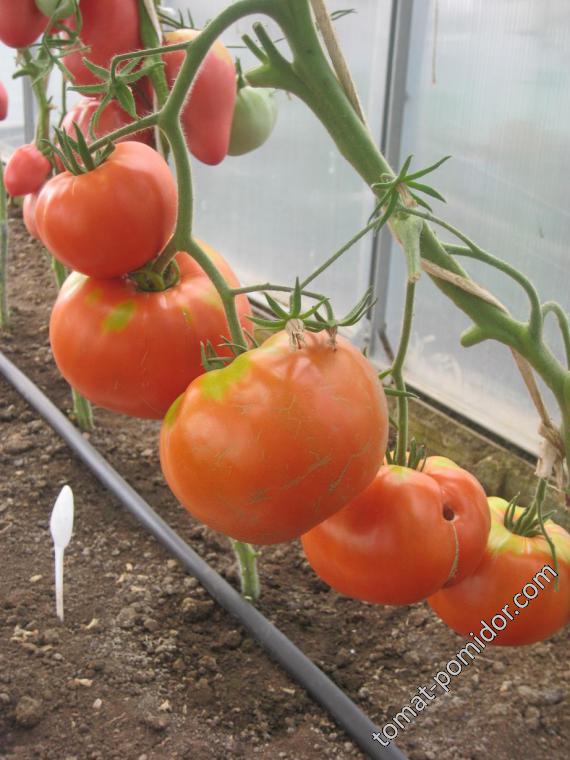
A very decent variety :yep: :niam: Large-fruited, quite productive. Grown in a polycarbonate greenhouse. Mid-season.
He grew the biggest tomato for me this year.
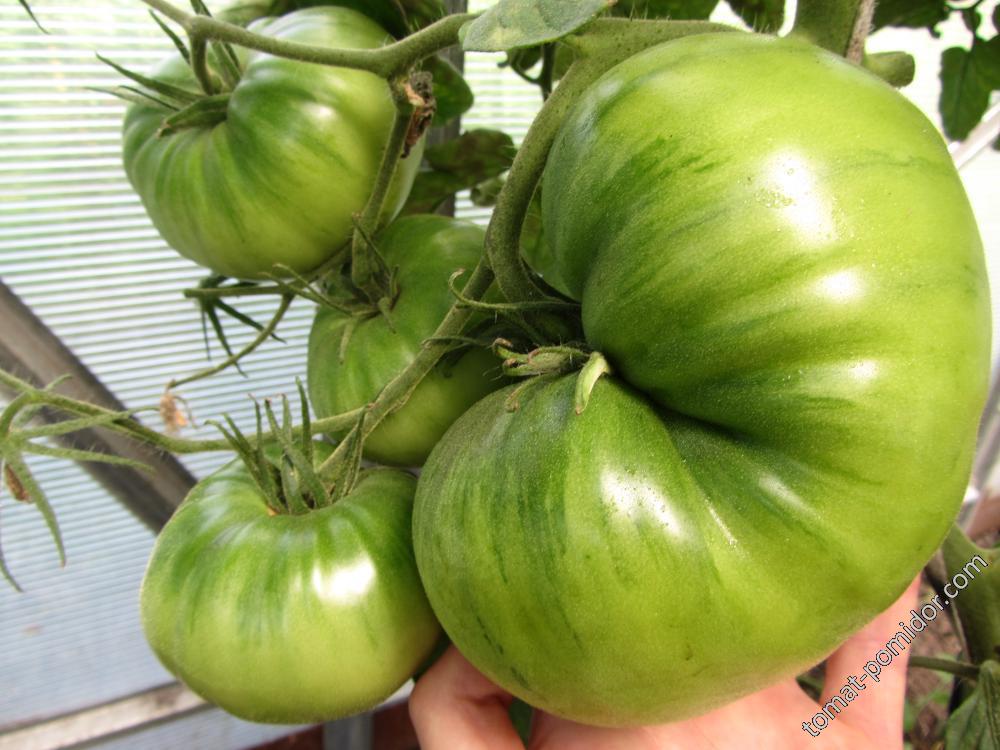
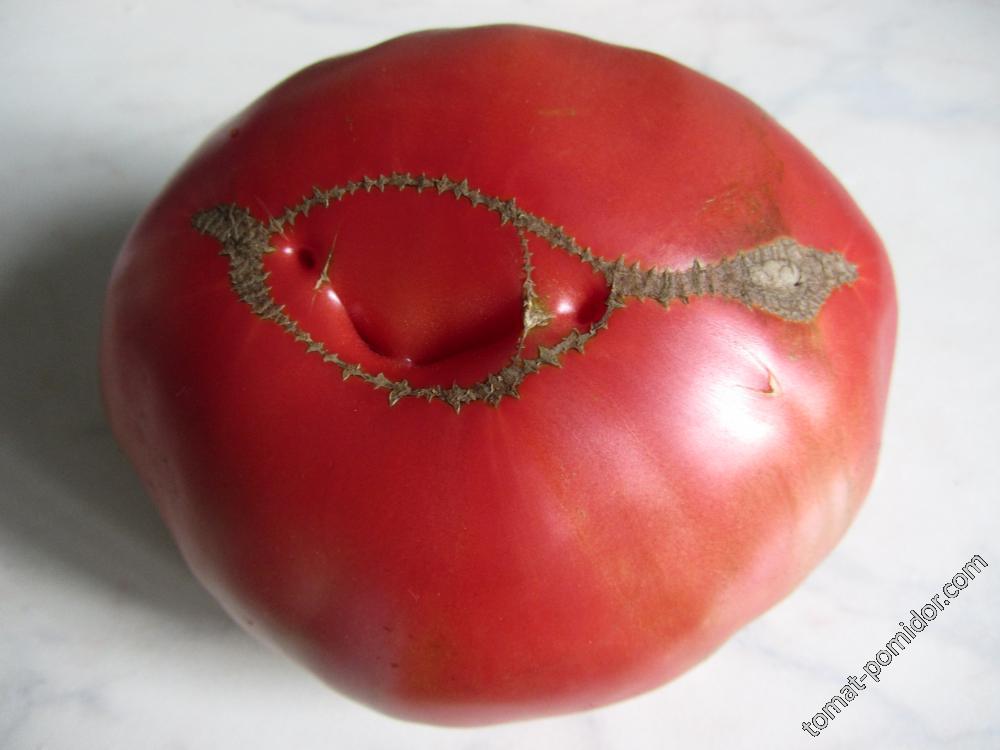
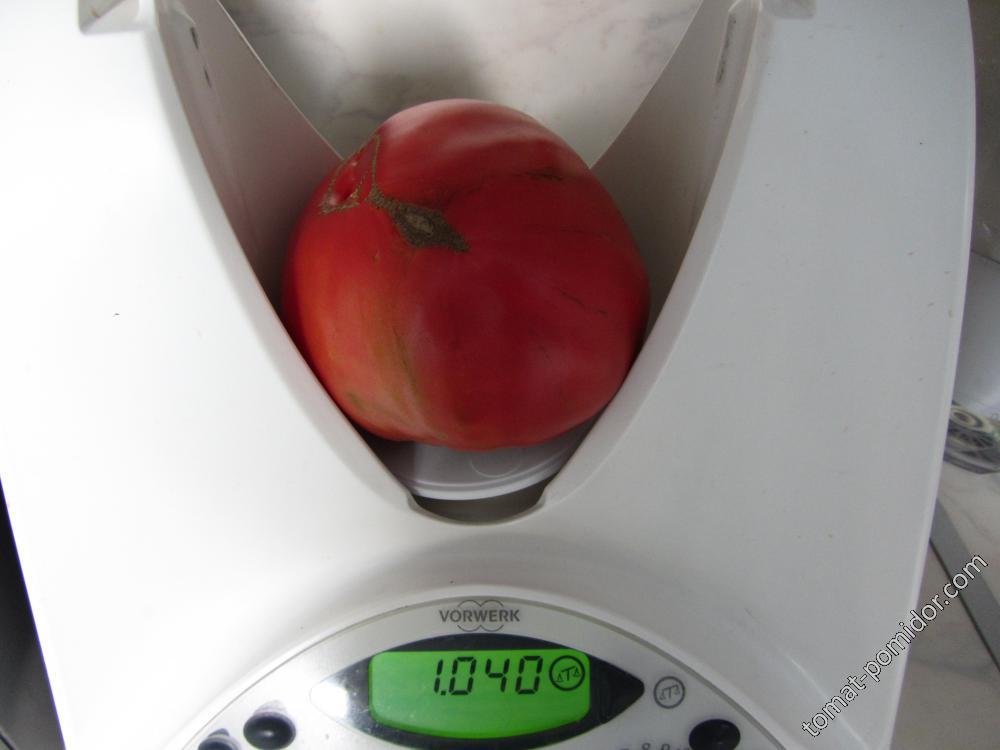
The tomatoes are simply monstrous in weight :hid:
600 grams is just for warming up...
The taste is good...tomatoey
I grew these for the first time in 2015. In a glass greenhouse, I trained them into two stems. The clusters were strong and set well. The fruits ripened in the heat, becoming quite large. They took a long time to color. Eventually, they all had white veins. I couldn't quite figure out the flavor. However, the ones I picked in August while still green ripened well and had a nice sweet and sour flavor. They were both fleshy and juicy. I'd definitely try this again.
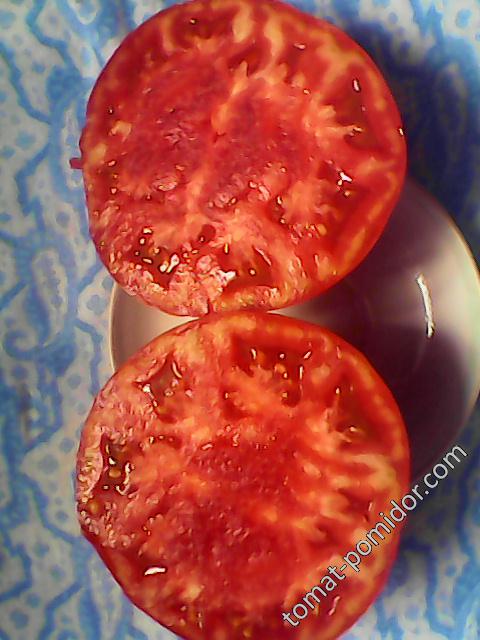
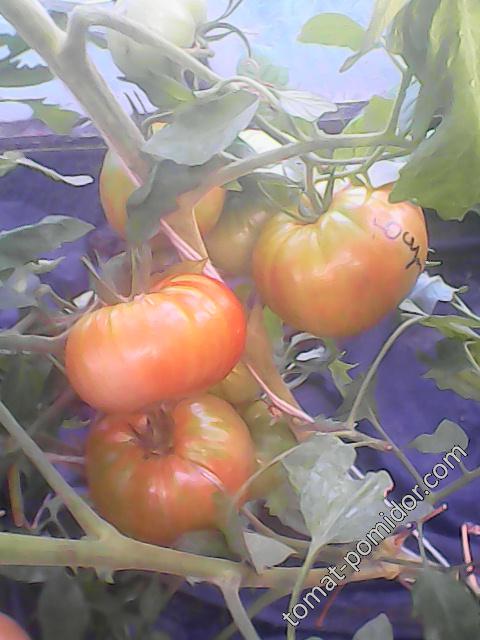
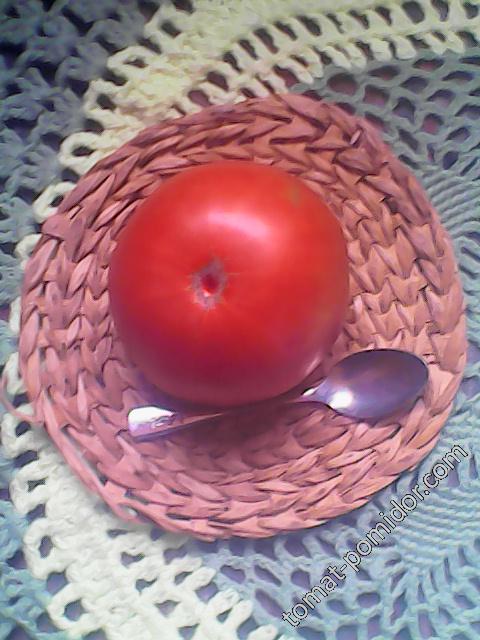
Andrey's right—there weren't any small fruits, not even medium-sized ones! I grew them from seeds sent to me by girls from Siberia!
Strong, tall plants with lush foliage. I trained them into 2 and 3 stems (there were several bushes) – they easily withstood the weight of large fruits. The flavor is decent! I'd rate them a 4+ (for me, a 5 is when the sweetness dominates the flavor). :mail:
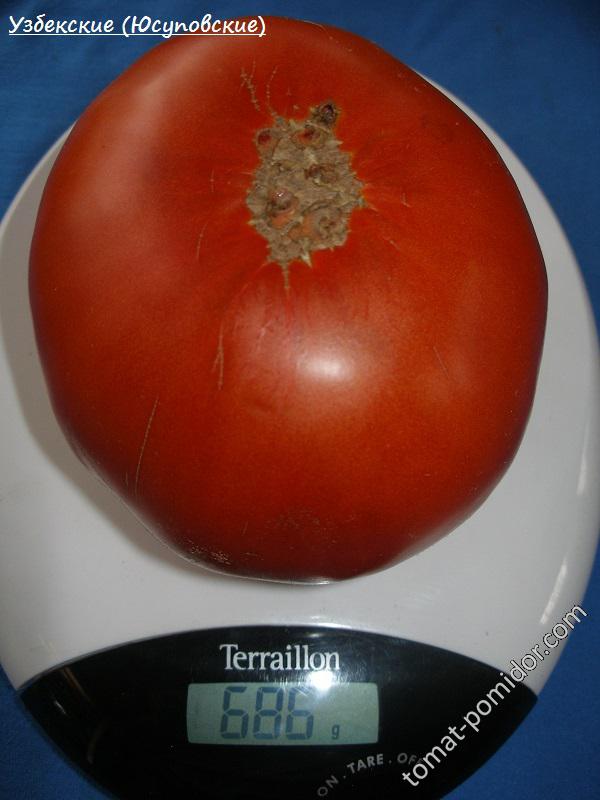
I really liked the variety :yep:
There weren't many tops, it wasn't growing very tall, the tomatoes were large even on the top clusters (in the second photo), and it was less affected by cladosporiosis than the others. It definitely wasn't an early variety.
You pick up a tomato and your soul rejoices, it’s heavy, beautiful, fleshy, and has a real tomato taste :niam:
I am increasing its planting in 2016.
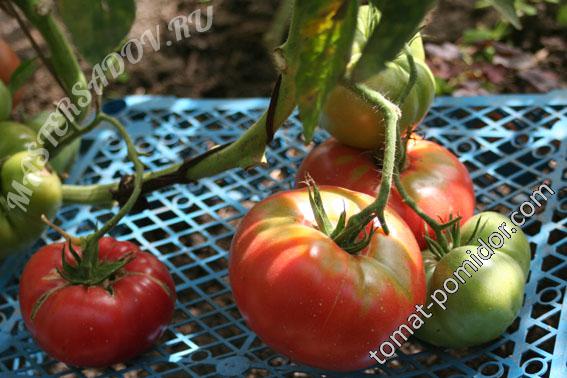
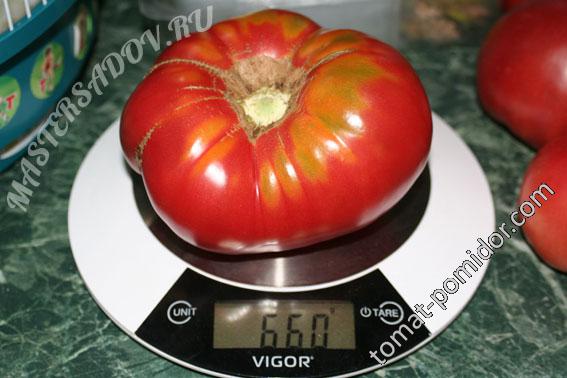
I've been growing it for two years now, and the second year was much more productive. The fruit ripens faster in full sun, but the flavor may suffer. Shade is best.
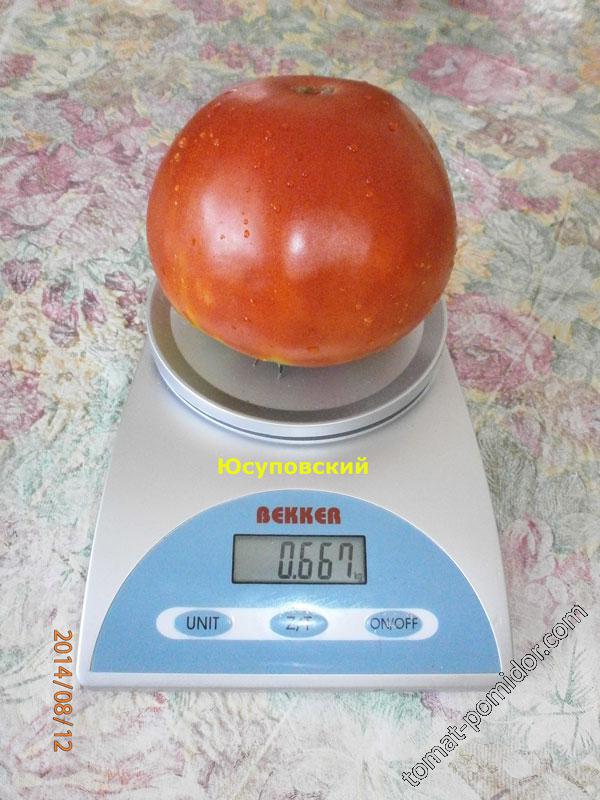
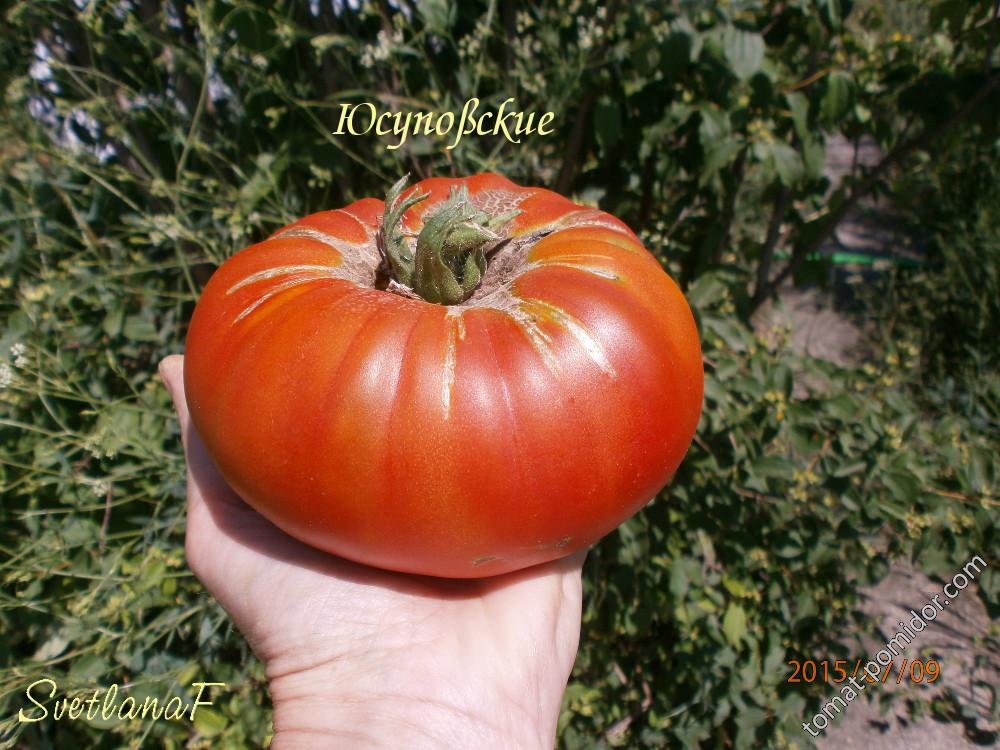
I had a sweet one in my greenhouse. I really liked it. Delicious, tender, and very juicy. It's a shame it was late. Last year's cold August didn't allow it to bear fruit to its full potential.
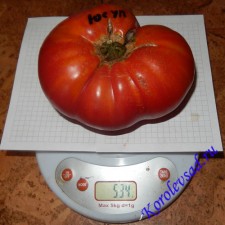
Svetlana Zhumabaeva, a fellow Tashkent resident, shared these seeds. The Uzbek Pink variety is low-growing and slow-growing. The bush is robust and gnome-like, with wrinkled leaves that provide good shade from the scorching sun. It's shade-tolerant. The pink, flat-round fruits weigh up to 100 grams, with thick, dense walls, are good for pickling and fresh eating. It doesn't shed its flowers and sets well in hot weather. Sow for seedlings 2-3 weeks earlier. Height up to 70 cm in the ground, up to 50-60 cm in the open ground. The ripening period was closer to late, but I grew it in the shade.
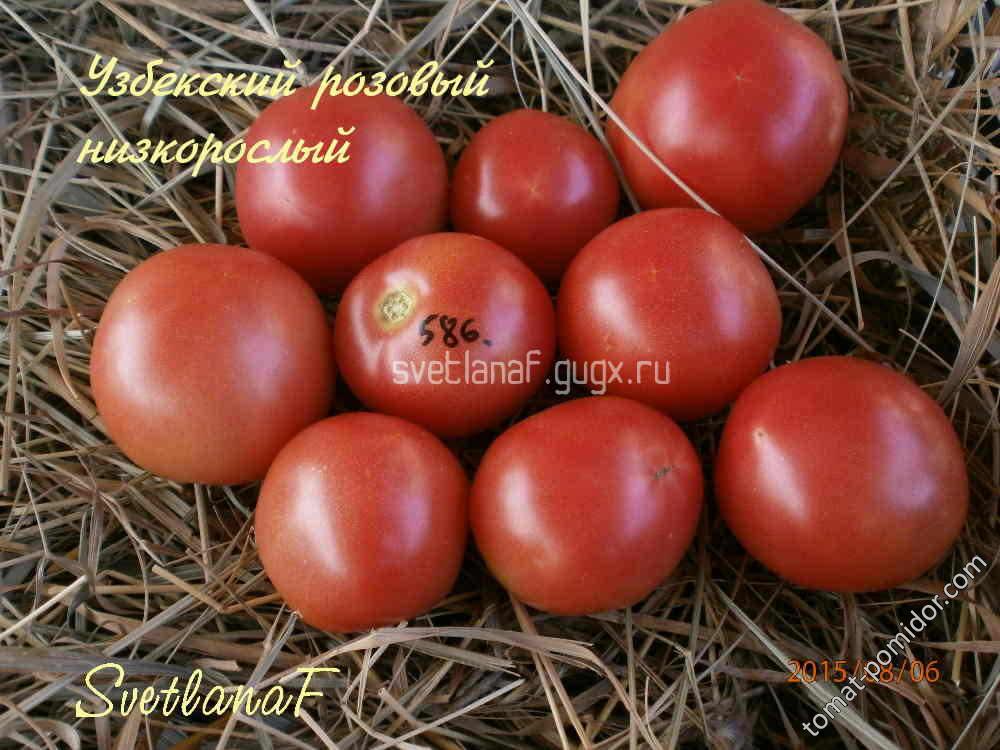
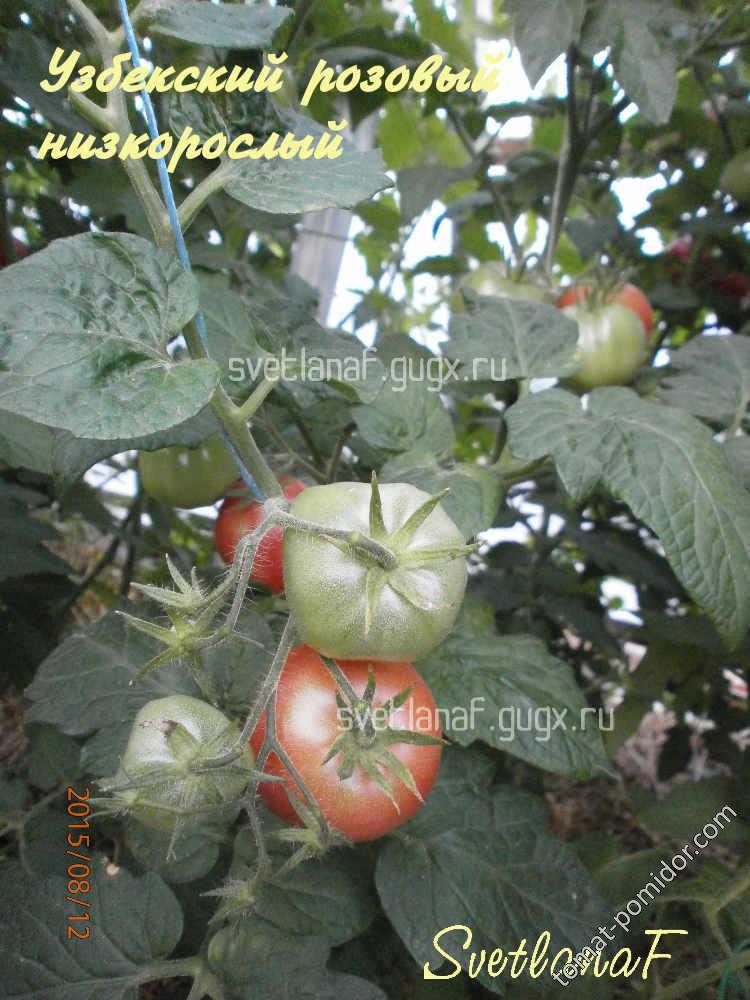
My yield in the first glass of PCT this year was below average—7 pieces weighing half a kilo each. Five of them colored on the vine. Two ripened well. The flavor was very good, just like in 2015. There were a few veins. But the heat in the greenhouse was over 50 degrees! Maybe I'll plant more someday.