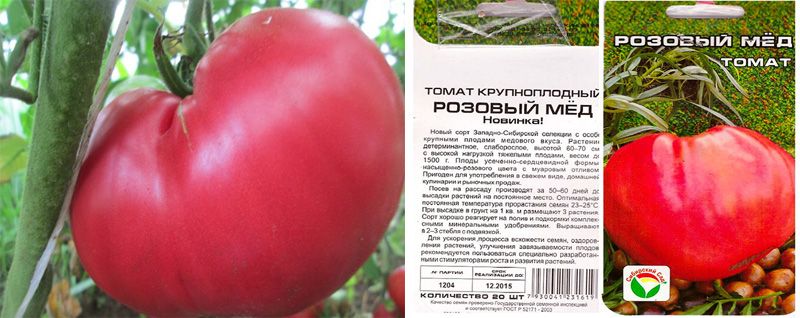
The Pink Honey tomato is a popular variety recommended for cultivation in central Russia and Siberia. This variety boasts large fruit, a pleasant sweet flavor, and is easy to grow. Gardeners and professional growers prefer this variety due to its high yield per plant, beautiful appearance, and delicious fruit.
Content
- 1 Characteristics of the Pink Honey variety in the table
- 2 Photo gallery of the Pink Honey tomato variety
- 3 A detailed description of the Pink Honey tomato variety
- 4 Advantages and disadvantages of the Pink Honey tomato variety
- 5 Growing the Pink Honey tomato variety
- 6 Caring for the Pink Honey tomato variety
- 7 How to control diseases and pests of the Pink Honey tomato variety
- 8 Comparison of the Pink Honey tomato variety with other varieties in the table
- 9 Top.tomathouse.com recommends: Pink Honey Tomato – an anti-stress fruit
- 10 Real reviews from gardeners about the Pink Honey tomato variety
Characteristics of the Pink Honey variety in the table
| Parameter | Characteristics |
| Ripening time (number of days from full germination to ripening) | 110-115 days |
| Description | A mid-season determinate variety for open ground and film greenhouses. |
| Fetus | Round, fleshy, pink. |
| Fruit weight | 160-200 g, according to some sources reach 600-800 g. |
| Taste | Great. |
| Usage | Suitable for salads and for processing into tomato products (juices, pastes, sauces). |
| Marketability | High |
| Yield of commercial fruits | 750-1600 c/1 ha (2.4-4 kg per bush). |
| Shelf life | Bad. |
| Disease resistance | Low. |
| Agricultural technology | Standard, requires garter, shaping and pinching. |
| Growing regions | Northern, Northwestern, Central, Volga-Vyatka, Central Black Earth Region, North Caucasian, Middle Volga, Lower Volga, Ural, West Siberian, East Siberian, Far Eastern |
| Originator | Postnikova Olga Valentinovna (Novosibirsk, Zheleznodorozhnaya St., 6/1, Apt. 136) |
| 2006 |
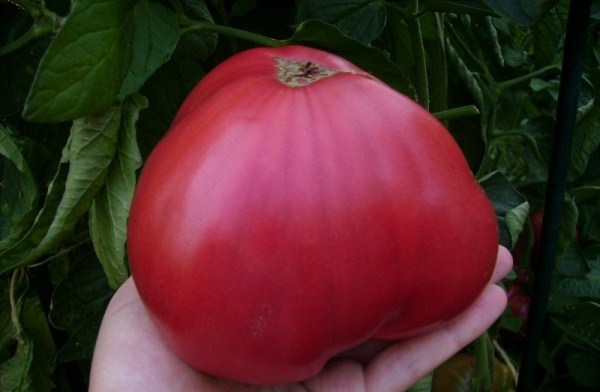
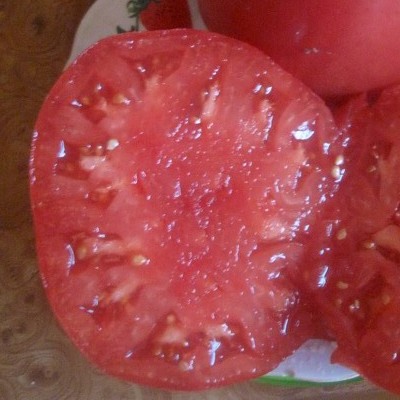
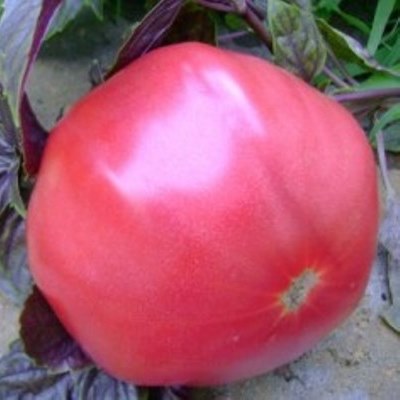
Photo gallery of the Pink Honey tomato variety
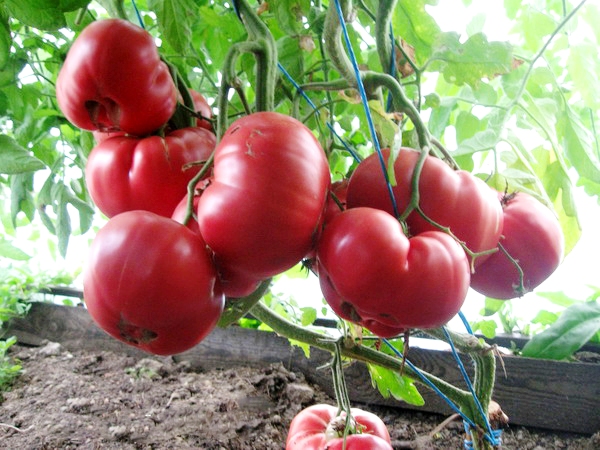
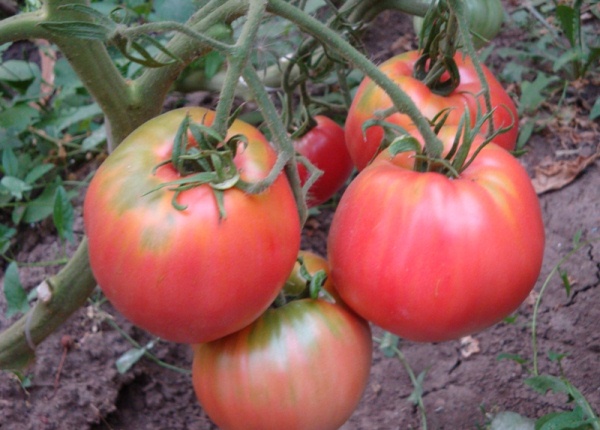
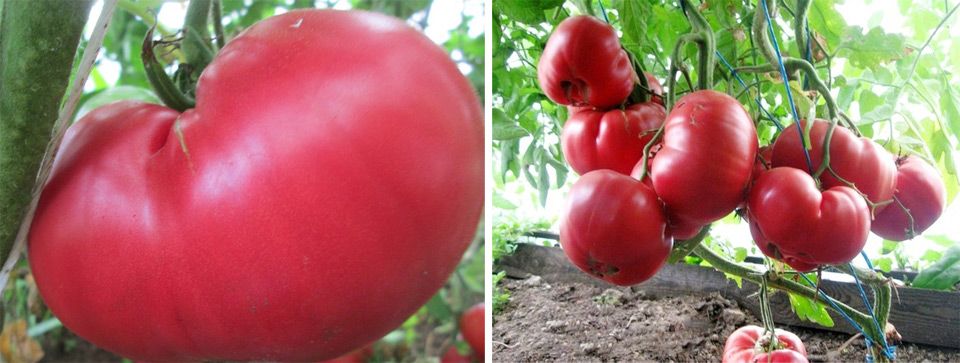
A detailed description of the Pink Honey tomato variety
The Pink Honey tomato is listed in the state register as mid-season, with a ripening period of 110 to 115 days.
Let's figure out how these terms are determined:
Based on ripening time, tomatoes are typically categorized as very early, early, mid-early, late, and very late. However, the registry provides a different classification: ultra-early, early, mid-early, mid-season, mid-late, and late. It's also worth noting that the days from full germination to ripening listed in the registry often diverge from the classification itself. For example, the Agata variety is listed as early ripening, but it also specifies that ripening occurs 98-113 days after full germination. Meanwhile, the Adelina variety, also classified as mid-season, ripens in fewer days, namely 82-109. Therefore, we can conclude that the variety type isn't particularly important, although we will include it. It's more important to look at the days from full germination to ripening. Also keep in mind that this number of days depends, among other things, on growing conditions and may differ.
Conditional terms: very early - 75-95 days, early - 95-115, mid-early - 110-120, late - 120-130, very late - 130-150 and more.
This means that the Pink Honey variety is an early-ripening one. The harvest can be made in early August, or 1-2 weeks earlier in a greenhouse. The plant grows well both in the open ground and in a greenhouse.
Additional description of the variety:
- total yield up to 6 kg;
- plant height 70-100 cm;
- One brush produces from 3 to 10 tomatoes.
Fruit characteristics:
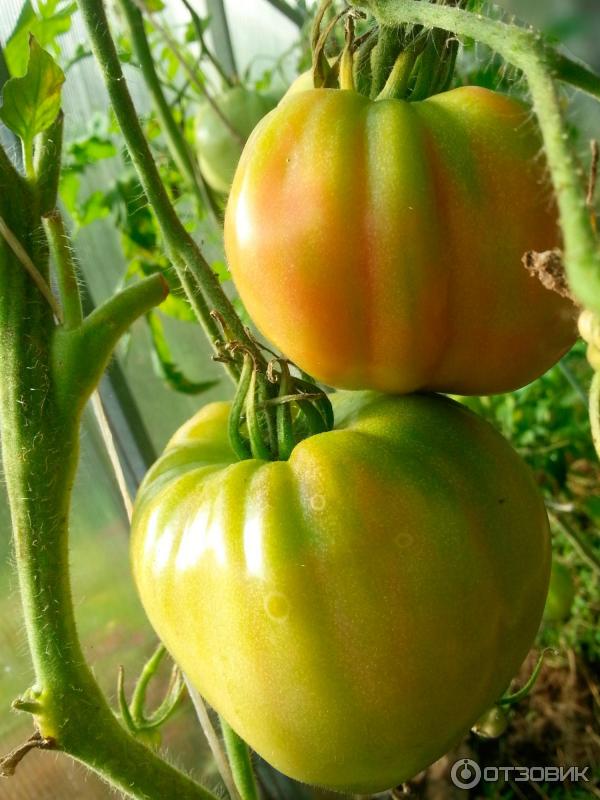
- the weight is positioned as 160-200 g, but some specimens reach 600-800 g or 1.5 kg;
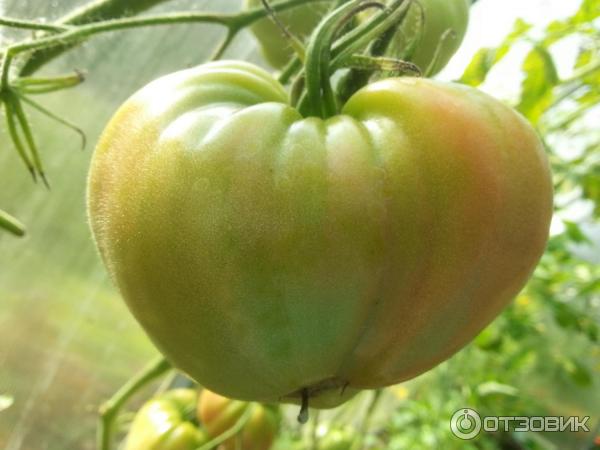
- 4 or more chambers, heart-shaped with pronounced ribs;
- thin outer layer;
- fleshy pulp with small seeds, not sour, juicy;
- the skin and pulp are pinkish in color.
Advantages and disadvantages of the Pink Honey tomato variety
| Advantages | Flaws |
| Attractive presentation. | Reduced shelf life. |
| Low frequency of watering. | Low resistance to typical diseases of nightshade crops. |
| Pleasant taste. | Problems with long-distance transportation. |
| The fruits are large and weighty. | |
| Seeds can be collected for sowing. |
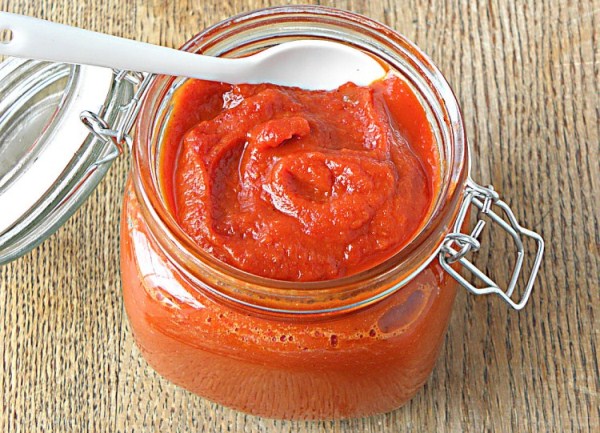
The variety has its advantages and disadvantages when it comes to culinary use. The harvest is excellent for making various sauces and dishes with stewed tomatoes. Pink honey is used in salads, adjika, and hot and cold soups. However, the fruits are not suitable for long-term preservation. They are too large to fit whole into a jar, and the thin skin easily cracks in a salt solution.
Growing the Pink Honey tomato variety
This variety is suitable for both open ground and greenhouse cultivation. Seed germination conditions vary depending on the chosen planting method. If you plan to plant the crop in a greenhouse, seedlings are not required. The seeds are immediately placed in open ground. If you live in northern regions, you will need to grow seedlings first to speed up the ripening process.
Seedling method of growing
It's grown in temperate and Siberian climates, but is sometimes used in the south as well. The cultivation algorithm is as follows:
- Preparing seeds and soil.
- Sowing seedlings (in the southern regions in mid- or late February, in the more northern regions – early March).
- Picking.
- Planting in open ground.
You can use soil from your garden bed. Be sure to add sand, superphosphate, and ash.
In this case, it is better to heat the soil mixture in the oven to eliminate the possibility of fungal or bacterial growth.
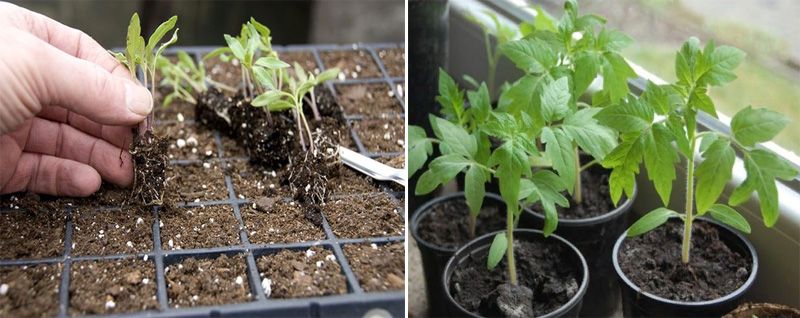
Treat the seeds with potassium permanganate, then sow them in a single container and water thoroughly. When the sprouts develop 2-3 true leaves, transplant them into individual pots. A peat pot is ideal.
Approximately 60-65 days after germination, the bushes should be transplanted into open ground. Nighttime temperatures should not drop below 15°C. Two weeks before transplanting, the bushes need to be hardened off. Take them outside every day, gradually increasing the amount from 40 minutes to 12 hours.
Seedless cultivation method
It's used in southern regions or when grown in a greenhouse. There's no need to prepare the seedlings; the seeds are immediately placed in open ground. However, some preparation is necessary first.
The seeds should be checked for quality. A salt solution is usually used. If the seeds float to the surface, they will not germinate when planted. Discard any such seeds. The remaining seeds should be treated with a fungicide or a potassium permanganate solution. When the soil temperature reaches 15°C, you can begin sowing.
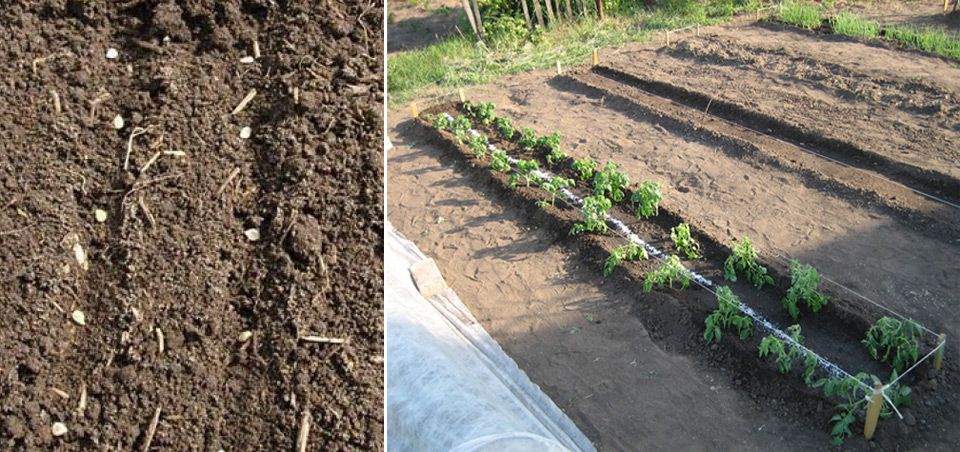
The soil also needs to be prepared. Avoid planting tomatoes where nightshades (peppers or eggplants) were previously grown. This increases the risk of disease. You can use soil from onions, squash, pumpkins, or legumes. Fertilize the soil. For each square meter, add 10 liters of humus, 50 g of ash, 1 tablespoon of potassium sulfate, and the same amount of superphosphate.
Seeds should be planted approximately 50 cm apart. The distance between rows should be kept at 50-60 cm. This will prevent future plants from interfering with the root development of their neighbors.
Read the article to find out which days are best for planting tomatoes. Planting tomato seedlings (sowing) in 2021: dates + TOP 29 varieties and photos.
Caring for the Pink Honey tomato variety
Pink honey is an easy-to-grow plant. Watering, mulching, weeding, and periodic fertilization are all that's needed to maintain a healthy bush. Staking is essential to ensure the foliage receives sufficient sunlight and the fruit doesn't bruise as it grows.
Watering
The amount of water a plant requires varies depending on its development stage. Immediately after repotting, 4 liters should be added to each bush. From planting until flowering, water the plants at a rate of 2 liters per bush twice a week. During the pollination period, the gardener should water the bush at a rate of 5 liters every 7 days. From the time the ovaries are formed until the fruits turn red, watering once every two weeks is sufficient. Once the fruits begin to color, switch to a system of 2-4 liters every 7 days.
Apply the liquid at the root, avoiding the leaf blades. It should be at room temperature.

Humidity is also important for the Pink Honey tomato variety, which should be maintained at around 60-70%, especially when grown in greenhouses. To create the necessary conditions, ventilation is necessary, but without drafts.
Top dressing
The simplest option is to use a universal mineral mixture. It should be applied four times: immediately after replanting, during flowering, after fruit set, and when the fruit turns red. Separate formulations containing potassium and phosphorus can be used. Superphosphate, a fertilizer containing phosphorus, is sufficient. One tablespoon per square meter of soil is sufficient.
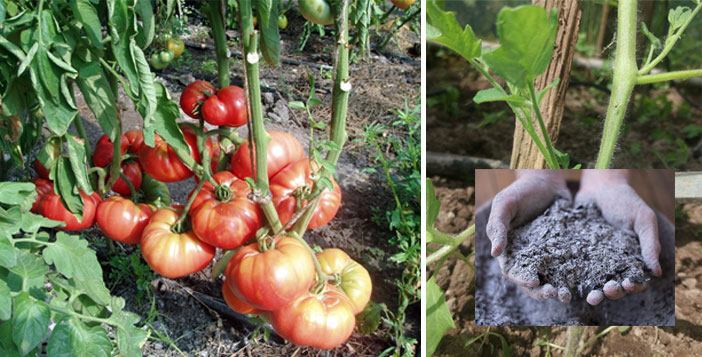
Ash is a good fertilizer. Let 200 g of stove ash steep in a bucket of warm water and then add it to the bush after 10-12 hours.
Bush formation
To achieve maximum yield, the bush should be trained to have 1-2 stems. If only one stem is planned, all side shoots originating from the leaf axils should be removed. If the gardener decides to train the bush with two stems, all but one side shoot originating from the first flower cluster should be removed.
How to control diseases and pests of the Pink Honey tomato variety
| Problem | Chemicals | Folk methods |
| Blossom end rot
|
|
|
| Brown spot (cladosporiosis)
|
|
The methods must be alternated, using one of them every 7 days. |
| owl
|
|
|
| Gray mold
|
|
Dissolve 80 g of baking soda in 10 liters of drinking water. Spray with a spray bottle. If symptoms reappear, repeat the procedure in 5-7 days. |
| Late blight
|
|
Grind 1 head of fresh garlic, stem and all, using a meat grinder and add hot water. After 24 hours, dilute the mixture in 10 liters of clean water and use it to spray the plant. Repeat this procedure every 14 days. |
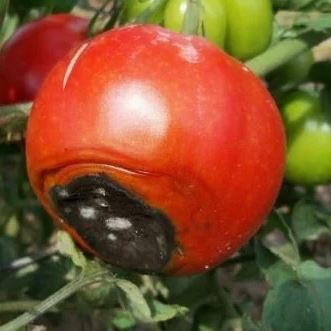
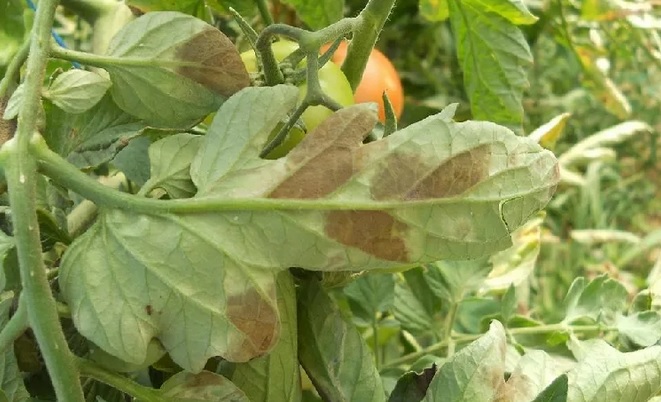
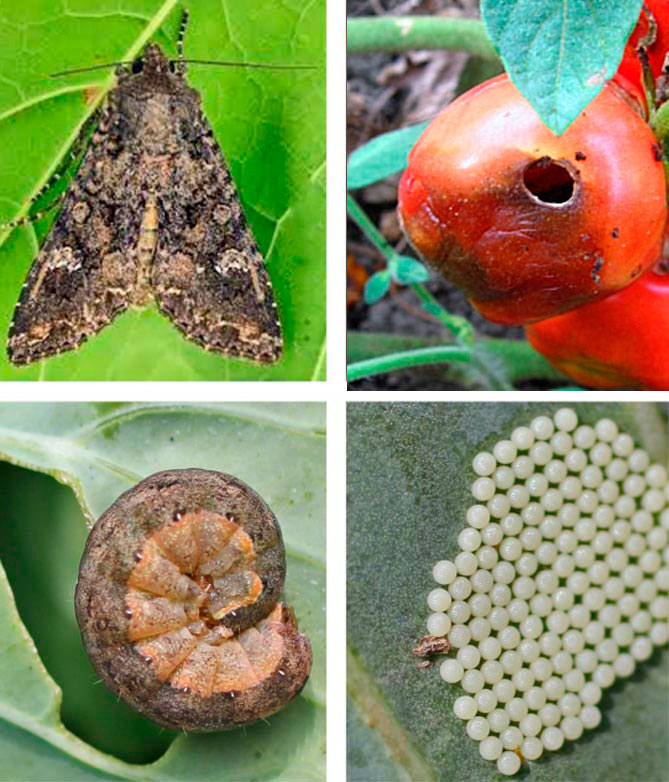
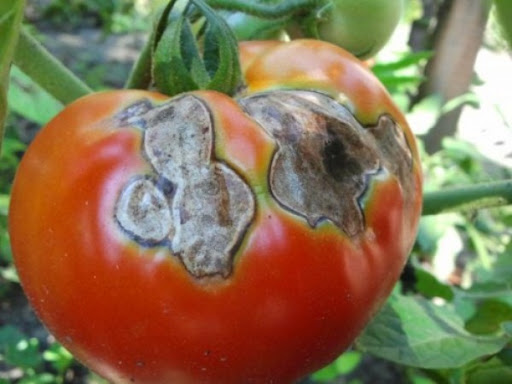
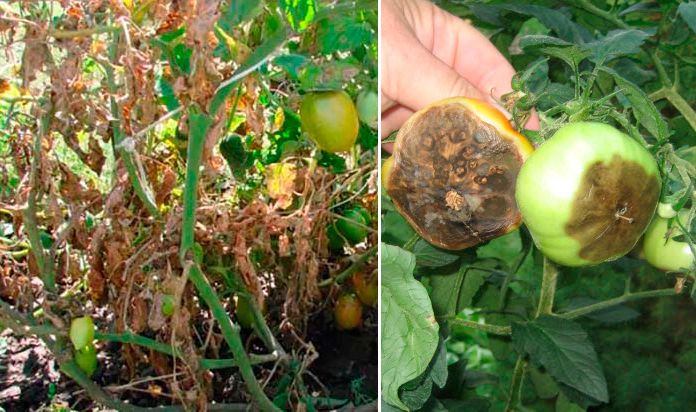
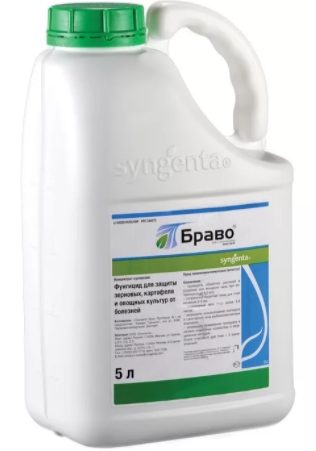
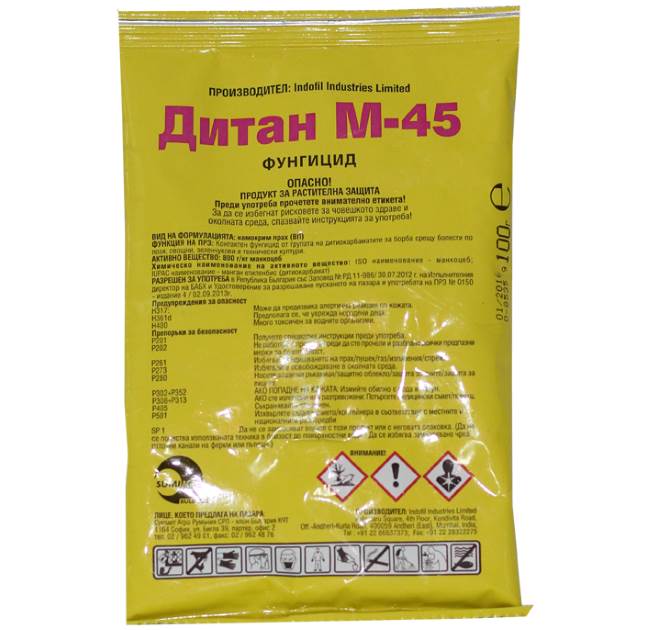
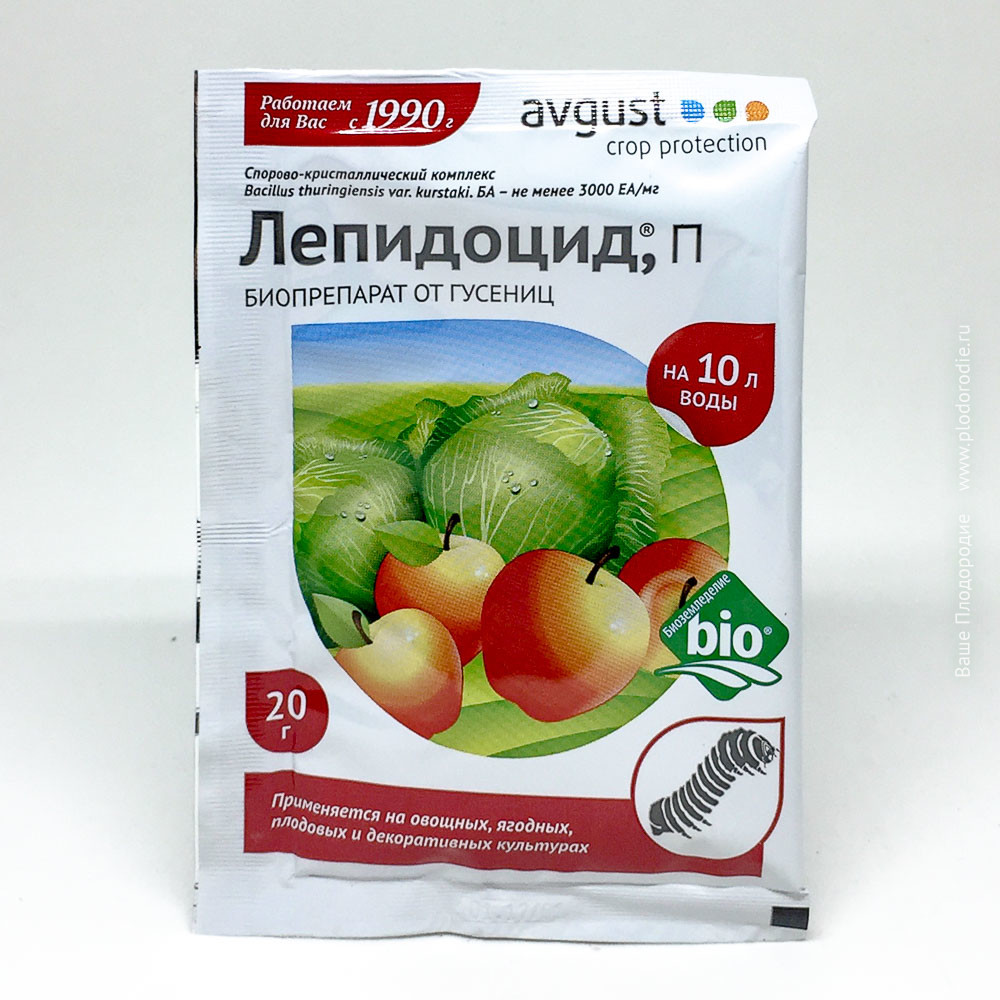
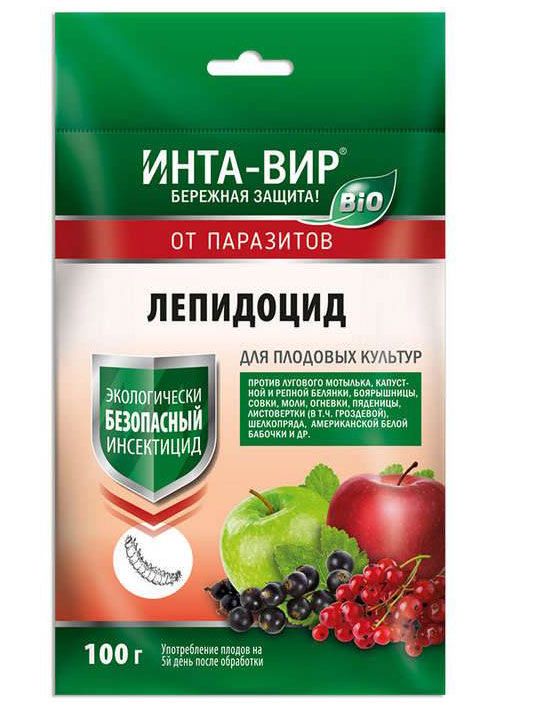
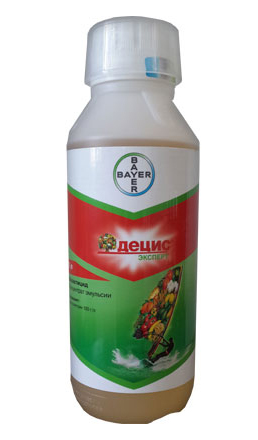
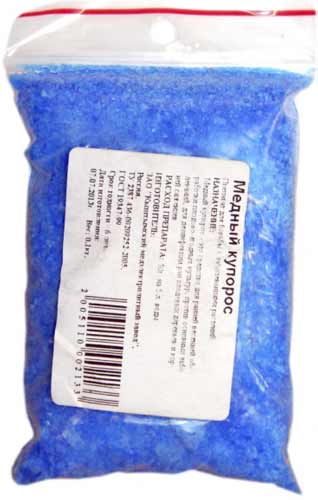
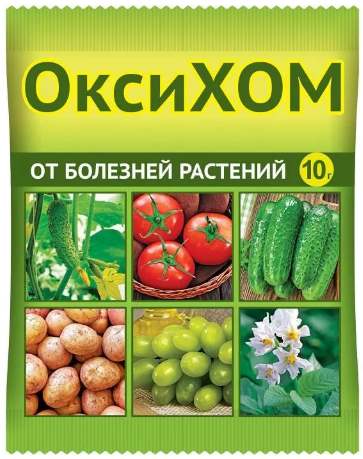
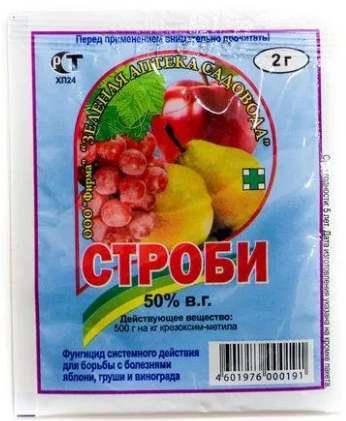
Photo gallery of pest and disease control products for the Pink Honey tomato variety:






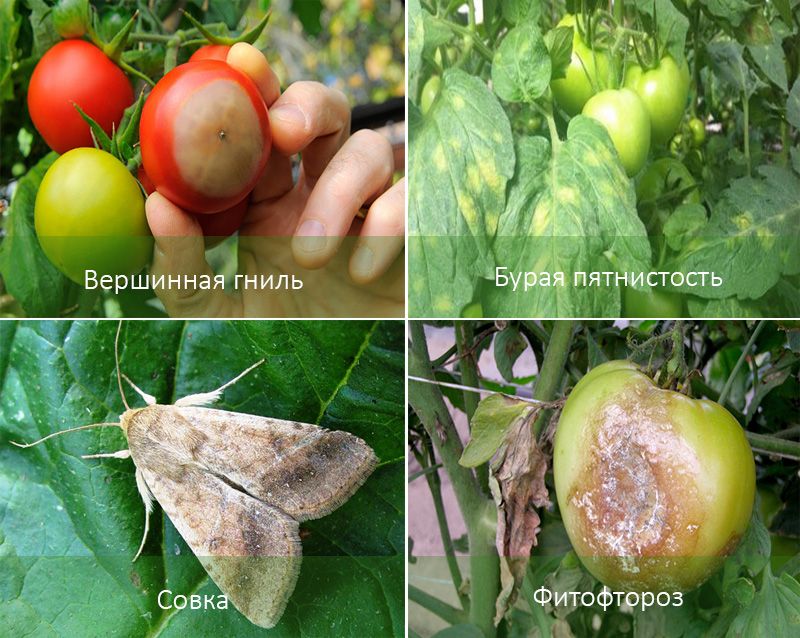
Comparison of the Pink Honey tomato variety with other varieties in the table
Please note! How can you easily convert centners/ha to kg/sq.m? Simply divide by 100! For example, the Abakansky Pink tomato yields 400 centners of marketable fruit per hectare. This equals 4 kg per square meter. It's that simple! Also, keep in mind that typically no more than 3-4 plants are planted per square meter. This way, you can calculate the yield per bush. In the case of the Abakansky Pink, it's about 1 kg.
| Variety | Ripening period (number of days from full germination to ripening)
Yield of commercial fruits |
Brief description | Fetus |
| Pink honey | 111-115 days 380 c/ha (open ground) |
A mid-season determinate variety for open ground and greenhouses. Suitable for salads. Marketability is 96%, and the yield of ripe marketable fruits is 90%. | Round, ribbed, pink, 160-200 g. Excellent taste. |
| Abakan pink | 120 days or more
400 c/ha |
A late-ripening determinate variety for open ground and greenhouses. Requires staking and training. Suitable for salads and processing into tomato products. | Flat-round, slightly ribbed, medium density and pink in color, 200-500 g. Good taste. |
| Wild rose | 110-115 days
600 c/ha |
An early-ripening indeterminate variety for open ground and greenhouses. Requires staking and training. Suitable for salads. Heat- and salinity-tolerant. | Round, smooth, pink, 300-350 g. Excellent taste. |
| Favorite holiday | 105-110 days
750 c/ha |
An early-ripening determinate variety for open ground. Suitable for salads. | Heart-shaped, slightly ribbed, medium density, pink, 350 g. Good taste. |
| Mikado Pink | 90-95 days 500-600 c/ha |
A mid-early indeterminate variety for greenhouses. Suitable for salads. | Flat-round, large, ribbed, medium density, pink, 300-360 g. Excellent taste. |
| Pink Paradise | 100-110 days
390 c/ha |
A mid-season indeterminate variety for open ground and greenhouses. Requires staking and shaping. Suitable for salads. | Flat-round, slightly ribbed, dense, pink, 125-140 g. Excellent taste. |
| Pink elephant | 112 days
620-820 c/ha |
A mid-season semi-determinate variety for greenhouses. Suitable for salads, canning, and processing into tomato products. | Flat-round, fleshy, medium- to strongly ribbed, notched to smooth top, pink, 280 g. Excellent taste. |
| Pink spam | 99 days
2560 c/ha |
An early-ripening indeterminate variety for greenhouses. Suitable for salads and canning. | Heart-shaped, firm, smooth, pink, 190 g. Excellent taste. |
| Wind rose | about 100 days 600-700 c/ha |
An early-ripening, determinate, standard variety for open ground. Requires staking and shaping. Suitable for salads. Drought-resistant. | Round, smooth, pink, 140-160 g. Excellent taste. |
| Sweet Million | 95-100 days
Commercial yield 4.8-7.0 kg/sq.m. |
An early-ripening, indeterminate, medium-sized variety for greenhouses. Suitable for salads. | Round, smooth, red, 15-20 g. Excellent taste. |
| Chinese pink | about 110 days
up to 1500 c/ha (open ground), up to 2000 c/ha (greenhouse) |
A mid-early semi-determinate variety for open ground and greenhouses. Requires staking and training. Suitable for salads and processing into tomato products. | Heart-shaped, fleshy, sweet, pink, 300-350 g. Excellent taste. |
| The Pink King | 100-112 days
680 c/ha (greenhouse and under film) |
A mid-season indeterminate variety for open ground and greenhouses. Requires staking and shaping. Suitable for salads. | Flat-round, ribbed, medium density, pink, 200-300 g. Excellent taste. |
Top.tomathouse.com recommends: Pink Honey Tomato – an anti-stress fruit
This dessert tomato variety not only has an appealing taste but also produces tyramine. This substance, once absorbed by the body, is converted into serotonin, the happiness hormone. A deficiency in serotonin can lead to apathy, depression, and decreased stamina. Regular consumption of this tomato variety will help restore strength and emotional balance.
The fruits also help with internal organ diseases. They strengthen the walls of blood vessels and the heart, improve the transmission of nerve signals, and enhance bone marrow function, accelerating the regeneration of bone and cartilage tissue.
Real reviews from gardeners about the Pink Honey tomato variety
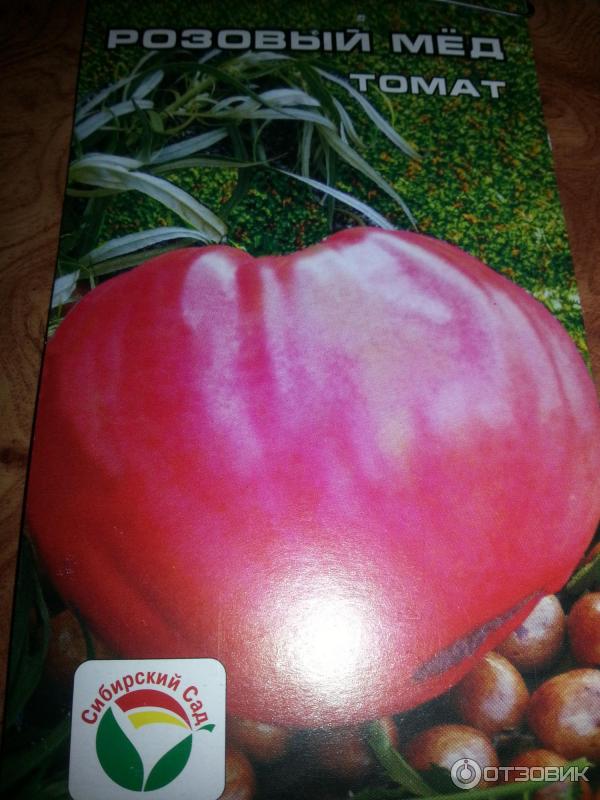
Every year we grow different types and varieties of vegetables. We don't always get the expected results, even when we plant familiar varieties. Of course, we're happy when the harvest exceeds our expectations. I always share my successes here. For example, about the productive Kaspar tomatoes or about the tomato's close relative, the Giselle eggplant. But every year we also try to plant new varieties. Two years ago, we tried sowing the "Pink Honey" tomato variety from Siberian Garden – large, very sweet tomatoes.
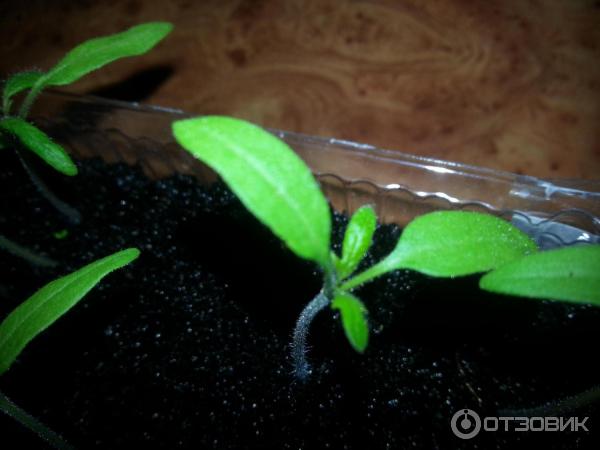
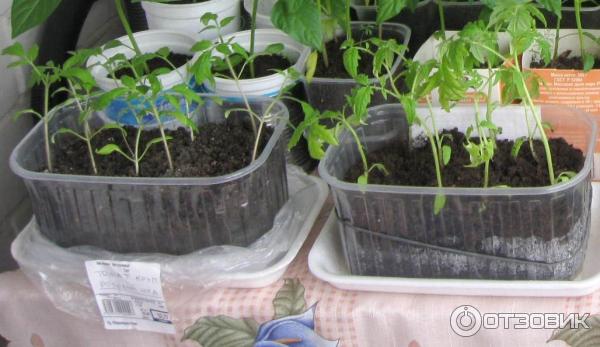
This year, the seeds were sown on March 1st and sprouted along with seeds from other varieties. However, of the five, only two sprouted. This year's seedlings:
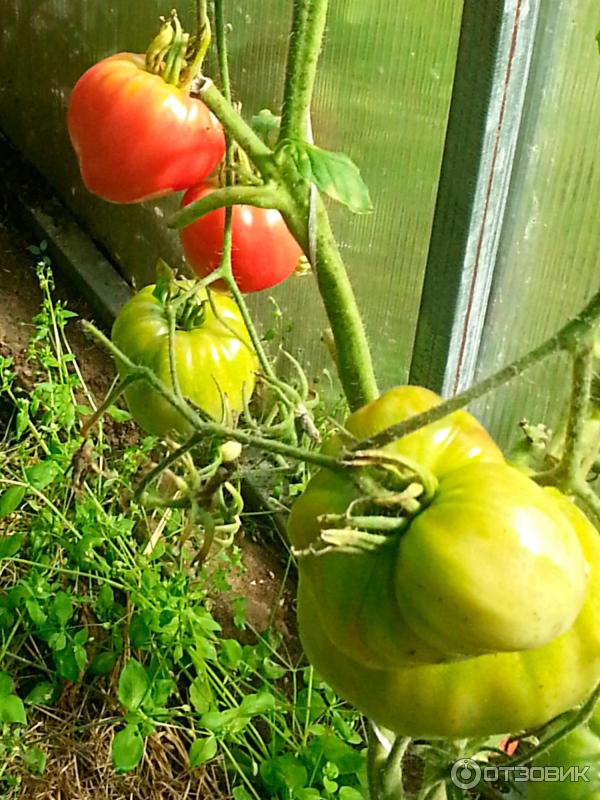
We grow them in a greenhouse, and the bush is taller than indicated on the packaging—a little over a meter. Last year, we transplanted them into the greenhouse as usual after May 10th. We're leaving two stems. Terrible weather conditions in the first half of summer last year (2017) led us to believe there would be no harvest, as the first flowers didn't set, but simply fell off. But this isn't unique to this tomato variety. To remedy the situation and increase fruit set, I tried spraying with Zavyaz, but I only saw results after using a boric acid solution. We also left a bucket of previously soaked manure or nettles in the greenhouse for watering. The fermenting remains of green leaves and added weeds increase the carbon dioxide concentration, which leads to an increase in the number of fruits set in the inflorescences. Perhaps all these measures, or perhaps the slightly better weather, contributed to fruit set.
Two or three fruits formed in the brushes.
But there were also single specimens, but much larger.
The fruits are quite large and heavy. While we tied the stems while they were still growing, when the clusters formed and the tomatoes began to fill out and ripen, we had to tie up some of the stems as well. The first fruits turned red only in the second half of August.
The "Pink Honey" variety is not suitable for canning. We grow these large, fleshy tomatoes for salads with the freshest, freshly picked cucumbers, sweet peppers, aromatic basil, or mixed vegetables. They have a very sweet, non-acidic flavor.
At the end of August and throughout September, we enjoyed ripening, delicious tomatoes. I hope this year will bring a warm summer with bright sunshine, and the "Pink Honey" tomato variety from the seed producer, Sibirsky Sad, will delight us with another harvest of plump, sweet fruits!

I've loved tomatoes since childhood, both fresh and canned. I only became interested in them as a vegetable garden crop about ten years ago. It's important to me that a tomato is fleshy, sweet, and productive. The Pink Honey variety possesses all these characteristics.
I bought seeds in 2013 from the Siberian Garden. Germination was excellent both in the year of purchase and the year after. The bush is loose, even flimsy, spreading, about a meter tall in open ground and about two meters in a greenhouse, requiring staking. It's therefore surprising that it produces enormous tomatoes, up to 700 grams. The fruit is pink and heart-shaped. The flavor is excellent, especially in hot, dry summers. It sets well; I harvested 5.5 kilograms from an experimental bush. Resistance to diseases such as cladosporiosis and late blight is average. However, no variety is immune to these diseases (there are several hybrids resistant to cladosporiosis).
The Pink Honey tomato immediately became one of my favorites, along with De Barao Giant and Miracle of the Land (you can read my reviews of these wonderful varieties here). I will continue to grow it. I recommend everyone to grow Pink Honey in their gardens; you won't regret it.
By the way, another variety with heart-shaped fruits is being tested – Budenovka, a very fruitful one.
After reading reviews online and here on Otzovik, I bought a packet of seeds of this variety this spring. Our family loves large-fruited pink tomatoes. They used to grow wonderfully for us. But lately, we've been having problems. Either the soil is completely depleted, or the seeds are bad. We wash ours every year, but I'd like to try something new.
And then, at the garden center, I fell in love with this large-fruited tomato variety. The fruit looked very attractive in the photo.
After reading the description, I knew this was exactly what we needed. The bushes aren't very tall, and the fruits are large. Although, I couldn't imagine a tomato weighing 1.5 kg, as the seed supplier promised. What kind of load must the bushes bear?! And what strong stems.
The "New!" sign also did the trick. I decided to give it a try and bought a bag.
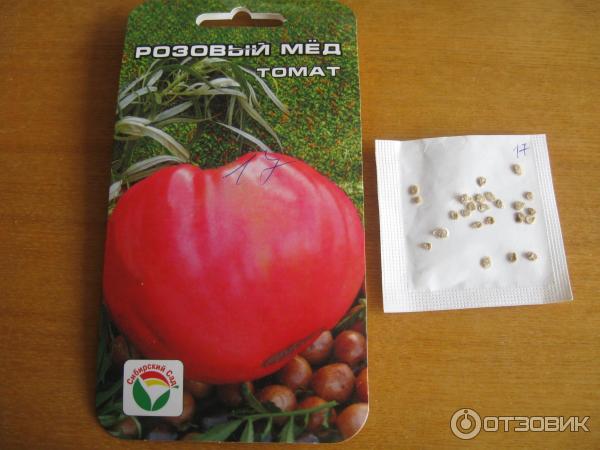
There were about 25 seeds in the packet, even though it said 20. All were whole, light-colored, clean, and large. I didn't soak all the seeds, only half—12 of them.
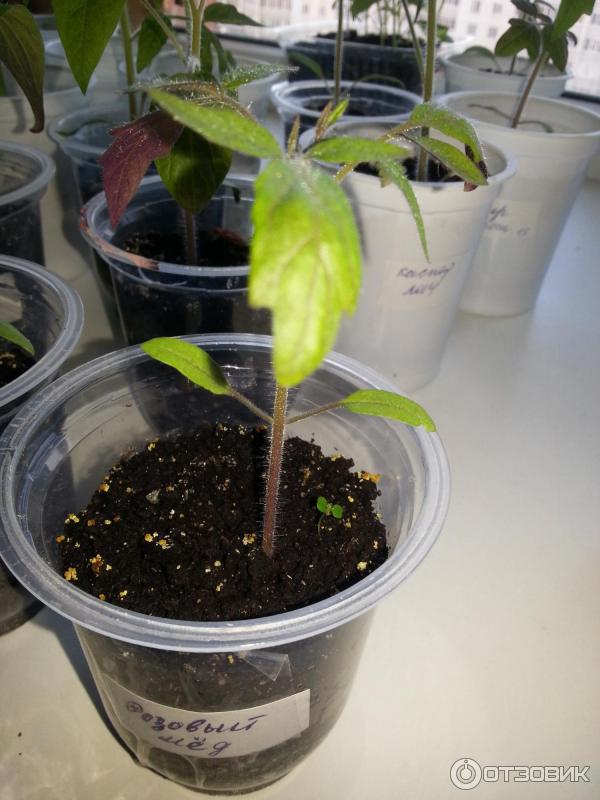
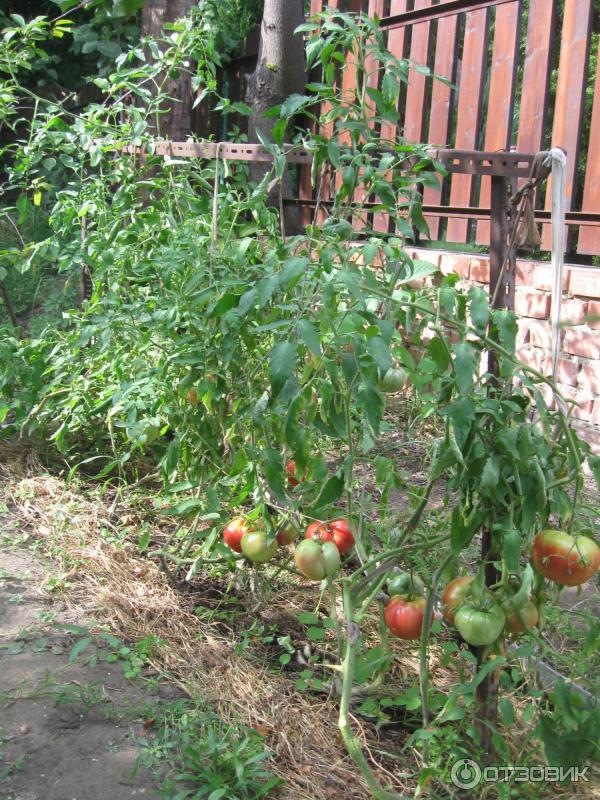
They all sprouted, I sowed them as seedlings as usual, then pricked them out. They grew like all the others, even smaller than some. The "Pink Honey" variety is pictured on the left.
I planted the seedlings in open ground at the end of May. At first, they struggled to grow. The bushes were frail, spindly, and didn't produce any fruit. But perhaps this was due to the scorching heat (up to 35°C) and drought in our region, even though I watered the bed regularly, three times a week. I read the care instructions on the package and discovered that the variety responds well to watering and mineral fertilizers. So I decided to feed them with superphosphate, burying half a teaspoon under each bush and watering them thoroughly.
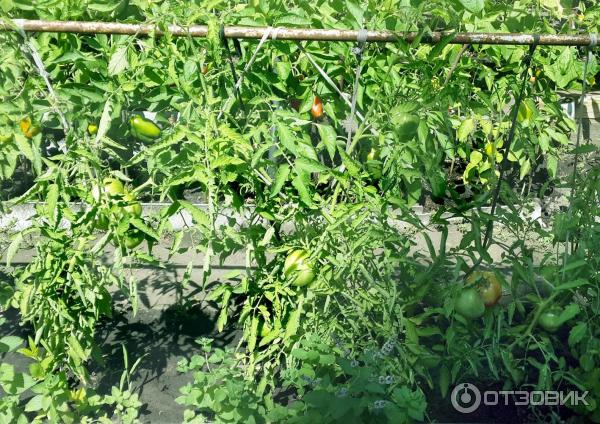
About a month later, in July, the bushes began to gain strength, and the first buds appeared. But still not as many as I expected. 3-4 per bush. True, the bed was in the sun's hottest spot, and our soil is poor and sandy, depleted over the years. I regularly watered the bed with green manure made from weeds. The bushes began to grow, spreading out, and clearly exceeded the promised 60-70 cm. I had to create a staking structure for them; simple stakes no longer held the weight.
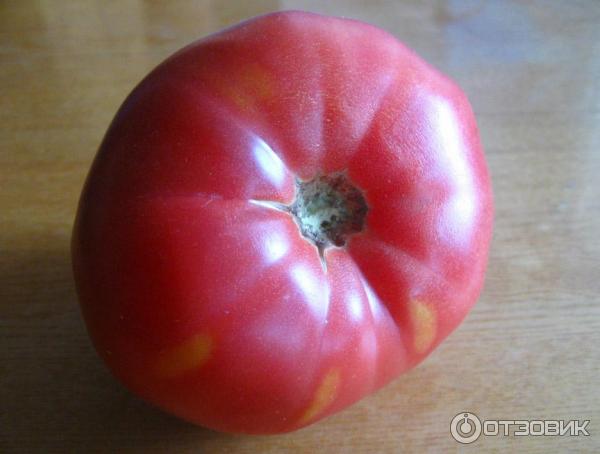
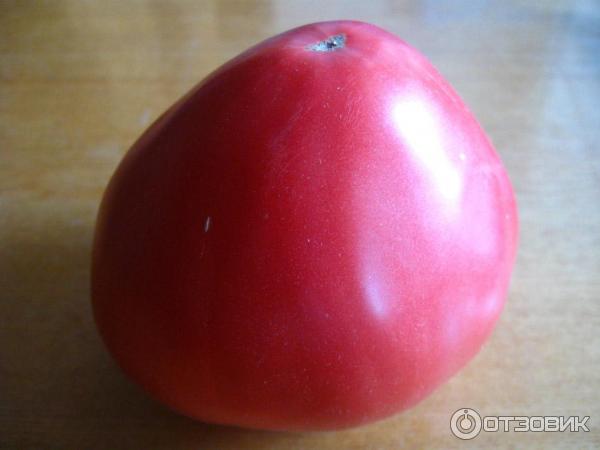
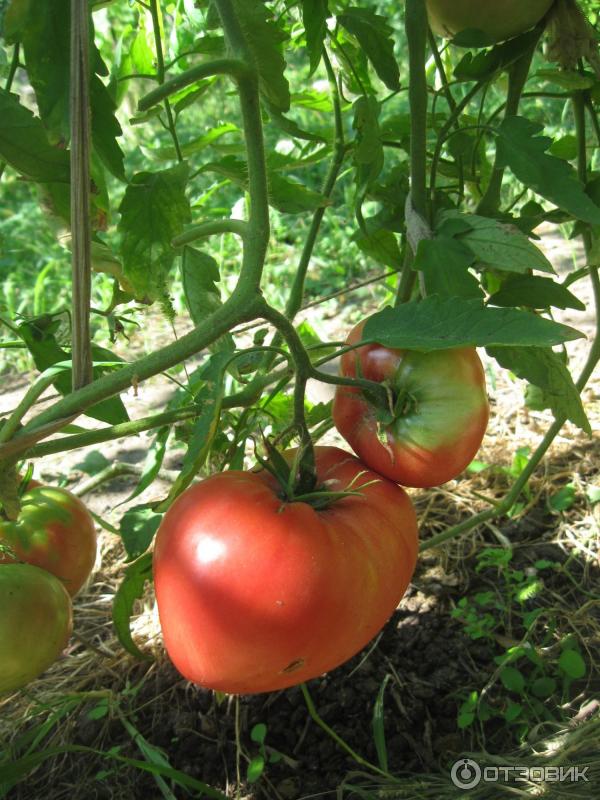
And finally, in early August, the first large tomatoes began to ripen. They were more heart-shaped, similar to the "Bull's Heart" variety. But the first fruit I picked was slightly off-kilter, with a dent on the side. The next few didn't turn completely red, but were greenish on top with a tough skin. Perhaps the heat was to blame again?
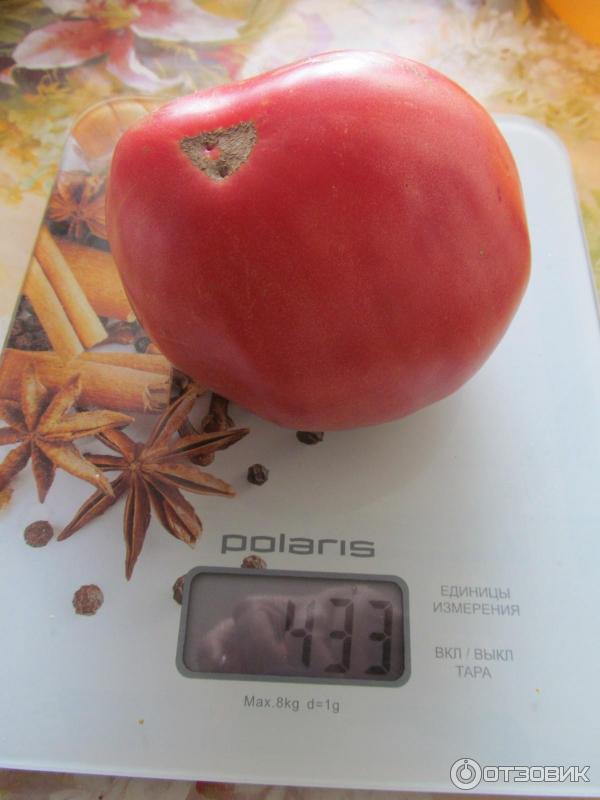
One of the first fruits turned out beautiful. It weighed about 300 grams. This wasn't the promised 1.5 kg, but it was still quite good considering the Saratov drought and our depleted soil. The tomato peeled easily from the stem and fully ripened within a few days indoors.
The tomato's core turned out to be small. The fruit itself was fleshy and tasty.
I can recommend it. I think the results will be much better in fertile soil.I decided to supplement the review with fresh photos.
The 2016 summer was very hot, averaging 30-33°C, with little rain. And the tomatoes loved it. I grew seedlings from the same packet of seeds. The bushes initially grew thin and delicate, but after fertilizing with superphosphate, they immediately grew and set fruit. The result was six excellent tomato plants weighing between 150 and 500g.
These tomatoes are delicious! Perfect for salads and just eating them. Their only drawback is their thin skin, so they need to be picked and transported carefully.

https://otzovik.com/review_2326660.html
Good day, ladies and gentlemen! Large, fleshy, aromatic. The only thing I don't like is that they crack when they get overripe. Any eater of such a miracle will be pleased, even the most insatiable-)). We didn’t find any shortcomings in the tomatoes, we will plant more. Thank you, dear friends, for your attention to my review. https://otzovik.com/review_6904844.html
Today I'm writing about another harvest this summer, which (I hope!) you'll enjoy.
Tomatoes are a favorite among many; the beneficial vitamins and minerals they contain are combined with a pleasant taste and the ability to be used in a variety of dishes and sauces.
We have different varieties growing in our greenhouse, but I especially like this one.
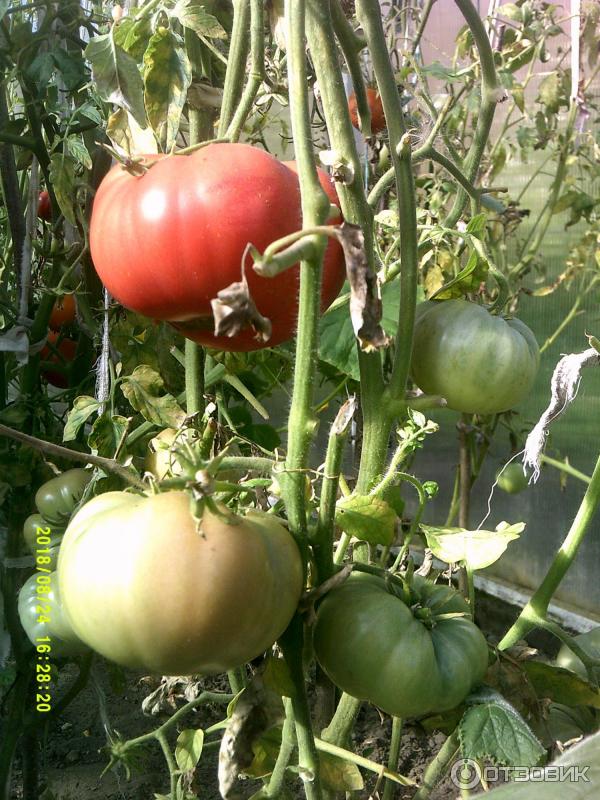
They don't require any special care.
They love warmth and plenty of water. No pests have attacked them this year.
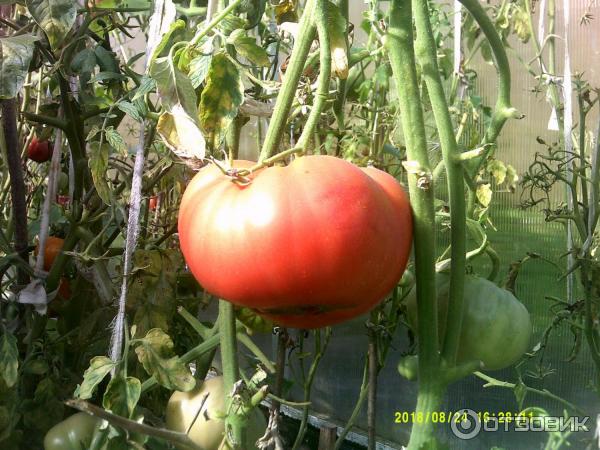
Grandma doesn't have time to take them off.
We have already made a lot of preparations for the winter from them: lecho, salads, adjika.
The fruits are impressive in appearance and impressive in size.
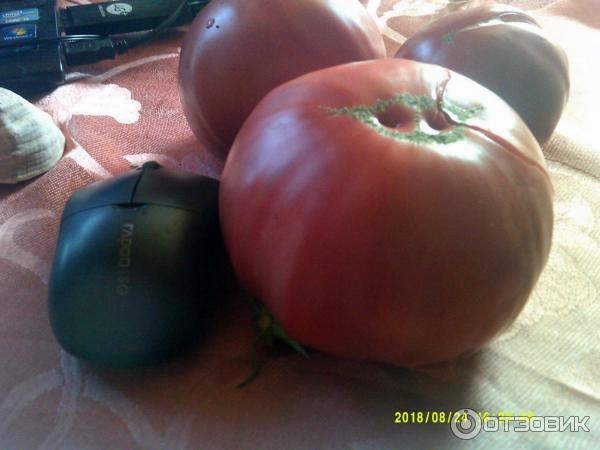
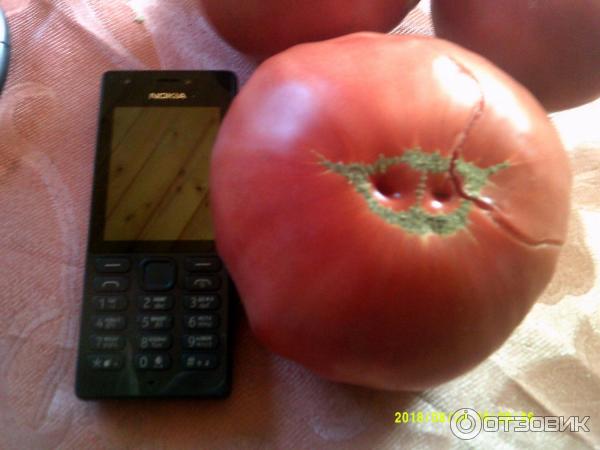
I recommend this variety to gardeners.
Residents of the south of Russia (in the subtropical climate) can plant them in open ground without any problems.
They are unpretentious.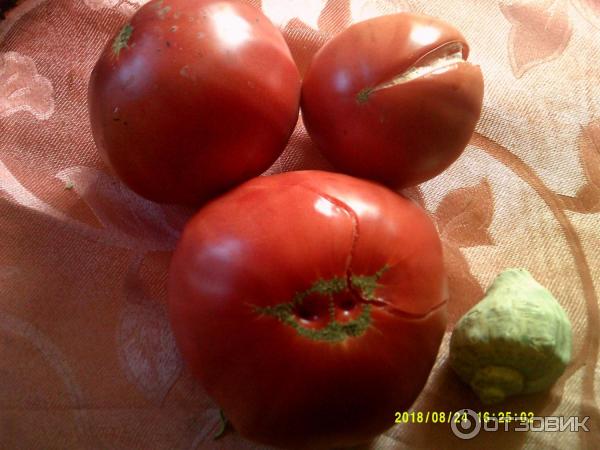
All the best and a great harvest!