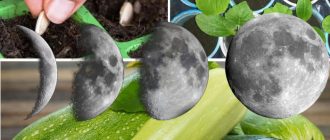
Gardeners' work doesn't end in September. Plants also require attention. Their development in the coming season depends on how they are cared for in the first month of autumn. The lunar calendar will tell you which actions will be most productive and when.

Content
- 1 Favorable and unfavorable days for planting flowers in September 2024
- 2 Favorable and unfavorable days for planting flowers in September 2024
- 3 Favorable and unfavorable days for various flower care tasks in September 2024
- 4 Lunar phases and days by zodiac sign in September 2024
- 5 Lunar calendar for September 2024 by date
- 5.1 1.09-2.09 (until 06:48)
- 5.2 2.09 (from 06:48 a.m.) - 4.09 (until 19:11 p.m.)
- 5.3 4.09 (from 19:11) - 7:09 (until 08:18)
- 5.4 7.09 (from 08:18) - 9.09 (until 20:25)
- 5.5 9.09 (from 20.25) - 12.09 (until 05.36)
- 5.6 12.09 (from 05:36 a.m.) - 14.09 (until 10:52 a.m.)
- 5.7 14.09 (from 10:52 am) - 16.09 (until 12:39 pm)
- 5.8 16.09 (from 12.39 pm) - 18.09 (until 12.23 pm)
- 5.9 18.09 (from 12.23 pm) - 20.09 (until 12.02 pm)
- 5.10 20.09 (from 12.02 pm) - 22.09 (until 13.23 pm)
- 5.11 22.09 (from 13.23 pm) - 24.09 (until 17.49 pm)
- 5.12 24.09 (from 17:49) - 26.09
- 5.13 27.09-29.09 (until 12:42 pm)
- 5.14 29.09 (from 12:42 p.m.)-30
- 6 Work of flower growers in September
Favorable and unfavorable days for planting flowers in September 2024
The table below shows favorable dates for classes with flowering and ornamental plants, days for planting undesirable, A Also favorable only for certain groups or at certain times (see below).
Favorable and unfavorable days for planting flowers in September 2024
The table below shows favorable dates for classes with flowering and ornamental plants, days for planting undesirable, A Also favorable and unfavorable only for certain groups or at certain times (see below).
| Type | Favorable days | Unfavorable And prohibited days |
| Biennials, perennials | 4—7, 7—9, 9—12, 12—14, 16, 20—22, 22—24, 24—26, 29-30 | 2, 3, 4, 14—16, 17, 18 |
| Tuberous, bulbous | 4—7, 9—14, 16, 20—22, 22—24 (digging), 24—26, 29-30 | |
| Roses | 4—9, 16, 20—22, 22—24 (climbing) | |
| Clematis | 4, 9—14, 22—24 | |
| Indoor | 4—7, 9—12, 12—14, 16, 20—22, 22—24, 24—26, 29-30 |
Favorable and unfavorable days for various flower care tasks in September 2024
| Works | Favorable days | Unfavorable and prohibited days |
| Transplantation, division of rhizomes, digging | 1, 4—7, 24—30 | 2, 3, 4, 14—16, 17, 18, 19, 20—24 |
| Pruning, cuttings | 1, 4—7, 12—14, 20—24, 27-30 | 2, 3, 4, 7—12, 16,17, 18, 19, 20 |
| Watering, loosening, fertilizing | 4, 4—7(with caution), 7—9, 16 (with caution), 20—22(without loosening), 24—26, 29-30 | 1-2, 3, 4, 9—12, 14—16, 17, 18, 19, 20, 27-29 |
| Disease and pest control | 1—4, 7—16, 18—24, 27-30 | 4—7, 16—18, 24—26 |
The article discusses the work of gardeners and vegetable growers in September.Gardener's Lunar Calendar for September 2024.
Lunar phases and days by zodiac sign in September 2024
Conventional designations:
- «+" - good fertility;
- «+/-" - average fertility;
- «—" - low fertility;
- ◐ — Waxing moon;
- ◑ — Waning Moon;
- ● — New Moon;
- ○ — Full moon.
Moon phases in September 2024:
- ◑ — 1-2, 19-30.
- ● — 3 (04h 55m).
- ◐ — 4-17.
- ○ — 18 (05h 34m).
Days according to the Zodiac signs:
- ♌ Leo - 1-2 (until 06:48), 27-29 (until 12:42).
- ♍ Virgo - 2 (from 06:48 a.m.)-4 (until 19:11 p.m.), 29 (from 12:42 p.m.)-30.
- ♎ Libra — 4 (from 19:11) - 7 (until 08:18).
- ♏ Scorpio — 7 (from 08:18) - 9 (until 20:25).
- ♐ Sagittarius — 9 (from 20:25)-12 (until 05:36).
- ♑ Capricorn — 12 (from 05:36)-14 (up to 10:52).
- ♒ Aquarius - 14 (from 10:52 a.m.)-16 (until 12:39 p.m.).
- ♓ Pisces - 16 (from 12:39) - 18 (until 12:23).
- ♈ Aries - 18 (from 12:23 pm)-20 (until 12:02 pm)
- ♉ Taurus — 20 (from 12:02 a.m.) - 22 (until 1:23 p.m.).
- ♊ Gemini — 22 (from 13:23) - 24 (until 17:49).
- ♋ Cancer - 24 (from 17:49)-26.
Lunar calendar for September 2024 by date
Below we will tell you what work can and cannot be carried out on certain dates in September.
1.09-2.09 (until 06:48)
♌ Leo, —, ◑, Fruit Day.
It is forbidden to fertilize and moisten the soil, all other work is permitted.
We're replanting perennials. We're combating diseases and pests. We're planting primrose, tulip, daffodil, and hyacinth bulbs (using baskets to protect the bulbs from rodents). We're removing spent annual vines from their supports and composting them. We're bringing indoor plants we've put out in the garden for the summer.
2.09 (from 06:48 a.m.) - 4.09 (until 19:11 p.m.)
♍ Virgo +-, ●, Root days.
3.09 at 04:55 – Exact New Moon.
The day before and after the Exact New Moon, plants are most vulnerable, so no work should be done with them.
We tidy up the flower beds, stone flower beds, on the alpine hills and in rockeries.
From 4 (04h 55m): Planting tulips and ornamental cuttings. Dig up dahlias after the first frost has passed.
4.09 (from 19:11) - 7:09 (until 08:18)
♎ Libra +-, ◐, Flower days
It is prohibited to spray plants with chemicals against diseases and pests.
Hilling, mulching, primary covering of heat-loving crops in case of a sharp cold snap (North).
Planting small bulbous plants, crocuses, snowdrops, Chionodox, crested squirrel, muscari, Scylla, daffodils, Roses, conifers. Rooting cuttings and layering.
7.09 (from 08:18) - 9.09 (until 20:25)
♏ Scorpio, +, ◐, Leaf Days
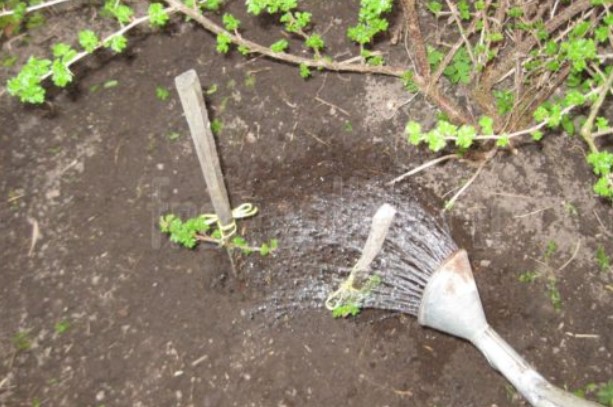
Don't prune or divide. Don't remove weeds, they'll grow back quickly.
We plant garden and indoor flower plants with thorns and spines: roses, conifers, etc.
We water and fertilize the roots. We dig and create flower beds for future plantings, adding ash and compost.
We fight diseases and pests.
9.09 (from 20.25) - 12.09 (until 05.36)
♐ Sagittarius, +-, ◐, days of the Fruit
It is not advisable to prune or water. You shouldn't bother with house flowers.
A good time for planting and rooting climbing and trailing flowers. We plant clematis and other trailing flowers in the central and southern regions. In the north, planting should be completed by mid-month.
You can dig up and plant bulbs. Digging, weeding, and loosening the soil are necessary.
12.09 (from 05:36 a.m.) - 14.09 (until 10:52 a.m.)
♑ Capricorn, +-, ◐, Root days
You cannot loosen the soil near horses or weed.
Planting and replanting perennials: lilies, tulips, daffodils, various small-bulbous: snowdrops, crocuses, Chionodoxa, corydalis, muscari, ScyllaWe reproduce peonies, irises, phloxes, astilbe, day-lily and others. And also conifers.
We separate and transplant the layers rooted in the spring, as well as the cuttings.
We are planting clematis, lemongrass, hops, and maiden grapes. We add nutrient mixtures and harvest flower seeds.
14.09 (from 10:52 am) - 16.09 (until 12:39 pm)
♒ Aquarius, —, ◐, Flower days.
It is not recommended to plant, water or fertilize anything.
We fight diseases, pests, and weeds. We move houseplants from outside to indoors.
16.09 (from 12.39 pm) - 18.09 (until 12.23 pm)
♓ Pisces, +, ○, Leaf days.
September 18 at 05:34 – Exact Full Moon.
The day before and after the Exact Full Moon, it is not recommended to sow, plant and transplant plants, soak seeds, do pruning, or fertilize
We carry out the following works until 17.09 (05:34):
Planting biennial seedlings, roses, and corms. Tidying up flower beds, alpine gardens, and rockeries. Bringing indoor plants that were outside during the summer indoors. Protecting dahlias, cannas, and gladioli from sudden frosts. Watering and fertilizing indoor and outdoor plants.
18.09 (from 12.23 pm) - 20.09 (until 12.02 pm)
♈ Aries, +-, ◑, days of Fruition.
It is not recommended to plant and sow, add nutrient mixtures, replant, root, prune, shape, remove side shoots, or water.
We fight diseases and pests. We dig up dahlias, disinfect them, dry them, and store them after the frost has passed. We collect and dry the seeds of ornamental and medicinal plants.
20.09 (from 12.02 pm) - 22.09 (until 13.23 pm)
♉ Taurus, +, ◑, Root days
You must not loosen the soil around the roots, because if you damage them, the wounds will take a long time to heal..
These days are good for planting bulbous plants: fritillaries, hyacinths, imperial hazel grouse, crocuses, tulips, perennials, including roses. And also dig up the bulbs.
We water rhododendrons, conifers, mahonia, heathers.
We trim roses: we shorten the stems by one third (except climbing, shrubs, ground covers and miniature ones), water with ash and superphosphate.
We're digging dahlias, we disinfect them, dry them and put them away for storage.
22.09 (from 13.23 pm) - 24.09 (until 17.49 pm)
♊ Gemini, —, ◑, Flower Days
You can't pick or transplant.
These are favorable dates for planting clematis and other flowers with long, climbing stems. You can also dig up tubers and bulbs.
We cut it to the height of a matchbox astilbe, phloxes, host (preferably before the temperature drops), irises, daylilies, if they have faded.
We trim and cover from frost clematis, heat-loving perennials, except roses.
We fight diseases and pests.
24.09 (from 17:49) - 26.09
♋ Cancer, +, ◑, Leaf days
Do not use chemicals for spraying.
Dividing and replanting rhizomes peonies, irises, phloxes, astilbe, daylilies, bulbous.
We plant tulips at a depth of three bulbs, surrounding them with sand. We prune astilbes, phlox, hostas (preferably before frost), irises, and daylilies to a height of 5 cm.
We're planting hyacinths and lilies of the valley. We're dividing and replanting perennials.
Sowing biennials: violas, Turkish carnation, alyssum.
Loosening, watering and fertilizing indoor plants that bloom in winter, pruning perennials.
27.09-29.09 (until 12:42 pm)
♌ Leo, —, ◑, Fruit Day.
It is not advisable to use nutrient mixtures and water.
We replant perennials. We combat diseases and pests. We plant primrose, tulip, daffodil, and hyacinth bulbs when the soil temperature drops to 10°C (we use baskets to protect the bulbs from rodents). We remove spent annual vines from their supports and compost them.
We bring indoor plants that were put out in the garden for the summer into the house.
29.09 (from 12:42 p.m.)-30
♍ Virgo +-, ◑, Root days.
We put aquatic plants in the basement or lower them to a frost-free depth.
Planting tulips and ornamental cuttings. Digging up dahlias after the first frosts have passed (North).
Work of flower growers in September
The beginning of autumn is considered the most favorable time for planting small-bulbous specimens.
Planting primroses
They will look great around tree trunks or on the lawn. Shallow planting holes can be made with a thick stake. Place the bulbs inside and cover with fertile soil.
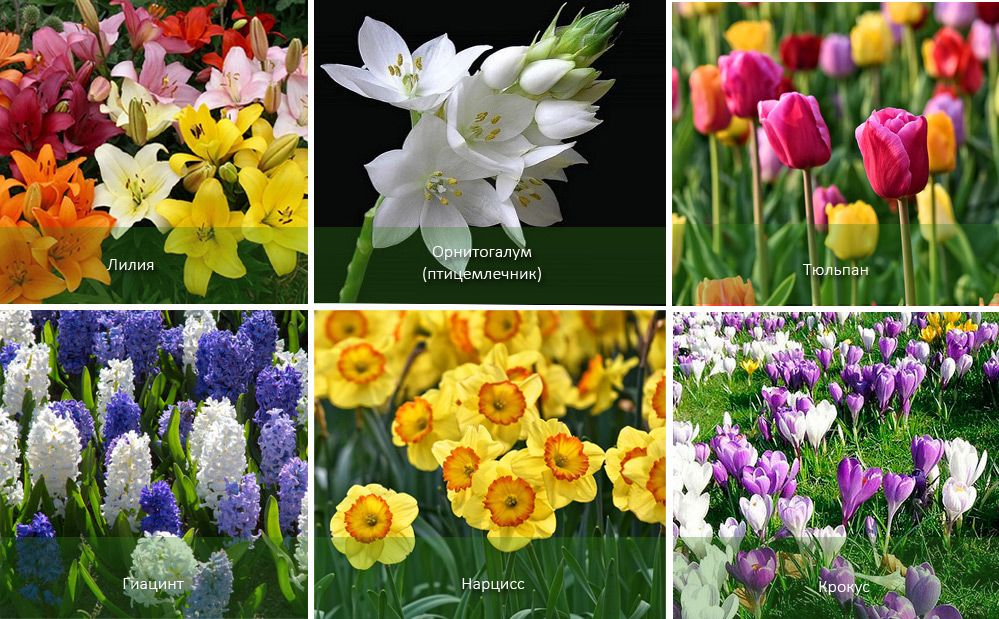
If there is a separate place for small bulbous plants, then this type of planting is preferable.
Step by step actions:
- Clear an area with light and fertile soil so that the plants develop better and produce lush flowering.
- Add about a bucket of compost or humus, 1 tablespoon each of superphosphate and calcium sulfate.
- Dig to the depth of a shovel blade. This will allow you to reach the roots of perennial weeds.
- Dig furrows three times the size of the bulb deep.
- Add sand to the bottom and place the planting material in it. Plant the bulbs close together to create a beautiful clump. However, it's important to keep in mind that the bushes will need to be replanted frequently.
- Sprinkle fertile soil mixture on top.
If you have a large number of bulbs, you can plant them in pots for winter forcing. Select the largest and healthiest specimens for planting. A medium-sized container can hold 5-6 bulbs. Leave the pot in the garden until November, then bring it inside. You'll be able to admire the primroses as early as midwinter.
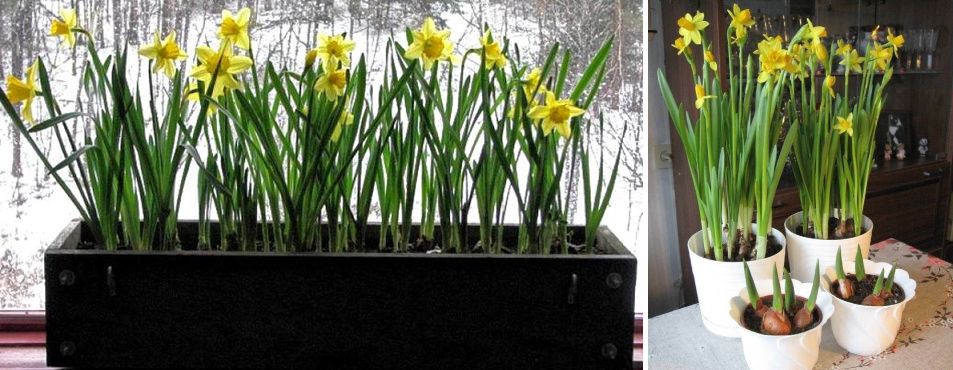
Read more about forcing various bulbous plants on our website:
Reproduction of lilies
It's recommended to transplant nests that are more than three years old, if this wasn't done in August. This will give them time to grow and strengthen their roots before winter. This will eliminate the need for additional covering.
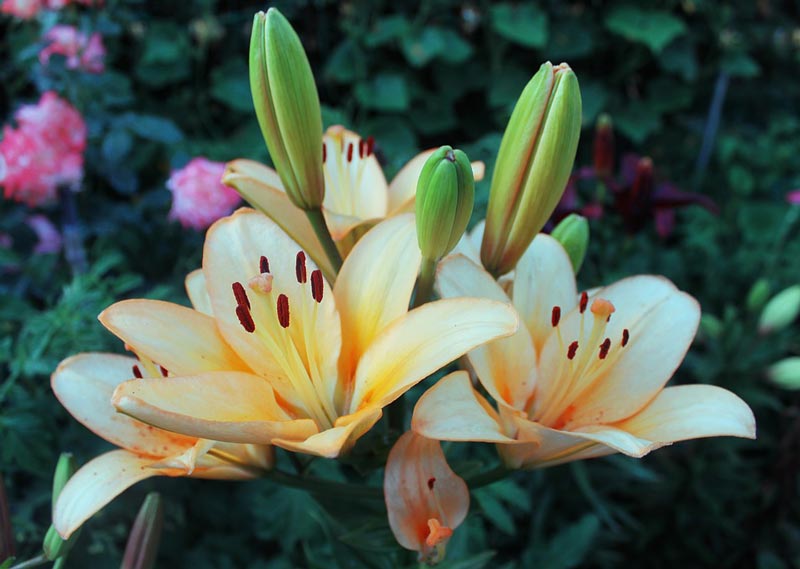
Seating arrangement step by step:
- If the soil is heavy, dig it in with compost or humus (no more than 1.5 buckets per square meter). If you add too much, the plants will begin to grow foliage at the expense of flowering. The bulbs will be more susceptible to infection and will lose their winter hardiness.
- Dig up the planting material, remove rotten scales, too long or dead roots.
- Plant at a depth equal to 2-3 times the bulb's diameter. This applies to all varieties except the snow-white lily, which should be planted 2-3 cm deep. If the soil is heavy, water the holes or furrows and add sand to the bottom.
- Place the bulb inside, straighten the rhizome and cover with finely lumpy soil mixture.
- Mulch with compost or humus. This will retain moisture and protect against freezing, and in the spring, the organic matter will provide the plants with nutrients.
Helpful information! If for some reason you can't plant the bulbs immediately, it's recommended to store them in damp sand or sawdust, but only for a short time.
Lilies can be propagated by bulbils. These should be collected in September.
Their maturity is indicated by the ease of separation from the stem and the beginning of the development of adventitious roots.
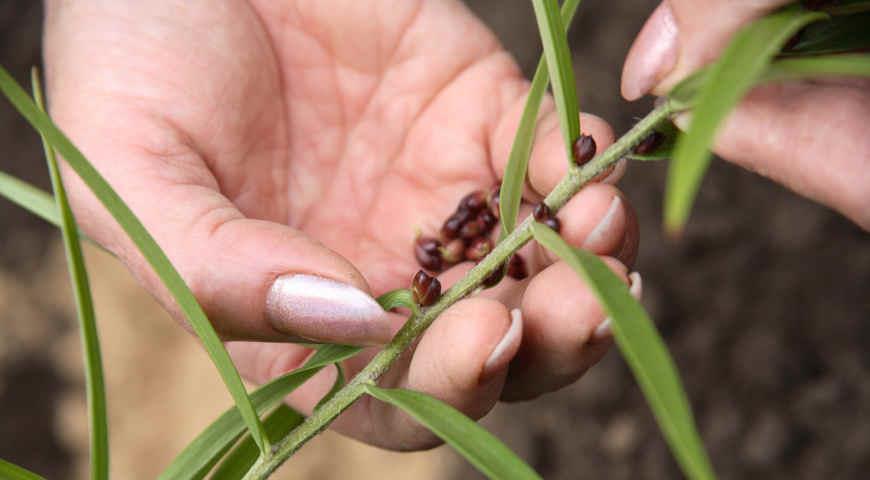
The bulblets are sown in furrows 5-6 cm deep in a pre-prepared bed with light soil. When autumn frosts arrive, the crops are mulched with dry leaves, peat, or humus.
Lilies grown in this way bloom in the third year.
Planting and replanting perennials
If perennials have grown too large, they should be replanted in September. Before digging and dividing the bushes, prepare the planting site, taking into account the light and soil requirements of each species.
The cuttings should have at least 1/3 of their above-ground portion. This will help them adapt better to their new location and give them time to strengthen before winter sets in. The planted bushes should be watered and the soil around them mulched.
At the end of the month, you can plant cuttings of moss phlox and pinks outdoors. Cool weather will help the plants root faster. They will bloom the following spring.
Planting clematis
The location for this plant should be chosen so that the shoots are in the sun and the roots are in the shade.
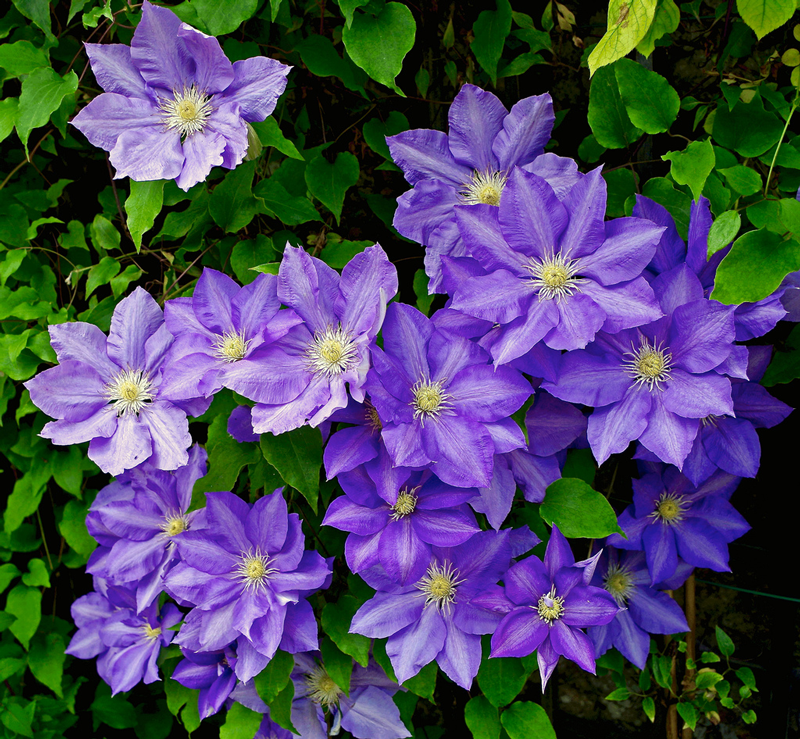
How to plant:
- Dig a hole 60*50*60 cm.
- Place drainage material on the bottom, for example, expanded clay, pebbles, or small stones.
- Add compost or humus, 2-3 tablespoons of superphosphate, 2 tablespoons of potassium sulfate.
- Fill with soil to form a small mound.
- Place a seedling on top and straighten the roots.
- Fill the soil with nutritious potting mix until the root collar is 5-10 cm below the soil surface. If you're planting an adult plant, you should plant it 10-12 cm deeper.
- Water, mulch.
If all the necessary conditions for development and proper care are provided, clematis will bloom in 2-3 years.
Sowing biennials
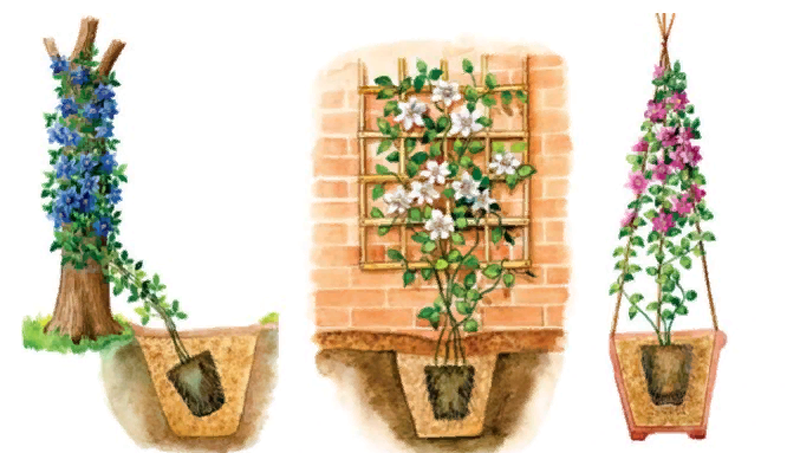
At the beginning of the month, you can sow biennials:
- Turkish cloves;
- viola;
- Alyssum.
The seedlings will have time to grow and strengthen before the first frost. They will bloom in the spring.
Seed collection
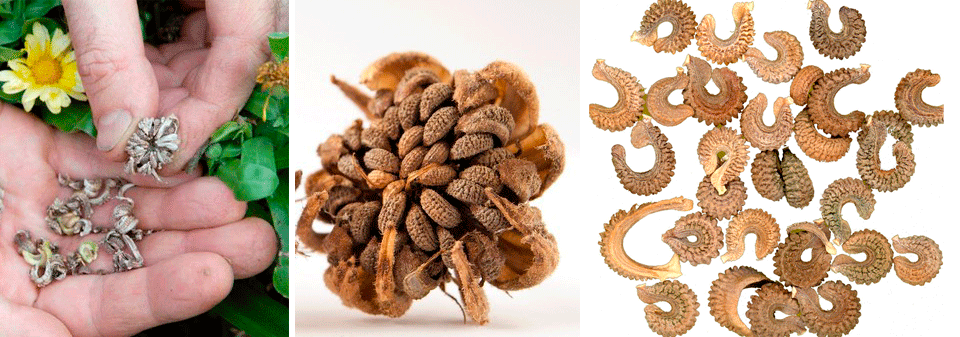
Now is the perfect time to collect seeds and seed heads, if you haven't done so already. They should be dried in a well-ventilated area and then packaged in paper bags labeled with the plant's name.
Features of feeding
Fertilizer should be applied one last time. It shouldn't contain nitrogen, as this element promotes vigorous growth, which is undesirable before winter. Autumn fertilizers contain phosphorus and potassium.
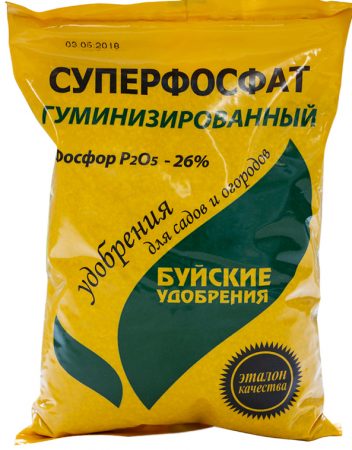
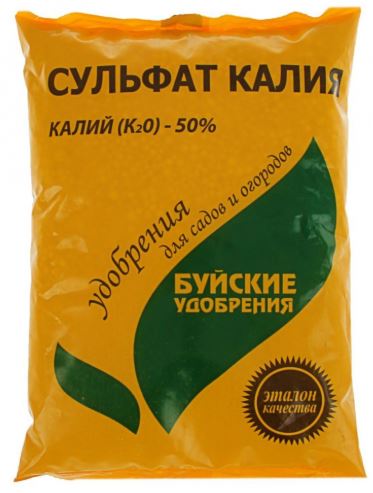
Apply 2 tablespoons of superphosphate and 1 tablespoon of potassium sulfate per 10 square meters of gladioli. Fading flower stalks should be cut off. This will allow the bushes to devote their energy to developing bulbs.
1 tbsp of superphosphate and potassium sulfate should be added under the dahlias (dosage per 10 sq. m).
They will bloom until frost.
To avoid freezing, the bushes need to be hilled up.
Houseplants
By September, the ficus, hibiscus, palms, and dracaenas have already been fertilized and repotted. All that remains is to inspect them carefully. Trim any overly long shoots and remove any dead branches. Additionally, it's recommended to reapply a complete nutrient mixture. This is especially necessary for plants that are still blooming, such as pelargoniums, fuchsias, and hibiscus.
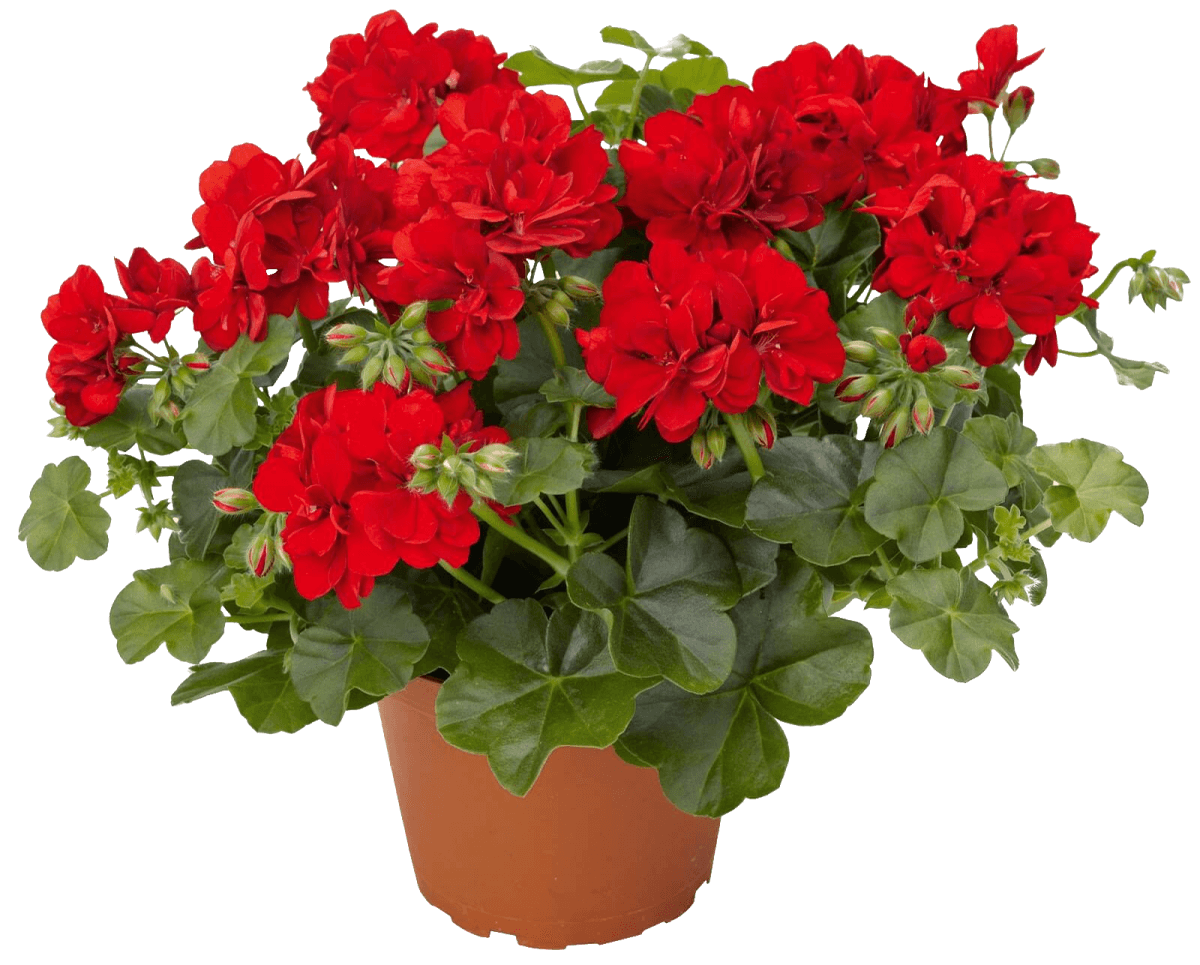
You can root cuttings of hanging plants. For example: tradescantia, ivy, cissusThey will be a wonderful decoration for your winter garden.
Houseplants that were placed on the balcony or terrace during the summer should be brought inside. This can be done later, but then the flowers will be stressed by the sudden temperature change.
Lemons are recommended to be left outdoors for now, but this only applies to southern regions. A slow drop in temperature is actually beneficial for them.
Most experienced gardeners recommend following the Lunar Calendar tips given above.
This will help you grow healthy plants and achieve lush flowering in the coming season.