Roses rightfully occupy a special place in gardens and homesteads. The area where they are usually planted is called a rose garden. To create a unique composition, flowers of different species are placed within it. Gardeners should pay attention to easy-to-grow varieties. They should be selected based on climate conditions, appearance, and personal preferences.
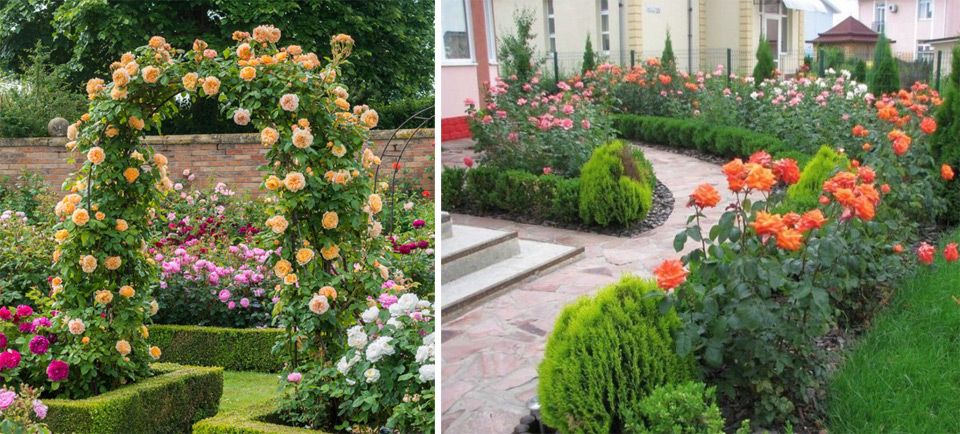
A classic rose garden is planted exclusively with roses. To create a mixed landscape, other garden plants are needed.
Garden crops are selected based on a general concept. In temperate climates, a mixed variety is considered more suitable. This is because roses bloom for a short time in extreme continental climates.
Content
Roses in landscape design
Roses can enhance any space. They are used in a variety of landscapes, from natural landscapes to formal gardens to romantic shabby chic settings.
Determining factors include stylistic preferences, planting scheme, and color palette. The latter is characterized by a wide variety. The most popular shades include salmon, red, pink, and white. Many prefer plants belonging to rare, unique varieties.
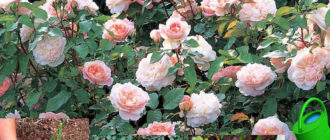
Pink flowers will help create a vintage feel. Plastered walls are the perfect backdrop for roses in this color. Similar arrangements can be found near old stone buildings. Bright yellow flowers are most often planted in the center of the arrangement. Roses with unique colors make any garden unique.
Some ideas for planting roses
There are quite a few options. The appearance of the rose garden depends on the size of the chosen plot, the gardening equipment located nearby, and the gardener's preferences. Roses can be planted:
- near the fence;
- near the front door;
- around paths paved with garden tiles;
- in a separate corner of the garden.
Fence
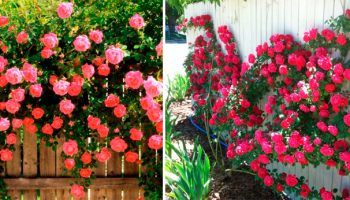
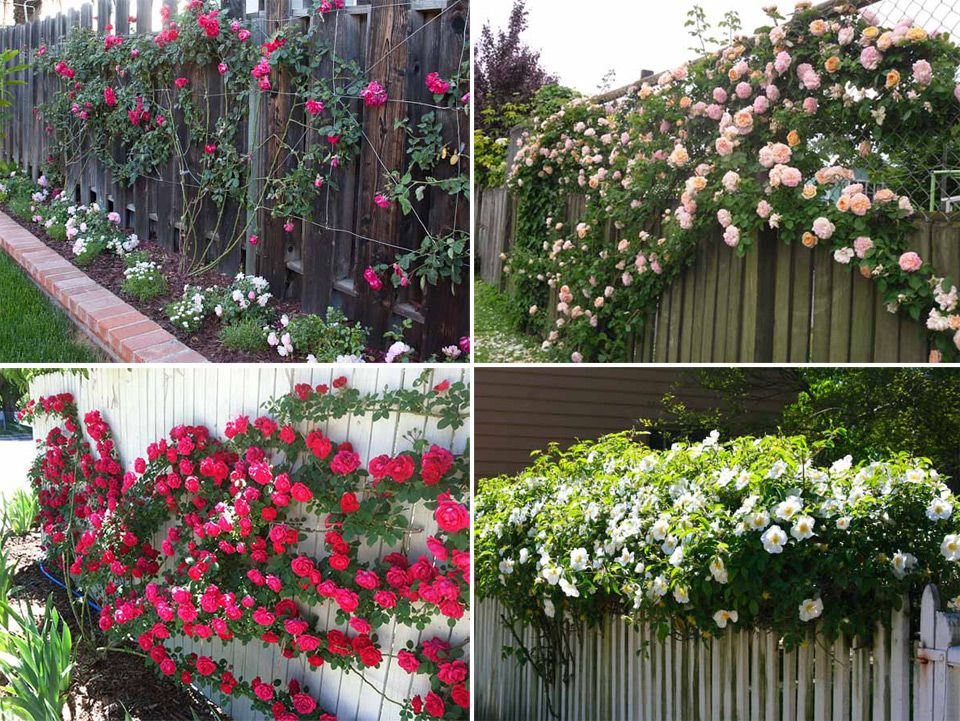
By planting roses around a fence, you can separate the garden from the surrounding world, giving it the style that is characteristic of the entire area.
The front door to the house
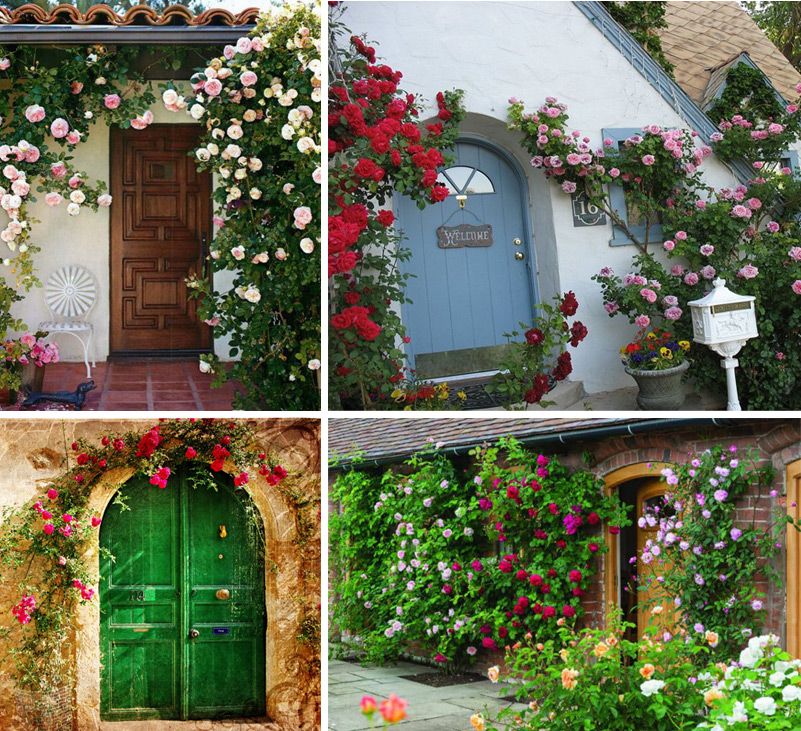
If space is sufficient and there's a front entrance, beautiful arrangements can be created using a variety of rose species and varieties. If space is limited, climbing roses are used primarily.
Decorating paths
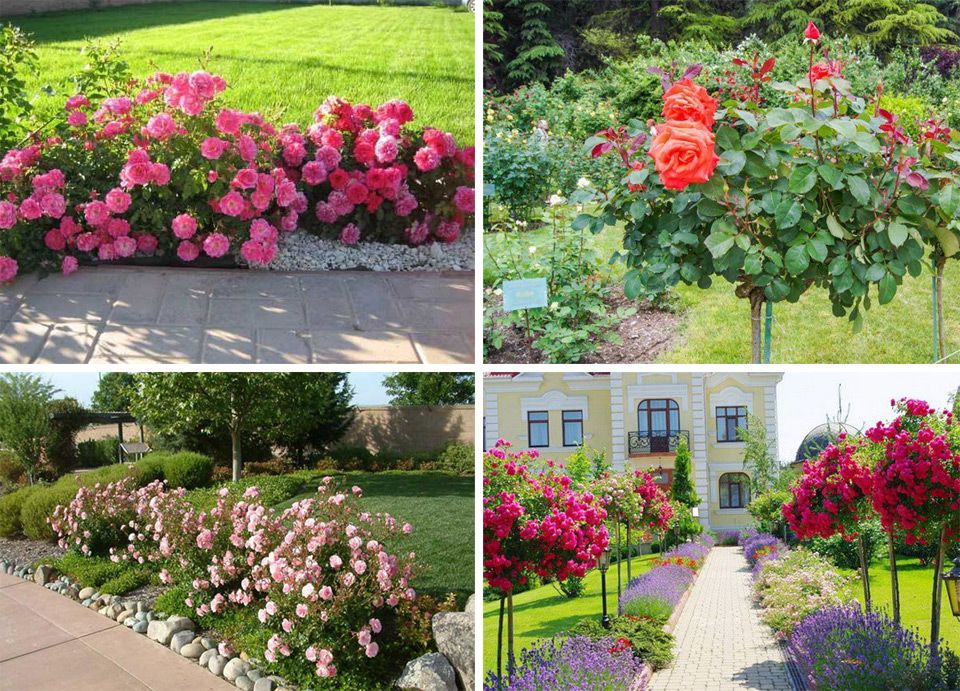
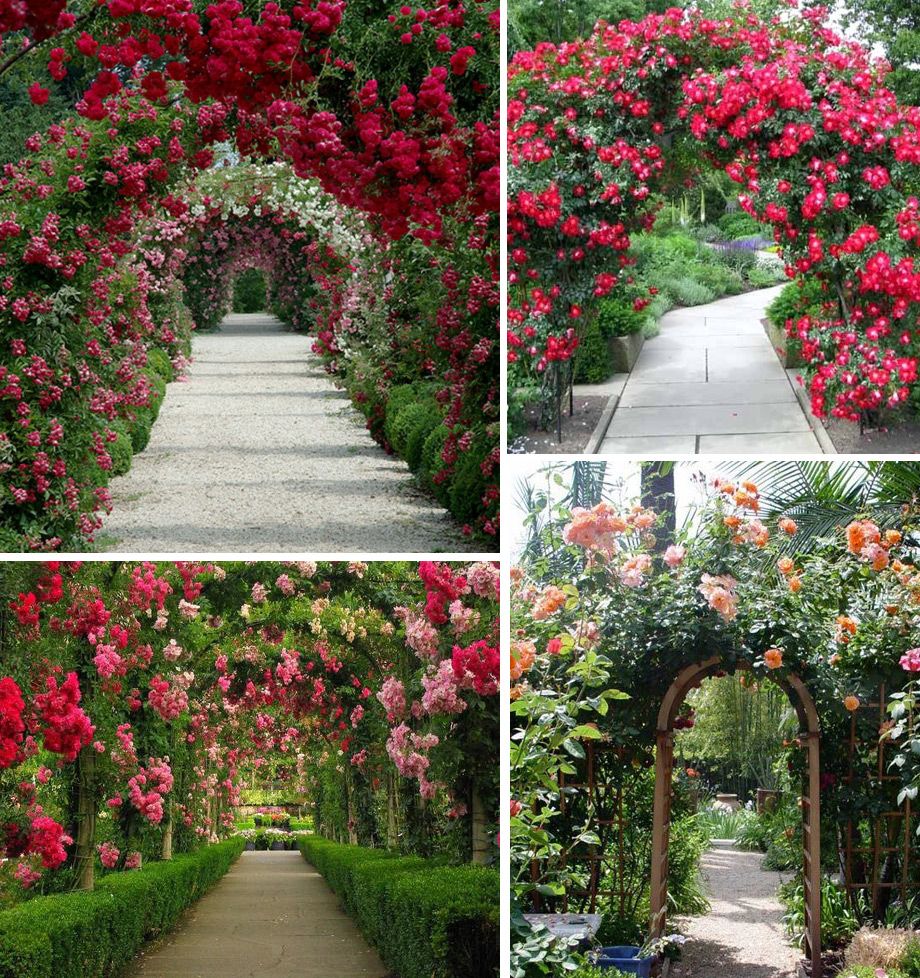
Garden paths can be decorated not only with bush and standard roses, but also with beautiful arcade compositions.
Separate corners of the garden for relaxation
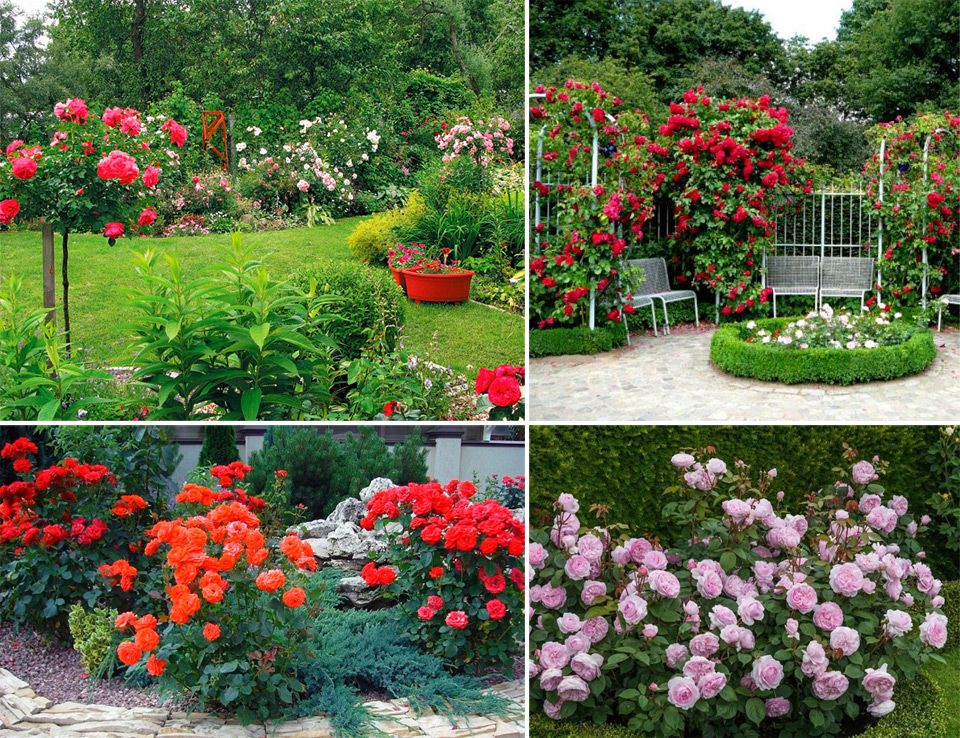
Roses can create a cozy atmosphere, and their pleasant aroma will transport you to other countries, inspiring romance and relaxation.
Requirements for rose placement
A classic rose garden requires a fairly large plot. 15 square meters (15 sq. m) will accommodate 25 bushes. Roses placed near the front entrance look especially chic. A terraced, south-facing slope is among the most favorable locations. For maximum decorative effect, several tiers can be created. Climbing and groundcover roses should be grown in such rose gardens.
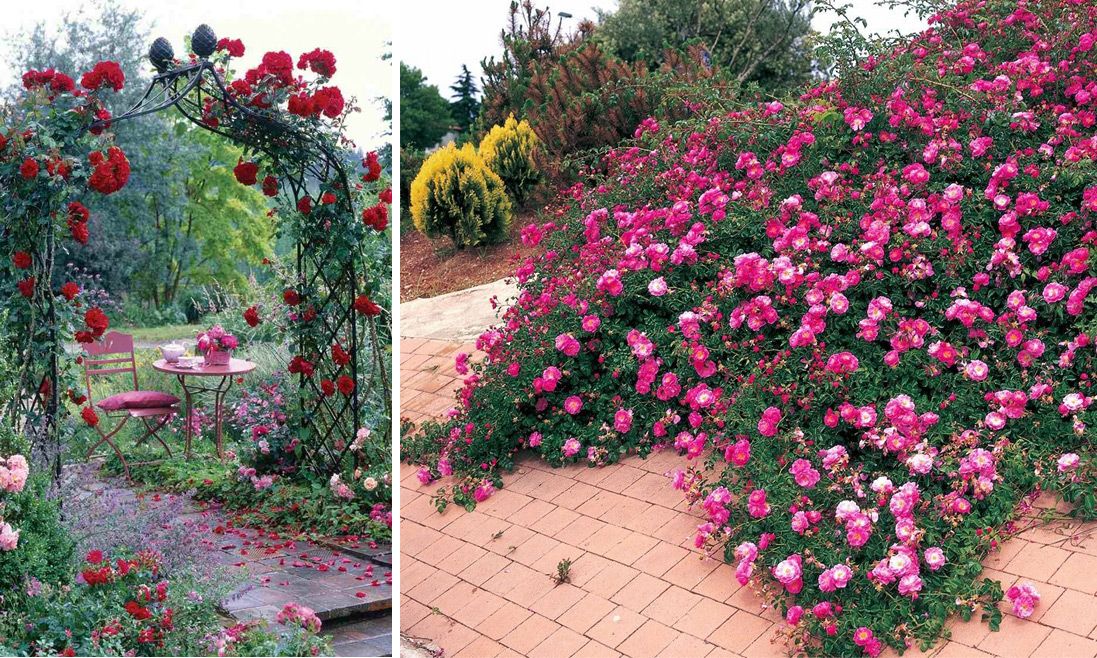
The place for planting flowers should be well lit and protected from drafts and strong winds.
Strict restrictions include the presence of solid fences and trees with dense, spreading crowns. Gardeners are advised to avoid areas prone to flooding from groundwater and meltwater. Requirements apply not only to these factors but also to the soil cover.
Fertile, well-drained, and moderately acidic soil is ideal. Sand, rotted chicken manure, ash, peat, and compost are good fertilizers. When creating the rose garden, consider the soil conditions. Light, sandy soil requires weathered clay. This can be replaced with turf. Designing a rose garden requires careful attention to detail. Ensuring it meets all expectations will require considerable effort.
Selecting the right varieties
The rose is one of the most popular garden flowers. Today, gardeners have a wide variety to choose from.
The petals of the inflorescences can be single or double. The plants require regular watering, weeding, fertilizing, spraying, pruning, and insulation during the cold season.
The list of suitable ones includes:
Hybrid tea varieties
They have upright stems and medium to large single flowers. They are used for cut flowers and bouquets. They are difficult to care for.
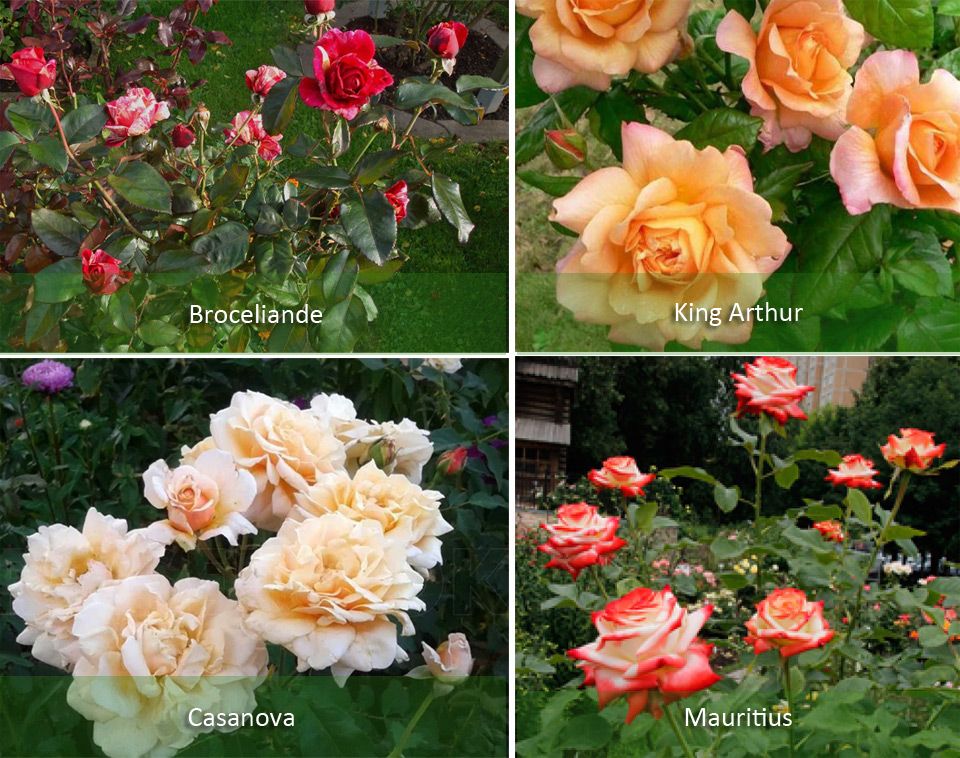
Popular varieties include Mauritius, King Arthur, Rose Gaujard, Copacabana, La Palma, Casanova, Broceliande, Imperatrice Farah, and Corfu.
Floribunda roses
They are not used in bouquets, but are often used for group plantings. Each plant bears clusters of inflorescences. Characteristic features include a long flowering period.
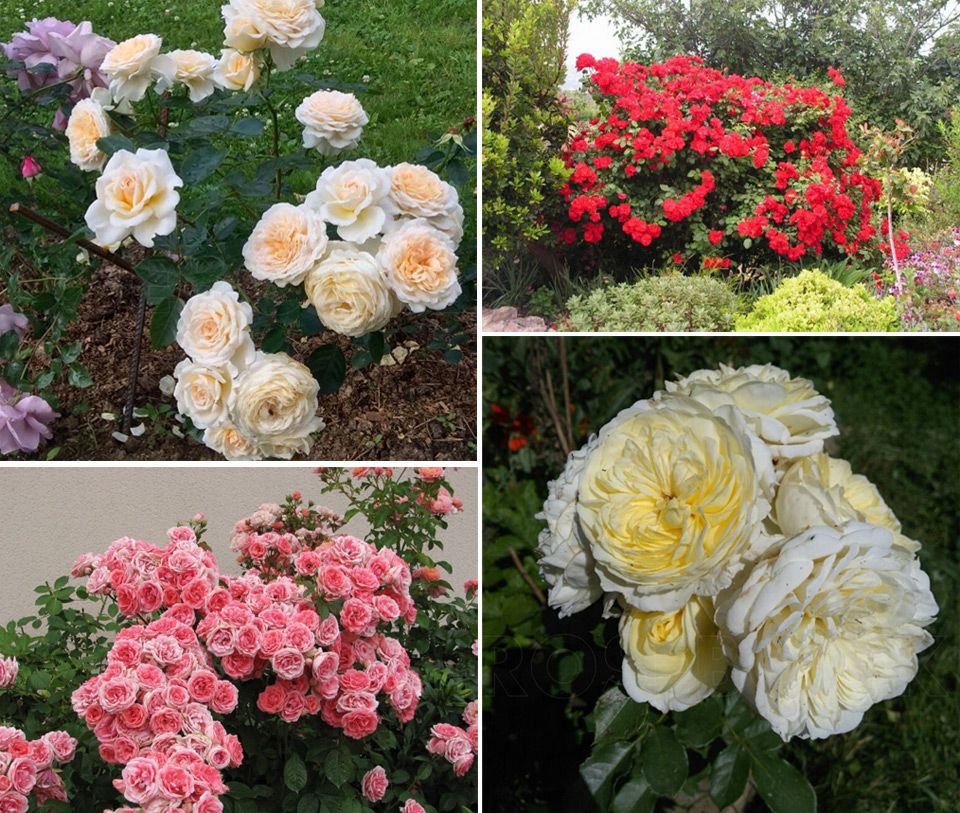
The following varieties fall into this category: Kronprinsesse Mary, La Sevillana, Cream Abundance.
Shrub varieties
These roses are divided into three categories: old roses, wild roses, and repeat-blooming roses. The most popular varieties include Nadia Renaissance and Concerto. Shrub roses are planted in rectangular and round beds.
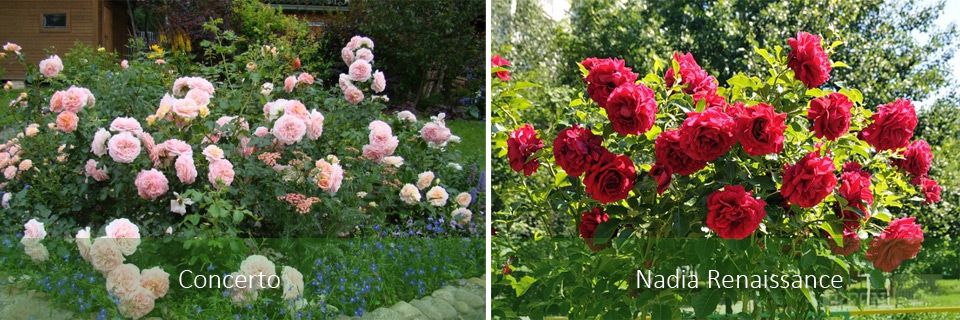
This emphasizes the austerity, elegance, and grace of the rose garden. Using garden tools of irregular shapes adds a creative touch to the garden.
The main advantage of shrub varieties is their large, bright flowers.
Patio
These roses were developed through the selection of floribunda varieties. The bushes reach a height of approximately 0.5 m.
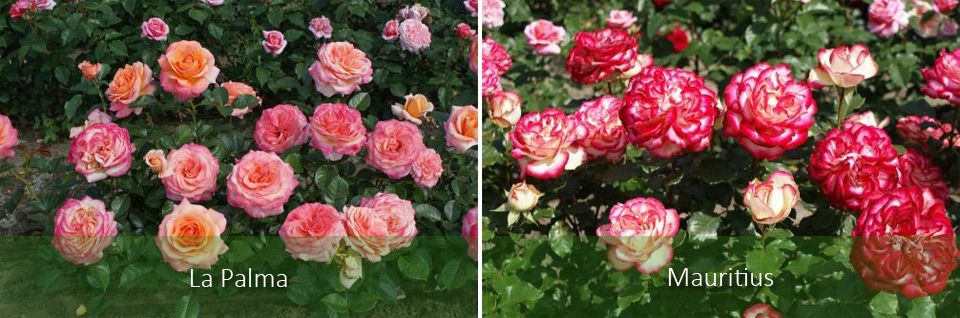
A distinctive feature of patio roses is their long and abundant blooms. These flowers can be seen on terraces. Roses such as Mauritius and La Palma are often used in rose gardens.
Miniature varieties
The low bushes are adorned with small leaves and flowers. Roses of various shades appear on the compact plants.
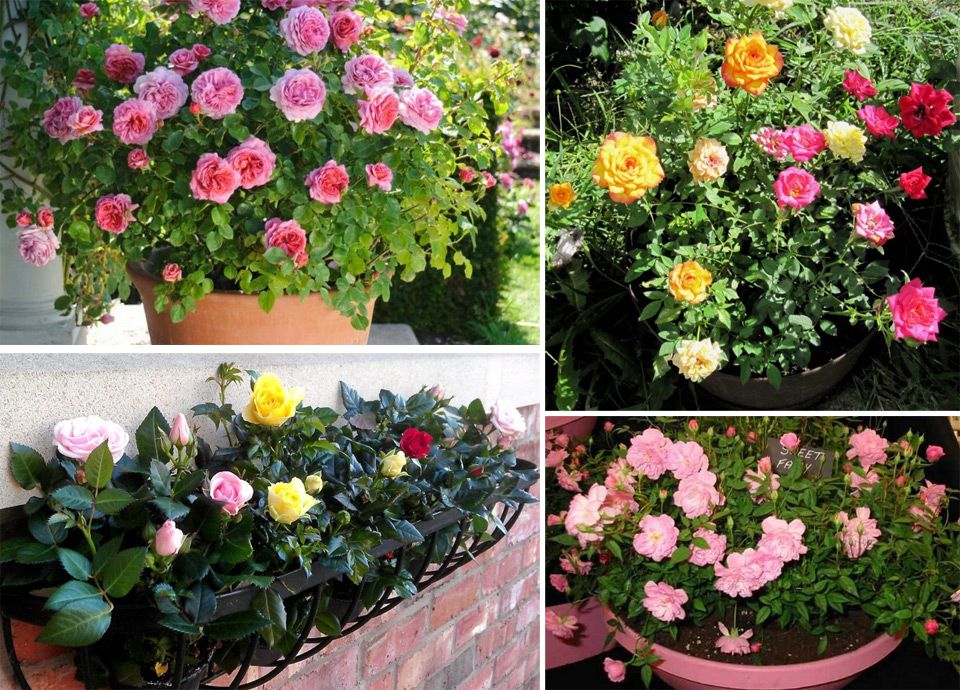
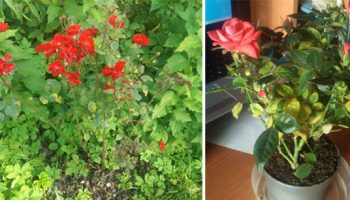
Many people grow miniature roses as houseplants.
Climbing varieties
They require support and regular pruning. Roses bloom only once per season. They are also distinguished by their abundant foliage.
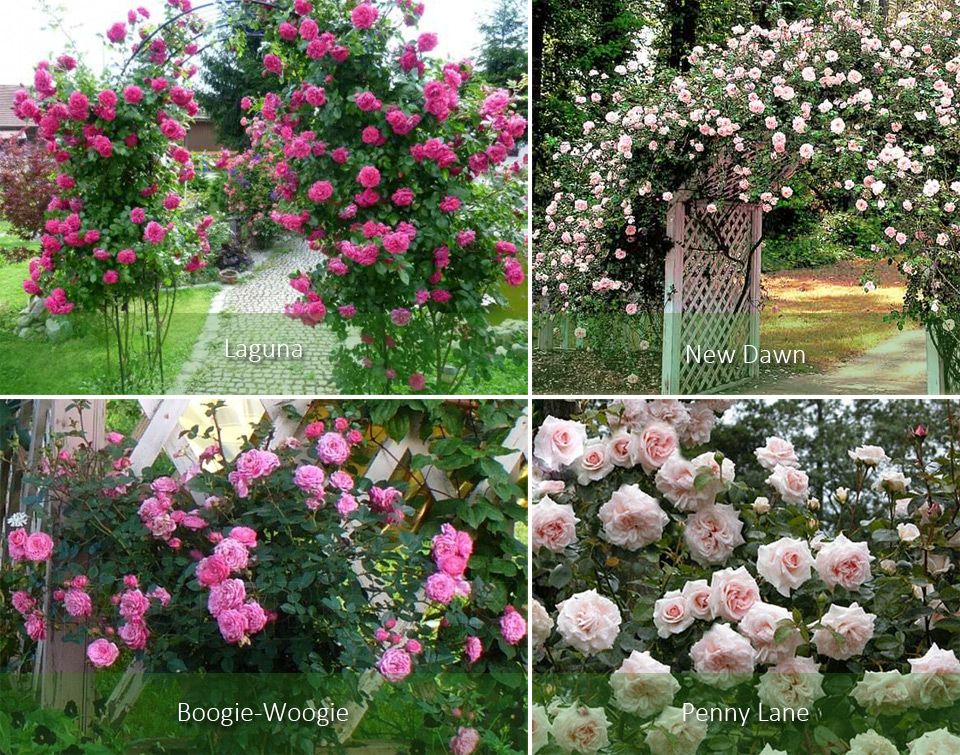
This category includes roses such as Boogie-Woogie, Penny Lane, New Dawn, and Laguna. They are used to decorate arbors and arches.
They have stiff stems and are highly resistant to pests and fungal diseases. Some varieties bloom several times in a single season. Their low maintenance is an added bonus.
Standard varieties
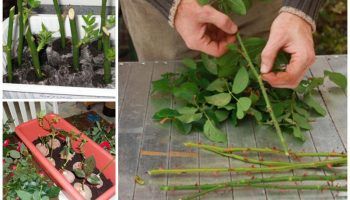
Standard flowers form a separate group. These are plants created by grafting a scion and rootstock. The first is a rose cutting, and the second is a rosehip.
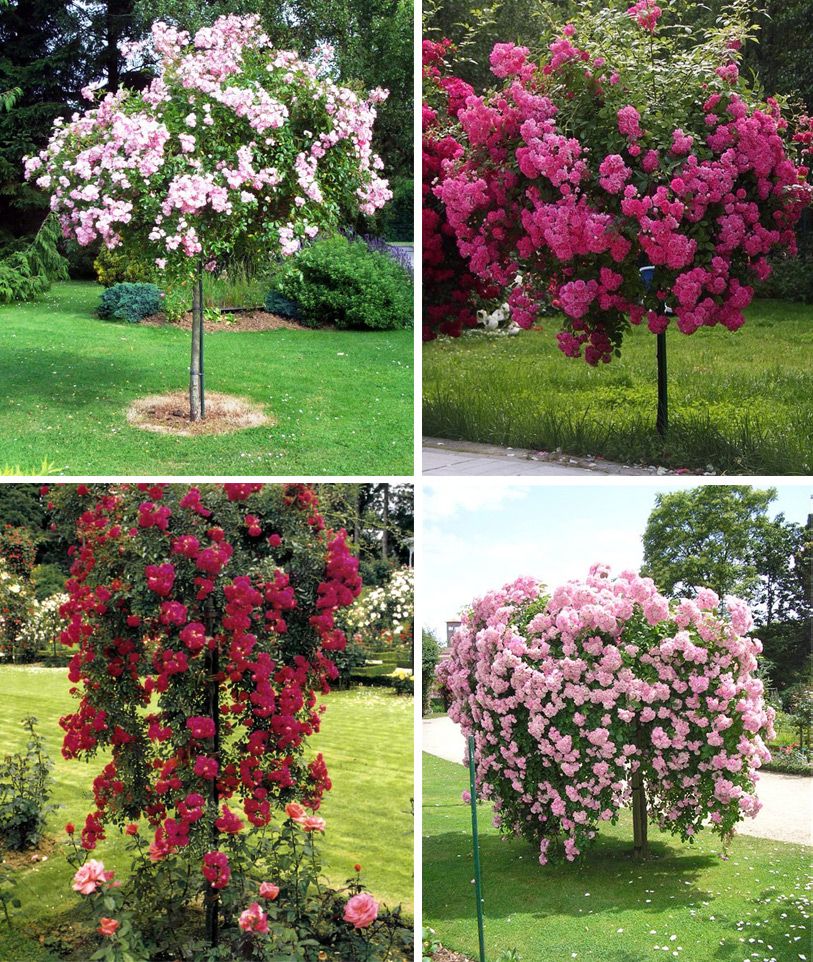
The standard used for grafting climbing roses is usually characterized by an impressive height. This figure should not exceed 1.5 meters. This method of cultivation is difficult. Standard roses are recommended to be planted next to low-growing plants.
Creeping, spreading, and shrub roses are considered groundcover roses. Leafy shrubs have dense crowns and tall stems (over 0.5 m). By combining them, you can beautify otherwise unattractive areas of the garden.
Top.tomathouse.com recommends: combining roses with other plants and flowers
Mixed compositions shouldn't be overlooked. Roses can be combined with garden plants such as lupines, bellflowers, poppies, and delphiniums. These enhance the rose garden's appeal. Gardeners who want to create a Mediterranean landscape in their garden should plant roses alongside conifers, silver wormwood, and grasses. Grasses include crested barley, fescue, ryegrass, feather grass, and sesleria.
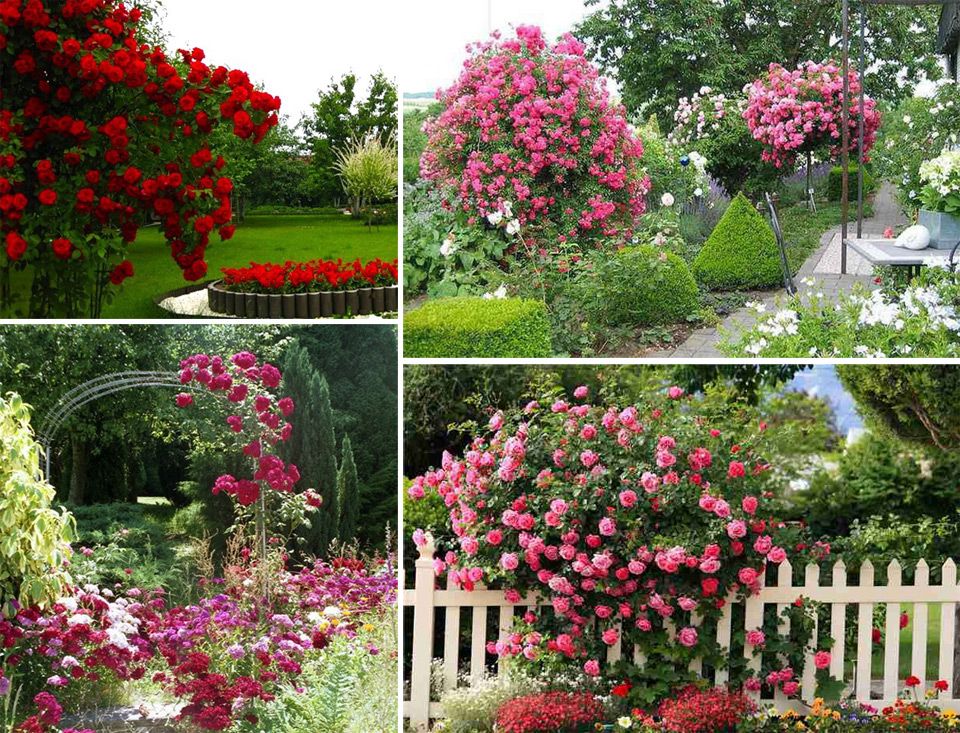
To decorate the garden in spring, add muscari, tulips, crocuses, daffodils, and other bulbous flowers. They are usually placed in the spaces left between bush roses.
Spruce, arborvitaes, and junipers create a flattering backdrop when decorating a rose garden. Ornamental shrubs are especially popular. Among the most suitable are red-leaved barberries, mahonias, hydrangeas, spireas, and mock oranges.
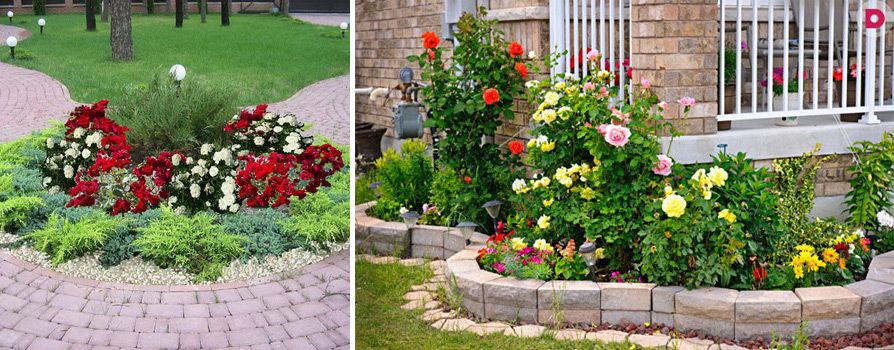
Annual "neighbors" include cineraria (the silver variety), alyssum, pansies, and lobelia. Perennials planted in the garden and cottage include foxgloves, veronicastrum, irises, heucheras, campanulas, carnations, and daylilies. Roses create a beautiful combination with alchemilla, lavender, sage, and catnip. These garden plants are used to create a classic English style.
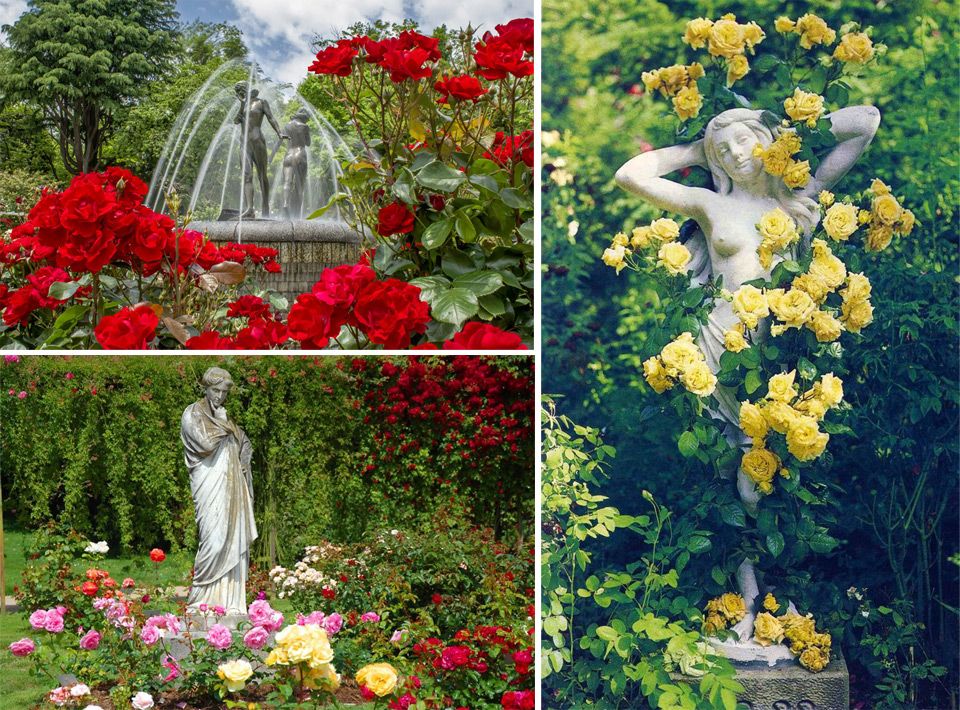
Roses are refined, elegant flowers. These plants thrive in moisture and sunlight. Garden landscaping and seedling planting are done in the spring. They are placed in well-warmed soil. Care must be taken strictly according to all expert recommendations. Careful gardening practices determine not only the decorative appearance of the roses but also their resistance to adverse environmental factors. A gazebo, garden figurines, and decorative fountains can be installed in the recreation area.