With the arrival of autumn, gardeners and vegetable growers are still busy, so there's no time to relax. The Moon will tell you which days are best and which are not.
Content
- 1 Favorable and unfavorable sowing and harvesting days in September 2024
- 2 Favorable and unfavorable days for planting flowers in September 2024
- 3 Favorable and unfavorable days for planting seedlings in September 2024
- 4 Favorable days for various gardening tasks in September 2024
- 5 Lunar phases and days by zodiac sign in September 2024
- 6 Gardener's lunar calendar for September 2024 by date
- 6.1 1.09-2.09 (until 06:48)
- 6.2 2.09 (from 06:48 a.m.) - 4.09 (until 19:11 p.m.)
- 6.3 4.09 (from 19:11) - 7:09 (until 08:18)
- 6.4 7.09 (from 08:18) - 9.09 (until 20:25)
- 6.5 9.09 (from 20.25) - 12.09 (until 05.36)
- 6.6 12.09 (from 05:36 a.m.) - 14.09 (until 10:52 a.m.)
- 6.7 14.09 (from 10:52 am) - 16.09 (until 12:39 pm)
- 6.8 16.09 (from 12.39 pm) - 18.09 (until 12.23 pm)
- 6.9 18.09 (from 12.23 pm) - 20.09 (until 12.02 pm)
- 6.10 20.09 (from 12.02 pm) - 22.09 (until 13.23 pm)
- 6.11 22.09 (from 13.23 pm) - 24.09 (until 17.49 pm)
- 6.12 24.09 (from 17:49) - 26.09
- 6.13 27.09-29.09 (until 12:42 pm)
- 6.14 29.09 (from 12:42 p.m.)-30
- 7 Gardening in September
- 8 Gardeners' work in September
Favorable and unfavorable sowing and harvesting days in September 2024
According to the lunar calendar, each month has days when planting, harvesting, and tending to crops will be most fruitful. There are also days when work should not be carried out, as it will not be beneficial or may even cause harm:
| Culture | Favorable and after or before certain hours (see below) days | Unfavorable and prohibited |
| Cucumbers | 4—12, 16 (for quick consumption) | 2, 3, 4, 14—16, 17, 18 |
| Cabbage | 7—9, 9-12 (cleaning), 12—14, 16 (for quick consumption) | |
| Pepper | 7—9, 9-14 (cleaning) | |
| Tomatoes | ||
| Eggplants | ||
| Green | 4—14, 16 (for quick consumption), 20—22, 24—26 | |
| Garlic | 20—22, 24—26 | |
| Radish, radish, celery root | 20—22, 24—26 | |
| Carrots, parsnips (harvesting) | 1, 12—14, 19-24, 27-29 | |
| Potatoes (harvesting) | 1, 9—14, 19-24, 27-29 | |
| Onions (harvesting) | 1, 12—14, 19-24, 27-29 |
Favorable and unfavorable days for planting flowers in September 2024
The table below shows favorable dates for classes with flowering and ornamental plants, days for planting undesirable, A Also favorable and unfavorable only for certain groups or at certain times (see below).
| Type | Favorable days | Unfavorable And prohibited days |
| Biennials, perennials | 4—7, 7—9, 9—12, 12—14, 16, 20—22, 22—24, 24—26, 29-30 | 2, 3, 4, 14—16, 17, 18 |
| Tuberous, bulbous | 4—7, 9—12 (digging), 12—14, 16, 20—22, 22—24 (digging), 24—26, 29-30 | |
| Roses | 4—9, 16, 20—22, 22—24 (climbing) | |
| Clematis | 4, 9—14, 22—24 | |
| Indoor | 4—7, 9—12, 12—14, 16, 20—22, 22—24, 24—26, 29-30 |
Read more about caring for flowers in September in the articleLunar calendar for gardeners for September 2024.
Favorable and unfavorable days for planting seedlings in September 2024
| Tree/shrub | Favorable days | Unfavorable And prohibited days |
| Trees | 1, 4—14, 20—22, 24—26, 27-29 | 2, 3, 4, 14—16, 17, 18 |
| Gooseberries, currants | 1, 4—9, 12—14, 16, 24-30 | |
| Raspberries, blackberries | 1, 4—9, 12—14, 16, 24—26, 27-29 | |
| Strawberries, wild strawberries | 1, 4—14, 19, 20—30 |
Sowing, planting and replanting are prohibited in prohibited Days. On other days, you can plant any crops, but the most favorable dates for each are listed above.
Please note on highlighted dates, planting work on them must be started and completed at certain times (see below for days according to the signs of the Zodiac).
Taking this into account, you can get a rich and healthy harvest and abundant flowering.
Favorable days for various gardening tasks in September 2024
| Works | Favorable days | Unfavorable and prohibited days |
| Transplantation, division of rhizomes, digging | 1, 4—7, 24—30 | 2, 3, 4, 14—16, 17, 18, 19, 20—24 |
| Pruning, cuttings | 1, 4—7, 12—14, 20—24, 27-30 | 2, 3, 4, 7—12, 16,17, 18, 19, 20 |
| Sanitary pruning | 1, 4—7, 12—16, 20—24, 27-30 | 2, 3, 4, 7—12, 17-20 |
| Watering, loosening, fertilizing | 4, 4—7(with caution), 7—9, 16 (with caution), 20—22(without loosening), 24—26, 29-30 | 1-2, 3, 4, 9—12, 14—16, 17, 18, 19, 20, 27-29 |
| Pinching, pinching, garter | 1, 4—7, 12—16, 20—24, 27-30 | 2, 3, 4, 7—12, 17, 18 |
| Harvesting | 1, 4—7, 7—12 (ripe above ground), 12—14, 14—16(ripe above ground), 19, 20—24, 27-29 | 2, 3, 4, 7—9 (roots), 16, 17, 18, 24—26, 29-30 |
| Disease and pest control | 1—4, 7—16, 18—24, 27-30 | 4—7, 16—18, 24—26 |
| Mowing the lawn | 1-4, 9—12, 14—24, 27-30 | — |
| Blanks | 1, 4—7, 9—14, 19, 20—24, 27-29 | 2, 3, 4, 16, 17, 18, 24—26, 29-30 |
| Sending the harvest for storage | 1, 4—7, 9—16, 19, 20—24 | 2, 3, 4, 16, 17, 18, 24—26, 29-30 |
Lunar phases and days by zodiac sign in September 2024
Conventional designations:
- «+" - good fertility;
- «+/-" - average fertility;
- «—" - low fertility;
- ◐ — Waxing moon;
- ◑ — Waning Moon;
- ● — New Moon;
- ○ — Full moon.
Moon phases in September 2024:
- ◑ — 1-2, 19-30.
- ● — 3 (04h 55m).
- ◐ — 4-17.
- ○ — 18 (05h 34m).
Days according to the Zodiac signs:
- ♌ Leo - 1-2 (until 06:48), 27-29 (until 12:42).
- ♍ Virgo - 2 (from 06:48 a.m.)-4 (until 19:11 p.m.), 29 (from 12:42 p.m.)-30.
- ♎ Libra — 4 (from 19:11) - 7 (until 08:18).
- ♏ Scorpio — 7 (from 08:18) - 9 (until 20:25).
- ♐ Sagittarius — 9 (from 20:25)-12 (until 05:36).
- ♑ Capricorn — 12 (from 05:36)-14 (up to 10:52).
- ♒ Aquarius - 14 (from 10:52 a.m.)-16 (until 12:39 p.m.).
- ♓ Pisces - 16 (from 12:39) - 18 (until 12:23).
- ♈ Aries - 18 (from 12:23 pm)-20 (until 12:02 pm)
- ♉ Taurus — 20 (from 12:02 a.m.) - 22 (until 1:23 p.m.).
- ♊ Gemini — 22 (from 13:23) - 24 (until 17:49).
- ♋ Cancer - 24 (from 17:49)-26.
Gardener's lunar calendar for September 2024 by date
1.09-2.09 (until 06:48)
♌ Leo, —, ◑, Fruit Day.
It is not advisable to use nutrient mixtures and water.
| For gardeners | For florists | For gardeners, general work |
|
|
|
2.09 (from 06:48 a.m.) - 4.09 (until 19:11 p.m.)
♍ Virgo +-, ●, Root days.
3.09 at 04:55 – Exact New Moon.
Plants are most vulnerable the day before and after the Exact New Moon, so no work should be done on them. Harvesting and preserving should be avoided.
| For gardeners | For florists | For gardeners, general work |
|
From 4 (04h 55m):
|
From 4 (04h 55m):
|
4.09 (from 19:11) - 7:09 (until 08:18)
♎ Libra +-, ◐, Flower days
It is prohibited to spray plants with chemicals against diseases and pests.
| For gardeners | For florists | For gardeners, general work |
|
|
|
7.09 (from 08:18) - 9.09 (until 20:25)
♏ Scorpio, +, ◐, Leaf Days
You should not do any pruning, dividing, weeding, harvesting vegetables, freezing them, or canning them for long-term storage.
| For gardeners | For florists | For gardeners, general work |
Work in the greenhouse:
On the street:
|
It is not recommended to remove weeds, as they will grow back quickly. |
|
9.09 (from 20.25) - 12.09 (until 05.36)
♐ Sagittarius, +-, ◐, days of the Fruit
It is not advisable to prune or water.
| For gardeners | For florists | For gardeners, general work |
|
Watering, picking, and pruning are not recommended. Avoid tending to houseplants. |
|
12.09 (from 05:36 a.m.) - 14.09 (until 10:52 a.m.)
♑ Capricorn, +-, ◐, Root days
It is not recommended to perform any actions near the roots.
| For gardeners | For florists | For gardeners, general work |
In the greenhouse:
On the street:
|
|
|
14.09 (from 10:52 am) - 16.09 (until 12:39 pm)
♒ Aquarius, —, ◐, Flower days.
Do not plant or sow, do not moisten the soil or fertilize.
| For gardeners | For florists | For gardeners, general work |
|
|
|
16.09 (from 12.39 pm) - 18.09 (until 12.23 pm)
♓ Pisces, +, ○, Leaf days.
September 18 at 05:34 – Exact Full Moon.
The day before and after the Exact Full Moon, it is not recommended to sow, plant and transplant plants, soak seeds, do pruning, fertilize, and also harvest for long-term storage and engage in home canning.
Do not prune, treat with toxic substances, harvest or pickle the crop.
We carry out the following works until 17.09 (05:34):
| For gardeners | For florists | For gardeners, general work |
|
|
|
18.09 (from 12.23 pm) - 20.09 (until 12.02 pm)
♈ Aries, +-, ◑, days of Fruition.
It is not recommended to plant and sow, add nutrient mixtures, replant, root, prune, shape, remove side shoots, or water.
We carry out cleaning, collecting, digging and preparation work only from 19 (05:34):
| For gardeners | For florists | For gardeners, general work |
|
|
|
20.09 (from 12.02 pm) - 22.09 (until 13.23 pm)
♉ Taurus, +, ◑, Root days
You must not loosen the soil around the roots, because if you damage them, the wounds will take a long time to heal..
| For gardeners | For florists | For gardeners, general work |
|
|
|
22.09 (from 13.23 pm) - 24.09 (until 17.49 pm)
♊ Gemini, —, ◑, Flower Days
Replanting and picking are not allowed.
| For gardeners | For florists | For gardeners, general work |
|
|
|
24.09 (from 17:49) - 26.09
♋ Cancer, +, ◑, Leaf days
Storing fruits and vegetables and home canning are prohibited. Spraying with chemicals is prohibited..
| For gardeners | For florists | For gardeners, general work |
|
|
|
27.09-29.09 (until 12:42 pm)
♌ Leo, —, ◑, Fruit Day.
It is not advisable to use nutrient mixtures and water.
| For gardeners | For florists | For gardeners, general work |
|
|
|
29.09 (from 12:42 p.m.)-30
♍ Virgo +-, ◑, Root days.
It is not worth preserving.
| For gardeners | For florists | For gardeners, general work |
|
|
|
Gardening in September
The first month of autumn is dedicated to harvesting, planting new specimens, and tidying up the garden. Don't forget to mow the lawn. Otherwise, the grass will have a hard time getting through in the spring and will grow unevenly.
Apples
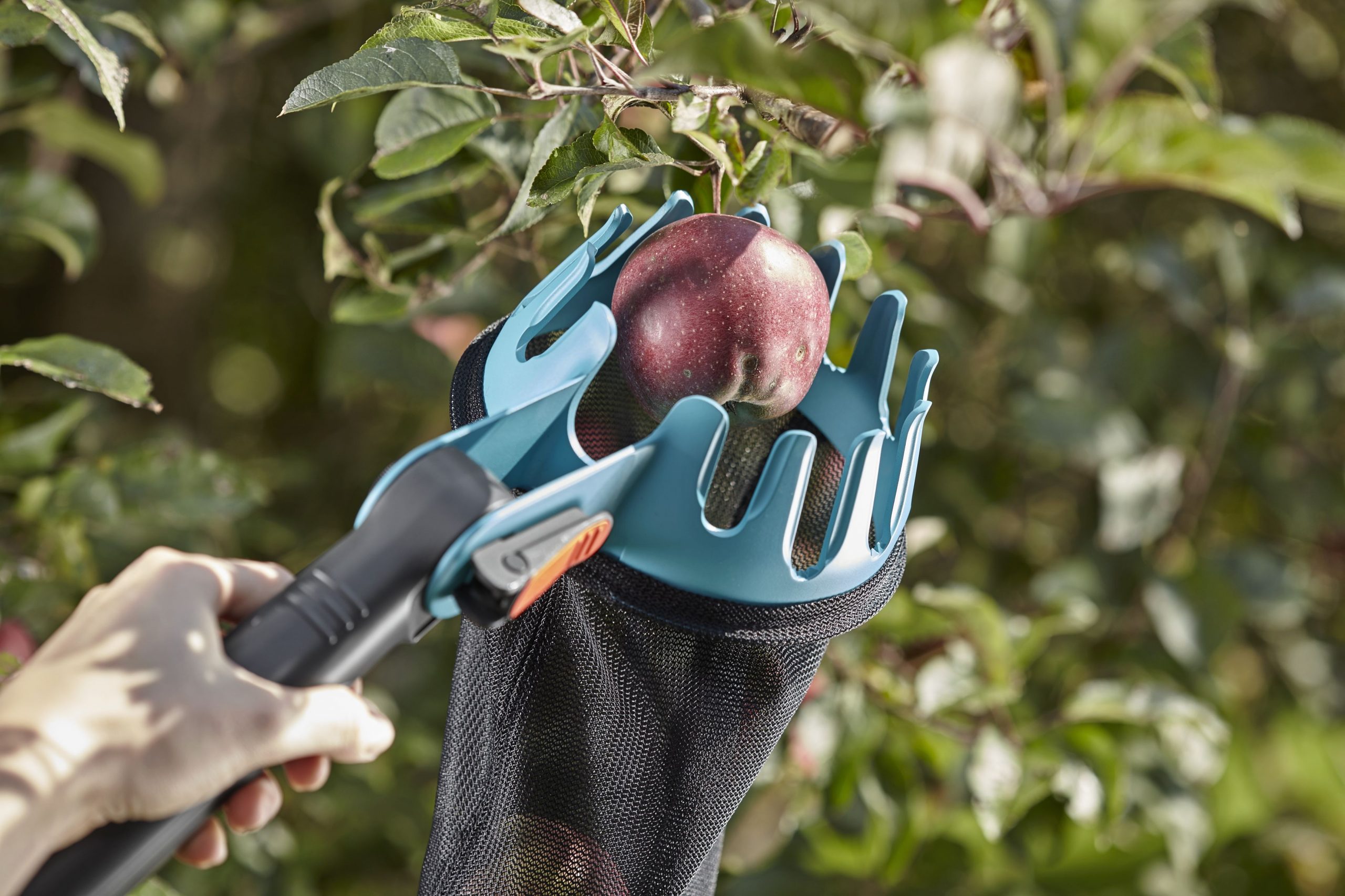
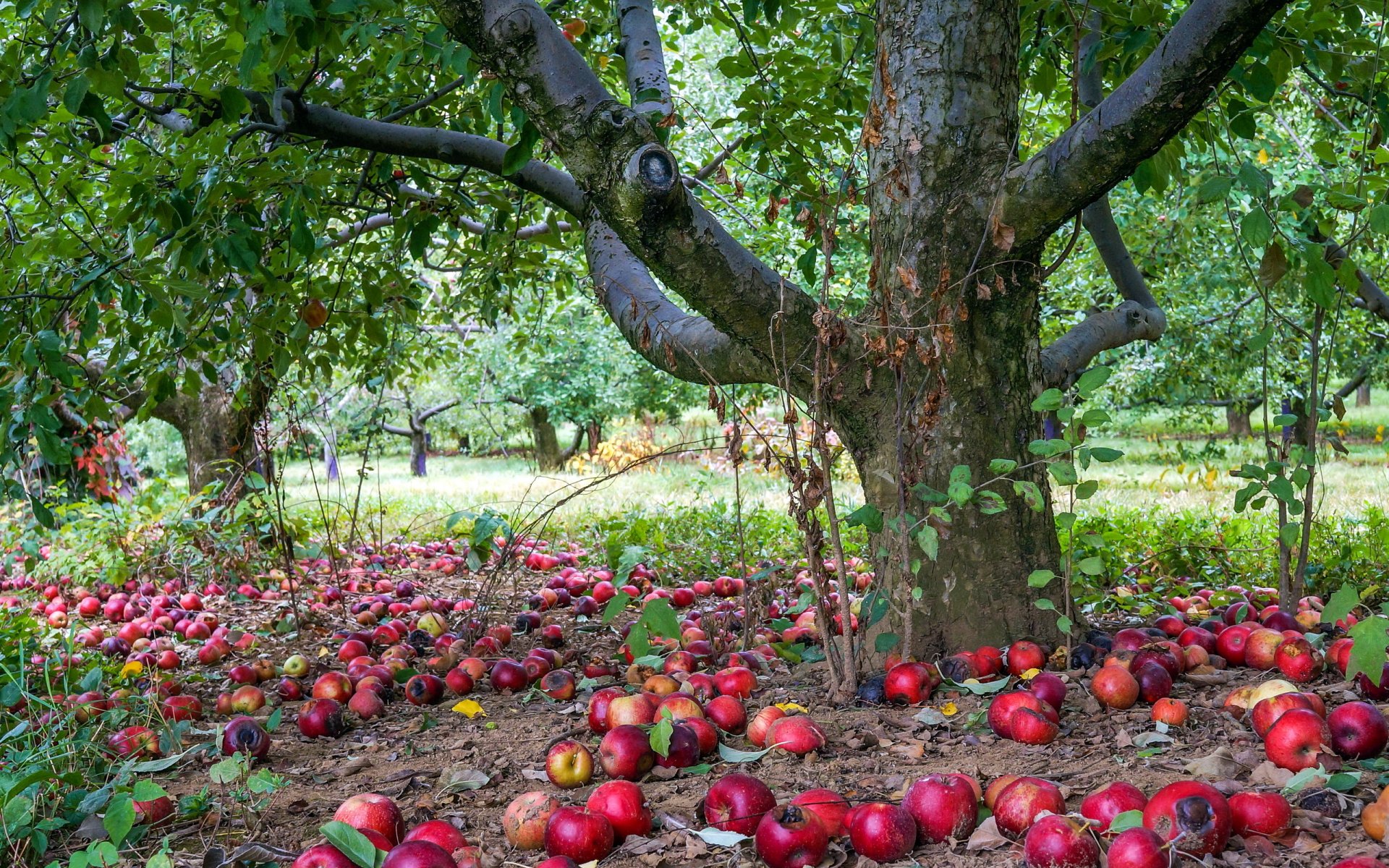
When picking, many inexperienced gardeners begin shaking or knocking down the apples. This isn't recommended unless you're immediately making compote or jam from them. Damaged apples won't keep fresh for long. Grasp the fruit with your hand, without pressing, and turn it to the right. The apple will easily fall off.
Fruit showing signs of rot or bitter pitting (even if the infection is localized) should not be stored. Apples infected with scab in early summer can be stored for quite a long time. However, if the disease develops later, for example, in August or as early as September, the fruit will quickly rot. Apples infected with leaf rollers or second-generation codling moths should also not be stored.
Read about how to determine whether apples are ripe in this article.
Planting berries
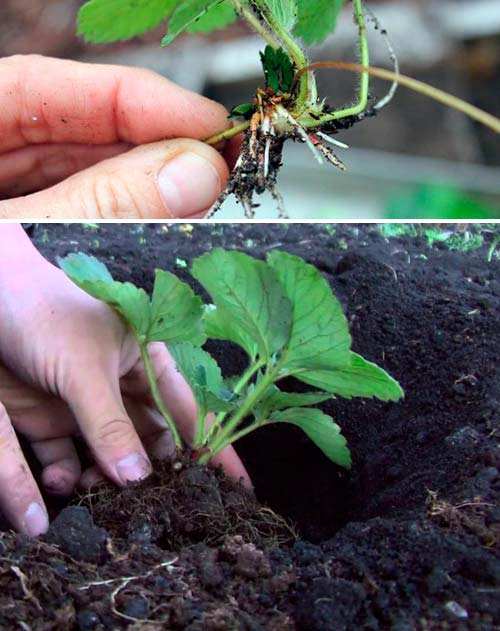
If strawberries If the plant wasn't planted in the last month of summer, it should be done before the second ten days of September. This will give it time to get established before the frost sets in. It needs to be watered regularly, the exposed rhizomes should be covered with soil, the cores should be removed, and the soil between the rows should be loosened.
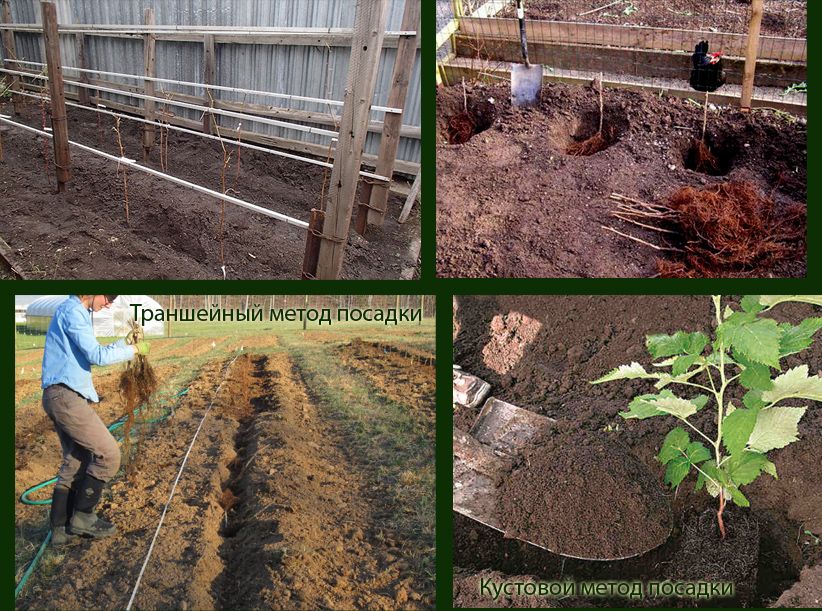
At the beginning of the month, prepare planting holes for berry bushes. Remove broken branches from berry bushes, and cut and burn shoots affected by powdery mildew. Planting is recommended no earlier than September 20th. After this, do not prune branches, except for raspberriesThis will increase its cold resistance. Frost-sensitive varieties should be bent down to the ground and tied to neighboring plants.
Layers currants, gooseberries, honeysuckle, chokeberry You can dig them in. If this was done in the spring, it is recommended to replant strong shoots with roots at least 20 cm deep. Weak shoots are sent for further growth.
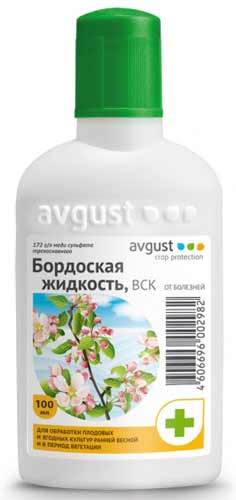
To prevent various diseases, spraying with 1% Bordeaux mixture is recommended. To prevent winter moths, place adhesive strips on the trunks. You can also use cardboard funnels coated with a special adhesive. Place them with the funnel facing down. This will prevent the pest from climbing up the trunk and laying eggs.
Working with tree trunk circles
The soil around the trunks of all garden plants should be loosened. This ensures better penetration of air, beneficial micronutrients, and moisture to the roots. This prevents sawflies, caterpillars, and pest larvae from overwintering in the soil (half of the larvae sink deep and cannot escape, while the other half digs to the surface and dies from the cold). Avoid digging too deep, as this can damage the rhizome. Loosen only the top layer.
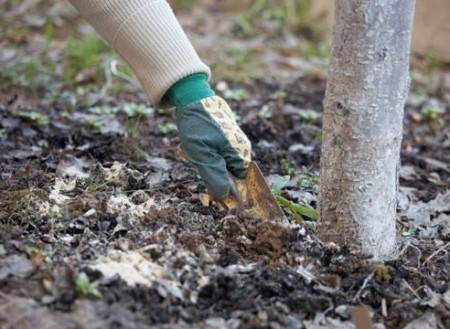
Please note! If you don't do this in the fall, you'll have to dig again in the spring, when there are plenty of other things to do. Furthermore, if you loosen the soil late, the beneficial microorganisms that make it fertile won't have time to begin their activity. If you dig in September, a simple vertical and horizontal rake in the spring will be sufficient.
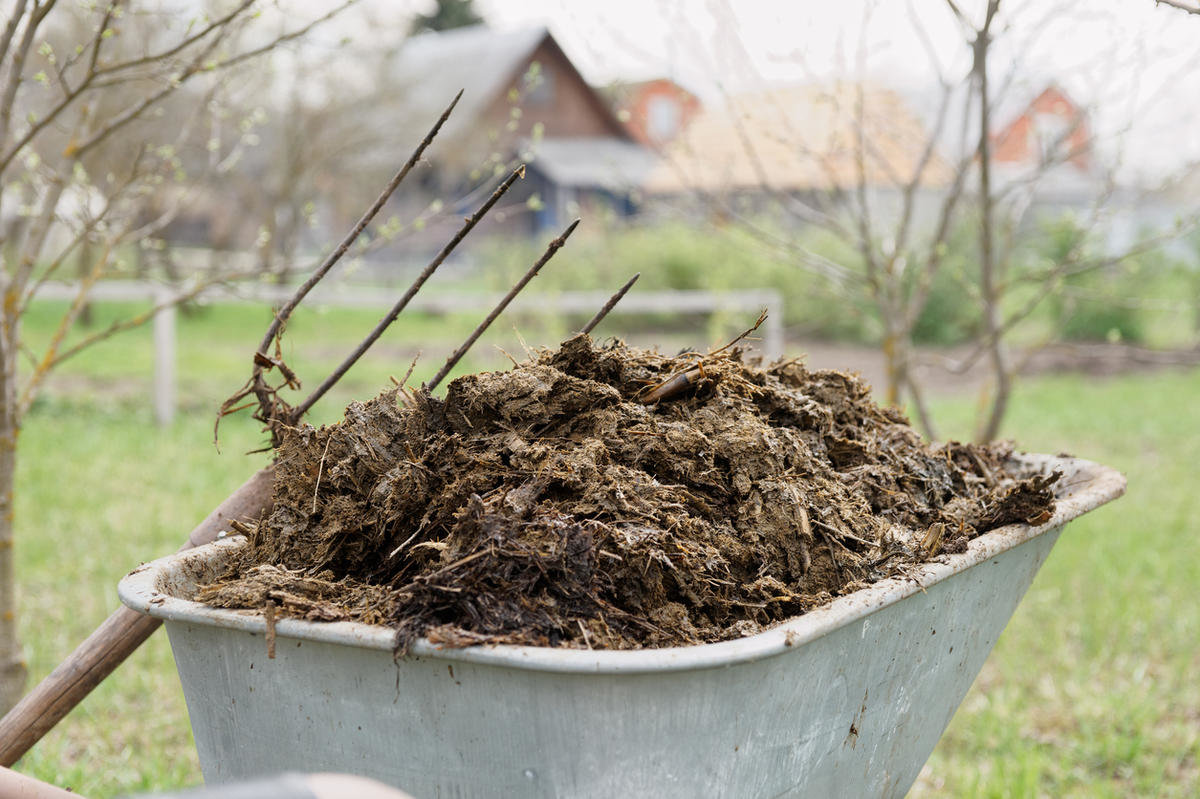
When loosening the soil, it is recommended to add rotted manure. Blackened sawdust or chopped straw can also be used instead. However, they should be enriched with nitrogen-containing compounds, such as ammonium nitrate and urea. The application rate is 3 tablespoons per 10 liters of water. Place the sawdust soaked in the solution under plastic and leave it for a month. For clay soil, apply 2 buckets per square meter. For loamy soil, this amount of sawdust is sufficient for 10 square meters.
If none of the above is available, you can dig in green manure. This makes an excellent organic fertilizer. It builds immunity in plants. It is recommended to add coarse river sand or construction sand along with the organic matter. In September, apple and pear tree roots are actively growing. To ensure strong roots, apply the following per square meter:
- 3-5 kg of organic matter;
- 0.5-1 tbsp. mixtures containing potassium;
- 2-2.5 tbsp. l. superphosphate.
This is done simultaneously with digging, and the soil should be watered beforehand. Weed at the end of the month. Leave the weeds where they are; they will act as organic fertilizer.
Watering
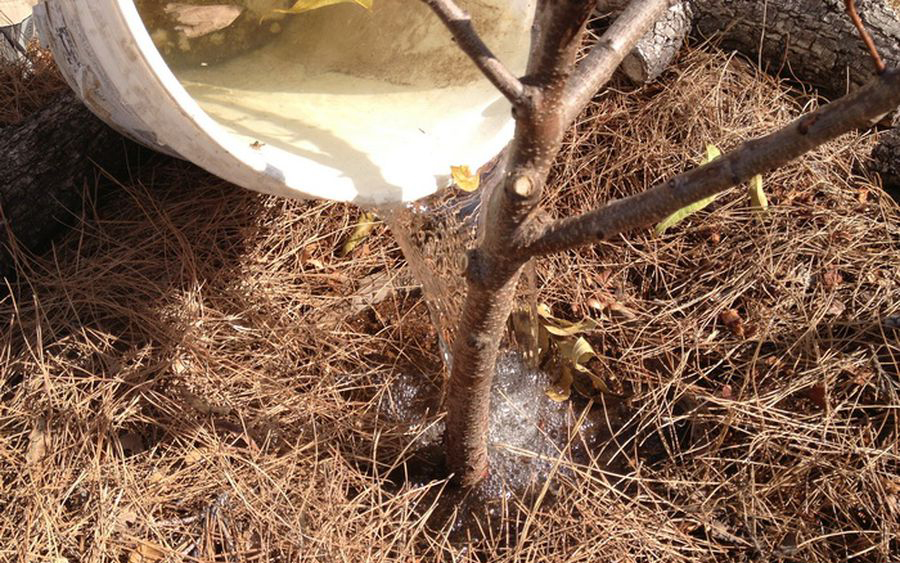
Trees require pre-winter watering to deliver oxygen-rich moisture to the roots and increase frost resistance. This is especially important during dry weather. Young trees are watered around the trunk. Fruit-bearing trees are watered around the periphery of the crown. The recommended watering rate is approximately 50 liters per square meter, but no more.
Pinching and pruning
On young apple and pear trees, pinch out any overly elongated shoots. Sanitary pruning is also necessary. Remove diseased and dead branches in a ring. Seal wounds with garden pitch.
Gardeners' work in September
There's still a lot of work to do, which was done during the summer. It's time to water and fertilize, and it's not too late to plant some vegetables and herbs:
- radish;
- dill;
- salad;
- mizuna (Japanese cabbage);
- spinach.
This will allow you to harvest in late autumn.
Soil preparation
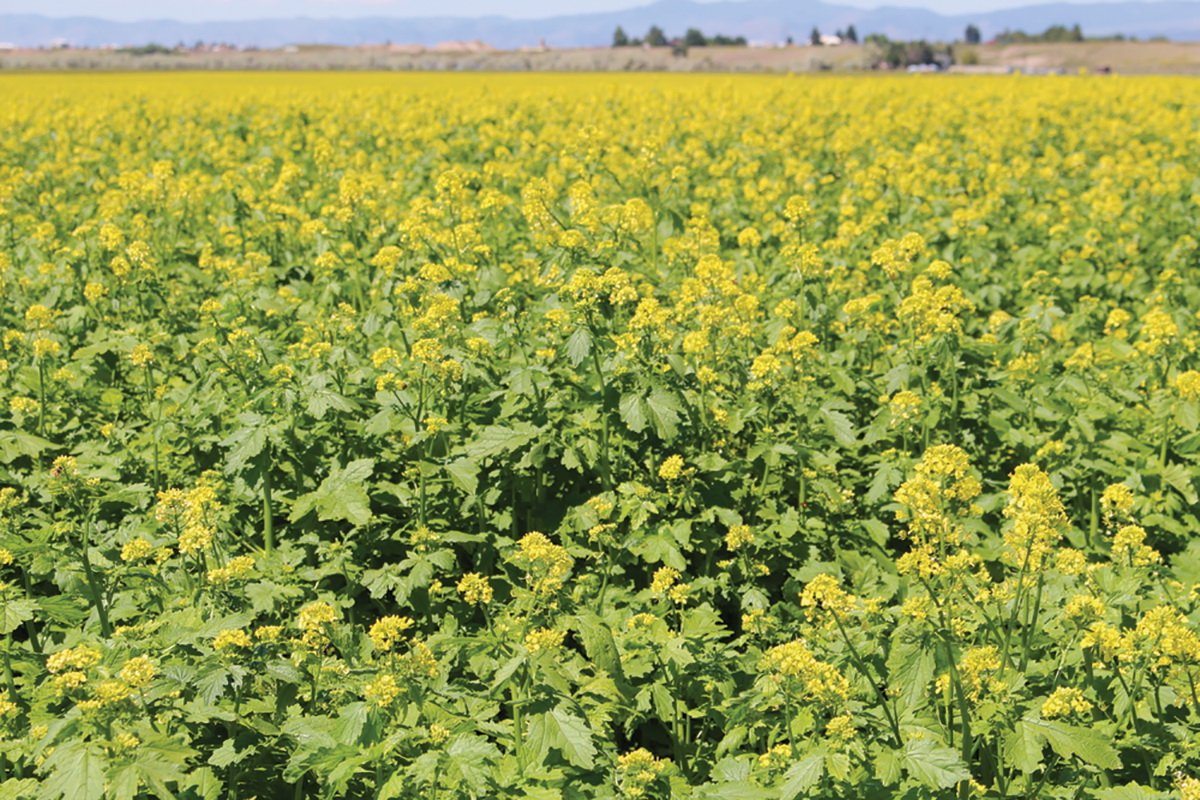
If the cucumbers have already wilted, their leaves have turned yellow and drooped, there's no point in keeping them any longer. They need to be dug up to make room in the plot. Add 1/2 bucket of compost and 1 tablespoon of complex fertilizer (dosage per square meter) to the soil. Dig over and sow with green manure. If you plan to grow early-ripening crops or potatoes, it's recommended to plant:
- mustard;
- phacelia;
- oats;
- peas.
Before the cold weather sets in, they should be dug up and worked into the soil, not too deeply. By spring, the soil will have rested and become enriched with nutrients. If nightshades are planted in this bed, it is recommended to sow the area with winter rye and work it into the soil in the spring.
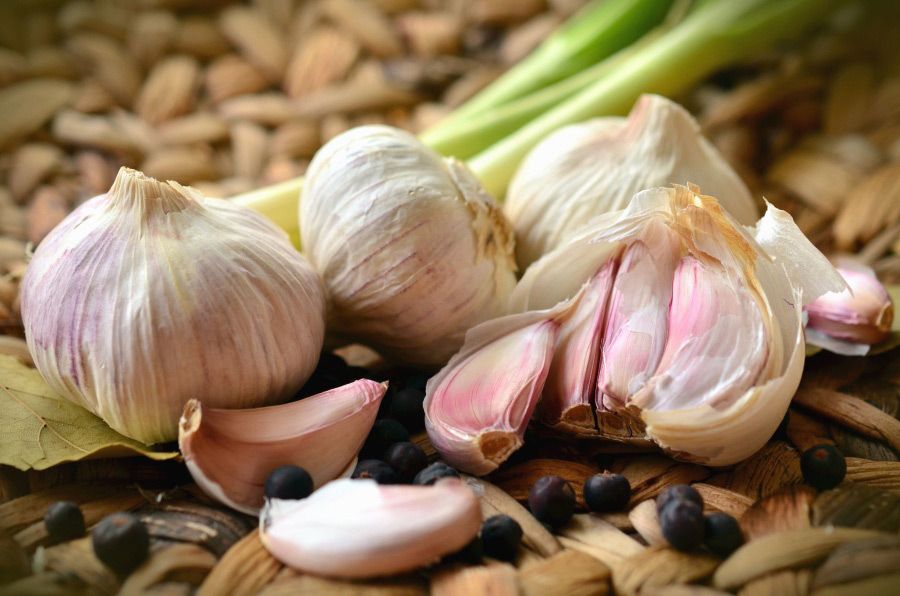
Cucumbers are a good precursor to garlic. Prepare the bed in advance to allow the soil to settle and prevent the cloves from being planted too deeply. Add a bucket of compost, 1 tablespoon each of potassium sulfate and superphosphate, and dig in. Level the area; when the soil becomes too dry, water it. This will encourage weed growth, which will need to be weeded.
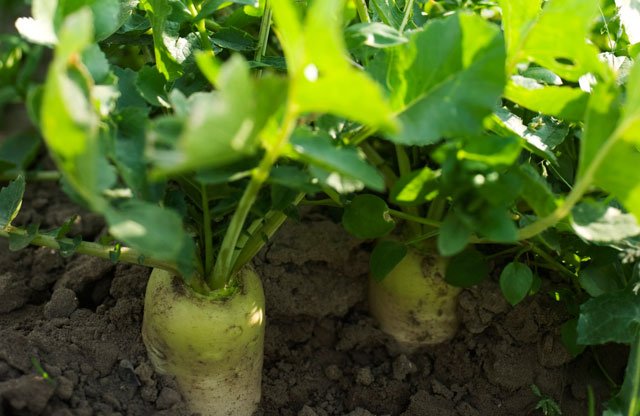
You can also plant radishes, lettuce, or dill in the cucumber bed for a fall harvest. The seeds of these crops also allow the soil to rest. When digging up radishes, leave the tops for later digging.
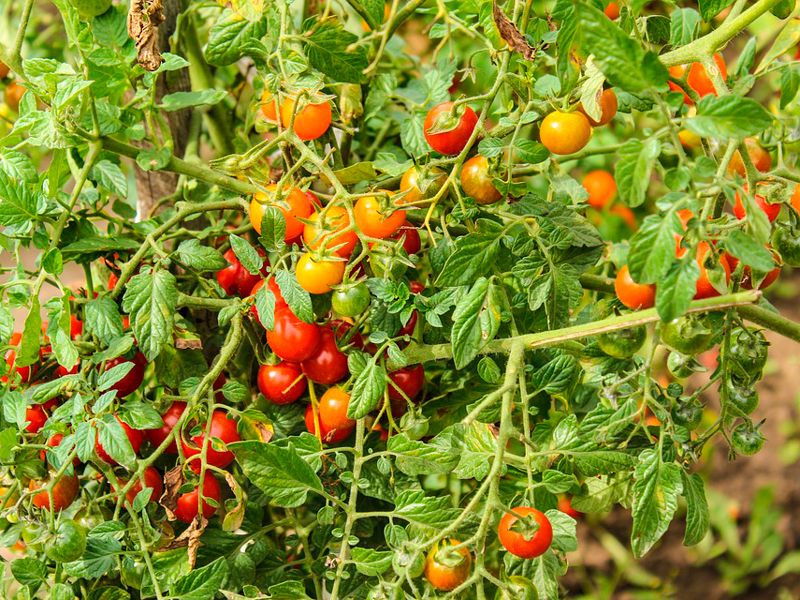
Don't keep early tomato plants for too long, as they've already produced their main crop. The few green tomatoes can be pickled or left to ripen. It's recommended to chop up the dug-up tomato plants and compost them or plant them deep in the garden bed. This applies to healthy plants. Diseased ones should be burned.
Cleaning and maintenance
If you don't have refrigerated storage space, don't rush harvesting. Basements are still warm, so the harvest will begin to rot. This is especially true for parsnips. The longer they remain in the garden, the larger the fruit. They can be dug up even after frost, but it will require some effort to remove them from the frozen ground. Parsnips can also be left in the ground throughout the winter for a spring harvest. They are frost-resistant.
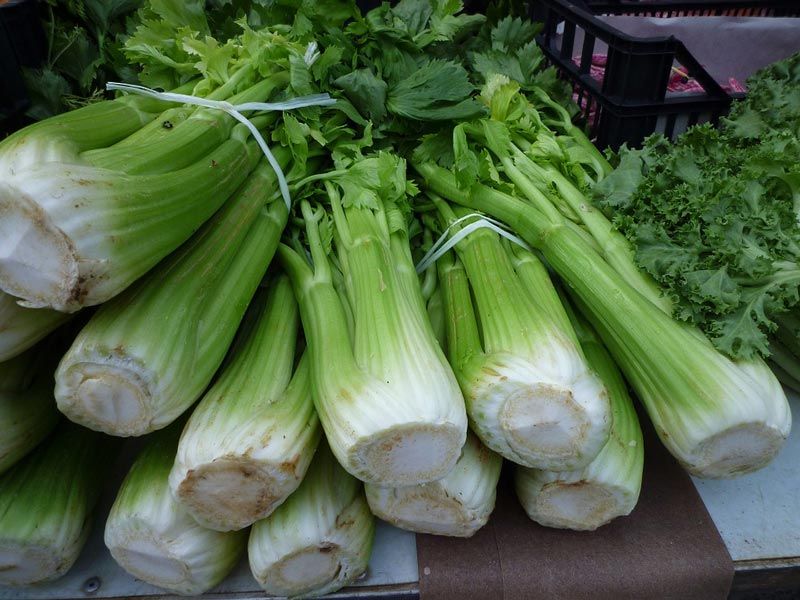
The stalked celery needs to be earthed up again. Add a mullein infusion with 1 tablespoon of the complex mixture. This will soften the stalks.
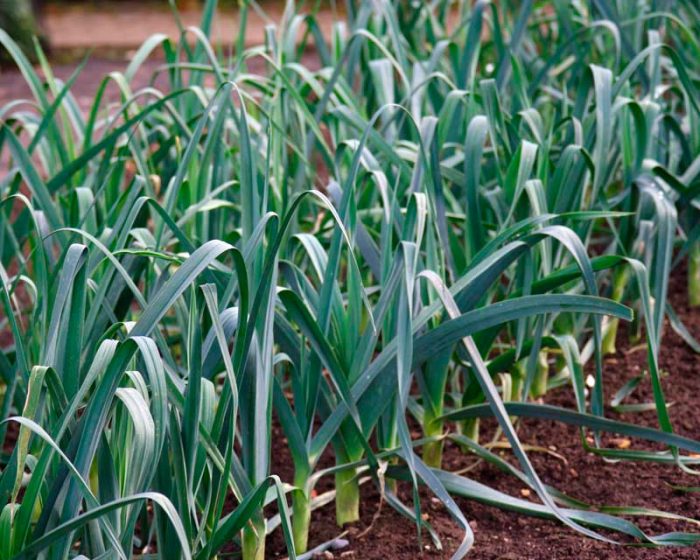
The leeks need to be loosened. If they continue to grow thickly, harvest the weakest shoots and use them for cooking. Hilling should be done to make the stems thicker and juicier.
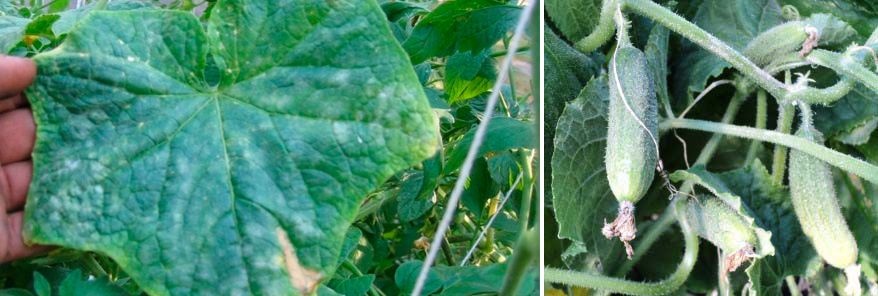
If cucumbers and tomatoes are doing well, even those grown in greenhouses, they require continued summer care. The harvest will begin in at least a month. If the fruits are misshapen (irregularly shaped), apply organic and mineral fertilizers (1 teaspoon each of potassium sulfate and urea). In September, powdery mildew may appear on cucumbers and zucchini, and late blight on tomatoes. Chemicals should not be used because they have a long latency period. Biological fungicides are better.
Cucumbers planted in August should be covered with non-woven fabric, otherwise they may become diseased by temperature fluctuations or even die. If sorrel is affected by the frost, the greens should be cut back completely. They will grow back until frost.
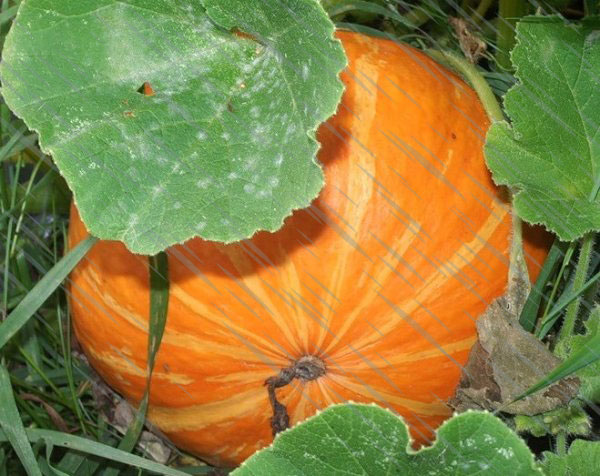
Pinch back the growing points of the pumpkin until there are 5-7 leaf blades remaining before the pumpkin itself. Reduce watering to allow the fruit to ripen. Also, pinch back the growing points of the melon.
Fertilizing perennials It is recommended to apply 1 tbsp of the complex mixture per square meter for:
- Welsh onion;
- slime;
- chives;
- sorrel;
- rhubarb;
- asparagus.
Mature rhubarb plants are ready to be transplanted. The cuttings should have one bud and a couple of root shoots. Before planting, it's recommended to dry them in the sun to allow the cuts to heal slightly. While the cuttings are drying, prepare the planting holes.
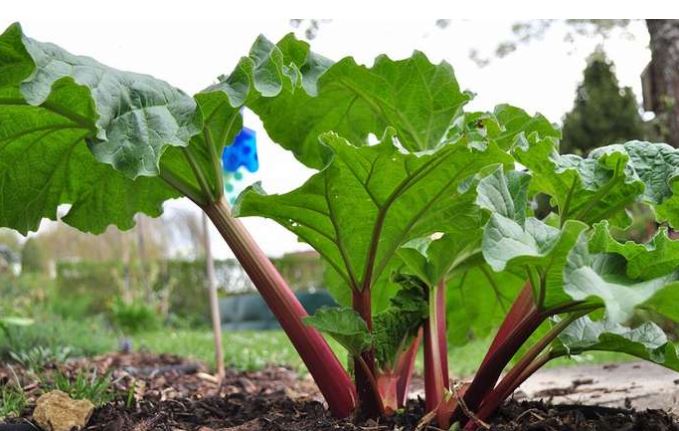
They should be spaced 0.8-1 m apart. Add 3-5 kg of humus or compost, up to 2 tablespoons of complex fertilizer (dosage per hole), and water generously. Mulch the planted divisions with compost or humus.
Caring for cabbage
Since daylight hours have become shorter and nights are colder, mid-season and late-season cabbage need to be watered less often, otherwise the heads will crack.
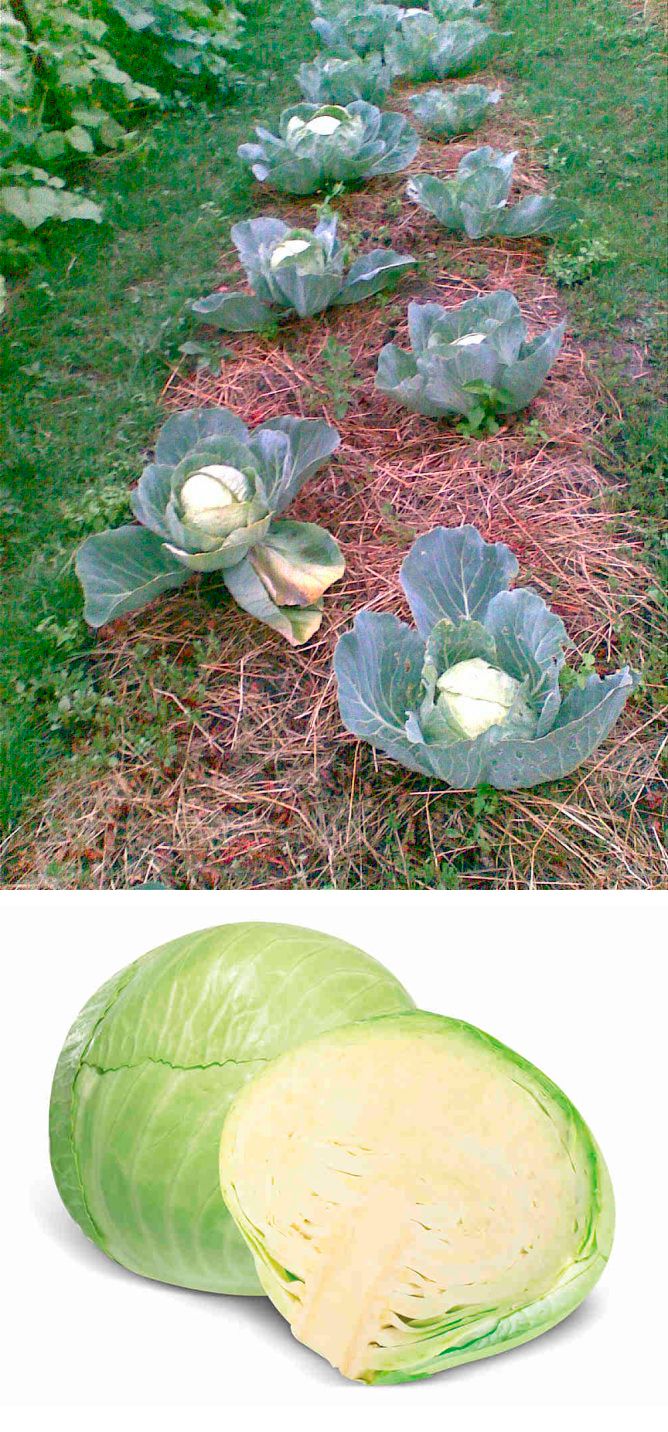 If this does happen, the harvest must be collected immediately before it gets worse.
Please note! Some gardeners have a habit of breaking off the lower leaves of cabbage. They believe this helps the heads form. In fact, this is not true. This practice is not recommended.
After each watering or natural precipitation, the spaces between the rows should be loosened. This promotes better root nutrition, resulting in a rich and tasty harvest.
Slugs may appear on your cabbage. They'll need to be caught by hand. Do this at dawn or dusk, when the pests are less active. After harvesting, sprinkle the area around the crop with mustard powder or ash. You can also lay out various rags, boards, and other objects. The slugs will hide under these, and all you have to do is quickly collect them.
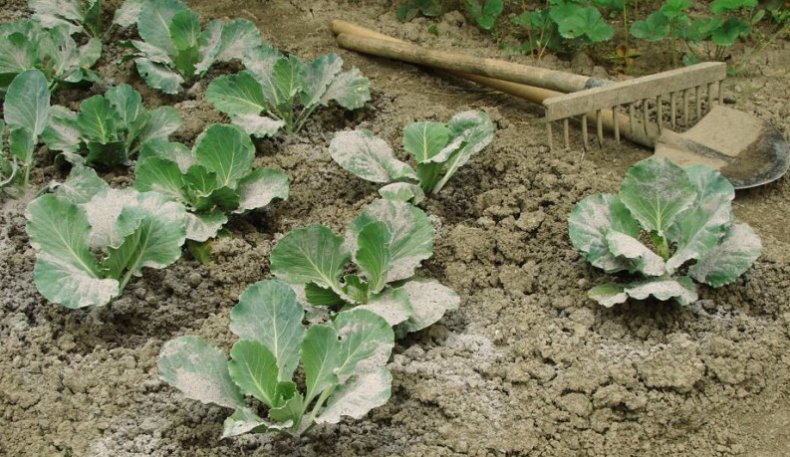
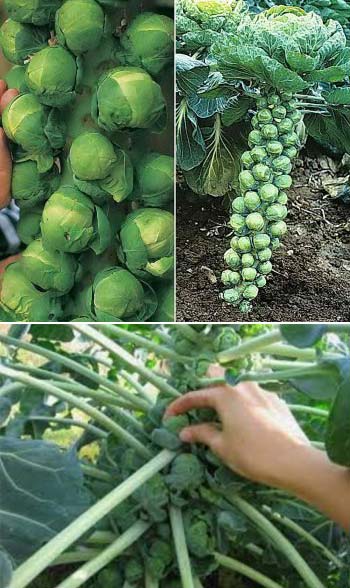
Trim the tops of Brussels sprouts. This will ensure that the nutrients are released into the developing heads rather than into the tops.
Harvesting onions
Before the rains begin, it's time to harvest late-season onions. Early September is still sunny, so you can dry them outside. The sun isn't scorching, so the bulbs don't need to be shaded.
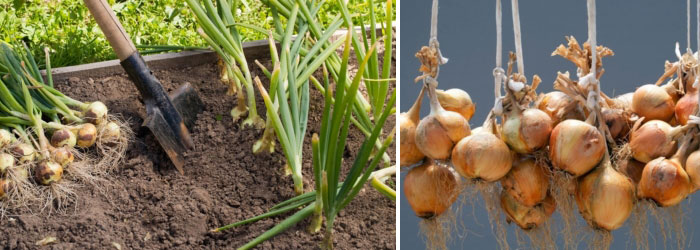
In any case, there will be no burning. The harvest is laid out in a single layer and stirred periodically to ensure even drying. When the bulbs are ready, their outer scales will fall off when stirred, leaving them neat and beautiful.
Potato harvesting
Before the rains begin, it's a good idea to dig up the potatoes planted in May. Beforehand, check the tubers to ensure they're ready for storage. They should have a firm skin that won't come off easily with your fingernails.
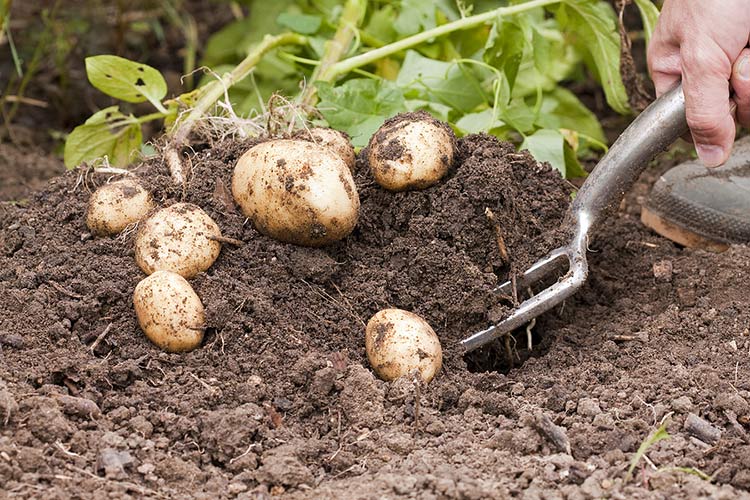
Helpful information! It's not recommended to throw potatoes into a bucket or basin when harvesting. This can damage them and make them unstorable. Place the tubers carefully in the collection container.
Before storing, dry the potatoes in the sun, spreading them out in a thin layer. Then bring them into a room at room temperature for 2-3 weeks.
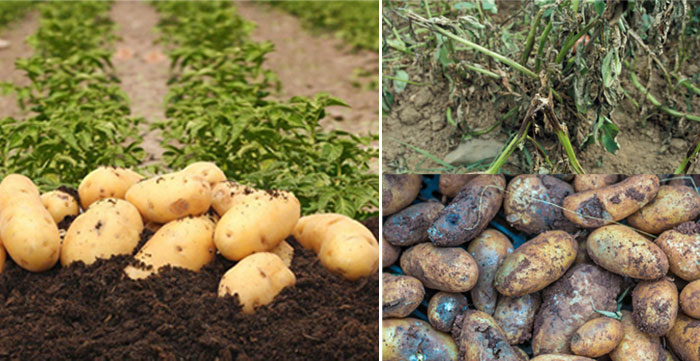
Any existing wounds will heal, but any diseases will become apparent. Any affected fruit should be discarded. The basement is too humid and warm, so it's not a good idea to store the potatoes there yet.
Fertilizer for July-planted crops
Potatoes planted in July bloom in early autumn. During this period, add wood ash between the rows, loosen the soil, and water. You can also use a specialized potato fertilizer or a general-purpose fertilizer with a low nitrogen content (1 tablespoon per square meter). This micronutrient is harmful to potatoes in autumn, as it can trigger the development of late blight.
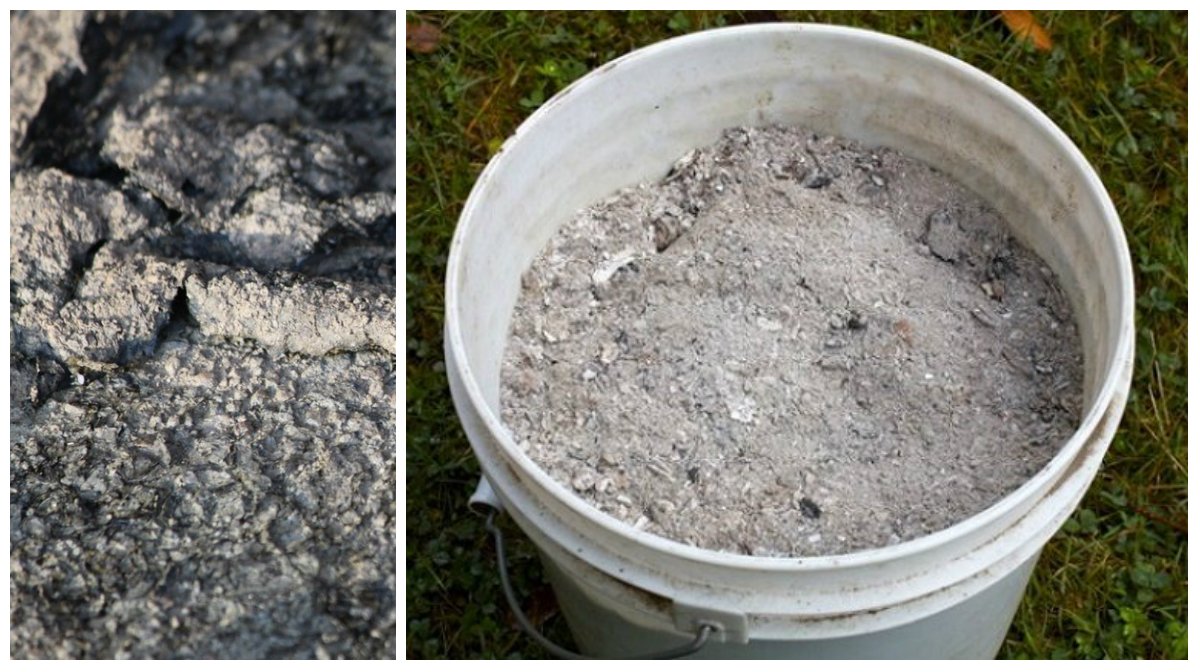
Cauliflower and broccoli should be fed with organic matter (0.5 l) and a complex preparation (1 tbsp per 10 l of water). Daikon and radishes should be dusted with ash. This will repel pests.
Collection of herbs
Basil, marjoram, and lemon balm are sensitive to cold temperatures. Therefore, don't delay harvesting them. They should be dried, ground, and stored in separate jars. This will ensure you have aromatic herbs for cooking throughout the winter.
After trimming the basil leaves, you can dig it up and replant it in a pot with fertile soil. When flower stalks appear, cut them off immediately. This will ensure a long-lasting harvest.
Please note! Don't delay replanting basil. Even a slight drop in temperature will kill it.
All the recommendations given will allow you to get a good late harvest and prepare your garden for a successful winter.