Welsh onions, with their fleshy, slightly bitter leaves, commonly known as "shatun," "dudchaty," or "Tatarka," have long been cultivated in Russia. They belong to the onion family, a perennial. They grow in both open and protected soil, developing a strong green mass within the first 4–6 years.
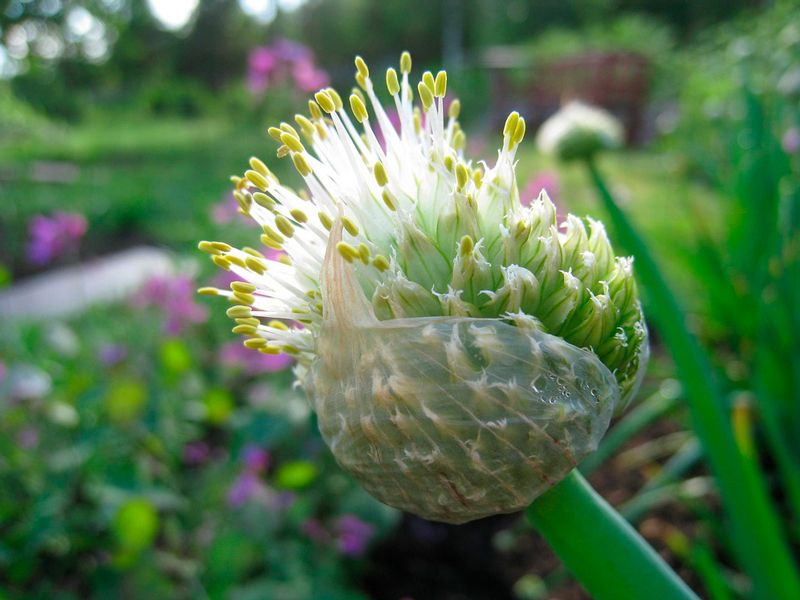
The nutritious leaves, rich in phytoncides and microelements, are used in cooking and medicine. The Chinese consider it an effective diaphoretic and pain reliever. In Europe, Welsh leeks are as popular as leeks. In gardens, they are grown to attract pollinators; it is a honey plant with a rich nectar flow.
Description and benefits of chives
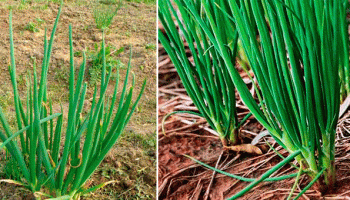
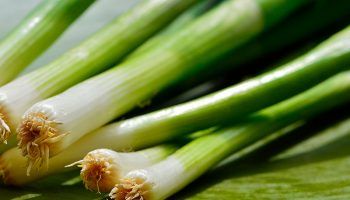
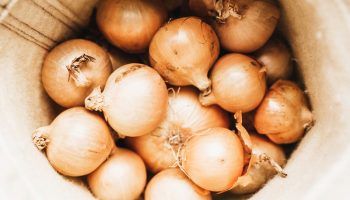
The onion's above-ground part is similar to the bulb onion; the stem and flower stalk also appear in the second year. During growth, the onion forms a bush. The false bulblets are smooth and unformed, each producing a dense tuft of roots and up to six leaves at a time. This perennial plant loses its leaves and roots annually, and new ones appear in the spring. The greens are harvested 2-3 times per season. A bush yields up to 10 kg during the summer. Productive yields persist for up to six years. Propagation of the onion is twofold: by seed and by dividing the parent plant.
The benefits of chives include their high content of flavonoids, phytoncides, nutrients, vitamins, and essential oils. Gardeners and farmers appreciate them for their juicy greens with a distinctive flavor, unlike other green onions. They are undemanding to heat, withstanding ground frosts down to -8°C. They overwinter well in the soil and transplant easily.
Onion varieties
Breeders are constantly developing technologically advanced, productive varieties with varying feather flavors. Many varieties are cultivated in Russia, and information on the most popular ones, characterized by vigorous growth and abundant foliage, is included in the table.
| Variety | Description. Height (cm) | Application |
| Early ripening onions | ||
| April | The feather is fleshy with a sweetish taste. Approximately 45. | Used for preparing salads. |
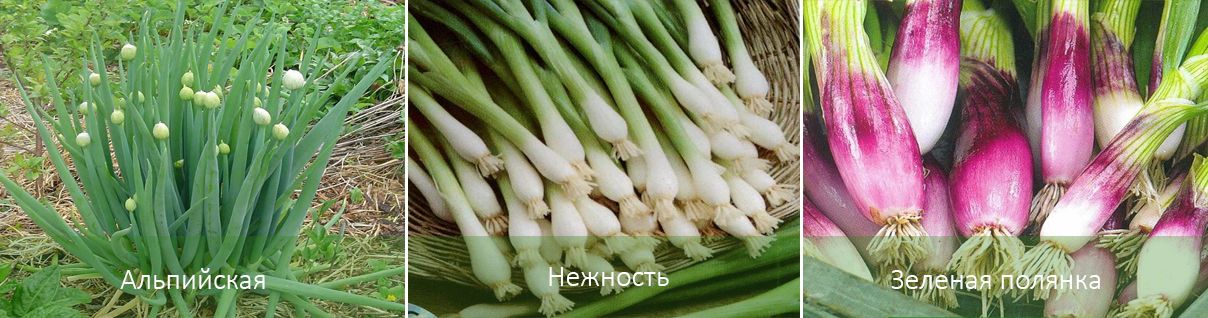
| Tenderness | Winter-hardy, the feather is juicy, with a pleasant spicy taste. 35. | Versatile, present in many dishes, eaten on its own. |
| Green meadow | Salad-like, the feather has a harmonious, semi-sharp flavor. Up to 75. | It can be eaten on its own, but is also good in dried and canned form. |
| Pierrot | Cold-resistant, the feather is soft, semi-sharp, and sweetish. About 40. | Included in salad recipes. |
| Mid-season onions | ||
| Picnic | Disease resistant, the feather is spicy, slightly pungent. 50. | Grown for preparing main courses. |
| Russian size | The leaves are wide, dense, and juicy. The size reaches 70. | Used for stuffing and creating savory dishes. |
| Russian winter | Salad-colored, soft feathers with a slight bitterness. Up to 30. | Delicious fresh, great as an addition to salads. |
| Shashlik | The feather is delicate, semi-sharp, soft, and oily. It reaches 50. | Suitable for first and second courses, pie filling, and home canning. |
| May | Late-ripening, the feather is soft, sharp with a slight bitterness. 40. | It is used to prepare spicy first and second courses and is added to salads. |
Also popular are hybrid salad varieties bred in Holland: Parade, Performer.
The main principles and methods of growing chives
The plant is grown from seeds as an annual or perennial; instead of seedlings, pseudobulbs obtained by dividing the mother plant are used. The greens can be grown outdoors, in protected soil, or on a windowsill. Planting and care are quick and easy.
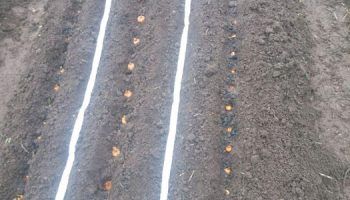
Seeds for seedlings are sown in January–February; after 35 days, the thin shoots are transplanted into the garden bed. In greenhouses, onions are sown in late autumn "before winter" or in early spring, when a few centimeters of soil have warmed. Care consists of watering and regular fertilizing, up to three times per season. Complex fertilizers containing nitrogen, phosphorus, and potassium are applied.
Annual
Cold-hardy crops are selected for annual sowing, and the seeds are sown in the soil in early spring. The seedlings are thinned after two weeks of growth. If the plantings are too dense, the greens will begin to rot, and root rot may develop. Greens are not cut from the shoots in summer. Annual leeks are harvested in the fall, along with the false bulbs, which are dug up with a pitchfork. This planting method produces a moderate yield with soft, juicy leaves.
Two-year-old
Seed placement is done in the same way as for annual cultivation, at the same time. In the fall, the stems are not dug up but left to overwinter. The following season, dig up the stems as needed, which can be done at any time:
- in early spring, when the leaves are just beginning to emerge;
- in summer, partially or all at once;
- In the fall they dig up what's left.
Perennial
For long-term cultivation, seeds are embedded in the soil:
- in early spring, if they want to get feathers in the first year of cultivation;
- in summer, from the beginning of June to the end of July;
- in autumn, with the onset of frequent frosts until the ground freezes, “before winter”.
The first leaf harvest from spring sowing is harvested a month before the onion cold sets in. The onions should be ready for winter by developing a feathery growth.
Top.tomathouse.com recommends: little tricks for growing chives
Despite the simplicity of caring for this green perennial, it is useful to follow a few rules in agricultural technology:
- the crop requires regular but moderate watering; if water stagnates, oxygen does not enter the soil, and the onion becomes diseased and begins to turn yellow;
- Three days before cutting, the bed is well watered so that the leaves are elastic and retain their shape well during transportation;
- After growing onions or other bulbous plants, it is not recommended to plant batun, as the soil may contain nematodes, root rot spores, and bacterial pathogens;
- the best preceding crops that do not have common diseases with onions are nightshades (tomatoes, potatoes), carrots;
- When forcing feathers into protected soil in winter, 2-3 year old plants with a wide tube - a false bulb - are selected for transplantation; they have a powerful root system, they quickly adapt and grow;
- To ensure early germination, I mulch the snow above the planting site with humus and cover it with film - the "greenhouse" will warm up faster in the sun;
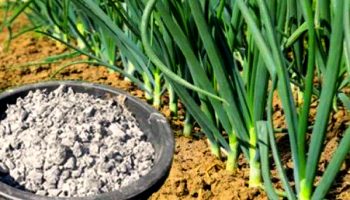
- After each feather cutting, the soil is enriched using settled manure as a source of nitrogen; phosphorus and potassium mineral fertilizers are added to it;
- Onion seeds are sown for seedlings at the beginning of winter, so you can get green mass a month earlier.
Such techniques, when following the basic principles of onion care, increase the yield of chives up to 1.5 times.