Narcissus is one of the earliest spring flowers. There are approximately 60 known species native to southern Europe.
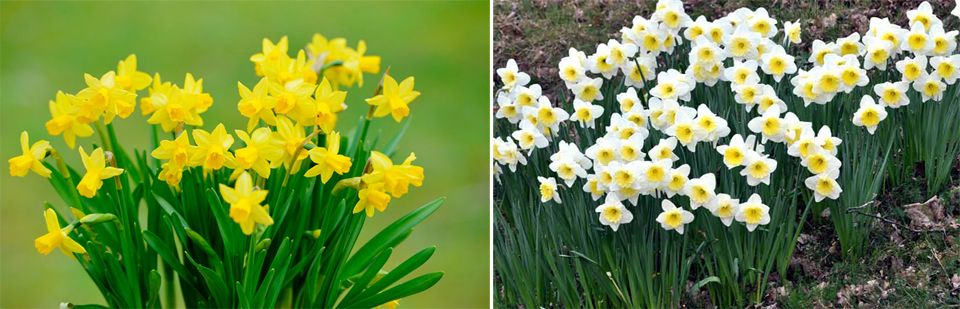
In addition to the well-known, naturally occurring varieties, humanity has bred a huge number of hybrids of this plant. The flower gained its fame thanks to its use in perfumery and folk medicine.
Content
Description of narcissus
This perennial herbaceous plant has linear basal leaves. Large buds occur as single specimens or in clusters. They have a delicate fragrance, are slightly drooping, and reach 6 cm in diameter. It is an ornamental flower, especially in early summer and late spring, with yellow and white shades predominating. The very first specimens of this beautiful plant begin to bloom as soon as the snow melts. They have white petals. They are soon replaced by more beautiful varieties with larger flowers.
13 varieties of daffodils with photos and descriptions
Currently, there are over 30,000 different varieties of daffodils. These flower species are divided into groups, each comprising 13 species, of which only one is considered natural. The remaining hybrids are the result of crossbreeding. Before humanity learned to breed new plant varieties, daffodils came in only white and yellow shades. Now, things are different: hybrids come in a wide variety of colors, from standard to cream.
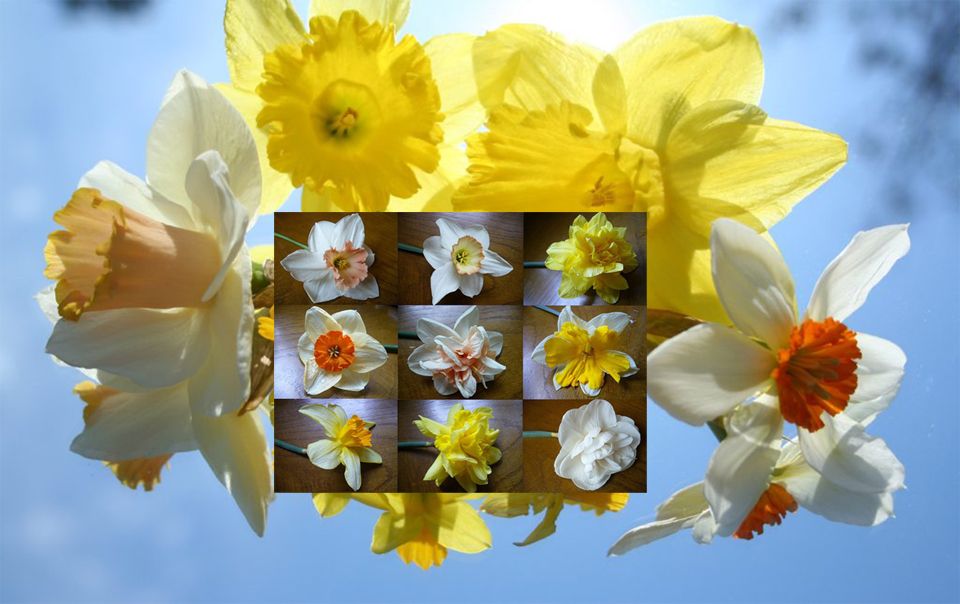
There are varieties that change color during flowering. Each type has a specific purpose. Some are bred specifically for bouquets, others for winter flowering indoors. There are also decorative varieties that are used to decorate gardens.
Tubular
The yellow petals are the same length as the tube, resembling a gramophone trumpet. They are ideal for gift arrangements.
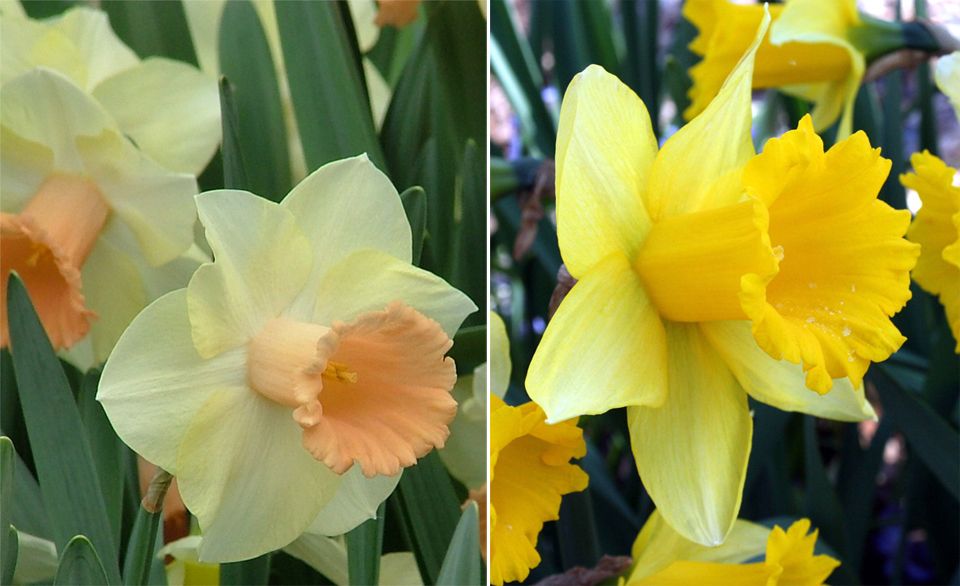
They thrive in winter flowering conditions and as garden ornamentals. They thrive in Russia and the CIS countries.
Large-crowned
This is the most versatile variety. Only one bud is present on the stem, and the flower crown is small, about a third the length of the petals.
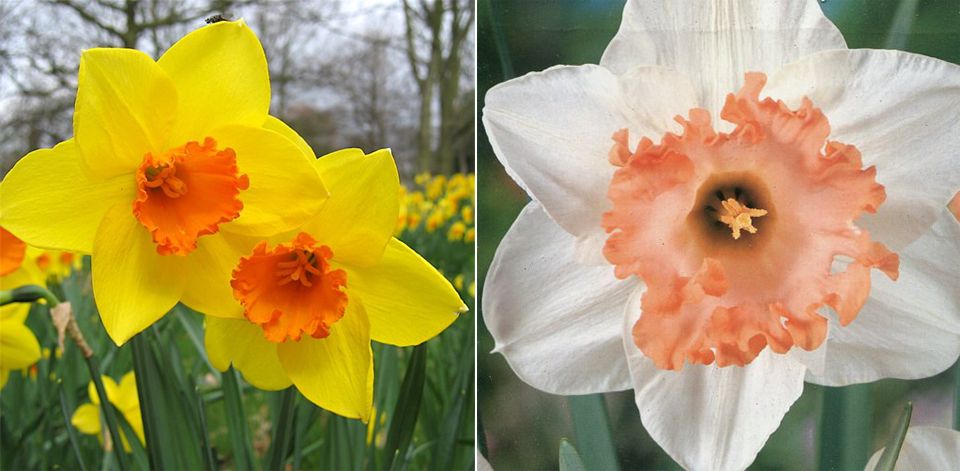
The flowers are above average in size, up to 12 cm. They have a yellow tint and a white crown.
Small-crowned
They have a sturdy stem with a fairly large bud, 8 cm in diameter. The crown itself is small. They are characterized by good growth and a long lifespan.
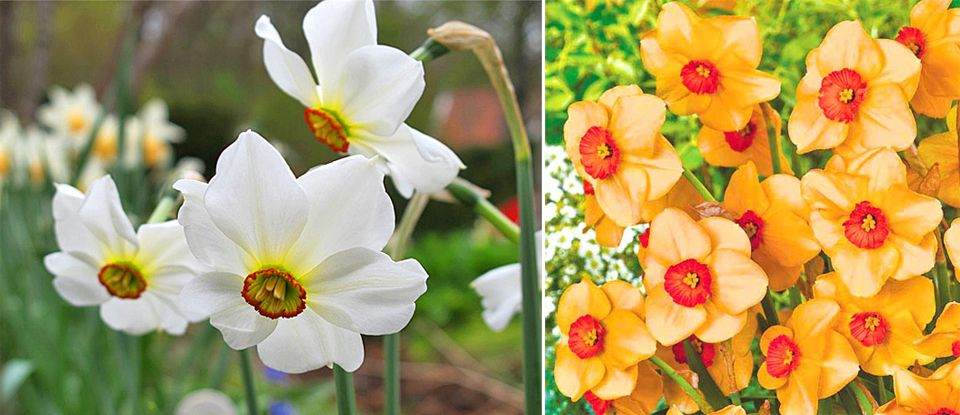
They have a pleasant, subtle aroma. They are considered universal and are perfect for bouquets and garden decorations.
Terry
It gets its name from the double structure that can cover not only the crown but the flower itself. The petals are standard, and come in shades of yellow, white, and orange. Some specimens have red petals.
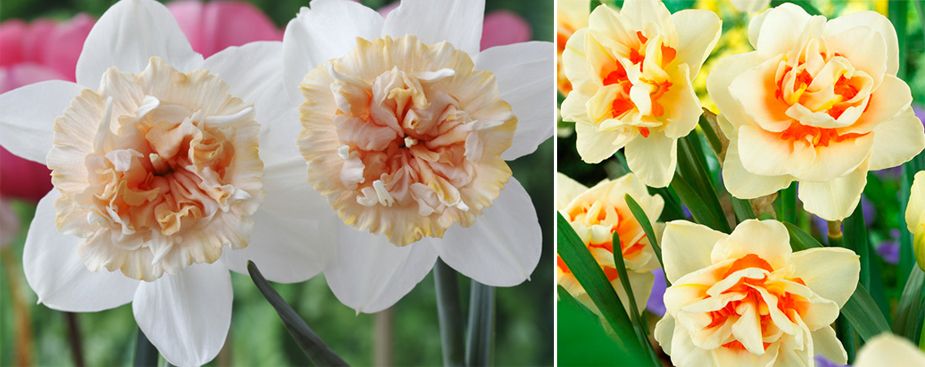
Depending on the variety, they can be found singly or in groups. They are ideal for bouquets. A drawback is their poor rain resistance.
Triandrus
A distinctive feature is the small size of the flowers. Five to six droop from the stem. The stem itself is short, and the crown is also small, shaped like a yellow or white cup.
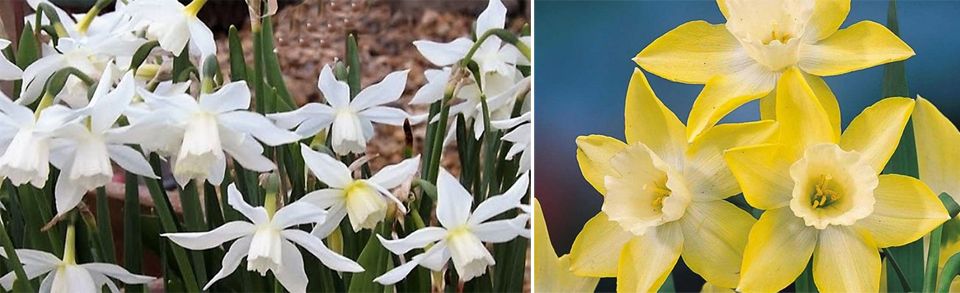
The advantage is the miniature size of the plants, which adds a touch of elegance. They are well suited for planting in rocky areas. The disadvantage is their poor tolerance to low temperatures.
Cyclamenoides
The peduncle is short, bearing two small, "sad" buds. The crown is tubular and narrow. The petals are curved backward.
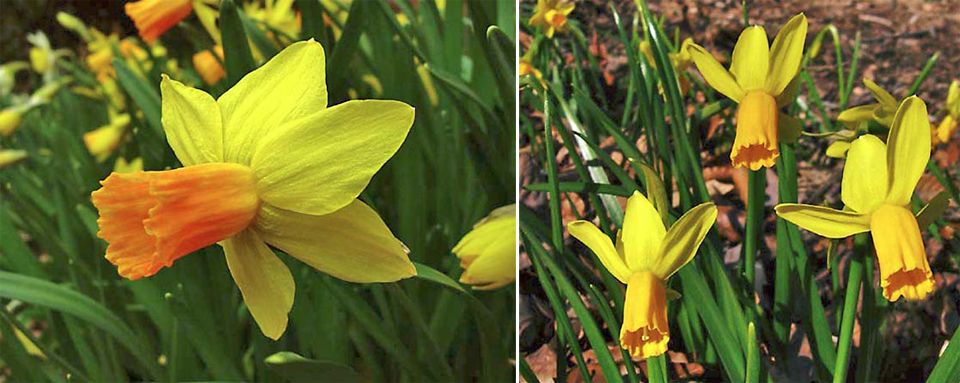
Popular for decorating ledges and stone hills.
Jonquillaceae
Almost the same species as the previous one. The difference is that a single stem bears up to seven flowers. They are slightly larger than their counterparts, with small, rounded crowns. They have an excellent fragrance and an elegant appearance. Suitable for a rock garden.
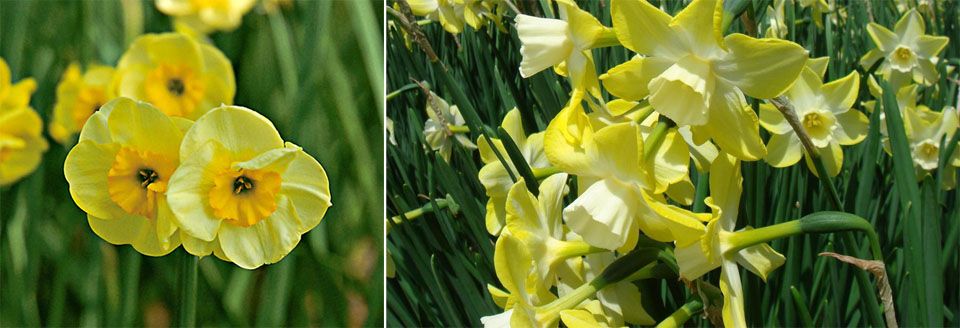
The flower's leaves resemble grass. Almost all varieties of this species thrive in warm conditions and are recommended for growing in warmer regions of the country.
Tazetta (multi-flowered)
The peduncle is strong, reaching 33 cm in height. The racemes are thick, small, and shorter than the petals. The colors range from white to yellow.
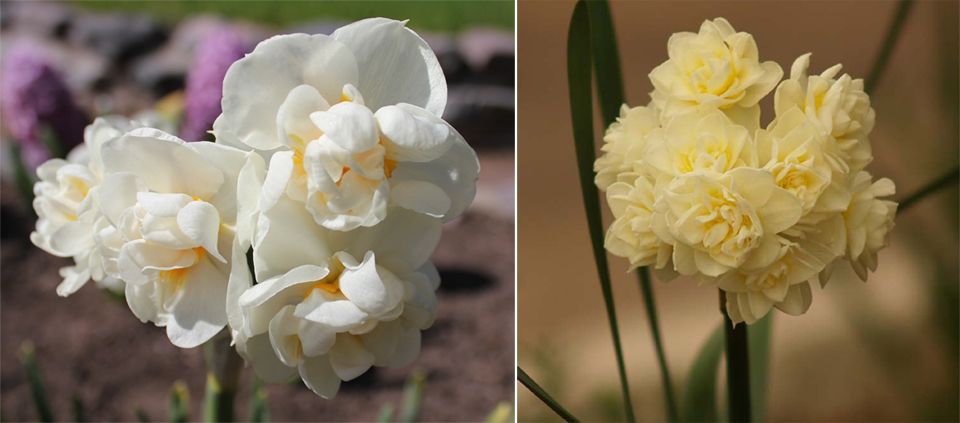
The crown itself is often orange. These varieties are prized in Siberia for their winter flowering. However, they do not tolerate low temperatures well and require shelter.
Poetic
It is one of the oldest. A graceful appearance and wonderful fragrance are the hallmarks of this variety. The flowers are white. The stem is elongated, the crown is low, yellow, edged with a bright red hue.
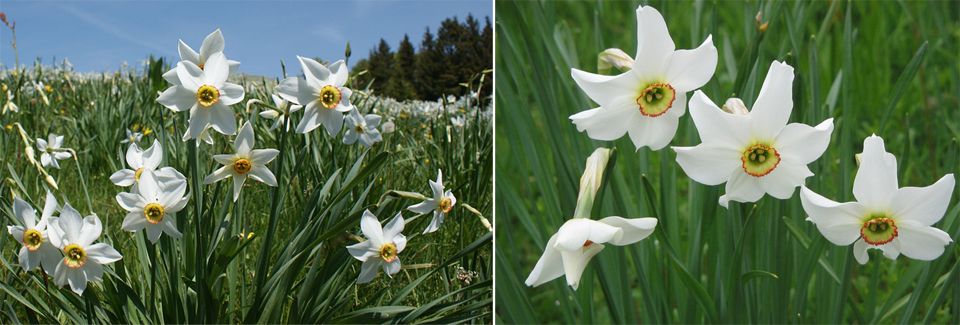
Advantages: immunity to adverse weather conditions, easily progresses in semi-darkness. Ideal for bouquets.
Hybrids
The youngest of the bunch, the single buds reach 5 cm in diameter. The peduncle is small. The wide tube resembles a bell, and the petals are narrow and pointed.
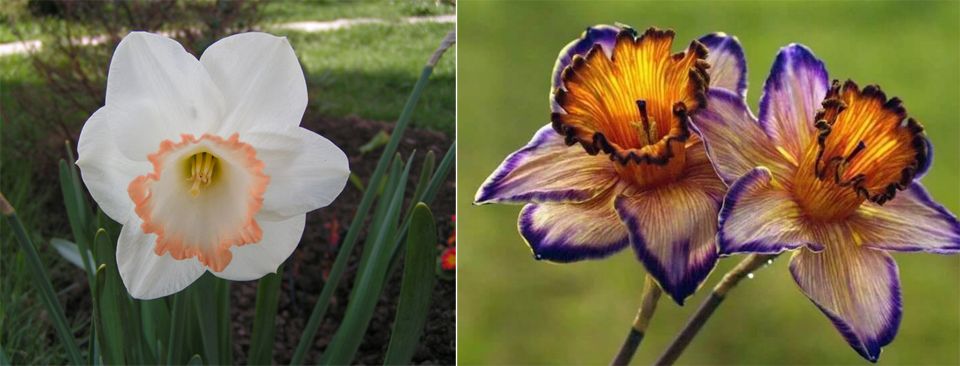
Available in yellow and white, they are perfect for blooming on a windowsill during the cold season.
Split-crown
The distinctive feature of this species is the dissected flower crown. This gives the plants an exotic, beautiful appearance, creating the impression of a second row of petals, and the flowers themselves resemble butterflies in appearance. The peduncle is tall, bearing a single flower, 10-12 cm in size. These varieties are suitable for all purposes.
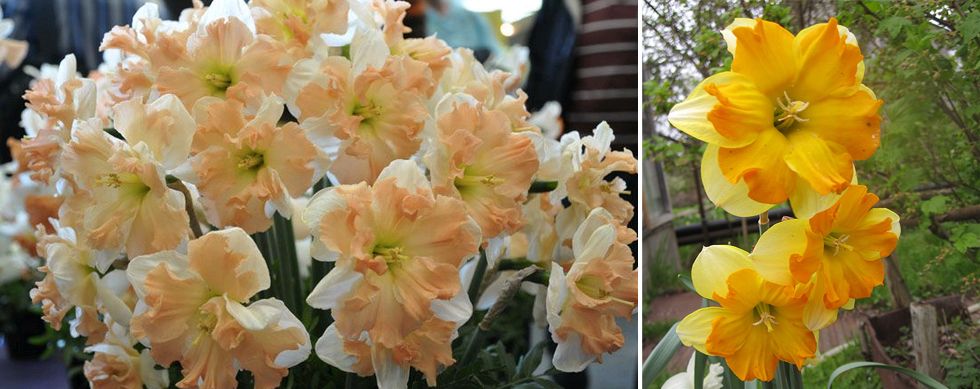
However, their decorative and aesthetic appearance can deteriorate over time due to very cold winters. With proper care, they can almost completely restore their former glory. Experts recommend planting them primarily in sunny areas and providing adequate insulation before the cold season.
Other daffodils
This subgroup includes all varieties and species that do not fit into the qualified groups. They are intended for general use.
Species
It is one of the most ancient species and includes wild specimens.
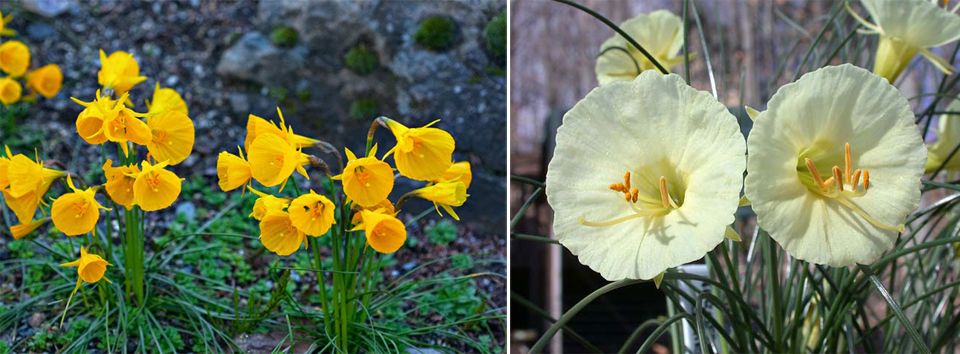
Highly valued for its essential oil content.
Growing daffodils
Most species and varieties are versatile. This means they can be grown in any type of open ground, indoors, or on a windowsill.
Narcissus grows from a bulb. Many bulbous plants are quite easy to care for, including daffodils. They bloom every spring, becoming more beautiful with each passing year. To achieve more profuse blooms, plant them in partial shade or full sun.
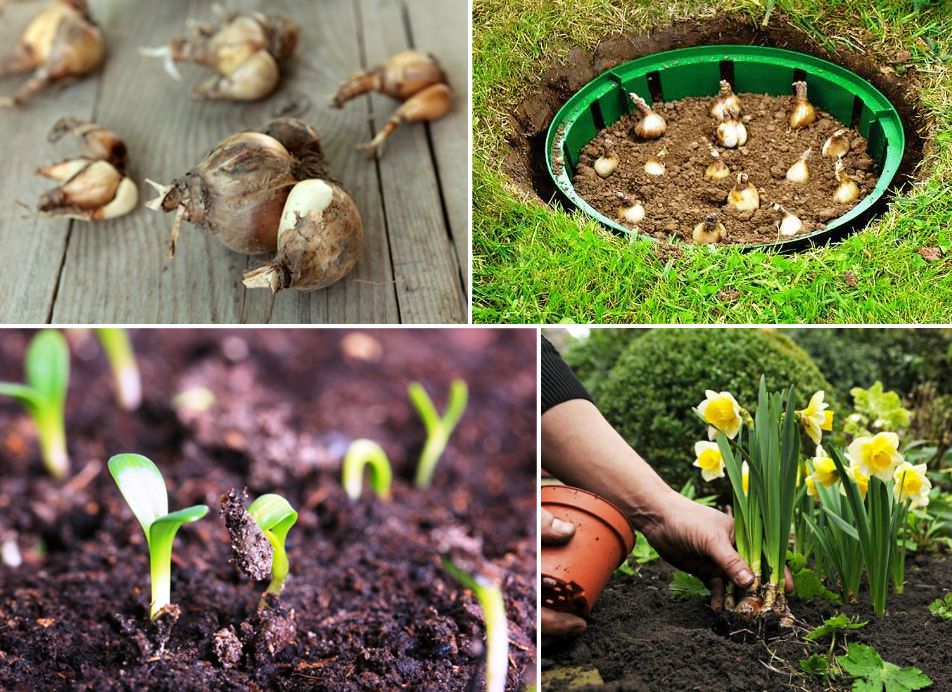
The plants aren't picky about soil. Their only requirement is good drainage. This is because daffodils love moisture but don't tolerate standing water. This causes basal rot, which is incurable.
This plant propagates by bulblets, or pups. A shortening of the shoots signals the need to replant. To do this, dig up the bulbs after the dry foliage has fallen off. They are then processed and dried in a dark place. Then, they are stored. However, digging them up too late will negatively impact their quality.
Planting dates by region and the lunar calendar for 2024
The most suitable time for planting is late summer or early autumn.
| Region | Deadlines and recommendations |
| In the Moscow region, the Volga region, the Black Earth region and the Leningrad region (central Russia) | From mid-August to mid-September. In early autumn, work can begin 5 days earlier. The temperature for planting outdoors should be around 9…10°C and remain at this level for about two weeks. |
| Ural | Early August. If the weather is dry and warm, you can stick to the dates for central Russia. |
| Siberia | Planting is carried out until the end of August, depending on the soil temperature. |
| South | Until the end of September, beginning of October. Adhere to weather conditions. |
| Month | Favorable days | Unfavorable, prohibited days |
| August | 1-3 (until 14:08), 7-11, 24-26 (until 06:04), 28 (from 11:47)-30 (until 20:08) | 3 (from 14:13),4, 5 (until 14:13), 18, 19,20 (until 21:25) |
| September | 4 (from 19:11 a.m.)-7 (to 08:18 a.m.), 12 (from 05:36 a.m.)-14 (to 10:52 a.m.), 16 (from 12:39 p.m.), 20 (from 12:02 p.m.)-22 (to 1:23 p.m.), 24 (from 17h 49m)-26, 29 (from 12h 42m)-30 | 2, 3, 4 (with (04:55), 14 (from 10:52 a.m.)-16 (until 12:39 p.m.), 17, 18 |
| October | 9 (from 12:38 pm) - 11 (until 19:31 pm), 18 (from 14:26 pm) - 19, 26 (from 18:47 pm) - 31 (until 20:29 pm) | 1 (from 21:49),2,3 (until 21:49), 11 (from 19:31 pm)-13 (until 22:55 pm),16 (from 14:26),17, 18 (until 14:26),31 (until 15:46) |
Landing rules
Planting is done in the soil to a depth of at least 10 cm. Keep a distance of about 15 cm between the bulbs.
Daffodils are by nature unpretentious plants and quickly adapt to the climatic conditions in which they are found.
More details about planting daffodils on our website.
Caring for a daffodil
Care is also easy. The only characteristic of these flowers is their increased sensitivity to soil moisture. During flowering, ensure adequate watering of the planting sites, and continue the same for the next five weeks after flowering.
Regular weeding and removal of diseased plants are necessary. To improve the overall quality of the bulbs, it is recommended to trim the flower stalk after flowering. This is done because the daffodil expends most of its energy on seed maturation. To prevent the plant from wasting energy on seeds and instead direct it toward strengthening the bulb itself, the flower stalk is removed. However, if you want to propagate beautiful plants from seed, there's no need to remove the flower stalk.
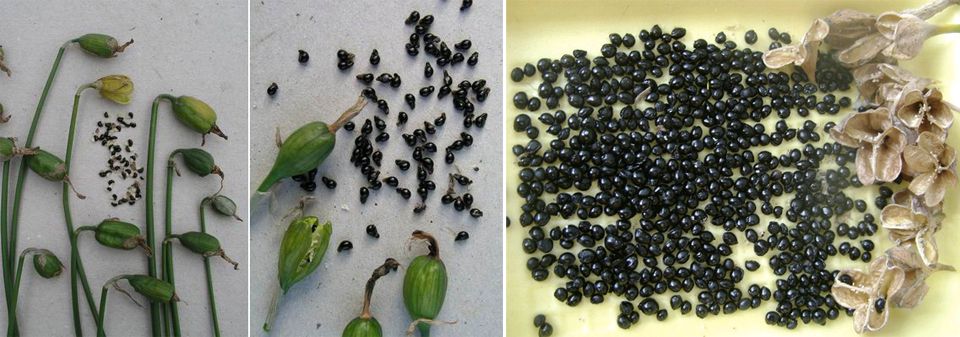
Soils with high nitrogen and potassium content are preferred. Therefore, during the first years of growth, the plant needs to be fed. The first feeding is done in the spring, in small amounts. This is because excess nitrogen can easily cause diseases. It can also affect the leaves, causing them to become too tall and narrow. The second feeding is done during the emergence of the flower stalk, adding nitrogen and potassium.
Pay special attention to the natural dying of dried leaves. Never pick or trim them yourself. To prevent unsightly spots from wilted leaves from being visible, you can remove daffodils from a prominent location. In the garden, mulching the planting area is recommended. Mulching improves the appearance of the flowerbed and also protects it from inclement weather.
Daffodils are fast-growing plants, quickly forming beautiful flower beds. With proper care, they can grow for at least six years without replanting. If the flower shape diminishes over time, it means the plants are planted too close together, which should be corrected. Under normal conditions, dividing these plants is necessary every five years.
Planting new bulbs, as well as replanting existing ones, should be done exclusively in late summer and before early October. The planting depth should be three times the bulb's height. In heavy soils with high clay content, it is recommended to plant the plants on a layer of sand, which will significantly improve drainage.
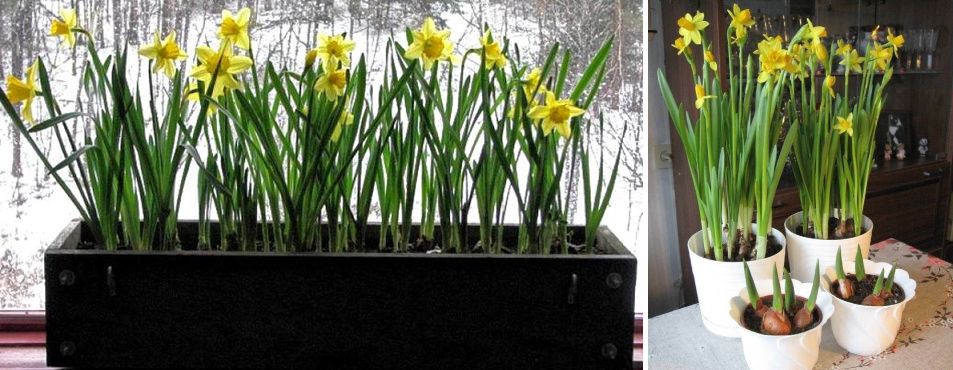
Daffodils themselves are well suited for spring forcing. When growing daffodils in a pot, their bulbs are staggered. This approach is useful when you need to accommodate as many specimens as possible.
More details about forcing daffodils, tulips, hyacinths on top.tomathouse.com.
Top.tomathouse.com recommends: daffodils in the landscape
Due to the wide range of varieties, daffodils are widely used to create a unique garden design. Some groups are widely used in natural growing conditions, along with other flowers that bloom in early spring.
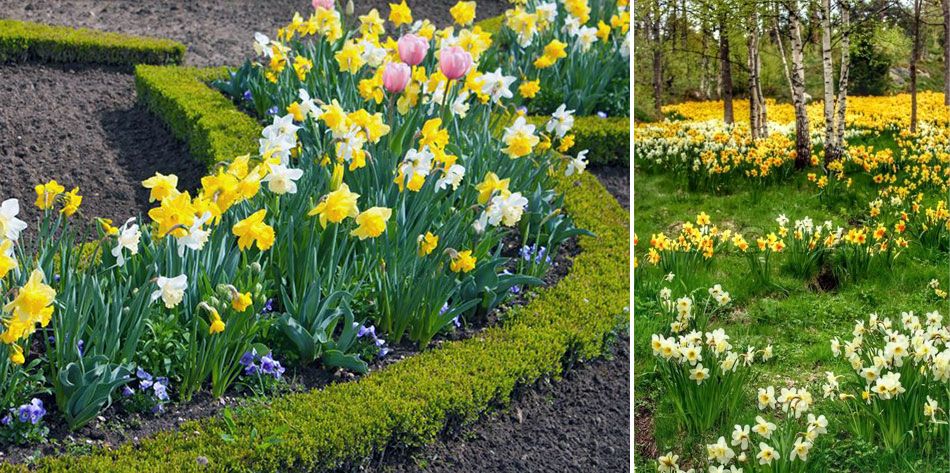
With sufficient desire and experience, it is possible to create a composition of daffodil species and varieties in such a way that the total flowering period will be 5 months.
The most commonly used variety of narcissus is the paper daffodil. This is due to the arrangement of numerous white flowers, reminiscent of a blank canvas, on each individual stem.
Reviews of daffodils from gardeners
Plant it once and it will be passed down to your grandchildren. 👵👶 What colors does it come in and why does the daffodil not smell very nice – an indestructible, most tenacious flower among bulbous plants
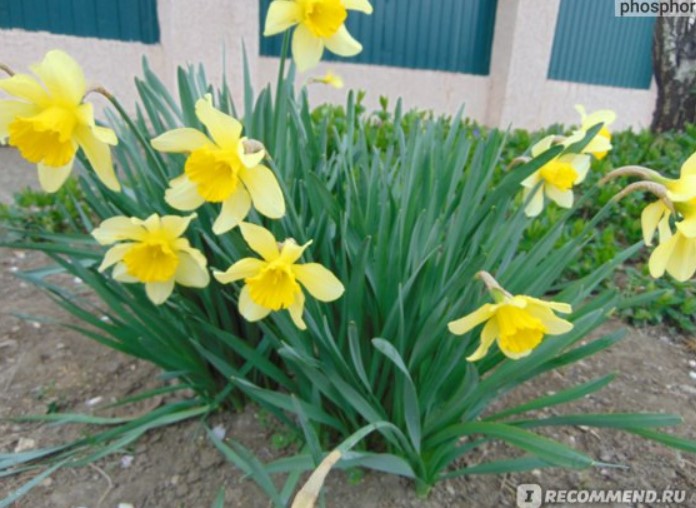
In my region (Crimea), daffodils bloom from mid-March until almost the end of April. During this time, they simply take over lawns and flowerbeds, adorning every available patch of ground.
Yellow daffodils
In garden plots where owners periodically plant them, they grow in vast clumps of hundreds of bushes, actively budding, that is, forming daughter bulbs underground. But even in abandoned plots, they form vast lawns, just not as quickly.
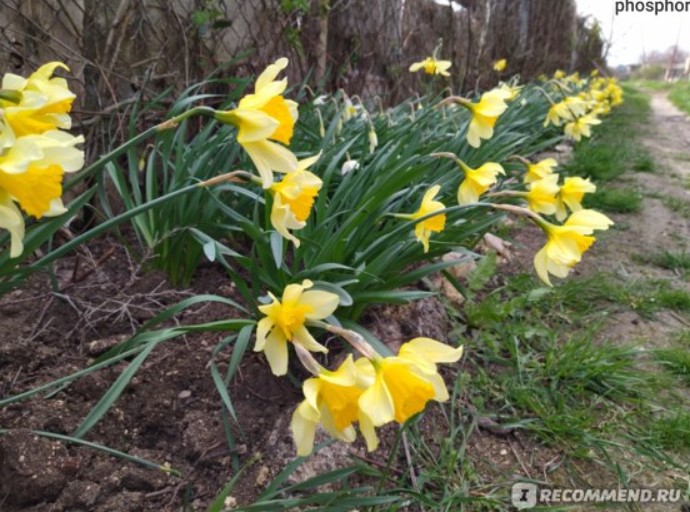
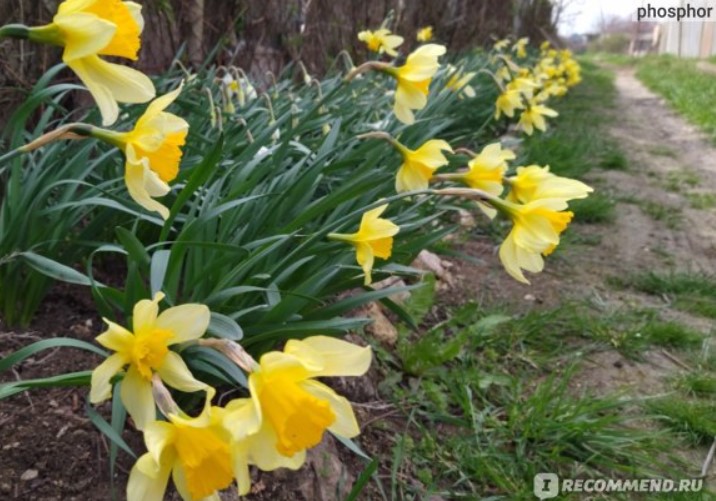
Daffodils along the path and fence
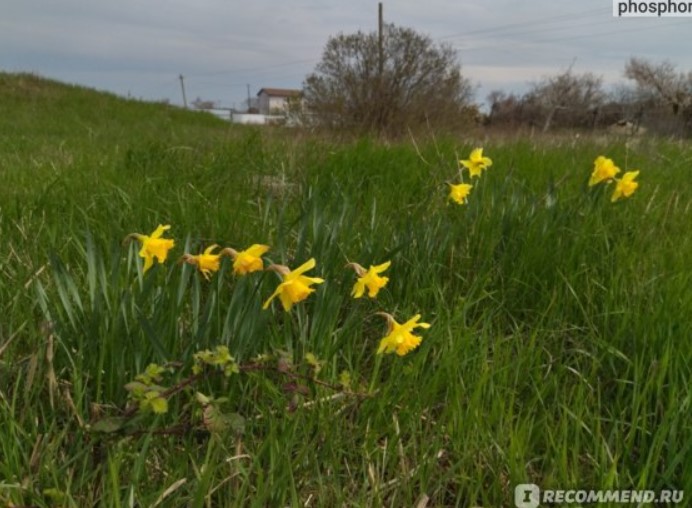
No maintenance, no watering, no fertilizing, no weeding? No problem.The daffodil won't die from this. I often walk through abandoned buildings and always see daffodils stubbornly sprouting in the place of old flowerbeds for 10, 20, or 30 years straight. So, if you plant daffodils once, they will settle on your property forever, and will be passed on to your descendants as an inheritance.
Daffodils in an abandoned area
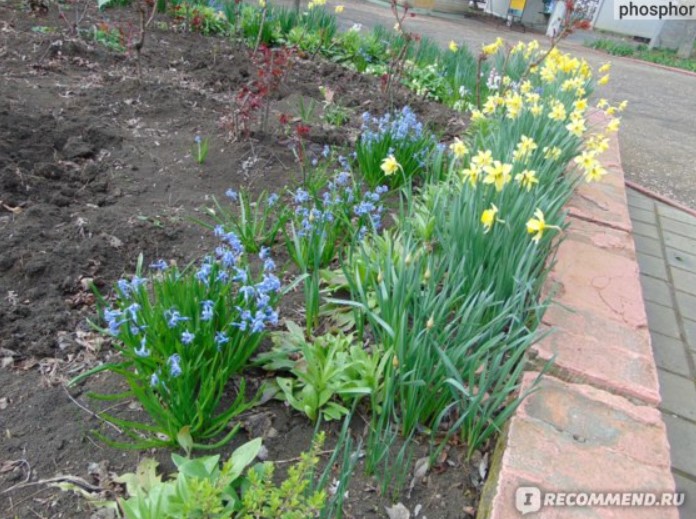
The daffodil is the most resilient and unpretentious of all bulbous flowers. It's also quite attractive and tall, making it ideal for cutting and a very attractive bouquet, unlike shorter snowdrops (which bloom before daffodils) and hyacinths (which bloom alongside daffodils, at the same time).
Daffodils and hyacinths in a flowerbed nearby
There are so many daffodils in Crimea that no one picks or steals them.That's why people fearlessly plant these flowers along fences and outdoors. Daffodils look wonderful in masses. The longer and fuller the row, the better. The flowers are quite large, which adds to the effect.
yellow daffodils
What about the coloring?There aren't many options. Most commonly, daffodils come in white and yellow, including milky, straw, and egg-colored shades.
White daffodil
Varieties with reddish centers are less common, and double-flowered ones aren't often seen in gardens either. The white-and-yellow ones are the most resilient, which is why they're so common.
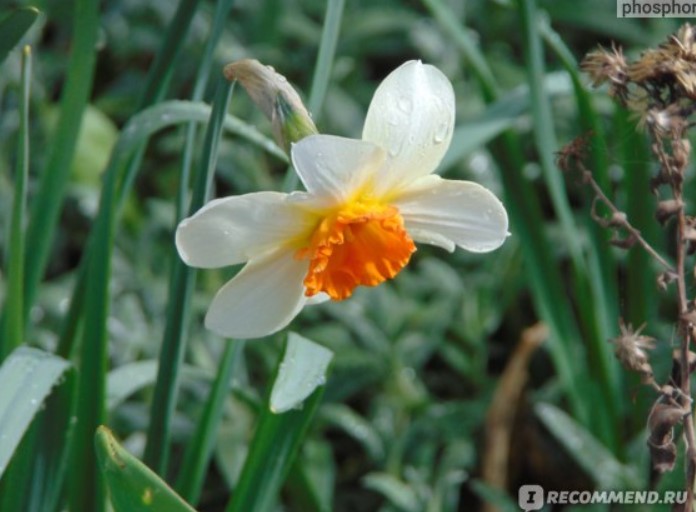
White daffodil with an orange center
There are more than a dozen varietal groups (and within them there are also divisions into species), and the shape of the flowers' petals differs quite significantly.
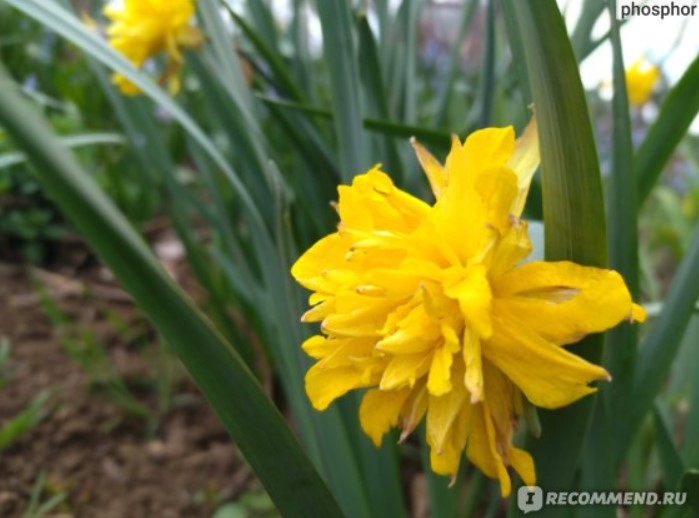
Double yellow daffodil
But almost all daffodils are light-colored, and the color variations are more or less limited to white, yellow, pink and orange in various combinations, and there are also some with a little green.
Narcissus with a yellow heart
The smell is so-soIn my opinion, it's not very good. I don't like bouquets of daffodils at home or in cafes. The floral aroma is mingled with a bitter, tart indole scent, a cabbage-dung-like note that's barely noticeable outdoors, but very noticeable indoors.
How to propagate daffodils
As I already mentioned, you can let the bush grow quietly in one place for four years, and in the fifth year, in the spring, dig up and plant new bulbs. There will be about 30 of them from one bush.
Narcissus bulbs
My neighbors periodically throw away their excess daffodil bulbs. I used to collect and plant them along the fence (almost 50 meters), but I quickly ran out of space.Narcissus bulbs are cheap; you can buy a handful at the local market for ten rubles. But few people buy them—everyone gives them away. Unless they're rare varieties, of course.
How to care for it? There's no way.
I don't care for them at all. I just replant them periodically. Incidentally, in the spring, the bushes can be replanted right along with the buds; this won't stop the daffodils from blooming, but the flowers themselves may be a little shorter and smaller.
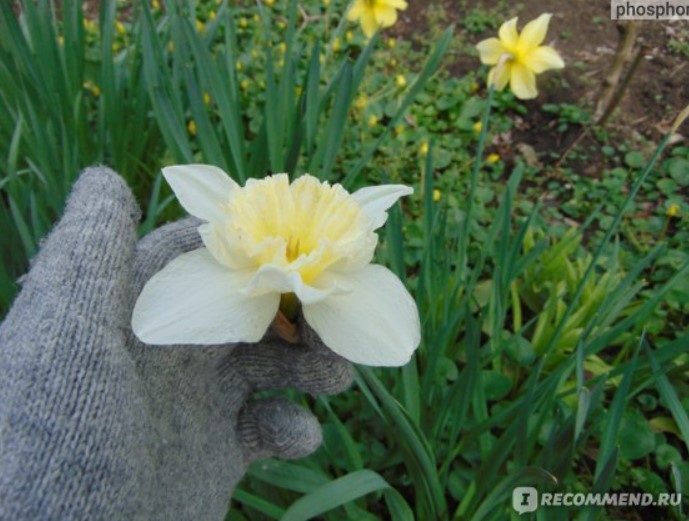
White daffodil with a yellow center
No need to water; daffodils don't like it at all. In the spring, when they bloom, the soil is still damp from the rain, so this is unnecessary work.Here's the important thing: it's not advisable to prune the bush when the flowers have faded. You need to wait until all the vital resources from the green mass have been transferred to the bulb, and then you can cut off the entire above-ground portion. Otherwise, the blooms will be less lush next year.
I don’t cut them at all, but simply mulch them on top with a thick layer of straw. In the fall, I also cover the flowerbeds with leaves or hay, and the following spring, the daffodils easily push through the thick layer of mulch.
Narcissus shoots
I definitely recommend Narcissus for a beautiful, trouble-free spring flowerbed and a low-maintenance garden. It's a real find! 👍
Review: Flowers "Narcissus" - Fragrant flower.
ADVANTAGES:
tender, fragrant, unpretentious, repels ground rats.
FLAWS:
No
Narcissus is a very delicate, fragrant spring flower that is very unpretentious, but still prefers bright, sunny places.
Currently, there are more than 25 species of daffodils and a huge number of different hybrid forms.
Who doesn't know the legend of the narcissistic youth named Narcissus, who didn't reciprocate a girl's love, so she asked the gods to make him fall in love with his reflection in a stream. Afterward, he began to wither and soon died. This beautiful flower grew on the spot where he died.
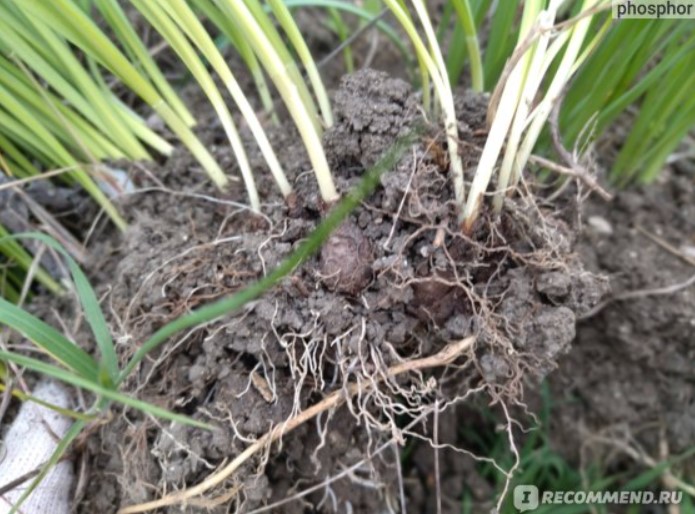
Daffodils are repotted every 3-5 years. I dig them up at the end of June, dry them out, and replant them at the end of August. After repotting in the spring, you're guaranteed abundant blooms.
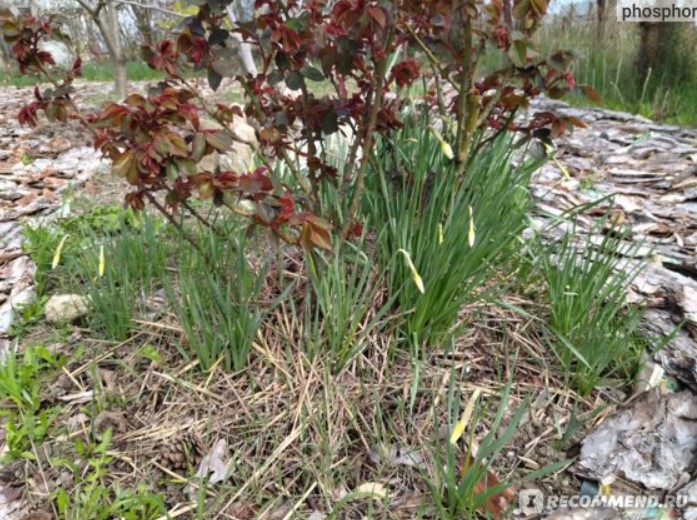
Daffodils look beautiful in flowerbeds when there are many of them. After flowering, I usually trim their leaves. This plant doesn't require much care and grows naturally. I usually plant daffodils around the perimeter of the flowerbed, and place tulip and lily bulbs in the center. This helps protect the tulip and lily bulbs from moth rats. Moth rats don't like daffodils and tend to avoid them. Their bulbs are obviously not tasty.
I have over 8 different types of daffodils, but I have very few photos of them. I'm indifferent to these flowers.Of course, I recommend this very delicate and fragrant flower to everyone. It's best placed alone in a bouquet. Other flowers don't tolerate it near them at all.
Best regards, Elena.
Review: Flowers "Narcissus" - Spring charm!
ADVANTAGES:
Beautiful and improves your mood!
FLAWS:
No.
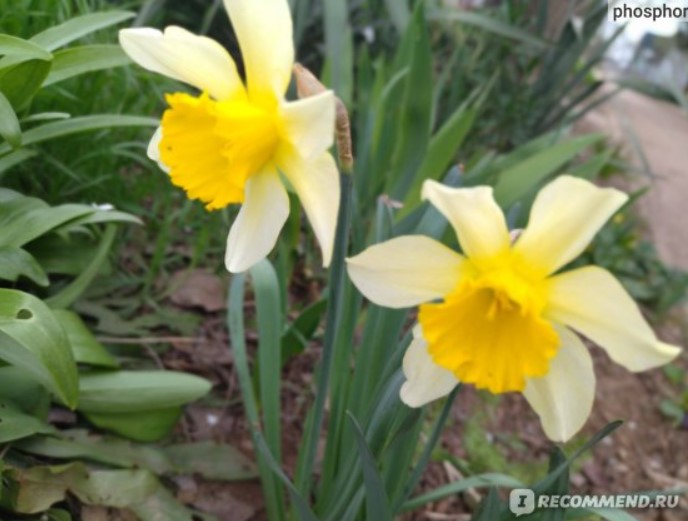
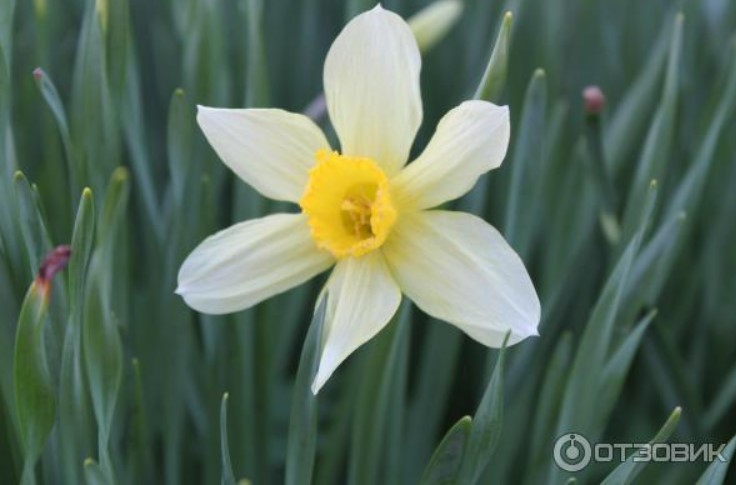
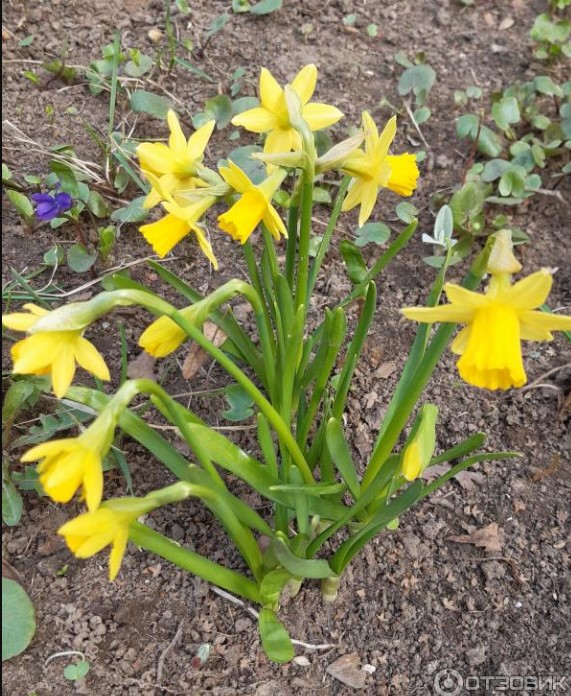
My sister writes. Hi everyone who checked out my review! Today I'll show you another flower I have in my garden. It's already bloomed, and it's very pleasing to the eye and has a pleasant, light scent! I managed to photograph it just as it was blooming:
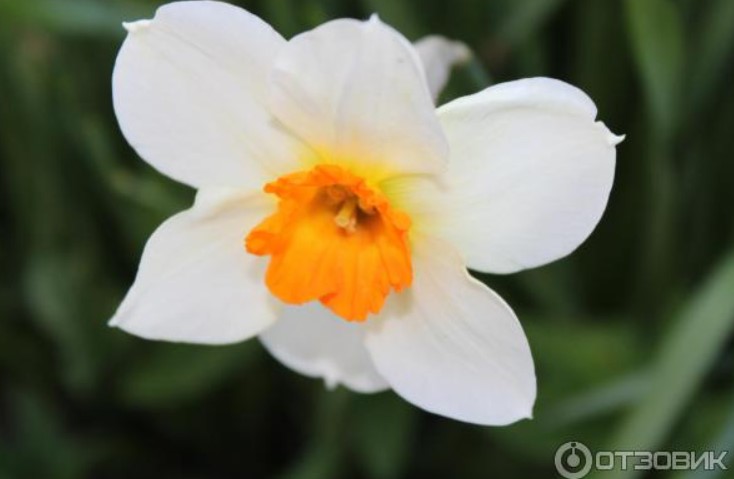
And this is what this beauty looks like when it blooms:
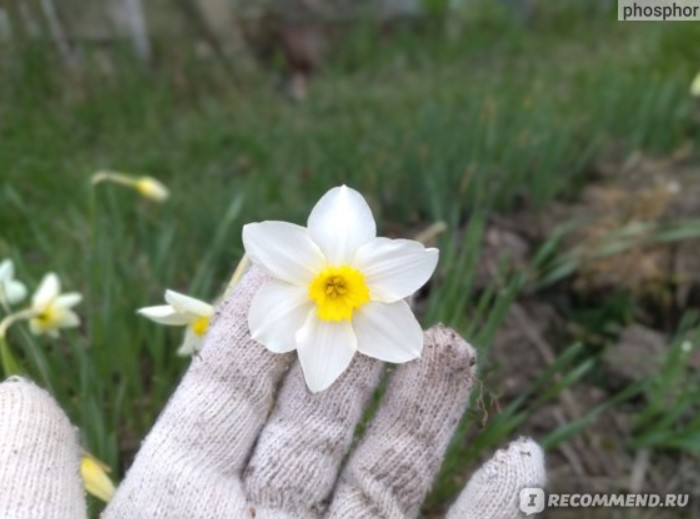
Besides the singles, there are a couple of families that are hard to take your eyes off:
I think the main advantages, besides its appearance, are its delicate and light fragrance and ease of care! It thrives in almost any soil and is quite tolerant of climate conditions! I've had absolutely no problems with it! I recommend it to anyone who appreciates beauty! That's about it, I think. Thank you for reading my review!
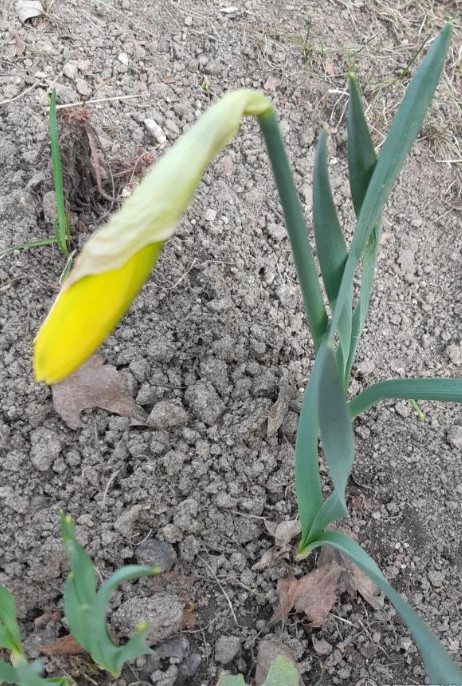
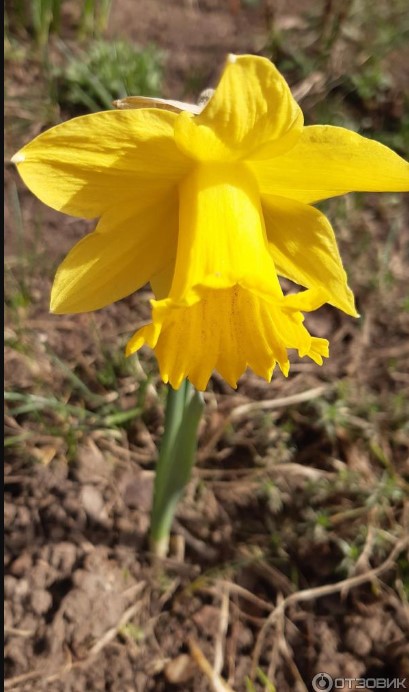
I usually plant in late September. But you can do it now. Check the condition of the bulbs (sometimes they're already starting to put down roots).
September is already ending.
Last year I planted in early October. There was no winter or frost for a long time. Nothing came up.
In the spring, they appeared 10 days later than everyone else in our plots. But they also avoided some severe frosts. They bloomed well.
Friends, what do you think about the frost resistance of double-flowered varieties? My Obdam was the first to fall. The next day, I cut almost all of them, just to be on the safe side, but I actually planted them for cut flowers.
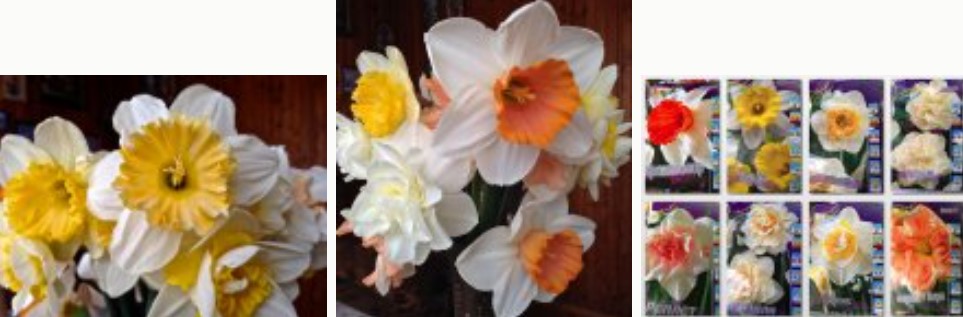
Somehow I haven't had a chance to test them with serious frosts, even though I've been indulging in double daffodils since 2007. It's the South after all.
Many people lie down because of the rain, but Obdam is holding up well, while Tahiti has wilted.
But what a smell Obdam has! Mmmmm
I generally try not to cut back my daffodils; they change so much from the moment they start blooming, it's so interesting to watch! It's different every day!
Daffodil fireworks bring joy to spring!
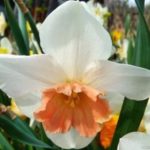
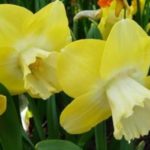
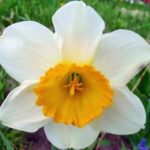
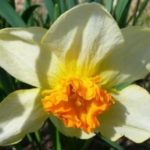
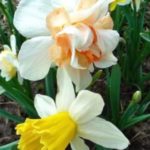
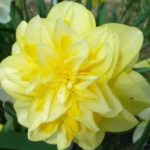
Double daffodils, especially late-blooming ones, require more frequent digging and are less winter-hardy than single-flowering varieties. Furthermore, the former grow and bloom well only in sunny locations.
The signal to dig up is the cessation of flowering.
You should plant them at the end of August, not dig them up. They'll already have roots by then.
Daffodils are dug up when the leaves have fallen over and turned half yellow (late June - early July). Store in a cool place for one month. In late July - early August, the bulbs are sorted. Large and medium-sized bulbs are planted for flowering. The young bulbs should be planted separately in the garden. Daffodils should be planted from August 10th to September 5th, no later. Double daffodils can be planted later, until September 15th - 20th, as they root quickly. During dry summers, the plantings should be watered generously.
Once daffodils have finished blooming, I usually don't plant anything in the same spot. I dig them up every year at the end of July. When tulips bloom, I usually plant marigolds and zinnias between them. Once tulips turn yellow, their bulbs are easy to pull out. Daffodils, on the other hand, are much more difficult to pull out; I dig up the bulbs with a pitchfork, so I don't plant annuals there.
Olga, daffodils can stop blooming for several reasons. The most likely is that they've become overgrown and aren't getting enough nutrition. When the leaf tips begin to yellow (in our case, this happens in the first or second ten days of July), dig up the daffodils, inspect the bulbs for disease, dry them in the shade, and replant them in August, dividing the nests into smaller sections. When choosing a site, remember that daffodils are moisture-loving plants, but like all bulbous plants, they don't tolerate stagnant water, so drainage is essential. If the soil is clayey, add some sand. When planting, it's a good idea to add compost (but never manure!) and ash to the hole. You can also add mineral fertilizer, but avoid nitrogen, as this is a fall fertilizer.
Another reason why daffodils have stopped blooming is bulb diseases or pests. This can be determined, again, by digging up the daffodils and inspecting the bulbs. If bulb rot or damage to the bulbs or roots is noticed, the disease or pest needs to be addressed. Control measures vary from case to case.