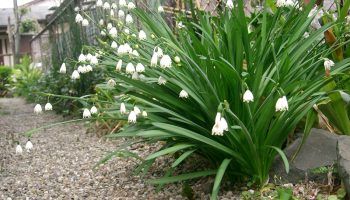
Bulbous flowers make a wonderful addition to any garden; they bloom at different times, delight with their colorful blooms, and require little care. But what you need to know is how to care for the planting material.
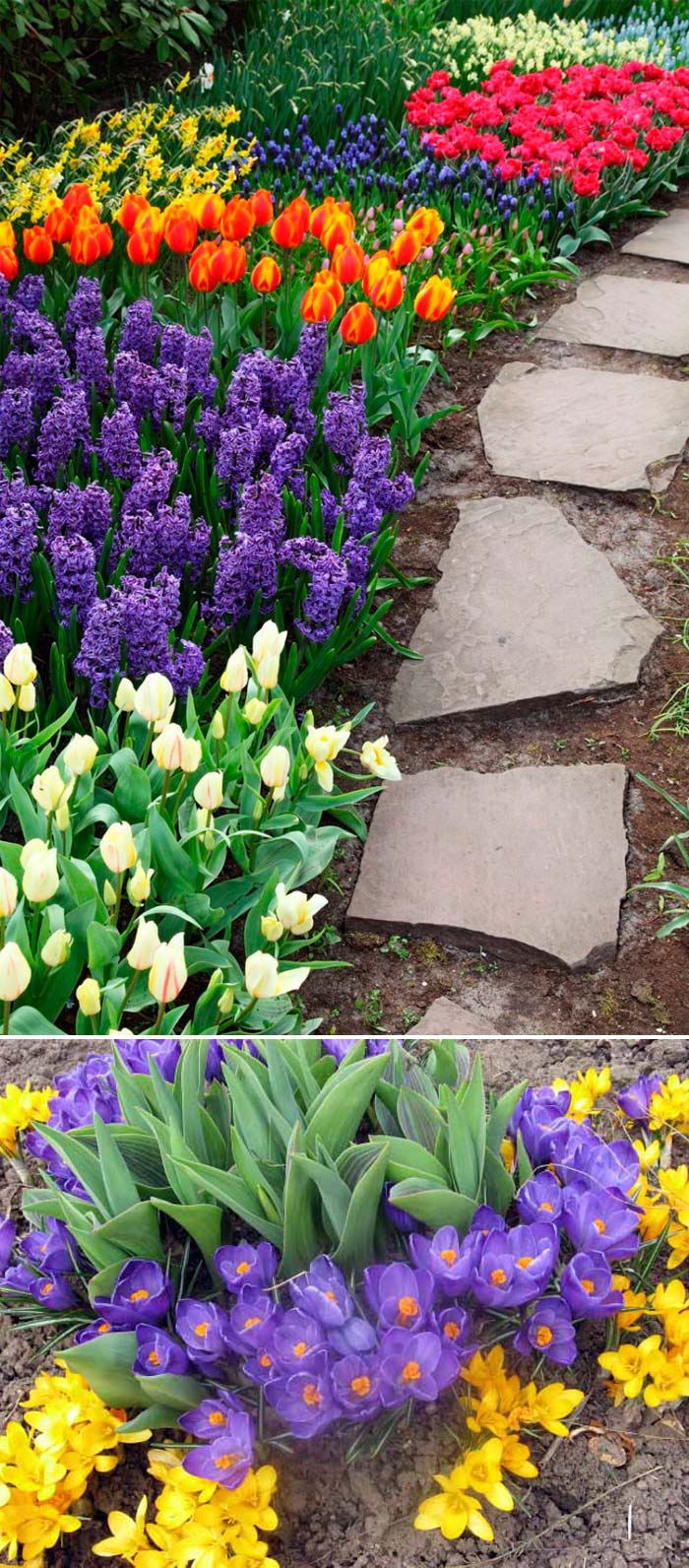
Timing for digging up bulbous plants
At one point, I pored over stacks of magazines (there was no internet yet), gathering knowledge bit by bit. I learned a few rules:
- It is essential to dig up heat-loving bulbous plants (gladiolus, begonia), they need to rest at a constant temperature (+10…+14 °C) and humidity (50-60%);
- The bulbous roots can be dug up immediately after the foliage has withered:
- The babies from single plants (tulips, lilies) need to be separated more often, while bush plants (daffodils, crocuses) should not be disturbed often.
Today I'll tell you about frost-resistant bulbous flowers that need to be dug up in the summer and planted in the fall.
Tulips
Every year I dig up only the large, varietal flowers. The others sit in the ground until the buds are crushed. During the rainy season, I cover the plantings with cut-up plastic bottles, creating umbrellas for the flowers.
I dig the varietal bulbs out of the ground when the honeysuckle is ripe. This is an excellent reference point. I rarely consult the lunar calendar. Later, in mid-July, it's best to leave the flowers alone; they tolerate our climate well.
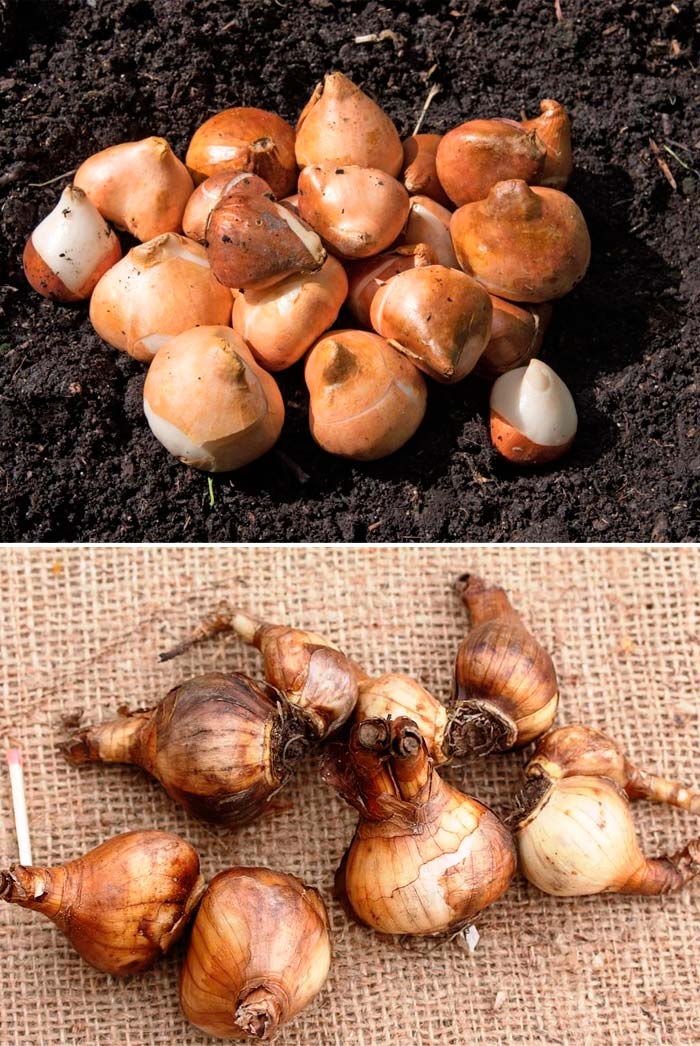
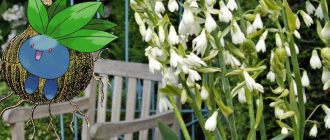
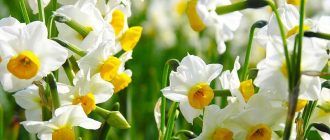
Daffodils
Narcissus false bulbs are often left undisturbed. These flowers like to grow in dense clumps. I replant them when the strawberries are ripening.
In a container with water, the false bulbs will stay fresh for up to a month, the main thing is to avoid stagnant water and change it more often.
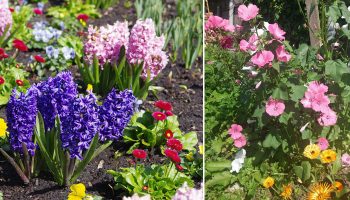
Hyacinths
These flowers prefer loose soil; you can remove the bulb by hand, using three fingers to lift it from underneath. I clean the planting material after two days of drying on the veranda and spread what I dug out on old newspapers. I immediately separate the bulblets, plant them in pots, and bring them indoors for the winter.
Then I remove the leaves and roots with a knife (I pre-treat the blade with hydrogen peroxide) and exfoliate the dead skin cells. I store the prepared planting material in the garden shed until autumn – I put it in a container filled with sand, moistening it periodically.
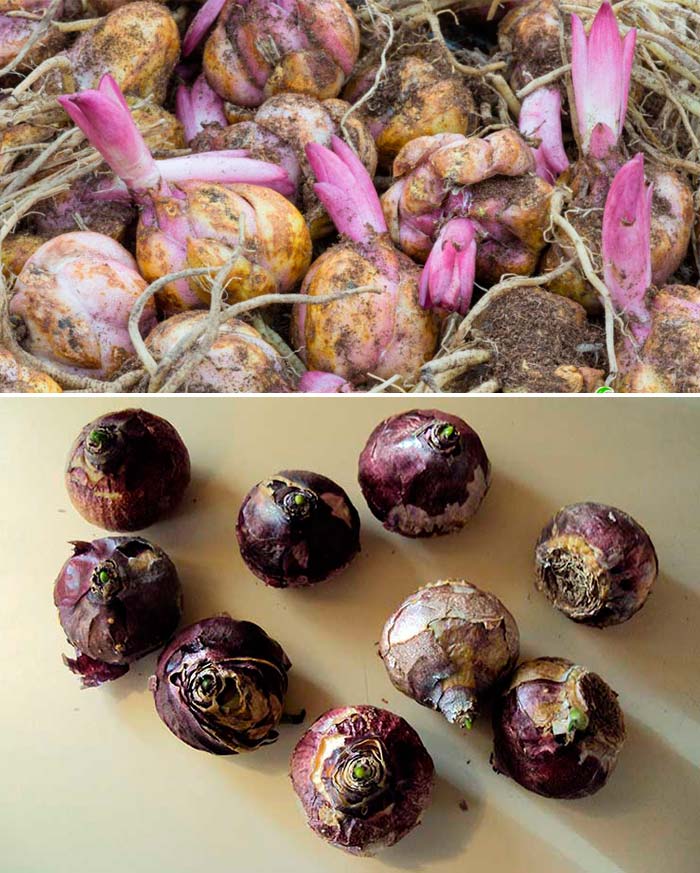
Lilies
The bulbs of these delicate plants dry out quickly. I store them outdoors for no more than 3-4 days. If I have time, I replant them immediately after removing the subbulbs—the small young cones.
Asiatic hybrids and LA hybrids reproduce excessively; I dig them up every year and remove all sub-bulbs. Oriental, trumpet, OT hybrids, and Martagon hybrids can remain in one place for up to seven years. The new growth doesn't interfere with the mother bulbs. Recommended replanting times: mid-August to early September.
I don't recommend replanting all your lilies at once; it will cause confusion with the offspring. Literature suggests different times for digging up hybrids, and I think this is precisely why.
Crocuses
I don't disturb the corms until the planting becomes dense or someone asks me to dig up a few plants. I have several varieties, all of which behave roughly the same. I divide the late varieties only in the spring, the others in midsummer.
If you want large buds, the bulbs can be kept in damp peat in a cellar or refrigerator's vegetable drawer for up to two months. In this case, the plant is dug up immediately after flowering and moved to a new location in late autumn.
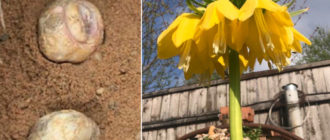
Imperial Fritillary
This is a tropical plant. The bulb needs to be well-warmed for bud formation. To ensure the flower continues to bloom year after year, dig it up after the petals have fallen. The recommended temperature is 30°C. I take the bulbs home, place them in a container with damp peat, and place it on an east-facing windowsill. I cover the top with a light-colored cloth or four layers of gauze. I spray the cloth with water a couple of times a week.
One year, I didn't dig up the rows on time, leaving them until the strawberries were ripe. As a result, I had to throw out many of the bulbs; they had rotted. Towards the end of storage, thin young roots appear on the bulbs. This is the signal for planting. I always water the soil with a warm solution of potassium permanganate beforehand to repel insects and kill fungal spores.
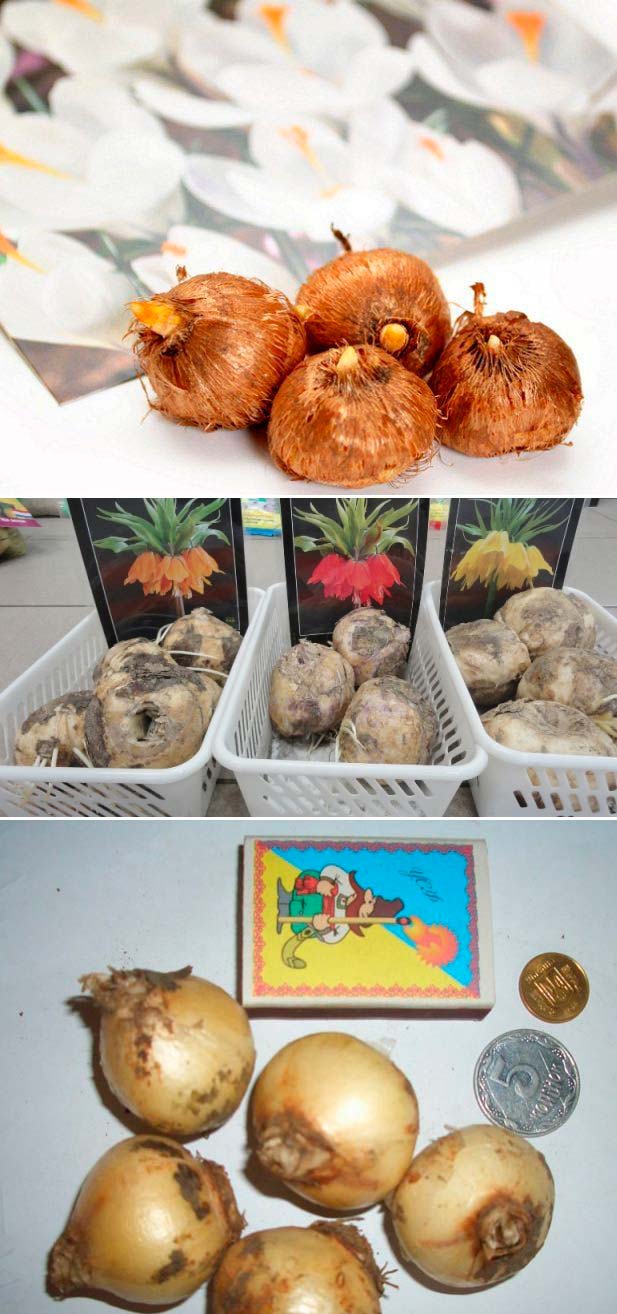
Small-bulbous
Erythronium, squill, and other small-bulb flowers grow in one place for up to five years. After that, it's best to divide them so they don't interfere with each other. Muscari, leucojum, and snowdrops become larger after replanting. I dig up small-bulb flowers when their leaves start to dry out.
In hot summers, this happens in August. When there's frequent rain, the leaves stay fresh until September. After drying the bulbs in the shade for 3-4 days, I move them to a new location. If I don't have time to repot the flowers, I store them in a shoebox and cover them with slightly damp peat or sand—whatever I have on hand. I leave young plantings alone for up to seven years; if I trim the leaves annually, new shoots won't develop, and large buds will form for the following spring.
Summer storage
Dug-up flower bulbs are prone to fungal diseases, they dry out, and become food for voles. I recommend laying them out on old newspapers, keeping them in the sun for 2-3 hours, then sorting them by variety and size. Smaller bulbs can be planted directly in a box with soil to gather strength until next spring.
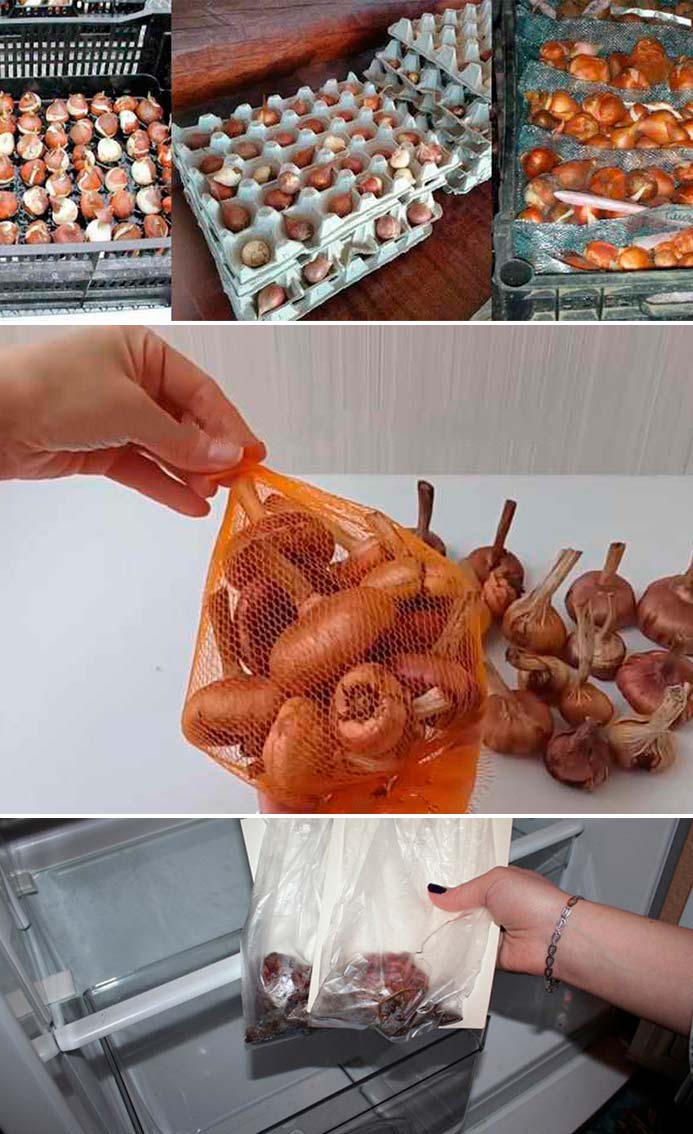
I dry large planting materials for a month. It's convenient to use old tights or mesh bags. I hang them under the stairs on the veranda. Find a spot that's not exposed to direct sunlight, rain, or stagnant air.