Black chokeberry (rowan) is a medicinal berry containing antioxidants. The plant produces a high yield and requires little maintenance.
Content
Composition of chokeberry fruits and their beneficial properties
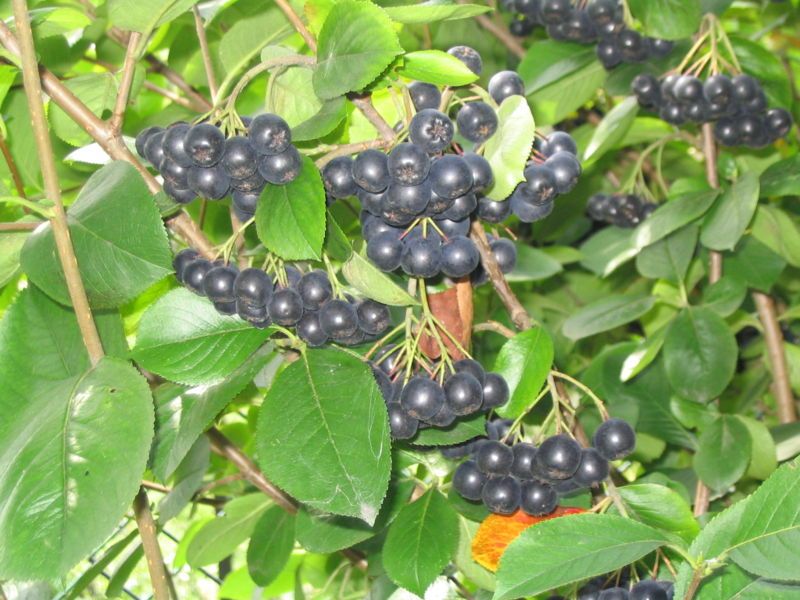
Aronia fruits are not botanically considered berries. Their proper name is small apples, which can be black or purple in color and contain seeds.
If we talk about the chemical composition, 100 grams of berries contain 1.5 g of protein, 0.2 g of fat, 10.9 g of carbohydrates and 4.1 g of dietary fiber.
The sweetness of the plant doesn't affect its calorie content. 100 g contains only 55 kcal. The berries also contain:
- sorbitol;
- potassium;
- phosphorus;
- magnesium;
- calcium;
- iron;
- organic acids (malic, citric, acetic);
- tanning elements;
- flavonoids;
- vitamins A, B, C.
The plant's beneficial properties stem from its rich vitamin and nutrient content. Chokeberry is used as a medicinal plant. It helps strengthen blood vessel walls, regulate sugar and cholesterol levels, and boost the immune system.
Rowan berries are rich in iodine, so they are often used to treat iodine deficiency. They can be consumed during pregnancy, as they reduce morning sickness. Juice from fresh berries helps with high blood pressure.
Rowan tree requirements for growing conditions
The plant is winter-hardy and undemanding regarding soil type and climate conditions, making it suitable for planting throughout Russia. Rowan is best grown in sunny areas. It will also thrive in shade, but yields will decrease. Lowlands are ideal for the plant, as its roots are shallow.
Chernozem, peat, gray, and sod-podzolic soils are preferred. Rocky and waterlogged soils are unsuitable for growing chokeberries. It's important to ensure the soil has enough moisture for the roots, as a lack of moisture slows the plant's growth.
Aronia varieties and seedling selection
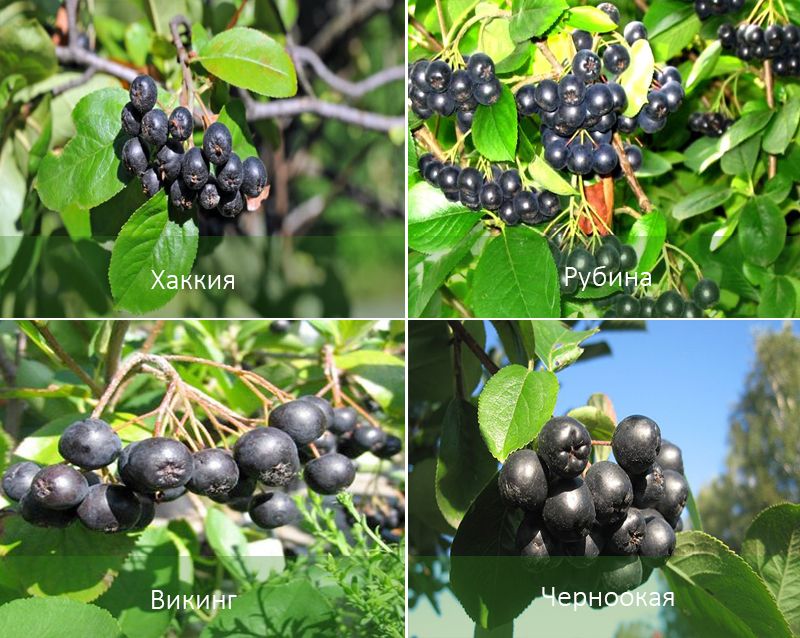
There are many varieties of chokeberry. The most popular are:
- Hakki;
- ruby;
- Viking;
- black-eyed.
Varieties vary in taste and fruiting time. Therefore, it's recommended to select seedlings from specialized nurseries or use a bush from a nearby plot as a starting point.
Choose an annual or biennial plant. The seedling should be up to 1.3 meters tall, have undamaged bark, and roots at least 25 cm long. Aronia can produce fruit for 30 years.
Top.tomathouse.com explains how and when to plant chokeberries.
The shrub is always planted in the fall because it takes root better then. For planting, prepare a hole 50 cm deep and the same diameter. The bottom layer of soil doesn't require fertilizer, as the roots won't reach it. Add the following to the topsoil:
- a bucket of humus;
- 100 g superphosphate;
- 60 g of potassium sulfide.
The bottom layer of soil is poured into the hole, and then the seedling is placed there. A mixture of fertilizer and soil should be added on top. The roots should be buried no more than 15 mm deep. After this, the seedling is watered with a bucket of water, and the soil is covered with sawdust or compost.
Post-planting care
The plant requires little care. Pests rarely attack the shrub.
Shelter for the winter
The seedling needs to be prepared for the winter season. It needs to be bent to the ground and weighed down with boards. This should be done before the temperature drops below freezing.
Failure to follow these steps may cause the stem to break and lose its elasticity. When the bush bends, it's important to ensure the arch doesn't exceed 25 cm.
Once a stable spring temperature has been established (+15 degrees), the plant is straightened out, because if the shoots are bent over for a long time, they will rot.
Do I need to trim the shoots?
Young shrubs produce shoots quite quickly, so it's necessary to remove the basal stems annually to prevent overcrowding. Only five branches with buds are left.
Sanitary pruning is necessary, removing old and rotten branches. One-year-old shoots should not be removed, as they will later bear fruit.
It's also worth cutting the stems by half every three years to increase the plant's yield. Autumn pruning is only performed if the rowan tree is damaged by disease.
Top dressing
Fertilizing is done twice a year. This requires ammonium nitrate and potassium salt. Foliar feeding can be done after flowering. This involves spraying with a urea solution.
Watering and loosening the soil
Rowan trees require abundant watering only during the growing season. During the summer heat, the bush needs weekly watering. A mature chokeberry requires about 30 liters of water.
Twice a season, the soil is loosened and weeds are removed. It's important to loosen the soil in the fall, as compacted soil will lead to freezing.
Prevention of diseases and pests
The best time for prevention is when the buds are blooming and after all the fruit has been harvested. Disease prevention measures include fungicide treatments, specifically spraying the bush with Bordeaux mixture. If pests damage the bush, chemical treatments should be used, although chokeberries are generally resistant to pests.
How to propagate chokeberry
Propagation is carried out in various ways. However, the most popular are generative and cuttings.
Only healthy plants are suitable for cuttings. They are usually 10-15 cm long. The lower leaves are completely removed.
The cutting is cut lengthwise under each bud, after which it is dipped in a root growth stimulant for six hours. Afterward, it is washed and planted, maintaining a distance of 30 cm. Compacting the soil is also essential. The greenhouse temperature should not exceed 20 degrees Celsius. If all recommendations are followed, roots will appear within a month.
Chokeberry diseases
The most common diseases:
| Disease | Symptoms | Treatment |
| Peripheral rot of wood. | Fleshy, yellow-brown fungi appear on the plant, causing the bark to rot. | Spray with Bordeaux mixture. |
| Moniliosis. | Fruit rot. | Use Bordeaux mixture or copper oxychloride, destroy infected fruits. |
| Septoria leaf spot. | Pale brown spots on the leaves. | Spray with Bordeaux mixture and promptly remove fallen leaves. Treat the infected bush with copper oxychloride or Abiga-Peak. |
| Comb maker | Formation of fungus on branches. | Trim affected branches. Spray with Abiga-Peak. |
If you follow these rules, the likelihood of the plant being affected by disease is significantly reduced.