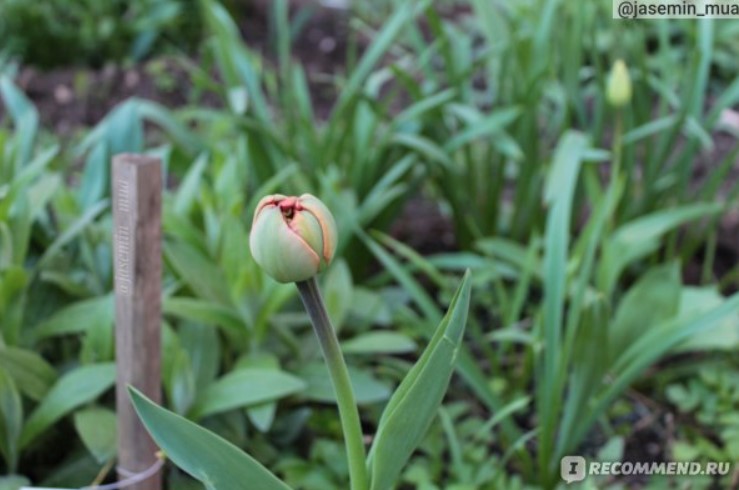
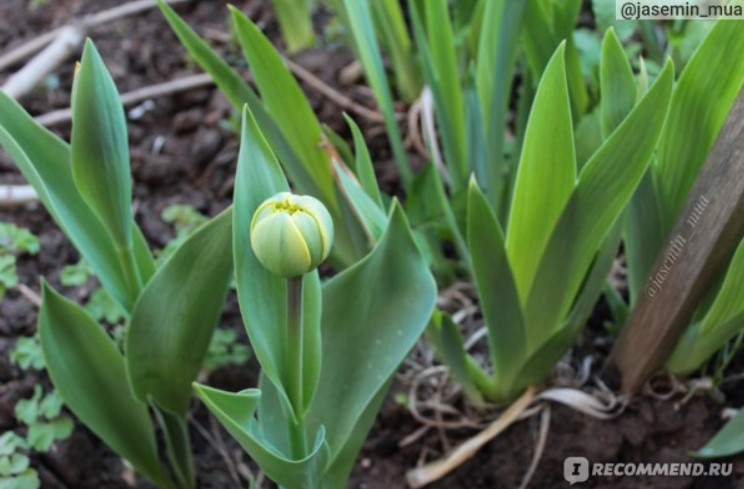
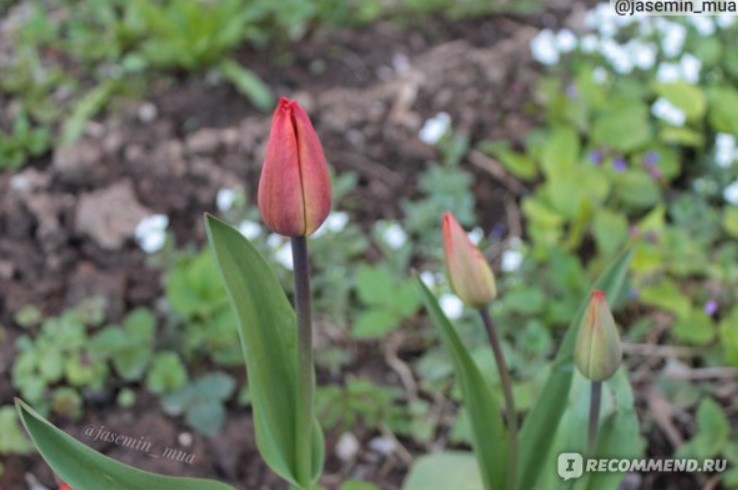
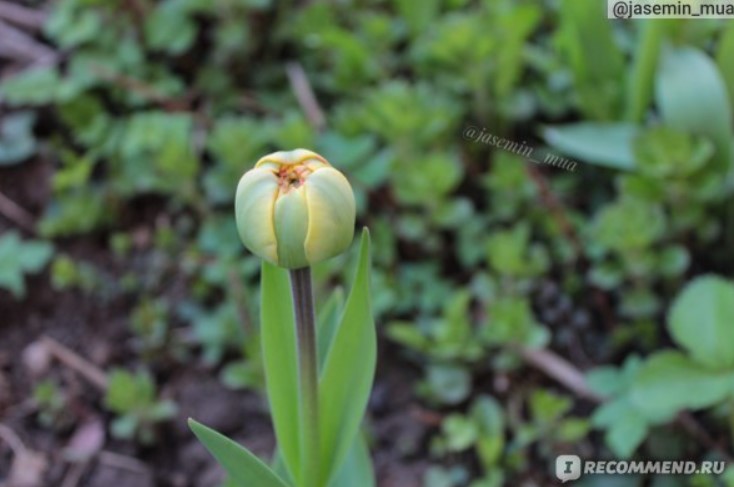
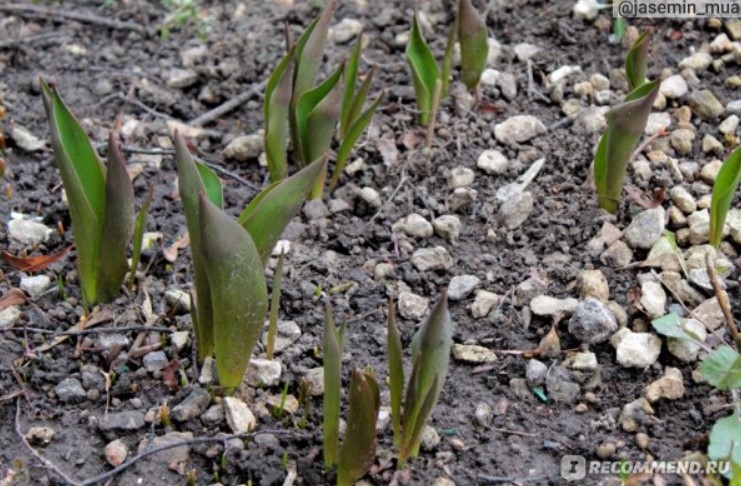
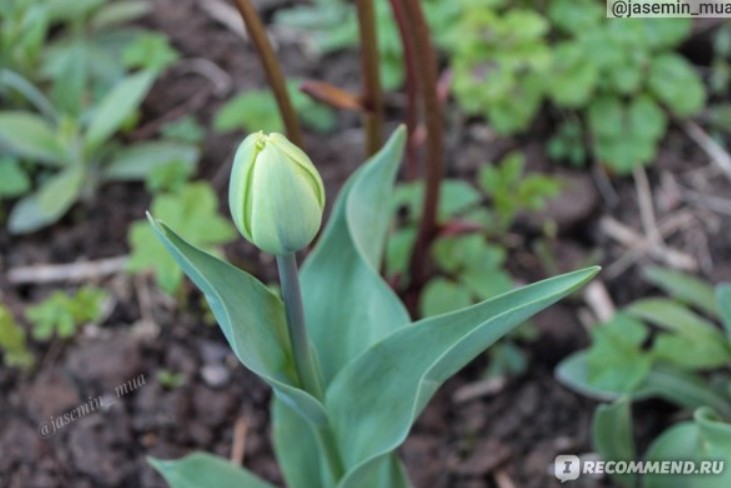
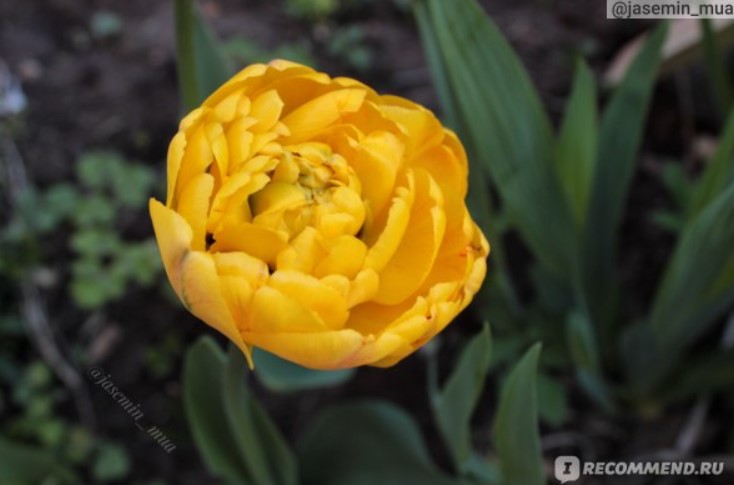
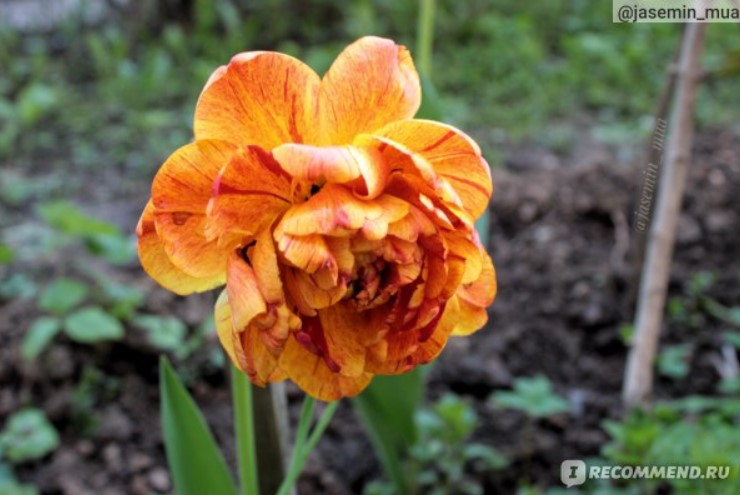
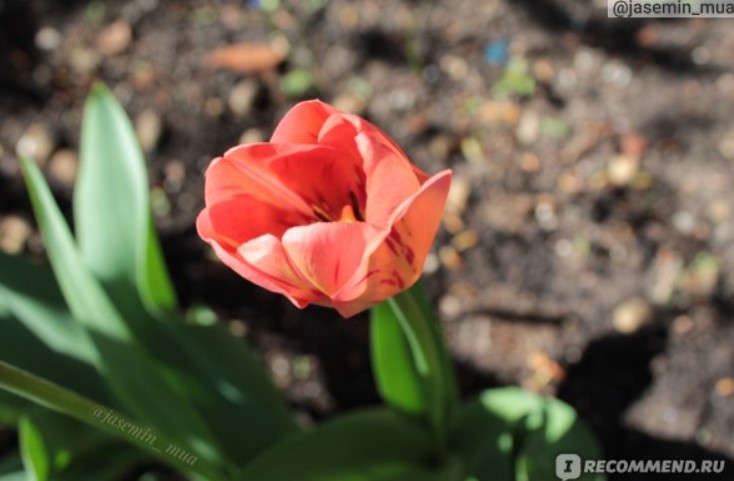
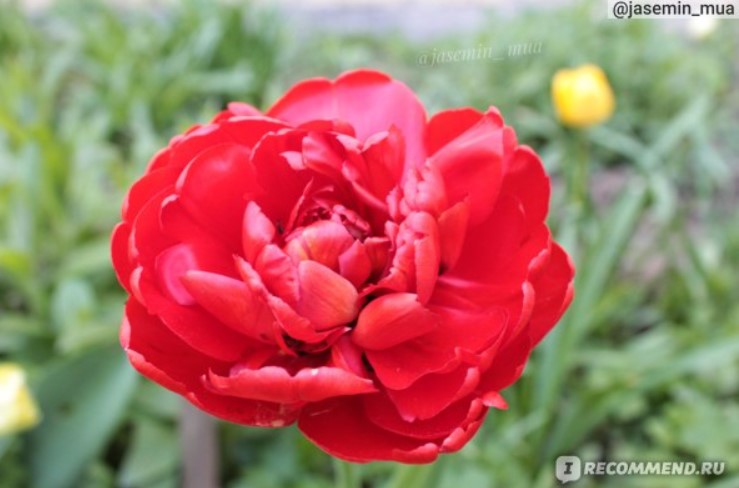
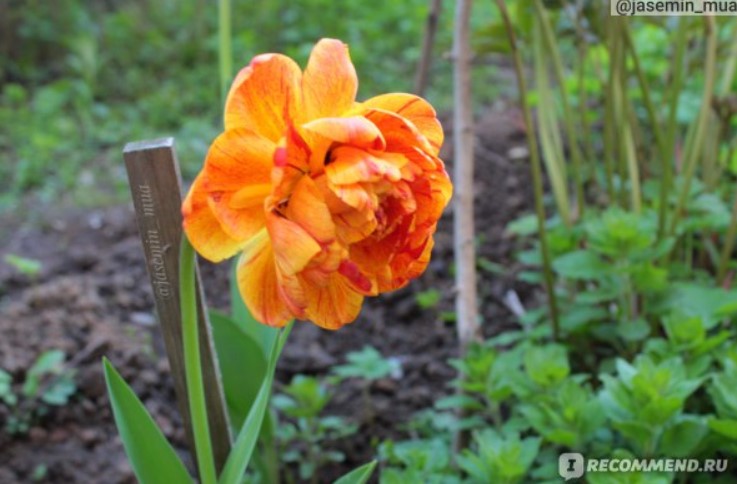
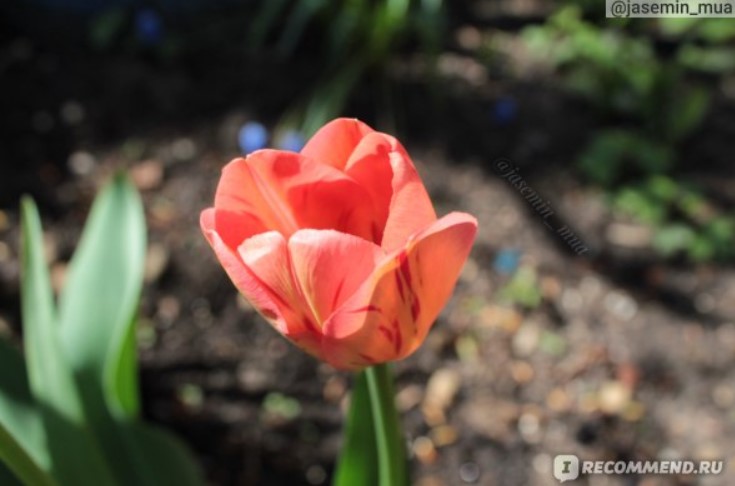
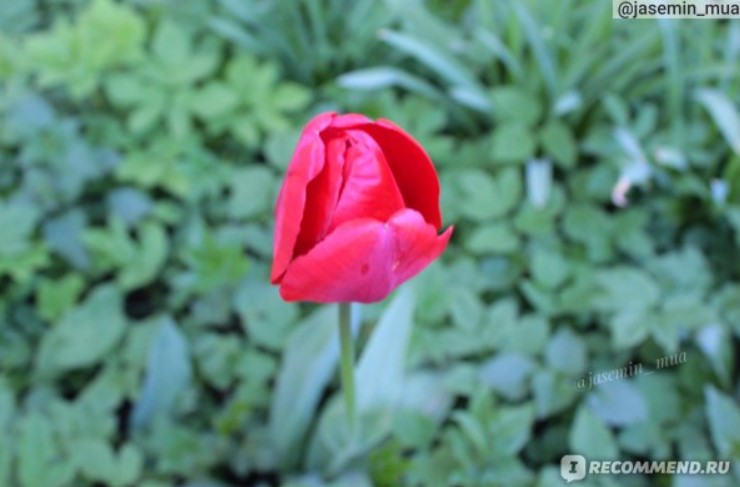
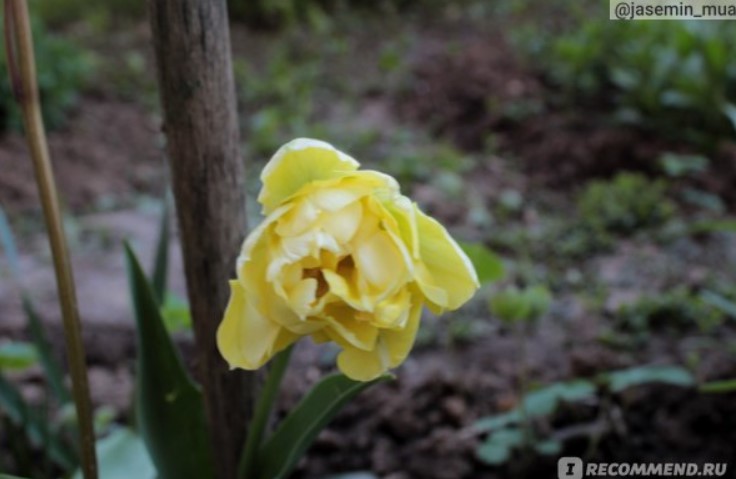
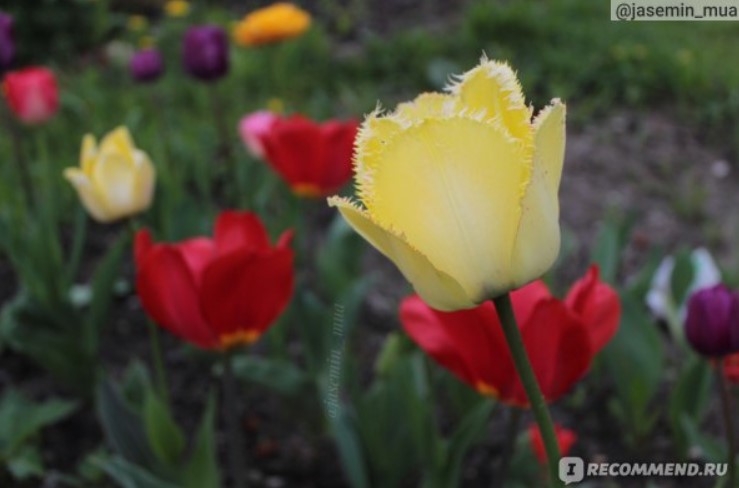
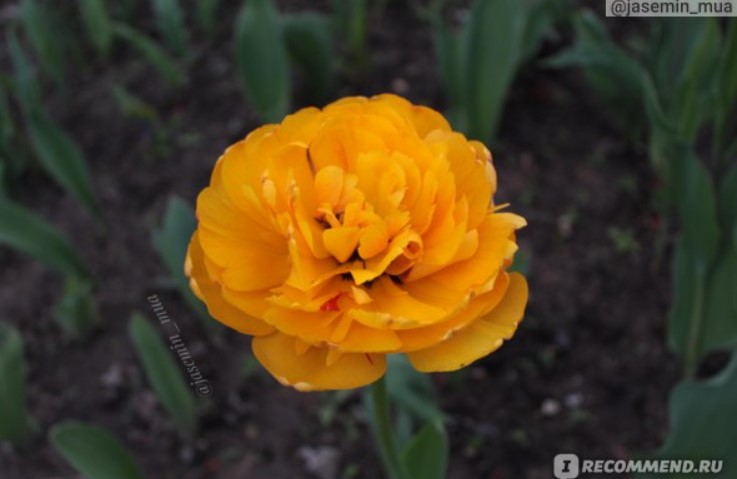
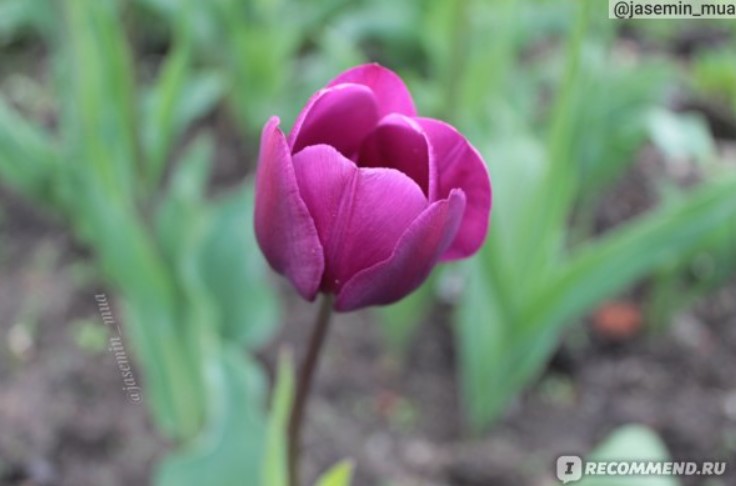
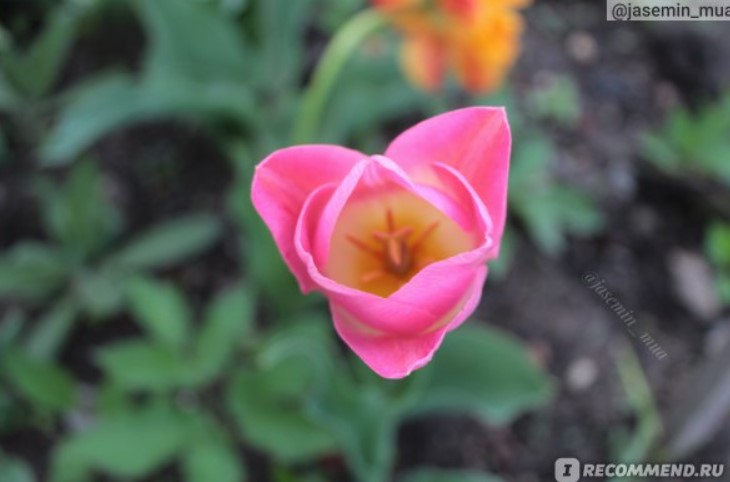
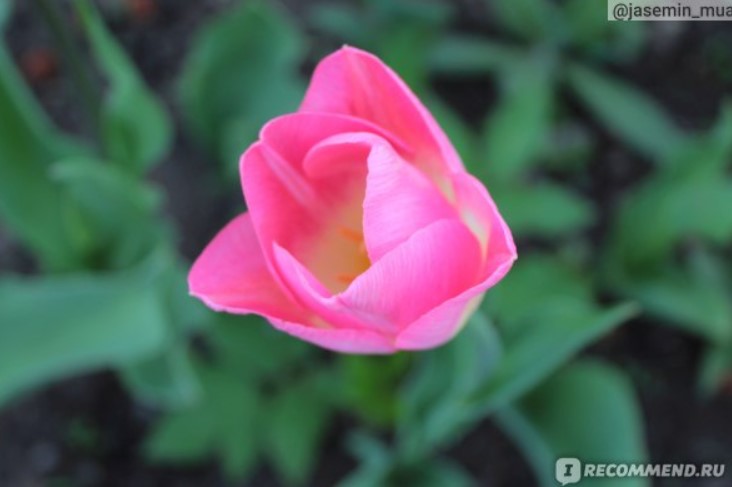
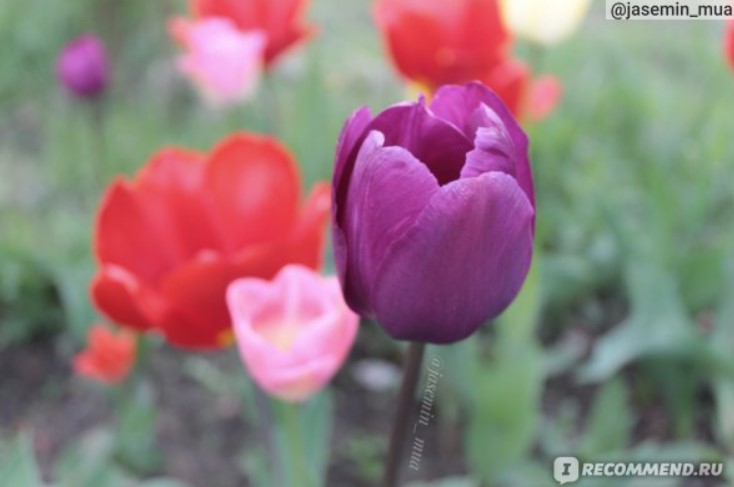
Tulips belong to the Liliaceae family, genus Bulbaceae. They are native to the mountains of northern Iran, including the Pamir-Alai and Tien Shan. Their name derives from the word "turban," as the plant resembles one. Tulips are among the most popular flowers grown in Russia. According to the latest data, the genus includes approximately 80 species, approximately 1,800 cultivars.
Content
Tulip - description and characteristics of the flower
This is a herbaceous perennial with bulbs. Over the course of evolution, it has adapted to life in mountains, steppes, and deserts. It is prized for its attractive appearance and undemanding nature. In Amsterdam, the Netherlands, a special festival is even held in its honor.
It easily tolerates frosty winters, hot and dry summers, and rainy and short springs. Development from seed to flowering bush can take 3 to 7 years.
It grows from 10 to 95 cm (depending on the variety). It has an erect stem with a round cross-section.
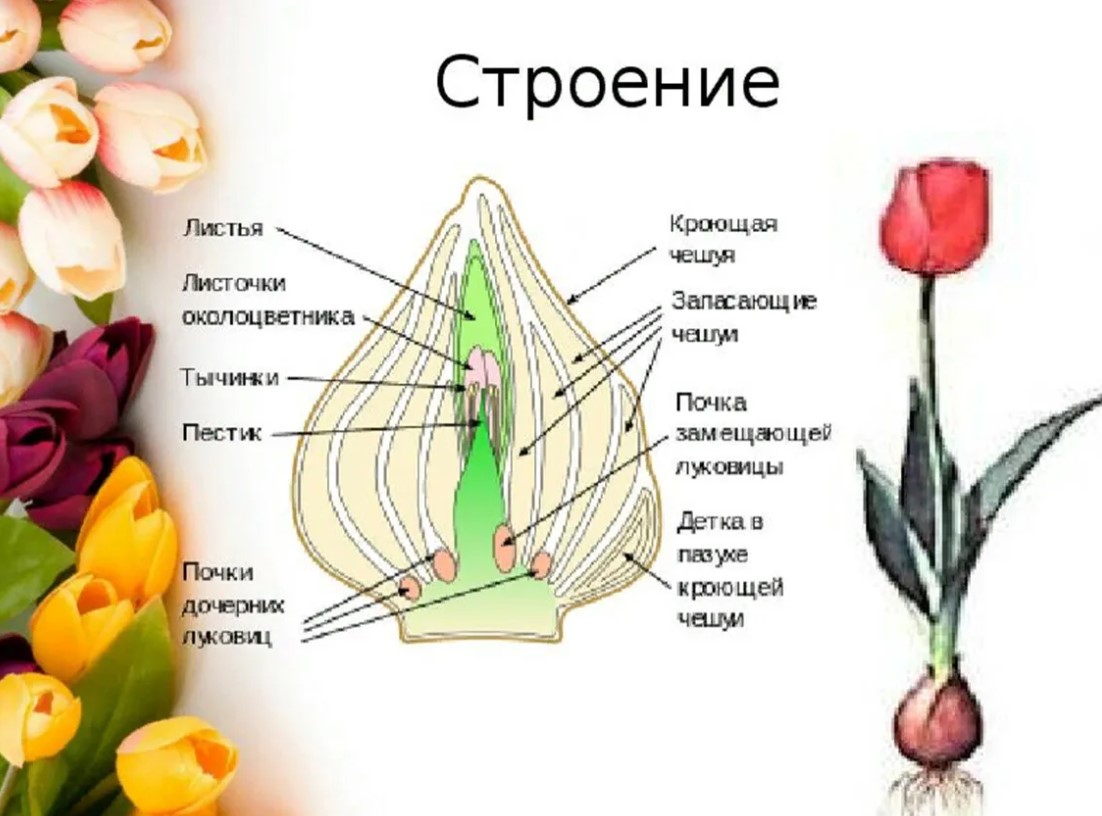
The plant has adventitious root shoots that emerge from the bottom of the bulbs. Each bulb has stolons (stems) that grow laterally or vertically downward. Daughter heads are present on the bottom. The covering scales of the bulbs have varying textures and may be pubescent on the inside.
The fleshy leaves are lanceolate, emerald or gray-green, with arched veins. The elongated blades are petiole-less, arranged alternately, and covered with a waxy coating. They decrease in size from the lower to the upper.
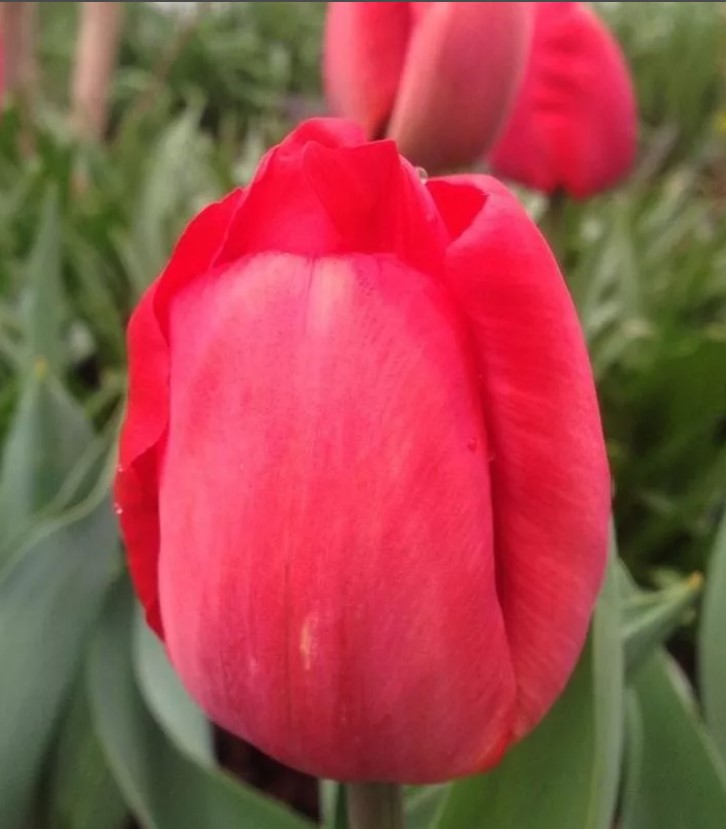
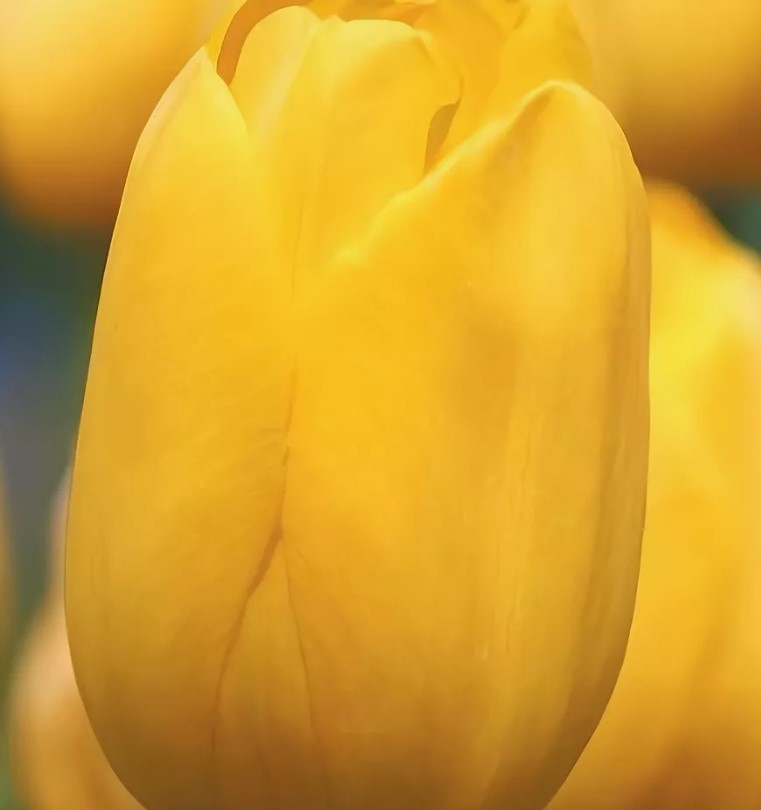
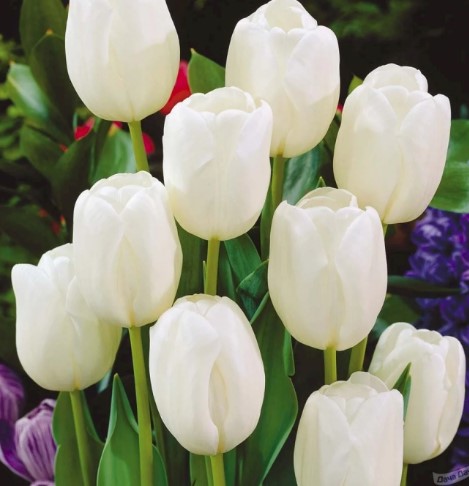
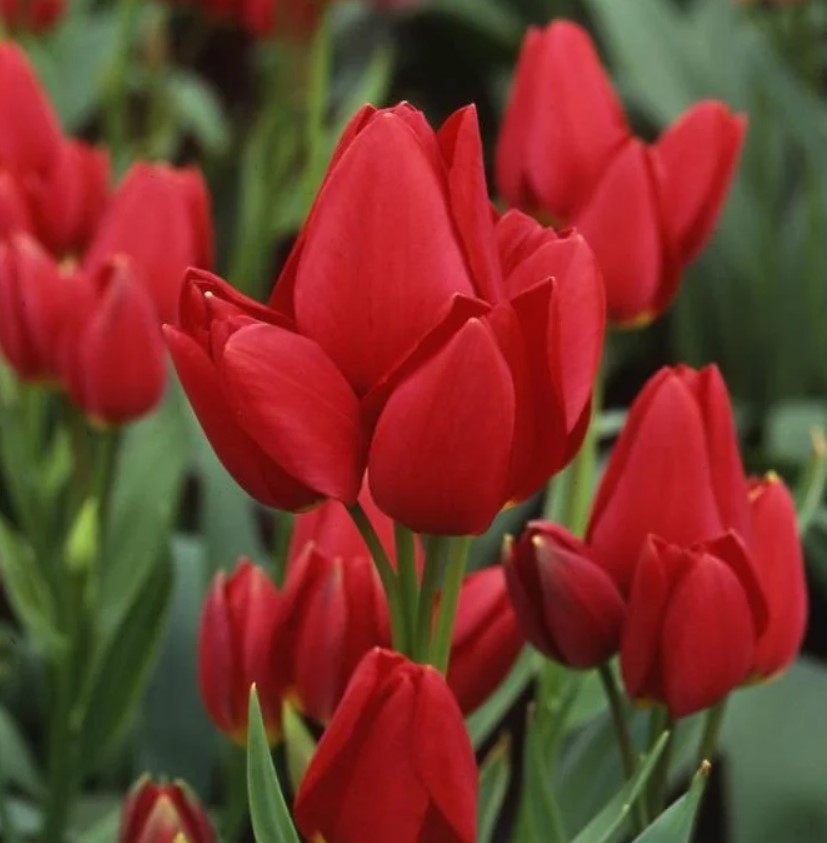
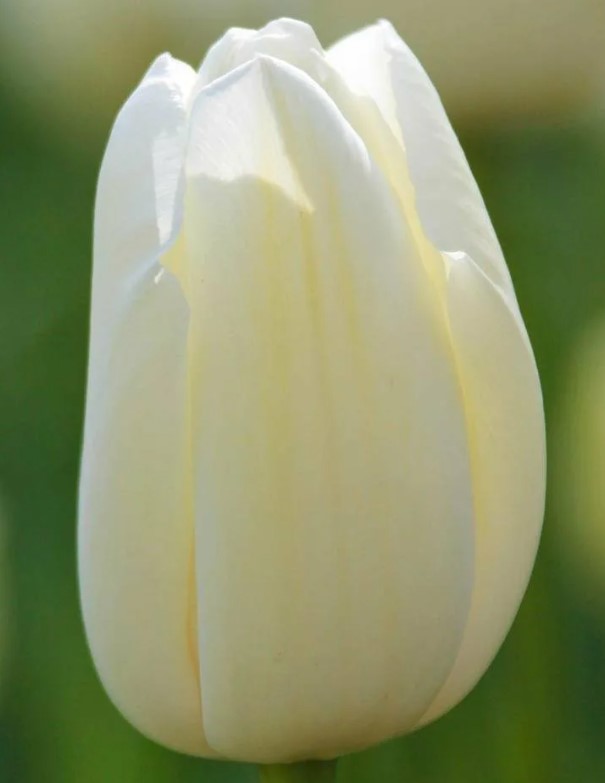
The bush most often produces only one flower, ranging from 5 to 10 cm in size. However, there are a small number of varieties with 2 to 12 buds. Common tulips come in yellow, blood-red, and white.
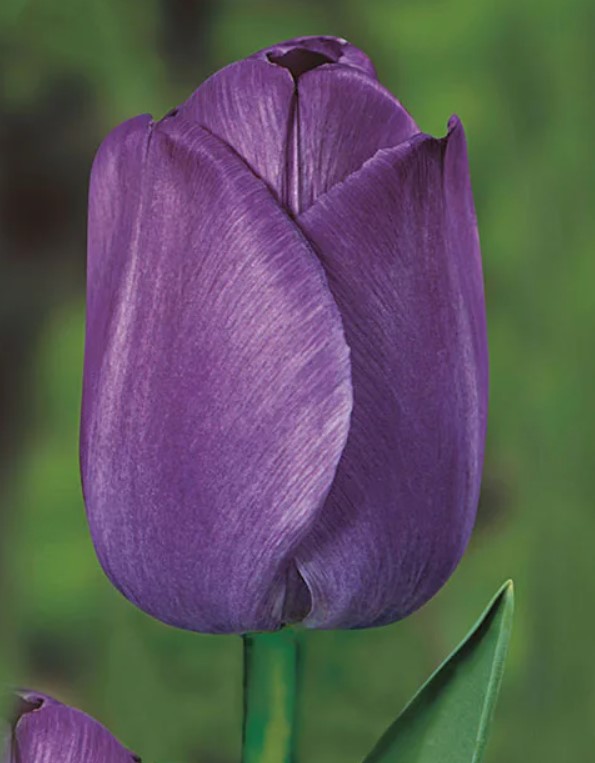
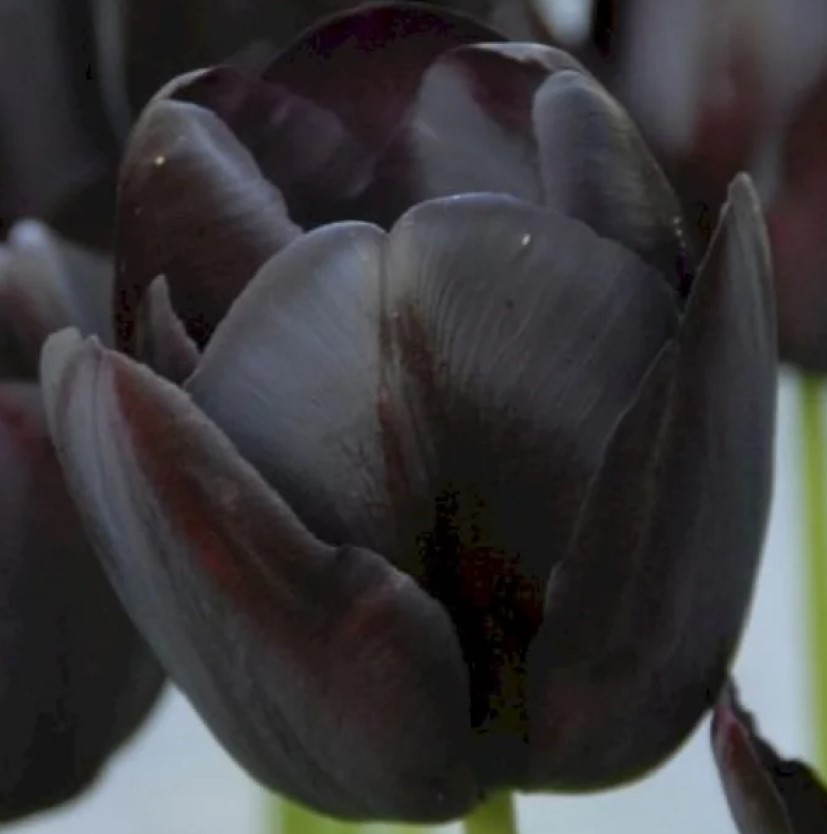
Varietal specimens come in a wide variety of colors: lavender, purple, pinkish, lilac, and even black. Some varieties have multiple inflorescences of varying shades on a single bush.
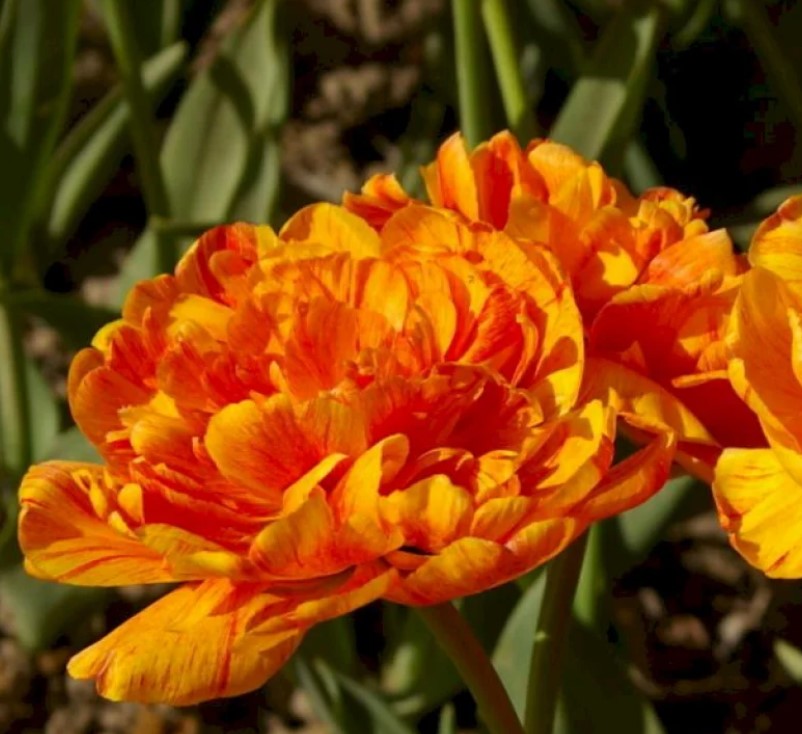
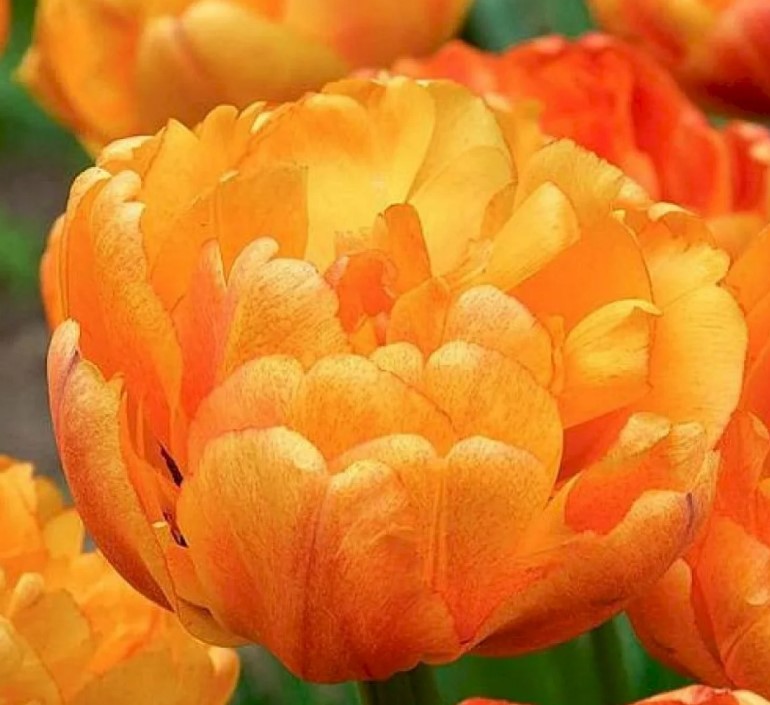
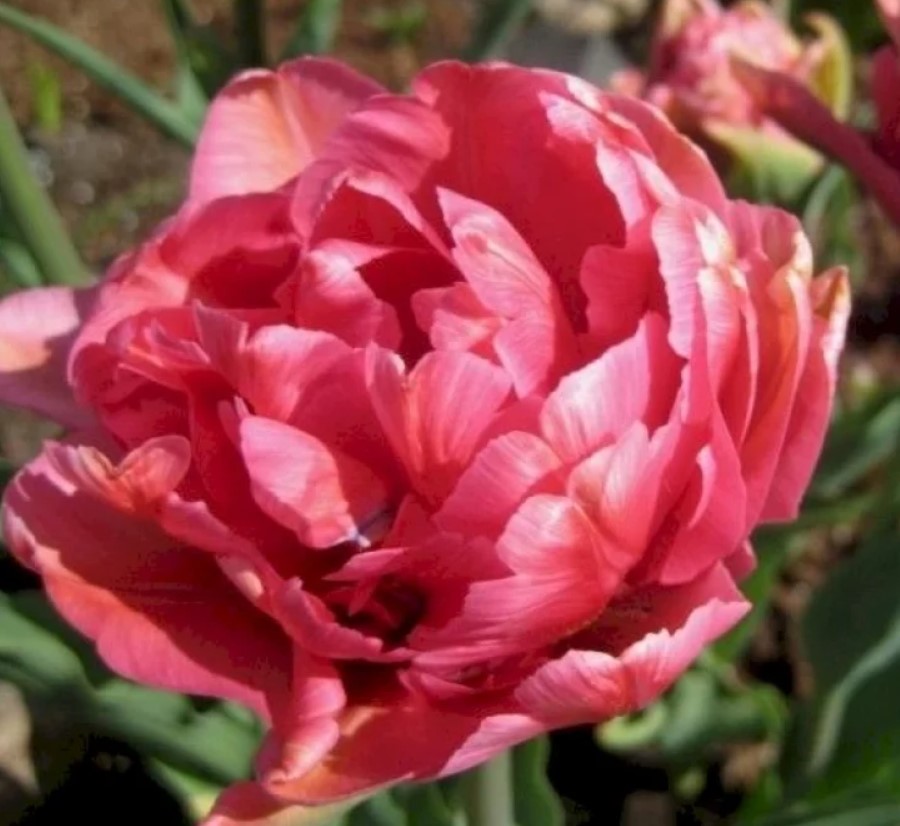
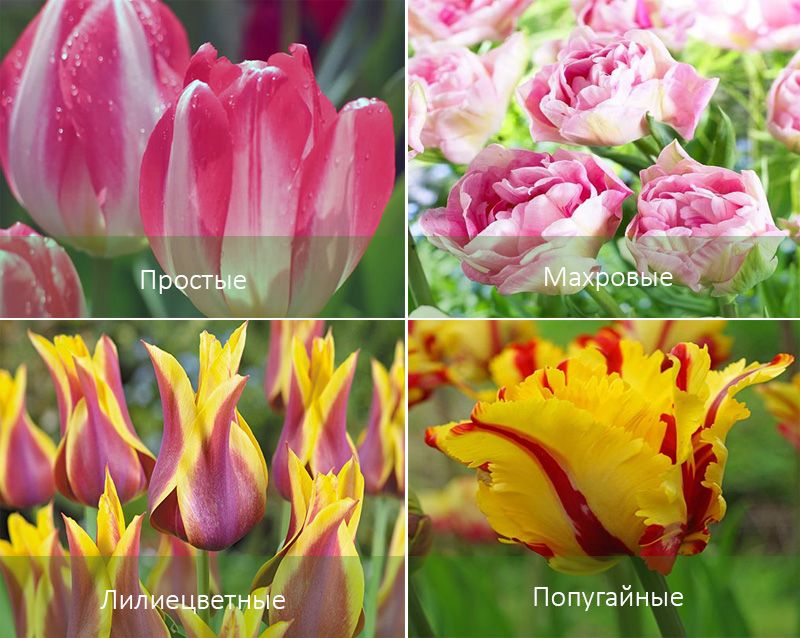
Flowers can be liliaceous, goblet-shaped, star-shaped, fringed, or double. After wilting, the fruit ripens—a three-sided capsule containing flattened seeds.
Tulip classification: 4 sections, 15 classes, 122 varieties
The international classification was approved in 1969 and remains in effect today. It includes 15 classes, divided into four sections. In the 1980s, fringed and green-flowered varieties were added. If you choose the right varieties for your garden, they will decorate the area for a couple of months, blooming alternately.
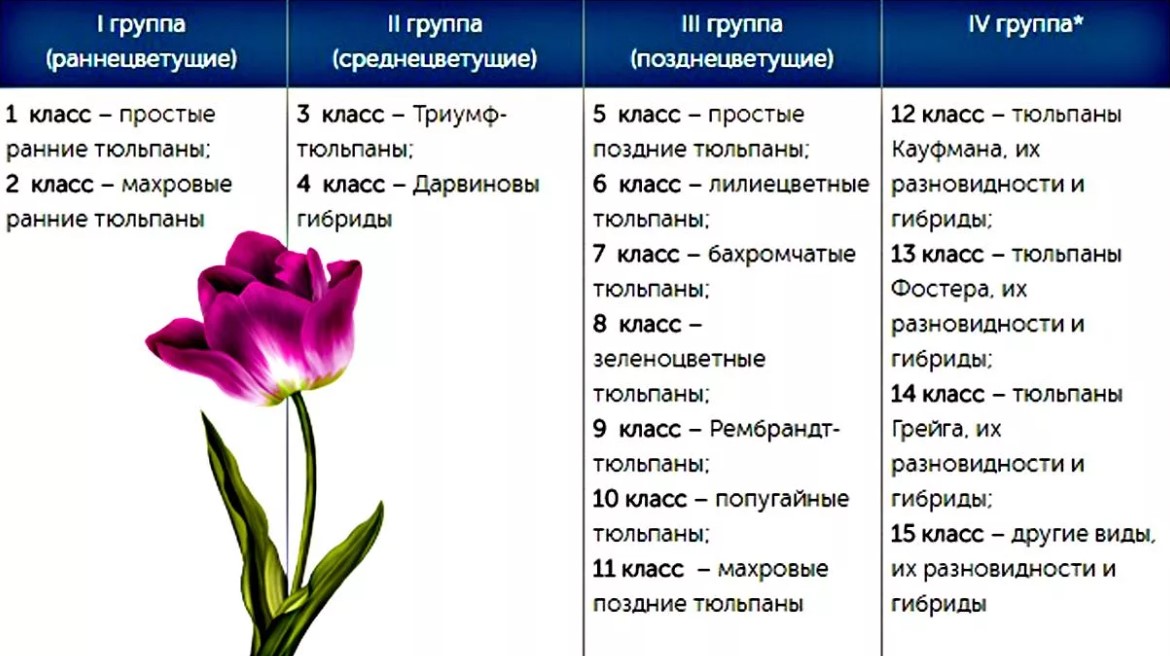
| Grouping | Category |
| Early flowering |
|
| Mid-flowering |
|
| Late-flowering |
|
| Species |
|
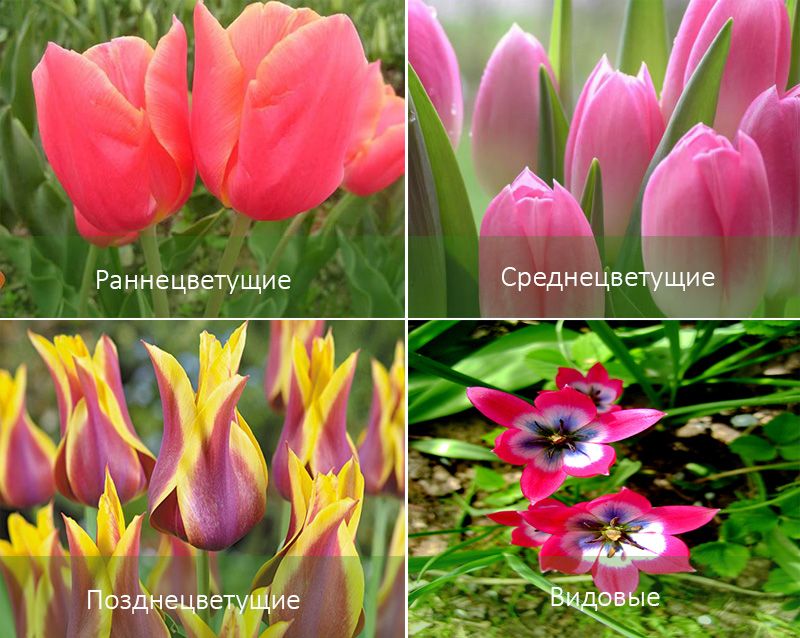
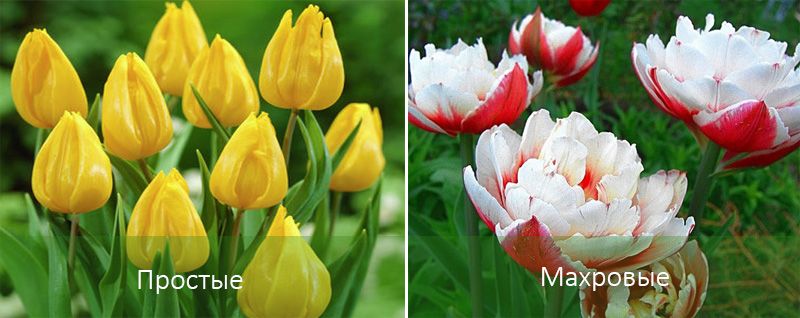
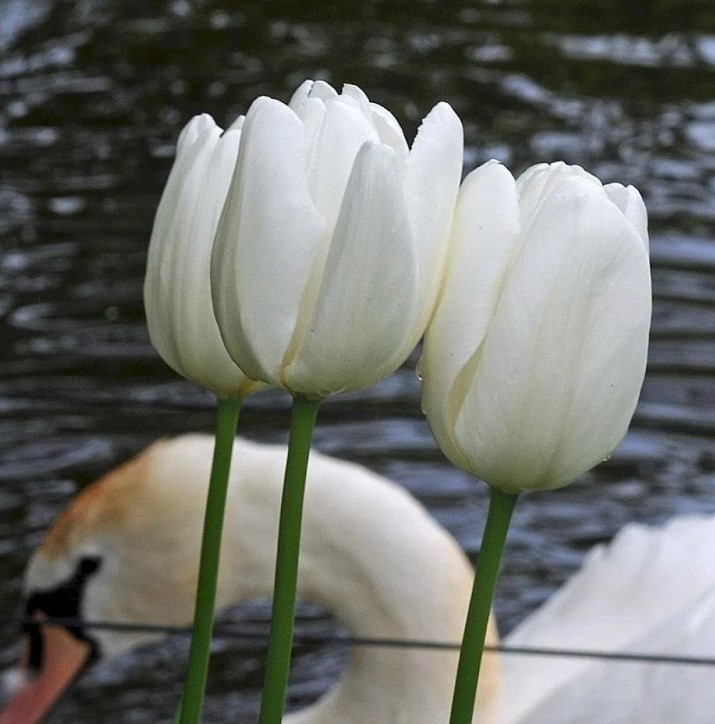
Early blooming: 10 single and 7 double
| Name | Variety | Distinctive features | Flowers/their formation period |
| Simple |
|
They grow to 35-45 cm. They are grown outdoors or in containers. They are not intended for cutting. | Goblet-shaped, canary-yellow or scarlet. End of April. |
| Terry |
|
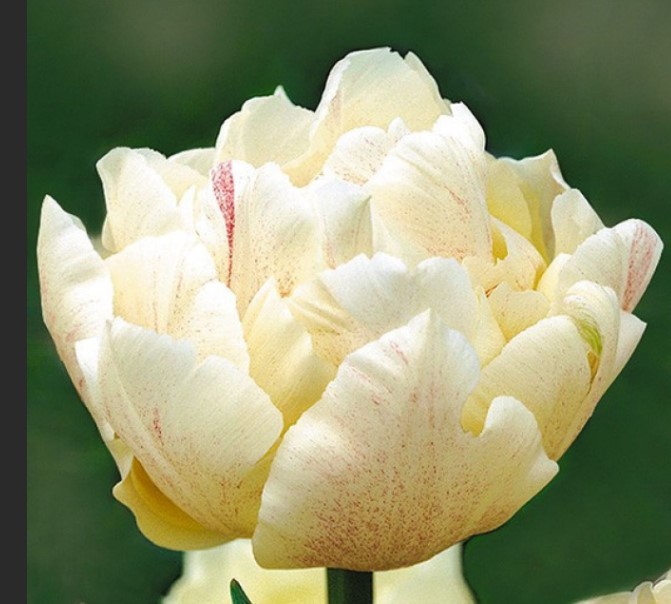
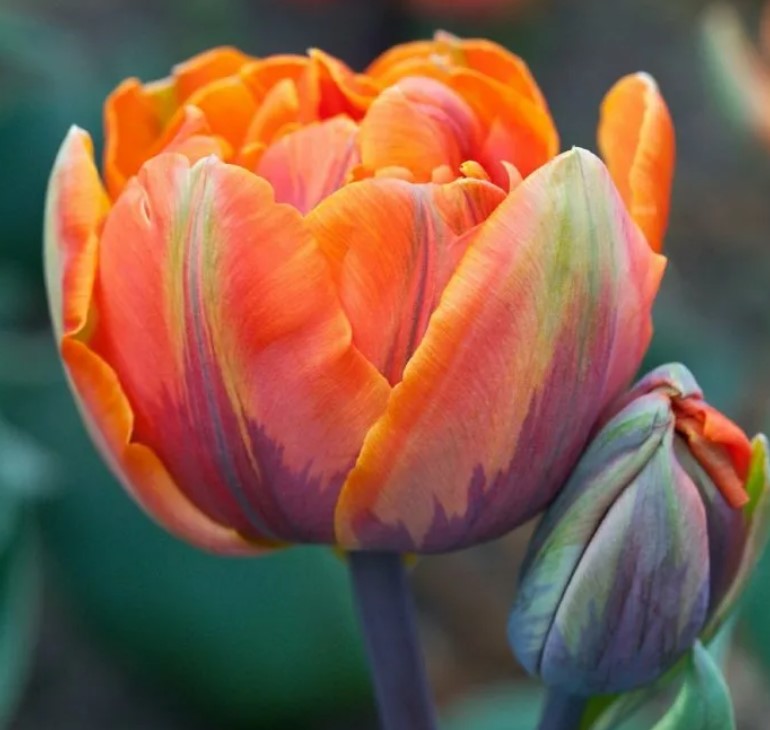
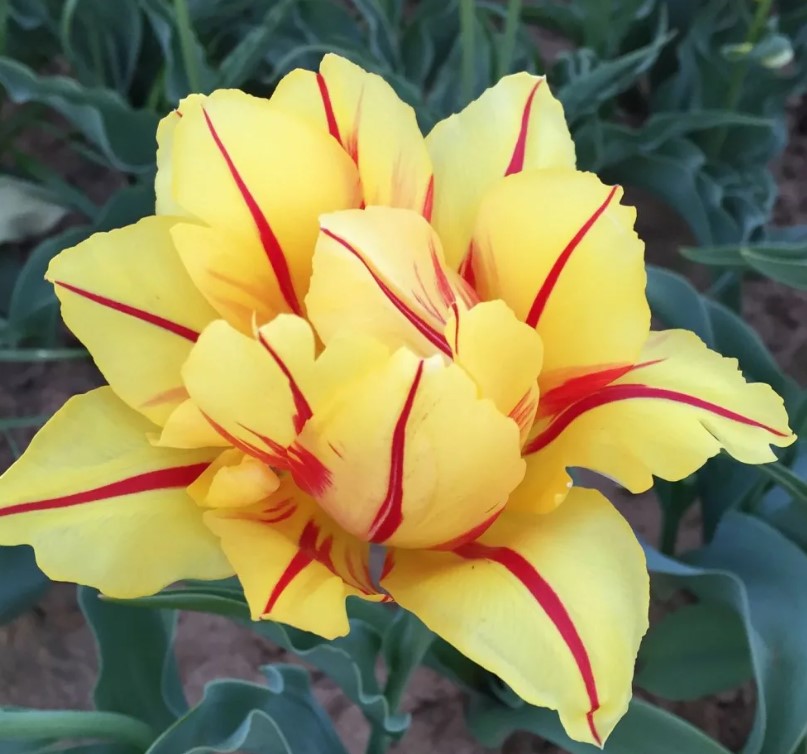
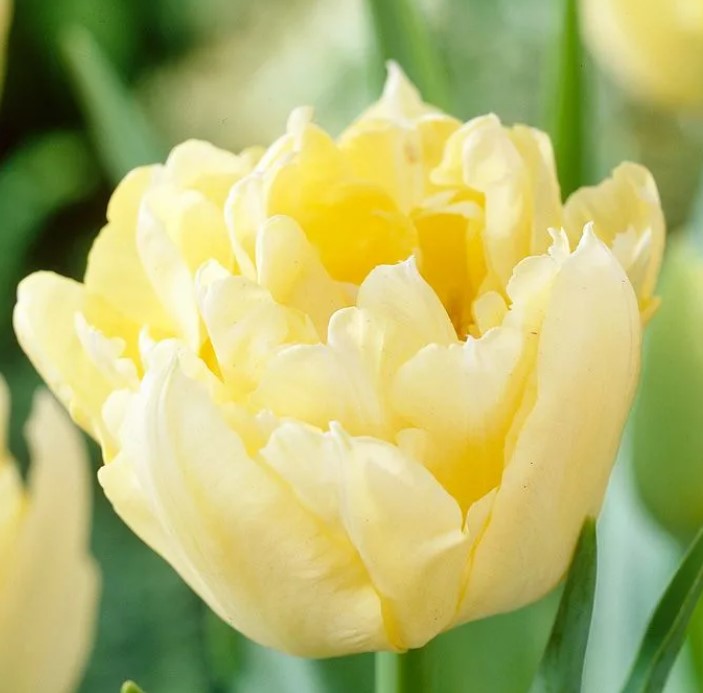
They have earned a reputation for their colorful and long-lasting blooms. They reach 30 cm in height and have thick stems, but sometimes droop under the weight of their flowers. Planting them in the foreground is recommended so that their beauty isn't hidden by taller shrubs. | When open, up to 8-9 cm.
In the middle of spring. |
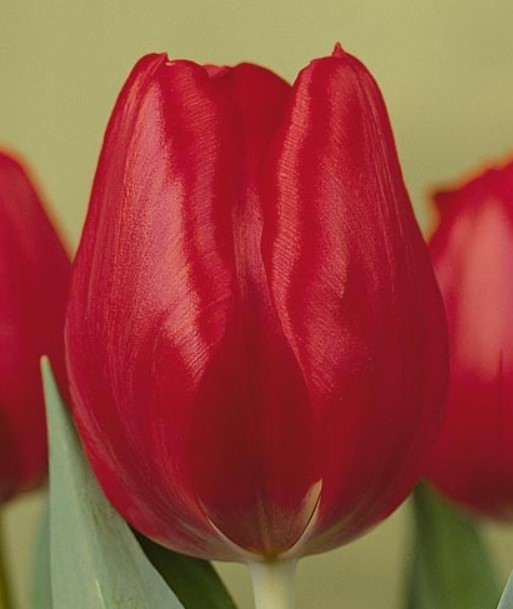
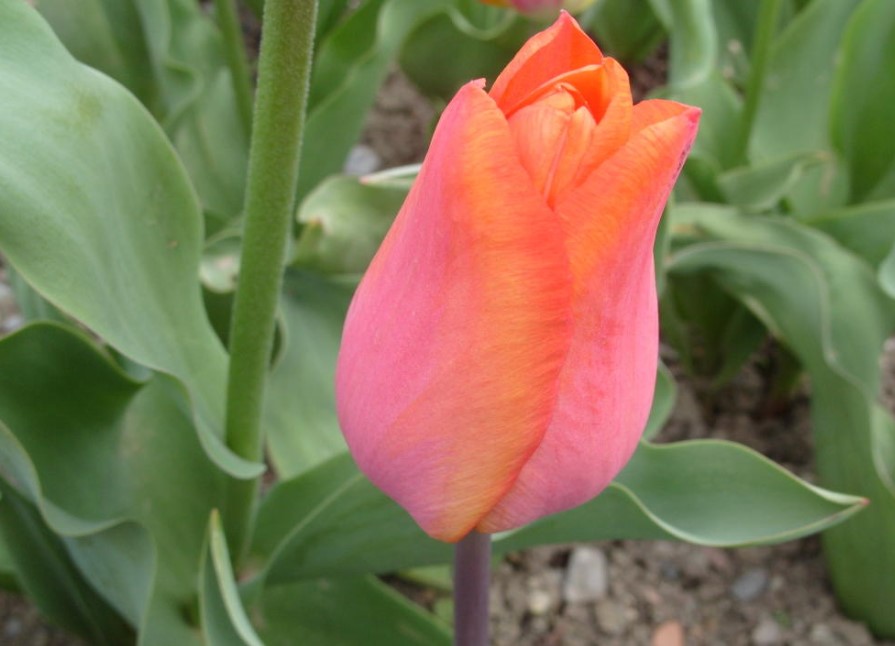
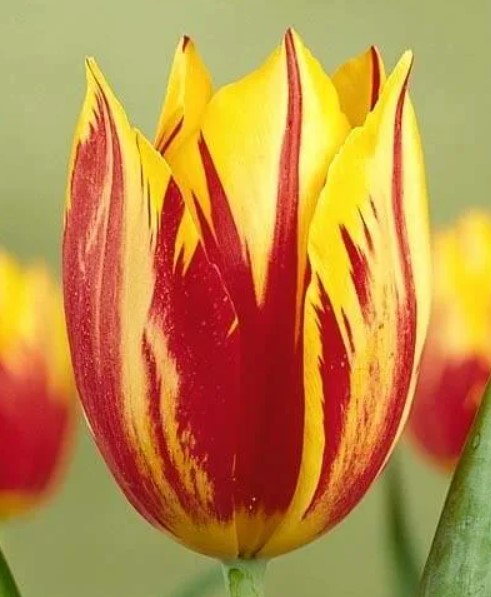
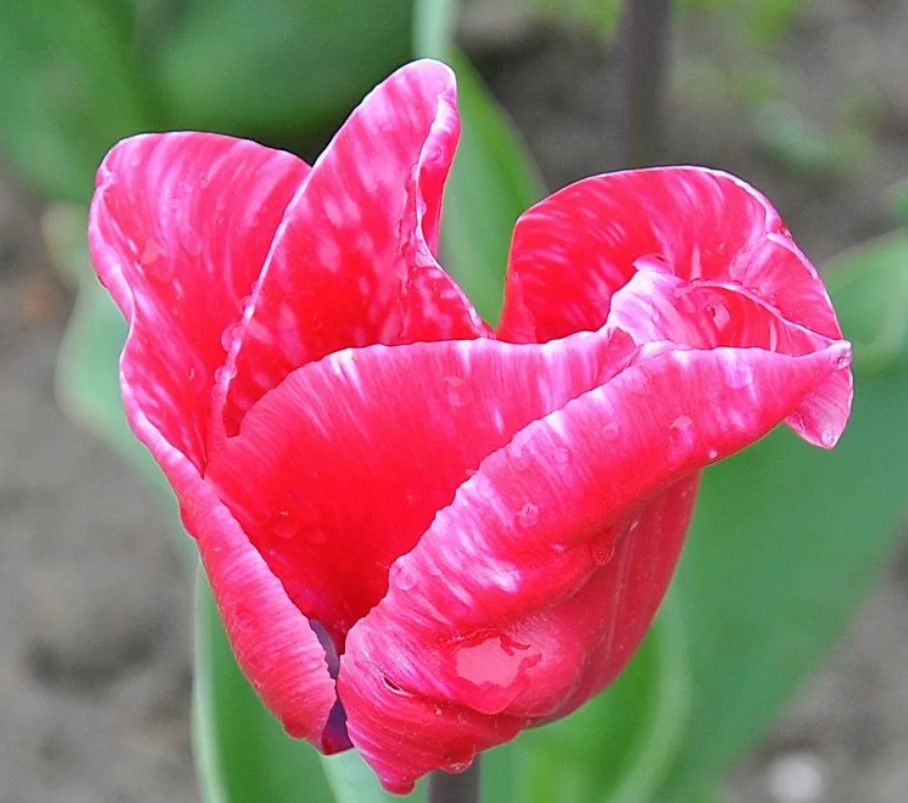
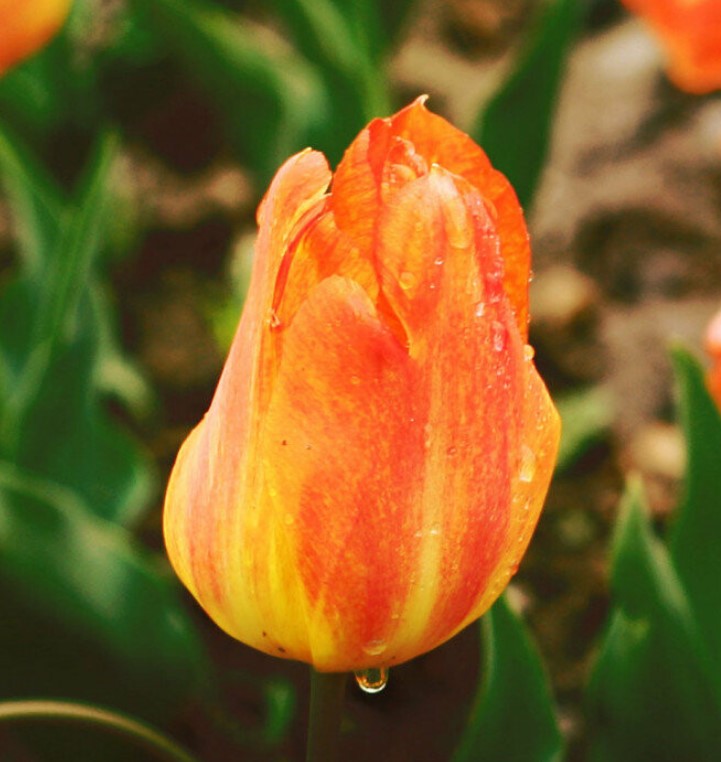
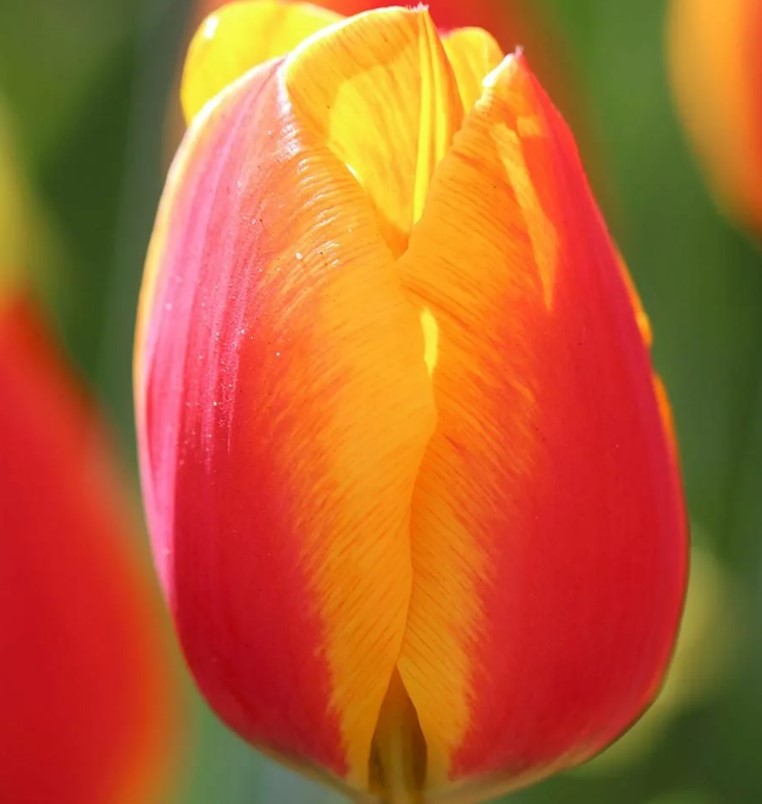
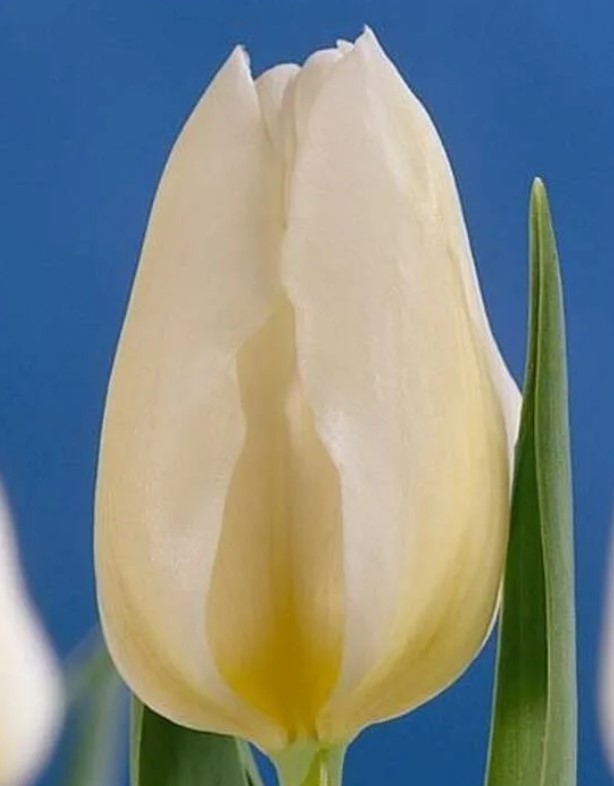
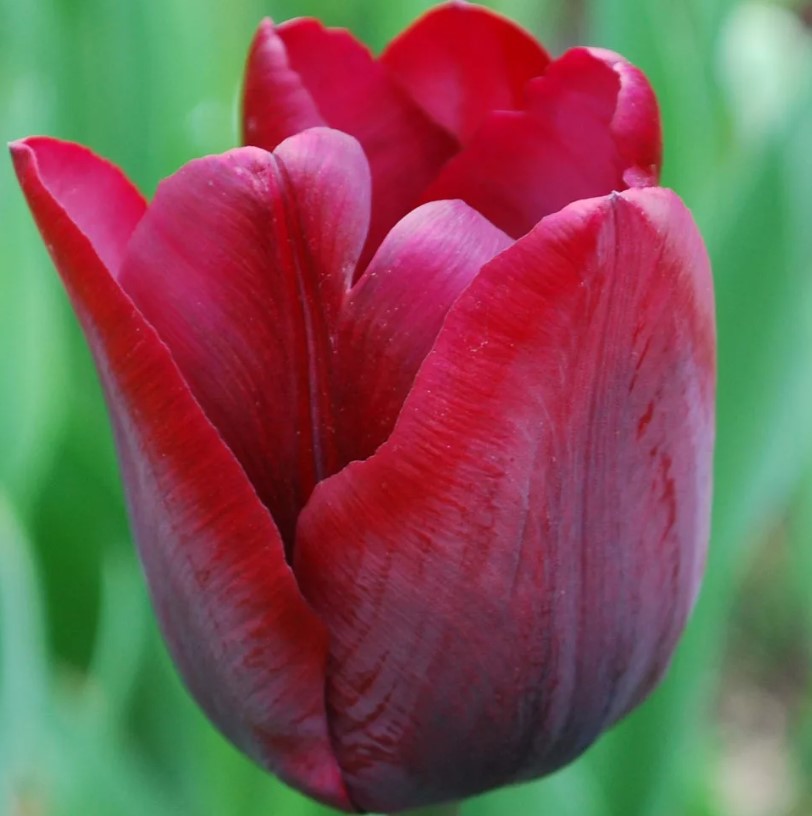
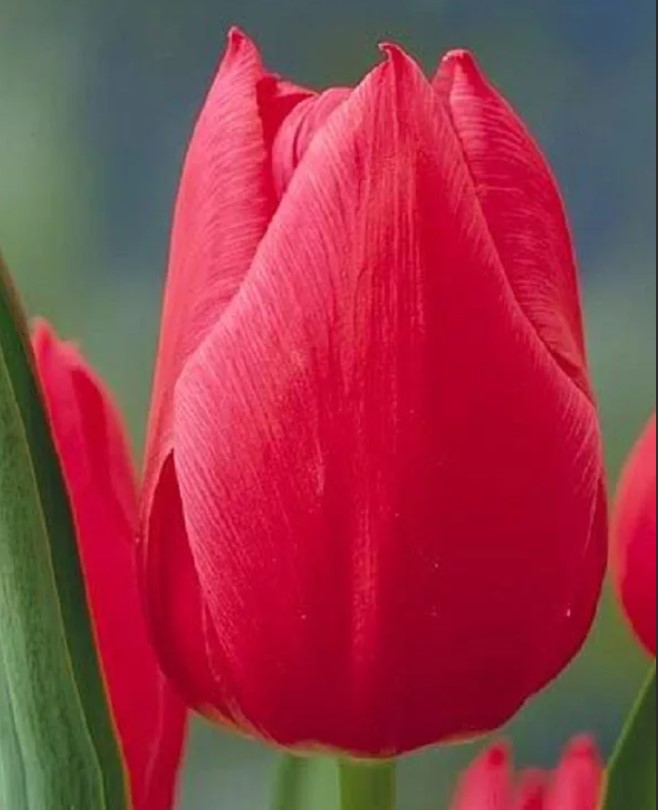
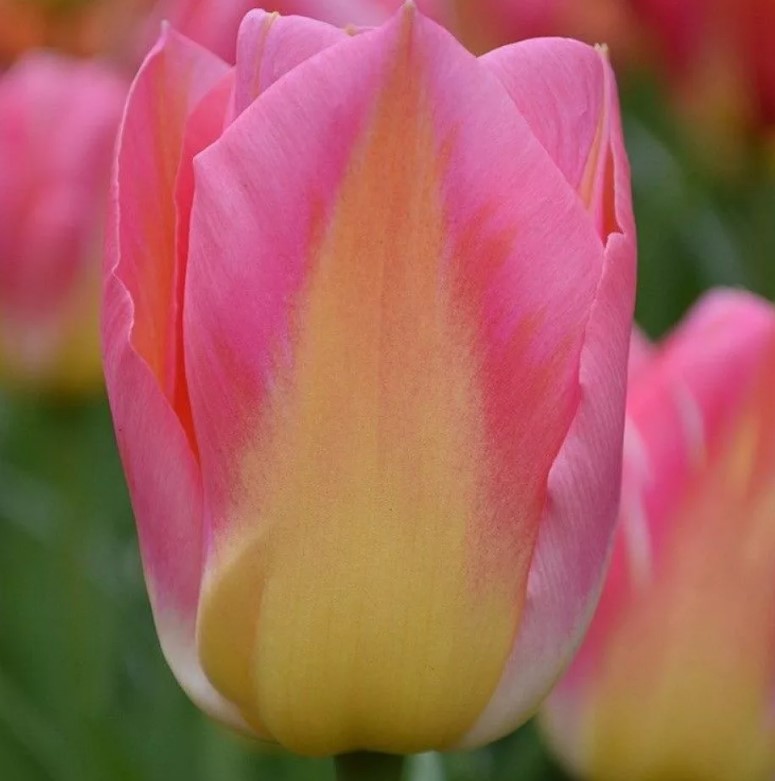
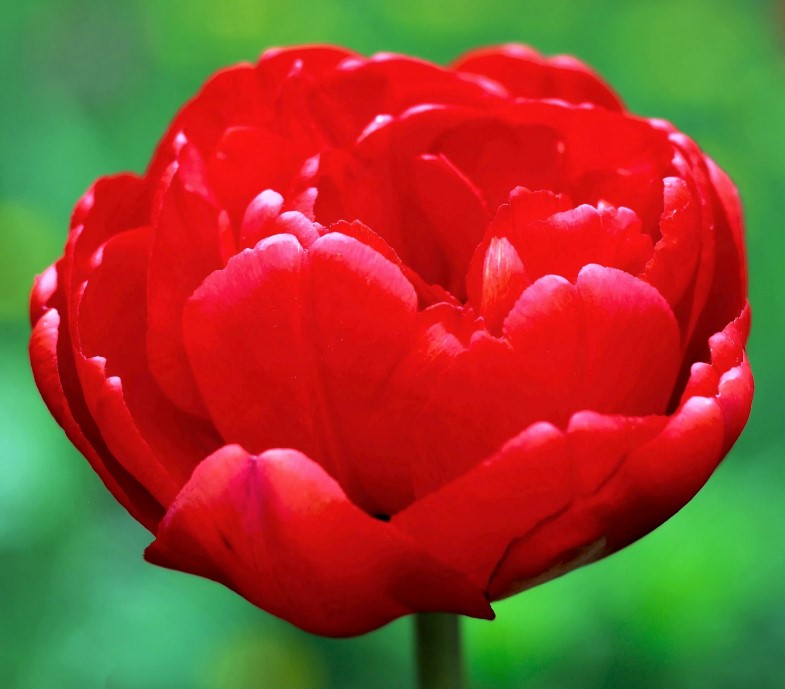
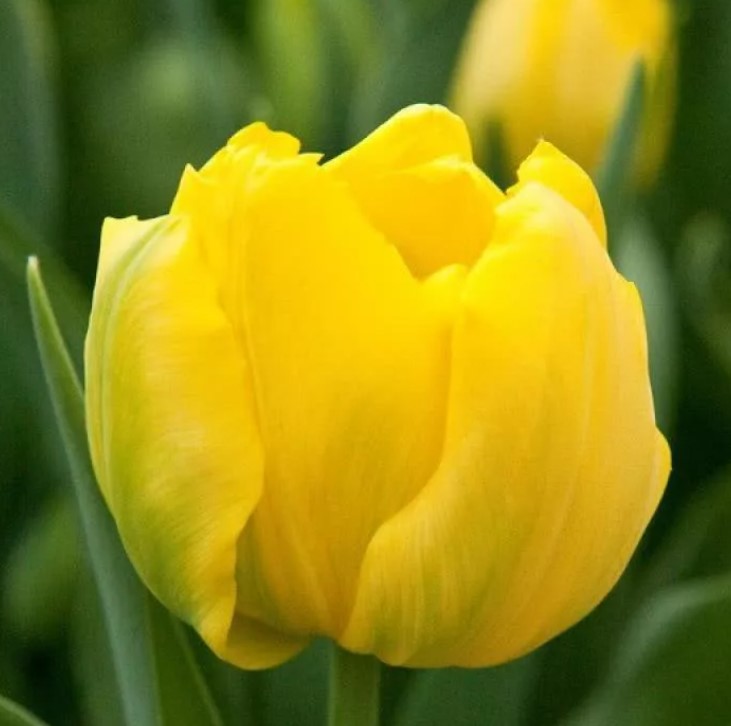
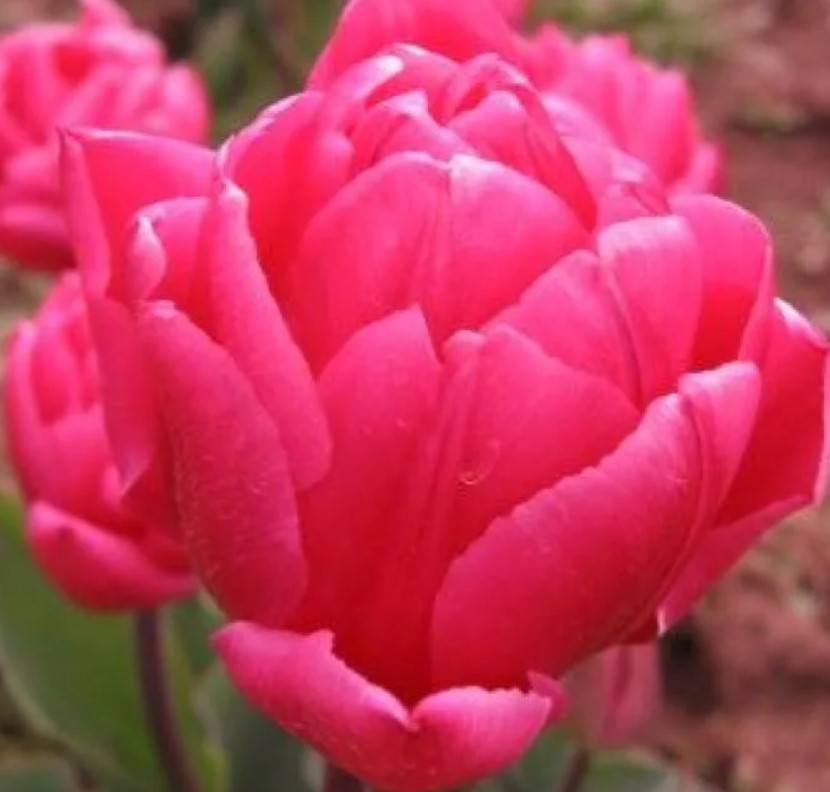
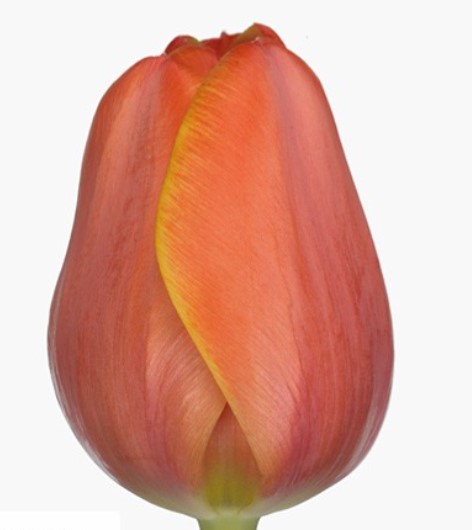
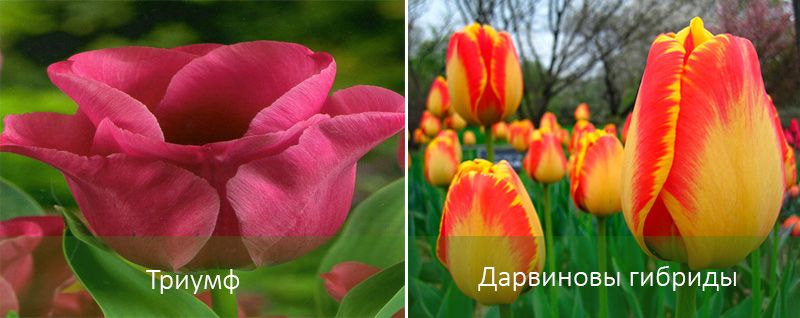
Mid-flowering: Triumph - 14 varieties, Darwin hybrids - 10 varieties
| Name | Varieties | Peculiarities | Buds/flowering |
| Triumph |
|
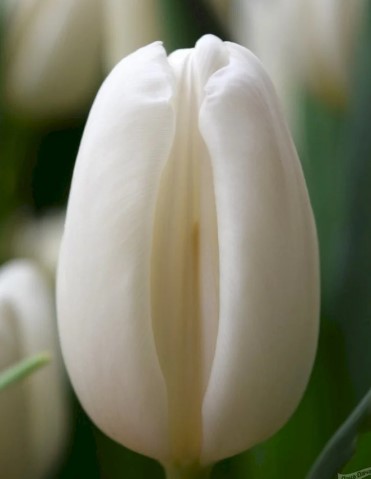
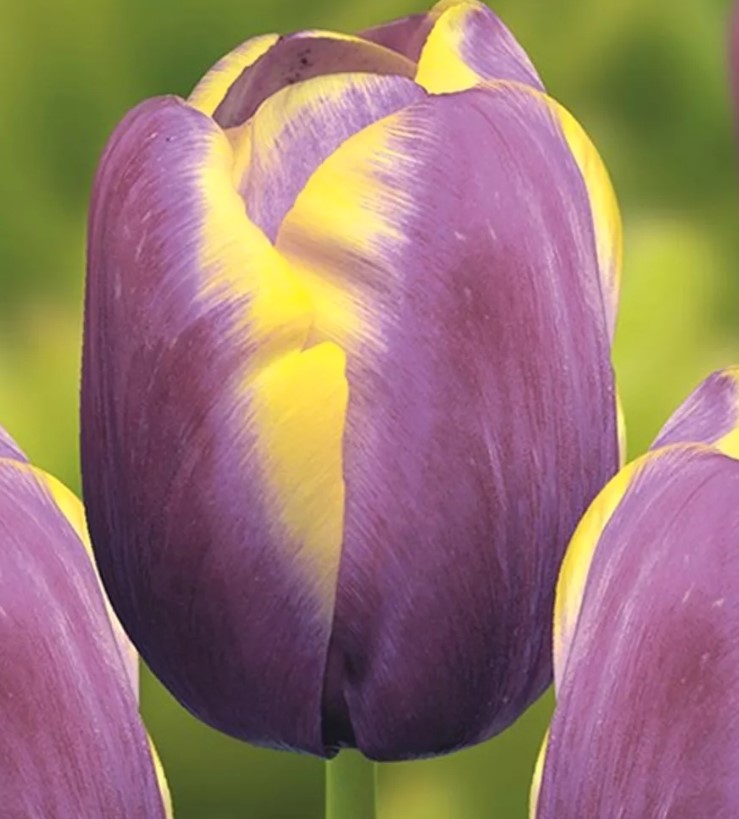
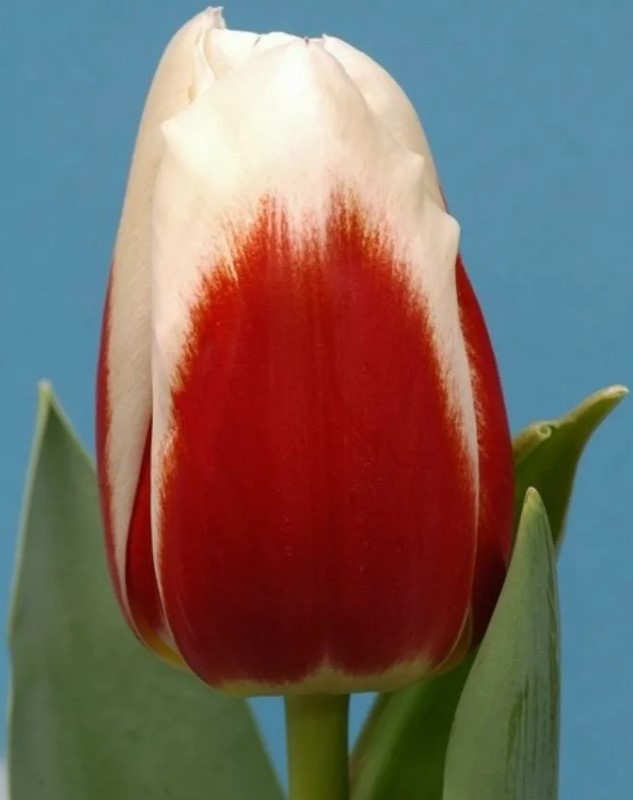
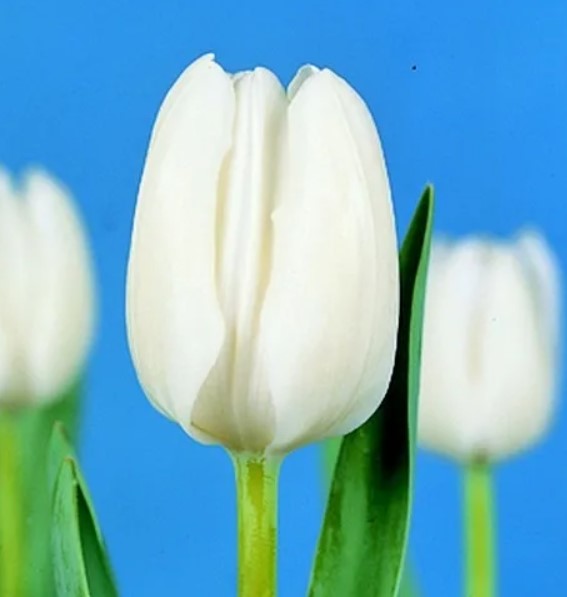
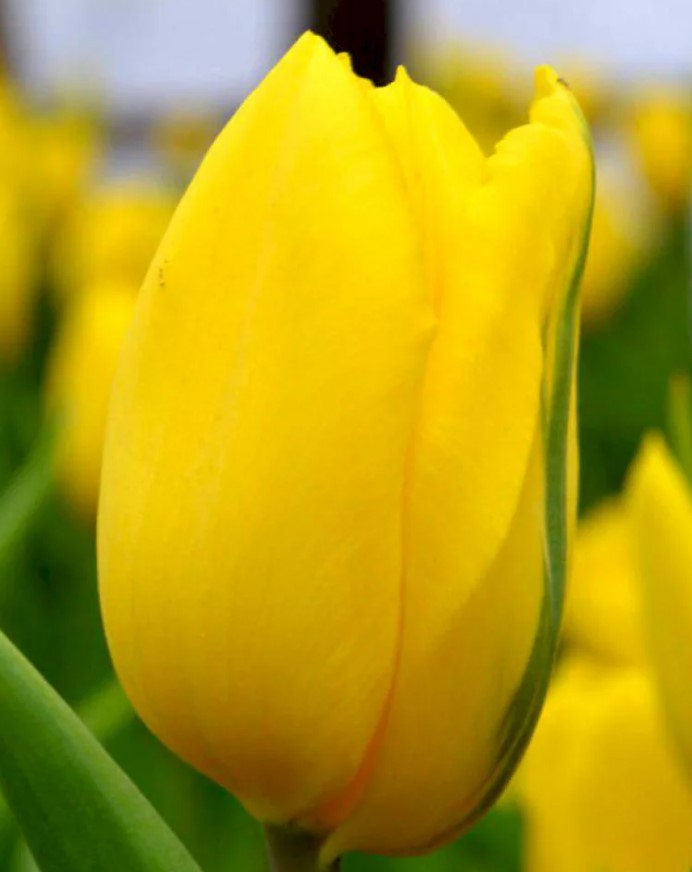
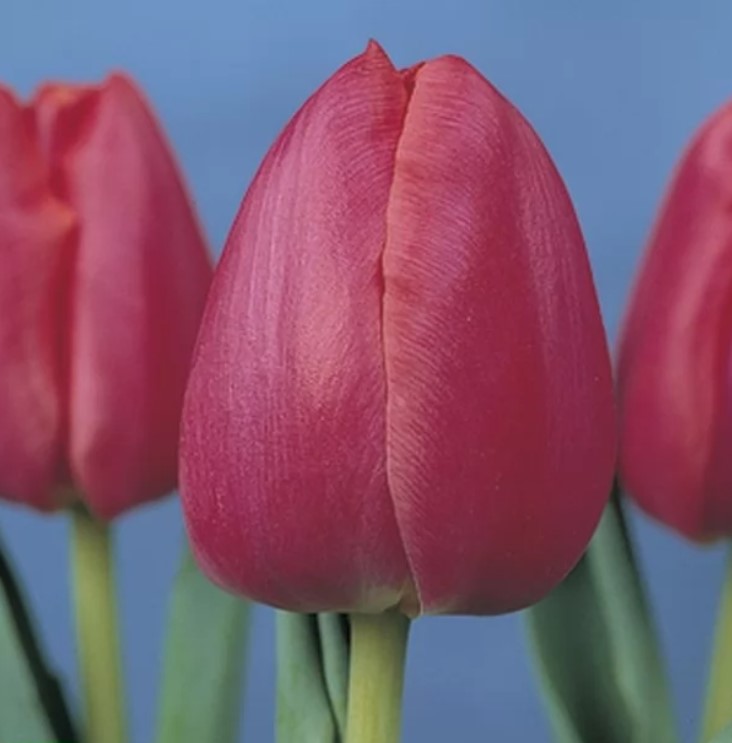
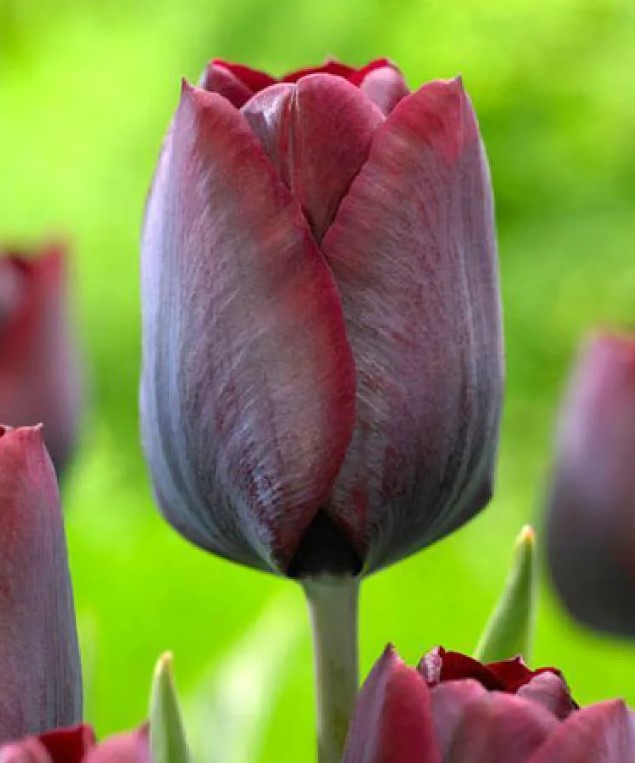
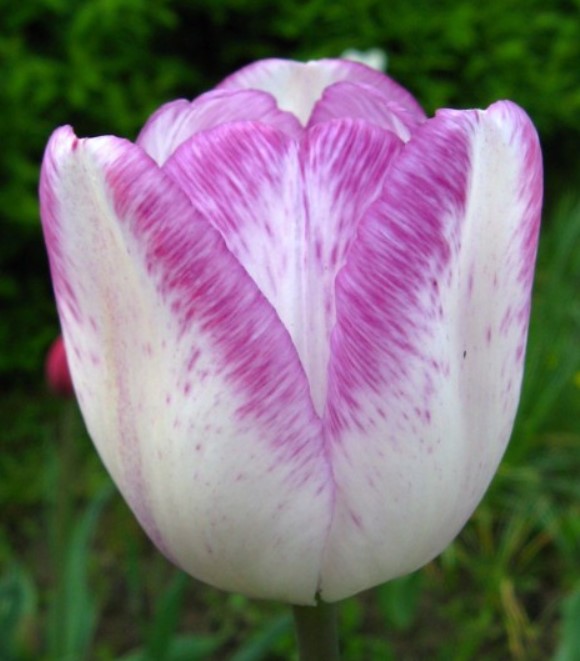
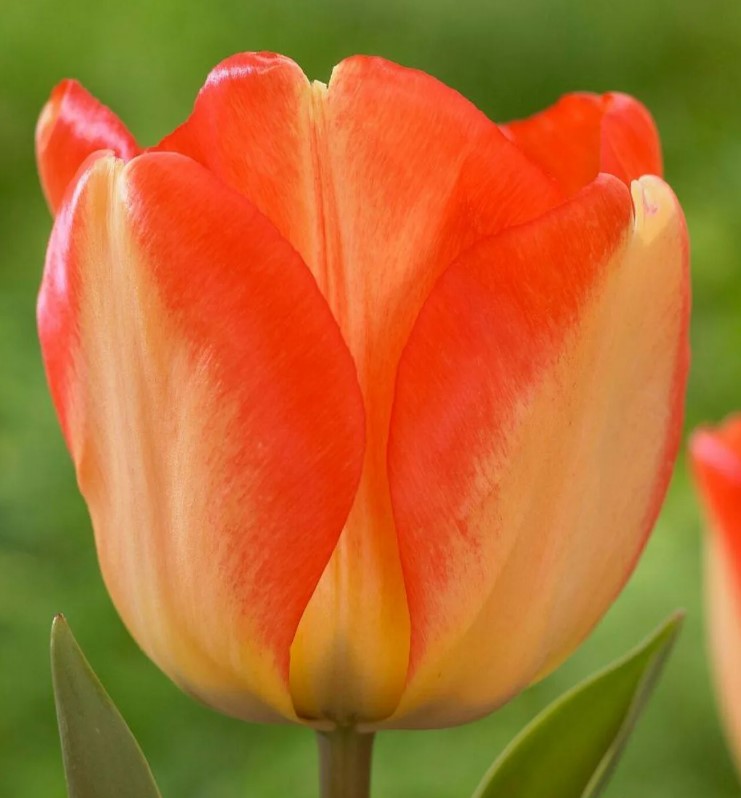
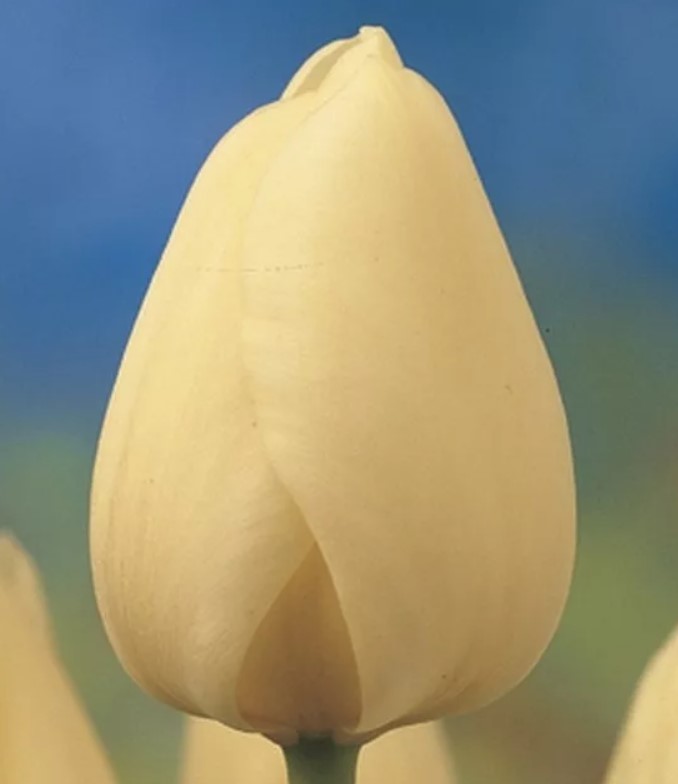
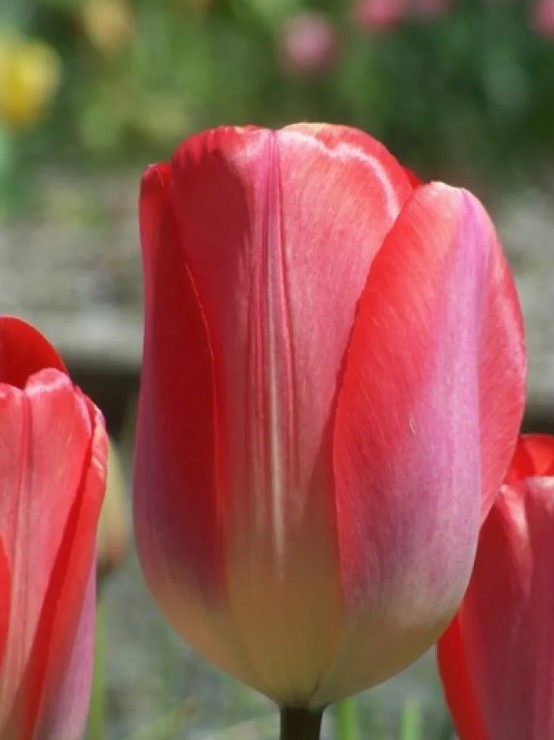
They first appeared in flower shops in the 1920s. They were created by crossing Simple Early, Darwin Hybrids, and old varieties. They don't require careful care. They reach 0.7 m in height and have dense flower stalks. | Goblet-shaped, they hold their shape well. The petals come in a variety of tones and combinations. Long-lasting, can be observed from the end of April to the first days of May. |
| Darwinian hybrids |
|
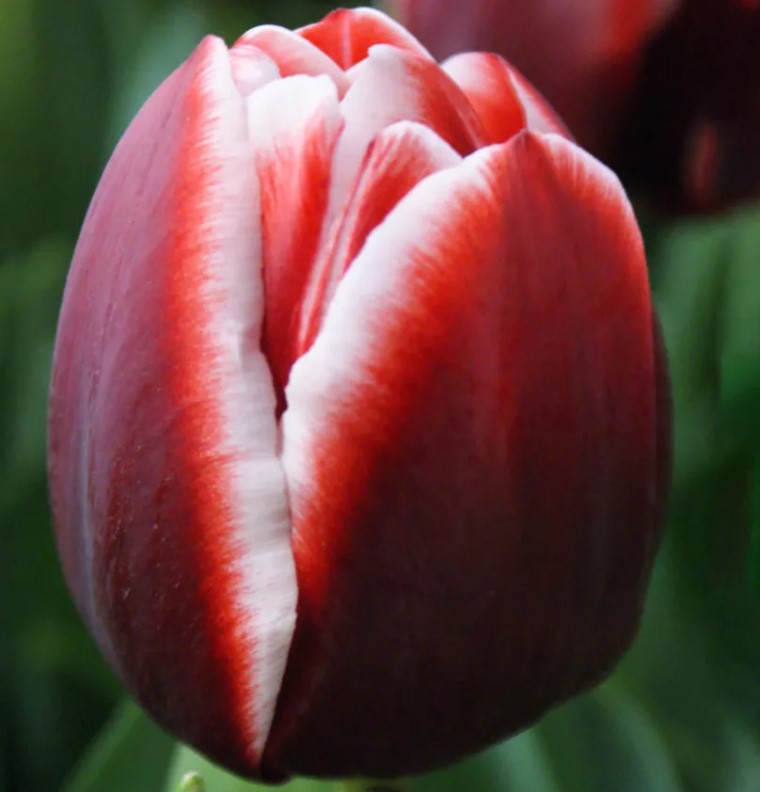
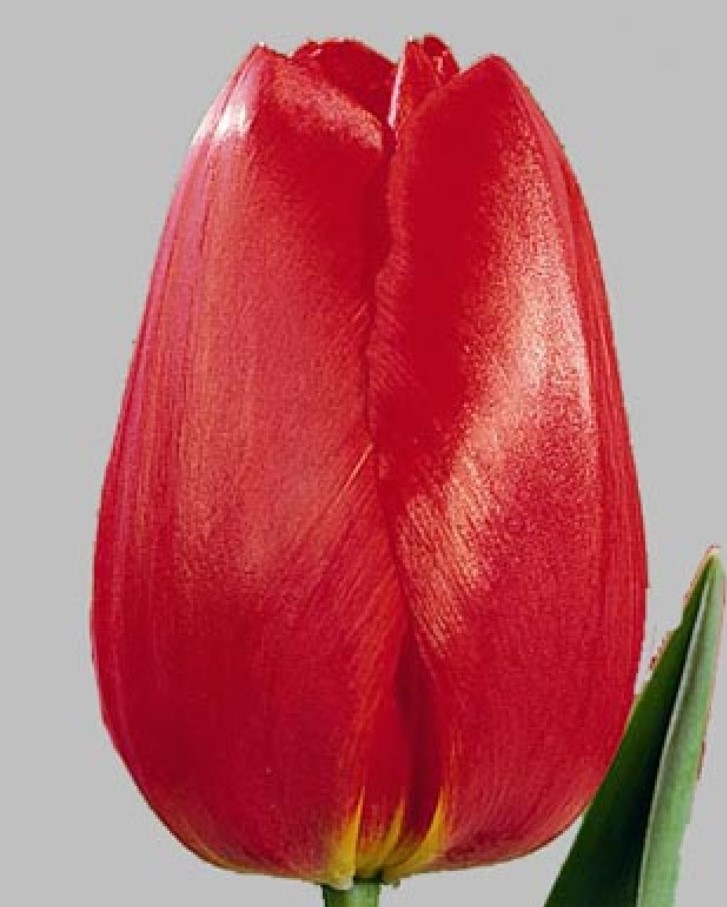
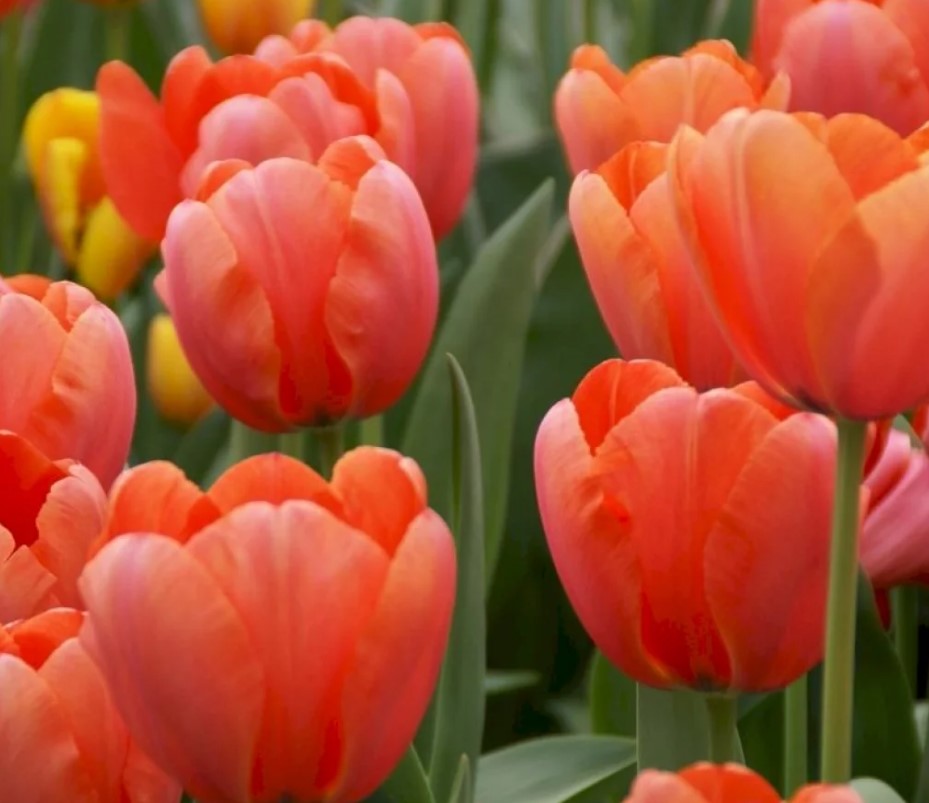
Up to 0.8 m. Buds open fully in full sun. Resistant to various types of damage and spring weather. All varieties are similar. | Up to 10 cm in circumference, cup-shaped. The base is rectangular, often dark. The petals are usually red, but other colors are also available. Purple and lilac are not. |
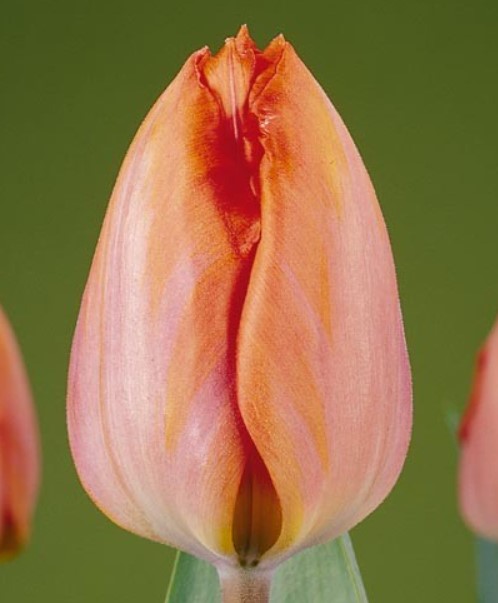
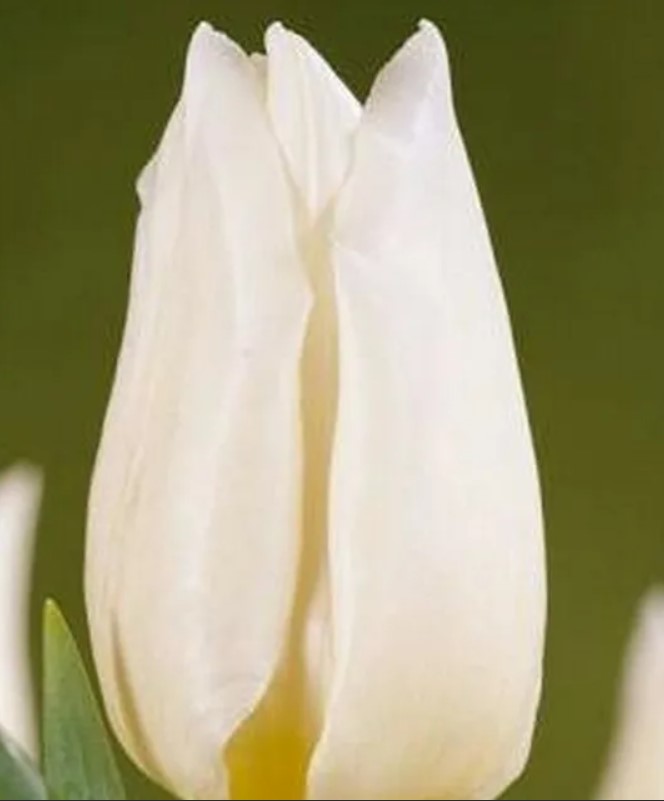
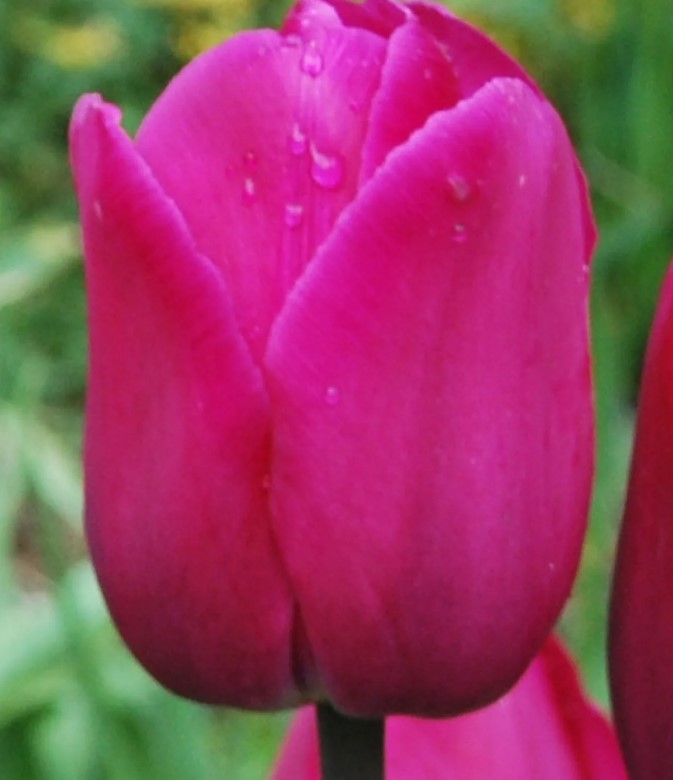
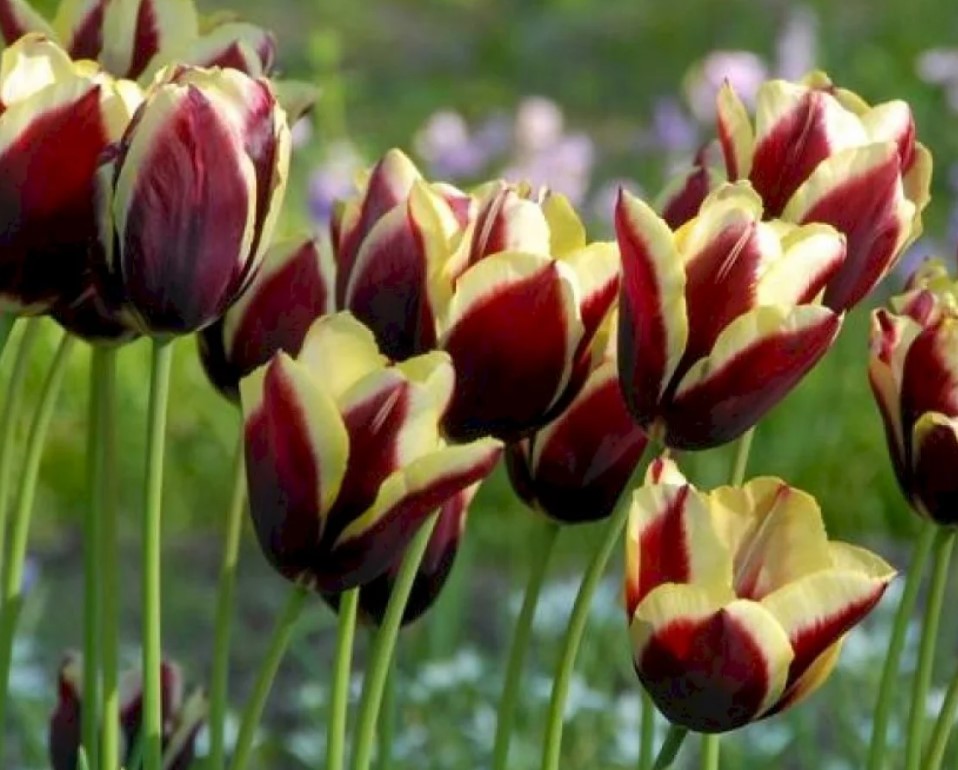
Late-flowering: 7 classes, 49 varieties
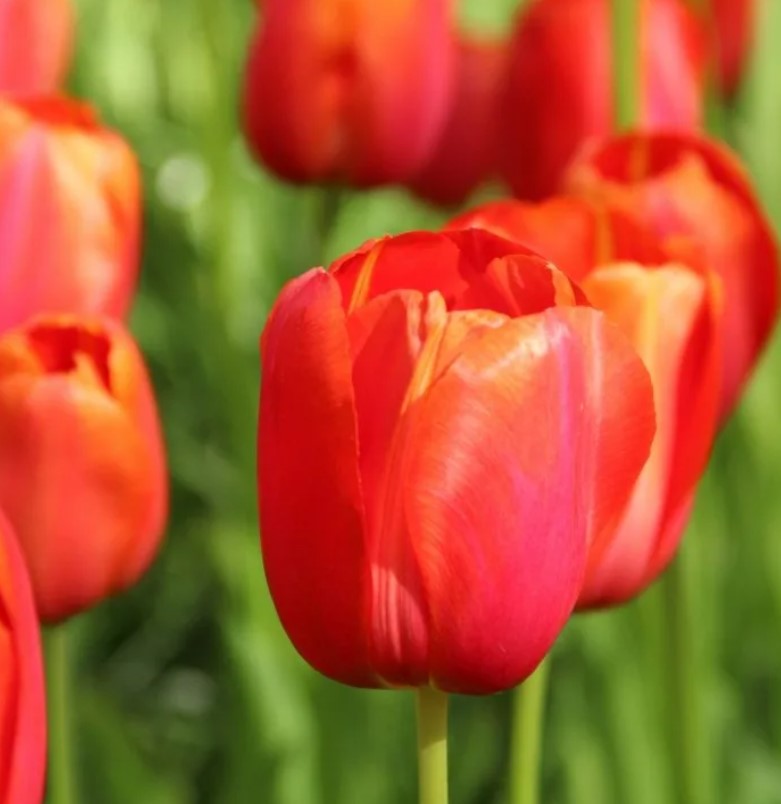
The most numerous group. It includes 7 subspecies:
| Name | Varieties | Description | Flowers/time of their appearance |
| Simple |
|
Tall, reaching 0.75 m. Cut flowers last a long time in a vase. |
Large, with a rectangular base and blunt-tipped petals, this subspecies includes multi-flowered tulips, which have multiple inflorescences on a single stem. Since the beginning of summer. |
| Terry |
|
Tall and slender, they resemble early peonies, which is why they are called peony-like. |
Densely double, cup-shaped. Drooping in cloudy weather. More than 20 days in late spring-June. |
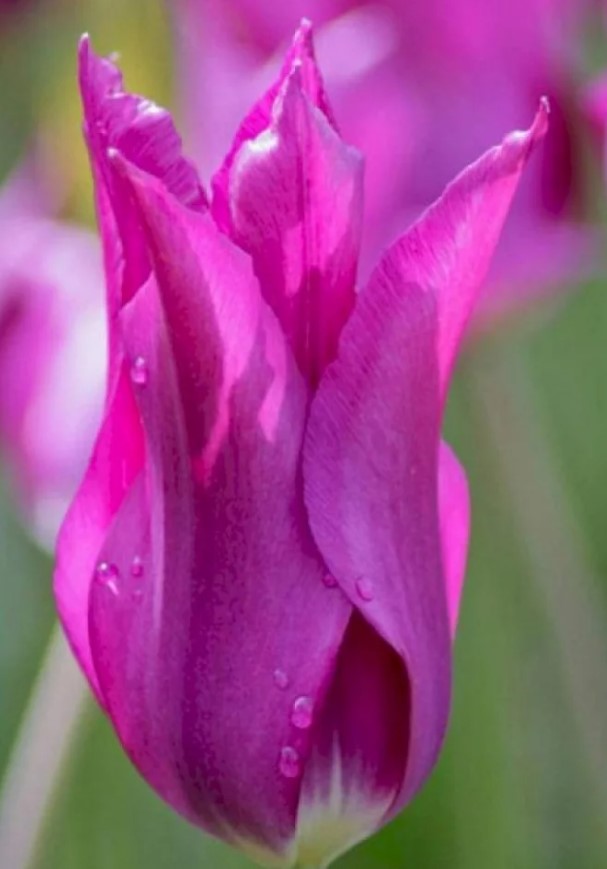
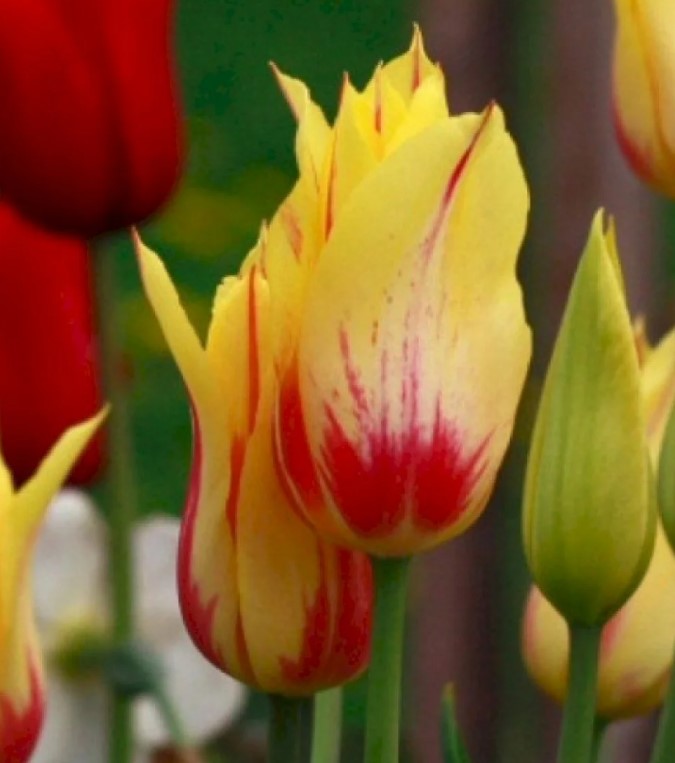
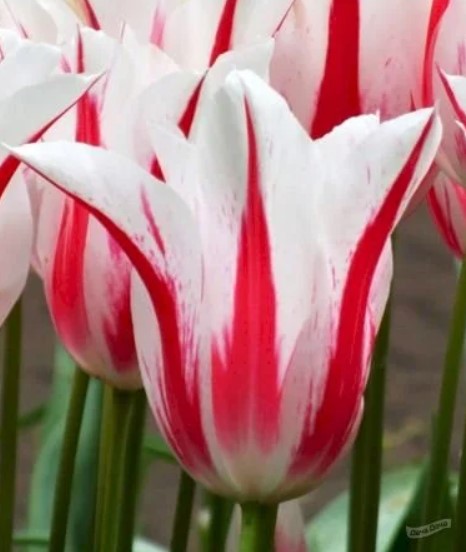
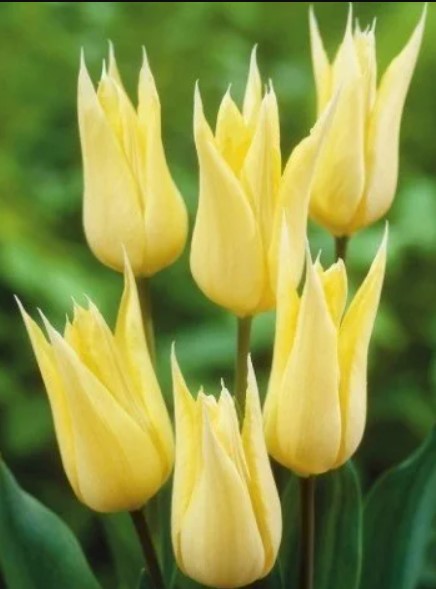
| Liliaceae |
|
Up to 0.6-0.7 m. They tolerate frost well and rarely get sick. |
Similar to lilies. Can be double. The last month of spring. |
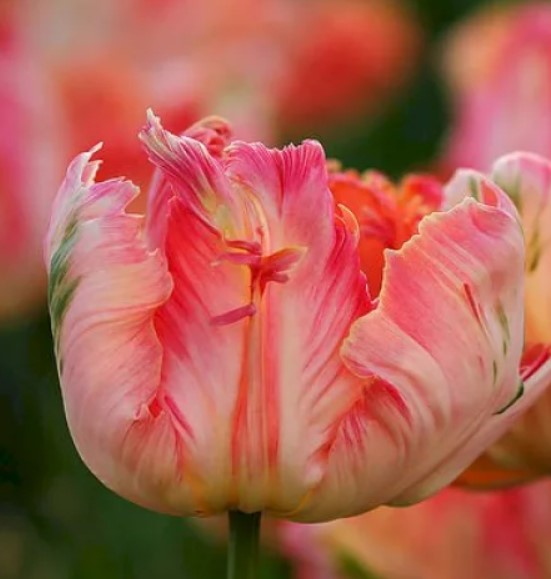
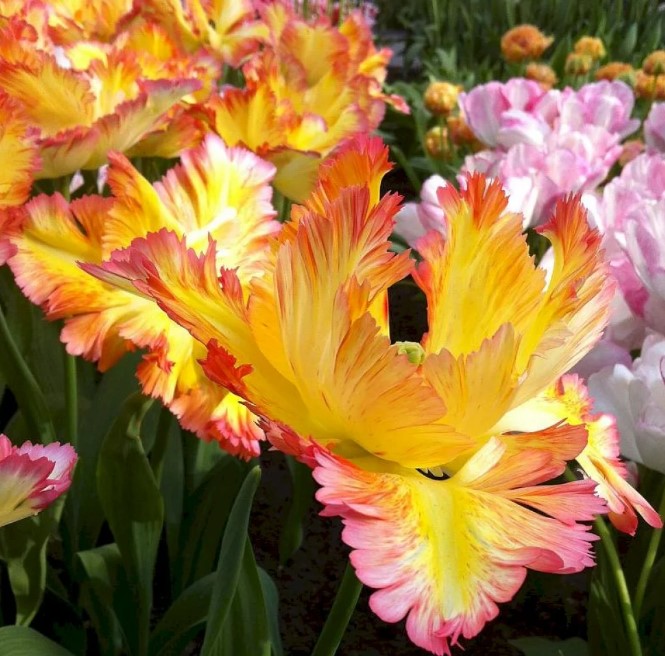
| Parrots |
|
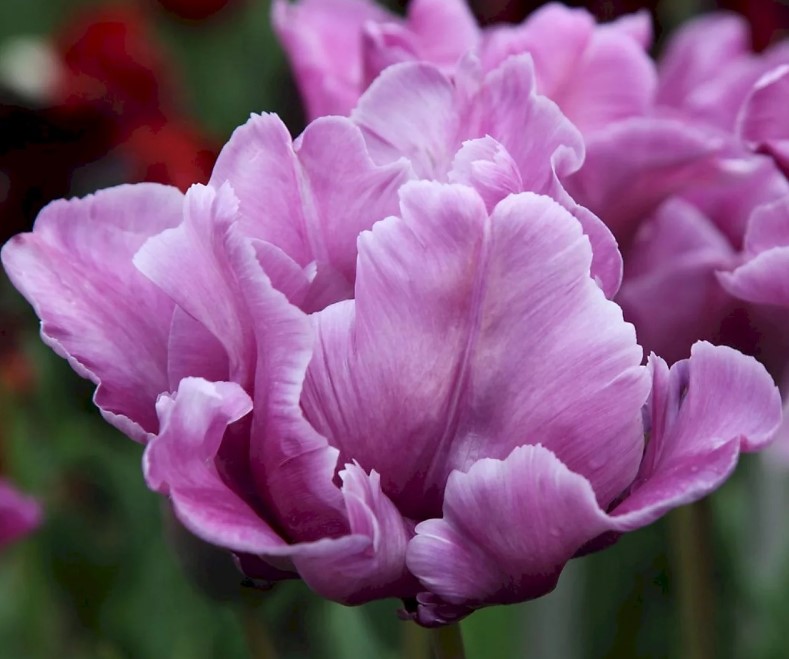
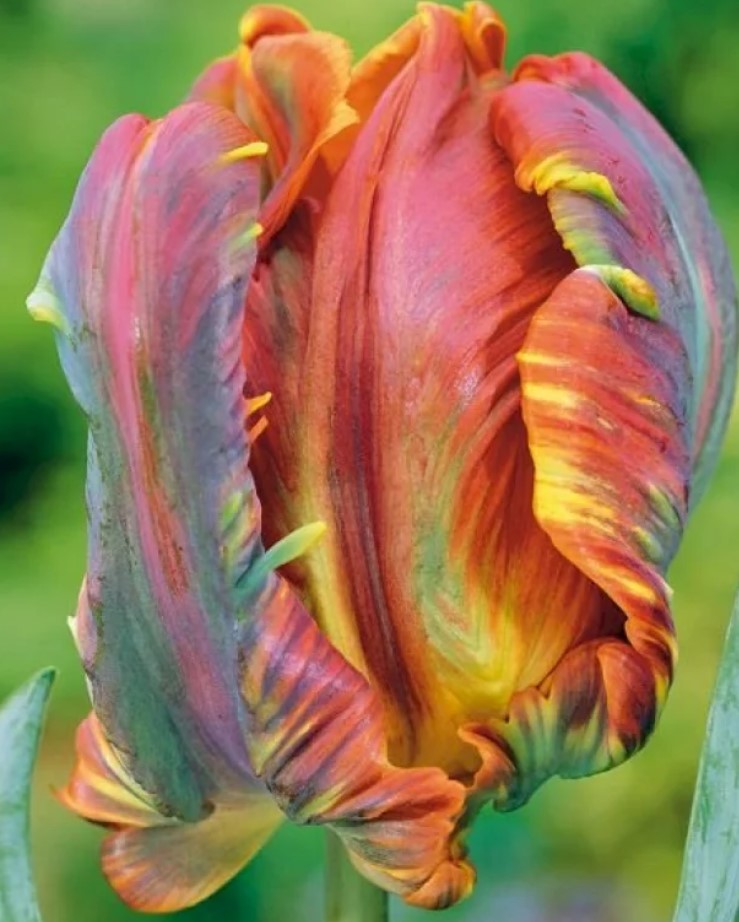
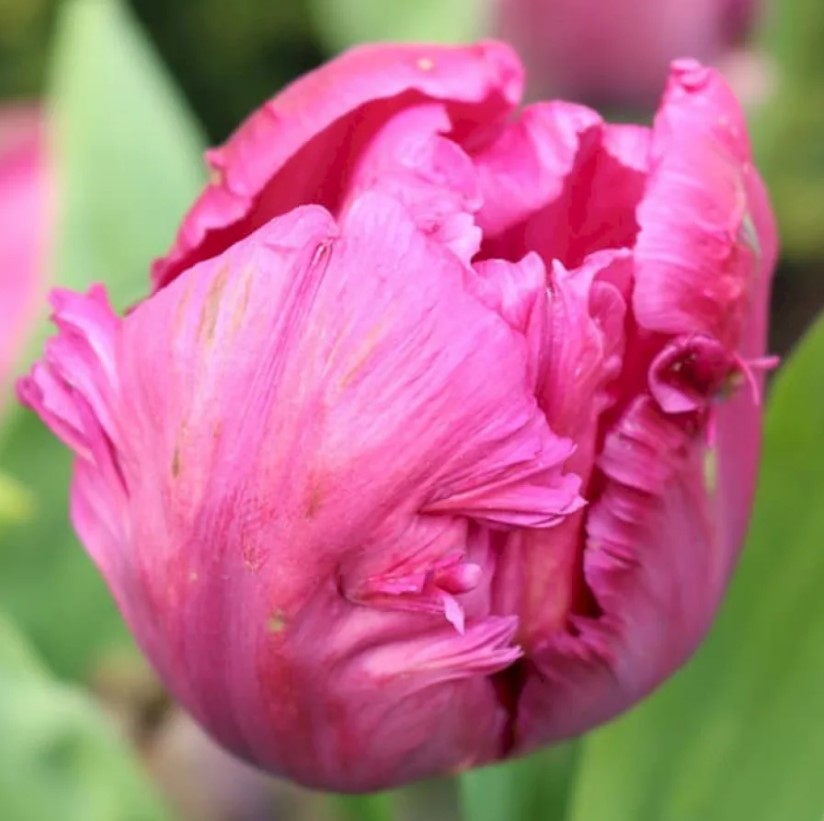
0.5-0.6 m. They are usually used as an accent in gardens. They are planted in small groups. |
Large, cup-shaped. Petals are wavy and dissected. Since mid-May. |
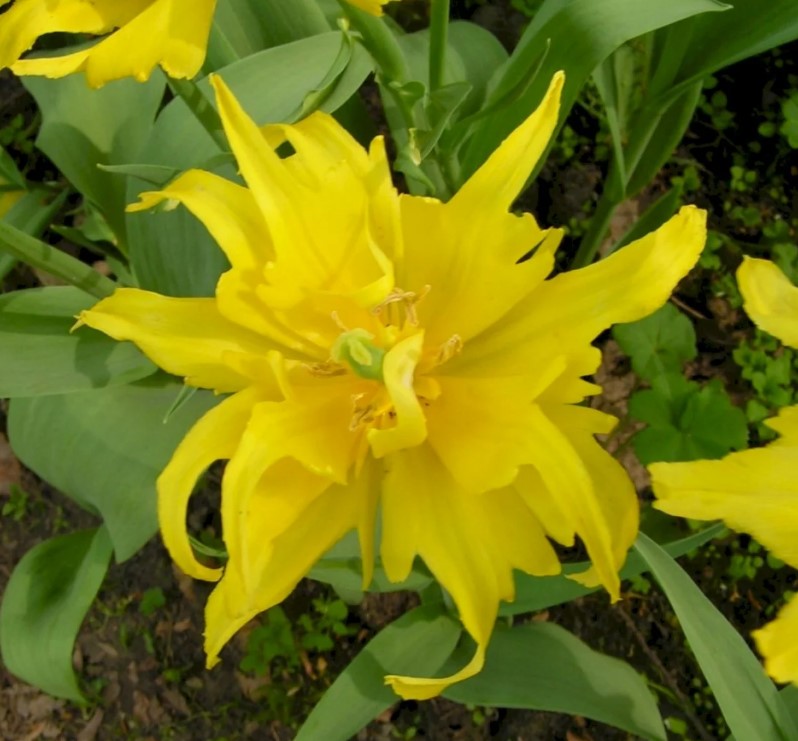
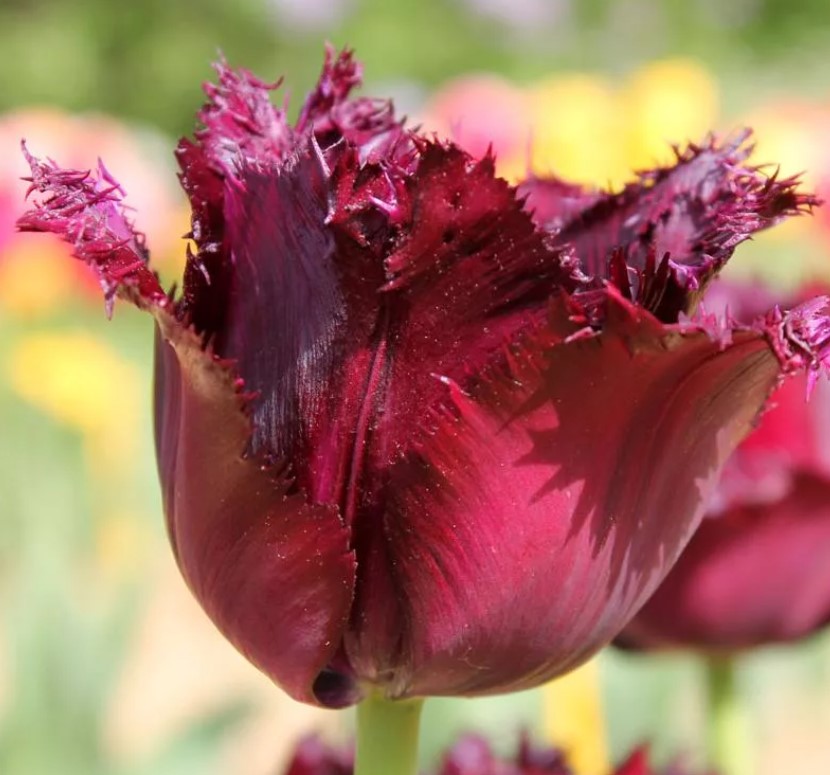
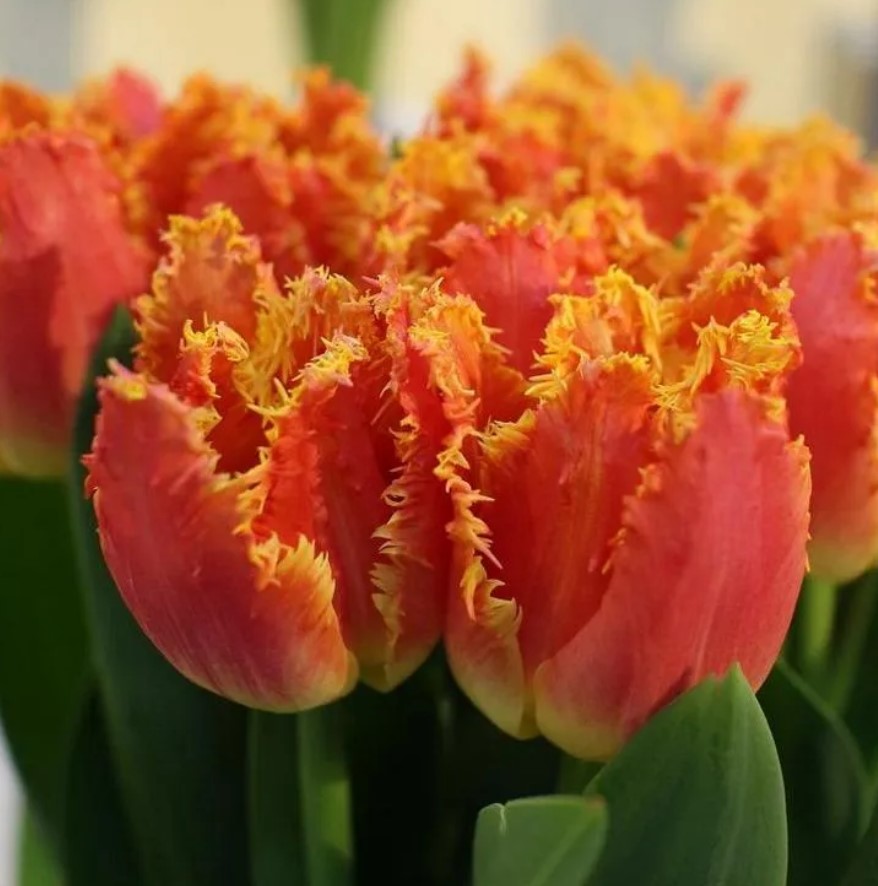
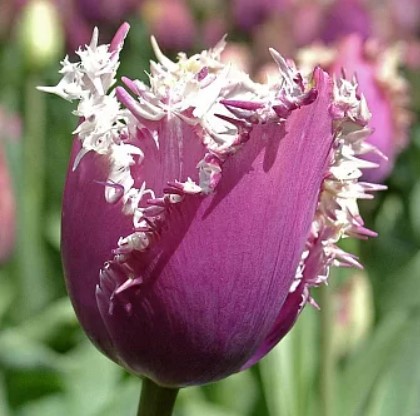
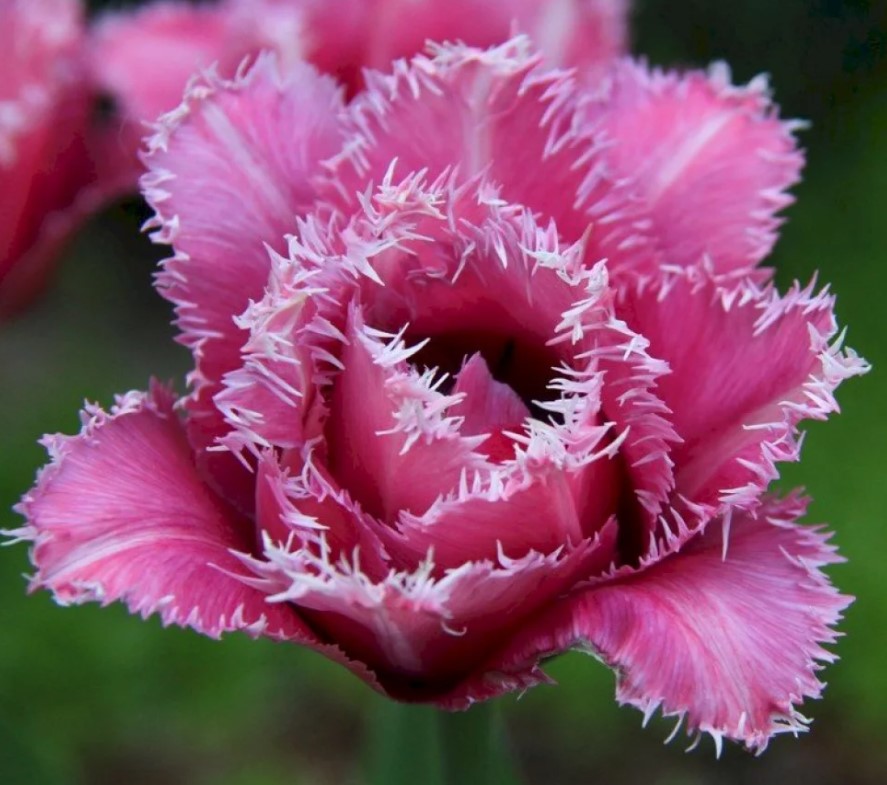
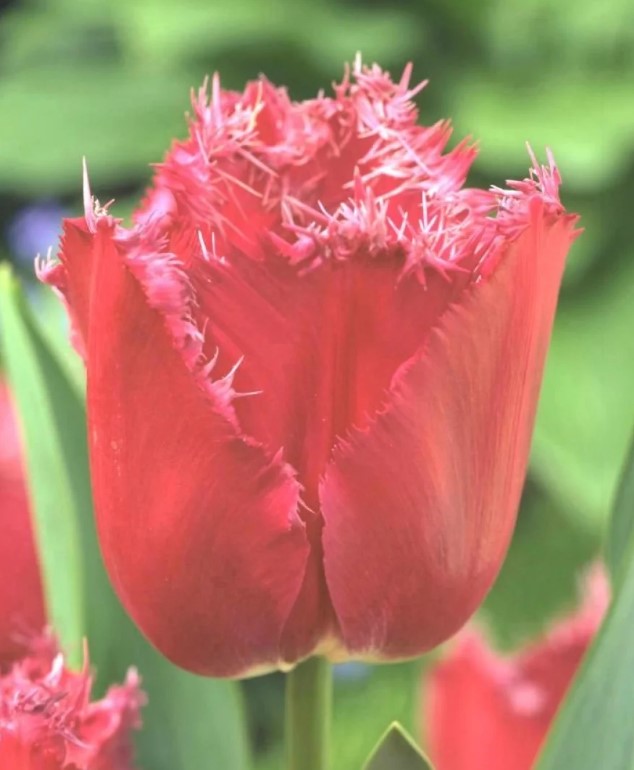
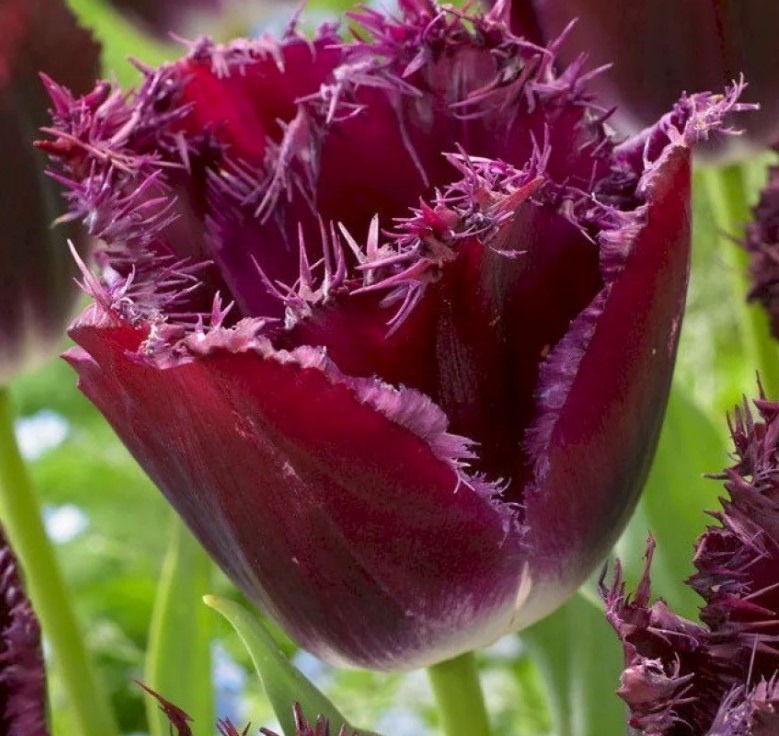
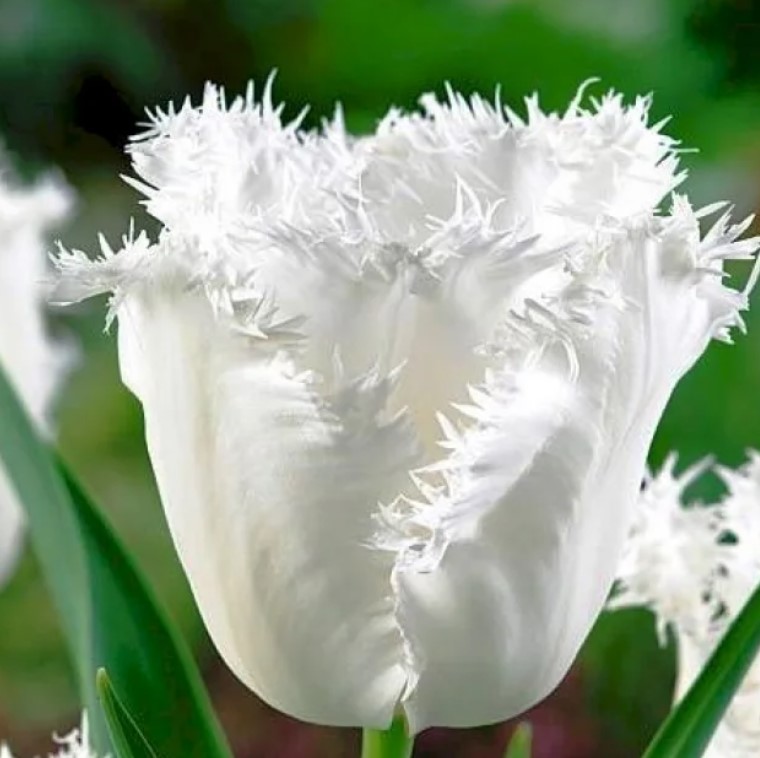
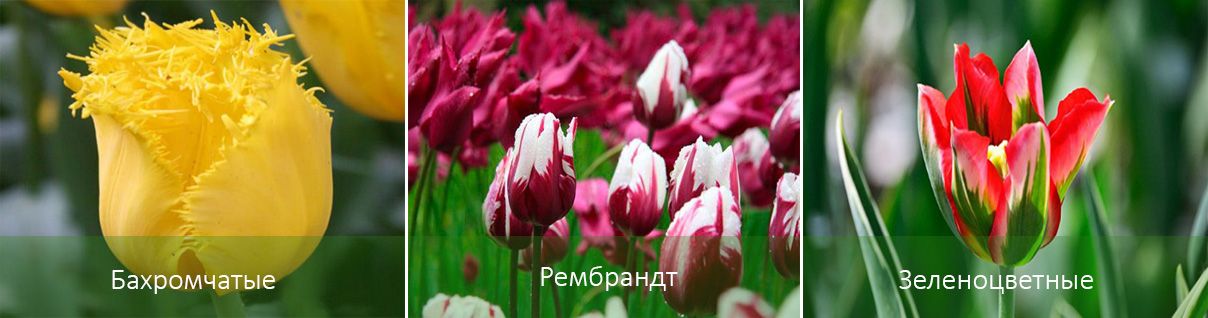
| Fringed |
|
Slender, tall (0.5-0.6 m). |
In a variety of tones, with a jagged contrasting frame. May. |
| Rembrandt |
|
It's not particularly popular, although it has excellent ornamental qualities. It grows to 0.5-0.75 m. |
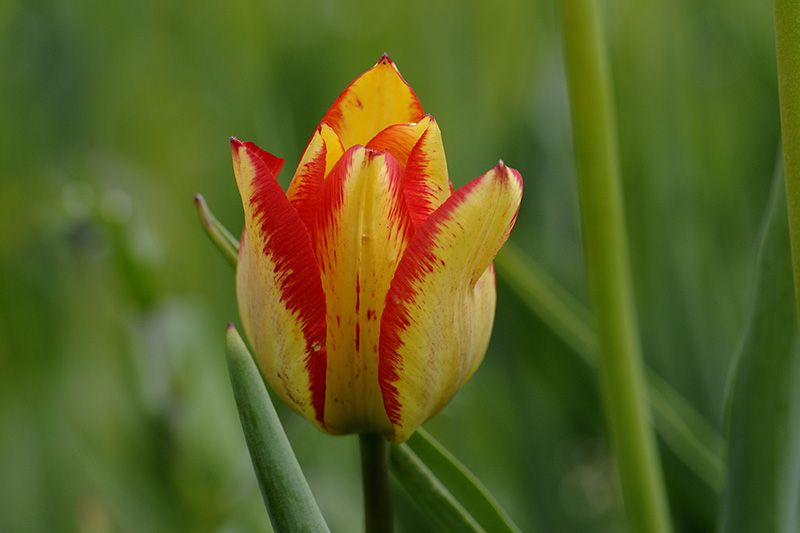
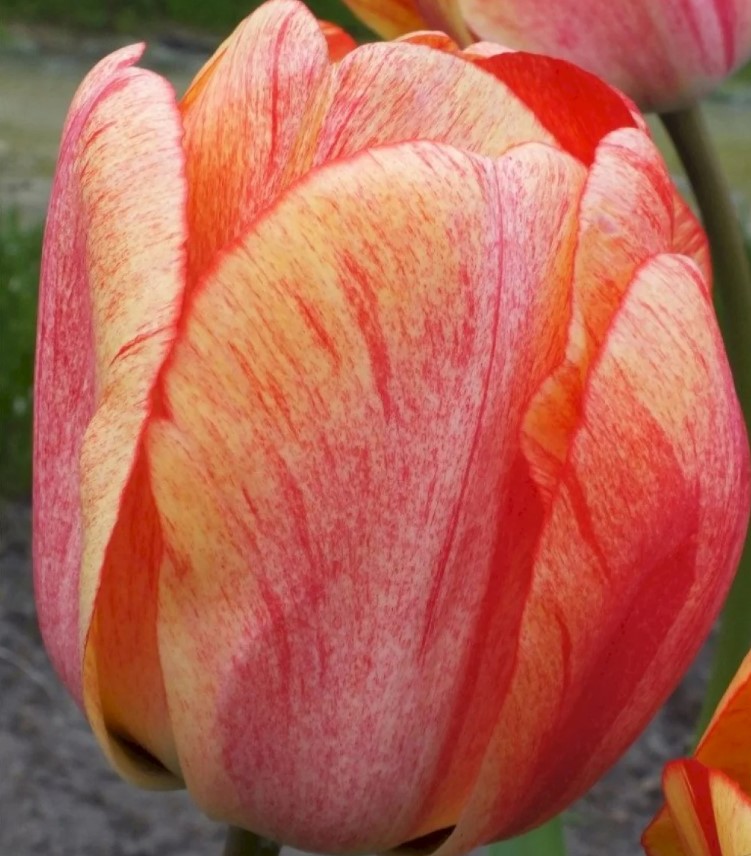
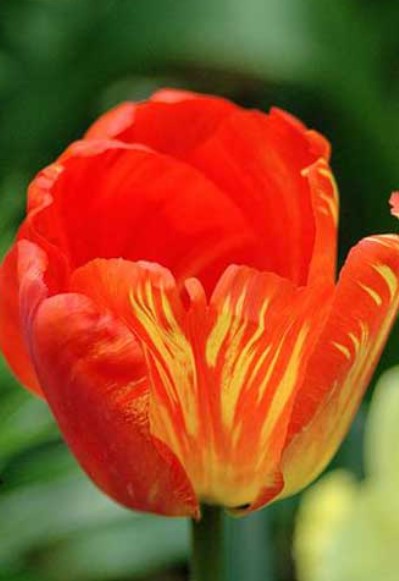
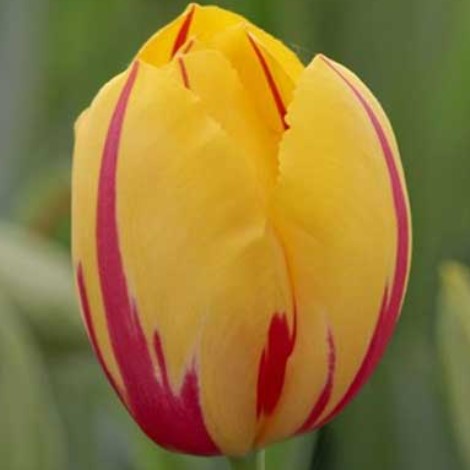
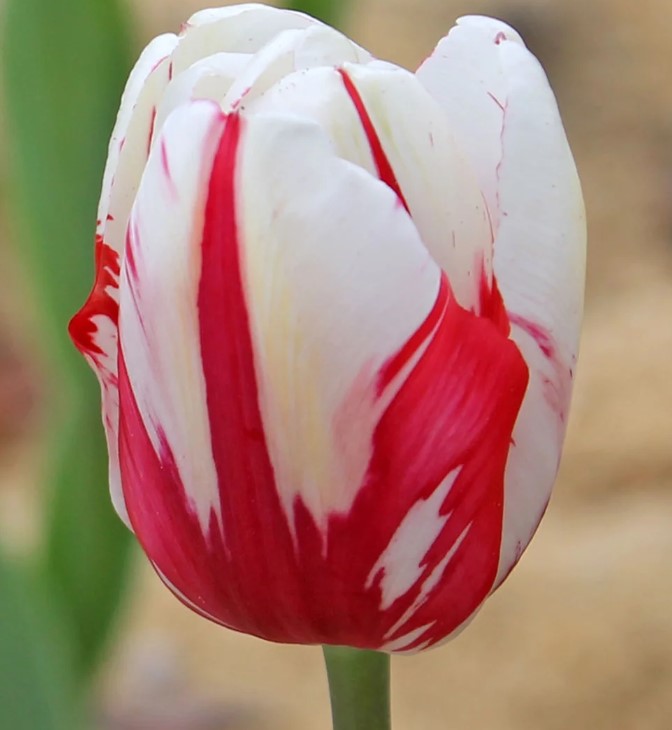
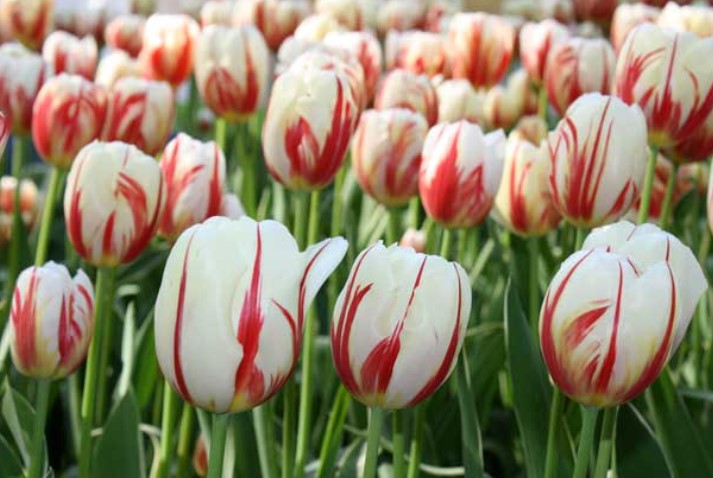
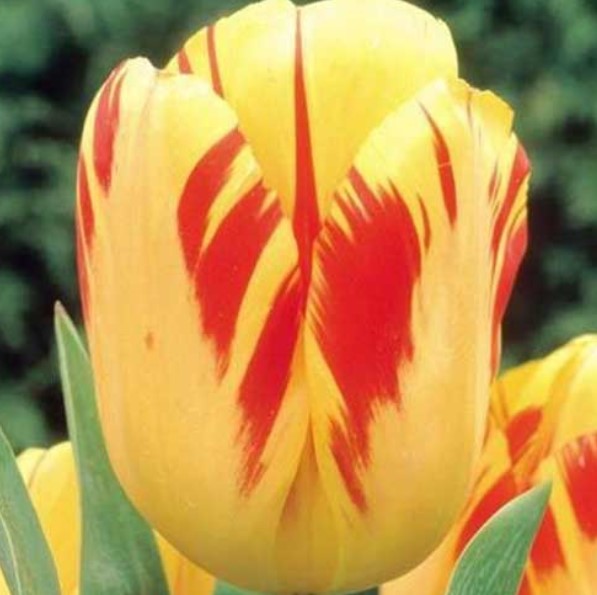
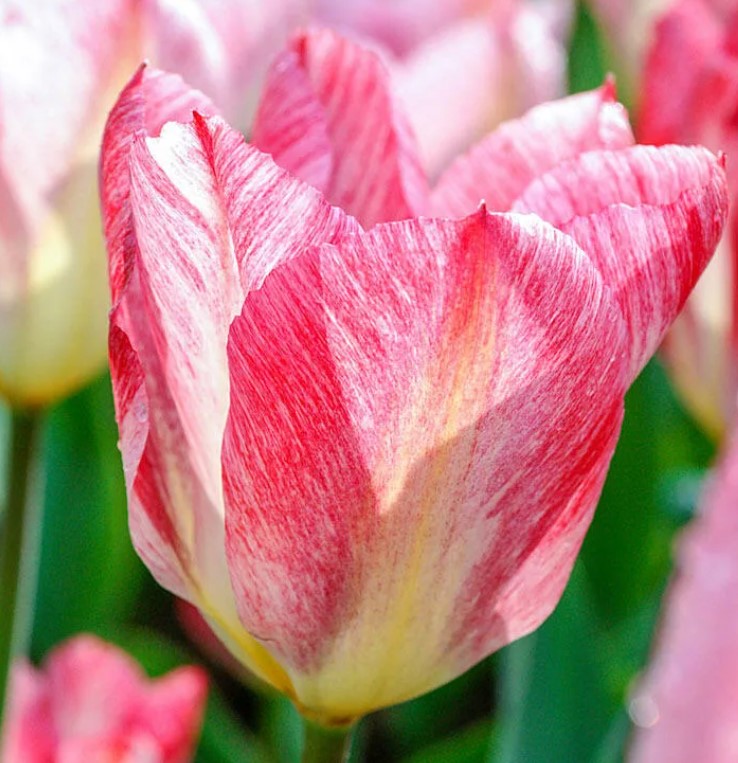
Incorrect coloring: uneven lines and feathers of a different hue. Initially, this unusual coloring was caused by a virus, but breeders later managed to fix it. Late spring-early summer. |
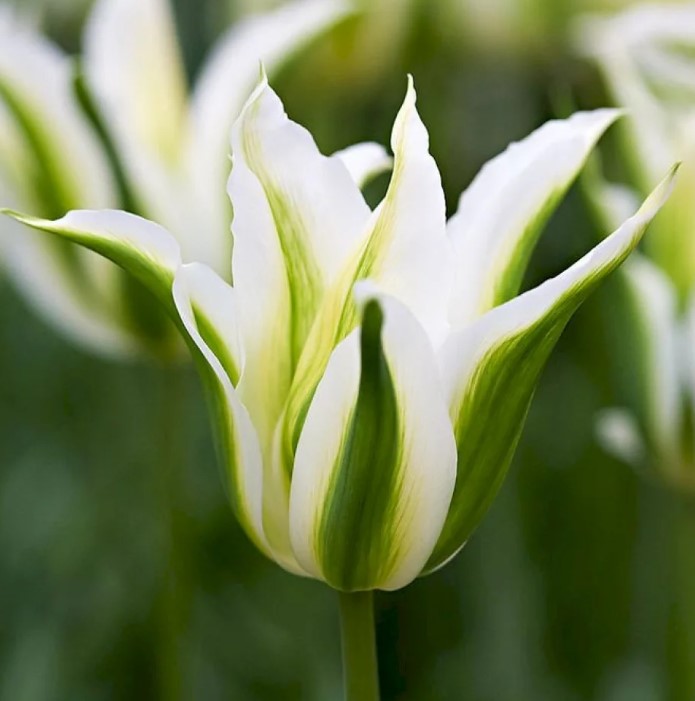
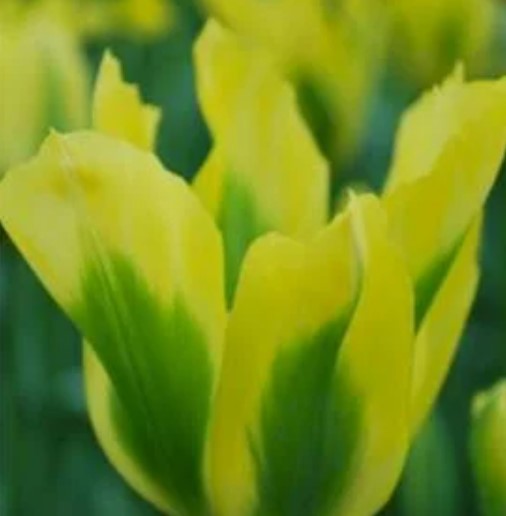
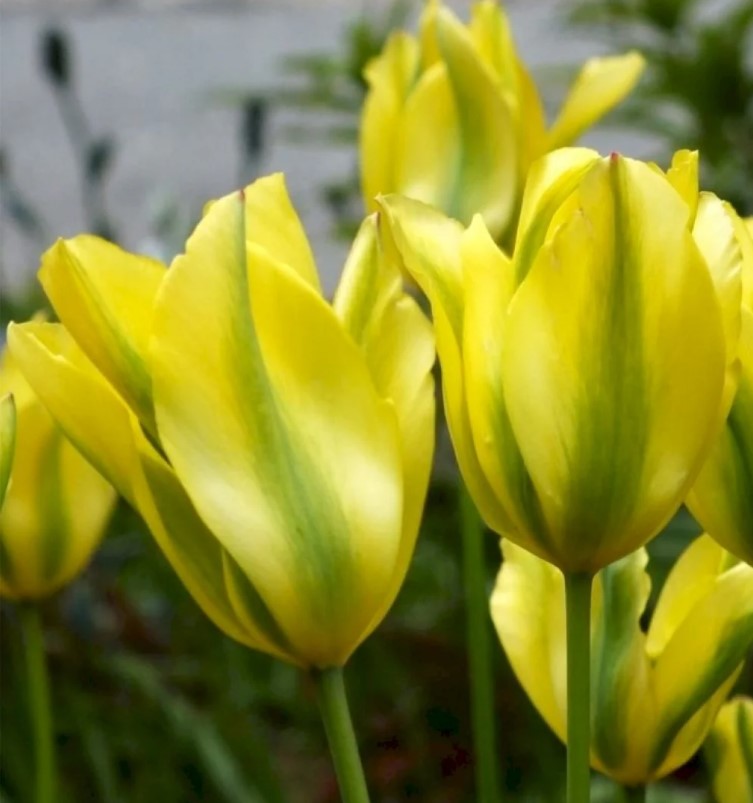
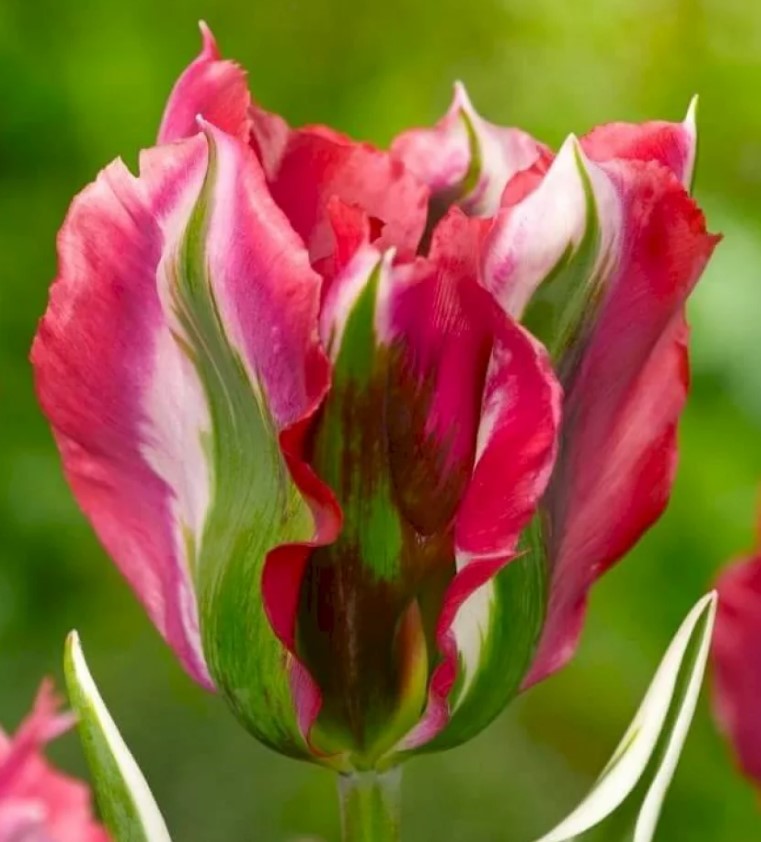
| Green-flowered |
|
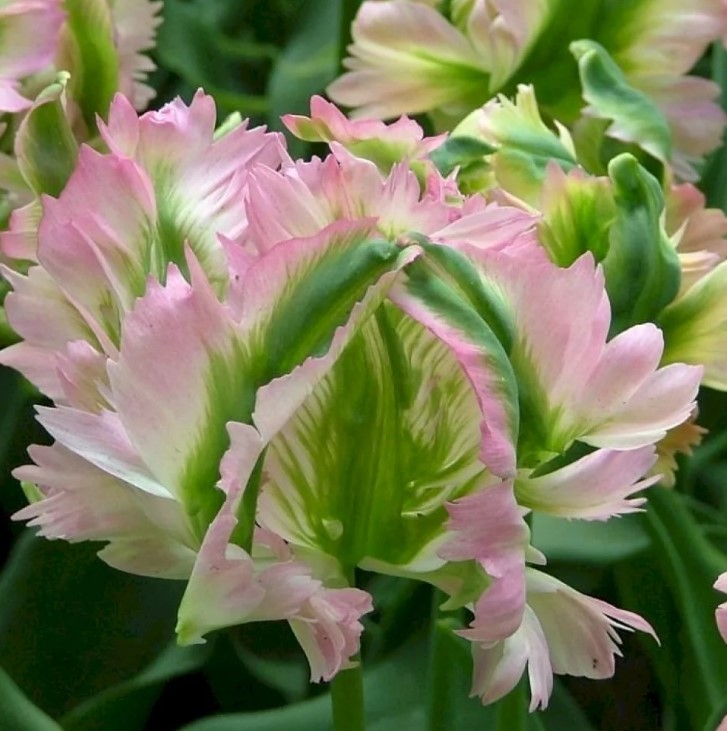
From 27 to 53 cm, with a strong above-ground part. |
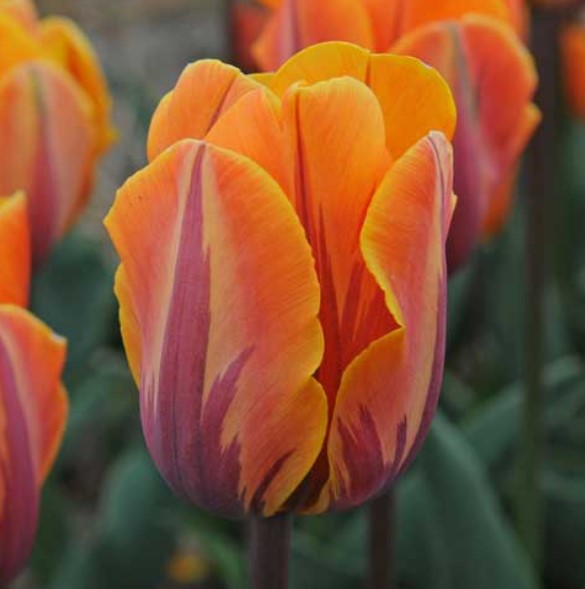
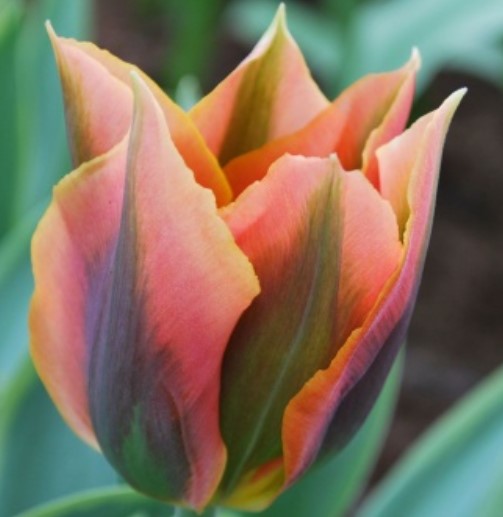
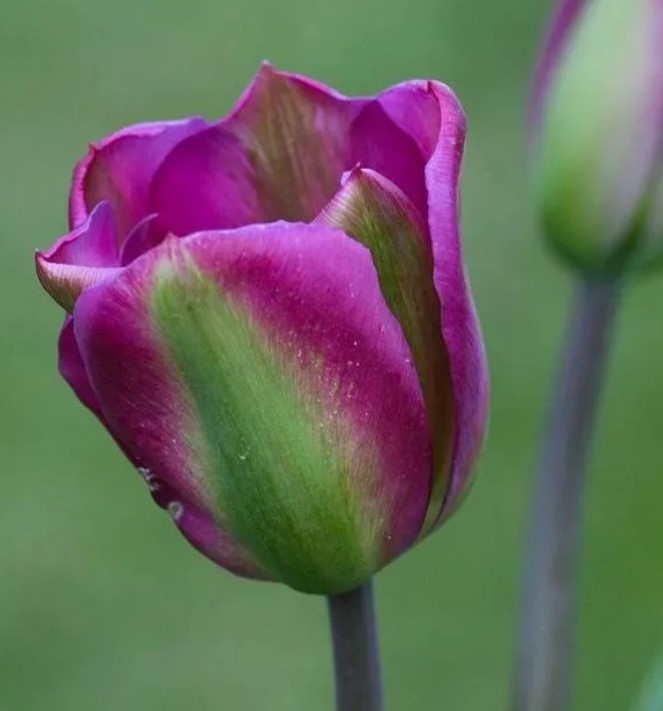
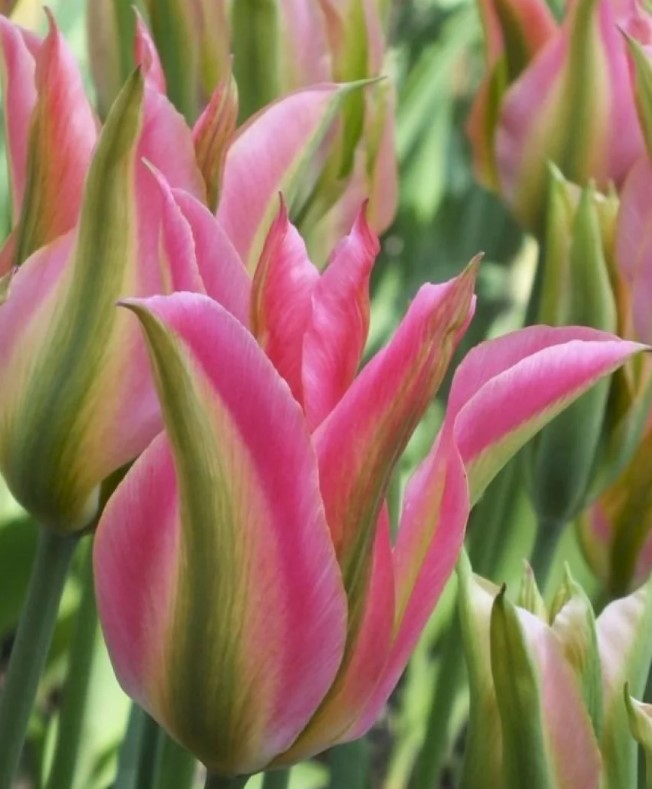
Various shapes: goblet-shaped, cup-shaped, and roundish. Green streaks appear on the main background. With grass-like feathers or lines on the back. All May. |
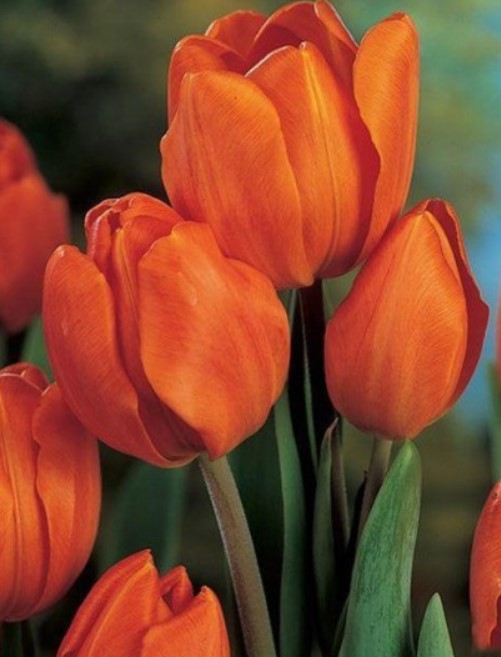
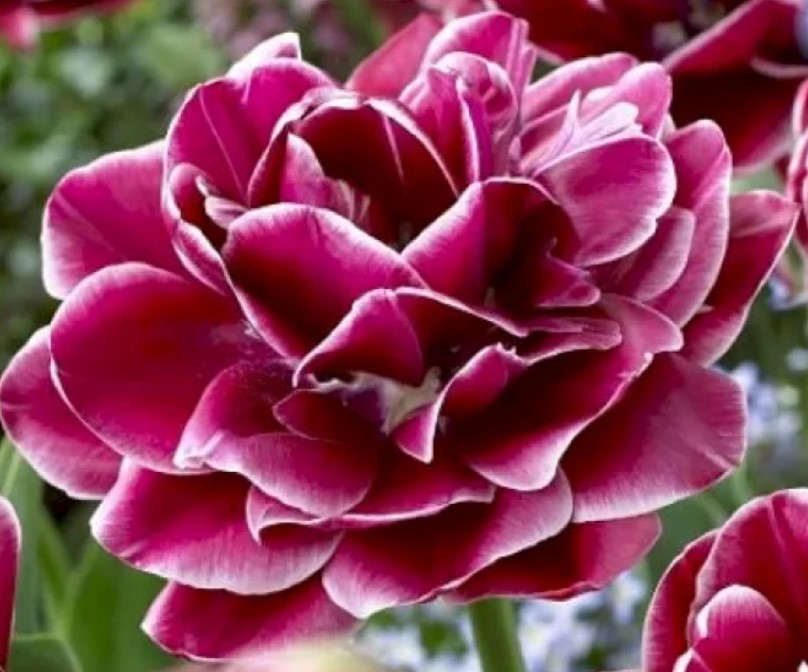
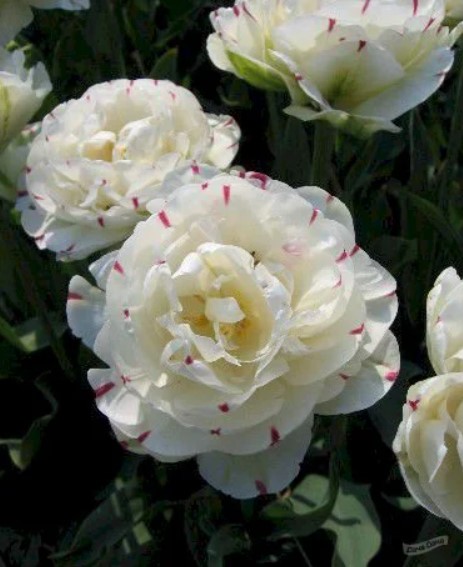
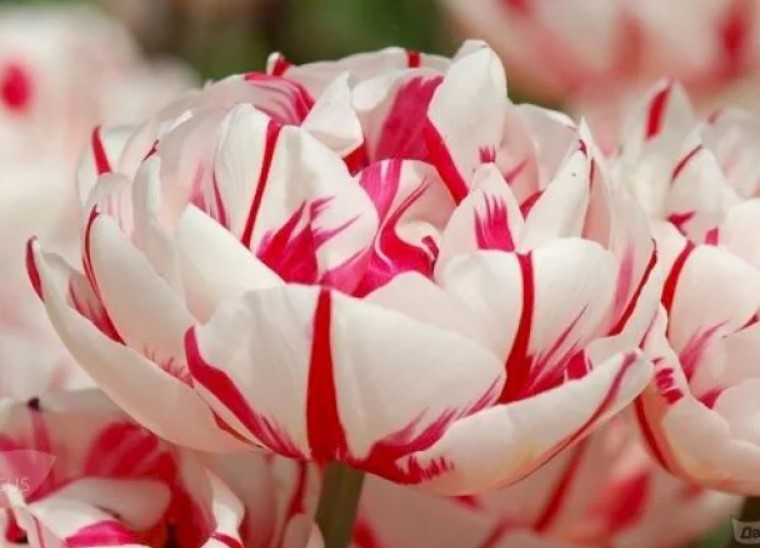
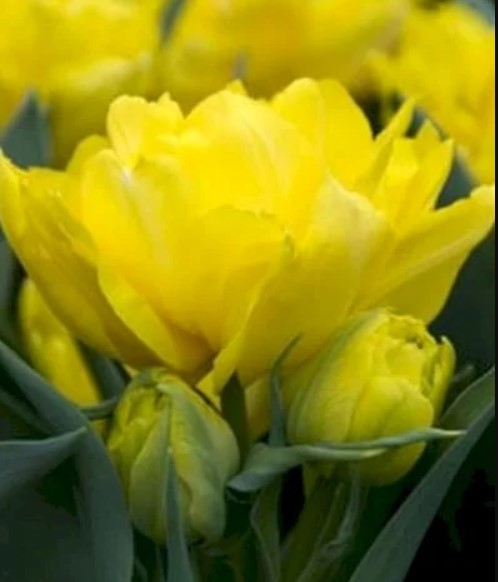
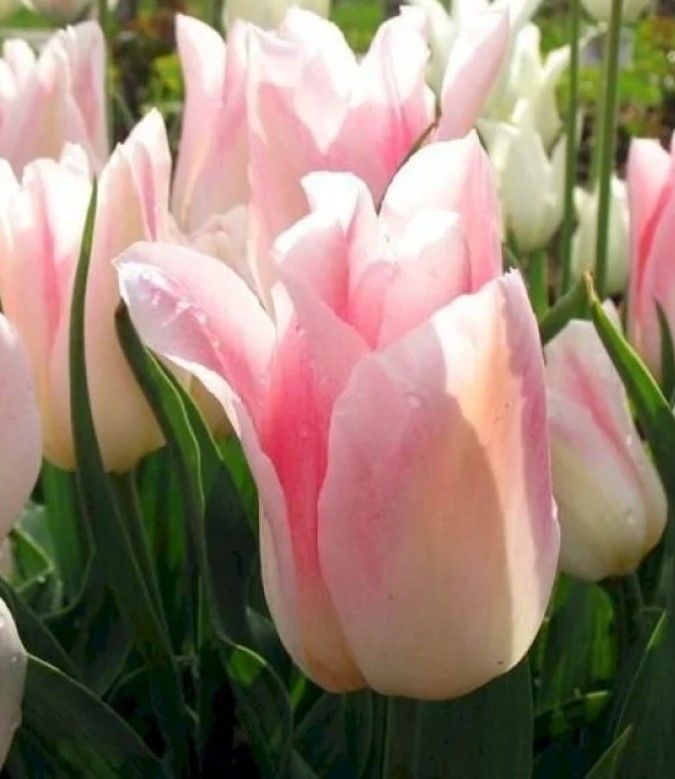
Species tulips: 3 species, 26 varieties
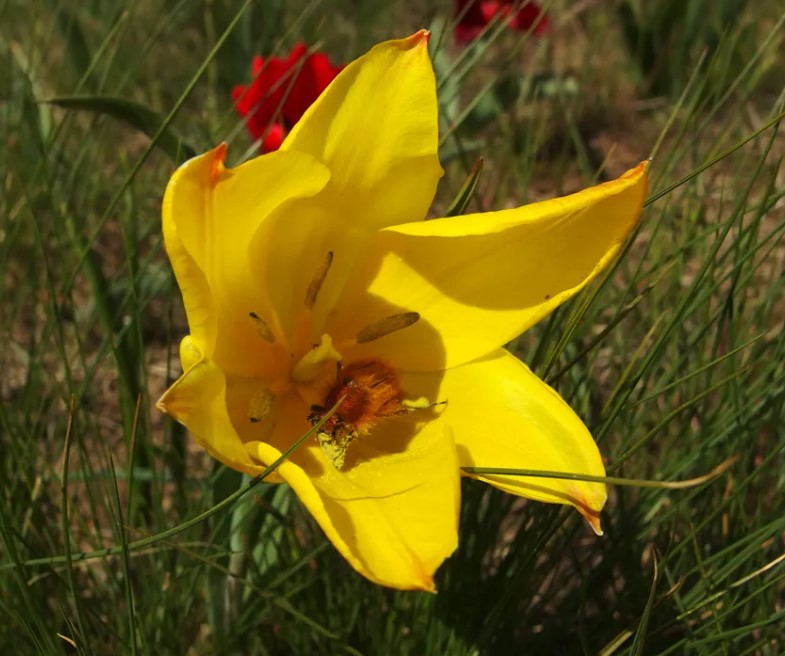
These are specimens growing in the wild and their hybrid forms. They are usually short and tolerate cold, dampness, and short-term drought. These tulips are planted to decorate garden plots, parks, alleys, squares, etc.
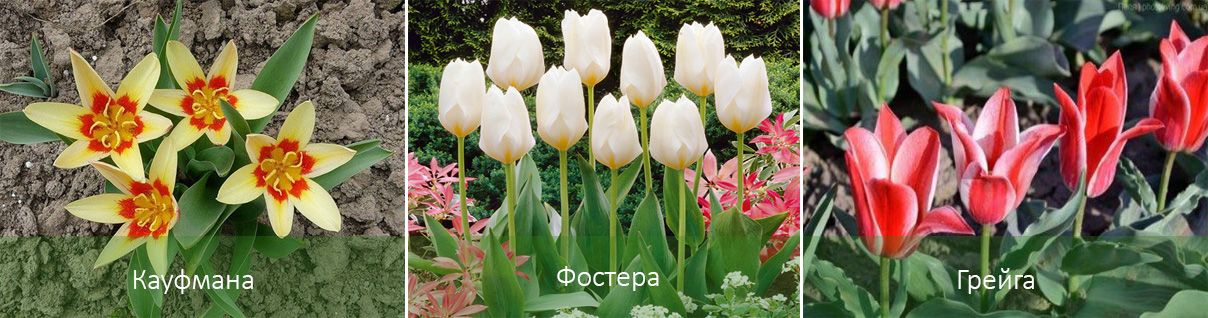
There are also multi-flowered varieties among the species:
| Name | Description | Popular varieties | Their features |
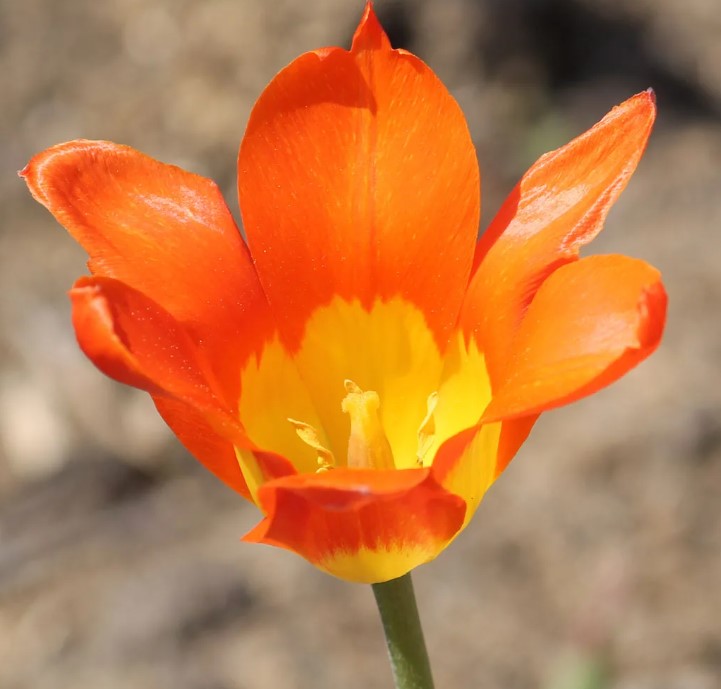
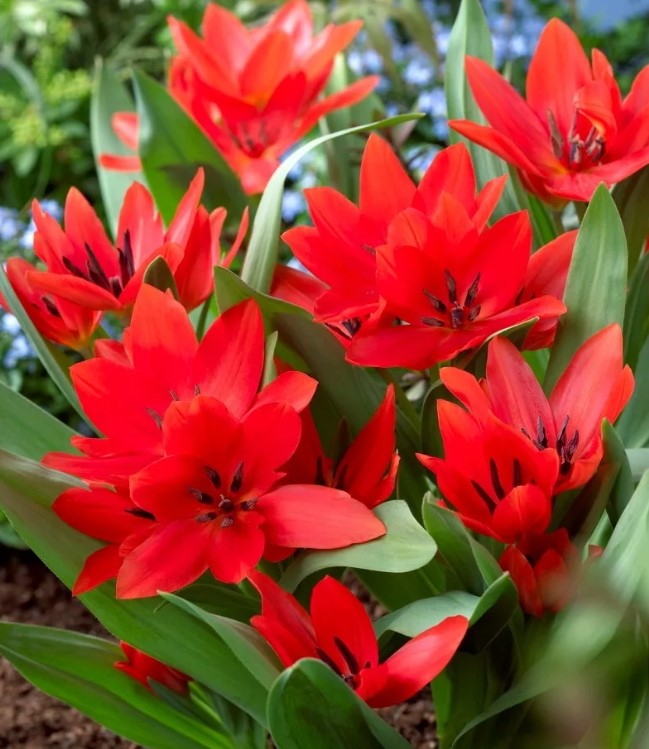
| Kaufman | In southern regions, it blooms in March. It grows from 10 to 35 cm, with large, lush inflorescences (up to 7-10 cm). When fully opened, the petals form a star. Hybrids mixed with Greig's subspecies have decorative foliage: with brownish, dark lilac, and purple speckles and lines. It is grown as a pot plant. It is resistant to variegation. | Shakespeare.
|
Inside the bud there is a yellow core with a reddish border. |
Crown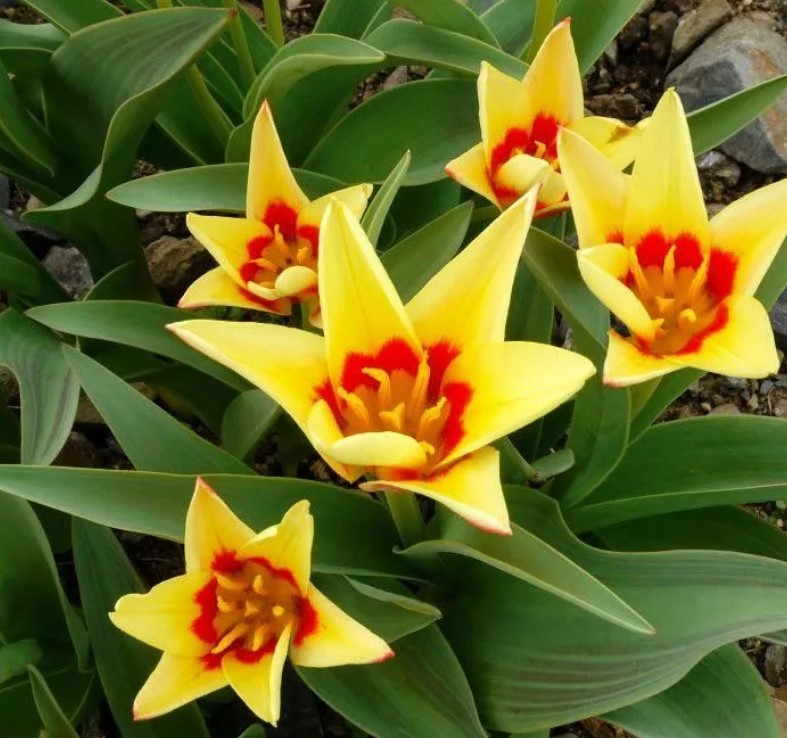 |
The petals form a star. The yellow, golden center is tinged with scarlet. The outer surface is creamy, with fiery streaks resembling tongues of flame. | ||
| Ancilla.
|
With red and white flowers. | ||
Giuseppe Verdi.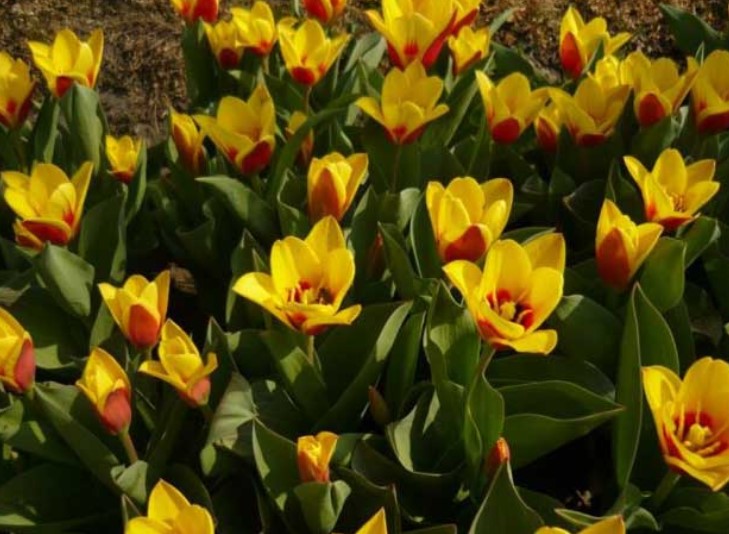 |
Bright yellow with a red center. | ||
| Pink Dwarf
|
A low-growing variety of raspberry color. The bud is shaped like a very elongated goblet. | ||
| Scarlet Baby.
|
No more than 15 cm. The flower is pinkish-salmon, half the total height. | ||
| Holland Baby.
|
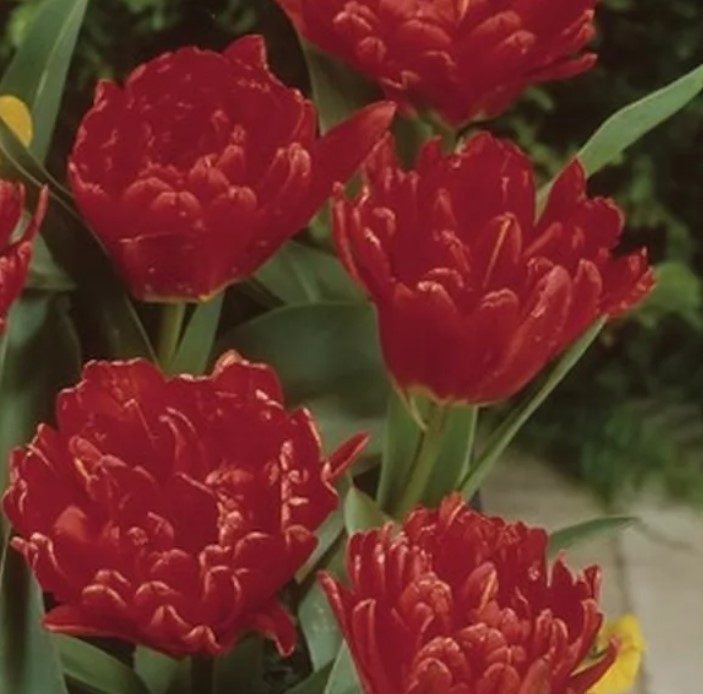
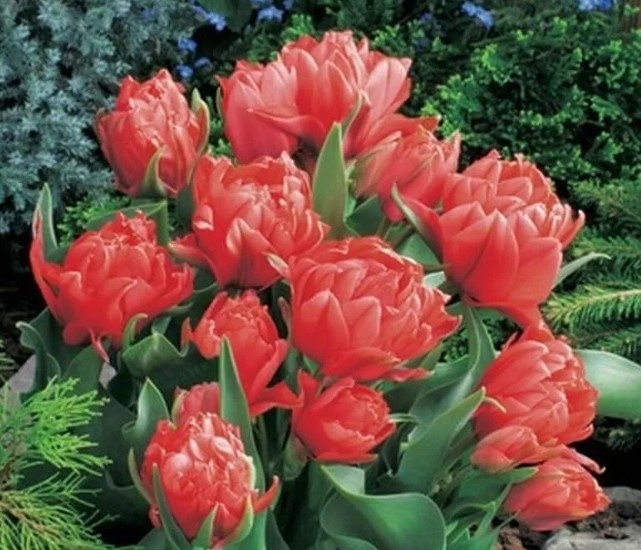
Terry type of rich red shade. | ||
| Foster | Taller than the previous variety (30-50 cm). The inflorescence is large and elongated (up to 15 cm). They have interesting petal shapes: the outer ones are slightly recurved. Hybrid varieties have striped leaves, which provide decorative appeal. Flowering typically occurs in mid-spring. They are resistant to cold and variegation. | Easter moon (Easter Moon) 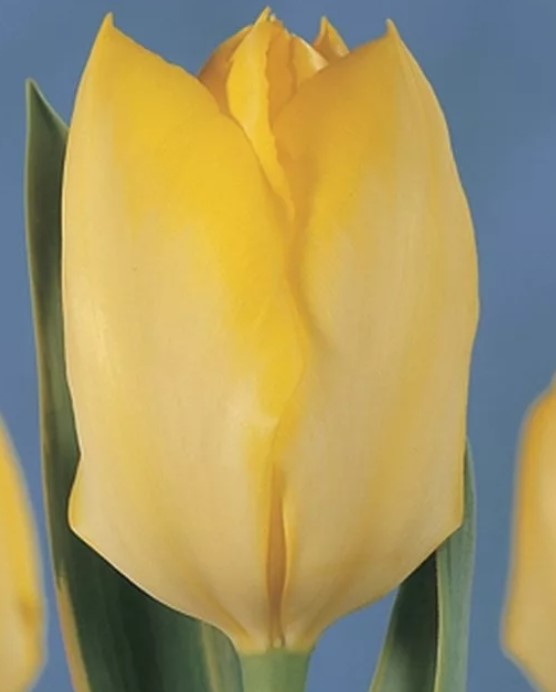 |
It was as if silver dust had settled on the petals. Buds appear in late March. |
Purissima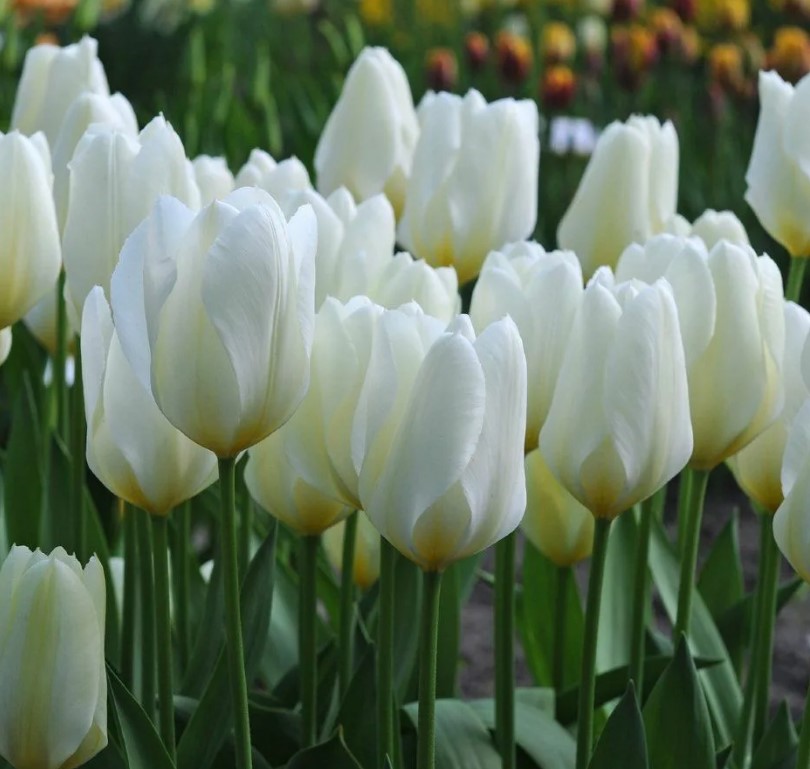 |
The flower is snow-white, sometimes creamy. It reaches 10 cm in length. | ||
| Flaming Purissima
|
The petals are white, densely covered with pink strokes. | ||
Yellow Purissima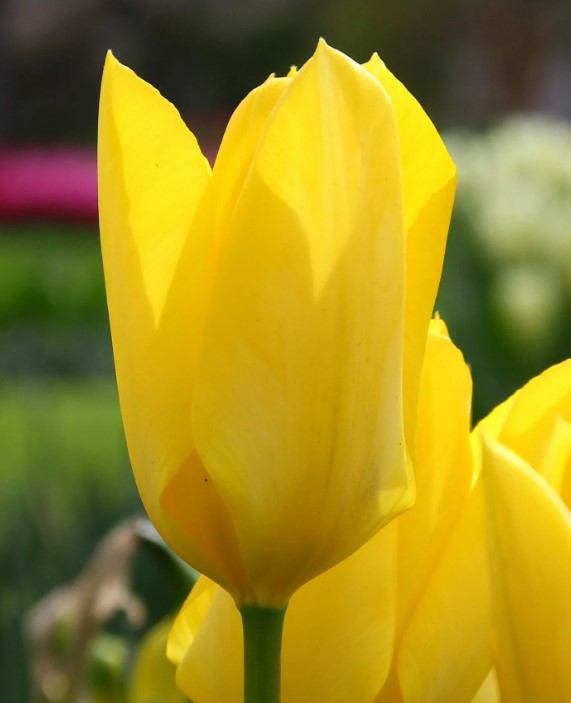 |
Delicate canary shade. | ||
| Sweet Sixte
|
Light raspberry color. | ||
Princeps.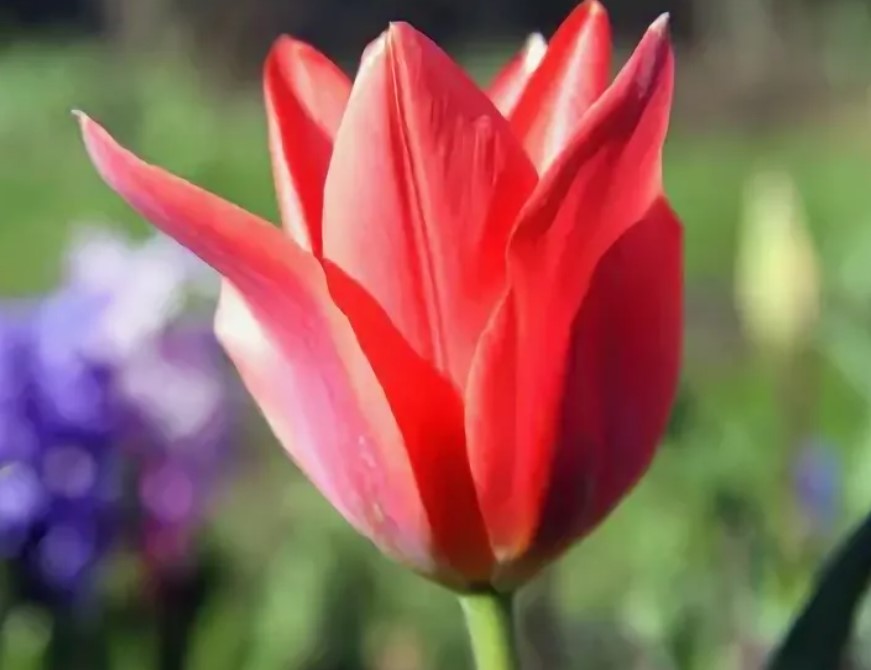 |
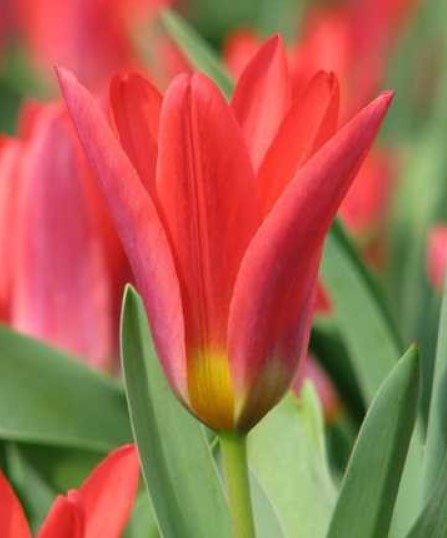
Low growing, elongated petals are red with a yellow base. | ||
Pinkeen.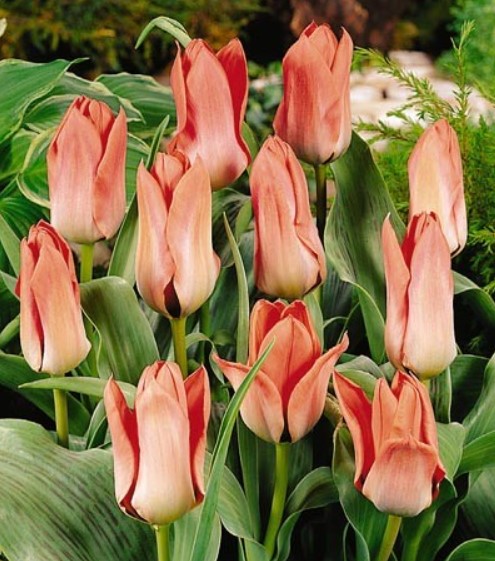 |
Up to 0.4 m. Bright scarlet, retains its decorative appearance for a long time after cutting. | ||
Border Legend.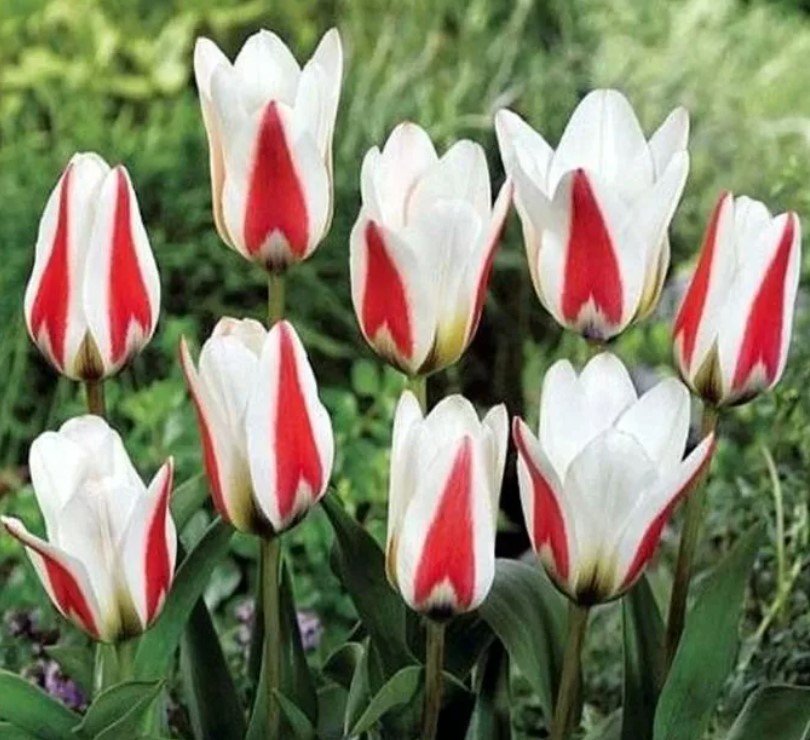 |
Beautiful snow-white flowers with a lilac center. | ||
| Juan.
|
Reddish-brown with a large yellow base. The leaves are covered with burgundy-brown lines. | ||
Exotic Emperor.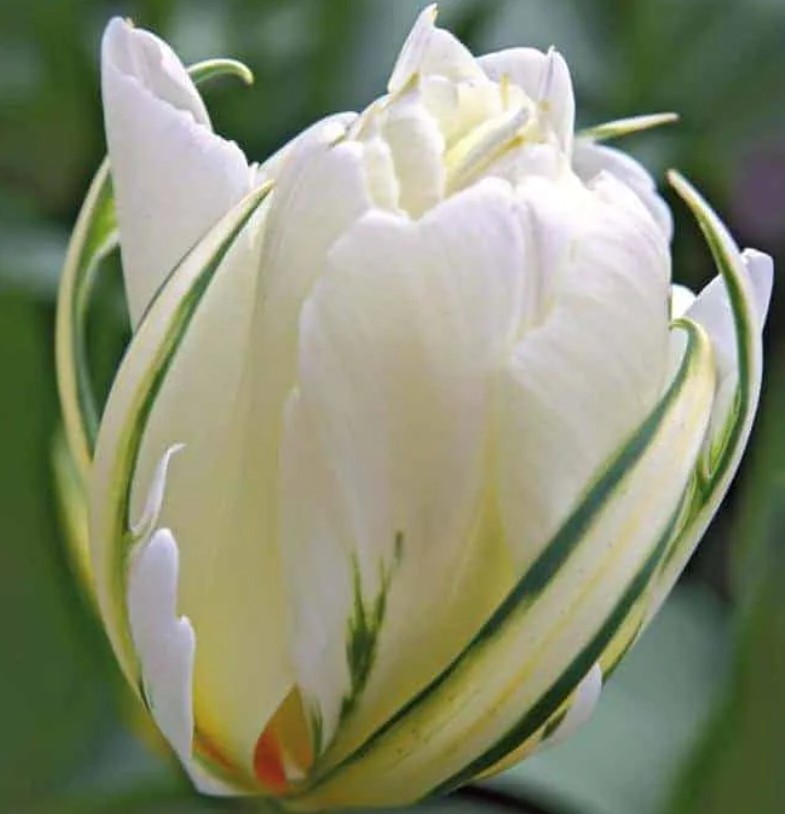 |
Similar to the parrot class. Flowers are snow-white and double. The center is lemon-green. | ||
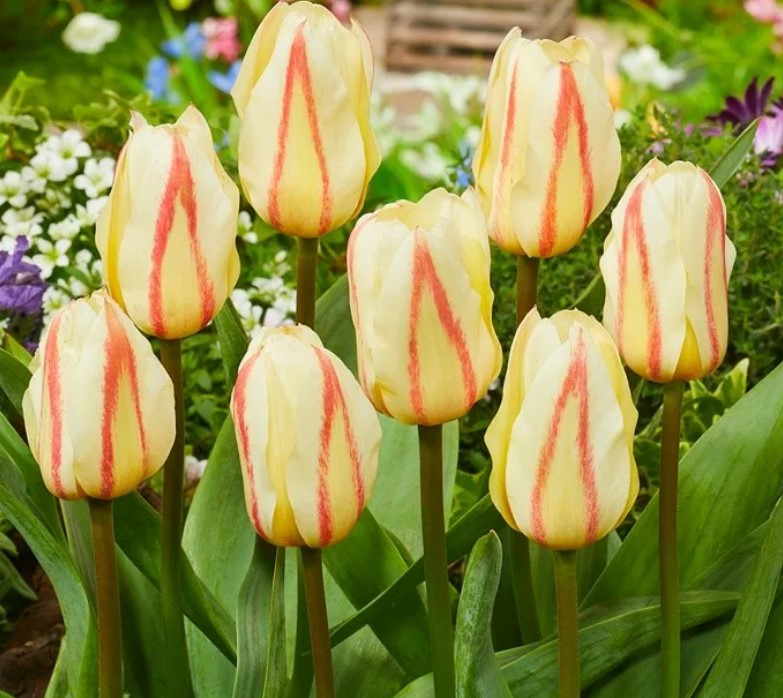
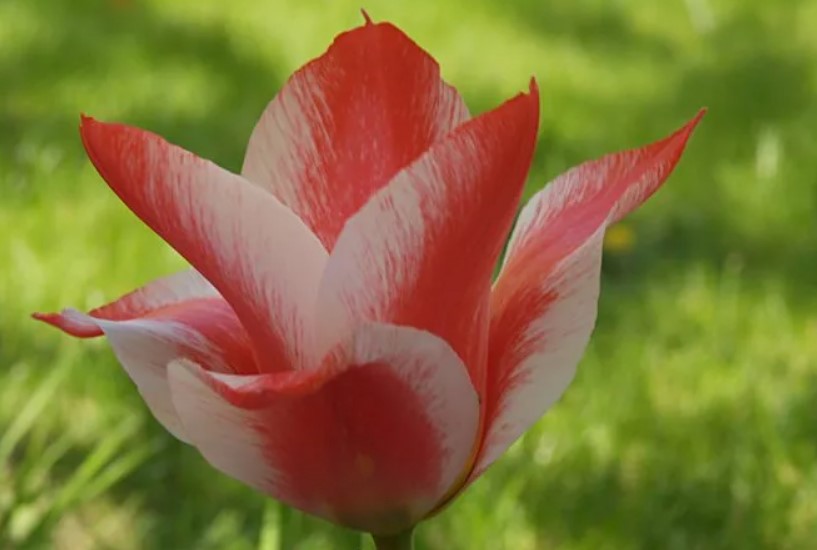
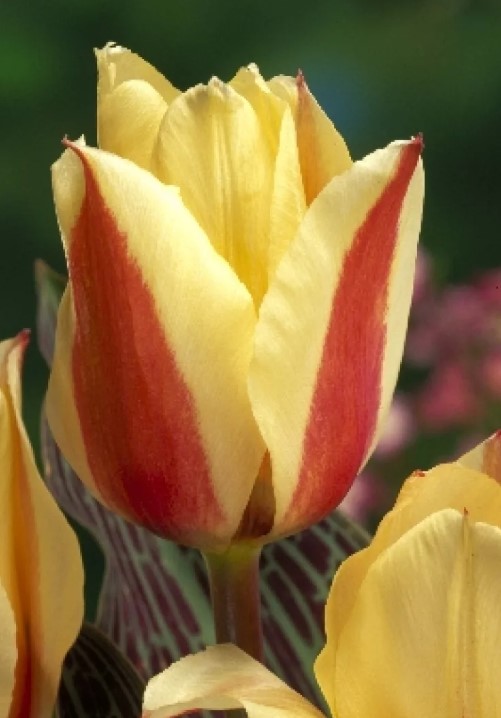
| Greig | This variety includes both low-growing and tall specimens. Their coloring is most often red or yellow. They bloom early, immediately after the previous species. Distinguishing features include burgundy-brown stripes on the foliage and a sparsely haired stem. The flowering period is long, with lush inflorescences remaining on the stems for a long time. | White Fire.
|
Dwarf, up to 35 cm. Petals are whitish-cream, decorated with narrow scarlet stripes. |
Fur Elise.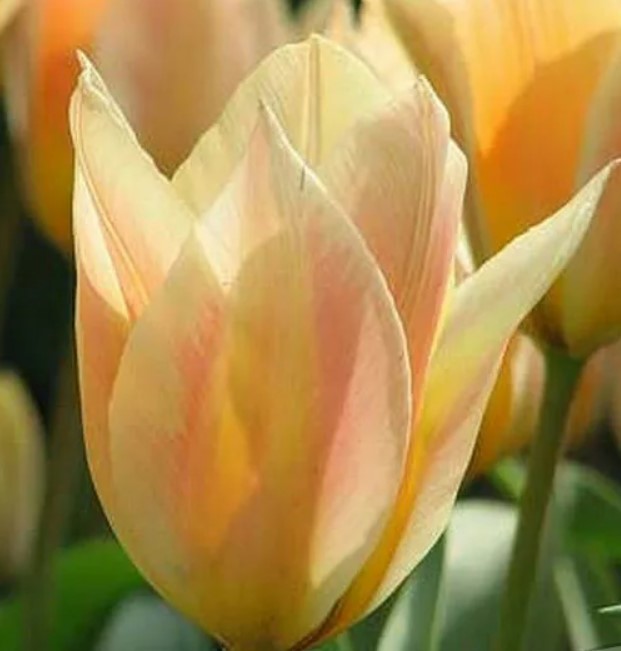 |
Apricot with a pinkish tint. Petals with pointed ends. | ||
Sombrero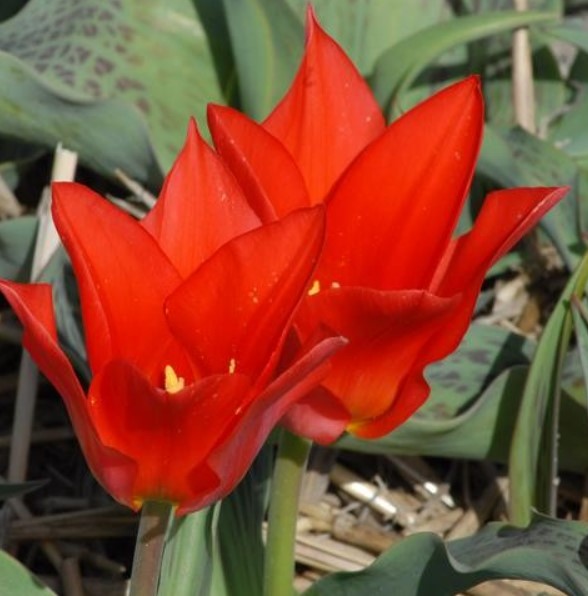 |
Red. The outer petals are slightly pointed and reflexed. | ||
| Tsar Peter (Czaar Peter).
|
Snow-white and scarlet. When fully open, it looks even more decorative. | ||
Cha cha (Cha-Cha).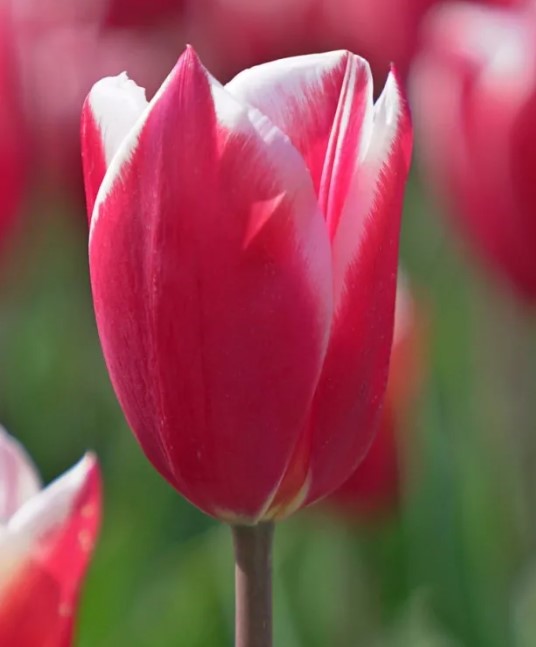 |
Crimson, with a snowy edge. Doesn't wilt for a long time after cutting. | ||
| Donna Bella.
|
No more than 20 cm. Vanilla-colored petals. Each has a wide burgundy line, as if framed in a darkened frame. | ||
| Double Toronto.
|
A double variety with salmon-red buds. | ||
Dubbel Roodcape.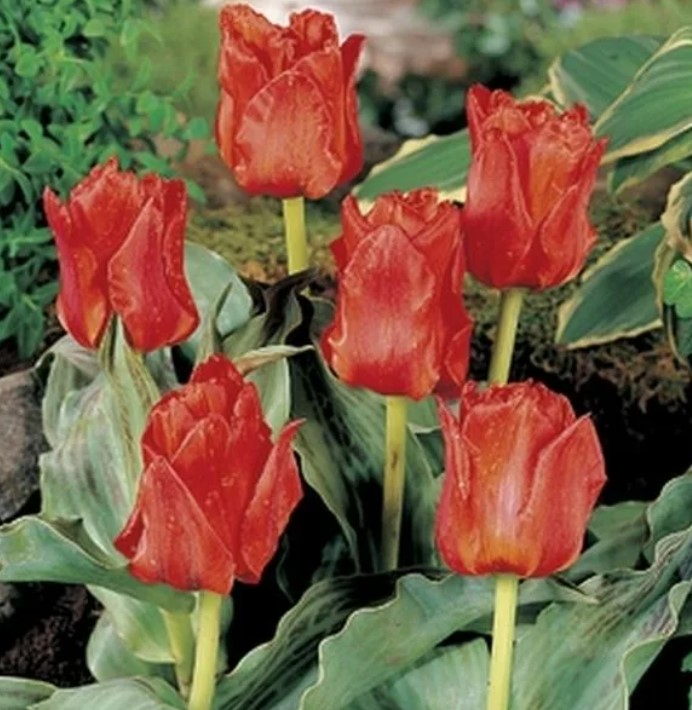 |
Scarlet, with intricate designs on the plates. | ||
Pinocchio.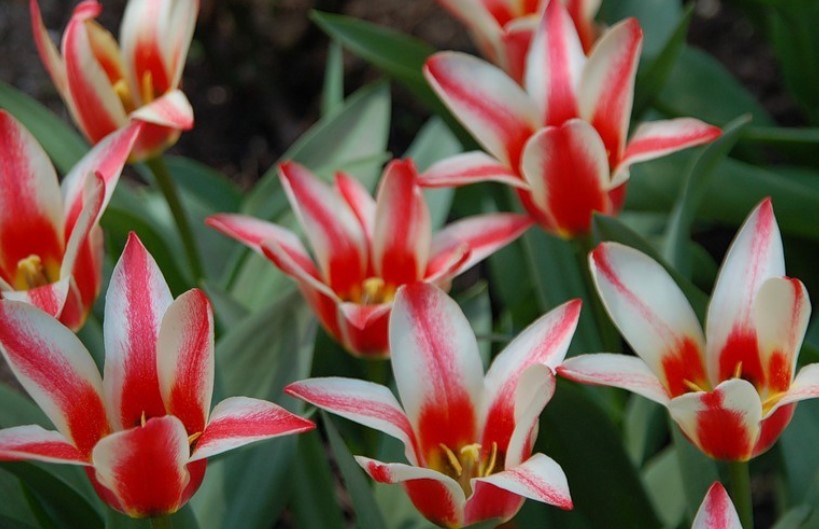 |
Petals are white with scarlet stripes. |
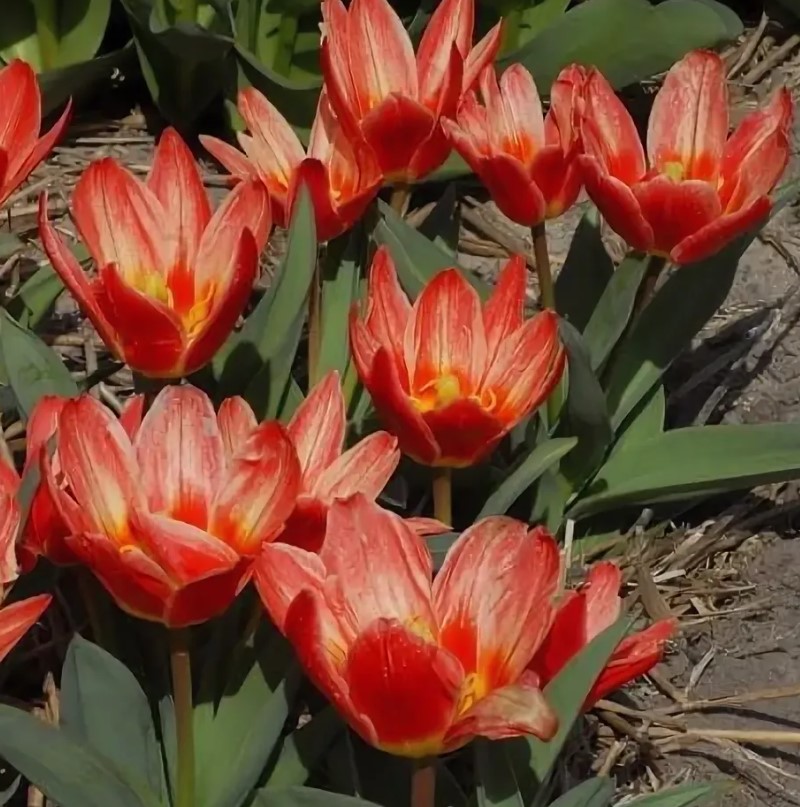
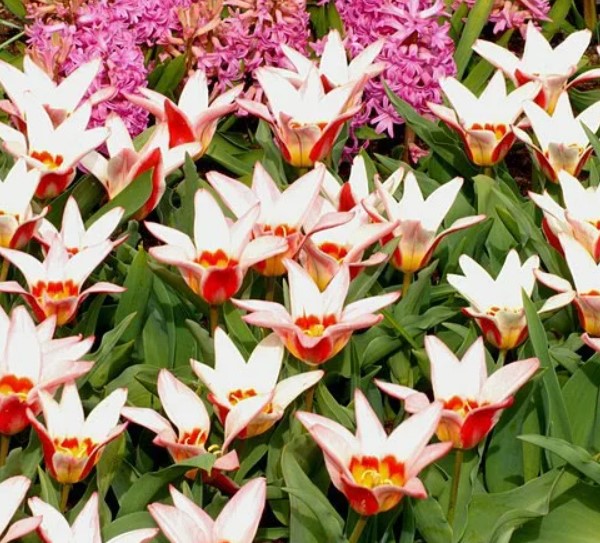
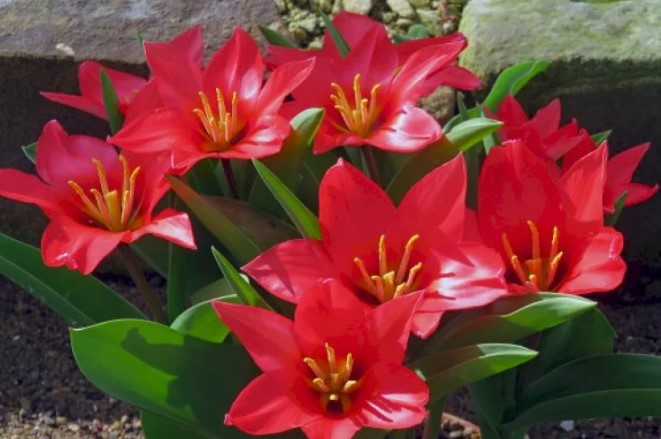
Separate class: 2 types, 6 varieties
| Name | Varieties | Description | Flowers/time of their appearance |
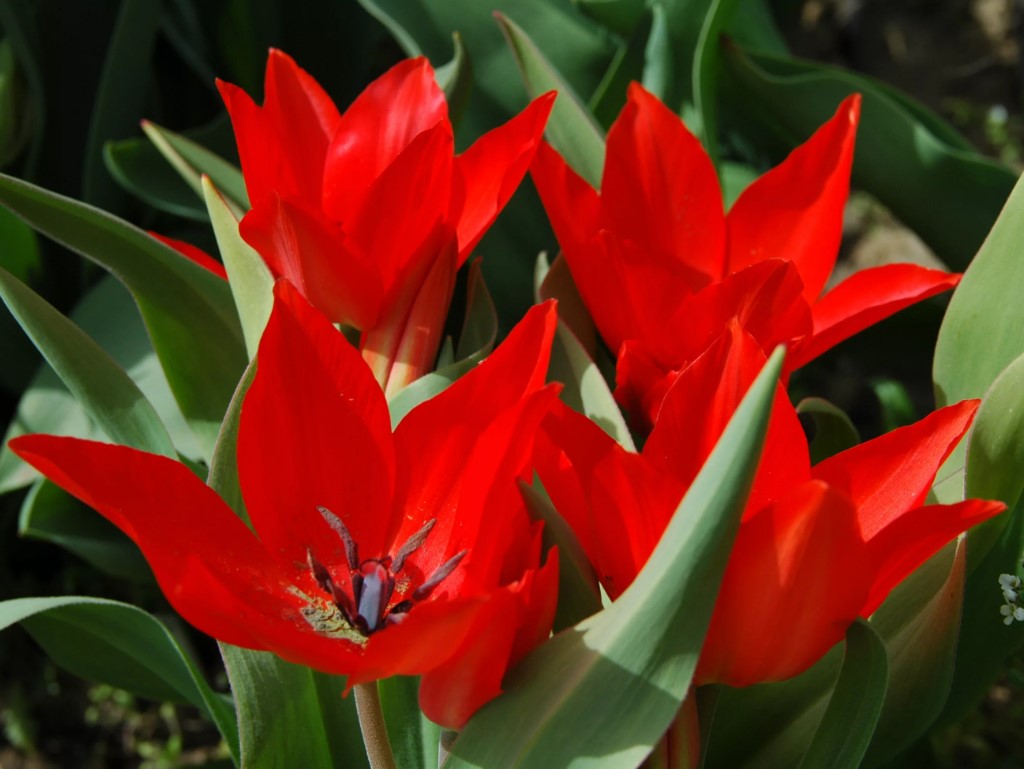
| Superior | Fusilier bred by Jaak Rosen
|
Low growing, does not grow more than 25 cm. | Many flowers of red hue. Primrose. |
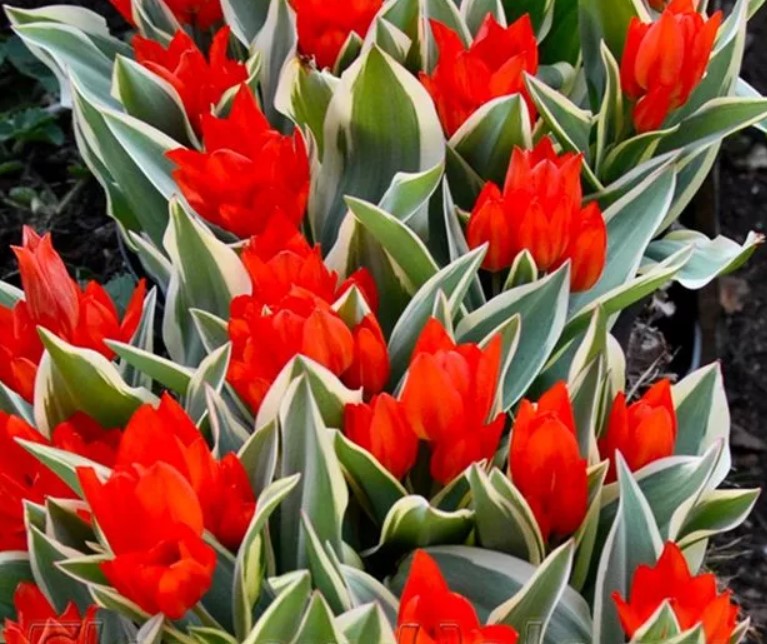
| Unicum selection CA Verdegaal
|
Small, leaves with a white border. | Multi-flowered red. Primroses. | |
| Shogun bred by the Ruyter brothers
|
Medium-sized, up to 35 cm. | Light orange flowers. The earliest. | |
| Van Tubergen's variety
|
Short. | Multi-flowered, red. April. | |
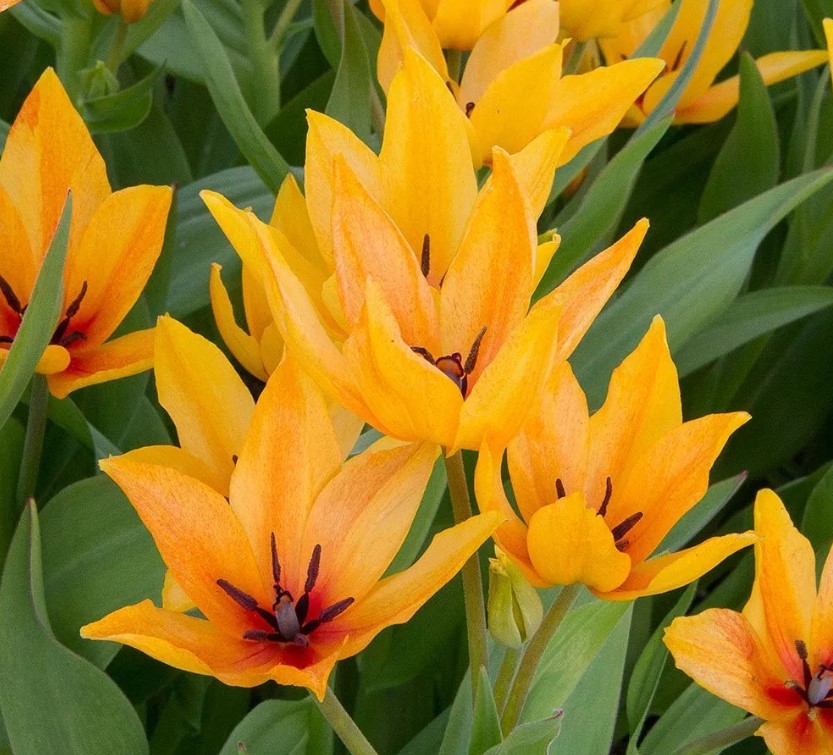
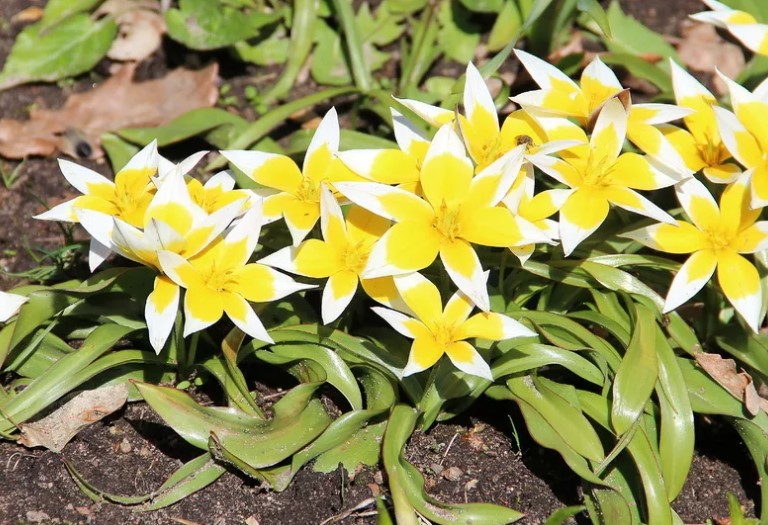
| Late (Tarda) | Sunny (Solnyschko)
|
More than one shoot appears from the bulb. | Liliaceous, bright yellow. End of May. |
| Sunny Bunny
|
Long dark leaves. Used in rock gardens. | Large flowers. From late April to late May. Yellow. |
Tulips can be grown at home for any holiday. Want to learn how? link?
Caring for tulips
They prefer fertile soil with moderate to low acidity. A drainage layer is essential. This can be made of expanded clay, medium-grain pebbles, or broken brick.
The site should be well-lit, protected from cold winds and drafts. The plant can grow in one location for 3-4 years, but it is advisable to replant it each season.
Watering
In hot, dry weather, regular and abundant watering is necessary. It is recommended to use warm, settled water, preferably rainwater. After flowering has finished, stop watering the soil. Loosen the soil between the bushes and remove any weeds.
Top dressing
Apply the first fertilizer after shoots emerge. Use 1 tablespoon of urea per square meter of area. Apply the fertilizer again before bud formation. Apply the third fertilizer when the inflorescences are actively growing. Apply the final fertilizer mixture during flowering. Fertilizers containing phosphorus, potassium sulfate, and store-bought flower fertilizers are suitable.
Before frost, if the bush will be overwintering outdoors, the soil should be mulched. In the spring, when the snow melts, remove the mulch. Also, during the cold season, the bulbs can be dug up and stored in a basement, cellar, or other cool place.
Tulips are fairly easy to care for, and even novice gardeners can grow them. The key is to regularly water and fertilize, and prevent insect pests and infections. If a plant does become diseased, take the necessary treatment measures. Thanks to their wide variety of colors, shapes, and sizes, tulips can enhance any landscape. They can be grown alone or in combination with other plants.
About that When and how to plant tulips Read on top.tomathouse.com.
Florist reviews of different tulip varieties, planting, and care
It really smells like spring. I adore spring flowers. They're the first to delight us with their bright colors. And tulips are one of my favorites. I wrote about tulips on the old forum and posted photos. But it was clearly "out of season"—no one was interested. I might be repeating myself, because I don't remember exactly what I posted. My tulips.
Photo 1 - Raika
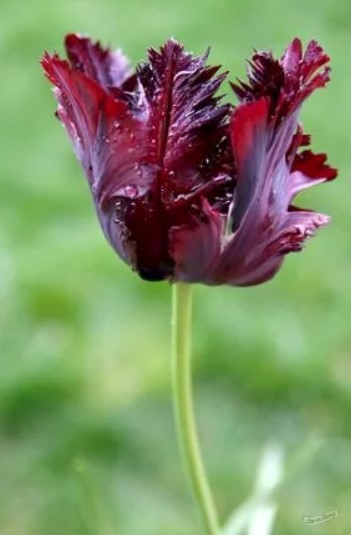
Photo 2 - Black Parrot
Photo 3 - Raisins
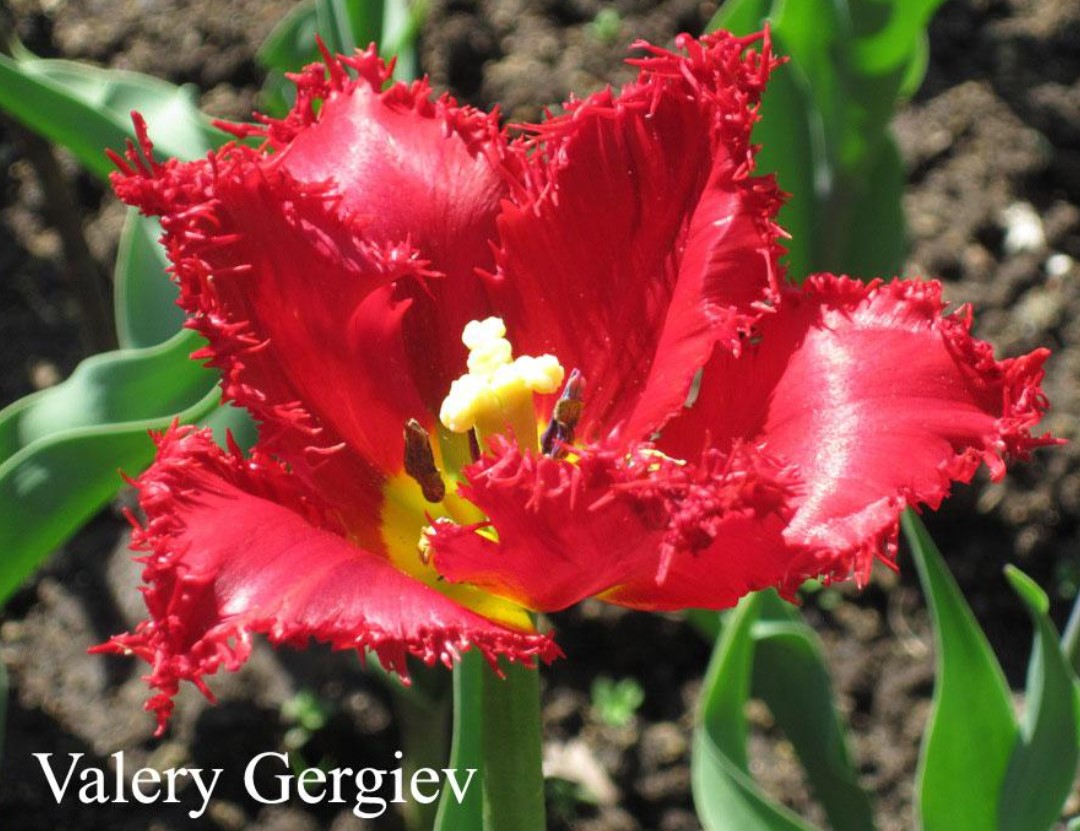
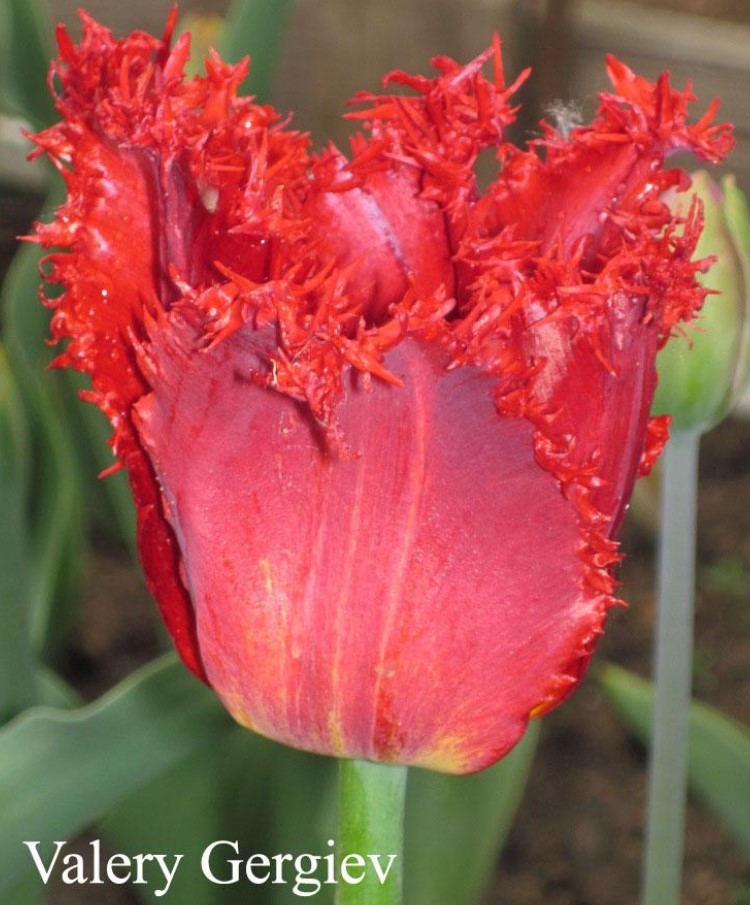
1. One of my favorites is Valery Gergiev (the photo doesn't convey all his beauty and elegance, unfortunately)
2. The blue ones are Blue Diamond
3. These are my newbies, so I don't remember the names. The notes were left at the dacha.
🍓 🍓 🍓 FRIGO agricultural technology. A big topic on our forum. 🍓🍓🍓
And the earliest are Kaufman tulips. They bloom as early as April 15th-20th. They're also called star tulips. They open up in the sun, looking like little stars from above.
1. Johann Strauss
2. Giuseppe Verdi
I adore lily-flowered tulips. I think they're somehow refined and elegant. And, by the way, they're also easy to grow. They're perfect for those who don't want to dig them up every year. Kaufman and Greig tulips are also good. These, like daffodils, can be dug up every four years.
When I prepare the soil for planting, I usually add some kind of complex fertilizer. And I always break off the spent flower stalks. This is generally enough to get good bulbs. And yes, watering is also essential, including after flowering.
I rely on the weather. Usually, it's late September to early October. Each region has its own timing. The bulbs take root best when the soil temperature is 9-12 degrees Celsius.
I break them off as soon as they start to wilt. The sooner, the better. That way, the bulbs grow larger. To get marketable (large) bulbs, we break off the buds before they bloom. But we're not growing for sale.Of course, I break off the remaining flowers, but leave the stem itself. The more green mass left, the better. It's important to break off the stem so the plant doesn't waste energy on seed formation and maturation.
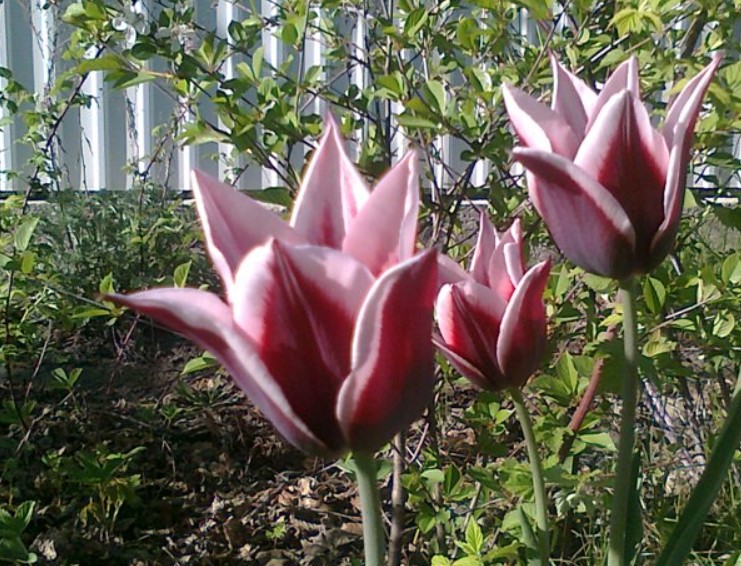
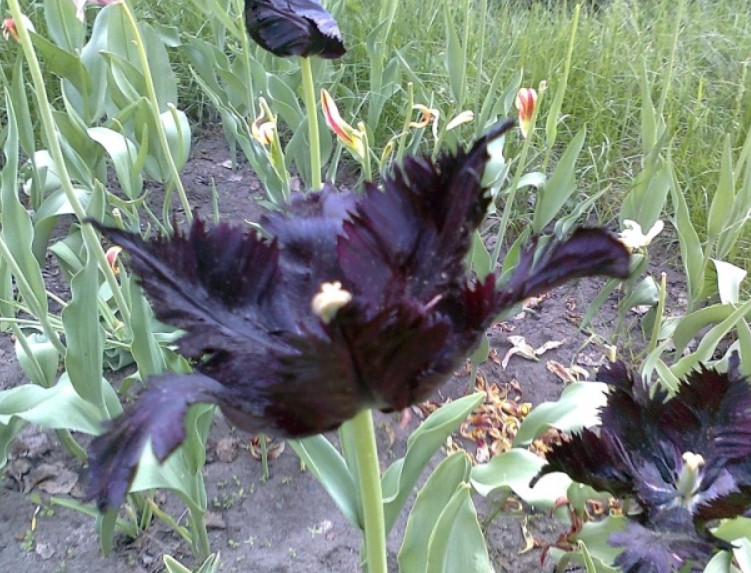
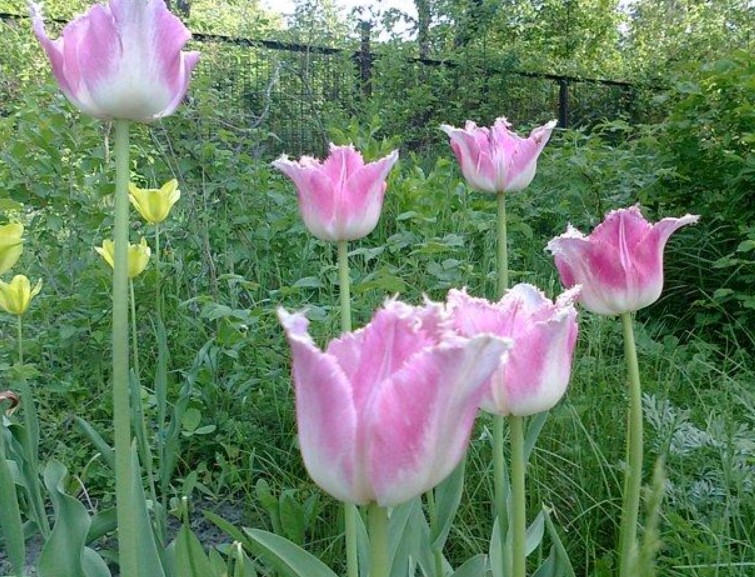
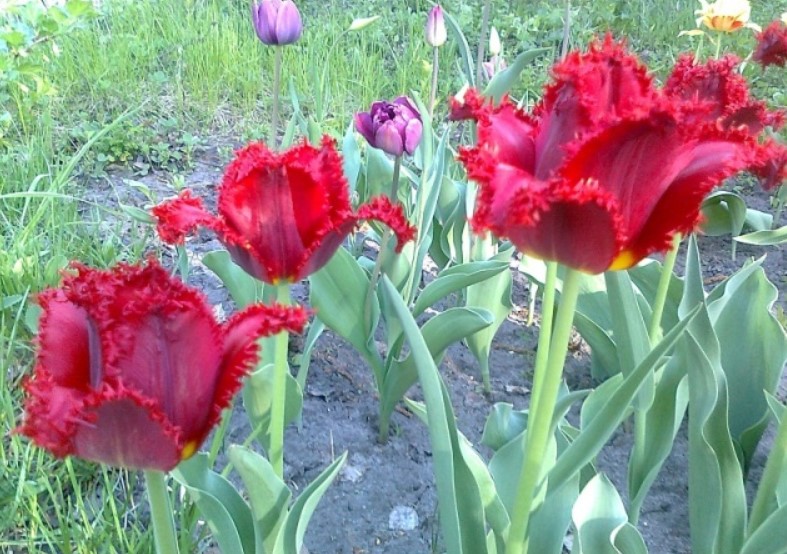
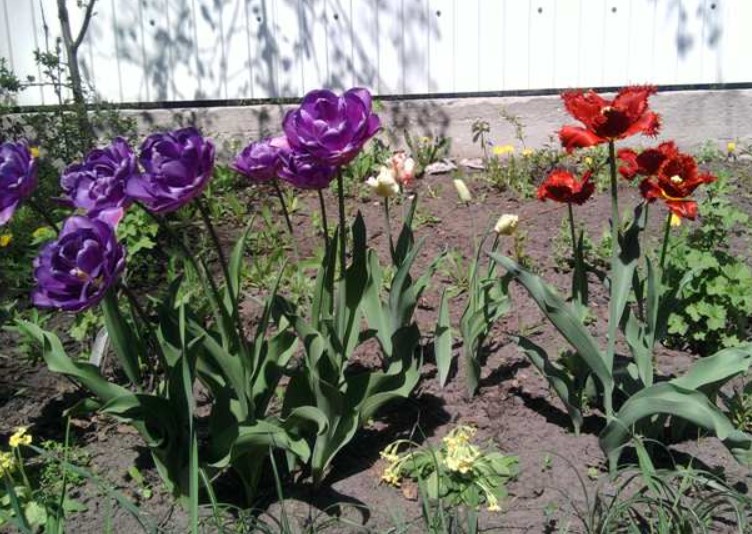
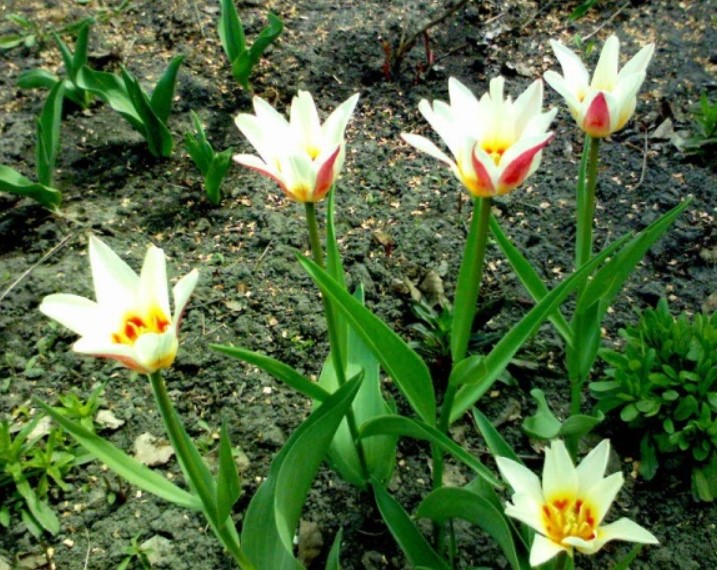
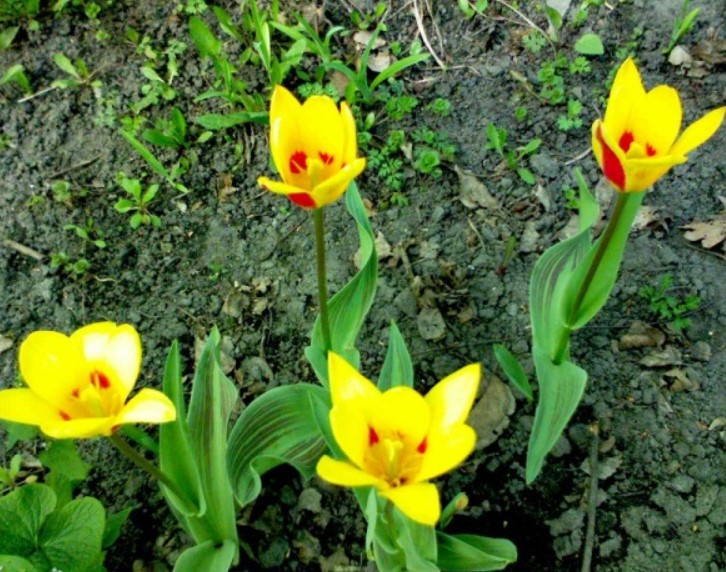
My tulips are starting to bloom with Greig tulips with striped and speckled leaves (Kaufman is not there yet)
and ends with the late Parrot
In favorable weather, flowering of different classes of tulips continues for 4-5 weeks
One of my Greig tulips is unusual: not early and quite tall.
Tulips, like other bulbous plants, are among the most beloved flowers; it was with them that the passion for floriculture began; there were up to a hundred varieties, but now there are fewer.
(I won't bore you with photos)
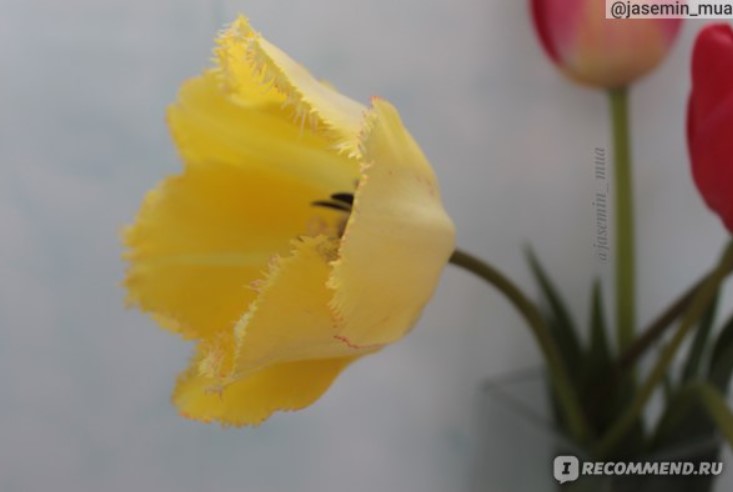
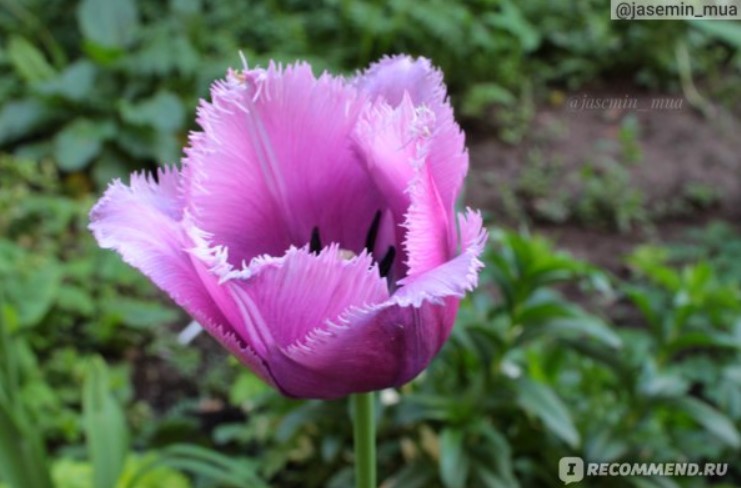
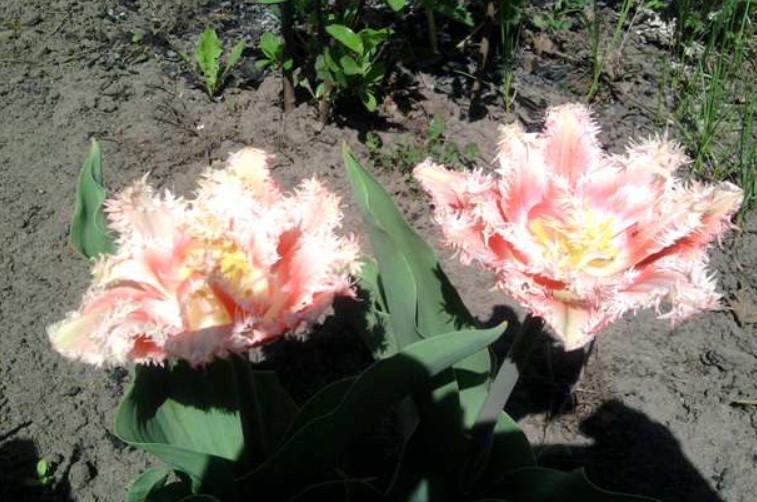
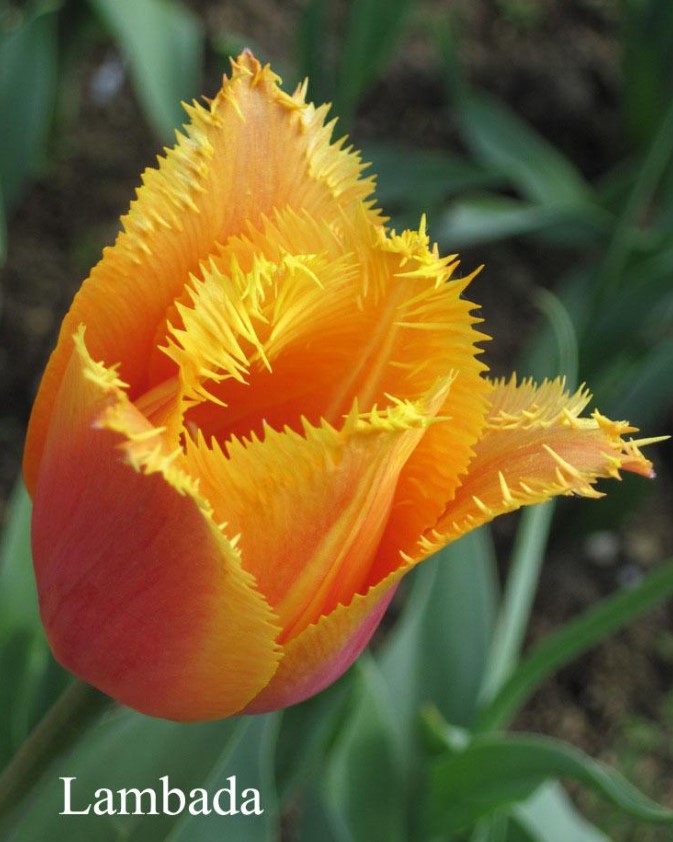
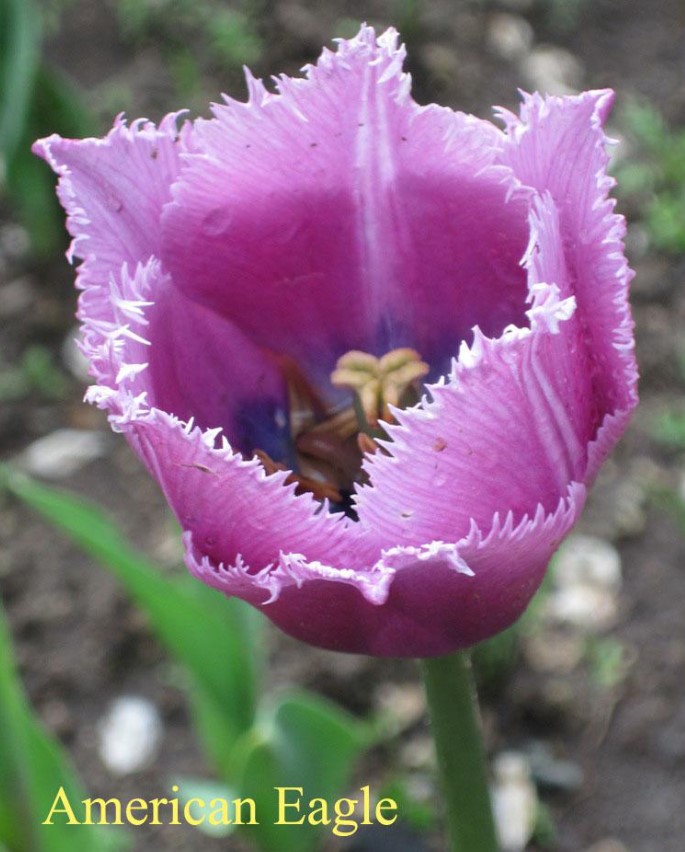
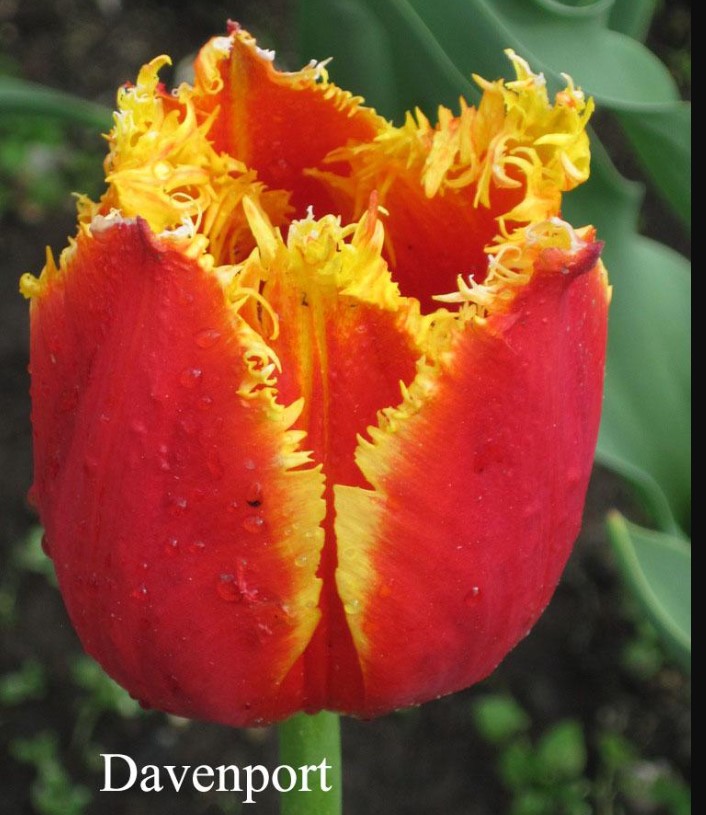
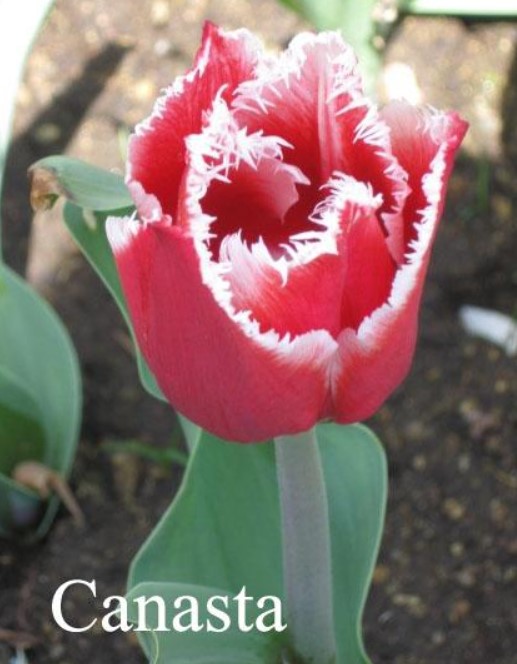
But the Fringed class—love at first sight and forever. I never cease to admire their scissor-cut petal edges, and the fringe never repeats itself from year to year. And you have to look at them up close.
Just a little bitphotos
I agree that the Valery Gergiev variety is very impressive.
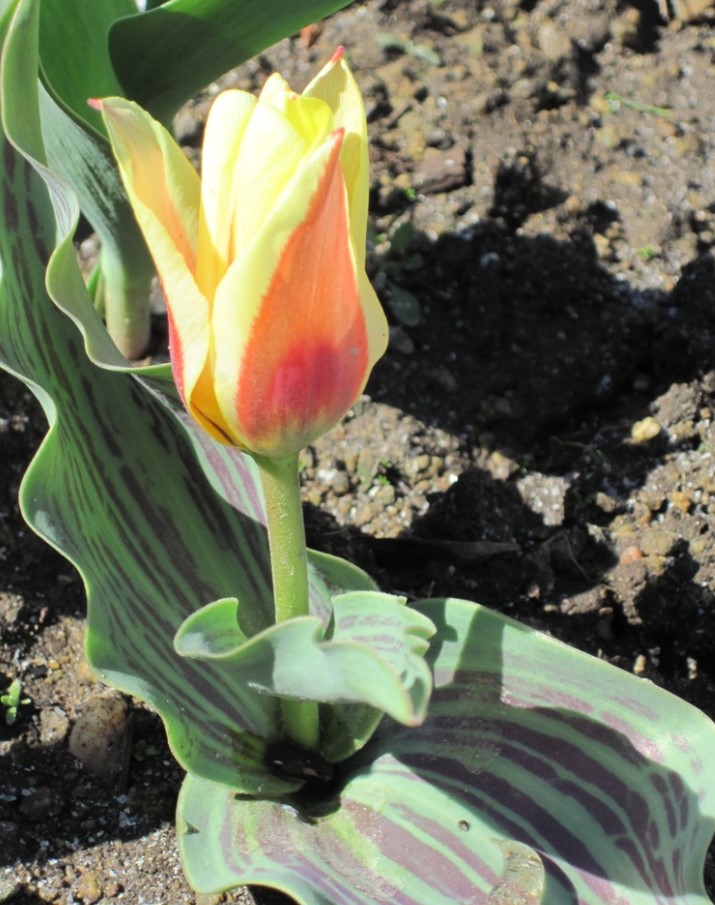
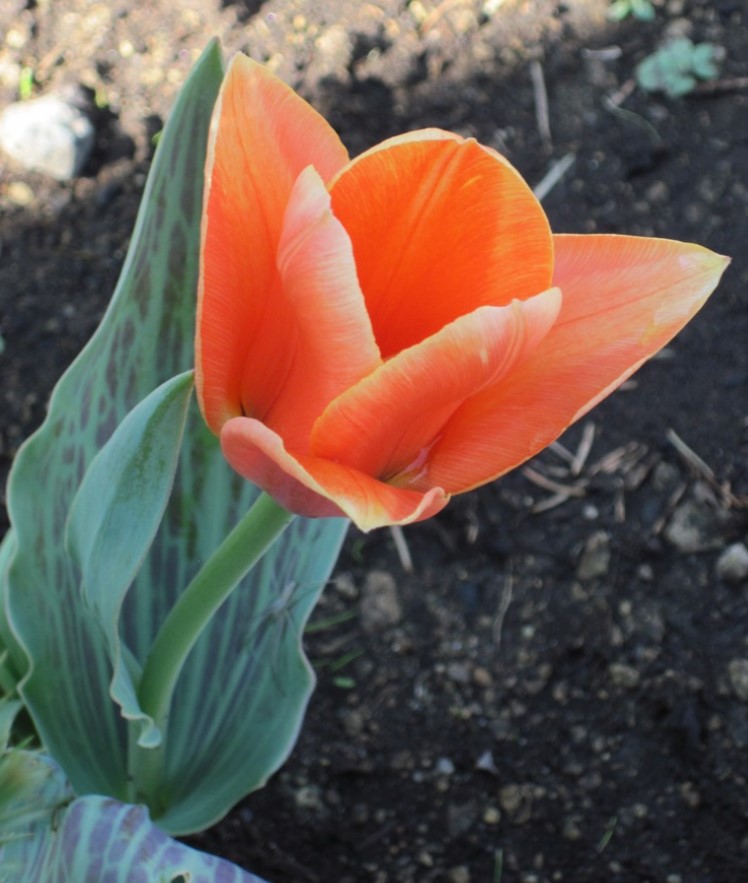
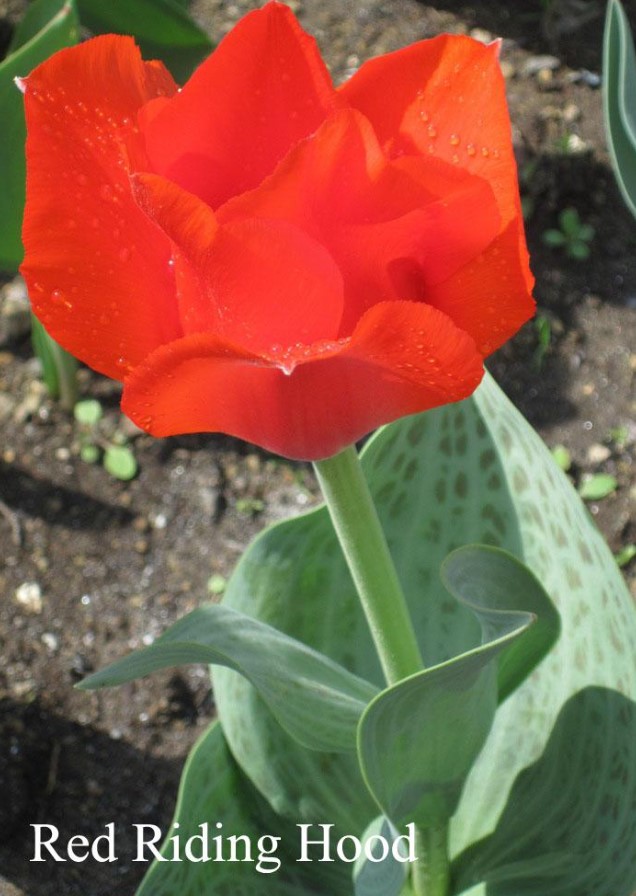
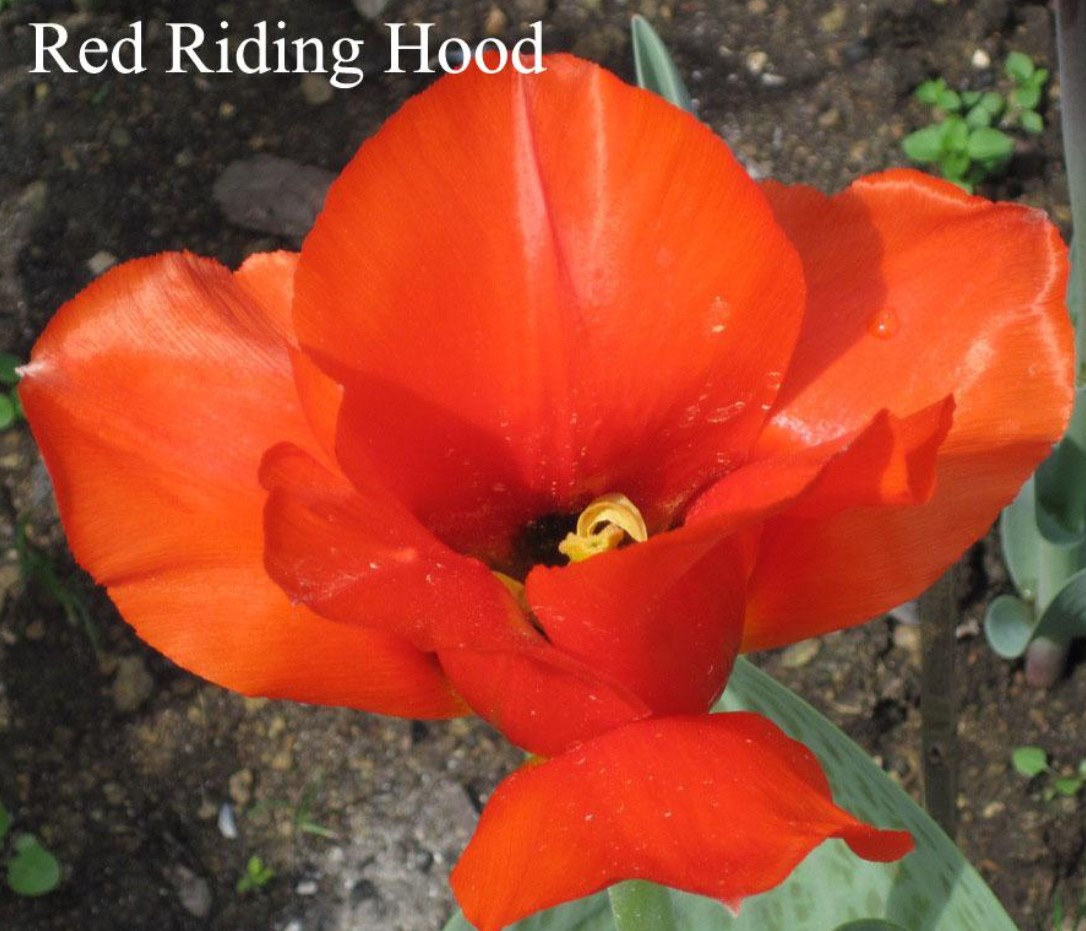
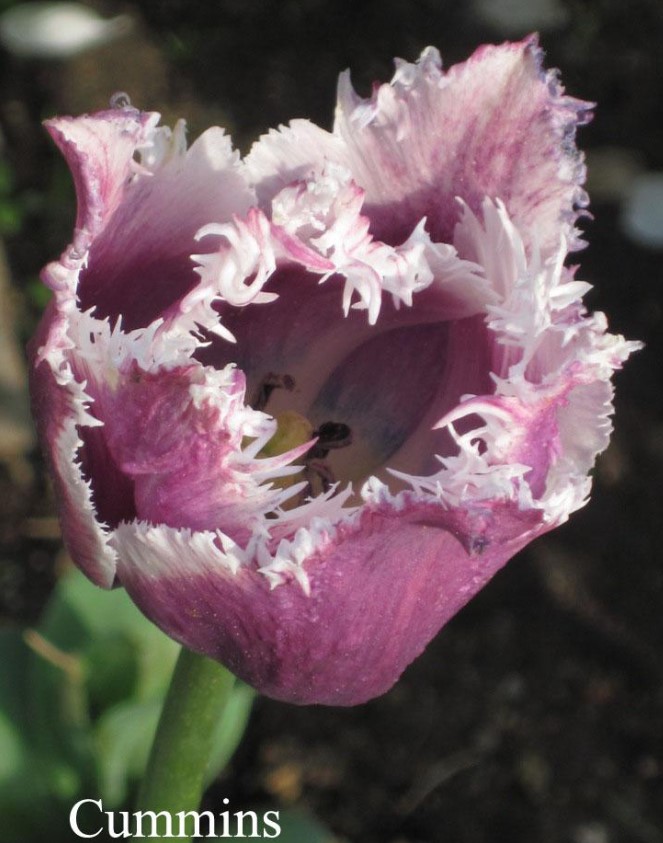
In pink tones.
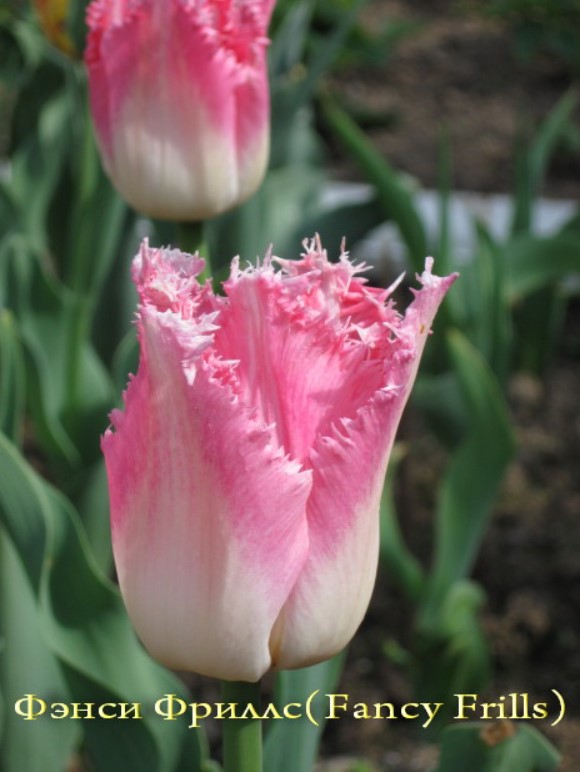
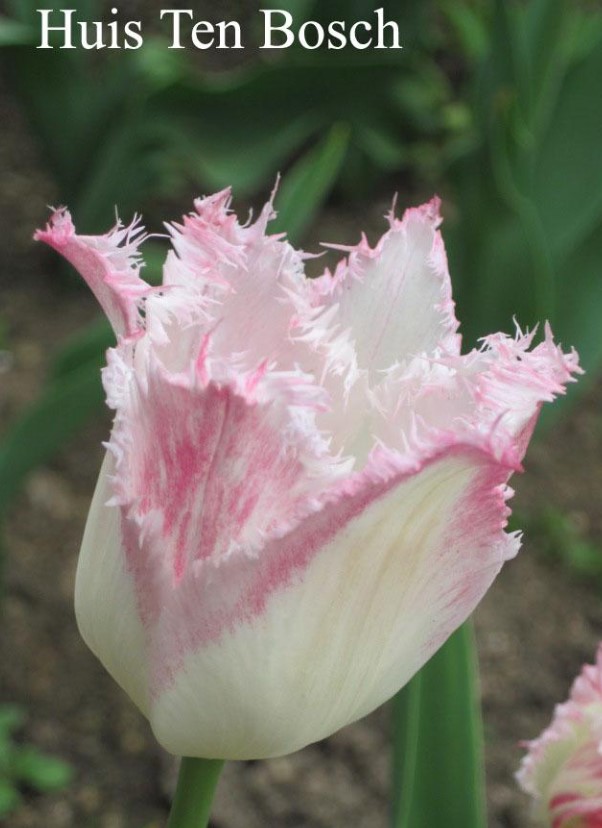
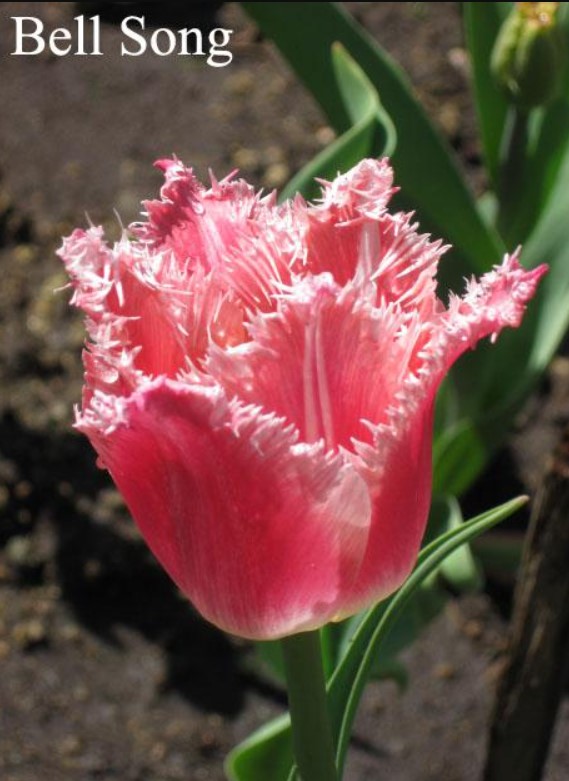
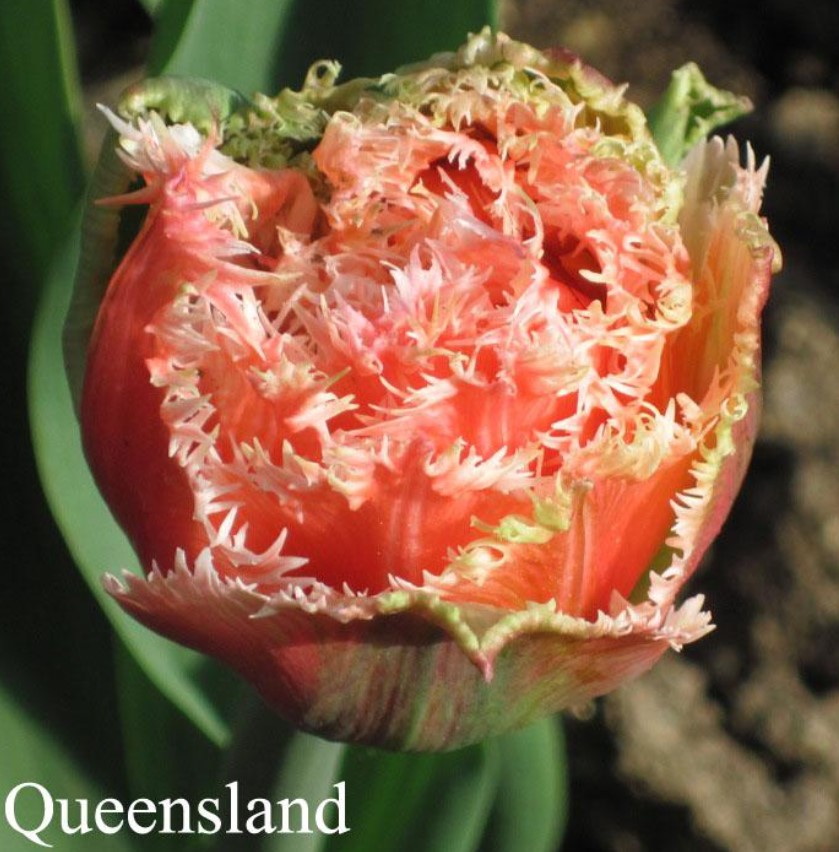
And a few more portraits
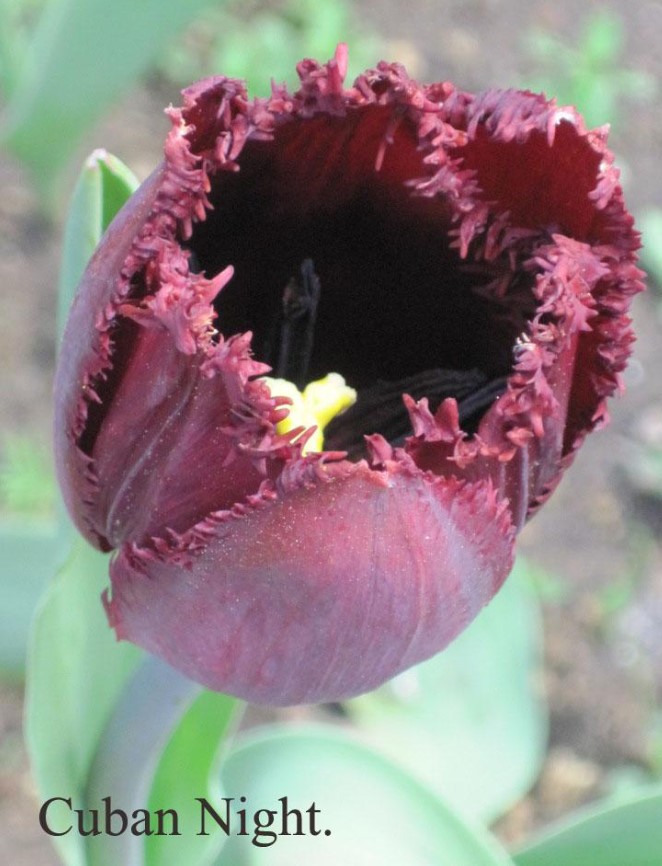
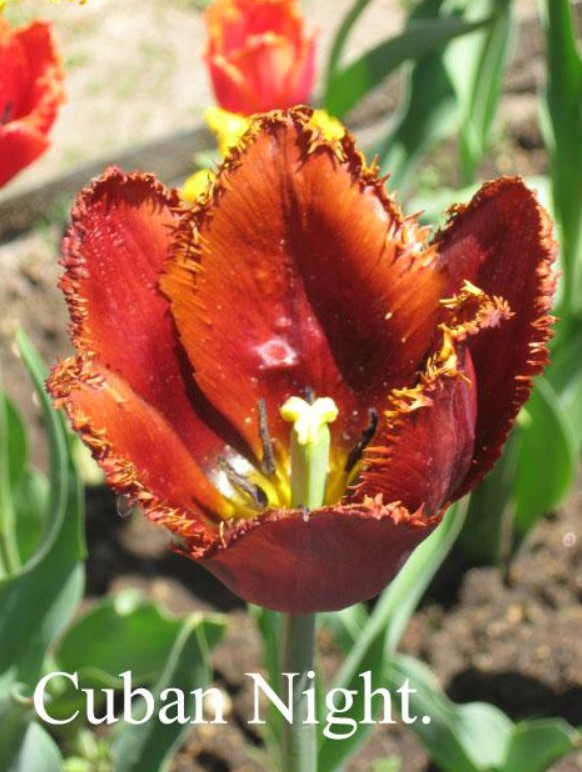
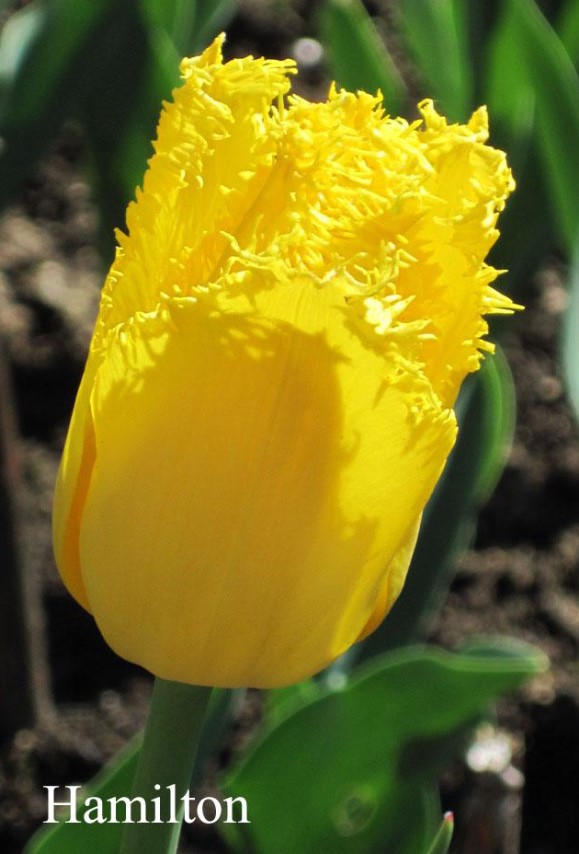
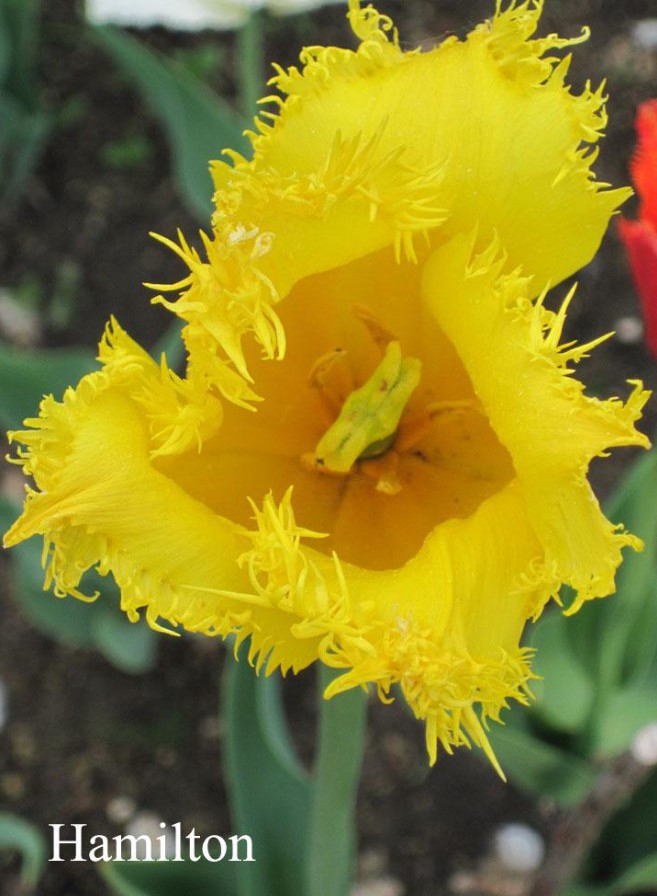
A little dirty after the daily rains
I apply the following fertilizers per 1 m2:
1. When planting - 50 g of superphosphate, 1 glass of ash
2. After the snow melts – 50 g of urea
3. After the buds appear – 20 g of urea, 30 g of superphosphate, 1 glass of ash
4. After flowering – 20 g of superphosphate, 1 glass of ash
Maybe the kind of feeding that Galina wrote is enough, but I have been feeding it this way for many years.
The landing site is changed every year.
To prolong flowering, you can try planting a few plants for testing 1) in a place with some shade, 2) 2 weeks later than the others.
Terry late (peony-shaped) ones usually bloom longer than others
T. Kaufman, as I assume, from the primroses, such as erythronium, scilla, muscari, the earliest and very low.
Many parrots are late bloomers, but there are also some that bloom mid-season, for example, Rococo
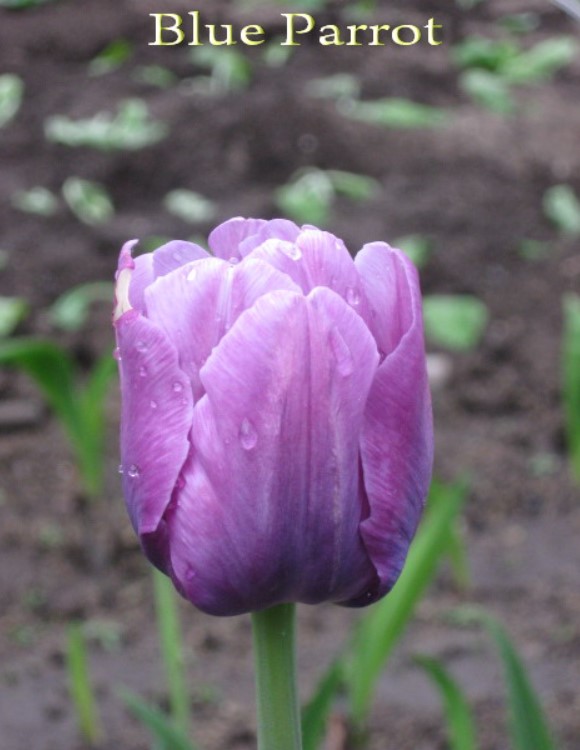
Blue Parrot - I have the latest one every year
Not all Kaufman tulips are short. My J. Strauss is about 50 cm, and D. Verdi is 40-45 cm. They're not shorter than the double ones. You can even see that in the photo, I think. I think Greig's is shorter. My Pinnochio is definitely shorter. The really short ones are natural (or botanical), but not all of them are early. But you don't have to dig them up for a long time.
I can assume that the tulips are not blooming:
1. Poor-quality bulbs. Sometimes healthy, dense bulbs fail to sprout. I don't know why, but this has happened several times with store-bought bulbs.
2. Unsuitable soil, for example, it has a lot of organic matter
3. Incorrect planting depth of bulbs
4. Maybe there really isn’t enough moisture in the spring; we’ve never had a winter without any snow at all.
5. Perhaps, as Galya wrote, it was planted too early; later planting—in the first ten days of October—allows tulips to take root, I've checked.
5. Not a sunny place.
6. Small bulbs (?)
Have you ever dug up the bulbs that haven't emerged yet to see what they look like?
I don't worry too much about agricultural practices. I can assume the planting timing is wrong. If you plant too early, the tulips will sprout in the fall, resulting in the loss of the bulb. If you plant too late, the bulb simply won't have time to take root.
Early October is perfect for planting for me. It all depends on the region and the weather. In our region, they recommend planting in the last ten days of September or the first ten days of October. But if it's warm, I'll plant in the second ten days. I read that the optimal temperature for planting tulips is 4 to 6 degrees Celsius, so that's what I use as a guide. I haven't had any losses yet (knock on wood). The snow hasn't melted yet, so they're breaking through the ice with their shoots.
Yes, the soil should not be completely dry when planting.
If they don’t bloom, it’s possible they were planted too deep.
Unusual tulip varieties. Care, fertilizing, and planting.
Good afternoonMy criteria for choosing planting material.
I buy from online stores and don’t buy from private sellers.
The tubers must not be rotten or moldy.
Interesting varieties and colors.
Frost resistance and reasonable cost.Description of the species.
Tulips care and feeding.
Tulip is a genus of perennial herbaceous bulbous plants in the Liliaceae family, comprising over 80 species in modern taxonomies. The center of origin and greatest diversity of tulip species is the mountains of northern Iran, the Pamir-Alai and Tien Shan. WikipediaScientific name: Tulipa
Highest classification: Liliaceae
Order: Liliaceae
Rank: Genus
Tulips have long been a symbol of spring and International Women's Day, but for me they symbolize spring in Amsterdam or Istanbul.
This flower once caused the collapse of the Dutch stock exchange, as it was valued more highly than roses and lilies.
Cultivation.
How to plant tulips?
Tulips originated in the Middle East. As early as the 11th century, this flower became a symbol of Seljuk Turkish culture. In the Ottoman Empire, the tulip was considered a symbol of peace, tranquility, and renewal.In the 15th century, in Constantinople, which was renamed Istanbul after its capture by the Turks, flower cultivation became popular.
For some, this flower symbolizes May Day and socialism, but for me, it's Turkey and the North Caucasus. Although, all varieties are now grown in the Netherlands, and most are cultivated there.
Varieties and purchase of bulbs.
Planting and forcing tulips.
Early flowering.Simple early ones.
Early terry.
Mid-flowering.Triumph.
Darwinian hybrids.
Late flowering.Simple late.
Liliaceae.
Fringed.
Green-flowered.
Parrots.
Rembrandt.
Terry late.
Botanical (wild).Kaufman.
Foster.
Greig.
Other wild species.
Show quote
Over the history of cultivation, breeders have developed many varieties of tulips, and that is why there are so many species.I love the double and parrot varieties, but sometimes I buy varieties like 'Rembrandt'.
What varieties do I want to buy?
Terry and parrot varieties of tulips.
Black Parrot.
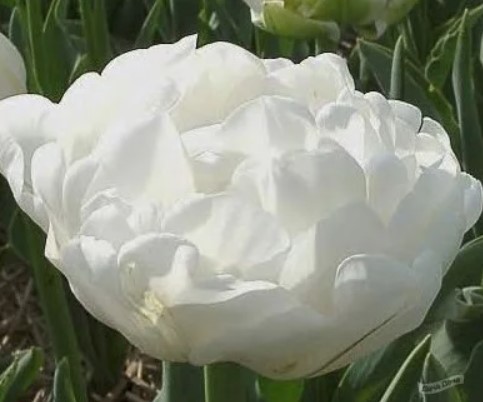
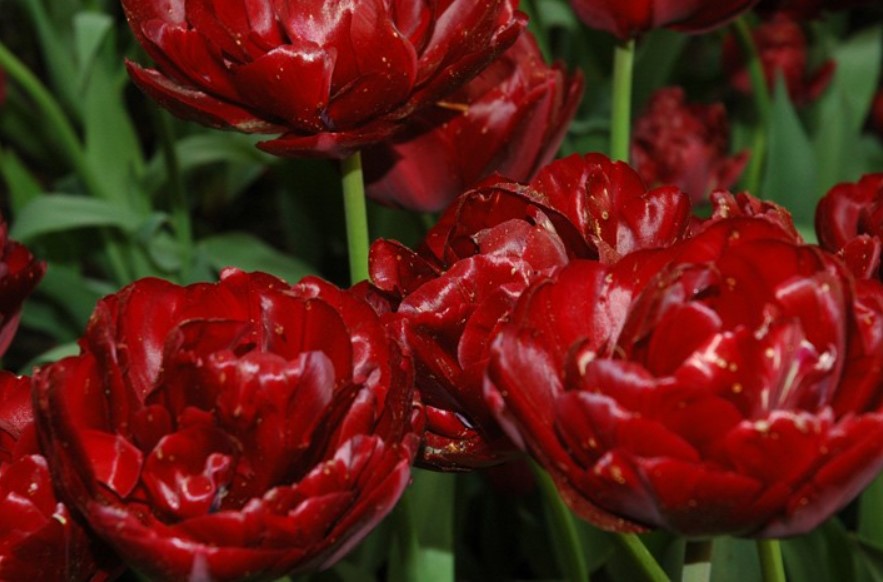
Terry Dance Line, Double Polar, Black Hero.
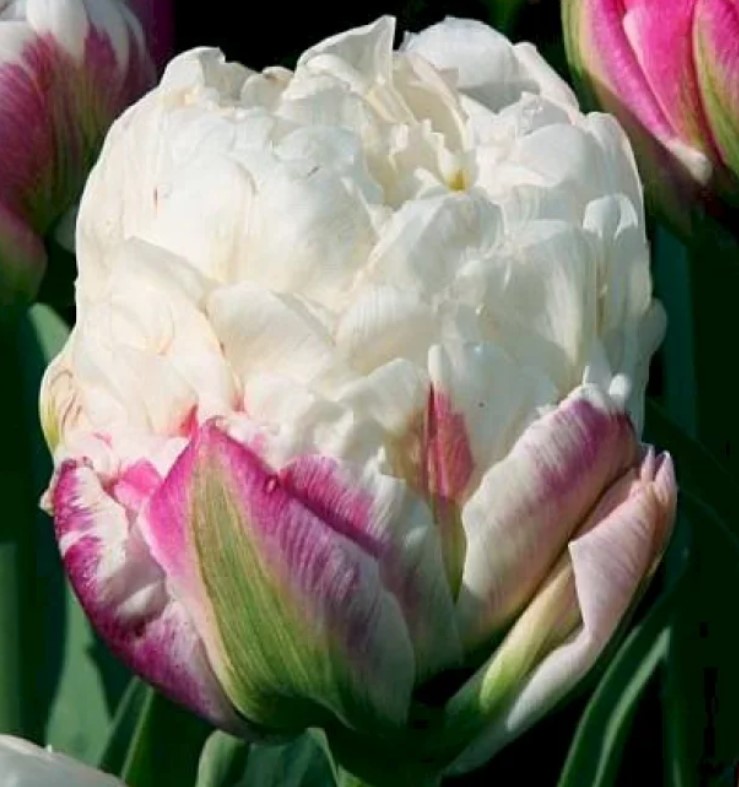
Ice Cream.
Green-flowered variety Artist.
For now, I only have these, but if I see something on sale, I won’t pass it by!Selecting a landing site.
Tulips transplant.
Tulips prefer to grow in full sun; their flowers become smaller in shade. When planning a flowerbed, keep in mind that tulips tend to grow large, but they don't like a lot of water. Like any bulbous plant, they can rot if overwatered and are also susceptible to fungal infections.I choose loam or plant the bulb no deeper than 20 centimeters.
Care and feeding.
Varieties of tulips.
After the tulips wake up from winter, I begin loosening the soil and fertilizing them. For several years now, I've been using "Zdraven Turbo for Dahlias and Bulbous Flowers," which helps the tulips develop buds better.After they have finished flowering, I dig them up, dry them in the greenhouse and put them in the basement, and in the fall I plant them again.
But, I do this with some varieties..
My progress in growing tulips.
Double tulips varieties and photos.
I really love double tulips in a variety of bright colors, as they allow you to liven up the garden and add accents to flower beds.
Tulip bloom photo.
This is my favorite tulip variety, and I don't remember the name because a relative gave it to me. It blooms for a very long time, and people constantly ask me to dig up the bulbs for them.
Rare varieties of tulips.
This peachy-pink tulip is good for cutting, as it sets off the regular red tulips that I have in large numbers.
Peony tulips.
I love peonies and I can’t pass by double tulips and I buy new colors all the time.
Unusual tulips.
There is only one tulip in my garden for now, but soon it will multiply and I will be making gorgeous bouquets.
Tulips in the garden. Fertilizers.
In general, exotic colors are very popular now, since everyone is tired of red tulips.
Tulips. Care and feeding.
I recommend mixing them with bright parrot or double tulips.
Tulips bloom photo.I also recommend always using fertilizer and loosening the soil well so that tulips bloom better and longer.
Dutch tulips photo.
For me, tulips are one of the most beautiful spring flowers, as each variety is unique.
Dutch tulips photo.
You can find tulips that look like globeflowers.
Dutch tulips photo.
You can also find tulips that have a beautiful gradient.
Dutch tulips photo.
And some tulips look like exotic flowers in the Amazon jungle.
Dutch tulips photo.
Tulips are the markers that color our garden.
Dutch tulips photo.
They are all different and incredibly beautiful, so I can’t imagine my garden without tulips.Bouquet of tulips.
Tulips. Care, planting, cutting.
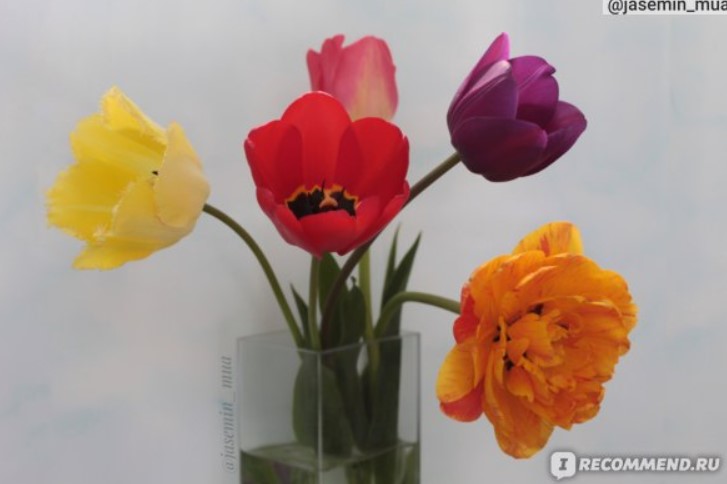
I decided to cut a few tulips for a composition to show how they look in a vase.
Fringed tulips photo.
I like the yellow parrot and terry harlequin the most.
Fringed tulips photo.
And this is the latest one from my collection.Advantages and disadvantages.
💠Some varieties do not need to be dug up.
💠Many varieties.
💠They bloom for a long time.
💠They grow on their own.
💠Minimal maintenance.
My reviews of other plants and more can be read here.
Thank you for your attention and happy shopping!
Advantages
Quite easy to care for
Smell
Easy to propagate
Easy to care for
I love tulips!!!
Perennials
Diversity of varieties
You can grow it at home
Tender and touching
The colors of the flowers are amazing
Very beautiful flowers
Very beautiful
Early varieties
Flaws
Rats and mice love them.