
Evergreen shrubs and trees in a garden don't lose their appeal during the winter months. Conifers provide double benefits year-round. Their resinous aroma purifies and heals the air in both hot and cold weather. To decide which plant to plant, it's important to first familiarize yourself with the world of ancient plants.
Content
Characteristics of coniferous species
Almost all conifers are evergreen perennials. They share several characteristics:
- modified needle-shaped leaves;
- high content of resinous substances in the bark and wood;
- lifespan over 100 years.
They reproduce by seeds set in cones. These seeds are only covered by scales, not protected by a closed cavity. This determines the group affiliation of the species—gymnosperms. Pollination of the ovules occurs by wind.
Vegetative reproduction is inapplicable to them; only cypresses possess this ability. Gymnosperms are one of the most ancient groups of plants. Scientists believe their ancestors are extinct ferns.
The class's geographic distribution extends from the Equator to the permafrost boundaries. Each climate zone is characterized by its own species.
The height of most trees, especially in the wild, often exceeds 100 m, but for summer cottages and garden plots, breeders have developed many low-growing and dwarf varieties.
Dividing coniferous trees
Biologists divide the coniferous phylum into four orders. Three of these (Cordaitales, Voinoskiales, and Volziales) are extinct.
The fourth order comprises plants comprising 10 families, approximately 70 genera, and over 600 species. Pines, spruces, cypresses, and junipers—all families look excellent in urban and country gardens when properly selected.
Pine
These trees, sometimes shrubs, with slender trunks, reach heights of 30 meters, with some wild species reaching 80 meters. Their average age is 150-200 years, although some specimens have been known to live for 5,000 years. They are easy-to-grow, winter-hardy, drought-tolerant, and require minimal care. The key to successful cultivation is excellent drainage to remove excess moisture.
Pine
It prefers well-lit areas and open spaces. It's not particularly demanding regarding soil chemistry, preferring loams and sandy loams. It often thrives in rocky areas that are poor in nutrients. Of the many species, the mountain pine is the most popular among gardeners. It's easy to maintain and doesn't require extensive care.
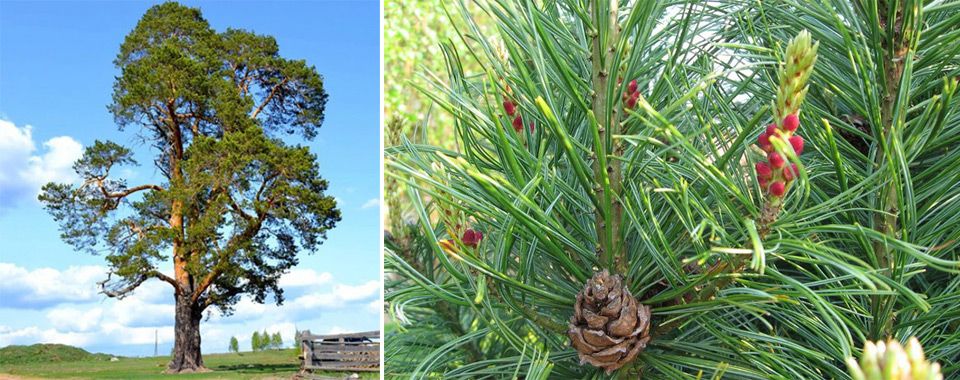
Among the many varieties, you can choose a cultivar ideally suited to your conditions, ranging in height from 60 cm to 10-15 m. Seedlings offer a wide variety: with a traditional crown shape, columnar, elliptical, and bushy. Pines also vary in needle color, from dark green, monochromatic at any time of year, to variegated, when young needles are noticeably lighter in color than the previous year's needles.
Spruce
The genus includes approximately 40 species. The slender trees rely on a taproot when young for sustenance. Over time, this taproot dies off, and its function is taken over by lateral branches located close to the ground surface. This root system makes spruce trees vulnerable to wind damage. Trees reach heights of up to 40 meters and can live up to 300 years.
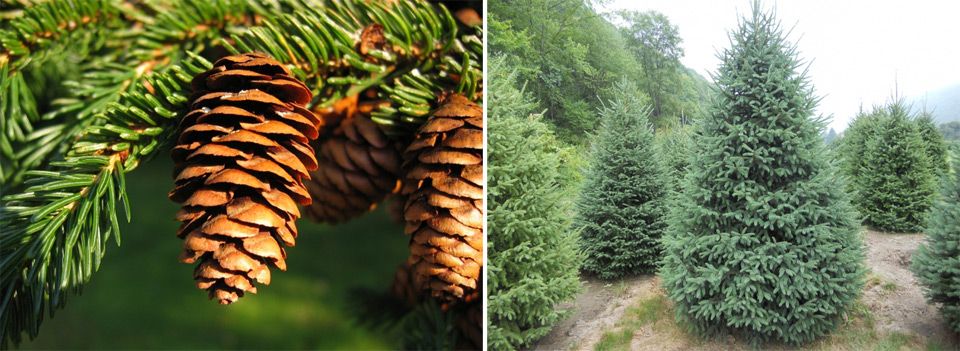
The world's oldest spruce tree, over 5,500 years old, grows in Fulufjellet National Park (Sweden). Saplings are planted away from buildings, as their extensive roots can cause serious damage even to stone structures. A site with good light is chosen; shade encourages asymmetrical crowns, and varieties with variegated needles lose their highly decorative qualities. The plant is not fussy about soil composition, but thrives in acidic soil.
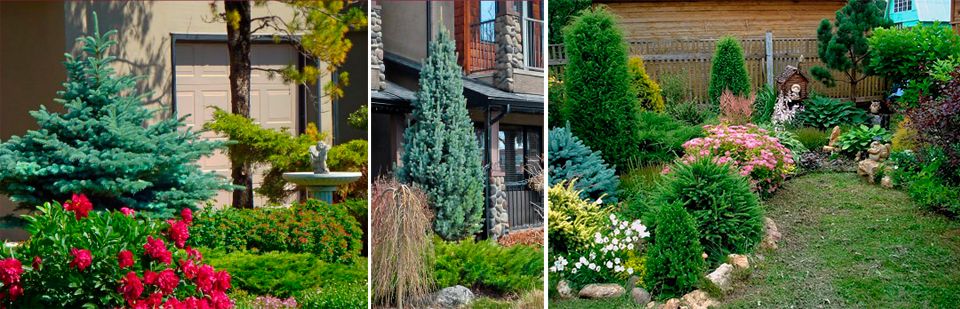
In addition to the common prickly spruce with reddish-brown bark, summer cottages are often decorated with blue spruce with glaucous-green needles, usually choosing compact varieties up to 2-3 m in height, as well as variegated ones.
Cedar
The Siberian cedar, or Siberian stone pine, is rarely found in garden plots: the tree requires special care when young, although it grows without problems in its natural habitat, the taiga. The species' main characteristic is its very short growing season, just 45 days. Although it is often called a giant tree, its slow growth rate and the wide variety of new cultivars make it suitable for gardening.
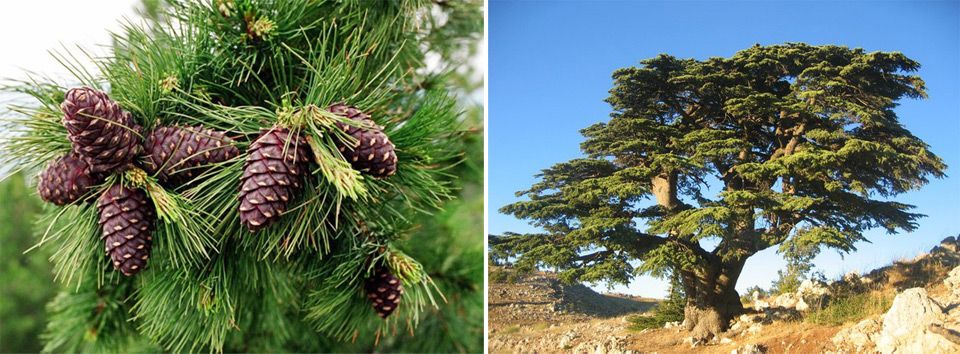
The planting site for the seedling is chosen so that the mature plant has a clear space approximately 10 meters in diameter. The site should be open, but young plants require shade until they reach 10 years of age, especially during periods of extreme heat.
The soil should be loose, well-drained, and have a neutral pH. The plant appreciates regular watering and fertilization.
The Lebanese, Himalayan, and Atlas cedars are considered true cedars. Unlike their Siberian relatives, their seeds are not edible. The famous pine nuts—the pride of Siberia—taste identical to the seeds of any pine, differing only in size.
With patience, compact varieties of Siberian cedar can be grown in garden plots in various regions. However, only certain varieties produce fruit of the desired quality; others are used only for ornamental purposes, including bonsai-style arrangements.
Fir
This graceful tree is prone to finicky growing conditions, but its beauty and healing properties are worth the effort. Of the more than 50 species of this plant, dwarf and low-growing varieties of balsam, Korean, and Caucasian fir, as well as creeping varieties of Fraser fir, are successfully used in garden design. These varieties are the achievements of breeders, causing minimal trouble for gardeners.
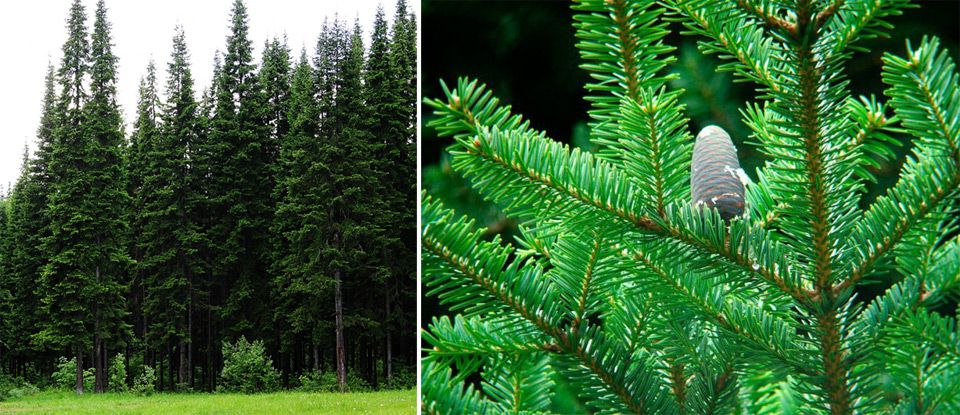
The species is well-suited to shaded areas but dislikes wind. Therefore, they are planted in a manner that fully meets these requirements, especially for young trees. The best soil is loamy soil that does not retain moisture. It's important to remember: all firs are very sensitive to polluted urban air; only they are suitable for cottages located in clean areas.
Larch
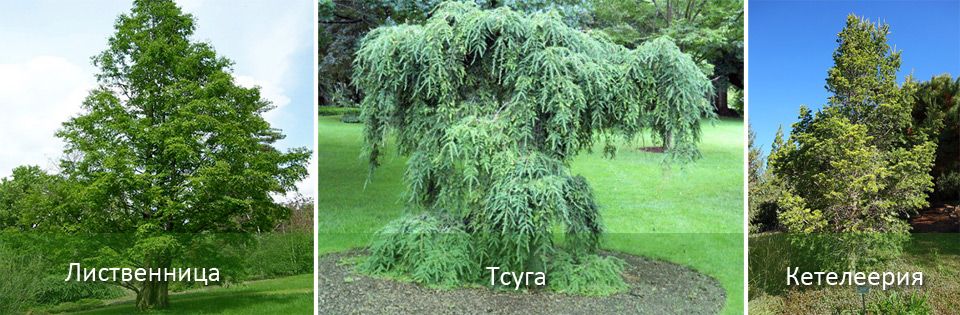
This species sheds its needles every year with the onset of cold weather, and they are often used to decorate garden plots. Formed as a bonsai, it retains its decorative appeal even without its needle-like leaves.
The long-lived larch (living for over 500 years) includes 20 species. All of them, except the Japanese larch, are absolutely intolerant of shade. They require fertile soil with good drainage and a neutral pH.
The tree typically reaches 30-40 meters in height, but responds well to pruning, so full-sized trees can be safely planted in their chosen location. Modern cultivars, bred from the European variety for small spaces, have enhanced decorative qualities.
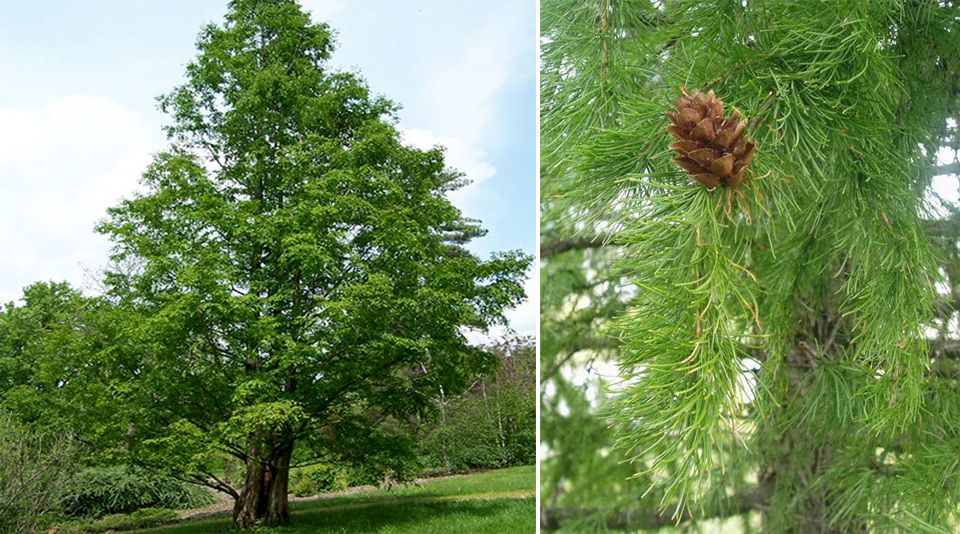
Fir trees with weeping or cushion-shaped crowns are very attractive. Ultra-miniature cultivars are grown in containers to create a striking effect in areas where natural conditions prevent the plant from being grown outdoors.
Keteleria
This exotic conifer grows wild in the foothills of Southeast Asia. Keteleria is a heat-loving plant, so it is cultivated in subtropical zones of the Russian Federation – on the Black Sea coast of the Krasnodar Territory and in the southern regions of Crimea.
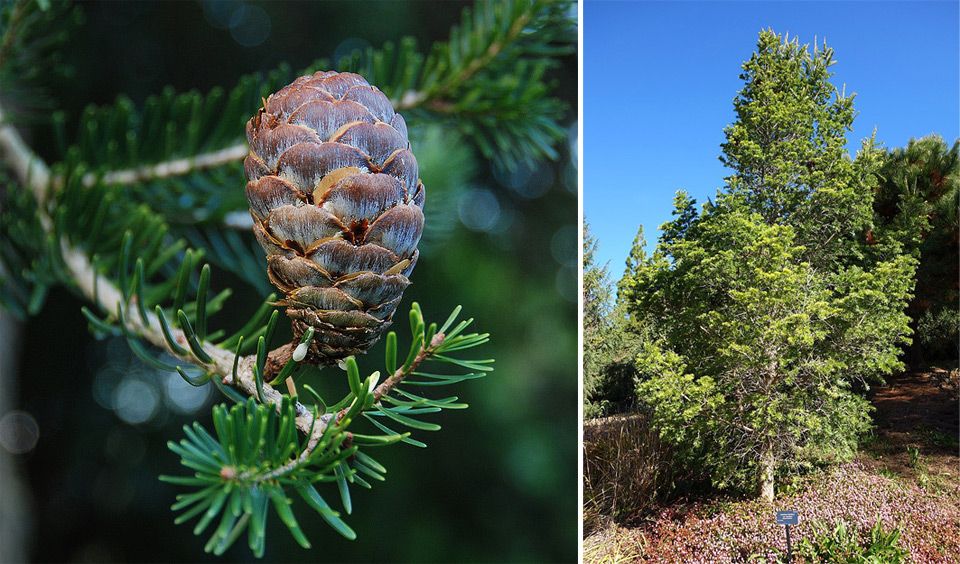
The plant itself isn't highly ornamental or valuable as a source of fruit. It's usually grown as an exotic display, to highlight its uniqueness.
Hemlock
Tsuga is a real find for owners of small garden plots. The trees are naturally compact, and dwarf varieties can be considered groundcovers. The species' main distinguishing feature is its spreading, drooping branches, which add a special charm to any corner of the garden.
The plant is planted in semi-shaded areas on fertile sandy loam or sandstone.
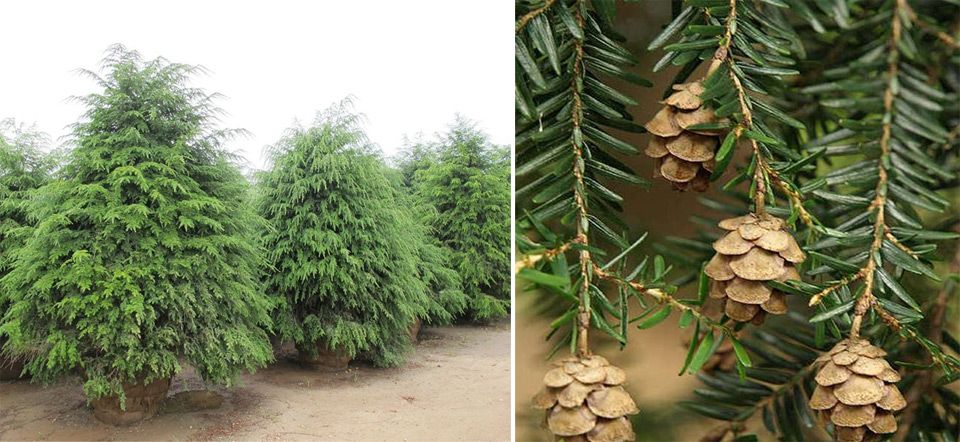
The worst place is next to busy highways: the trees do not tolerate air pollution very well.
Read more in the article about hemlock.
Cypress
The family includes 19 genera (more than 130 species), distributed mainly in warm regions.
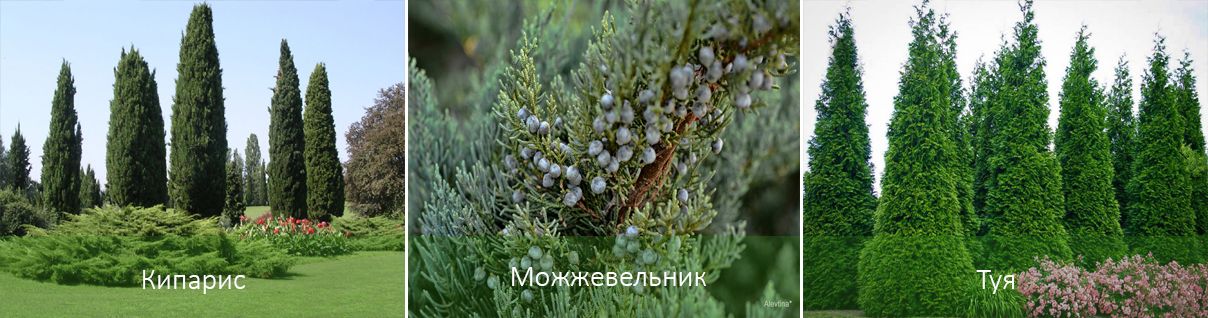
Unlike their relatives described above, some species are dioecious. Cupressaceae are among the few conifers that successfully propagate by cuttings.
Cypress
The neatest tree—its crown is dense and symmetrical. Even fully ripened fruit cones are not shaggy, but adorn the branches with small, light-brown balls. Cypress usually emphasizes the high status of its dacha owner.
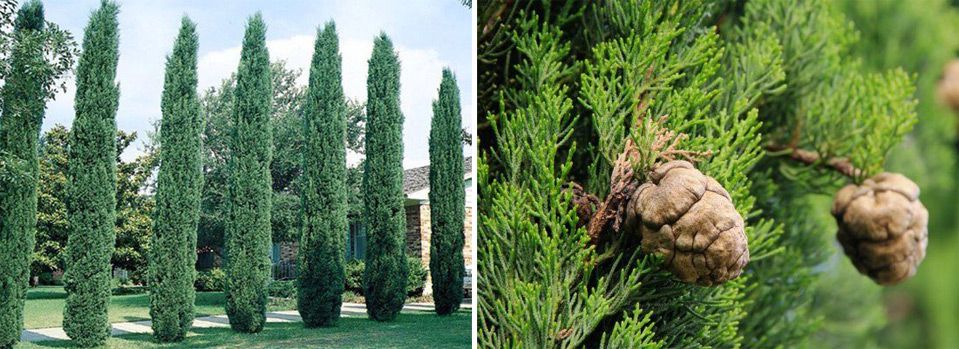
This capricious southerner, whether of the evergreen, pyramidal, or Arizona varieties, overwinters well in temperate climates, as long as temperatures don't drop below -20°C. Low-growing and dwarf varieties are considered the most suitable, as they are easier to cover for the winter.
The best planting location is partial shade, with fertile, loose soil that doesn't retain moisture. All cypresses require adequate watering, humidity, and nutrient supply.
Juniper
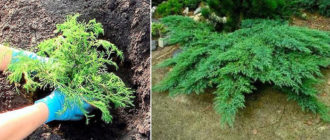
This shrub offers a striking variety of forms and species. In the wild, it grows almost everywhere, except in areas of permanent snow and ice. Luxurious, spreading, tree-like plants grow in fertile, warm climates, while modest bushes grow on mountain slopes and in colder regions.
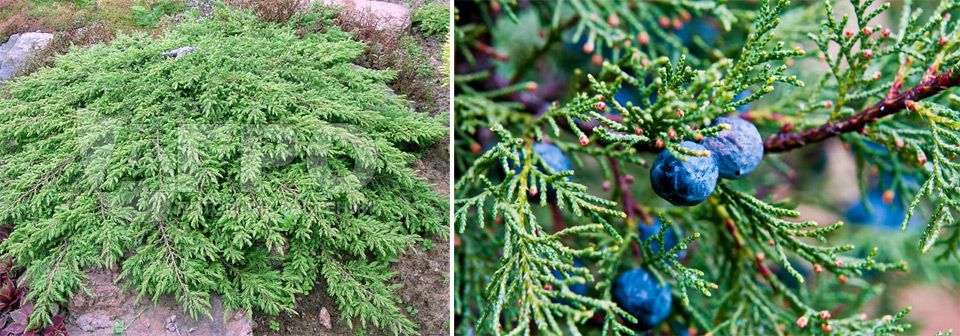
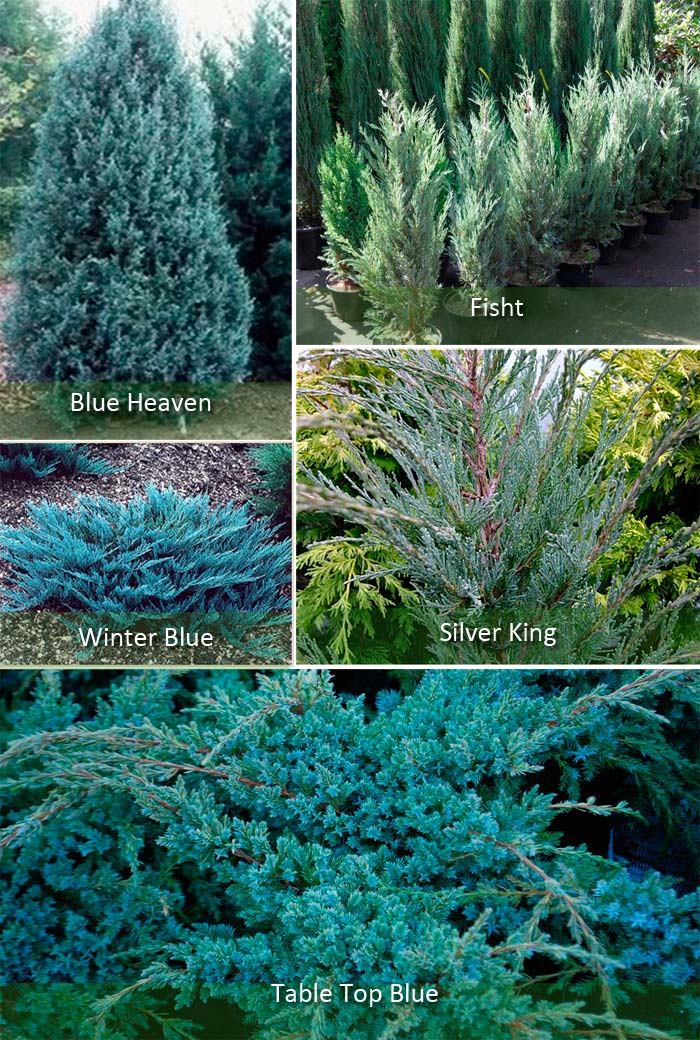
All junipers thrive in full sun and loose, well-drained soil with abundant dolomite, and can grow on sparse, rocky slopes. They vary in crown shape—tree-like, shrub-like, or prostrate—and in the color of their needles and the color of their small fruits. They don't require much attention from the gardener, but they are extremely demanding when it comes to planting conditions.
Thuja
One of the oldest plants, this tree remains a constant favorite among gardeners. Its high ornamental value, easily shaped crown, healthy air quality, and the ability to propagate by cuttings are its main advantages. Most thujas tolerate frost well, requiring only light cover or regular brushing of snow from their branches.
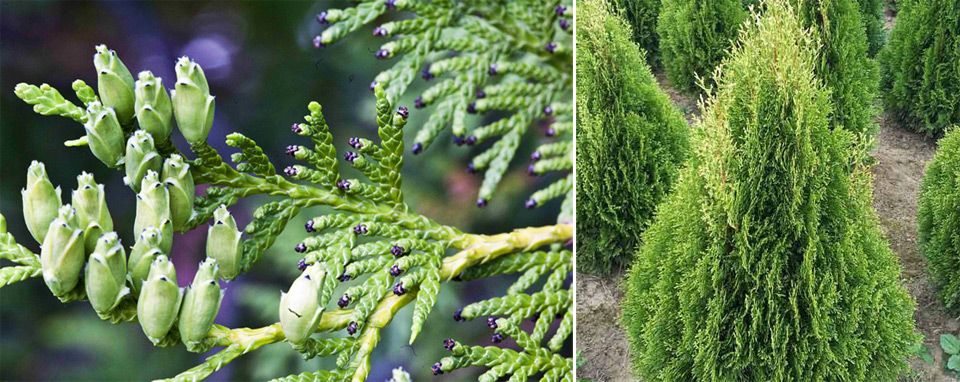
A wide variety of species are used for decoration – with a columnar or spherical crown, similar to spruce trees and creeping along the ground.
Also read the article about planting thuja and about growing this plant at home.
All species and varieties easily tolerate shade, drought, and prolonged rains, provided there is good drainage.
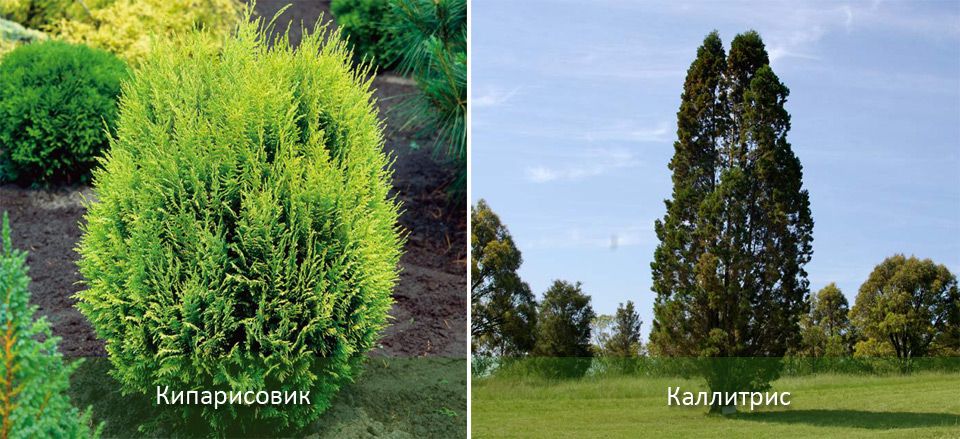
Cypress
The trees are not particularly large—cottage varieties rarely grow more than one and a half meters tall. Their compact form allows them to be planted in small, well-lit spaces.
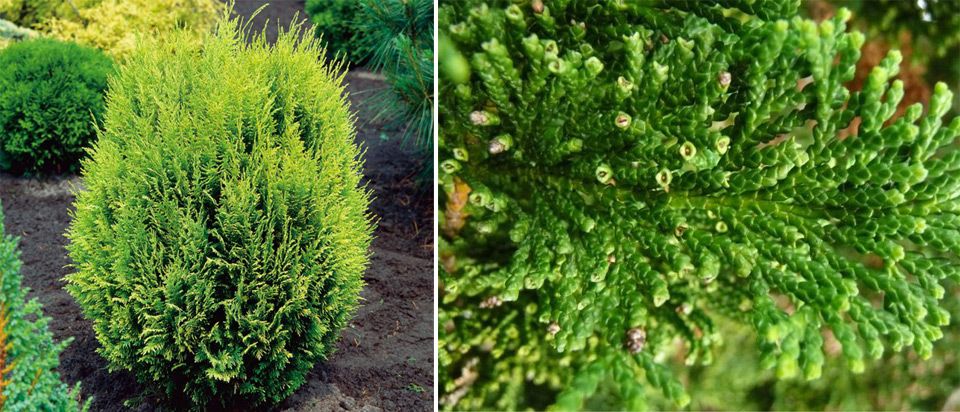
Pea-fruited cypress tolerates Russia's harsh climate best, and it's also the most undemanding. The most difficult to grow is the Lawson variety, which is intolerant to cold. Heat-loving varieties tolerate being moved well; they are grown in tubs, stored in a moderately warm room for the winter.
Callitris
The subfamily belongs to the Cupressaceae family. Of the 36 species, 30 are subtropical, unable to adapt even to the subtropical zone of the Russian Federation. They are grown only in botanical gardens for scientific purposes.
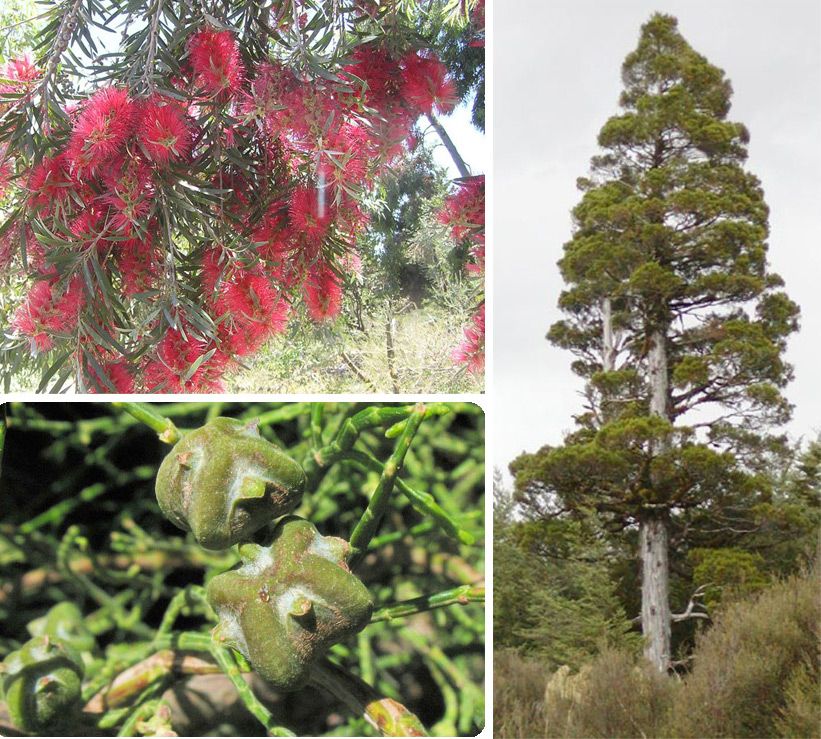
As a decorative element of the landscape, callitris has no value - its appearance almost completely replicates cypresses, but care is disproportionately more difficult.
Yew
Members of this species are found primarily in the Northern Hemisphere. Like all conifers, they retain their modified green foliage year-round. These plants are notable for their longevity—over two thousand years—and their fruit—the only conifers that produce berries rather than cones.
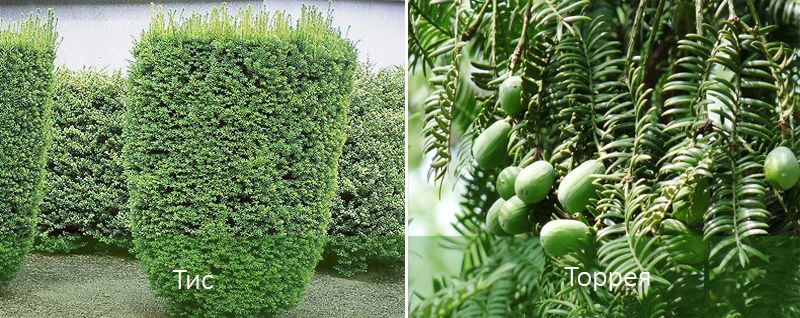
Yew trees are extremely poor at regenerating—seeds that fall from the parent tree almost never germinate. This is because decomposing pine litter synthesizes substances that kill seedlings.
Yew
Only a few species are grown for ornamental purposes: short-leaved, berry, pointed, and Canadian. Although yew trees typically reach over 10 meters in height, breeders have developed miniature varieties. Hybrids ranging from 30 to 100 cm in height are popular.
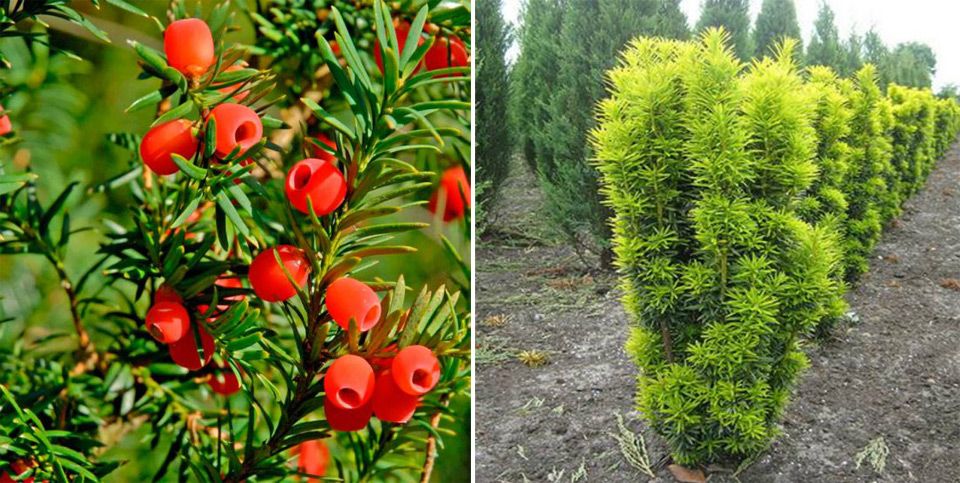
Yew tolerates frost well and is indifferent to light. Experienced gardeners plant it among other shrubs and low-growing trees to reduce the risk of frost damage. Yew dislikes stagnant water, acidic soil, wind, drought, and dusty, polluted air. It also does not produce the essential oils characteristic of all conifers, and therefore has only ornamental value. Most yews have poisonous above-ground parts and roots!
Torreya
The plant is rarely grown in our country—it's a heat-loving plant, and the climate along the Black Sea coast of the Caucasus is most suitable for it. The most common species are the nutmeg and nut-bearing torreya.
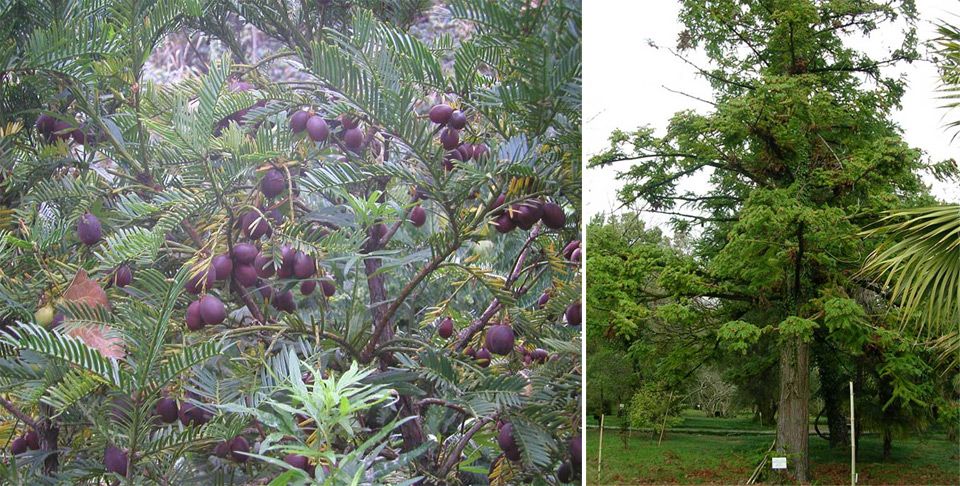
It is grown exclusively for practical purposes – the nuts are edible and are also used in the production of paints and varnishes.
Torreya requires careful care, but new varieties with variegated needles are gradually winning the hearts of gardeners. It grows well in any soil except highly acidic ones. It has no specific soil fertility requirements. It prefers good light and reliable protection from the wind. It tolerates moderate frosts well; only a thick layer of organic mulch around the trunk is required.
Araucariaceae
An ancient family of conifers, modern scientists estimate their age to be over hundreds of millions of years old. Most genera are native to the Southern Hemisphere, with only one in the Northern Hemisphere. They inhabit humid tropical and subtropical forests.
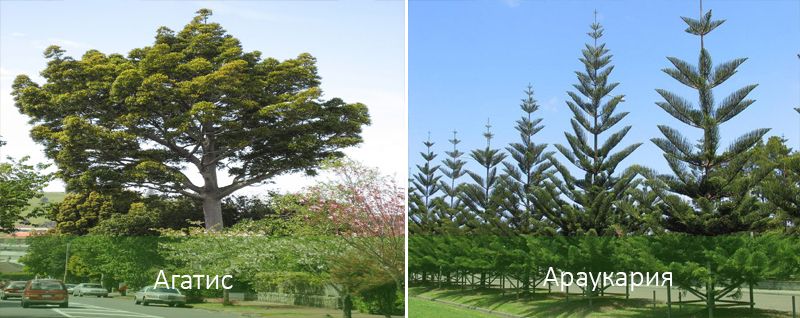
Agathis
These trees, which often reach 70 meters in height, tolerate drought well and thrive in shade. They prefer loamy, loose, well-drained soil. They are planted in spacious areas protected from the wind. The minimum temperature limit is -20°C.
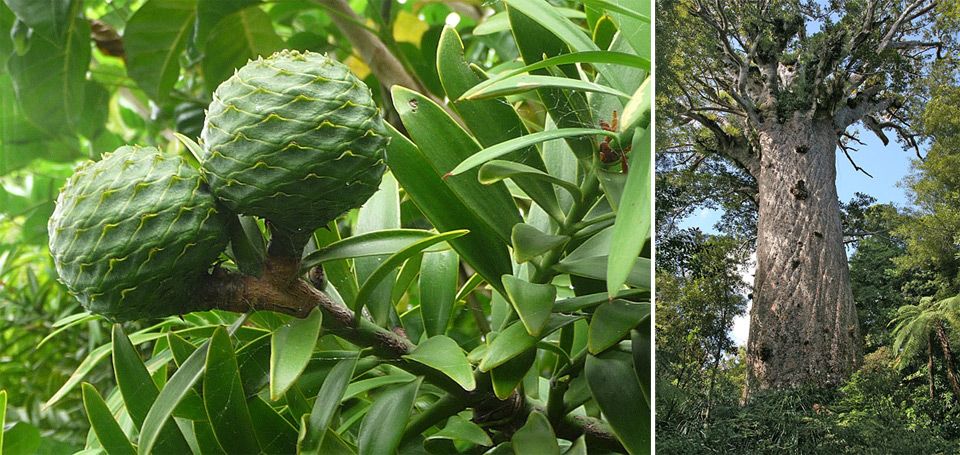
Agathis is interesting for the variety of leaf shapes – from the typical coniferous narrow pointed ones to lanceolate ones.
Araucaria
Unlike agathis, araucarias are frost-intolerant and are primarily intended for indoor cultivation. Tub-grown specimens rarely grow more than 2 meters in height.
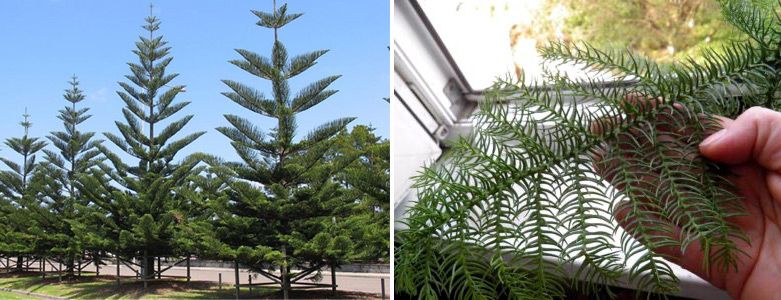
In the garden, pots with araucaria are used to decorate flower beds or areas, verandas with good diffused lighting.
Read more about araucaria and how to care for it. Here.
Sequoias
The tallest and oldest tree on the planet, the sequoia grows wild only in California (USA). The branches of its conical crown are arranged strictly horizontally, only occasionally drooping slightly. The average lifespan is about 1,500 years.
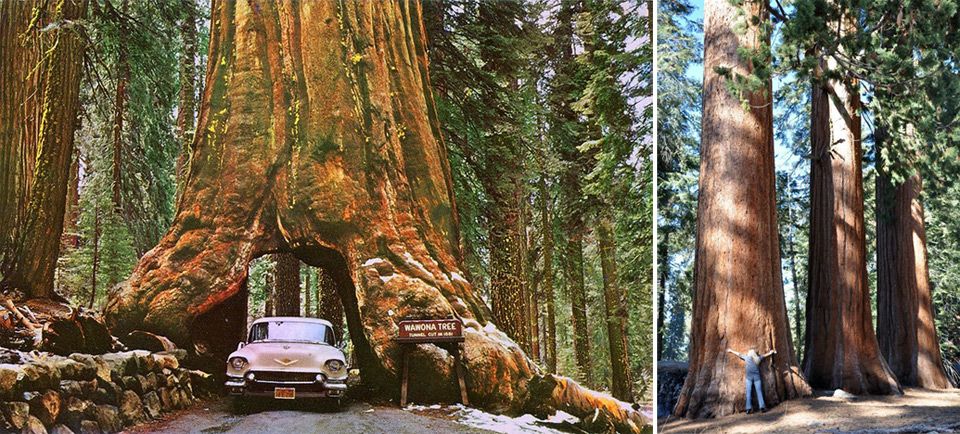
The tree isn't grown outdoors in our latitudes; it requires plenty of moisture in the soil and air. Indoor bonsai-style varieties are more popular. They require a lot of patience and care, but the exquisite beauty of the arrangement outweighs any difficulties.
Top.tomathouse.com informs
When deciding to plant conifers and shrubs at your dacha, carefully select the seedlings. Purchase only from specialized nurseries located nearby. This guarantees the plant's good survival rate and its adaptability to local climate conditions. Purchasing planting material from general-purpose shopping centers is a waste of money. In most cases, the plants are planted in low-quality substrate, overfed with fertilizers and hormones, and will require extensive, possibly unsuccessful, care. Furthermore, it's not advisable to buy conifers from random vendors at the market. Along with the seedlings, you can introduce diseases and pests to the property.
To ensure that your garden composition brings you joy, carefully study the rules for planting and growing each species or variety.
Despite many similar parameters, modern hybrid plants often differ significantly in their requirements for soil composition, amount of light and moisture.
When mixed planting, neighboring plants are selected so that their growing conditions coincide with those required by the coniferous plant – the same watering and fertilizing schedules.
Not all conifers coexist peacefully with deciduous trees and flowers. To avoid plant suppression, carefully follow the recommendations of specialists.
Mediterranean or Asian exotics adapted to local conditions, as well as local varieties, are used for the following purposes:
- hedge, zoning of the site space;
- design of ponds, alpine slides, rockeries;
- borders and mixborders of low-growing plants;
- solo and various compositions;
- alleys.

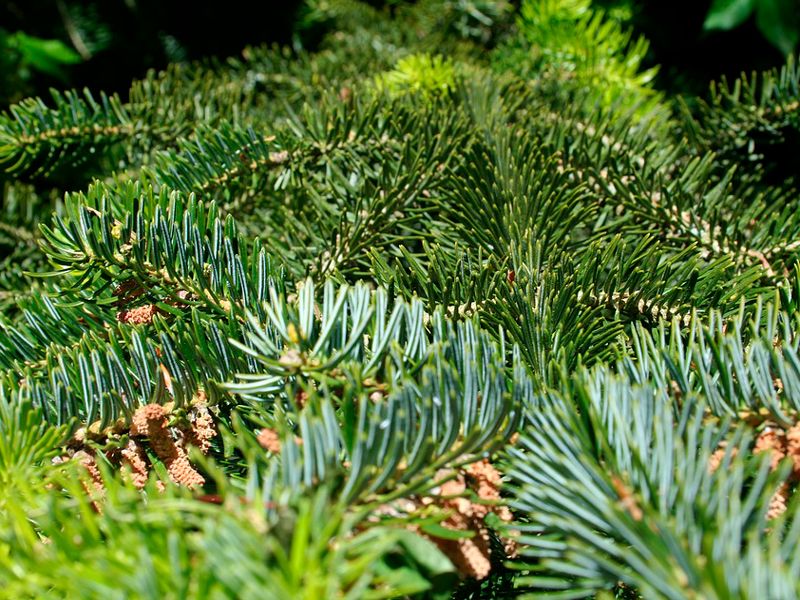
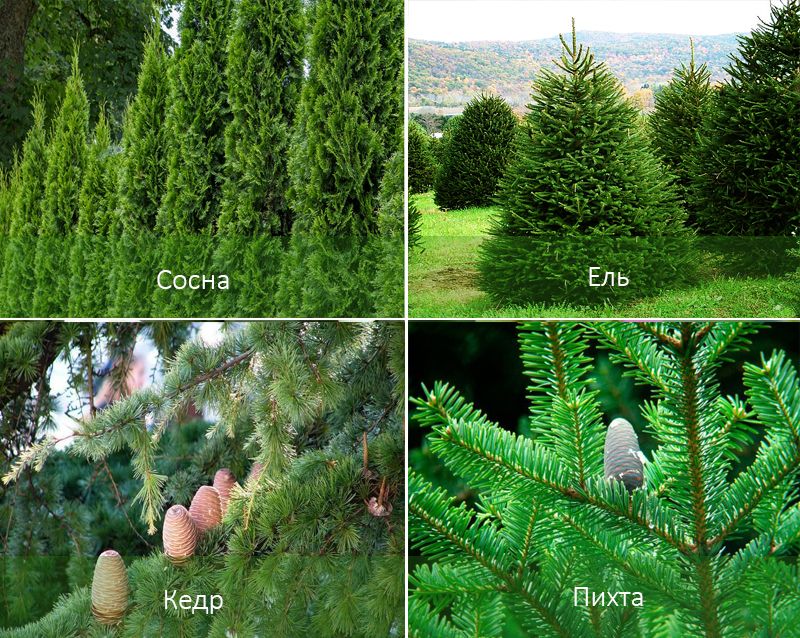
Isn't that a pine tree in the photo at the beginning of the article? It's a layout of four photos with captions.