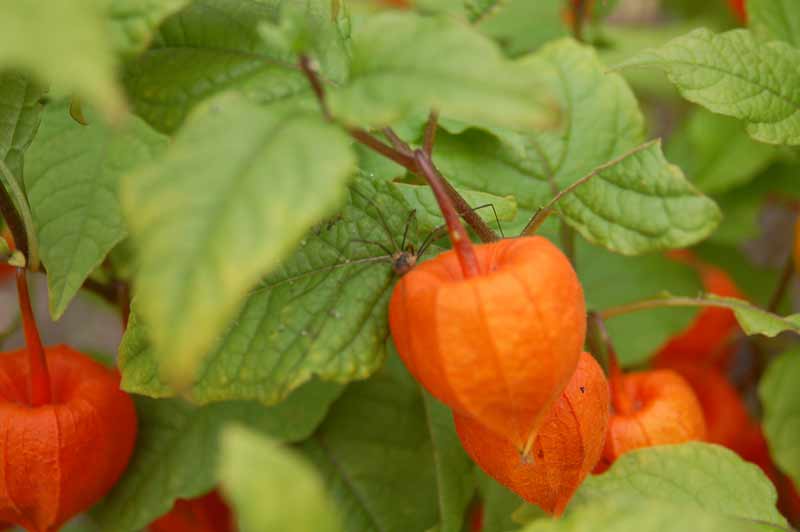
Physalis is the largest member of the nightshade family. The largest number of species are found in South and Central America. The name comes from Greek and translates as "bubble." This refers to the unusual shape of the brightly colored calyx, made of fused sepals, reminiscent of an inflated corrugated paper lantern. Growing and caring for the plant are similar to tomatoes, which are its closest relatives.
Content
- 1 Description of physalis
- 2 Types and varieties of physalis
- 3 Growing Physalis from Seeds: Planting and Care
- 4 Caring for physalis when grown outdoors
- 5 Physalis after flowering
- 6 Seed collection
- 7 Wintering
- 8 Propagation of physalis
- 9 Growing physalis at home
- 10 Diseases and pests
- 11 Top.tomathouse.com recommends: the beneficial properties and contraindications of physalis
Description of physalis
Physalis is most often a perennial plant with a partially woody, straight or curved stem, from which a small number of branches emerge. The height of the bush is 60-120 cm. The root system is robust and creeping.
The leaf blades are thin, curved, and arranged oppositely, forming pairs on the upper tiers. They are attached by long petioles. Their shape is approximately oval or ovoid, with a pointed apex. The edges are slightly serrated or wavy, and the surface can be either glossy or matte.
The flowers are inconspicuous, 3 cm in diameter, and range in color from cream to white. They are borne on short stems in the leaf axils along the entire length of the shoots. Bud formation begins in late spring and continues for three summer months.
The calyx is airy, resembling a corrugated paper lantern; in some varieties, its diameter reaches 5-6 cm. Inside is the fruit—a juicy, red-orange, round berry with numerous seeds. Fruiting occurs from June through September.
The bush is positioned as decorative, however, there are edible varieties, the beneficial properties of which are highly appreciated.
Types and varieties of physalis
There are 120-124 species of physalis, however, they can be divided into 3 main groups:
- Ornamental specimens are not edible and are used to decorate flower beds. Varieties differ primarily in the height and size of their lanterns.
- Physalis berry is an annual, self-pollinating shrub. The small, edible fruits are used to make jams, preserves, sweets, dried, and used as a substitute for raisins in baked goods.
- A productive vegetable variety known as the Mexican tomato or ground cherry. It has distinctive foliage colors: swamp green, yellow, and purple.
Another group is universal; the berries are used both for canning and various types of culinary processing, and fresh.
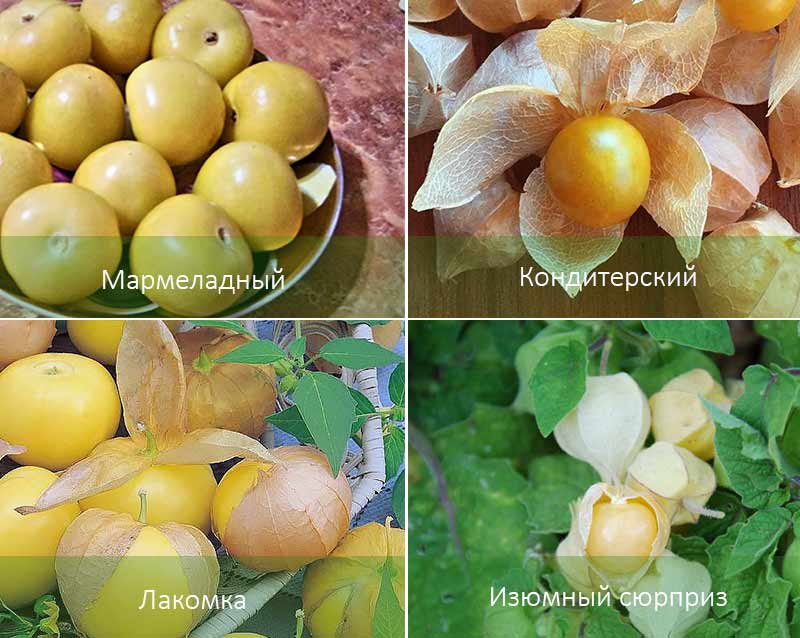
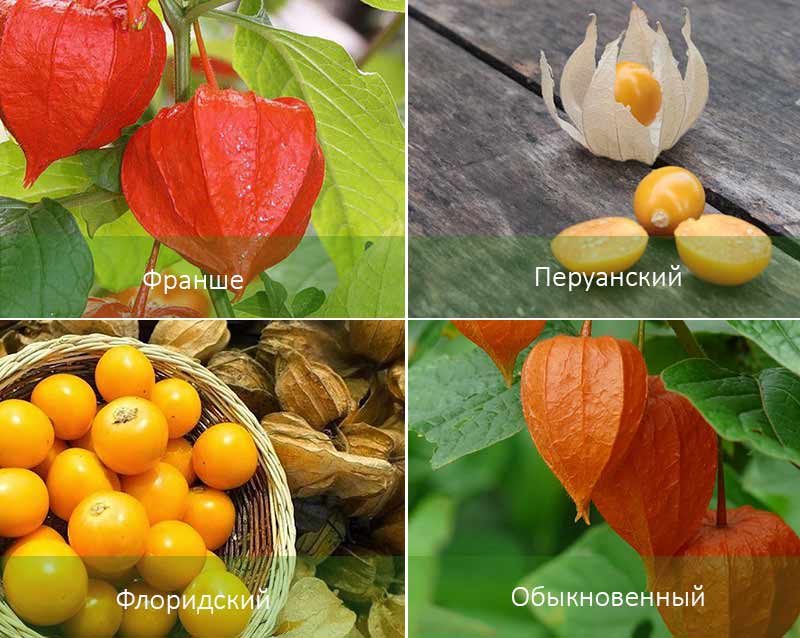
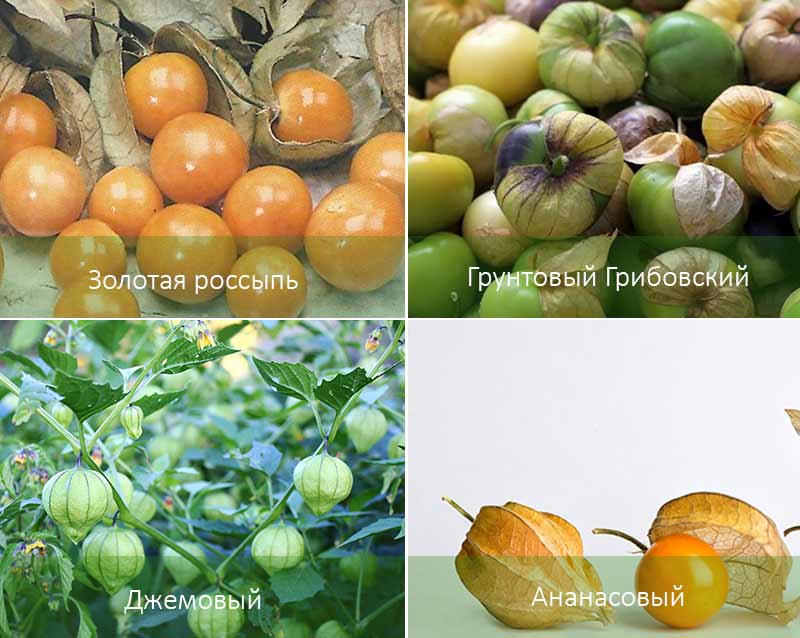
To familiarize yourself with the main varieties belonging to each group, a table is attached:
| Name | Weight of berries (g) | Peculiarities |
| Decorative | ||
| Ordinary | 3-12 | Used as an addition to bouquets. |
| Franche | A very branched bush with numerous calyces. Tolerates low temperatures. | |
| Berry | ||
| Florida | Up to 1.5 | Sweet taste without sourness and smell. |
| Pineapple | 50-80 | Rich in vitamin C. |
| Peruvian (strawberry) | 7-12 | Late ripening. |
| Raisin Surprise | 2 | They dry well and can be stored for a long time. |
| Gold placer | 3-5 | With strawberry aroma. |
| Vegetable/all-purpose | ||
| Marmalade | 30-40 | Tolerates shade. |
| Jammy | 50-60 | |
| Sweet tooth | 120-200 | Unpretentious, frost-resistant. |
| Pineapple | 50-80 | Small berries. |
| Early Moscow | Early maturing. | |
| Confectionery | 30-50 | Light green fruits. Branching heavily. |
| Gribovsky Ground | 50-60 | A very productive variety. |
| Kinglet | 60-90 | Creeping shoots, can be sown in winter. |
Growing Physalis from Seeds: Planting and Care
Physalis is suitable for growing, even for beginners. Bushes are usually grown from seedlings, but in regions with mild winters, seeds can be sown directly into the ground. In the spring, sowing should be done throughout April or in early May. If sown in October, a harvest will be ready the following season. The shelf life of planting material is 4-5 years.
Before planting, seeds should be tested for germination by soaking them in a slightly saline solution. Any that float to the surface should be discarded. Next, disinfect them with a solution of dark pink potassium permanganate or chlorhexidine diluted in water.
Tomatoes and peppers are close relatives of the physalis. Therefore, you can purchase soil specifically for these vegetables or prepare a soil mixture of peat, humus or compost, turf, and sand in a ratio of 2:1:1:0.5. To reduce acidity, you can add half a cup of ash or 2 tablespoons of dolomite flour for every 5 liters (1.5 gal). The substrate also needs to be treated against infections and pest larvae. For this, you can steam the soil mixture for an hour or bake it in an oven at 200°C (400°F). Fungicides can also be used to eliminate the risk of bacterial diseases. After 24 hours, the soil is ready for use.
In regions with significant temperature fluctuations, heat-loving physalis is grown from seedlings. This will help you get a harvest from the bushes sooner than when sowing directly into the ground. Ideally, sowing should be done 30-45 days before transplanting to a permanent location. 500 ml containers are suitable, or if you choose a large container, plant the seeds in a 6x8 grid. This arrangement will eliminate the need for additional transplanting later.
Next, fill the container halfway with the prepared growing medium. Spread the seeds on the ground and cover with a thin layer of soil. Next, carefully water the plants with room-temperature water and create a plastic cover; a plastic bag is fine. Suitable conditions for germination are +20°C. Once sprouts appear, the thermometer should not drop below +23°C. If all conditions are met, seedlings will emerge within 7-8 days. If temperatures are lower, the seedlings will emerge within a month.
Initially, it's important to maintain a consistent humidity level and ventilate the room to protect young seedlings from blackleg. However, keep in mind that the plant doesn't respond well to drafts. If daylight hours are short, the seedlings should be illuminated with an LED grow light, turning it on in the evening for 3-4 hours. The soil should be drip-irrigated daily.
If the plants are not growing or, conversely, are growing too tall, fertilize them with diluted chicken manure at a ratio of 20:1. You'll need 5 liters of this solution per square meter. Also, water with a complex fertilizer, available at specialty stores.
If transplanting is necessary, it should be done after the plants have developed a pair of true leaves. Transplant the plants with a root ball, being careful not to damage the roots, into a container approximately 10 cm in volume.
Physalis is ready for transplantation to a permanent location when it has grown 5-6 leaf blades.
Caring for physalis when grown outdoors
Care begins with choosing a planting site. A sunny bed or flowerbed, protected from wind and drafts, is ideal. The bushes dislike intense shade, so planting in a low-lying area is also unsuitable.
The best soil is fertile and loose, slightly alkaline or neutral; the plant will produce a good harvest in this pH range of 5.0-7.0. An acidic environment is completely unsuitable; this can be corrected by adding wood ash or slaked lime. To begin planting, the soil is dug over, all plant debris and weeds are removed, and a complete fertilizer for nightshade crops is applied per 1 m².
It's best to plant physalis after cucumbers, beets, cabbage, or carrots. It's not recommended for three years after eggplants, peppers, potatoes, or tomatoes. Following this rule will reduce the risk of bacteria infecting the plants, which can persist in the soil for several seasons.
Make furrows in the prepared soil and plant the seeds in them, spacing them out at small intervals. Leave at least 30 cm between rows. Once the seedlings emerge, thin them out, leaving the strongest clumps. The remaining plants can be replanted; they will adapt quickly, but fruiting will begin later than those not transplanted.
If you choose to propagate physalis from seedlings, dig 30-cm-deep holes in the soil. Given the extensive branching of many varieties, space plants 50-70 cm apart. Plants should be planted up to the first pair of leaves, and overgrown specimens should be planted at an angle. After covering with soil, water thoroughly. Cover with plastic film during the first few days; remove it once the plants have established themselves in their new location.
After 14 days, apply fertilizer using manure or chicken manure, diluted. Then, before bud formation, apply a complex fertilizer. Subsequent applications should be carried out no more than once every 7 days.
Tall varieties of physalis require support and tying; others can be helped by pruning the tallest shoots. This will also help increase the weight of the berries.
Thanks to its developed and powerful root system, the plant is drought-resistant. To reduce the need for watering and loosening the soil, create a mulch layer—peat moss is an option.
Physalis after flowering
After flowering, important activities include collecting fruits and seeds, as well as properly preparing plants for the cold.
Seed collection
Physalis is harvested from the bushes 30-60 days after planting in open ground, which occurs in late summer or September. Berries growing on the lower tiers ripen faster and can be used for winter preserves, fresh eating, or for harvesting seeds. To do this, cut the ripe berries in half and soak them in rainwater for 24 hours, then strain the pulp through a fine sieve. The remaining seeds should be washed and dried.
Wintering
Perennial physalis adapts well and overwinters; the upper part of the bush dries out, and with the arrival of spring, new foliage grows. The beautiful orange seedpods can also be cut and saved for bouquets, and the leaf blades removed. Cover any remaining roots with a layer of mulch, such as peat. Annual bushes should be collected and destroyed, and the soil in their place thoroughly dug over.
Propagation of physalis
This ornamental variety of the plant is perennial and can be propagated by seed. Physalis spreads very quickly throughout a flowerbed, so it's necessary to remove excess seedlings or plant in barriers.
In addition to seeds, you can grow additional bushes using cuttings, which are taken in midsummer. Leave 2-3 nodes on the shoot and dig them into the ground, about halfway down. Cover the top with plastic film, which can be removed after rooting and new leaf blades appear. Care for the cuttings includes regular watering and protection from strong sunlight.
Another option is creeping rhizomes, parts of which can be transplanted to a new location. Select specimens with well-formed shoots.
Growing physalis at home
If desired, any type of physalis can be grown at home, the main thing is to carefully follow the basic rules for caring for the plant:
- For heat-loving shrubs, well-lit windowsills and temperatures between 18 and 25°C are ideal. In summer, a ventilated balcony or loggia is the best location.
- You can use a ready-made substrate purchased in a store, the main condition is that it is nutritious and rich in organic matter.
- Watering should be regular, however, the soil should not be over-moistened;
- When kept indoors, physalis is virtually immune to disease and pest attacks. Regular inspection, preventative measures, and proper care will eliminate these problems completely.
- Propagation occurs in the same way as in open ground, using cuttings or shoots from the root, dug into separate pots.
Diseases and pests
Physalis is a plant resistant to various diseases and pests. However, sometimes, if growing conditions are not met or crop rotation is not followed, this vegetable crop can become diseased. The table below will help you identify the problem and find a solution:
| Disease/pest | Symptoms | Cause | Elimination measures |
| Mosaic | Contrasting green spots on the crown. | Incorrect care. | Disinfection of the substrate with manganese. Detection and destruction of affected specimens. |
| Penicillosis | Berry rot. | Untimely harvesting and processing of crops. | |
| Fusarium | The bushes are lagging behind in development. | Infected soil and plant debris. Infected seeds. | |
| White, gray watery rot |
Light mucus and smoky coating, appearance of mycelium. Parts of the plant wither, decompose, and emit an unpleasant odor. |
Preparations: Kartotsid, Abiga-Peak, Profit. | |
| Alternaria | Dark concentric circles. | ||
| Late blight | Brown spots on fruits. | Frequent precipitation, cold. | 1% Bordeaux mixture. |
| Blackleg | The stem turns black. | Excessive humidity in air and soil. | Picking. Loosening the soil. Gentle watering. |
| Slugs | Holes in the greenery. | Scattering tobacco dust, chemical - Meta. | |
| Colorado beetle | Preservation of larvae in the soil. | Manual collection of pests. | |
| Mole cricket | The above-ground part and root system are gnawed. Even the seeds are affected. | Loosen the soil, set traps. Treat insect infestations with kerosene or mothballs. | |
| Wireworm | Dig the soil deeply and destroy any larvae found. Avoid planting crops after perennials. Create mounds of bait to catch adults. | ||
| Aphid | Drying of leaves and flowers. | High humidity and elevated air temperature. | Greenhouse ventilation. Spraying with infusions: tansy and wormwood at a 1:1 ratio. Boil 1 kg of greens for 10-15 minutes, cool, add 40 g of soap, dilute to a volume of 10 liters. |
| Spider mite | Thin web on shoots. | Hot dry weather. | Cleaning the area in the fall. Using decoctions against aphids. |
Top.tomathouse.com recommends: the beneficial properties and contraindications of physalis
All parts of the edible physalis—the berries, leaf blades, root system, and seeds—contain a wide variety of optimally balanced organic substances. One hundred grams contains:
- A large amount of vitamin PP, it affects the functioning of the nervous, digestive and circulatory systems.
- Ascorbic acid, which helps combat stress and seasonal fatigue, colds, and respiratory illnesses. It also improves the absorption of iron from plant foods.
- B1 - involved in the body's metabolism, as well as phosphorus, which strengthens bones and teeth.
- A - has a beneficial effect on the eyes and maintains vision at a high level.
- 18 different fatty amino acids.
- Beta-carotene and pectin, which regulate blood sugar and allow this crop to be included in a diet.
- Micro- and macroelements.
- Lycopene, which gives fruits their bright color, fights cancer cells.
- The caloric content of berries is 53 kcal.
This plant is considered medicinal and beneficial for human health. The fruits, their juice, and roots, which should be stored in the fall, are used. Physalis is believed to help with pain and bleeding, effectively fight microbes, and promote bile production. It also has a beneficial effect on bowel function and helps with constipation.
The fruits are particularly beneficial for women, as they help stop heavy bleeding and reduce inflammation. Consumption has been associated with positive effects on conditions such as cystitis and pyelonephritis.
Since ancient times, folk medicine in many countries around the world has used decoctions and infusions of the fruits to treat ailments such as:
- hepatitis;
- urolithiasis;
- rheumatism;
- gout;
- swelling and bruises.
Fresh berries or their juice are used to treat hypertension: 5-7 berries should be consumed daily. It also helps with sore throats, stomatitis, and laryngitis: 1 tablespoon 3 times daily. Decoctions of the plant's roots are effective for stopping bleeding, coughing, and pain.
However, as with any remedy, there are also contraindications:
- Only the vegetable and berry varieties can be used for food and medicine. Ornamental ground cherries are poisonous and are strictly not recommended for use.
- People with hyperacidity should use it with caution. Start with 1-2 tablets, gradually increasing the dose. This also applies to those with thyroid problems or ulcers.
- The above-ground parts contain alkaloids that are toxic to the body and therefore cannot be used as a medicine.
- The fruits must be fully ripe; unripe berries can cause serious harm to health.
- In some cases, it may cause drowsiness, and consuming large amounts may cause diarrhea.
Physalis makes a unique addition to a flowerbed, and even a novice gardener can grow it. Following the instructions carefully and correctly will help you reap a bountiful harvest of delicious, ripe berries that are beneficial to the human body.