In many regions of the country, gardeners prefer early and ultra-early tomato varieties that produce well in greenhouses and open ground. One such variety is the hybrid Cupidon, which we'll discuss in more detail in this article.
Content
- 1 Characteristics of the tomato variety Cupid F1
- 2 Characteristics of the Cupid F1 tomato variety from Gardens of Russia
- 3 The history of the creation of the Cupid F1 tomato variety from Sedek
- 4 Detailed description of the tomato variety Cupid F1 from two companies
- 5 Advantages and disadvantages of the Cupid F1 tomato variety from Sedek and Gardens of Russia
- 6 Growing the Cupid F1 tomato variety
- 7 Comparison of the tomato variety Cupid F1 with other varieties in the table
- 8 Gardener reviews of the Cupid F1 tomato variety
Characteristics of the tomato variety Cupid F1
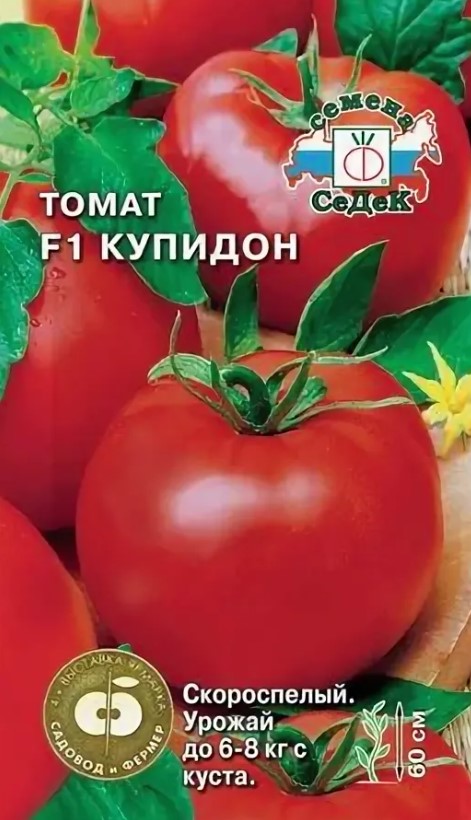
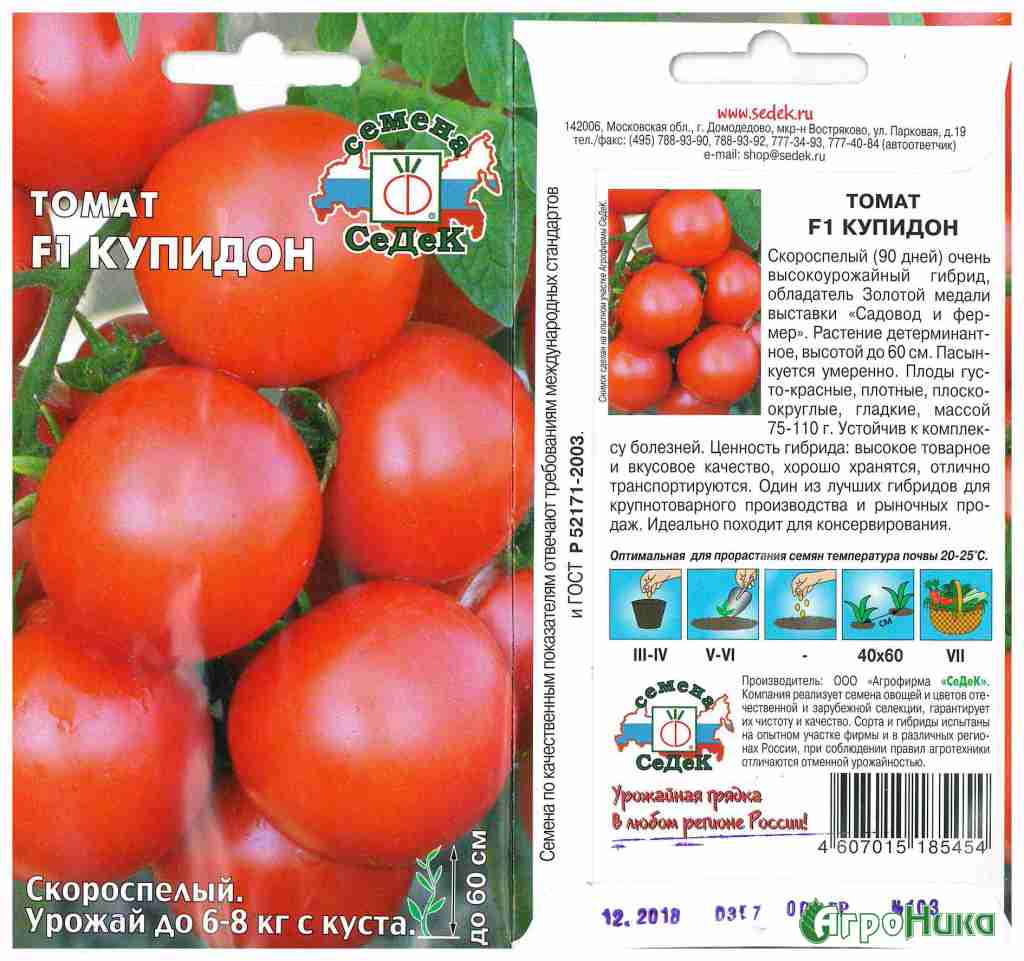
The table below shows the main characteristics of the Cupidon F1 tomato variety from Sedek.
|
Ripening period (number of days from full germination to ripening) |
90 days |
| Description | The bushes are determinate, low-growing, the height of the shoots is about 40-60 cm. The leaves are rich green, small in size. |
| Fetus | The fruits are round, the skin is smooth, the surface is even, the flesh is dense, the color is red. |
| Fruit weight | 80-100 g |
| Taste | Nice |
| Usage | Pickling, canning, fresh food, preparing salads and main courses. |
| Marketability | High |
| Shelf life | Good |
| Yield of commercial fruits | Up to 6.6 kg per sq.m. |
| Disease resistance | Good resistance to major tomato diseases. |
| Agricultural technology | During fruit formation, shoots require support, and bushes require moderate pinching. |
| Growing regions | Northern, Northwestern, Central, Volga-Vyatka, Central Black Earth Region, North Caucasian, Middle Volga, Lower Volga, Ural, West Siberian, East Siberian, Far Eastern regions |
| 2004 | |
| Originator | Dubinin S.V., Kirillov M.I. |
Photo gallery of tomato variety Cupid F1 from Sedek
Characteristics of the Cupid F1 tomato variety from Gardens of Russia
|
Ripening period (number of days from full germination to ripening) |
90 days |
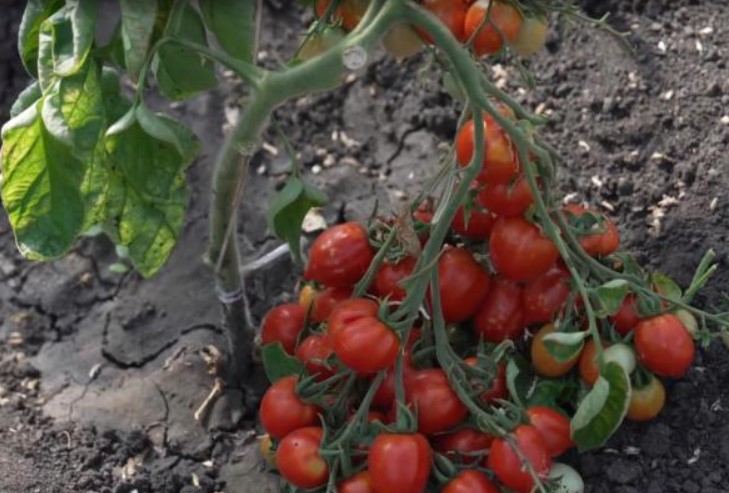
| Description | The bushes are determinate, low-growing, the height of the shoots is about 60-80 cm. The leaves are rich green, small in size. |
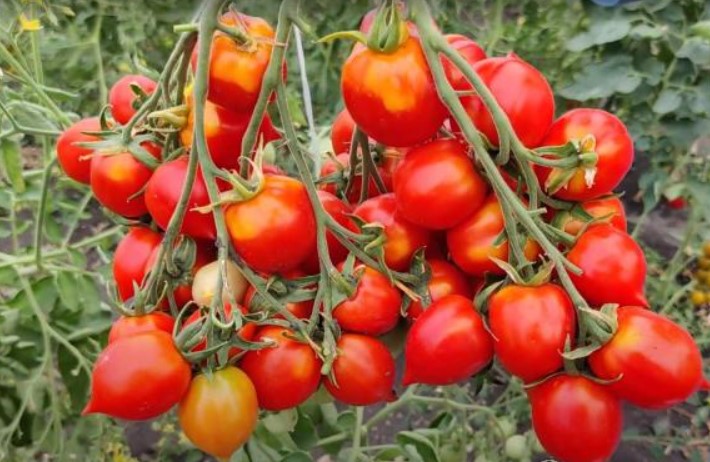
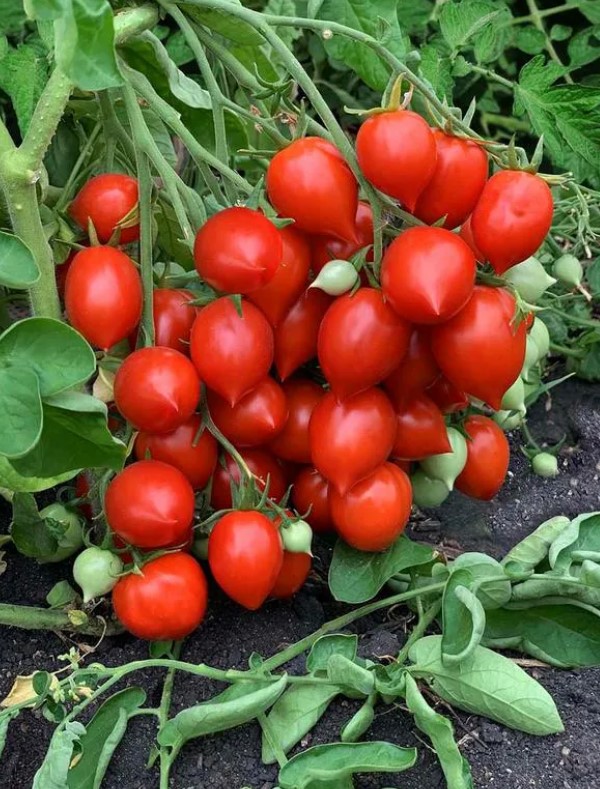
| Fetus | The fruits are in the shape of small hearts, the skin is smooth, the surface is even, the flesh is dense, the color is red. |
| Fruit weight | 15-35 years |
| Taste | Sweet, amazing. |
| Usage | Pickling, canning, fresh food, preparing salads and main courses. |
| Marketability | High |
| Shelf life | Good |
| Yield of commercial fruits | Up to 9 kg per sq.m. |
| Disease resistance | Good resistance to major tomato diseases. |
| Agricultural technology | There is no need for shaping and tying up; sometimes it is better to tie up the bunches. |
| Growing regions | Northern, Northwestern, Central, Volga-Vyatka, Central Black Earth Region, North Caucasian, Middle Volga, Lower Volga, Ural, West Siberian, East Siberian, Far Eastern regions |
| not included | |
| Originator |
Photo gallery of the Cupid F1 tomato variety from Gardens of Russia
The history of the creation of the Cupid F1 tomato variety from Sedek
In 2003, a group of Russian breeders led by S.V. Dubinin and M.I. Kirillov developed a hybrid tomato variety with high weather resistance and excellent agronomic characteristics. This is precisely what became the Cupidon tomato, which is zoned for cultivation in virtually every region of our country. That same year, an application was submitted to the vegetable crop registry, and in 2004, the variety received official recognition and was patented.
Detailed description of the tomato variety Cupid F1 from two companies
The main difference in the appearance of the Cupid tomato from Sedek and Sady Rossii is the low growth of its bushes, which significantly simplifies the procedure for caring for the plantings, as well as its early maturity.
Characteristics of the bush
The bushes of these hybrids are determinate, very compact, and low-growing. The shoots rarely exceed 60 cm in height. The hybrid from Gardens of Russia can reach 80 cm in a greenhouse.
ZedekThe leaves are small and rich green. The central stem is very strong, with moderate branching and simple inflorescences. The first fruit cluster forms above the 5th or 6th leaf, producing up to 6 fruits.
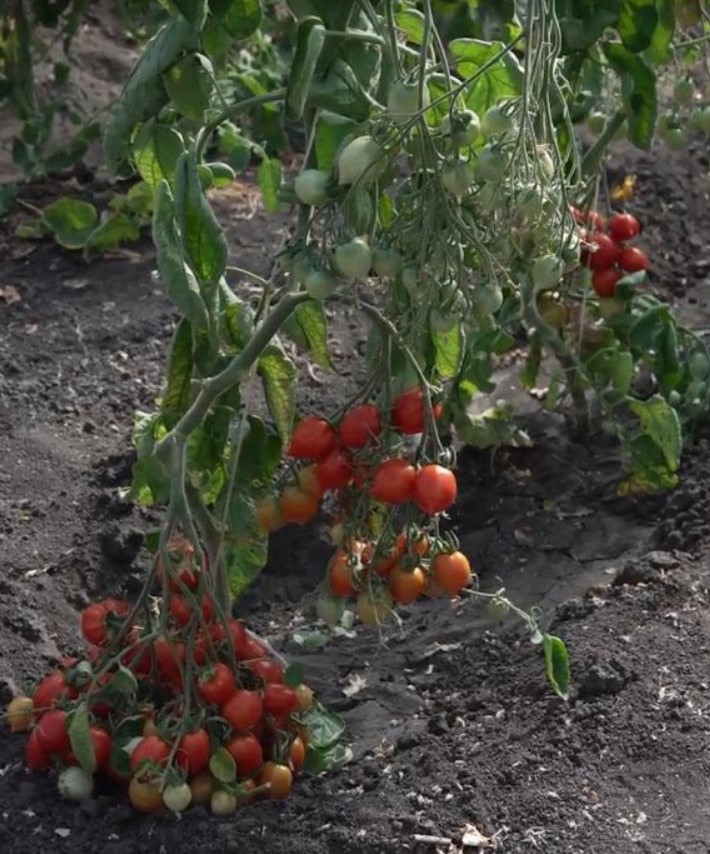
Gardens of Russia: Up to 6 brushes are formed on a powerful stem, on which up to 40 beautiful tomatoes ripen.
Characteristics of the fruit from Sedek
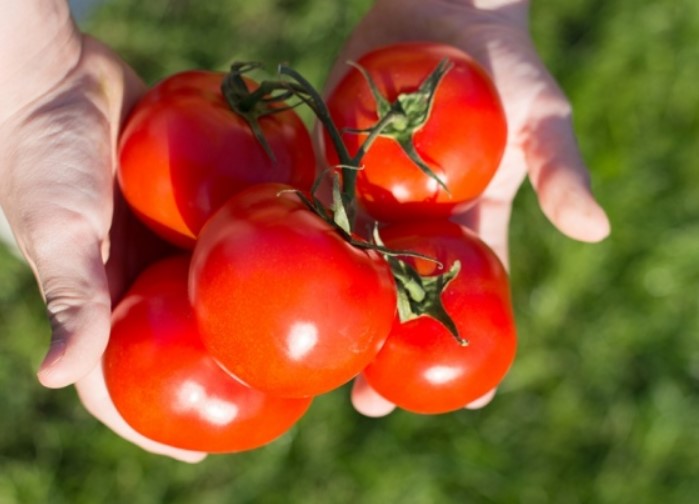
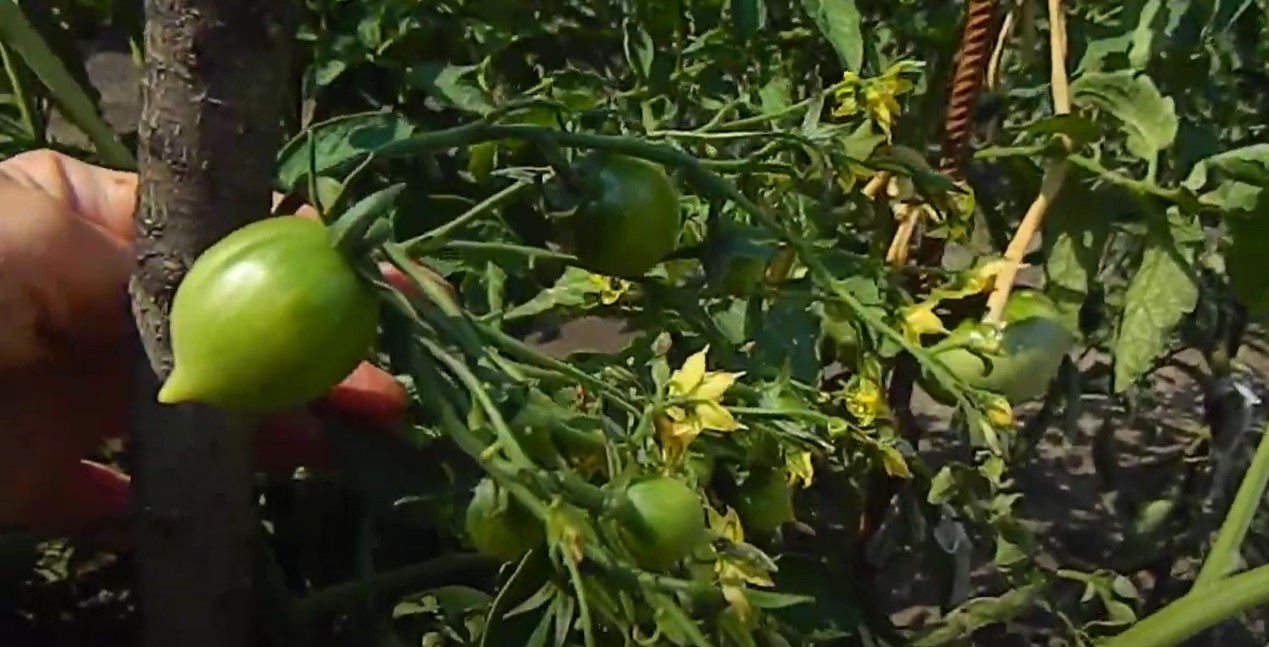
The fruits are relatively large, weighing between 80 and 100 grams each. They are smooth and round, with no ribbing. Occasionally, the fruits may be slightly flattened at the ends. The surface is smooth and glossy. As they ripen, the tomatoes change color from green to bright red, with no distinct spots at the base.
The fruits are versatile: they can be eaten fresh, used in salads, pickled, and preserved. The flavor is sweet and sour with a spicy aroma. The flesh is firm, juicy, not excessively watery, with a small number of seeds inside.
Fruit characteristics from the company Gardens of Russia
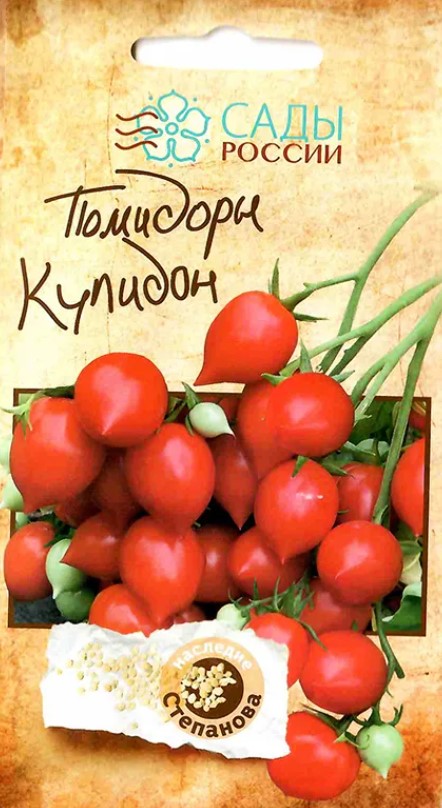
The fruits are small, 15-35 g, red, heart-shaped. The flavor is very sweet and unique. They are versatile, good both fresh and canned.
Ripening time and yield
The Cupid tomato variety is considered early; the fruits ripen 90 days after the first shoots appear.
With proper agricultural technology, it is possible to harvest from each square meter;
Zedek: up to 6.6 kg of ripe tomatoes.
Gardens of Russia: up to 9 kg of tomatoes.
Resistance of the tomato variety Cupid F1
Cupidon is a hybrid variety, so it boasts strong immunity and is virtually immune to common tomato diseases. Thanks to its rapid ripening, the fruits are less susceptible to late blight. Furthermore, the bushes are cold-hardy, allowing them to withstand the temperature fluctuations common in many regions of Russia.
Advantages and disadvantages of the Cupid F1 tomato variety from Sedek and Gardens of Russia
The Cupidon tomato varieties from both companies have roughly the same advantages and disadvantages. These are listed in the table below.
| Advantages | Flaws |
|
|
Growing the Cupid F1 tomato variety
Growing Cupidon tomatoes from different brands doesn't vary much. Cupidon tomatoes are zoned for different regions and are suitable for both open ground and greenhouses. Growing this variety is easy, even for novice gardeners, as long as you follow the simple farming guidelines outlined below.
Sowing seeds and growing seedlings
Cupidon is a hybrid variety, so you can't collect the seeds yourself for later use. It's best to buy them from a reputable producer to avoid counterfeiting. For the hybrid Cupidon variety, you just need to decide what size fruit you need: 80-100 g (Sedek), 15-35 g (Sady Rossii).
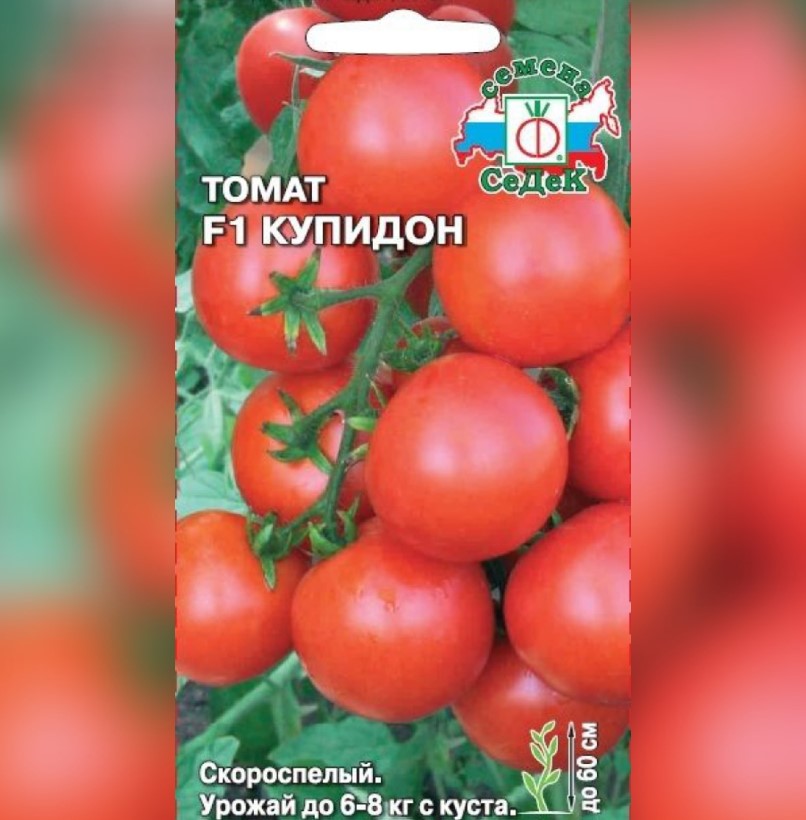
In most cases, seeds are treated before they are sold, and this is always indicated on the packaging. However, if this information is not available, you should disinfect the planting material yourself by soaking the seeds in a weak solution of potassium permanganate for 15 minutes.
Some gardeners speed up seed germination by treating them with special solutions before planting, but you can also simply germinate the seeds. It's very easy:
- place the change on a damp cloth,
- cover the top with another layer of fabric,
- put in a warm place for 24 hours.
Sprouted planting material, as a rule, takes root better and produces shoots faster when planted.
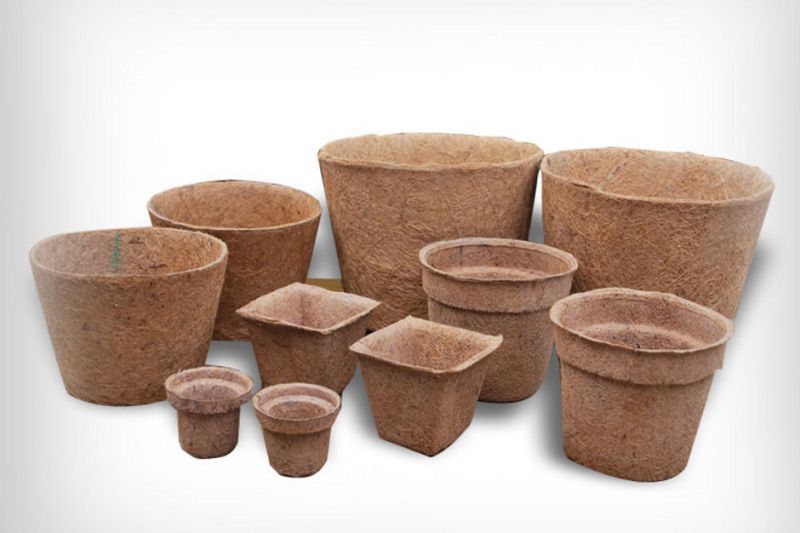
For planting tomatoes, it's best to use peat pots, which can be purchased at any hardware store. The seedlings will then be transplanted into the soil in these pots, minimizing the risk of root damage.
If you don’t have such cups, you can use any other suitable container:
- Wooden boxes.
- Plastic containers.
- Cut off juice boxes or plastic bottles.
- Peat tablets.
It is better to buy ready-made soil from specialized stores; it already contains all the nutrients correctly balanced.
If necessary, you can create it yourself. To do this, you will need:
- 2 parts garden soil,
- 1 part sand,
- 1 part peat.
Fill the selected container 2/3 full with soil mix, then lightly moisten the soil and make 1 cm deep furrows on the surface, spaced 3 cm apart. Place tomato seeds in the furrows at intervals of 2-3 cm, cover with soil, and water with a spray bottle.
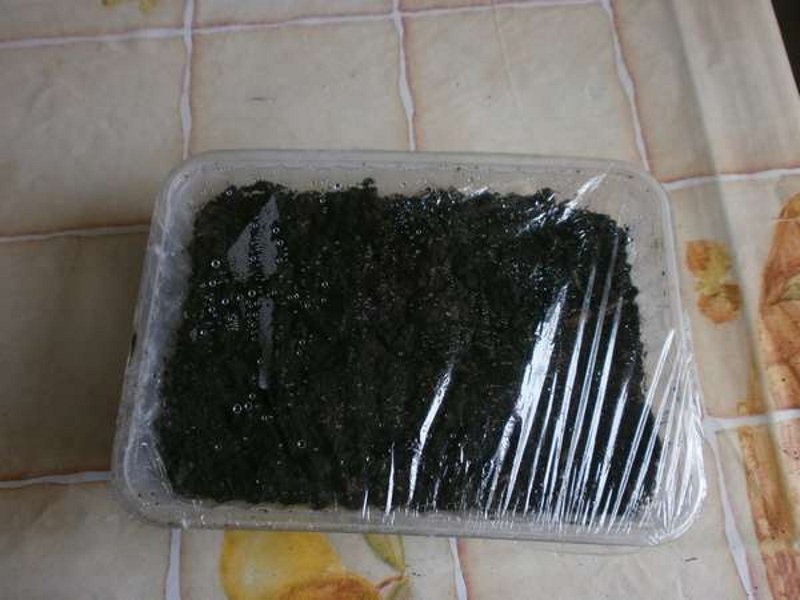
Next, cover the container with plastic wrap or glass and place it in a warm place until the seedlings emerge. Periodically ventilate the seedlings to prevent condensation from accumulating inside.
As soon as the first shoots appear on the surface, the cover can be removed. The seedlings are then moved to a cooler room with good lighting.
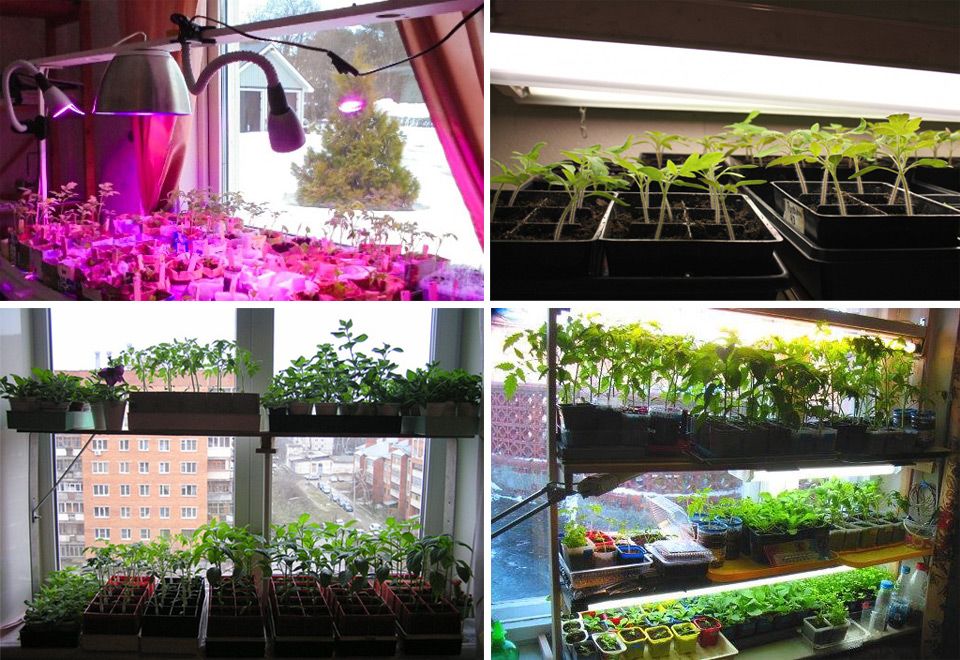
When caring for seedlings, adequate light is crucial. Insufficient light will cause the stems to stretch, making them more fragile. Therefore, it's important to consider additional lighting in advance, such as purchasing a grow light and turning it on at the end of daylight hours or even on cloudy spring days.
As needed, water with warm, settled water; at first, it is better to use a syringe or sprayer.
Planting in the ground
You can begin planting seedlings 50-60 days after sowing the seeds. It's best to choose a warm, dry day if you're working in an open garden bed. It's crucial that the soil warms up to 12 degrees Celsius (55 degrees Fahrenheit) and the threat of frost has passed.
The soil is dug over in the fall, adding manure or compost. After this treatment, it only needs to be dug over again in the spring, adding three handfuls of superphosphate per square meter.
Next, the bed surface is leveled with a rake, and holes are dug in a checkerboard pattern, approximately 20 cm deep, spaced 40-50 cm apart. A 60-70 cm gap is left between rows to make tending the plants easier.
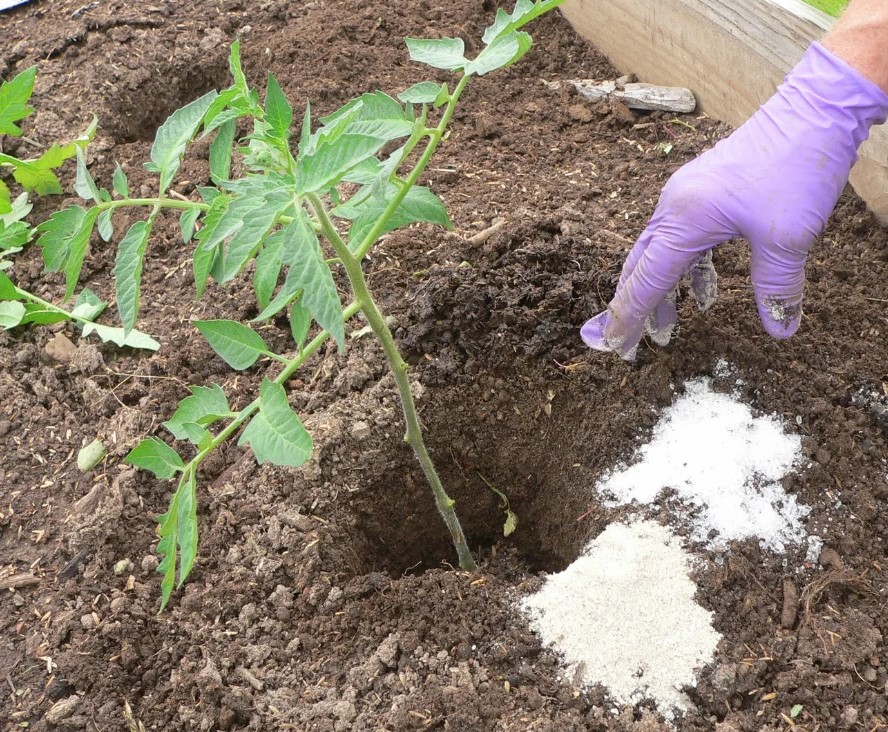
Carefully transfer the plant, along with the root ball, from the container into each hole, being careful not to damage the roots. If the seedlings were in peat pots, there's no need to remove them.
The bushes are covered with soil and then watered. If weather conditions are a concern, the tomatoes can be covered overnight with a special material, such as spunbond.
Care
After planting tomatoes, many gardeners recommend mulching the bed with straw or tree bark to protect the roots from cold and heat and to reduce weeds.
It's crucial to water the soil regularly, but avoid overwatering. Initially, watering tomatoes once a week at a rate of 5 liters per plant is sufficient. If temperatures are very high, increase the frequency to 2-3 times a week. Watering should be done in the evening to avoid sunburn.
Periodically, it is necessary to loosen the soil and remove weeds to make it easier for the roots to absorb oxygen and nutrients from the soil.
During the growth of tomatoes, moderate side-sonning is carried out, and at the stage of fruit formation, it is important to tie up the shoots so that they do not break off.
Comparison of the tomato variety Cupid F1 with other varieties in the table
Please note! How can you easily convert centners/ha to kg/sq.m? Just divide by 100! For example, the Abakansky tomato yields 600 centners of marketable fruit per hectare. This equals 6 kg per square meter. It's that simple! Also, keep in mind that typically no more than 3-4 plants are planted per square meter. This way, you can calculate the yield per bush. In the case of the Abakansky, it's about 2 kg.
| Variety | Ripening period (number of days from full germination to ripening)
Yield of commercial fruits |
Brief description | Fetus |
| Cupid F1 from Sedek |
90 days
660 c/ha |
An early-ripening, determinate variety for open ground. Suitable for salads, canning, and processing into tomato products. Drought-resistant. | Round, smooth, red, 80-100 g. Good taste. |
| Cupid F1
from Gardens of Russia |
90 days
900 c/ha |
An early-ripening determinate variety for open ground and greenhouses. Suitable for salads, processing into tomato products, and canning. Drought-resistant. | Heart-shaped, smooth, red, 15-35 g. Sweet taste. |
| Kiss of the Geranium | 90 days Up to 1000 c/ha |
An early-ripening determinate variety for open ground and greenhouses. Suitable for salads, canning, pickling, and processing into tomato products. | Oblong with a drop-shaped appendage at the end, smooth, red, 15-35 g. The taste is good to excellent. |
| F1 debut | about 90 days
910 c/ha |
An early-ripening determinate variety for open ground and greenhouses. Suitable for salads. | Flat-round, slightly ribbed, medium density, red, 210-230 g. Good to excellent taste. |
| Abakansky | 110-120 days
600 c/ha |
Mid-early, determinate, large-fruited, suitable for growing in open ground in regions with a temperate climate; in the middle zone it is grown under cover or in greenhouse conditions.Requires staking and shaping. Suitable for salads and processing into tomato products. | Heart-shaped, slightly ribbed, loose, pink in color, 150-200 g. Good taste. |
| Alsou | 105-110 days
700 c/ha |
An early-ripening, determinate variety for open ground and greenhouses. Requires staking and shaping. Suitable for salads. | Flat-round, slightly ribbed, medium density, red, 312 g. Good taste. |
| King of the Early | 85-95 days depending on the growing location
1200 c/ha |
An early-ripening determinate variety for open ground and greenhouses. Suitable for salads and processing into tomato products. | Flat-round, smooth, red, 150-200 g (up to 400 g). Good taste. |
| Kostroma F1 | 105-110 days
1350-1500 c/ha |
A mid-season determinate variety for greenhouses. Requires staking and training. Suitable for salads, whole-fruit canning, and processing into tomato products. | Flat-round, slightly ribbed, glossy, red or orange, 80-150 g. Good taste, sweet and sour. |
| Tiger cub | 110-120 days
930-950 c/g. |
Early-ripening, indeterminate variety. Grown in open ground and under plastic covers in private gardens. Requires staking and pinching. Suitable for salads and canning, including whole-fruit preserves. | Round, smooth, medium-dense, weighing 30-35g. Turns red when ripe. Good flavor. |
| Tiger Cocktail | 100-120 days
820 c/g. |
An early-ripening, first-generation indeterminate hybrid. Grown in greenhouses and garden beds on private plots. Requires staking and pinching. Suitable for salads. | The fruits average 40 g, are round, not very firm, and have slight ribbing. They turn red when ripe. The flavor is good. |
| Ultra-early | 60-65 days
750-1000 c/ha |
An ultra-early determinate variety for open ground and greenhouses. Suitable for salads and processing into tomato products. | Flat-round, smooth, orange-red, 100-120 g (up to 150 g). Excellent taste. |
| Siberian early ripening | 98-108 days
289-543 c/ha (open ground), 20-43% of the total yield ripens in 15 days of fruiting, 630-950 c/ha (greenhouse and under film), in the first month of fruiting 240-580 c/ha. |
An early-ripening, determinate, low-growing variety for open ground and greenhouses. Suitable for salads. | Round and flat-round, slightly ribbed, medium-sized and large, red, 62-114 g. The taste is satisfactory. |
| Siberian Shan'gi | 100-110 days
The yield of commercial fruits in open ground was 5.6 kg/sq.m. |
A mid-season determinate variety for open ground and greenhouses. Suitable for salads. | Flat-round, medium density, slightly ribbed, raspberry, 157 g. Excellent taste. |
Gardener reviews of the Cupid F1 tomato variety
The varieties are practically perfect! They're resistant to late blight, and the tomatoes are very easy to pick because they grow in clusters. They have a pleasant flavor, and they don't fall apart when canned whole.
Review: "Gardens of Russia" seeds - Rainbow in a salad. Or my Cupid and Gold Rush tomatoes.
Good afternoon. I wouldn't call myself a top-tier gardener, but I really enjoy fresh salads and winter preserves, even though I don't have much time for the garden. I always choose easy-to-care-for vegetable varieties for planting. And since I don't have much time to shop, I also order seeds online. For the last two years, I've been buying tomatoes from Gardens of Russia, and I really like them. The website has detailed descriptions and photos of the fruits, and the delivery is excellent; both times my order arrived on time without any issues. I received what I expected.
I usually buy several varieties, and I'm particularly fond of two: Cupid and Gold Rush (one is red, the other orange, so they look like a rainbow in a salad). Cupid is both attractive and delicious, and I really like the good yield.
I had no particular difficulties growing them. As with all tomatoes, the bushes are low and don't require staking, which is perfect for me. Each bush produces a whole large bowl of red tomatoes, heart-shaped ones at that. They say this variety is resistant to viruses and bacterial diseases, so I haven't had any problems with any of the bushes.
Gold Rush is a plum-like variety with an orange-yellow color and a wonderful flavor. The tomato plant is robust and adapts well to any growing conditions.
She reacts calmly to changes in the weather, I have never treated her for any diseases, only vitamins and bait.
It's just as productive as Cupidon, and these two varieties work well together in the garden. Of all the seeds in the packets, only one of each variety failed to sprout.
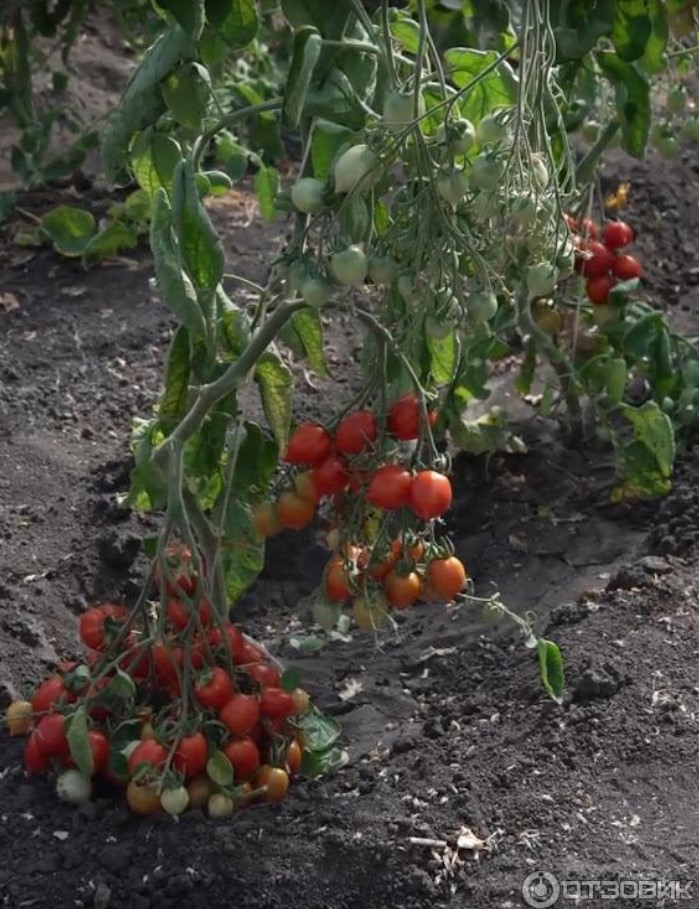
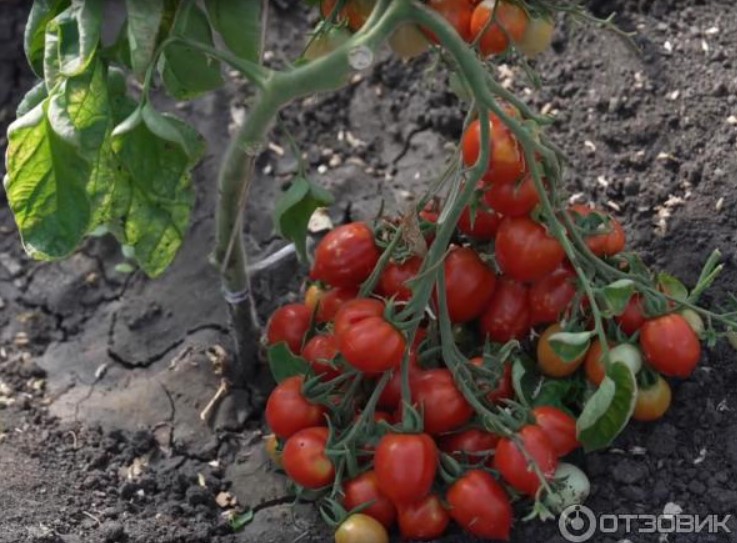
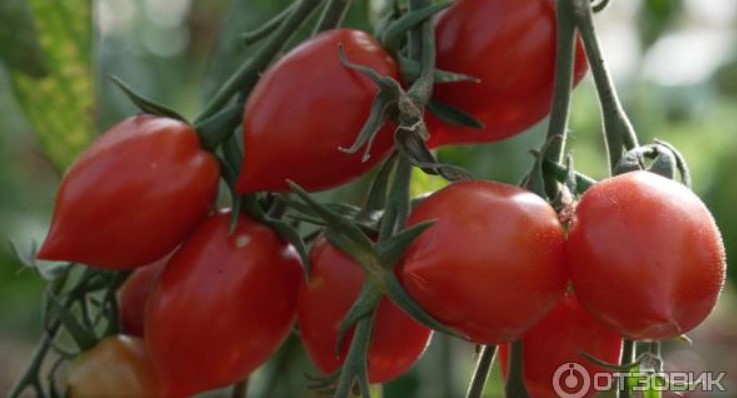
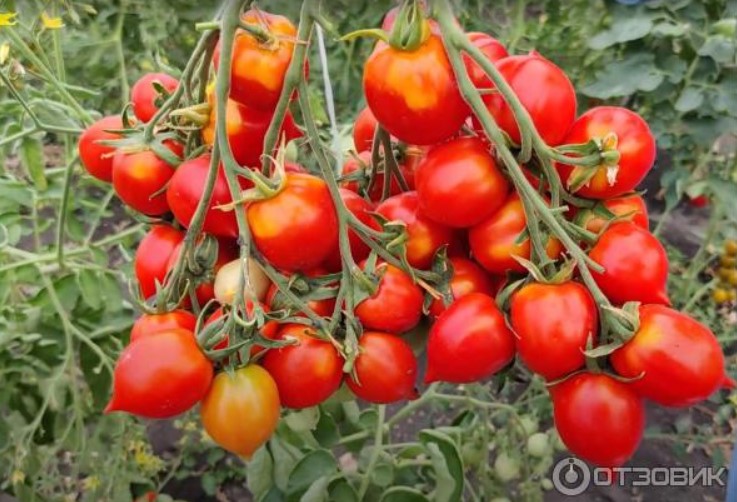
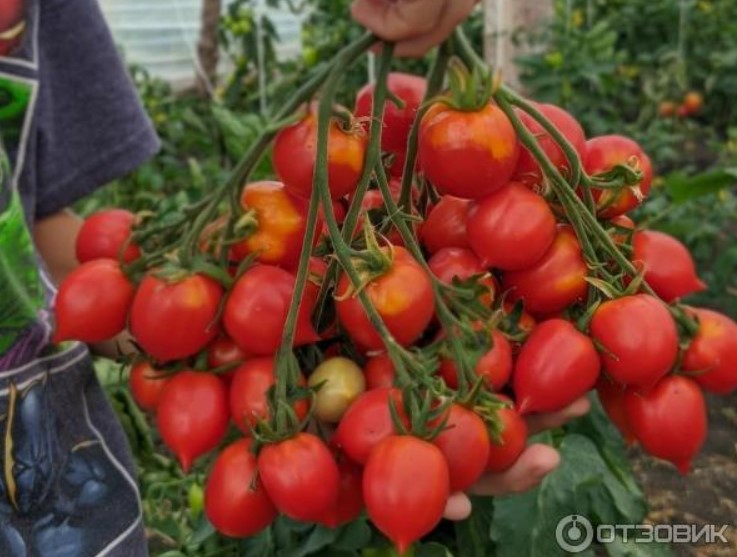
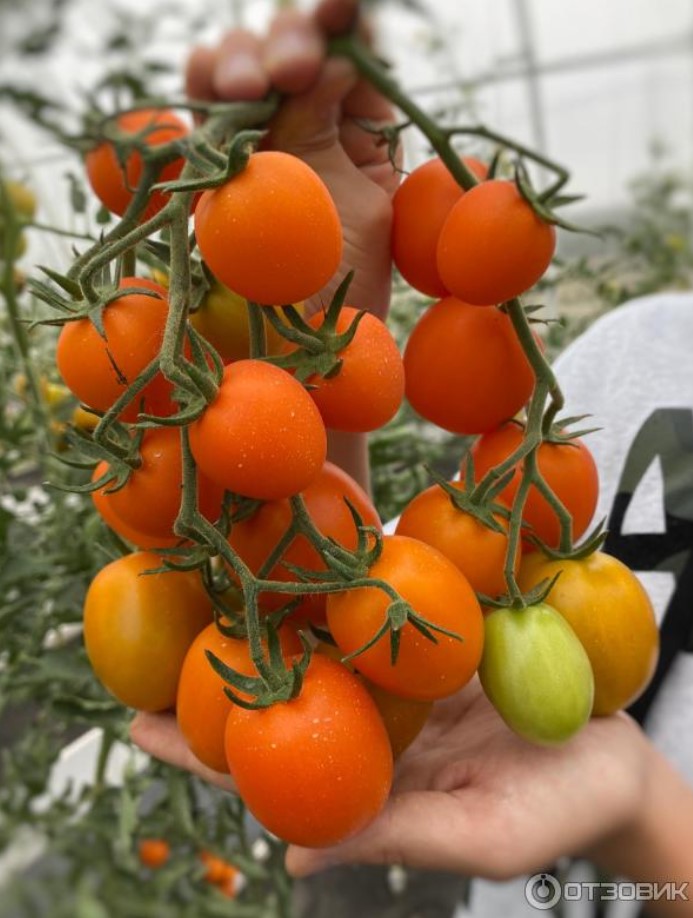
This variety is perfect in every way, from its attractive appearance and high yield to its ease of cultivation and amazing taste. It's determinate, meaning there's no need for staking or removing side shoots.
The Cupidon variety is distinguished by its long, complex clusters that are not removed but rather used to form the bush. It produces up to six clusters, each bearing up to 40 small, heart-shaped tomatoes. It is characterized by high yields for its size (up to 9 kg per bush!).
Zulfiya Zainullina
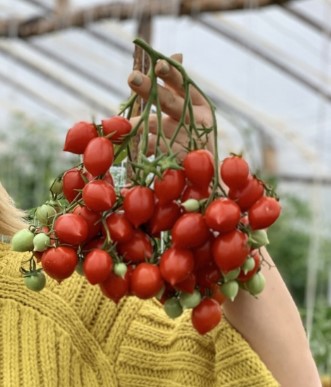
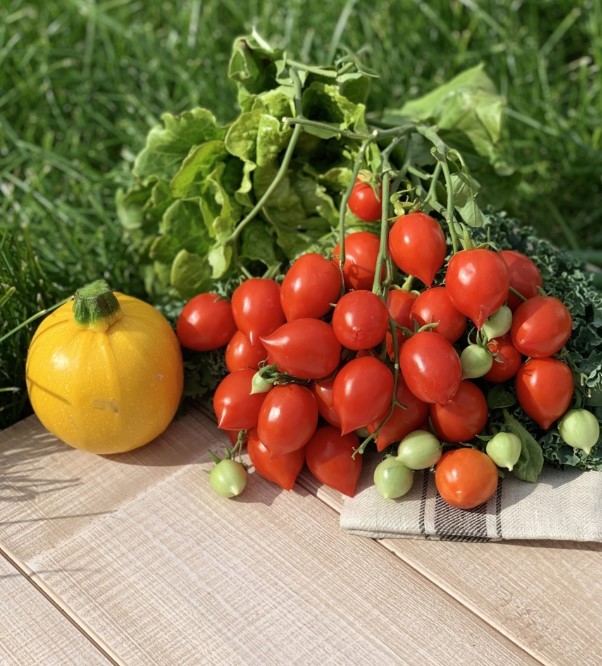
Very sweet tomatoes.
Natalia Sergeevna
I planted them, they were really sweet and there were a lot of them, but I didn't even bother picking the last few that were so small. Maybe it was the heat that made them so small. I'll try planting them again and see if they get any bigger, and then I won't plant any more.
Tomato "Cupid" F1👼
It will strike you right in the heart!💘An early-ripening (90 days) and very high-yielding hybrid, winner of the Gold Medal at the Gardener and Farmer exhibition!🥇
📗Determinate plant, up to 60 cm tall. Side-sonning is moderate. Fruits are deep red, dense, flat-round, smooth, weighing 75-110 g. Resistant to a range of diseases.
💎Hybrid value: high commercial and flavor quality, good storage, and excellent transportability. One of the best hybrids for large-scale production and market sales.
✅Ideal for canning.
Price: 21 rub. for 0.05g.