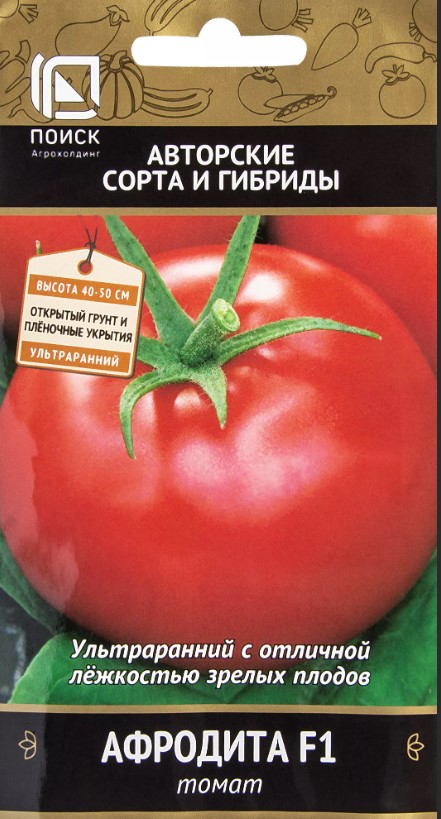
The Aphrodite tomato was developed by domestic breeders in the Urals. Therefore, it is ideal for growing in harsh climates. Although considered a commercial variety, it is grown in private gardens throughout the country.
Content
- 1 Characteristics of the tomato variety Aphrodite F1 in the table
- 2 The history of the Aphrodite F1 tomato variety
- 3 A detailed description of the tomato variety Aphrodite F1
- 4 Advantages and disadvantages of the Aphrodite F1 tomato variety
- 5 Features of growing the Aphrodite F1 tomato variety
- 6 Resistance to diseases and pests, prevention
- 7 Harvesting, using and storing tomatoes of the Aphrodite F1 variety
- 8 Tips from Top.tomathouse.com for growing the Aphrodite F1 tomato variety
- 9 Comparison of the tomato variety Aphrodite F1 with other varieties in the table
- 10 Gardeners' reviews of the Aphrodite F1 tomato variety
Characteristics of the tomato variety Aphrodite F1 in the table
|
Characteristic |
Description |
|
Ripening period (number of days from full germination to ripening) |
75-80 days. |
|
Description |
Ultra-early determinate hybrid for cultivation in protected and unprotected soil. |
|
Fetus |
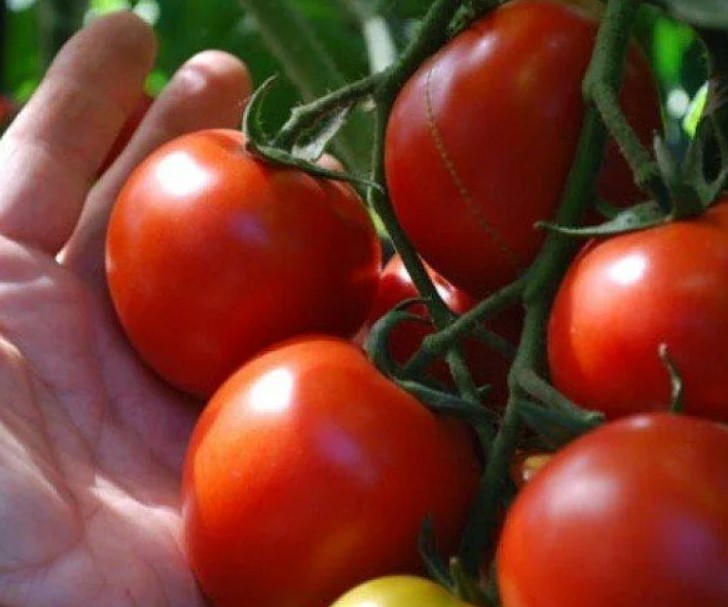
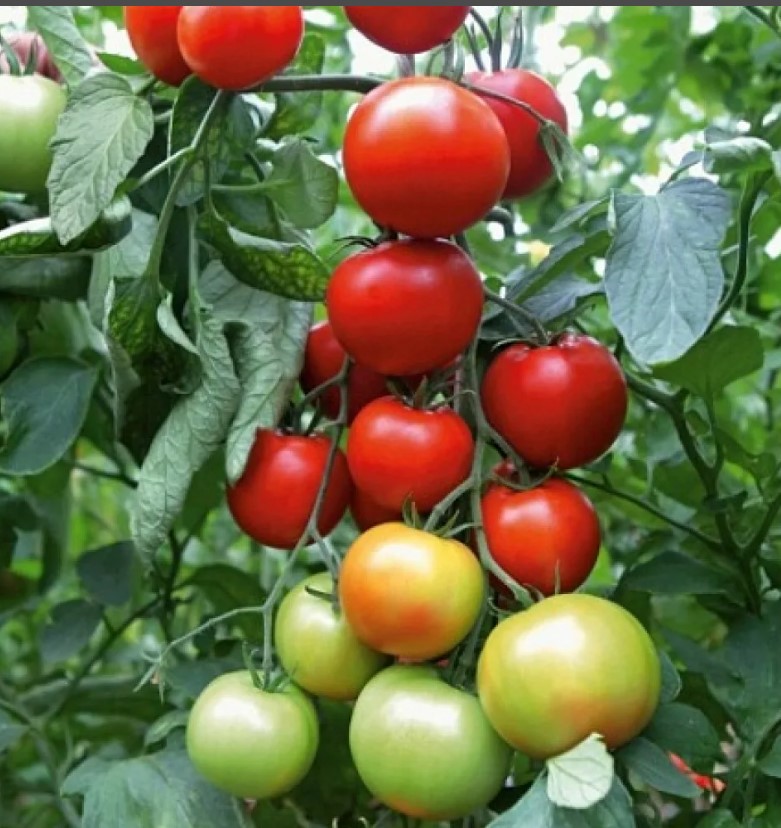
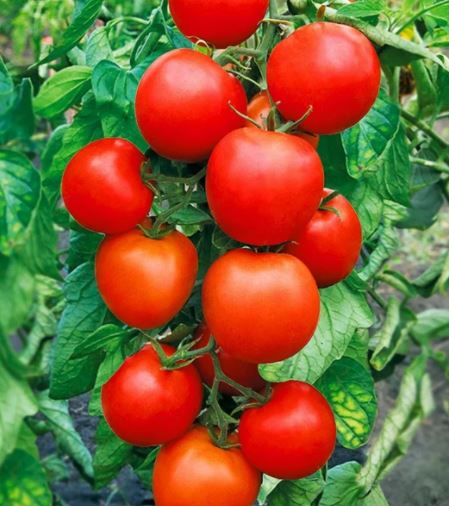
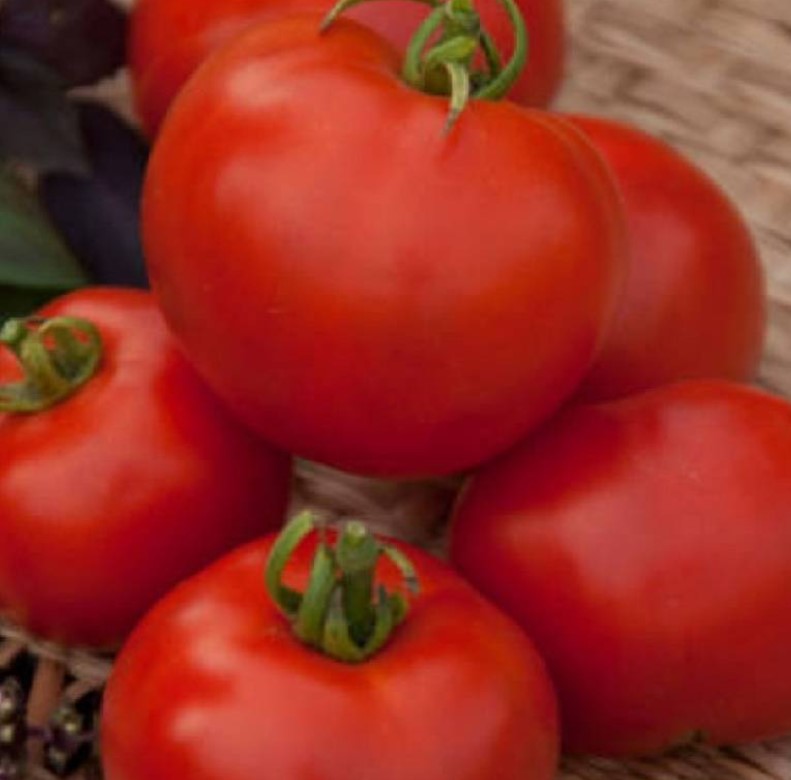
Round, red without a green spot at the stalk, smooth. |
|
Fruit weight |
110-115 g. |
|
Taste |
Great. |
|
Usage |
Versatile. Suitable for fresh consumption, canning, and preparing various dishes. The fruits are virtually acid-free, making them suitable for dietary use. |
|
Marketability |
High. |
|
Shelf life |
|
|
Yield of commercial fruits |
90-100 t/ha. |
|
Disease resistance |
To late blight, TMV, fusarium wilt. |
|
Agricultural technology |
The bushes require staking and shaping. The planting pattern is 70 x 30 cm or 70 x 40 cm. |
|
Regions |
Northern, Northwestern, Central, Volga-Vyatka, Central Black Earth District, Northern Caucasus, Lower and Middle Volga, Ural, Western and Eastern Siberia, Far East. |
|
|
2008 |
|
Originator |
LLC "AGROFIRM POISK" |
Photo gallery of the tomato variety Aphrodite F1
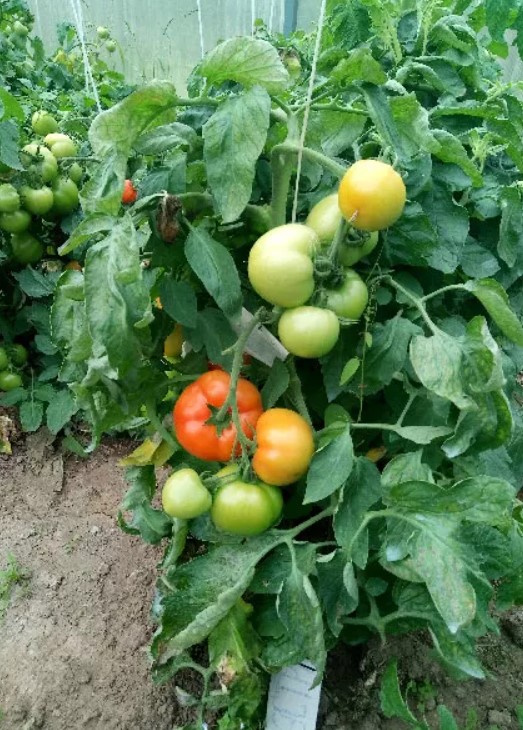
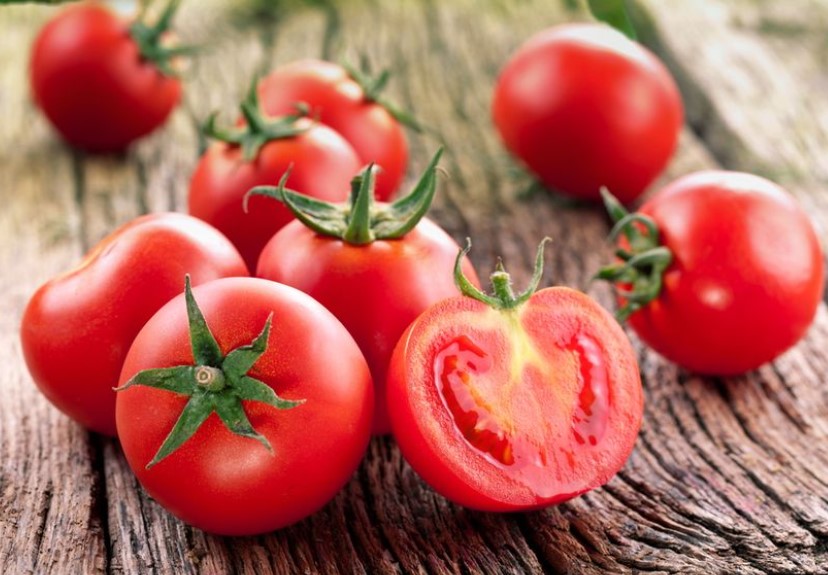
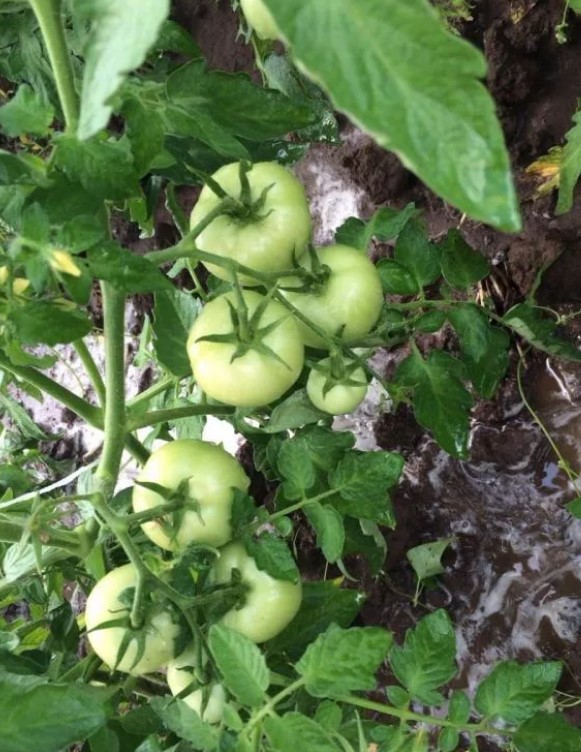
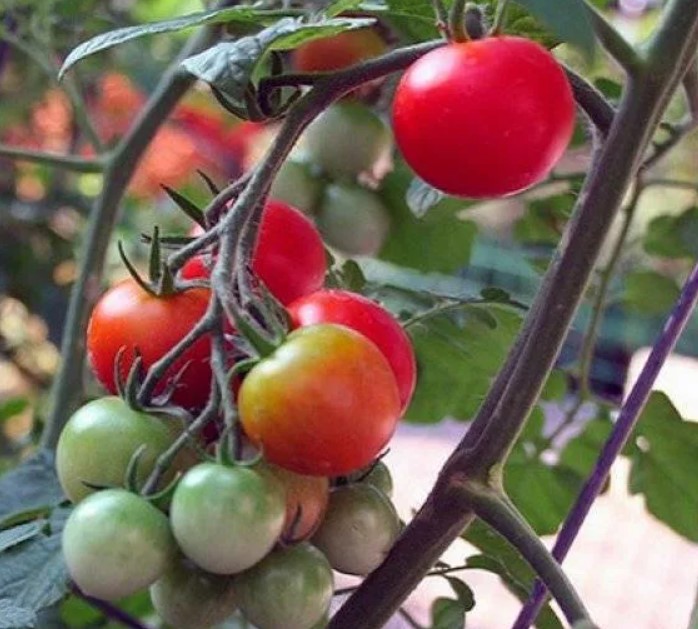
The history of the Aphrodite F1 tomato variety
The hybrid was developed by breeders V. V. Ognev, S. V. Maksimov, N. N. Klimenko, and A. N. Kostenko from Agrofirm Poisk LLC. The tomato was included in the Russian State Register of Breeding Achievements in 2008.
A detailed description of the tomato variety Aphrodite F1
Let's take a closer look at the hybrid's characteristics.
Characteristics of bushes
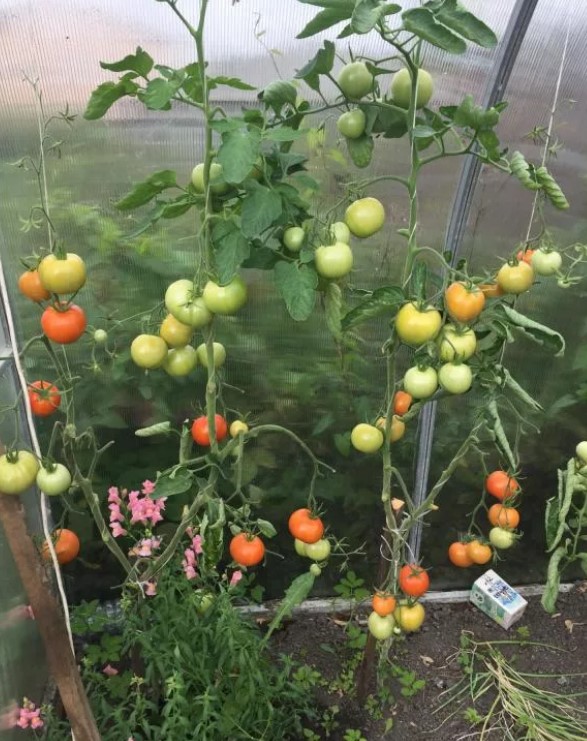
They reach 40-50 cm in height. When grown in greenhouses, they can be slightly taller. The bushes are determinate, meaning they have a limited growth rate. They do not require pinching. Although the shoots are strong and sturdy, they still require support to support the weight of large tomatoes.
Fruit characteristics
Round, with smooth, dense skin. Average weight: 110-150 g. Unripe fruits are green. As they ripen, they turn red, with no green spot on the top.
The flesh is dense and juicy. It has no more than four seed chambers. The dry matter content is no more than 5%.
Productivity and ripening time
One square meter can yield up to 8.0 kg of fruit. Each inflorescence produces up to six fruits of identical shape and size.
The hybrid ripens very early. The time between germination and technical maturity is 75-80 days.
Advantages and disadvantages of the Aphrodite F1 tomato variety
|
Advantages |
Flaws |
|
Pleasant taste |
Need for garter and shaping |
|
Juicy and tender pulp |
It is impossible to use seeds collected on your own plot for planting. They lose their varietal characteristics. |
|
Versatility of fruit use |
|
|
Correct fruit shape, high commercial properties |
|
|
Resistance to many dangerous tomato infections |
|
|
Very early ripening period |
|
|
High yield rate |
|
|
Friendly emergence of fruits, ripening |
|
|
High transportability |
|
|
Long shelf life under optimal conditions |
Features of growing the Aphrodite F1 tomato variety
The hybrid is easy to grow and care for. However, basic agricultural practices should still be followed.
Sowing seeds and growing seedlings
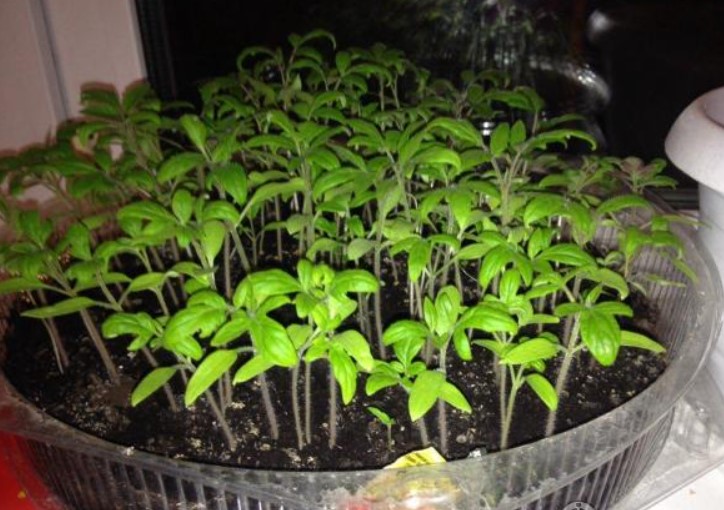
Tomatoes are grown using seedlings. Seeds are sown for seedlings in mid- to late March. The first shoots appear within a week. After this, the containers should be moved to a well-lit location. After 3-4 leaves appear, it is recommended to transplant the seedlings into peat pots.
Planting in the ground
Planting in open ground is carried out from May 15 to 25. The planting site should be prepared in advance. Tomatoes prefer neutral soil, so it's important to check its acidity.
Excellent predecessors would be zucchini, dill or cucumbers.
Tomatoes should not be planted next to potatoes.
The planting site should be well-lit. Before planting, it should be dug over, incorporating mineral and organic fertilizers, loosened, and watered.
When transplanting to a permanent location, pinch the central root of each bush so that additional shoots begin to develop at the roots.
5-6 bushes can be planted per square meter using a 70 x 30 cm or 70 x 40 cm pattern. If the plantings are too dense, the risk of insects and diseases increases, the plant becomes weak, and the yield decreases.
Outdoor care
Basic agricultural rules:
- perform shaping, leaving 3-4 shoots on the bush;
- stepsoning should be done every week;
- Be sure to tie up the stems and install supports for heavy clusters;
- fertilize regularly;
- water once a week, in hot weather increase the number to 3-4 times (moisten every other day);
- do not neglect weeding the bushes so that weeds do not take away moisture and nutrients from the crop;
- To protect the roots from overcooling and overheating, mulch the bushes.
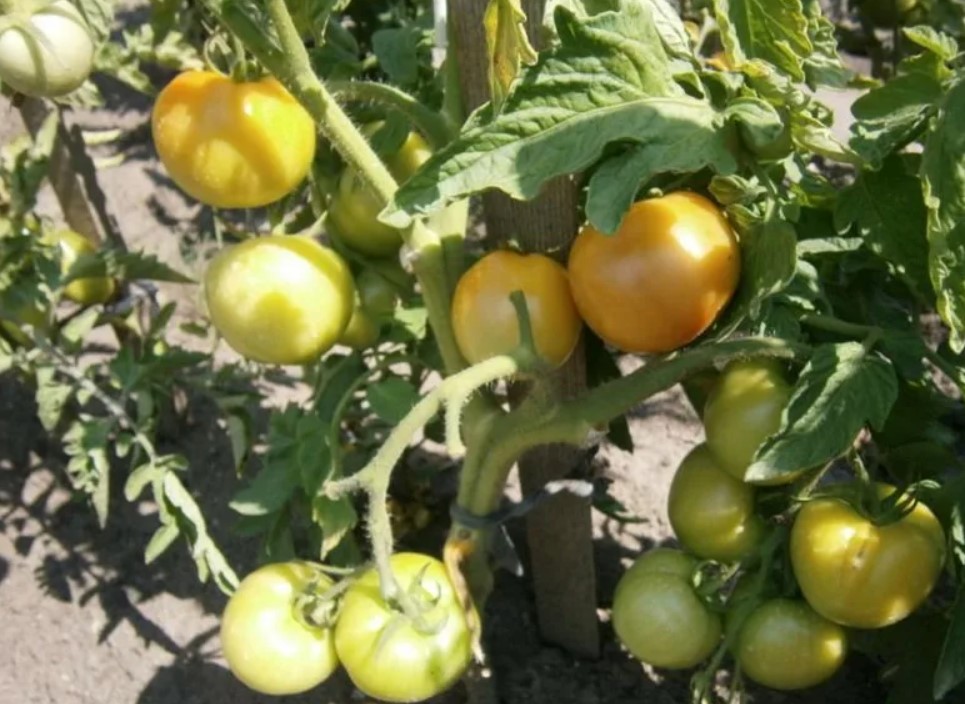
If you follow these simple rules, your tomatoes will be strong and healthy, and will reward you with a bountiful harvest at the end of the season.
About the best tomato varieties that don't require pinching Find out on our website.
Greenhouse care
Greenhouse care is similar to open-ground cultivation. The only difference is watering, which should be done periodically—every 1-2 days. The greenhouse also needs regular ventilation.
Resistance to diseases and pests, prevention
|
Disease, pest |
Durability |
|
Late blight, VTM, Fusarium wilt |
High |
|
Root and gray rot |
Weak stability |
|
Low |
To prevent the appearance of pests and diseases, you need to follow the following preventative measures:
- provide moderate watering, do not overwater the bushes to prevent the development of root rot;
- do not neglect mulching, as this will protect not only from the appearance of weeds, but also from pests;
- treating beds with Bordeaux mixture, copper sulfate, and herbal infusions before planting;
- compliance with crop rotation and other agricultural practices.
The measures listed will significantly reduce the risk of infections and pests.
You know that Tomatoes can be affected by various diseases. Learn about them, how to combat them, and how to prevent them. You can visit the website Top.tomathouse.com.
Harvesting, using and storing tomatoes of the Aphrodite F1 variety
The harvest is from July 15 to August 20. Store the fruit in a cool, dry place. Check regularly for rot. Discard any damaged fruit.
Tips from Top.tomathouse.com for growing the Aphrodite F1 tomato variety
Useful tips for growing a hybrid:
- To obtain a large number of fruits, it is not recommended to leave more than 6-7 tomatoes on one brush;
- do not form into 1 stem, leave 3-4 shoots;
- When growing tomatoes in a greenhouse, it is essential to ventilate the room daily to ensure an influx of fresh air;
- since the bushes are determinate, they do not need to be side-sonned;
- There is no need to follow a precise watering schedule, rely on the condition of the soil, or allow it to dry out.
By following these recommendations you will be able to achieve maximum crop yield.
Comparison of the tomato variety Aphrodite F1 with other varieties in the table
Please note! How can you easily convert centners/ha to kg/sq.m? Simply divide by 100! For example, the Abakansky Pink tomato yields 400 centners of marketable fruit per hectare. This equals 4 kg per square meter. It's that simple! Also, keep in mind that typically no more than 3-4 plants are planted per square meter. This way, you can calculate the yield per bush. In the case of the Abakansky Pink, it's about 1 kg.
| Variety | Ripening period (number of days from full germination to ripening)
Yield of commercial fruits |
Brief description | Fetus |
| Aphrodite | 70-100 days depending on climatic conditions
800 c/ha |
An early-ripening determinate variety for open ground and greenhouses. Requires staking and shaping. Suitable for salads. | Round, smooth, medium density, red, 100-115 g. Good taste. |
| Alsou | 105-110 days
700 c/ha |
An early-ripening, determinate variety for open ground and greenhouses. Requires staking and shaping. Suitable for salads. | Flat-round, slightly ribbed, medium density, red, 312 g. Good taste. |
| Abakan pink | 120 days or more
400 c/ha |
A late-ripening determinate variety for open ground and greenhouses. Requires staking and training. Suitable for salads and processing into tomato products. | Flat-round, slightly ribbed, medium density and pink in color, 200-500 g. Good taste. |
| Big Momma | 85-95 days (greenhouse), about 100 days (open ground)
700-900 c/ha |
A mid-early determinate variety for open ground and greenhouses (greenhouses only, according to the register). Suitable for salads, canning, pickling, and juice. | Round, large, slightly ribbed, medium density, red, 200-250 g. Excellent taste. |
| Red Bull | 110-118 days
385 c/ha |
A late-ripening determinate variety for open ground and greenhouses. Suitable for salads. Marketability: 89.5%. | Large, medium-ribbed, flat-round, red with a dark spot near the stalk, 305 g. |
| Voyage | 95-100 days
1400-1800 c/ha |
An early-ripening indeterminate variety for greenhouses. Suitable for salads. Transportable. | Round with a spout, smooth, dense, pink, 120-130 g. Good taste. |
| nobleman | 103-117 days
107-587 c/ha, maximum 780 c/ha (Omsk region) |
A mid-season determinate variety for open ground. Suitable for salads. 95% marketability. | Heart-shaped, medium-ribbed, raspberry, 131-250 g. Good to excellent taste. |
| Kostroma | 105-110 days
1350-1500 c/ha |
A mid-season determinate variety for greenhouses. Requires staking and training. Suitable for salads, whole-fruit canning, and processing into tomato products. | Flat-round, slightly ribbed, glossy, red or orange, 80-150 g. Good taste, sweet and sour. |
| Siberian big guy | 90-100 days
900-1200 c/ha |
An early-ripening indeterminate variety for open ground and greenhouses. Suitable for salads, processing into tomato products, and preparing first and second courses. | Flat-round, slightly ribbed, red, 500 g. Good to excellent taste. |
| Siberian early ripening | 98-108 days
289-543 c/ha (open ground), 20-43% of the total yield ripens in 15 days of fruiting, 630-950 c/ha (greenhouse and under film), in the first month of fruiting 240-580 c/ha. |
An early-ripening, determinate, low-growing variety for open ground and greenhouses. Suitable for salads. | Round and flat-round, slightly ribbed, medium-sized and large, red, 62-114 g. The taste is satisfactory. |
| Siberian Shan'gi | 100-110 days
The yield of commercial fruits in open ground was 5.6 kg/sq.m. |
A mid-season determinate variety for open ground and greenhouses. Suitable for salads. | Flat-round, medium density, slightly ribbed, raspberry, 157 g. Excellent taste. |
| Siberian giant | 115-120 days
The commercial yield of fruits was 9.0-11.0 kg/sq.m. |
A mid-early indeterminate variety for greenhouses. Suitable for salads. | Flat-round, large, medium-ribbed, loose, red, 400-500 g. Excellent taste. |
Gardeners' reviews of the Aphrodite F1 tomato variety
Most gardeners are satisfied with the Aphrodite tomato. Among its advantages, they note its attractive appearance, long shelf life with preserved flavor, and resistance to adverse environmental conditions.
We ordered the "Aphrodite F1" tomato seeds online (through the "Gardens of Russia" website). The package arrived very quickly. The price was much lower than in the store. For comparison, we ordered them for 25 rubles a packet, while in the store they cost 40 rubles.
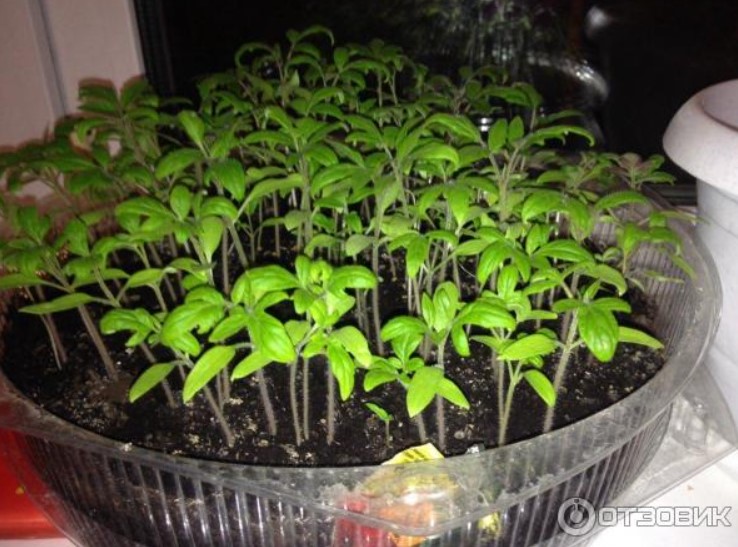
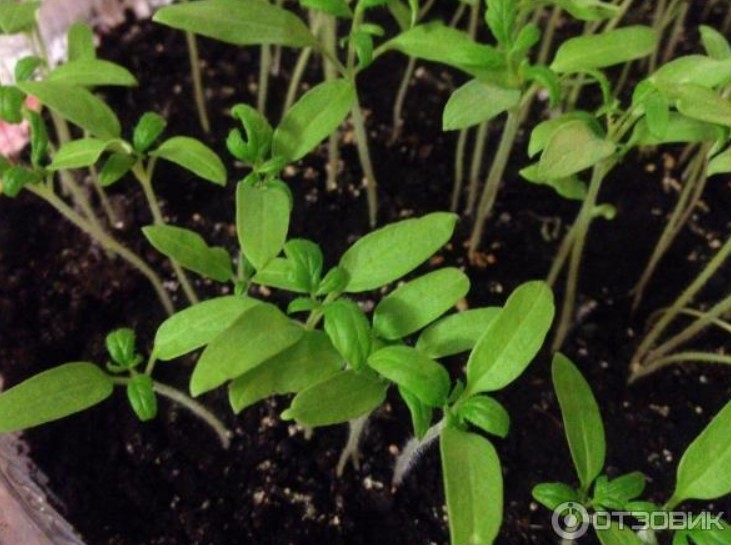
We planted them in the first ten days of March (I first soaked them in a damp cloth for 24 hours and planted them in the ground the next day). The seeds sprouted on the fifth day.
The tomato germination rate was 100%, every single seed sprouted.It's time to transplant them, of course; I'll be doing that soon. The weather in the Urals is still cold, so we plan to transplant them into a polycarbonate greenhouse around the May holidays.
We've been using these seeds for three years now. We planted them last year, too, and the harvest was excellent. The tomatoes ripen very quickly, turning red on the vine. The fruits were medium-sized, but very tasty and sweet.
There were so many ovaries, the bunches were even breaking from the weight (we counted up to 20 tomatoes on a single bush). Naturally, all this requires care and feeding. We also had to loosen the soil, which tomatoes really love.
In general, "Gardens of Russia" always has very good seeds; we've been using them for several years now. Incidentally, we read about these seeds in the "Gardens of Russia" magazine, where we found a wealth of valuable and useful information that was very helpful. The magazine described everything in detail (how and when to sow, how to care for them, etc.).
Overall, these are excellent seeds. I recommend them to everyone.
I'm updating my review and posting photos from the greenhouse.
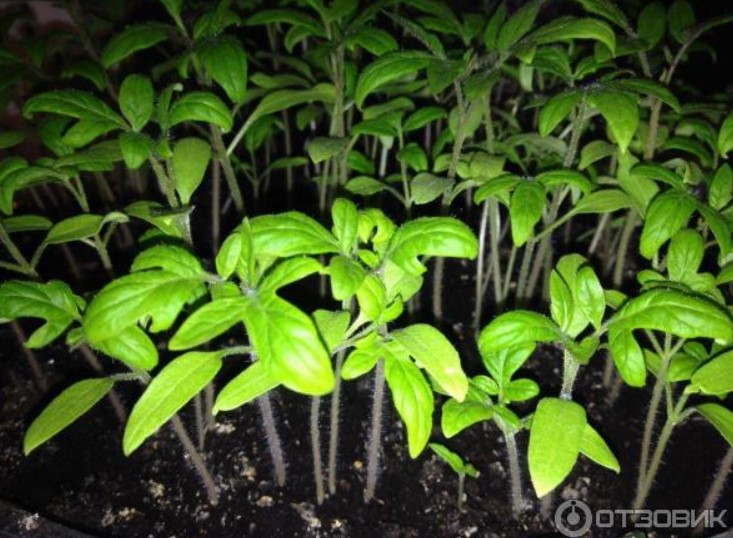
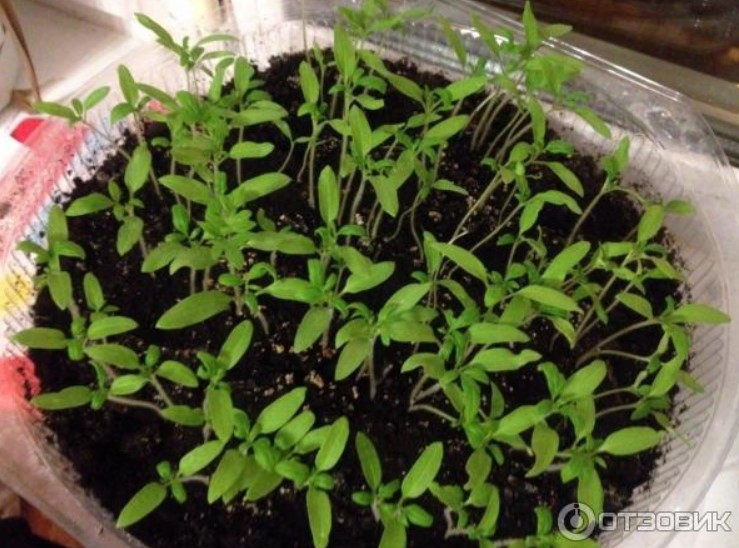
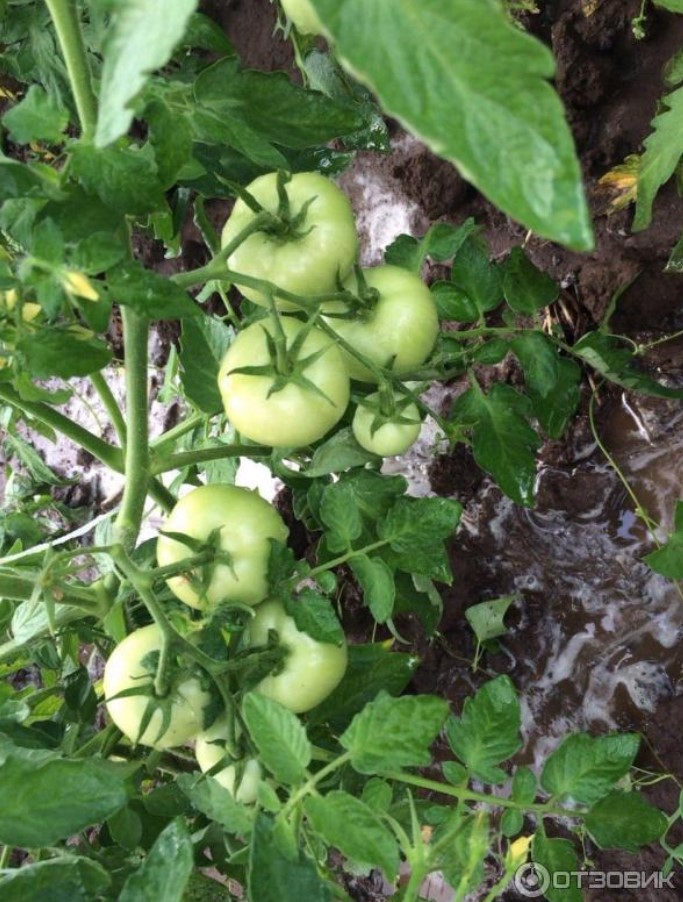
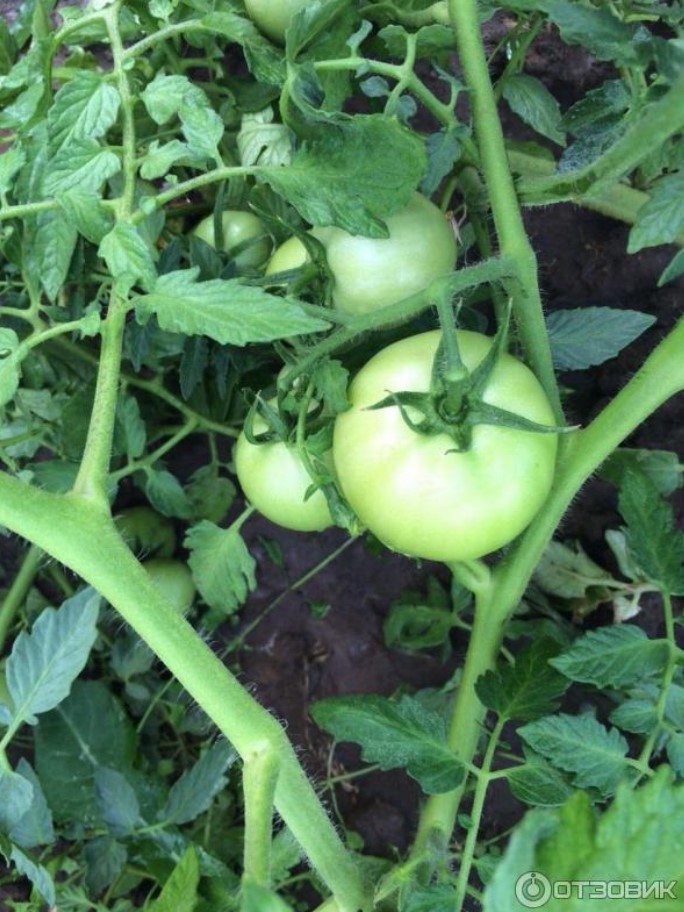
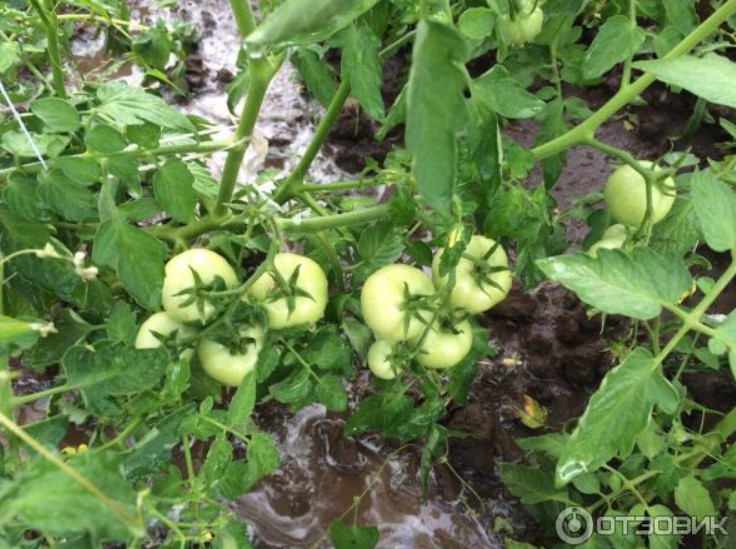
Tomato hybrids for open ground: 'Aphrodite' F1, 'Andromeda' F1—I've been searching for tomatoes my entire gardening life that would meet my needs as closely as possible. We've tried many, but finally found these... so far, they've been satisfying; we've been growing these hybrids for about five years. Last year, we had a hard time finding 'Aphrodite' seeds for sale. To be on the safe side, we're also planting four bushes of the amateur 'Raspberry Ground' variety. We harvest the seeds ourselves; we've had it for a long time, so perhaps its true name is completely different.
Both hybrids, Andromeda and Aphrodite, are determinate plants, but Aphrodite stops growing earlier (i.e., new inflorescences stop appearing, the plant limits its growth) and directs all its energy to filling the existing fruits, so it manages to fully yield a harvest, if the weather is favorable.
I always remove all the shoots below the first cluster; everything above grows as it pleases.
To combat late blight, treat with Bordeaux mixture once, immediately after harvesting the first crop of tomatoes.
And Pudovik, yes, you can also try it, especially if it’s a variety.