The Labrador tomato is a favorite among gardeners due to its ease of care. It requires no staking or pinching, yet produces a bountiful and delicious harvest. Let's take a closer look at the variety's characteristics.
Content
- 1 Characteristics of the Labrador tomato variety in the table
- 2 Photo gallery of the Labrador tomato variety
- 3 The history of the Labrador tomato variety
- 4 A detailed description of the Labrador tomato variety
- 5 Advantages and disadvantages of the Labrador tomato variety
- 6 Features of growing the Labrador tomato variety
- 7 Caring for the Labrador tomato variety
- 8 Pest and disease control for the Labrador tomato variety
- 9 Storing the Labrador tomato variety
- 10 Using Labrador Tomatoes
- 11 Comparison of the Labrador tomato variety with other varieties in the table
- 12 Real reviews from gardeners about the Labrador tomato variety
Characteristics of the Labrador tomato variety in the table
| Parameter | Characteristics |
| Ripening time (number of days from full germination to ripening) | 70-80 days |
| Description | Ultra-early maturing determinate variety for open ground and greenhouses. |
| Fetus | Apple-shaped, large, fleshy, red. |
| Fruit weight | 70-150 g |
| Taste | Excellent, rich, sweet and sour. |
| Usage | Suitable for salads and for processing into tomato products (juices, pastes, sauces). Not suitable for canning due to cracking. |
| Marketability | High |
| Yield of commercial fruits | 750-1600 c/1 ha (2.4-4 kg per bush) |
| Shelf life | Bad |
| Disease resistance | Good |
| Agricultural technology | Standard |
| Growing regions | Any |
| Originator | The exact originator of this variety cannot be determined. However, it is known that an improved version, "Labrador Improved," with larger fruits and high resistance to subzero temperatures, was bred by Oleg Funtikov (founder of the Cheryomushki nursery in Smolensk). |
| Not included |
Photo gallery of the Labrador tomato variety
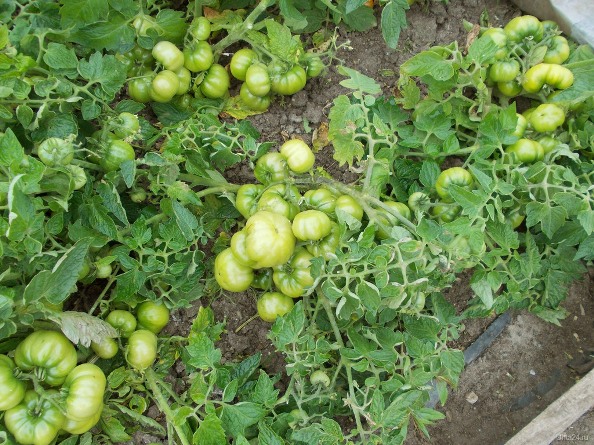
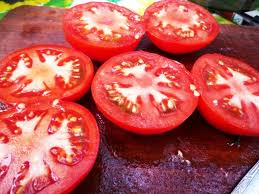
The history of the Labrador tomato variety
The Labrador variety was first described in the magazine "Garden and Vegetable Garden." However, it is not officially registered. Seeds are sold in colorful bags under the brands "Our Garden" (Moscow) and "Pomidom" (Dmitry Gusev's tomatoes, Moscow region). The variety was developed relatively recently, in 2010. Following the publication of "Garden and Vegetable Garden," information about it was published in publications such as "Gardener," "Dachniki," and "Sadovy Mir."
It is believed that the variety first appeared on the Labrador Peninsula, located in southeastern Canada, hence the name. This region is characterized by cold summers, but despite the harsh climate, this tomato variety boasts consistently high yields and early ripening.
A detailed description of the Labrador tomato variety
It's not a hybrid. Let's take a closer look at the variety's main characteristics.
Bushes
This variety produces low, moderately tall, yet spreading and vigorous bushes. In open ground, they typically don't exceed half a meter, but in a greenhouse, they can be slightly taller. The main stem is strong, with numerous shoots extending from it. The foliage is sparse, ranging from green to dark emerald.
The inflorescences are simple racemes. The very first one forms just above the seventh leaf. They then grow through the leaf to the top of the shoot. Pinching is not necessary.
Fruit characteristics
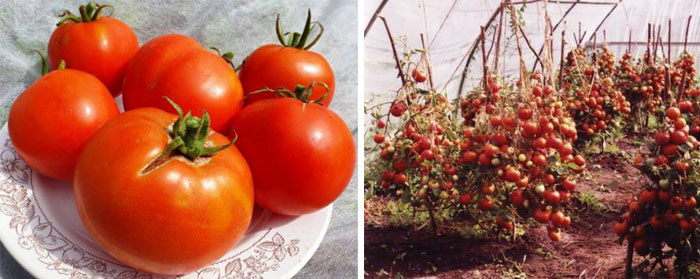
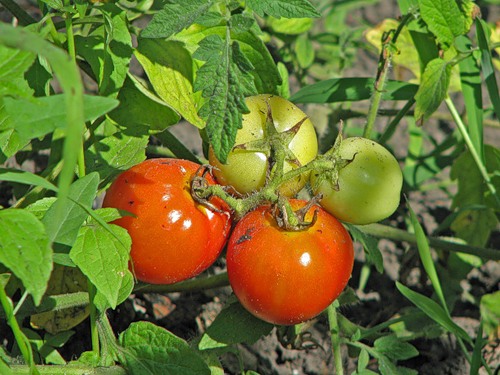
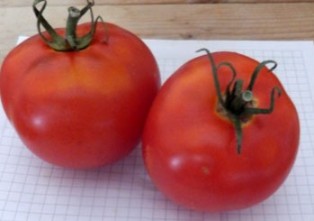
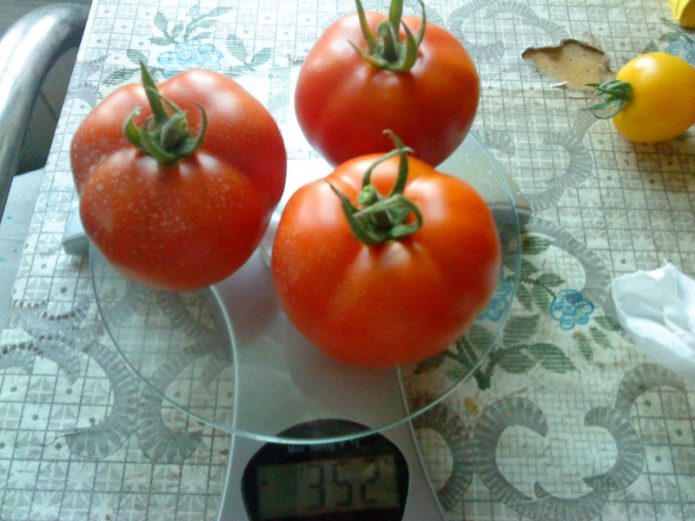
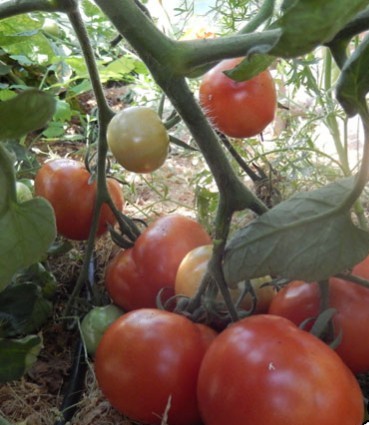
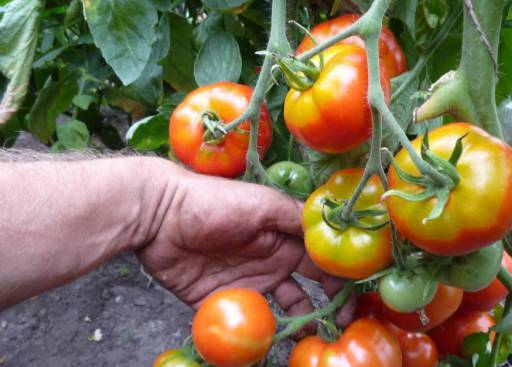
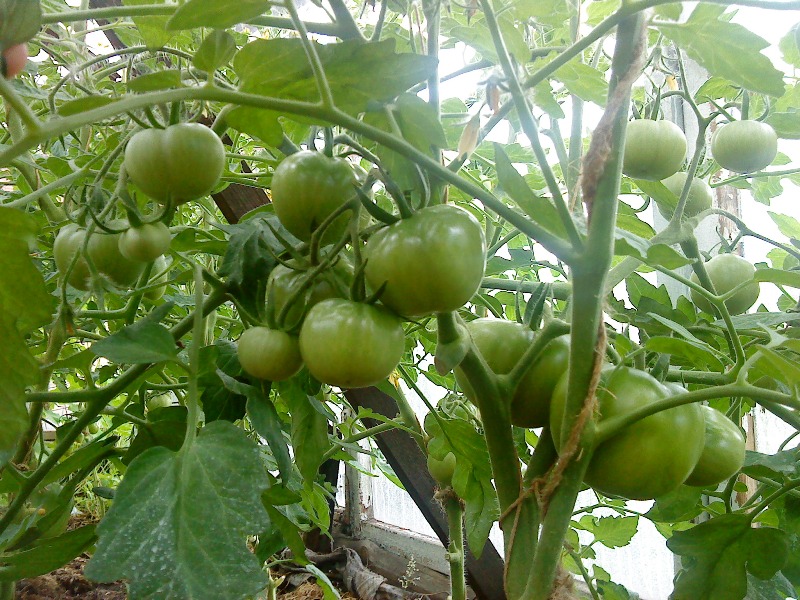
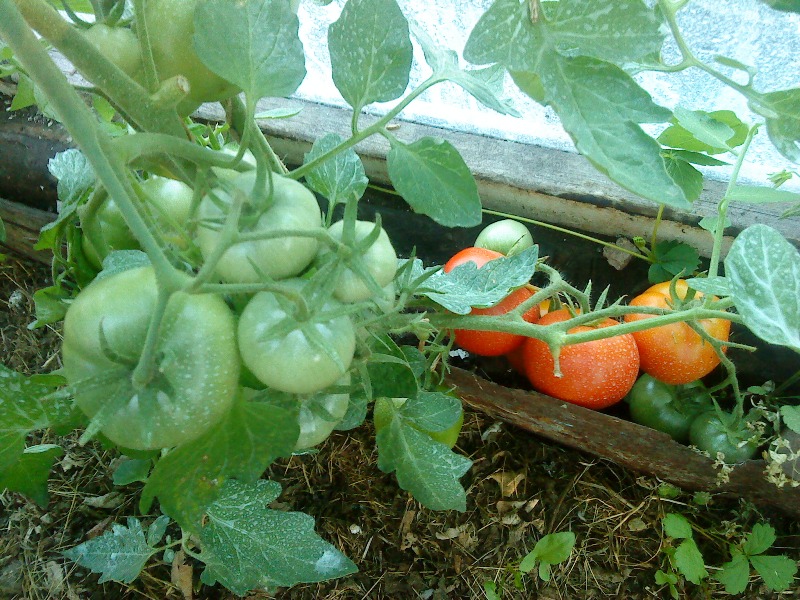
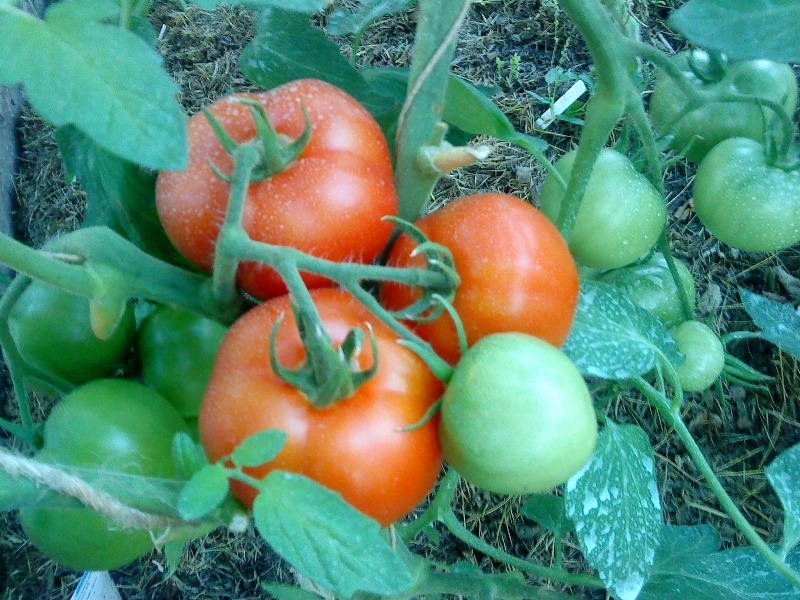
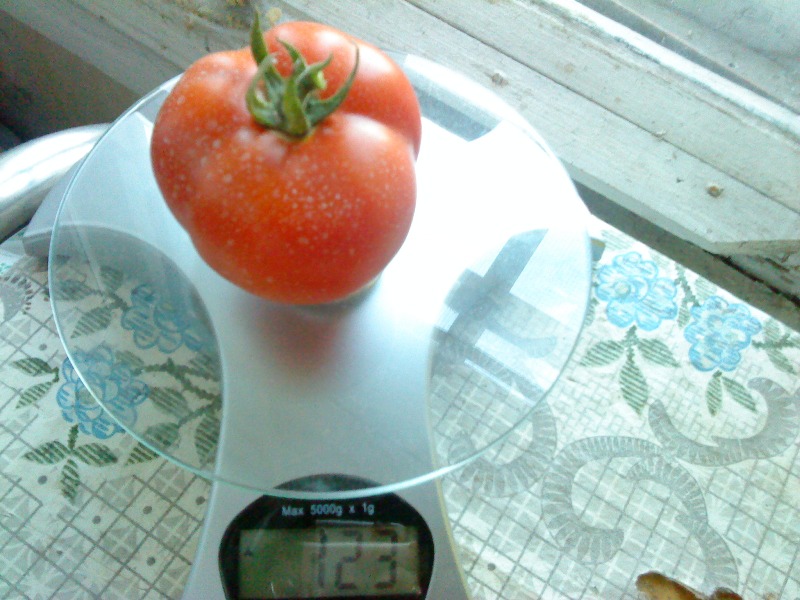
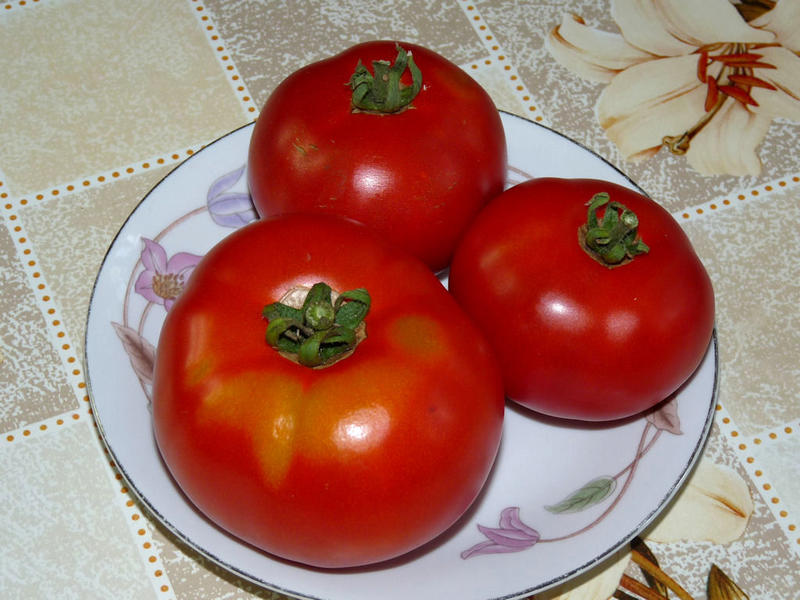
A single cluster can produce 10-15 fruits. They resemble red apples. They lack ribs and are completely smooth. Each tomato weighs an average of 80 g. You can see what they look like in the photo.
Please note! Once fully ripe, the fruits do not crack or fall apart.
Tomatoes have thin skin. The flesh is soft, meaty, juicy, and not multi-chambered. When ripe, it turns purple. The fruit has a classic sweet and sour flavor.
Ripening time
The Labrador tomato is considered ultra-early, with the time from first germination to harvest being approximately 70-80 days. However, some sources classify this variety as early ripening, with the time to marketable fruit being 95-105 days.
Let's figure it out:
Based on ripening time, tomatoes are typically categorized as very early, early, mid-early, late, and very late. However, the registry provides a different classification: ultra-early, early, mid-early, mid-season, mid-late, and late. It's also worth noting that the days from full germination to ripening listed in the registry often diverge from the classification itself. For example, the Agata variety is listed as early ripening, but it also specifies that ripening occurs 98-113 days after full germination. Meanwhile, the Adelina variety, also classified as mid-season, ripens in fewer days, namely 82-109. Therefore, we can conclude that the variety type isn't particularly important, although we will include it. It's more important to look at the days from full germination to ripening. Also keep in mind that this number of days depends, among other things, on growing conditions and may differ.
Conditional terms: very early - 75-95 days, early - 95-115, mid-early - 110-120, late - 120-130, very late - 130-150 and more.
Thus, with early planting of seedlings (around March), ripe fruits of the Labrador tomato variety can be obtained as early as June, provided the necessary conditions are created.
Productivity
Tomato yields are consistent regardless of where they are grown. They are high both in the garden and in a greenhouse. With proper planting and care, a bush can yield an average of 3 kg of fruit. That's 12-13 kg per square meter. Yields are always stable and unaffected by climate conditions.
Advantages and disadvantages of the Labrador tomato variety
The Labrador has the following advantages:
- Early ripening. If you grow seedlings in a greenhouse, you can harvest as early as June. You can harvest the fruit even before the peak of late blight.
- Possibility of cultivation both in protected and open ground.
- Stable yield every year.
- Excellent taste and wide range of culinary applications.
- Resistance to temperature changes.
- Ease of care. For example, you can save time on pinching and tying.
- Resistance to many diseases.
- The ability to collect seeds from your own garden for planting next year.
- Labrador does not lose its varietal characteristics.
Among its disadvantages, the tomato is not suitable for long-term storage. It is difficult to transport over long distances due to its thin and delicate skin. Labrador tomatoes are also not suitable for canning.
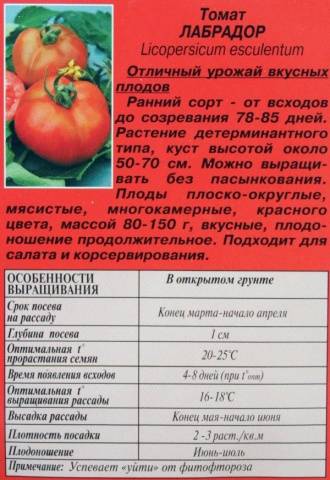
Features of growing the Labrador tomato variety
Let's figure out how to properly grow the Labrador tomato variety.
Sowing seeds and growing Labrador tomato seedlings
To sow seeds, you can use a store-bought mixture or make it yourself from:
garden turf;
- sand;
- compost;
- peat.
Mix the listed ingredients in a ratio of 2:1:1:1. To improve the nutritional value, add 30 g of superphosphate and 10 g of potassium sulfate per 10 kg of soil mixture.
Read the article to find out which days are best for planting tomatoes.Lunar calendar for sowing seeds for seedlings in 2022 in a table (planting seedlings).
To disinfect the soil from infections, pour boiling water or a pink solution of 1% potassium permanganate.
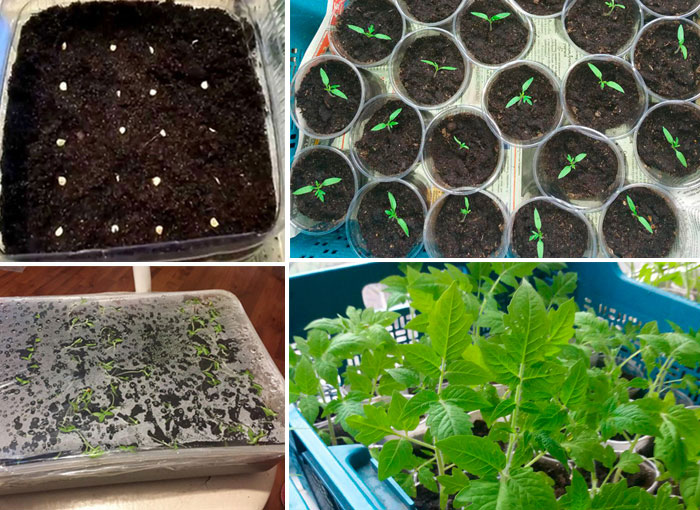
Planting takes place in late February-early March:
- Pre-rinse the seeds with water and place them on a napkin to dry.
- Keep them in a solution of Epin or Novosil according to the instructions for the drugs.
- Deepen into prepared soil by 1.5 cm. The distance between adjacent seedlings should be 1-2 cm.
- Cover the box with plastic wrap or glass.
- Place on a light windowsill.
- Remove the cover after the first shoots appear.
Please note! It is recommended to use twice as many seeds as you need for your tomato plants. This will provide insurance in case not all of the seeds germinate.
The following care must be provided for the seedlings:
- spraying with water when the top layer of soil dries out;
- extending daylight hours using a phytolamp.
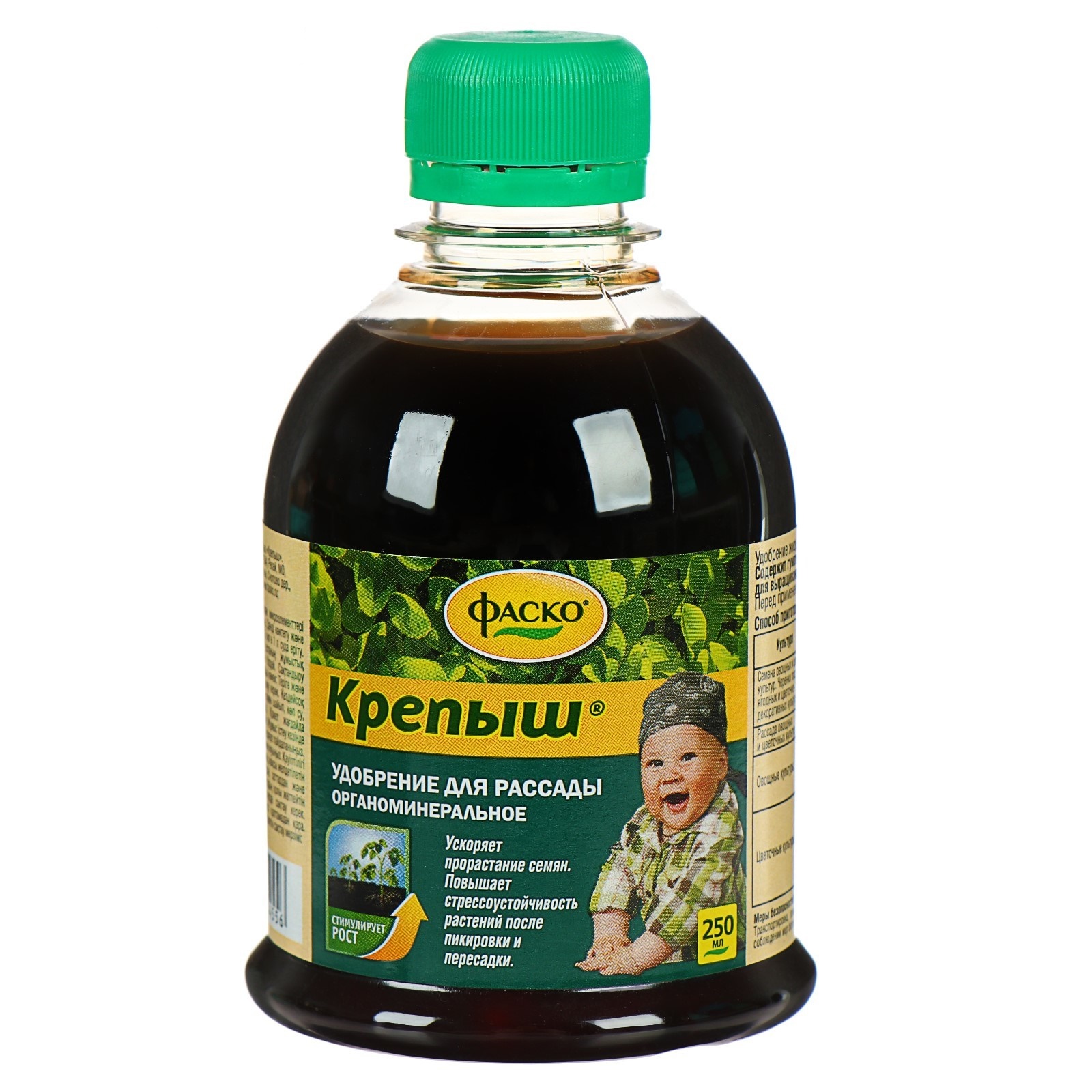
20-25 days after germination, transplant the seedlings into individual containers. Apply a complex fertilizer, such as Krepysh, 10 days before and 12 days after germination.
Planting Labrador tomato seedlings in the ground
Seedlings can be planted outdoors 45-50 days after germination. At this point, each plant should have 6-7 true leaves. The soil should have warmed up to 17°C and there should be no risk of recurrent frost. If a drop in temperature is possible, cover the seedlings with covering material on arches or install a greenhouse, and also make sure they are well-ventilated. warm bed.
Read the article to learn how to make a greenhouse or hothouse with your own hands. DIY greenhouse and hotbed from scrap materials.
Important! Harden off seedlings at 14°C a week before planting outdoors. Skipping this step will be a mistake. This will result in weak seedlings susceptible to diseases, pests, and the negative effects of subzero temperatures.
Suitable beds for planting are those where the following grew last season:
- eggplants;
- peppers;
- carrot;
- garlic;
- cucumbers;
- cabbage.
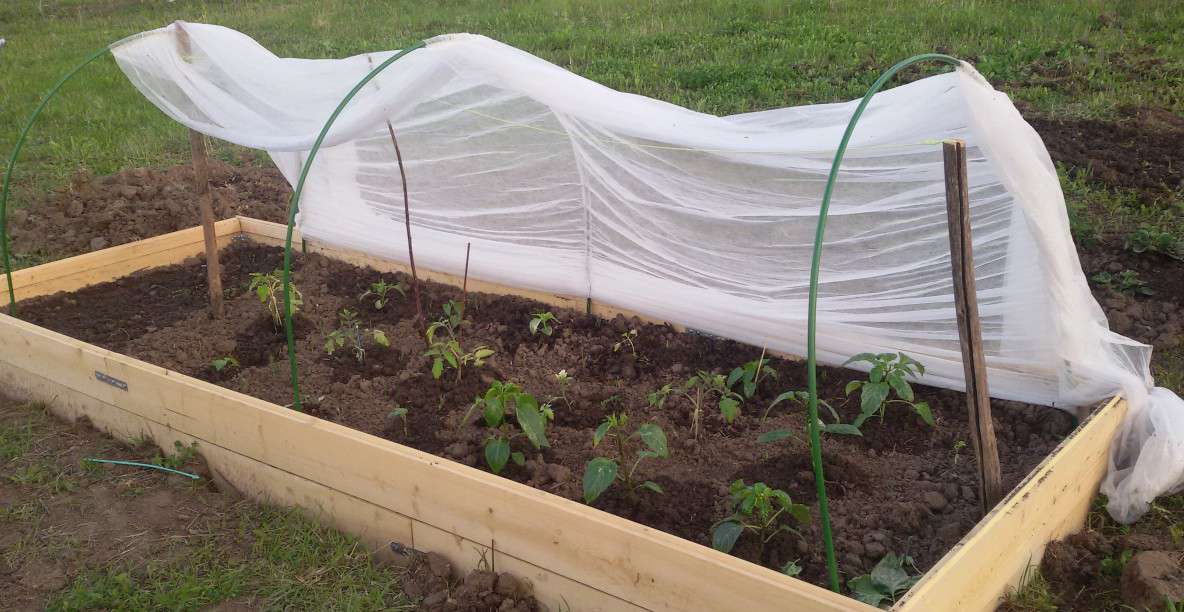
The planting pattern is as follows:
- in 2 lines;
- the distance between rows is 60-70 cm;
- the distance between holes in one row is 40 cm.
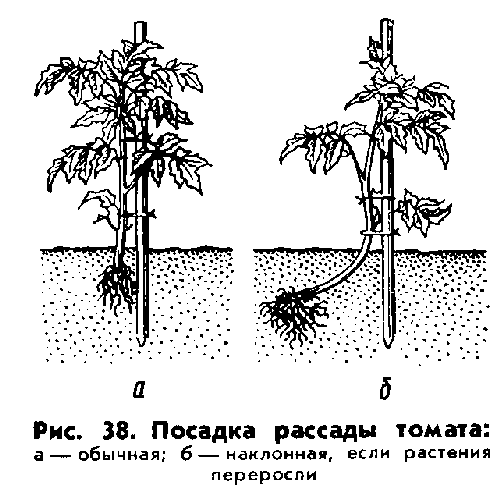
Please note! Overgrown seedlings should be planted in a semi-recumbent position, that is, diagonally. Plant them deep enough to reach the first inflorescence.
Caring for the Labrador tomato variety
Water the plants for the first time 3-4 days after planting outdoors. Use warm, settled water at a rate of 5-7 liters per plant. Subsequently, water as the top layer of soil dries out, and 2-3 times a week in hot weather.
To retain moisture longer, mulch the bushes. Hay, straw, mown green manure, or sawdust can be used. The mulch layer should be at least 8-10 cm thick.
It is also necessary to regularly loosen the soil to ensure better access of oxygen and nutrients to the roots, and weed to prevent weeds from taking away nutrients from the crop.
Fertilizer application scheme:
- before planting in open ground - compost and a mixture with potassium and phosphorus;
- during flowering - mullein and superphosphate;
- during ripening - boric acid and wood ash.
Important! Be very careful with nitrogen fertilizers. Excessive amounts of these mixtures will lead to excessive growth of green mass at the expense of yield.
Pest and disease control for the Labrador tomato variety
Despite its high resistance to infections, this variety can still occasionally become ill. This is usually due to improper care. Excess nitrogen, excessive or insufficient moisture can cause the following:
- fruit cracking;
- Cladosporiosis;
- Phoma (crop rot);
- premature wilting.
The following pests pose a threat:
- slugs (visible on stems, on the front and back of the leaf);
- scoop;
- whitefly;
- mole cricket;
- wireworm.
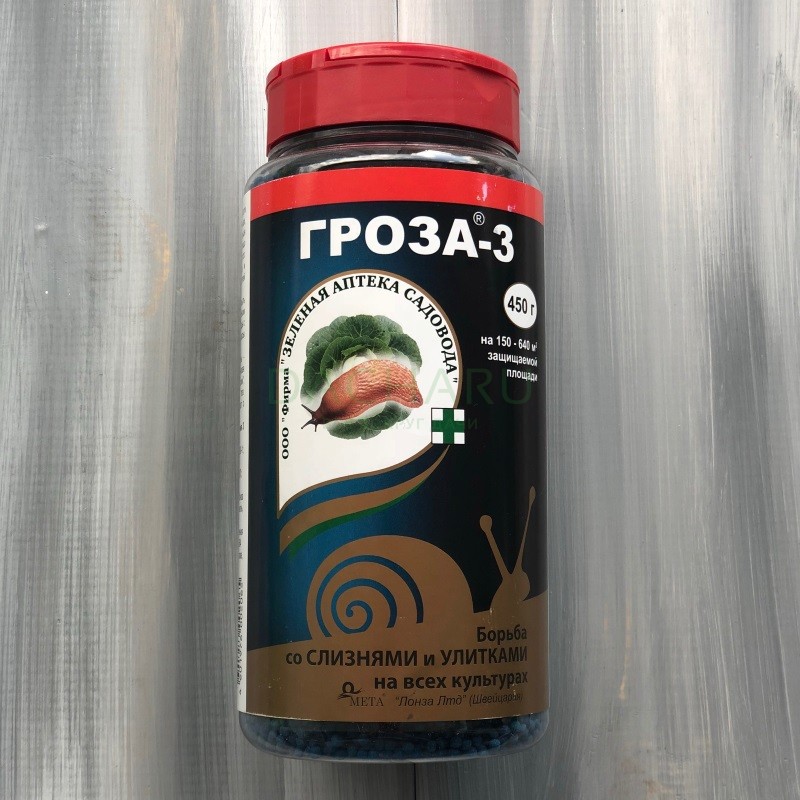
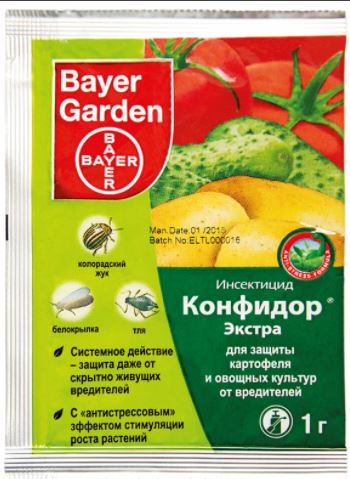
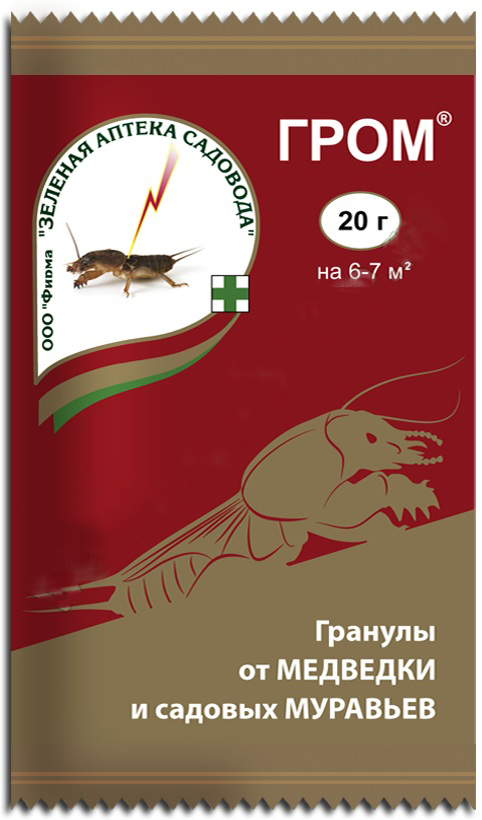
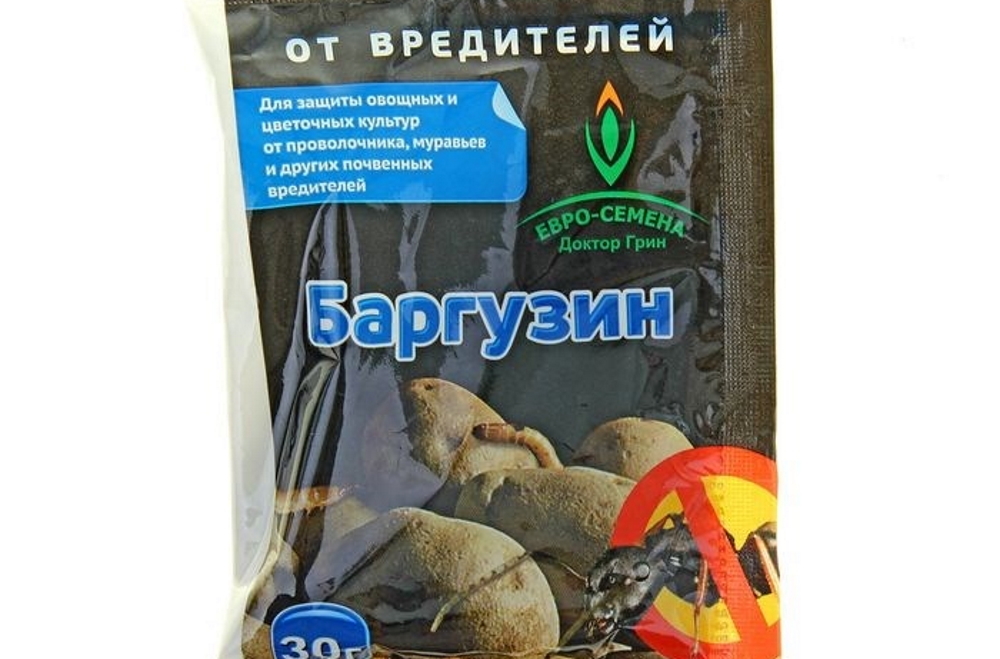
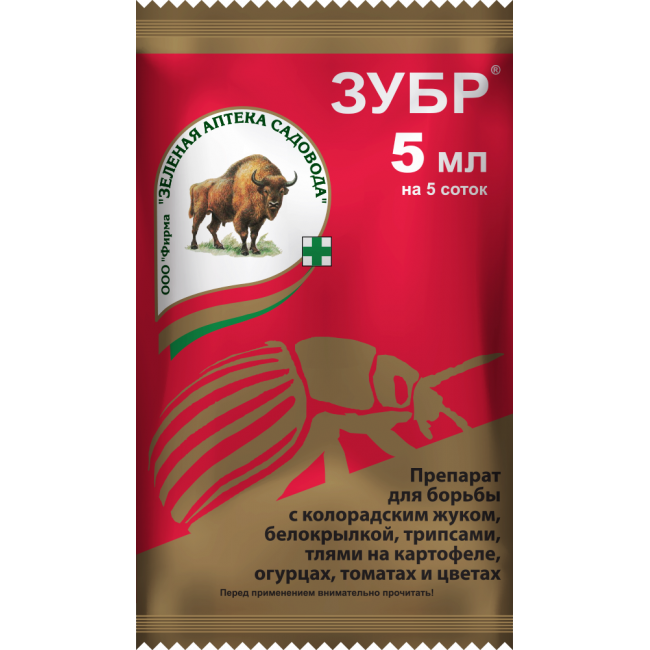
To control pests, use systemic insecticides. Examples include Confidor, Bazudin, Zubr, Grom, and Grozu. Pepper infusion and slaked lime have proven effective folk remedies. To prevent active insect reproduction, promptly remove plant debris and avoid overcrowding.
Storing the Labrador tomato variety
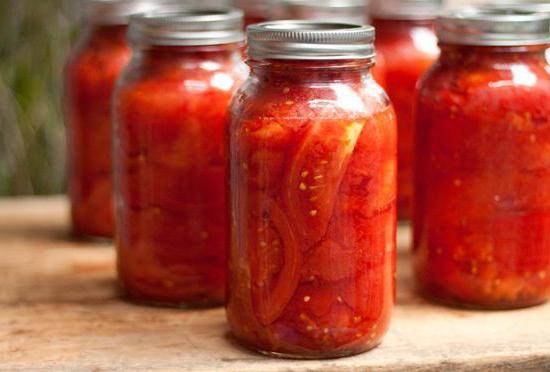
The first harvest can be collected as early as June or early July. Since the fruits are not intended for long-term storage, they should be consumed or processed quickly.
Using Labrador Tomatoes
This variety is known for its high yield. Because it produces large quantities of fruit, it needs to be processed to prevent it from going to waste. Labradorite makes delicious sauces, pastes, and juices.
Comparison of the Labrador tomato variety with other varieties in the table
Please note! How can you easily convert centners/ha to kg/sq.m? Simply divide by 100! For example, the Abakansky Pink tomato yields 400 centners of marketable fruit per hectare. This equals 4 kg per square meter. It's that simple! Also, keep in mind that typically no more than 3-4 plants are planted per square meter. This way, you can calculate the yield per bush. In the case of the Abakansky Pink, it's about 1 kg.
| Variety | Ripening period (number of days from full germination to ripening)
Yield of commercial fruits |
Brief description | Fetus |
| Labrador | 70-80 days 750-1600 c/ha (2.5-4 kg per bush) |
An early (ultra-early) determinate variety for open ground and greenhouses. Suitable for salads and processing into tomato products (juices, pastes, sauces). Not suitable for canning due to cracking. Poor shelf life. | Apple-shaped, large, fleshy, red, 70-150 g. Excellent taste, rich, sweet and sour. |
| Agatha | 98-113 days
583-676 c/ha |
An early-ripening, determinate, non-standard variety for open ground and greenhouses. Suitable for salads. | Flat-round, smooth, red, 77-99 g. |
| Adelina | 82-109 days
242-447 c/ha, maximum 669 c/ha |
A mid-season determinate variety for open ground. Suitable for salads, whole-fruit canning, and processing into tomato products. Heat- and drought-resistant. | Egg-shaped, smooth, transportable red, 59-83 g. The taste is good to excellent. |
| Openwork | 105-110 days
610 c/ha |
An early-ripening, determinate variety for open ground and greenhouses. Requires staking and shaping. Suitable for salads. | Round, smooth, dense, fleshy, red, 220-250 g. Good taste. |
| Alyosha Popovich | 125-130 days 600-640 c/ha |
A mid-season indeterminate variety for open ground and greenhouses. Requires staking and training. Suitable for salads. Easy to transport. Resistant to adverse growing conditions. | Round, slightly ribbed, medium density, red, 150-200 g. Good taste. |
| Alpatyeva (905 A) | 100-115 days
146-445 c/ha, 25-30% of the total yield ripens within 15 days of fruiting |
An early-ripening, standard, determinate variety for open ground. Suitable for pickling and salads. | Round and flat-round, smooth and slightly ribbed, medium-sized, red, 55-75 g. The taste is satisfactory. |
| Alsou | 105-110 days
700 c/ha |
An early-ripening, determinate variety for open ground and greenhouses. Requires staking and shaping. Suitable for salads. | Flat-round, slightly ribbed, medium density, red, 312 g. Good taste. |
| Kate | 110-115 days
326-550 c/ha |
An early-ripening determinate variety for open ground. Suitable for salads. Marketability: 84-90%. | Flat-round, smooth, crack-resistant, red, 80-92 g. Good to excellent taste. |
| De Barao | about 125 days 500-600 c/ha |
A late-ripening indeterminate variety for open ground and greenhouses. Requires staking and training. Suitable for salads and whole-fruit canning. | Ovoid, smooth, red, 30 g. Excellent taste. |
| De Barao is black | 115-125 days
up to 800 c/ha |
A late-ripening indeterminate variety for open ground and greenhouses. Requires staking and training. Suitable for salads and whole-fruit canning. | Ovoid, smooth, purple-brown, 58 g. Good taste. |
| Petrusha the gardener | 111-115 days
640 c/ha (open ground) |
A mid-season, determinate, standard variety for open ground. Suitable for salads. | Cylindrical with a pointed top, smooth, medium density, raspberry, 150-180 g. Good taste. |
Real reviews from gardeners about the Labrador tomato variety
Reviews of the variety are mostly positive; gardeners are only unhappy with the fact that it does not store for long.
User Tomatanya Pro, Leningrad region, January 12, 2013
This variety was obtained from a collector named Khoroshev in the Kostroma region. It was planted for an early harvest in mid-February and began bearing fruit in mid-July. The bush is spreading and vigorous, reaching a height of up to 80 cm. The inflorescences are arranged alternately between leaves and in a row. It doesn't require side shoots; it self-cultivates. It produces a bountiful harvest, bearing fruit in a uniform manner. The fruits are large, up to 150 g, with a rich tomato flavor and abundant juice. I plan to sow them directly into a warm bed in a greenhouse.
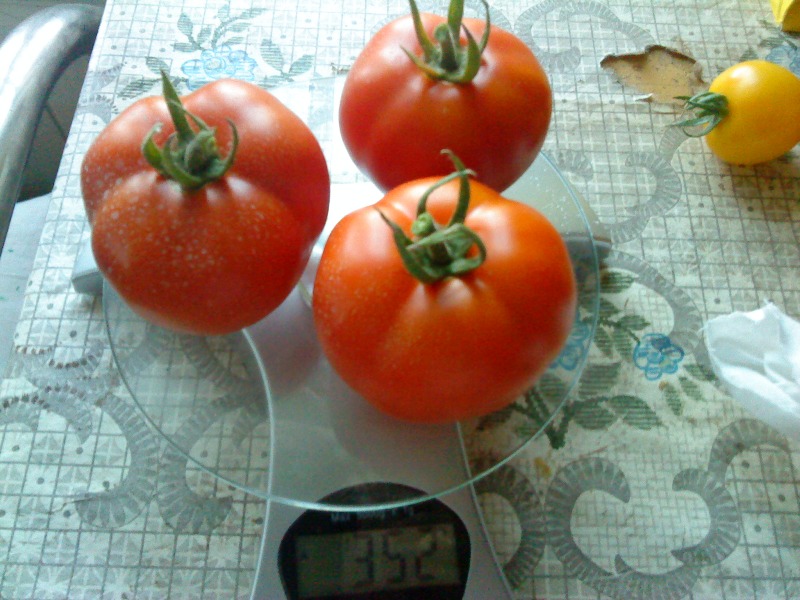
User tanja Pro
I also grew a Labradorite, from Logunov. The bush in the open ground was no more than 70 cm tall, the fruits had a typical tomato flavor—small, 100 grams each—and they did well in pickling. I did pinch it out, but I probably shouldn't have.
User Tomatanya Pro, Leningrad region, January 12, 2013
Tanya, my Labrador is improved, so the fruits are larger, Khoroshev claimed up to 200 g.
User Olesenka Ovoscheved
March 28, 2013
Tatyana, did I understand correctly that the variety is called Improved Labrador? I planted it this year as a gift from D. Gusev.
August 7, 2013
Well, that's what grew :), the bush was very productive, the taste of the fruits was a typical tomato, with a little sourness, the weight of almost all these tomatoes was the same = 120 grams, they did not burst in the jars.
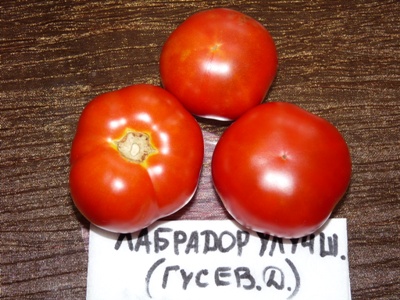
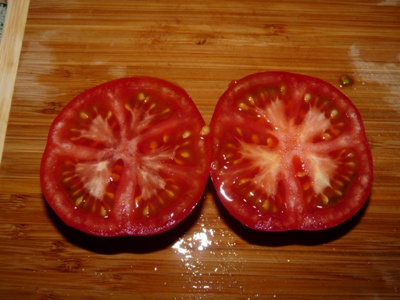
Yes, that's right. I got it from Khoroshev.
User Marina Profi, September 2, 2013
Tanya, thank you for the Labrador. It grew in the hottest greenhouse. It's 80 cm tall. The tomatoes weigh up to 100 grams. And it turned out to be the most productive of all the varieties, including the large-fruited ones. It yielded over 2 kg per bush. It stores well and tastes great. It stays in the family.
User LyutikNN Pro, Nizhny Novgorod, October 29, 2013
I also grew an improved Labrador this year. It has a typical tomato flavor, is very productive, and is resistant to FF. Every last tomato ripened on the vine in the greenhouse, when most of the others were already almost black from FF. I think the only two advantages are taste and FF resistance. I won't be planting any more; I want tasty ones! :niam:
User Rusalka Pro, November 12, 2013
I really liked it. It was a child, very productive, early, one of the very first, the fruits are uniform, a tight fit, sweet and sour, I didn't need to pinch out the side shoots.
Thanks Tatiyanka1!
User ilja Pro, Klinsky District, Moscow Region, January 24, 2015
This was my first time planting this variety. Initially, the fruits were medium-sized (100 grams), but then they grew much larger. I liked the variety for its ease of care, disease resistance, and good yield. The fruits are tasty and tart. I removed and pinched the side shoots from the bush due to the dense planting. Perhaps I had an improved version of this variety.
User Natalia 83 Vegetableist, January 25, 2015
I have two Labradors like these.
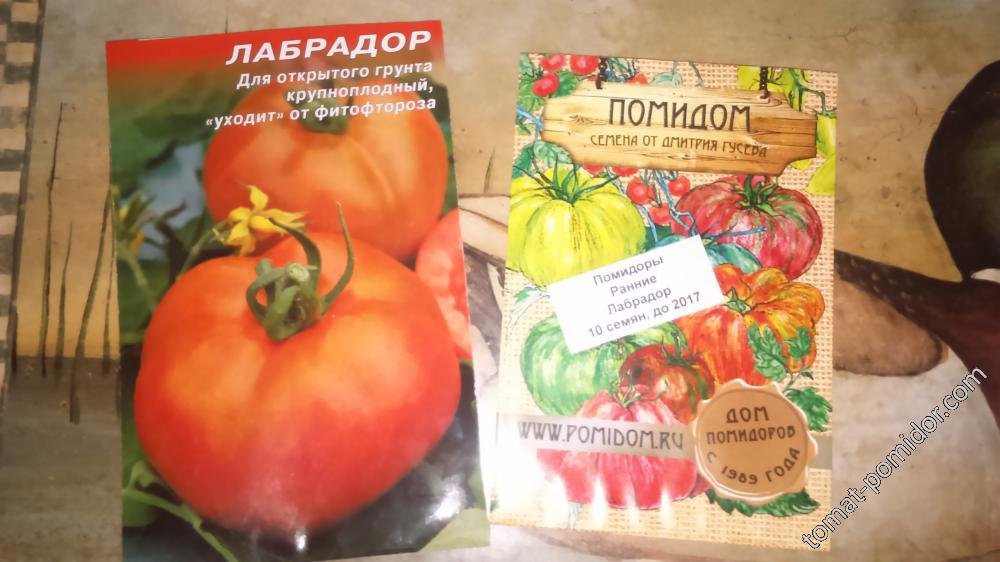
User Elena 62 Pro, October 26, 2016
I've been growing Labradorite for many years and plant it every year without fail. It's never let me down, always producing a harvest. The bush is tiny, up to 50 cm tall, with beautiful fruits—weights from 70 to 150 grams—and is the first to yield. I like it best in a sweet marinade—it's the most delicious. The yield from such a small plant is at least 2 kg.
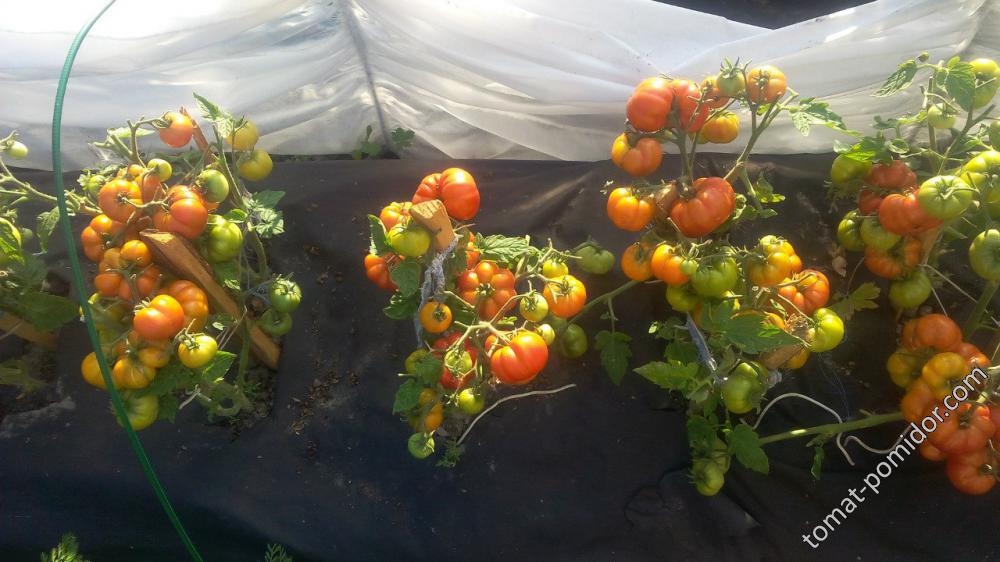
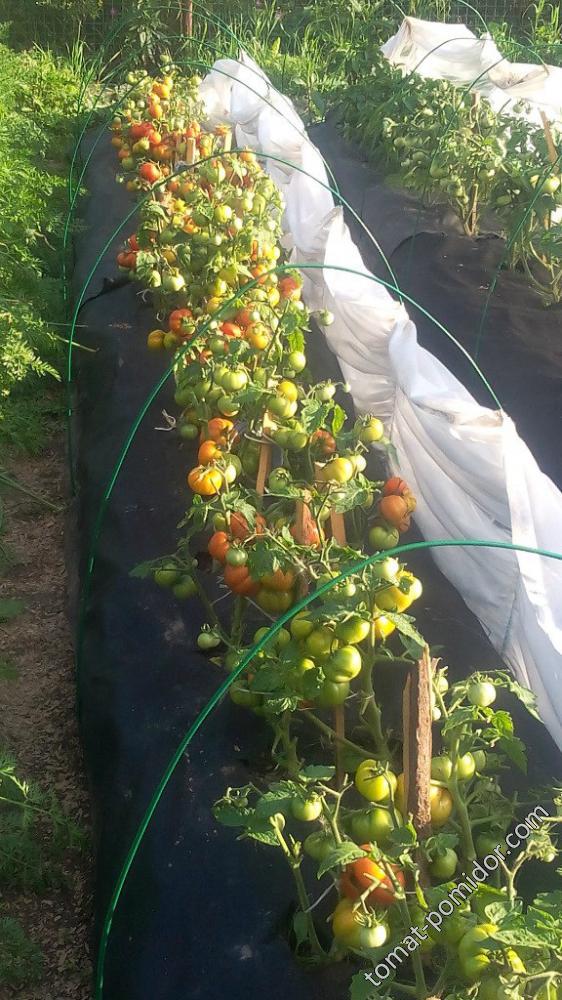
User Ornella Profi, Dacha in the Leningrad Region, October 27, 2016
Elena, that's a very impressive result! What a harvest for our climate! How do they taste when eaten alone, and whose seeds were they originally from? I'll have to look for them; I really liked them.
User Elena 62 Pro, October 27, 2016
Sveta. The taste is normal, not bland or sour, but not store-bought either. It's also super early. This year, I planted June from the forum and Labrador on the same day. They even started ripening together. Last year, I sowed on May 2nd, but the cat ruined this particular variety. I transplanted them directly into the beds on May 20th (they were about 5 cm tall), and they were already eating by the end of July. But I usually sow for seedlings in early April.
I've grown many varieties this year, but Labrador is the leader in sweet potting soil so far. :niam: I haven't tried everything yet, though. I'll send you some seeds if you'd like.
User CherNika, Moscow, August 21, 2016
Labrador Early Tomato. Delicious, high-yielding tomatoes.
User Triksi, Moscow, July 21, 2015
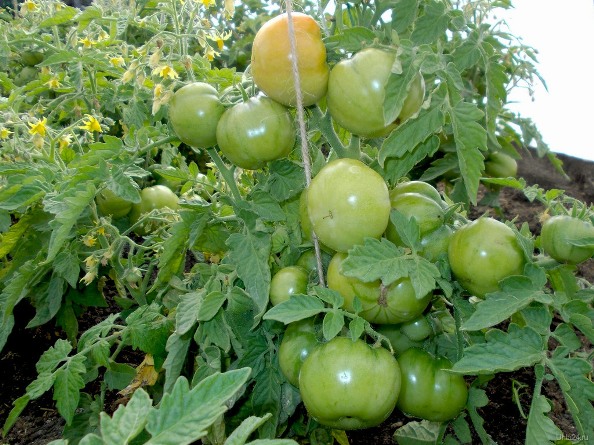
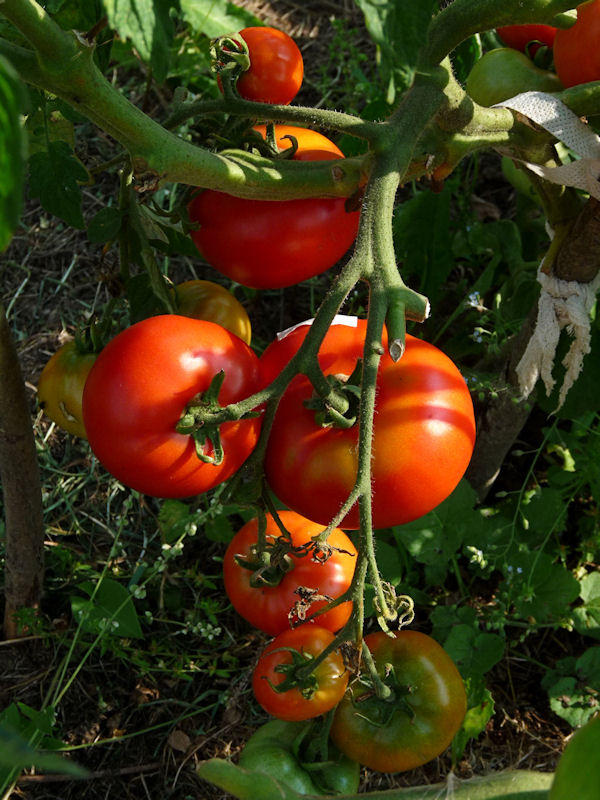
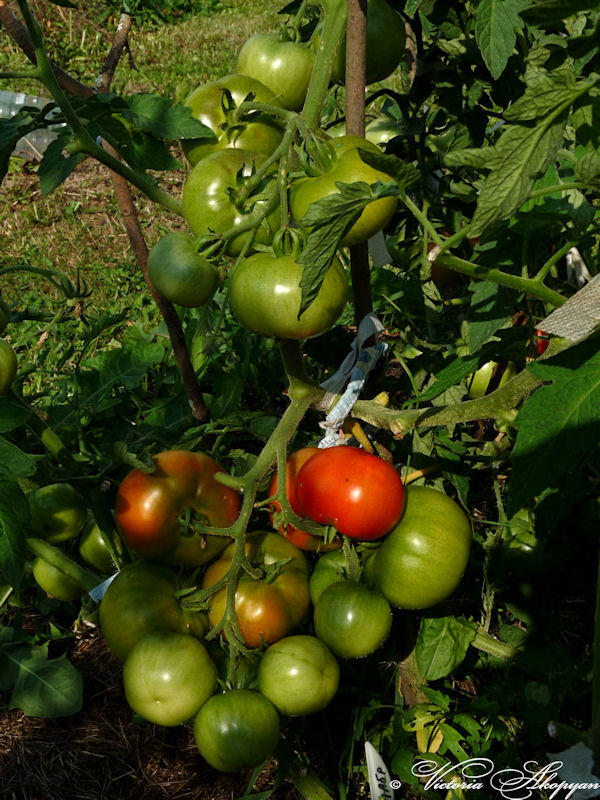
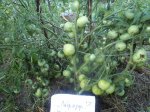
Scared by the reports of a fit in the Moscow region, I'm taking pictures of green tomatoes in my main photo. I'll report back gradually.
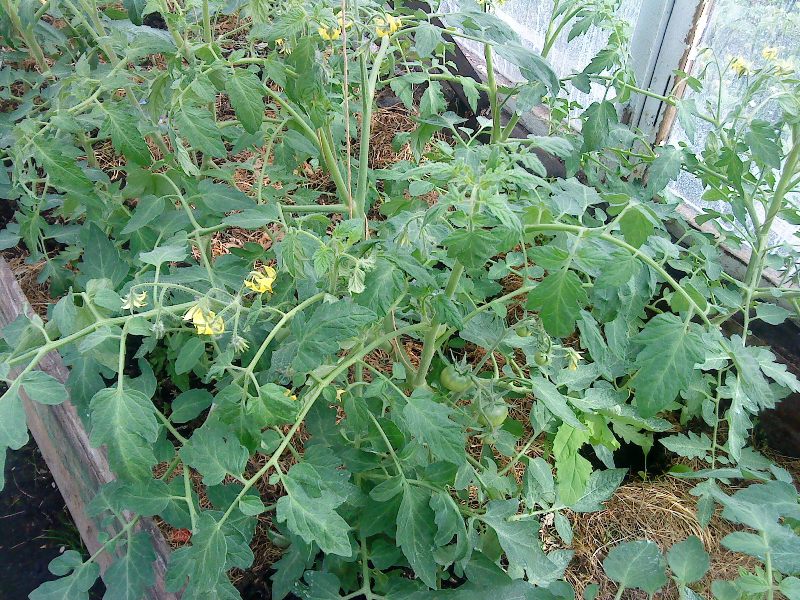
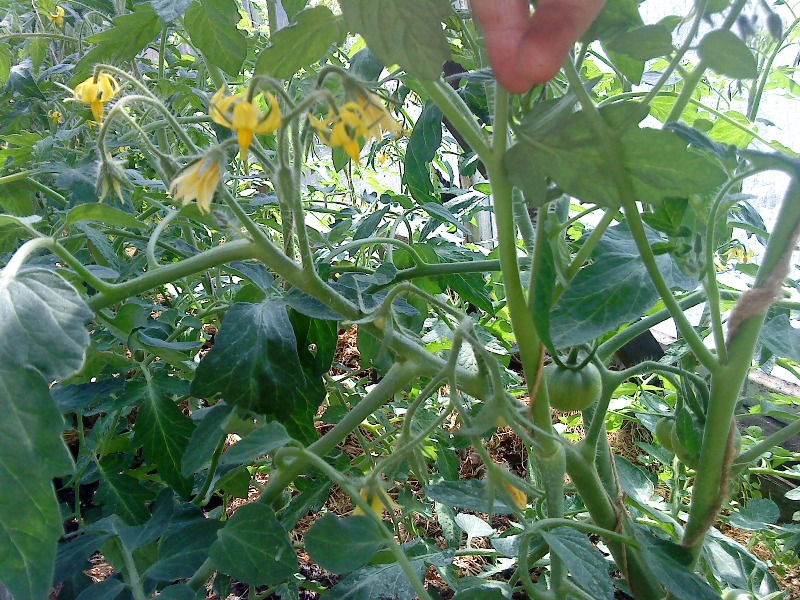
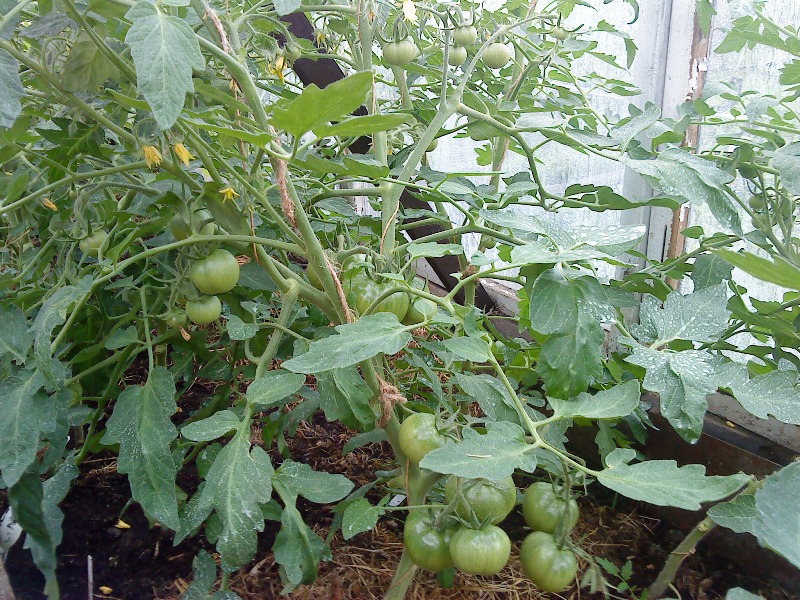
Labrador. I got two Labradors, either the wrong variety or I messed up. One was a gift from Fech, the other from the girls on the forum. The first photo is of a round Labrador. Yield 2.3 kg per plant. There are still some small ones left, but we can already draw conclusions. The other three photos are of a long Labrador. Yield 1.1 kg.
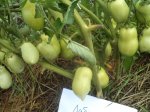
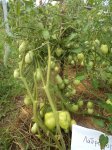
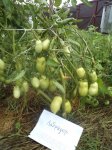
A proper Labrador is round or slightly flattened. Mine wasn't from Fech.