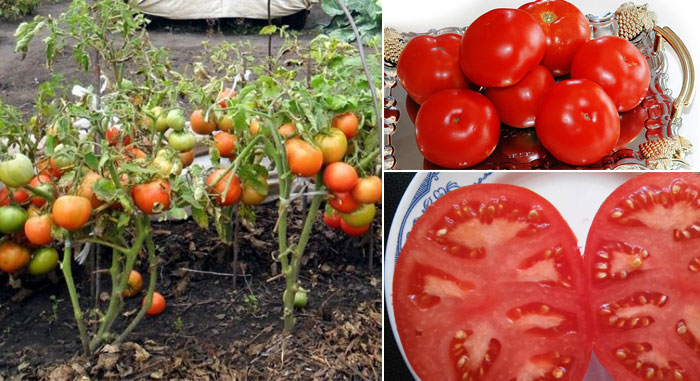
The Agata tomato variety is a favorite among many gardeners due to its excellent yield and low maintenance requirements. It requires little attention, and the fruits can be harvested within 3-3.5 months after germination. Let's take a closer look at the Agata tomato, including a description of the variety, photos, characteristics, and reviews.
Content
- 1 Brief characteristics of the Agata tomato variety in the table
- 2 The history of the creation of the tomato varieties Agata and Agata Plus
- 3 Photo gallery of tomato varieties Agata and Agata Plus
- 4 A detailed description of the tomato varieties Agata and Agata Plus
- 5 Advantages and disadvantages of tomato varieties Agata and Agata Plus
- 6 Planting Features of the Agata Tomato Variety
- 7 Aftercare for the Agata tomato variety
- 8 Pest and disease control for the Agata tomato variety
- 9 Storage and use of Agata tomatoes
- 10 Comparison of Agata tomatoes with other varieties in the table
- 11 Gardeners' reviews of the Agata tomato variety
Brief characteristics of the Agata tomato variety in the table
| Characteristic | Description |
| Ripening period (number of days from germination to ripening) | 98-113 days. |
| Description | Early-ripening, non-standard, determinate variety for open ground and greenhouses. |
| Fetus | Flat-round, smooth, red. |
| Fruit weight | 77-99 |
| The taste of the fruit | 3.8-5.0 points. |
| Usage | Preparing salads. |
| Marketability | High. |
| Shelf life | Average. |
| Yield of commercial fruits | 58.3-67.6 t/ha. |
| Disease resistance | Low. |
| Agricultural technology | Standard. |
| Growing regions | North Caucasus, Middle Volga, West Siberian and East Siberian regions. |
| Inclusion in the State Register | 1987 |
| Originator | VIR. |
The history of the creation of the tomato varieties Agata and Agata Plus
The Agata tomato was developed by the experimental breeding station of the branch of the Federal Research Center "All-Russian Institute of Plant Genetic Resources named after N.I. Vavilov (VIR)" in Crimea, Krasnodar Krai. Its development took two decades. The variety was added to the register in 1987.
It became widespread throughout Russia and Ukraine. In the 1990s, the variety was almost completely supplanted by foreign hybrids. Interest in it only returned in the 2000s.
In 2020, Agata Plus, a derivative of the previous variety, was registered. Both varieties are early ripening, but the new version has larger, rounder fruits and is recommended only for the Lower Volga region.
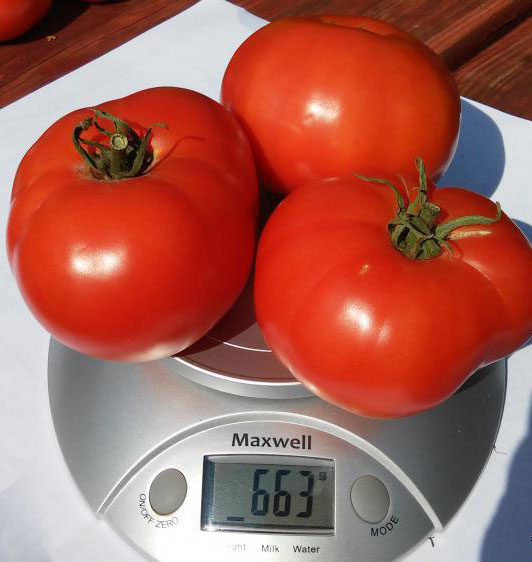
Photo gallery of tomato varieties Agata and Agata Plus
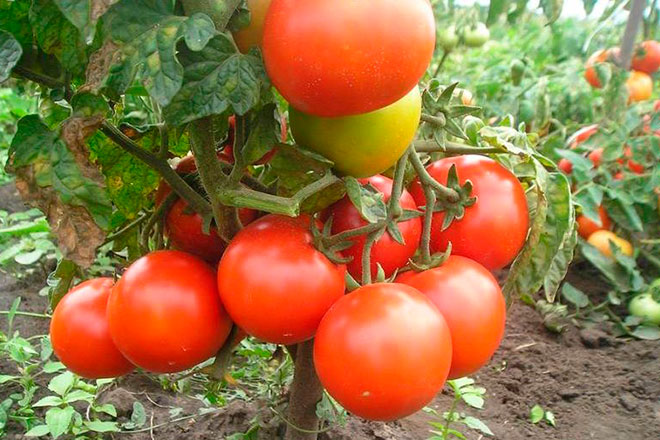

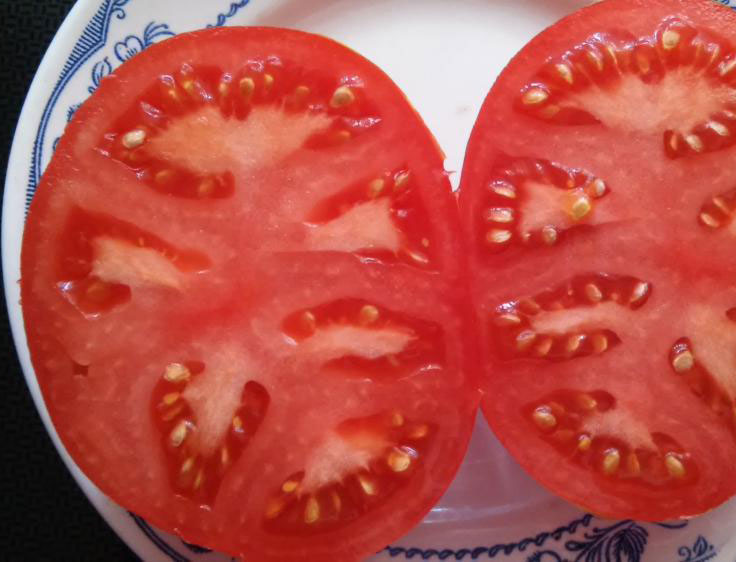
A detailed description of the tomato varieties Agata and Agata Plus
Let's look at a detailed description of the two varieties.
Bushes
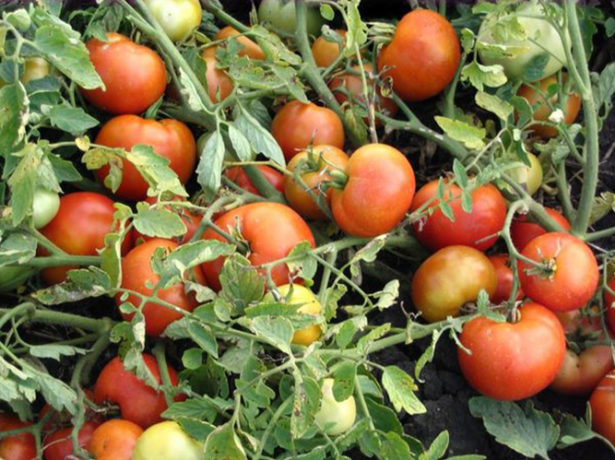
Both tomato varieties form low bushes 33-45 cm high. The Agata Plus variety sometimes reaches 60 cm. The shoots have few to medium foliage. The foliage is light green. The first inflorescence appears above the sixth or seventh leaf, then every other leaf.
Fruit
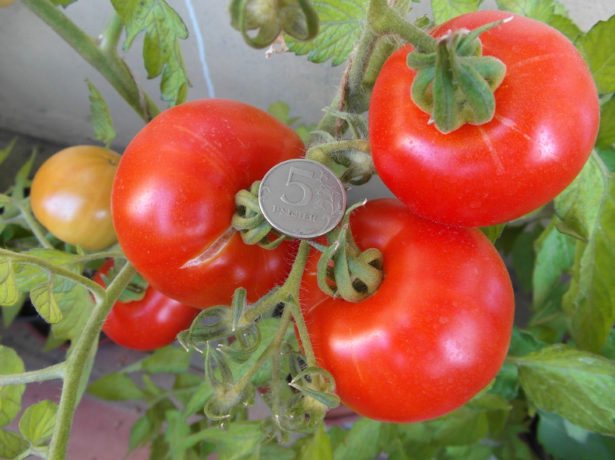
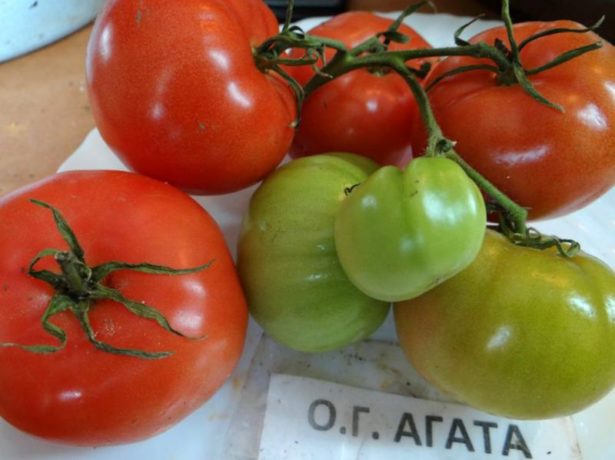
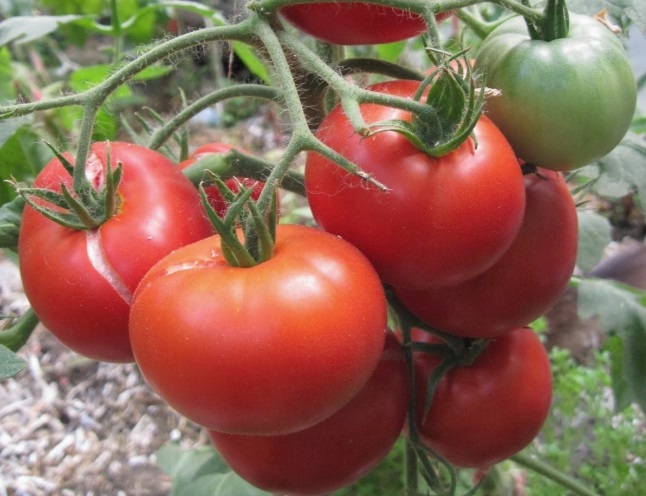
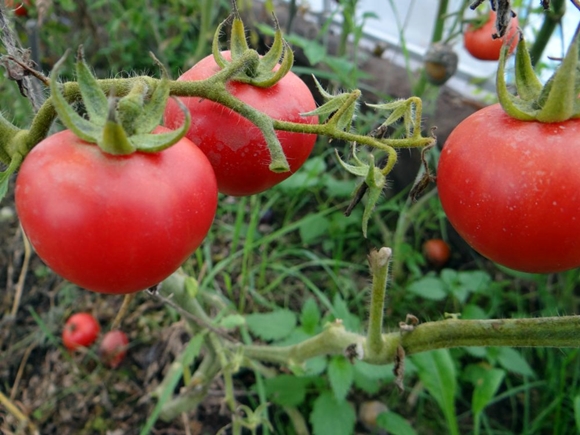
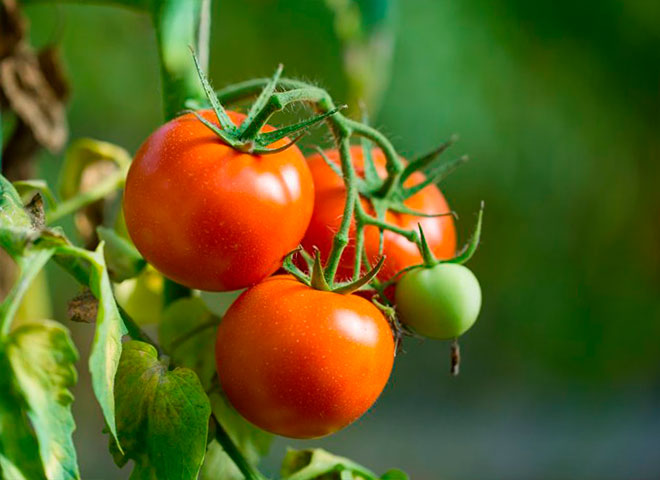
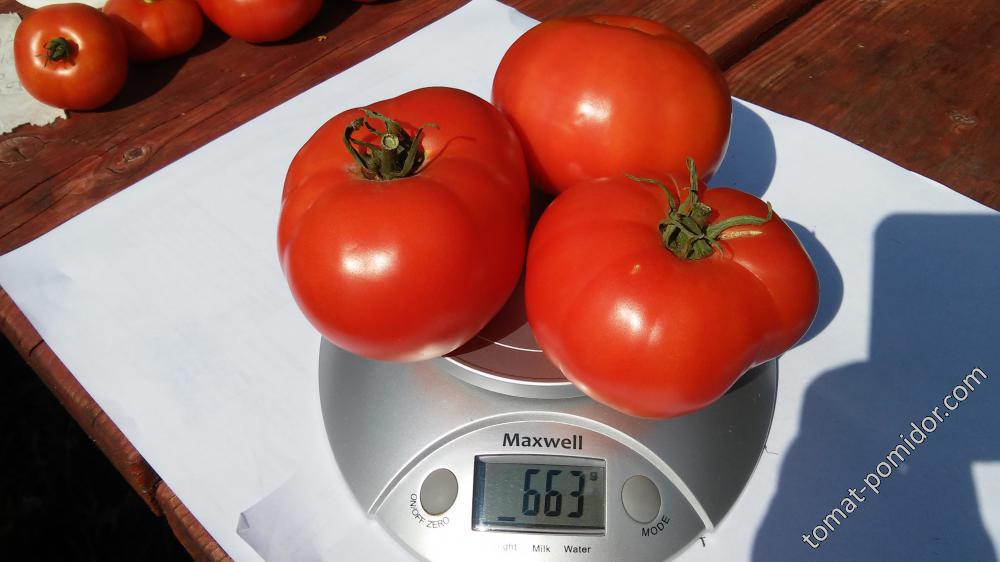
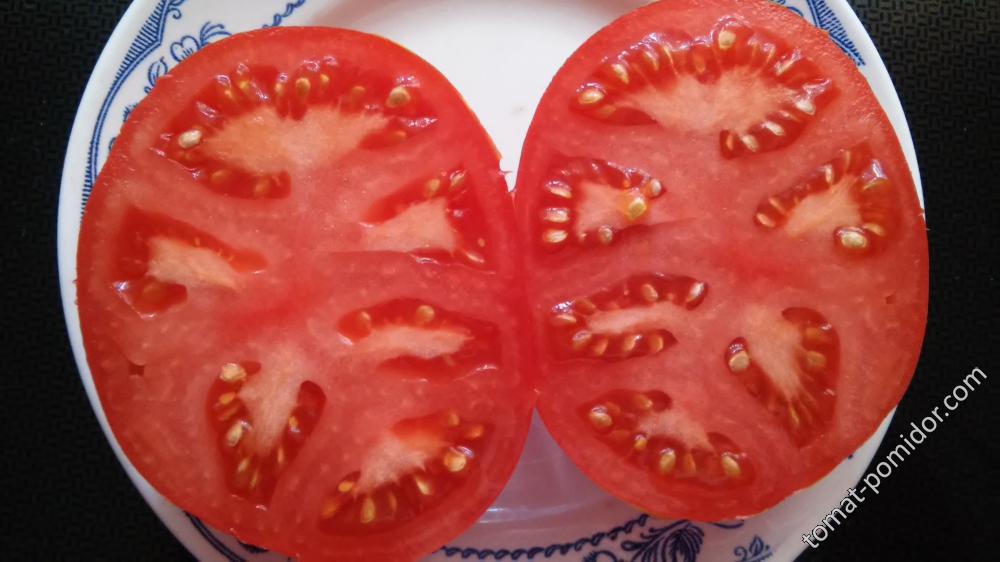
The first variety has flat-round fruits with a smooth red surface. The number of nests ranges from 5 to 11. The weight ranges from 77 to 99 g. The pink flesh has excellent flavor characteristics (3.8 to 5.0 points).
Large, round Agata Plus tomatoes weigh 128-190 g, with a smaller number of nests (4-6). They also have excellent, good flavor.
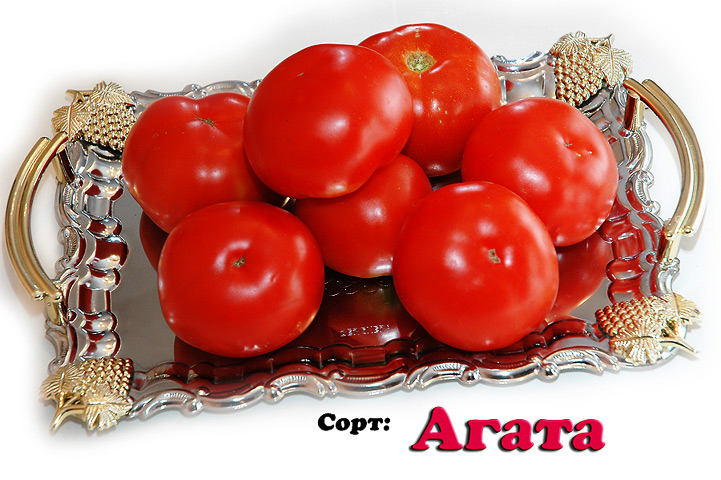
Agata and Agata Plus tomatoes are used in salads. However, they are also used for processing into tomato products. The former has superior commercial qualities compared to the latter (64-85%).
Ripening time and yield
Between emergence and harvesting, 98-113 days pass.
Based on ripening time, tomatoes are generally categorized as very early, early, mid-early, late, and very late. However, the registry provides a different classification: ultra-early, early, mid-early, mid-season, mid-late, and late. It's also worth noting that the days from full germination to ripening listed in the registry often differ from the classification itself. For example, the Agata variety is listed as early ripening, while Agata Plus is listed as early-mid-season, with the addition that ripening occurs 98-113 days after full germination. Meanwhile, the Adelina variety, also classified as mid-season, ripens in fewer days, namely 82-109. Thus, we can conclude that the variety type isn't particularly important, although we'll include it. It's more important to look at the number of days from full germination to ripening. Also keep in mind that this number of days depends, among other things, on growing conditions and may vary.
Conditional terms: very early - 75-95 days, early - 95-115, mid-early - 110-120, late - 120-130, very late - 130-150 and more.
The yield ranges from 58.3 to 67.6 t/ha. The first harvest yields an average of 18.5 to 20.9 t/ha (maximum 40 t/ha).
The next version has a yield of 30.1-79.8 t/ha.
Advantages and disadvantages of tomato varieties Agata and Agata Plus
Agatha tomatoes have many advantages:
- early harvest;
- friendly germination;
- high yield;
- unpretentiousness in care, including no need for garters or pinching;
- the possibility of planting without preliminary cultivation of seedlings;
- excellent taste;
- the possibility of growing crops from seeds collected from your own plot;
- beautiful appearance, evenness of fruits;
- high product characteristics, does not apply to Agatha Plus.
One of the downsides is low resistance to late blight. However, the harvest is usually dug up before the disease peaks.
Planting Features of the Agata Tomato Variety
The variety is undemanding to conditions; even beginners will have no problems growing it.
Sowing seeds and growing seedlings
First, you need to select high-quality seed. If you decide to buy Agata tomato seeds, it's best to do so from large, trusted producers. Buying them from someone else runs the risk of being scammed, as they might put a completely different variety in the packet and pass it off as Agata. You can also collect seeds from your own plot. However, keep in mind that they shouldn't be used for several years in a row, as they accumulate diseases and lose their germination capacity.
Below is a photo gallery of tomato variety Agatha seeds from trusted producers.

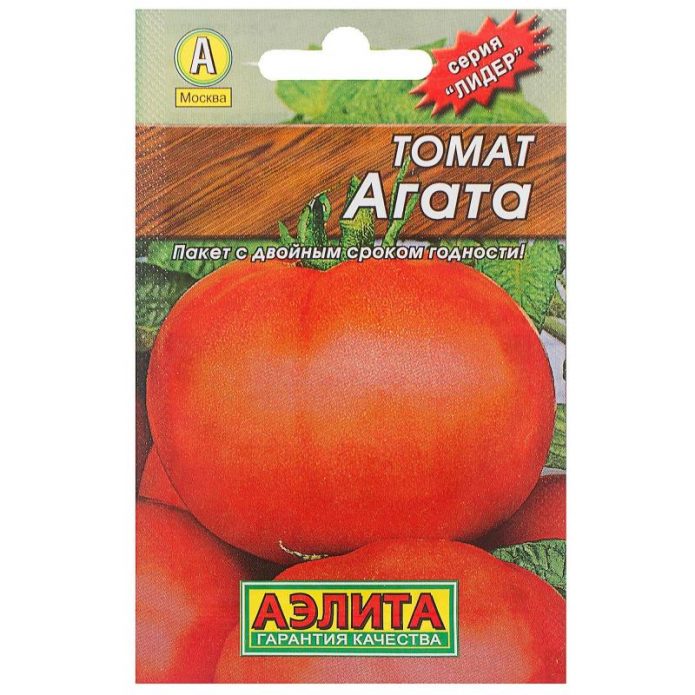

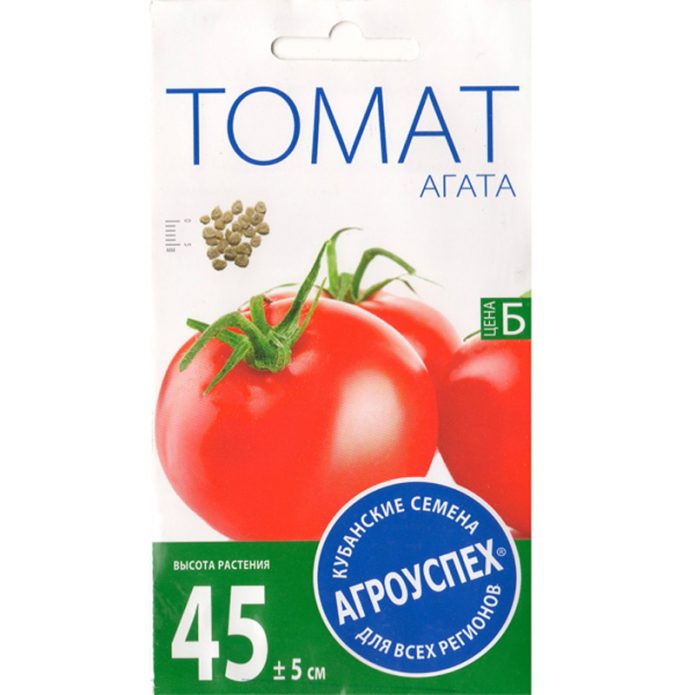
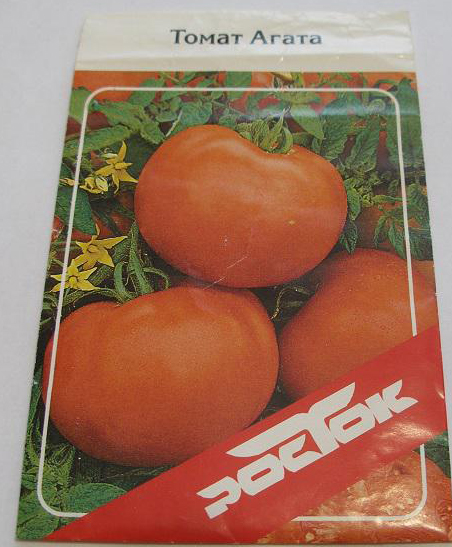
The variety's seeds can be planted directly into the ground, and they have a good germination rate. It is also grown from seedlings, especially in risky farming areas. For this purpose, sow the seeds 1.5-2 months before planting them in the garden. In temperate climates, tomatoes are transplanted in late spring. Therefore, seeds for seedlings are sown in mid-March to early April.
Experienced gardeners also recommend this variety for growing indoors, on balconies, and loggias. If you sow the seeds in February, you can harvest ripe tomatoes as early as May.
How sowing occurs:
- Select only healthy planting material. Soaking the seeds in a salt solution (1 tablespoon per glass of water) will help. Place the seeds in the solution and leave for half an hour. Good seeds will settle to the bottom (this is not necessary for store-bought seeds).
- Seed disinfection. This is necessary to reduce the risk of infection. For disinfection, you can use 3% hydrogen peroxide, Maxim, Vitaros, Fitolavin, or Fitosporin.
- Stratification and germination. Line a plastic container with a damp cloth. Place a damp rag on top. Cover with a lid, removing it once a day for ventilation. Refrigerate the container overnight at 2–3°C. During the day, move it to a warmer location at 22–25°C. Periodically moisten the cloth in the container, preventing it from drying out. If done correctly, seedlings will appear in 5–7 days, after which they can be planted in containers with potting soil.
- When 1-2 true leaves are formed, the seedlings are pricked out.
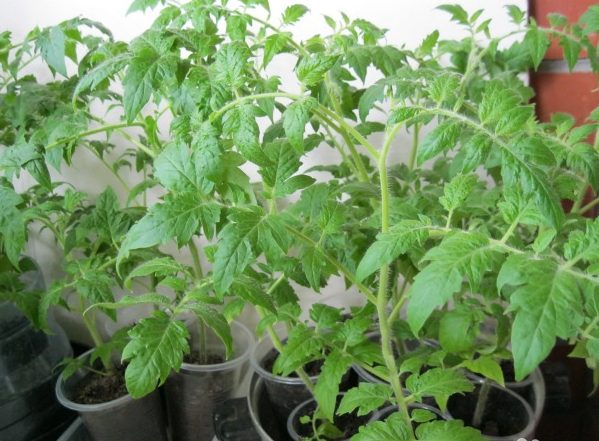
Care for seedlings is standard and consists of watering, fertilizing and lighting.
Planting in the ground
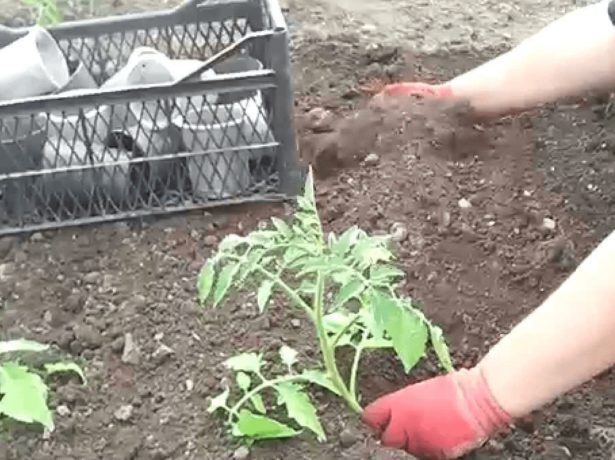
Seedlings can be transplanted into the garden beds at the 5-6 true leaf stage, when the bushes reach a height of 25-35 cm. Before planting, harden them off by placing them outside for 2-3 hours, increasing the time each day.
If the seeds are sown directly into open ground, do so 3-4 weeks before transplanting the seedlings. For the first few weeks after planting, it is recommended to cover the beds with spunbond placed on supports.
Plant Agata tomatoes in two rows. The distance between rows is 0.5 m. The distance between plants within a row is 0.4 m.
Aftercare for the Agata tomato variety
Care is standard. Let's just cover a few important points.
Garter
There's no need to shape the bushes, but if possible, it's recommended to do so to prevent them from falling over. Drive a stake near each plant. Tie the bushes to the stake.
Alternatively, you can mulch the plants. This will prevent the fruit that falls to the ground from rotting.
Watering
It is recommended to use warm, settled water. This variety does not require frequent watering; once a week is sufficient.
Water should be poured under the roots, it should not get on the above-ground part to avoid burns.
Top dressing
It should be in moderation. The ideal option would be organic infusions that you can make yourself:
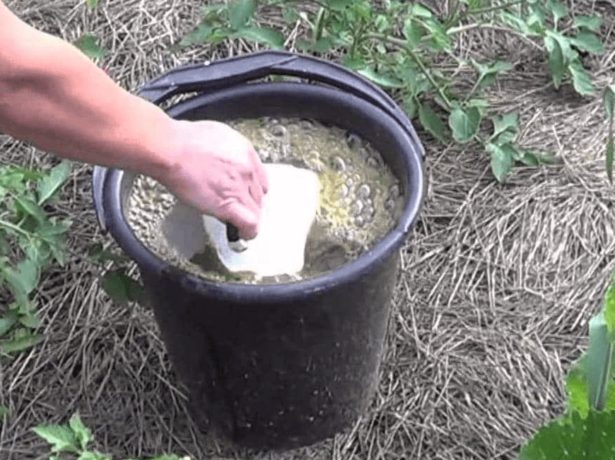
- Nitrogen fertilizer. This can be an infusion of mullein, bird droppings, or freshly cut grass. Place the main component in a barrel and add water. Let it steep for 5-7 days. After the specified time, strain. Dilute at a ratio of 2 liters per bucket of water (1 liter if using bird droppings). Use 1 liter of fertilizer for each bush.
- Potassium-phosphorus fertilizer. You can use wood ash to prepare it. Dissolve 3 liters of it in a bucket of water. Let it sit for a couple of days, then water it under the roots or use it as a foliar fertilizer.
During the growing season, each infusion should be applied 2-3 times. Initially, apply nitrogen, followed by potassium and phosphorus. The interval between applications is two weeks.
Please note! If you don't want to prepare your own fertilizer, you can use urea or ammonium nitrate as a nitrogen source. Monopotassium phosphate is a source of potassium and phosphorus.
Pest and disease control for the Agata tomato variety
Late blight is a dangerous disease if the crop has not had time to ripen before its peak.
The infection can be identified by the following signs:
- brown spots on the leaves, surrounded by a whitish coating;
- drying and wilting of greenery, withering of bushes;
- fruit falls off and begins to rot when ripe.
At the first sign of late blight, immediate action is needed before it spreads to the crop. Remove affected areas and spray the bushes with an onion-garlic infusion:
- Chop 200 g of onion and garlic.
- Pour 10 liters of water over the ingredients.
- Let it brew for 24 hours.
- Strain the infusion and spray the bushes with it.
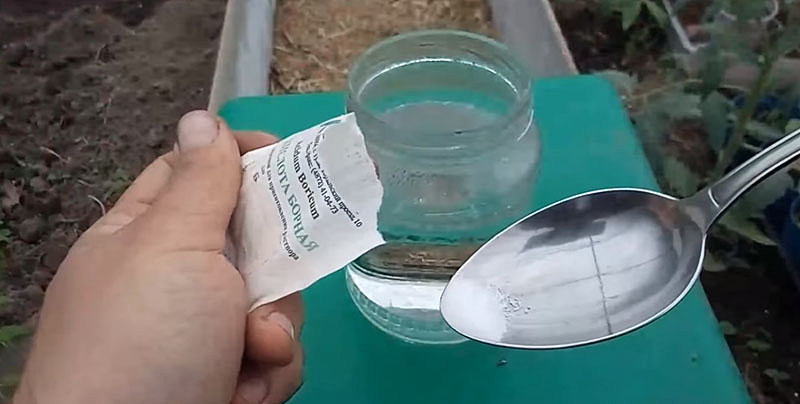
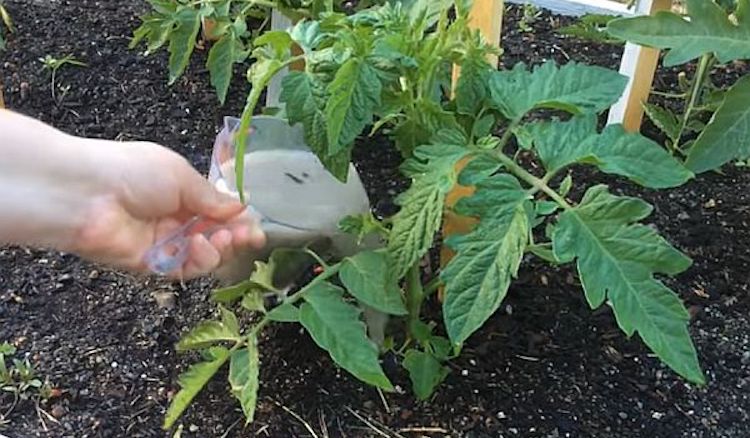
To prevent late blight, a good option is to spray the bushes with a boric acid solution (1 teaspoon per 10 liters of water). This treatment should be done before lunch.
Mulching the bushes is also recommended to prevent late blight. Compost, sawdust, freshly cut or dried grass can be used for this purpose. Compost should not be used for this purpose. Mulching reduces moisture levels, which are favorable conditions for the development of late blight.
Pests include whiteflies, aphids, and spider mites. Due to the early maturation period, the use of chemicals is not recommended. To kill insects, you can use an infusion of tobacco dust or a soap-ash solution.
Storage and use of Agata tomatoes
Intended for quick consumption, not storage. Tomatoes are delicious fresh and in salads.
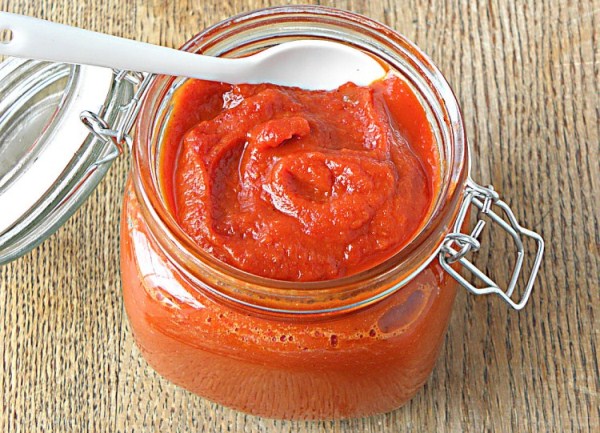
Tomatoes are also used for processing, including making juice, paste, and sauces. Their attractive appearance makes them suitable for commercial cultivation.
Comparison of Agata tomatoes with other varieties in the table
Please note! How can you easily convert centners/ha to kg/sq.m? Simply divide by 100! For example, the Abakansky Pink tomato yields 400 centners of marketable fruit per hectare. This equals 4 kg per square meter. It's that simple! Also, keep in mind that typically no more than 3-4 plants are planted per square meter. This way, you can calculate the yield per bush. In the case of the Abakansky Pink, it's about 1 kg.
| Variety | Ripening period (number of days from full germination to ripening)
Yield of commercial fruits |
Brief description | Fetus |
| Agatha | 98-113 days
583-676 c/ha |
An early-ripening, determinate, non-standard variety for open ground and greenhouses. Suitable for salads. | Flat-round, smooth, red, 77-99 g.
Taste qualities 3.8-5 points. |
| Agatha Plus | 98-113 days 301-798 c/ha |
An early-to-mid-early determinate variety for open ground. Suitable for salads. | Round, smooth, medium density, red, 128-190 g.
The taste is good and excellent. |
| Adelina | 82-109 days
242-447 c/ha, maximum 669 c/ha |
A mid-season determinate variety for open ground. Suitable for salads, whole-fruit canning, and processing into tomato products. Heat- and drought-resistant. | Egg-shaped, smooth, transportable red, 59-83 g. The taste is good to excellent. |
| Openwork | 105-110 days
610 c/ha |
An early-ripening, determinate variety for open ground and greenhouses. Requires staking and shaping. Suitable for salads. | Round, smooth, dense, fleshy, red, 220-250 g. Good taste. |
| Alsou | 105-110 days 700 c/ha |
An early-ripening, determinate variety for open ground and greenhouses. Requires staking and shaping. Suitable for salads. | Flat-round, slightly ribbed, medium density, red, 312 g. Good taste. |
| Alpha | 87-96 days
620 c/ha |
An ultra-early, determinate, standard variety for open ground. Suitable for salads. | Round, smooth, red, 60-80 g. Good taste. |
| Anyuta | 82-98 days
325-346 c/ha |
An early-ripening determinate variety for open ground. Suitable for salads. Marketability: 82%. | Flat-round, smooth, dense, resistant to cracking and blossom-end rot, red, 86-100 g. Good to excellent taste. |
| Ataman | 100-110 days
150-469 c/ha, maximum 599 c/ha |
A mid-season determinate variety for open ground. Suitable for salads and processing into tomato products. | Round, smooth, very dense, red, 72-109 g. The taste is good and excellent. |
| White filling (241) | 70-80 days
275-814 c/ha |
An early-ripening, determinate variety for open ground. Suitable for salads. Marketability is 85-95%. | Smooth, slightly ribbed, medium to large, red, 80-132 g. |
| Betta | 78-83 days
540-600 c/ha |
An ultra-early, determinate, standard variety for open ground. Suitable for salads. | Flat-round, red, slightly ribbed, 54-71 g. Good taste. |
| Kate | 80-85 days
326-550 c/ha |
An early-ripening determinate variety for open ground. Suitable for salads. Marketability: 84-90%. | Flat-round, smooth, crack-resistant, red, 80-92 g. Good to excellent taste. |
| Broody | 95-105 days
350 c/ha (greenhouse and under film) |
An early-ripening, determinate, standard variety for open ground and greenhouses. Suitable for salads. | Flat-round, slightly ribbed, medium density, red, 100 g. Excellent taste. |
| Lux | 90-105 days
800-1800 c/ha depending on the region and place of cultivation |
An early-ripening determinate variety for open ground and greenhouses. Suitable for salads, pickling, canning, and processing into tomato products. Cold-hardy. | Flat-round, slightly ribbed, fleshy, red, 100-120 g. Excellent taste. |
| A gardener's dream | 95-100 days
630 c/ha |
An ultra-early determinate variety for open ground and greenhouses. Requires staking and shaping. Suitable for salads. | Flat-round, smooth, medium density, red, 80 g. Good taste. |
Gardeners' reviews of the Agata tomato variety
Reviews of the variety are both positive and negative, noting its excellent taste and undemanding nature in terms of agricultural technology, but gardeners dislike its susceptibility to late blight.
User Pomodoroved, Belgorod Oblast, December 3, 2013
The variety 'Agatha' was entered into the register in 1987 (thanks, WIK).
If you have received genuine seeds of this variety, then despite its venerable age, you will be able to get a lot of pleasant impressions.
Firstly, it has a very harmonious taste, it is not sour, not sweet, very aromatic and very “tomatoey”.
The plant is determinate and tops after about 3-4 clusters, with clusters forming every two leaves. Therefore, 2-3 side shoots should be left.
Ripening period is early; when planted in a greenhouse, it is one of the first to turn red, growing to a height of about 1.00 - 1.20 meters.
The fruit is flat-round, slightly ribbed, weighing approximately 100 grams. Each cluster contains 5-6 tomatoes that ripen evenly.
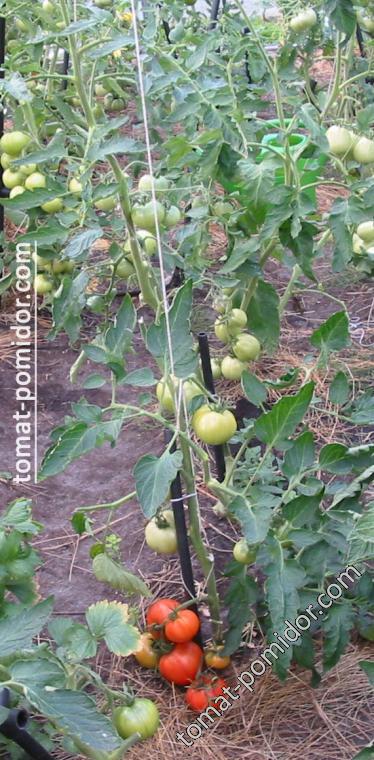
Here, in the photo, is a bush, I am “thoughtfully”, I have removed its stepson, like all the others around it.
User Yaroslavna, Northern Yaroslavl Oblast, 10/12/2013
This season we managed to restore Agatha from 2000 seeds…
The bushes grew in open-air beds, reaching a height of no more than 60 cm. The fruit ripened on the bushes, indicating early ripening. The fruit has a pleasant, harmonious flavor, and the fruit itself is not small—100-150 grams.
Indeed, I received a lot of pleasant impressions from this variety.
and I really hope that this is the same variety as the one our esteemed Tomato Expert has on his avatar.
User amarant, Nizhny Novgorod, November 5, 2015
I grew Agatha this season.
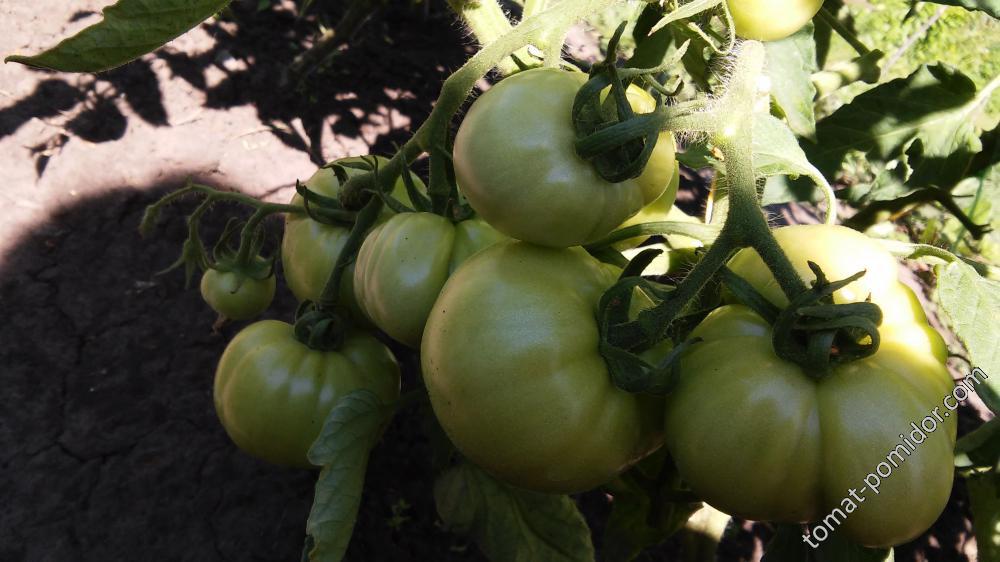
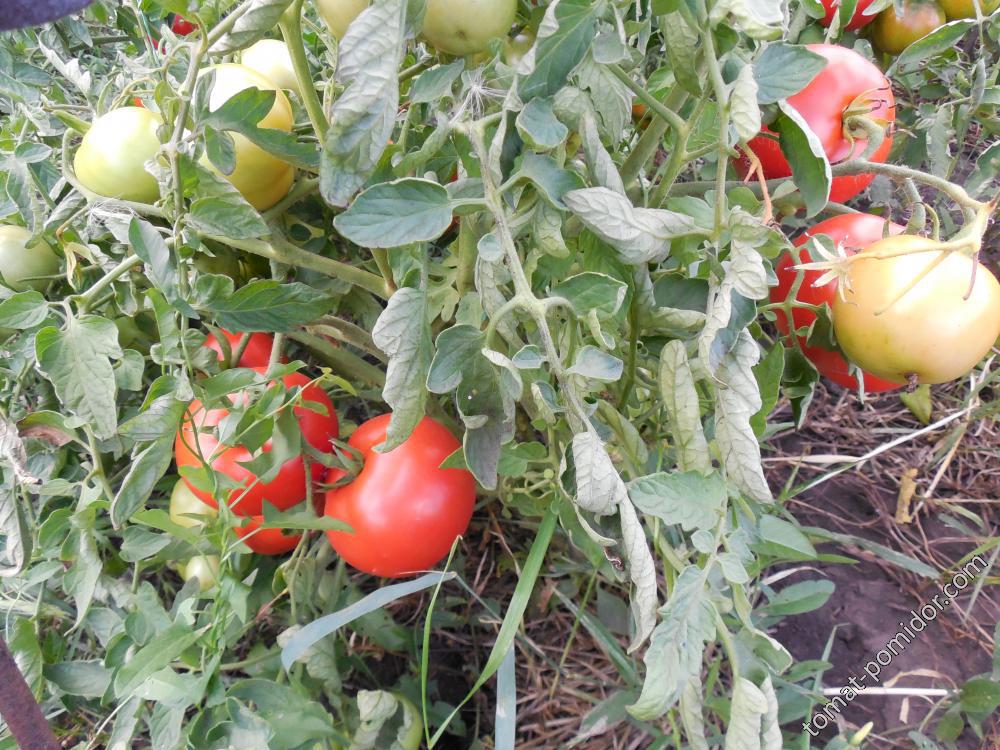
I liked this tomato; it grew in the open ground and was the second to start producing. The bush is short, up to 50 cm, abundant, and resistant to fluorescent bacteria. I'll be buying it again.
User mama-homa, November 5, 2015
My Agata in the open ground was short, 40-50 cm, didn't need any side shoots, and the bushes were disease-free. It was mid-season, weighing up to 120 g, firm and not watery, with a classic tomato flavor and a hint of sweetness.
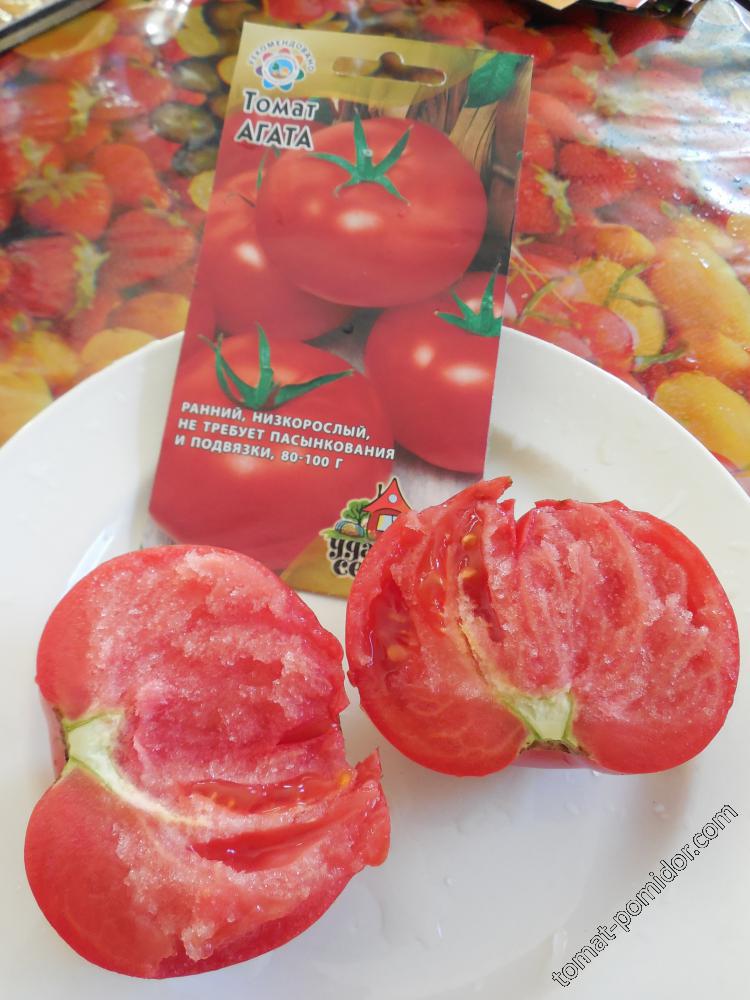
User Katrinka, Volgograd, October 16, 2017
My Agatha.
A good low-growing variety. Bushes are about 60 cm tall, no side shoots needed. No diseases. Fruits are about 100 grams. Good tomato-like flavor. Average yield.
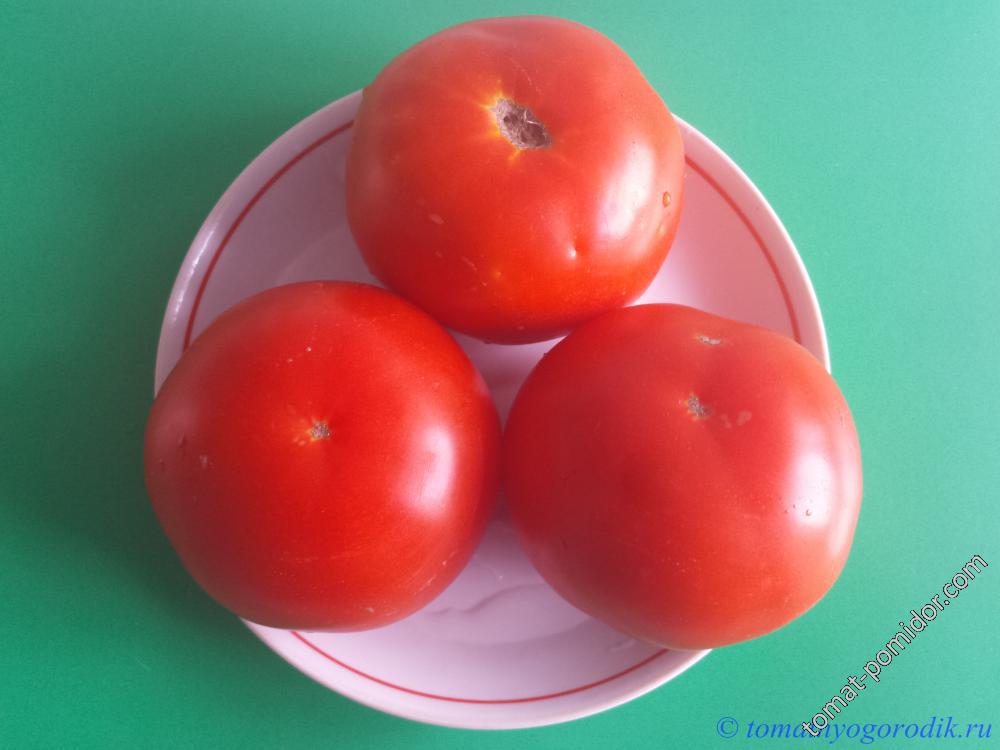
Tomato 'Agatha'. An early variety for salads. The growing season is 110 days. The determinate plant grows up to 45 cm tall and requires no staking or pinching. The fruits are flat-round and smooth. They are easy to transport. Fruit weight ranges from 80-110 g. This variety produces fruit frequently.
Sow seedlings in March. Pick at the one- to two-true-leaf stage. Plant seedlings under plastic in mid-May and in open ground in early June. Seedlings are 60-65 days old (at the five- to seven-true-leaf stage). Planting pattern: 50x40 cm.
For good growth and abundant fruiting, plants require timely watering, regular weeding, loosening and fertilizing with mineral fertilizers.
March 8, 2014
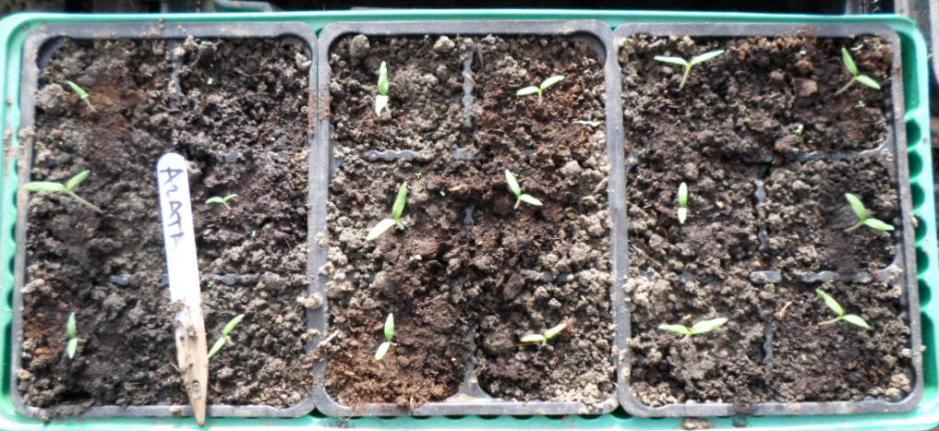
I soaked the seeds of the Agata tomato variety.
March 12, 2014
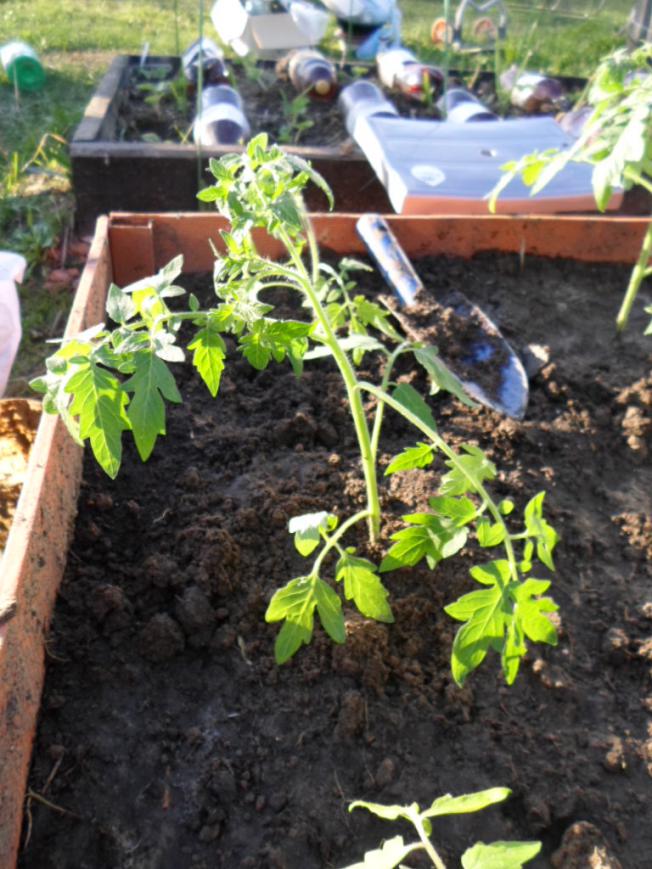
I transplanted the sprouted seeds of the Agata tomato into a box with soil.
March 20, 2014
8 days have passed and in my greenhouse for growing seedlings the tomatoes of the Agata variety look like this.
February 27, 2015In 2015, we will grow the Agata tomato using seedless technology.
May 11, 2015
I plant Agatha tomatoes in a bed under film.
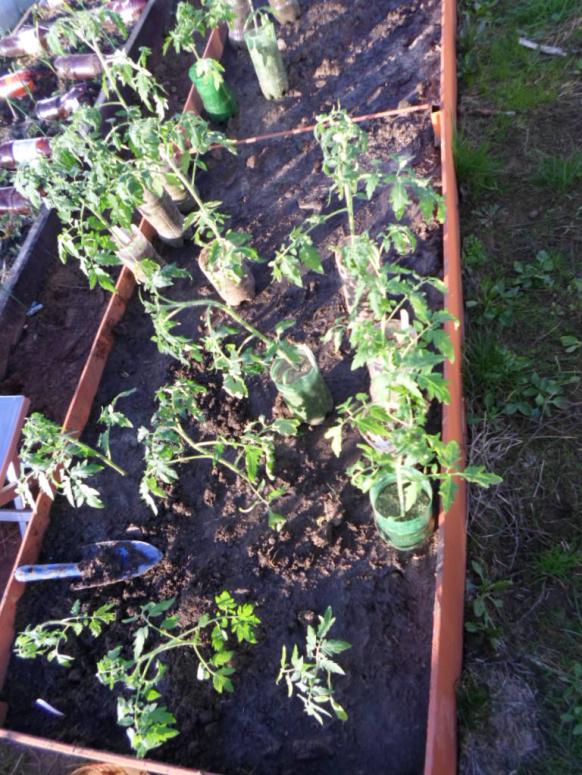
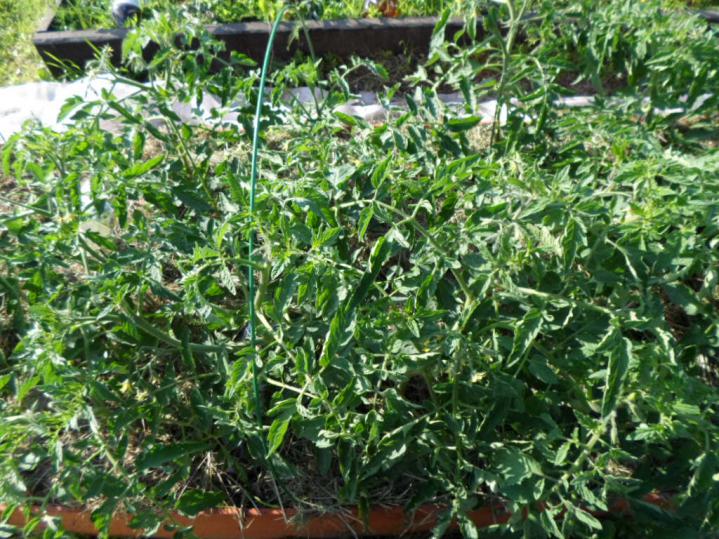
June 3, 2015
Three weeks have passed. Summer has arrived. Agata tomatoes are growing in the open ground.
April 11, 2016
In 2016, I planted the Agata tomato variety again. My experience shows that Agata tomatoes have the earliest and most consistent germination. The seeds are already three years old, but they germinated at the same time.
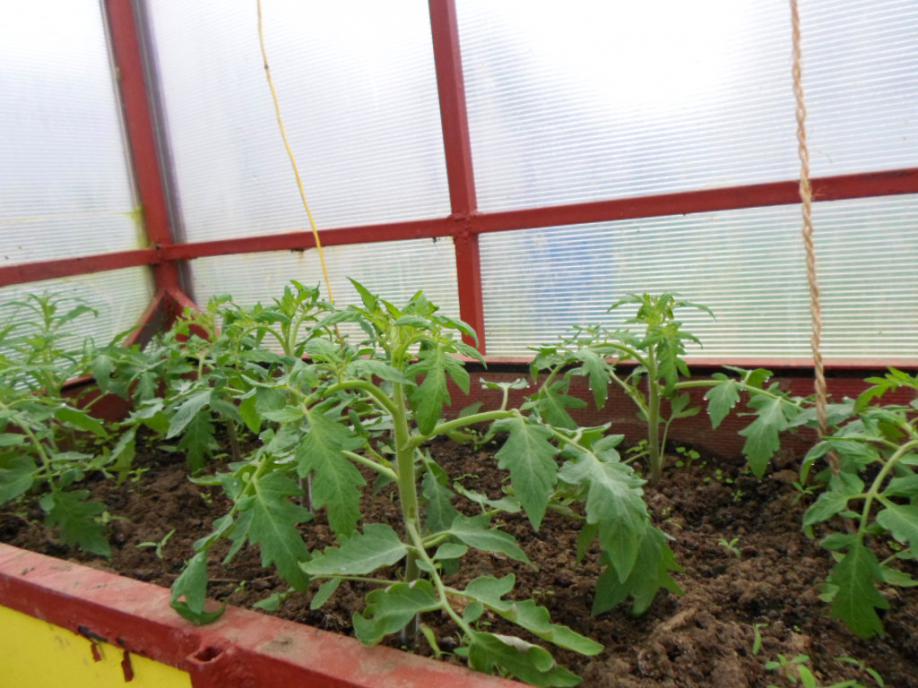
May 21, 2016
Tomato Agatha in the greenhouse.
User Nagorna, Russia, 04.02.2018
Good afternoon, readers of my Review!
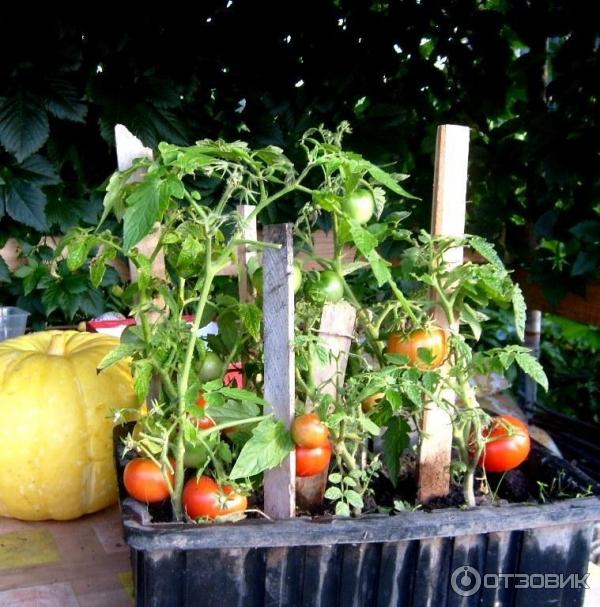
A review of tomatoes that can be grown on windowsills, balconies, and loggias. These include tomatoes that grow in boxes and pots.
Small-fruited varieties include 'Pinnochio,' 'Balcony Miracle,' and 'Miracle on the Balcony.' I also plant larger-fruited tomatoes that don't require pinching. Plants reach 30-40 centimeters in height. 'Agatha' is one such variety. It's an early-ripening variety. Fruits weigh 80-100 grams. They are flat-round and red.
In boxes, the tomatoes are smaller, of course. The fruits are sweet and tasty,
If the summer is cold and rainy, they may be sour.The package costs just 5 rubles. Each package contains 0.2 grams, or about 40 seeds.
I plant seedlings in February and May, and the tomatoes are already starting to turn red.
I plant them to decorate my front garden. I place the box in a decorative cart in May.I plant seeds for seedlings in a spare box (for replacement) in April.
The reddening tomatoes at this time of year are even more eye-catching than the beautiful blooming petunias. The container should be filled with fertile soil, and don't forget to water and feed the tomatoes.

User LeDi, Russia, October 31, 2019
While searching for early-ripening, small tomatoes, I came across the "Agata" tomato seeds from the Aelita agricultural firm.
I have a huge number of varieties of this type, but it is always interesting to plant a new variety and evaluate its advantages and disadvantages.
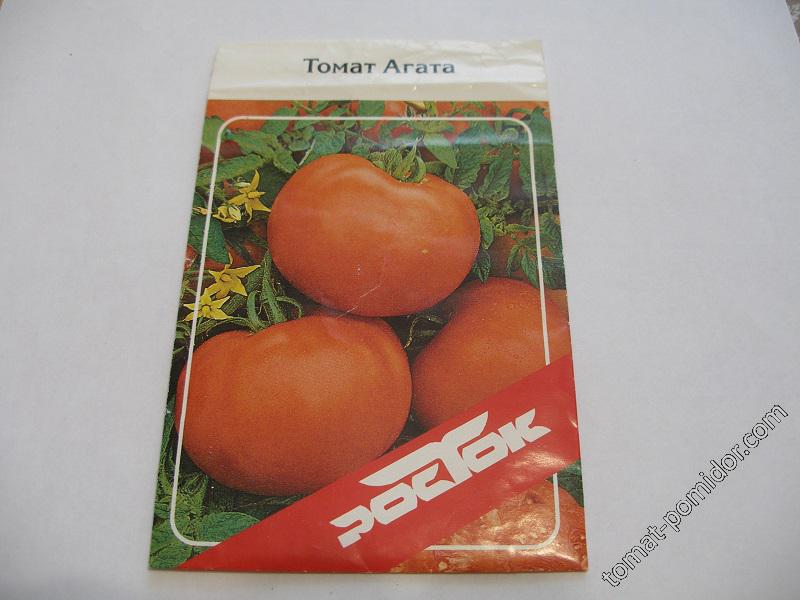
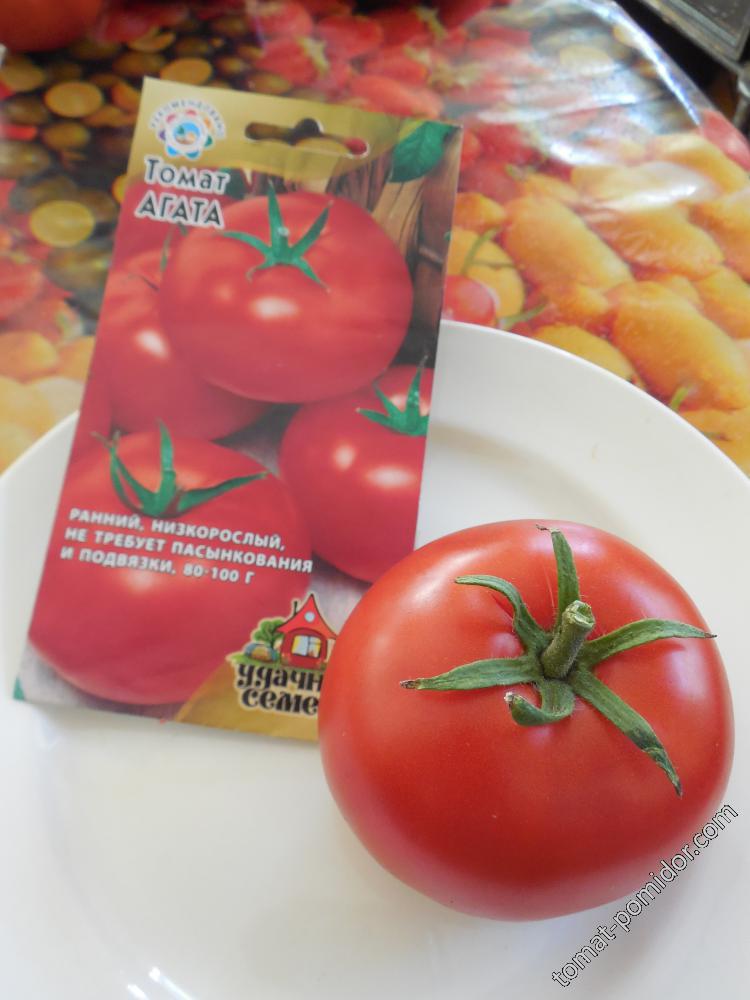
Sold in a colorful package with small tomatoes depicted on it.
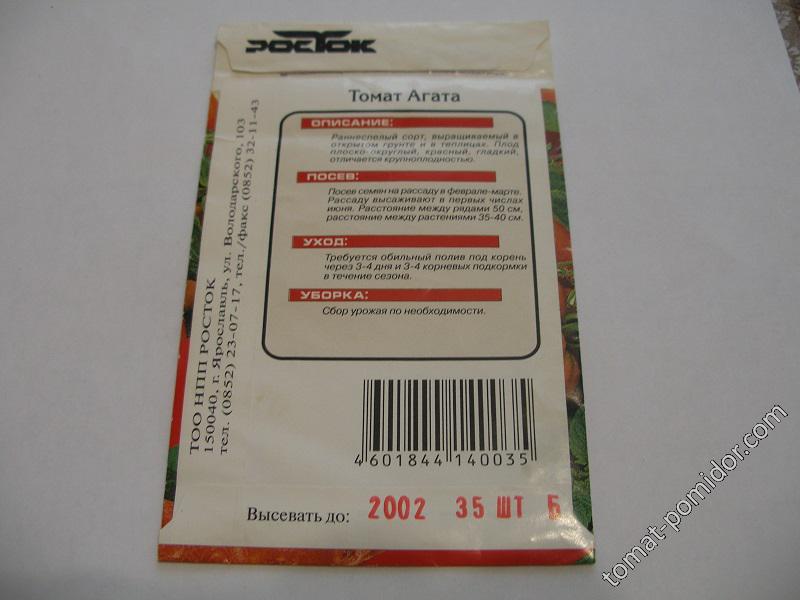
On the back side at the very top there is information about the manufacturer, below is a description of the variety, a little about the packaging, the batch number and expiration date.
Weight 0.2 g.Germination is good, the plant is small, of course, you can’t call it high-yielding, but the variety is not bad.
The tomatoes are small, no more than 100 g.
The downside is that this variety isn't universally suitable. Of course, for those growing it for fresh consumption, it's a good option, as it doesn't require any extra staking or pinching.
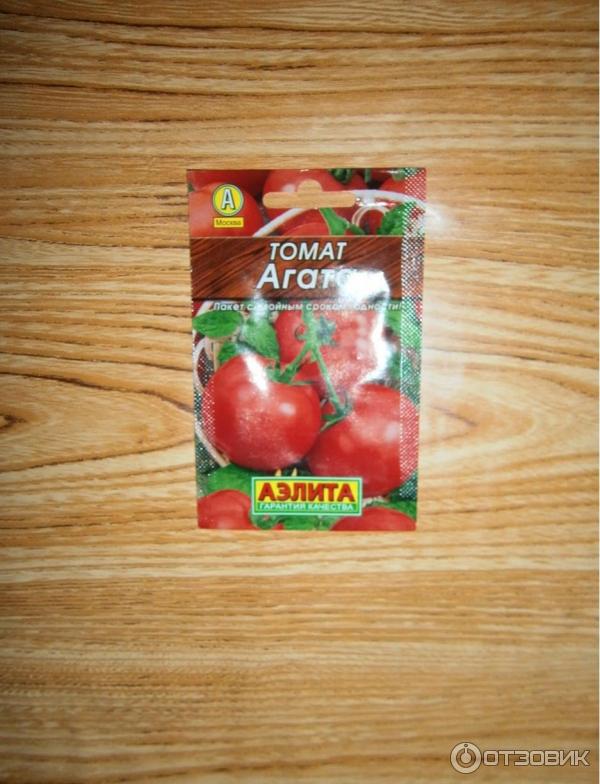
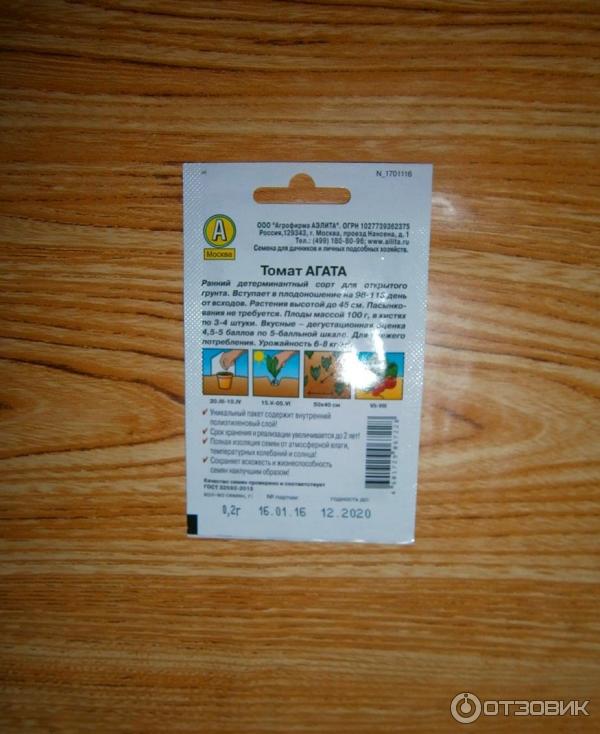
User rina440, Russia, Chelyabinsk, March 1, 2018
I plan to grow "Agatha" tomato seeds from Aelita this summer. The flavor of these tomatoes often depends on the weather: the hotter the summer, the sweeter the tomatoes.
I like these tomatoes because they are an early ripening variety.
They're delicious in salads and good for canning. I also like to freeze them. All winter long, I use only frozen tomatoes for pizza, vegetable stews, and so on.The seeds are packaged in a brightly colored packet. Each seed weighs 0.2 grams. Price: 12 rubles.
Aelita's seeds have good quality and germination rates. They comply with GOST standards.The package contains the variety characteristics and information about the manufacturer. Illustrated instructions for growing the seeds include quantity, batch number, and expiration date.
I sow the seeds in peat pots at the end of March and plant them in a greenhouse at the end of May.
During growth, tomatoes require watering, fertilizing, and loosening.
Determinate tomatoes.The bushes grow to a height of 40-45 cm, the fruits weigh approximately 100 grams.
They are liked canned and in salads.
The fruits are medium-sized and red. I really like them!
I recommend it!
I consider the early maturity of Aelita's "Agatha" variety to be one of its main advantages. In early May, I transplanted 10-cm-tall seedlings, planted in early April, into the greenhouse. I hadn't expected a harvest, but I couldn't bring myself to throw them away. I decided to take it or leave it. And guess what? I started harvesting my first crop in mid-July. The variety truly proved to be early ripening. Over the course of the season, I harvested a decent amount: 40 liters of ripe tomatoes from 10 bushes. The main drawback is the taste of the fresh tomatoes: they are sour and watery. This variety is only suitable for processing. Juice, tomato paste, and pickled tomatoes were appreciated, but not in salads; they are quite sour. There's no need to pinch out the side shoots; otherwise, you could lose a significant portion of the harvest.
I'm an avid gardener. I love digging in my garden beds. I've created a vegetable garden in my yard where I grow all sorts of vegetables, but my favorite is tomatoes. I've planted every variety, saving the good ones for seed and wasting the bad ones. Every year I try to buy new tomato varieties. I bought Agata seeds from the Aelita agrofirm at the market. I read the information about this variety on the back of the package. Agata tomatoes are intended for early growing. They are used only for salads. Their growing season is 110 days.