The ultra-early Raspberry Lyana variety has earned recognition among gardeners thanks to its rapid ripening. It's ideal for those who can't spend every day in their garden or dedicate their free time to vegetables, as well as for those living in regions with short summers. In this article, we'll describe the Raspberry Lyana tomato variety and review reviews from gardeners.
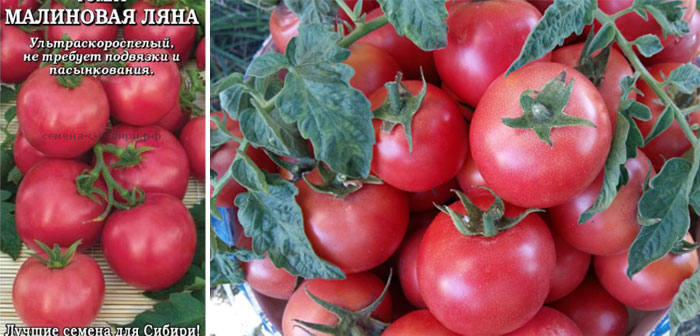
Content
- 1 Table with characteristics of the tomato variety Malinovaya Lyana
- 2 Photo gallery of the tomato variety Raspberry Liana
- 3 The origin of the tomato variety Liana Malinovaya
- 4 A detailed description of the tomato variety Raspberry Liana
- 5 Advantages and disadvantages of the Raspberry Liana tomato variety
- 6 Planting Features of the Raspberry Liana Tomato Variety
- 7 Caring for the Raspberry Liana tomato variety, watering and fertilizing
- 8 Storage and use of tomatoes of the Raspberry Liana variety
- 9 Comparison of the tomato variety Malinovaya Lyana with other varieties in the table
- 10 Real reviews from gardeners about the tomato variety Raspberry (pink) Liana and Liana
Table with characteristics of the tomato variety Malinovaya Lyana
| Characteristic | Description |
| Description | A determinate standard variety with very compact bushes and a large number of even, round fruits. |
| Ripening period | 85-90 days |
| Fruit weight | 60-100 g |
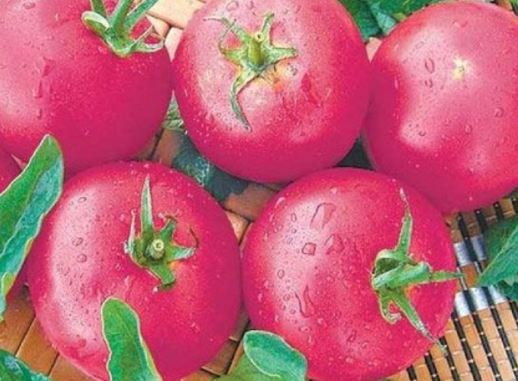
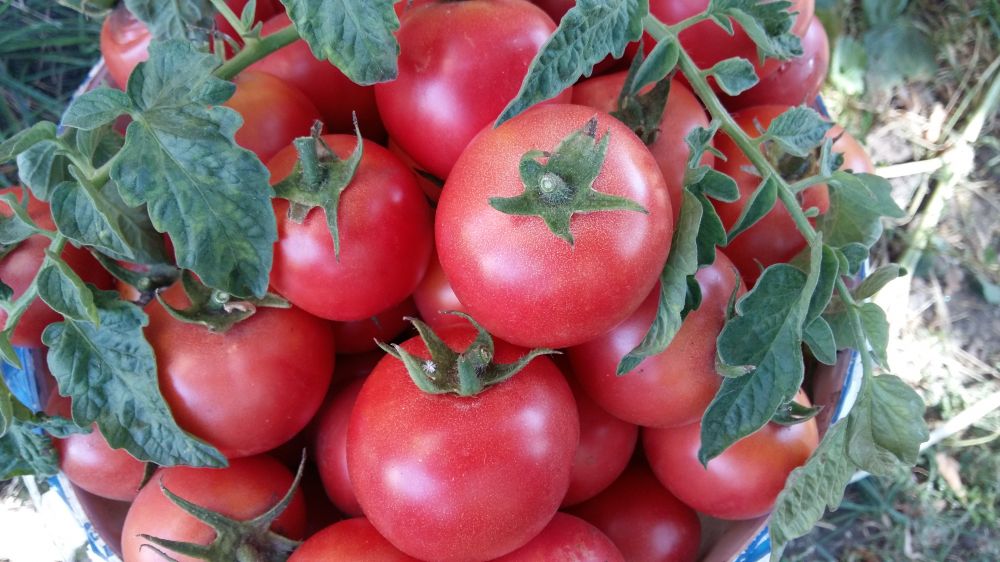
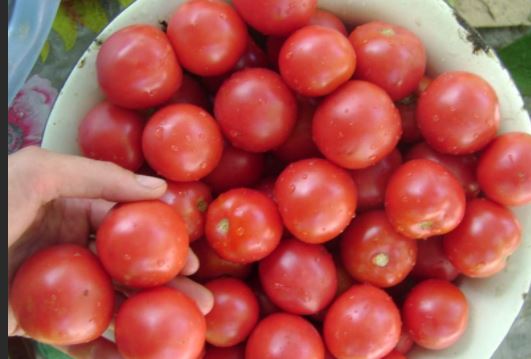
| Description of the fruit | The tomatoes are very neat, small, perfectly rounded, and raspberry-colored. The flesh is juicy and aromatic. |
| Productivity | Up to 700 c/ha |
| Usage | Tomatoes can be used in whole-fruit canning, processed into juice, paste and sauces, and also used in salads and other dishes. |
| Preferred growing regions | It was originally zoned for northern regions, but is successfully grown in various areas. |
| Disease resistance | It has a strong immune system and is not susceptible to late blight, as it has time to ripen before it becomes active. |
| Agricultural technology | The bushes are low, reaching 35-50 cm. Staking is not necessary. No side shoots are needed. |
| Raspberry lyana is not included in the register; only the 'Lyana' variety received an official patent. | |
| Country of origin | Russia, Agrofirma Poisk LLC |
Photo gallery of the tomato variety Raspberry Liana
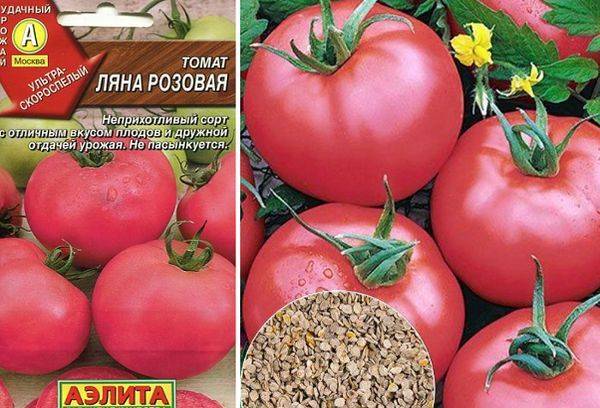
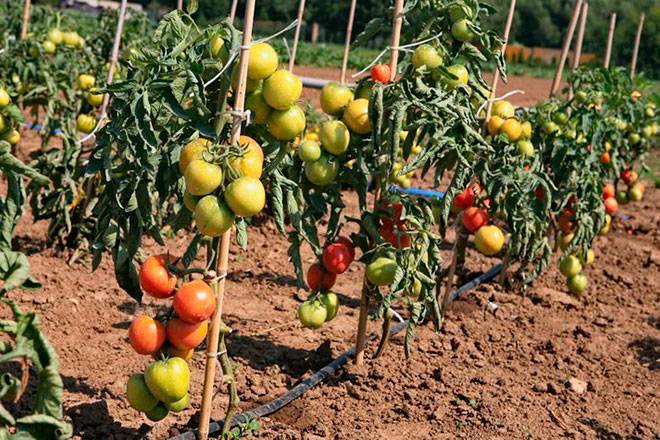
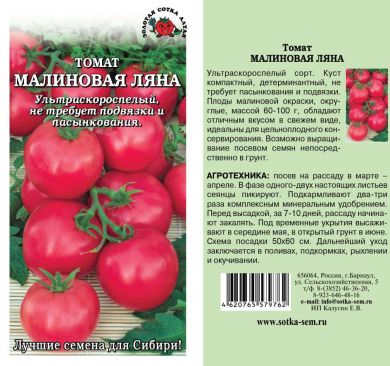
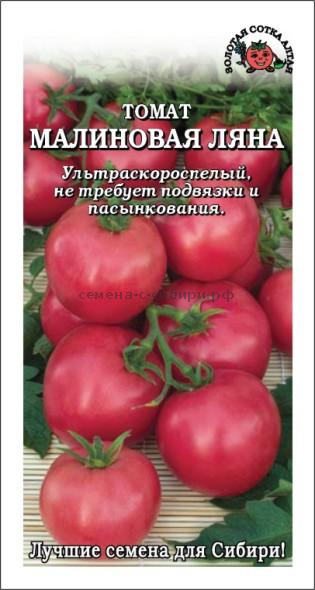
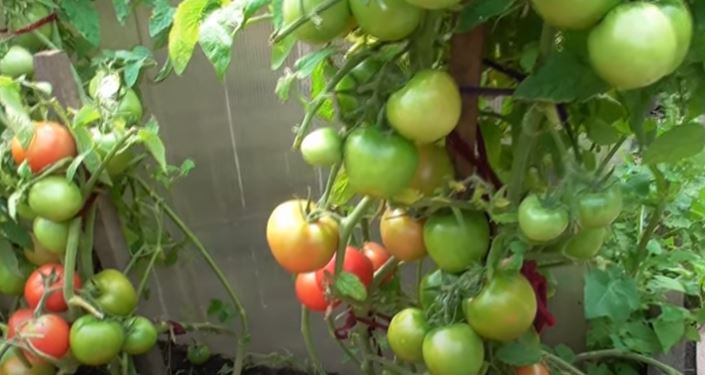
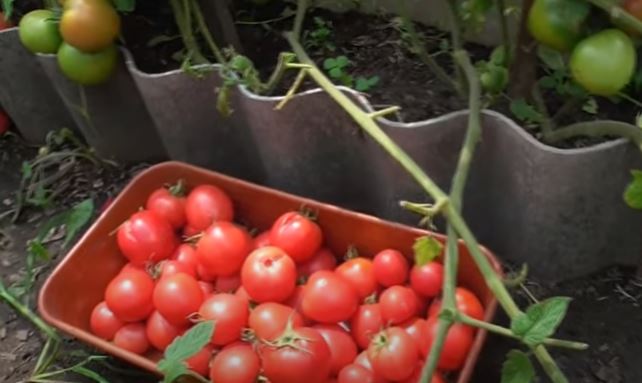
The origin of the tomato variety Liana Malinovaya
The Raspberry Lyana tomato was developed by specialists from the Poisk agricultural firm based on the classic red Lyana. However, unlike its older cousin, it has not yet been registered. Despite this, Raspberry Lyana is actively used by gardeners throughout Russia, although it was originally bred for Siberia and other regions with harsh climates.
A detailed description of the tomato variety Raspberry Liana
Malinovaya Liana is an ultra-early variety with compact bushes, tasty fruits and excellent yield.
Bushes
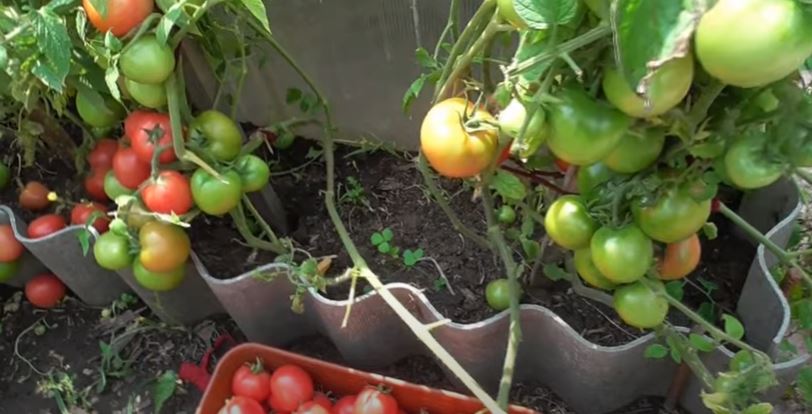
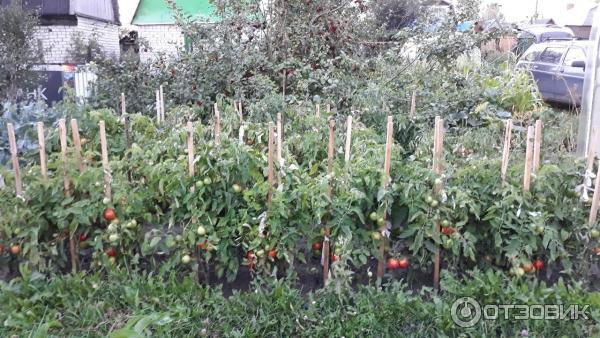
The Malinovaya Lyana variety's bushes are distinguished by their compact size. The determinate shoots grow to 35-50 cm in height. The grower notes that staking them isn't necessary, but gardeners prefer to be on the safe side and secure the stems to supports to prevent them from breaking under the weight of the harvest. The plant has medium foliage; after the ovaries appear, the lower leaves can be removed.
Although pinching out side shoots isn't essential for healthy tomato growth, many growers still remove them. Some leave only the lower shoots, which helps them produce a new crop. However, it's important to plan ahead for support, otherwise the plant will end up lying right in the middle of the rows, with the tomatoes touching the ground, which isn't ideal for the fruit.
Fruit
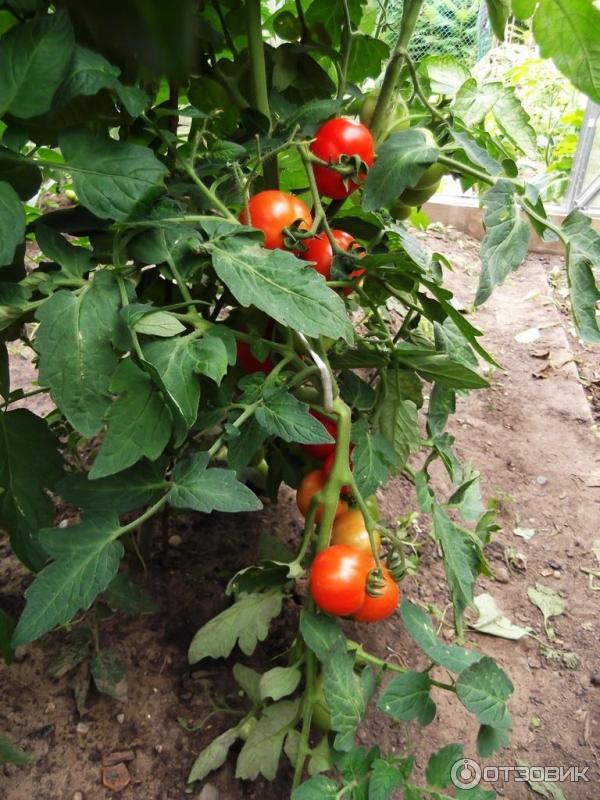
The tomatoes are round, very neat and even, and roughly uniform in weight, ranging from 60 to 100 grams. Their color is raspberry or pink, and the flesh is firm, juicy, and flavorful. If the tomatoes are left on the vine for too long, the skin may crack, so it's recommended to harvest them promptly.
Productivity
The yield of the Malinovaya Lyana tomato varies greatly depending on the growing region and whether it's grown in a greenhouse or in the open ground. Under favorable conditions, when the season isn't limited by the extremely short summer, the yield can reach 700 c/ha.
Ripening time
The ripening period is extremely early, with the harvest ripening in just 85 days after germination. This makes the tomato ideal for growing in cooler regions, as well as in areas where gardeners are limited to the summer season and cannot be present every day.
Advantages and disadvantages of the Raspberry Liana tomato variety
The Raspberry Liana variety has a number of advantages and disadvantages.
| Advantages | Flaws |
|
|
Planting Features of the Raspberry Liana Tomato Variety
The Malinovaya Liana tomato is a compact variety that can be grown without staking. It has a strong immune system and is relatively easy to care for, allowing for excellent harvests year after year.
Sowing seeds and growing seedlings of the tomato variety Malinovaya Lyana
You can collect raspberry seeds yourself or purchase them from an authorized grower. Pre-sowing preparation will depend on this.
Large producers typically treat and disinfect their seeds, which is indicated on the packaging. If this information is not available, it's best to soak the seeds in a weak solution of potassium permanganate for 20 minutes to kill any potential pathogens. To speed up germination, it's recommended to treat them with a growth stimulant, such as Epin. The same treatment is also recommended for domestic tomatoes.
For rapid germination, it is recommended to soak the seeds in a damp cloth, placing them in a warm place for 1-2 days.
The soil should be permeable and nutritious—the latter is crucial for the Malinovaya Liana variety. Therefore, it's best to purchase a ready-made potting mix for seedlings. However, if you don't have one, it's recommended to mix equal parts garden soil, humus, and sand. To avoid moisture problems, add 10% vermiculite.
Fill a pre-disinfected container halfway with soil, make 2-cm-deep furrows in the top, and plant the seeds. Cover them with potting soil, cover the container with plastic wrap, and place it in a very warm, bright place.
The cover can be removed once most of the seedlings have sprouted. After this, the box can be moved to a cooler, but equally bright location. To prevent the seedlings from stretching and to strengthen them, additional lighting, such as a phytolamp, will be needed.
As soon as 3 true leaves have formed on the shoots, they are transplanted into separate containers.
Throughout the growing season, it's best to water the seedlings using a spray bottle to prevent soil erosion. This procedure is carried out as the soil dries out completely.
Planting the Raspberry Liana tomato variety in the ground
It takes 55 to 70 days from planting to transplanting the seedlings to their permanent location. About a week before planting, it's recommended to begin hardening them off, especially if they're being grown outdoors. To do this, take the tomatoes out onto the balcony or outside every day, initially for a couple of hours, and then increase this time to 12 hours.
Tomatoes can be planted when the soil warms to 15°C; they do not tolerate cold. In greenhouses, the best time is May 15-20, and in open ground, not before the first ten days of June. The main thing is that the threat of frost has passed.
The soil should be prepared in advance in the fall; legumes, carrots, cabbage, cucumbers, and onions are considered good predecessors for tomatoes.
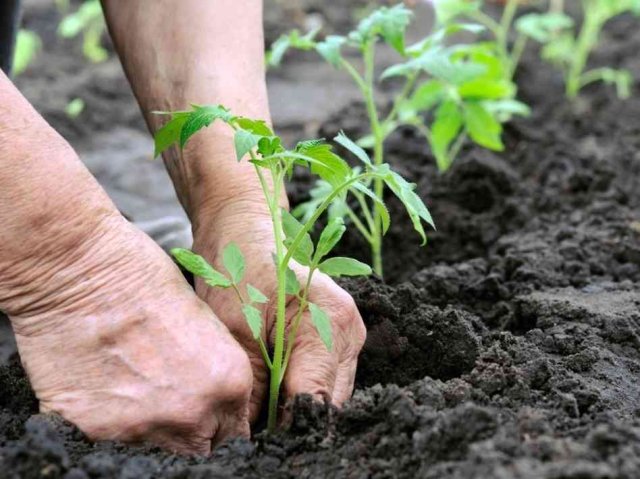
Planting is done using a 40x70 pattern. The holes are made slightly larger than the root ball; the optimal depth is 25 cm.
Caring for the Raspberry Liana tomato variety, watering and fertilizing
The Malinovaya Liana tomato plant has very compact stems; some gardeners grow them without staking and reap excellent harvests. Others prefer to provide additional supports to make care easier.
Fertilizing is essential for this variety. The first application is two weeks after transplanting the seedlings to their permanent bed. A solution of nitrophoska (1 tablespoon), 10 liters of water, and 0.5 liters of liquid mullein can be used. The latter component is readily available at any gardening store; it comes in 5-liter containers. Apply 200-300 ml of the fertilizer under each bush after watering.
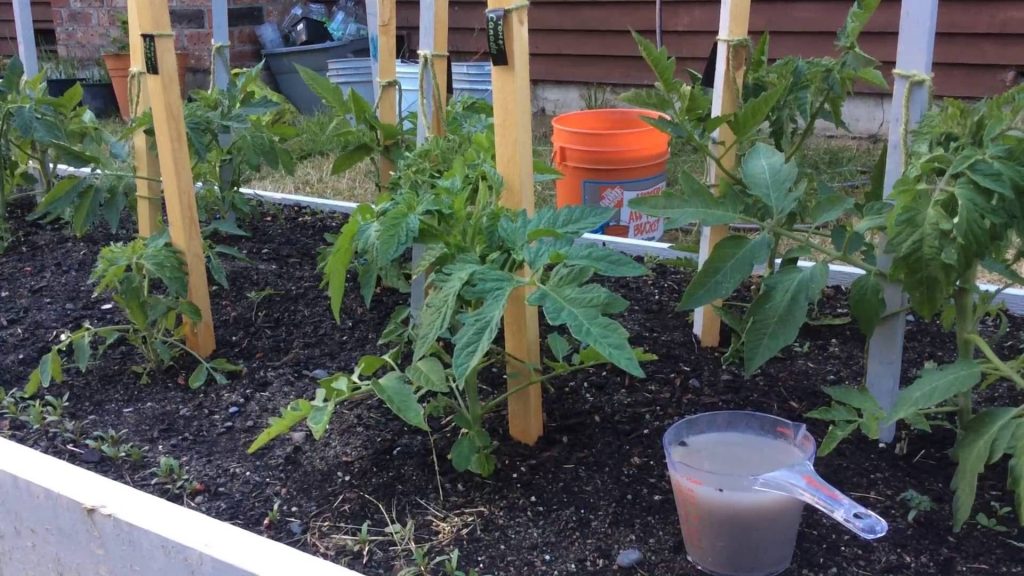
During the fruiting period, a different fertilizer will be needed, consisting of superphosphate (1 teaspoon), potassium sulfate (1 tablespoon), and 10 liters of water. You can purchase a ready-made mixture, such as Senor Tomato. Water the bushes at a rate of one liter per bush.
Watering should be done strictly at the roots, and the frequency depends on the growing region. It is recommended to moisten the soil when the top 5-8 cm of soil has dried out. To retain water in the bed and protect the roots from the sun, mulching the surface is recommended.
Weeding of plantings is carried out periodically to reduce the risk of diseases and pests.
Disease and pest resistance of the Malinovaya Liana tomato variety, plus control methods
Raspberry liana has a very strong immune system and is virtually disease-free throughout its growing season. The tomatoes ripen before the most insidious disease, late blight, begins to rage.
But for prevention, it is still recommended to treat the bushes with a solution of Fitosporin or Bordeaux mixture.
Storage and use of tomatoes of the Raspberry Liana variety
Raspberry Liana is an ultra-early variety, ready to harvest just 85 days after germination. Like other early-ripening tomatoes, Liana doesn't have a long shelf life, but at temperatures between 15 and 17°C in a dark room, healthy, firm tomatoes will easily last for one to two weeks.
This variety has a versatile use. Due to their small size, these tomatoes are widely used in whole-fruit canning. They are also ideal for eating fresh or in salads. The fruits are also used to make various sauces, pastes, and juices.
Comparison of the tomato variety Malinovaya Lyana with other varieties in the table
Please note! How can you easily convert centners/ha to kg/sq.m? Simply divide by 100! For example, the Abakansky Pink tomato yields 400 centners of marketable fruit per hectare. This equals 4 kg per square meter. It's that simple! Also, keep in mind that typically no more than 3-4 plants are planted per square meter. This way, you can calculate the yield per bush. In the case of the Abakansky Pink, it's about 1 kg.
| Variety | Ripening period (number of days from full germination to ripening)
Yield of commercial fruits |
Brief description | Fetus |
| Raspberry Liana | 85-90 days
700 c/ha |
An early (ultra-early) determinate standard variety for open ground and greenhouses. Suitable for salads, canning, and processing into tomato products. | Round, smooth, raspberry-pink, 65-90 g. Good taste. |
| Lyana | 94-110 days (Central region), 115-123 days (East Siberian region)
267-320 c/ha (Central region), 456 c/ha (East Siberian region), maximum 713 c/ha (Republic of Khakassia). |
An early-ripening, determinate, non-standard variety for open ground and greenhouses. Suitable for salads and whole-fruit canning. | Round, smooth, red, 65-83 g. Excellent taste. |
| Raspberry wine | 105 days 1200-1400 c/ha (greenhouse and under film) |
An early-ripening determinate variety for open ground and greenhouses. Requires staking and shaping. Suitable for salads. | Round, large, smooth, medium density, raspberry, 350 g. Excellent taste. |
| Crimson Flame F1 | 90-95 days
620 c/ha |
An early-ripening determinate variety for greenhouses. Requires training into three stems. Suitable for salads. | Obovate, smooth, pink, 50 g. Taste is good to excellent. |
| Raspberry Bell F1 | 115-120 days
450 c/ha |
An early-ripening determinate variety for open ground and greenhouses. Requires staking and shaping. Suitable for salads. | Round, smooth, medium density, pink, 150 g. Excellent taste. |
| Raspberry Farmer | 85-90 days
1000 c/ha |
An early-ripening determinate variety for greenhouses. Suitable for salads. | Round, dense, slightly ribbed, cocktail, raspberry, 50-60 g. Good taste. |
| White filling (241) | 70-80 days 275-814 c/ha |
An early-ripening, determinate variety for open ground. Suitable for salads. Marketability is 85-95%. | Smooth, slightly ribbed, medium to large, red, 80-132 g. |
| Explosion | 93-100 days
410 c/ha |
An early-ripening determinate variety for open ground and greenhouses. Suitable for salads. Drought-resistant. | Round, slightly ribbed, medium density, red, 90 g. Good taste. |
| Gribovsky 1180 | 96-112 days
173-420 c/ha, 18-38% of the total harvest ripens within 15 days of fruiting. |
An early-ripening determinate variety for open ground and greenhouses. Suitable for salads. | Round and flat-round, slightly ribbed, medium-sized, red, 55-90 g. The taste is satisfactory and good. |
| Juggler | 90-95 days
560-778 c/ha (West Siberian region), 210-284 c/ha (Far Eastern region), maximum 896 c/ha (Omsk region). |
An early-ripening determinate variety for open ground. Suitable for salads, canning, and processing into tomato products. Yield of ripe, marketable fruits is up to 64%. Drought-resistant, heat-tolerant, and tolerates low temperatures well. | Flat-round, ribbed, medium-dense, red, 90-125 g (up to 147 g). Good to excellent flavor. |
| Kate | 80-85 days 326-550 c/ha |
An early-ripening determinate variety for open ground. Suitable for salads. Marketability: 84-90%. | Flat-round, smooth, crack-resistant, red, 80-92 g. Good to excellent taste. |
| Katya is pink | 80-85 days
1600-1800 c/ha |
An early-ripening determinate variety for open ground. Suitable for salads. Marketability: 84-90%. | Flat-round, medium density, smooth, pink, 120-130 g. Good taste. |
Real reviews from gardeners about the tomato variety Raspberry (pink) Liana and Liana
The Malinovaya Lyana variety has received excellent reviews not only from gardeners in Siberia, where it ripens during the short summer, but also from residents of other regions. Consumers note the tomatoes' excellent taste, uniform shape, and versatility. They also note that the variety is completely low-maintenance, but does require nutritious soil and fertilizer.
I grow 'Lyanu' and 'Lyanu Pink' soot every year: in any conditions, this variety in Siberia is guaranteed to produce a good harvest.
These are the earliest of all the new-fangled ultra-early tomatoes. They really are early. Red, plump fruits reliably appear on the vines as early as the first two weeks of July.
The bulk of the harvest is usually collected before the onset of cold nights and late blight.
Seed germination is usually excellent - 100%.
My windows don't face the sun, so growing seedlings can be challenging. But "Liana" always sprouts faster and produces stockier, more easily transplanted seedlings than other tomato varieties grown in the partial shade of my windowsill.
By late April or early May, I'd be planting the seedlings in a greenhouse. There, they'd develop a good root system.
And in early June, when the threat of frost has passed, I plant it outdoors. In my experience, it produces a much higher yield in the open ground than in a greenhouse.
The variety's distinctive feature is its luxurious, abundant foliage. While the tomatoes are green, they're barely visible beneath the bush's canopy.
I remove the side shoots, which, by the way, don't form very actively, and I leave the leaves alone. The bushes aren't very tall. I have to tie them up a couple of times over the summer. The second time, I only tie up the branches that are falling from the weight of the fruit.
I really love how dense and fleshy the fruits are. The puree and juice they make are simply superb. Not to mention that the small tomatoes, weighing 80-100 grams each, are simply ideal for pickling.
This variety isn't particularly sugary. However, it's very aromatic and delicious.
I also like the fact that the fruits never crack.
The yield is excellent. I think I'll definitely harvest a 7-liter bucket per bush each season.
I only pick red tomatoes. I don't take them down to ripen them: after all, there's nothing tastier than a tomato ripened on the vine.
Of course, I recommend it to everyone who is not chasing size, preferring simple quality.
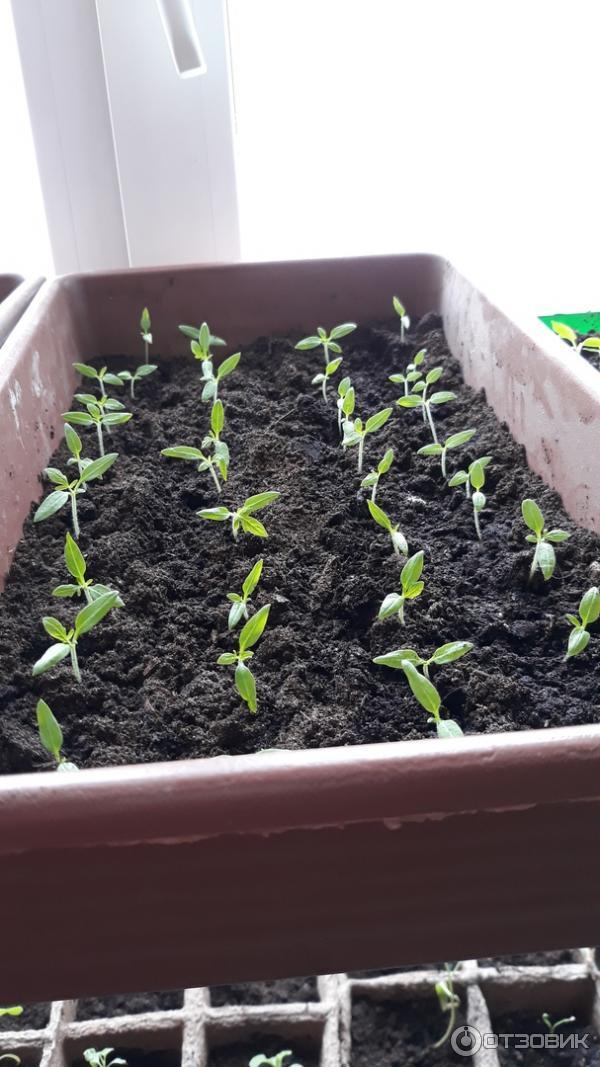
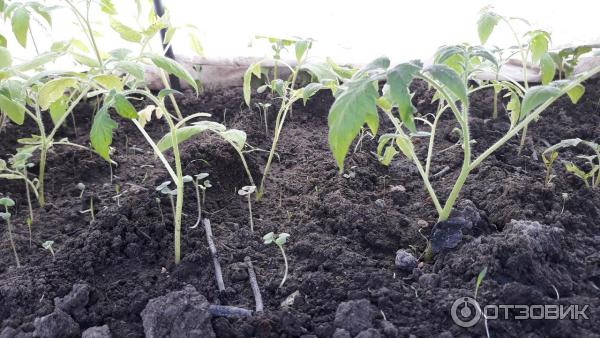
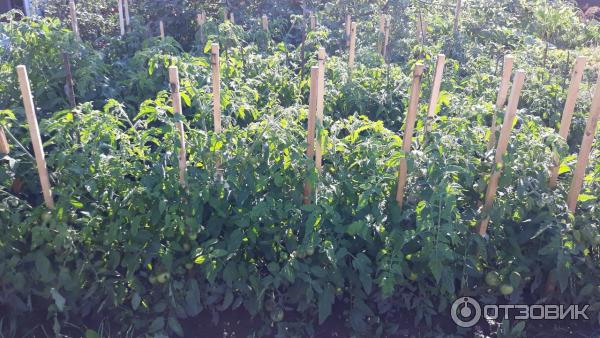
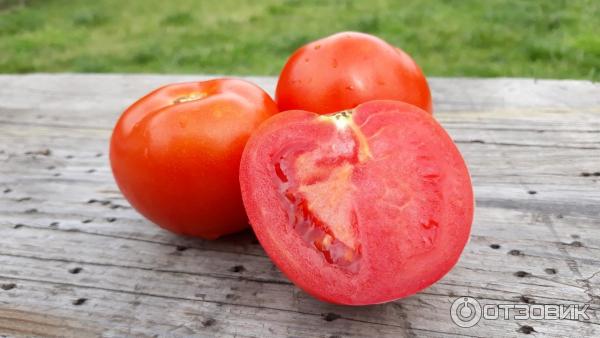
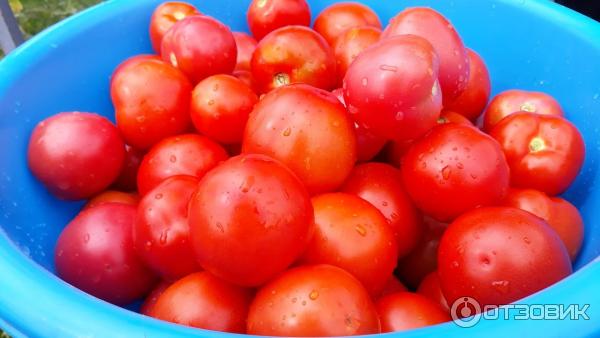
The bush is medium-vigorous, producing red fruits, triangular in shape, uniform in shape, beautiful, and all nearly the same size. The flavor is good and the fruit is quite firm—suitable for preserves.
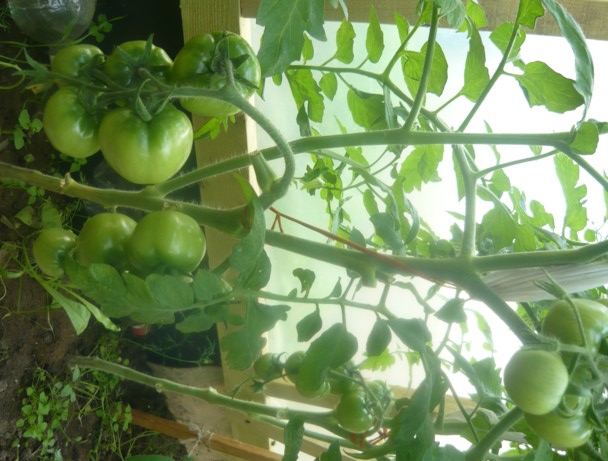
In 2012, I planted two vines in a greenhouse, so to speak, to thicken the plantings, as if to support the indeterminate varieties. I was hoping for an early and even harvest, followed by the removal of the vines. But it wasn't to be. These early vines continued to produce ears until the frosts, growing side shoots and growing tomatoes on them. There are no records of Liana, but if I'm not mistaken, she finished flowering after the fourth or fifth cluster. The clusters are very interesting—a fork-like structure made up of two clusters. I trained them into two or three trunks, which is too little; there's no need to pinch them out so harshly.
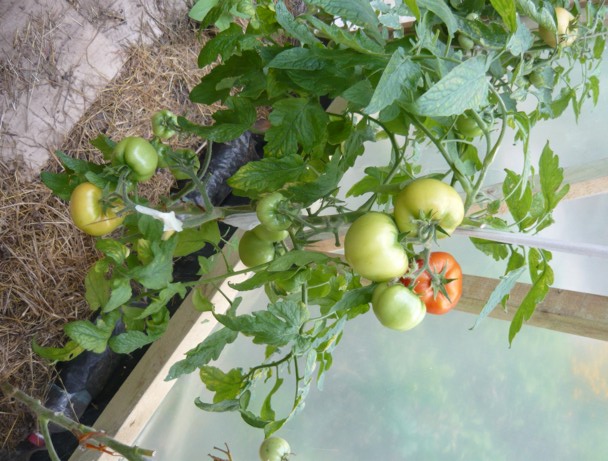
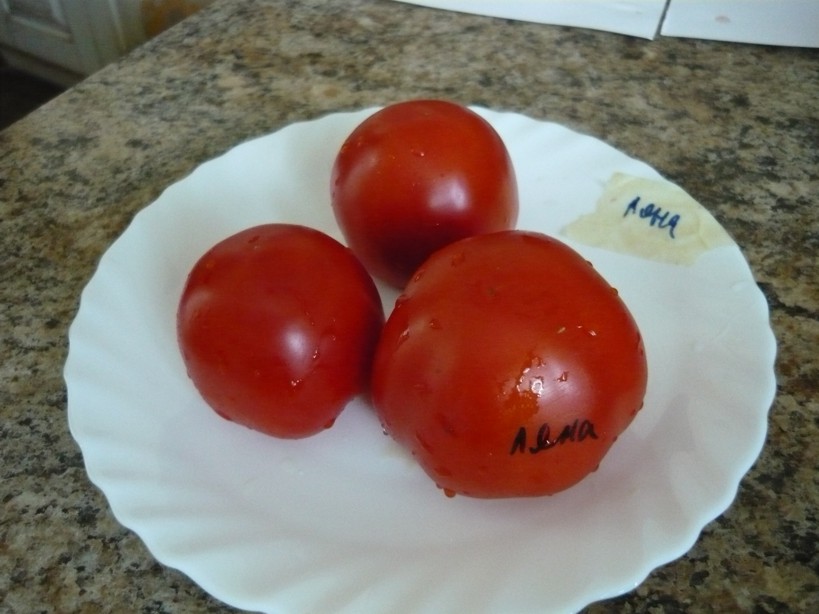
"Liana the Red"
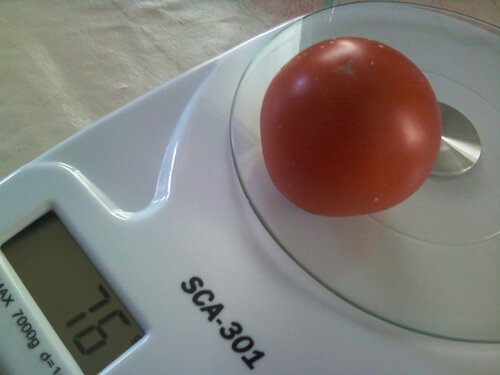
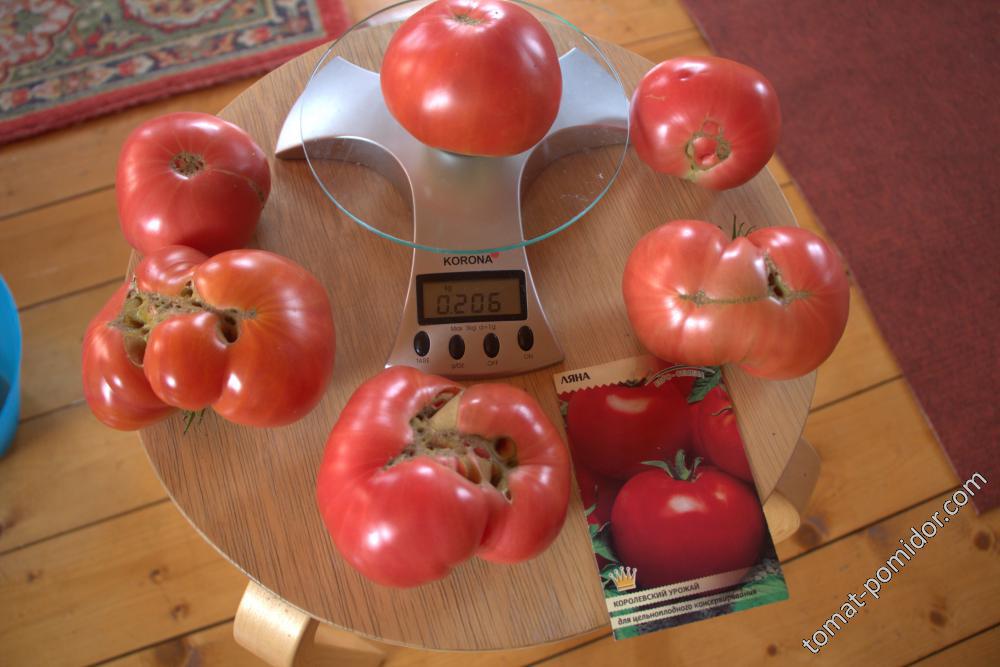
I planted red Liana for two years (I can't remember the manufacturer now); it's very easy to care for and produces abundantly. Last year, I bought a pink Liana from Sibsad. I planted three bushes. Two were abundant, pink, and slightly elongated, but the third bush, oh yeah, was something else. The fruits are red and huge, the first one from the double flower is absolutely enormous. I don't know what they planted on me, but I collected seeds from it. Later, if I find a photo, I'll show you.
This is an early, productive, and delicious variety. I've been planting it for five years, and I'll definitely plant it this year. The pink variety is pearlescent pink, very tasty and sweet.
I've been planting it for about five years now. I like that it's early. This year I also bought Liana Malinovaya.
Sowing on 18.02.2016 for an early harvest and figs, and in the photo on 14.08 they ripened. I didn’t like the variety at all, it grew in the open ground.
Good day to all!
The time is getting closer and closer when you need to think about planting a vegetable garden.
Of course, anyone who grows vegetables privately searches for the one variety that completely satisfies them. This happens not only with tomatoes, but with all plants.Today I would like to dedicate my review to the tomato variety "Lyana".
If someone had told me fifteen years ago that I'd be growing tomatoes outdoors and reaping a bountiful harvest, I certainly wouldn't have believed them. I've experimented with growing this vegetable extensively, but my most successful attempts were in greenhouses; open ground, with Belarus's climate, wasn't suitable. I can't say I was left without this vegetable, but I still didn't have the abundance I'd hoped for.
Ten years ago, we bought our own house with a huge plot of land, and I needed something to do with the usable space. My neighbor grows seedlings and recommended ultra-early tomato varieties—Cipollino, Ruzha, and Lyana. I tested them all in open ground.
But I didn’t want to sit on my neighbor’s neck and receive free planting material, so I decided to grow seedlings myself.I buy a lot of seeds from different websites, and I've been familiar with SeDek for a long time. Their seeds are of good quality, and that suits me.
The only variety I found there that I needed was Liana.
I start growing the seeds of this variety in peat pellets, planting them in mid-April. I force the seedlings under phytolamps 2-3 weeks in advance, and by planting time, they'll have a few leaves and sometimes even buds.
I plant Liana, like all other varieties, both in a greenhouse and in open ground, since I never rely on nature; I don’t want to be left without a harvest.
This tomato variety grows as a small bush. In a greenhouse, it naturally needs to be pinched and tied up.
The fruits are round, no more than 5-6 cm in diameter, with a dense skin and juicy pulp and 4-5 seed chambers.
Liana is very good for canning, as the fruits do not burst during heat treatment.
The fruits ripen almost all at the same time, but it's best to pick them when they're just beginning to turn red. If ripe fruits are exposed to rain, they usually rot on the branches.
I also plant most of the Liana in open ground, alternating it with other varieties.
Lyana isn't a super variety; it's a typical early tomato susceptible to late blight. So, there's plenty of work to do during the tomato growing season.
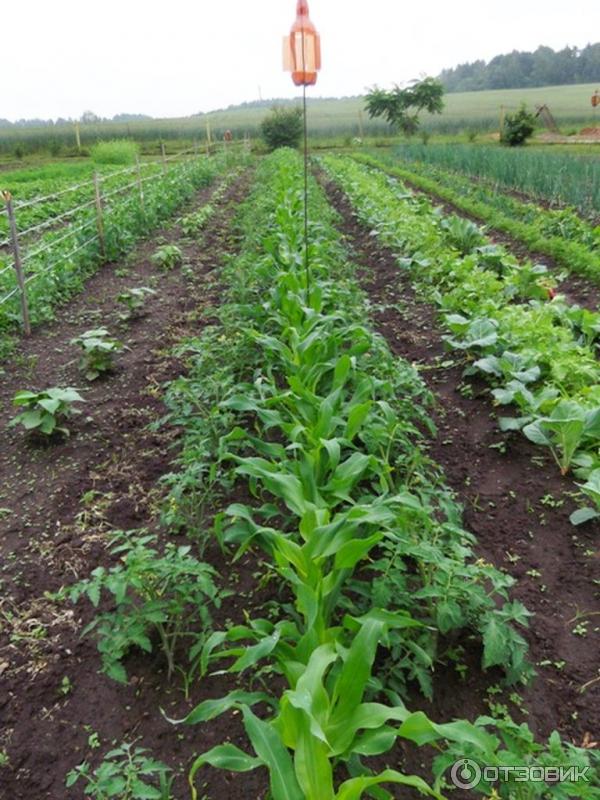
I don't tie up or pinch my tomato plants in the open ground; I let them grow tall and wide. To protect them from the wind, I plant corn between the tomato rows.
We carry out 3-4 foliar feedings with peat oxidate with the addition of phytosporin and other chemicals against late blight.
In the end, I can say one thing: if you want to grow Liana in open ground, you will have to work hard, just like with any tomato variety.
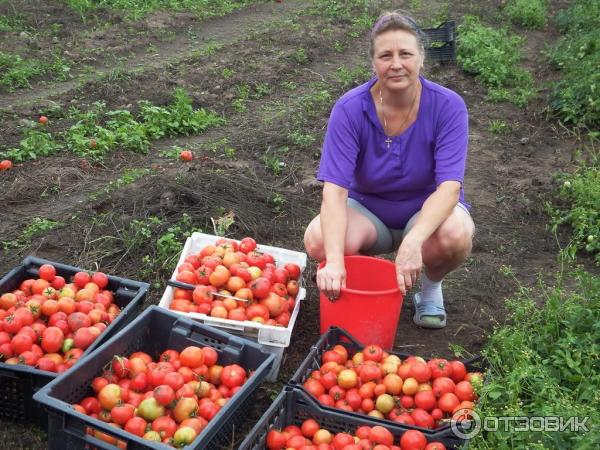
The result in the garden. Harvest 2014.
Once you purchase the seeds, you can harvest them yourself from ripe fruits. Lyana is not a hybrid, so all the variety's characteristics are inherited.
Good luck to everyone at the dacha!

Hello, I'd like to show you my seedlings today. Every year I grow many vegetable seedlings: tomatoes, peppers, cabbage. This year I also planted eggplants for the first time. But I love tomatoes the most. Unfortunately, I didn't save the seed packet, but I definitely remember the name. My friend's name is Lyana.
I start sowing seeds in February, then in March. The seedlings catch up with each other anyway.
I plant in trays like these. They have about 50 holes. They're very convenient; two trays fit perfectly on the windowsill on the balcony. They're also very easy to get out; you can see in the photo that I've already planted a third of them at the dacha. I don't plant everything at once because of the weather. We have either constant rain or scorching sun. If I plant in sections, more seedlings survive for some reason.
There were some latecomers, and a few bags fell behind the microwave, so I planted them as soon as I found them. I hope they'll catch up with the others.
I plant seedlings in trays, and also in disposable sour cream cups, and I collect them all year long))) I cut off the juice bags, and it works well too.
By the end of May, all the seedlings will be in the city. Tomatoes will start growing at the end of June.
And they're so delicious straight from the garden! You pick a tomato, a third of it, and the smell, mmmmmm))) words can't describe it)) That's why it's worth doing this mud farming on the balcony)))
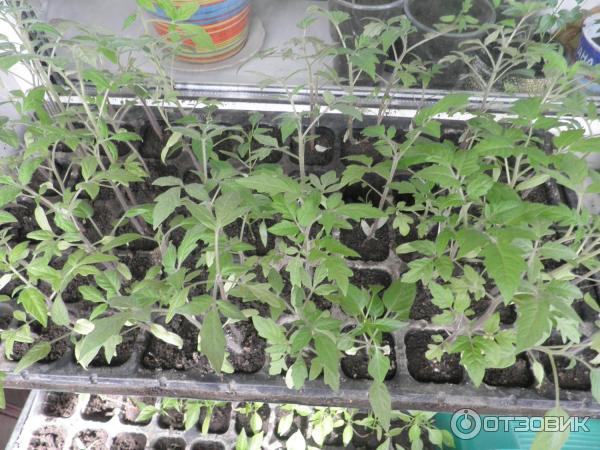
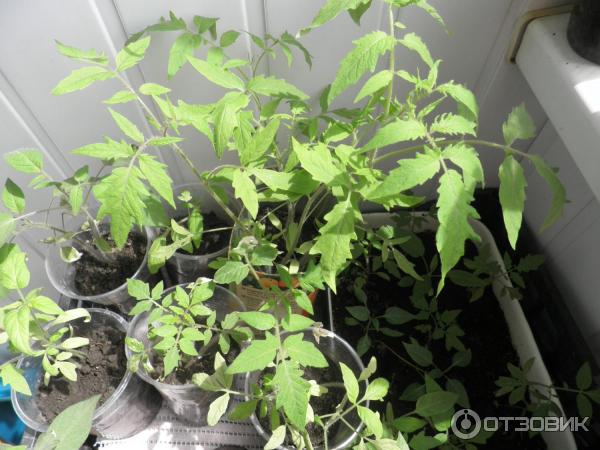
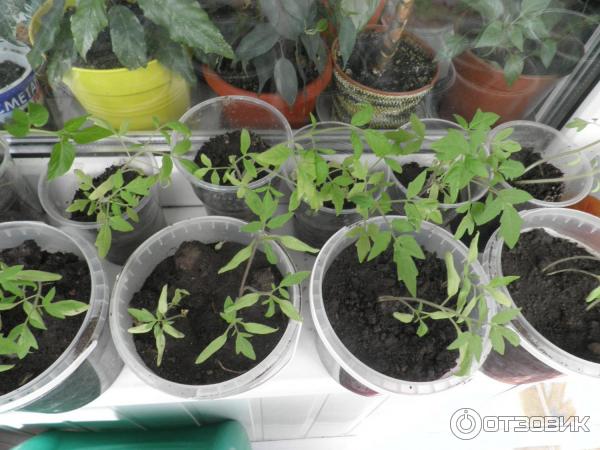
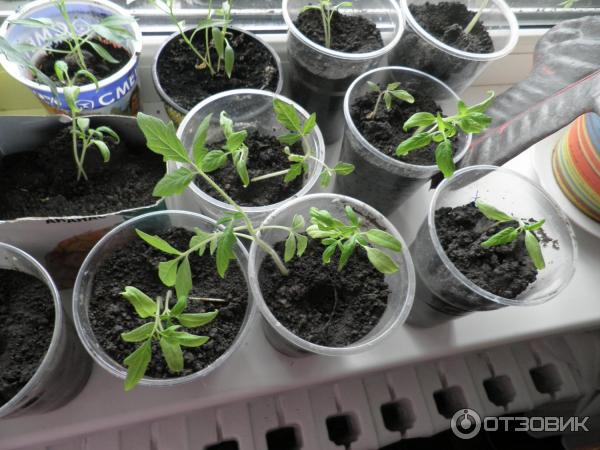
Last year, I planted this tomato variety and was simply stunned by the flavor of its fruits! It's disease-resistant and low-growing. These tomato seedlings should be sown in early March, using 44mm peat pellets for growing them. The bright red tomatoes are very sweet and delicious, perfect for salads, canning, and eating raw.