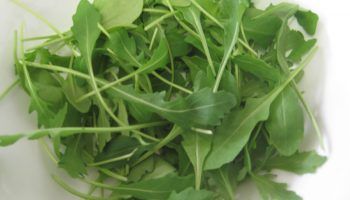
Watercress is a vegetable with a slightly bitter flavor. It is currently becoming increasingly popular. Its unusual flavor is due to the presence of mustard oil in the green parts of this herb.
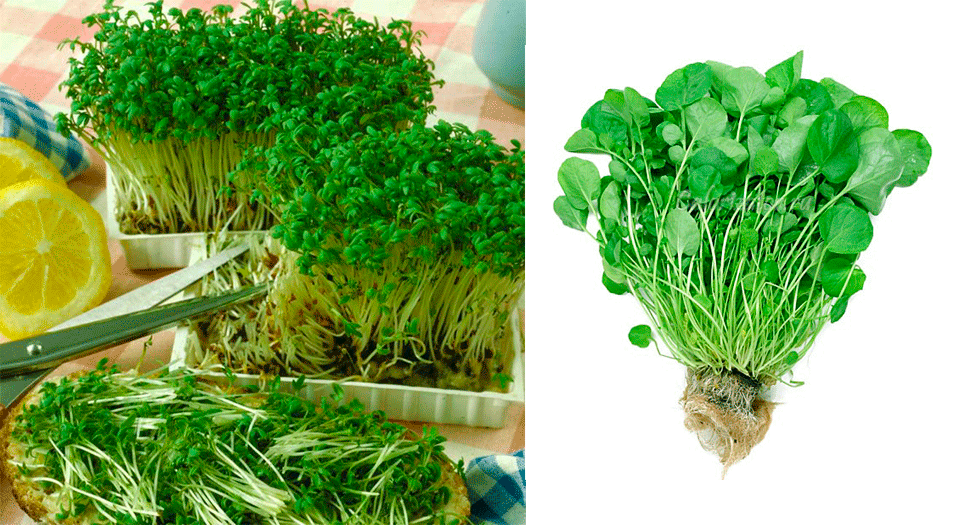
The beneficial properties of this herb have been known since ancient times. Hippocrates spoke of the healing properties of watercress, its ability to purify the blood and its overall strengthening effect on the body. In ancient Egypt, it was used to improve men's health and enhance potency.
Thanks to its unpretentiousness, it is increasingly appearing in the garden beds and windowsills of Russian residents.
Content
Description of watercress
This herbaceous plant can be annual or biennial. It is considered a dietary plant.
Watercress has several names: watercress, bugleweed, and citzmatus. It belongs to the Cruciferae family, genus Budidae. It is native to Iran, but also grows wild in Egypt, Ethiopia, and Asia. It was known in the Mediterranean region as far back as ancient times, where the first successful attempts at its cultivation began.
The bush can reach a height of 30 to 60 cm. It has a simple root system. The leaves, like the shoots, are light green. Flowers come in a variety of colors, including white and pink. After abundant flowering in June and July, pod-like fruits appear. It prefers sunny or partially shaded areas. It prefers neutral or slightly acidic soil with a high nutrient content and moderate watering. It is propagated by seed.
There are several subspecies of the plant: the sowing variety, the one with entire leaves, and the one with curly leaves. All of them differ from each other in appearance.
Curly cress has a semi-raised rosette, and its leaves are extremely unusual and carved. The bush diameter is approximately 15-17 cm. The most common varieties of this variety are "Azhur," as well as early- and mid-season varieties.
Whole-leaf lettuce has a flatter, larger rosette in diameter, reaching up to 20 cm. It can grow up to 5-6 cm in height. This variety includes late-ripening cultivars, such as 'Ducat.'
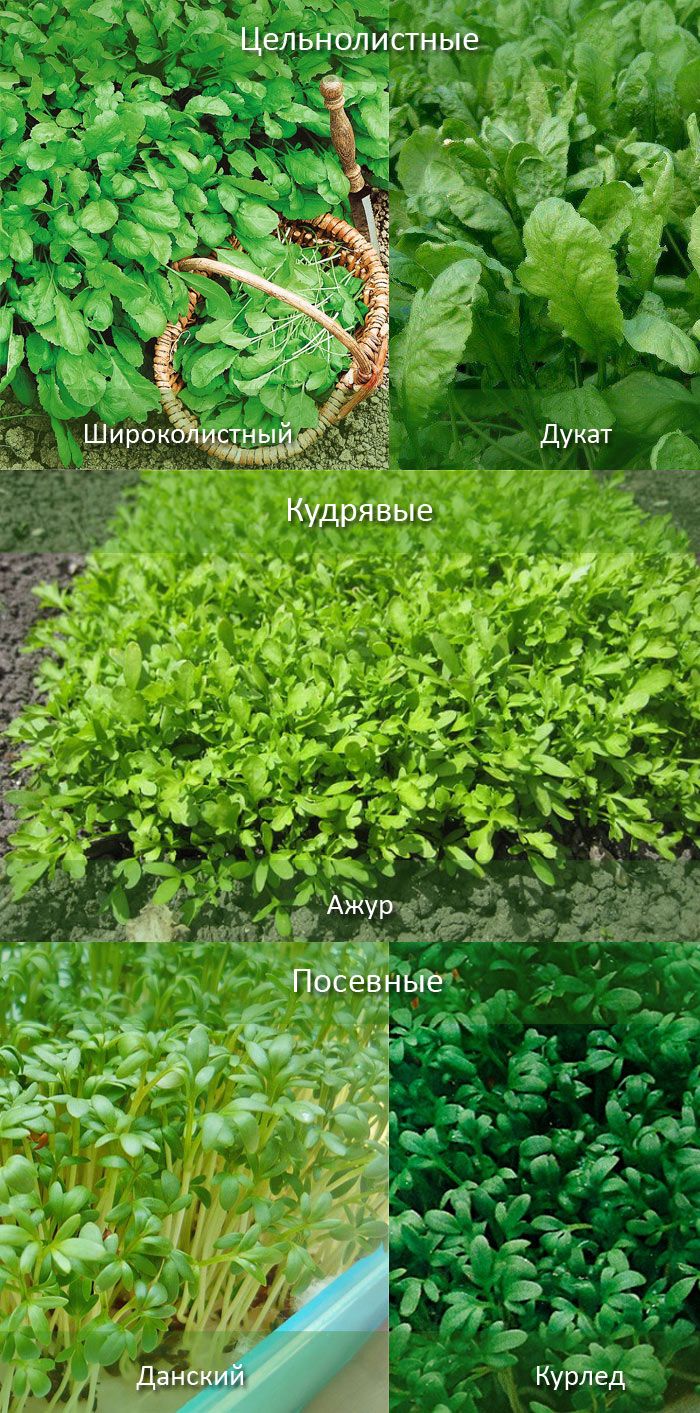
Garden cress is a cross between the other two species. It has a large, semi-erect rosette and leaves with large, slightly dissected lobes. It includes the earliest-ripening varieties, such as 'Zabava' and 'Dansky'.
Types and varieties of watercress
The table shows the most popular varieties.
| View | Variety | Peculiarities |
| With whole leaves | Ducat | It is distinguished by its early maturity. On average, it takes two weeks from the first shoots to technical maturity. The maximum height is 15 cm, and the diameter is 25 cm. The number of leaves varies from 8 to 16; they are large and light green. They have a pleasant mustard flavor with a slight tang. |
| Broadleaf | This is a mid-season variety. It's ready to eat within one month of planting. It grows very quickly, reaching 12 cm in length. The leaves are very tender, green, and have a pleasant, piquant flavor. They are used in meat and fish dishes, and are also added to salads. | |
| Curly | Openwork | This mid-early variety is ready for consumption in 3-4 weeks. It grows up to 25 cm in height and width. It can be grown outdoors, in greenhouses, and indoors. |
| Curly | This is also a mid-early variety, but ripens later, 40-45 days after planting. The bushes are slightly smaller, reaching 20-22 cm in width and height. All parts of the plant are edible, including young shoots before they sprout. | |
| Sowing | Fun | This early-ripening variety is suitable for growing indoors, in greenhouses, and in the open ground. It's used as a seasoning and to add a tang to salads. |
| Danish | The earliest-ripening variety of all – ready for consumption in just 10 days from the first shoots appearing. It is resistant to short-term frosts, making it indispensable for growing in Russia. Its foliage and stems contain high levels of iron and its salts, vitamin C, calcium, and iodine. | |
| Curled | Also early maturing, it boasts a high yield. It has a rather pungent flavor, similar to mustard. It's ready to eat 17 days after germination. |
Methods of Growing Watercress
There are several different methods for growing watercress: on a windowsill, in a greenhouse, and in the open ground. But before planting, it's important to prepare the soil and seeds.
This herbaceous plant is one of the most undemanding when it comes to growing conditions. It can even germinate on a simple paper towel dampened with water. However, it's still worth following a few rules to ensure a bountiful harvest:
- When planting on a windowsill, it's best to purchase soil from a specialty store rather than from your own garden. This is because the soil may contain the larvae and eggs of the cruciferous flea beetle, a pest that damages watercress.
- When planting outdoors, avoid beds previously occupied by cabbage or root vegetables (carrots, beets, garlic, etc.). A good harvest won't be achieved; it's best to choose a different location.
Once a planting site has been selected, it's time to prepare the seeds. The plant's seeds are large, slightly elongated, and resemble mustard seeds. Place them in a container and fill with water, just above the surface. Soak for 10-15 hours. After this, you can begin sowing.
Planting watercress seedlings
Planting watercress outdoors isn't always possible, but it's very easy to do indoors at any time of year. In this case, you need to sow the seeds regularly, every 7-10 days. To do this, prepare pots with 8-10 cm of soil. Then, plant the seeds directly into the soil, or germinate them on damp cotton wool or a paper towel, then transfer them to the prepared container.
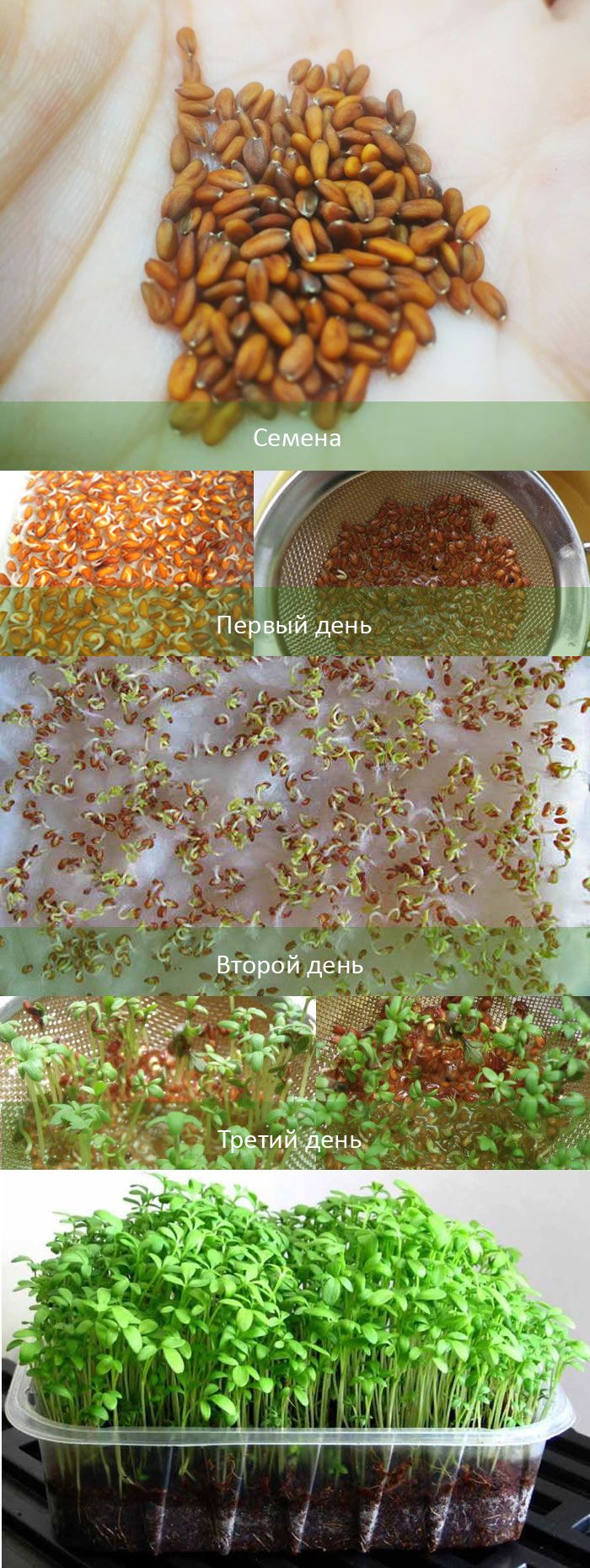
This type of cultivation doesn't require a separate container; watercress thrives alongside other vegetables and herbs. Any aquatic variety of this plant, such as Ducat and Podmoskovny, are suitable.
Growing watercress on a windowsill
It is best to plant seeds in the second half of September, when the heat subsides, but daylight hours are still long, which will prevent the plant from growing too quickly and falling over.
Prepare a special growing container in advance. Line the bottom with cotton wool or a 2-4 cm thick nutrient-rich substrate, then add sawdust or a layer of soil suitable for seedlings or any houseplants. Then add the seeds and cover with 1.5-2 cm of soil. Water gently, cover with glass, hardboard, or plastic wrap, and store in a dark place until the first sprouts appear.
Watercress germinates best at temperatures between 5 and 6°C; this range will help it develop a strong root system. Once the first leaves appear, remove the covering material and move the container to a warmer location with a temperature of 15°C.
It's important to place the pot in partial shade and rotate it daily. An insulated balcony or loggia on the north side of the house is ideal for this growing method. Pay close attention to watering and don't allow the soil to dry out completely. Misting with a spray bottle will have a beneficial effect on the greens. Feed the lettuce with complex fertilizers, superphosphate, or "Raduga."
Even if daylight hours become short, the plant does not require additional lighting. It is ready to eat when the plants reach a height of 8-10 cm. To do this, carefully cut them at the ground with sharp scissors.
Growing watercress outdoors
Open-ground sowing can begin from the second half of April to mid-May. It's important to consider not only the timeframe but also the temperature: the soil must thaw at least 4 cm, and the air must warm to +6…+8°C. If winter sowing is planned, it's important to do so before the first frost, otherwise the seeds will die.
Slightly acidic or neutral soil is better.
It is not recommended to plant after cabbage or next to it; a good harvest will not be achieved, as the watercress can become infected with the cruciferous flea beetle from it.
The bed should be prepared in the fall: dig it over and add superphosphate or well-rotted manure. In the spring, just before planting, you can additionally fertilize with ammonium sulfate.
In the loosened soil, make furrows 0.5 to 1 cm deep, with a distance of 10 to 20 cm between them. Emerging sprouts should be thinned out, leaving a 10 cm radius around each bush.
It is better to plant it in partial shade, since in beds with a lot of light, the plant begins to quickly produce shoots and becomes unsuitable for consumption.
Water cress regularly, depending on how dry the soil is. After moistening, you can gently loosen the soil between the plants. Fertilizing after sprouts emerge should be done with extreme caution, as the plant's maturation period is very short, and any nitrates it may absorb simply won't be able to metabolize, resulting in harm instead of benefit.
Growing watercress in a greenhouse
Growing this plant in a greenhouse is no different from growing it outdoors. It can be planted earlier in the spring than in open ground, for example, during prolonged spring frosts. Regular ventilation is required, allowing fresh air to enter.
Features of caring for watercress
There are very few basic rules for caring for this plant. It's important to ensure timely and adequate watering, but not excessive.
If you overwater a plant, it may die. This is especially important when growing lettuce indoors, as excess moisture simply has nowhere to go in the limited container.
It's also important to choose the right planting location, ensuring it's not too hot or sunny. This applies to both apartments and open ground.
Pests and diseases of watercress
Due to its rapid growth, watercress often simply does not have time to be attacked by pests or affected by diseases.
However, sometimes situations arise where it suffers. The table below discusses the most common problems caused by various reasons.
| Problem | Manifestation | Elimination measures |
| Blackleg Rot |
The stem and then the leaves turn black when the soil moisture is high. | Destroy diseased bushes. It is not recommended to plant in the same location next summer. |
| Cruciferous flea beetle | The leaves of the plant are gnawed through. | Treat the plant with tobacco dust or its decoction. To prevent re-infestation, move the garden beds with watercress to a location away from the Brassicaceae family. |
Top.tomathouse.com informs: the beneficial properties of watercress
Watercress has medicinal properties: in addition to its high water content, it quenches thirst and is a storehouse of vitamins, minerals, and trace elements. It contains vitamins A, E, K, B, C, Ca, phosphorus, magnesium, selenium, choline, iron, zinc, and many others.
According to modern research, daily consumption of this plant reduces the risk of developing diseases such as prostatitis, cataracts, and malignant tumors.
Its high iodine content improves thyroid function and reduces the risk of thyroid disorders. Regularly adding it to your diet normalizes sleep and improves overall performance. It's especially beneficial in the spring, when the risk of vitamin deficiency is particularly high.
However, this miraculous herb is contraindicated for people with gastrointestinal problems, especially during periods of exacerbation.
You should also not eat more than 4 tablespoons of greens per day, otherwise you may experience problems with the gastrointestinal tract: diarrhea, loose stools, stomach pain.
It is important to remember that any remedy, even the most harmless one, should be taken in the recommended doses.
Watercress is a wonderful plant that's easy to grow not only in the garden but also on a windowsill. With proper care, it will delight you not only with its delicious taste but also with its beautiful bushes.