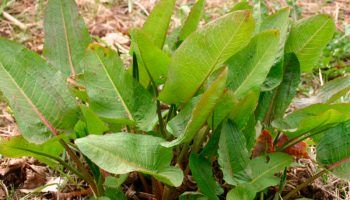
Turmeric is a plant with unique flavor and aroma properties. It is native to India. A popular spice worldwide is made from its rhizomes and leaves. Its flavor is similar to saffron but is significantly less expensive. The stems and roots contain a natural dye, curcumin, which imparts a yellowish tint. Therefore, the plant is used in cooking, the food industry, and for the production of fabrics and cosmetics.
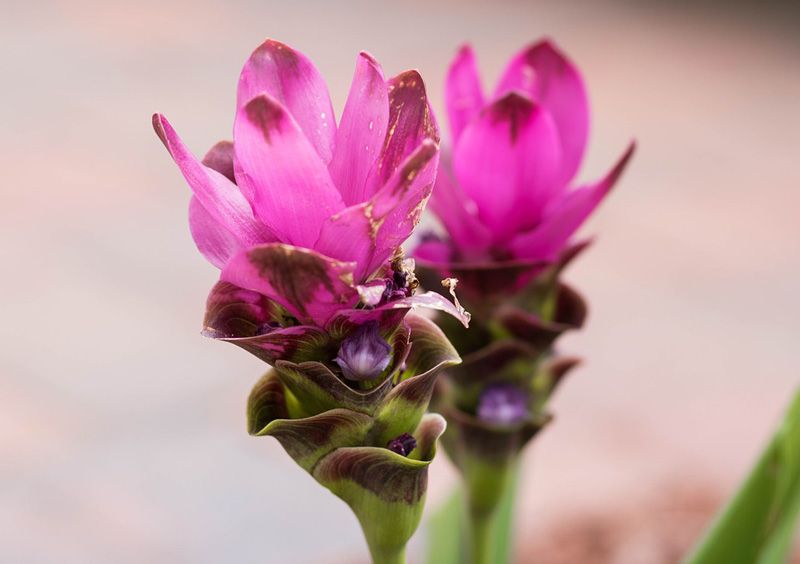
Growing turmeric
This plant not only has excellent flavor but also an attractive appearance. It can be grown both in the garden and indoors. The former is suitable for southern regions of Russia (where spring arrives early and frosts occur later in winter), as about nine months pass between sowing and harvest. In the central and northern regions of Russia, turmeric can only be planted indoors in containers.
Planting turmeric in open ground
The plant can be grown in partial shade or in well-lit areas. It is best to plant turmeric in a nutritious clay substrate. However, it also grows in sandy soil.
Planting is carried out in March-April, when the risk of returning night frosts has disappeared:
- Dig the area to a depth of 20 cm.
- Loosen the soil.
- Dig holes 15 cm deep, leaving 15-20 cm between them.
- Place 2-3 rhizome sections, each with 1-2 buds, in the holes. They should be facing upward when planted.
- Fill the holes with soil (filling thickness not less than 2 cm).
- Water the planting material.
Caring for turmeric in open ground
This spice is easy to care for. Simply follow these simple rules:
| Criterion | Recommendations |
| Watering | Turmeric is a moisture-loving plant, so timely and proper watering is essential. If it lacks moisture, the plants will wither and wilt. If it gets too much water, the roots may rot. The watering schedule is influenced by climate conditions and soil composition. It's important to ensure the topsoil doesn't dry out. The water should be settled and warmed by the sun. |
| Top dressing | Complex mineral mixtures for ornamental foliage plants with a high phosphorus content are required. The fertilizer dosage should be half that indicated on the packaging. The bushes should be fertilized for the first time during the inflorescence formation period, when their petals are just beginning to open. Repeat the application two weeks after flowering. |
| Formation | To give a spectacular and neat appearance, remove dried leaves and wilted flowers. |
| Loosening | Apply after each watering or natural precipitation. Remove weeds during the process. |
| Harvesting | The rhizome must be dug up before the cold weather sets in. The above-ground portion should begin to wilt.
|
| Storage of the harvest | Place the rhizomes in containers filled with damp sand. The room temperature should be no higher than +10…+12 °C. The crushed ingredients should be stored in a glass jar with a tightly sealed lid. Store in a cool, dark place for no more than 3 years. Please note that the spice strongly absorbs odors. |
Planting turmeric at home
Turmeric is not propagated by seeds, only by rhizomes. Planting material can be purchased at any specialty store or online. In the latter case, it's important to carefully select the supplier and read reviews.
For planting, choose a spacious pot: at least 30 cm deep, 30-34 cm wide, with good drainage (otherwise the plant will die). You can place 1-2 rhizome sections in such a container. The soil should be loamy, light, and rich in nutrients.
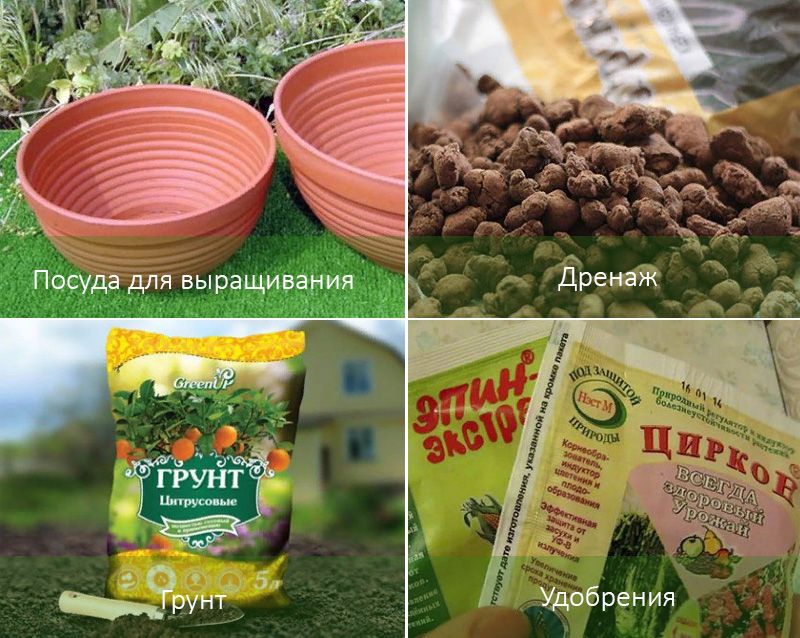
First, soak the rhizome in warm water for several hours. Only then can you begin planting. This can be done at any time of year, but late winter or early spring is preferable. Here's the step-by-step process:
- Divide the planting material into several parts so that each has at least 2-3 buds.
- Fill the prepared pot with moist soil. Disinfect the container and soil first to prevent infection (for example, by heating it in the oven).
- Place the rhizome pieces at a depth of 5 cm with the buds facing up.
- Water generously with warm water.
- Place the pot in a dark, warm place. The recommended temperature is 30 to 35°C. In cooler temperatures, the shoots will grow poorly, and the roots may rot.
- Once the first shoots appear, the container can be moved to an east- or west-facing windowsill. If placed near a south-facing window, the plant should be shaded from direct sunlight.
In warm weather, it's best to move the bushes outdoors, such as onto a balcony, terrace, or garden.
Caring for turmeric at home
If you create the necessary growing conditions, it will delight you with a rich harvest and lush, fragrant flowering:
| Factor | Recommendations |
| Temperature conditions | The optimal temperature is +20…+35°C. If the temperature drops below +18°C, the bush will stop growing and may die. |
| Watering and humidity | The top layer of soil should always be moist, but not soggy. If this isn't taken care of, the roots will rot and the plant will wither. Mist the plant 1-2 times a day with warm, soft water. Place a bowl of damp moss or expanded clay next to the pot. |
| Fertilizers | Apply a liquid, all-purpose mixture for ornamental foliage plants to the roots once a month. If the soil is poor, fertilize twice every 4 weeks. |
With proper care, turmeric is rarely affected by diseases and pests. However, if care is not taken properly, the following problems may arise:
| Disease/pest | Signs | Control measures |
| Spider mite |
|
|
| Root rot |
|
It is possible to cure the plant only in the initial stages of the disease with minor damage:
You can use Cuproxate, Bordeaux mixture, or colloidal sulfur. If this doesn't help, the bush must be burned. |
| Leaf spot |
|
|
Turmeric is a delicious and aromatic spice that can be grown anywhere in the world. If the climate is unfavorable, it can be grown in a pot on a windowsill. With proper care, the bushes are disease-free and rarely attacked by insect pests. From spring until frost, they delight with beautiful blooms, and in the fall, they yield a harvest that can be used to make a popular spice.