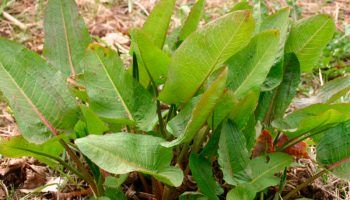
Arugula (formerly arugula) is a good option for planting in a garden. This plant came to Russia from the Mediterranean countries. It was once considered a weed. But gradually, enthusiasts came to appreciate its flavor. It began to appear more frequently in the kitchens of the privileged classes.
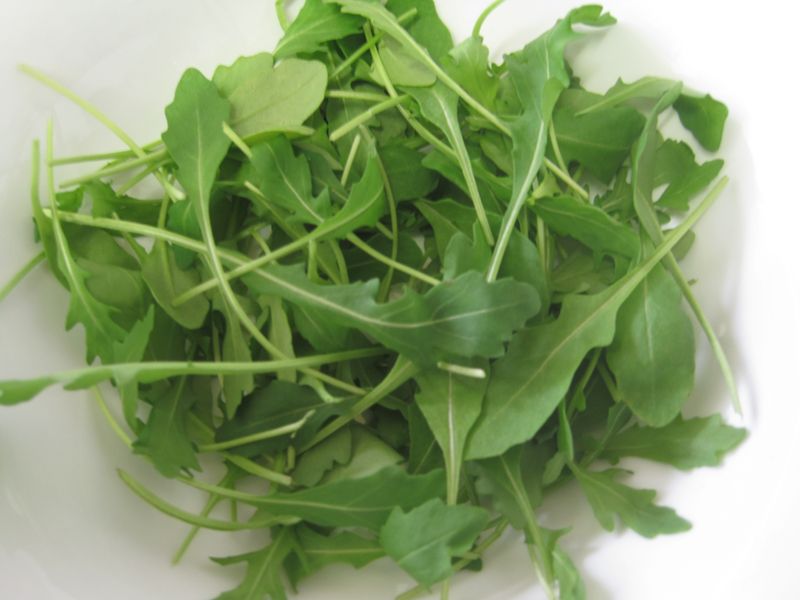
It is known that it was cultivated in the Roman Empire. In these countries, it was considered an aphrodisiac. Until the 1990s, arugula was primarily harvested wild. But after careful laboratory study, the plant was cultivated. Over time, it began to be consumed in Russia as well.
Content
Description of arugula
Arugula (rocket, indau) is a herbaceous plant. The stem reaches 40 cm, is branched, and slightly drooping. All the leaves are fleshy, sparsely hairy, and sometimes the stems are completely bare. The flowers have a distinctive scent and very serrated edges. The inflorescences are gathered in a raceme. The flowers have pale—and sometimes bright—yellow veins with a purple tint.
The petals of this plant reach 22 cm in length. Sometimes these leaves have a small notch.
The most suitable varieties of arugula for growing
Arugula is a relative of cabbage. Its leaves are used in the diet. They have a very refined flavor, reminiscent of a nut with a slight bitterness. But the main advantage of this plant is its vitamin and mineral content. This plant is especially rich in vitamin C. The leaves also contain vitamin B, and the leaflets contain flavonoids and phytosterols. Arugula is also rich in micro- and macronutrients. There are many varieties.
To select the right variety, you need to look at the characteristics of each plant individually.
Cupid's arrows closely resemble dandelions. The seeds produce a consistent harvest. As they mature, light yellow inflorescences form. These buds are relatively small. The bush can exceed 30 cm in height.
The Dikovinka variety's leaves reach 20 cm in size. The stem is fairly upright and slightly pubescent. When ripe, it produces small, brown flowers. The leaves of this variety have a slightly sweet taste.
The Poker variety has large leaves. The bush is very lush. A single basal rosette of green leaves can contain up to 26. The taste is slightly sweet with a hint of bitterness.
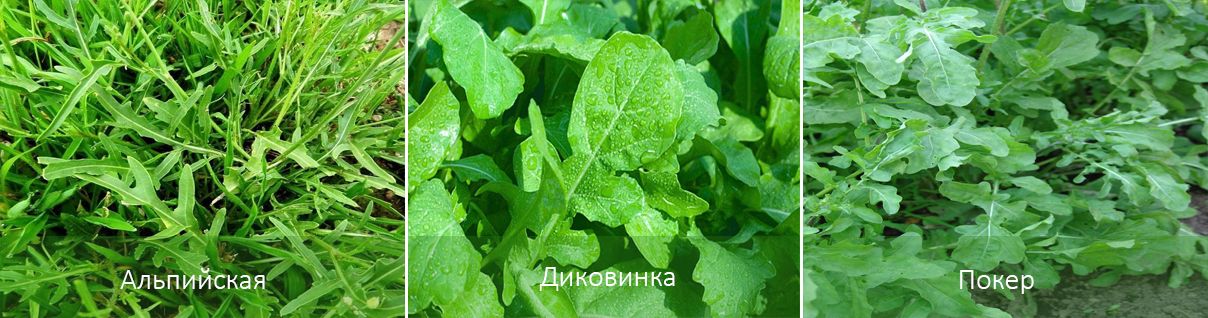
The variety called Olivetta has the most vibrant flavor. The bush grows up to 20 cm tall. The leaves are lyre-shaped, slightly rounded toward the top. The plant's main advantage is its high yield. It is easily transported over long distances.
Growing arugula in open ground
Arugula is grown in open ground. Growing it is a simple matter. It is quite undemanding. It grows and ripens quickly. It is ready for consumption in just a month. Because of this, the plant can be sown several times a year. Arugula is sown for the first time in April. At this stage, it is important to ensure that the soil has warmed to 10°C. The plant thrives on warmth, and soil temperature is very important.
Many gardeners prefer to sow arugula in greenhouses. After sowing the seeds, the first sprouts appear within 5-6 days.
Sometimes, seedlings are transplanted to another location. When replanting, ensure that the plant's root system remains intact. This method works best by selecting small patches of soil when replanting. When replanting outdoors, it's best to space the plants in rows. The distance between plants should be approximately 10 cm. If the plants thrive, they will taste excellent.
Timing for planting arugula
The ideal growing period is from late April to mid-August. Since arugula is cold-intolerant, it's important to carefully monitor the changing weather conditions. There shouldn't be significant temperature fluctuations during the planting month.
Short periods of frost should not be followed by a sudden increase in air temperature. For example, freezing temperatures can reach -7°C.
Typically, intervals between sowings are up to two weeks. Arugula is picky about its planting partners. To ensure its harmonious development, it requires careful care. The plant loves full sun. It should not be overly shaded by other plants. However, it should also not be exposed to constant sunlight.
Preparation of planting material
Seeds for planting should be purchased from specialized stores. When buying seeds from someone, they must be disinfected to remove parasites beforehand. There is always a risk of surface infection. One gram of indau seeds contains approximately 350 seeds. Seeds must be degreased. To do this, prepare a weak solution of potassium permanganate and soak the seeds in it for about a quarter of an hour. Afterward, rinse them under running water. Transfer the seeds to a clean towel and allow them to dry. No additional treatment is necessary. These seeds germinate very well. It is important to follow the storage instructions for the seeds.
Good and bad predecessors and neighbors
In practice, arugula beds are shielded from sunlight by tall plants. These can include corn or beans, whose pods twine skyward along special stems. In exposed areas, arugula begins to climb very quickly. Pods appear on its body quite quickly. Rough leaf blades also form quickly. Their slightly bitter taste is specific to each variety. It is also important to track what was previously planted in the area where this crop is currently planted. Peas or other legumes are best grown in the area. Carrots, tomatoes, potatoes, and pumpkins are excellent predecessors.
It's important to note, however, that cruciferous plants should not be planted after arugula for 3-5 years. This is because parasites remain in the soil, which hinder the development of such crops.
Preparing the soil for planting arugula
It's also important to take care of the soil in which the seedling will grow. The area should be adequately illuminated. The soil should be slightly acidic or even neutral. A slightly alkaline pH is also acceptable.
Characteristically, arugula leaves become slightly tough and bitter in direct sunlight. In the shade, the leaves of this plant lose their color and aroma.
The soil for planting must be carefully prepared. It must be loosened and leveled. If the soil is too acidic, lime is added. Finely ground chalk is added to the soil. Dolomite or limestone flour can be used as a substitute for chalk. The concentration of the flour added to the soil depends on the degree of acidity of the soil.
Planting arugula in open ground
The seeds are planted in 2-cm-deep holes, spaced up to 5 cm apart. The distance between adjacent rows is up to 30 cm. Each hole should contain at least 2-3 seeds. These seeds germinate fairly consistently.
After 7 days, when the first healthy shoots appear, each hole is replanted. Leave 10 cm between individual seedlings.
Post-planting care
Arugula is easy to grow. Once planted, it doesn't require much care. The key is to loosen the soil, weed regularly, and water it with sufficient water. The ideal temperature for seeding is +5 to +12°C. Proper growth and development requires temperatures between +18 to +24°C. The plant shouldn't require water. When the soil becomes too dry, the leaves become dry and develop a bitter taste. Watering is best done in the morning and evening. For larger farms, a hose can be installed to spray water.
Some gardeners claim the plant doesn't need fertilizing. This is because the root system of arugula can accumulate harmful substances, such as nitrates or nitrites. It's best to fertilize arugula with chicken manure or cow dung. However, it's best to add nutrients to the soil in the fall. Peat or compost is a good option. Without special fertilizing, arugula will grow very poorly. Harvesting begins when the leaves reach the size indicated on the seed packet. Typically, the period from germination to pruning takes approximately 25 days. Sometimes, the entire plant may need to be cut back at once.
Pests and diseases
This delicious Mediterranean plant has very few pests. The most common pest is the cruciferous flea beetle. This flea beetle is easily spotted on the plant's leaves. To protect the plant, gardeners use lutrasil. During the treatment period, experienced gardeners recommend sprinkling the bushes with wood ash. While this won't repel the flies, it will greatly fertilize the beds.
Fungal infections often occur on leaves. This is because the soil beneath the bushes is always moist. When these infections affect the root system, plant growth is impaired. Experienced gardeners recommend removing these types of bushes immediately to prevent infection of neighboring bushes. It's best to store ripe leaves in a cool place. Avoid exposing them to direct sunlight, as this can cause severe deterioration.
They can be added to meat dishes as a flavoring or served with salad. The plant pairs well with olive oil. Pieces of cheese or tomatoes are also a nice addition to the salad. It always looks festive, both on a regular dinner table and in holiday dishes. The stems of this plant are known to be eaten in the Caucasus. It pairs beautifully with many seasonings. It is sure to please all guests.