The Vzryv tomato variety is a hybrid that has gained popularity among gardeners due to its ease of care and good yield of general-purpose tomatoes.
Content
- 1 Characteristics of the tomato variety "Explosion" in the table
- 2 A detailed description of the tomato variety Explosion
- 3 Advantages and disadvantages of the tomato variety Explosion
- 4 Features of growing tomato seedlings of the Explosion variety
- 5 Resistance to diseases and pests of the tomato variety Explosion, prevention
- 6 Harvesting, using and storing tomatoes of the Explosion variety
- 7 Comparison of the tomato variety Explosion with other varieties in the table
- 8 Gardeners' reviews of the tomato variety "Explosion"
Characteristics of the tomato variety "Explosion" in the table
|
Ripening period (number of days from full germination to ripening) |
100-105 days |
| Description | An early-ripening tomato variety for growing in greenhouses and open ground. The shoots are semi-spreading, and the bush height is 45-60 cm. |
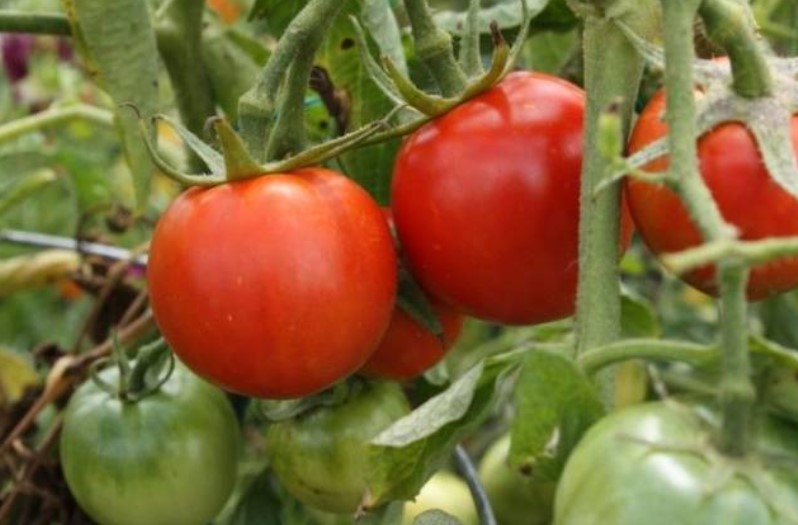
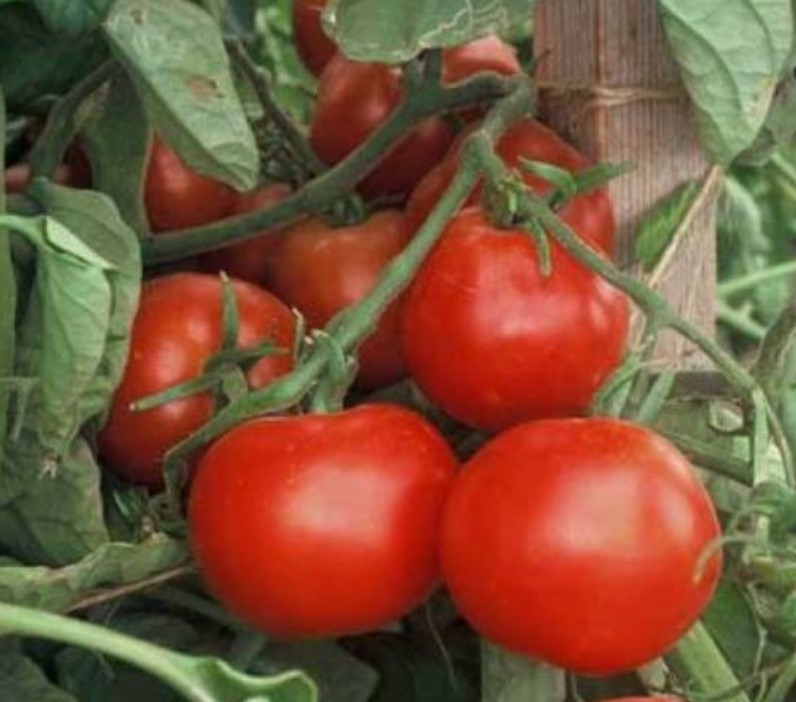
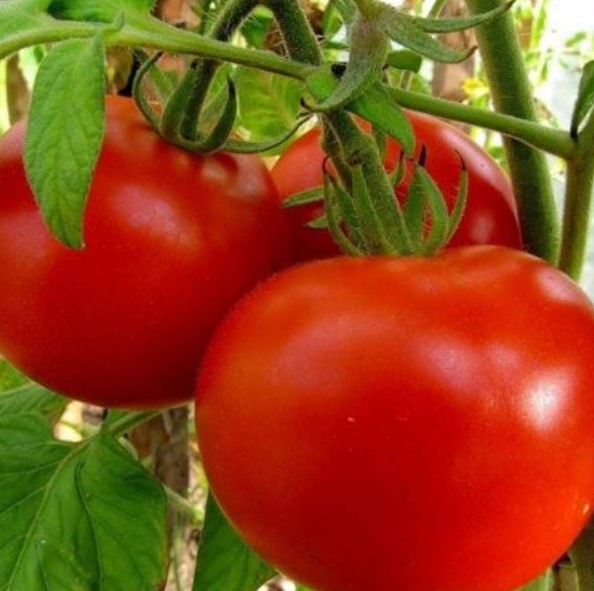
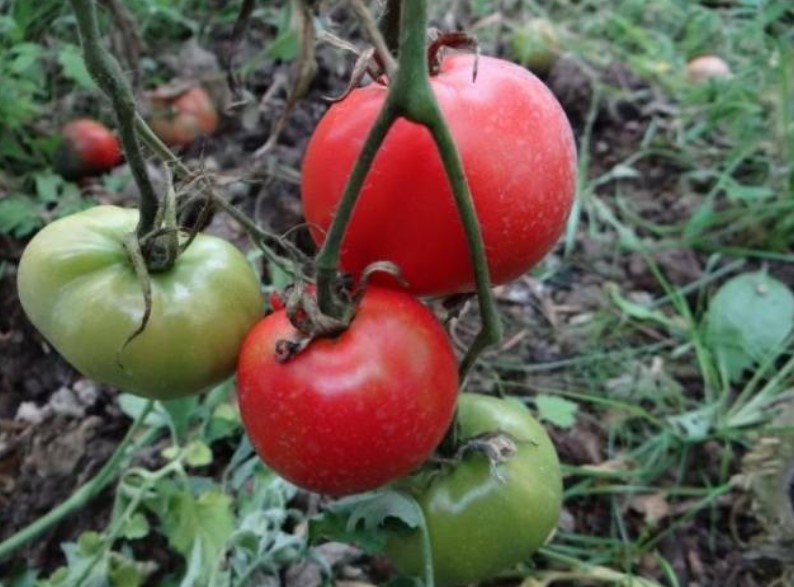
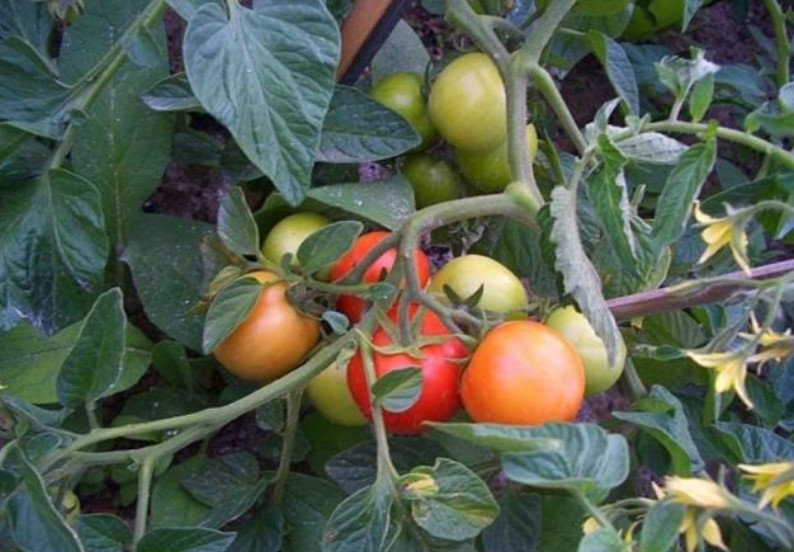
| Fetus | The tomatoes are round in shape and slightly ribbed. Ripe fruits are bright red. |
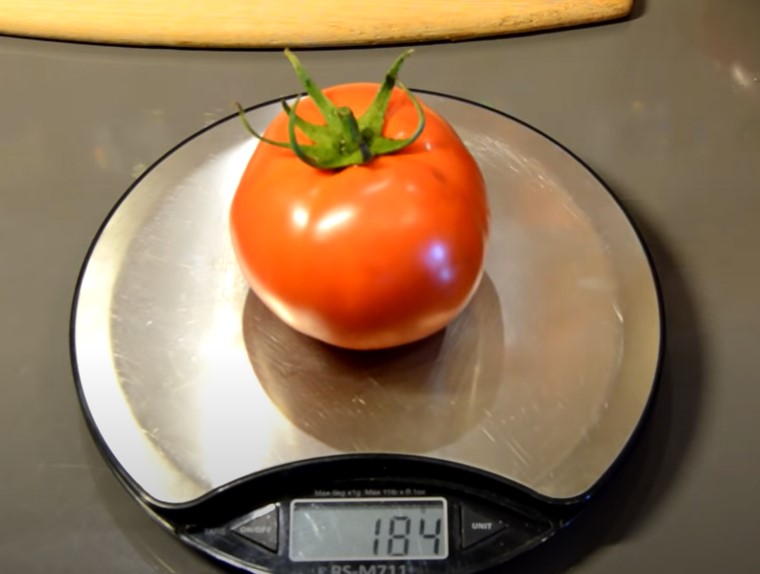
| Fruit weight | 90-200 g |
| Taste | The fruit has a sour taste. |
| Usage | It is used for canning, processing into juice, preparing salads and main courses. |
| Marketability | High |
| Shelf life | High |
| Yield of commercial fruits | Up to 4.1 kg per 1 sq.m. |
| Disease resistance | Resistant to late blight, root and blossom end rot |
| Agricultural technology | Tomatoes tolerate drought well, so they don't require regular watering. The shoots should be tied to supports as the fruit develops. Tomatoes are planted 40 cm apart, with rows spaced 60 cm apart. |
| Growing regions | Northern, Northwestern, Central, Volga-Vyatka, Central Black Earth Region, North Caucasian, Middle Volga, Lower Volga, Ural, West Siberian, East Siberian, Far Eastern |
| 2007 | |
| Originator | Kozak V. I. |
Photo gallery of the tomato variety 'Explosion'
A detailed description of the tomato variety Explosion
The Explosion tomato ripens early, and its fruits can be used for both winter preparations and fresh eating throughout the season.
Characteristics of the bush
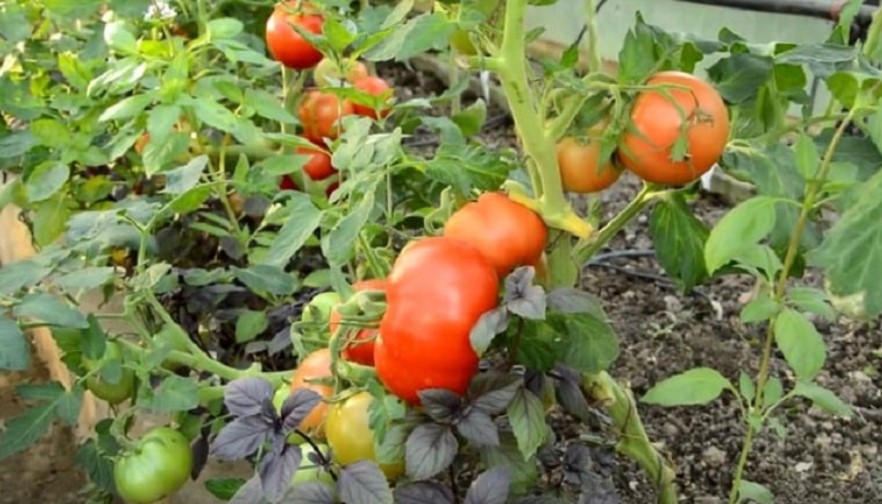
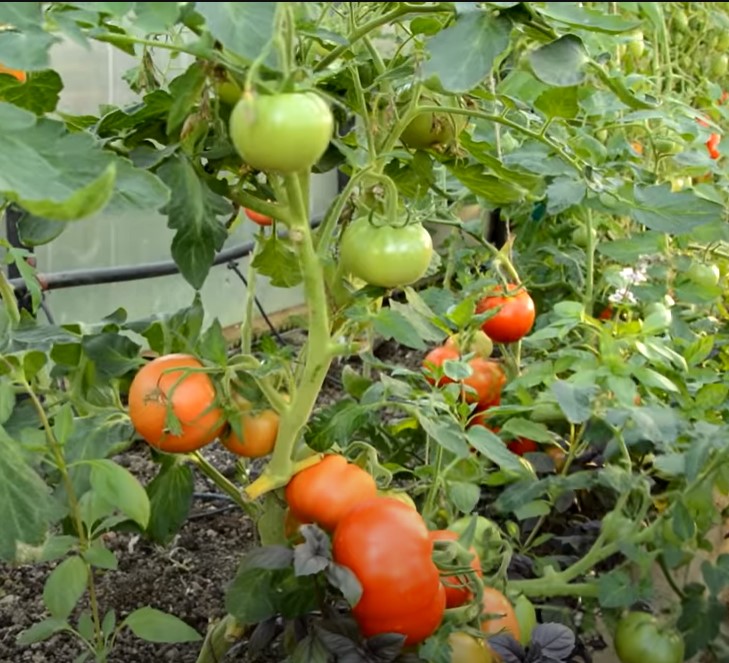
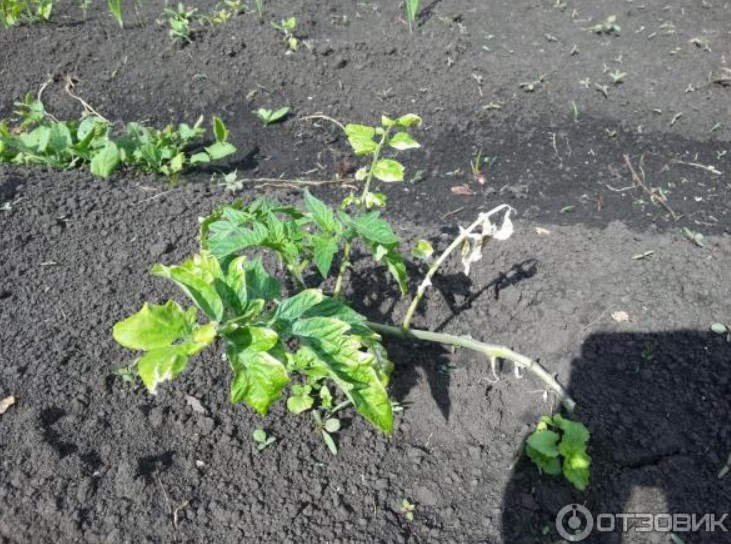
This tomato is characterized by determinate bushes reaching 45-60 cm in height. In greenhouses, this height can be somewhat higher. The shoots are spreading, with medium-sized, light green leaves. Although the cultivar claims no support is needed, experienced gardeners note that the shoots can break under the weight of the fruit. Therefore, when growing the Vzryv tomato, it is recommended to consider staking the bushes.
Fruit characteristics
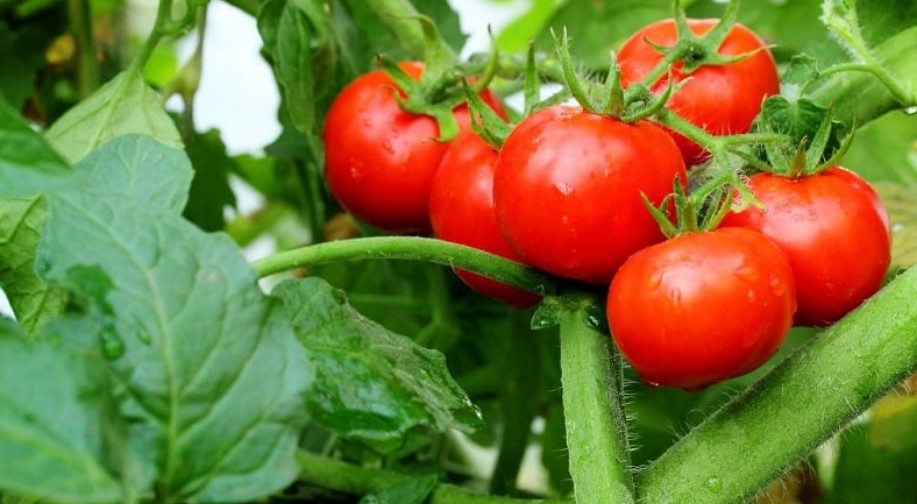
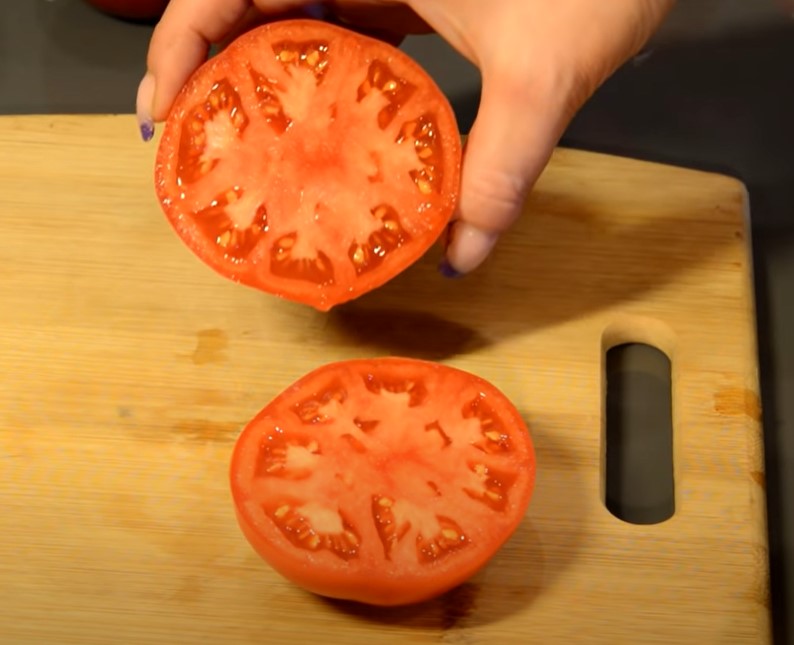
The fruits are quite large, weighing between 90 and 200 grams, with the heaviest specimens forming on the first bunches. Ripe tomatoes turn dark red. The skin is free of spots or other defects. The shape is round, sometimes flattened, and the surface is slightly ribbed.
Productivity and ripening time
The fruits ripen approximately 100 days after the first shoots emerge. Up to 4 kg of ripe tomatoes can be harvested per square meter. Greenhouse cultivation increases the yield.
Advantages and disadvantages of the tomato variety Explosion
The Explosion tomato has both advantages and disadvantages, which are listed in the table below.
| Advantages | Flaws |
|
|
Features of growing tomato seedlings of the Explosion variety
The most effective way to grow Explosion tomatoes is by using seedlings, so that you can harvest your first crop as early as possible.
Sowing seeds
Tomato Explosion can be grown from your own or purchased seeds, since the variety is not a hybrid.
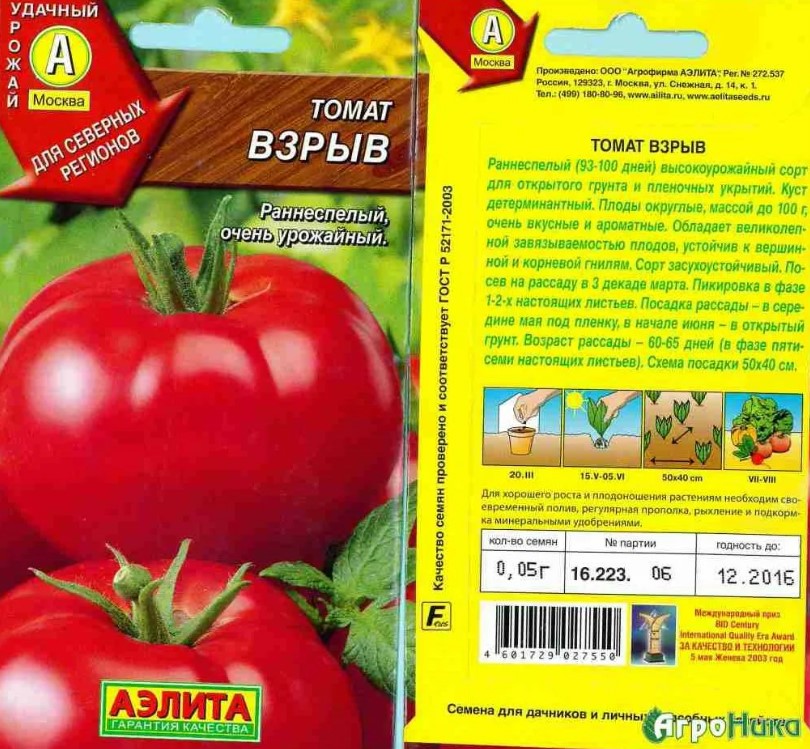
As a rule, the manufacturer processes the planting material independently, which should be indicated on the packaging.
If you don’t have it or you have your own seeds, you can make it at home.
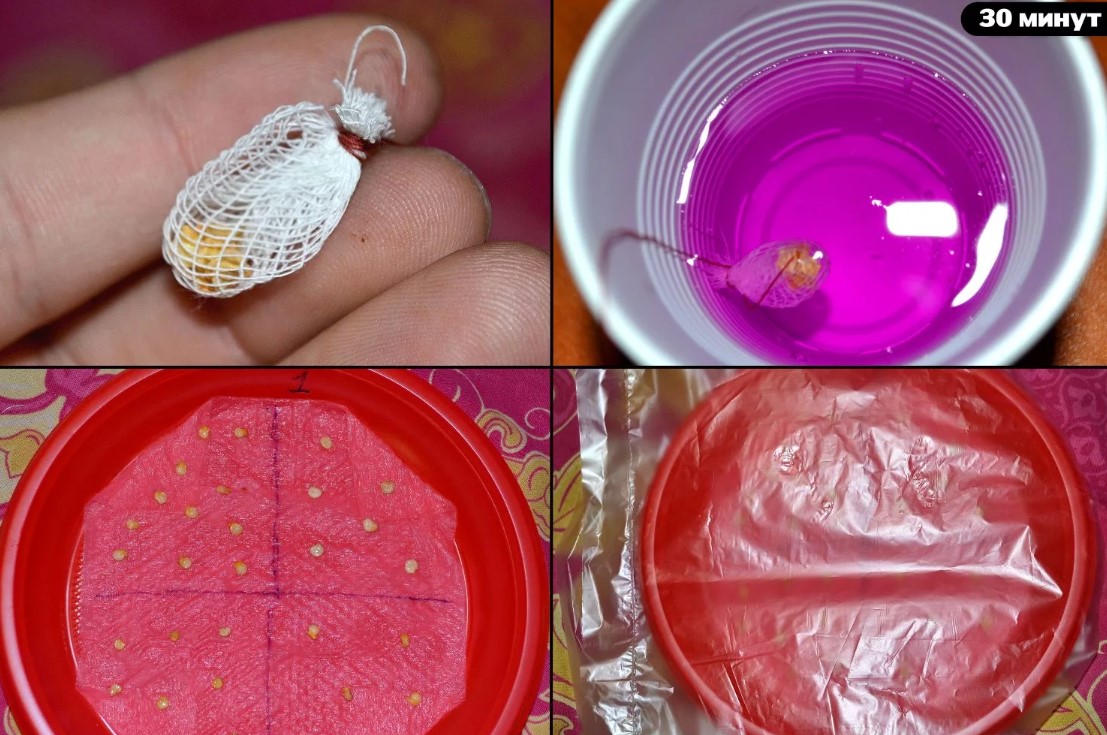
- Soak the seeds in a weak salt solution (5%), leaving only those that have sunk to the bottom of the container.
- To prevent the appearance of fungus, seeds are soaked for 25 minutes in a solution of manganese (1%).
- To eliminate the presence of insect larvae, soak the planting material in hot water for 10 minutes.
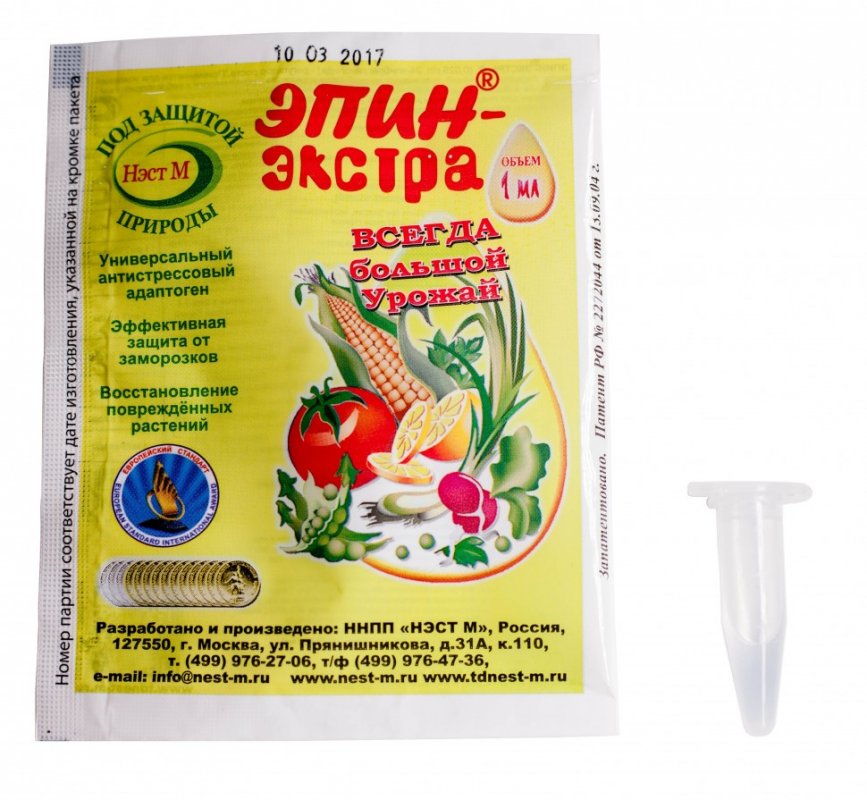
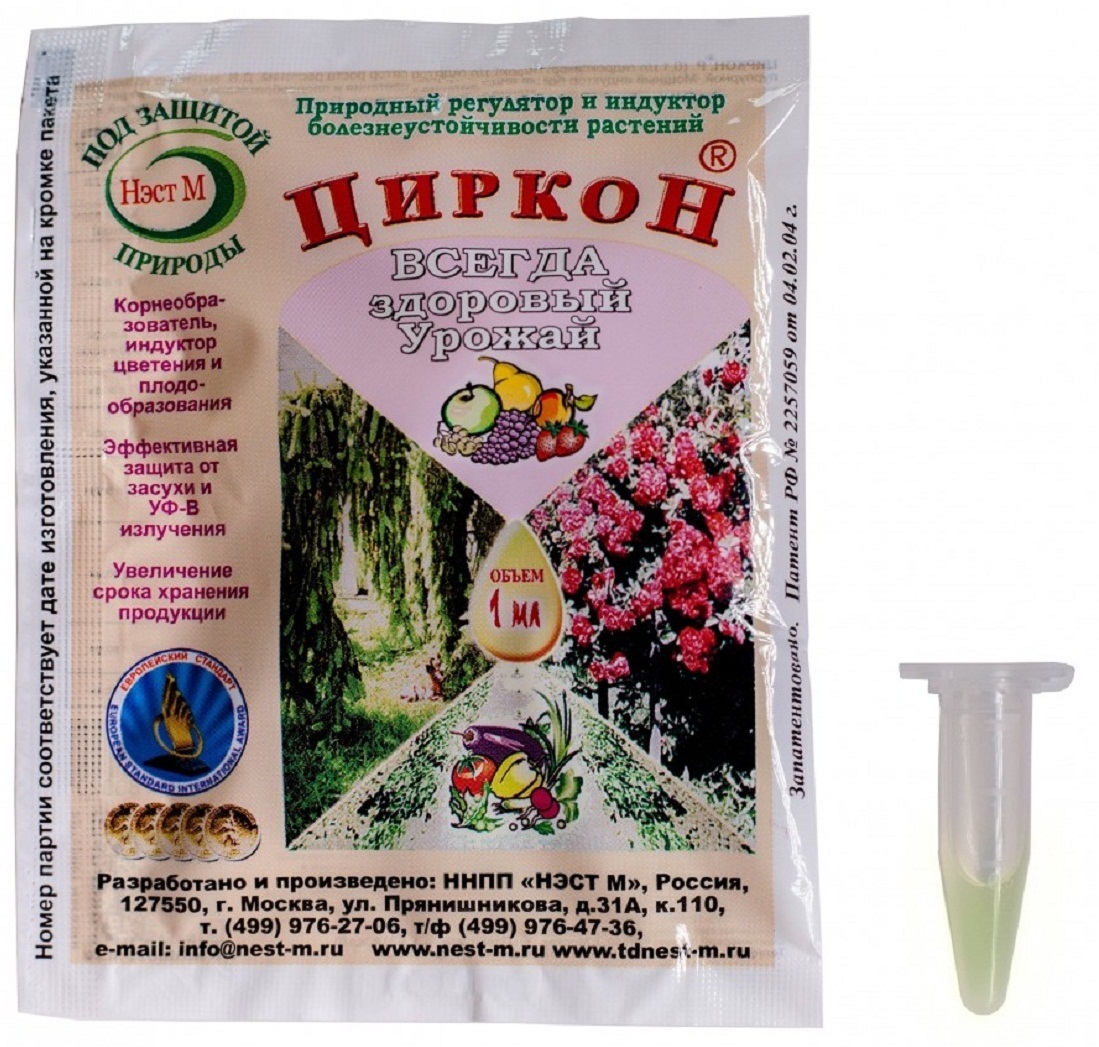
Many gardeners additionally stimulate seeds to increase germination in specialized solutions, for example, Epin, Zircon, Baikal-EM1.

Growing seedlings
There are various types of containers you can use to grow tomatoes:
- peat tablets or glasses,
- containers,
- pots;
- wooden boxes,
- plastic bottles with cut off necks,
- food jars.
Peat pots or tablets are the most convenient option, as they minimize plant stress during transplantation. Furthermore, they already contain the nutrient medium, eliminating the need for complex potting mixes.
If other containers are used for planting, the soil composition must be carefully considered. It should be loose and nutritious, and the following combination of components is considered optimal:
- Earth - 1 part,
- Sand - 0.5 parts,
- Peat - 2 parts,
- Compost or humus – 1 part.
When using containers, fill them 2/3 full with potting soil, then make a 1 cm deep hole and place each seed in it. It's best to leave at least 2 cm between plantings and 3 cm between rows. Watering is done at the last stage using a syringe to prevent soil erosion.
When using peat pellets, they must first be moistened. First, place the pellets in a plastic container and lightly add water to expand them. After this, tomato seeds can be planted in each one.
In both cases, after planting, the container with the future seedlings is covered with plastic wrap and placed in a warm place. It is necessary to ventilate the container daily to prevent condensation from forming inside.
You also need to water the soil or tablets periodically to prevent them from drying out, otherwise the seeds will not germinate.
When the first sprouts appear on the surface, the cover must be removed, the container must be moved to a slightly cooler place and the seedlings must be provided with additional illumination from a phytolamp.
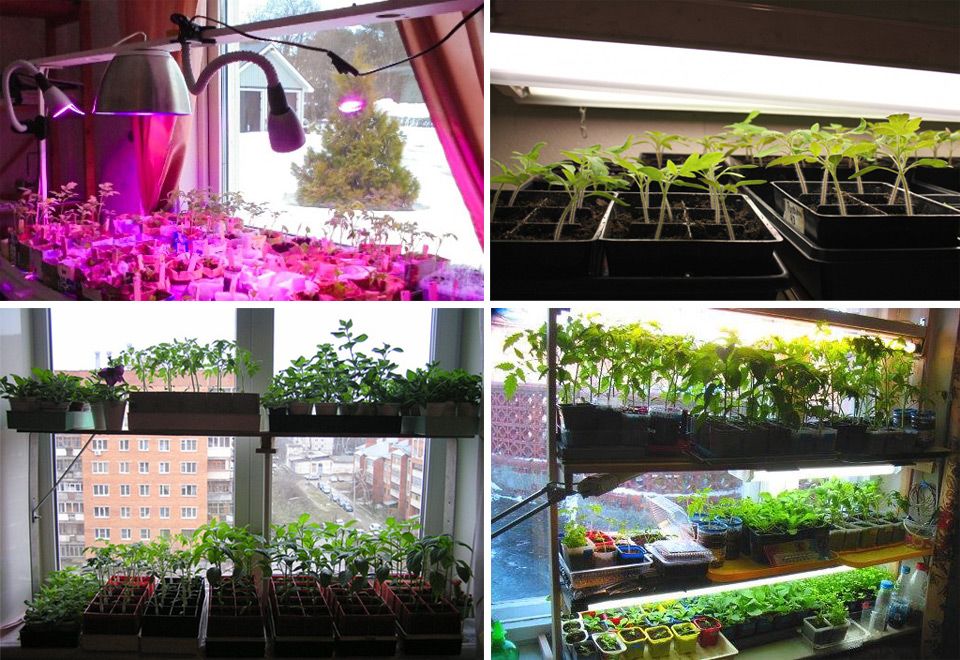
If the seedlings are on a windowsill, it is advisable to provide additional thermal protection by placing porous cardboard or foam under the box.
If necessary, you can feed the seedlings with special fertilizers, for example, Atlet or Nitroammophoska.
Planting and growing in a greenhouse
Tomato seedlings are transplanted into the greenhouse at 60-65 days after planting. Typically, the shoots already have 5-7 true leaves.
It's best to prepare the soil in advance by digging it up in the fall along with fertilizer. Experienced gardeners recommend planting tomatoes in the same bed every three years.
For each bush, prepare a hole 20 cm deep, at the bottom of which you can add a handful of ash and humus, mixing them with the soil.
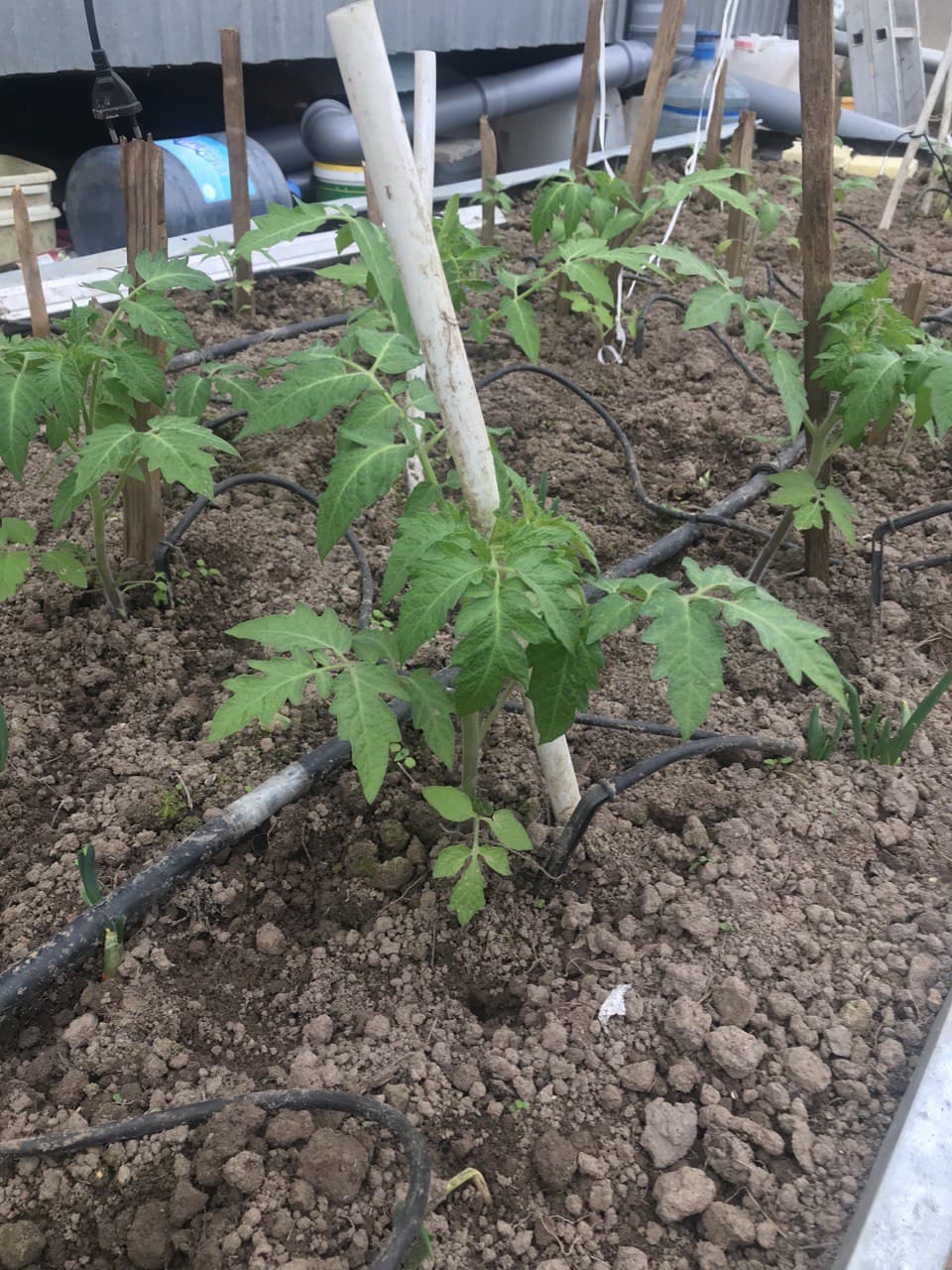
The Explosion tomato is quite spreading, so it's recommended to leave at least 40 cm between the holes. Leave a 60-70 cm wide passage between the rows. It's best to stagger the holes, which will make subsequent plant care much easier.
The tomatoes, along with the root ball, are transferred to the hole, the roots are covered with soil, and watered. It's best to make a depression around the trunk to prevent water from spreading throughout the bed and washing away the roots.
Planting and care in open ground
In regions with a favorable climate, Vzryv tomatoes can be grown outdoors. They should be planted in well-lit areas of the garden, and when the soil has warmed to 12 degrees Celsius (55 degrees Fahrenheit).
The soil is prepared in the fall, just like in a greenhouse, by digging it in with fertilizer. In the spring, the soil is dug again and loosened, after which holes are dug in a 40x60 pattern in a checkerboard pattern.
Avoid planting tomatoes in beds previously occupied by peppers, potatoes, eggplants, or tomatoes. Good predecessors include onions, beets, legumes, melons, and cucumbers.
As a care procedure, tying the shoots to a support is used; pinching out the side shoots is not necessary.
Watering is done weekly, depending on the weather. On average, one bush requires about 5 liters of water. During fruit formation, the frequency of watering increases to three times a week. It's best if the water is allowed to settle in warm air beforehand.
How to organize drip irrigation Read on our website.
If the soil is not rich enough in nutrients, then the plantings need to be fertilized 3 times per season:
- Nitrogen fertilizers are used before the flowering period.
- After 2 weeks, you can add potassium-phosphorus fertilizers.
- After another 2 weeks, the tomatoes are fed with complex fertilizers.
Resistance to diseases and pests of the tomato variety Explosion, prevention
Vzryv tomatoes are renowned for their robust immunity. Their root system is resistant to root rot, and their rapid ripening helps prevent late blight. However, if watering guidelines are not followed, or if the weather is cool and rainy, rot may occur. The table below lists the main tomato diseases and pests and provides methods for controlling them.
| Disease | Prevention | Treatment |
| Late blight | Follow watering rules, use settled water at room temperature, do not over-moisten the soil. | Spraying tomatoes with Fitosporin at intervals of 10 days. |
| Root rot | Use Barrier, Baktofit, Zaslon products | |
| Slugs and Colorado potato beetles | Spraying plantings with a garlic solution (200 g grated garlic, 10 l water, 50 g grated soap). | Treating tomatoes with Prestige. |
Harvesting, using and storing tomatoes of the Explosion variety
Explosion tomatoes are characterized by uniform ripening, but in open ground this period can be somewhat extended, so the largest fruits are picked from the bush first.
Tomatoes have a universal purpose: they can be used for pickling, preserving, eating fresh, making juice or sauces.
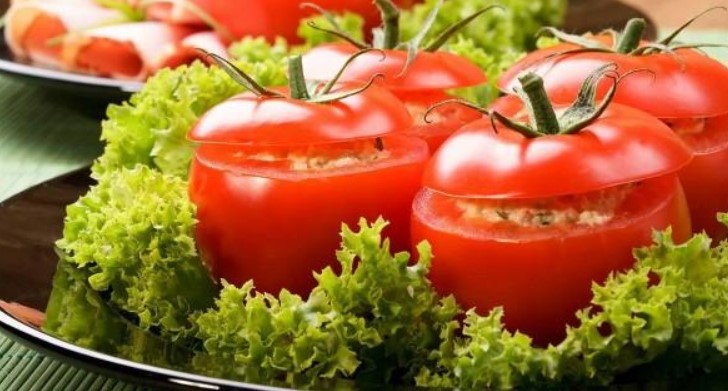
Store ripe tomatoes in clean boxes or containers at a temperature of 1°C (33°F). Their surface should be free of cracks and other mechanical damage. Under suitable conditions, the harvest can be stored for 1 to 1.5 months.
Comparison of the tomato variety Explosion with other varieties in the table
Please note! How can you easily convert centners/ha to kg/sq.m? Simply divide by 100! For example, the Abakansky Pink tomato yields 400 centners of marketable fruit per hectare. This equals 4 kg per square meter. It's that simple! Also, keep in mind that typically no more than 3-4 plants are planted per square meter. This way, you can calculate the yield per bush. In the case of the Abakansky Pink, it's about 1 kg.
| Variety | Ripening period (number of days from full germination to ripening)
Yield of commercial fruits |
Brief description | Fetus |
| Explosion | 93-100 days
410 c/ha |
An early-ripening determinate variety for open ground and greenhouses. Suitable for salads. Drought-resistant. | Round, slightly ribbed, medium density, red, 90 g. Good taste. |
| Agatha Plus | 98-113 days 301-798 c/ha |
An early-to-mid-early determinate variety for open ground. Suitable for salads. | Round, smooth, medium density, red, 128-190 g.
The taste is good and excellent. |
| Abakan pink | 120 days or more
400 c/ha |
A late-ripening determinate variety for open ground and greenhouses. Requires staking and training. Suitable for salads and processing into tomato products. | Flat-round, slightly ribbed, medium density and pink in color, 200-500 g. Good taste. |
| Openwork | 105-110 days
610 c/ha |
An early-ripening, determinate variety for open ground and greenhouses. Requires staking and shaping. Suitable for salads. | Round, smooth, dense, fleshy, red, 220-250 g. Good taste. |
| Alyosha Popovich | 125-130 days 600-640 c/ha |
A mid-season indeterminate variety for open ground and greenhouses. Requires staking and training. Suitable for salads. Easy to transport. Resistant to adverse growing conditions. | Round, slightly ribbed, medium density, red, 150-200 g. Good taste. |
| Aphrodite F1 | 70-100 days depending on climatic conditions
800 c/ha |
An early-ripening determinate variety for open ground and greenhouses. Requires staking and shaping. Suitable for salads. | Round, smooth, medium density, red, 100-115 g. Good taste. |
| Siberian early ripening | 98-108 days
289-543 c/ha (open ground), 20-43% of the total yield ripens in 15 days of fruiting, 630-950 c/ha (greenhouse and under film), in the first month of fruiting 240-580 c/ha. |
An early-ripening, determinate, low-growing variety for open ground and greenhouses. Suitable for salads. | Round and flat-round, slightly ribbed, medium-sized and large, red, 62-114 g. The taste is satisfactory. |
| Big Momma | 85-95 days (greenhouse), about 100 days (open ground)
700-900 c/ha |
A mid-early determinate variety for open ground and greenhouses (greenhouses only, according to the register). Suitable for salads, canning, pickling, and juice. | Round, large, slightly ribbed, medium density, red, 200-250 g. Excellent taste. |
| Voyage F1 | 95-100 days
1400-1800 c/ha |
An early-ripening indeterminate variety for greenhouses. Suitable for salads. Transportable. | Round, smooth, dense, pink, 120-130 g. Good taste. |
| Kalinka-Malinka | 105-115 days
260 c/ha |
A mid-season, determinate, standard variety for open ground and under plastic shelters. Suitable for whole-fruit canning. | Round, smooth, dense, red, 52 g. Good taste. |
| Kostroma | 105-110 days
1350-1500 c/ha |
A mid-season determinate variety for greenhouses. Requires staking and training. Suitable for salads, whole-fruit canning, and processing into tomato products. | Flat-round, slightly ribbed, glossy, red or orange, 80-150 g. Good taste, sweet and sour. |
| Siberian Shan'gi | 100-110 days
The yield of commercial fruits in open ground was 5.6 kg/sq.m. |
A mid-season determinate variety for open ground and greenhouses. Suitable for salads. | Flat-round, medium density, slightly ribbed, raspberry, 157 g. Excellent taste. |
Gardeners' reviews of the tomato variety "Explosion"
I'm very pleased with the yield of the Vzryv variety—the bushes bear a multitude of fruits, which can be picked even while still green. The seeds have excellent germination, and the plants haven't had a single disease problem throughout the season.
It's a busy time for gardeners. Seedlings are ready to be planted outdoors, and they're eagerly awaiting the weather to settle and finally warm up. Others, however, may have had little luck with their seed selection and are looking for seeds with good germination and a pleasant taste. If you're looking for tomato seeds, I can recommend some very good ones.
Last year my parents asked me to buy them tomato seeds (I know a good store that sells high-quality seeds, and the salespeople there are polite and always willing to give advice and consultation).
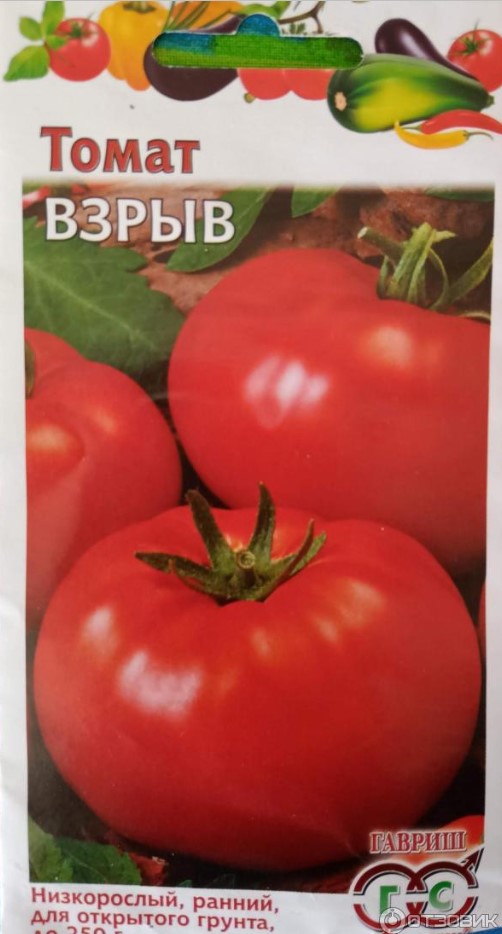
The requirements weren't many. The variety had to be early and low-growing (they don't like to be tied up). The salesperson recommended I buy "Vzryv" tomato seeds from the Gavrish breeding and seed company. I was hesitant, as the variety was unfamiliar. To reassure myself, I bought a few more packs of other varieties; something would surely sprout.
The seeds germinated well. The seedlings also tolerated transplanting into open ground well. The bushes were full of tomatoes. And finally, it was time to harvest the first crop. The bushes were absolutely covered with tomatoes, though they weren't very large. And compared to the "Ox Heart" tomatoes, they seemed downright tiny. Whatever the reason, we decided to try them anyway. It turned out that of all the tomato varieties planted last year, "Explosion" was the tastiest.
These tomatoes are ideal for a summer salad with mustard oil. They are also suitable for canning. Unlike the fleshy giant tomato varieties, "Vzryv" transports well.
I'd also like to note that this tomato variety delighted us with its long fruiting period. It was the earliest to ripen and continued to delight us with its small, but very tasty tomatoes for the longest time, right up until September 2019.
If your garden or dacha is located in an area of unsustainable farming, such as the Volgograd region, I recommend purchasing the "Vzryv" tomato variety from the Gavrish breeding and seed company. You won't regret it.
Have a good harvest!
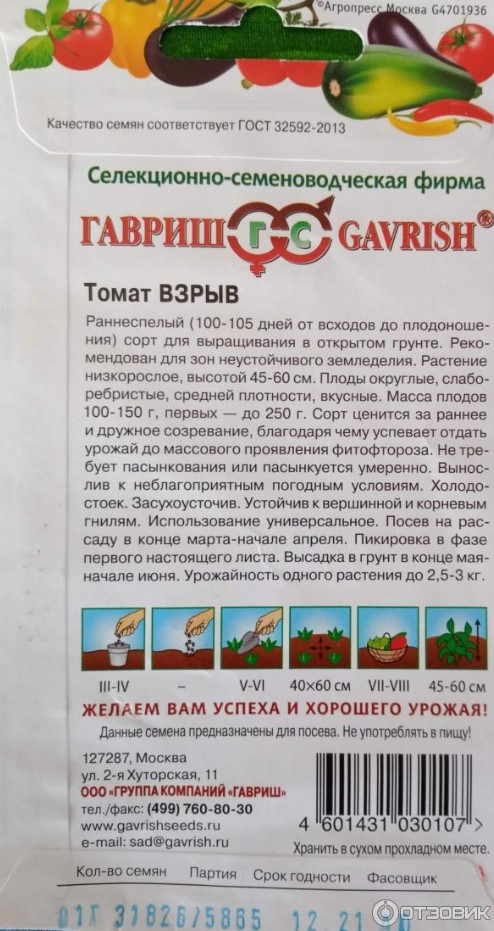
I'll tell you about another tomato variety I grew this year. As I mentioned in my previous review of the "Polnym-polno" variety, these tomatoes also grew to green fruit, but then "safely" turned black from late blight.
For me, Gavrish seeds are high-quality seed material that produces almost 100% results. I don't think I've ever been disappointed with any of the packets I've purchased from this brand.
This time too, I bought seeds based on the manufacturer and their appearance.
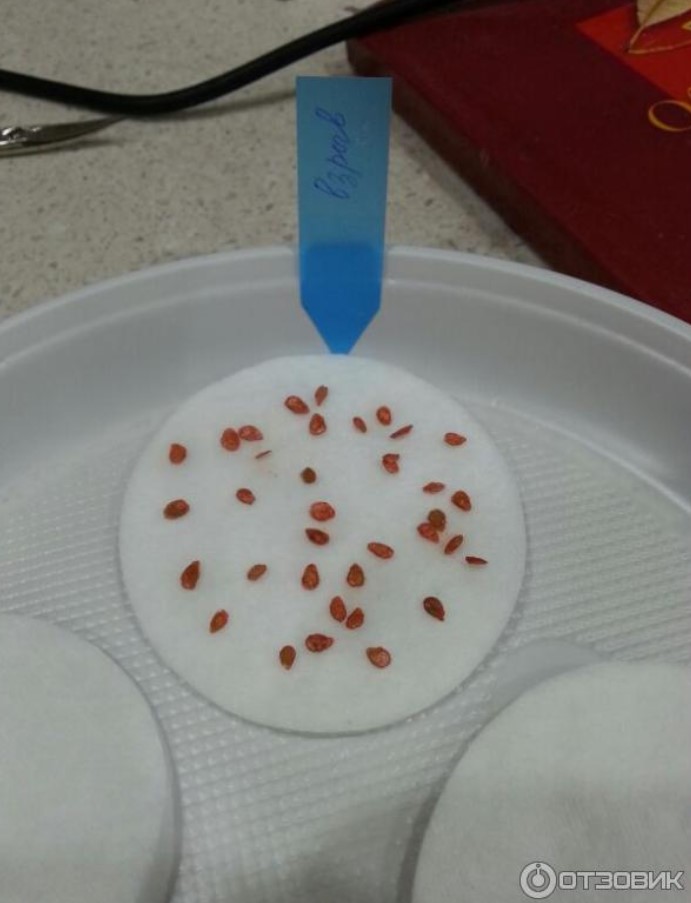
The packet contains many seeds in a pink shell.
This "glaze" means that the seeds are pre-treated and can be planted directly into the ground or left to germinate without any additional treatment (in potassium permanganate, for example).
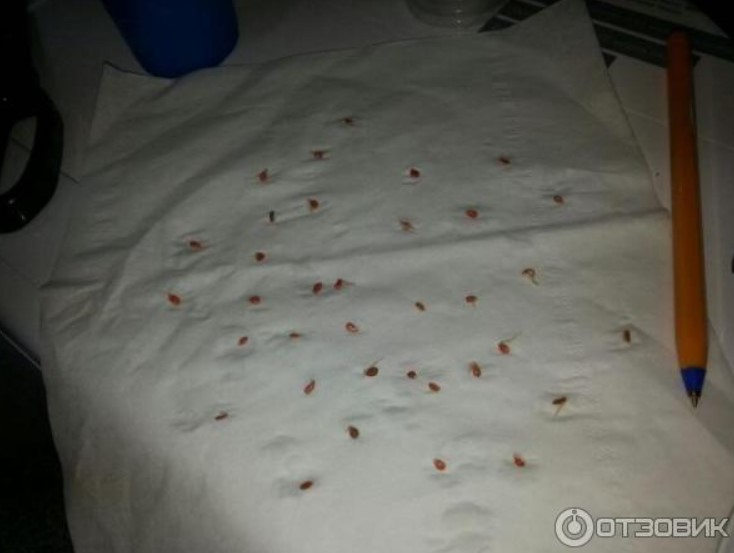
After soaking in a saline solution, it turned out that all but three of the seeds were suitable for germination.
The seeds sprouted together, as you can see there are a lot of them and some even had to be thrown away, since I did not have a container for them and 15 seedlings would have been quite enough for me, considering that this was not the only variety that I grew.
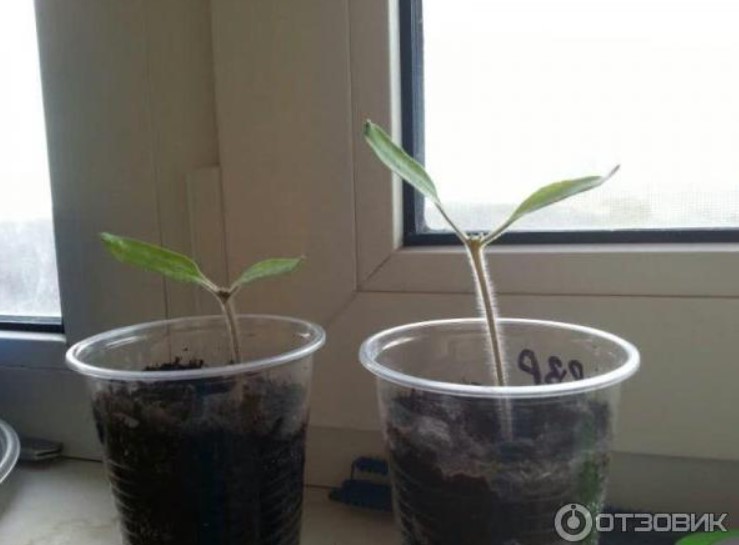
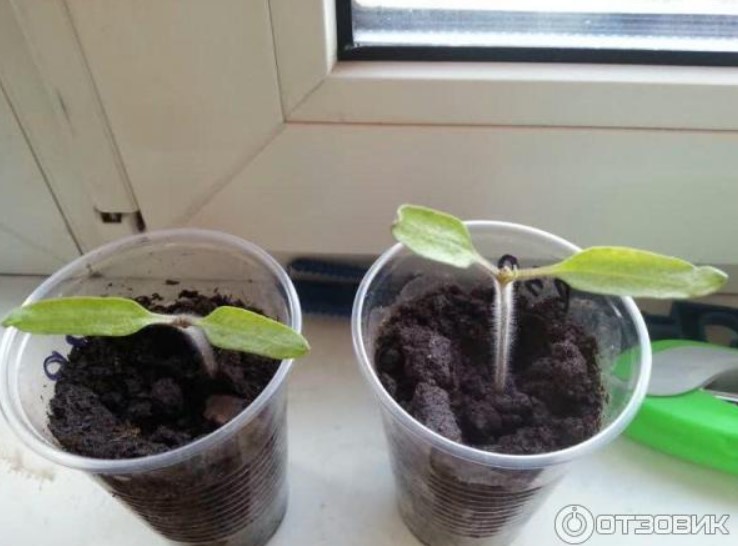
On the second day after planting the seed in a seedling cup, a green sprout appeared. They grew, but didn't progress beyond the cotyledon leaves.
As you can see, the central part of the plant was struggling to develop. Perhaps it wasn't getting enough light, but other tomatoes, of a different variety, were growing well. However, perhaps the "Explosion" variety specifically requires a lot of sun to thrive.
But after some time, when there was more sun and I additionally fed them with a fluorescent lamp, the seedlings began to grow normally.
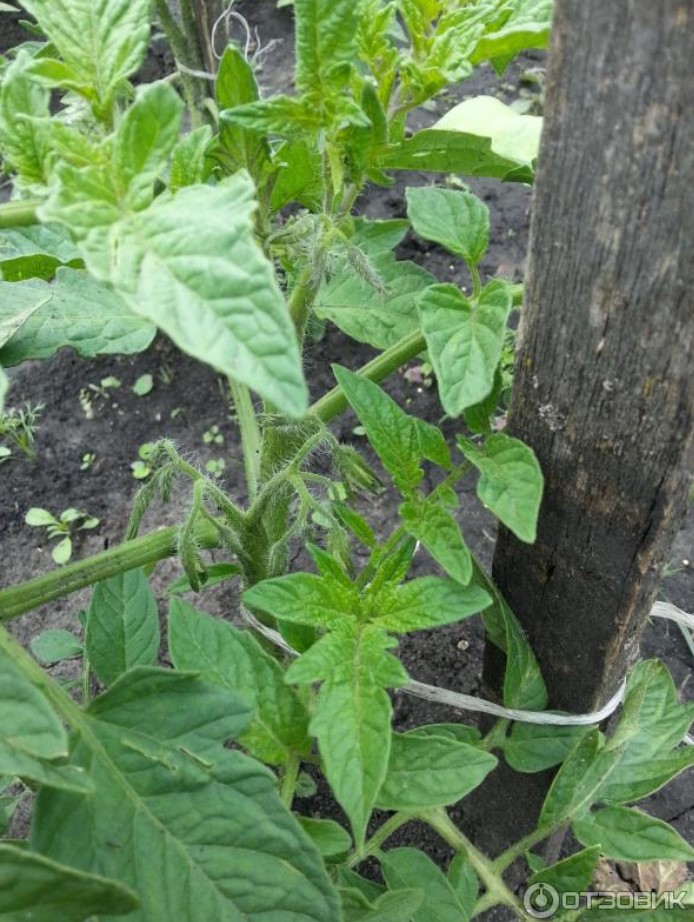
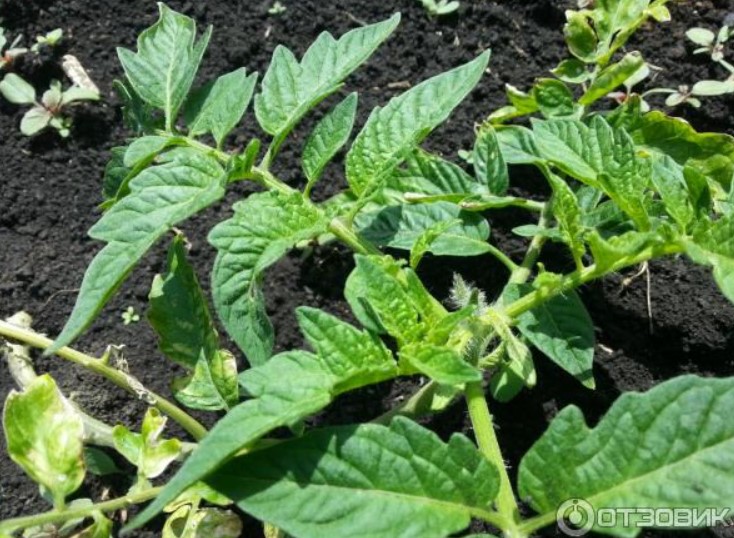
In late May and early June, the seedlings were transplanted into open ground, where they began growing much better and more vigorously than in the seedling cup. Here, the tomato is three months old. In the photo, you can see that the paler leaves are those that grew in the seedling cup, while the new, lush foliage is thanks to the black soil into which it was transplanted.
Unlike the "Polnym-polno" variety, the trunk here is not very strong, a classic trunk of a regular tomato that requires mandatory tying, otherwise it will either fall over or break in a strong gust of wind.
The tomatoes bloomed together at the end of June and the beginning of July.
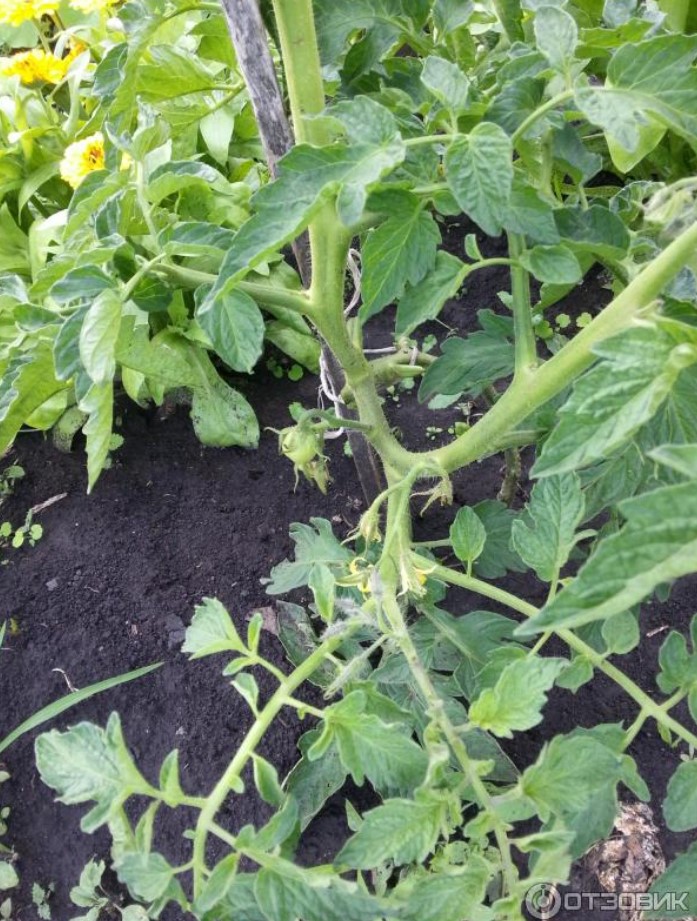
One bush had a huge number of potential tomato clusters. I had to pluck off a lot of the "extra" ones, otherwise the tomato simply wouldn't have been able to handle all the ripening fruits.
The tomatoes grew beautifully, abundantly, and if it weren't for the late blight, I would have had a huge harvest! This is actually where the rot began. It started with the leaves and stems, and then spread to the fruit.
As always, Gavrish delighted me with his quality. I definitely recommend buying his seeds!
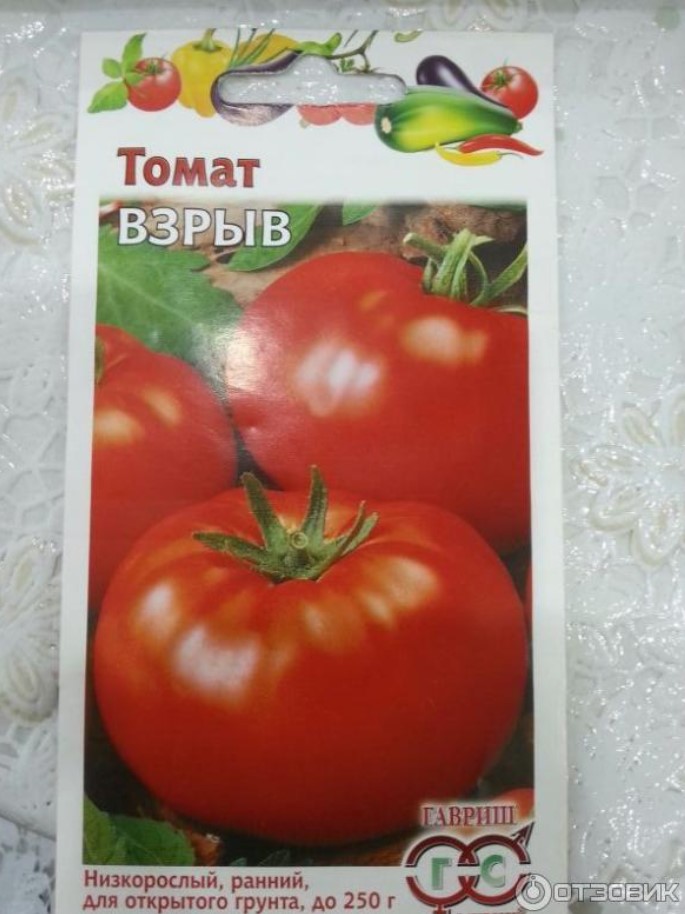
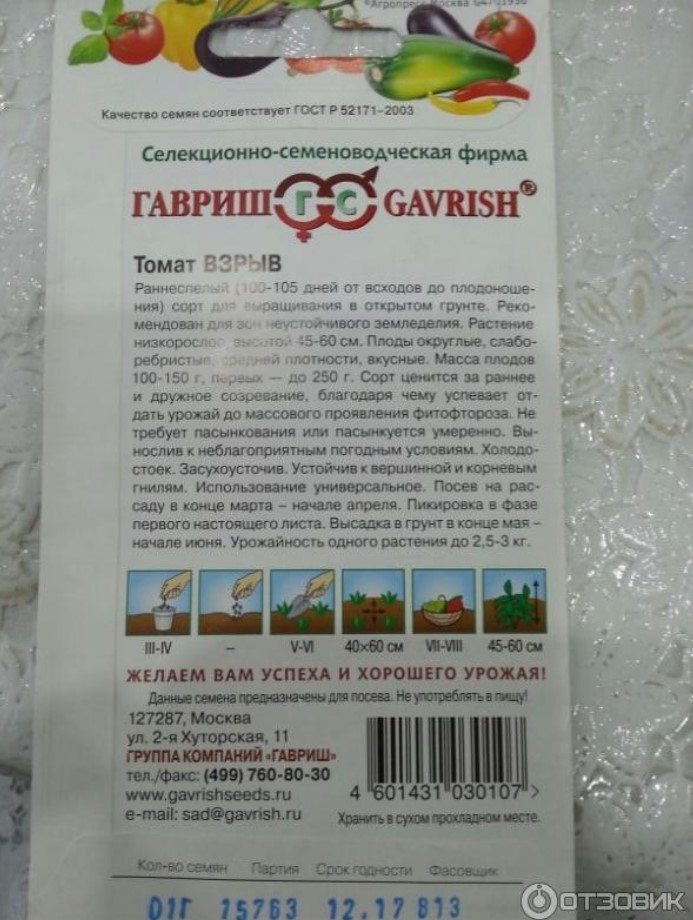
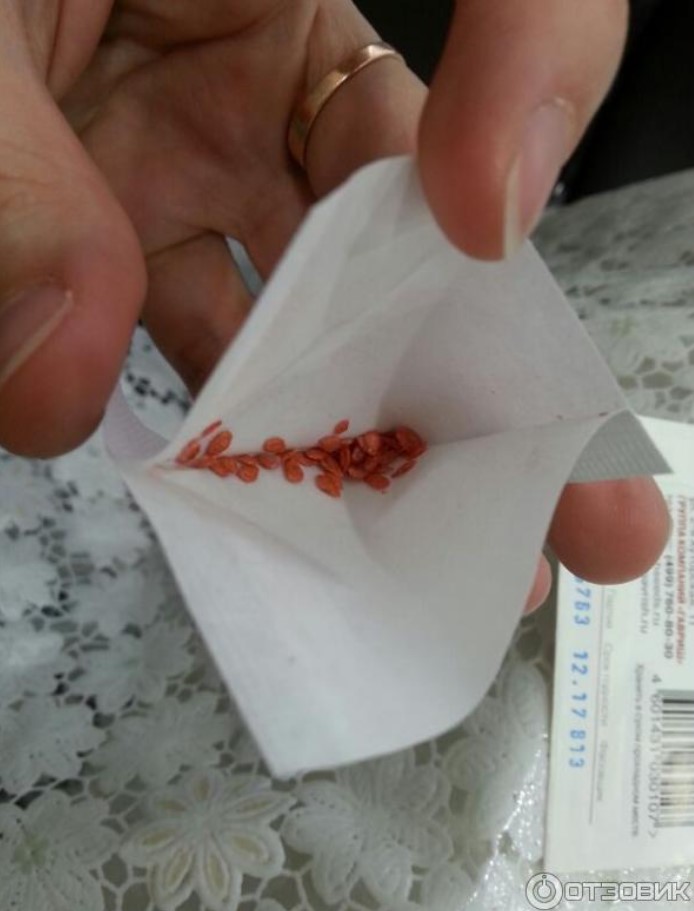
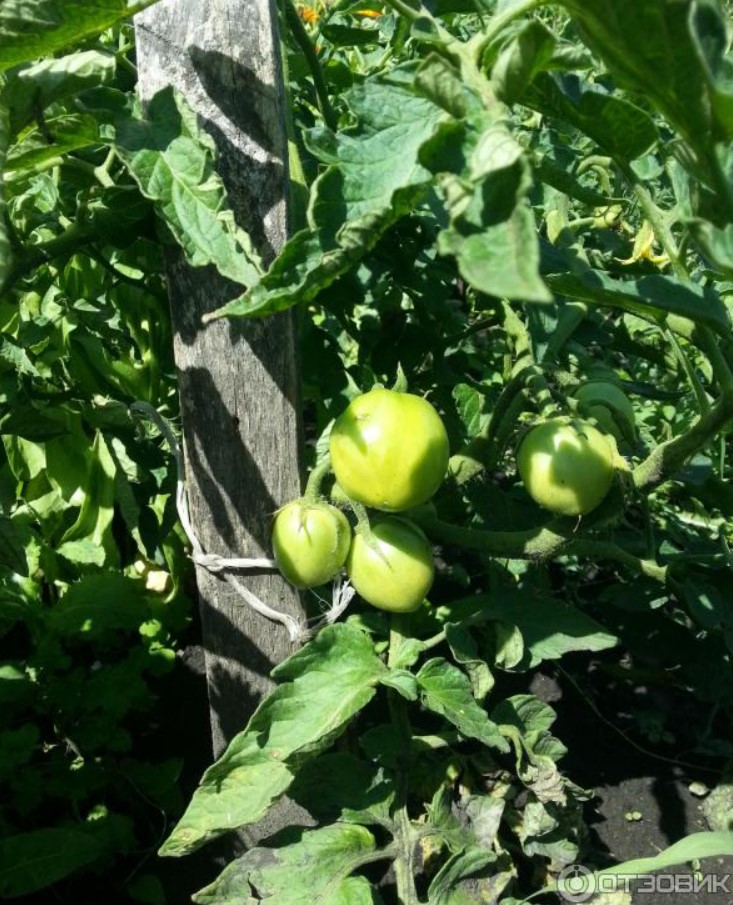
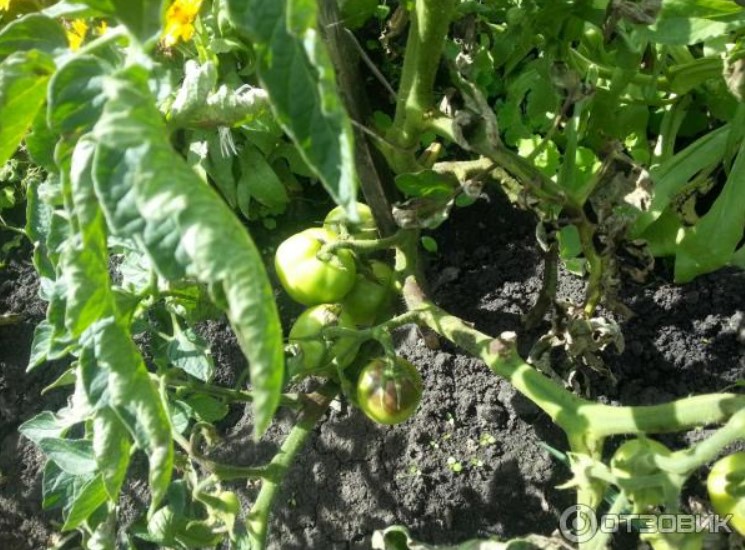
Hello, readers! I first bought these seeds in 2011, and I've been sowing them every year since then, always pleased with the results. The germination rate is excellent (I'm always impressed with the germination rate of Gavrish seeds). They're low-growing (always a huge plus for me, because while I love my garden, I can't devote much time to it because retirement is still a long way off), they tolerate low temperatures well (I once planted them outdoors and they froze, causing all the leaves to fall off, but they eventually recovered and produced a wonderful harvest), and they're medium-sized (perfect for salads and pickling). I recommend them to everyone, especially those who live in areas where farming is risky.
Cherry
EXPLOSION IS AN IMPROVED "WHITE FILLING" variety. It's an old, tried-and-true variety. Now I want to try a new variation. It never rains here in the summer, and nothing cracks unless I overwater. Everything is fire-resistant. The main thing is to mulch the soil, otherwise the tomatoes burn in our heat; the soil is like sugar. To avoid frequent watering, I started laying down a thick layer of grass clippings. I used to cover it with cardboard.
Girls, our climate is so varied. icon_lol.gif White Naliv, Novichok, Gifts of the Volga Region—we probably plant them at every dacha. Our mothers didn't even know about other varieties. And they're still growing in our fields. They don't turn out sour here, even in our heat and dryness. They're still being transported from the fields in boxes to other regions (I know what I'm talking about—I monitor this process). I could screw up in my garden with other low-growing varieties. But these will last—I've tested them, even if a streak wipes out all the others.I didn't like them. They weren't particularly diseased, of course, and yielded a small harvest, about 2 kg. The taste was so-so, sour and watery, and the size was average.