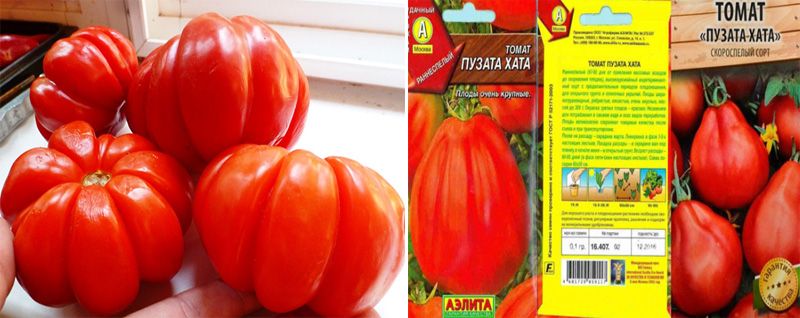
The Puzata Khata tomato has earned a reputation among both professional and novice gardeners. Its fruits are large, sweet, and delicious, with an unusual shape. They can be stored for a long time after harvest. This variety grows well in any region of Russia and is undemanding in terms of climate and care. It was developed in 2012 by a group of Russian breeders. In 2013, it was included in the State Register of Vegetable Crops of the Russian Federation for home cultivation.
Content
- 1 Table with characteristics of the Puzata Khata tomato variety
- 2 Photo gallery of tomato variety Puzata Khata
- 3 Description of the Puzata Khata and Puzata Khata Pink tomato varieties
- 4 Advantages and disadvantages
- 5 Subtleties of cultivation
- 6 Tomato diseases and pests
- 7 Top.tomathouse.com recommends: Puzata Khata tomato – a dietary dish
- 8 Comparison of the Puzata Hata tomato variety with other varieties in the table
- 9 Real reviews from gardeners about the Puzata Khata tomato variety
Table with characteristics of the Puzata Khata tomato variety
| Characteristic | Description |
| Description | Early-ripening indeterminate variety for open ground and greenhouses. |
| Ripening period | about 100 days |
| Fruit weight | 200-260 g |
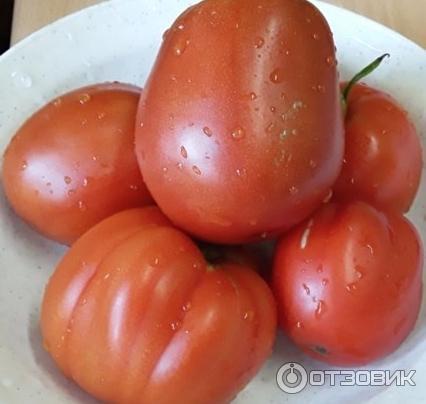
| Description of the fruit | Pear-shaped, ribbed, medium density, red |
| Productivity | 820-920 c/ha (greenhouse and under film) |
| Usage | Tomatoes are not suitable for whole-fruit canning, but can be used as ingredients in salads and to complement any dish. |
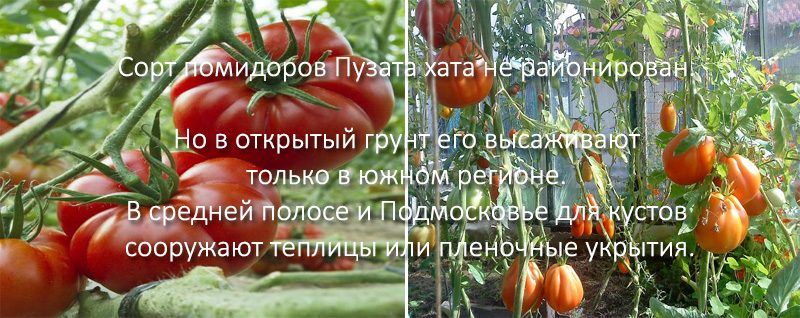
| Preferred growing regions | It can be grown in different regions of the country; in the north and middle zones, greenhouse shelter will be required, while in the south, planting in open ground is allowed. |
| Disease resistance | Tomato is resistant to cancer and most viruses, but if care rules are not followed, it can be affected by late blight and other fungi. |
| Agricultural technology | Requires garter and shaping. |
| 2013 | |
| Originator | Russia, Agrofirm Aelita LLC |
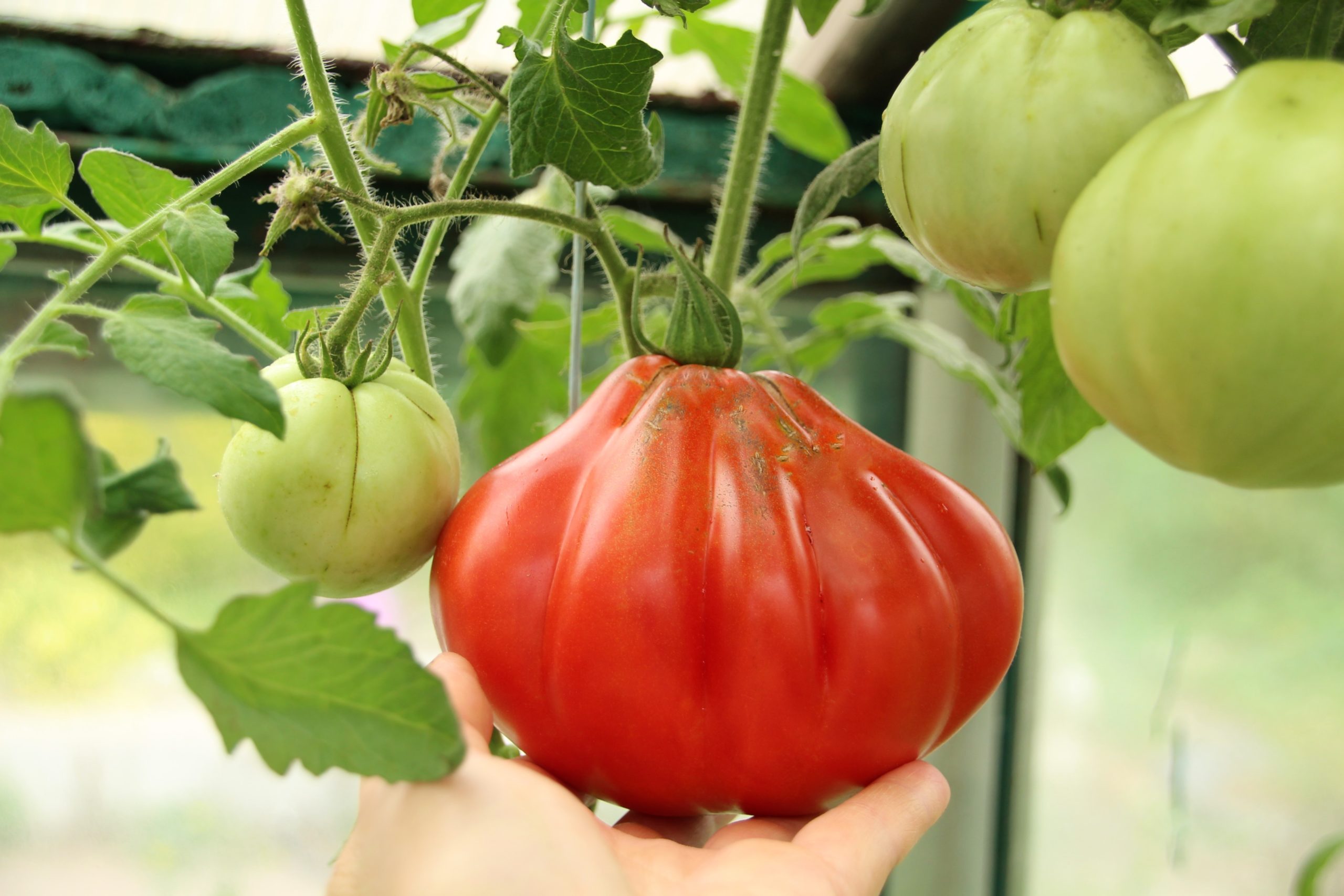
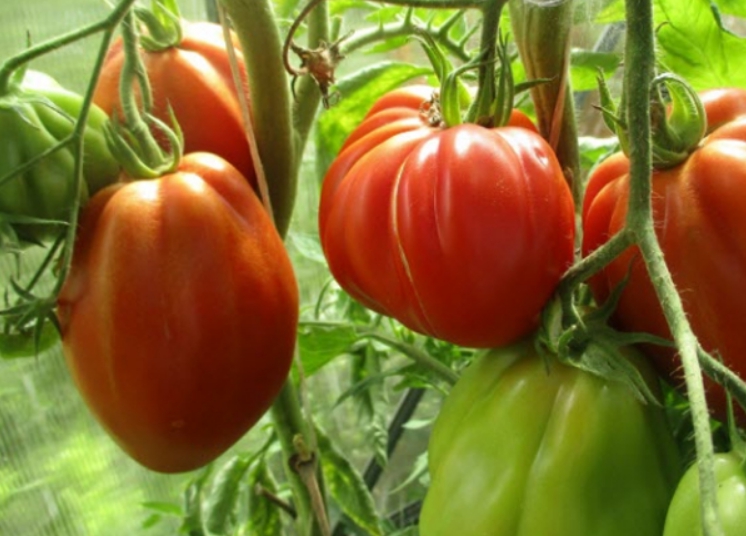
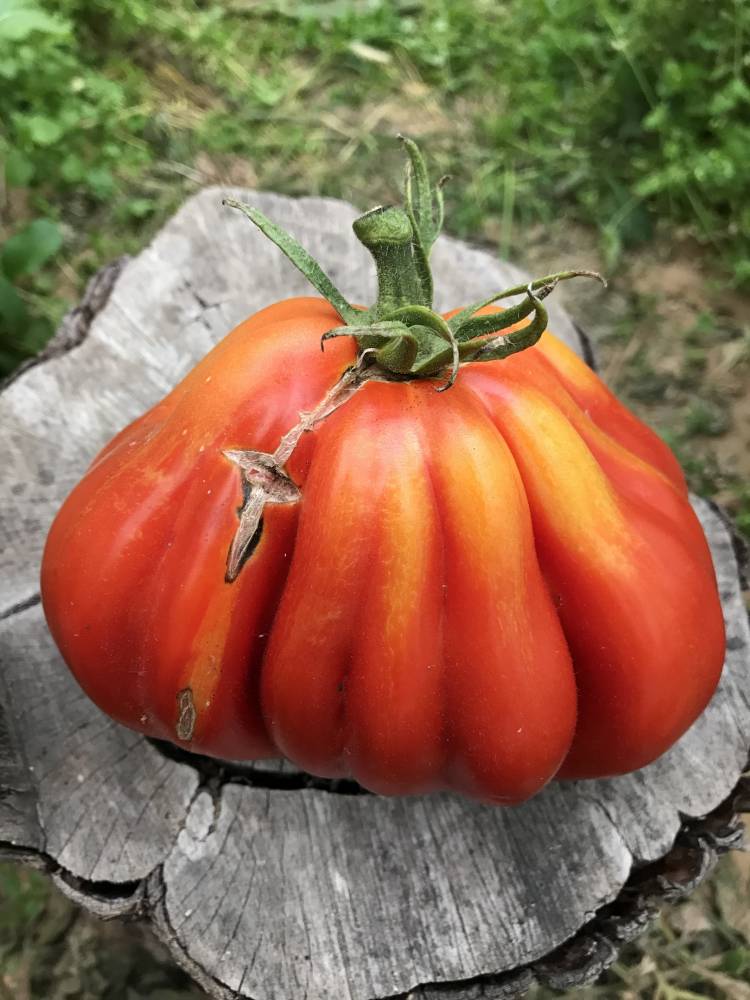
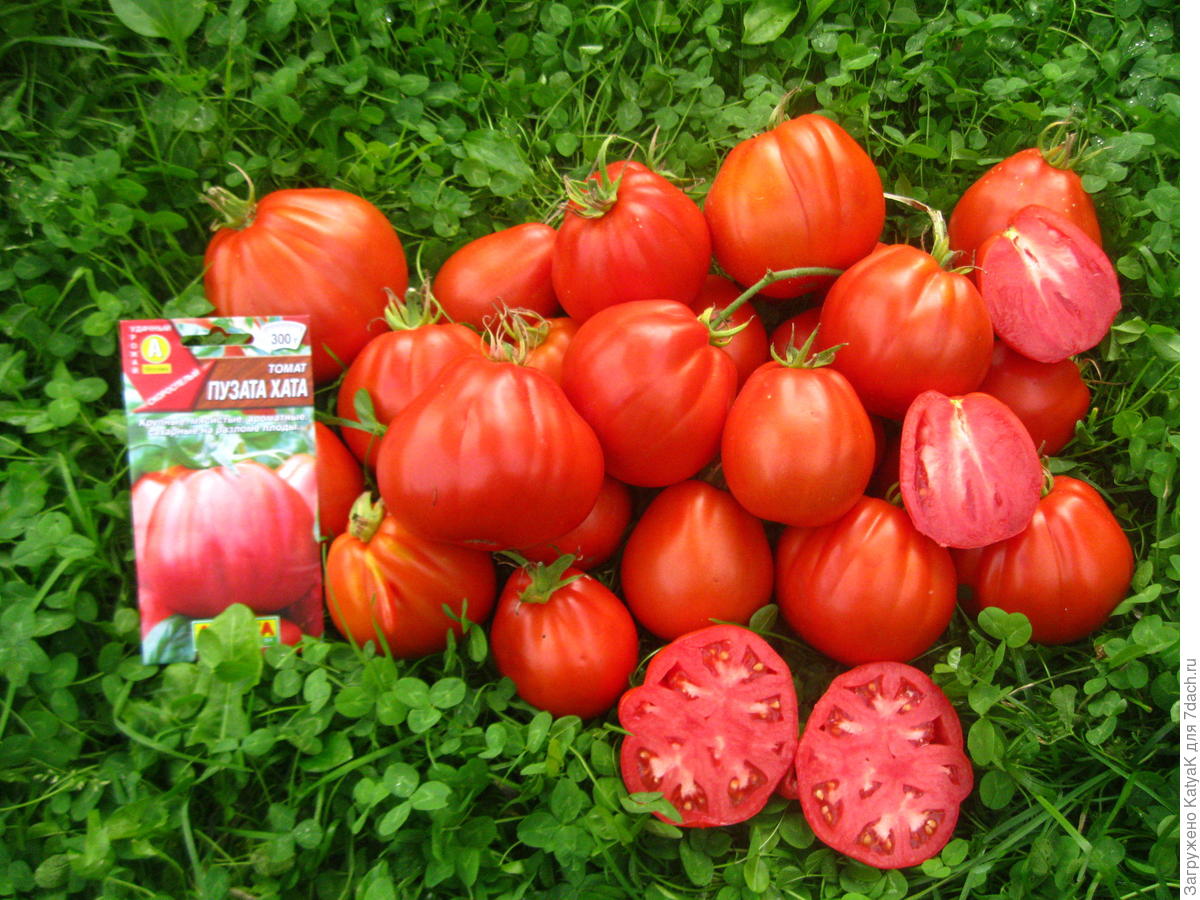
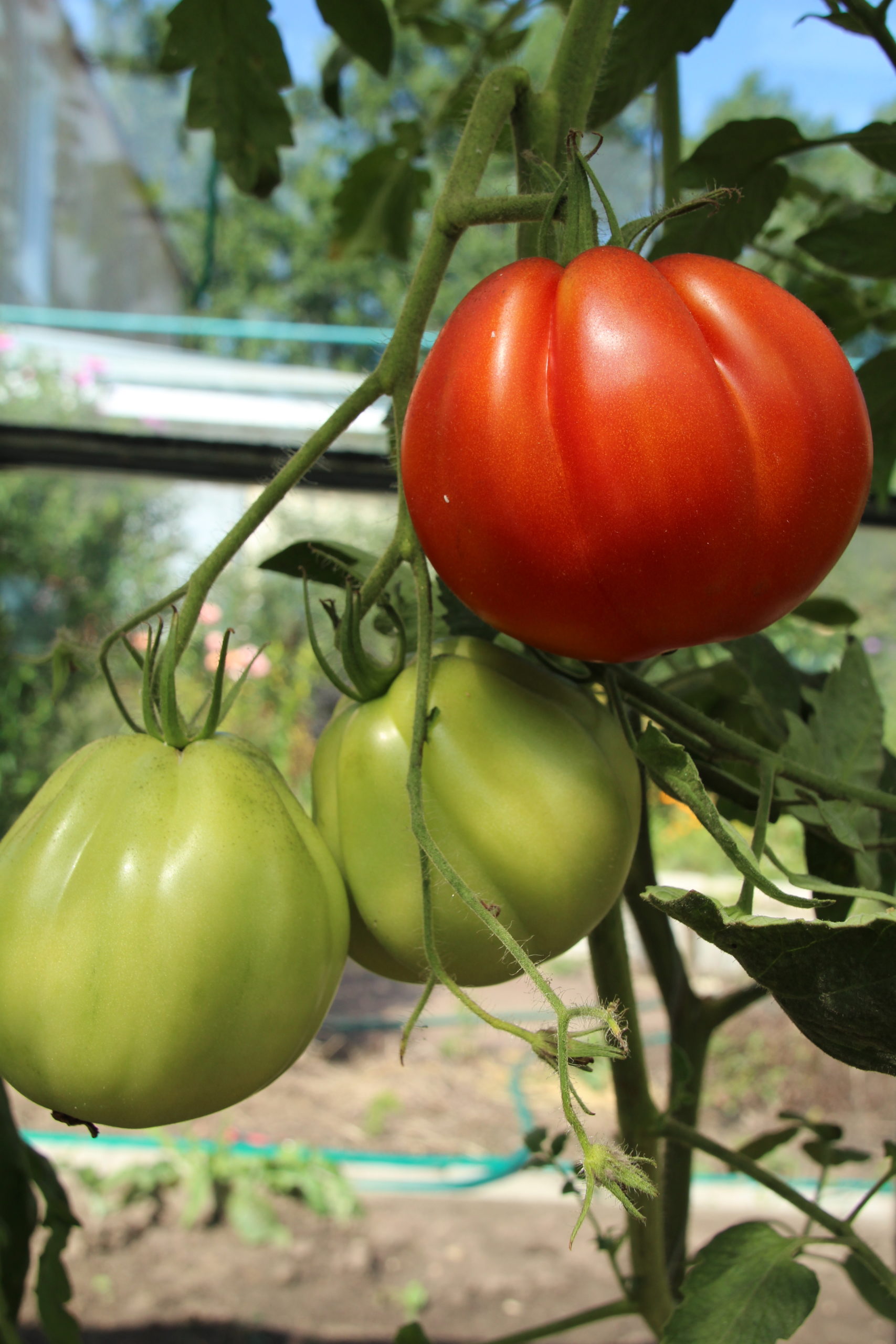
Photo gallery of tomato variety Puzata Khata
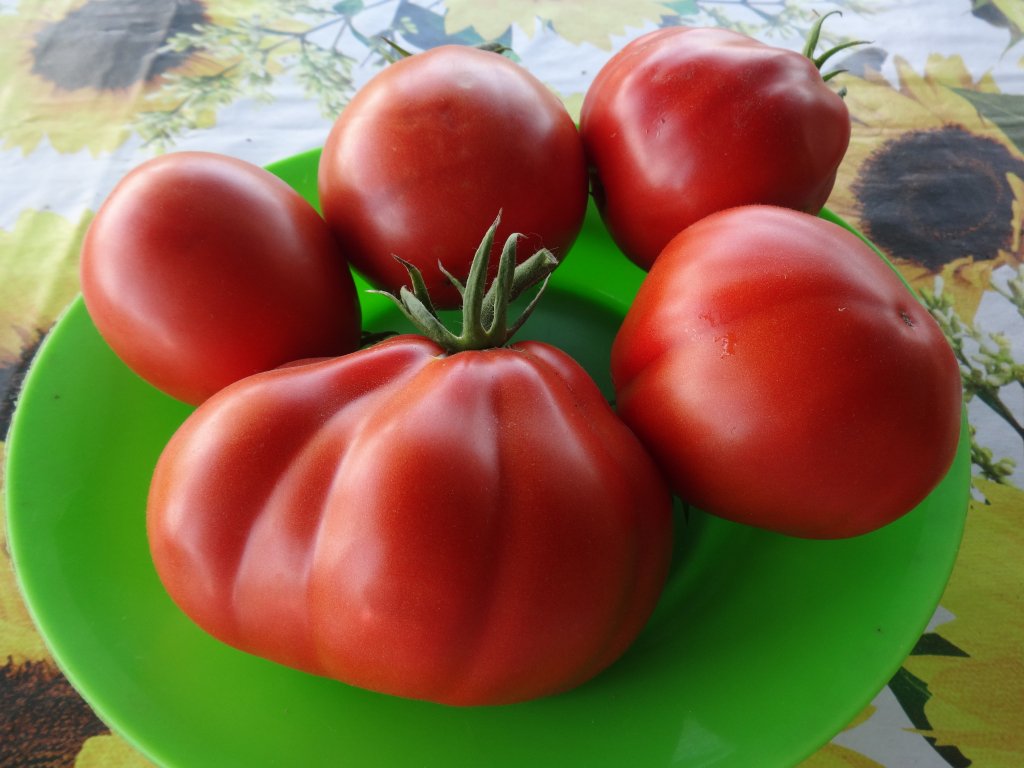
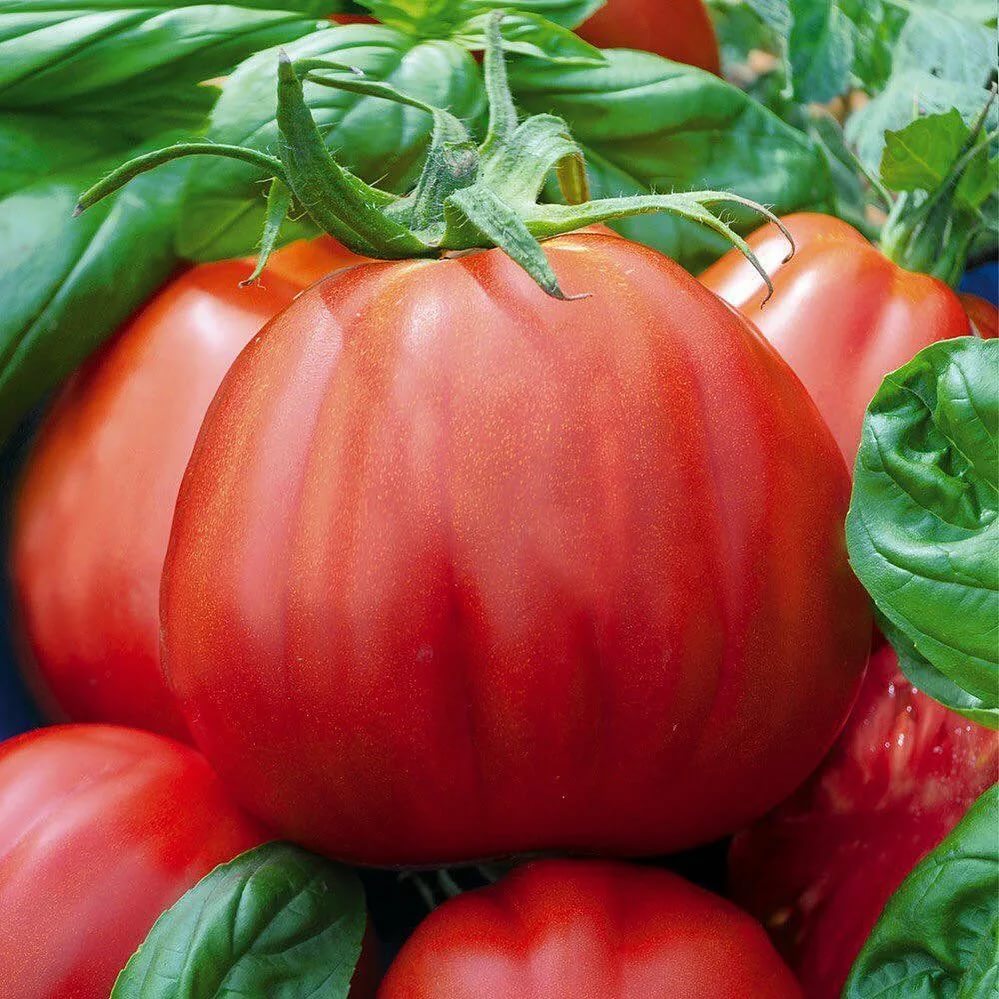
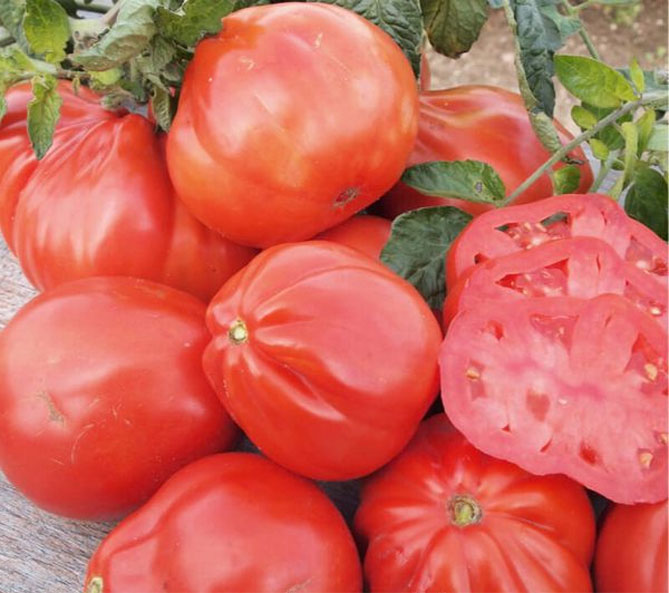
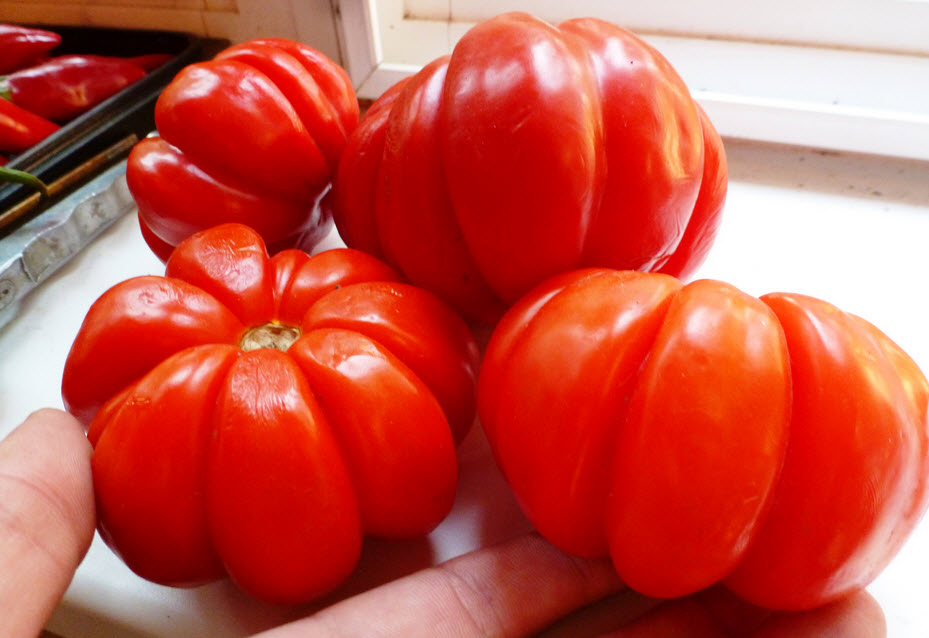
Description of the Puzata Khata and Puzata Khata Pink tomato varieties
Grows well both in greenhouses and open fields. Early maturing, it produces a bountiful harvest. Fruit growth is unlimited.
The bush reaches 150-200 cm. Due to its thin stems, it requires staking. The shoots are moderately foliated and branched. The leaves are short and emerald. The inflorescences are intermediate. The root system is taproot and well-developed.
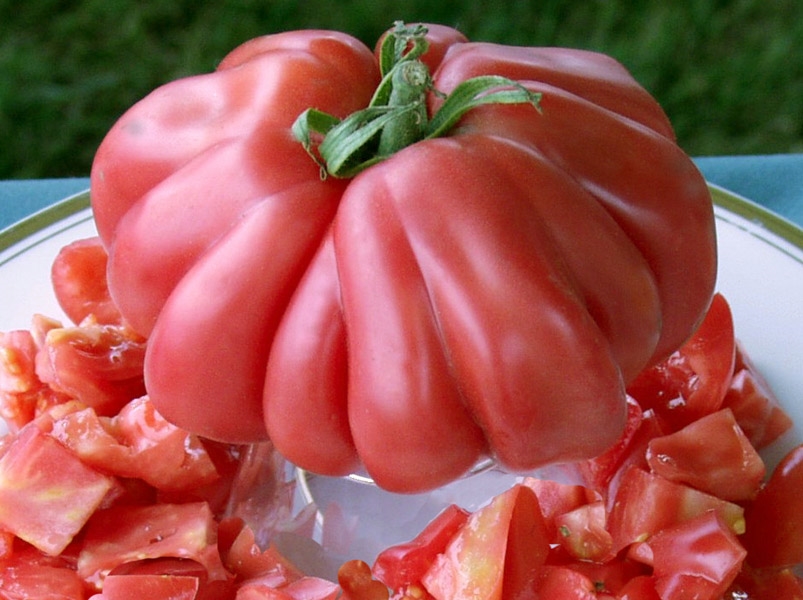
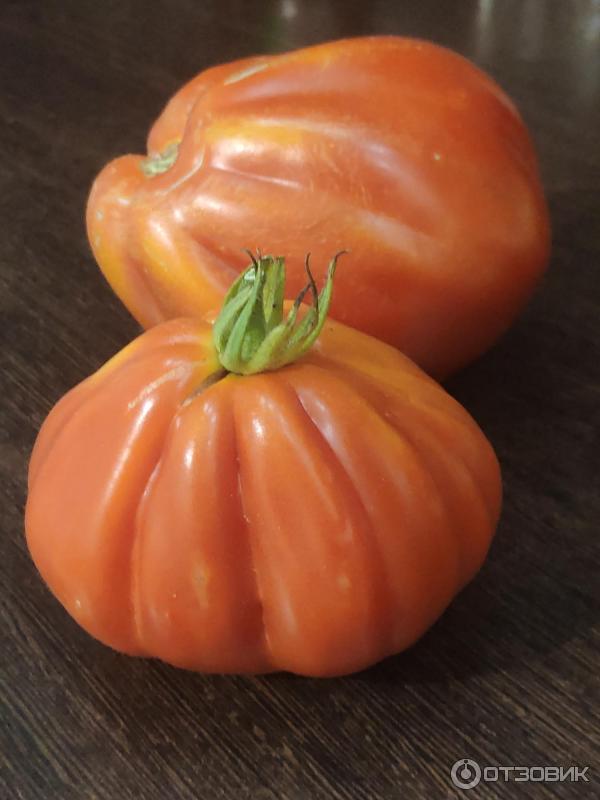
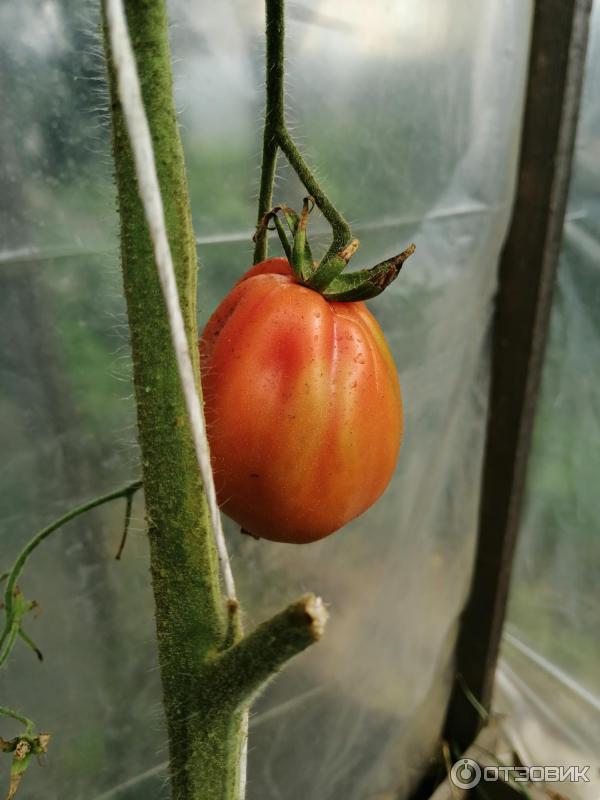
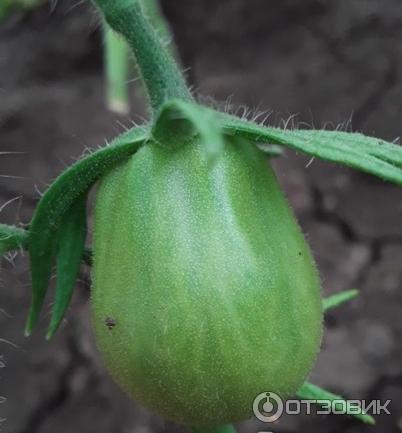
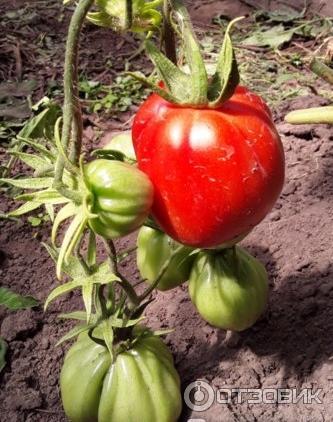
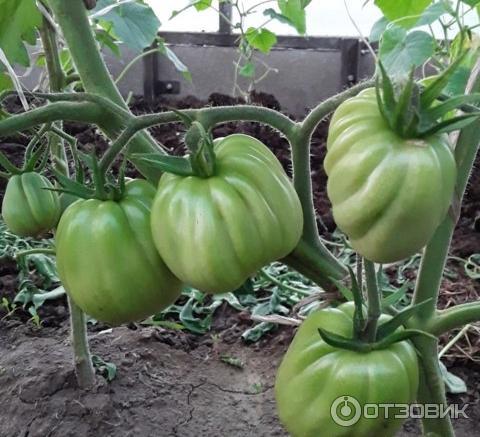
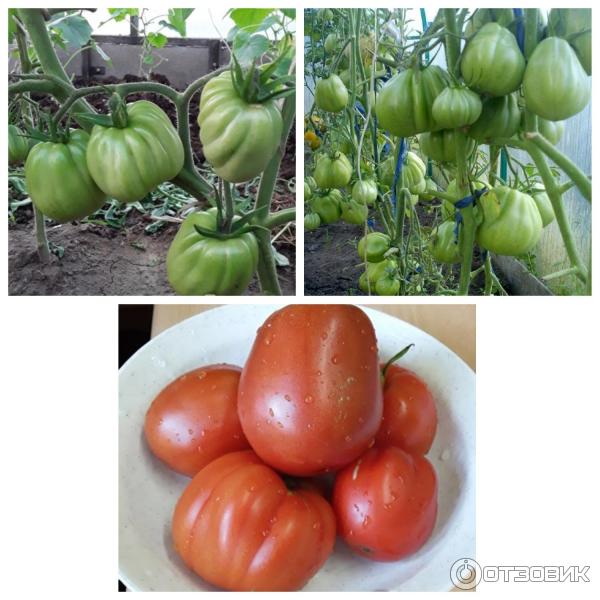
The fruits are large, pear-shaped, and ribbed. They contain 4-6 seed chambers. Unripe tomatoes are light green, without a dark spot at the base. When ripe, they turn red with an orange tint and weigh 150-250 g.
Covered with a thick skin, they rarely crack or bruise. The flesh is juicy, meaty, and tender. It contains a small number of seeds. Tomatoes can be harvested as early as 100 days after the first sprouts appear.
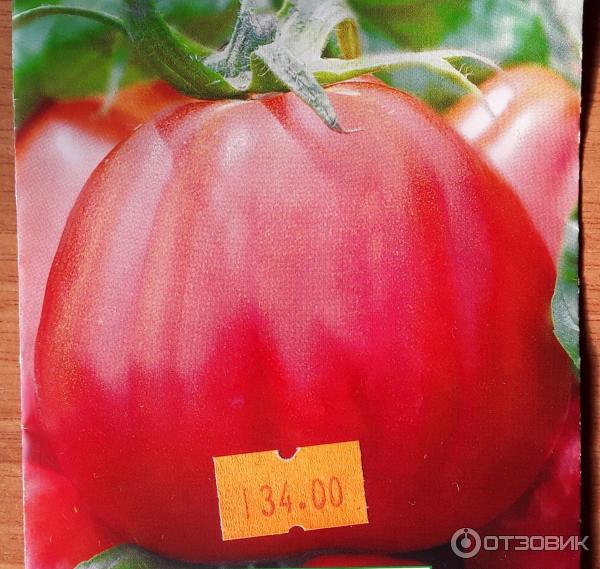
In 2018, another variety, Puzata Khata Rozovaya, was added to the register by the Aelita agricultural firm. This variety's distinctive feature is its heart-shaped fruits, weighing 210 g, with a maximum of six seed chambers and a higher yield of 1,100 c/ha and flavor. In general, they are very similar to their parent.
Advantages and disadvantages
It has the following advantages:
- Good yields (8-11 kg per square meter of bed). Experience shows that with adequate care and growing on a nutritious substrate, the bushes produce even more fruit.
- High concentration of useful elements, minimal amount of acid.
- Good storage quality. Tomatoes can be picked unripe; they ripen beautifully in a dark place. They don't rot for a long time and retain their flavor. Thanks to their long storage life, they can be grown commercially and transported over long distances.
- Large size and unusual shape.
- Relative resistance to dangerous infectious diseases.
There are also disadvantages, which are significantly fewer:
- the need for formation and garter;
- picky about the soil.
Subtleties of cultivation
Tomatoes are typically grown using seedlings, following the standard method for growing tomatoes. However, this method has some peculiarities.
Puzata Khata is a cultivar, not a hybrid. Therefore, you can grow it using store-bought seeds or seeds collected from existing fruit. Planting outdoors is possible 9-12 weeks after sowing.
Growing seedlings
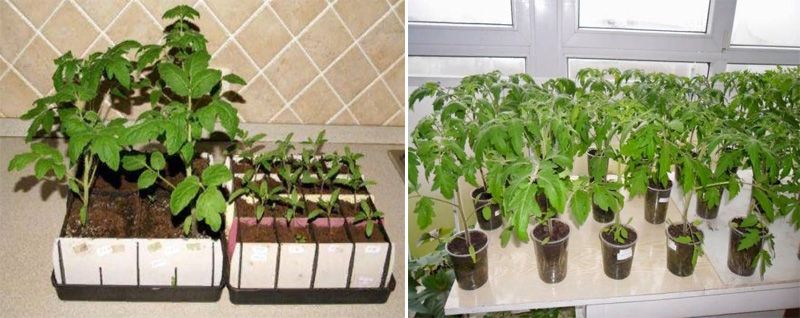
Seeds are sown in early March:
- Soak the seeds in Zircon, Epin, or NV-101. Failure to do so will result in poor growth.
- Distribute the seeds over a mixture of humus and garden soil, planting them a couple of centimeters deep.
- When the seedlings emerge, provide intense lighting. Water moderately with warm, soft water. Reduce the temperature by 5-10°C. This will accelerate root development and strengthen the plant's immune system.
- After the first true leaves appear, transplant into separate pots.
- After a week, apply fertilizer. For example, "Siyanie," "Baikal," etc.
- Introduce nutritional mixtures every week.
Planting in the ground
Plant outdoors in late May or early June, after the soil has warmed. If grown in a greenhouse, this can be done 10-15 days earlier.
Staking is essential. This applies not only to the stems but also to the fruiting branches, as they can break under the weight of the tomatoes. It's best to plant the bushes next to a special support structure called a trellis. This simplifies subsequent pruning and staking.
Plant no more than 3 plants per square meter. Train the bushes with 1 or 2 stems. If you choose the latter method, leave one side shoot growing under the first cluster of flowers. Trim off any side shoots and lower foliage.
In a single stem, all side shoots are removed as they grow. This method is recommended if the goal is to grow large fruits. Furthermore, training into a single stem helps save space in the garden bed.
Tomato care
This plant is easy to maintain. Even a novice gardener can grow it. If you follow a few rules and recommendations, the bush will grow quickly and bear fruit abundantly.
| Parameter | Recommendations |
| Weeding | Clear the area of weeds as needed. If not done promptly, weeds will rob the plant of nutrients. The plant will become weak and stop producing fruit. Weed carefully to avoid accidentally pulling or damaging the plant stem. |
| Loosening | Every 2 weeks, to ensure water and air can easily reach the roots, and hill up the plant. |
| Watering | Once a week. More frequent watering is recommended during droughts. The water should be warm and softened (rainwater or settled water). |
| Pinching out side shoots | Pinch off any excess shoots with your fingers or trim them off with a sharp knife once a week. Don't allow side shoots to grow taller than 10 cm. The most important thing is not to confuse side shoots with flower clusters: the former grow from the leaf axils, while the latter grow from the stem. |
| Formation | To ensure large fruit, leave a maximum of 8 clusters. Remove any lower leaves touching the ground. Pinch out the growing tips. |
| Garter | They can be tied to individual supports such as poles or a trellis. This manipulation should be carried out as the fruits ripen and gain weight. |
| Top dressing | Regularly, alternate organic and mineral mixtures. The plant prefers manure. To prepare the fertilizer, dilute the main component with water (1:10). Let it sit for a couple of weeks and then water the plant. Chicken manure can also be used, but in a less concentrated form. You can buy fertilizer for tomatoes and other vegetables at the store. It's recommended to spray the bushes with superphosphate dissolved in water. This should be done at dawn or dusk, in fog or rain, to prevent ultraviolet rays from hitting the damp foliage and causing burns. |
It ripens unevenly and continues to bear fruit even after the cold weather sets in. Therefore, it's important to consider covering the bushes in advance to prevent them from freezing and dying.
Tomato diseases and pests
This variety is resistant to various diseases and insects, but preventative measures should not be neglected. Before planting, water the soil with a solution of potassium permanganate or copper sulfate to kill infections. To prevent root rot, mulch the bushes with peat, humus, or straw.
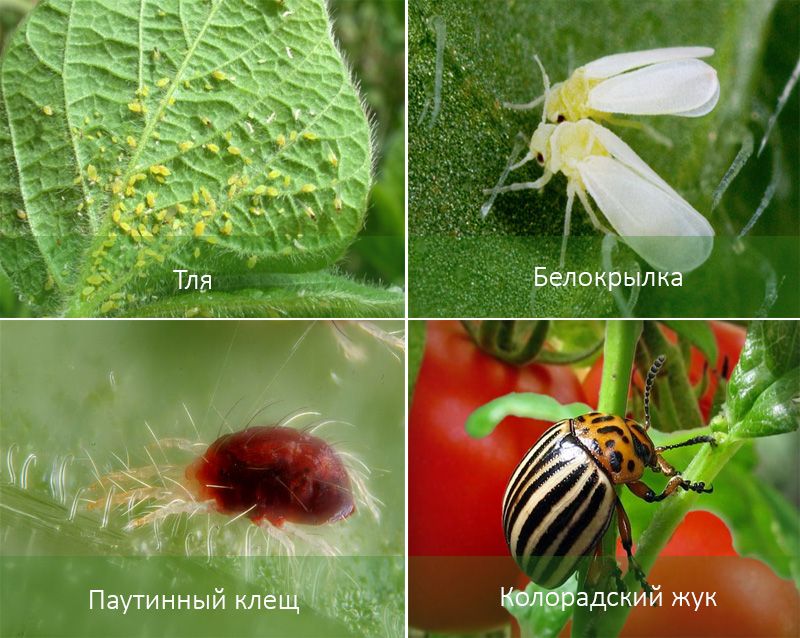
To reduce the risk of insect infestation, regularly inspect for their presence and spray the crop with a potassium permanganate solution. If pests do appear, immediate control is necessary:
| Insect | Signs | Destruction |
| Aphid |
|
|
| Whitefly |
|
|
| Thrips |
|
|
| Spider mite |
|
|
| Colorado beetle |
|
|
When using commercial pest control products, it's important to follow the dosage instructions on the packaging. Otherwise, they may not only be ineffective but also cause harm to the crop.
Top.tomathouse.com recommends: Puzata Khata tomato – a dietary dish
Puzata Khata contains a large amount of glucose and other beneficial nutrients. However, tomatoes have a minimal amount of acid. They are suitable for dietary purposes and can be included in children's diets.
The fruits are considered versatile. They can be eaten in any form: canned, raw, or added to salads. Tomatoes make delicious juice, and they retain their flavor even after cooking.
Comparison of the Puzata Hata tomato variety with other varieties in the table
Please note! How can you easily convert centners/ha to kg/sq.m? Simply divide by 100! For example, the Abakansky Pink tomato yields 400 centners of marketable fruit per hectare. This equals 4 kg per square meter. It's that simple! Also, keep in mind that typically no more than 3-4 plants are planted per square meter. This way, you can calculate the yield per bush. In the case of the Abakansky Pink, it's about 1 kg.
| Variety | Ripening period (number of days from full germination to ripening)
Yield of commercial fruits |
Brief description | Fetus |
| Pot-bellied house | about 100 days 820-920 c/ha (greenhouse and under film) |
An early-ripening indeterminate variety for open ground and greenhouses. Requires staking and shaping. Suitable for salads. | Pear-shaped, ribbed, medium density, red, 200-260 g. Good taste. |
| Pot-bellied pink hut | about 100 days
1100 c/ha (greenhouse and under film) |
An early-ripening indeterminate variety for open ground and greenhouses. Requires staking and shaping. Suitable for salads. | Reverse heart-shaped, medium density, strongly ribbed, red, 210 g. Excellent taste. |
| Mushroom basket | 115-120 days
630 c/ha |
A late-ripening, indeterminate, standard variety for open ground and greenhouses. Requires staking and shaping. Suitable for salads. | Flat-round, very strongly ribbed, medium density, pink, 250 g. Good taste. |
| Raspberry Strongman | 112-116 days
880-900 c/ha |
A mid-season indeterminate variety for open ground and greenhouses. Suitable for canning. | Pear-shaped, large, smooth, medium density, raspberry, 150-190 g. Good taste. |
| One hundred poods | 120-155 days The yield of commercial fruits in film shelters is 8.5-9.0 kg/sq.m. |
A mid-season indeterminate variety for open ground and greenhouses. Requires staking and shaping. Suitable for salads. | Pear-shaped, strongly ribbed, medium density, red, 170-250 g. Good taste. |
| Red pear | about 100 days
500-560 c/ha |
A mid-season indeterminate variety for open ground and greenhouses. Requires staking and shaping. Suitable for salads. | Pear-shaped, smooth, dense, red, 45-65 g. Good taste. |
| Grushovka | 105-115 days
1500-2500 c/ha |
A mid-season determinate variety for open ground and greenhouses. Requires staking and training. Suitable for salads and canning. | Pear-shaped, fleshy, pink or red, 125-150 g (up to 250 g). Excellent taste. |
| Honey drop | 100-105 days
880-950 c/ha (greenhouse and under film) |
A mid-early indeterminate variety for greenhouses. Suitable for salads. | Pear-shaped, medium density, without ribbing, yellow, 40-50 g. Good taste. |
| Japanese truffle | 110-120 days 1350-1800 c/ha (up to 4.5 kg from one plant). |
A mid-early indeterminate variety for open ground and greenhouses. Training in 2 or 3 stems is recommended; staking and pinching are required. Suitable for salads and excellent for canning. | Pear-shaped, ribbed, medium density, red, 100-150 g. |
| Raspberry Giant | 105-110 days
590 c/ha |
An early-ripening determinate variety for open ground and plastic greenhouses. Requires staking and training. Suitable for salads. | Round, slightly ribbed, medium density, raspberry, 200-300 g. Excellent taste. |
| Bells of Russia | 103-108 days
290-310 c/ha (greenhouse and under film) |
An early-ripening, determinate, standard variety for open ground cultivation. Suitable for salads and whole-fruit canning. Marketability: 91%. | Strongly pear-shaped, smooth, pink, 52-55 g. Excellent taste. |
| Raspberry mousse | 90-95 days
1600-1700 c/ha (open ground), 2000-2200 c/ha (greenhouse and under film) |
An early-ripening determinate variety for open ground and greenhouses. Training into 3-4 stems is recommended. Suitable for salads and processing into tomato products. | Round, large, dense, pink, 200-300 g. Excellent taste. |
| Crimson Dawn | 110-115 days 790 c/ha |
A mid-season indeterminate variety for open ground and greenhouses. Requires staking and shaping. Suitable for salads. | Heart-shaped, loose, ribbed, raspberry, 350-400 g. Good taste. |
| Pudovik (Sensei) | 112-115 days
1550 c/ha (greenhouse and under film) |
A mid-season indeterminate variety for open ground and greenhouses. Requires staking and shaping. Suitable for salads. | Heart-shaped, ribbed, medium density, raspberry, 290 g. Excellent taste. |
Real reviews from gardeners about the Puzata Khata tomato variety
Reviews of this variety range from positive to negative. Gardeners' opinions differ dramatically. For example, some claim the bushes produce a large number of fruits, while others say the crop yields virtually no fruit and simply takes up unnecessary space in the garden. Some describe the tomatoes as tender, delicious, and juicy, while others claim they are bland and suitable only for pickling and marinating.
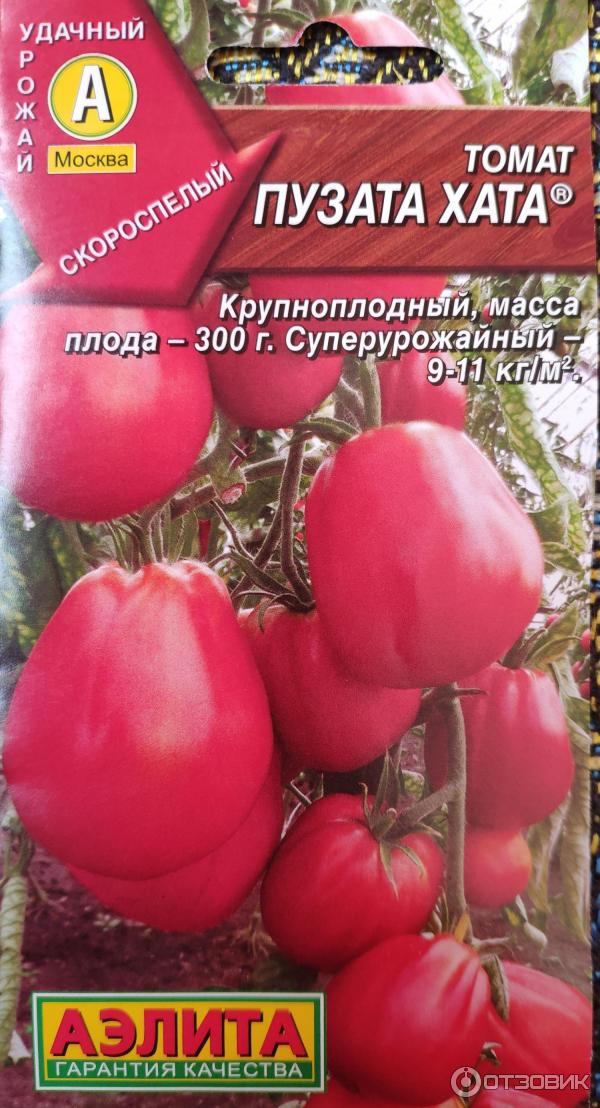
The "Puzata Khata" tomato variety is a twin of the "Sto Pudov" variety. There are differences, of course, but I'll say right away that they're minimal! I've been planting both of these varieties for several years, and even then, I can't always tell which tomato I'm looking at—the "Sto Pudov" or the "Puzata Khata"—just by looking at it.
Let's look at the competitive advantages the seed producer emphasizes to consumers. It states that the "Puzata Khata" tomato primarily:
+ early maturing,
+ large-fruited,
+ super-productive.
Please note that the manufacturer states that the "Puzata Khata" variety is intended for outdoor cultivation! This is exactly the case for me.
Although I usually don't pay much attention to this. The varieties I've already reviewed, such as "Verlioka Plus," "Intuition," and "Sto Pudov," although originally recommended for greenhouse cultivation, have also performed well in open ground.
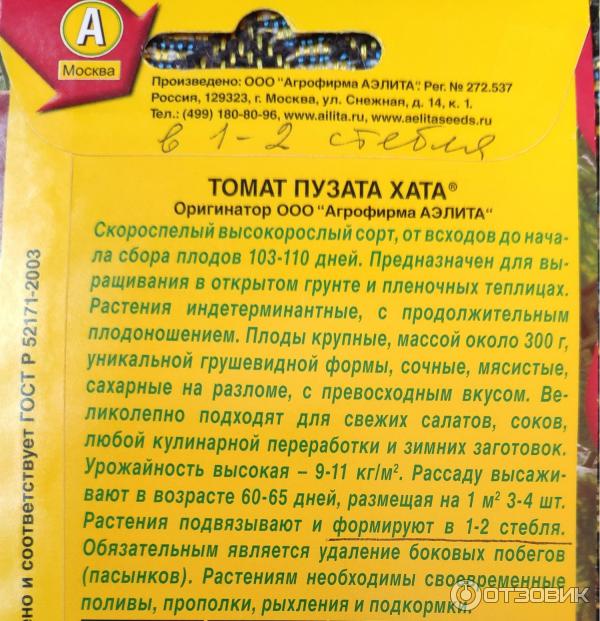
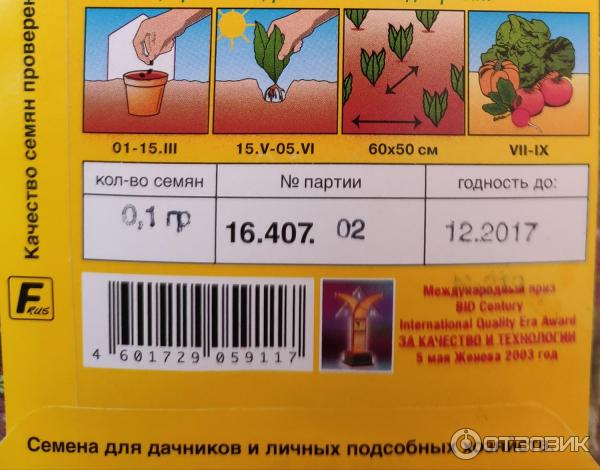
From the description on the back of the pack, you can identify other important characteristics of the variety:
+ tall,
+ with long fruiting,
+ unique fruit shape,
+ excellent taste.
The agricultural practices recommended by the manufacturer for the "Puzata Khata" variety are exactly the same as those for the "Sto Pudov" variety, with the only difference being that the fruiting period is stated to be a month longer—up to and including September.
Just like with the Sto Pudov variety, the packet of seeds is long expired, because I have been storing seeds collected from my tomatoes in it for several years now.
In case anyone doesn't know, I'll clarify that you can easily collect the seeds yourself, but only if the variety is NOT a hybrid (F1).
The 'Puza Khata' tomato bushes are strong, tall, and sturdy, producing abundant fruit. Naturally, regular pinching, shaping the plant to a maximum of one or two stems, staking, and regular watering are essential care measures for this variety.
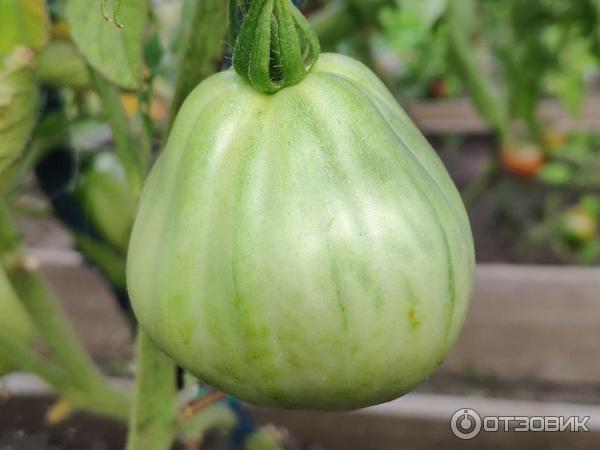
Tomatoes of an original shape, very similar to the “Sto Pudov” tomatoes – a ribbed pear.
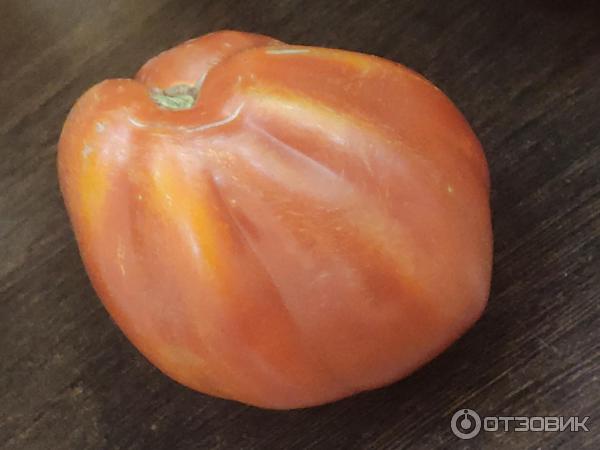
The only difference from the Sto Pudov tomatoes that I was able to discern during prolonged observation was a slight asymmetry of the fruits.
And even then, it's not a given that this is a 100% consistent pattern. Nevertheless, I did notice that "Pot-bellied House" is more pot-bellied in one direction.
Look closely at the area where the fetus's peduncle is located. It appears to be slanted to one side.
Otherwise, these two varieties are very, very similar.
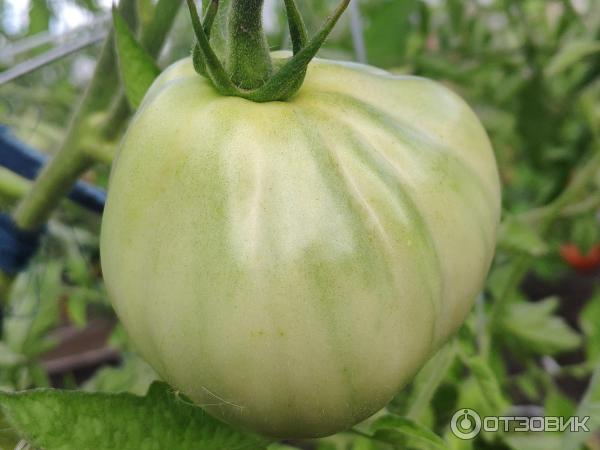
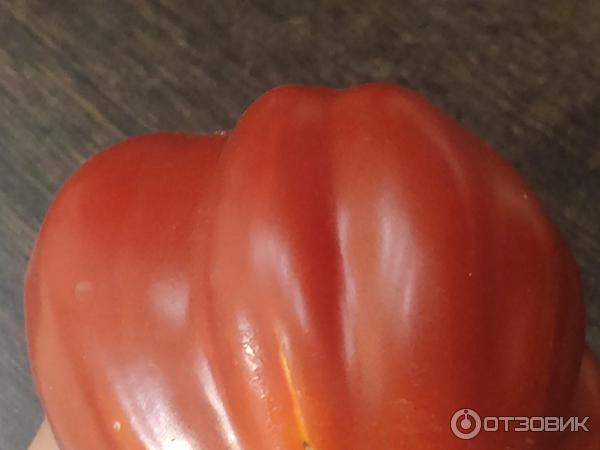
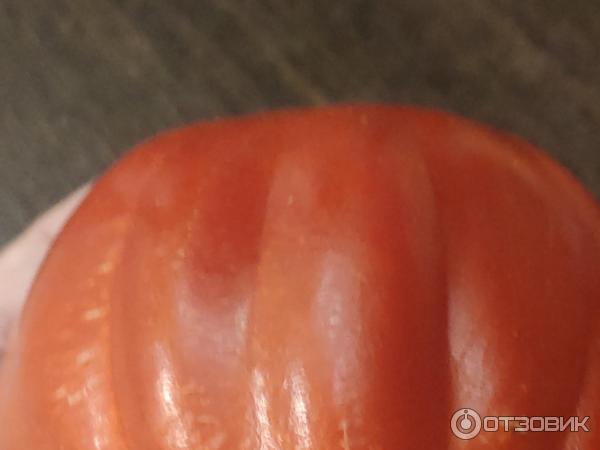
They have beautiful, textured ribs.
And one more thing. "Puzata Khata" still produces larger fruits. With the same care, "Puzata Khata" produced fruits whose average weight was on the upper end of the "Sto Pudov" fruit range.
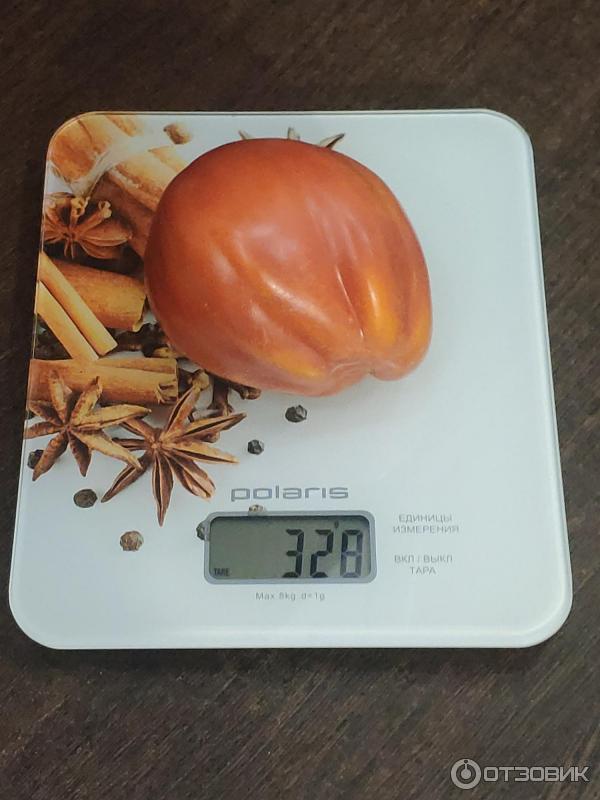
For example, this is the weight of a typical, "average" tomato called "Puzata Khata." There are slightly smaller ones, but some are larger. The "Sto Pudov" variety also produces fruits of this weight, but the majority are slightly smaller.
It's nice that the "Puzata Khata" variety is very large-fruited and productive. But you have to admit, if these characteristics led to bland-tasting tomatoes, these advantages would be worthless!
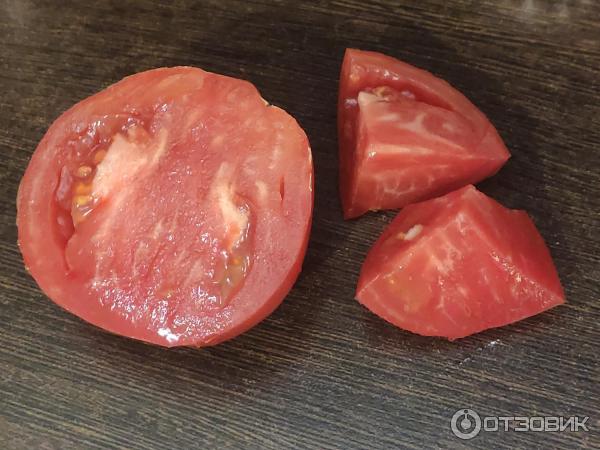
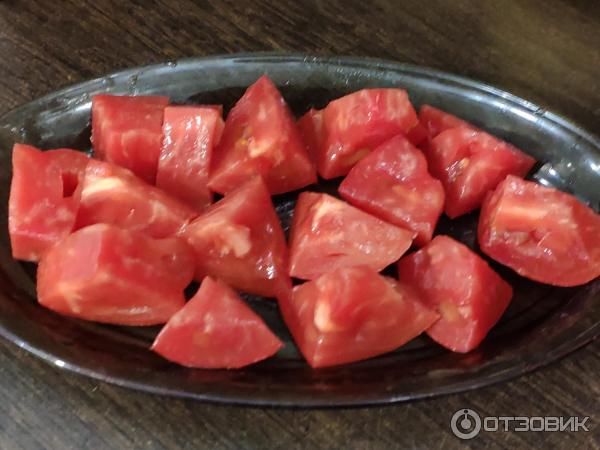
"Puza Khata" is delicious! The skin is thin, the flesh is juicy, meaty, and sweet!
Very tasty tomatoes! Amazingly pleasant!
It's nice to pick up a tomato like this and just eat it, biting into it like an apple.
I like to plant different varieties of tomatoes so I have a choice of size, shape, and color. I try some varieties and forget about them, while others become must-plants.
'Puzata Khata', along with 'Sto Pudov', is one of my favorites. I'll definitely continue to plant it. And, of course, I recommend you try it too. Yes, it does require a little attention (pinching, staking, and shaping it into two stems), but the small effort will be rewarded a hundredfold with a generous, beautiful, and delicious harvest! 'Puzata Khata' is a wonderful variety, definitely deserving of becoming one of your favorites. Give it a try, and you'll thank me.
And let me remind you about the "Intuition" variety, so you don't forget to stock up on it for next season. It's a gorgeous variety, especially good for canning, very productive and beautiful. I love them! I hope you like them too.

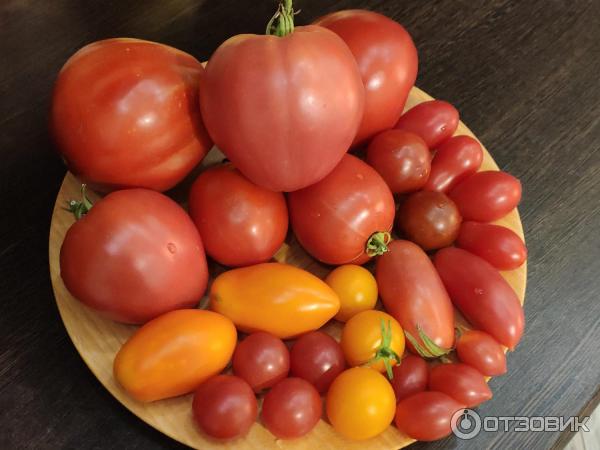
And again I'm trying new varieties at the dacha))
Puzata Khata—there are so many reviews about it, especially in Aelita's Instagram group. Marketing works, after all, how could it not? I wouldn't have known about this variety and wouldn't have wanted to try it.
What attracted me to this variety? The large fruits and the fact that it's a salad variety.
I can’t tell you the price, but the seeds don’t cost more than 25 rubles.
So, what are we promised? This variety is early ripening. I'm not sure if it depends on the region where it's planted, or the conditions in the greenhouse, or how early the seedlings were planted. But I planted them in the greenhouse on May 15th, and the seedlings were planted on March 10th, all without grow lights on the windowsill. And the fruit ripened just as well as other varieties.
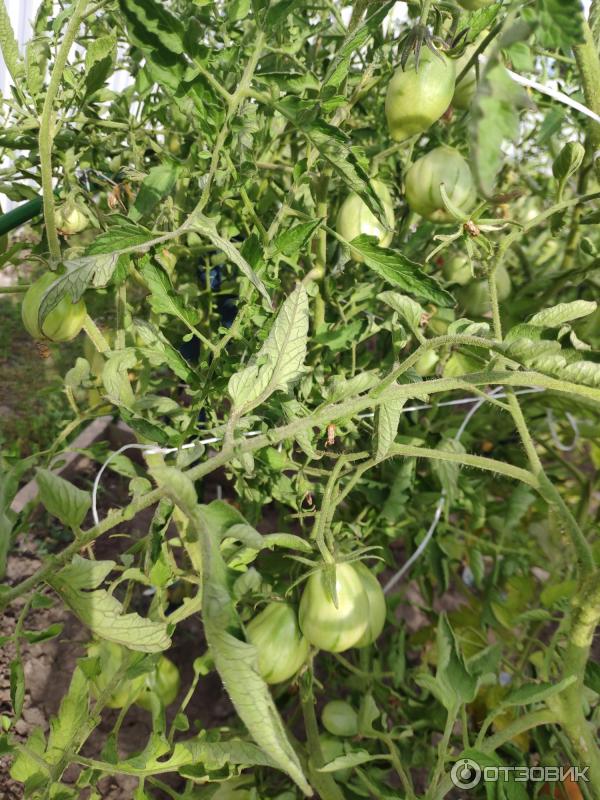
The height is 1.5-2 meters. Mine is higher, probably 2.5 meters or more, and I pinched the tops. I don't usually do this and let the plants grow unchecked, but this year I decided to check and compare the differences. There was absolutely no difference in the number of flowers or fruits, and as of August 1st, all my plants were leafless.
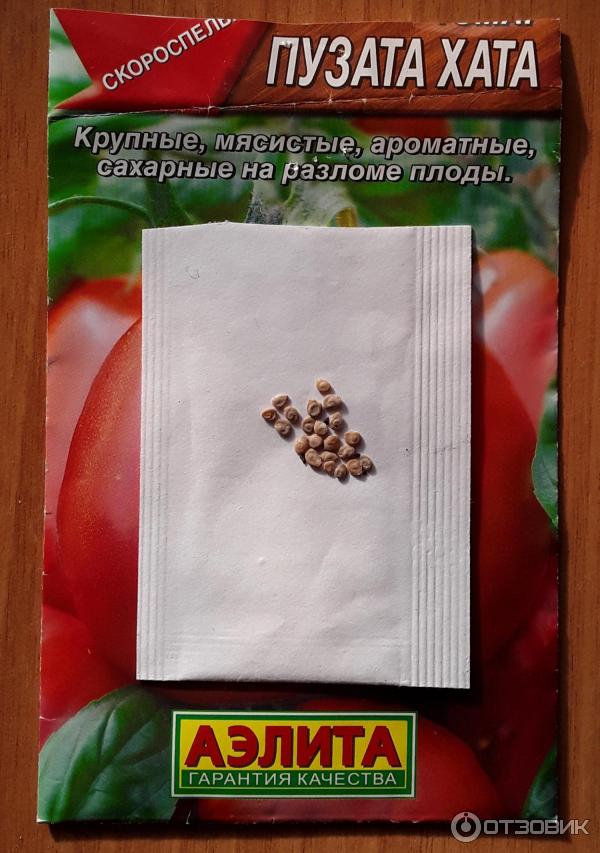
Please note that there are 20 seeds in the packet, which is simply wonderful, the seeds are cheap, and there is a lot of them!
One or two stems? This year, almost all my plants are single-stemmed, but I can definitely say that this variety can be grown with two stems; there aren't many branches, and side shoots still need to be removed.
I've planted a lot of varieties, so I only have five plants of this one. I planted five seeds, and five sprouted. I only have four plants in the greenhouse; I gave the extra seedlings to a kindergarten for their greenhouse.
Unusual! Right? My husband called this variety "dead man's buffs." And they really are uneven, unusual, not even typical tomatoes.
In total, there are nine fruits per plant. Is that a lot? Not that many, but still a good number.
So, my opinion of this variety is that it's interesting, very tempting, even unusual, but I wouldn't plant many of these. Firstly, I prefer the classic tomato shape. Secondly, they're not the most fruitful. Next year, I'll plant no more than three plants of this variety.
If I were to write specifically about the seeds, I'd give them a solid 5 stars—they're inexpensive, there's plenty in a packet, and the germination rate is 100%. After all, this thread is about the seeds, not the variety.Taste: fleshy, salad variety, without white core inside.
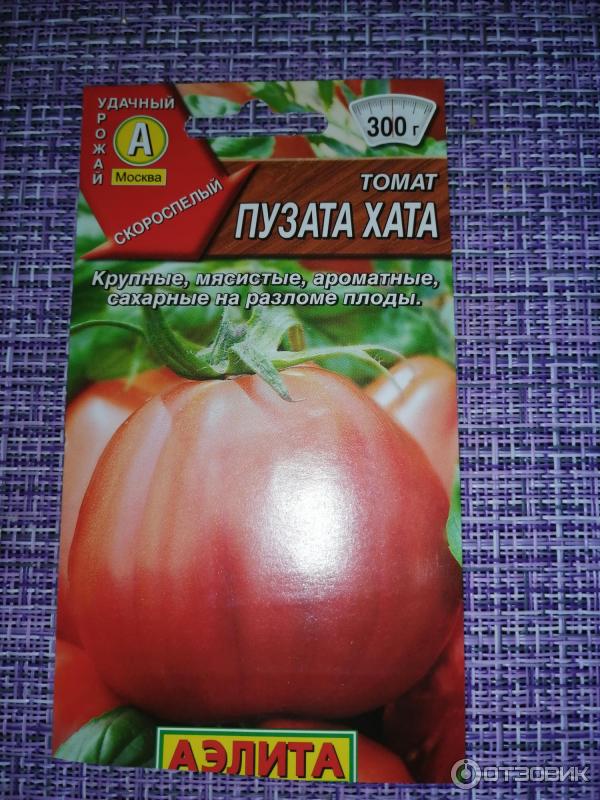
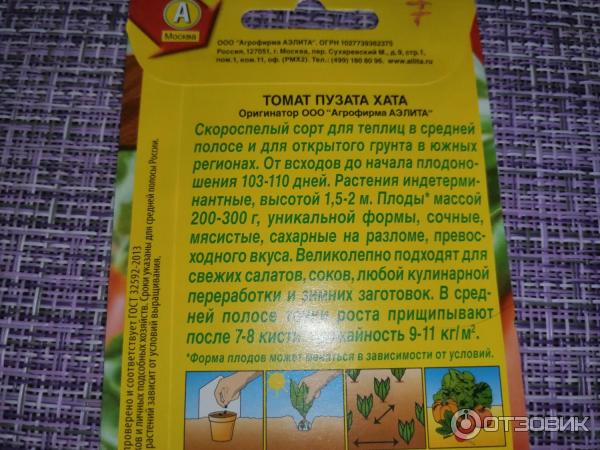

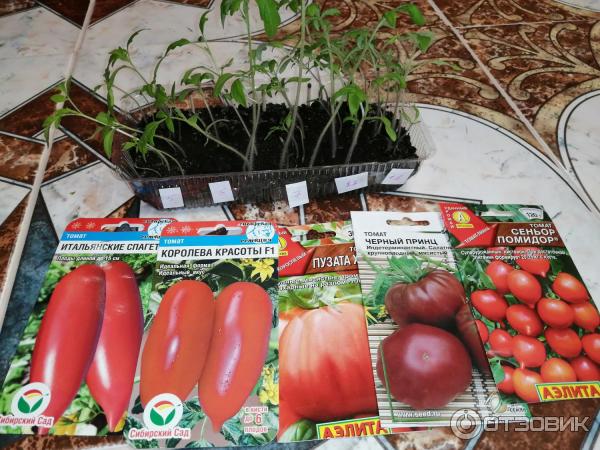
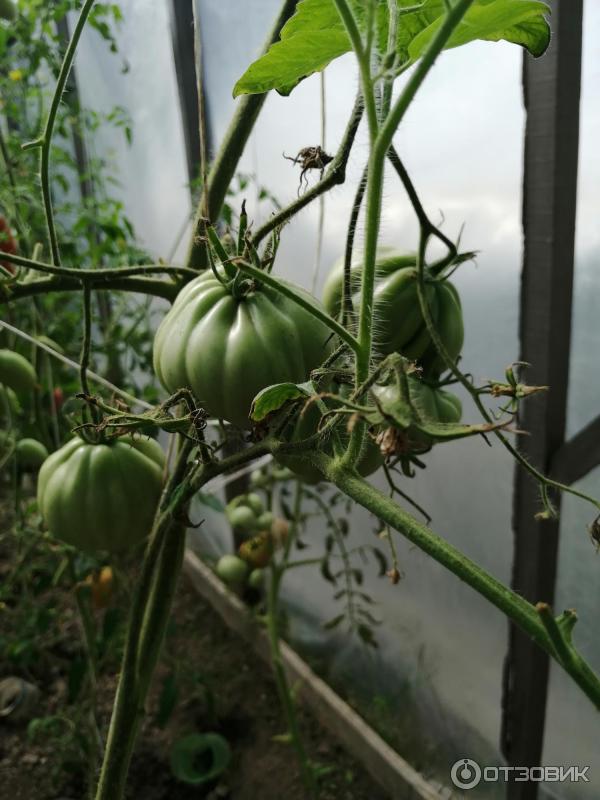
My first encounter with this variety, ‘Puzata Khata’, occurred three years ago.
Our neighbor, who is also obsessed with gardening like us, treated us to her praised tomatoes.
The tomatoes won us over not only with their presentable appearance, but also with their excellent taste.
They ate it, as they say, without batting an eye, and somehow at that moment I didn’t think to leave the seeds.
I had no idea this tomato was a cultivar. With such an unusual shape and a candy-like flavor, I was absolutely certain this "Puzata Khata" was a hybrid.
I remembered about him only when it was time to plant.I ran to a friend to find out about the variety and learned that "Puzata Khata" is a common variety from which you can make your own seeds.
She asked if she had any seeds left that she had prepared.
But by that time she had already given it to many, and sowed the rest for herself.
She reassured me that she would give me a couple of grown seedlings.
I lived peacefully, without overworking myself with growing seedlings.
And so, on the appointed day, at the appointed hour, I went for my Pot-Bellied Hut.Everything went like clockwork.
The seedlings grew by leaps and bounds.
Strong and powerful. The ovaries were also filling out right before our eyes.The tomatoes grew by leaps and bounds.
But everything “fell apart” one fine day when I noticed that the shape of the fruit was in no way similar to Puzata Khata.
They were beautiful, fleshy and well-aligned.Only when they began to fill out and ripen on the bush, I was already sure that I had gotten the wrong variety.
The tomatoes were yellow.
Of course, I wasn’t too upset, because they were magnificent both in appearance and taste.
Well, I couldn't grow Puzata Khata this year. But I did grow some wonderful tomatoes, which I'll write about some other time.Without giving up, the following year I decided to buy proven seeds from Aelita. It turned out to be easy to find; I saw them for sale in almost every seed store.
I took one packet.
The colorful bags of this company are recognizable to everyone: with their own logo.
The cost of these seeds turned out to be next to nothing.
Only 34 rubles per package.
And there were plenty of seeds there. They were packed in an extra paper bag.
I even left some of it for next year.
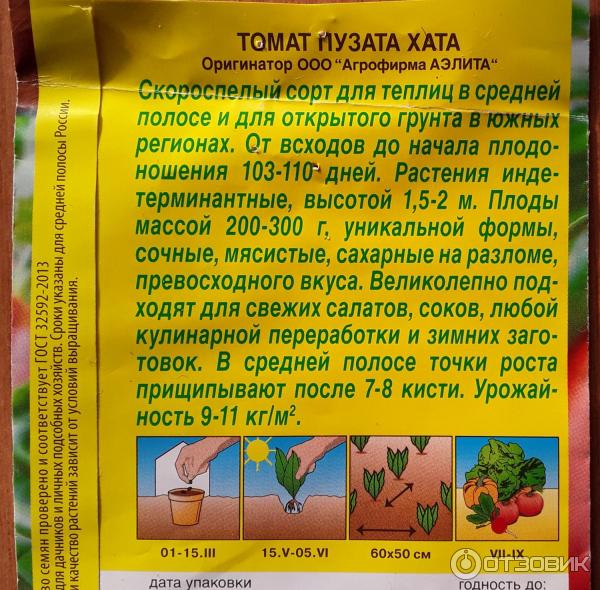
Anyone interested in information about the tomato can find a description on the back of the package.
Germination is excellent.
They rose very quickly.
There were no problems with either the seedlings or the tomatoes themselves. They didn't suffer from blackleg or late blight.
As it turned out, the variety is very resistant to various diseases.
Although I sprayed the leaves with milk whey twice, maybe this saved them from the disease.
As the manufacturer promised, the tomatoes grew large, only on the upper clusters they were smaller.
Very fruitful, covered to the top.
The taste is incomparable, sweet, and sugary when broken.
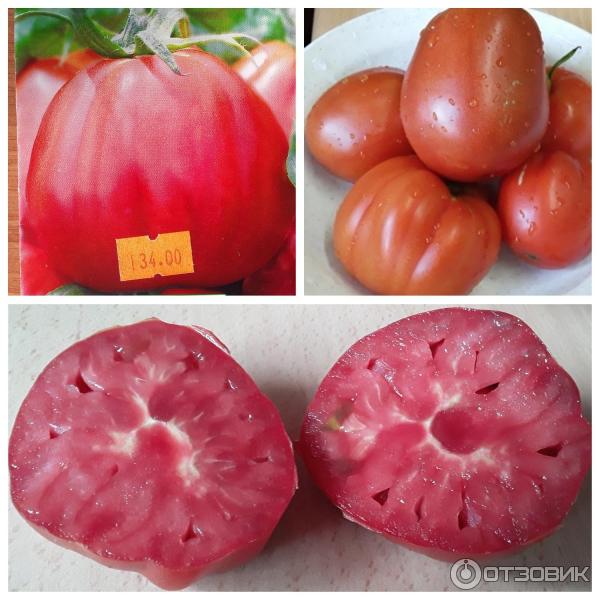
The first tomatoes had very few seeds, maybe 20 at most. Only the flesh was a rich pink-crimson color, although the outer skin (skin) of the tomato is red—a distinctive feature of this variety.
The Puzata Khata tomato has become my favorite and, since last year, has added to my collection of the most worthy and best fleshy varieties.
Plus, here are some more advantages of this variety:
— the yield was "mind-blowing." They bore fruit until autumn.
- excellent keeping quality.
Once picked from the bush, they can be stored for a long time, maintaining their marketable appearance. Even when ripened, tomatoes do not wrinkle or dry out.
— this is a variety, not a hybrid, you can prepare the seeds yourself, which is what I did.
— a universal variety, you can make preparations for the winter, preserve and pickle (I divide the tomato into 2-3 parts), eat it fresh.
- an unpretentious and undemanding variety.RESULT.
I am very grateful to the manufacturer for creating such a wonderful tomato variety.
I have planted, am planting and will continue to plant this Puzata Khata.
And, of course, I recommend this variety to everyone for planting.
Thank you for your attention.
Until next time.
Your Drops of Goodness:)


Indeed, in some cases, the variety's characteristics may not match the official description. The yield largely depends on soil fertility, climate, care recommendations, etc. To determine whether a tomato is suitable for growing in a particular garden plot, try planting several bushes and observe their growth rate and fruiting. For maximum results, follow the care and planting guidelines described earlier.