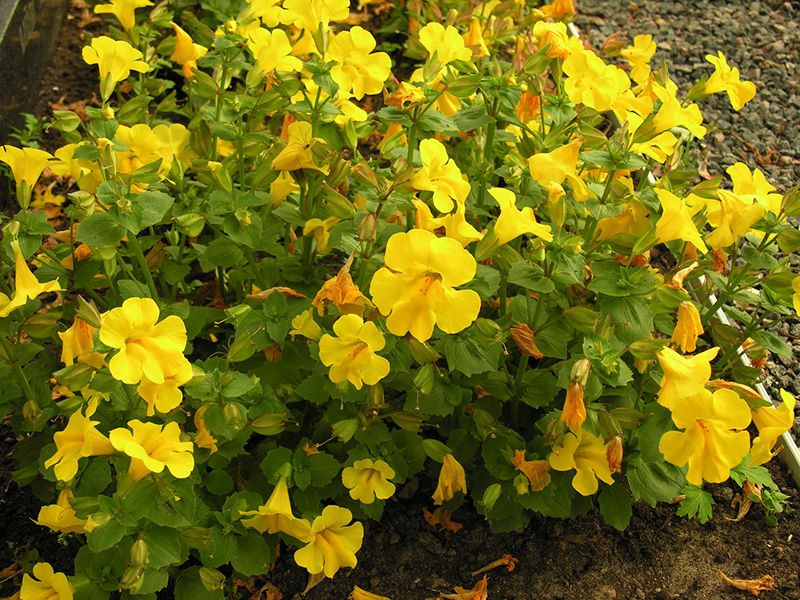
Mimulus (or 'mimulus') is a subshrub or herbaceous plant. Its distinctive features include the mottled, variable coloration of its petals and the resemblance of its buds to a monkey's face. It belongs to the Frimaceae family and grows in temperate climates, excluding Europe. Most specimens are found in humid zones in western North America. In Russia, the flower is rarely seen. It is typically used to decorate rock gardens, flowerbeds, terraces, gazebos, and loggias.
Content
Description and characteristics of mimulus
This is a perennial plant, but in Russia's harsh climate, it is planted as an annual. However, there are also winter-hardy varieties that can easily withstand temperatures as low as -20°C.
Subshrubs reach 1.5 m, while herbaceous plants reach 0.7 m. The shoots are prostrate, spreading, or upright, hairy or bare. They bear heart- or egg-shaped leaves.
The buds are regular in shape, up to 50 mm in circumference. They have a corolla consisting of a two-lobed upper labellum, curved backward, and a lower labellum with three lobes, projecting forward. The petals are uniform in color or spotted.
After flowering, a capsule containing small brown seeds begins to form. Once ripe, it splits into a pair of pieces.
Types and varieties of mimulus
The genus includes approximately 150 species, but only a few are cultivated.
Orange
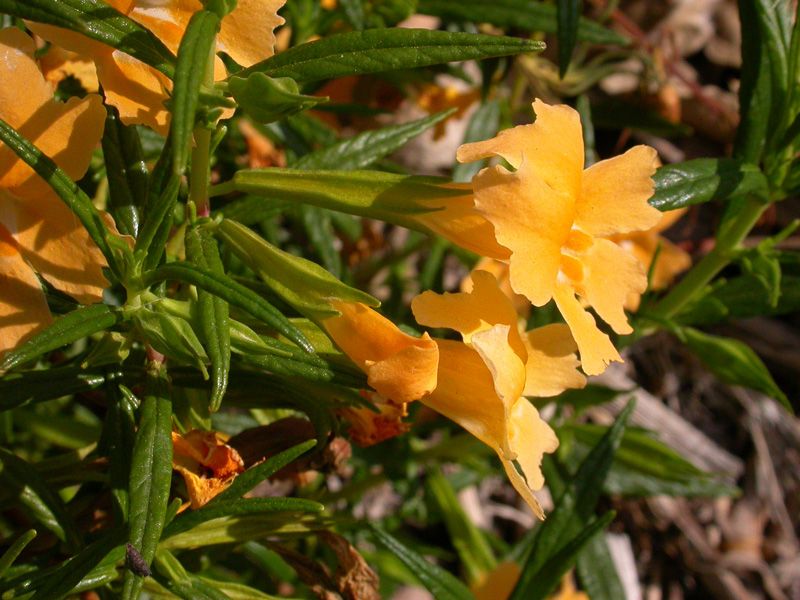
The foliage is emerald and glossy. The flowers are orange or coral-pink. The stems need support, otherwise they will sag and trail. It can overwinter in a cool room.
Garnet
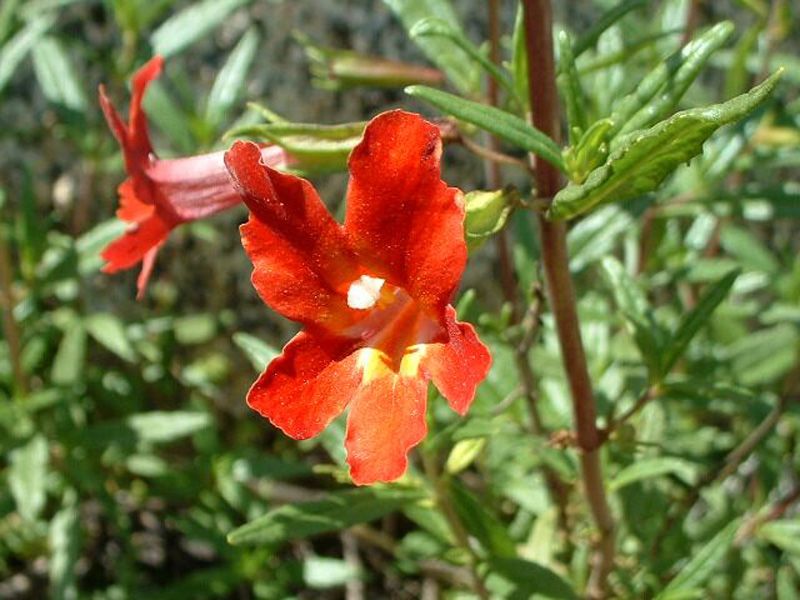
It grows in southern California and on the border of Mexico and the United States. The petals are iridescent, burgundy in shades, with an orange center.
Yellow
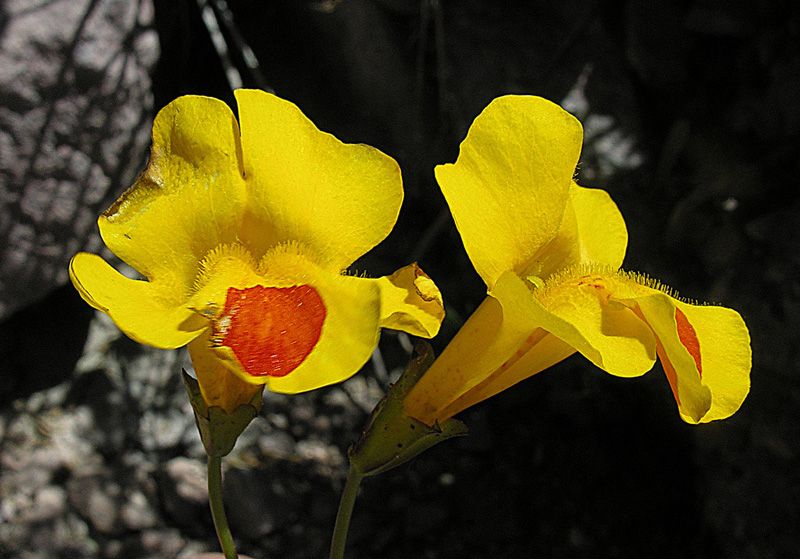
Native to Chile. The shoots are upright, branching, slightly pubescent, and reach 0.6 m. The leaf edges are serrated. Sunny buds are collected in terminal or axillary inflorescences. This variety is rarely found in Russian gardens.
Mottled
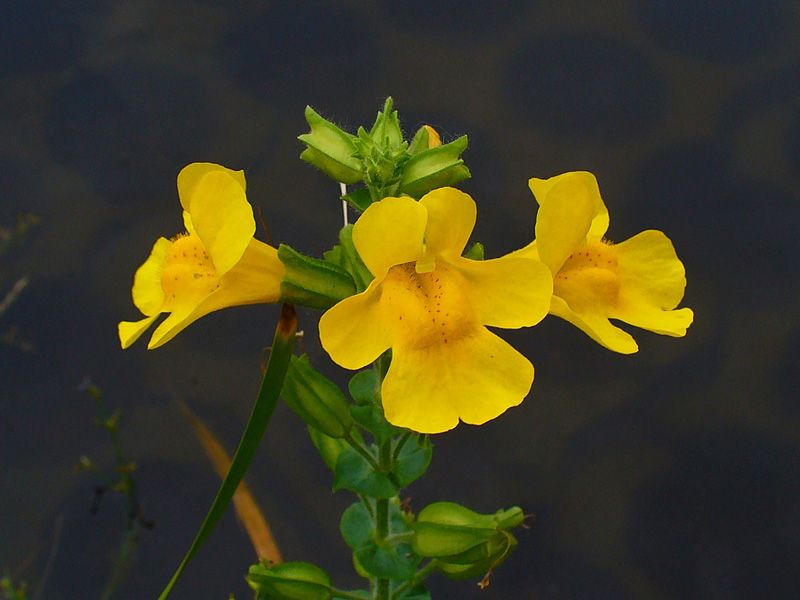
Initially growing only in the western regions of North America, over time it spread to the northern and eastern parts, New Zealand, and some European zones.
Grows up to 0.8 m. Stems are straight and branching. Flowers are lemon-colored with burgundy speckles in the center.
The most famous variety is 'Richard Bish.' This variegated form has grayish-malachite leaves with a pearly edge around the perimeter.
Red (purple)
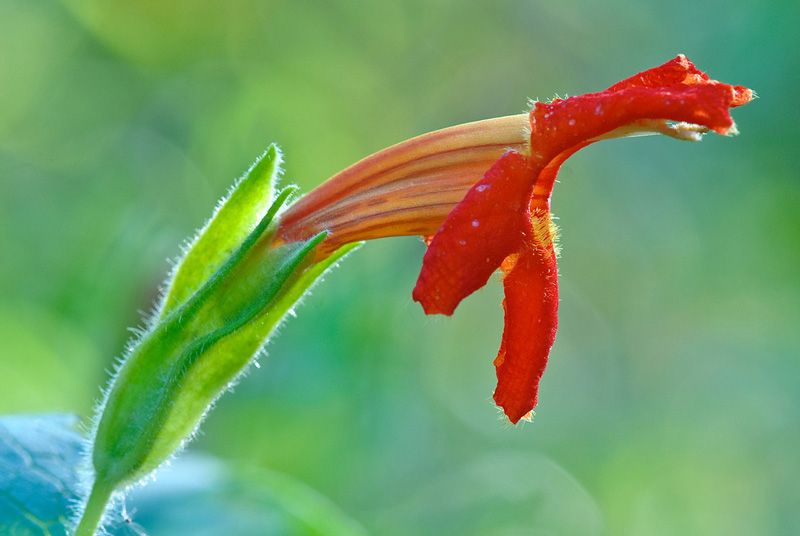
The stems are pubescent, branching immediately from the base. The red or purple labialis has ovoid leaves with teeth and prominent veins. Scarlet buds are borne on elongated peduncles in the axils of the foliage. The following varieties are planted in Russia:
| Name | Flowers |
| Auranticus | Reddish-red. |
| Cardinal | Fiery crimson with yellowish splashes. |
| Rose Quinn | Large, pudding-like with dark specks. |
| Red Dragon | Garnet. |
Copper red
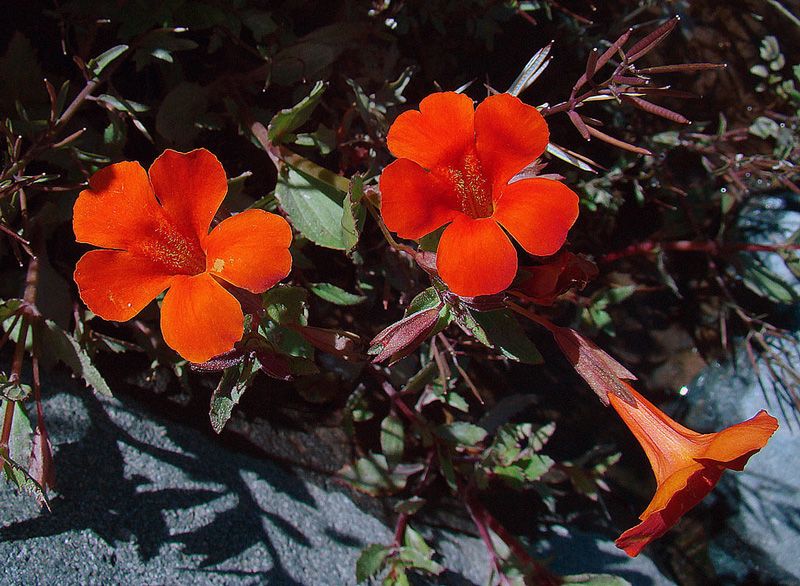
The stems are bare, slightly ascending. The buds are borne on shortened axillary pedicels. Initially, they are copper-red or reddish. Over time, they acquire a golden-canary color. Common varieties:
| Name | Flowers |
| Red Emperor | Bright, crimson. |
| Andean Nymph | Beige, with soft lilac specks. |
| Roter Kaiser | Scarlet. |
Primrose
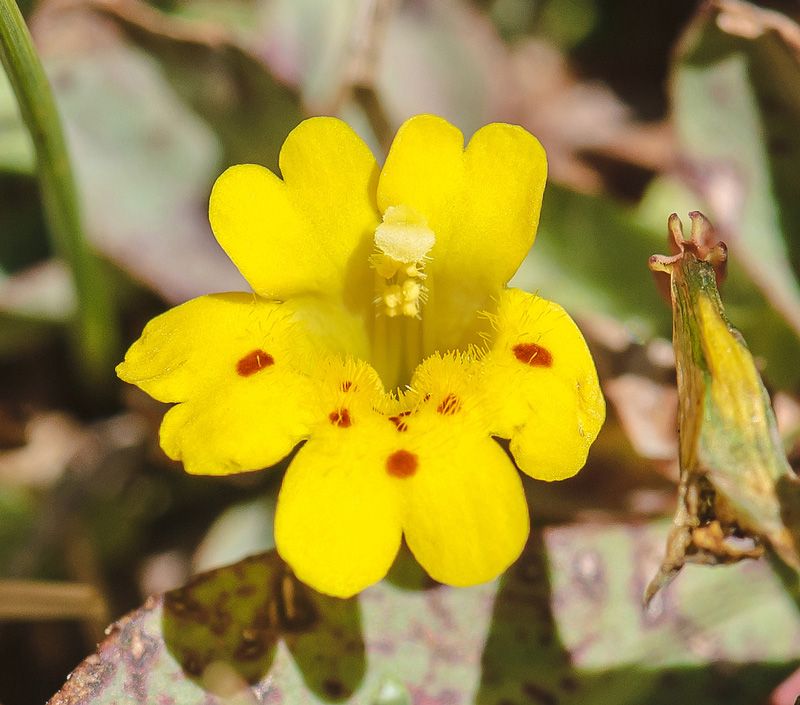
It consists of slender shoots reaching 15 cm. The foliage is ovoid or oblong. The lemon-colored flowers grow on developed peduncles. This is the only variety capable of overwintering outdoors.
Musky
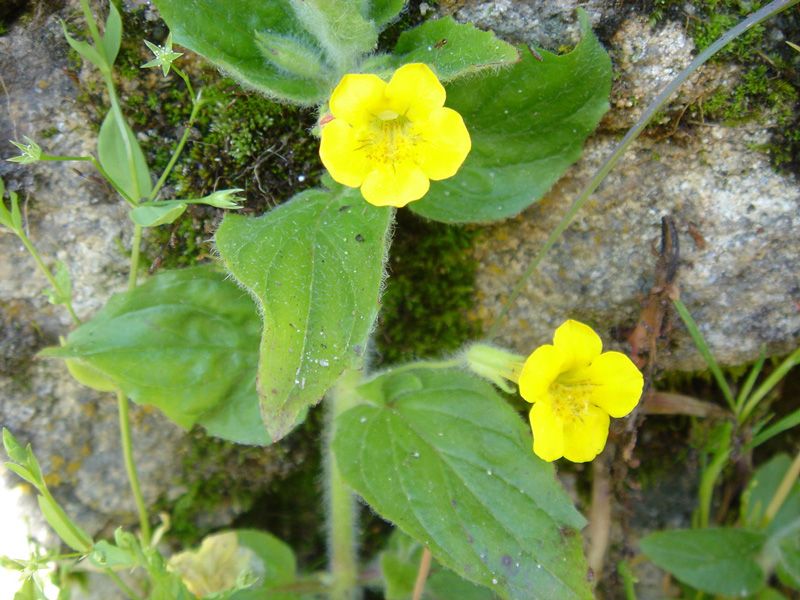
A herbaceous plant with hairy shoots and foliage. It produces mucilage and exudes a musky aroma. The shoots are spreading or erect, up to 30 cm. The leaves are oval. The buds are canary-colored, up to 25 mm in circumference.
Gaping (open)
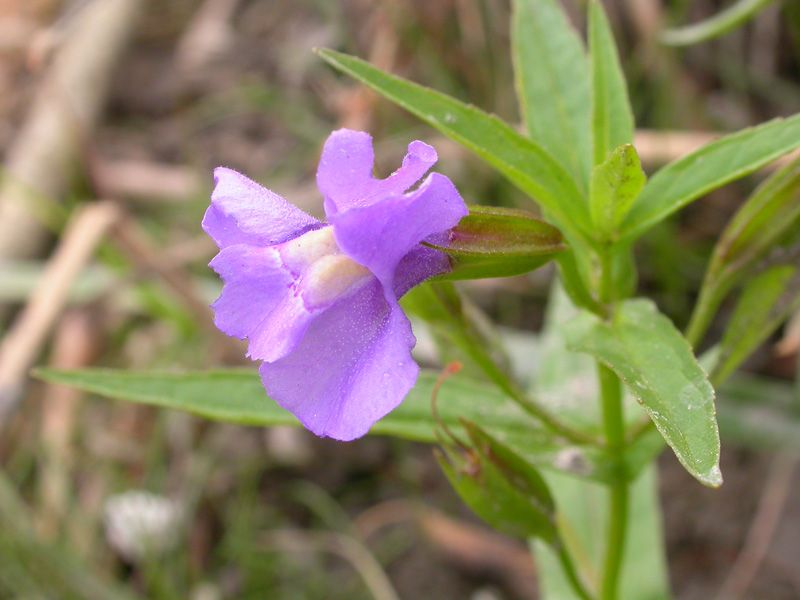
The stems are branched, the leaf blades are rounded. The flowers of the open mimulus are small, soft lilac.
Tiger
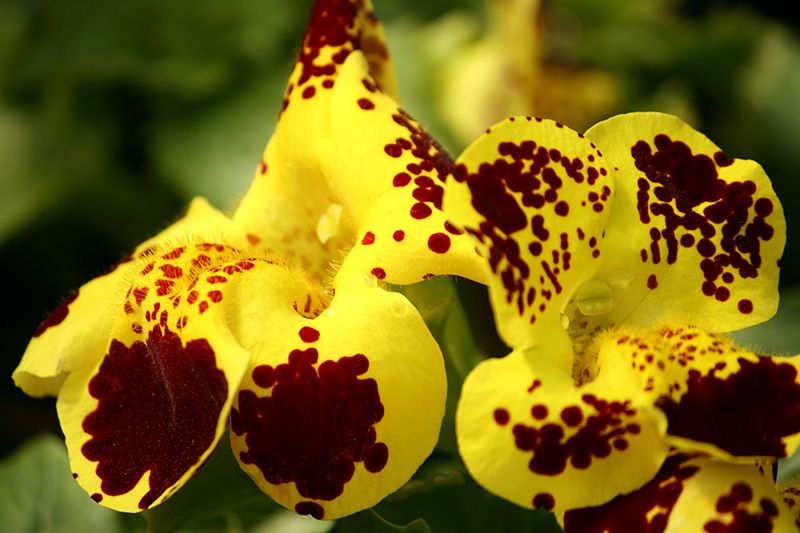
Other names include leopard, hybrid, large-flowered, and maximus. This species includes all varieties obtained by crossing yellow and spotted mimulus. Tiger-lipped mimulus grows no more than 25 cm. The buds are multicolored. This is a highly sought-after variety among gardeners. The following varieties are particularly popular:
| Name | Flowers |
| Feuer King | Reddish with brown spots and a yellowish core. |
| Sun in the shadow | A variety of tones. |
| Viva | Canary-yellow, with large burgundy spots. Distinguishing feature: early flowering. |
| Magic Spots | Snow-white and beige, with raspberry highlights. |
| Magic Mix | Single-color or two-color, with pastel petals. |
| Twinkle Mix | One color or several. They come in a variety of shades: from pearl to deep crimson. |
| Brass Monkeys | Speckled, bright rusty. |
Growing mimulus from seeds
Sowing is carried out:
- in boxes for seedlings;
- into the ground outside.
The first option is preferable, since with the second method the bushes begin to form buds only in August or September.
Sowing
Sowing in pots is done in the 2nd ten days of March or the first half of April:
- Prepare containers with an airy, moderately acidic substrate or peat pellets. A universal nutrient-rich soil mix containing coconut fiber and perlite will work well. You can purchase it at any specialty store, and add sand yourself.
- Spread the seeds over the surface, mixing them with coarse sand. Because the seeds are fine, it won't be possible to distribute them evenly. Therefore, pricking them out will be necessary later.
- There's no need to cover it with soil. Just moisten it with a spray bottle.
- Cover with plastic or glass to create a greenhouse effect. Remove the cover daily for ventilation, to remove condensation, and to mist with a fine-nozzle sprayer.
- Place the container in a well-lit room. The optimal temperature is 15 to 18°C.
- The seedlings can be observed after a couple of days.
Growing seedlings
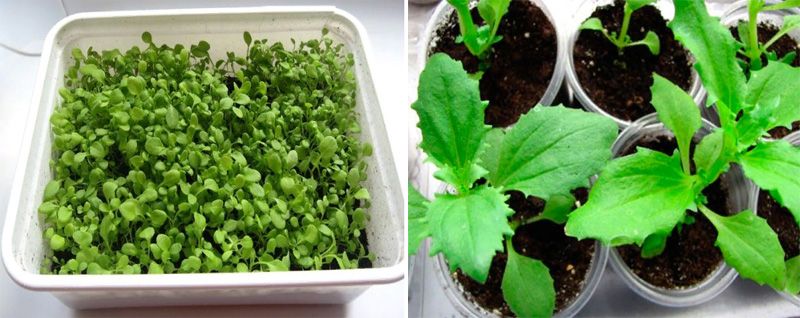
Once most of the sprouts have emerged, the container should be moved to a temperature of 10 to 12°C. This is to prevent the young shoots from becoming leggy. Water daily, preferably in the late afternoon. Mist regularly with a fine spray bottle.
Once the fourth true leaf begins to form, transplant the seedlings into separate containers. Replant 3-4 seedlings into each pot. After a few days, when the plants have adapted to their new location, apply a potassium mixture at half the recommended dosage on the package. Fertilize again after 7-10 days.
Planting mimulus in the garden
Two weeks before planting, harden off the seedlings by taking them outside daily. Start with 15 minutes, gradually increasing the time.
When sowing directly into the garden, there's no need to bury the seeds in the substrate. Simply cover them with plastic wrap until the seedlings emerge. Once they've established themselves, remove the covering and thin out the sprouts.
Timing for planting seedlings and seeds in open ground
The optimal time is the second half of May to the first ten days of June, when the likelihood of frost has passed and the ground has completely thawed.
In the southern regions of our country, planting takes place in the second half of April. This can be done provided that the average daytime temperature has been between 15 and 18°C for several days.
Landing technology
The labial plant thrives in partial shade and in open areas. However, in strong sunlight, the foliage may wilt or burn. Choose loamy soil with sufficient humus and peat, and low acidity. Step-by-step planting:
- Dig up the area, level it, and water it generously.
- Dig holes large enough to accommodate the bush's root ball and root ball, leaving 20-30 cm between them.
- Water the soil mixture in the pots to make it easier to pull out the shoots.
- Move the seedlings using the transshipment method.
Mimulus care
The labial plant is easy to grow from seed and maintain. However, to ensure it blooms profusely and stays disease-free, follow these simple rules:
| Factor | Recommendations |
| Watering |
Regularly, especially in hot, dry weather. The top layer of soil should always be moist. When small holes appear on the plates, this indicates that the number of waterings needs to be reduced. |
| Top dressing | Apply potassium-phosphorus fertilizer to the base every 4 weeks (15 ml of the mixture per 10 liters of water). Feed additionally after pruning. |
| Loosening and weeding | Perform after each watering. |
| Trimming/pinching |
The bush blooms twice a season: in spring and early fall. After the first blooms fade, trim the inflorescences. New shoots will soon emerge, and the second bloom will be more colorful. It is necessary several weeks after planting to make the bush more lush. |
| Transfer | This is necessary for indoor specimens. It is done twice a year: in early spring and in summer, between flowering periods. |
Mimulus wintering
The labial can be grown as a perennial. However, it will not survive the winter outdoors. Therefore, in the fall, after flowering has finished, the bush is cut back short, the remaining cuttings are transplanted into a small container and brought indoors. The pot is kept on a windowsill in a cool room. In the spring, after the snow has melted and the soil has warmed completely, it can be replanted outdoors.
Diseases and pests
The labialis is a hardy and healthy plant, rarely affected by disease or insects. However, problems may arise with immature shoots:
| Disease/pest | Signs | Control measures |
| Blackleg |
|
|
| Powdery mildew |
|
|
| Gray mold |
|
|
| Gastropods |
|
|
| Aphid |
|
|
| Whitefly |
|
|
Top.tomathouse.com recommends: Mimulus in the landscape
Because mimulus plants are moisture-loving, they are often grown as pond plants. They decorate the shores of lakes, ponds, bays, and other places.
Indoors (for example, in summerhouses or on loggias), the flower looks harmonious with lobelia and verbena. And if planted alongside matthiola, they will exude an incomparable fragrance.
The labistik is planted with the following herbaceous plants for open ground:
- function;
- false spirea;
- sedge.
In alpine slides it is combined with:
- wild dill;
- ivy;
- stone rose;
- buttercups;
- garden viola.
Even an inexperienced amateur gardener can grow mimulus. It doesn't require any special skills or a lot of free time. If you follow all the care recommendations, this plant will grace your garden from early summer until late fall. It fits perfectly and enhances any landscape design.