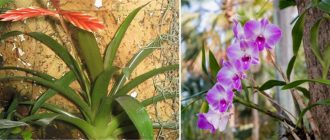
An orchid is a flower from the Orchidaceae family. The plant is widespread, but the largest number of species are found in the Malay Archipelago and Southeast Asia.
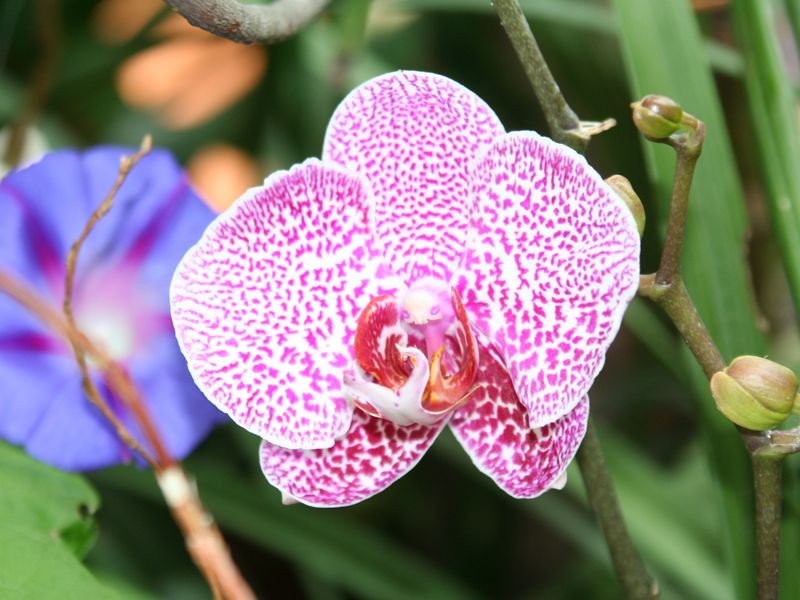
Each variety of this flower has its own unique feature (unusual shape or color), which attracts the attention of flower growers.
Types and care
Several varieties of orchids can be grown at home:
| View | Description | Care |
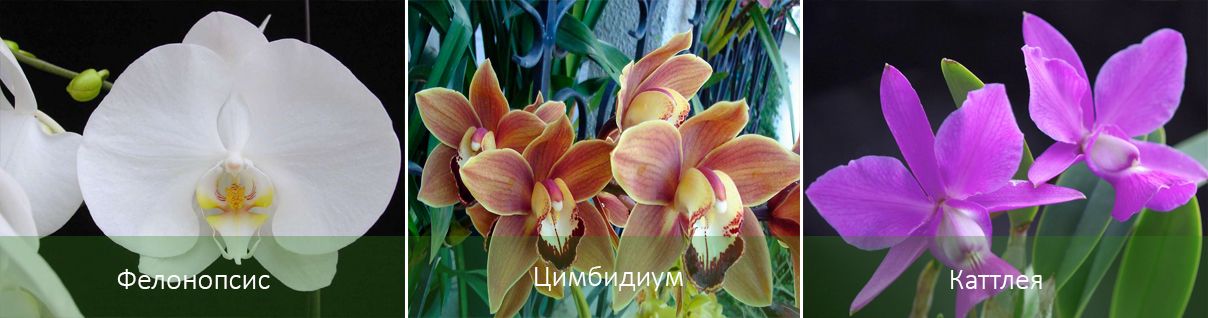
| Phelonopsis | It stands out for its beautiful blooms, which range in color from white to light yellow and purple. It grows well in a variety of climates. | Water and feed moderately. Store on a dark windowsill. |
| Cymbidium | It has small flowers in light and pastel colors. The buds form in winter. | |
| Cattleya | Colour ranges from pinkish to purple, occasionally light yellow. | Place in a warm, brightly lit room with moderate humidity. When planting in the ground, use good drainage. Water with warm water. |
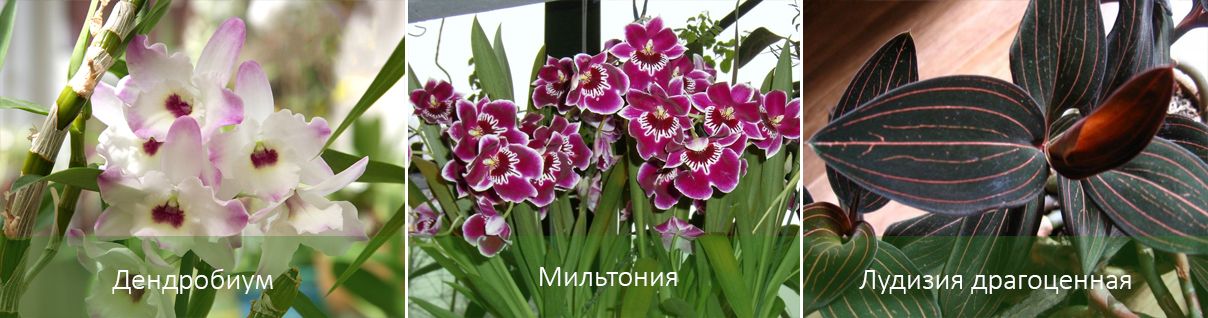
| Dendrobium | The color is lavender. Flowering lasts 2-3 weeks. | Maintain at a moderate temperature, fertilizing occasionally. Mist periodically to ensure the plant continues to grow even in dry conditions. |
| Miltonia | Externally it resembles a pansy plant. | Place in a well-ventilated area of the room, protected from direct sunlight. Water frequently and evenly, avoiding overwatering or overwatering. |
| Ludisia precious | It reaches 15 cm in height, with elongated, purple or olive-colored foliage. Flowers are white and yellow. | Diffused light. Optimum temperature: +18…+24°C. Watering: moderate. |
| Cambria | The color of the petals is light pink. | It is a hybrid species. It has no special light or temperature requirements. Moderate watering is necessary. |
Caring for an orchid after purchase
The newly purchased flower is placed in a quarantine zone for 14 days to ensure that the plant is completely healthy.
When caring for an orchid at home, consider the presence of moss in the pot. It retains moisture and allows the plant to go for long periods without watering.
But even in stores, sellers can overwater flowers. Given this, professional gardeners recommend repotting the plant after purchase, sacrificing flowering, and then quarantining it.
Orchid care at home by month
Orchid care varies depending on the season:
| Season | Lighting and placement | Temperature | Humidity level |
| Spring-summer | It needs bright, diffused light, so it is recommended to place it on an east or west window. | +23…-+25°С. | Humidity: 60-70%. Frequent spraying will help maintain a favorable microclimate for the plant. |
| Autumn-winter | Supplemental lighting is required. A 40-watt bulb is sufficient for one orchid, but position it so that the leaves and flowers receive sufficient light. | +10…-+12°C. |
Soil and fertilizer requirements, replanting
Each orchid species has its own soil requirements, so a universal version was created, adding the following components to the soil:
- particles of foam plastic and expanded clay;
- moss;
- pine and oak bark;
- seed husks;
- charcoal;
- perlite.
All components are taken in equal proportions. They help loosen the soil and increase oxygen flow to the roots.
But for high-quality orchid growth, these ingredients shouldn't be thoughtlessly mixed; they require careful processing. They should be washed, then the moss should be soaked in clean water for 24 hours to eliminate insects. Next, the additives (seed skins, oak and pine bark), which can withstand high temperatures, should be dried in the oven. This will eliminate any fungus that has already formed on the orchid's root system.
For terrestrial orchids, you can create a soil substrate using finely chopped fern roots and bark and loose leaf mold, all in equal proportions. Epiphytic orchids don't require soil; the flowers are planted in a mixture of bark and chopped fern root system, along with any inert substrate.
Once you've chosen the soil, don't forget about fertilizer. Standard fertilizers aren't suitable for indoor orchids. These flowers should be fertilized with soluble minerals containing iron, phosphorus, and nitrogen (superphosphate). These components have a positive effect on plant growth and strengthen its immune system.
Organic fertilizers, such as banana peels, are also used. However, the amount of this type of fertilizer is difficult to calculate, and too much can cause root rot.
To grow orchids, it's recommended to use pots with holes to allow some of the roots to grow freely. Plastic or bamboo baskets are also used.
Repotting is crucial in caring for this orchid. It should be done every two years for terrestrial orchids and every five to six years for epiphytes. During this time, the soil's components degrade, leading to oxygen supply problems. Furthermore, the orchid may outgrow its pot, causing the root system to protrude. This causes a salt deficiency, even with daily soil fertilization.
When repotting, carefully remove the plant from the pot and shake off any soil adhering to the roots. This procedure is not recommended during flowering, although it does not cause significant harm to the plant. Afterward, move the plant to a larger pot with fresh, moist soil.
Reproduction
Orchids are propagated in several ways:
- Vegetative propagation is suitable for mature plants of all varieties. The plant is removed from the pot and shaken free of soil. The root system is then divided with pruning shears. The cuttings are sprinkled with charcoal and placed in separate containers. The soil is misted daily until the first shoots appear.
- Layering. These are formed from long or cylindrical shoots. Some of the stems are bent down and placed in a greenhouse made from plastic jars. The dormant buds are moistened and then allowed to root. The additional shoot is warmed; after a few weeks, it will form new foliage. The cob is then separated from the main shoot and transferred to a pot.
- Young shoots. The lateral cob is separated and treated with charcoal. With adequate watering, the shoot will soon form roots.
Difficulties in growing orchids at home
When growing an orchid, a number of difficulties may arise:
| Problem | Cause | Solution |
| There is no flowering, the plant dries up. | Lack of light, growing container too large, sudden temperature changes. | If the plant is located on the north side of the house or daylight hours are short, use fluorescent lamps. Nighttime temperatures should be between 14 and 16°C. |
| The leaves are turning yellow. | Over-watering or low air humidity, placing in a draft, in a dark place. | Adjust the watering schedule and increase humidity. Place the plant in a bright, draft-free location. |
Diseases and pests affecting orchids
Orchids are fairly resistant to diseases and pests, but problems can still occur. In most cases, rot develops on the plant. This condition is caused by overwatering of the soil and the flower. Failure to follow a watering schedule can lead to root and foliar rot.
Treating this condition requires considerable effort. The affected area must be carefully excised with a sharp knife, along with the healthy tissue.
After this, the cut should be treated with a special antibacterial solution (Fitosporin). You can simply boil the container; there's no need to buy a new one.
The most common pests affecting orchids are spider mites and mealybugs. If there are only a few insects, you can get rid of them by wiping the leaves with a soapy solution several times. If the plants are infested, use Fitoverm and Aktara.
Top.tomathouse.com: Orchid growing and care tips for beginners
To grow beautiful and healthy orchids, professional gardeners recommend following a few rules:
- When choosing a plant, it's important to start small. Beginner gardeners are advised to choose less demanding varieties (Phelonopsis, Cymbidium). Getting to know these flowers should begin with pest- and disease-resistant plants. Consider planting Malayan varieties or butterfly orchids, as they boast a long blooming period and are easy to care for.
- Orchids require soft light; they are sun-loving plants, but direct sunlight can be harmful. It's best to place these flowers on west- and east-facing windowsills. Only phalaenopsis orchids should be placed on north-facing windowsills; they are the most tolerant of low sunlight.
- Smart watering. The optimal watering frequency for orchids is once every 7 days. Showers and baths are recommended. After watering, allow excess water to drain; do not allow it to stagnate around the root system.
- Good growth is guaranteed with high-quality nutrition. All orchids require ample amounts of fertilizer (Superphosphate, Master, Agrecol, Dr. Foley).
- Repotting a plant should be done with extreme care. When moving an orchid to a new pot, proceed with caution to avoid damaging the fragile roots.
- Temperature control is recommended to ensure flowering. Orchids can only bloom in relatively cool conditions, so a temperature of 14 to 16°C is required. A temperature increase or decrease of 1-2 degrees is acceptable.
By following these rules, you can get a healthy flower that will delight its owner with excellent flowering.