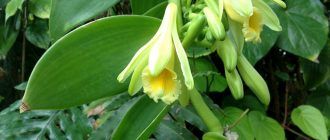
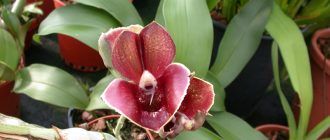
Bletilla is a herbaceous flowering plant in the Orchidaceae family. It is native to East Asia. Some species have also thrived in Russia and are grown indoors or in gardens.
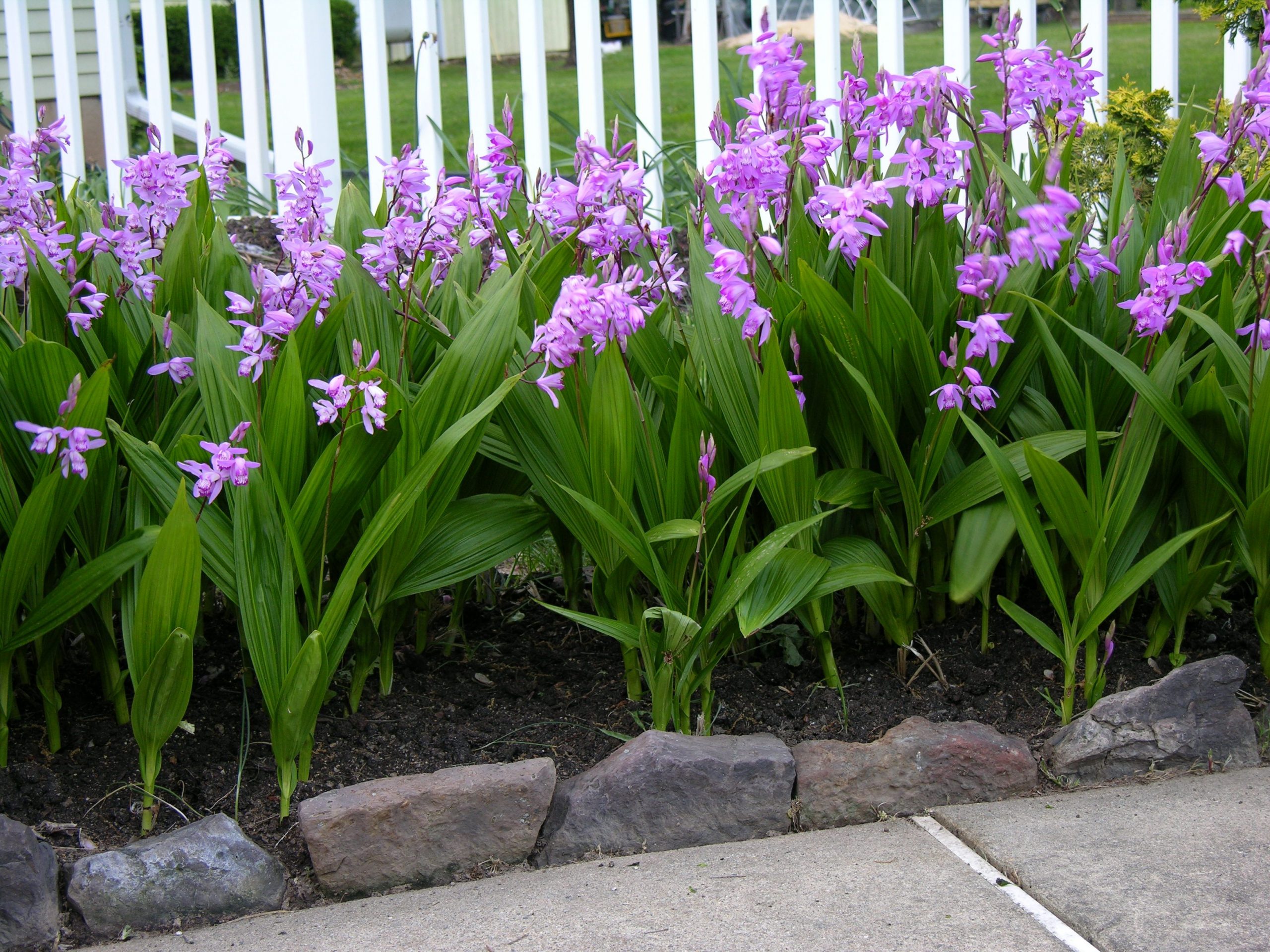
Bletilla: Description
Bletilla is a slow-growing, soil-dwelling orchid. It has wide, thin, pleated, light-green leaves. They reach 30 cm in length and about 7 cm in width. Three to five linear leaves emerge from each pseudobulb. They fall off during the winter.
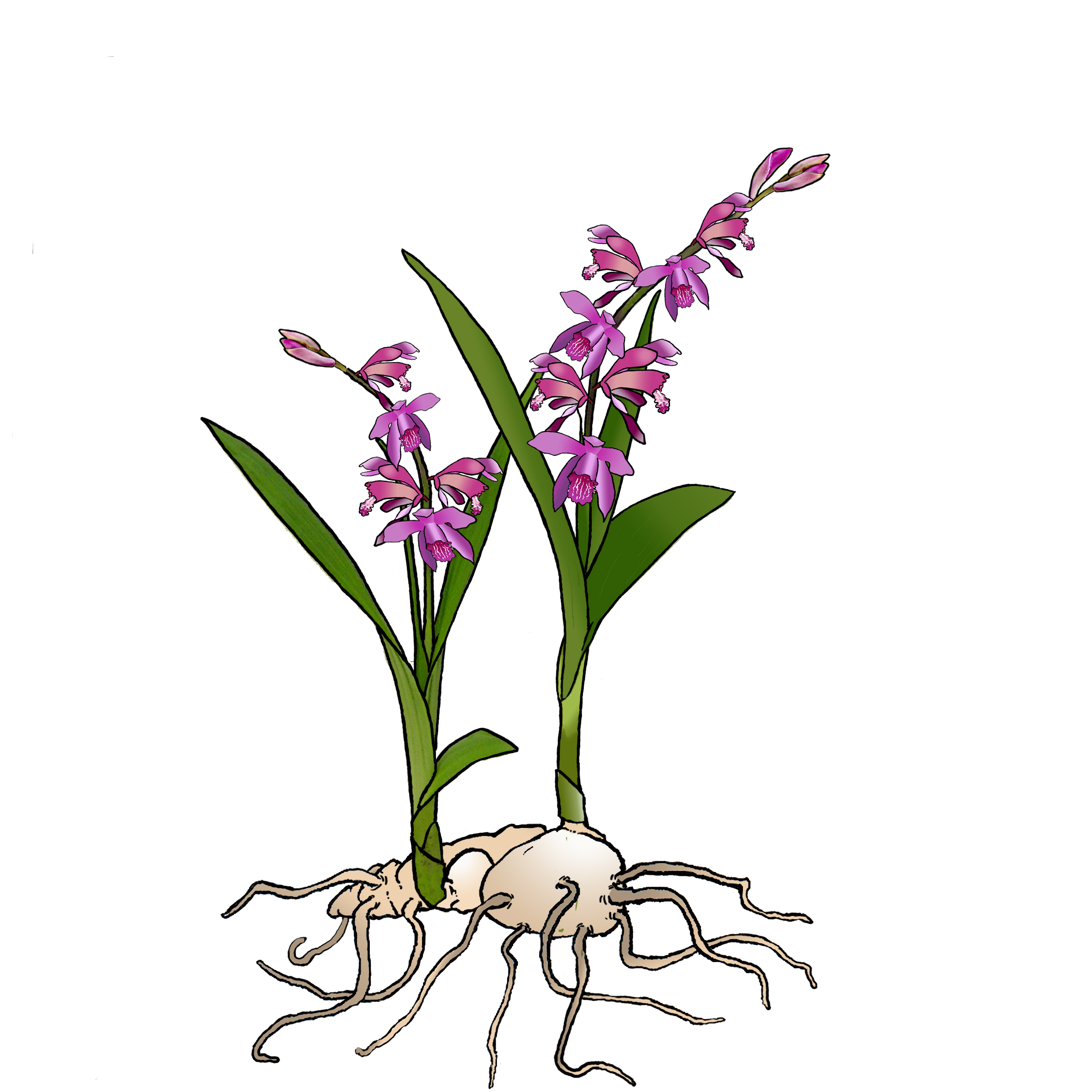
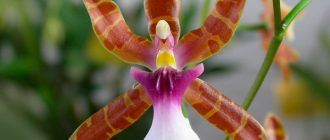
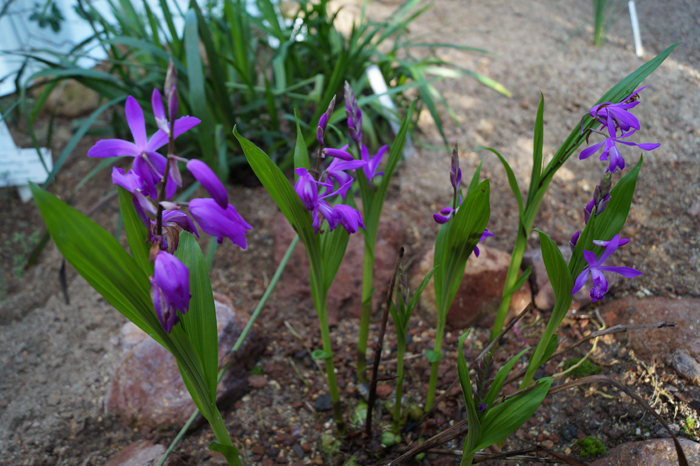
The flowers are borne on elongated stems and appear in early spring. They are small, pinkish-lilac in color, and have a dark purple lip. They are borne in clusters, each containing 3-7 buds.
Types of Bletilla
The main types of orchids and their descriptions:
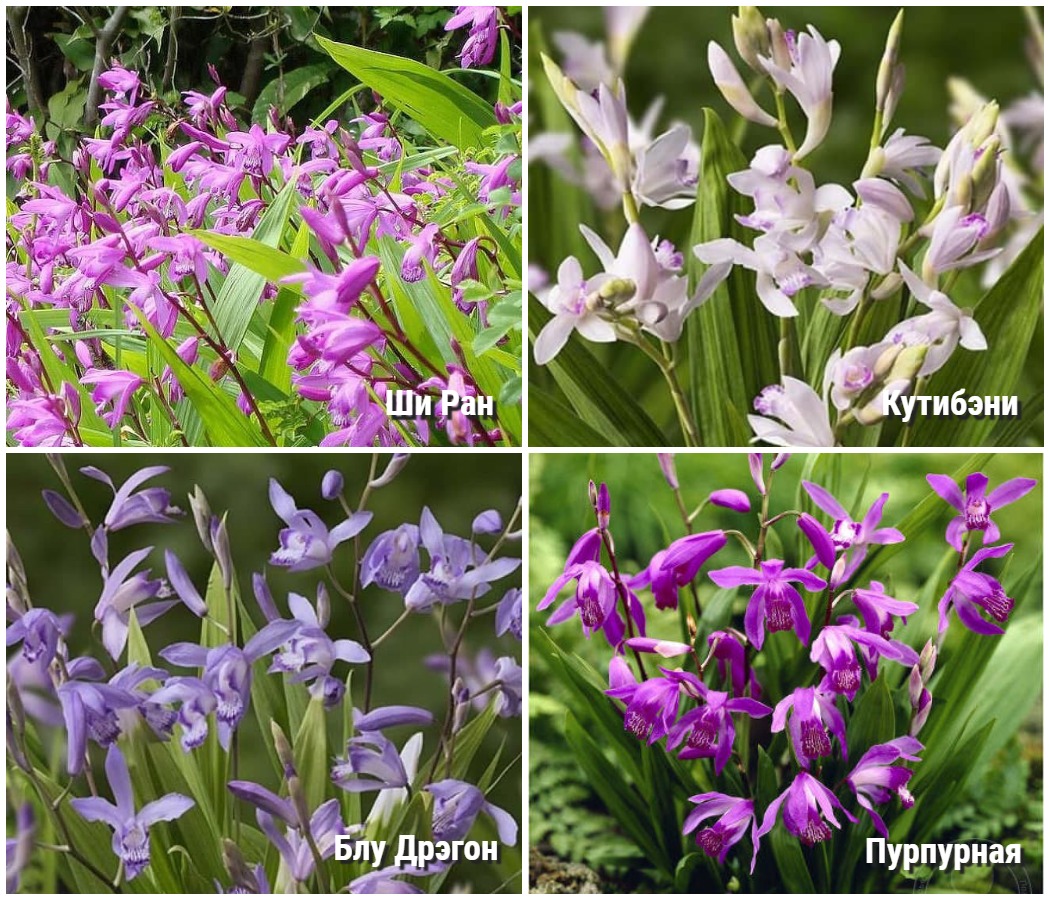
- Striped (hyacinth, variegated)Popular varieties include Shi Run, Kutibeni, Blue Dragon, and Purple. The striped bletilla resembles exotic gladioli. Flowers can be purple or pure white. It is not winter-hardy, so it needs to be covered from late fall to spring when grown outdoors.
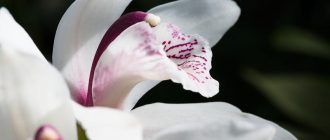
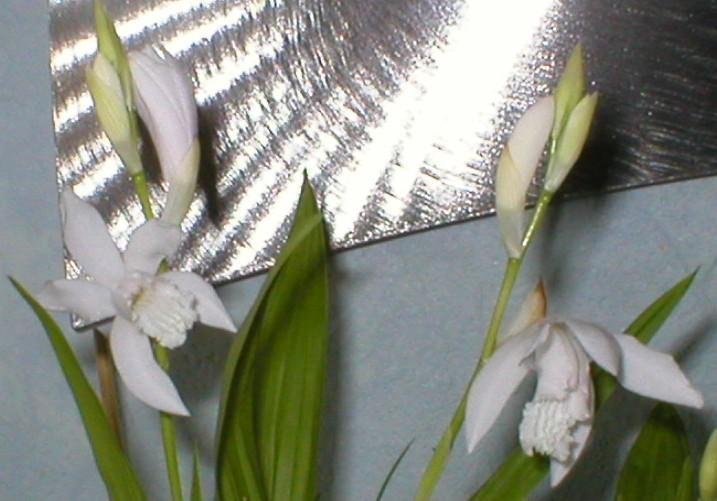
- Bletilla striata albaThe Murasaki Shikibu variety is in demand. Bletilla striata is widely used in the production of various cosmetics. This species is a perennial shrub with spike-shaped inflorescences. The flowers are snow-white.
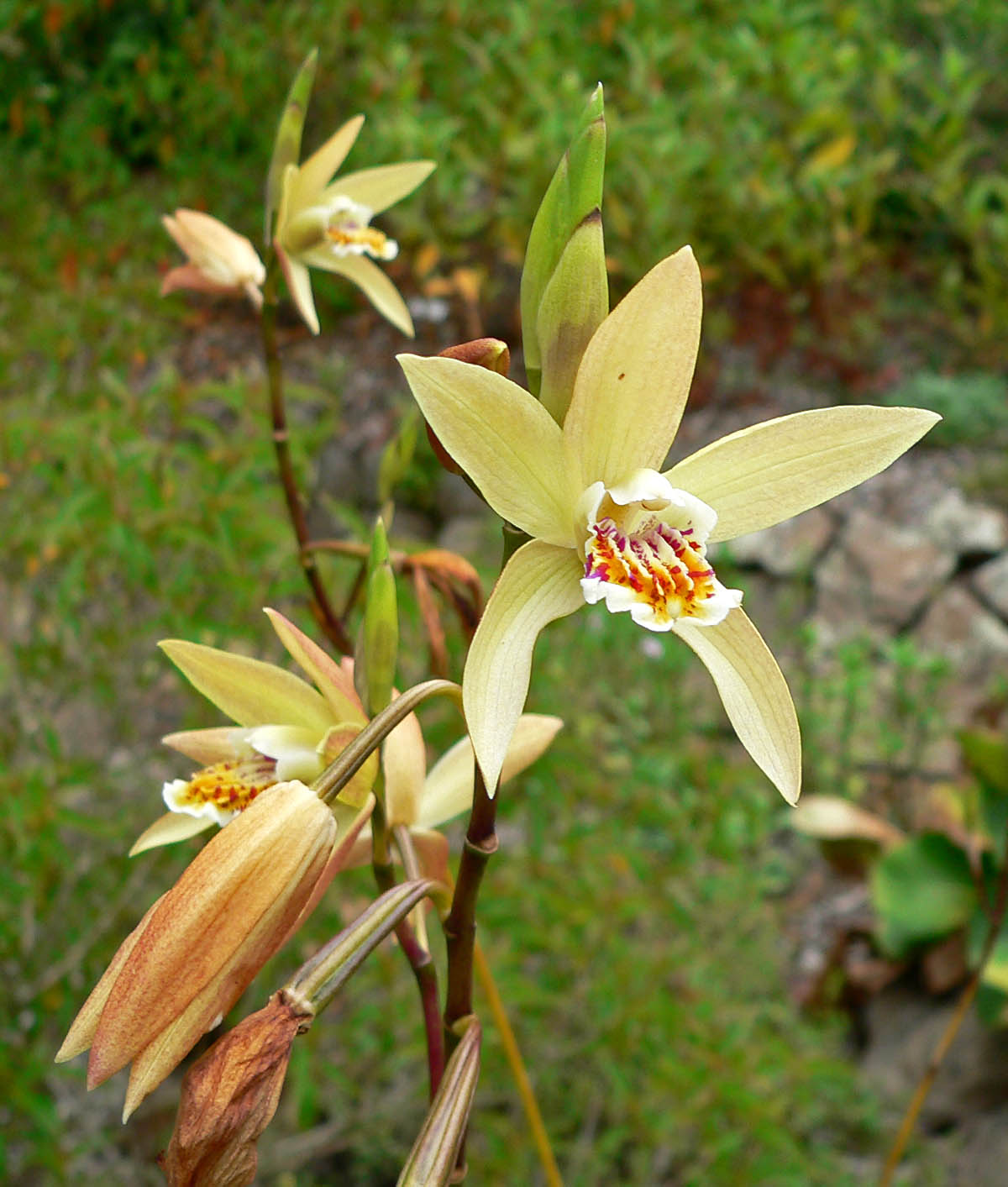
- Brownish-yellowThis orchid is also called the ochre orchid due to the color of its petals. It forms small bushes. The flower stalks can grow up to 0.4 m. The flowers are small and ordinary-shaped. A distinctive feature of this species is that the open buds have virtually no fragrance.
Please note! All Bletilla species bloom for a long period, averaging 30 days. However, this period largely depends on the growing conditions and adherence to planting and subsequent care guidelines.
Growing Bletilla Indoors
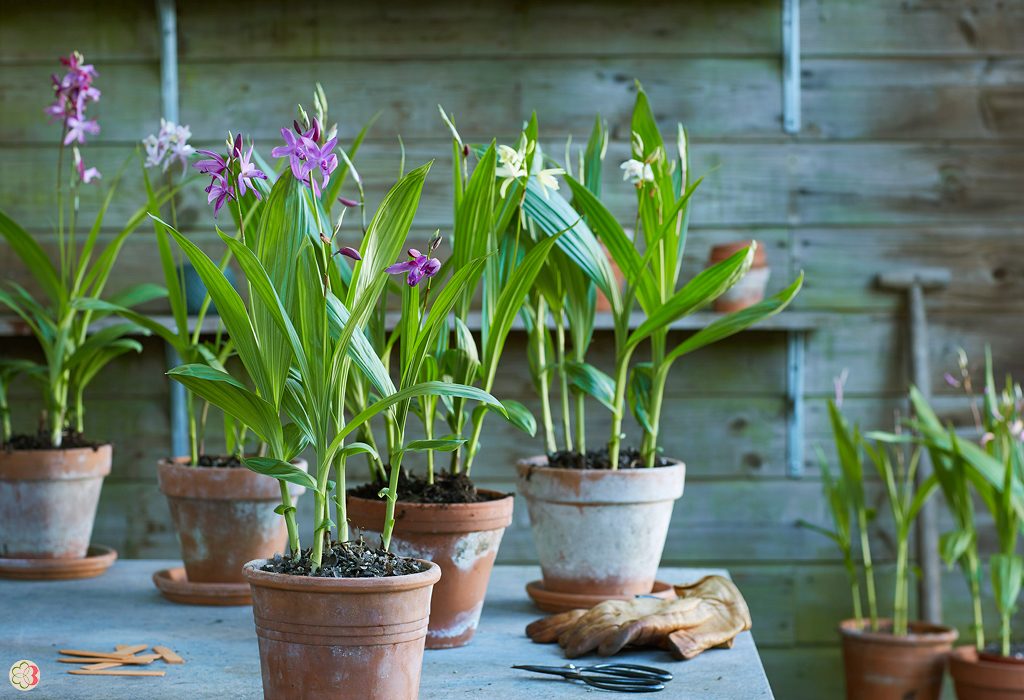
Bletilla can be grown not only in the garden but also in a pot at home. The table below provides recommendations for its care.
| Parameter | Conditions of detention |
| Temperature | in summer +18…+22 °C in winter +10…+12 °C |
| Lighting | Bletilla is a sun-loving plant. Therefore, its windowsill should be sunny. The orchid will grow poorly in partial shade or shade. Shade is only necessary during the first few days after winter dormancy. |
| Priming | Suitable substrates include:
The plant needs to be provided with a good drainage system. |
| Watering | During the growing season, water abundantly. During the dormant period, water no more than once a month to prevent the plant from drying out completely. Water should be soft and at room temperature. |
| Air humidity | It's high, but you shouldn't spray the bushes. To ensure optimal humidity, place the flower pot on a tray filled with damp pebbles. |
| Top dressing | Apply nitrogen-containing mixtures every two weeks when the bushes begin to grow, i.e., from spring to mid-summer. Then switch to complex mineral fertilizers for orchids. Use them with the same frequency until autumn. |
| Transfer | Bletilla's root system is very sensitive, so plants should only be repotted when necessary. For example, if the plant becomes overcrowded in its old container. |
| Rest period | Before the plant enters dormancy, its leaves turn yellow and fall off. After this, it should be moved to a dark, cooler location, and watering and fertilizing should be discontinued. After the plant emerges from dormancy, the pots are moved back to a bright window, and care is resumed. |
Growing Bletilla in open ground
Bletilla makes a beautiful addition to any garden. However, it can only be grown outdoors in temperate climates. In areas with cold winters, it's best to plant it in a pot and place it outside in the summer. The plant has the following requirements for outdoor cultivation, as detailed in the table.
| Parameter | Conditions of detention |
| Temperature | You can plant when the soil warms up and the air temperature does not drop below +10°C even at night. |
| Landing site | A damp area in partial shade. |
| Priming | Fertile, for example, a mixture of high-moor peat, crushed tree bark, expanded clay, ash, moss, coal (2:1:1:1:1). |
| Landing features |
|
| Watering | Apply only during the growing season, applying root fertilization. Avoid allowing water to come into contact with the foliage. Avoid overwatering. The soil should not be too soggy. |
| Mulching | After planting, water well and mulch with sawdust or small pieces of bark. |
| Top dressing | During the growing season, apply complex mineral fertilizers for orchids every 2 weeks. |
| Preparing for winter | In late September or early October, cut the stems and cover the roots. Sawdust, fallen leaves, hay, straw, cardboard, or spruce branches can be used for this purpose. Remove the cover in the spring, when the temperature no longer drops below 0°C at night. In temperate climates, it's best to bring the plant indoors. |
Propagation of Bletilla orchid
Bletilla can be propagated by seed and rhizome division. However, the former method is generally used only in laboratory conditions, as it requires sterility, which is impossible to achieve at home.
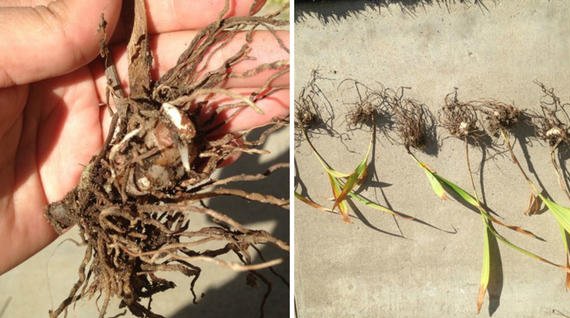
Dividing the bush is done in the spring when planting it outdoors or replanting. The plant should be cut so that each division contains 3-4 pseudobulbs. The cut wounds should be treated with an antiseptic and sprinkled with wood ash or cinnamon powder. After this, the divisions should be planted in their permanent location.
Pests and diseases of the Bletilla orchid
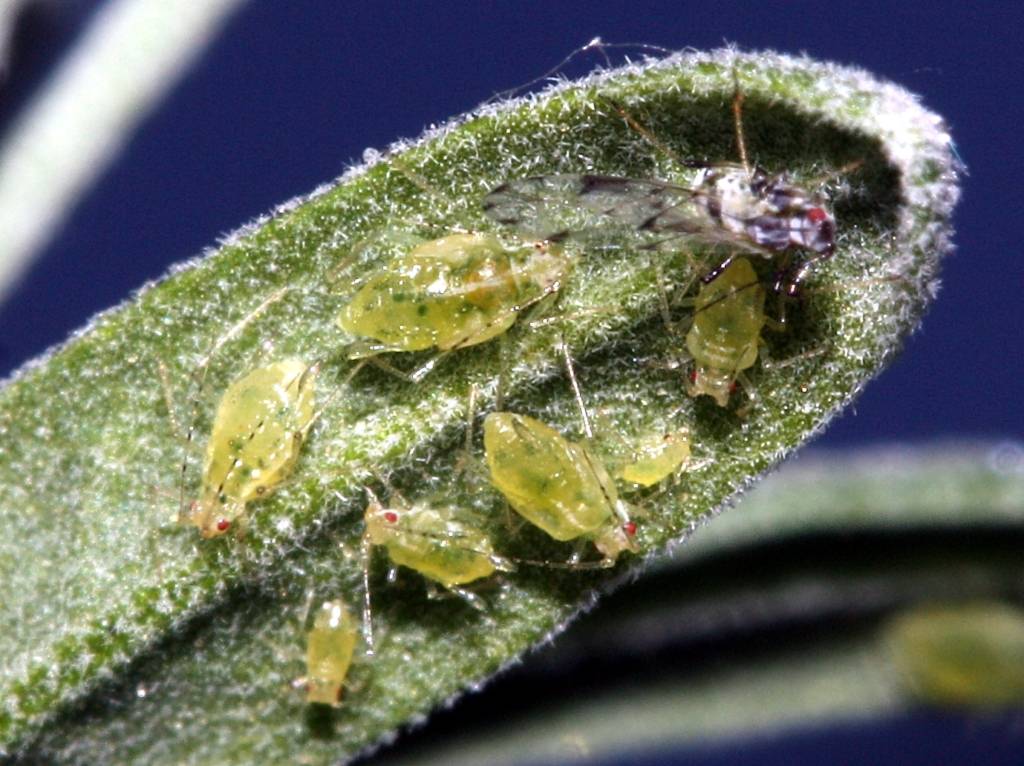
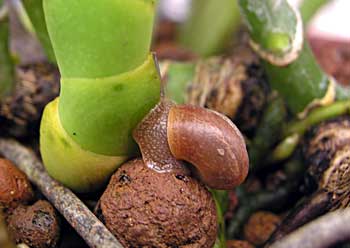
The orchid is not susceptible to disease. However, if kept outdoors in the summer, insect pests may appear:
| Name | Signs | Control measures |
| Aphid
|
|
Traditional methods:
Chemicals:
|
| Slugs, snails
|
|
Traditional methods:
Chemicals:
|
Conclusion
Bletilla is an ornamental plant that can enhance a flowerbed, apartment, home, or office. It's very easy to care for, requiring little time or effort, special tools, or equipment. This makes it popular even among novice gardeners.